Source Kayak Deck Insulated Cooler Bag for Beach Picnic Camping
Find 30 Kayak Deck Insulated Cooler Bag options from verified suppliers. Compare features like waterproof insulation, custom sizes, and materials including nylon and polyester for beach, picnic, and camping uses; compare the available evidence and request quotations based on your requirements.
Updated
Key considerations
Products List
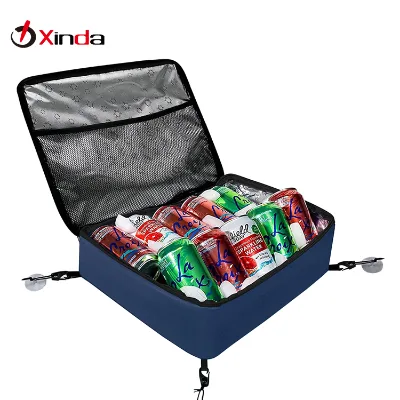
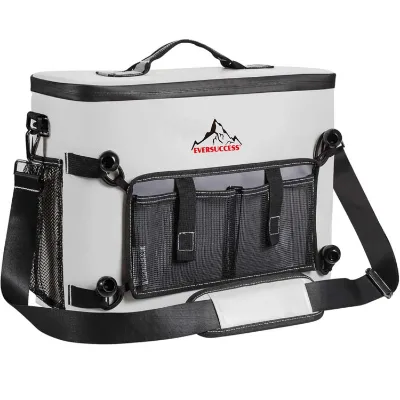
Thermal Insulated Paddleboard Beverage Storage Bag Kayak Deck Cooler Bag
$5.44 - $9.00
MOQ: 1000 pieces
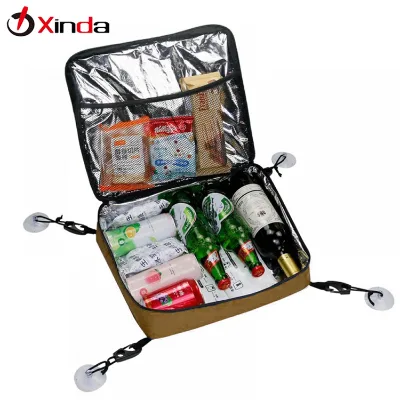
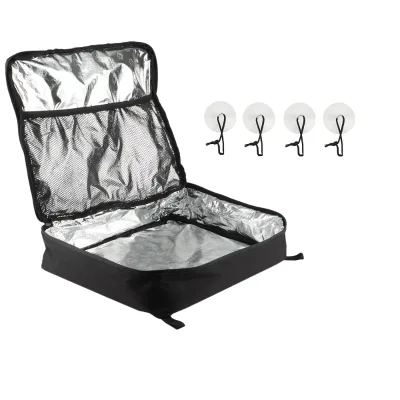


Soft Beverage Wine Cooler Bag Eco-Friendly Insulated Cooler Bag for Camping Beach
$3.99 - $6.88
MOQ: 500 Pieces

Waterproof Folding Fishing Stool Backpack Portable Camping Picnic Cooler Bag
$7.99 - $10.99
MOQ: 500 Pieces

Waterproof Multi-Functional Fishing Bag Customized Outdoor Travel Beer Cooler Bag
$12.90 - $15.90
MOQ: 500 Pieces
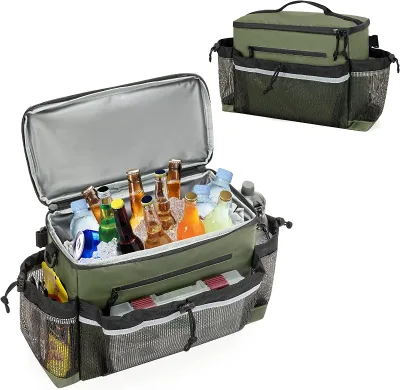
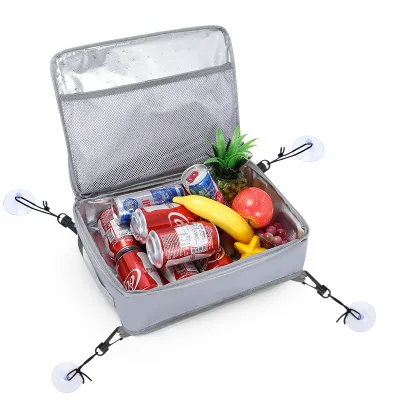
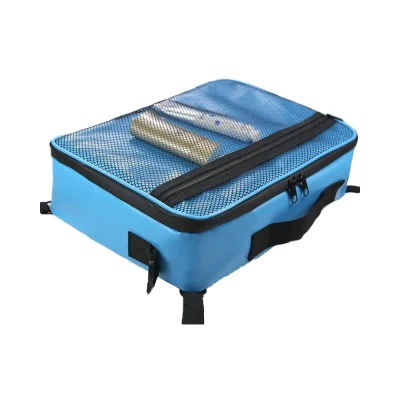
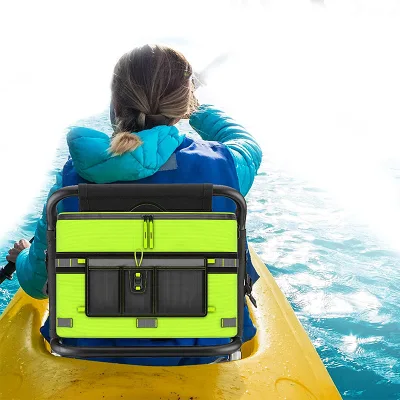
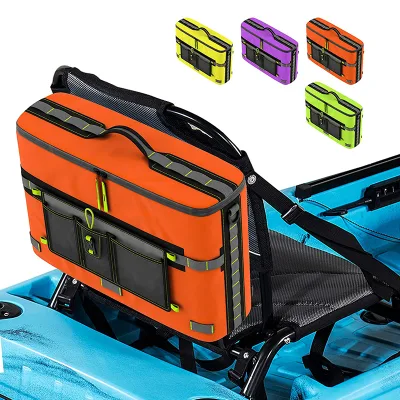
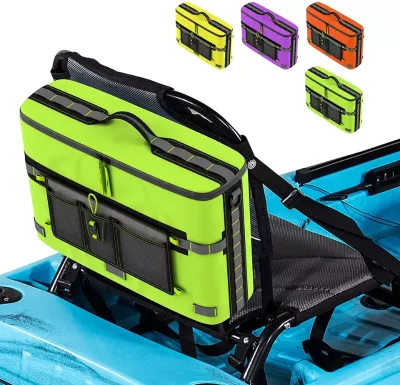
The Ultimate Slim Seat-back Kayak Cooler Bag Waterproof Kayak Cooler Bag for Kayaking Compatible
$8.937 - $10.0388
MOQ: 500 pieces
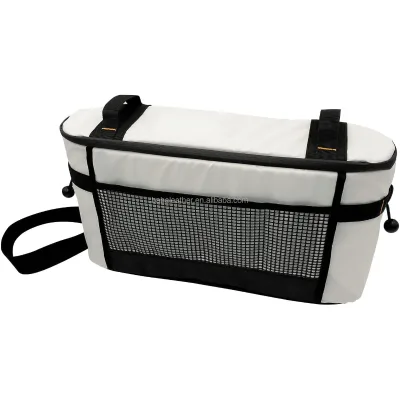
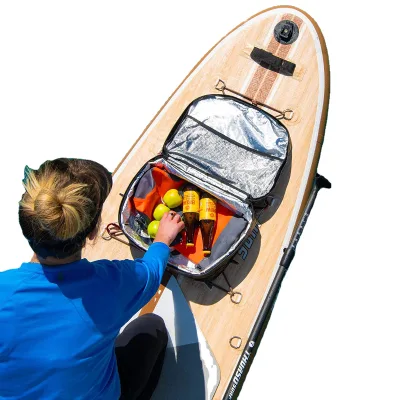

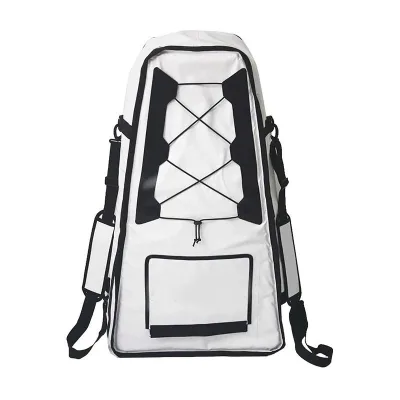
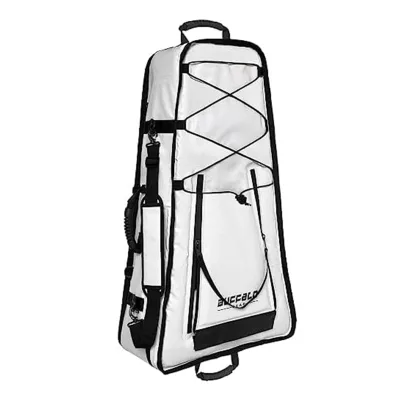
Custom 15L Insulated Kayak Cooler Bag for Fishing and Paddle Board Trips
$8.00 - $10.00
MOQ: 200 Pieces


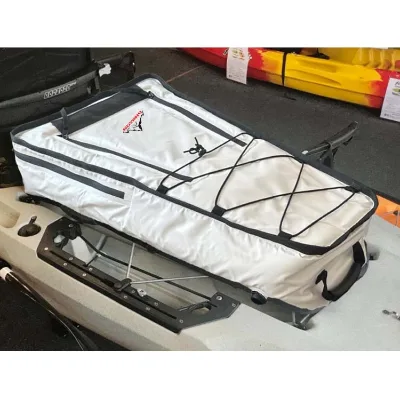
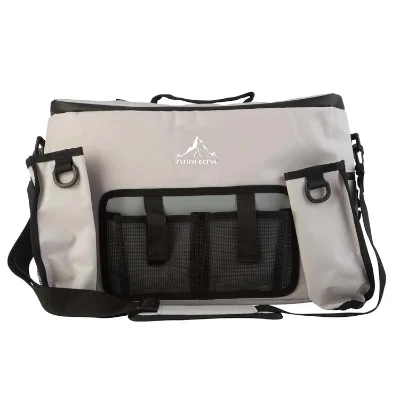
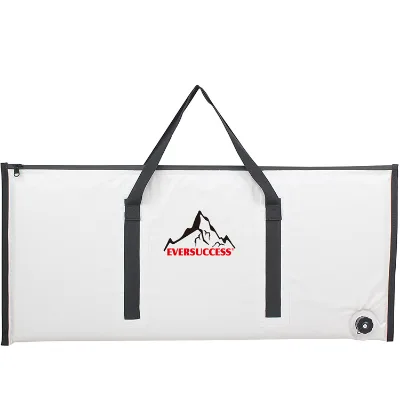


Comprehensive Sourcing Guide
Kayak Deck Insulated Cooler Bag Sourcing Guide
Sourcing kayak deck insulated cooler bags requires a clear understanding of the specific design constraints and material properties that define this niche category. These bags are engineered to attach securely to the deck of kayaks, paddleboards, or similar watercraft, providing accessible storage for beverages and small essentials without compromising stability. The primary function is thermal retention, keeping contents cold during extended outdoor activities such as fishing, camping, or beach picnics. Buyers must recognize that these products often serve dual purposes, functioning as both specialized deck accessories and general-purpose portable coolers for school, office, or multi-use scenarios.
The market offers a variety of configurations, ranging from simple insulated pouches to more complex structures with stands or specific mounting features. Observations indicate that materials typically include nylon, polyester, canvas, PU, or PVC, each offering different balances of durability, weight, and waterproofing. The presence of features like waterproofing, thermal insulation, and zipper closures is standard, ensuring that contents remain protected from the elements. Procurement teams should focus on verifying the specific use case, whether for cans or general food items, and ensure the selected model aligns with the intended activity, such as bodyboarding, kiteboarding, or standard paddleboarding.
Product Scope and Observed Listing Signals
Current market listings reveal a diverse range of product types under the kayak deck cooler bag category, including PVC folding cooler bags and specialized fishing cooler bags. These items often carry model numbers such as WWJL-3164 or RRTJ-2046, indicating distinct manufacturing lines with varying specifications. The observed product scope extends beyond simple storage, with some units designed as tote bags or featuring specific bearing capacities between 3-10 kg. This variety suggests that buyers should not assume a one-size-fits-all approach, as the physical dimensions and structural integrity can vary significantly between different supplier offerings and model designs.
Listing signals also highlight the importance of customization options, with many suppliers offering OEM and ODM services for brand name integration. Buyers can expect to find products with custom patterns, Pantone swatch colors, and various logo application methods such as silk-screen, embroidery, debossing, or woven labels. The presence of features like "Best Cooler Bag" or "Hot Sale" tags indicates market demand, but procurement teams must look beyond marketing language to verify actual performance metrics. The observed gross weight ranges from 0.5 to 1 kg, suggesting a focus on lightweight portability, which is critical for users who need to carry the bag alongside other gear on their watercraft.
Technical Specifications to Verify
When evaluating technical specifications, the first priority is confirming the material composition and its impact on durability and insulation. Products are constructed from materials like polyester, PVC, or canvas, each offering different levels of water resistance and thermal performance. Buyers should verify the specific layering or ply structure, as some models are designed with stands or additional structural support to maintain shape when loaded. The closure type is typically a zipper, which must be inspected for smooth operation and water-tight sealing capabilities to prevent leaks or ingress of moisture during use on the water.
Insulation performance is a critical technical parameter, with observed cold retention times ranging from 2 to 3 hours for certain models. This metric should be validated through supplier data or independent testing, as it directly impacts the utility of the product for extended trips. Additionally, the size and capacity must be verified against the buyer’s requirements, with options for customized sizes available from many manufacturers. The bearing capacity, often listed between 3-10 kg, provides a clear limit for safe loading, ensuring that the bag does not become unstable or detach from the kayak deck during active use.
Compliance and Safety Documentation
Compliance and safety documentation for kayak deck cooler bags often focus on material safety and manufacturing standards rather than complex regulatory frameworks. Buyers should request information regarding the safety of the materials used, particularly if the bags are intended for direct contact with food or beverages. While specific certifications may not always be listed, it is essential to verify that the materials, such as PU, PVC, or nylon, are free from harmful substances and meet relevant international safety standards for consumer goods. This is particularly important for products that may be used in recreational settings where direct contact with food is common.
Documentation should also include details on the manufacturing origin and quality control processes. Many suppliers are based in regions like Guangdong or Quanzhou in China, with some factories established since 1998, indicating a level of industry experience. Buyers should ask for proof of quality management systems and any relevant product standards that the manufacturer adheres to. Although specific standard numbers may not be provided in initial listings, understanding the factory’s commitment to consistent quality and adherence to industry norms is crucial for mitigating risks associated with product defects or material failures.
Cost Drivers and Commercial Terms
Cost drivers for kayak deck insulated cooler bags are influenced by material selection, customization complexity, and order volume. The use of premium materials like canvas or specialized PVC can increase unit costs, while basic polyester options may offer more competitive pricing. Customization features, such as specific Pantone colors, embroidered logos, or unique patterns, add to the production cost and may affect the minimum order quantity (MOQ). Buyers should note that observed MOQs range from 5 to 1000 pieces, with some suppliers requiring higher volumes for fully customized designs, which impacts the initial investment and inventory planning.
Commercial terms also include sample availability and lead times, which are critical for procurement scheduling. Sample times typically range from 5 to 7 workdays, allowing buyers to evaluate product quality before committing to large orders. Pricing structures may vary based on the model number and specific features, with observed price ranges reflecting differences in construction and material quality. Buyers should negotiate clear terms regarding packaging, such as individual PP bag packaging, and clarify any additional costs for logo application or special packaging requirements to avoid unexpected expenses during the final stages of the procurement process.
Supplier Qualification and Quality Control
Supplier qualification for kayak deck cooler bags should begin with a thorough review of the manufacturer’s background and production capabilities. Factories with long-standing histories, such as those operating since 1998, often demonstrate greater stability and experience in meeting diverse buyer requirements. Buyers should verify the supplier’s ability to handle OEM and ODM projects, ensuring they have the necessary infrastructure for custom designs and branding. It is also important to assess the supplier’s responsiveness and communication skills, as these factors can significantly impact the smooth execution of the order and the resolution of any issues that may arise during production.
Quality control measures should be clearly defined and agreed upon before production begins. Buyers should request detailed quality inspection reports and verify that the supplier conducts rigorous checks on materials, stitching, and functional components like zippers and insulation. The observed gross weight and bearing capacity should be consistently met across production batches, requiring regular spot checks or third-party inspections. Establishing a clear protocol for handling defects and returns is essential, ensuring that any non-conforming products are addressed promptly to maintain supply chain integrity and customer satisfaction.
Long-Term Procurement Checks
Long-term procurement checks for kayak deck insulated cooler bags involve monitoring product performance and supplier reliability over time. Buyers should track customer feedback and return rates to identify any recurring issues with insulation performance, material durability, or zipper functionality. Regular audits of supplier quality control processes can help ensure that product standards are maintained as order volumes increase. Additionally, staying informed about changes in material regulations or industry standards is crucial for ensuring continued compliance and avoiding potential disruptions in the supply chain.
Building a strong relationship with suppliers through consistent communication and fair negotiation practices can lead to better pricing and priority service. Buyers should also explore opportunities for product innovation, such as new materials or design improvements, to keep their offerings competitive in the market. By maintaining a focus on quality, compliance, and supplier collaboration, procurement teams can secure a reliable supply of kayak deck insulated cooler bags that meet the evolving needs of their customers and support long-term business growth.
FAQs
What materials are used for the kayak deck cooler bag?
The bags are constructed from durable materials including Nylon, Polyester, Canvas, PU, and PVC. These options provide varying levels of insulation and waterproofing. Buyers can select the specific material that best suits their outdoor activities, ensuring the cooler bag remains robust and functional during use on water or land.
Can I customize the size and logo of the cooler bag?
Yes, both size and logo customization are available for these insulated bags. The product specifications allow for customized sizes to fit specific needs. Logos can be applied via silk-screen, embroidery, debossing, or woven labels. This flexibility ensures the final product aligns perfectly with your brand identity and functional requirements.
What is the minimum order quantity for these cooler bags?
The minimum order quantity varies by product model. For the Insulated Paddleboard Beverage Storage Bag, the MOQ is 1000 pieces. For the PVC Folding Cooler Bag, the MOQ is 500 pieces. Buyers should check the specific model requirements to determine the exact quantity needed for their procurement order.
How long does it take to produce a sample?
Sample production typically takes between 5 to 7 working days. This timeframe allows for the creation of prototypes that reflect the chosen materials, colors, and customization details. Buyers can use this period to verify quality and design before committing to larger bulk orders for their specific sourcing needs.
Where are these insulated cooler bags manufactured?
These products are manufactured in China, specifically in Guangdong and Quanzhou regions. Factories have been operating since 1998, providing extensive experience in production. This location offers established supply chains and manufacturing capabilities, ensuring consistent quality and reliable delivery schedules for international buyers sourcing these outdoor accessories.
What features make this bag suitable for kayaking?
The bag features waterproof and insulated properties, keeping beverages cold for 2-3 hours. It is designed to attach to kayak decks or paddleboards securely. The durable construction resists water exposure, while the thermal lining maintains temperature. These attributes make it an ideal accessory for keeping drinks cool during extended water sports.