Source Foldable Reusable Knitted Bag for Shopping, Promotion, and Events
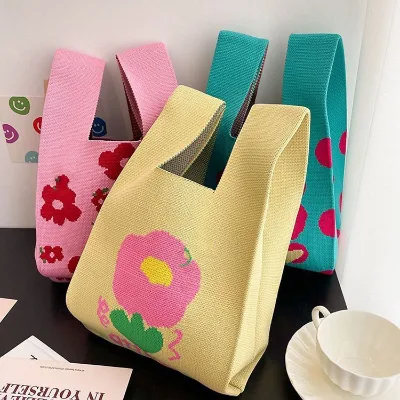
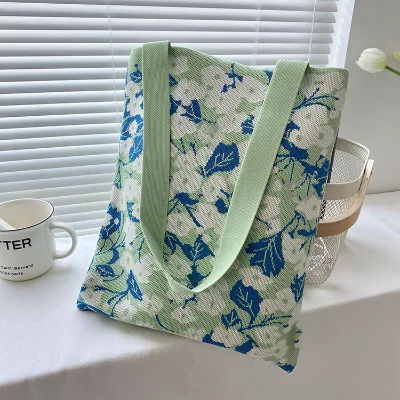
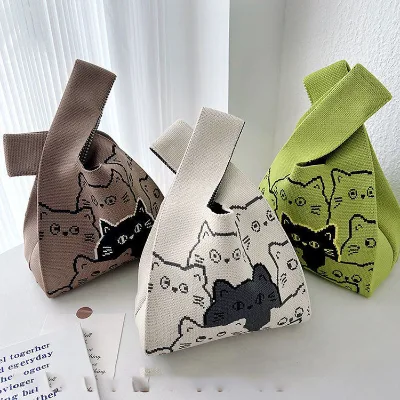
Compare 30 Foldable Reusable Knitted Bag options from verified suppliers. Buyers can evaluate customization, materials like canvas and polyester, and production timelines for shopping, promotional, and event uses. These bags feature candy colors, horizontal square designs, and open closures suitable for all seasons.
Updated
Key considerations
Products List

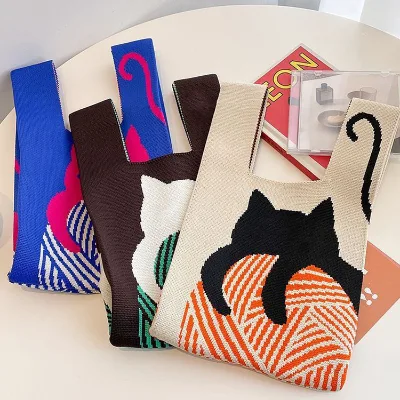



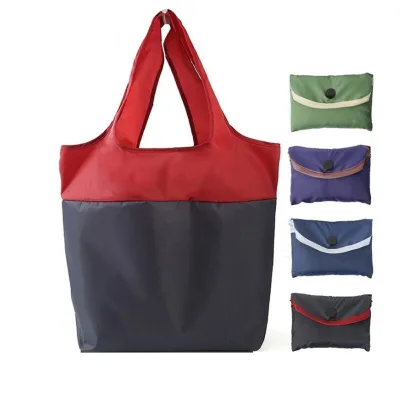
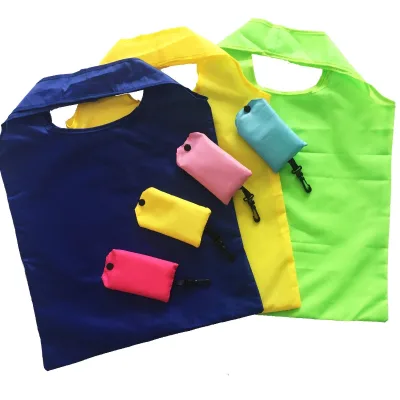
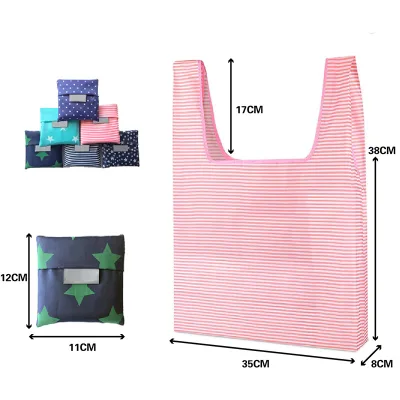
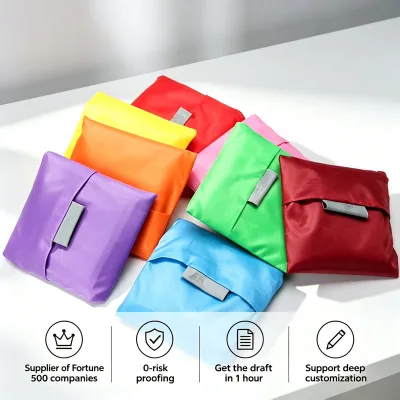

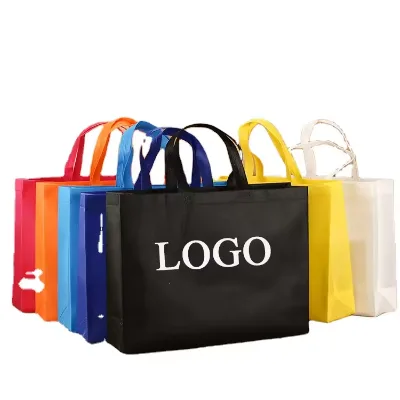


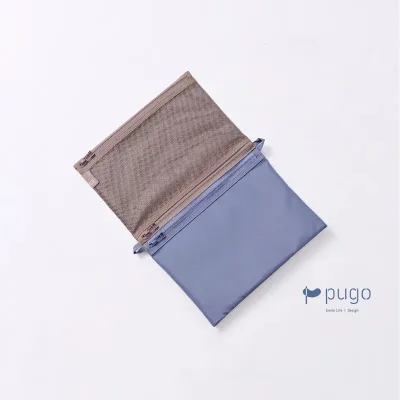


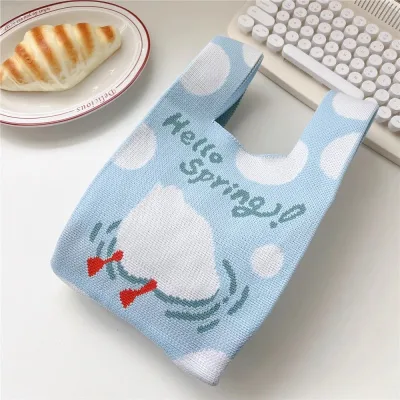



Comprehensive Sourcing Guide
Foldable Reusable Knitted Bag Sourcing Guide
Sourcing foldable reusable knitted bags requires a nuanced understanding of material properties, customization capabilities, and supply chain logistics. Buyers must navigate a market where aesthetic appeal meets functional durability, ensuring that the final product aligns with brand identity and practical usage scenarios. This guide provides evidence-based procurement strategies to help buyers make informed decisions, focusing on verified product attributes and industry standards.
The following sections detail the critical aspects of sourcing these bags, from technical specifications to long-term supplier relationships. By adhering to these guidelines, buyers can mitigate risks, optimize costs, and ensure quality consistency. The insights provided are grounded in observed market data and standard procurement practices, offering a comprehensive roadmap for successful sourcing.
Product Scope and Observed Listing Signals
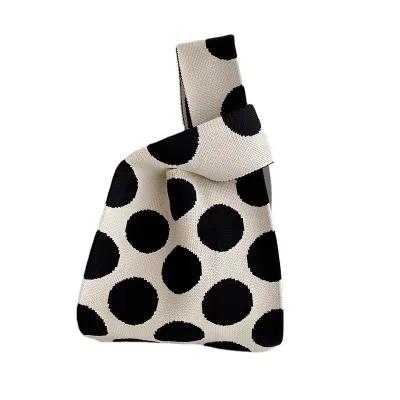
The observed product landscape for foldable reusable knitted bags reveals a diverse range of options tailored to various consumer needs. Products are typically crafted from canvas or similar durable materials, with inside linings made of polyester for added strength and comfort. These bags are designed to be unisex, catering to a broad audience, and are often styled in a Korean fashion aesthetic that emphasizes modern, casual elegance. The design elements frequently include horizontal square shapes, candy colors, and customizable patterns, making them suitable for promotional purposes and everyday shopping.
Key attributes observed in listings include medium-soft hardness, which ensures the bags are pliable yet structured enough to hold their shape. The bags are not waterproof, indicating they are best suited for dry environments or indoor use. They feature logo printing capabilities, allowing for brand customization, and are available in various sizes, with some models measuring around 20x35cm or falling within a medium range of 30-50cm. These signals help buyers identify products that match their specific requirements for style, functionality, and branding.
Technical Specifications to Verify
When evaluating technical specifications, buyers should prioritize the verification of material composition and structural integrity. The use of canvas as the primary material, combined with a polyester lining, offers a balance of durability and softness. It is essential to confirm the exact weight of the bags, as observed weights can vary, with some models weighing around 100g. This lightweight characteristic enhances portability, a key selling point for reusable bags. Additionally, the closure type is typically open, which simplifies access but may require buyers to consider additional features like zippers or drawstrings for security.
Customization options are a significant technical aspect, with many suppliers offering custom designs, colors, and patterns. Buyers should verify the available printing processes, such as offset printing, which ensures high-quality logo reproduction. The model numbers, such as GBBG32 or CTB-2103131, can serve as reference points for specific product variations. It is also crucial to check the packaging details, including carton dimensions and gross weight, to optimize shipping costs and storage efficiency.
Compliance and Safety Documentation
Compliance and safety are paramount in the sourcing of reusable bags, especially those intended for promotional or retail use. Buyers should request documentation that verifies adherence to relevant standards, such as SGS certification, which indicates that the product has undergone rigorous testing for quality and safety. While some background information mentions OEKO-TEX or GOTS, these should be treated as low-confidence claims unless explicitly confirmed by the supplier. Verifying these certifications ensures that the materials used are free from harmful substances and meet environmental standards.
In addition to material safety, buyers should inquire about the production processes and quality control measures implemented by the supplier. This includes checking for any specific industrial use certifications or compliance with local regulations in the place of origin, such as Zhejiang, China, or Dongguan, Guangdong. Ensuring that the supplier has a robust quality management system in place helps mitigate the risk of defects and ensures consistent product quality across large orders.
Cost Drivers and Commercial Terms
Cost drivers for foldable reusable knitted bags include material costs, customization complexity, and order volume. The observed price range varies significantly, from as low as $0.01 to $26.7, reflecting differences in material quality, design intricacy, and order quantity. Minimum order quantities (MOQs) typically range from 10 to 100,000 pieces, with some suppliers setting an MOQ of 500 pieces. Buyers should negotiate terms that align with their volume requirements, considering the trade-off between unit price and order size.
Commercial terms also encompass lead times and sample processes. Sample times generally range from 5 to 8 days, allowing buyers to evaluate product quality before committing to large orders. Production times can vary from 15 to 25 days, depending on the order size and customization requirements. Buyers should factor in these lead times when planning their inventory and marketing campaigns, ensuring timely delivery to meet market demands.
Supplier Qualification and Quality Control
Supplier qualification is a critical step in the sourcing process, requiring a thorough assessment of the supplier’s capabilities and reputation. Buyers should verify the supplier’s location, with many manufacturers based in Zhejiang, China, or Dongguan, Guangdong, regions known for their textile and bag manufacturing expertise. It is essential to check the supplier’s production capacity, quality control processes, and past performance with similar clients. Requesting references or case studies can provide insights into the supplier’s reliability and consistency.
Quality control measures should be clearly defined and agreed upon before production begins. This includes establishing acceptance criteria for materials, workmanship, and final product inspection. Buyers may consider hiring third-party inspection services to conduct pre-shipment inspections, ensuring that the products meet the specified standards. Regular communication with the supplier throughout the production process helps address any issues promptly and ensures that the final product aligns with expectations.
Long-Term Procurement Checks
Long-term procurement checks involve continuous monitoring of supplier performance and market trends to ensure sustained value. Buyers should establish key performance indicators (KPIs) to evaluate suppliers based on metrics such as on-time delivery, product quality, and responsiveness to issues. Regular audits and reviews help identify areas for improvement and foster a collaborative relationship with the supplier. Staying informed about industry developments, such as new materials or design trends, allows buyers to adapt their sourcing strategies and maintain a competitive edge.
Additionally, buyers should consider the environmental impact of their sourcing decisions, exploring options for sustainable materials and ethical production practices. Building a diversified supplier base can mitigate risks associated with single-source dependencies and provide flexibility in responding to market changes. By prioritizing long-term relationships and continuous improvement, buyers can achieve cost efficiency, quality assurance, and brand alignment in their procurement of foldable reusable knitted bags.
FAQs
Can I customize the logo on these bags?
Yes, logo printing is available with customization options. The bags support offset printing processes to apply your brand identity. You can choose from Pantone colors or custom designs to match your promotional needs. This feature ensures your marketing message stands out effectively on the final product.
What is the minimum order quantity for production?
The standard minimum order quantity is 500 pieces. This baseline allows for efficient production runs while maintaining quality control standards. Buyers can order larger volumes to benefit from economies of scale. The packaging is optimized for bulk shipping, typically containing 200 pieces per carton to streamline logistics.
How long does sample production take?
Sample production typically requires 5 to 8 days. This timeframe allows for accurate representation of the final product before bulk manufacturing begins. Once the sample is approved, the main production run takes 15 to 25 days. This schedule ensures timely delivery for your promotional campaigns or retail launches.
What materials are used in these bags?
The outer material is canvas, providing durability and a soft medium-soft feel. The inside lining is made of polyester for added strength and structure. These materials are selected for their balance of comfort and longevity. The design is horizontal square, suitable for various shopping and promotional uses.
Are these bags waterproof?
No, these bags are not waterproof. They are designed for general shopping and promotional use rather than wet environments. The canvas and polyester materials offer breathability and portability. Buyers should consider this attribute when selecting bags for outdoor or rainy weather scenarios.
Where are these bags manufactured?
The products originate from Dongguan, Guangdong, and Zhejiang, China. These regions are known for their robust manufacturing capabilities and supply chain efficiency. The factories adhere to SGS standards to ensure quality compliance. This location data helps buyers assess logistics costs and lead times for international shipping.