Source USB Charging UV Disinfection Bag for Home, Travel, Office
Compare 30 USB Charging UV Disinfection Bag options from verified suppliers. These portable units offer 3-minute sterilization for phones and small devices, featuring waterproof designs and permanent operation life with external power; compare the available evidence and request quotations based on your requirements.
Updated
Key considerations
Products List
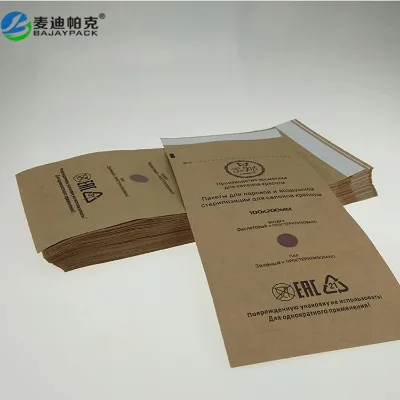
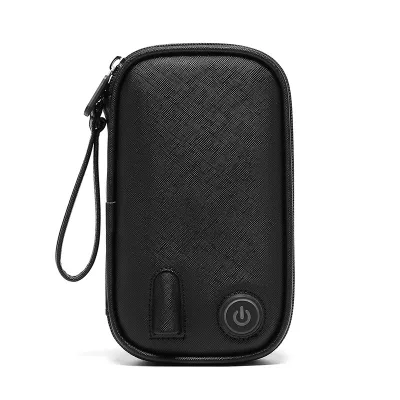
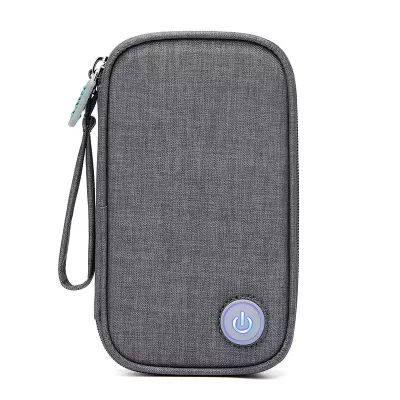
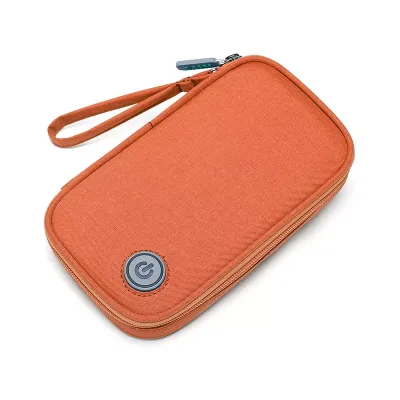
UV LED Sterilizer Disinfection Mini Bag Nail Tools Makeup Sterilizer Mobile Phone Bag
$10.0208 - $11.8391
MOQ: 1 pieces


Multifunctional LED 10W Wireless Charging Portable UV Disinfection Box
$22.50 - $24.00
MOQ: 200 Pieces


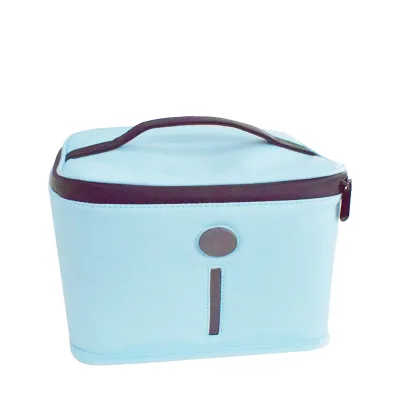
Portable Usb Baby Bottles Underwear Handle Led Uv Uvc Disinfection Sterilization Bag
$13.515 - $15.5941
MOQ: 500 pieces
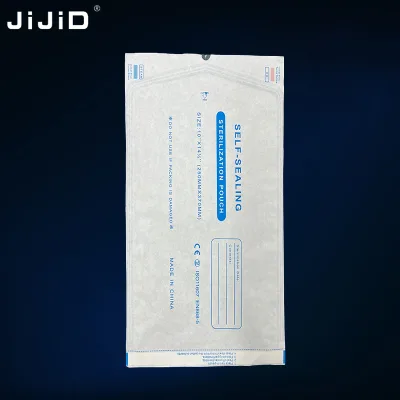
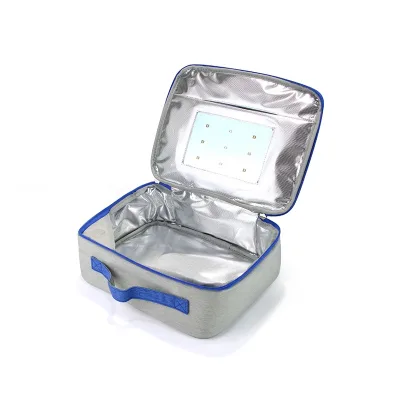
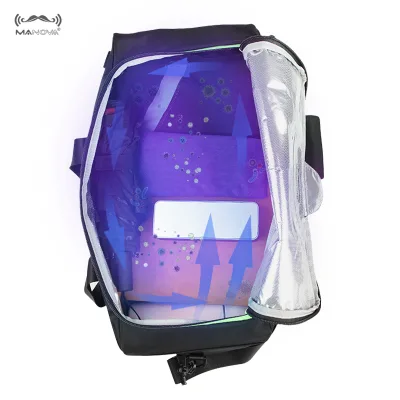
$30.2573 - $32.3109
MOQ: 100 pieces
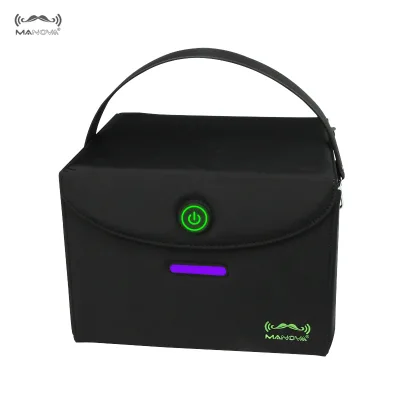
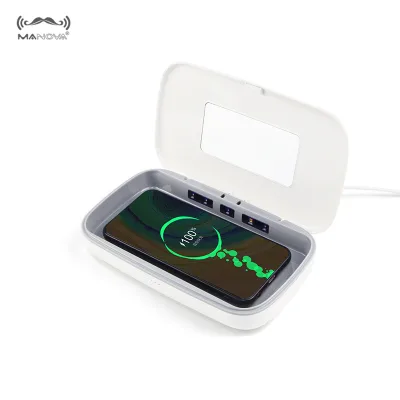
UV Phone Sanitizer UV Lamp Killer Cleaner Portable UV Light Sterilizer with Wireless Charger
$10.68 - $11.76
MOQ: 500 pieces
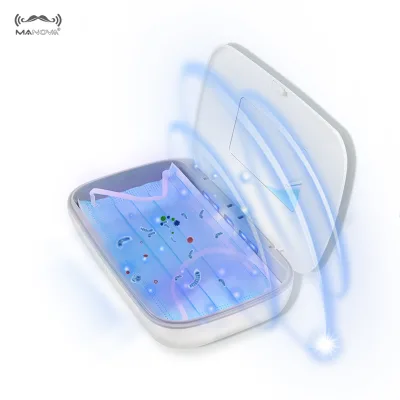
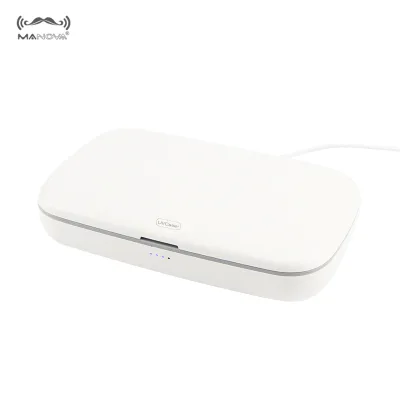
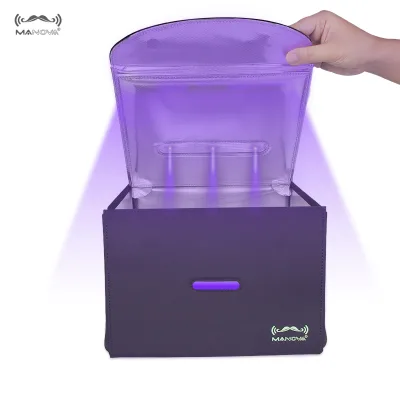
Uvc Sanitizing Bag Foldable Uv Sterilizer Bag for Cloth, Make Up, Glasses, Bottles, Cans , Clothes
$22.4655 - $24.1084
MOQ: 100 pieces
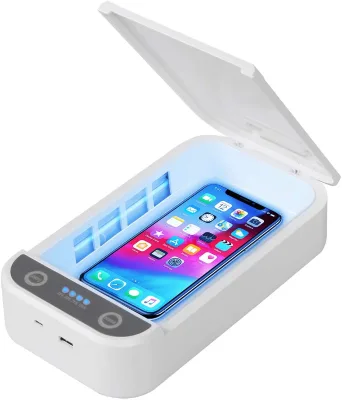
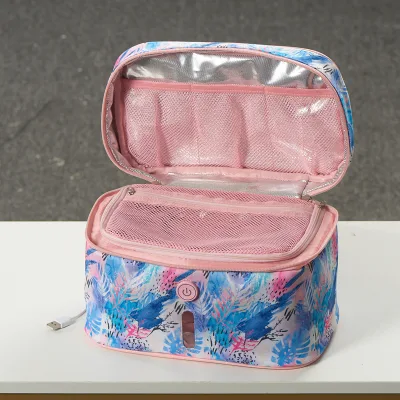
UV Sterilizer Bag Disinfection SterilizaTion Cleaner Sanitizer Box, Portable, Healthy,
$10.9157 - $14.0336
MOQ: 200 pieces


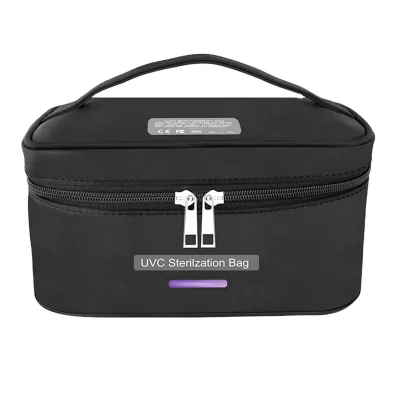

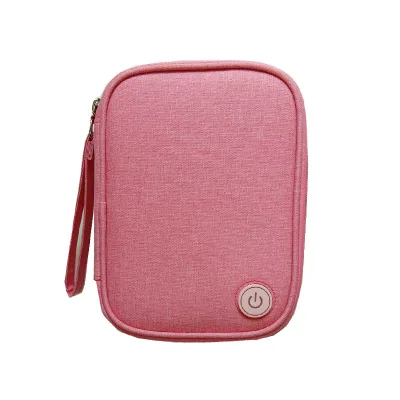
Uvc Bag Multi-Fuction Led Sanitizer Bag Large Size 99% Germs Killer Cleaner Bag
$10.9607 - $12.9708
MOQ: 500 pieces
Comprehensive Sourcing Guide
USB Charging UV Disinfection Bag Sourcing Guide
Sourcing USB charging UV disinfection bags requires a careful balance between portability, sterilization efficacy, and power management. These devices are designed to sanitize personal electronics, such as mobile phones, using ultraviolet-C light while offering the convenience of rechargeable power sources. Buyers must distinguish between disposable paper-based options and durable, reusable units constructed from materials like PU leather or plastic. The market offers a wide variety of designs, ranging from simple folding cases to more complex electric shaver-style housings, each with distinct operational characteristics.
The procurement process involves verifying critical technical parameters, including UV wavelength, battery capacity, and charging interface compatibility. Since these products often rely on lithium batteries and external power banks, understanding the power consumption and working time is essential for end-user satisfaction. Additionally, buyers should assess the physical dimensions and weight to ensure the device meets portability requirements. The presence of features like waterproofing, stain resistance, and specific color options further influences the selection process, making it vital to align product attributes with target market preferences.
Product Scope and Observed Listing Signals
The observed product landscape includes items explicitly labeled as mini mobile phone disinfection bags, with materials ranging from paper to PU leather and plastic. Listings indicate a diverse array of colors, including black, gray, orange, rose red, and blue, catering to varied aesthetic preferences. Some products are designed for specific brands like iPhone, while others are compatible with general mobile devices. The presence of customization support suggests that buyers can tailor designs, colors, or branding to meet specific corporate or retail requirements, enhancing the product's market appeal.
Observed specifications reveal significant variation in size and weight, with dimensions such as 10204 cm and 11419 cm being common. Weight ranges from 0.25kg to 0.600kg, indicating differences in material thickness and internal component density. Some listings highlight a working time of three minutes, suggesting a standardized sterilization cycle, while others mention permanent use with external power. The inclusion of features like UV sterilization, antibacterial properties, and waterproofing underscores the functional focus of these devices, which aim to provide hygienic solutions for everyday carry items.
Technical Specifications to Verify
Buyers must verify the UV wavelength to ensure it falls within the germicidal range, typically around 254-265 nm, although some listings mention visible light, which may indicate a different mechanism or a hybrid approach. The power rating, observed at 5W in some contexts, should be cross-referenced with the battery capacity and charging method to ensure adequate sterilization intensity. It is crucial to confirm whether the device uses a lithium battery or relies on external power banks, as this impacts the device's autonomy and convenience. The operation life, described as permanent with external power, suggests a durable design but requires clear communication about power dependencies.
Physical dimensions and compatibility are equally important. Buyers should check if the internal cavity size accommodates the target devices, such as iPhones or other mobile phones, without obstructing the UV light. The design style, whether plain, folding, or U-shaped, affects both usability and protection. Additionally, the presence of a display feature in some models may indicate status indicators for charging or sterilization cycles. Verifying these technical details ensures that the selected product meets the functional needs of the end-user and avoids issues related to device fit or insufficient sterilization coverage.
Compliance and Safety Documentation
Safety certifications are paramount for UV disinfection devices, as improper UV exposure can pose health risks. Buyers should request documentation for CE certification, which is observed in some listings, to ensure compliance with European safety standards. It is also advisable to verify if the manufacturer holds ISO13485 certification, although this is noted as low-confidence background information, indicating a potential focus on medical device quality management systems. Such certifications provide assurance that the manufacturing process adheres to rigorous quality and safety protocols, reducing the risk of product defects or safety hazards.
Beyond certifications, buyers should inquire about UV leakage testing results to ensure that no harmful radiation escapes the device during operation. The use of materials like PU leather or plastic should be evaluated for durability and resistance to UV degradation over time. Additionally, verifying the electrical safety of the USB charging interface is crucial to prevent short circuits or overheating. Clear labeling of warnings and usage instructions, particularly regarding eye and skin protection, should be included in the packaging and user manual to mitigate user error and enhance overall product safety.
Cost Drivers and Commercial Terms
The price range for these products varies significantly, from $2.98 to $49.09, reflecting differences in materials, features, and brand positioning. Lower-priced items may be made of paper or basic plastic, while higher-priced options often feature PU leather, advanced electronics, and additional functionalities like displays or specific brand compatibility. Buyers should consider the total cost of ownership, including shipping, tariffs, and potential customization costs, when evaluating price points. The MOQ range of 1 to 100,000 pieces offers flexibility for both small-scale trials and large-volume orders, allowing buyers to scale their procurement strategy effectively.
Commercial terms such as packaging details and lead times should be negotiated clearly. Some products are packaged in simple PP bags, while others come in color boxes, which can impact retail presentation and protection during transit. Customization options, including branding and design modifications, may incur additional costs and affect lead times. Buyers should also consider the supplier's location, with Guangdong, China, being a common origin, which may influence shipping logistics and costs. Understanding these commercial variables helps in budgeting accurately and ensuring a smooth supply chain operation.
Supplier Qualification and Quality Control
Supplier qualification involves assessing the manufacturer's production capabilities, quality control processes, and track record. Buyers should verify the supplier's ability to handle customization requests, as indicated by the support for customization in several listings. It is essential to request samples to evaluate the build quality, UV efficacy, and overall user experience. Checking for consistent material quality, such as the durability of PU leather or the integrity of plastic components, is crucial for long-term product performance. Suppliers with established quality management systems are more likely to deliver consistent products that meet specified standards.
Quality control measures should include routine testing of UV output, battery performance, and electrical safety. Buyers should inquire about the supplier's defect rate and return policy to mitigate risks associated with product failures. Additionally, verifying the supplier's ability to provide comprehensive documentation, including test reports and compliance certificates, is vital for regulatory adherence. Establishing a clear communication channel with the supplier ensures that any issues can be addressed promptly, fostering a reliable partnership. Regular audits or third-party inspections may also be considered for large-volume orders to maintain quality standards.
Long-Term Procurement Checks
Long-term procurement success depends on continuous monitoring of product performance and market feedback. Buyers should track customer reviews and return rates to identify any recurring issues, such as battery degradation or UV light failure. Regularly reviewing the supplier's ability to innovate and introduce new features, such as improved charging speeds or enhanced sterilization cycles, can keep the product competitive. Additionally, staying informed about changes in regulatory requirements, particularly regarding UV safety and electronic waste, ensures ongoing compliance and reduces legal risks.
Building a diversified supplier base can mitigate supply chain disruptions and provide leverage in negotiations. Buyers should periodically reassess the cost-effectiveness of their current suppliers and explore alternative options if better value is available. Establishing a long-term partnership with a reliable supplier can lead to better pricing, priority production, and collaborative product development. Finally, maintaining open lines of communication and providing constructive feedback to suppliers helps in refining product designs and improving overall quality, ensuring sustained success in the market.
FAQs
What materials are used for these disinfection bags?
The bags are constructed from paper, PU leather, or plastic materials. These options provide durability and water resistance for repeated use. The design supports customization to meet specific branding needs. Users can select the material that best fits their aesthetic and functional requirements for portable device sterilization.
How long does the UV sterilization process take?
The working time for the sterilization cycle is approximately 3 minutes. This duration ensures effective disinfection and antibacterial action for mobile devices. The unit operates with a permanent operation life when connected to an external power bank. This quick cycle makes it convenient for daily home or office use.
Can I customize the design of the UV bag?
Yes, customization is supported and available for these products. Buyers can request specific designs to align with their brand identity. The bags are non-disposable and designed for permanent use with external power. This flexibility allows businesses to create unique, branded sterilization solutions for their customers.
What certifications do these products hold?
The products hold CE certification, ensuring compliance with relevant safety standards. This certification indicates that the electrical components and UV functionality meet established regulatory requirements. Buyers can rely on this documentation for market entry and consumer trust. The certification supports the product's credibility in international trade and distribution channels.
What is the minimum order quantity for these bags?
The minimum order quantity is 1 piece, allowing for flexible purchasing. This low MOQ supports sample testing and small batch orders. Buyers can start with a single unit to evaluate quality and functionality. The range extends up to 100,000 pieces for larger commercial requirements, accommodating various business scales.
Are these bags compatible with all mobile phones?
The bags are designed to be compatible with mobile devices, including iPhones. The size specifications, such as 10x20x4 cm or 11x4x19 cm, accommodate standard phone dimensions. Users should verify their device size against the product specifications. The design ensures a secure fit for effective UV exposure during the sterilization cycle.