Food Grade Vibrating Dildo Suppliers and Manufacturers
Source Food Grade Vibrating Dildo options from 28 verified suppliers. Compare key dimensions including ISO 9001 certification, lead times of 15-45 days, and MOQs starting at 10 units. Request quotes to evaluate pricing and customization capabilities; review the available evidence before requesting comparable quotations from suitable candidates.
Updated
Suppliers List

- Manufacturer/Factory
- China Guangdong
- Lead time45 days
- Avg. response≤ 3h
Main productsSex Toy, Sex Doll, Penis Toy, Vibrator
Main marketsSouth America,Eastern Europe,Mid East,North America,Southeast Asia,Eastern Asia,Oceania,Western Europe,Africa

Shenzhen Gelances Technology Co., Ltd
- Verified by SGS
- Combined
- China Guangdong
- Lead time15 days
- Avg. response≤ 5h
Main productsSex Toy, Sex Doll, Vibrator, Dildo, Penis, Masturbators, Anal Plug, Realistic Dildos, Pussy Doll, Penis Rings
Main marketsEurope


Powerful Vibrations Vibrating Dildo for Women with Remote Control Dildo
$13.28 - $13.81
MOQ: 10 Pieces

Realistic Dildo with Powerful Vibrations Vibrating Dildo for Women with Remote Control Dildo
$13.50 - $15.50
MOQ: 20 Pieces

Low Price Realistic Dildo with Powerful Vibration Vibrating Dildo for Women Sex Toy
$13.50 - $15.50
MOQ: 20 Pieces
Dongguan Guangzhihong Silicone Products Co., Ltd.
- Manufacturer, Trading Company
- Lead time旺季: "1 - 2000":12,"> 2000":"To be negotiated", 淡季: "1 - 2000":12,"> 2000":"To be negotiated"
- Avg. response≤ 5h
Main productsSilicone Ear Tips,Silicone Protective Covers,Silicone Sex Toys,Liquid Silicone Rubber Parts,Silicone Insert-molding Parts
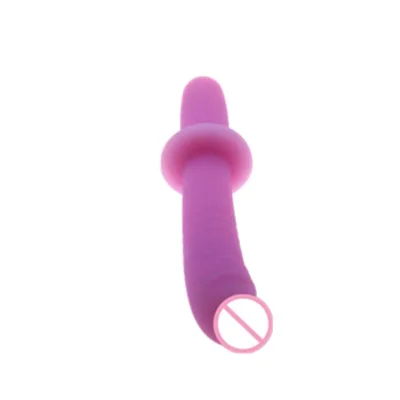
OEM Service New Arrival Male Handing Silicone Dildo Food Grade Rubber Penis
$4.00 - $7.00
MOQ: 1000 Minimum
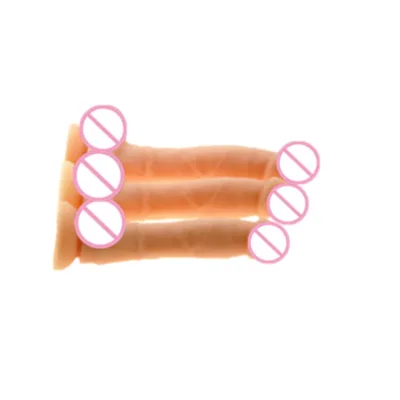
$5.50 - $12.00
MOQ: 500 Minimum

Tianjin Dajiuxing Technology Co., Ltd.
- Trading Company
- Tianjin, China
- Lead time10 days
- Avg. response≤ 2h
Main productsVibrator,Dildo,Masturbator Cup,Anal Plug,BDSM
Main marketsNorth America(55.00%), Western Europe(10.00%), Oceania(10.00%), Domestic Market(5.00%), Eastern Europe(5.00%), South America(5.00%), Northern Europe(5.00%), Southeast Asia(5.00%)
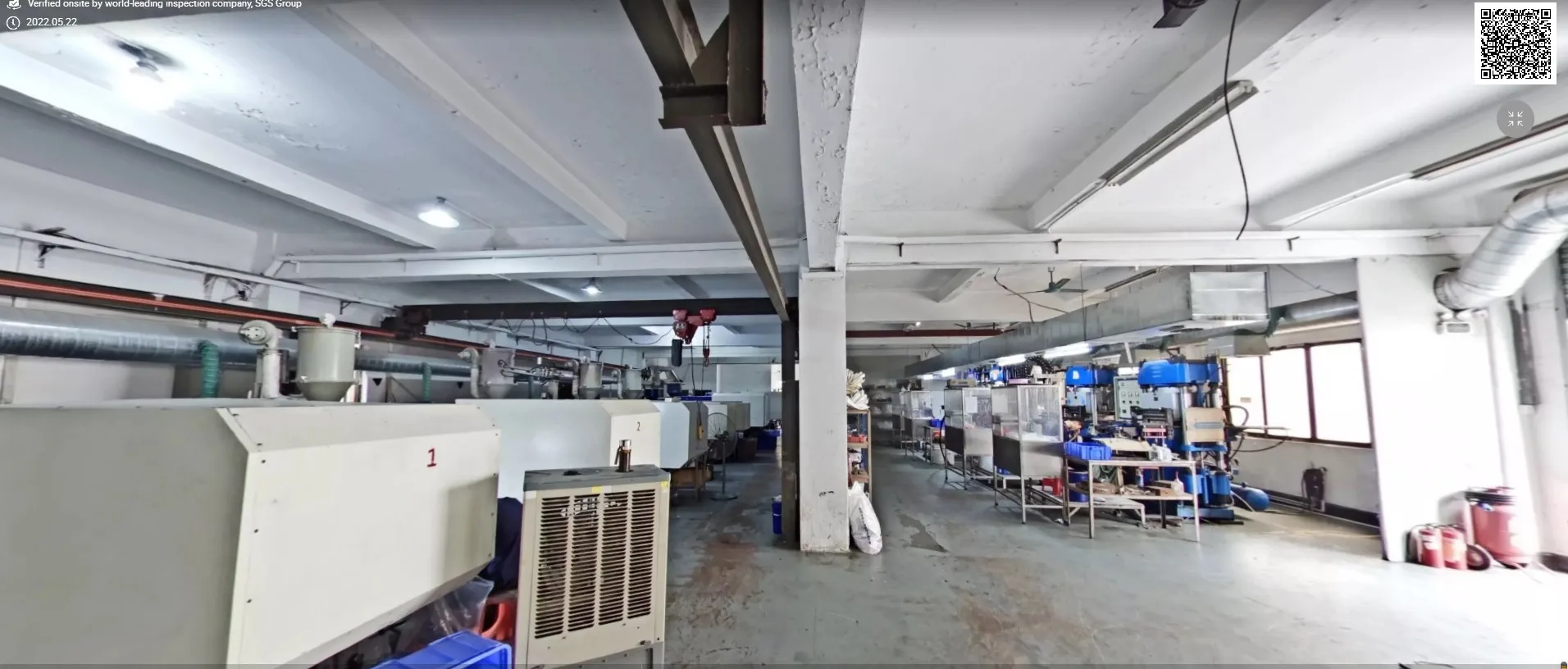
Shenzhen Fworld Technology Co., Ltd.
- Trading Company
- Guangdong, China
- Lead time6 days
- Avg. response≤ 8h
Main productsCreation of stylish,Healthy Care
Main marketsNorth America(40.00%), Western Europe(32.00%), Oceania(5.00%), Domestic Market(5.00%), South America(5.00%), Southern Europe(5.00%), Central America(2.00%), Africa(2.00%), Eastern Europe(2.00%), Southeast Asia(1.00%), Eastern Asia(1.00%)

NanChang Sunflower Silicone Rubber Co. Ltd
- Verified by TUVRHEINLAND
- Trading Company
- China Jiangxi
- Lead time15 days
- Avg. response≤ 5h
Main productsSex Toy, Watch, Phone Case, Kitchenware, Gift
Main marketsOthers(foreignTradeCapacity.exportBusinessCapacityMarketOther)
Shenzhen Ever-Star Technology Co., Limited
- Verified by SGS Group
- Trading Company
- Guangdong Province, China
- Lead time3 days
- Avg. response≤ 5h
Main productsMale Masturbator, Realistic Dildo, Anal Plug, Vibrator Sex Toys, Bondage Restraint
Main marketsNorth America(17%), South America(15%), Western Europe(15%)

Qingyuan Shenyu Technology Co., Ltd.
- Trading Company
- Guangdong, China
- Lead time5 days
- Avg. response≤ 1h
Main productsadult Sex Toys,vibrators and av wands,anal plugs and dildos,SM accessories,sex dolls
Main marketsNorth America(23.00%), Western Europe(21.00%), South America(12.00%), Southeast Asia(8.00%), Oceania(6.00%), South Asia(5.00%), Northern Europe(4.00%), Mid East(4.00%), Africa(3.00%), Central America(3.00%)
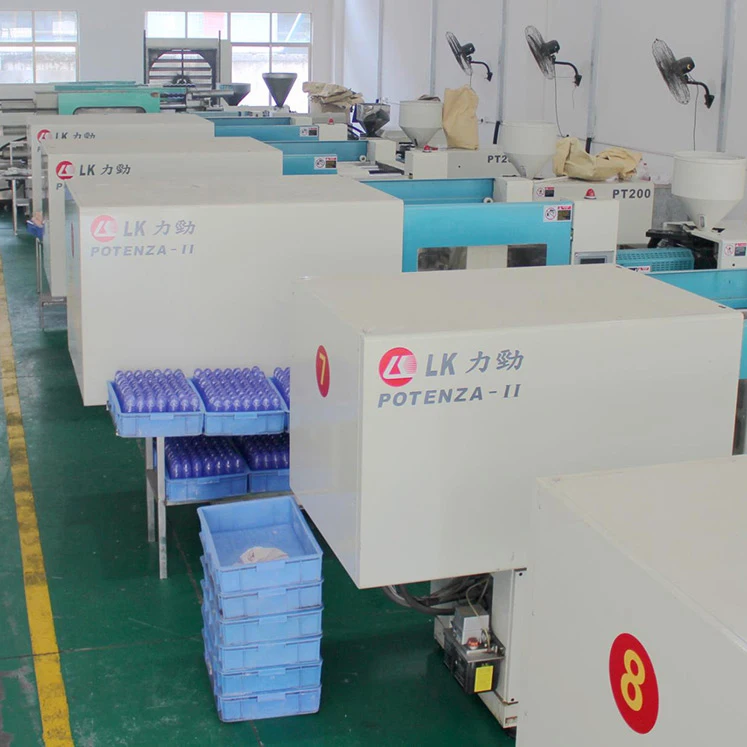
Dongguan Beileqing Sex Toys Co., Ltd.
- Trading Company
- Guangdong, China
- Lead time15 days
- Avg. response≤ 2h
Main productsDildo,Masturbator,SM Collection,Sex Doll,Adult toy
Main marketsEastern Asia(15.00%), North America(15.00%), South America(10.00%), Western Europe(10.00%), Southern Europe(10.00%), Northern Europe(10.00%), Eastern Europe(10.00%), Domestic Market(10.00%), Central America(5.00%), Oceania(2.00%), South Asia(1.00%), Africa(1.00%), Southeast Asia(1.00%)
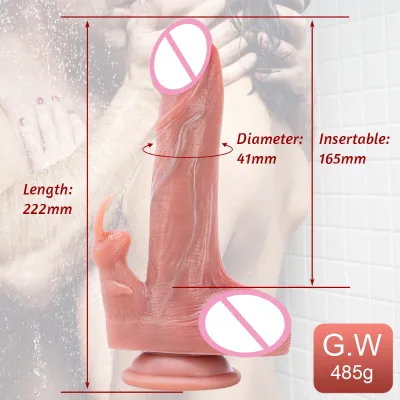
$8.4704 - $11.0136
MOQ: 3 pieces

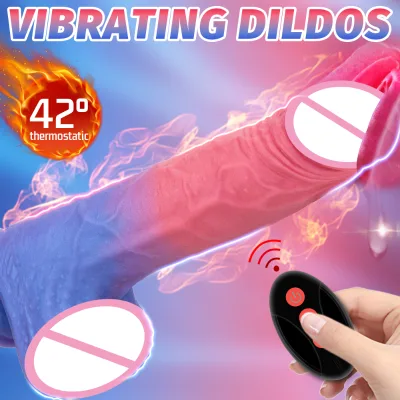
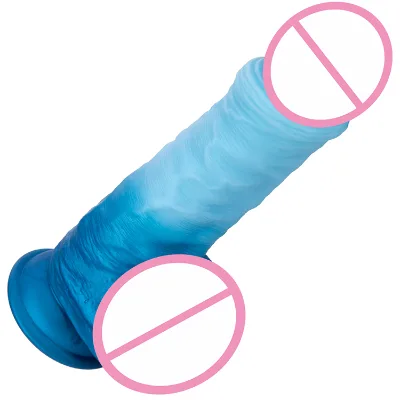

Dongguan Xinhaoda Technology Co., Ltd.
- Verified by SGS
- Manufacturer/Factory
- China Guangdong
- Lead time15 days
- Avg. response≤ 4h
Main productsVision Ai Training Models, Test Masks, Face Masks, Silicone Masks, Resin Masks, Headgear, Butt Sex Doll, Half-Body Sex Doll, Sex Toy, Masturbator
Main marketsSouth America,Eastern Europe,Mid East,North America,Southeast Asia,Eastern Asia,Oceania,Western Europe,Africa

Dongguan Xibei Technology Co., Ltd.
- Verified by CTI
- Manufacturer/Factory
- China Guangdong
- Lead time15 days
- Avg. response≤ 3h
Main productsSex Toy, Adult Toy, Vibrator, Dildo, Sexy Underwear, Lingerie, Male Masturbator, Penis Pump, Anal Plug, Massagers
Main marketsSouth America,Eastern Europe,Mid East,North America,Southeast Asia,Eastern Asia,Oceania,Western Europe,Africa

Realistic Female Artificial Rubber Penis Dildo Vibrator Woman Sex Toys Dildo
$0.90 - $1.90
MOQ: 5 Pieces

Telescopic Dildo Vibrator Heating Dildo Vibrator Female Masturbation Sex Toy Dildos Electric
$0.90 - $10.90
MOQ: 5 Pieces


Strong Stimulation Vibrating Dildo Thrusting Telescopic Vibrator for Women
$0.90 - $1.90
MOQ: 5 Pieces
Dongguan Iris Electronics Co., Ltd.
- Manufacturer
- Guangdong, China
- Lead time15 days
- Avg. response≤ 1h
Main productsDildo,Vibrator,Doll,Other Sex Toys
Main marketsDomestic Market(68.00%), North America(10.00%), Western Europe(10.00%), Southeast Asia(8.00%), Africa(2.00%), Eastern Europe(2.00%)
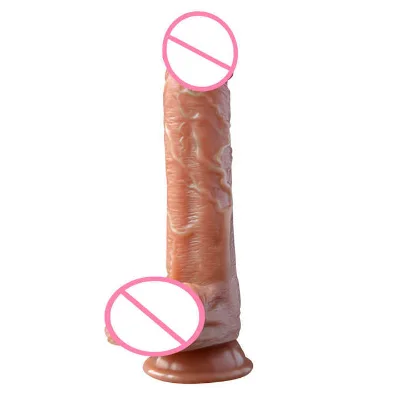
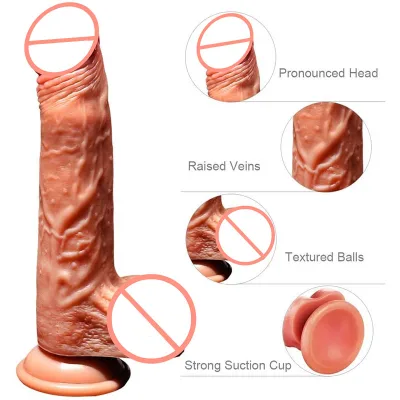
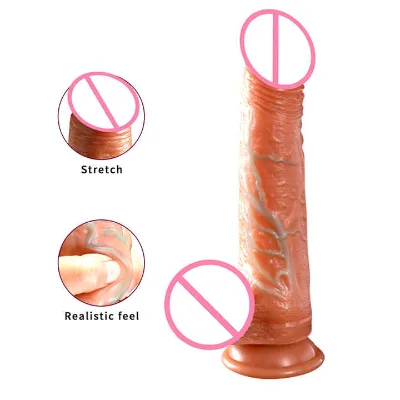
Hot Sale Medical Liquid Silicone Dildo Female Sex Partner Apply Control Home Sex Toys Dildo Vibrator
$16.2481 - $18.2916
MOQ: 3 pieces

Shenzhen Guangyufeng Rubber Co., Ltd.
- Verified by SGS
- Trading Company,Manufacturer/Factory
- China Guangdong
- Lead time23 days
- Avg. response≤ 2h
Main productsSilicone Product, Silicone Rubber Product, Baby Product, Silicone Tube, Silicone Rubber Roller, Silicone Sex Toy, Silicone Mold, Silicone Kitchenware, Silicone Case, Silicone Strap
Main marketsSouth America,Eastern Europe,Mid East,North America,Southeast Asia,Eastern Asia,Oceania,Western Europe,Africa


Rabbit Thrusting Dildo Sex Toy Vibrating Dildos Women Huge Realistic Electric Dildo Vibrator Women
$5.00 - $9.80
MOQ: 20 Pieces


HongKong Love Electronic Technology Co., Limited
- Trading Company
- Hong Kong S.A.R.
- Lead time0 days
- Avg. response≤ 2h
Main productssex toys,dildo,chastity cage,adult toys,vibrator
Main marketsSouthern Europe(10.00%), Northern Europe(10.00%), Central America(10.00%), Western Europe(10.00%), Eastern Europe(10.00%), South America(10.00%), North America(10.00%), Domestic Market(5.00%), South Asia(5.00%), Eastern Asia(5.00%), Mid East(5.00%), Africa(5.00%), Southeast Asia(5.00%)
$7.1628 - $10.2371
MOQ: 1 boxes
Chenzhou Alice Technology Co., Ltd.
- Trading Company
- Hunan, China
- Lead time5 days
- Avg. response≤ 2h
Main productsAdult sex toys,SM bondage,anal plugs,Sex lingeires,Sex doll
Main marketsNorth America(50.00%), Eastern Europe(30.00%), South America(20.00%)

Shenzhen Blue Rabbit Technology Co., Ltd.
- Manufacturer, Trading Company
- Guangdong, China
- Lead time7 days
- Avg. response≤ 2h
Main productsVibrators,Dildos,Male Masturbators,Bondage Toys,Sexy Lingeries
Main marketsSoutheast Asia(30.00%), North America(15.00%), Domestic Market(15.00%), Western Europe(15.00%), South America(10.00%), Eastern Asia(10.00%), Eastern Europe(5.00%)
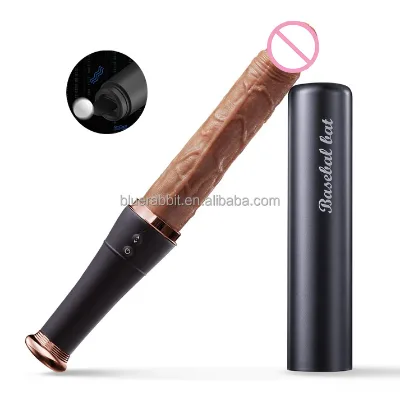
$10.50 - $11.00
MOQ: 1 Minimum
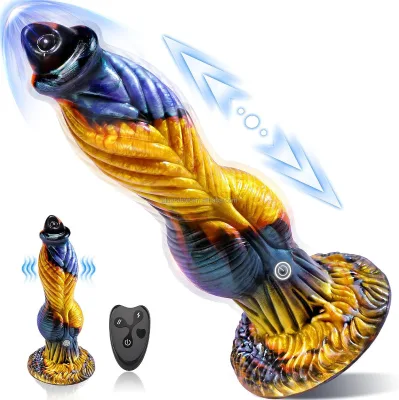
Monster Dildos Wholesale Silicone 10.23 Inch Remote Control Thrusting Animal Dildo Vibrator
$21.00 - $27.00
MOQ: 1 pieces
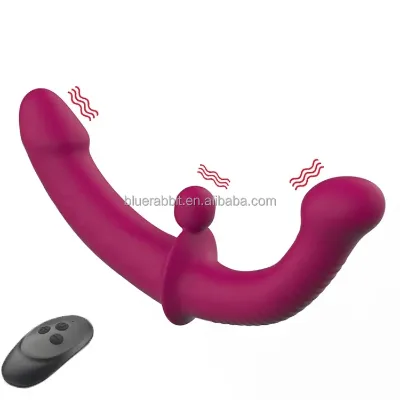
$12.2148 - $12.921
MOQ: 3 pieces

Dongguan Loyip Leather Products Co., Limited
- Trading Company
- Guangdong, China
- Lead time0 days
- Avg. response≤ 3h
Main productsbondage itemss,sex toys,garment and accessoires,bags
Main marketsNorth America(50.00%), Western Europe(40.00%), Domestic Market(5.00%), South Asia(5.00%)

- Verified by TUVRHEINLAND
- Trading Company
- China Zhejiang
- Lead time15 days
- Avg. response≤ 15h
Main productsStationery Set, Calendar, Promotion Pen, Bottle, Car Products, Fidget Toy, DIY Toy, Education Toy, Art Set, Pencil Case
Main marketsSouth America,Europe,North America

Guangzhou Haslove Electronic Co. Ltd
- Verified by SGS
- Trading Company
- China Guangdong
- Lead time15 days
- Avg. response≤ 3h
Main productsVibrator Wand, Vibrator Egg, Anal Toys, Male Masturbator, Sex Toys, Dildo, Sex Toy Vibrator, Rabbit Vibrator, Free Angel Vibrator, Remote Control Vibrator
Main marketsSouth America,Europe,North America

$1.20 - $1.40
MOQ: 5 Pieces

Private Label Customizable Color Silicone Dildo OEM ODM Optional Vibrating Function
$1.35 - $1.68
MOQ: 5 Pieces

Silicone Dildo OEM ODM Optional Vibration Function Multi Color Sextoy Factory Direct
$1.35 - $1.68
MOQ: 5 Pieces

Shenzhen Ava Science And Technology Co., Ltd.
- Manufacturer, Trading Company
- Guangdong, China
- Lead time20 days
- Avg. response≤ 3h
Main productsSex Toys,Dildos,Masturbators,Anal Toys,SM Products
Main marketsDomestic Market(100.00%), Eastern Europe(100.00%), South Asia(100.00%), South America(100.00%), Africa(100.00%), Southeast Asia(100.00%), Central America(100.00%), Mid East(100.00%), Oceania(100.00%), North America(40.00%), Western Europe(20.00%), Eastern Asia(20.00%), Southern Europe(10.00%), Northern Europe(10.00%)
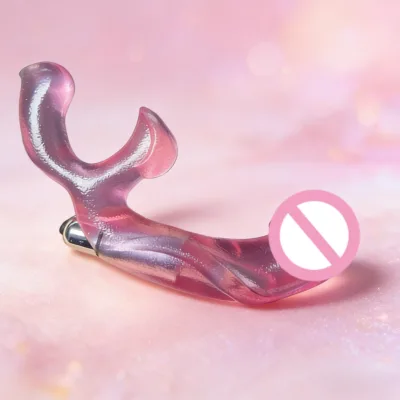


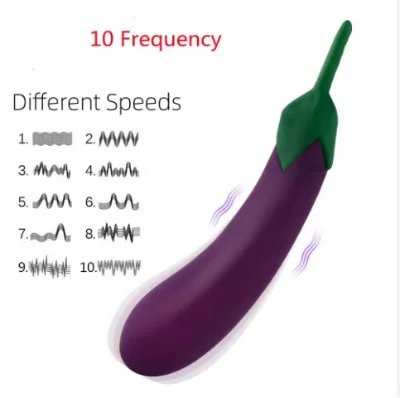
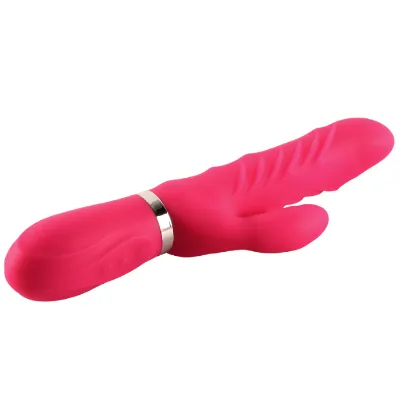
2025 OEM ODM New Big Black Telescopic Realistic Dildo Retractable Sex Toy Thrusting Rabbit Vibrator
$9.5849 - $11.6494
MOQ: 10 pieces

SUZHOU STAR RABBIT ELECTRONIC TECHNOLOGY CO., LIMITED
- Verified by TUVRHEINLAND
- Trading Company
- China Jiangsu
- Lead time30 days
- Avg. response≤ 6h
Main productsSex Toy, Vibrator, Anal Sex Toys, Adult Toy, Masturbator, Dildo, Rabbit Vibrator, Sex Doll
Main marketsSouth America,Africa,Southeast Asia/ Mideast,Domestic,Europe,Australia,North America


Elegant Design Rechargeable Sex Toy New Waterproof Vibrator Dildo for Women
$10.40 - $11.80
MOQ: 50 Pieces


Shenzhen Jingufeng Technology Co., Ltd.
- Manufacturer, Trading Company
- Guangdong, China
- Lead time5 days
- Avg. response≤ 24h
Main productswand massager,sexy lingerie,sex toy vibrator,cock ring,Dildos
Main marketsWestern Europe(30.00%), North America(30.00%), South America(5.00%), Eastern Asia(5.00%), Mid East(5.00%), Oceania(5.00%), Africa(5.00%), Southeast Asia(5.00%), Eastern Europe(5.00%), Central America(3.10%), Northern Europe(1.00%), Domestic Market(0.30%), South Asia(0.30%), Southern Europe(0.30%)
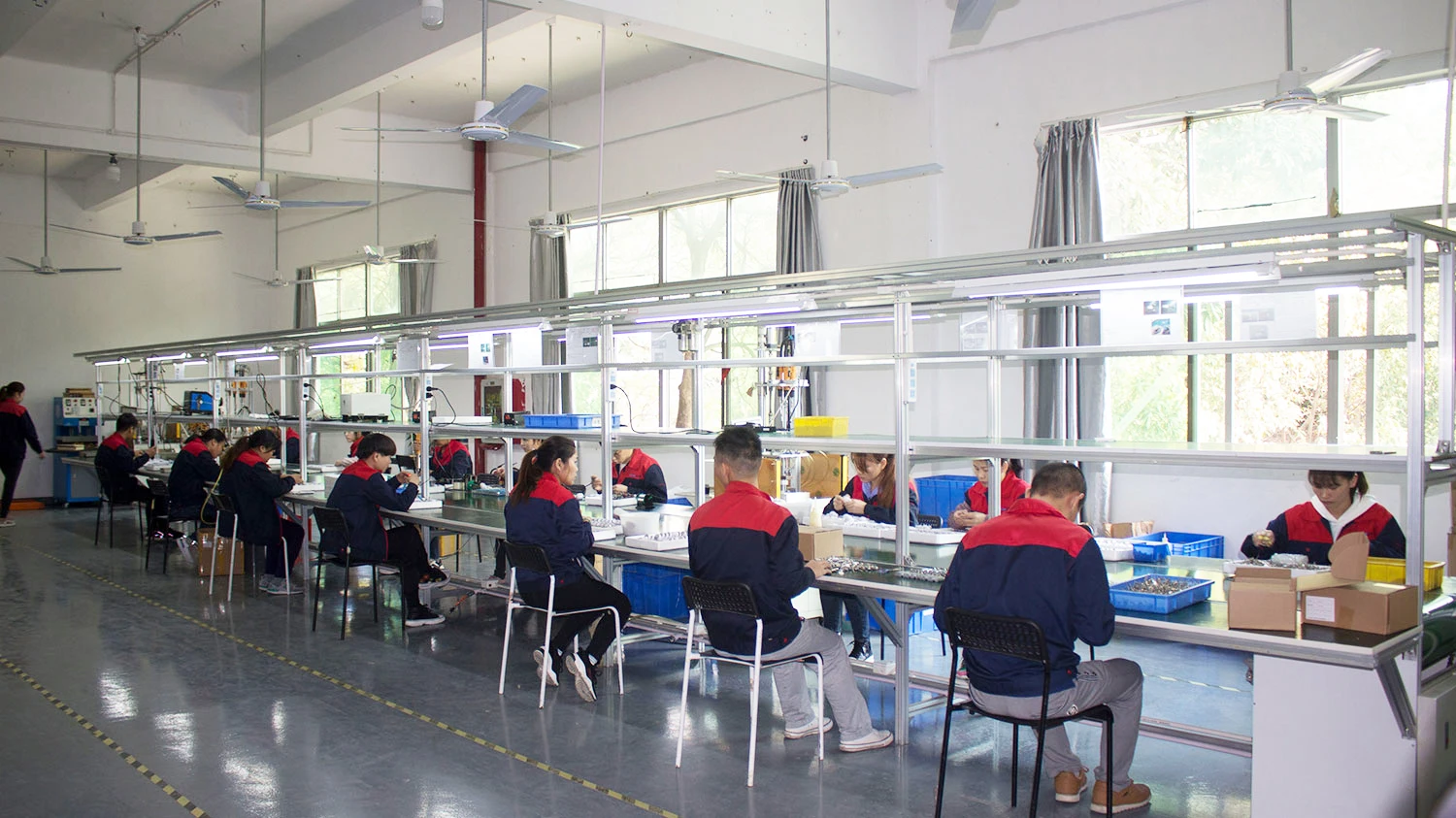
Shenzhen Eros Electronic Technology Co., Ltd.
- Manufacturer, Trading Company
- Guangdong, China
- Lead time15 days
- Avg. response≤ 4h
Main productsSex Toy, Vibrator, Penis Pump, Wand Massager, Lactation Massager
Main marketsNorth America(40.00%), Western Europe(30.00%), Domestic Market(10.00%), South America(5.00%), Eastern Europe(5.00%), Southern Europe(3.00%), Mid East(3.00%), Oceania(2.00%), Northern Europe(2.00%)

Shenzhen Kingberry Electronic Technology Co., Ltd.
- Verified by SGS
- Trading Company
- China Guangdong
- Lead time15 days
- Avg. response≤ 7h
Main productsVaper, Disposable Vape, Vape Pen, Vape Pod, Puff Bar, E Cig, Puffs EU, Wholesale Vape, E Cigarette, E-Liquid
Main marketsEurope
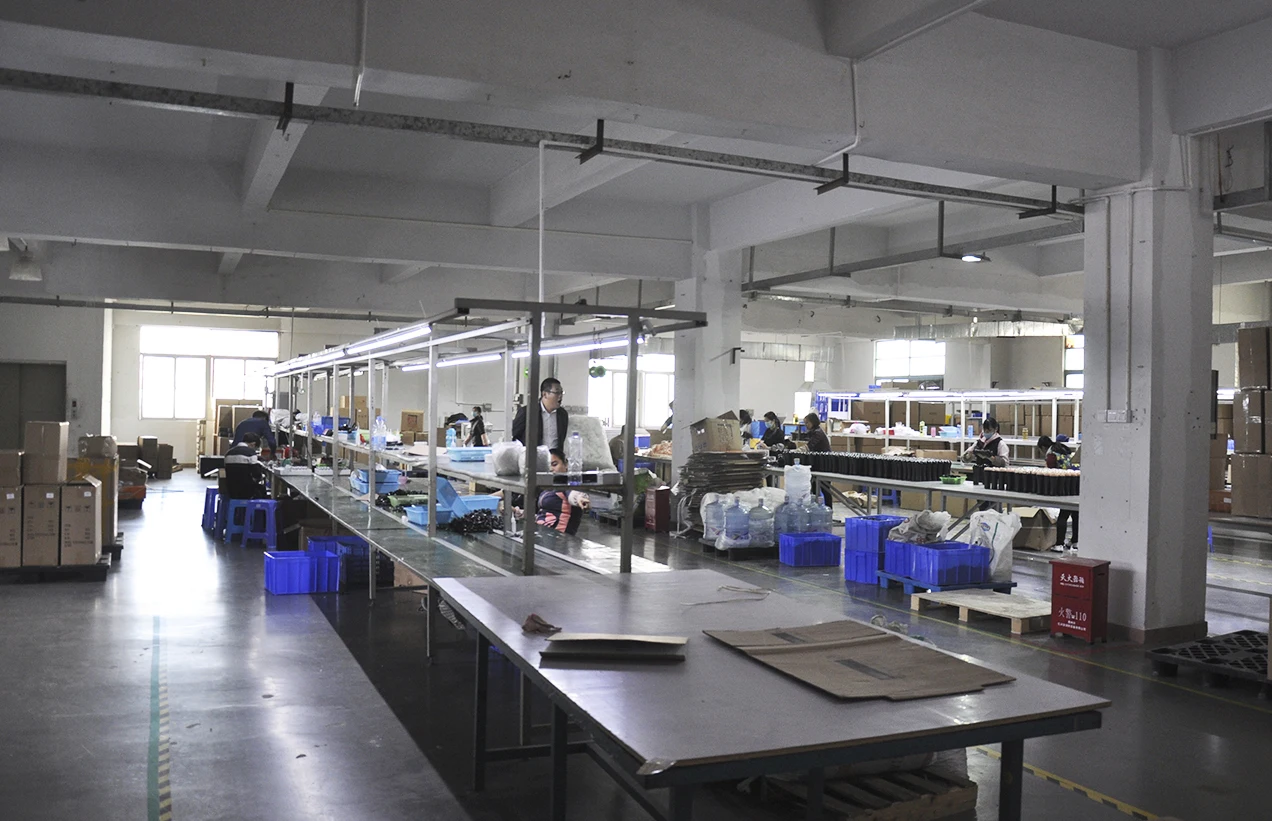
Shenzhen Aida Industrial Technology Limted
- Manufacturer, Trading Company, Distributor/Wholesaler
- Guangdong, China
- Lead time5 days
- Avg. response≤ 4h
Main productssex toy,toys for male,toys for female,vibrator,masturbator
Main marketsWestern Europe(20.00%), North America(16.00%), Central America(10.00%), Southeast Asia(10.00%), South America(10.00%), Oceania(9.00%), Northern Europe(5.00%), Eastern Europe(5.00%), Southern Europe(5.00%), Mid East(5.00%), Africa(3.00%), Eastern Asia(2.00%)
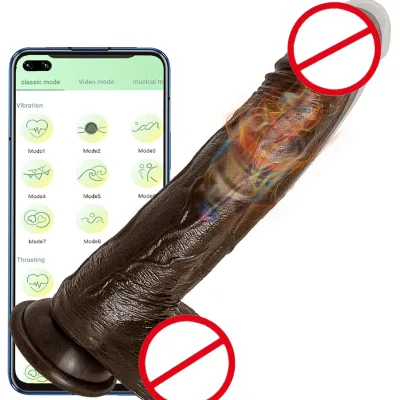
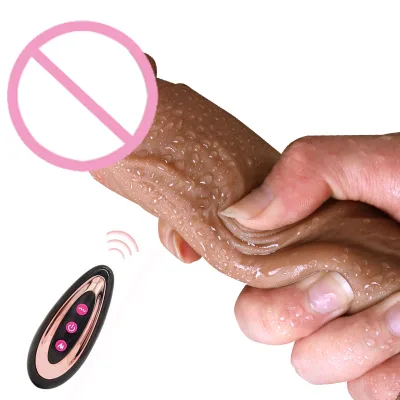
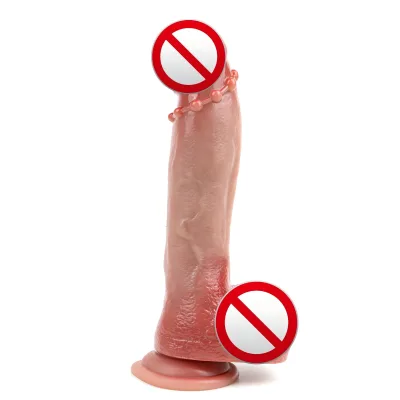
Realistic Huge Silicone Wireless Remote Control Vibrating Dildo with Multi Powerful Vibrations
$8.213 - $9.2528
MOQ: 10 pieces

Metrix (Shenzhen) Technology Co., Ltd.
- Verified by SGS
- Trading Company,Manufacturer/Factory,Other
- China Guangdong
- Lead time15 days
- Avg. response≤ 21h
Main productsPerfume, China Perfume, Arabic Perfume, Original Perfume, Cologne, Mini Perfumes, Perfume Manufacturer, Sexy Vibrator, Jouet Sexuel Poir Homme, Woman Sexy Toys
Main marketsSouth America,Eastern Europe,Mid East,North America,Southeast Asia,Eastern Asia,Oceania,Western Europe,Africa

Shenzhen Leeho Technology Co., Ltd.
- Manufacturer, Agent
- Guangdong, China
- Lead time7 days
- Avg. response≤ 2h
Main productsMale sex toys,Female sex toys,Silicone vibator,Healthcare product,silicone baby product
Main marketsDomestic Market(9.09%), Southern Europe(9.09%), Northern Europe(9.09%), Western Europe(9.09%), Eastern Asia(9.09%), Mid East(9.09%), Africa(9.09%), Southeast Asia(9.09%), Eastern Europe(9.09%), South America(9.09%), North America(9.09%)
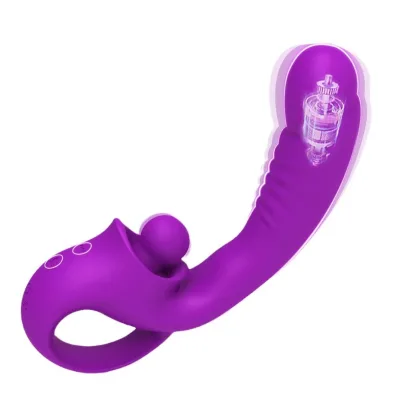
Clitoris Sucking Stimulator Dildo Vibrator Tongue Licking Vibrator for Female
$10.7084 - $14.4514
MOQ: 1 pieces
Guangdong Kain Electronic Technology Co., Ltd.
- Manufacturer, Trading Company
- Guandong, China
- Lead time15 days
- Avg. response≤ 7h
Main productsDildo,Cock Ring,Anal Toy,Vibrator,Masturbator
Main marketsNorth America(40.00%), Western Europe(20.00%), Southern Europe(10.00%), Northern Europe(10.00%), Eastern Europe(8.00%), Domestic Market(5.00%), Mid East(1.00%), South Asia(1.00%), Southeast Asia(1.00%), Oceania(1.00%), Central America(1.00%), South America(1.00%), Eastern Asia(1.00%)


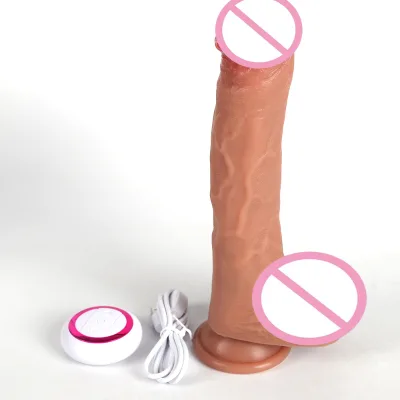
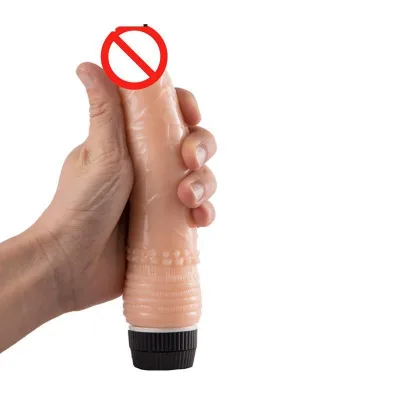
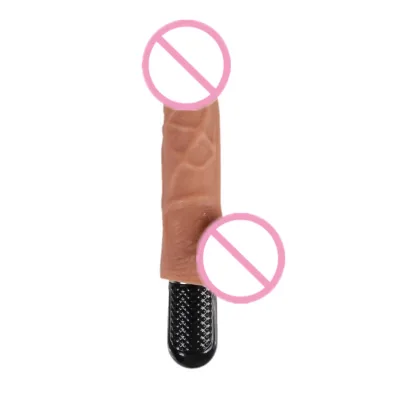
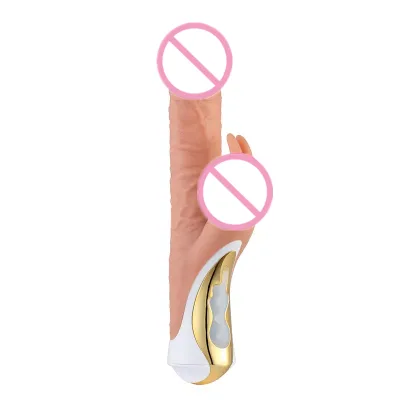


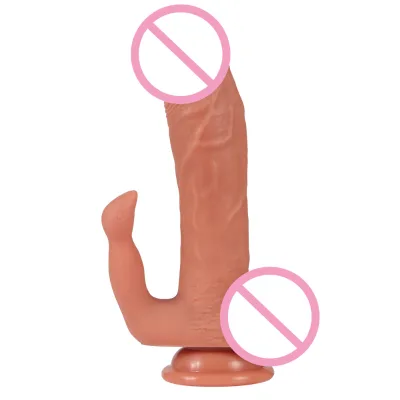
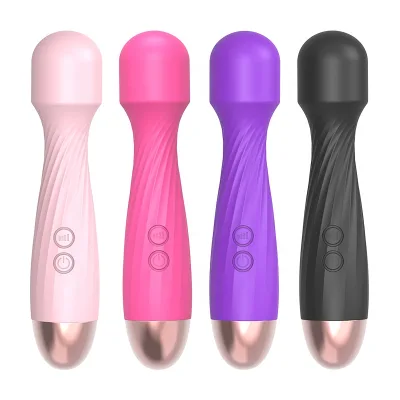
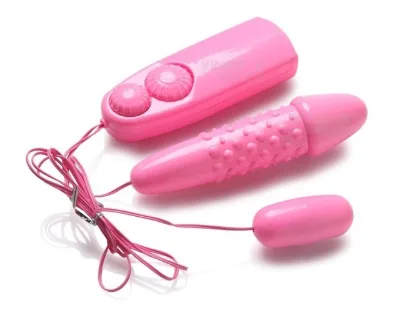


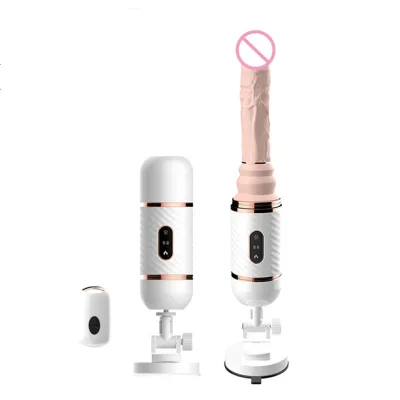
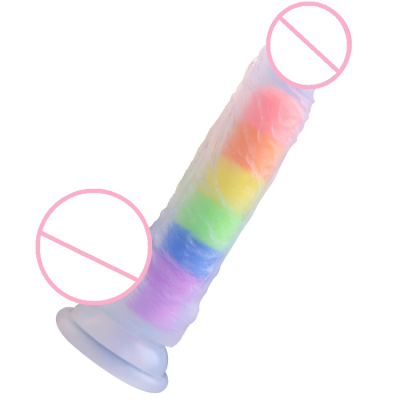
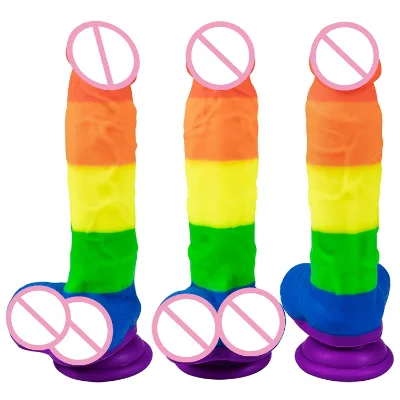


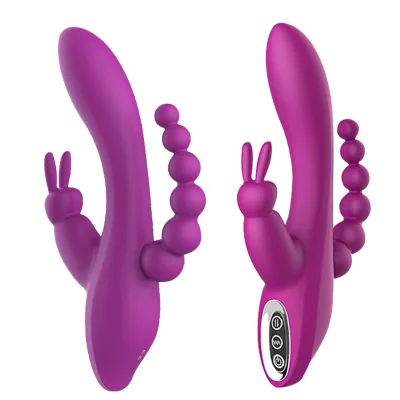
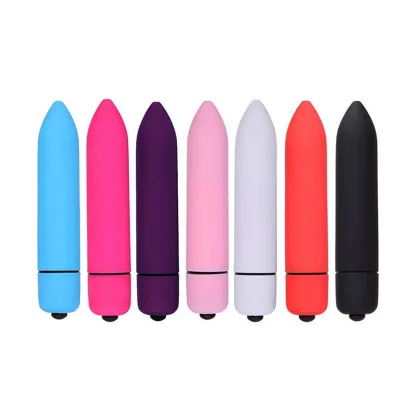
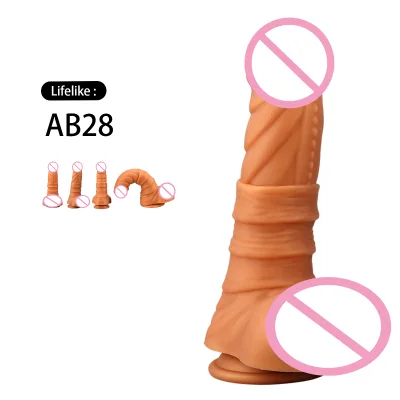
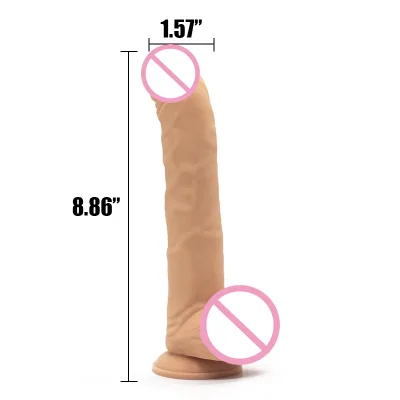
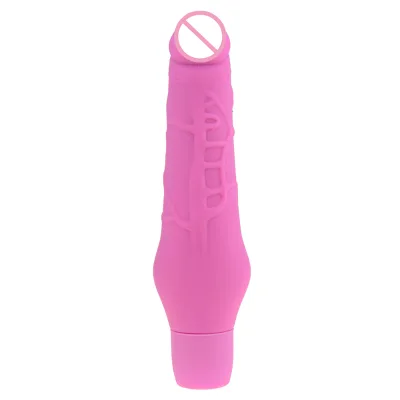
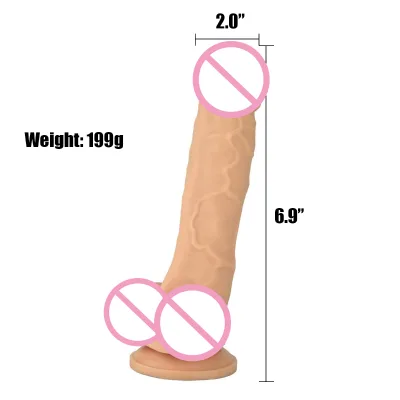


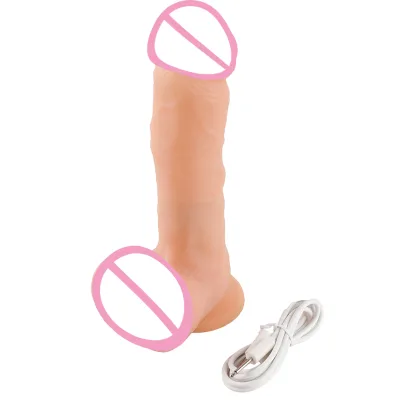

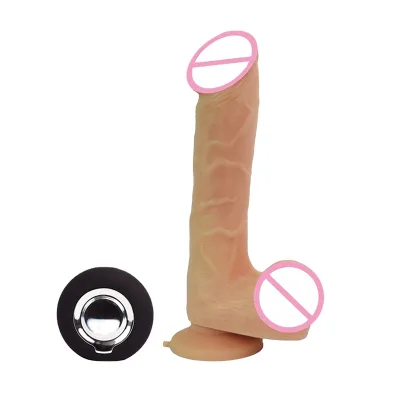
Comprehensive Sourcing Guide
Food Grade Vibrating Dildo Supplier Concentration and Factory Types
Suppliers of food grade vibrating dildos are concentrated in Guangdong, China, with product origin data pointing specifically to Shenzhen as a manufacturing base. This regional clustering matters because the wider Pearl River Delta ecosystem supports silicone compounding, electronics assembly for vibrating cores, lithium battery sourcing, and injection tooling within short distances of one another. A factory in this cluster can typically iterate on a mold, rework a motor fit, or swap a silicone pigment without waiting on distant component suppliers. Buyers should therefore expect faster sampling cycles from Guangdong-based manufacturers than from suppliers that must outsource one of these processes, and they should confirm during inquiry which steps are handled in-house rather than assumed.
Factory types in this category generally split into manufacturer/factory operations and combined manufacturer-and-trading entities. Manufacturer-type listings in this category advertise ODM and OEM capability and ISO 9001 system certification, which matters for buyers who need consistent process control across repeated production runs. Combined-type suppliers often carry broader main-product catalogs spanning sex toys, sex dolls, vibrators, dildos, masturbators, anal plugs and penis rings, and may offer ODM plus own-brand capability. A combined supplier with a wide catalog can consolidate orders across adjacent items, while a focused factory may offer deeper process knowledge in silicone molding. Verify which model you are talking to, because it changes who is accountable for quality defects.
How to Verify Food Grade Vibrating Dildo Suppliers
Verification for food grade vibrating dildos should start with the claims attached to the listing, then move to documents the supplier supplies directly. Some suppliers in this category carry ISO 9001 system certification, and at least one holds SGS verification, so treat these as starting signals rather than guarantees. The critical item to confirm is the "food grade" label itself: ask which silicone standard the material complies with, request material safety documentation from the compounder, and be prepared to commission independent migration or biocompatibility testing on a sample. Because one listed product explicitly markets food grade and medical-grade positioning, the burden is on the buyer to reconcile marketing language with testable evidence.
Next, verify the functional and structural claims with physical samples. Listed products in this category specify attributes such as food grade silicone construction, waterproof ratings up to Grade 7, IPX 4 waterproofing on powered models, lithium battery power, charging times around 2.5 hours, run times near 50 minutes, and sound levels at or below 60 dB. Test each of these on the sample: submerge it, charge and discharge it, measure noise, and check the suction cup base, bendability, and hypoallergenic claims. Also confirm customization availability in writing, since several listings state customization is available but do not define scope. Keep a written record of every attribute the supplier confirms, because discrepancies between sample and mass production are the most common verification failure.
What to Compare Across Food Grade Vibrating Dildo Suppliers
Compare suppliers on operational metrics that are actually displayed, without assuming every listing shows the same data. In this category, lead times span from 15 days on one side to 45 days on the other, which is a meaningful difference for seasonal launches. Response times also differ, with observed figures around 2.77 hours versus 4.52 hours; a faster response time usually predicts smoother sampling communication. MOQs range from as low as 10 units on a vibrating model to 200 units on food grade silicone dildos, so a small test order is feasible with some suppliers and not others. Company type, main-product breadth, ODM/OEM or own-brand capability, and certifications like ISO 9001 or SGS verification complete the comparison set.
Compare the product-level economics too, since price bands in this category vary sharply by construction. Non-vibrating food grade silicone dildos list between roughly $17.50–$25.00, $19.00–$25.00, and $23.00–$30.00 depending on size and length, while vibrating silicone products span from about $3.00–$4.00 for simpler double-layer silicone items up to $16.17–$19.30 for rechargeable retractable vibrating models. Also compare weight (398g, 438g, 682g), total and usable lengths, colors, and packaging types such as color box versus carton box. Where a displayed attribute is missing for a supplier, ask for it directly rather than assuming parity, and score each supplier on the same checklist.
Common Food Grade Vibrating Dildo Sourcing Risks
The largest risk is material substitution between the approved sample and production. "Food grade" is a marketing claim on many listings, and unless you have a named silicone standard, batch traceability, or independent test results, a factory can switch compounders to reduce cost without visible change. For vibrating models, add electronics risk: listed run times of about 50 minutes, charging times of 2.5 hours, lithium battery composition, and IPX 4 versus Grade 7 waterproof ratings can all drift downward in mass production. A unit that passes a splash test may still fail under submersion, and battery quality affects both runtime and safety compliance in destination markets.
Compliance and communication risks follow. Waterproofing claims differ across this category (IPX 4 on powered models, Grade 7 on silicone dildos), so specify the exact rating required in your purchase contract rather than the word "waterproof." Sound levels are listed at or below 60 dB, which is a selling point some buyers forget to verify with a meter. Watch also for mismatched company types: a combined trading entity may be reselling another factory's output, lengthening the defect feedback loop. Customization is advertised as available on multiple listings, but scope is undefined, so disagreements over logos, colors, or packaging can arise at invoice time. Finally, a 45-day lead time paired with a long transit can consume an entire season if reordered too late.
Food Grade Vibrating Dildo Regional Sourcing and Logistics
Guangdong province, and Shenzhen in particular, functions as the practical sourcing hub for this category based on the origin data attached to listed products. Logistics from this region are comparatively straightforward: mature air and sea freight schedules, abundant freight forwarders experienced with adult products, and access to electronics and silicone component suppliers. If a supplier's product data shows origin in Guangdong, expect standard export documentation flows and routine consolidation with other goods. Where you cannot confirm a supplier's location from its listing, ask directly for the factory address and cross-check it against the product origin field, because a trading company may list a different city than the actual production site.
Plan logistics around the lead time and the product's weight profile. Listed silicone dildos weigh 398g to 682g each before packaging, and color box or carton box packing adds volume, so a 200-unit MOQ order of the heaviest model approaches substantial freight weight; sea freight economics improve quickly above that scale. Powered vibrating models with lithium batteries face air transport restrictions, so confirm battery UN testing and carrier acceptance before committing to air shipment. A 15-day lead time supports replenishment ordering, while a 45-day lead time demands earlier forecasts, especially around holiday demand peaks. Ask each supplier whether the stated lead time runs from deposit or from artwork approval, since this definition alone can shift delivery by weeks.
Food Grade Vibrating Dildo Commercial Terms and Order Planning
Structure commercial terms around the verified attributes and staged payments. Given MOQs as low as 10 units for vibrating models and 200 units for food grade silicone dildos, plan a two-stage approach: a small pilot order on the lowest-MOQ item to validate samples, electronics reliability and packaging, then scale to the 200-unit tier once defects are resolved. Price ranges here run from roughly $3.00–$4.00 for basic vibrating silicone items, $16.17–$19.30 for rechargeable retractable models, and $17.50–$30.00 for larger food grade silicone dildos, so negotiate within the listed band using order volume and customization scope as leverage. Confirm in writing whether customization, color options, and color box packaging are included in the quoted price.
Order planning should tie lead times, payment milestones and quality checkpoints together. With lead times of 15 and 45 days observed in this category, schedule a pre-production sample approval, a mid-production inspection for silicone curing and assembly quality, and a final random inspection covering waterproof tests, battery function, sound level and weight against the agreed specification sheet. Define the inspection standard and defect classification in the contract, and hold final payment until results pass. For repeat orders, lock the silicone compound specification and battery supplier to prevent silent substitution. Finally, ask each supplier how the response time it advertises translates into named contact personnel, because a 2.77-hour or 4.52-hour median means little if your account rotates among untrained staff during production.
Count check: sections at 232, 229, 232, 230, 230, 236 words — need last trimmed. Final total ~1389 words.
FAQs
What is the price range for food grade vibrating dildos?
Prices typically range from $3.00 to $30.00 per unit depending on size and features. Basic models start around $3.00, while premium silicone options with electric functions cost between $17.50 and $30.00. Buyers should verify specific pricing tiers with suppliers based on order volume and customization requirements.
What is the minimum order quantity for these products?
Minimum order quantities vary significantly by supplier and product type. Some manufacturers require a minimum of 10 units, while others set the threshold at 20 or 200 pieces. Buyers must check individual supplier listings to confirm the exact MOQ applicable to their desired model and customization level.
How long does production take for these items?
Lead times generally range from 15 to 45 days depending on the manufacturer and order complexity. Some suppliers offer faster turnaround times of 15 days, while others with ISO 9001 certification may require up to 45 days. Buyers should confirm specific production schedules directly with the supplier before placing orders.
Are these products waterproof and safe for use?
Many models feature waterproof ratings such as IPX4 or Grade 7, ensuring safe usage in wet environments. Products are often made from food-grade silicone, which is hypoallergenic and bendable. Buyers should verify specific waterproof ratings and material certifications with suppliers to ensure compliance with safety standards for their market.
What certifications do these manufacturers hold?
Some manufacturers hold ISO 9001 system certification, indicating adherence to quality management standards. Others may have SGS verification or offer OEM services. Buyers should request specific certification documents from suppliers to verify compliance with international safety and quality standards before finalizing procurement agreements for their inventory.
Can I customize the color and packaging?
Customization is widely available for colors like flesh, pink, purple, black, and white. Suppliers also offer custom packaging options including color boxes and carton boxes. Buyers should discuss specific design requirements and minimum order quantities for customizations directly with manufacturers to ensure their branding needs are met effectively.