Food Processing Circular Tumbler Screen Suppliers and Manufacturers
Source Food Processing Circular Tumbler Screen units from 22 verified suppliers in China. Compare response times, lead times, certifications, and pricing to identify suitable partners. Request quotes directly to evaluate capacity and customization options; review the available evidence before requesting comparable quotations from suitable candidates.
Updated
Suppliers List

- Verified by TUVRHEINLAND
- Trading Company
- China Henan
- Lead time30 days
- Avg. response≤ 4h
Main productsScrew Conveyor, Bucket Conveyor, Vacuum Conveyor, Vibrating Conveyor, Vibrating Screen, Tumbler Screen, Decanter Centrifuge, Ribbon Blender, Bag Filler, Pin Mill
Main marketsSouth America,Africa,Others(foreignTradeCapacity.exportBusinessCapacityMarketOther),Southeast Asia/ Mideast,East Asia(Japan/ South Korea),Europe,Australia,North America

$2800.00 - $23800.00
MOQ: 1 SET

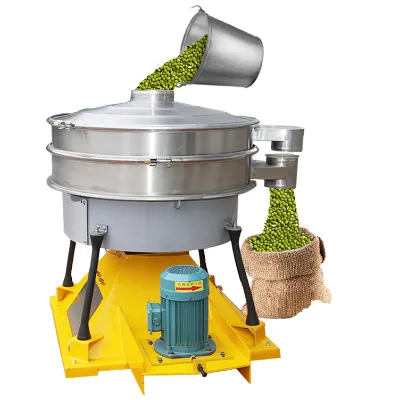
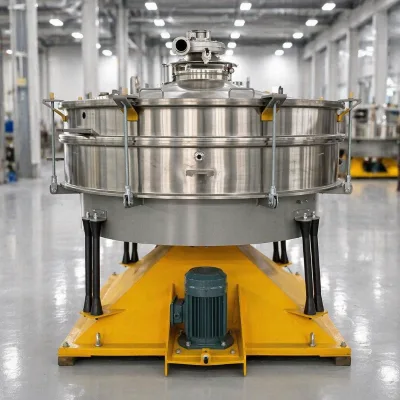
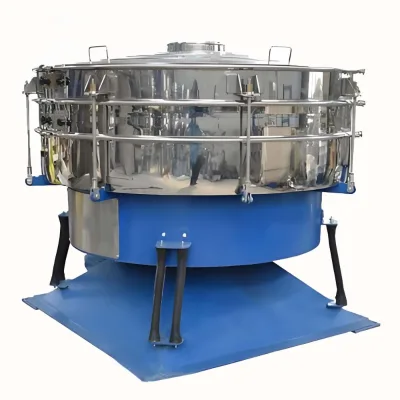
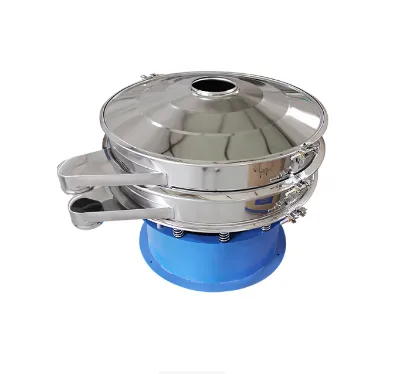
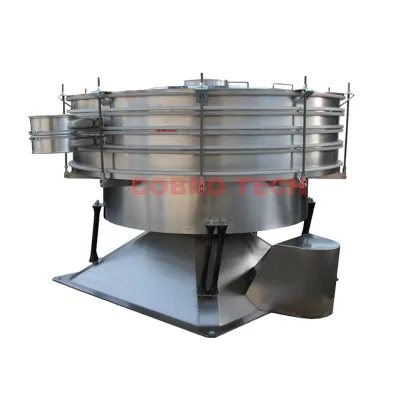
Stainless Steel 2000mm High Screening Accuracy Machine Spices Vibratory Rotary Tumbler Screen
$2550.00 - $2950.00
MOQ: 1 SET

$2800.00 - $23800.00
MOQ: 1 SET

Xinxiang Xianfeng Vibration Machinery Co., Ltd.
- Verified by SGS
- Combined
- China Henan
- Lead time30 days
- Avg. response≤ 2h
Main productsSquare Swing Vibration Screen, Rotary Vibration, Linerar Vibration Screen, Tumbler Vibration Screen, Ultrasonic Sieve Machine
Main marketsAfrica,Southeast Asia/ Mideast,Domestic,Europe,North America

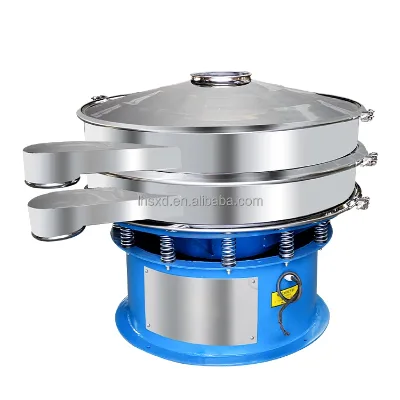
Stainless Steel Round Vibrating Screen Flour Tumbler Screening Machine for Food Processing
$3203.00 - $3361.00
MOQ: 1 Set/Sets

Factory Direct Human-Like Tumbling Circular Tumbler Screen Food & Grain Automatic Powder Sieve
$3203.00 - $3361.00
MOQ: 1 Set/Sets

Powder Round Tumbler Vibrating Screen Flour Tumbler Sifter Machine Round Swing Screen
$3203.00 - $3361.00
MOQ: 1 Set/Sets

Factory Custom Tumbler Screen for Food Industry Sugar Powder Starch Powder Screening
$3203.00 - $3361.00
MOQ: 1 Set/Sets

Tumbler Swing Screen, Food-Grade Swing Tumbler Sieve for Sesame Seeds & Food Production
$3203.00 - $3361.00
MOQ: 1 Set/Sets

Tumbler Swing Screen, Food-Grade Swing Tumbler Sieve for Sesame Seeds & Food Production
$3203.00 - $3361.00
MOQ: 1 Set/Sets
Xinxiang Jubao Intelligent Manufacturing Co., Ltd.
- Verified by TüVRheinland
- Manufacturer, Trading Company
- Lead time3 days
- Avg. response≤ 2h
Main productsScreening Machine, Conveying Machine, Mixing Machine, Bag Dumping Station
Main marketsDomestic Market(60%), North America(13%), Southeast Asia(8%)
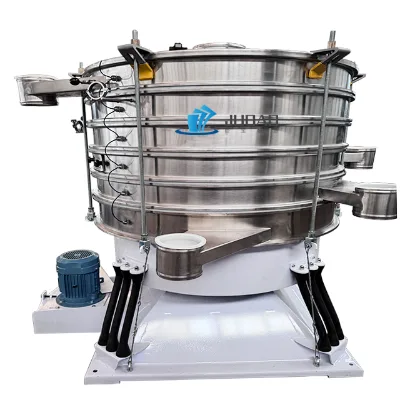
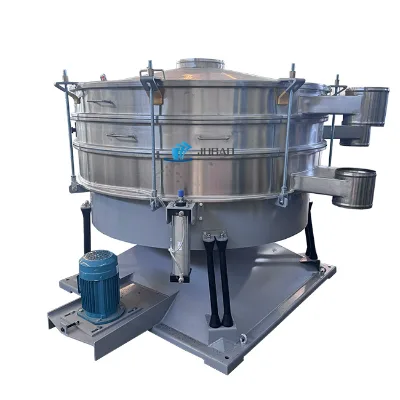
$2079.2306 - $2391.1151
MOQ: 1 sets
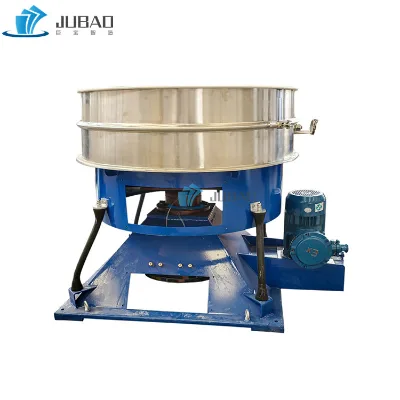
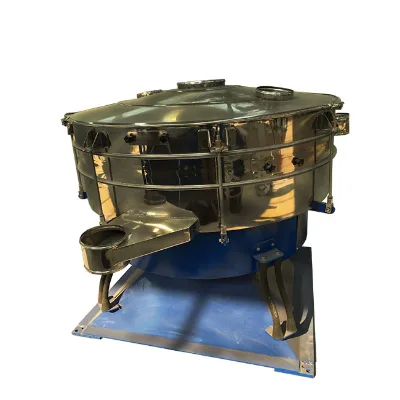
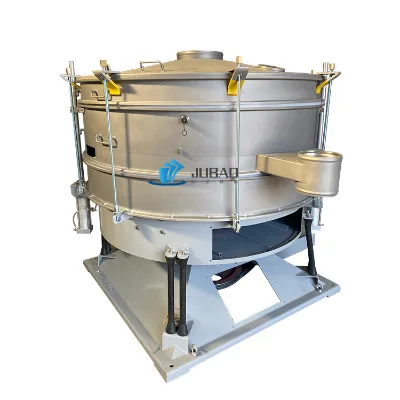
Dia 1800 mm Food Processing Industry Tumbler Sieve Machine
$4500.00 - $4880.00
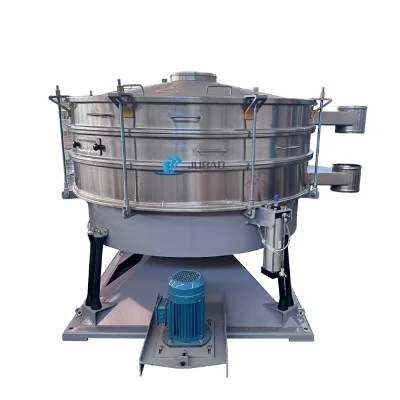

Xinxiang Zhongchengyou Machinery Co., Ltd
- Verified by SGS
- Combined
- China Henan
- Lead time23 days
- Avg. response≤ 3h
Main productsVibrating Screen, Conveyor Equipment, Screw Conveyor, Tumbler Screen, Production Line, Grinding Machine, Screening Machine, Gyratory Sifter Machine
Main marketsSoutheast Asia/ Mideast,Domestic,Europe,Australia,North America

High Precision Circular Tumbler Screen for Food Chemical Fine Powder Grading Separation
$4500.00 - $15500.00
MOQ: 1 Pieces

High Precision Circular Tumbler Screen for Food Spice Powder Fine Grading Separation
$4500.00 - $15500.00
MOQ: 1 Pieces

Circular Tumbler Screen for Food Flour Powder Fine Particle Grading and Separation
$4500.00 - $15500.00
MOQ: 1 Pieces


Food Grade Stainless Steel Circular Tumbler Screen for Spice and Flour Powder Sifting
$4000.00 - $10000.00
MOQ: 1 Pieces

Henan Chenqi Intelligent Equipment Co., Ltd.
- Verified by SGS Group
- Manufacturer, Trading Company
- Lead time0 days
- Avg. response≤ 1h
Main productsVibrating screening equipment, Conveying equipment, Lifting equipment, Mixing machine, Vacuum feeding machine

Xinxiang Sanyuantang Machine Co., Ltd.
- Verified by BV
- Combined
- China Henan
- Lead time15 days
- Avg. response≤ 4h
Main productsVibrating Screen, Conveyor Machine, Linear Vibrating Screens, Vibrating Conveyors, Tumbler Screen, Screw Conveyor, Honey Concentrator
Main marketsSouth America,Africa,Southeast Asia/ Mideast,Europe,North America


High Precision Food Wheat Tumbler Screen Machine Circular Vibrating Sieve
$5699.00 - $5999.00
MOQ: 1 Pieces

Large Capacity Circular Tumbler Screen with Gentle Screening Action for Fragile Materials
$5900.00 - $15599.00
MOQ: 1 Pieces


Xinxiang Tianfeng Vibration Machinery Co., Ltd.
- Verified by SGS
- Combined
- China Henan
- Lead time15 days
- Avg. response≤ 19h
Main productsVibrating Screen, Ultrasonic Vibrating Screen, Test Sieve, Swing Screen, Drum Screen, Rectilinear Sieve, Cyclone Screen, Feeder, Bucket Elevator, Vibrating Conveyor
Main marketsDomestic


Stainless Steel Coffee Powder Food Sieve Round Tumbler Vibrating Screen
$2000.00 - $4000.00
MOQ: 1 Pieces


Xinxiang Dahan Vibrating Machinery Co., Ltd.
- Verified by TüVRheinland
- Manufacturer, Trading Company
- Lead time5 days
- Avg. response≤ 3h
Main productsVibrating Screen, Screw Conveyor, Belt Conveyor, Bucket Elevator, Mixing Equipment
Main marketsSoutheast Asia(23%), Oceania(17%), North America(16%)
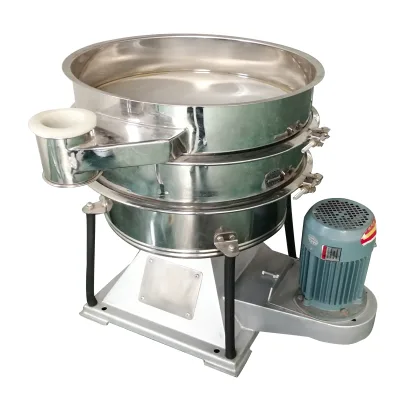
Chemical Industry Stainless Steel Swing Tumbler Powder Circular Rotary Vibrating Screen
$990.00 - $1020.00
MOQ: 1 sets
$2100.00 - $2300.00
MOQ: 1 sets
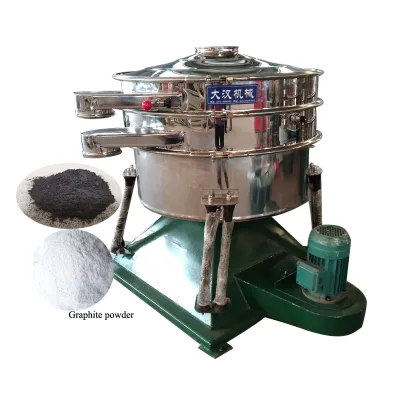
Dahan Circular Swing Screen Tumbler Vibrating Sieve for Graphite Powder
$2150.00 - $2200.00
MOQ: 1 pieces
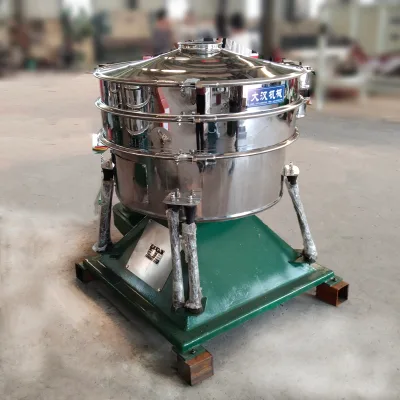
$2100.00 - $2190.00
MOQ: 1 sets
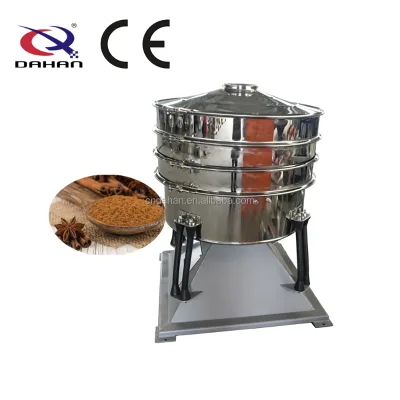
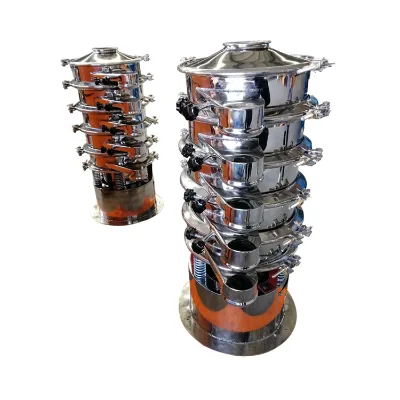
Xinxiang Dongzhen Machinery Co., Ltd.
- Verified by SGS Group
- Manufacturer, Trading Company
- Lead time21 days
- Avg. response≤ 2h
Main productsMixer, Grinder, Vegetable and fruit washing machine, Vibrating screen, Conveyor
Main marketsDomestic Market(60%), South America(9%), North America(7%)
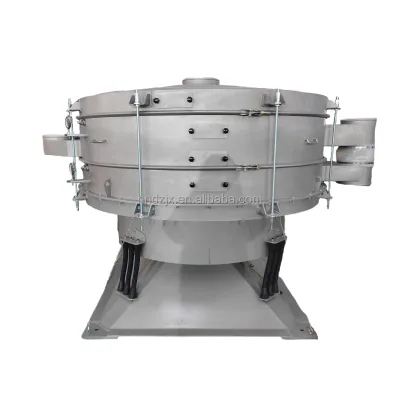
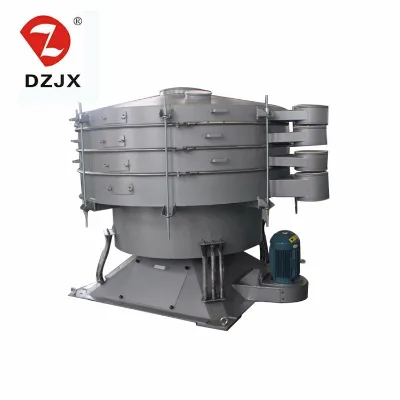
DZJX Custom Mesh Size Carbon Steel Motorized Tumbler Screen for Food Processing
$2203.0096 - $2612.8717
MOQ: 1 sets
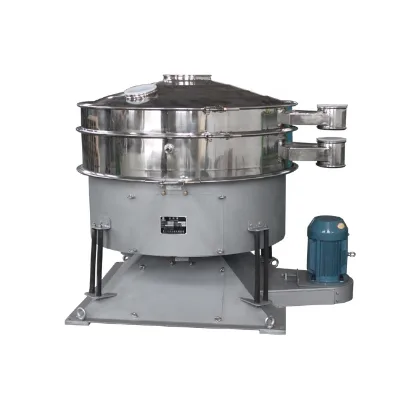
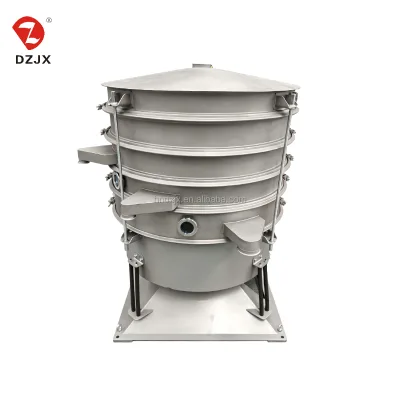
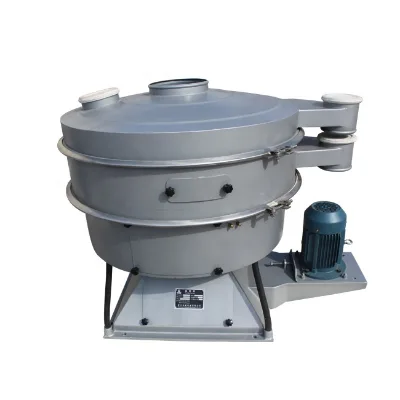
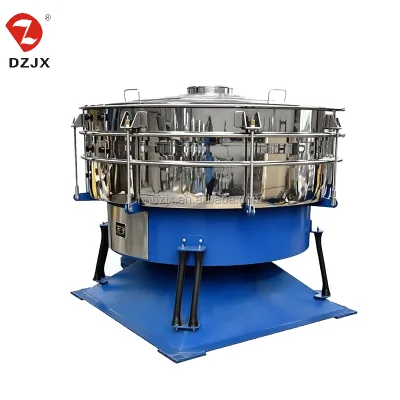
DZJX 800 1000 1200 Automated Self-Cleaning Tumbler Screen for Continuous Industrial Operation
$2222.8226 - $2636.3709
MOQ: 1 sets
Xinxiang First Vibration Machinery Factory Co., Ltd.
- Verified by SGS Group
- Manufacturer, Trading Company
- Lead time15 days
- Avg. response≤ 2h
Main productsVibrating Screen, Vibrating Mill, Mixer, Feeder & Conveyor, Packing Machine
Main marketsNorth America(20%), Southeast Asia(15%), Oceania(10%)
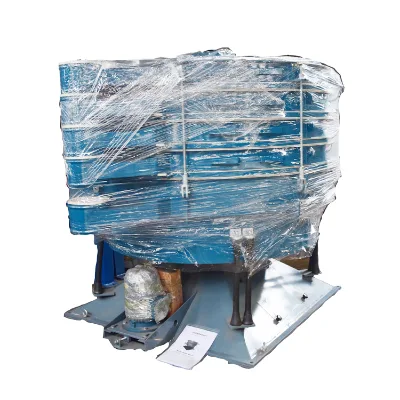
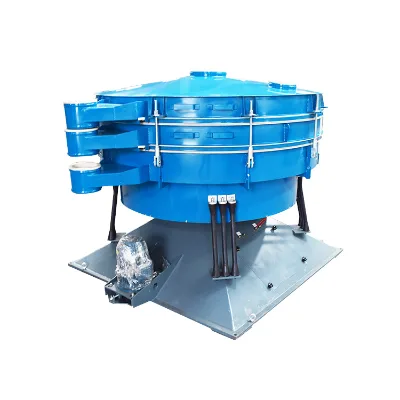
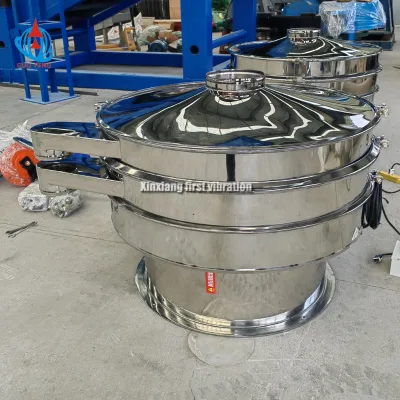
GUOFENG Good Proformance 1 Layer All Sus304 Food Processing Circle Vibrating Screen
$1640.9115 - $1845.0048
MOQ: 1 units
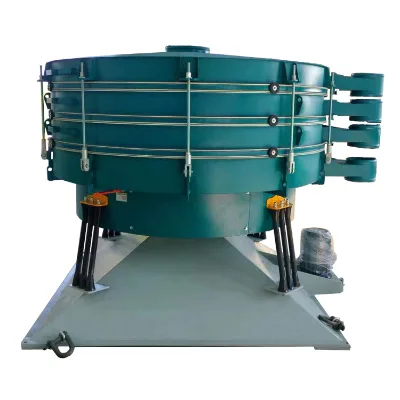
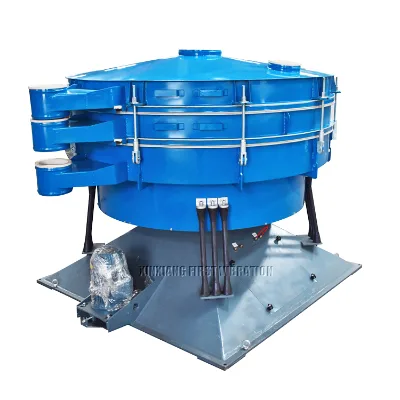
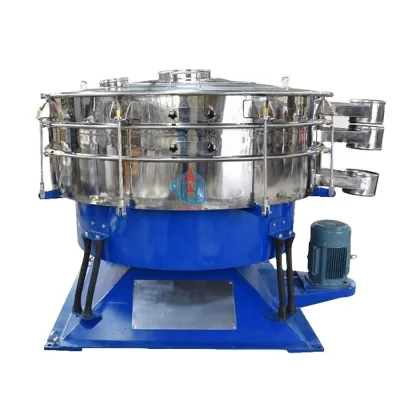
- Trading Company
- Henan, China
- Lead time10 days
- Avg. response≤ 3h
Main productsvibrating screen,filter press,leaf filter,tumbler screen,gyratory vibrating screen
Main marketsSouth America(20.00%), Mid East(20.00%), South Asia(10.00%), Central America(10.00%), Eastern Asia(10.00%), North America(10.00%), Africa(10.00%), Southeast Asia(10.00%)
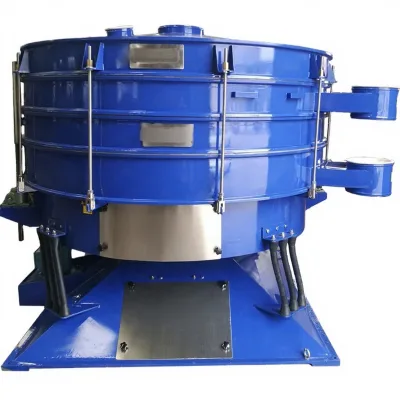
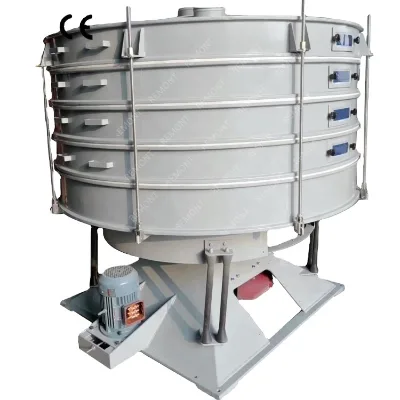
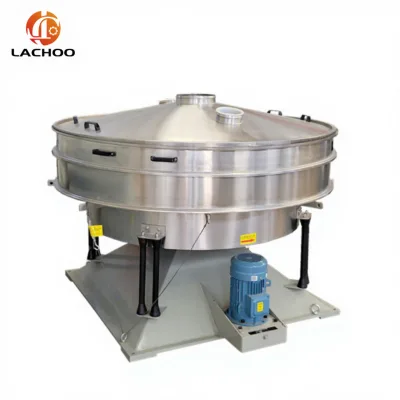
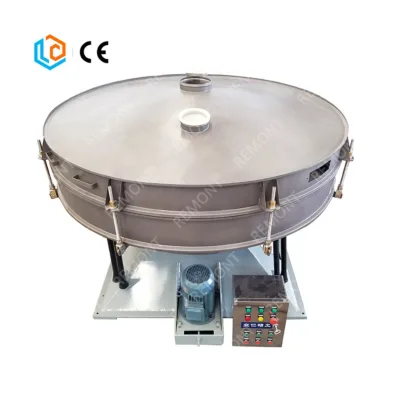
High Quality Vibrating Screen For Chemicals Industry Tumbler Swing Sieve
$4900.00 - $5000.00
Henan Chunying Environmental Protection Equipment Co., Ltd.
- Verified by SGS Group
- Manufacturer, Trading Company
- Lead time7 days
- Avg. response≤ 4h
Main productsRotary vibrating screen, Linear vibrating screen, Screw conveyor, Vacuum conveyor, Mining vibrating screen
Main marketsDomestic Market(40%), Southeast Asia(20%), Mid East(10%)
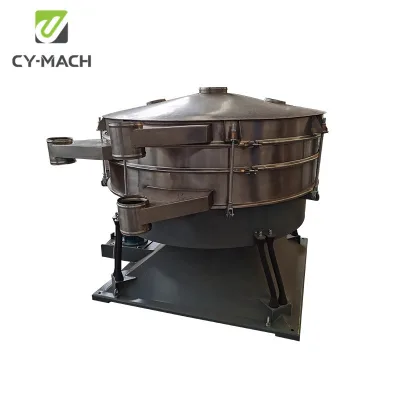
High Yield Salt Coffee Round Tumbler Screener Milk Powder Circular Vibrating Sieve for Flour
$3045.6825 - $3097.3034
MOQ: 1 sets
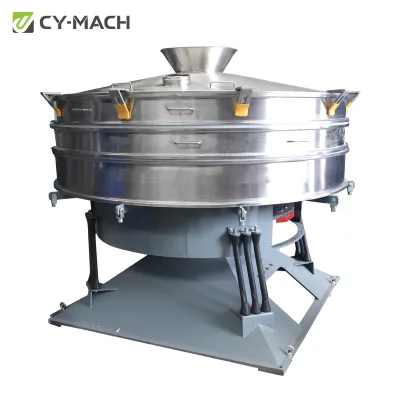
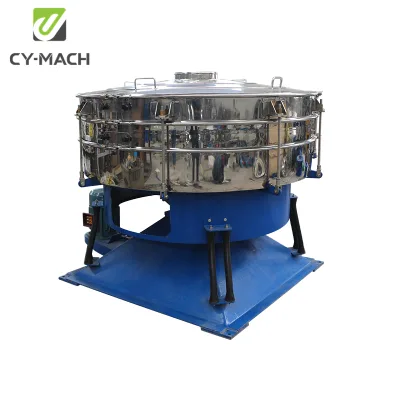
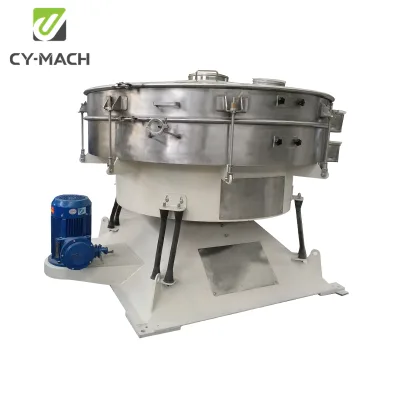
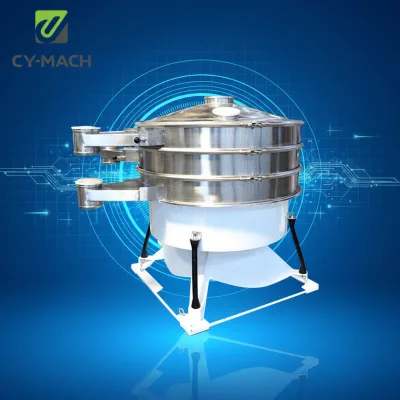
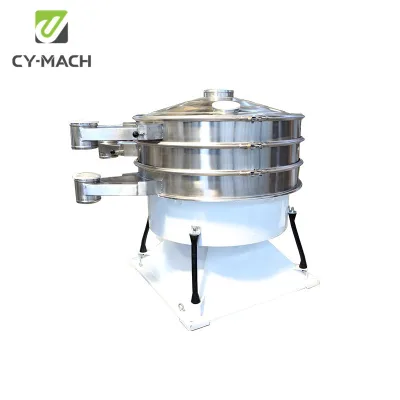
Coffee Bean Tumbler Screen Vibration Filter Sieve Round Separator Machine
$2326.2097 - $2429.5968
MOQ: 1 sets

Xinxiang Dongzhen Machinery Co., LTD
- Verified by SGS
- Combined
- China Henan
- Lead time30 days
- Avg. response≤ 5h
Main productsPowder Mixer, Spice Grinding Machine, Stainless Steel Mixing Tank, Screw Conveyor, Sugar Mill, Vibrating Screen, Trommel Screen, Bucket Elevator, Soap Bar Production Line
Main marketsSouth America,Africa,Others(foreignTradeCapacity.exportBusinessCapacityMarketOther),Southeast Asia/ Mideast,East Asia(Japan/ South Korea),Europe,Australia,North America

Dzjx Circular Tumbler Screen for Continuous Operation and Large Output
$1900.00 - $2300.00
MOQ: 1 Pieces

Dzjx Grain Soybean Corn Rotary Circular Tumbler Screen Multi-Layer Fine Screening
$1900.00 - $2300.00
MOQ: 1 Pieces

Dzjx Custom Stainless Steel Tumbler Screen for Gentle Powder Sifting
$1900.00 - $2300.00
MOQ: 1 Pieces

Dzjx Multi-Fraction Tumbler Screen for Simultaneous Particle Classification
$1900.00 - $2300.00
MOQ: 1 Pieces

Xinxiang Karp Machinery Equipment Co., Ltd.
- Verified by TUVRHEINLAND
- Manufacturer/Factory
- China Henan
- Lead time23 days
- Avg. response≤ 3h
Main productsRound Vibrating Screen, Linear Vibration Sieve, Tumbler Screen, Gyratory Sifter, Vibrating Screen, Vacuum Conveyor
Main marketsSouth America,Eastern Europe,Mid East,Southeast Asia,Eastern Asia,Oceania,Western Europe,Africa

High Efficiency Stainless Steel Tumbler Screen for Food Powder and Granule Screening
$3000.00 - $3800.00
MOQ: 1 Set

1000-2600mm Diameter Tumbler Sieving Screen Round Tumbler Sifter for Calcium Carbonate Powder
$4900.00 - $5700.00
MOQ: 1 Set


SS316 Food Industry Tumbler Screen for Desiccated Coconut Powder Soybean Milk Powder
$5000.00 - $5500.00
MOQ: 1 Set

Multi-Layer Coffee Powder Tumbler Screen Sifter for Food Industry and Flavoring Powder
$3000.00 - $4000.00
MOQ: 1 Set

High Capacity Swing Screen Tumbler Screen for Glucose Powder Round Sifting Machine
$3000.00 - $4200.00
MOQ: 1 Set

Xinxiang Gaofu Machinery Co., Ltd
- Verified by SGS
- Combined
- China Henan
- Lead time23 days
- Avg. response≤ 2h
Main productsVibrating Screen, Ultrasonic Vibrating Sieve, Bag Feeding Station, Tumbler Screen, Centrifugal Sifter, Square Swing Screen, Probability Screen, Vacuum Conveyor, Screw Conveyor, Coal Crusher
Main marketsSouth America,Africa,Southeast Asia/ Mideast,Europe,Australia,North America

High-Efficiency Tumbler Vibrating Screen for Raw Material Processing
$4790.00 - $6000.00
MOQ: 1 Pieces


Navector (Henan) Equipment Technology Co., Ltd.
- Verified by CTI
- Combined
- China Henan
- Lead time15 days
- Avg. response≤ 2h
Main productsScreening Equipment, Vibrating Sieve, Tumbler Sieve, Fine Suspension Sieve, 3D Printing Powder Recycling Line, Vacuum Feeder, Ultrasonic Metal Powder Manufacturing Machine, Viga Metal Powder Atomizer, Eiga Metal Powder Atomizer, Automatic Powder Packing Conveying Machine


Nts Series Tumbler Screen for Food Industry Baobab Powder Sieving Machine
$3500.00 - $4500.00
MOQ: 1 Sets


Xinxiang Unitfine Machinery Co., Ltd.
- Verified by SGS
- Trading Company
- China Henan
- Lead time45 days
- Avg. response≤ 10h
Main productsVibrating Screen, Vacuum Conveyor, Pulverizers, Tube Chain Conveyor, Drying Equipment, Mixers, Rotary Cone Mixer, Vacuum Tray Dryer, Ultrasonic Generator, Tumbler Sifter
Main marketsSouth America,Southeast Asia/ Mideast,Europe,North America


High-Performance Gyratory Screener: Superior Model for Demanding Applications
$9900.00 - $58000.00
MOQ: 1 Sets
Xinxiang Hongda Vibration Equipment Co., Ltd.
- Verified by Intertek
- Manufacturer, Trading Company
- Lead time3 days
- Avg. response≤ 2h
Main productsSieving Machines, Mixing Machines, Conveying Machines, Vibration Motors
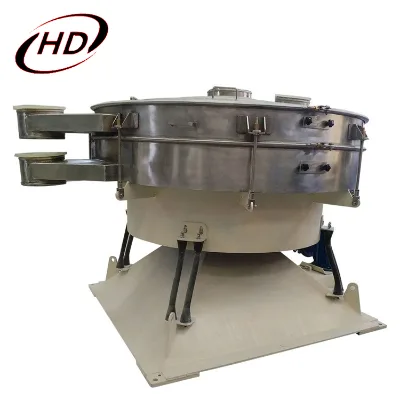
Industrial Tumbler Sifter Pollen Sieve Machine/tumbler Screener Price
$1700.00 - $1800.00
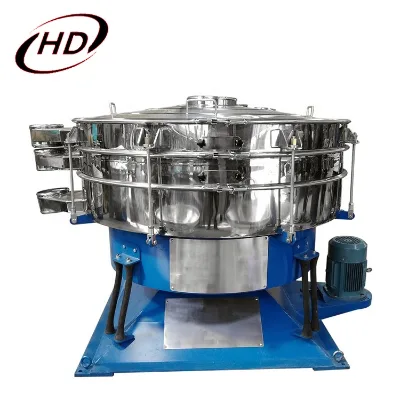
Manufacturer Supply Stainless Steel Circular Tumbler Sieve Sifting Machine for Spice
$1000.00
MOQ: 1 Minimum
Luohe Xingdian Electromechanical Equipment Co., Ltd.
- Verified by SGS Group
- Trading Company
- Lead time7 days
- Avg. response≤ 1h
Main productsFood making machine, Powder milling machine, Farm machine, Water well drilling machine
Main marketsNorth America(35%), Africa(30%), Southeast Asia(14%)

Xinxiang Jubao Intelligent Manufacturing Co., Ltd.
- Verified by TUVRHEINLAND
- Combined
- China Henan
- Lead time15 days
- Avg. response≤ 3h
Main productsVibrating Screen, Tumbler Screen, Gyratory Sifter, Vacuum Conveyor, Mixing Machine
Main marketsSouth America,Southeast Asia/ Mideast,Europe,North America
- Manufacturer, Trading Company
- Henan, China
- Lead time15 days
- Avg. response≤ 5h
Main productsvibrating screen,conveying machine,mixing machine,grinding machine,packing machine
Main marketsDomestic Market(20.00%), Southeast Asia(14.00%), South Asia(12.00%), North America(9.00%), Africa(8.00%), Central America(7.00%), South America(6.00%), Mid East(6.00%), Western Europe(5.00%), Oceania(4.00%), Eastern Europe(3.00%), Eastern Asia(3.00%), Southern Europe(2.00%), Northern Europe(1.00%)

Henan Shanky Machinery Co., Ltd.
- Verified by CTI
- Manufacturer/Factory
- China Henan
- Lead time30 days
- Avg. response≤ 9h
Main productsMining Machinery Manufacturing, Construction Machinery and Equipment Leasing, Mechanical Equipment Sales, Environmental Advisory Services, Environmental Protection Special Equipment Pin, Crushers & Grinding Mill, Crusher Spare Parts
Main marketsSouth America,Eastern Europe,Mid East,North America,Southeast Asia,Eastern Asia,Oceania,Western Europe,Africa




Comprehensive Sourcing Guide
Food Processing Circular Tumbler Screen Supplier Concentration and Factory Types
The current supplier landscape for food processing circular tumbler screens reveals a distinct concentration of manufacturing and trading entities within China, specifically in the Henan region. This geographic clustering is significant because it indicates a mature industrial ecosystem where specialized machinery components, such as vibrating motors and screening meshes, are readily available. Buyers evaluating suppliers should note that the primary location identified is China Henan, which serves as a hub for this specific type of industrial equipment. When assessing potential partners, it is crucial to distinguish between pure trading companies and those with manufacturing capabilities, as this distinction directly impacts customization flexibility and quality control. The observed supplier types include Trading Companies, Combined entities, and Manufacturers, each offering different value propositions. A trading company may offer a broader range of auxiliary products like screw or bucket conveyors, while a manufacturer might provide deeper technical expertise in the vibrating screen mechanics themselves. Understanding this factory type is the first step in aligning supplier capabilities with your specific operational needs, whether you require off-the-shelf standard models or highly customized solutions for unique food processing applications.
Furthermore, the diversity in company types suggests that buyers have multiple pathways to source these machines, depending on their volume and technical requirements. Some suppliers operate as combined entities, blending manufacturing with trading functions, which can streamline communication but may require careful verification of their actual production capacity. Others are strictly trading companies, which might simplify the procurement process for smaller orders but could introduce layers of markup. The main products listed across these suppliers often extend beyond just tumbler screens to include related equipment such as ribbon blenders, bag fillers, and various conveyor systems. This suggests that many suppliers in this cluster are positioned as comprehensive solution providers for food processing lines rather than single-product vendors. Buyers should leverage this information to evaluate whether a supplier’s broader product range indicates a robust supply chain or merely a reselling operation. By understanding the factory type and geographic concentration, buyers can better anticipate lead times, communication styles, and the level of technical support available during the sourcing process, ensuring a more informed initial selection phase.
How to Verify Food Processing Circular Tumbler Screen Suppliers
Verification is a critical step in mitigating risk when sourcing industrial machinery from international suppliers, particularly when dealing with complex equipment like circular tumbler screens. Buyers must prioritize suppliers who have undergone third-party verification processes, as these provide an independent assessment of the supplier’s business legitimacy and operational capabilities. In the current results, verification badges such as TUVRHEINLAND and SGS are present, indicating that these suppliers have met specific criteria set by recognized international inspection agencies. These verifications often include checks on business licenses, factory audits, and quality management systems. However, buyers should not rely solely on the presence of a verification badge; it is essential to understand the scope of the verification. For instance, some verifications may focus on trading capabilities, while others might include on-site manufacturing audits. Additionally, system certifications like ISO9001:2015 and CE marks are observed among some suppliers, which further attest to their adherence to international quality and safety standards. These certifications are particularly important for food processing equipment, as they often relate to hygiene, material safety, and electrical compliance. Buyers should request copies of these certificates and verify their validity through the issuing bodies to ensure they are current and applicable to the specific products being purchased.
Beyond certifications, buyers should actively engage with suppliers to assess their responsiveness and technical competence, which are strong indicators of reliability. The response time metric provides a quantitative measure of how quickly a supplier engages with inquiries, with observed times ranging from 1.63 to 3.51 hours. A faster response time often correlates with a more dedicated sales team and better customer service infrastructure, which is vital for resolving technical questions or negotiating custom specifications. Buyers should also look for evidence of product testing and inspection reports, such as video outgoing inspections and machinery test reports, which some suppliers provide. These documents offer tangible proof of the product’s condition and functionality before shipment. Furthermore, buyers should inquire about the supplier’s warranty policies and after-sales support structure. A supplier that offers a one-year warranty, as seen in some product listings, demonstrates confidence in their product quality. By combining verification badges, certifications, response speed analysis, and technical documentation review, buyers can build a comprehensive profile of each supplier’s reliability, ensuring they partner with entities that can consistently deliver high-quality food processing circular tumbler screens.
What to Compare Across Food Processing Circular Tumbler Screen Suppliers
When evaluating multiple suppliers for food processing circular tumbler screens, buyers must systematically compare key operational and commercial metrics to identify the best fit for their specific requirements. One of the most critical factors is the lead time, which varies significantly among suppliers. Observed lead times range from 3 days to 30 days, reflecting differences in production capacity, inventory levels, and customization complexity. Suppliers with shorter lead times may be better suited for urgent orders or just-in-time manufacturing environments, while those with longer lead times might offer more competitive pricing for standard models. Another vital metric is the minimum order quantity (MOQ), which influences the feasibility of small-scale trials or large-volume deployments. In the current results, an MOQ of 1 is observed, indicating flexibility for buyers who wish to test a supplier’s product before committing to larger orders. Buyers should also compare the price ranges, which span from approximately $2,550 to $23,800, depending on the model, material, and capacity. This wide range highlights the importance of defining precise technical specifications before requesting quotes to ensure accurate comparisons. Additionally, the main products offered by each supplier can indicate their specialization; some focus heavily on screening equipment, while others offer a broader range of food processing machinery.
Technical specifications and customization options are equally important when comparing suppliers. Buyers should examine attributes such as power consumption, capacity, screen material, and noise levels to ensure compatibility with their existing infrastructure and operational constraints. For example, some tumbler screens operate at 5.5kw or 7.5kw, with capacities ranging from 2000 to 6000kg/hr, and are constructed from materials like SUS304 stainless steel or mild steel. The ability to customize the machine, such as adjusting the aperture size or screening stages, is a key differentiator for suppliers catering to unique food processing needs. Buyers should also compare the warranty terms, with one-year warranties being common, and inquire about the availability of spare parts and technical support. Response time is another comparative metric, with some suppliers responding in under two hours, which can facilitate faster decision-making and issue resolution. By creating a comparison matrix that includes lead time, MOQ, price, technical specs, customization capabilities, and support terms, buyers can objectively assess each supplier’s value proposition. This structured approach ensures that the final selection is based on a holistic evaluation of both commercial and technical factors, minimizing the risk of mismatched expectations and ensuring a successful procurement outcome.
Common Food Processing Circular Tumbler Screen Sourcing Risks
Sourcing food processing circular tumbler screens from international suppliers involves several inherent risks that buyers must proactively manage to ensure a smooth procurement process. One significant risk is the potential mismatch between advertised specifications and actual product performance. While suppliers provide detailed attributes such as power, capacity, and material composition, these figures may not always reflect real-world operating conditions. Buyers should be cautious of overly optimistic capacity claims or noise level assertions, as these can impact the efficiency and ergonomics of their production line. Another risk is the variability in quality control standards, particularly when dealing with trading companies that may not have direct oversight of the manufacturing process. This can lead to inconsistencies in build quality, material grade, or electrical safety, which are critical for food processing equipment. Additionally, the risk of communication barriers cannot be overlooked, as technical nuances regarding screening accuracy, vibration frequency, or maintenance requirements may be misunderstood. This can result in orders that do not meet the buyer’s specific processing needs, leading to costly delays and rework. Buyers must therefore establish clear, detailed technical specifications and maintain open lines of communication throughout the ordering process to mitigate these risks.
Logistical and post-sale support risks are also prevalent in international machinery sourcing. Shipping heavy industrial equipment like tumbler screens involves complex logistics, including proper packaging to prevent damage during transit and compliance with import regulations in the destination country. Some suppliers offer standard export packaging, but buyers should verify that this is sufficient for their specific shipping route and handling conditions. Furthermore, the availability of after-sales support, including spare parts, technical troubleshooting, and warranty claims, can be a significant challenge when dealing with overseas suppliers. If a supplier has a limited local presence or slow response times, resolving technical issues can become a major operational bottleneck. Buyers should also be aware of the risk of intellectual property infringement or counterfeit components, especially when dealing with unverified suppliers. To mitigate these risks, buyers should conduct thorough due diligence, including factory audits and reference checks, and insist on clear contractual terms that outline warranty obligations and support responsibilities. By anticipating these common risks and implementing robust mitigation strategies, buyers can protect their investment and ensure the reliable operation of their food processing circular tumbler screens.
Food Processing Circular Tumbler Screen Regional Sourcing and Logistics
The geographic concentration of Food Processing Circular Tumbler Screen suppliers in China, particularly in the Henan region, has significant implications for sourcing strategies and logistics planning. This clustering effect creates a competitive market with a wide variety of options, but it also requires buyers to carefully manage the logistics of importing heavy machinery. Shipping these screens from China involves considerations such as freight costs, transit times, and customs clearance procedures. Buyers should factor in the lead time, which can range from 3 to 30 days, into their overall supply chain planning to avoid production delays. Additionally, the weight and dimensions of the tumbler screens, which can vary based on the model and capacity, will impact shipping costs and packaging requirements. Some suppliers offer standard wooden packing, which is essential for protecting the equipment during transit, but buyers should verify that this meets their specific logistical needs. It is also important to consider the electrical standards in the destination country, as the voltage and frequency of the tumbler screens may need to be customized to match local infrastructure. Suppliers offering multiple voltage options, such as 110V, 220V, and 380V, can help mitigate this risk, but buyers must confirm compatibility before ordering.
Furthermore, buyers should evaluate the supplier’s experience with international shipping and documentation to ensure a smooth customs clearance process. Reliable suppliers should provide all necessary export documents, including commercial invoices, packing lists, and certificates of origin, in a timely manner. Buyers should also be aware of any import duties, taxes, or regulatory requirements in their home country that may affect the total cost of ownership. Engaging with a experienced freight forwarder can help navigate these complexities and optimize shipping routes. Additionally, buyers should consider the environmental impact of their sourcing decisions, as shipping heavy machinery from distant locations contributes to carbon emissions. Exploring local or regional suppliers, if available, may offer a more sustainable alternative, although the current results indicate a strong concentration in China. By carefully planning the logistics and understanding the regional dynamics of the supplier base, buyers can minimize shipping costs, reduce transit times, and ensure that their food processing circular tumbler screens arrive in optimal condition and ready for installation.
Food Processing Circular Tumbler Screen Commercial Terms and Order Planning
Effective order planning for food processing circular tumbler screens requires a thorough understanding of commercial terms, payment structures, and warranty policies to protect the buyer’s interests. The price range for these machines is broad, spanning from approximately $2,550
FAQs
What is the price range for food processing circular tumbler screens?
Prices typically range from $2,550 to $23,800 depending on specifications. Stainless steel models with high screening accuracy often start around $2,550. Larger industrial units with custom configurations can reach up to $23,800. Buyers should verify exact costs based on material choices and capacity requirements.
What is the minimum order quantity for these machines?
The minimum order quantity is generally one unit. Suppliers accept single-unit purchases for initial testing or small-scale operations. This low MOQ allows buyers to evaluate performance before committing to larger volumes. It is advisable to confirm specific MOQ terms with the supplier during negotiation.
How long does delivery take for these screening machines?
Lead times vary between three and thirty days depending on the supplier. Some manufacturers offer rapid turnaround within three days for standard models. Others may require up to thirty days for customized configurations or high-volume orders. Buyers should request specific delivery schedules to align with their production timelines.
What certifications do these tumbler screens typically have?
Common certifications include ISO9001:2015 and CE marks for quality and safety compliance. Some suppliers also hold TÜV Rheinland or SGS verification for additional assurance. Buyers should request valid certificates to ensure the equipment meets international standards. Verification status helps confirm the reliability and manufacturing quality of the supplier.
What materials are used for the screening surfaces?
Screening surfaces are typically made from SUS304 stainless steel or carbon steel. Stainless steel is preferred for food processing due to hygiene and corrosion resistance. Carbon steel offers durability for heavier industrial applications. Buyers should select the material based on the specific food product and regulatory requirements for their processing line.
What is the typical response time from suppliers?
Supplier response times generally range from 1.63 to 3.51 hours. Faster responses indicate active sales teams ready to assist with inquiries. Buyers can expect prompt communication regarding quotes and technical specifications. Quick response times are crucial for resolving urgent sourcing needs and maintaining project momentum.