Frozen Jiaozi Dumpling Suppliers and Manufacturers
Source 15 verified Frozen Jiaozi Dumpling suppliers in Hebei, China. Compare key dimensions including ISO, HACCP, and BRC certifications, lead times, and MOQs. Contact manufacturers directly to request samples and verify production capabilities for your specific needs; review the available evidence before requesting comparable quotations from suitable candidates.
Updated
Suppliers List
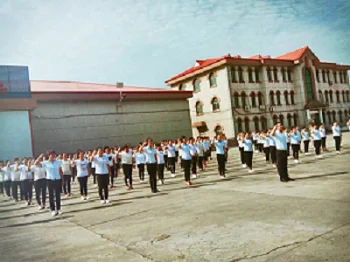
Handan Zhaohui Biotechnology Co., Ltd.
- Manufacturer
- Hebei, China
- Lead time20 days
- Avg. response≤ 13h
Main productsspring roll,curry samosa,money bag,sesame balls,vegetable dumpling
Main marketsDomestic Market(7.14%), South Asia(7.14%), Southern Europe(7.14%), Northern Europe(7.14%), Central America(7.14%), Western Europe(7.14%), Eastern Asia(7.14%), Mid East(7.14%), Oceania(7.14%), Africa(7.14%), Southeast Asia(7.14%), Eastern Europe(7.14%), South America(7.14%), North America(7.14%)
Handan Zhaozhen Biotechnology Co., Ltd.
- Manufacturer, Trading Company
- Hebei, China
- Lead time5 days
- Avg. response≤ 5h
Main productsspring roll,samosa,Money Bag,guabao,steamed bread
Main marketsSouth America(20.00%), North America(20.00%), Domestic Market(10.00%), Northern Europe(10.00%), Western Europe(10.00%), Eastern Asia(10.00%), Oceania(10.00%), Africa(10.00%)
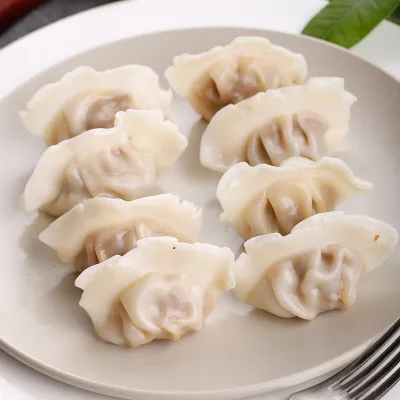
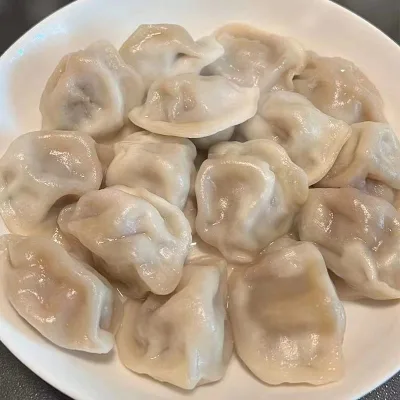
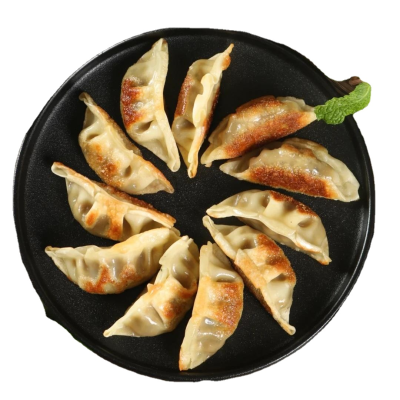
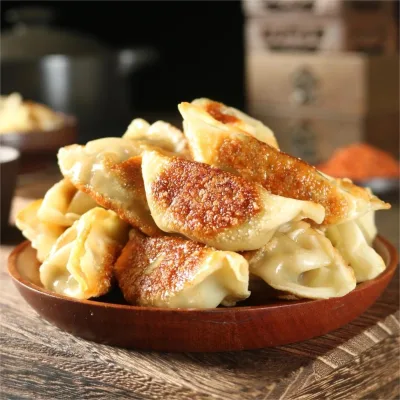
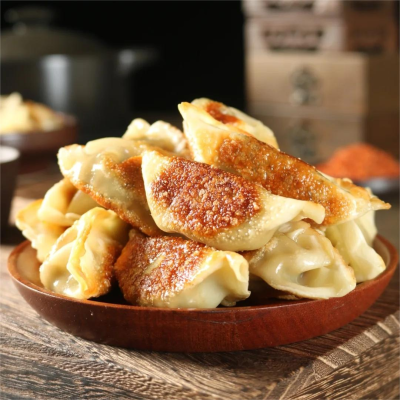
Chinese Snacks Chicken Shrimp Frozen Dumplings Fried Dumplings for Breakfast
$2.0987 - $2.623
MOQ: 100 kilograms
Weifang Longtai Maimaiduo Information Technology Development Co., Ltd.
- Manufacturer, Trading Company
- Shandong, China
- Lead time20 days
- Avg. response≤ 5h
Main productsSteamed Dumplings, Gua Bao, Sesame Balls, Spring Roll, Steamed Buns
Main marketsEastern Asia(60.00%), Northern Europe(25.00%), North America(10.00%), Domestic Market(5.00%)
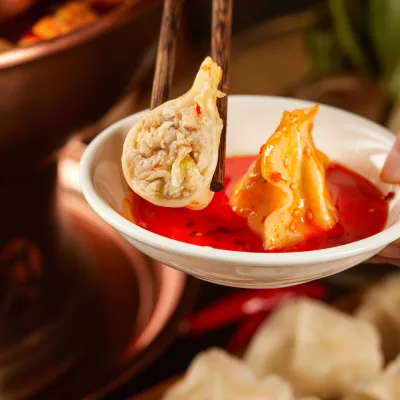
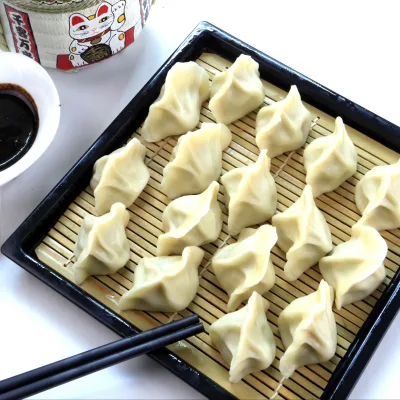
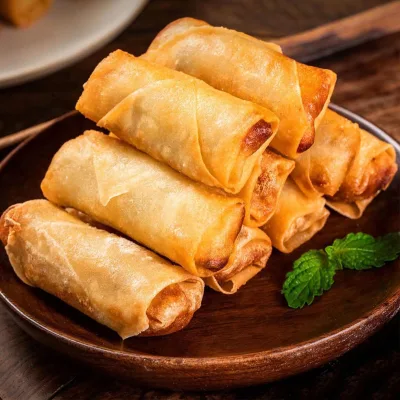
Longtai Frozen Instant Chinese New Year Spring Festival Food Boiled Jiaozi Dumpling
$2.10 - $2.20
MOQ: 3000
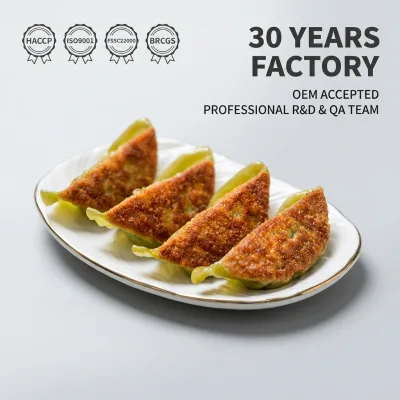
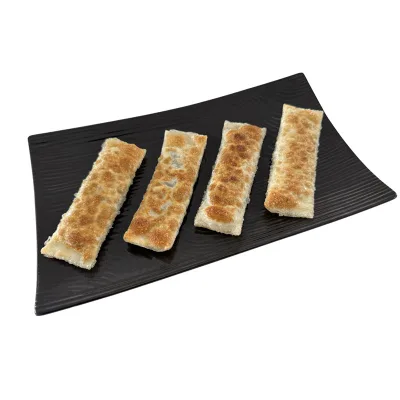
Export-Grade Frozen Dumpling 'Stick Jiaozi' in Box Packaging for Children's Restaurant Use Wholesale
$2.0687 - $2.5855
MOQ: 3000 Minimum
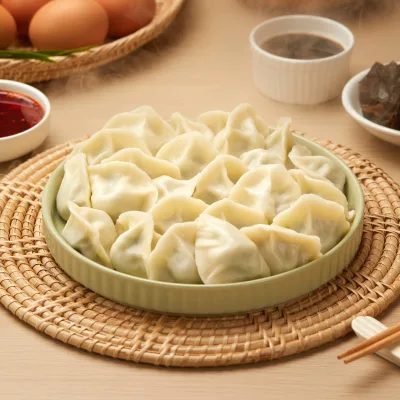
Long Tai Vegetable Frozen Chinese Favourite Spring Festival Food Dim Sum Dumpling Jiaozi
$2.0523 - $2.5661
MOQ: 3 Minimum
Weifang Meicheng Foodstuffs Co., Ltd.
- Manufacturer, Trading Company
- Shanddong, China
- Lead time30 days
- Avg. response≤ 13h
Main productspoultry,fruits & vegetables,flour food
Main marketsWestern Europe(30.00%), Eastern Asia(25.00%), Domestic Market(20.00%), Southeast Asia(10.00%), Southern Europe(5.00%), Northern Europe(5.00%), Mid East(5.00%)
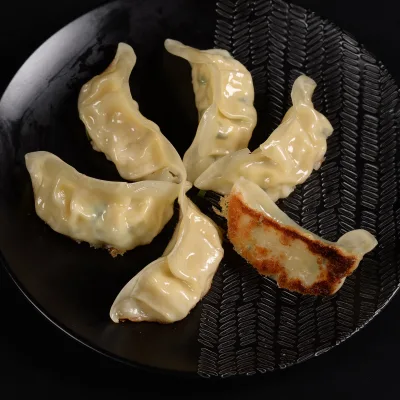
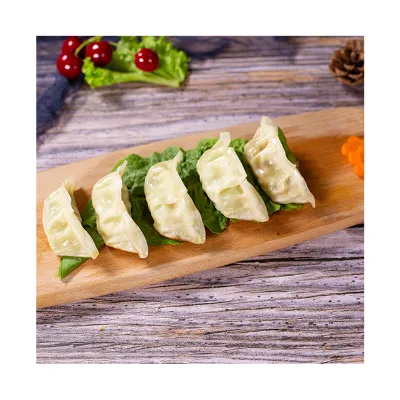
Fried Chicken Dumpling Cooked Flour Vegetable Jiaozi Dumpling Gyoza Pasta Fried Chineses Fast Food
$3308.2072 - $4238.6404
MOQ: 2 Minimum
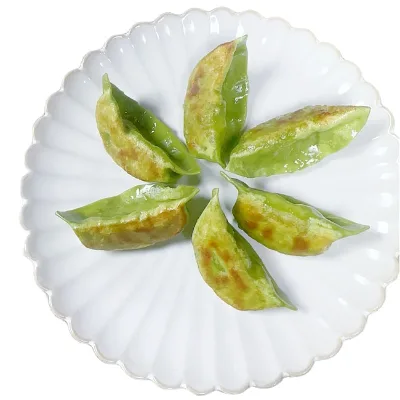
Frozen Dumplings Wholesale Halal Gyoza Chicken Dumplings,green Vegetable Dumplings
$3097.1749
MOQ: 2 Minimum

Dacheng International Trade Co., Ltd.
- Trading Company
- China Hebei
- Lead time0 days
- Avg. response≤ 7h
Main productsScallop Meat, Clam Meat, Whole Clam, Chum Salmon, Pink Salmon, Hake Fillet, Alaska Pollock Fillet, Haddock Portion, Atlantic Mackerel Fillet, Teriyaki Mackerel
Penglai Huiyang Foodstuff Co., Ltd.
- Verified by SGS Group
- Manufacturer, Trading Company
- Lead time20 days
- Avg. response≤ 1h
Main productsSeafood Snack, Frozen Fish, Frozen Food, Breaded Seafood, Frozen Pastry
Main marketsDomestic Market(60%), Eastern Asia(31%), Southeast Asia(7%)
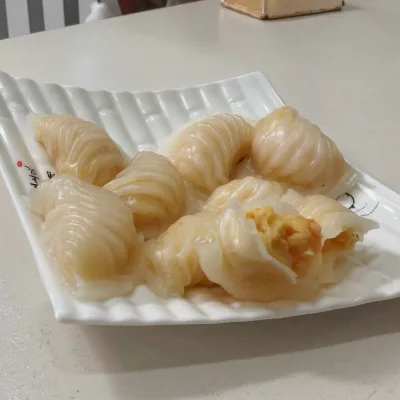
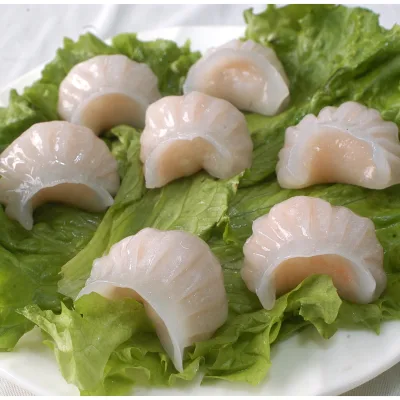
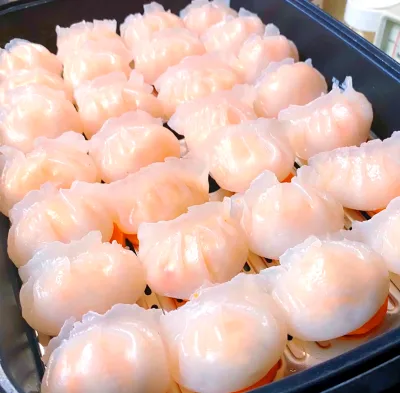
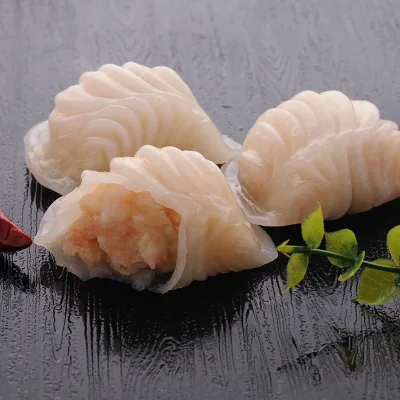
For Wholesales Jiaozi Har Gow Frozen Stuffed Shrimp Dumplings Steamed Dumplings
$7.80 - $9.30
MOQ: 5000 kilograms
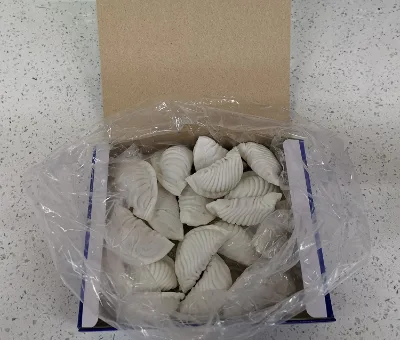
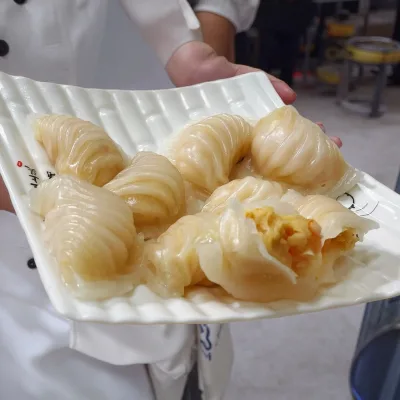
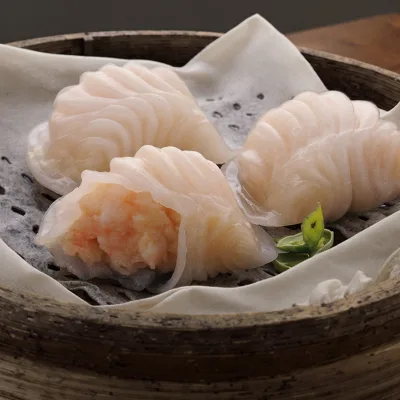
Chinese Instant Frozen Food Shrimp Dumpling Frozen Dumpling Pastry
$8.1626 - $9.4539
MOQ: 5000 kilograms
Xiamen Joyfun Import And Export Co., Ltd.
- Manufacturer, Trading Company
- Fujian, China
- Lead time30 days
- Avg. response≤ 1h
Main productsspring roll,Beans Edamame,Diced Taro,Taro Ball,Pumkin Cake
Main marketsWestern Europe(60.00%)
Qingdao Dsf Foodstuff Co., Ltd.
- Verified by SGS Group
- Trading Company
- Shandong, China
- Lead time15 days
- Avg. response≤ 2h
Main productsFrozen Sweet Corn, Frozen Strawberry, Frozen Broccoli, Frozen Mixed Fruits, Frozen Mixed Vegetables
Main marketsNorth America(15%), Oceania(15%), Western Europe(8%)
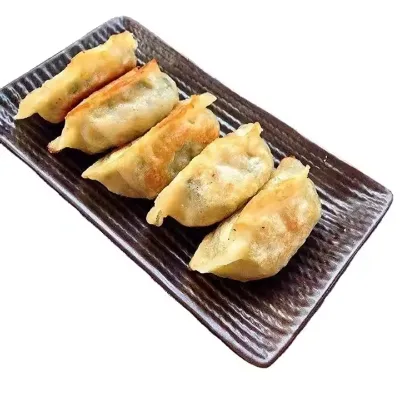
HACCP DSF Frozen Vegetables Duck Chicken Gyoza Dumpling From China Frozen Gyoza
$3796.293 - $3898.8955
MOQ: 1 metric
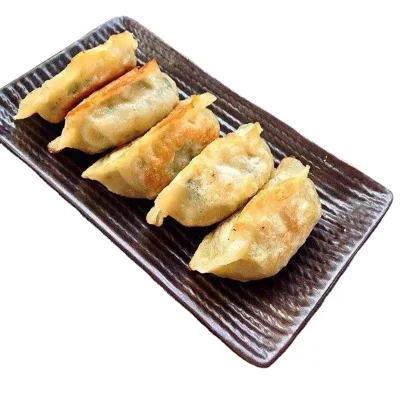
HACCP Chinese Frozen Products Frozen Vegetables Dumpling on Sales From China
$3700.00 - $3800.00
MOQ: 1 metric
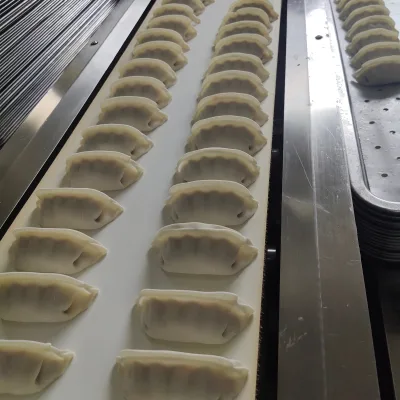
HACCP Chinese Frozen Products Good Price and Better Quality Frozen Chicken Gyoza Sales
$1964.3768
MOQ: 1 Minimum
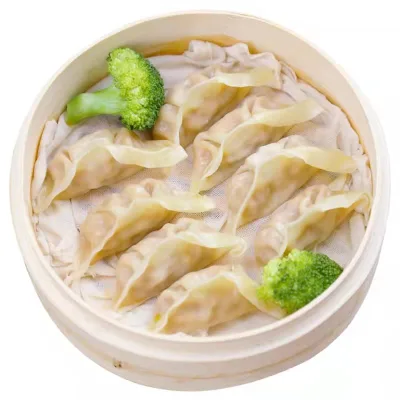
DSF HACCP Certified Grade a Frozen Vegetables Dumpling Quick Frozen 10 Bags/Box From China
$3785.9284 - $3888.2507
MOQ: 1 metric
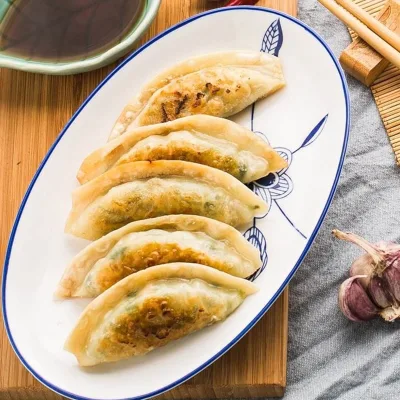
$2303.0282 - $2858.2229
MOQ: 1 metric

Pintong International Trade (Qingdao) Co, Ltd.
- Verified by SGS
- Trading Company
- China Shandong
- Lead time15 days
- Avg. response≤ 4h
Main productsFood, Frozen Chicken, Frozen Duck, Frozen Vegetables, Frozen Fruits, Frozen Pastries
Main marketsOthers(foreignTradeCapacity.exportBusinessCapacityMarketOther)


Frozen Shrimp Dumplings Directly Sold by Chinese Factories, Steamed and Ready to Eat
$12000.00 - $15000.00
MOQ: 27 Tons


Jiangsu e.Funs Import & Export Co., Ltd.
- Verified by SGS
- Trading Company
- China Jiangsu
- Lead time23 days
- Avg. response≤ 6h
Main productsFruit, Vegetable, FUJI Apple, Dolo Apple, Red Star Apple, Huaniu Apple, Gala Apple, Qinguan Apple, Red Global Grape, Shandong Crown Pear
Main marketsAfrica,Southeast Asia/ Mideast

SHANDONG ZHENGTENG FOOD CO.,LTD
- Verified by SGS
- Combined
- China Shandong
- Lead time30 days
- Avg. response≤ 7h
Main productsChicken Products
Main marketsDomestic


Vegetable Three - Delicacy Chilled Dumplings Manufacturer Direct Sales Wholesale
$2.10 - $4.00
MOQ: 3000 kg

Qingdao Shiweiku Foods Co., Ltd.
- Trading Company
- Shandong, China
- Lead time30 days
- Avg. response≤ 5h
Main productsFrozen Meat/Frozen Vegetables/Frozen Wheaten Food,Pet Food
Main marketsEastern Asia(30.00%), Southeast Asia(20.00%), Oceania(10.00%), South America(10.00%), Eastern Europe(5.00%), Southern Europe(5.00%), Northern Europe(5.00%), Central America(5.00%), Western Europe(5.00%), Mid East(5.00%)
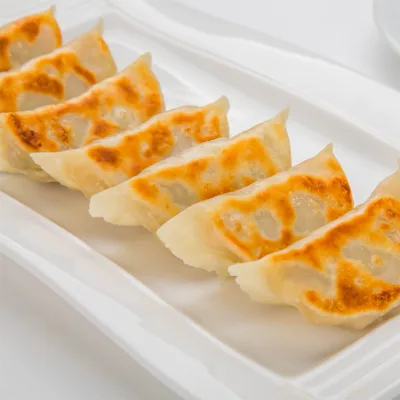
China Jiaozi Dumpling Spring Rolls Frozen Pasta Fast Food Ready to Eat
$2766.466 - $6660.0106
MOQ: 8 Minimum
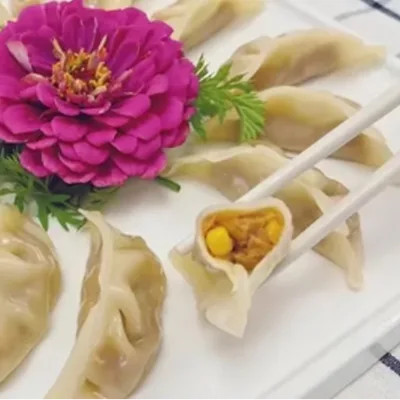
$2758.943 - $3269.8584
MOQ: 10 Minimum
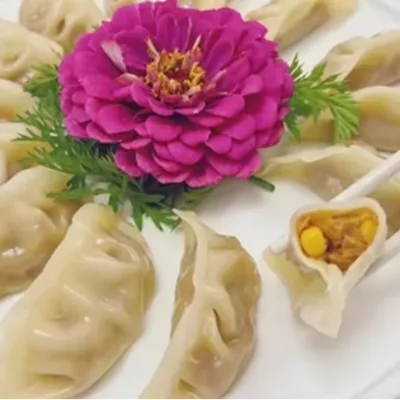
$2043.6615 - $3065.4922
MOQ: 1 Minimum
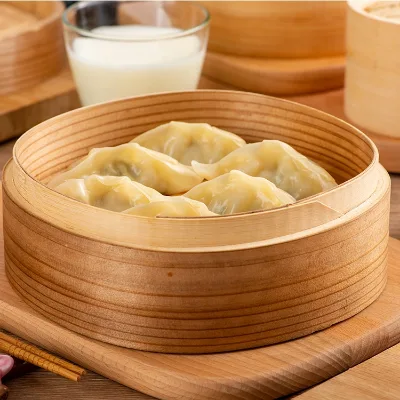
Dumplings Shrimp Chicken Cabbage Various Flavors Quick-frozen Dumplings Fast Food Products
$2452.3938 - $3065.4922
MOQ: 10 Minimum

- Verified by BV
- Trading Company,Manufacturer/Factory
- China Shandong
- Lead time23 days
- Avg. response≤ 8h
Main productsFrozen Vegetables, Frozen Fruits, Frozen Chicken, Frozen Duck, French Fries, Fried Chicken, Fried Onion Ring, Frozen Fish Ball, Lamb Tail Fat, Frozen Dumpling
Main marketsSouth America,Eastern Europe,Mid East,North America,Southeast Asia,Eastern Asia,Oceania,Western Europe,Africa

Premium Handcrafted Chinese Frozen Dumplings with Vegetable Filling
$2000.00 - $3000.00
MOQ: 10000 Tons


Chicken Dumplings Gyoza Chinese Pastry Halal Fully Cooked Snack Healthy Food
$2000.00 - $3000.00
MOQ: 5 Tons


Henan Xingran Supply Chain Management Co., Ltd.
- Trading Company
- Henan, China
- Lead time15 days
- Avg. response≤ 7h
Main productsDrinks,Biscuit,candy,instant noodles,Customization of various types of food
Main marketsNorth America(60.00%), Eastern Europe(20.00%), Eastern Asia(15.00%), Northern Europe(5.00%)
- Manufacturer, Trading Company
- Guangdong, China
- Lead time16 days
- Avg. response≤ 3h
Main productsKonjac Noodles,Shirataki Pasta,Dry Konjac Rice,Bean Noodles,Chew Gum
Main marketsOceania(30.00%), Western Europe(30.00%), Northern Europe(10.00%), Eastern Europe(10.00%), Southern Europe(5.00%), Southeast Asia(5.00%), South America(2.00%), North America(2.00%), Domestic Market(1.00%), South Asia(1.00%), Eastern Asia(1.00%), Africa(1.00%), Central America(1.00%), Mid East(1.00%)




Comprehensive Sourcing Guide
Frozen Jiaozi Dumpling Supplier Concentration and Factory Types
The current supplier landscape for Frozen Jiaozi Dumpling reveals a distinct concentration of manufacturing capabilities within Hebei, China, a region that appears frequently in the origin data for these specific food products. This geographic clustering suggests a mature industrial ecosystem where raw material sourcing, particularly wheat flour and vegetable inputs, is integrated with processing infrastructure. Buyers evaluating this market should recognize that Hebei serves as a primary hub for both domestic consumption and export-oriented production of these frozen goods. The presence of multiple manufacturers in this single province indicates that logistics networks and cold chain facilities are likely optimized for this specific commodity, potentially offering efficiencies in shipping and storage that might not be available in more dispersed manufacturing regions. Understanding this concentration helps buyers narrow their search parameters and focus on suppliers who are physically located in areas with established supply chains for frozen food items.
Beyond geographic location, the types of entities operating in this space vary significantly, ranging from pure manufacturers to hybrid entities that include trading company functions. Some suppliers are identified explicitly as manufacturers, such as Handan Zhaohui Biotechnology Co., Ltd., which produces branded items like ZHAOHUI frozen dumplings with specific certifications. Others may operate as trading companies or combine both roles, offering a broader range of main products that include spring rolls, samosas, and steamed bread alongside jiaozi. This distinction is critical for buyers because manufacturers typically offer greater control over production processes and customization, while trading companies might provide more flexibility in mixing different product types in a single order. Buyers must carefully review the company type listed for each supplier to determine if they are dealing directly with the production facility or an intermediary, as this impacts communication efficiency, quality control access, and pricing structures.
How to Verify Frozen Jiaozi Dumpling Suppliers
Verifying the legitimacy and capability of Frozen Jiaozi Dumpling suppliers requires a rigorous examination of their certification portfolio and product specifications. The market data indicates that reputable manufacturers often hold multiple international and domestic standards, including ISO, HACCP, BRC, KOSHER, QS, and HALAL certifications. These credentials are not merely decorative; they serve as proof that the facility adheres to specific hygiene, safety, and quality management protocols. For instance, a supplier offering products with both HALAL and KOSHER certifications demonstrates an ability to cater to diverse religious dietary requirements, which is a significant value-add for global buyers. Buyers should request copies of these certificates and verify their validity through the issuing bodies, ensuring that the certifications are current and cover the specific product lines being ordered. The presence of these certifications on product listings is a strong initial indicator, but direct verification remains the gold standard for risk mitigation.
In addition to certifications, buyers must scrutinize the detailed product attributes and manufacturing claims provided by the supplier. Key details such as the place of origin, address, and specific model numbers or specifications help confirm the supplier's operational reality. For example, listings that specify a place of origin as Hebei, China, and provide a detailed address in Handan align with the known manufacturing clusters for these goods. Buyers should also check for consistency in product descriptions, such as shelf life, storage type, and primary ingredients. A supplier claiming a 24-month shelf life for frozen dumplings must have robust cold chain management and preservative strategies, which should be reflected in their technical documentation. Furthermore, verifying the manufacturer's name against the brand name listed on the product can reveal if the supplier is the actual producer or a reseller. Inconsistent information between the company profile and product details is a red flag that warrants further investigation before any commitment is made.
What to Compare Across Frozen Jiaozi Dumpling Suppliers
When evaluating multiple suppliers, buyers should systematically compare key operational metrics such as response time, lead time, and pricing structures to identify the most suitable partner. The data shows a wide variance in these metrics, with some suppliers boasting response times as low as five days, while others may take up to thirteen days to reply to inquiries. Similarly, lead times can range from five days to twenty days, depending on the supplier's production capacity and current order backlog. These differences can significantly impact a buyer's inventory planning and ability to meet customer demand. Buyers should prioritize suppliers with faster response times to ensure effective communication and problem-solving, while also considering lead times that align with their sales cycles. It is essential to clarify whether the stated lead times are for production only or include shipping and customs clearance, as this affects the total time to market.
Pricing and minimum order quantities (MOQ) are another critical dimension for comparison, although specific MOQs are not always explicitly stated in the available data. Buyers should request detailed quotations that break down costs by unit, packaging, and shipping method. The price range for frozen jiaozi dumplings can vary based on factors such as ingredient quality, certification levels, and packaging type. For example, products with premium certifications like BRC or HACCP may command higher prices due to the associated compliance costs. Buyers should also compare the packaging specifications, such as whether the product is sold in bags or boxes, and the weight per unit, as this affects handling and storage efficiency. Additionally, comparing the main products offered by each supplier can reveal their specialization; some may focus exclusively on dumplings, while others offer a diverse range of frozen snacks. This specialization can indicate a supplier's depth of expertise and reliability in the specific category of frozen jiaozi dumplings.
Common Frozen Jiaozi Dumpling Sourcing Risks
One of the primary risks in sourcing frozen jiaozi dumplings is the potential for quality degradation due to improper cold chain management during transit. Since these products are classified as frozen food with a storage type of "FROZEN" and often require storage below -18 degrees Celsius, any break in the cold chain can compromise safety and texture. Buyers must ensure that their suppliers have robust logistics partners who specialize in temperature-controlled shipping. The risk is exacerbated by the long lead times and potential transit durations, which increase the window for temperature fluctuations. Buyers should inquire about the supplier's experience with international frozen food shipping and request evidence of successful deliveries to their target market. Additionally, buyers should consider the shelf life of the product, which can range from 12 to 24 months, and ensure that the remaining shelf life upon arrival is sufficient for their distribution channels.
Another significant risk is the discrepancy between the supplier's claims and their actual capabilities, particularly regarding certifications and product specifications. Some suppliers may list certifications that are not valid or do not cover the specific product being ordered. For instance, a supplier might claim HALAL certification, but the certificate may not include the specific ingredients or production lines used for the jiaozi dumplings. Buyers must verify that all certifications are applicable to the exact product variant they intend to purchase. Furthermore, there is a risk of mislabeling or inaccurate ingredient declarations, which can lead to regulatory issues in the destination country. Buyers should request detailed ingredient lists and nutritional information that match the product samples received. Inconsistent information, such as conflicting addresses or brand names, should be treated as a warning sign of potential fraud or misrepresentation. Due diligence in verifying these details is essential to avoid costly recalls or legal penalties.
Frozen Jiaozi Dumpling Regional Sourcing and Logistics
Sourcing frozen jiaozi dumplings from Hebei, China, offers logistical advantages due to the region's established infrastructure for food manufacturing and export. The concentration of suppliers in this area facilitates easier coordination and potentially lower shipping costs due to economies of scale in logistics. Buyers should leverage this geographic advantage by working with suppliers who have experience in exporting to their specific region. The proximity to major ports and transportation networks in Hebei can reduce transit times and improve the reliability of delivery schedules. However, buyers must also consider the specific logistics requirements of frozen goods, such as the need for refrigerated containers and temperature monitoring devices. Suppliers who are familiar with these requirements can provide valuable guidance on packaging and shipping methods to ensure product integrity.
Logistics planning should also account for the varying lead times and response speeds of different suppliers. Buyers should develop a contingency plan for potential delays, especially if relying on suppliers with longer lead times. It is advisable to maintain a buffer stock to mitigate the risk of supply chain disruptions. Additionally, buyers should consider the impact of seasonal demand on production schedules and logistics capacity. Peak seasons may result in longer lead times and higher shipping costs, so planning orders well in advance is crucial. Buyers should also evaluate the supplier's ability to handle customs clearance and documentation, as errors in this area can cause significant delays. Working with suppliers who have a proven track record of smooth customs clearance can streamline the import process and reduce administrative burdens.
Frozen Jiaozi Dumpling Commercial Terms and Order Planning
Commercial terms and order planning are critical components of a successful sourcing strategy for frozen jiaozi dumplings. Buyers should negotiate clear payment terms, such as using escrow services or letters of credit, to protect their financial interests. These mechanisms provide security by ensuring that payment is only released upon satisfactory delivery and inspection of the goods. Buyers should also clarify the Incoterms, such as FOB or CIF, to determine who is responsible for shipping costs and insurance. Understanding these terms helps in calculating the total landed cost and assessing the profitability of the order. Additionally, buyers should establish clear quality acceptance criteria and return policies in the contract to address any potential issues with product quality or quantity.
Order planning should be aligned with the supplier's production capacity and lead times to ensure timely delivery. Buyers should provide accurate forecasts and update them regularly to help suppliers plan their production schedules. This collaboration can help avoid stockouts or excess inventory. Buyers should also consider the packaging specifications and labeling requirements of their target market, as these can impact storage and sales. For example, products with specific certifications like KOSHER or HALAL may require distinct labeling to comply with local regulations. Buyers should work closely with their suppliers to ensure that all packaging and labeling meet these requirements. Finally, buyers should maintain open communication with their suppliers to address any changes in demand or market conditions promptly, fostering a long-term and mutually beneficial partnership.
FAQs
What certifications do frozen jiaozi dumplings have?
Manufacturers in Hebei, China, offer dumplings with ISO, HACCP, BRC, QS, KOSHER, and HALAL certifications. These credentials ensure compliance with international food safety standards. Buyers should verify specific certificates for their target markets, as product listings may display multiple valid options depending on the brand and production facility.
What is the shelf life of frozen dumplings?
Most frozen jiaozi dumplings listed have a shelf life of 24 months when stored below -18 degrees Celsius. Some specific varieties may have a shorter shelf life of 12 or 14 months. Proper frozen storage is essential to maintain quality and safety throughout the entire duration specified on the packaging.
How long does it take to cook frozen dumplings?
Cooking times vary by preparation method, typically ranging from 5 to 9 minutes. Boiling usually takes around 7 to 9 minutes, while frying may require 5 to 7 minutes. These times ensure the dumplings are thoroughly heated and the filling is cooked safely for immediate consumption.
What is the typical lead time for orders?
Lead times for frozen dumpling orders generally range from 5 to 20 days, depending on the supplier and order volume. Some manufacturers offer faster turnaround times of 5 days, while others may require up to 20 days for production and shipping. Buyers should confirm specific timelines with their chosen supplier.
Where are these dumplings manufactured?
The majority of these frozen dumplings are manufactured in Hebei, China, with specific facilities located in Handan. This region is a known hub for food production, offering consistent quality and competitive pricing. Buyers can expect products to originate from this area, ensuring traceability and standardized manufacturing processes.
What are the main ingredients in these dumplings?
Primary ingredients typically include wheat flour, water, and vegetables. Some varieties may contain meat or other fillings, but vegetarian options are widely available. The dough is made from wheat flour, while the filling varies by flavor profile, offering choices like salty vegetable or meat-based options for diverse dietary preferences.