Creamy Filled Sesame Wafer Rolls Suppliers and Manufacturers
Compare 13 verified suppliers offering Creamy Filled Sesame Wafer Rolls with varying certifications like FDA, HACCP, and Halal. Review response times, lead times, and MOQs to select the right factory for your order; review the available evidence before requesting comparable quotations from suitable candidates.
Updated
Suppliers List

- Verified by SGS
- Trading Company
- China Guangdong
- Lead time30 days
- Avg. response≤ 7h
Main productsChocolate, Confectionery, Biscuits
Main marketsSoutheast Asia/ Mideast
Guangzhou Lailihong Food Industry Co., Ltd.
- Verified by SGS Group
- Manufacturer, Trading Company
- Lead time35 days
- Avg. response≤ 4h
Main productsCrackers, Semi Hard Biscuits, Wafer Rolls, Sandwich Biscuits, Cookies
Main marketsNorth America(30%), South America(15%), Southeast Asia(15%)
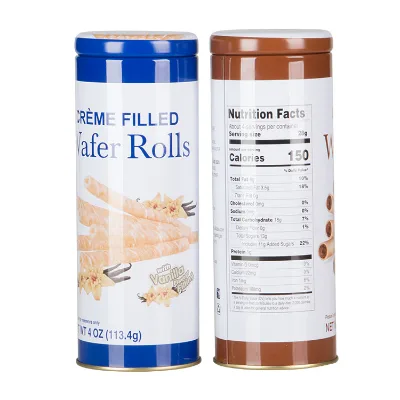
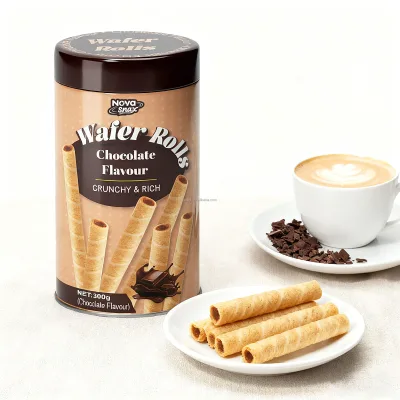
OEM Custom Logo Chocolate Egg Rolls 300g Tin Pack Chocolate Filling Wafer Roll
$0.62 - $0.81
MOQ: 1000
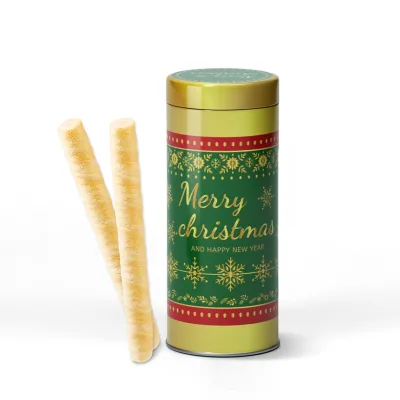
Crunchy Coconut Flavor Wafers Stick Christmas Gift Gluten Free OEM Wafer Roll
$0.6672 - $0.9036
MOQ: 500 pieces
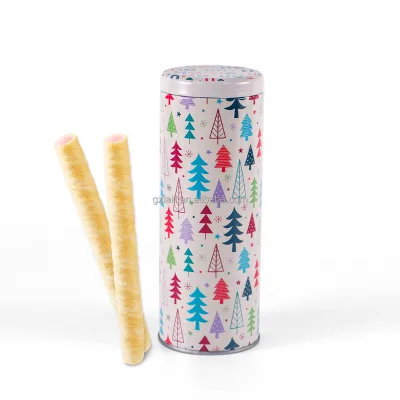
$0.65 - $0.88
MOQ: 500 pieces
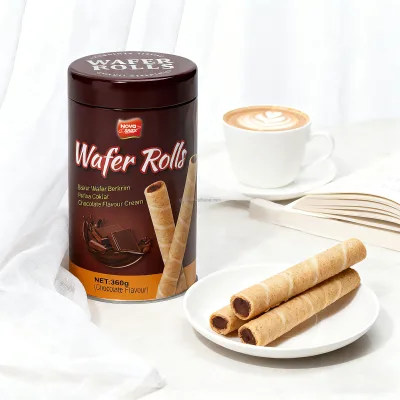
Wholesale Exotic Flavors Egg Rolls Chocolate Coated Sandwich Biscuit Wafer Roll
$0.62 - $0.81
MOQ: 1000
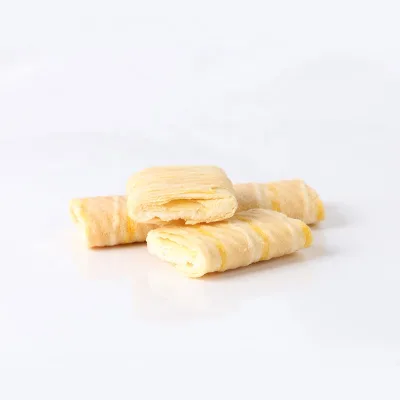
Cream Inside Stick Wafer Biscuits Snack Cheese Flavor Crisp Wafer Cheese Filled Biscuit
$2.00 - $2.20
MOQ: 300 bags
Guangzhou Infinitas Food Technology Company Limited
- Verified by TüVRheinland
- Manufacturer, Trading Company
- Lead time35 days
- Avg. response≤ 3h
Main productsCandy, Lollipop, Biscuits, Cookies, Cracker
Main marketsNorth America(90%), South America(2%), Southeast Asia(2%)
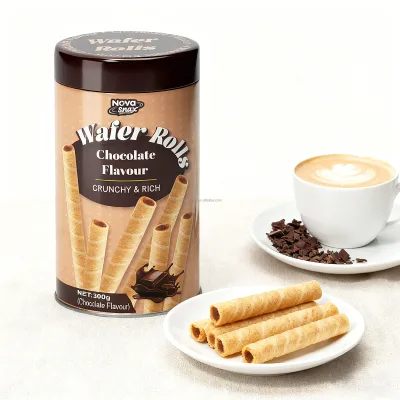
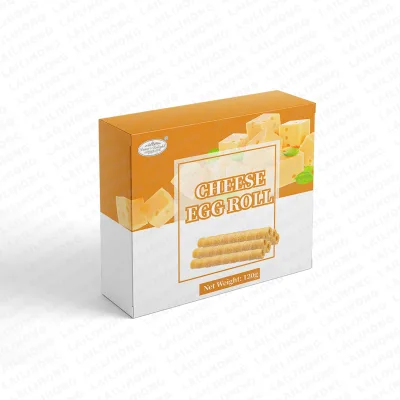
Best Sell Wholesale Biscuit Wafer Rolls Snack Company Cheese Flavor Wafer Rolls
$0.62 - $0.74
MOQ: 5000 pieces

Anyang Jiangshun Foods Co., Ltd.
- Manufacturer, Trading Company
- Henan Province, China
- Lead time15 days
- Avg. response≤ 3h
Main productsCream biscuit,Cracker biscuit,Coffee biscuit,Butter cookie,Sandwich biscuit
Main marketsMid East(60.00%), Eastern Asia(20.00%), South Asia(10.00%), Africa(5.00%)
Guangdong Chuanghui Foodstuffs Co., Ltd.
- Verified by SGS Group
- Manufacturer, Trading Company
- Lead time30 days
- Avg. response≤ 3h
Main productsPop Rocks popping candy, 16g Flat lollipop with Popping candy, 2 in 1 Double Flavors Lollipop, Sour powder filled Rainbow Gummy, Straw gummy candy with sour powder
Main marketsDomestic Market(30%), South America(15%), Central America(14%)

LABIXIAOXIN(FUJIAN)FOODS INDUSTRIAL CO., LTD.
- Verified by BV
- Manufacturer/Factory
- China Fujian
- Lead time0 days
- Avg. response≤ 7h
Main productsJelly, Candy, Chocolate, Marshmallow, Gummy
Main marketsSouth America,Eastern Europe,Mid East,North America,Southeast Asia,Africa

Kids Sweet Party Snacks Crispy Chocolate Coated Wafer Rolls Stick Filled with Cream
$0.67 - $1.15
MOQ: 14400 Pieces

Premium Cream Filled Rolled Wafer Sticks Crispy Layers Chocolate Flavor Gourmet Cookies
$0.25 - $0.55
MOQ: 14400 Pieces

Halal Chinese Sweet Factory Crispy Egg Rolls Wafer with Smooth Cream Chocolate Filling
$0.23 - $0.55
MOQ: 14400 Pieces

Guangdong Chuanghui Foodstuffs Co., Ltd.
- Verified by BV
- Combined
- China Guangdong
- Lead time30 days
- Avg. response≤ 5h
Main productsCandy, Toy Candy, Lollipop, Soft Candy, Bubble Gum, Jelly, Cc Stick, Pressed Candy, Popping Candy, Chocolate
Main marketsSouth America,Southeast Asia/ Mideast,Domestic,Europe
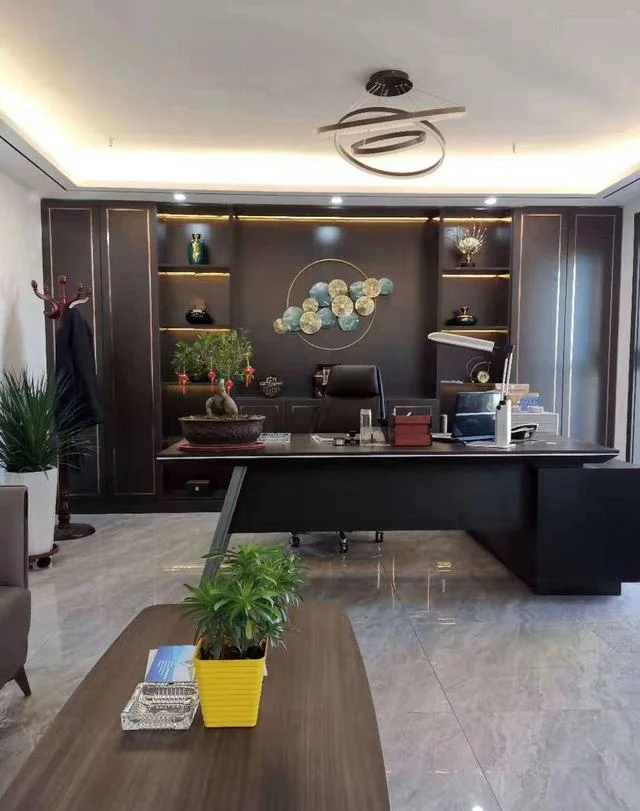
Qingfeng Feining Trading Co., Ltd.
- Trading Company
- Henan, China
- Lead time20 days
- Avg. response≤ 10h
Main productsbiscuits,potato chips,drinks,chocolates,skittles
Main marketsNorth America(85.00%), Eastern Europe(10.00%), Eastern Asia(5.00%)
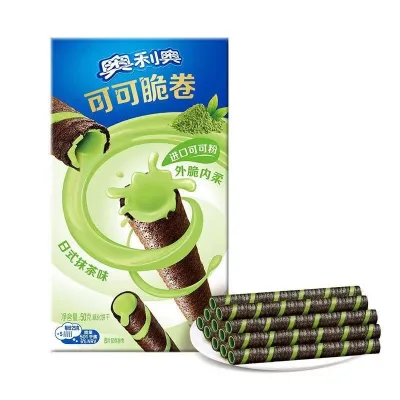
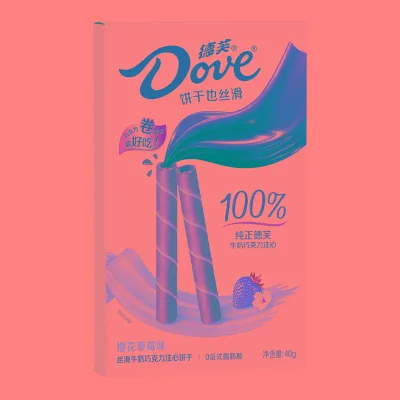
$1.4362 - $1.5902
MOQ: 40 pieces
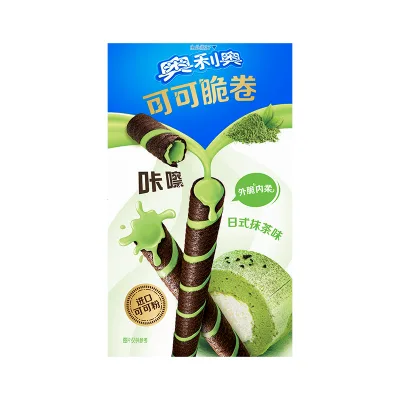
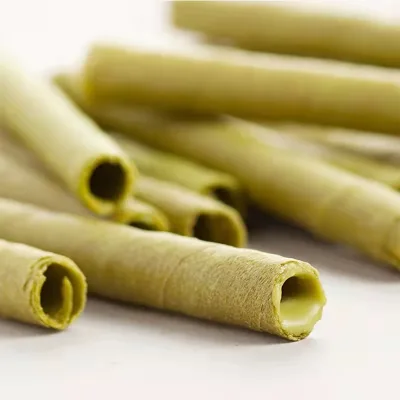
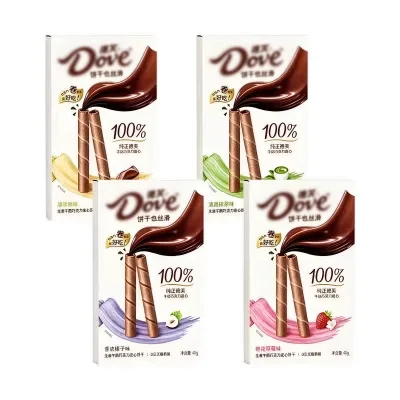
Wholesale Delicious Vanilla Flavor/shallot Flavor Wafer Roll Omelet 60g Crisp Wafer Biscuits
$0.50 - $0.56
MOQ: 24 pieces
Guangdong Jinke Food Co., Ltd.
- Manufacturer
- Guangdong, China
- Lead time30 days
- Avg. response≤ 24h
Main productschocolate,chocolate egg,bulk chocolate,candy,biscuit
Main marketsDomestic Market(40.00%), South America(20.00%), Eastern Asia(20.00%), Mid East(20.00%)

- Verified by TUVRHEINLAND
- Trading Company,Manufacturer/Factory,Other
- China Guangdong
- Lead time0 days
- Avg. response≤ 15h
Main productsCandy, Lollipop, Biscuit, Chewing Gum, Olivary Gum, Pectol Mint Candy, Bubble Gum, Toy Candy, Hard Candy, Jelly

Hainan Nanguo Foodstuff Industry Co., Ltd.
- Manufacturer, Trading Company
- Hainan, China
- Lead time15 days
- Avg. response≤ 11h
Main productsBiscuit,Dried Fruit,Chili Sauce,Candy,Solid Beverage
Main marketsNorth America(54.00%), Southeast Asia(20.00%), South America(13.00%), Eastern Europe(13.00%)

- Combined
- China Beijing
- Lead time15 days
- Avg. response≤ 16h
Main productsBiscuit, Soda Cracker, Breakfast Biscuit, Cream Cracker, Butter Cookies, Sandwich Biscuit, Digestive Biscuit, Saltine Biscuit, Extra-Thin/Layer Biscuit, Healthy Food
Main marketsAfrica,Southeast Asia/ Mideast,East Asia(Japan/ South Korea)


Meidan-Wholesales Rolled Wafer Traditional Wafers Crispy Rolled Biscuits Egg Roll
$10.00
MOQ: 1000 Boxes

Zhejiang Dingdian Industry Co., Ltd.
- Verified by SGS Group
- Manufacturer, Trading Company
- Lead time10 days
Main productsBiscuits
Main marketsDomestic Market(65%), Africa(18%), Southeast Asia(10%)




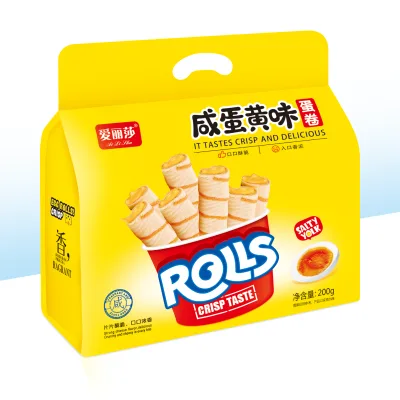


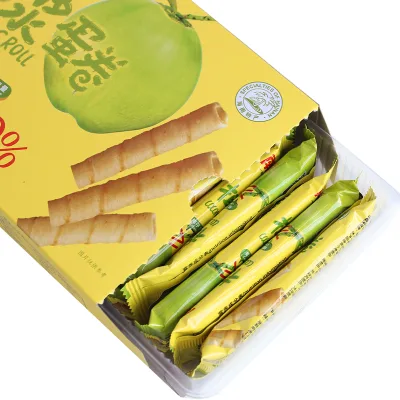
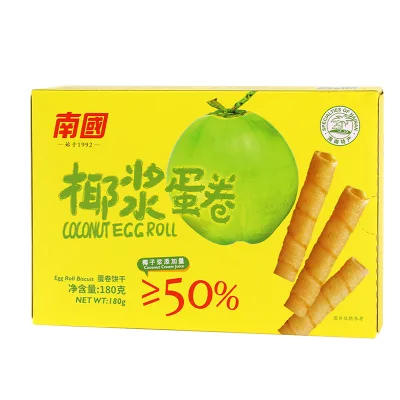
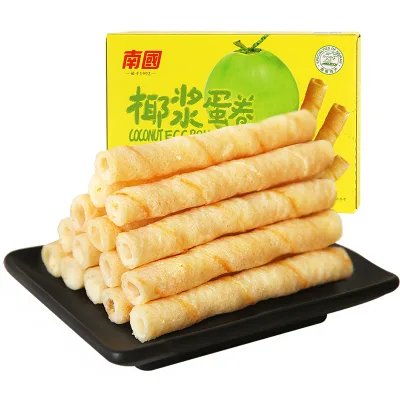
Comprehensive Sourcing Guide
Creamy Filled Sesame Wafer Rolls Supplier Concentration and Factory Types
The current supplier landscape for Creamy Filled Sesame Wafer Rolls reveals a distinct concentration of manufacturing and trading entities within specific industrial regions. Evidence indicates that a significant portion of these suppliers are located in China, with Guangdong emerging as a primary hub for production. This geographic clustering suggests a mature supply chain ecosystem where raw material sourcing, such as wheat flour, sugar, and sesame, is readily accessible, facilitating efficient production workflows. Buyers evaluating this market should note that the presence of suppliers in this region often correlates with established logistics networks, which can impact shipping times and costs. However, it is crucial to verify the specific factory location for each supplier, as some may operate as trading companies that source from multiple smaller factories rather than owning production facilities directly. The distinction between a pure manufacturer and a trading company is vital for understanding quality control capabilities and communication efficiency.
Supplier types in this category vary significantly, ranging from dedicated manufacturers to hybrid entities that function as both manufacturers and trading companies. Data shows that some suppliers offer OEM and ODM services, indicating a capacity for custom formulation and packaging design, which is essential for brands seeking unique sesame wafer products. Others may focus on standard products with limited customization options. The presence of companies with "Own brand" capabilities alongside OEM services suggests a diverse market where some suppliers may also be competitors. Buyers must carefully assess whether a supplier’s primary business model aligns with their needs. For instance, a trading company might offer a broader range of products but less direct control over the manufacturing process, whereas a manufacturer might provide better pricing and quality assurance but limited product variety. Understanding this dynamic helps in selecting a partner that can reliably deliver Creamy Filled Sesame Wafer Rolls that meet specific brand standards.
How to Verify Creamy Filled Sesame Wafer Rolls Suppliers
Verifying the legitimacy and capability of suppliers requires a multi-layered approach that goes beyond basic profile reviews. One critical step is to check for third-party verification badges, such as SGS, which indicate that an independent agency has assessed the supplier’s business operations. In the current results, several suppliers display SGS verification, providing a baseline level of trust regarding their business existence and legal standing. However, verification of business existence does not automatically guarantee product quality or manufacturing consistency. Buyers should look for suppliers that offer detailed factory audits or production line videos to confirm their actual manufacturing capabilities. This is particularly important for Creamy Filled Sesame Wafer Rolls, where the filling process and ingredient quality are critical to the final product’s taste and safety. Suppliers that are transparent about their production processes are generally more reliable partners for long-term sourcing relationships.
Certifications are another essential verification tool, especially for food products entering regulated markets. The evidence shows that many suppliers hold certifications such as HACCP, FDA, Halal, ISO 22000, and BRC. These certifications indicate that the supplier adheres to specific food safety and quality management standards. For example, HACCP certification is crucial for identifying and controlling food safety hazards, while Halal certification is necessary for markets with significant Muslim populations. Buyers should request copies of these certificates and verify their validity with the issuing bodies. Additionally, the presence of ISO 9001 suggests a commitment to quality management systems, which can be indicative of consistent product quality. It is important to note that not all suppliers will have every certification, so buyers should prioritize the certifications required for their target markets. Cross-referencing these credentials with the supplier’s claimed capabilities ensures that the partner can meet regulatory requirements and maintain high safety standards.
What to Compare Across Creamy Filled Sesame Wafer Rolls Suppliers
When evaluating multiple suppliers, buyers should compare key operational metrics to determine the best fit for their business needs. Lead time is a critical factor, as it impacts inventory management and market responsiveness. Current data indicates lead times ranging from 30 to 35 days, which is typical for customized food products. Buyers should clarify whether this lead time includes sample approval and production scheduling. A shorter lead time may be advantageous for responding to market trends, but it must not compromise quality. Response time is another important metric, with some suppliers showing response times around 4 to 6.8 hours. Faster response times can facilitate smoother communication and quicker resolution of issues during the ordering process. Buyers should test supplier responsiveness by sending detailed inquiries before committing to large orders.
Minimum Order Quantity (MOQ) and pricing structures also vary significantly among suppliers. Some suppliers have MOQs as low as 20,000 pieces, while others require 500 cartons or more. This variation allows buyers with different volume capacities to find suitable partners. Pricing is another key differentiator, with some products listed at specific price points such as $0.35 or $0.55 per unit. However, buyers should be aware that these prices may be indicative and subject to change based on order volume, customization requirements, and raw material costs. It is essential to request detailed quotations that include all costs, such as packaging, shipping, and taxes. Additionally, comparing the range of main products offered by each supplier can help identify those with broader capabilities. Suppliers offering a wide range of biscuits and confectionery may have more robust production lines and supply chain networks, potentially offering better stability and flexibility.
Common Creamy Filled Sesame Wafer Rolls Sourcing Risks
One of the primary risks in sourcing Creamy Filled Sesame Wafer Rolls is the inconsistency in product quality, particularly regarding the filling and texture. The "creamy" aspect of the product relies heavily on the quality of the ingredients and the precision of the filling process. Suppliers with less rigorous quality control may produce wafers with uneven filling distribution or inconsistent texture, leading to customer dissatisfaction. Buyers should request samples to evaluate the product’s taste, texture, and appearance before placing large orders. It is also important to verify the shelf life of the product, as some suppliers list shelf lives ranging from 6 to 12 months. Buyers should ensure that the product’s shelf life aligns with their distribution channels and storage capabilities. Products with shorter shelf lives may require faster turnover, increasing the risk of spoilage and financial loss.
Another significant risk is the potential for miscommunication regarding customization requirements. Many suppliers offer OEM and ODM services, but the extent of customization can vary. Buyers must clearly specify their requirements for packaging, flavor, and ingredient composition to avoid receiving products that do not meet their expectations. For example, the use of sesame flavoring versus actual sesame seeds can significantly impact the product’s authenticity and cost. Buyers should also be cautious about suppliers who claim to have certifications that are not valid or relevant to their target markets. Verifying the authenticity of certifications and ensuring they cover the specific product type is essential to avoid regulatory issues. Additionally, buyers should be aware of the potential for supply chain disruptions, such as raw material shortages or logistical delays, which can impact lead times and availability. Establishing clear communication channels and contingency plans can help mitigate these risks.
Creamy Filled Sesame Wafer Rolls Regional Sourcing and Logistics
Sourcing from regions like Guangdong, China, offers advantages in terms of manufacturing efficiency and cost competitiveness. The concentration of suppliers in this area benefits from established infrastructure, including ports and logistics networks, which can facilitate efficient export operations. Buyers should consider the impact of regional logistics on shipping costs and delivery times. For instance, suppliers located near major ports may offer faster shipping options and lower freight costs. However, buyers must also account for potential delays due to customs clearance, seasonal demand fluctuations, and global logistics constraints. It is advisable to work with suppliers who have experience in exporting to the buyer’s target market, as they can provide valuable insights into regulatory requirements and documentation processes. Understanding the specific logistics capabilities of each supplier can help in planning inventory and managing cash flow effectively.
The choice of supplier location also influences the ability to conduct factory audits and quality inspections. Suppliers located in accessible regions may be easier to visit, allowing buyers to assess production facilities and quality control measures firsthand. For buyers who cannot travel, third-party inspection services can be used to verify product quality and compliance with specifications. Buyers should also consider the environmental and social responsibility practices of suppliers, as these factors can impact brand reputation. Suppliers in Guangdong may have varying levels of compliance with environmental regulations, which can affect production stability and cost. Buyers should inquire about the supplier’s sustainability practices and ensure they align with their corporate social responsibility goals. By carefully evaluating regional logistics and supplier practices, buyers can make informed decisions that balance cost, quality, and risk.
Creamy Filled Sesame Wafer Rolls Commercial Terms and Order Planning
Commercial terms play a crucial role in the success of sourcing Creamy Filled Sesame Wafer Rolls. Buyers should negotiate clear payment terms, such as deposits and balance payments upon shipment, to manage financial risk. It is also important to clarify the Incoterms used, such as FOB or CIF, to determine who is responsible for shipping and insurance costs. Suppliers may offer different payment options, including letters of credit or escrow services, which can provide additional security for both parties. Buyers should review the supplier’s return and refund policies in case of quality issues or delivery delays. Understanding these terms helps in avoiding disputes and ensuring a smooth transaction process. Additionally, buyers should consider the impact of currency fluctuations on pricing, especially if dealing with international suppliers.
Order planning requires careful consideration of production cycles, inventory levels, and market demand. Buyers should align their order quantities with the supplier’s MOQ and lead times to avoid stockouts or excess inventory. For example, if a supplier has a lead time of 35 days, buyers should plan their orders well in advance to ensure timely delivery. It is also important to consider the seasonal nature of wafer roll sales, which may peak during certain holidays or events. Buyers should work with suppliers to develop a production schedule that accommodates these fluctuations. Regular communication with the supplier regarding order status and potential delays is essential for effective supply chain management. By establishing robust commercial terms and strategic order planning, buyers can optimize their sourcing operations and maximize profitability.
FAQs
What certifications do Creamy Filled Sesame Wafer Rolls have?
Products typically hold FDA, HACCP, and Halal certifications to ensure safety and compliance. Some manufacturers also provide BRC and ISO standards for quality assurance. Buyers should verify specific certificates for each order to confirm regulatory alignment and production standards.
What is the minimum order quantity for wafer rolls?
Minimum order quantities vary by supplier, ranging from 20,000 pieces to 500 cartons. Some manufacturers accept lower MOQs for customized orders, while others require bulk purchases. Buyers must check specific product listings to determine the exact threshold for their needs.
How long does production take for these biscuits?
Standard lead times generally range from 30 to 35 days after order confirmation. This duration accounts for raw material preparation, baking, filling, and packaging processes. Buyers should confirm exact timelines with suppliers to align with their distribution schedules and inventory planning.
Can I customize the packaging and branding?
Yes, most suppliers offer OEM and ODM services for custom branding and packaging. Buyers can choose from materials like plastic bags, card boxes, or tins. Customization options include logo printing and specific design requirements to match your brand identity and market positioning.
What is the shelf life of these wafer rolls?
The shelf life typically ranges from 6 to 12 months when stored correctly. Products should be kept in a cool, dry place to maintain crispness and flavor. Buyers should check specific product details for exact expiration dates and storage recommendations provided by the manufacturer.
Where are these wafer rolls manufactured?
Most suppliers are located in Guangdong, China, a major hub for food manufacturing. This region offers efficient supply chains and competitive production costs. Buyers can verify specific factory locations to assess logistics options and ensure proximity to their target distribution markets.