Gold Alloy Quartz Wristwatch Suppliers and Manufacturers
Source Gold Alloy Quartz Wristwatch options from 30 verified suppliers in Zhejiang and Guangdong. Compare response times, lead times, and MOQs to find the right partner. Request quotes today; review the available evidence before requesting comparable quotations from suitable candidates.
Updated
Suppliers List
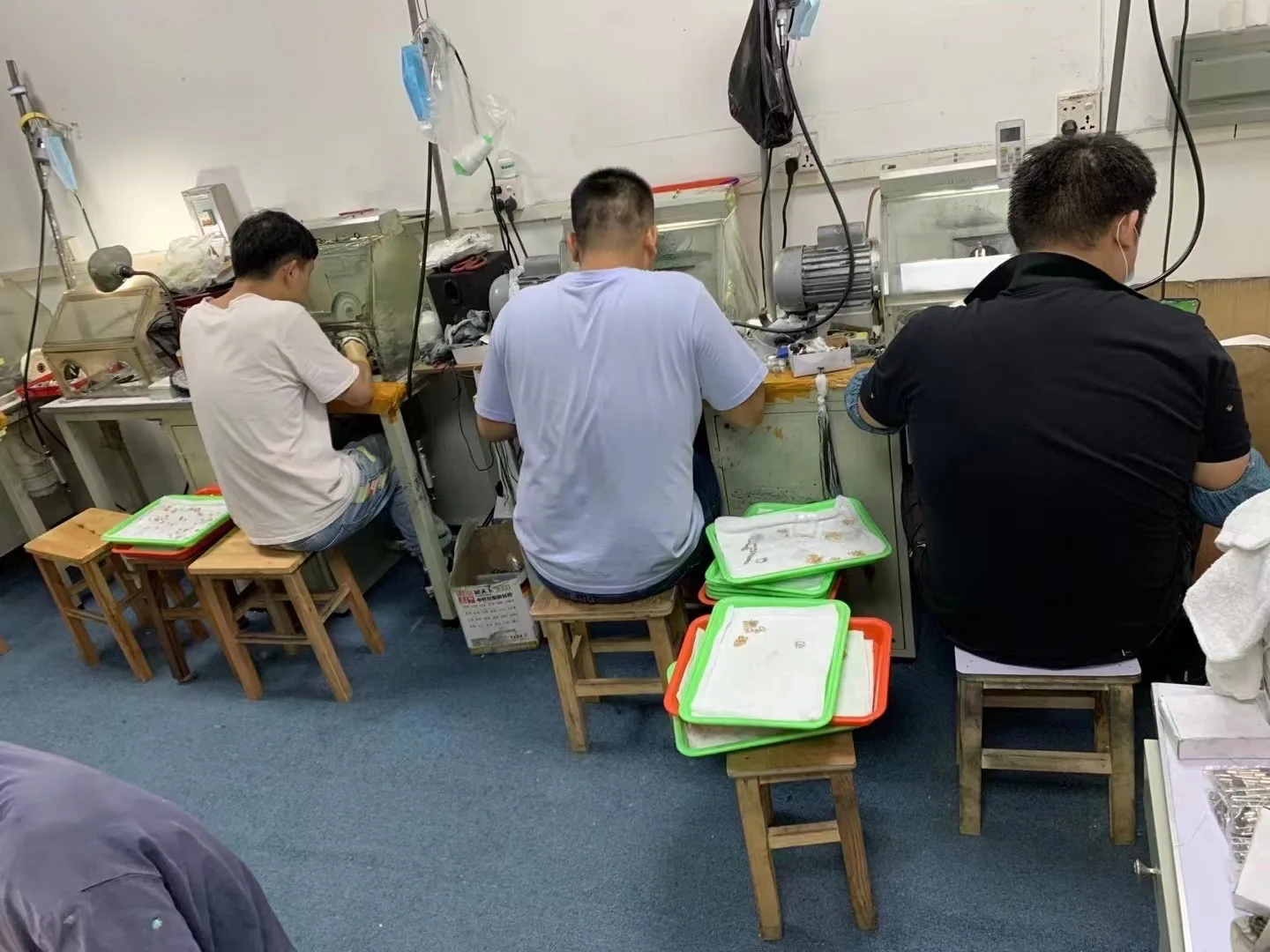
Yiwu Dunfa E-Commerce Co., Ltd.
- Trading Company
- Zhejiang, China
- Lead time20 days
- Avg. response≤ 4h
Main productship hop jewelry,fine jewelry,glasses,watch
Main marketsNorth America(65.00%), Eastern Europe(10.00%), Northern Europe(10.00%), Africa(5.00%), Eastern Asia(5.00%), South America(1.00%), Southeast Asia(1.00%), Central America(1.00%), Mid East(1.00%)

Shenzhen Laipute Watch Co., Ltd.
- Verified by BV
- Combined
- China Guangdong
- Lead time23 days
- Avg. response≤ 8h
Main productsWatch, Watches
Main marketsSouth America,Africa,Southeast Asia/ Mideast,East Asia(Japan/ South Korea),Europe,Australia,North America


Luxury Quartz Wristwatch for Women Exquisite Alloy Strap Easy Read Analog Waterproof
$6.76 - $7.35
MOQ: 2 Pieces


Diamond Quartz Women Watches Ladies Wristwatch Elegant Fashion Girls Leather Watches Wristwatch
$6.32 - $6.91
MOQ: 2 Pieces

Women Business Watches Fashion Quartz Watch Simple Luxury Ladies Gold Wrist Watch
$6.76 - $7.35
MOQ: 2 Pieces

Lady Watches Irregular Shape Waterproof Women Watches Fashion Steel Strap Quartz Wristwatch
$11.00 - $11.59
MOQ: 2 Pieces

- Trading Company
- Zhejiang, China
- Lead time10 days
- Avg. response≤ 7h
Main productsjewelry,fashion accessories,sunglasses,watches
Main marketsNorth America(20.00%), Southern Europe(15.00%), Western Europe(12.00%), Africa(10.00%), Mid East(8.00%), Eastern Europe(6.00%), Eastern Asia(6.00%), South America(6.00%), South Asia(6.00%), Northern Europe(5.00%), Southeast Asia(2.00%), Oceania(2.00%), Domestic Market(1.00%), Central America(1.00%)

Shenzhen Jin Laiyi Watch Co., Ltd.
- Manufacturer
- China Guangdong
- Lead time15 days
- Avg. response≤ 7h
Main productsWatch, Wrist Watch, Fashion Watch, Steel Watch, Plastic Watch, Classic Watch, Automatic Watch, Quartz Watch, Digital Watch, Kids Watch
Main marketsEurope,North America

Yiwu City Hancai Import And Export Co., Ltd.
- Trading Company
- Zhejiang, China
- Lead time7 days
- Avg. response≤ 2h
Main productsJewelry,watch,brooch,crown,keychain
Main marketsEastern Europe(20.00%), South America(20.00%), North America(20.00%), Southeast Asia(10.00%), Domestic Market(5.00%), Northern Europe(5.00%), Central America(5.00%), Western Europe(5.00%), Mid East(5.00%), Africa(5.00%)
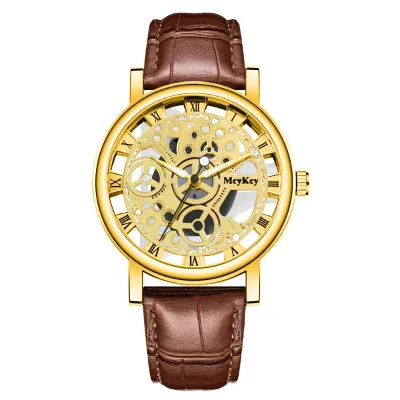
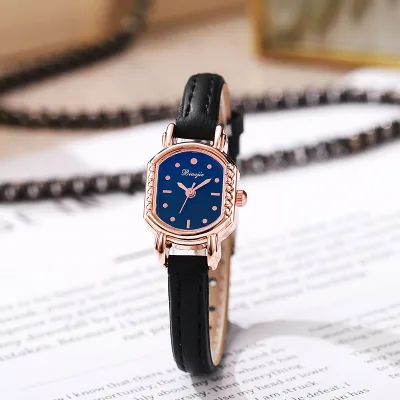
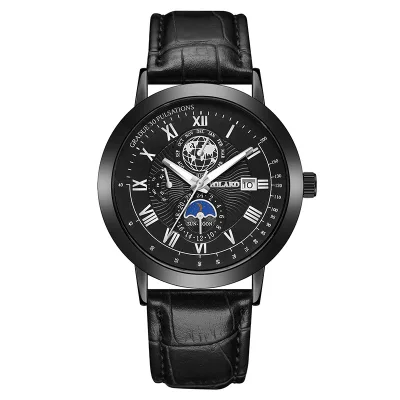
Barrel-shaped Women Simple Small Dial Student Watches Vintage Belt Quartz Wristwatch
$0.9305 - $1.3434
MOQ: 60 pieces
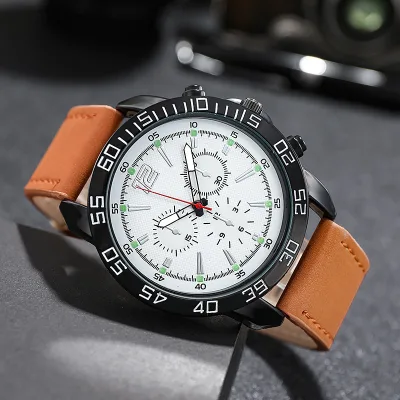

Jinjiang Jiaxing Import and Export Co., Ltd.
- Verified by CTI
- Manufacturer/Factory
- China Fujian
- Lead time120 days
- Avg. response≤ 2h
Main productsShoes, Slipper, Clothes, Promotion Gifts, Silicone Products, Outdoor Sports Products, Bags, Fashion Accessories, Consumer Electronics
Main marketsSouth America,Eastern Europe,Mid East,North America,Southeast Asia,Eastern Asia,Oceania,Western Europe,Africa
Shenzhen Amovan Industry Co., Ltd.
- Verified by SGS Group
- Manufacturer, Trading Company
- Guangdong, China
- Lead time45 days
- Avg. response≤ 6h
Main productsAutomatic watches , Quartz Watches , Smart Ring, Smart glasses , Smart watch
Main marketsNorth America(20%), Domestic Market(20%), Western Europe(12%)

GOODLINESS JEWELLERY CO., LIMITED
- Verified by SGS
- Manufacturer
- China Guangdong
- Lead time23 days
- Avg. response≤ 6h
Main productsFashion Glasses, Fashion Watch, Fashion Hair Accessory, Stainless Steel Necklace, Stainless Steel Ring, Stainless Steel Earrings, Key Chain, Brooch
Main marketsSoutheast Asia/ Mideast,Europe,North America


Men Fashion Green Water Ghost Quartz Watch Stainless Steel Strap Male Wristwatch for Wholesale
$2.68 - $9.80
MOQ: 10 Pieces

New Men's Watch Wholesale Stainless Steel Band Butterfly Buckle Square Dial Quartz Wristwatch
$2.99 - $5.21
MOQ: 10 Pieces


Yiwu Mengsheng Jewelry Co., Ltd.
- Verified by CTI
- Trading Company
- China Zhejiang
- Lead time45 days
- Avg. response≤ 7h
Main marketsEurope
Quanzhou Runjiu Trading Co., Ltd.
- Trading Company
- Fujian, China
- Lead time旺季: "1 - 1":7,"2 - 10":15,"> 10":"To be negotiated", 淡季: "1 - 1":7,"2 - 10":15,"> 10":"To be negotiated"
- Avg. response≤ 4h
Main productsWatch,Mechanical watch,Quartz watch,Morganite watch
Main marketsSoutheast Asia(30.00%), North America(30.00%), South Asia(10.00%), Central America(10.00%), Mid East(10.00%)
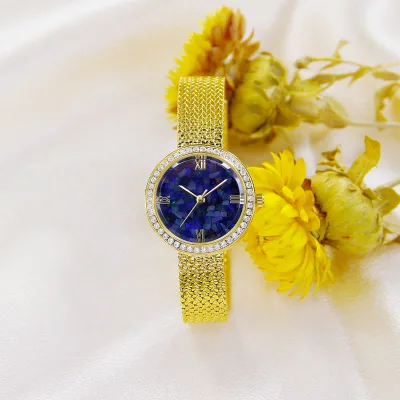
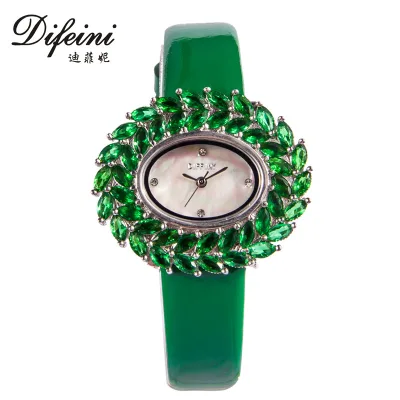
Shenzhen Difeini Watch Co., Ltd.
- Verified by TüVRheinland
- Manufacturer, Trading Company
- Lead time0 days
- Avg. response≤ 3h
Main productsQuartz Watch, Jewelry Watch, Ladies Diamond Watch, 925 Silver Watch, Stainless Steel Watch
Main marketsMid East(40%), Eastern Europe(20%), Southeast Asia(20%)
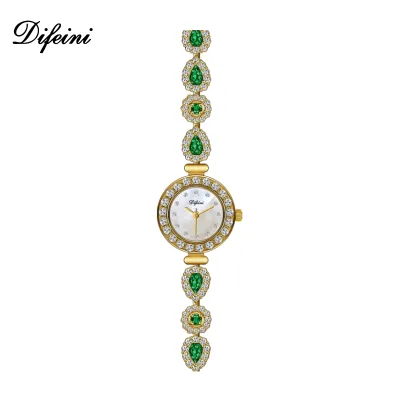
$23.00 - $35.00
MOQ: 1 pieces

Guangdong Essenbo Trading Co., Ltd.
- Manufacturer, Trading Company
- Guangdong, China
- Lead time0 days
- Avg. response≤ 3h
Main productsQuartz watch,Mechanical watch,Digital watch,Smart watch,Watch accessories
Main marketsNorth America(80.00%), Oceania(10.00%), Western Europe(5.00%)

Shenzhen Green Nature Watch Co., Ltd.
- Manufacturer, Trading Company, Distributor/Wholesaler
- Guangdong, China
- Lead time7 days
- Avg. response≤ 3h
Main productsSmart Watches,Stainless Steel Watches,Wooden Watches,Alloy Watches,Automatic Watches
Main marketsNorth America(20.00%), Western Europe(15.00%), Southern Europe(10.00%), Northern Europe(10.00%), South America(10.00%), Eastern Europe(10.00%), South Asia(5.00%), Eastern Asia(5.00%), Mid East(5.00%), Central America(5.00%), Southeast Asia(5.00%)
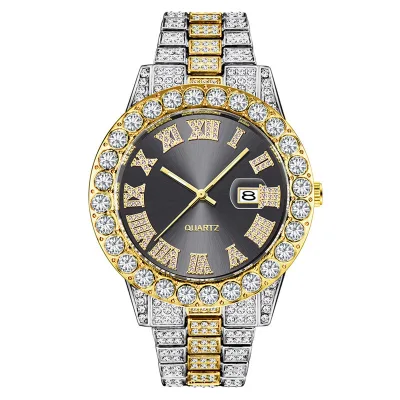
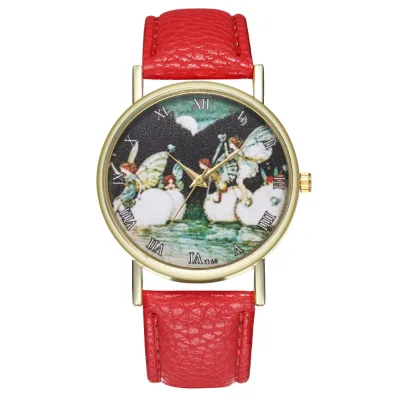
$1.65 - $2.80
MOQ: 10 pieces
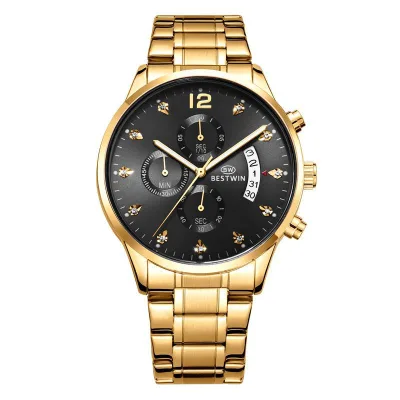
$8.4389 - $12.3211
MOQ: 2 pieces

Shantou Love Summer Technology Co., Ltd.
- Verified by BV
- Trading Company
- China Fujian
- Lead time15 days
- Avg. response≤ 3h
Main productsWatch, Shoes, Bag, Costume
Main marketsSouth America,Africa,Southeast Asia/ Mideast,East Asia(Japan/ South Korea),Europe,Australia,North America
Shenzhen Rosdn Intelligent Technology Co., Ltd.
- Manufacturer
- Guangdong, China
- Lead time45 days
- Avg. response≤ 2h
Main productsMechanical Watch,Quartz Watch,Smart Watch
Main marketsNorth America(25.00%), Western Europe(18.00%), Mid East(12.00%), Northern Europe(8.00%), Southeast Asia(7.00%), Central America(5.00%), South America(5.00%), Eastern Asia(5.00%), Oceania(5.00%), Southern Europe(5.00%), Eastern Europe(3.00%), Africa(2.00%)
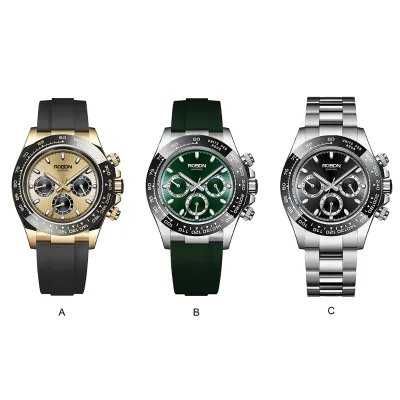
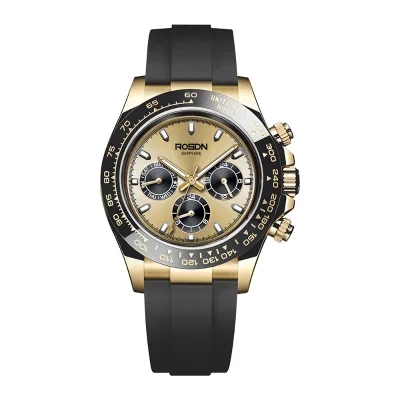
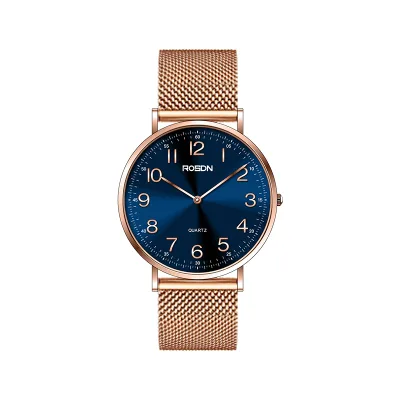
Classic Men Quartz Watches Wristwatches Mesh Stainless Steel Customize Quartz Watches Luxury 5 BAR
$20.392 - $27.1539
MOQ: 2 pieces

- Manufacturer/Factory
- China Guangdong
- Lead time45 days
- Avg. response≤ 8h
Main productsLaptop Charging Cart, Charging Locker, Digital Podium, TV Stand, Metal Cabinet Rack, Charging Station, Charging Tower, Traning Chair, Traning Desk, Church Podium
Main marketsSouth America,Eastern Europe,Mid East,North America,Southeast Asia,Eastern Asia,Oceania,Western Europe,Africa


High Quality Brand Luxury Fashion Luxury Other Wrist Watch Women Luxury for Ladies
$1.99 - $3.99
MOQ: 2 Pieces
Guangzhou Fanmis Trading Co., Ltd.
- Manufacturer, Trading Company
- Guangdong, China
- Lead time0 days
- Avg. response≤ 1h
Main productsCustom Watches,Private Label Watches,OEM Watches,ODM Watches,Design-based Customization Watches
Main marketsNorth America(30.00%), South America(20.00%), Mid East(10.00%), Southeast Asia(10.00%), Eastern Europe(10.00%), Africa(5.00%), Oceania(5.00%), Eastern Asia(4.00%), Northern Europe(3.00%), Western Europe(3.00%)
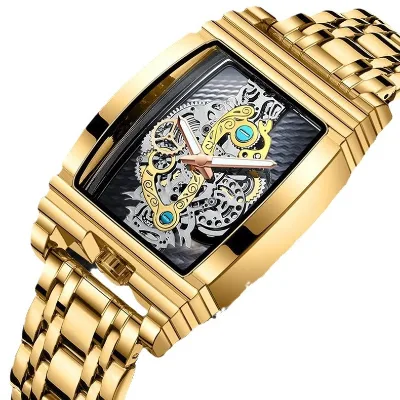
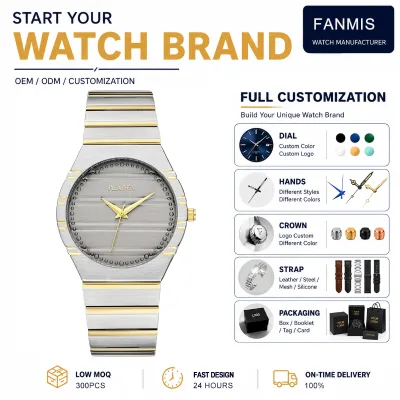
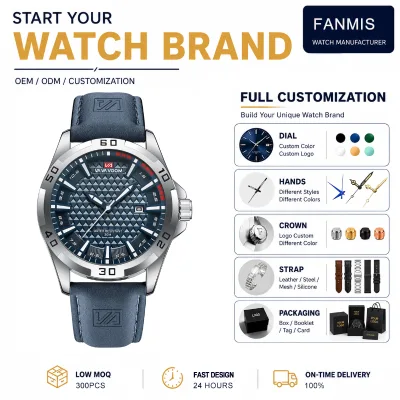
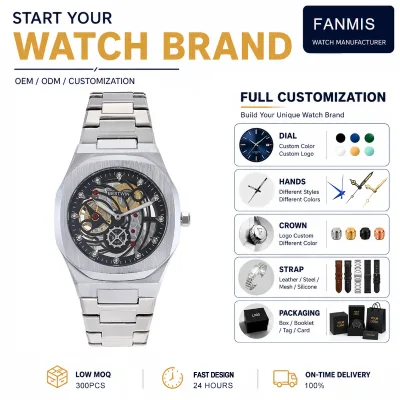
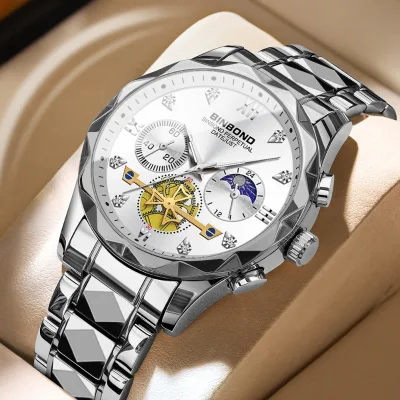
$7.0656 - $7.6805
MOQ: 20 pieces
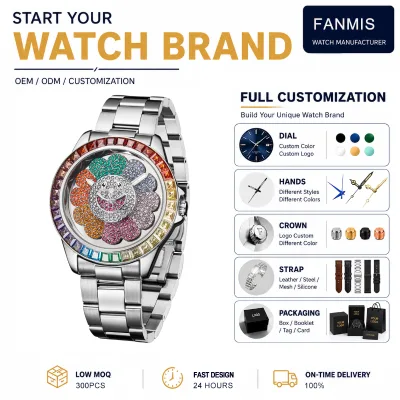
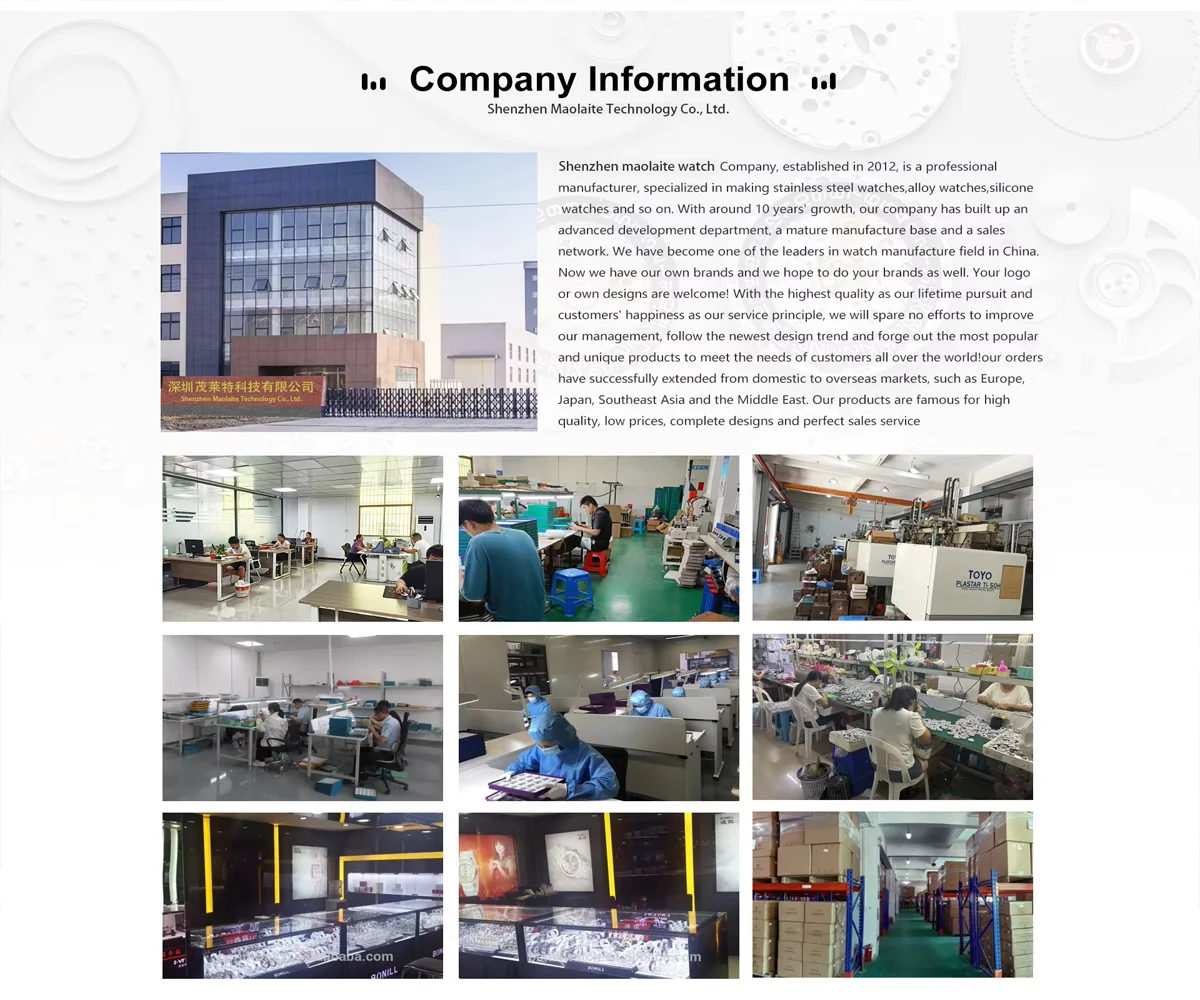
Shenzhen Maolaite Technology Co., Ltd.
- Trading Company, Distributor/Wholesaler
- Guangdong, China
- Lead time15 days
- Avg. response≤ 2h
Main productsElectronic watch,Quartz watch,LED watch,mechanical watch,smart watch
Main marketsEastern Asia(30.00%), Southeast Asia(30.00%), Eastern Europe(20.00%), South America(20.00%)
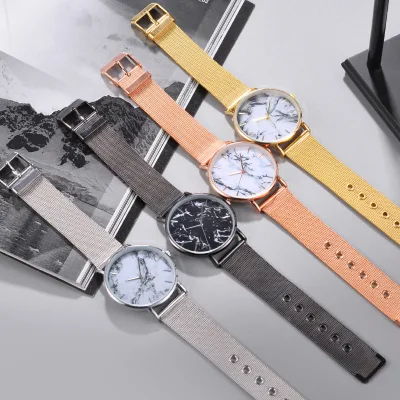
Luxury Quartz Wristwatch Marbled Alloy Mesh Band Customizable Logo Watch Man ODM Supply Type
$1.00 - $1.50
MOQ: 10 pieces
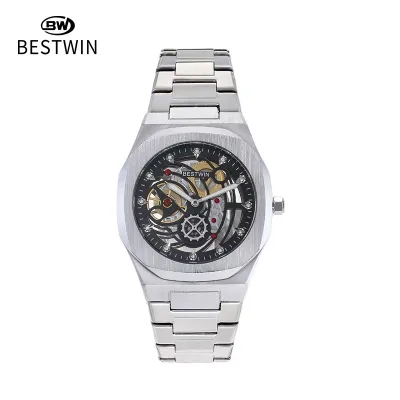
Shenzhen Cocean Timepiece Technology Co., Ltd.
- Verified by Intertek
- Manufacturer, Trading Company
- Lead time50 days
- Avg. response≤ 2h
Main productsWatches, Mechanical Watch, Quartz Watch, Watch Parts
Main marketsNorth America(20%), Eastern Europe(15%), Western Europe(15%)
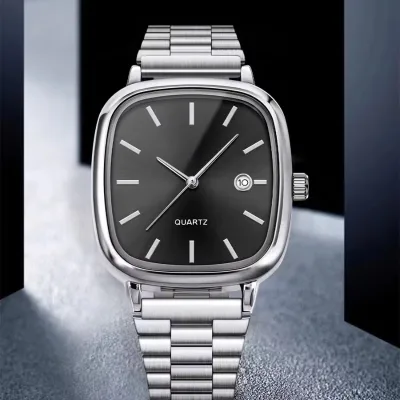
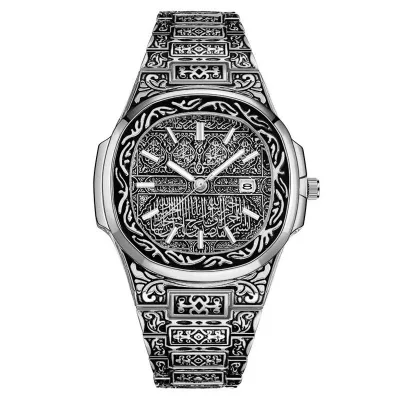
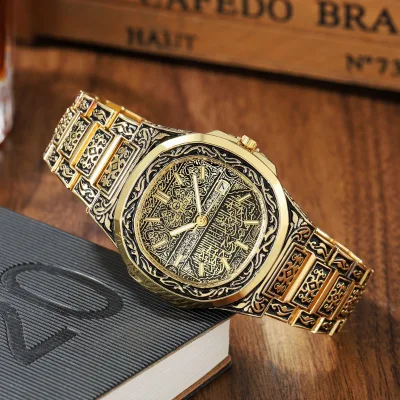
One Watch with Two Styles: Retro Silver square and Gold Brick commuter Quartz Watch
$35.00 - $38.00
MOQ: 300 pieces
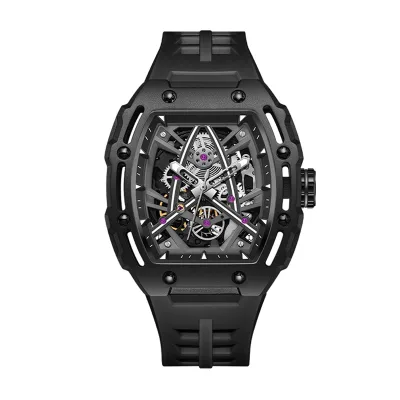
Shenzhen Yonghong Watch & Clock Co., Ltd.
- Verified by SGS Group
- Manufacturer, Trading Company
- Lead time30 days
- Avg. response≤ 2h
Main productsQuartz Watch, Mechanical Watch, Digital Watch, Watch Set, Pocket Watch
Main marketsDomestic Market(30%), Western Europe(20%), North America(15%)

Shishi Hanbo Mingpin Cross Border E-Commerce Co., Ltd.
- Trading Company
- China Fujian
- Lead time0 days
- Avg. response≤ 2h
Main productsShoes, Watch, Bag, Clothes, Trousers, Accessories
Shenzhen Laipute Industrial Co., Ltd.
- Verified by SGS Group
- Manufacturer, Trading Company
- Lead time30 days
- Avg. response≤ 3h
Main productsWatch
Main marketsNorth America(20%), Eastern Asia(10%), Western Europe(10%)

Foshan City Nanhai District Yanxiang Trading Firm
- Verified by TUVRHEINLAND
- Trading Company
- China Guangdong
- Lead time15 days
- Avg. response≤ 4h
Main productsWatch
Main marketsDomestic,Europe,North America

Jinjiang Jiaxing Supply Management Co., Ltd.
- Verified by TUVRHEINLAND
- Trading Company
- China Fujian
- Lead time30 days
- Avg. response≤ 2h
Main productsEVA Clogs, Flip Flop, Shoe Charms, Shopping Bags, Wristbands, Gifts, Promotional Gifts, Slipper, Sport Cap, Ball
Main marketsNorth America
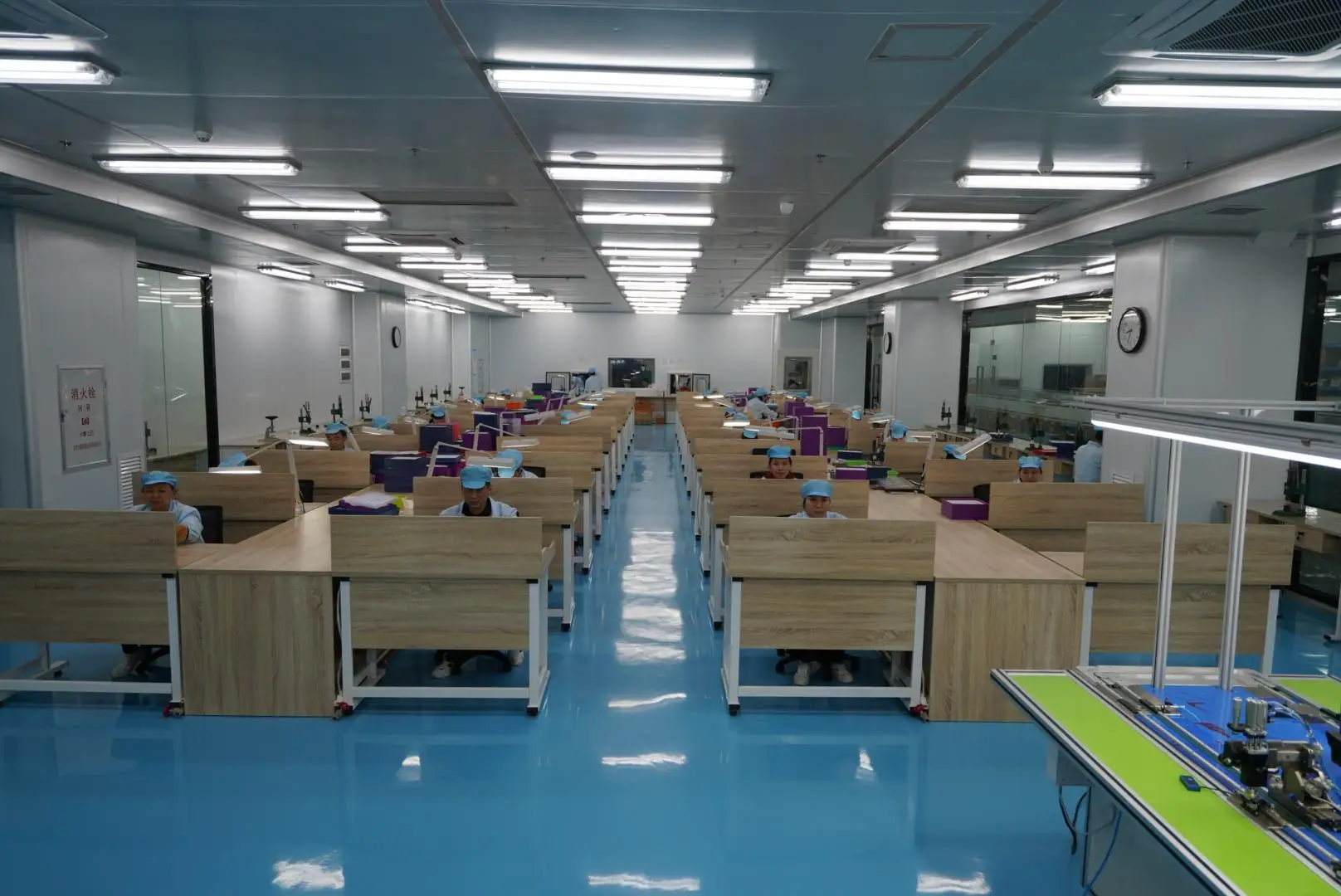
Zhongshan Meibin Watch Co., Ltd
- Manufacturer, Trading Company
- Guang Dong, China
- Lead time5 days
- Avg. response≤ 6h
Main productsQuartz Watch//Automatic Watch/Digital Watch/Double Show Watch,Mechanical Watch,W
Main marketsDomestic Market(28.00%), Southeast Asia(15.00%), South Asia(15.00%), Mid East(15.00%), Eastern Asia(10.00%), Southern Europe(2.00%), Northern Europe(2.00%), Central America(2.00%), Western Europe(2.00%), Africa(2.00%), South America(2.00%), North America(2.00%), Oceania(2.00%), Eastern Europe(1.00%)
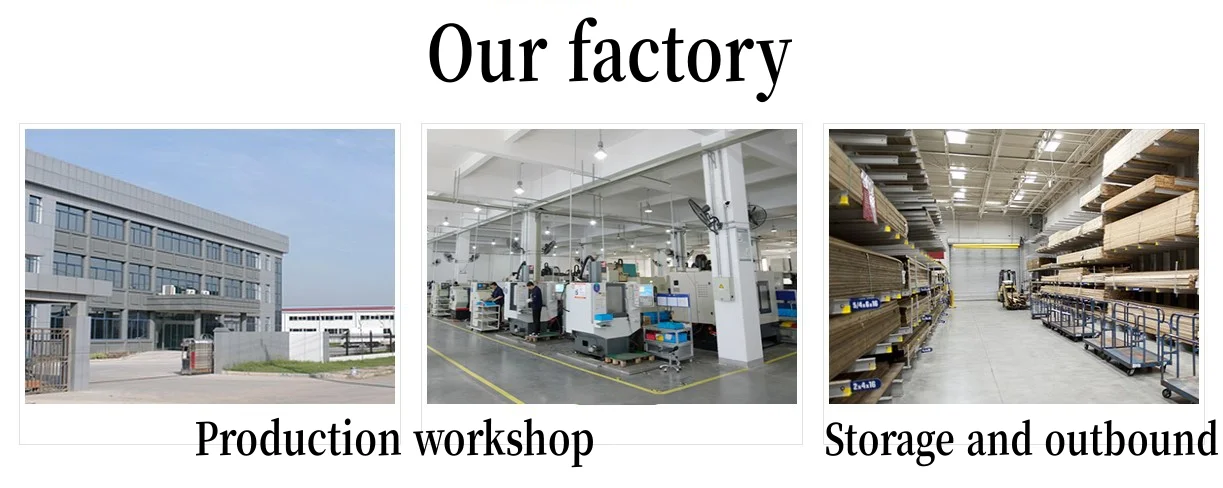
Shenzhen Aimiaida Technology Co., Ltd.
- Manufacturer, Trading Company, Buying Office, Agent, Distributor/Wholesaler
- Guangdong, China
- Lead time0 days
- Avg. response≤ 4h
Main productsYoga top,Yoga pants,Yoga sets,tennis wear,T-shirt
Main marketsNorth America(30.00%), Mid East(20.00%), Northern Europe(20.00%), Southern Europe(10.00%), South America(10.00%), Western Europe(10.00%)
Shenzhen Kastar Timepieces Co., Ltd.
- Verified by TüVRheinland
- Manufacturer, Trading Company
- Lead time40 days
- Avg. response≤ 2h
Main productsQuartz Watches, Digital Watches, Wristwatches, Smart Watches, Mechanical Watches
Main marketsOceania(20%), North America(13%), South America(13%)
Guangzhou Yanoda Watch Co., Ltd.
- Manufacturer, Trading Company, Distributor/Wholesaler
- Guangdong, China
- Lead time7 days
- Avg. response≤ 2h
Main productsQuartz Watch,Mechanical Pocket Watch,Mechanical Watch,Party Favors,Festive & Party Supplies
Main marketsNorth America(36.00%), Domestic Market(30.00%), Southeast Asia(17.00%), Western Europe(11.00%), South Asia(1.00%), Southern Europe(1.00%), South America(0.50%), Oceania(0.50%), Africa(0.50%), Northern Europe(0.50%), Central America(0.50%), Eastern Europe(0.50%), Eastern Asia(0.50%), Mid East(0.50%)
Guangzhou Lige Watch Co., Ltd.
- Manufacturer
- Guangdong, China
- Lead time15 days
- Avg. response≤ 3h
Main productswatch,Quartz watch,Digital Watch,Smart Watch,smart glasses
Main marketsCentral America(15.00%), Western Europe(10.00%), Southern Europe(10.00%), Eastern Europe(8.00%), Eastern Asia(8.00%), Northern Europe(8.00%), South America(8.00%), North America(8.00%), Southeast Asia(6.00%), South Asia(5.00%), Mid East(3.00%), Africa(3.00%), Domestic Market(1.00%)
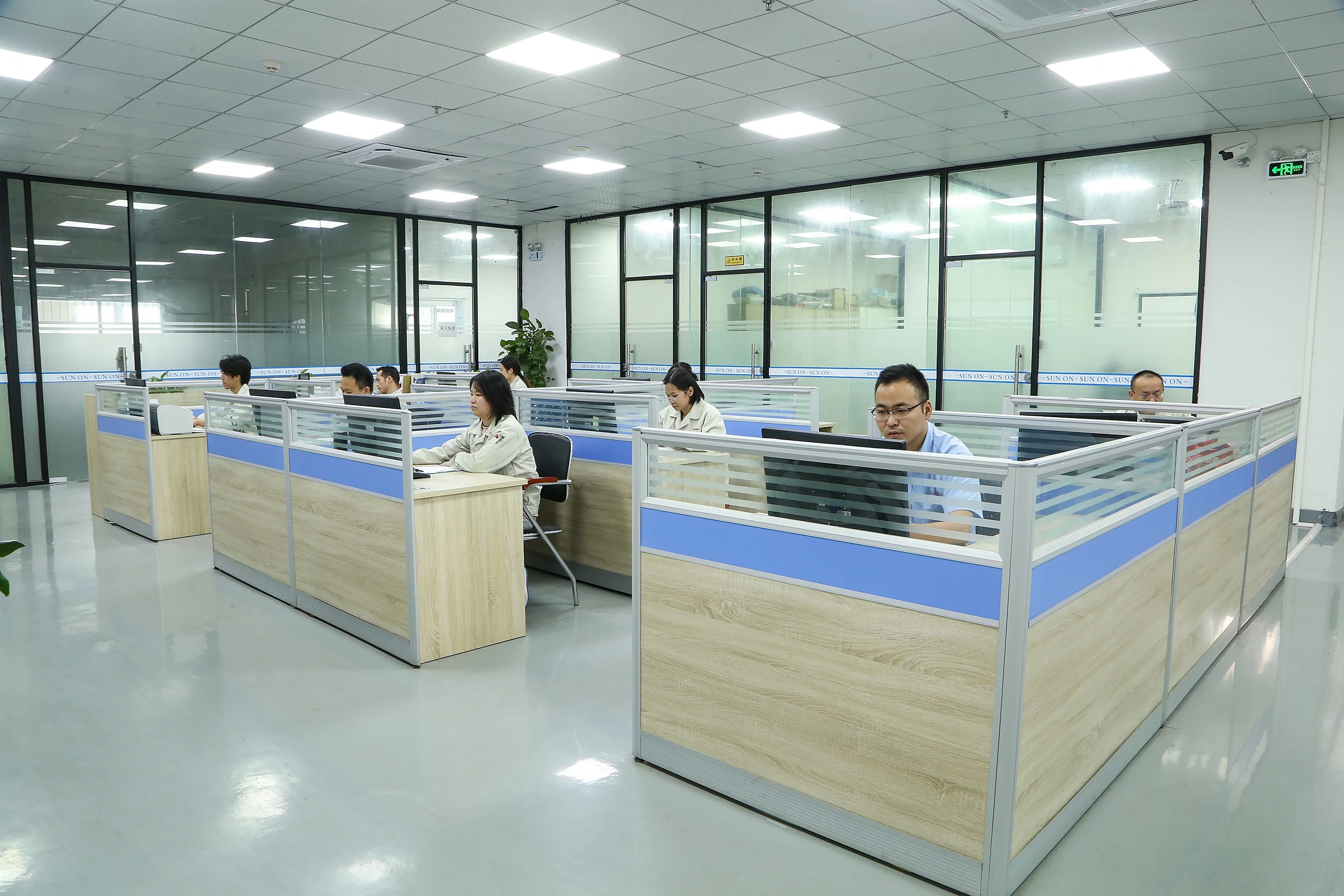
Shenzhen Jinmeng Technology Innovation Co., Ltd.
- Manufacturer
- Guangdong, China
- Lead time15 days
- Avg. response≤ 2h
Main productsWatch,Fashion accessories,Glasses,Hair accessory,Beads
Main marketsNorth America(50.00%), South America(20.00%), Eastern Asia(10.00%)
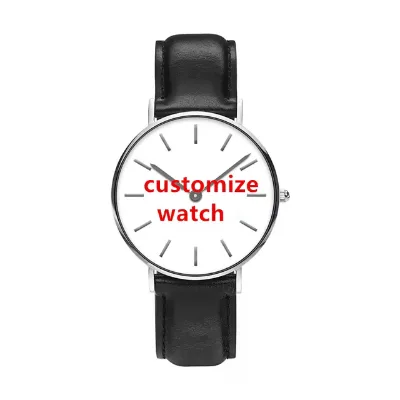


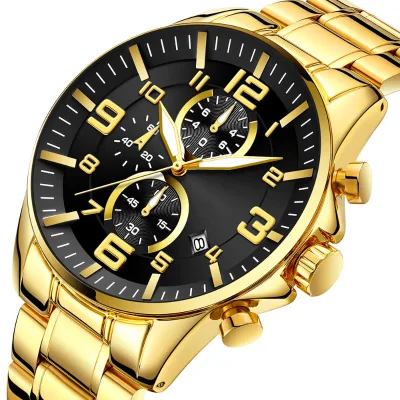
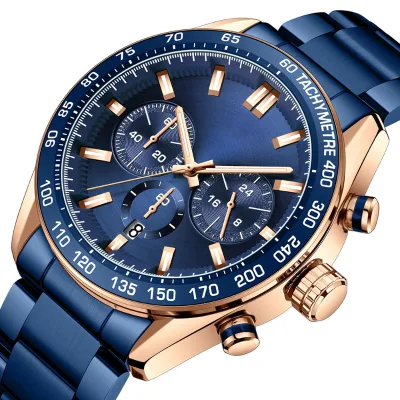


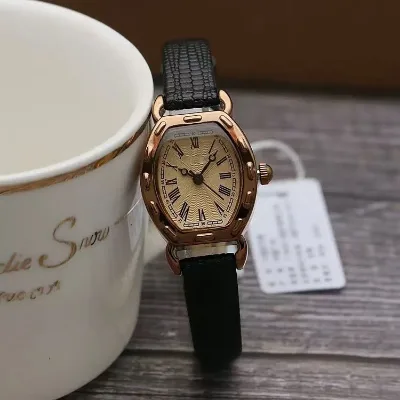
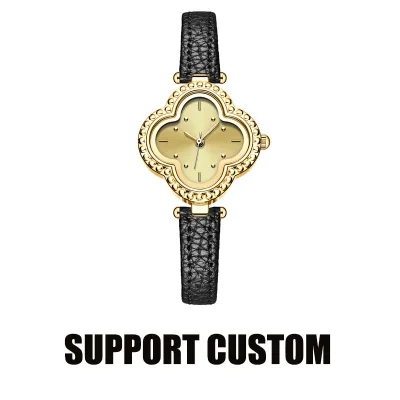
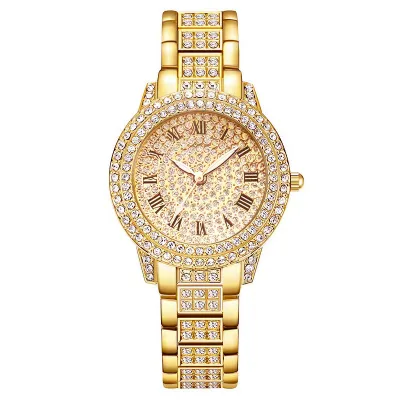
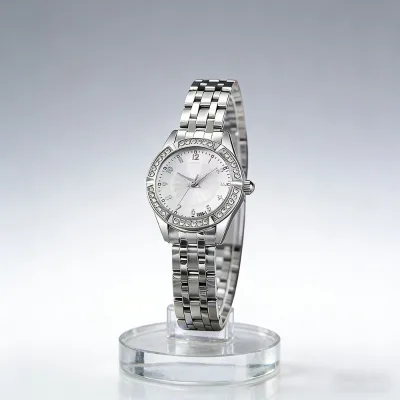
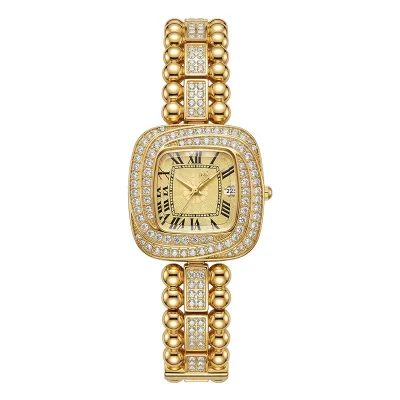
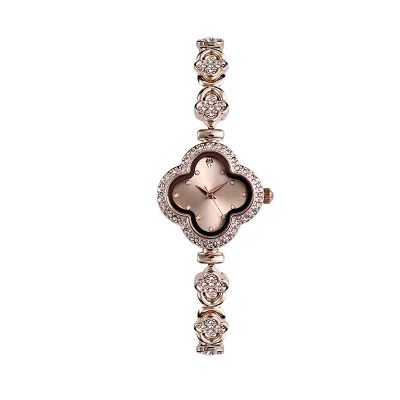

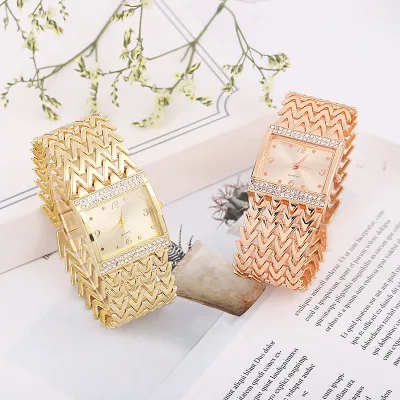


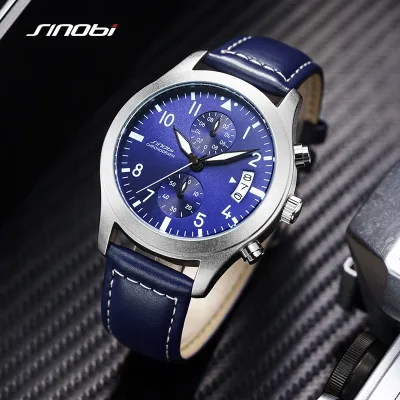
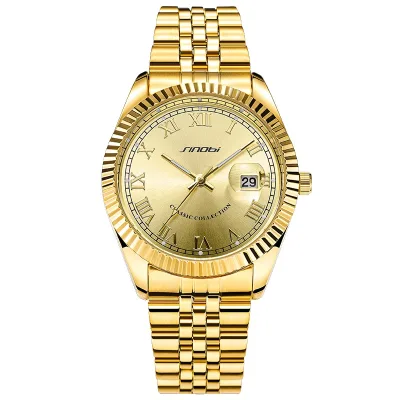


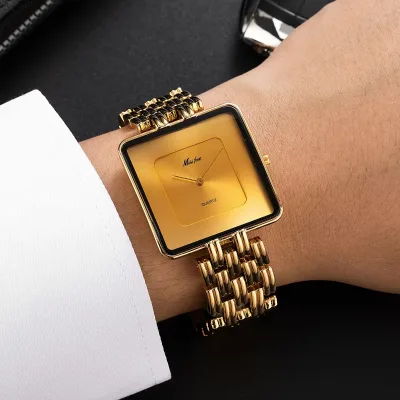
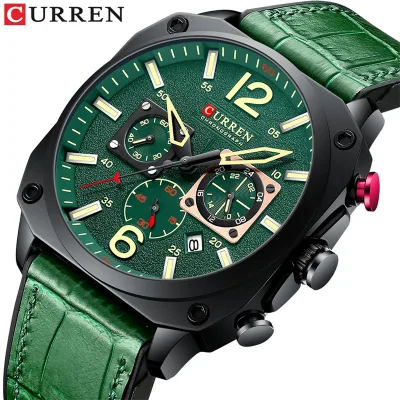


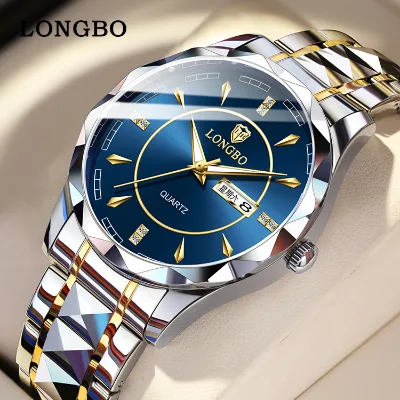
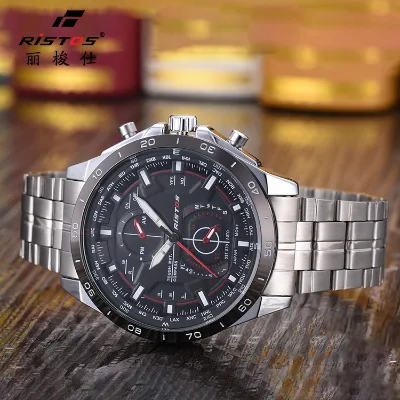
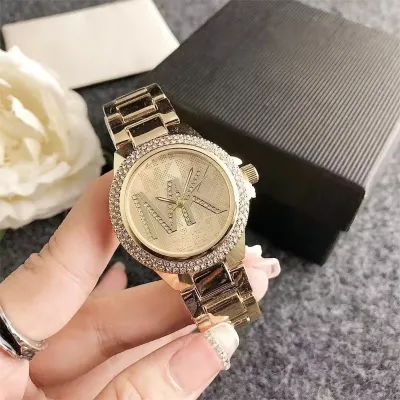
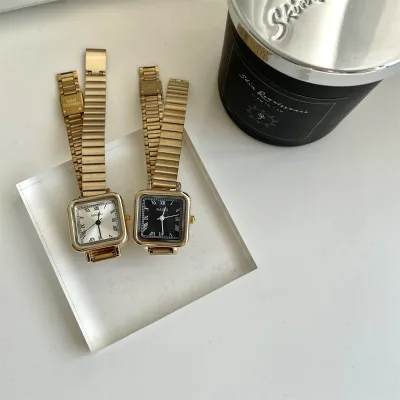
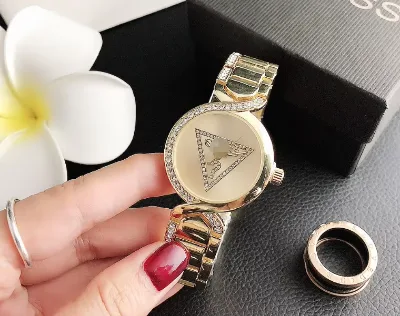
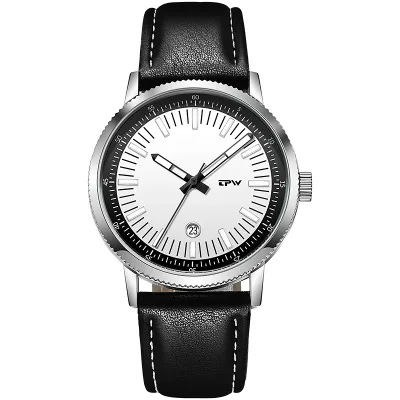
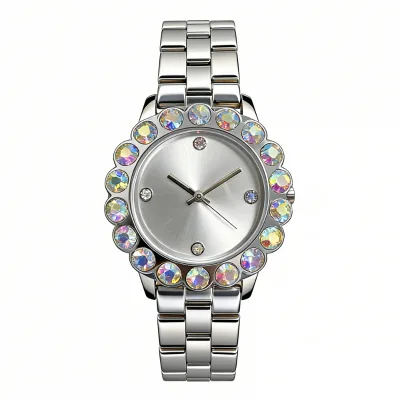
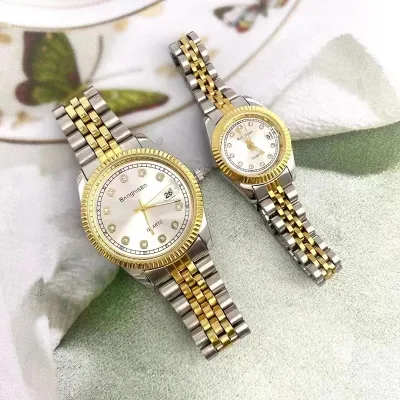

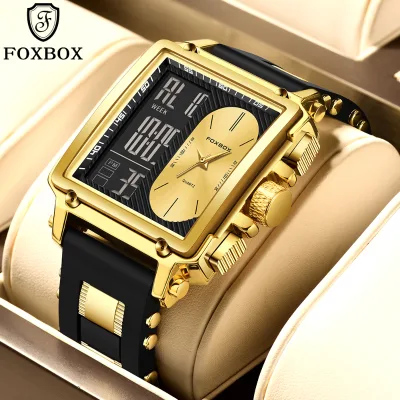
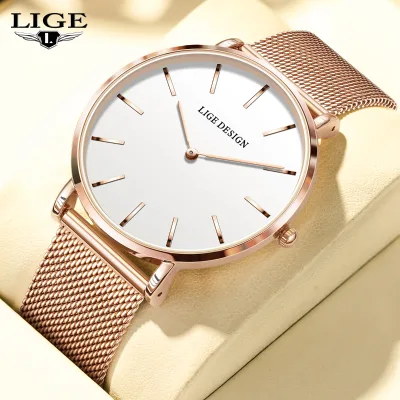

Comprehensive Sourcing Guide
Gold Alloy Quartz Wristwatch Supplier Concentration and Factory Types
The sourcing landscape for gold alloy quartz wristwatches reveals a distinct mix of manufacturing capabilities and business models that buyers must navigate carefully. Current data indicates that suppliers are primarily located in Zhejiang, China, and Guangdong, China, forming two key industrial clusters for this specific product category. In Zhejiang, the concentration of suppliers suggests a mature ecosystem for jewelry and accessory manufacturing, where trading companies often bridge the gap between specialized factories and international buyers. These entities typically handle the logistics of sourcing diverse components, such as alloy cases and quartz movements, to assemble finished watches. Meanwhile, Guangdong-based suppliers often present as combined entities, blending trading functions with direct production capabilities. This structural difference is critical because it influences how a buyer interacts with the supplier, whether they are dealing with a pure intermediary or a factory with its own brand and OEM/ODM capacities. Understanding this geographic and structural distribution allows buyers to target regions that align with their specific needs for customization, volume, and speed.
Factory types vary significantly across these regions, impacting the buyer’s ability to secure custom designs or private labels. Some suppliers are identified as trading companies, which may offer a broader range of existing stock items but potentially less flexibility for deep customization. Others are classified as combined companies, which often possess the infrastructure for both Original Design Manufacturing (ODM) and Original Equipment Manufacturing (OEM), along with their own brand presence. This dual capability is particularly relevant for buyers seeking unique gold alloy finishes or specific quartz movement configurations. The presence of these varied company types means that a buyer cannot assume all suppliers in the same location operate identically. It is essential to review the specific company type listed for each potential partner to determine if they can meet the technical and commercial requirements of the order. This distinction directly affects the negotiation process, the level of technical support available, and the long-term viability of the supply chain relationship.
How to Verify Gold Alloy Quartz Wristwatch Suppliers
Verification is a critical step in mitigating risk when sourcing gold alloy quartz wristwatches, as the market contains a mix of verified and unverified entities. Buyers should prioritize suppliers who display specific verification badges, such as BV (Bureau Veritas) certification, which indicates that an independent third party has audited the supplier’s business operations and capabilities. In the current results, some suppliers are marked as BV verified, providing a layer of assurance regarding their legitimacy and operational stability. However, not all suppliers display such certifications, with some showing NIL for system certifications. This absence does not necessarily disqualify a supplier but requires the buyer to conduct additional due diligence. It is important to cross-reference any claimed certifications with official databases or request valid certificates directly from the supplier before committing to an order. This proactive approach helps ensure that the supplier’s claims about quality management systems and production standards are accurate and up-to-date.
Beyond certification badges, buyers should assess the supplier’s responsiveness and historical performance as indicators of reliability. Response time is a key metric that reflects the supplier’s operational efficiency and customer service quality. Data shows that response times can vary, with some suppliers responding within 4 hours and others taking up to 7.19 hours. A faster response time often correlates with a more organized sales team and better communication throughout the order process, which is vital for resolving issues related to customization or shipping. Additionally, buyers should look for evidence of past product success, such as detailed product attributes and clear specifications. Suppliers who provide comprehensive information about materials, such as stainless steel bands or zinc alloy cases, and features like waterproof ratings, demonstrate a higher level of professionalism. By combining verification status with responsiveness and product detail quality, buyers can build a more accurate picture of a supplier’s trustworthiness and capability to deliver consistent results.
What to Compare Across Gold Alloy Quartz Wristwatch Suppliers
When evaluating multiple suppliers for gold alloy quartz wristwatches, buyers must compare several key dimensions to identify the best fit for their business needs. Lead time is a primary factor, as it directly impacts inventory management and market responsiveness. Current data indicates that lead times can range from 10 days to 23 days, depending on the supplier’s production capacity and current order backlog. A shorter lead time, such as 10 days, may be preferable for buyers who need to restock quickly or respond to sudden market trends. However, buyers should also consider the trade-off between speed and cost, as faster production may come at a premium. Additionally, Minimum Order Quantity (MOQ) is a crucial consideration, especially for new buyers or those testing the market. Some suppliers offer low MOQs, such as 2 pieces, which allows for easier sampling and risk mitigation. Comparing these operational metrics helps buyers align their supplier choices with their specific sales volume and cash flow requirements.
Price and customization options are equally important factors in the comparison process. The price range for gold alloy quartz wristwatches can vary significantly, with some products listed between $5.50 and $5.88, while others may cost upwards of $11.59. These price differences often reflect variations in material quality, brand reputation, and additional features such as chronograph functions or specific dial designs. Buyers should also evaluate the level of customization available, as some suppliers offer extensive options for branding, packaging, and product specifications. For instance, some products allow for custom logos on the dial or case back, while others may have limited customization capabilities. By comparing price points alongside customization flexibility, buyers can determine which suppliers offer the best value proposition for their target market. This holistic approach ensures that buyers do not focus solely on unit cost but also consider the overall value and potential for brand differentiation.
Common Gold Alloy Quartz Wristwatch Sourcing Risks
One of the primary risks in sourcing gold alloy quartz wristwatches is the potential discrepancy between product samples and bulk production. Buyers often receive high-quality samples that showcase the desired gold finish and quartz movement accuracy, but the bulk order may exhibit variations in color consistency, material durability, or movement performance. This risk is heightened when dealing with suppliers who have limited quality control processes or who outsource certain components. To mitigate this, buyers should insist on detailed specifications in the purchase contract, including tolerances for color matching and movement accuracy. Additionally, requesting pre-shipment inspections or third-party quality checks can help identify issues before the goods are shipped. It is also important to verify the actual materials used, such as the type of alloy for the case and the quality of the stainless steel band, to ensure they match the advertised specifications. This diligence helps prevent costly returns and reputational damage in the end market.
Another significant risk is the reliability of the supply chain, particularly regarding lead times and communication. Delays in production can disrupt inventory plans and lead to missed sales opportunities, especially for seasonal products. Buyers should be cautious of suppliers who consistently miss their stated lead times or who have poor communication channels. The response time data indicates that some suppliers may take several hours to reply, which can slow down the negotiation and problem-solving process. Furthermore, there is a risk of intellectual property infringement if buyers share proprietary designs with unverified suppliers. To protect their interests, buyers should use non-disclosure agreements and work with suppliers who have a proven track record of respecting intellectual property rights. Additionally, buyers should be aware of potential changes in raw material costs, which can affect pricing and availability. By anticipating these risks and implementing robust mitigation strategies, buyers can safeguard their investments and ensure a smoother sourcing experience.
Gold Alloy Quartz Wristwatch Regional Sourcing and Logistics
Sourcing gold alloy quartz wristwatches from specific regions in China offers distinct logistical advantages and challenges that buyers must consider. Zhejiang and Guangdong are the primary manufacturing hubs for these products, each with its own infrastructure and supply chain dynamics. Zhejiang is known for its strong jewelry and accessory manufacturing base, which often results in efficient sourcing of components like alloy cases and quartz movements. This concentration of suppliers can lead to competitive pricing and faster access to raw materials. On the other hand, Guangdong is a major hub for electronics and watch manufacturing, offering advanced production capabilities and a well-developed logistics network. Buyers sourcing from Guangdong may benefit from easier access to ports and established shipping routes, which can reduce transit times and costs. Understanding these regional differences allows buyers to make informed decisions about where to source their products based on their specific logistical needs and cost targets.
Logistics planning is crucial for ensuring timely delivery and minimizing costs. Buyers should work closely with their suppliers to determine the most efficient shipping methods, whether by air, sea, or express courier. For smaller orders or urgent restocks, air freight or express courier services may be necessary, despite higher costs. For larger bulk orders, sea freight is often more cost-effective, although it requires longer lead times. Buyers should also consider the impact of customs regulations and import duties in their destination country, which can affect the total landed cost of the products. Additionally, packaging and labeling requirements must be adhered to, as non-compliance can lead to delays or penalties. By planning logistics carefully and maintaining open communication with suppliers, buyers can optimize their supply chain and ensure that their gold alloy quartz wristwatches reach the market efficiently and cost-effectively.
Gold Alloy Quartz Wristwatch Commercial Terms and Order Planning
Commercial terms and order planning are essential components of a successful sourcing strategy for gold alloy quartz wristwatches. Buyers should clearly define the payment terms, such as using secure payment methods like escrow, to protect their financial interests. Escrow services ensure that funds are only released to the supplier once the buyer confirms receipt and satisfaction with the goods. This mechanism reduces the risk of fraud and provides a layer of security for both parties. Additionally, buyers should negotiate clear terms regarding warranties, returns, and dispute resolution. These terms should be documented in the purchase contract to avoid misunderstandings later. By establishing robust commercial terms, buyers can create a stable foundation for their business relationship with the supplier, ensuring that both parties are aligned on expectations and responsibilities.
Order planning involves forecasting demand and managing inventory levels to meet market needs without overstocking. Buyers should analyze historical sales data and market trends to estimate the required quantity of gold alloy quartz wristwatches. This analysis helps in determining the optimal order size and frequency, balancing the need for stock availability with the cost of holding inventory. Buyers should also consider the supplier’s production capacity and lead times when planning orders, ensuring that they place orders well in advance to avoid delays. Additionally, buyers should maintain a buffer stock to account for unexpected demand spikes or supply chain disruptions. By integrating commercial terms with strategic order planning, buyers can optimize their cash flow, minimize risks, and ensure a consistent supply of products to their customers. This comprehensive approach supports long-term business growth and sustainability in the competitive watch market.
FAQs
What is the typical lead time for gold alloy quartz watches?
Manufacturers generally require 10 to 23 days to produce and ship orders. This range depends on the specific supplier location and current production capacity. Buyers should confirm exact timelines during negotiation to ensure timely delivery for their business needs.
What is the minimum order quantity for these watches?
Suppliers typically set a minimum order quantity of two pieces for gold alloy quartz wristwatches. This low threshold allows buyers to test product quality and market response before committing to larger bulk purchases. Always verify the specific MOQ with the chosen vendor.
Are customization options available for these watches?
Yes, customization is available for many gold alloy quartz models. Buyers can often request specific branding, packaging, or minor design adjustments. This service supports private labeling efforts. Confirm the exact customization scope and any associated costs directly with the supplier.
What certifications do these watches typically hold?
Some models carry CE and RoHS certifications, ensuring compliance with safety and environmental standards. Other suppliers may not list specific certifications. Buyers should request valid certification documents to verify product safety and regulatory compliance before placing large orders.
What is the price range for these watches?
Prices generally range from 5.50 to 11.59 USD per unit. The final cost depends on the watch model, material quality, and order volume. Buyers should compare quotes from multiple suppliers to secure the best value for their specific sourcing requirements.
Where are these watches typically manufactured?
Most gold alloy quartz watches are manufactured in Zhejiang or Guangdong, China. These regions are known for their robust jewelry and watch manufacturing industries. Buyers can verify the specific place of origin to assess logistics costs and supply chain reliability.