Gold Casting Induction Melting Furnace Suppliers and Manufacturers
Source Gold Casting Induction Melting Furnace units from 26 verified suppliers in China. Compare lead times, certifications, and pricing to find the right match. Contact suppliers directly to request quotes and verify specifications; review the available evidence before requesting comparable quotations from suitable candidates.
Updated
Suppliers List

Shanghai AXD Heavy Machinery Co., Ltd.
- Verified by TUVRHEINLAND
- Trading Company,Manufacturer/Factory
- China Shanghai
- Lead time60 days
- Avg. response≤ 12h
Main productsElectric Motor, AC Motor, DC Motor, Melting Furnace, Induction Furnace, Vhs Motor, Electric Arc Furnace, NEMA Electric Motor, NEMA Motor, Motor NEMA
Main marketsSouth America,Eastern Europe,Mid East,North America,Southeast Asia,Eastern Asia,Oceania,Western Europe,Africa

Yongkang Yuelon Electronic Equipment Co., Ltd.
- Manufacturer
- Zhejiang, China
- Lead time20 days
- Avg. response≤ 4h
Main productsInduction Heating Machine,Induction Brazing Machine,Induction Melting Furnace,Induction Hardening Machine,Induction Heater
Main marketsDomestic Market(35.00%), South Asia(15.00%), South America(15.00%), Eastern Europe(10.00%), North America(5.00%), Africa(5.00%), Northern Europe(3.00%), Eastern Asia(2.00%), Oceania(2.00%), Southern Europe(2.00%), Central America(2.00%), Southeast Asia(2.00%), Western Europe(1.00%), Mid East(1.00%)

Shenzhen Geelly Induction Technology Co., Ltd.
- Manufacturer/Factory
- China Guangdong
- Lead time15 days
- Avg. response≤ 24h
Main productsInduction Brazing &Weiding Machine, Induction Heating Machine, High Frequency Induction Heating Machine, Melting Furnace, Atainless Steel &Iron Melting Furnace, Copper&Brass Melting Furnace, Gold Melting Machine, Copper Soldering Machine, High Frequency Quenching Machine, Industrial Chiller
Main marketsSouth America,Eastern Europe,Mid East,North America,Southeast Asia,Eastern Asia,Oceania,Western Europe,Africa

Induction Melting Furnace for Melting Copper, Gold, Silver or Bronze etc
$2700.00 - $15500.00
MOQ: 1 Pieces

Induction Heating Melting Furnace Metal Melting Furnace Gold Melting Equipment
Negotiable
MOQ: 1 Pieces

Induction Heating Melting Furnace Ultra High Frequency for Gold, Platinum, Steel Stainless.
Negotiable
MOQ: 1 Pieces

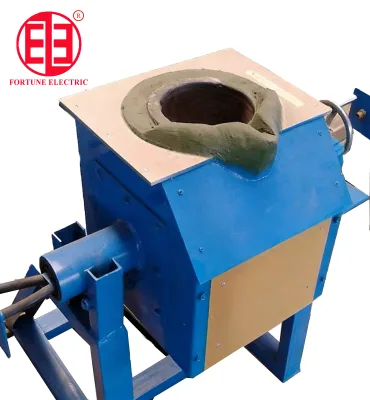
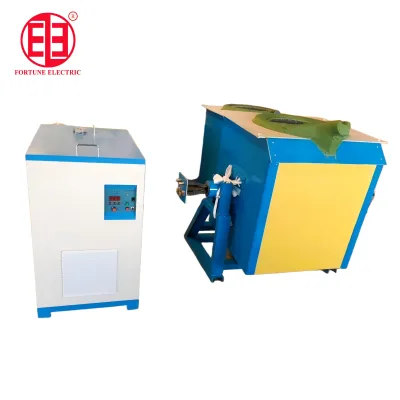
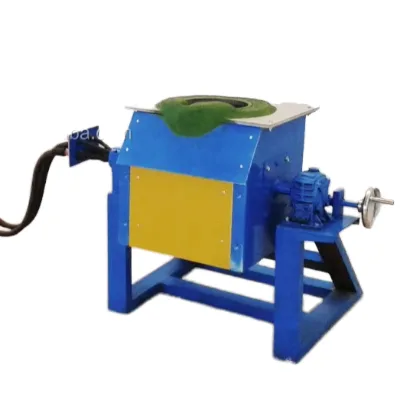
Shanghai Fortune Electric Co., Ltd.
- Manufacturer/Factory
- China Shanghai
- Lead time45 days
- Avg. response≤ 15h
Main productsDC Motor, Electric DC Motor, High Voltage Motor, Medium Voltage Motor, Electrical AC Motor, Wound Rotor Slip Ring Motor, Vertical Hollow Shaft Vhs Motor, Small Electric Arc Furnace, Induction Melting Furnace, Continuous Casting Machine
Main marketsSouth America,Eastern Europe,Mid East,North America,Southeast Asia,Eastern Asia,Oceania,Western Europe,Africa
Zhengzhou Lanshuo Electronics Co., Ltd
- Verified by TüVRheinland
- Manufacturer, Trading Company
- Lead time5 days
- Avg. response≤ 5h
Main productsInduction Heating Machine, Induction Melting Furnace, CNC Scanner, Water Cooling Tower
Main marketsDomestic Market(30%), Eastern Europe(25%), Southeast Asia(15%)
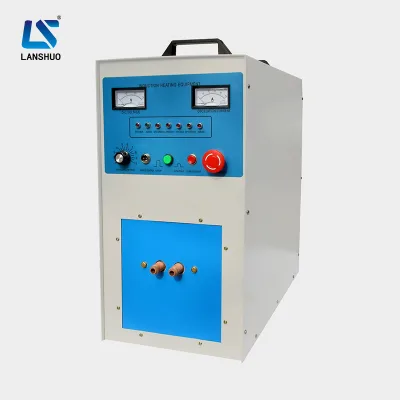
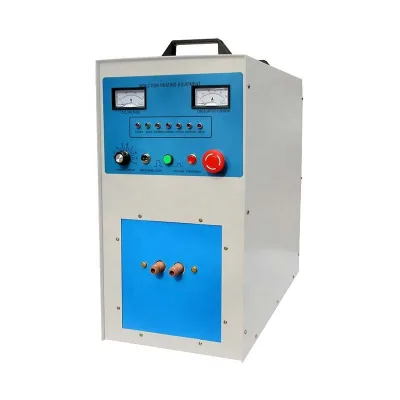
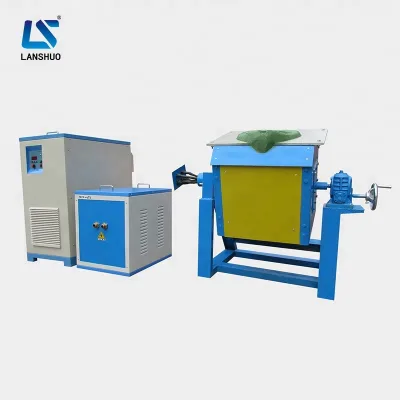
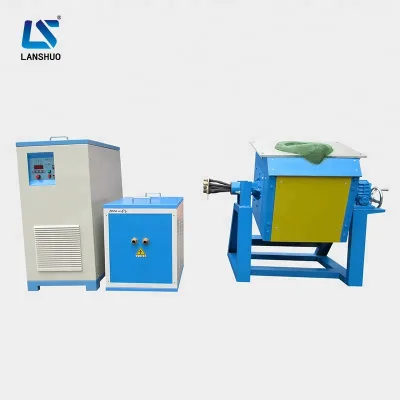
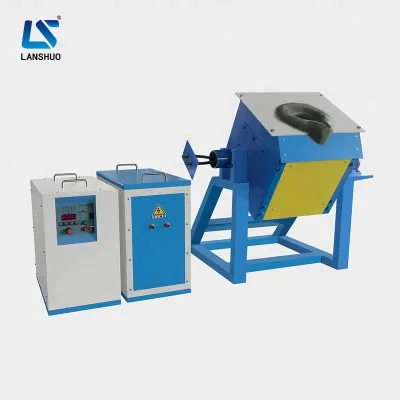
High Purity Graphite Crucible Gold Induction Melting Furnace
$2100.00 - $2143.00
Zhengzhou Cy Scientific Instrument Co., Ltd.
- Verified by Intertek
- Manufacturer, Trading Company
- Lead time12 days
- Avg. response≤ 3h
Main productsElectric Furnace, Magnetron Sputtering Coating Machine, Plasma Cleaner, Electrospinning Machine, Coating Machine
Main marketsWestern Europe(21%), Domestic Market(17%), North America(11%)
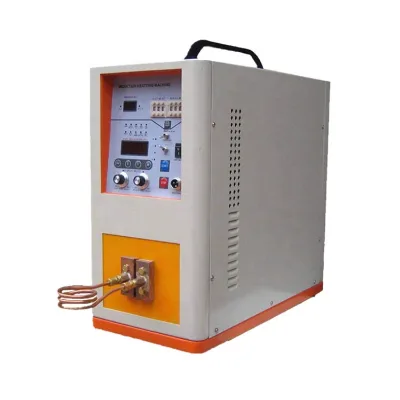
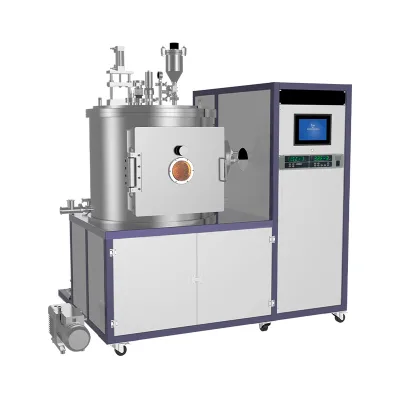
2500 Degree Platinum Gold Melting Electric Furnace Gold Silver Melting Equipment Smelting Speed
$42184.4474 - $78195.561
MOQ: 1 sets
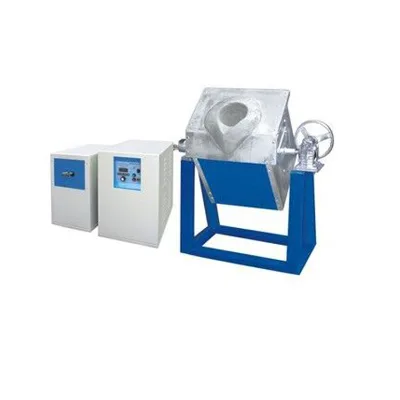
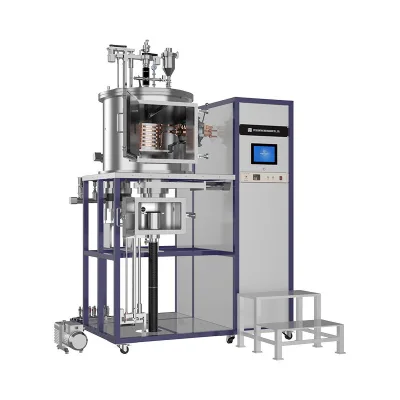
1KG 220V 3500W 1600 Degree Gold Casting Furnace Induction Heating Furnace for Metal
$20500.00 - $21000.00
MOQ: 1 sets
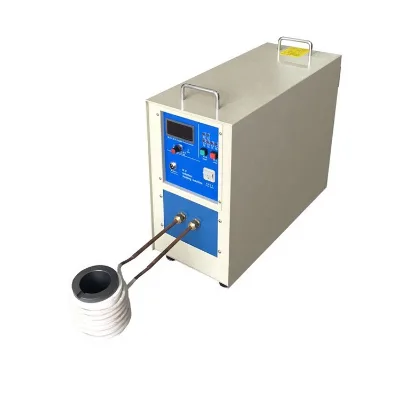
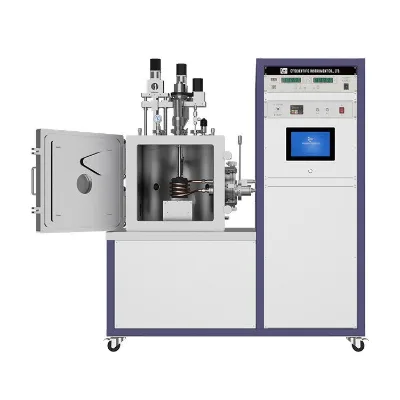
Small Electric Induction Melting Furnace for Special Metals Such As Gold Platinum Silver Copper Etc
$20500.00 - $21000.00
MOQ: 1 sets
Jiangxi Walker Machinery Co., Ltd.
- Manufacturer, Trading Company
- Lead time旺季: "1 - 2":20,"> 2":"To be negotiated", 淡季: "1 - 2":20,"> 2":"To be negotiated"
- Avg. response≤ 1h
Main productsMineral Separator, Crusher, Sand Washer, Vibrating Screen, Mine Mill
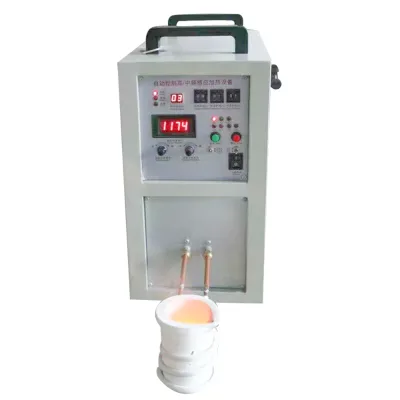
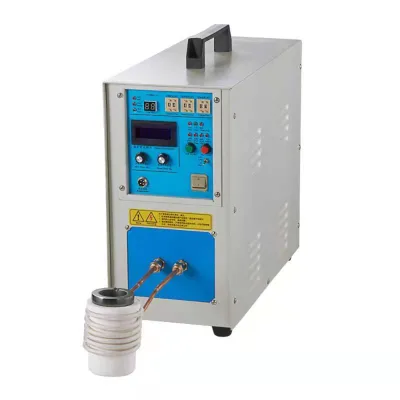
Platinum Iron Steel Aluminum Gold Metal Induction 2kg Gold Melting Furnace
$1000.00 - $1800.00
MOQ: 1 sets
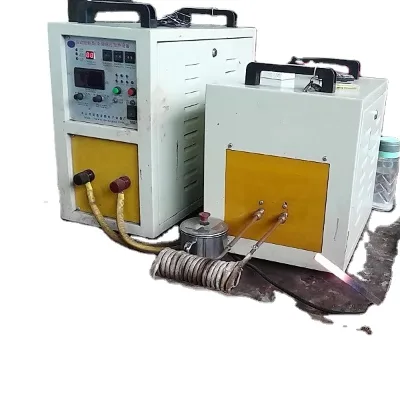

APS Induction Furnace (Taizhou) Co., Ltd.
- Verified by TUVRHEINLAND
- Combined
- China Jiangsu
- Lead time38 days
- Avg. response≤ 9h
Main productsInduction Furnace, Melting Furnace, Electric Furnace, Vacuum Furnace, Water Cooled Cable, Induction Heating Coil, Induction Furnace Parts, Electric Arc Furnace, Billet Heating Furnace, Submerged Arc Furnace
Main marketsSouth America,Africa,Southeast Asia/ Mideast,East Asia(Japan/ South Korea),Europe

$29300.00 - $52500.00
MOQ: 1 Sets


Shenzhen Hasung Precious Metals Equipment Technology Co., Ltd.
- Manufacturer, Trading Company
- Guangdong, China
- Lead time7 days
- Avg. response≤ 2h
Main productsGold Bullion Casting Machine,Metal Melting Furnace,Metal Granulating Machine,Metal Powder Atomizer,Vacuum Pressure Casting Machine
Main marketsNorth America(30.00%), Southeast Asia(20.00%), Mid East(18.00%), Oceania(10.00%), Domestic Market(5.00%), Western Europe(5.00%), South America(2.00%), Northern Europe(2.00%), South Asia(2.00%), Africa(2.00%), Eastern Asia(2.00%), Southern Europe(1.00%), Eastern Europe(1.00%)
Foshan Shunde Maoduoyu Trading Co., Ltd.
- Manufacturer, Trading Company, Distributor/Wholesaler
- Guangdong, China
- Lead time0 days
- Avg. response≤ 1h
Main productsIndustrial machinery,Commercial machinery,Packaging machinery,Filling machinery,Food machinery
Main marketsNorth America(50.00%), Southeast Asia(10.00%), Mid East(10.00%), Central America(10.00%), Domestic Market(5.00%), Western Europe(5.00%), Northern Europe(3.00%), South Asia(2.00%), Oceania(1.00%), Eastern Asia(1.00%), Eastern Europe(1.00%), South America(1.00%), Africa(1.00%)
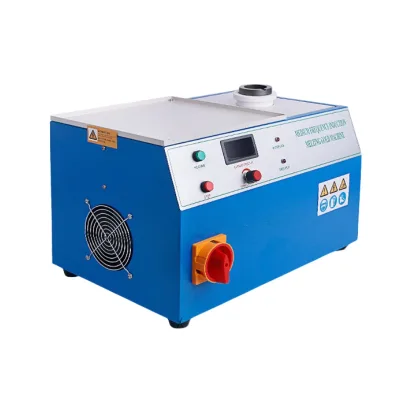
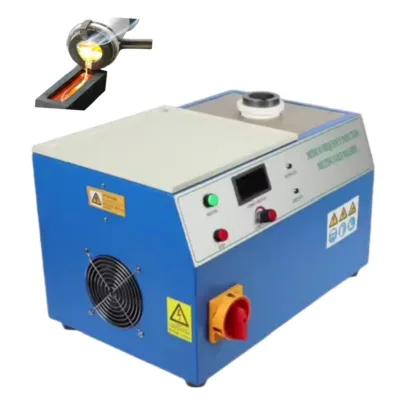
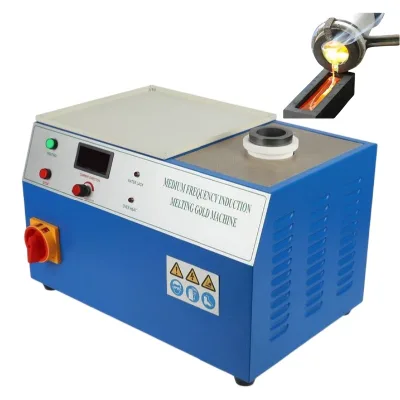
$622.2118 - $725.741
MOQ: 1 Minimum
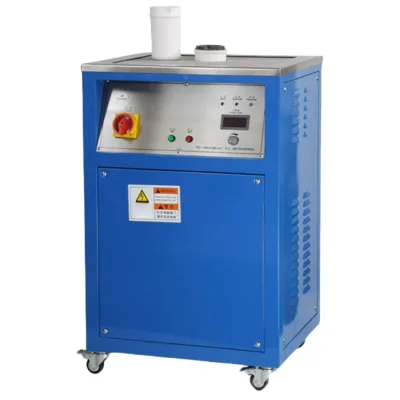
$624.9914 - $729.68
MOQ: 1 Minimum

Guangdong Futuer Machinery Co., Ltd.
- Verified by BV
- Combined
- China Guangdong
- Lead time30 days
- Avg. response≤ 4h
Main productsCNC Lathe, CNC Control System, CNC Vertical Machining Center, Swiss Lathe, Gang Type CNC Lathe, Turret Type CNC Lathe, Dual Spindle Type CNC Lathe, Milling CNC Lathe
Main marketsSouth America,Africa,Others(foreignTradeCapacity.exportBusinessCapacityMarketOther),Southeast Asia/ Mideast,Europe

Ganzhou Gelin Mining Machinery Co., Ltd.
- Combined
- China Jiangxi
- Lead time15 days
- Avg. response≤ 12h
Main productsGold Mining Equipment, Zircon Ore Processing Machine, Gold Washing Trommel, Centrifugal Gold Concentrator, Shaking Table, Jigger Machine
Main marketsSouth America,Africa,Southeast Asia/ Mideast,East Asia(Japan/ South Korea),Domestic,Europe,Australia,North America

Ningbo Shenguang Electric Furnace Co., Ltd.
- Verified by CTI
- Combined
- China Zhejiang
- Lead time30 days
- Avg. response≤ 1h
Main marketsAfrica,Southeast Asia/ Mideast,East Asia(Japan/ South Korea),Domestic
Zhengzhou KS Instrument Equipment Co., Ltd.
- Manufacturer, Trading Company
- Henan, China
- Lead time20 days
- Avg. response≤ 2h
Main productsLab coating equipment,CVD,Tube furnace,Muffle furnace,Atmosphere furnace
Main marketsDomestic Market(30.00%), Northern Europe(15.00%), Mid East(10.00%), Eastern Europe(10.00%), North America(10.00%), Central America(8.00%), Southern Europe(6.00%), Africa(3.00%), South Asia(3.00%), Western Europe(3.00%), South America(2.00%)
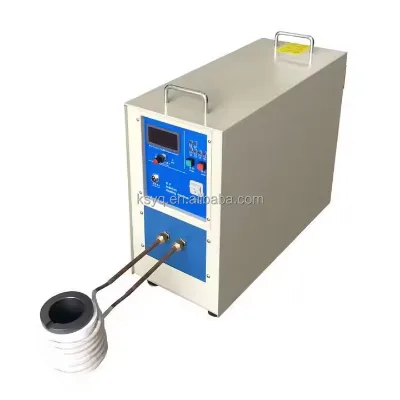
3000W High-frequency Induction Melting Furnace Silver Gold Melting Furnace China
$666.0267
MOQ: 1 Minimum
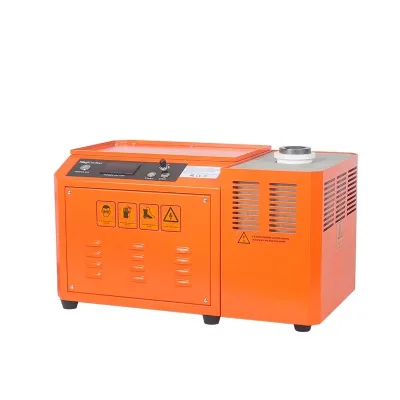
$1060.6206 - $1238.0776
MOQ: 1 Minimum
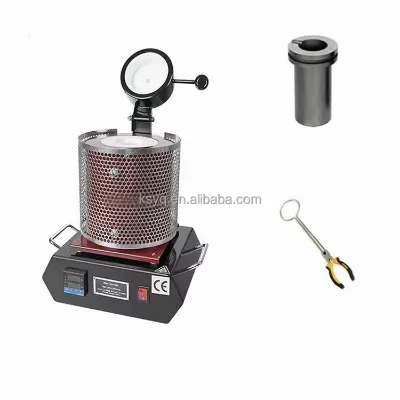
1100C-1600C High Temperature Small Gold Induction Melting Furnace with Graphite Crucible
$464.2791 - $876.9717
MOQ: 1 Minimum
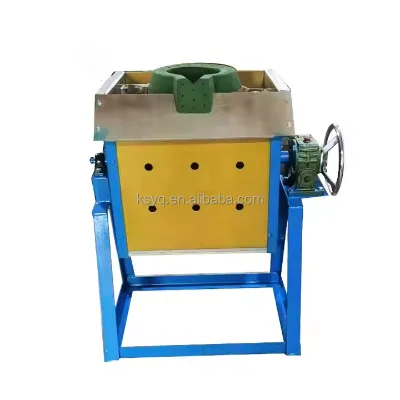

Shandong Kehua Intelligent Equipment Co., Ltd.
- Verified by TUVRHEINLAND
- Trading Company,Manufacturer/Factory
- China Shandong
- Lead time45 days
- Avg. response≤ 12h
Main productsInduction Furnace, Induction Melting Furnace, Vacuum Melting Furnace, Precision Casting Furnace, Induction Heating Furnace, Medium Frequency Diathermy Furnace, Medium Frequency Tempering Production Line, Complete Set of Quenching Equipment, Welding Electrodes, Welding Wire
Main marketsSouth America,Eastern Europe,Southeast Asia,Eastern Asia,Africa

Medium Frequency Induction Melting Furnace for Steel Copper Gold Induction Furnace Price
$50000.00 - $100000.00
MOQ: 1 Sets

Medium Frequency Induction Heating Furnace for Iron or Steel Melting and Casting
$10000.00 - $100000.00
MOQ: 1 Sets
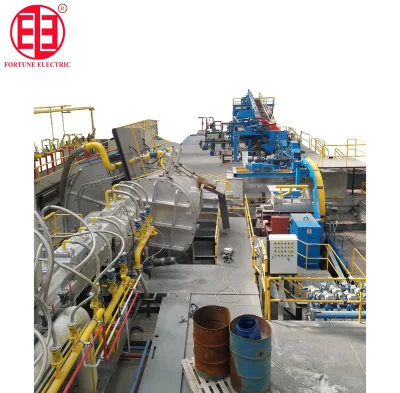
Shanghai Fortune Electric Co., Ltd.
- Manufacturer, Trading Company
- Shanghai, China
- Lead time45 days
- Avg. response≤ 11h
Main productsTurnkey project contractor,Engineering Service,Furances and casting machine,Copper cathode production line,Copper tube and foil production line
Main marketsWestern Europe(11.11%), Eastern Asia(11.11%), Mid East(11.11%), Oceania(11.11%), Africa(11.11%), Southeast Asia(11.11%), Eastern Europe(11.11%), South America(11.11%), North America(11.11%)

Henan Hanfa Heavy Industry Equipment Co., Ltd.
- Trading Company,Manufacturer/Factory,Group Corporation
- China Henan
- Lead time15 days
- Avg. response≤ 3h
Main productsStone Crusher, Water Well Drilling Rig, Ball Mill, DTH Drilling Rig, Rotary Drilling Rig, Pile Driver, Mobile Crushing Plant, Mineral Processing Line, Rotary Kiln, Flotation Machine
Main marketsSouth America,Eastern Europe,Mid East,North America,Southeast Asia,Eastern Asia,Oceania,Western Europe,Africa


Electric Small Induction Smelting Furnace for Gold Melting with Competitive Price
$2000.00 - $3500.00
MOQ: 1 Sets

Iron Smelting Steel Electric Induction Metal Melting Industrial Furnace
$2000.00 - $3500.00
MOQ: 1 Sets
Luoyang Hongteng Electrical Equipment Co., Ltd.
- Verified by SGS Group
- Manufacturer, Trading Company
- Lead time15 days
- Avg. response≤ 2h
Main productsInduction Heating Furnace, Induction Melting Furnace, Ingot Casting Machine, Hot Rolling Mill, Continuous Casting Machine

Jiangxi Hengchang Mining Machinery Manufacturing Co., Ltd.
- Verified by BV
- Combined
- China Jiangxi
- Lead time15 days
- Avg. response≤ 3h
Main productsJaw Crusher, Ball Mill, Shaking Table, Feeding Equipment, Classifing Equipment, Flotation Equipment, Magnetic Separator, Conveyor, Drying Equipment, Gravity Separation Equipment
Main marketsSouth America,Africa,Southeast Asia/ Mideast,East Asia(Japan/ South Korea),Europe,Australia,North America


50kg Fast Smelting Copper Gold Aluminum Electric Induction Melting Furnace for Sale
$4900.00 - $5000.00
MOQ: 1 Sets

High Efficiency Fast Heating 5kg Gold Melting Machine Smelting Furnace
$4900.00 - $5000.00
MOQ: 1 Sets
Henan Share M&E Equipment Co.,Ltd
- Verified by SGS Group
- Trading Company
- Lead time7 days
- Avg. response≤ 3h
Main productsTextile Machinery, Printing Machinery, Construction Machinery, Wood Machinery
Main marketsNorth America(20%), South America(20%), Eastern Europe(10%)

Shandong Kangda Electric Furnace. Co., Ltd
- Verified by SGS
- Combined
- China Shandong
- Lead time30 days
- Avg. response≤ 1h
Main productsInduction Furnace, Induction Melting Furnace, Induction Heating Furnace, Induction Heat Treatment, Induction Oven, Induction Forging Equipment, Induction Hardening Equipment, Electric Furnace, Steel Shell Induction Furnace, Aluminum Shell Induction Furnace
Main marketsAfrica,Others(foreignTradeCapacity.exportBusinessCapacityMarketOther),Southeast Asia/ Mideast,Domestic

Premium Medium Frequency Induction Melting Furnace for Foundry Steel Iron Casting
$51000.00 - $51800.00
MOQ: 1 Pieces

High-Efficiency Steel Shell Induction Melting Furnace for Metal Casting
$5000.00 - $8000.00
MOQ: 1 Pieces

High Performance Saving Energy Induction Melting Furnace Used for Metal Scrap Casting
$5000.00 - $800000.00
MOQ: 1 Pieces

High-Efficiency Energy-Saving Stable Melting Medium Frequency Induction Furnace for Iron Casting
$5000.00 - $800000.00
MOQ: 1 Pieces
Xiamen Yangyang Youyu Trading Co., Ltd.
- Verified by SGS Group
- Trading Company
- Lead time0 days
- Avg. response≤ 5h
Main productsJewelry Casting Machine, Rolling Machine, Permanent Jewelry Welder, Jewelry Polishing Machine, Jewelry Making Tools
Main marketsNorth America(30%), Eastern Europe(10%), Western Europe(10%)
- Manufacturer, Trading Company
- Guandong, China
- Lead time45 days
- Avg. response≤ 5h
Main productsContinuous Casting Machine, Straightening Machine, Peeling Machine, Ingot Casting Machine, Furnace
Main marketsSoutheast Asia(30.00%), Southern Europe(20.00%), Africa(20.00%), Eastern Europe(15.00%), Mid East(10.00%), South Asia(5.00%)
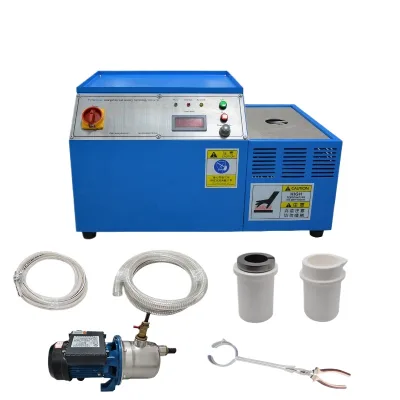
High Temperature Induction Melting Furnace for 1KG Gold Silver Copper&steel Speedy Smelting Machine
$1222.6868 - $1299.7472
MOQ: 1 units
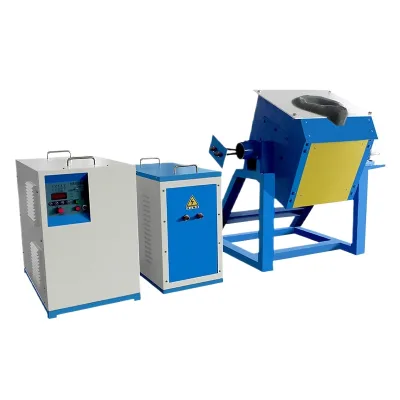
High Temperature Degrees Large Induction Melting Furnace for Jewelry Industrial Furnace Melter
$3647.5113 - $12288.515
MOQ: 1 Minimum
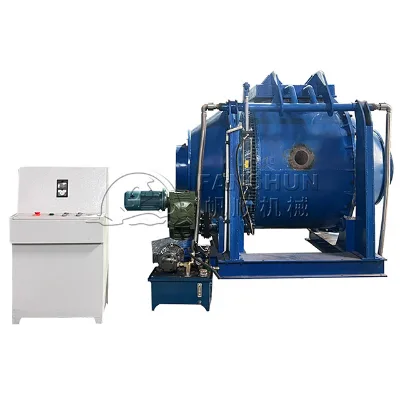
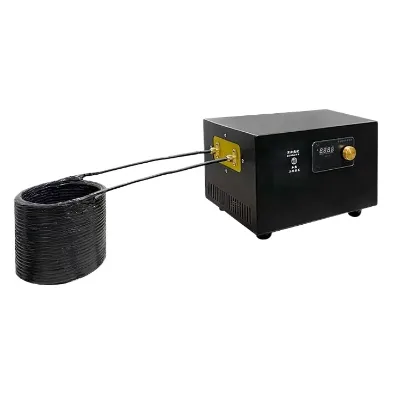
1400 Degrees Celsius 6KG Capacity Metal Melting Split Smelting Furnace
$1165.00 - $1170.00

Luoyang Shennai Power Equipment Co.,Ltd.
- Verified by BV
- Combined
- China Henan
- Lead time15 days
- Avg. response≤ 2h
Main productsMelting Furnace, Induction Furnace, Rolling Mill, Cooling Tower
Main marketsDomestic

Induction Furnace Melting Iron Smelting Furnace Furnace for Melting Silver Induction Furnace
$6550.00 - $80000.00
MOQ: 1 Sets

$6550.00 - $80000.00
MOQ: 1 Sets

Shenzhen Hajet Jewelry Equipment Co., Ltd.
- Manufacturer, Distributor/Wholesaler
- Guangdong, China
- Lead time7 days
- Avg. response≤ 2h
Main productsWax Injector,Stone Setting Machine,Spot Welder,Stone Setting Microscope,Steam Cleaning Machine
Main marketsDomestic Market(30.00%), Western Europe(20.00%), Southern Europe(10.00%), Oceania(5.00%), North America(5.00%), Eastern Europe(5.00%), South America(4.00%), Africa(3.00%), South Asia(3.00%), Southeast Asia(3.00%), Northern Europe(3.00%), Central America(3.00%), Mid East(3.00%), Eastern Asia(3.00%)
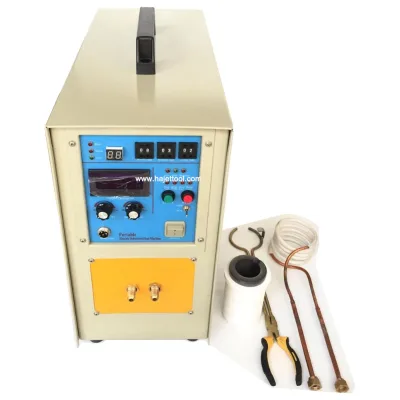
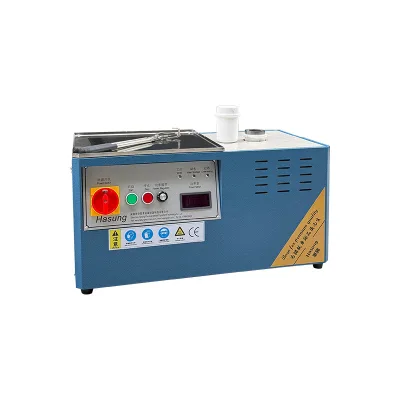
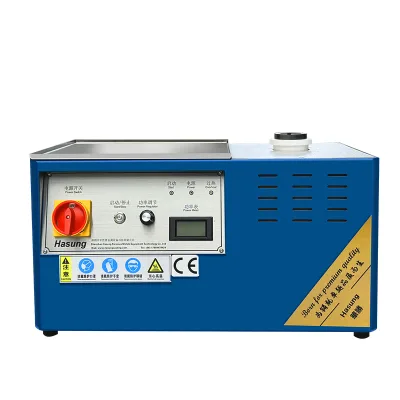
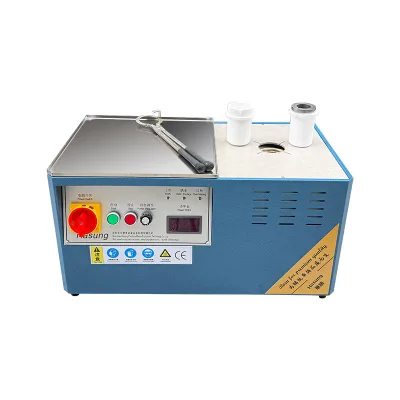
Factory Gold and Silver Induction Mini Electric Furnace Mini Steel Melting Furnace
$619.0388 - $1031.7314
MOQ: 1 pieces
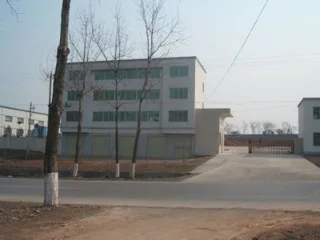
Xinxing Casting Technology Development Department
- Manufacturer
- Guangdong, China
- Lead time30 days
- Avg. response≤ 2h
Main productsInvestment casting,Foundry casting,automatic casting line,gravity casting machine,Wax Injection Machine
Main marketsMid East(30.00%), Southeast Asia(25.00%), Africa(20.00%), Eastern Asia(15.00%), South Asia(10.00%)
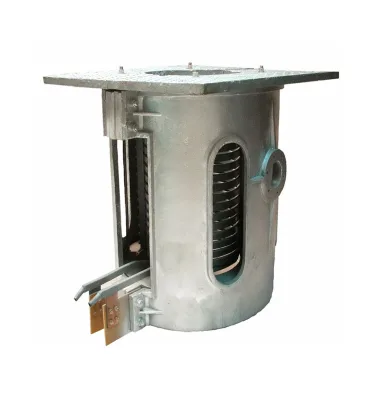
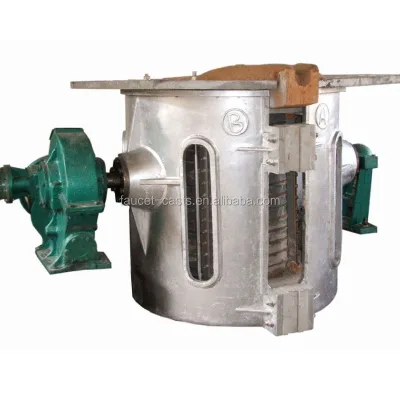
Intermediate Frequency Induction/industrial Melting Furnace Low Price
$8282.3347 - $36235.2144
MOQ: 1 Minimum


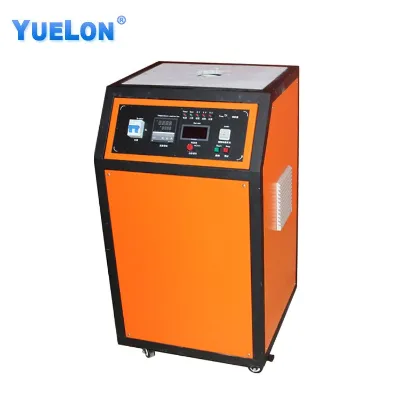
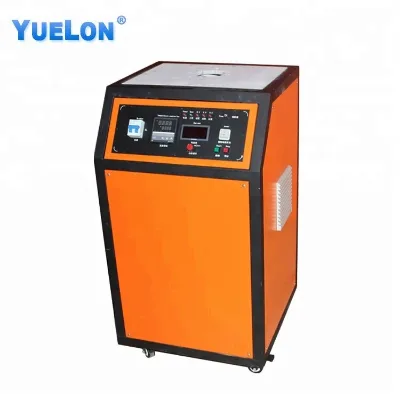


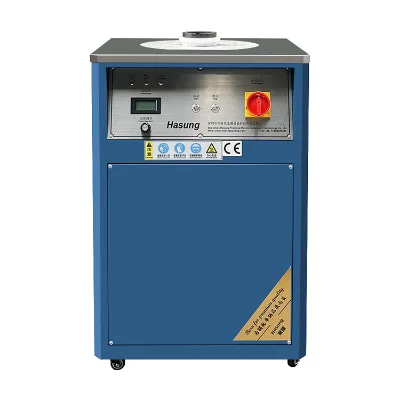
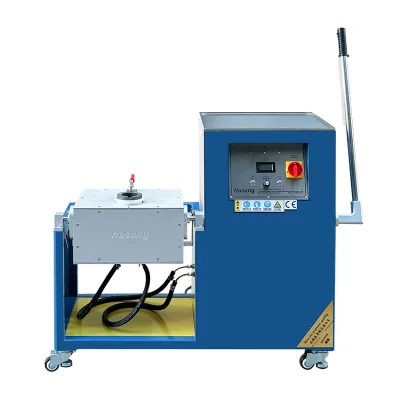


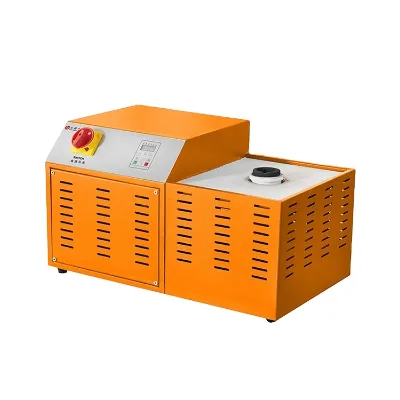
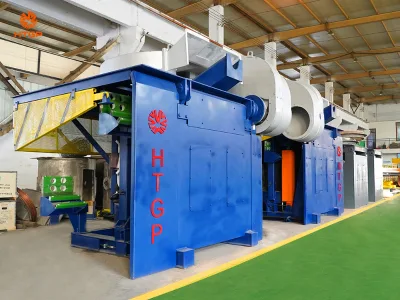
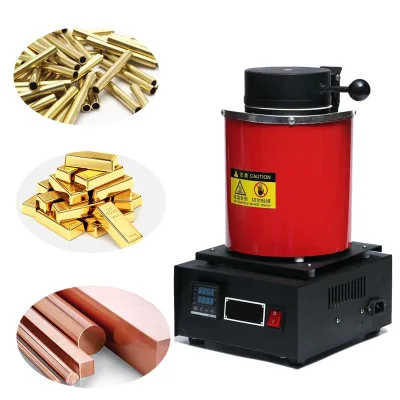
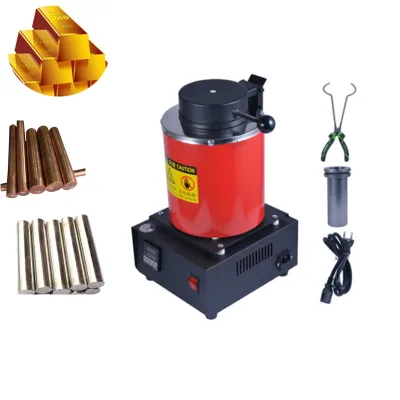
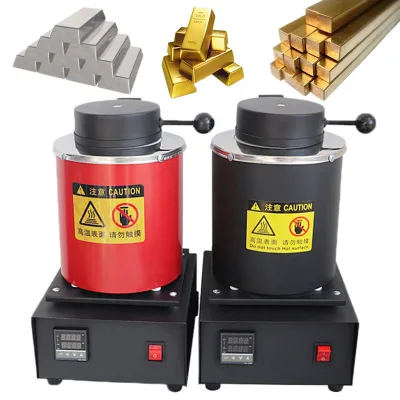
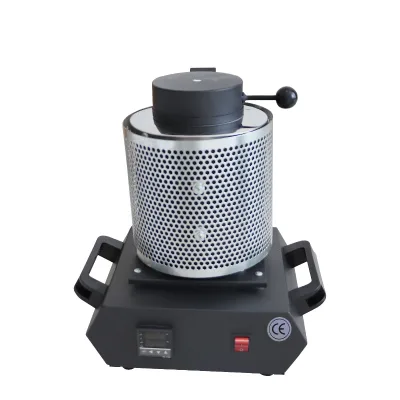
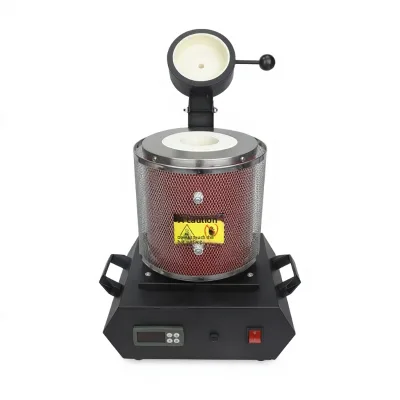
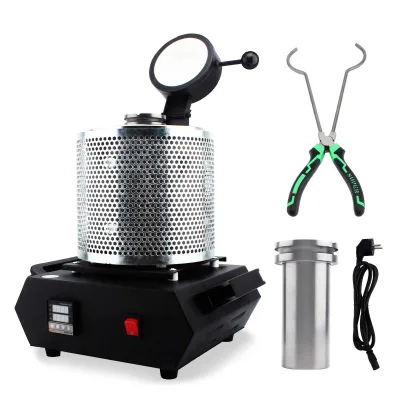
Comprehensive Sourcing Guide
Gold Casting Induction Melting Furnace Supplier Concentration and Factory Types
The current supplier landscape for gold casting induction melting furnaces reveals a distinct concentration of manufacturing and trading entities within specific Chinese industrial hubs. Data indicates that suppliers are primarily located in Shanghai and Zhejiang, China, suggesting these regions serve as key production clusters for this specialized equipment. In Shanghai, the supplier base includes both trading companies and manufacturer/factory entities, offering a mix of direct production capabilities and distribution services. This dual structure allows buyers to access a broader range of product lines, including electric motors and various furnace types, alongside the primary induction melting solutions. The presence of established manufacturers in Zhejiang further reinforces the region's role as a manufacturing center for induction heating and melting machinery. These factories often specialize in niche applications, such as jewelry casting and gold refining, providing tailored solutions for smaller-scale or high-precision operations. The geographic clustering in these areas facilitates supply chain efficiency, as components and specialized labor are readily available within the local ecosystem. Buyers evaluating suppliers should recognize that location is a strong indicator of manufacturing maturity and logistical capability. Suppliers in these regions are accustomed to international trade standards and export procedures, which can streamline the procurement process. However, the distinction between a trading company and a manufacturer is critical for understanding the source of the product. Trading companies may offer a wider variety of brands or models, while manufacturers provide direct control over production quality and customization. Understanding this dynamic helps buyers align their sourcing strategy with their specific needs for volume, customization, and direct communication. The concentration of suppliers in these two provinces suggests a competitive market where price and service quality are key differentiators. Buyers should leverage this information to prioritize suppliers from these verified locations, as they represent the core of the current supply base for gold casting induction melting furnaces. This regional focus also implies that logistics and shipping routes are likely optimized for these destinations, potentially reducing transit times and costs for international orders.
How to Verify Gold Casting Induction Melting Furnace Suppliers
Verifying the credibility and technical competence of suppliers requires a multi-layered approach that goes beyond basic company profiles. One of the primary verification methods available in the current data is the presence of third-party audit reports, such as those from TÜV Rheinland. Suppliers displaying this verification status have undergone rigorous assessments of their business operations, manufacturing capabilities, and quality management systems. Buyers should prioritize suppliers with such independent verification, as it provides a higher degree of confidence in the supplier's legitimacy and operational stability. Additionally, system certifications like ISO 9001 and ISO 14000 are critical indicators of a supplier's commitment to quality control and environmental responsibility. These certifications suggest that the supplier has established standardized processes for production and management, which is essential for maintaining consistent product quality in industrial machinery. When evaluating suppliers, buyers should also examine the specific product certifications listed for the induction melting furnaces, such as CE or ISO marks. These product-level certifications ensure that the equipment meets specific safety and performance standards required in various international markets. It is important to note that not all suppliers may display every certification, so buyers must carefully review the product specifications and supplier credentials to ensure compliance with their local regulatory requirements. Furthermore, the availability of machinery test reports and video outgoing-inspections can provide additional assurance of product quality. Suppliers that offer detailed test reports or video evidence of their machinery in operation demonstrate transparency and confidence in their products. Buyers should request these documents to verify the performance and condition of the equipment before placing an order. The presence of a warranty, such as a one-year guarantee, is another important factor in assessing supplier reliability. A clear warranty policy indicates that the supplier stands behind their product and is prepared to provide after-sales support. By combining these verification methods, buyers can build a comprehensive profile of each supplier, reducing the risk of engaging with unreliable or non-compliant vendors. This due diligence process is essential for ensuring that the selected supplier can deliver high-quality induction melting furnaces that meet the buyer's specific operational needs.
What to Compare Across Gold Casting Induction Melting Furnace Suppliers
When comparing suppliers, buyers must evaluate a range of operational and commercial metrics to determine the best fit for their procurement needs. Key dimensions for comparison include lead time, minimum order quantity (MOQ), response time, and main product offerings. Lead times vary significantly among suppliers, with some indicating a production period of up to 60 days, while others may offer faster turnaround times of around 20 days. This variation can impact project planning and inventory management, so buyers should align their supplier selection with their required delivery schedules. The MOQ is another critical factor, as some suppliers may require a minimum purchase of one unit, while others might have higher thresholds. For buyers seeking small-scale or pilot production, suppliers with a low MOQ are preferable. Response time is also an important indicator of supplier responsiveness and customer service quality. Suppliers with faster response times, such as those averaging four hours, are likely to be more efficient in addressing inquiries and resolving issues. Buyers should consider this metric when evaluating the overall supplier experience, especially for complex technical questions or custom orders. Main product offerings can also provide insight into a supplier's specialization and expertise. Suppliers that focus primarily on induction heating and melting machinery may offer more specialized and optimized solutions compared to those with a broader range of industrial products. Additionally, buyers should compare the technical specifications of the furnaces, such as voltage grades, frequency, and power output. These specifications must match the buyer's operational requirements to ensure compatibility and efficiency. Customization options are another key differentiator, as some suppliers offer tailored solutions for specific applications, such as gold refining or jewelry casting. Buyers should assess the extent of customization available and the associated costs to determine if it aligns with their needs. By systematically comparing these factors, buyers can make informed decisions that balance cost, quality, and service. This comparative analysis helps identify suppliers that offer the best value proposition and operational fit for the buyer's specific sourcing requirements.
Common Gold Casting Induction Melting Furnace Sourcing Risks
Sourcing gold casting induction melting furnaces involves several potential risks that buyers must actively manage to ensure a successful procurement outcome. One significant risk is the variability in product quality and performance, which can arise from differences in manufacturing standards and component sourcing. Without proper verification, buyers may receive equipment that does not meet their specified technical requirements or safety standards. This risk is particularly relevant for induction furnaces, where precise control of temperature and melting consistency is crucial for gold casting applications. Another risk is the potential for delays in delivery, which can disrupt production schedules and lead to additional costs. Suppliers with longer lead times or those facing production bottlenecks may fail to meet agreed-upon delivery dates. Buyers should mitigate this risk by selecting suppliers with proven track records of on-time delivery and by including clear delivery terms in their contracts. Additionally, the lack of comprehensive machinery test reports can pose a risk, as buyers may not have sufficient evidence of the equipment's performance before purchase. Suppliers that do not provide detailed test data or video inspections may be less transparent about their product quality. Buyers should insist on comprehensive testing documentation to verify the furnace's capabilities and reliability. Another risk is the potential for inadequate after-sales support, which can lead to operational issues if the equipment requires maintenance or repair. Suppliers with limited warranty coverage or poor customer service responsiveness may leave buyers vulnerable to downtime and repair costs. Buyers should carefully review the warranty terms and support policies to ensure they are adequate for their needs. Furthermore, the risk of non-compliance with local regulations is a concern, especially if the supplier's certifications do not align with the buyer's regional requirements. Buyers must verify that the equipment meets all necessary safety and environmental standards to avoid legal and operational complications. By identifying and addressing these risks proactively, buyers can reduce the likelihood of negative outcomes and ensure a smoother sourcing process. This risk management approach is essential for maintaining supply chain stability and protecting the buyer's investment in induction melting equipment.
Gold Casting Induction Melting Furnace Regional Sourcing and Logistics
The regional sourcing of gold casting induction melting furnaces is heavily influenced by the geographic concentration of suppliers in China, particularly in Shanghai and Zhejiang. These regions offer distinct logistical advantages due to their proximity to major ports and established shipping routes. Shanghai, as a global shipping hub, provides efficient access to international markets, facilitating faster and more cost-effective export processes. Suppliers located in Shanghai often benefit from well-developed infrastructure and a high volume of trade activity, which can lead to competitive shipping rates and reliable logistics services. Zhejiang, another key manufacturing province, also has strong logistical connections, with ports like Ningbo and Shanghai serving as primary dispatch points for exported goods. This regional concentration allows buyers to consolidate orders from multiple suppliers within the same area, potentially reducing shipping costs and simplifying logistics management. However, buyers must also consider the specific packaging and handling requirements of induction melting furnaces, which are often large and heavy industrial machinery. Proper packaging, such as plywood cases or standard wooden crates, is essential to protect the equipment during transit. Suppliers in these regions are typically experienced in international packaging standards, ensuring that the machinery is securely packed to prevent damage. Additionally, the weight and dimensions of the furnaces can impact shipping costs and logistics planning. Buyers should work closely with suppliers to determine the most efficient shipping methods, whether by sea or air, based on the urgency of the order and the size of the equipment. For smaller, mini induction melting furnaces, air freight may be a viable option due to their lower weight and compact dimensions. For larger industrial furnaces, sea freight is often more cost-effective, despite longer transit times. Understanding these logistical nuances helps buyers optimize their supply chain and minimize transportation costs. By leveraging the logistical advantages of these Chinese manufacturing hubs, buyers can streamline their sourcing process and ensure timely delivery of their induction melting equipment. This regional focus also allows buyers to benefit from the expertise of local logistics providers who are familiar with the specific requirements of industrial machinery exports.
Gold Casting Induction Melting Furnace Commercial Terms and Order Planning
Effective order planning and negotiation of commercial terms are critical for securing the best value when sourcing gold casting induction melting furnaces. Pricing is a key component of this process, with costs varying based on the type, size, and specifications of the furnace. For instance, larger industrial induction melting furnaces may have higher price points, while smaller, specialized units for jewelry casting can be more affordable. Buyers should request detailed quotations that break down the costs, including the base price, customization fees, and any additional charges for packaging or shipping. Understanding the price structure helps buyers compare offers from different suppliers and identify any hidden costs. Minimum order quantities (MOQ) also play a significant role in order planning, as they determine the minimum volume required to place an order. Suppliers with a low MOQ, such as one unit, offer flexibility for buyers who need to test the equipment or purchase small quantities. However, buyers should be aware that lower MOQs may come with higher per-unit costs. Payment terms are another important aspect of commercial negotiations, with options ranging from advance payments to letters of credit. Buyers should negotiate terms that align with their cash flow and risk tolerance, ensuring that they have adequate protection throughout the transaction process. Warranty and after-sales support are also crucial commercial terms that should be clearly defined in the contract. A comprehensive warranty, such as a one-year guarantee, provides peace of mind and protection against defects. Buyers should also clarify the scope of after-sales support, including technical assistance, spare parts availability, and repair services. Customization options can impact both the price and lead time, so buyers should discuss their specific requirements with the supplier early in the process. By carefully planning their orders and negotiating favorable commercial terms, buyers can ensure a smooth and cost-effective procurement experience. This strategic approach helps maximize the value of their investment and supports long-term operational success with
FAQs
What is the price range for gold induction melting furnaces?
Prices vary significantly based on capacity and configuration. Small mini units suitable for jewelry casting start around $1,432. Larger industrial electric holding furnaces can reach $300,000. Buyers should verify specific voltage grades and power requirements to ensure accurate quotes for their production scale.
What certifications do these furnaces typically hold?
Most suppliers provide CE certification for their induction melting equipment. Some manufacturers also hold ISO 9001 and ISO 14000 system certifications. Buyers should request specific test reports and verify that the machinery meets international standards for safety and environmental compliance before placing orders.
What is the typical lead time for these machines?
Lead times generally range from 20 to 60 days depending on the supplier and machine complexity. Smaller manufacturers in Zhejiang may offer faster turnaround times around 20 days, while larger factories in Shanghai might require up to 60 days for production and quality assurance processes.
What is the minimum order quantity for these furnaces?
The minimum order quantity is typically one unit for most induction melting furnaces. Suppliers often allow single-unit purchases for both small mini units and larger industrial equipment. This flexibility supports businesses testing new technology or requiring specific custom configurations for their gold casting operations.
Where are these furnaces manufactured?
Manufacturers are primarily located in China, specifically in Shanghai and Zhejiang provinces. These regions host both trading companies and direct manufacturers specializing in electric motors and industrial furnaces. Buyers can source equipment from verified suppliers in these key industrial hubs for reliable delivery and support.
What voltage options are available for these furnaces?
Voltage options include 220VAC single phase for small mini units and 380VAC three-phase for larger industrial models. Some heavy-duty electric holding furnaces support higher voltage grades like 690V or 950V. Buyers must match the machine voltage to their local power infrastructure to ensure safe operation.