Hair Growth Rosemary Mint Oil Suppliers and Manufacturers
Explore 25 verified options for Hair Growth Rosemary Mint Oil from factories in China. Compare certifications like ISO and GMP, response times, and lead times to find suitable partners. Review product details and request samples to proceed; review the available evidence before requesting comparable quotations from suitable candidates.
Updated
Suppliers List

Guangzhou Shiruoni Cosmetics Co., Ltd.
- Trading Company,Manufacturer/Factory,Group Corporation
- China Guangdong
- Lead time15 days
- Avg. response≤ 6h
Main productsSkin Care, Jelly Mask, Face Serum, Face Toner, Face Cream, Facial Mask, Sunscreen, Face Cleanser, Soap, Skin Care Set
Main marketsSouth America,Eastern Europe,Mid East,North America,Southeast Asia,Eastern Asia,Oceania,Western Europe,Africa

Good Fortune International Trading (Tianjin) Co., Ltd
- Verified by TUVRHEINLAND
- Manufacturer/Factory
- China Tianjin
- Lead time15 days
- Avg. response≤ 9h
Main productsSupplement, Chemicals, Plant Extracts, Vitamins, Sweeteners, Food Additives, Plant Proteins, Cosmetic Ingredients, Healthy Ingredients, Pharmaceutical Ingredients
Main marketsSouth America,Eastern Europe,Mid East,North America,Southeast Asia,Eastern Asia,Oceania,Western Europe,Africa
Guangzhou Gatase Cosmetics Co., Ltd.
- Verified by TüVRheinland
- Trading Company
- Lead time0 days
- Avg. response≤ 4h
Main productsShampoo, Hair Conditioner, Styling Products, Hair Care Product, Hair Treatment
Main marketsNorth America(30%), Mid East(30%), South America(10%)

Guangzhou Sevich Biology Technology Co., Ltd.
- Verified by SGS
- Trading Company
- China Guangdong
- Lead time15 days
- Avg. response≤ 6h
Main productsHair Building Fibers, Hair Fiberes, Keratin Hair Fibers, Keratin Fiber Powder, Hair Fibers Building, Hair Loss Treatment, Hair Loss Concealer, Hair Loss Men, Hair Loss Women
Main marketsSouth America,Southeast Asia/ Mideast,East Asia(Japan/ South Korea),Europe,Australia,North America

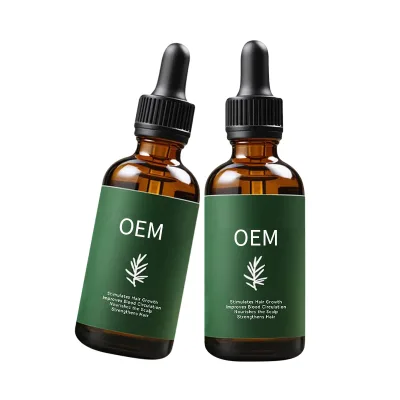
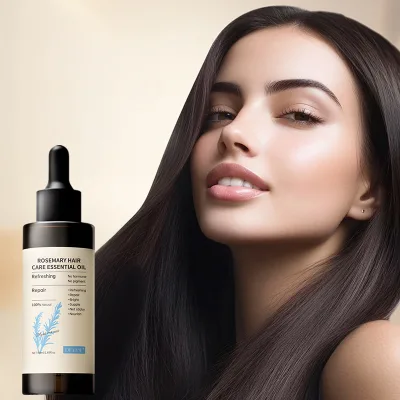
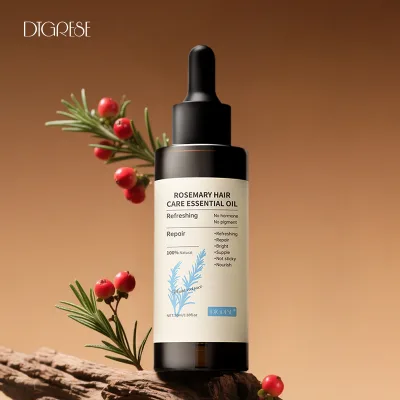
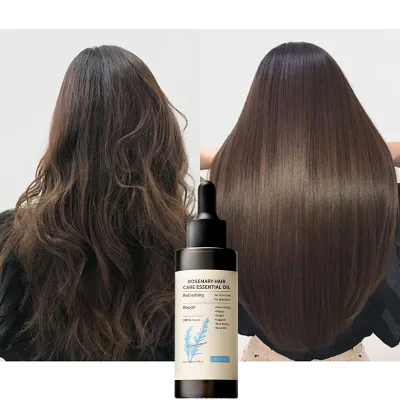
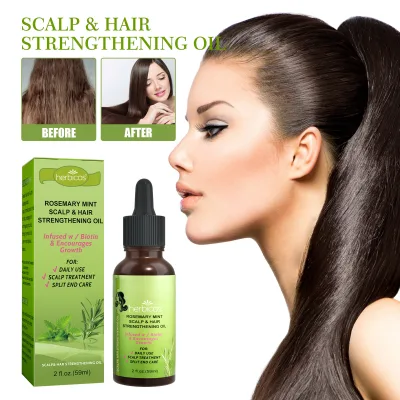
Nourishing Shine Smoothing Rosemary Mint Oil Hair Growth Scalp Hair Strengthening Oil
$1.34 - $1.89
MOQ: 500 Pieces

Natural Formula Nourishing Hair Growth Serum Rosemary Mint Scalp Hair Strengthening Oil
$1.34 - $1.89
MOQ: 500 Pieces


Natural Strawberry Mint Hair Growth Oil for Hair Loss Treatment Growth Prevention
$1.32 - $2.03
MOQ: 100 Pieces

Guangdong Boming Biotechnology Co., Ltd.
- Verified by SGS Group
- Manufacturer, Trading Company
- Lead time15 days
- Avg. response≤ 3h
Main productsHair Shampoo, Hair Wax, Hair Color Shampoo
Main marketsNorth America(50%), Southeast Asia(30%), Mid East(10%)
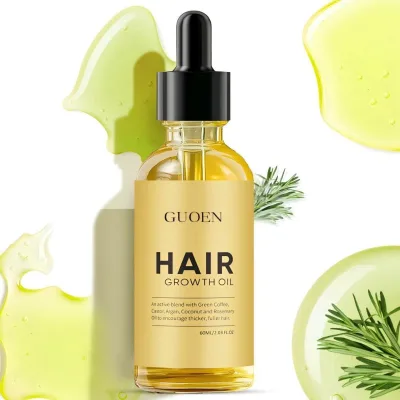
Jiangxi Guoen Flavor & Fragrance Co., Ltd.
- Trading Company
- jiangxi, China
- Lead time10 days
- Avg. response≤ 2h
Main productsHair Essential Oil,Cold Pressed Carrier Oil,Pure Essential Oil,Base oil,body oil
Main marketsSouth America(20.00%), Southeast Asia(20.00%), Southern Europe(10.00%), Northern Europe(10.00%), Western Europe(10.00%), Eastern Asia(10.00%), North America(10.00%), Eastern Europe(10.00%)
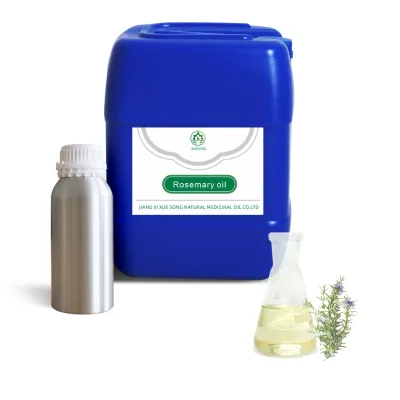
Jiangxi Xuesong Natural Medicinal Oil Co., Ltd.
- Verified by TüVRheinland
- Manufacturer, Trading Company
- Lead time15 days
- Avg. response≤ 2h
Main productsCosmetic Oil, Medicine Oil, Flavors And Fragrances, Daily Use Oil, Chemical Oil
Main marketsSoutheast Asia(30%), Eastern Europe(15%), North America(10%)
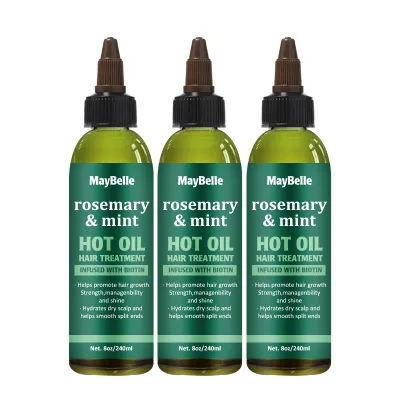
Guangzhou Maybelle Biological Technology Co., Ltd.
- Verified by SGS Group
- Trading Company
- Lead time10 days
- Avg. response≤ 5h
Main productsEdge Control/Hair Wax Stick/Curl Mousse/Glue Remover/Hair Growth Oil/Lace Glue/Beard Balm/Beard Oil, Face Serum/Face Cream
Main marketsNorth America(65%), Africa(15%), Eastern Europe(5%)
Guangzhou Aiying Network Technology Co., Ltd.
- Trading Company
- Guangdong Province, China
- Lead time15 days
- Avg. response≤ 3h
Main productsHair Spray,Body Spray,Hair Care,Hair Styling,Body Care
Main marketsNorth America(38.00%), Eastern Europe(13.00%), Western Europe(12.00%), Oceania(12.00%), Mid East(10.00%), Africa(7.00%), Southeast Asia(5.00%), South America(3.00%)
Guangzhou Baiyun Kaqi Daily Cosmetics Factory
- Manufacturer, Trading Company
- Guangdong, China
- Lead time0 days
- Avg. response≤ 3h
Main productsDibeier Shampoo,Qiao Fei Shampoo,Qiao Fei Condition,Ylas Hair Mask,Garden Hair Mask
Main marketsEastern Asia(25.00%), Mid East(25.00%), Africa(25.00%), Southeast Asia(25.00%)
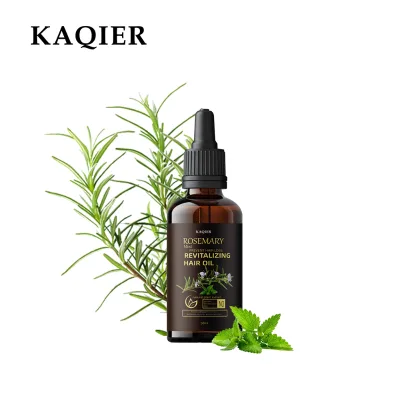
$1.34 - $2.72
MOQ: 30 pieces
$1.5274 - $3.0952
MOQ: 300 pieces
Guangzhou Jianyuan Biotechnology Co., Ltd.
- Verified by Intertek
- Manufacturer, Trading Company
- Lead time0 days
- Avg. response≤ 5h
Main productsHair Wax, Hair Styling Products, Hair Care Products, Shampoo, Volume Powder
Main marketsNorth America(25%), South America(12%), Mid East(10%)
Guangzhou Qiaomei Cosmetics Co., Ltd.
- Verified by SGS Group
- Manufacturer, Trading Company
- Lead time35 days
- Avg. response≤ 3h
Main productsShampoo, Conditioner, Hair Oil, Skin Care Set, Face Mask
Main marketsDomestic Market(70%), North America(10%), Eastern Europe(10%)
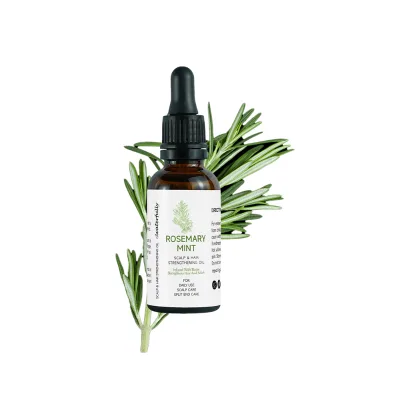
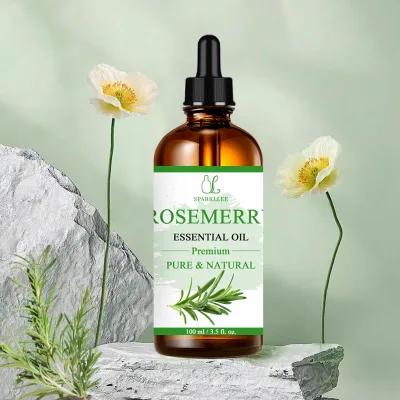
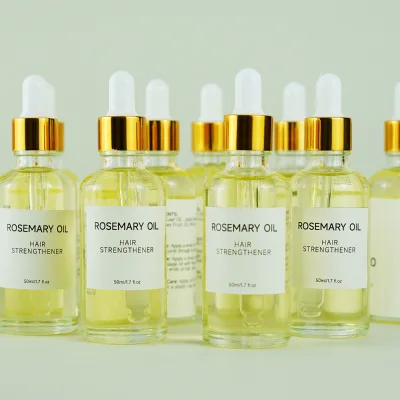
$1.68 - $1.99
MOQ: 3000 pieces

Xi'an Frazer Biotech Co., Ltd.
- Verified by SGS
- Manufacturer/Factory
- China Shaanxi
- Lead time15 days
- Avg. response≤ 5h
Main productsMelanotan, Vitamins, Astaxanthin, Nmn, Veterinary, Food Additives, Collagen, Kojic Acid, Amoxicillin, Minoxidil
Main marketsSouth America,Eastern Europe,Mid East,North America,Southeast Asia,Eastern Asia,Oceania,Western Europe,Africa
Guangzhou Miya Cosmetics Co., Ltd.
- Verified by SGS Group
- Manufacturer, Trading Company
- Lead time30 days
- Avg. response≤ 3h
Main productsBody lotion, Serums, Face Cleanser, Hair Care, Whitening cream
Main marketsNorth America(20%), South America(20%), Eastern Europe(15%)
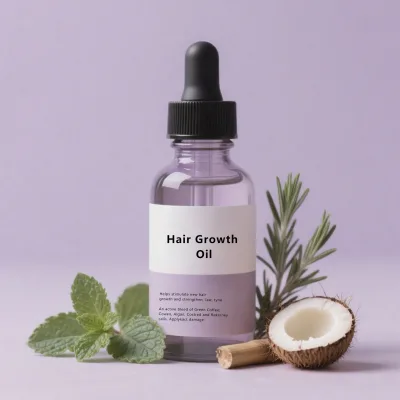
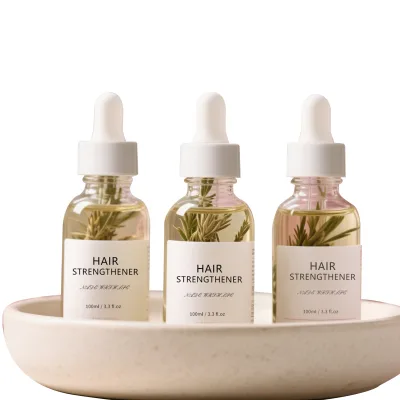
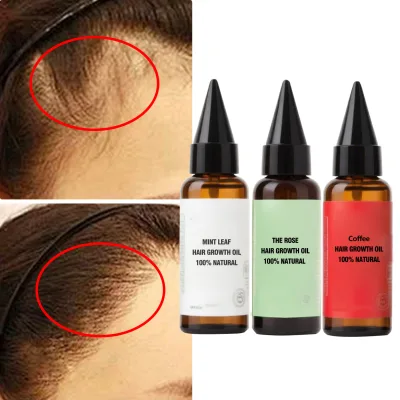
$2.9307 - $4.7079
MOQ: 3 pieces

Guangzhou Mebamy Cosmetics Co., Ltd.
- Verified by TUVRHEINLAND
- Manufacturer/Factory
- China Guangdong
- Lead time15 days
- Avg. response≤ 1h
Main productsFace Serum, Soap, Face Cream, Sunscreen, Eyelash Growth Serum, Teeth Whitening, Face Mask, Facial Cleanser, Essential Oil, Hair Care Series
Main marketsNorth America,Western Europe


Advanced Natural Formula Hair Growth Essence Oil Reduce Hair Loss Hair Growth
$1.35 - $1.92
MOQ: 3000 Pieces

Guangzhou Olehana Biotechnology Co., Ltd
- Verified by BV
- Manufacturer/Factory
- China Guangdong
- Lead time45 days
- Avg. response≤ 5h
Main productsFace Serum, Face Cream, Skin Care Set, Hair Growth, Beauty Device, Lip Gloss, Lip Stick, Lip Balm, Beard Care, Body Care
Main marketsEastern Europe,North America,Western Europe

$1.80 - $2.50
MOQ: 480 pieces


$1.80 - $2.50
MOQ: 480 Pieces


Private Label 100% Pure Natural Hair Growth Rosemary Essential Hair Growth Oil for Hair Regrowth
$1.80 - $2.50
MOQ: 480 Pieces
Shantou Hongrun Biotechnology Co., Ltd.
- Manufacturer, Trading Company
- Guangdong, China
- Lead time30 days
- Avg. response≤ 10h
Main productsRollerball Essential Oils,Cosmetics
Main marketsEastern Europe(35.00%), North America(15.00%), Central America(15.00%), Western Europe(10.00%), South America(10.00%), Southern Europe(5.00%), Southeast Asia(5.00%), Northern Europe(5.00%)

Reina Cosmetics (Guangzhou) Co., Ltd.
- Manufacturer/Factory
- China Guangdong
- Lead time30 days
- Avg. response≤ 25h
Main productsSkin Care Products, Hair Care Products, Personal Care Products, Hair Color and Perm Products, Sunscreen Products, Minoxidil, Suncare Products, Body Care Products, OTC Personal Care, Aerosol Personal Care
Main marketsSouth America,Eastern Europe,Mid East,North America,Southeast Asia,Eastern Asia,Oceania,Western Europe

Hair Oil Cosmetics Hair Care Strong Hair Shiny Moisturizing Rosemary Essential Oil
$1.30
MOQ: 10000 Pieces

Guangzhou Meisheng Cosmetics Co., Ltd.
- Verified by SGS Group
- Manufacturer, Trading Company
- Lead time35 days
- Avg. response≤ 2h
Main productsSkin Care Serum, Hand Care, Foot Care, Body Care, Face Care
Main marketsNorthern Europe(25%), Southern Europe(25%), Domestic Market(14%)
Guangzhou Jinzuo Biotechnology Co., Ltd.
- Verified by SGS Group
- Manufacturer, Trading Company
- Lead time0 days
- Avg. response≤ 2h
Main productshair growth serum, grey hair treatment serum, hairline airbrush Ink , pink cream, skin cream
Main marketsNorth America(35%), Northern Europe(25%), Western Europe(15%)
Guangdong Fenshi Biotechnology Co., Ltd.
- Verified by SGS Group
- Manufacturer, Trading Company
- Lead time15 days
- Avg. response≤ 5h
Main productsKitchen Degreaser, Bathroom Cleaner, Skin Care, Multi-functional cleaner, Mold remover

Guangzhou Kanglixin Medical Biotechnology Co, Ltd.
- Verified by BV
- Combined
- China Guangdong
- Lead time30 days
- Avg. response≤ 9h
Main productsSkin Care Products, Body Care, Hair Care Products, Makeup, Men's Care Products, Ferminine Care Products, Serum, Facial Mask, Face Cream, Scrub
Main marketsSouth America,Africa,Southeast Asia/ Mideast,East Asia(Japan/ South Korea),Domestic,Europe,North America

$1.80 - $2.20
MOQ: 1000 Pieces

$2.00 - $3.00
MOQ: 1000 Pieces

Repairing Hair Cruelty Free Anti Hair Loss Treatment Natural Rosemary Hair Growth Oil Serum
$1.80 - $2.20
MOQ: 1000 Pieces

Shandong Shiyi Trading Co., Ltd.
- Verified by CTI
- Trading Company
- China Shandong
- Lead time15 days
- Avg. response≤ 17h
Main productsHealth and Care, Cosmetics
Main marketsAfrica,Europe,North America
Guangzhou BiRou Biotechnology Co., Ltd.
- Manufacturer, Trading Company
- Guangdong, China
- Lead time20 days
- Avg. response≤ 16h
Main productsshampoo,Shower Gel,Hair mask,pomade,Facial Cleanser
Main marketsNorth America(30.00%), South America(20.00%), Western Europe(15.00%), Eastern Europe(15.00%), Africa(10.00%), Mid East(10.00%)
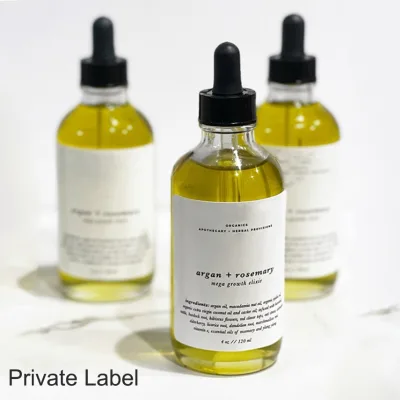
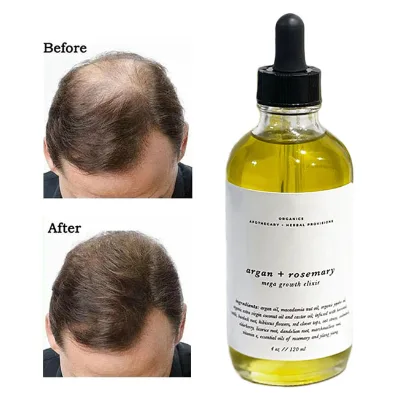
Customized Vegan Herbal Rosemary Oil Natural Hair Growth Products for Women and Men
$3.0728 - $4.6092
MOQ: 100 pieces
Guangzhou Herbicos Beauty Products Co., Ltd.
- Verified by Intertek
- Manufacturer, Trading Company
- Lead time15 days
- Avg. response≤ 4h
Main productsSerum, Mask, Essential Oil, Body Scrub, Face Cream
Main marketsNorth America(40%), Western Europe(30%), Oceania(15%)





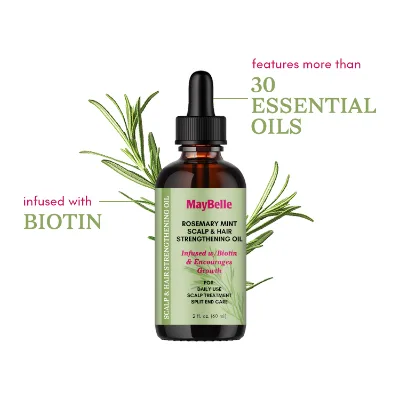
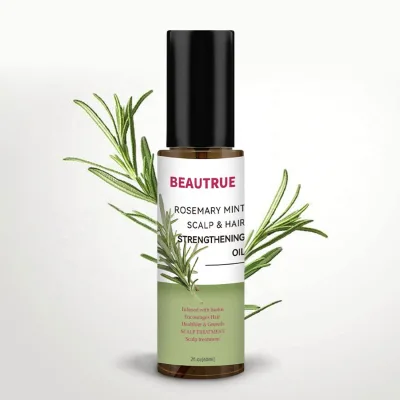

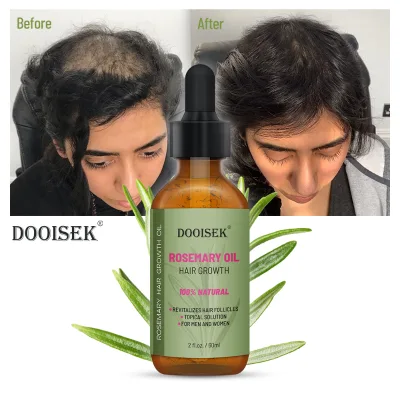


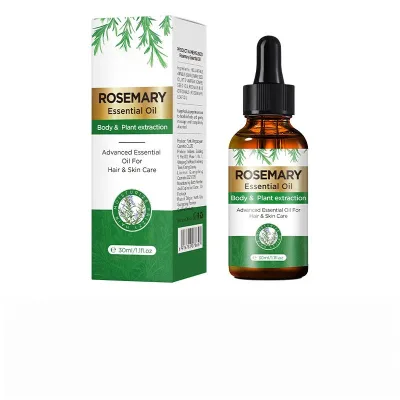
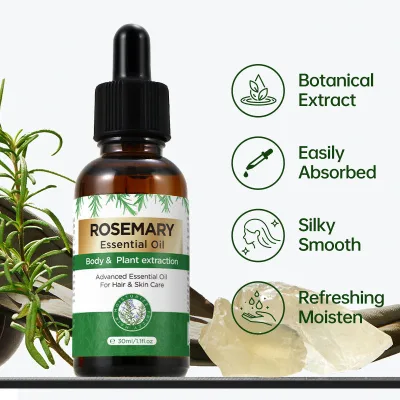

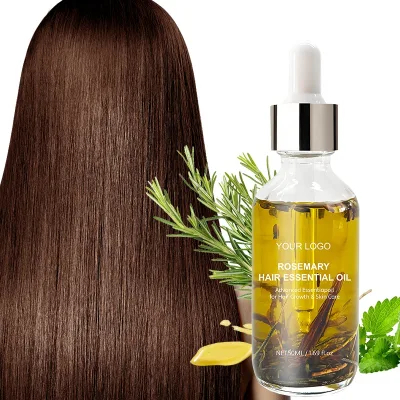



Comprehensive Sourcing Guide
Hair Growth Rosemary Mint Oil Supplier Concentration and Factory Types
The sourcing landscape for Hair Growth Rosemary Mint Oil reveals a distinct concentration of manufacturing and trading entities within specific Chinese industrial hubs. Current data indicates that a significant portion of suppliers operates out of Guangdong, a region renowned for its robust cosmetic and personal care manufacturing infrastructure. This geographic clustering suggests that buyers seeking finished consumer products, such as bottled hair oils or ready-to-ship formulations, will find a dense network of factories capable of handling complex packaging and branding requirements. The presence of these facilities in Guangdong often correlates with established supply chains for raw ingredients like essential oils and carrier bases, allowing for more streamlined production cycles for final goods.
In contrast to the consumer-focused manufacturers in Guangdong, other suppliers are located in regions like Tianjin, which appear to specialize in bulk chemical and plant extract processing. These entities typically operate as manufacturers or factories rather than trading companies, focusing on the production of raw materials such as pure rosemary essential oil or mint extracts. Their main products often include supplements, plant extracts, and cosmetic ingredients, indicating a upstream position in the supply chain. Buyers looking to formulate their own hair growth products or purchase large volumes of base ingredients will likely find these specialized factories more suitable than those producing finished retail goods. Understanding this distinction between finished goods manufacturers and raw material processors is crucial for aligning supplier capabilities with specific business models.
The types of companies available also vary significantly in their operational focus and service offerings. Many suppliers identify as trading companies, which can offer a broader range of product selections and flexible sourcing options for buyers who need mixed orders or diverse product lines. These trading entities often bridge the gap between multiple factories and international buyers, providing consolidated logistics and customer service. On the other hand, manufacturer/factory entities and group corporations typically offer greater control over production quality, raw material sourcing, and proprietary formulations. Some manufacturers also provide OEM and ODM services, allowing buyers to create custom products with unique branding or specific ingredient profiles. This variety in company types ensures that buyers can find partners that match their scale, whether they are small startups needing low MOQs or large enterprises requiring high-volume, consistent supply.
How to Verify Hair Growth Rosemary Mint Oil Suppliers
Verifying the legitimacy and capability of Hair Growth Rosemary Mint Oil suppliers requires a careful examination of their certifications and verification status. Several suppliers in the current results display system certifications such as ISO 20000, GMP, ISO 9001, ISO 22000, and HACCP. These certifications are critical indicators of a supplier’s commitment to quality management and safety standards. For instance, GMP and ISO 22716 are particularly relevant for cosmetic and personal care products, ensuring that manufacturing processes meet hygiene and quality benchmarks. Buyers should prioritize suppliers who hold these specific certifications, as they provide a baseline assurance of product safety and consistency. Additionally, some suppliers are verified by third-party inspection agencies like TÜV Rheinland, which adds an extra layer of credibility to their operational claims.
Beyond certifications, buyers should assess the supplier’s response time and verification badges to gauge reliability and communication efficiency. The data shows varying response times, with some suppliers responding within 4 hours and others taking up to 8.17 hours. A faster response time often indicates a more active and responsive sales team, which can be crucial for resolving issues quickly during the sourcing process. Furthermore, the presence of verification badges such as TUVRHEINLAND signals that the supplier has undergone rigorous audits of their business operations. Buyers should also look for suppliers who provide detailed product attributes, such as assay methods (UV, HPLC) and storage conditions, as this level of transparency suggests a professional approach to quality control. It is essential to cross-reference these claims with direct communication to ensure that the supplier can consistently meet the specified standards.
Another key aspect of verification is the supplier’s capacity for customization and private labeling. Many suppliers offer OEM, ODM, and own brand services, which are vital for buyers looking to establish a unique market presence. Buyers should inquire about the specific customization options available, such as logo printing, packaging design, and formula adjustments. Some suppliers also provide sample processing and graphic processing services, which can be beneficial for developing new product lines. It is important to verify that the supplier has the necessary equipment and expertise to handle these customizations without compromising quality. Additionally, buyers should check if the supplier provides MSDS (Material Safety Data Sheets) and other regulatory documents, which are essential for compliance in international markets. By thoroughly verifying these aspects, buyers can mitigate risks and ensure a successful partnership with their chosen suppliers.
What to Compare Across Hair Growth Rosemary Mint Oil Suppliers
When evaluating potential suppliers for Hair Growth Rosemary Mint Oil, comparing key operational metrics is essential for making an informed decision. One of the most critical factors is the minimum order quantity (MOQ), which varies significantly across suppliers. Some suppliers offer an MOQ of 100 units, which is ideal for small businesses or those testing the market, while others require a minimum of 1000 units, catering to larger enterprises with established distribution channels. Buyers should align their order volume with the supplier’s MOQ to avoid excessive inventory costs or production delays. Additionally, the price range for products can differ based on factors such as packaging, customization, and volume discounts. For example, some products are priced between $0.90 and $1.20 per unit, while bulk raw materials may range from $10.00 to $30.00 per kilogram. Understanding these price variations helps buyers budget effectively and negotiate better terms.
Lead time and response speed are also crucial comparison points that impact supply chain efficiency. Suppliers with a lead time of 15 days offer a standard production window, while others may have a lead time of 0 days, indicating they have ready-to-ship stock or extremely fast production capabilities. A shorter lead time can be advantageous for buyers who need to respond quickly to market demands or avoid stockouts. Similarly, response time reflects the supplier’s customer service quality. Suppliers with a response time of 4 hours are likely more accessible and responsive to inquiries than those taking over 8 hours. Buyers should consider these factors when planning their inventory and marketing strategies. Furthermore, comparing the main products offered by each supplier can help identify those with the most relevant expertise. Some suppliers specialize in skin care and facial masks, while others focus on hair care and essential oils, ensuring that buyers partner with suppliers who have the specific knowledge and experience needed for their products.
Common Hair Growth Rosemary Mint Oil Sourcing Risks
Sourcing Hair Growth Rosemary Mint Oil from international suppliers involves several potential risks that buyers must proactively manage. One significant risk is the variability in product quality and consistency, especially when dealing with natural ingredients like rosemary and mint essential oils. The purity and potency of these oils can fluctuate based on harvest conditions and extraction methods. Without proper quality control measures, buyers may receive products that do not meet their specified standards, leading to customer dissatisfaction and potential regulatory issues. To mitigate this risk, buyers should request detailed product specifications, including assay results and certification documents, and consider conducting third-party lab tests upon receipt. It is also important to establish clear quality agreements with suppliers to ensure that any deviations from the agreed standards are addressed promptly.
Another common risk is the discrepancy between the supplier’s claims and their actual capabilities. Some suppliers may overstate their production capacity, lead times, or customization options, leading to delays and frustration. For instance, a supplier might claim to have a lead time of 0 days but fail to deliver on time due to underlying production bottlenecks. Buyers should verify these claims through direct communication and by requesting references or case studies from other clients. Additionally, there is a risk of intellectual property infringement if buyers share their proprietary formulas or branding with unverified suppliers. To protect their IP, buyers should use non-disclosure agreements (NDAs) and work with suppliers who have a strong reputation for confidentiality. Finally, logistical risks such as shipping delays or damage during transit can disrupt supply chains. Buyers should ensure that suppliers have robust packaging and shipping practices in place and consider using escrow services or other payment protections to safeguard their transactions.
Hair Growth Rosemary Mint Oil Regional Sourcing and Logistics
The geographic location of suppliers plays a pivotal role in determining logistics costs, lead times, and overall supply chain efficiency. Current data highlights a concentration of suppliers in Guangdong, China, a region that is well-established for its cosmetic and personal care manufacturing. Sourcing from Guangdong can offer advantages in terms of proximity to ports and established logistics networks, which may result in faster shipping times and lower freight costs for finished goods. Buyers should consider the specific location of their chosen supplier when calculating total landed costs, as transportation fees can significantly impact the final price of the product. Additionally, suppliers in different regions may have varying access to raw materials, which can affect production costs and lead times. For example, suppliers in Tianjin may have better access to certain chemical and plant extract ingredients, making them more suitable for bulk raw material sourcing.
Logistics planning also involves understanding the supplier’s packaging and shipping capabilities. Some suppliers provide detailed information on single package sizes and gross weights, which is essential for calculating shipping volumes and costs. For instance, a product with a single package size of 10x10x18 cm and a gross weight of 0.5 kg requires different logistics considerations compared to bulk drums weighing 25 kg. Buyers should work with suppliers who offer flexible packaging options and have experience in international shipping to ensure that products arrive in good condition. It is also important to consider the storage requirements of the products, as some essential oils need to be stored in cool, dry places to maintain their potency. Suppliers who provide clear storage instructions and use appropriate packaging materials can help minimize the risk of product degradation during transit. By carefully evaluating the regional and logistical aspects of sourcing, buyers can optimize their supply chain and reduce potential disruptions.
Hair Growth Rosemary Mint Oil Commercial Terms and Order Planning
Effective order planning for Hair Growth Rosemary Mint Oil requires a thorough understanding of commercial terms and supplier capabilities. Buyers should carefully review the supplier’s payment terms, return policies, and warranty provisions to ensure they align with their business needs. Some suppliers may offer flexible payment options, such as partial payments or escrow services, which can provide additional security for both parties. It is also important to clarify the responsibilities for shipping and insurance, as these terms can vary significantly between suppliers. Buyers should ensure that the supplier provides clear documentation, including commercial invoices, packing lists, and certificates of origin, to facilitate smooth customs clearance. Additionally, buyers should consider the supplier’s capacity for handling large orders and their ability to scale production as demand increases. Suppliers with OEM and ODM capabilities can offer greater flexibility in product development and customization, allowing buyers to adapt to market changes more quickly.
Another critical aspect of order planning is the management of inventory and replenishment cycles. Buyers should work with suppliers who provide accurate lead times and have a reliable production schedule to avoid stockouts or excess inventory. Some suppliers offer sample processing services, which can be useful for testing new products before committing to large orders. Buyers should also establish a clear communication channel with their supplier to stay informed about production updates and potential delays. Regularly reviewing supplier performance metrics, such as response time and order fulfillment accuracy, can help identify areas for improvement and strengthen the partnership. By developing a comprehensive order plan that accounts for commercial terms, logistics, and supplier capabilities, buyers can ensure a smooth and efficient sourcing process for Hair Growth Rosemary Mint Oil. This proactive approach minimizes risks and maximizes the value derived from the supplier relationship.
FAQs
What is the typical lead time for rosemary mint hair oil orders?
The typical lead time for these orders is 15 days. This duration allows manufacturers to process production and arrange logistics efficiently. Buyers should confirm specific timelines with suppliers before finalizing contracts to ensure alignment with project schedules.
What certifications are available for rosemary mint hair growth oil?
Available certifications include ISO 20000, GMP, ISO 9001, ISO 22000, HACCP, GMPC, and ISO 22716. Some products also hold CE, FDA, and BRC approvals. These credentials verify quality and safety standards for international trade compliance.
What is the minimum order quantity for rosemary mint hair oil?
The minimum order quantity is typically 1000 units for finished cosmetic products. For raw plant oil ingredients, the MOQ is lower at 100 units. Buyers should verify specific requirements with suppliers to determine the best fit for their volume needs.
Where are rosemary mint hair oil suppliers located?
Suppliers are primarily located in China, specifically in Guangdong and Tianjin provinces. Guangdong hosts manufacturers and trading companies offering OEM services. Tianjin facilities focus on plant extracts and chemical ingredients. Buyers can filter results by these specific geographic regions.
What is the price range for rosemary mint hair growth oil?
Prices for finished hair oils range from $0.90 to $1.20 per unit. Raw rosemary essential oil costs between $10.00 and $30.00 per unit. Pricing varies based on certification, customization, and order volume. Buyers should request quotes for accurate cost estimates.
Do suppliers offer OEM and ODM services for hair oil?
Yes, many suppliers offer OEM and ODM services. Capabilities include custom branding, logo printing, and private labeling. Some facilities also provide sample processing and graphic design support. Buyers seeking custom formulations should verify specific customization options with the supplier directly.