H1 HID Xenon Bulb Suppliers and Manufacturers
Source 19 verified H1 HID Xenon Bulb Suppliers and Manufacturers in China. Compare ISO 9001 certified factories with CE and RoHS standards, 15-day lead times, and MOQs starting at 10 units. Verify response times and pricing to select the right partner.
Updated
Suppliers List

- Trading Company,Manufacturer/Factory
- China Guangdong
- Lead time15 days
- Avg. response≤ 12h
Main productsLED Headlight, OEM HID Ballast, HID Kits, Car Halogen Bulb, Auto Lighting, LED Control Unit Ballast, Car LED Bulb, HID Xenon Bulb, Jeep LED Headlight, Motorcycle LED Light
Main marketsSouth America,Eastern Europe,Mid East,North America,Southeast Asia,Eastern Asia,Oceania,Western Europe,Africa
Guangzhou Aijiehe Electronic Technology Co., Ltd.
- Manufacturer, Trading Company
- Guangdong, China
- Lead time0 days
- Avg. response≤ 3h
Main productsLED work light,LED headlight,Motorcycle lamp,Led light Bar,LED T10 W5W
Main marketsWestern Europe(15.00%), Mid East(15.00%), South America(15.00%), Southern Europe(10.00%), Northern Europe(10.00%), North America(10.00%), South Asia(5.00%), Oceania(5.00%), Southeast Asia(5.00%), Central America(5.00%), Eastern Europe(5.00%), Eastern Asia(5.00%)
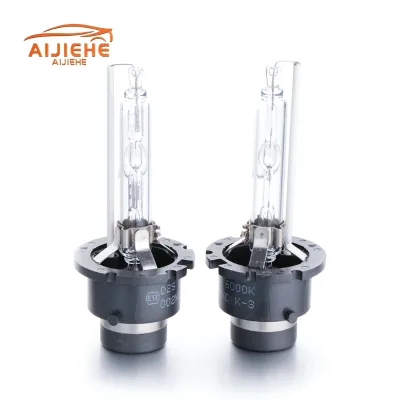
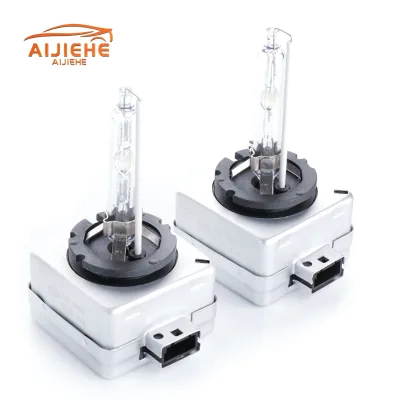
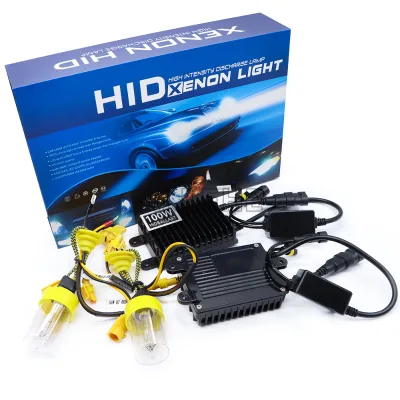
$17.8592 - $22.061
MOQ: 10 sets

Guangzhou B-King Auto Electronics Limited
- Verified by TUVRHEINLAND
- Trading Company
- China Guangdong
- Lead time15 days
- Avg. response≤ 8h
Main productsLED Headlight, LED Headlight Bulb, Auto Lights, Car Lights, HID, Car Camera, LED Work Light, Turn Signal Light, LED Fog Light
Main marketsSouth America

Changzhou Guangyang Auto Bulb Factory
- Verified by BV
- Combined
- China Jiangsu
- Lead time30 days
- Avg. response≤ 7h
Main productsCar Halogen Lamp, Car HID Lamp, Car LED Lamp
Main marketsSoutheast Asia/ Mideast
Guangzhou Maisiteng Technology Co., Ltd.
- Manufacturer, Trading Company
- Guangdong, China
- Lead time8 days
- Avg. response≤ 2h
Main productsLed car headlight,Auto LED replacement kits,LED headlight bulbs for cars,Car LED headlamps,LED HID bulbs
Main marketsNorth America(30.00%), Southeast Asia(25.00%), South America(20.00%), Eastern Europe(20.00%), Western Europe(10.00%), Domestic Market(10.00%), Northern Europe(10.00%), Central America(10.00%), Eastern Asia(5.00%), South Asia(5.00%), Southern Europe(5.00%), Oceania(5.00%), Africa(5.00%)
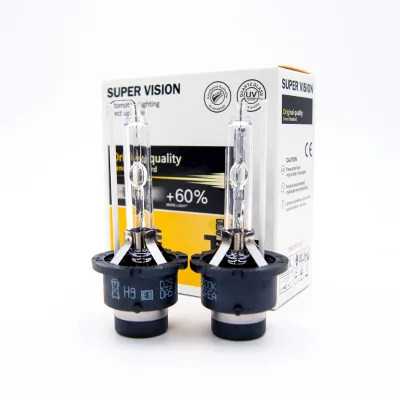
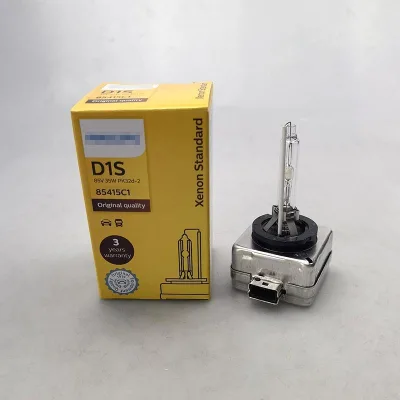
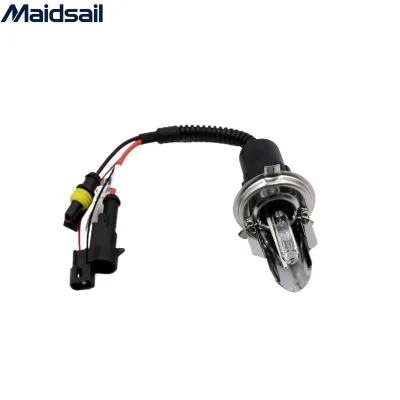
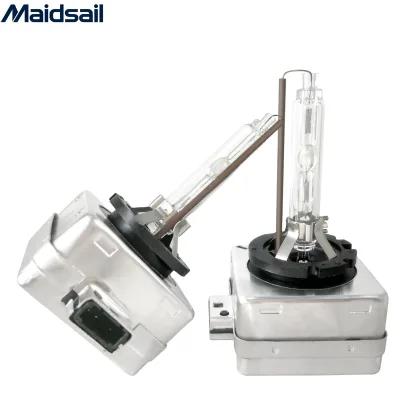
Cross-border Original Car Xenon Headlight Bulb D Series D3S Model 12V 35W Aluminium 6000K H11
$2.972 - $12.2956
MOQ: 2 Minimum

Guangzhou Ghost Light Trading Co., Ltd.
- Verified by SGS
- Trading Company
- China Guangdong
- Lead time15 days
- Avg. response≤ 3h
Main productsAuto Parts- LED Bar, Work Light, Car Head Light, LED Flood Light, Coil Ignition, Spark Plugs, Entertainment Equipment, Auto Filters, Car Filters, Car DVR
Main marketsSouth America,Southeast Asia/ Mideast,Europe

Guangzhou Beikaer Auto Accessories Co., Ltd.
- Verified by SGS
- Combined
- China Guangdong
- Lead time15 days
- Avg. response≤ 3h
Main productsLED Headlight, Fog Llights, Tail Lights, Work Lights, Light Bars, Atmosphere Lights, Side Lights, Signal Lights, Festoon Lights, Motorcycle Lights
Main marketsSoutheast Asia/ Mideast,Domestic

$5.00 - $6.80
MOQ: 10 Pieces

$7.00 - $7.80
MOQ: 10 Pieces

$11.60 - $13.80
MOQ: 10 Pieces
Guangzhou Good Driver Automotive Electronics Co., Ltd.
- Verified by TüVRheinland
- Manufacturer, Trading Company
- Lead time15 days
- Avg. response≤ 4h
Main productsLED Headlight Bulbs, H4 Mini Projector Lens, Fog Lamp, Motorcycle Auxiliary Spotlights, Bi Led Projector Lens
Main marketsSouth America(15%), Southeast Asia(15%), North America(10%)
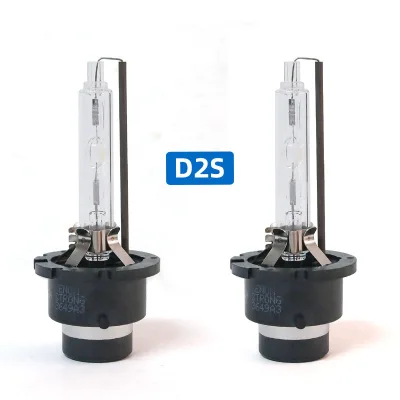
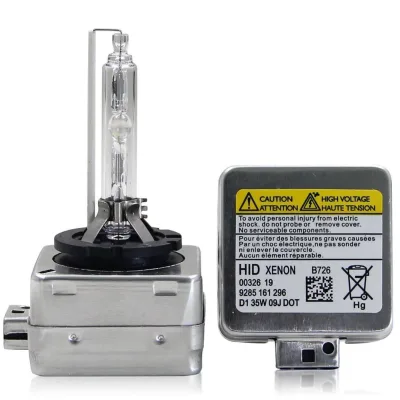
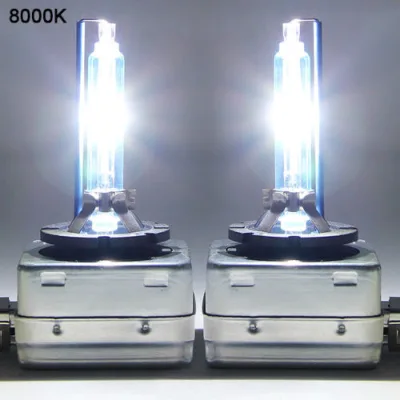
$4.1015 - $6.1523
MOQ: 20 pairs
Foshan Ylx Technology Co., Ltd.
- Verified by Intertek
- Manufacturer, Trading Company
- Lead time3 days
- Avg. response≤ 2h
Main productsCar LED Headlight, Car LED Bulb, Car LED Fog Lamp, Car Xenon Headlight, LED Turn Signal Bulb
Main marketsSoutheast Asia(40%), North America(25%), South America(15%)
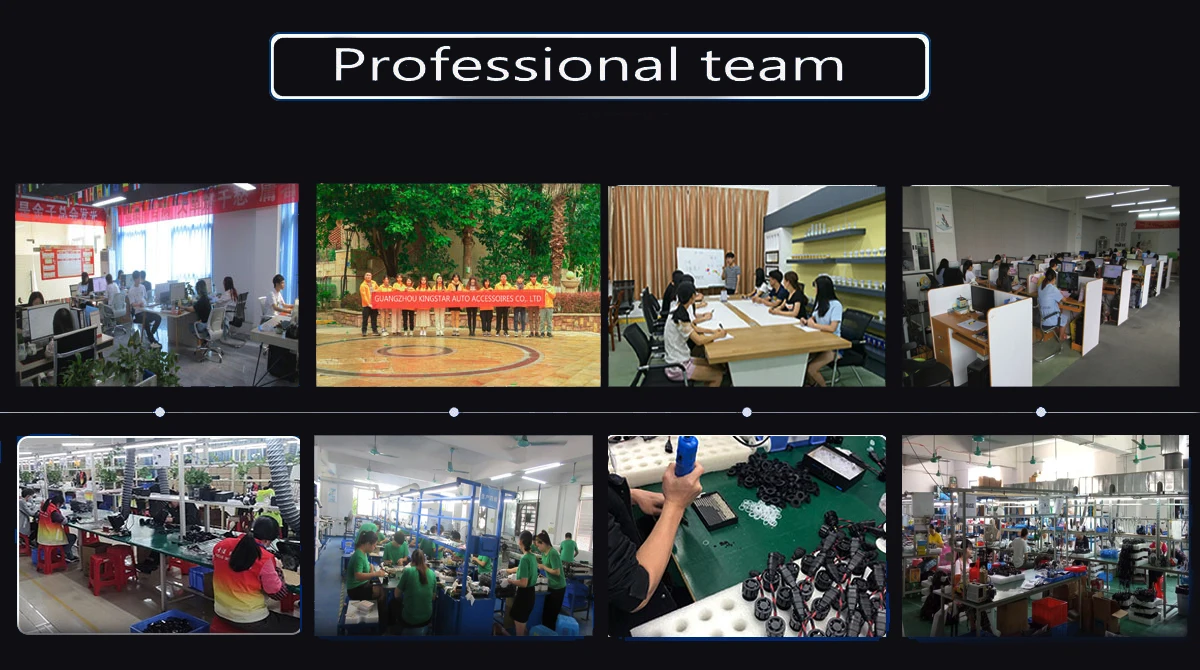
Guangzhou Kingstars Auto Accessories Co., Ltd.
- Manufacturer, Distributor/Wholesaler
- Guandong, China
- Lead time7 days
- Avg. response≤ 5h
Main productsCar led,Led headlight,LED work light bar,hid xenon Lamp,High power led lights
Main marketsSouth America(15.00%), North America(15.00%), Southern Europe(11.00%), Western Europe(11.00%), Eastern Europe(11.00%), Northern Europe(8.00%), Oceania(8.00%), Central America(7.00%), Mid East(3.00%), South Asia(3.00%), Southeast Asia(3.00%), Eastern Asia(2.00%), Africa(2.00%), Domestic Market(1.00%)

Jiangxi Westar Lighting Technology Co., Ltd
- Verified by TUVRHEINLAND
- Manufacturer/Factory
- China Jiangxi
- Lead time15 days
- Avg. response≤ 5h
Main productsAuto LED Lights, LED Strip, LED Warning Light, Car USB Chargers Sockets, Connectors, LED Rock Light, Electronic Products, Car LED Bulbs, Auto LED Headlight, Working LED Light
Main marketsSouth America,Eastern Europe,Mid East,North America,Southeast Asia,Eastern Asia,Oceania,Western Europe,Africa
Guangzhou Matec Electronics Co., Ltd.
- Manufacturer, Trading Company
- Guangdong, China
- Lead time4 days
- Avg. response≤ 4h
Main productsLed Headlight,Led Rock Light,Hid Xenon Kit,Auto Jump Starter,Gimbal
Main marketsNorth America(32.00%), South America(18.00%), Eastern Asia(15.00%), Southeast Asia(8.00%), Domestic Market(7.00%), Africa(5.00%), Eastern Europe(5.00%), Western Europe(3.00%), Central America(2.00%), South Asia(2.00%), Northern Europe(1.00%), Southern Europe(1.00%), Oceania(1.00%)
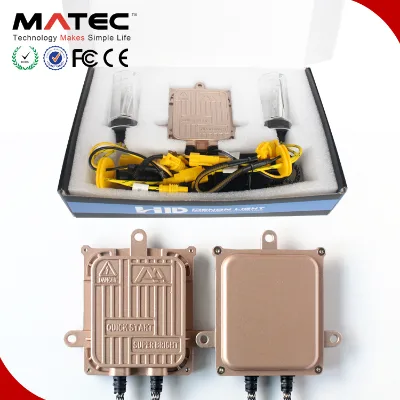
$6.00 - $12.00
MOQ: 1 Minimum
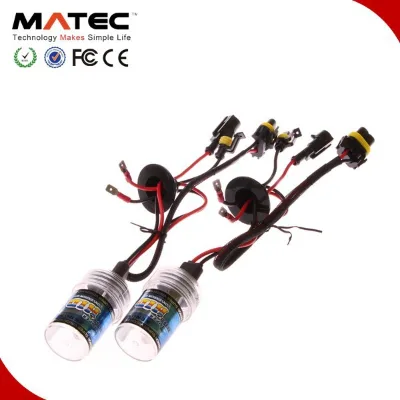
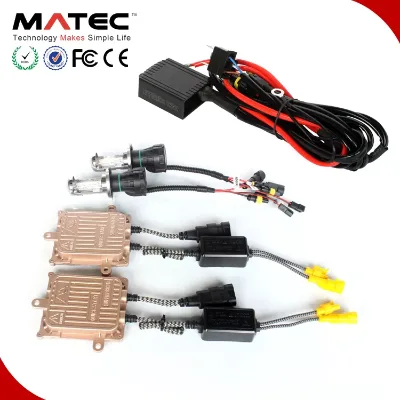
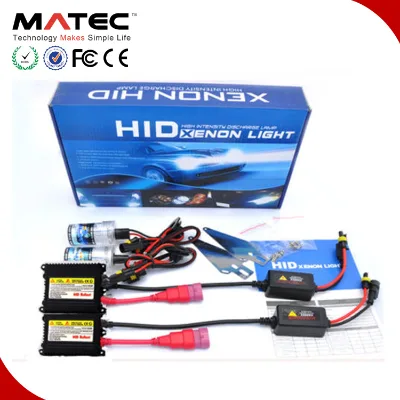
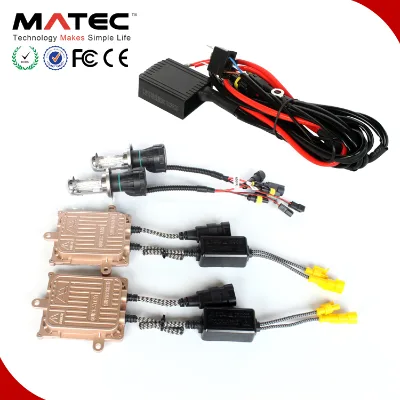
Auto Parts Xenon Light DC/AC H4 H7 H11 H1 H3 35W 55W 75W 100W HID, H4 Xenon HID Kit 35W 6000K
$9.1977 - $10.2194
MOQ: 1 pieces

Superpack (Guangzhou) Intelligent Machine Co., Ltd.
- Verified by SGS
- Manufacturer/Factory
- China Guangdong
- Lead time23 days
- Avg. response≤ 9h
Main productsWiper Blade, Car Horn, Car Air Filters, Halogen Bulbs
Main marketsSouth America,Eastern Europe,Mid East,North America,Southeast Asia,Eastern Asia,Oceania,Western Europe,Africa


Hb3 Xenon White 100W Headlight Fog Light Bulbs High Low Beam 9005 Headlamp 12V
$0.48 - $0.65
MOQ: 1000 Pieces

Hb3 Super Xenon White Headlight Bulbs 100W 501 Side Light 9005 Upgrade HID 12V
$0.48 - $0.68
MOQ: 500 Pieces

Super White H11 H16 H4 12V 55W 60W 65W 100W Headlight Xenon Lights Car Halogen Bulbs
$0.20 - $2.00
MOQ: 1000 Pieces
Guangzhou Hongy Trading Co., Ltd.
- Trading Company
- guangdong, China
- Lead time10 days
- Avg. response≤ 2h
Main productsLED Headlight,car led light,3.0 bi led,Hid kit,hid ballast
Main marketsCentral America(30.00%), North America(30.00%), Mid East(20.00%), Western Europe(20.00%)
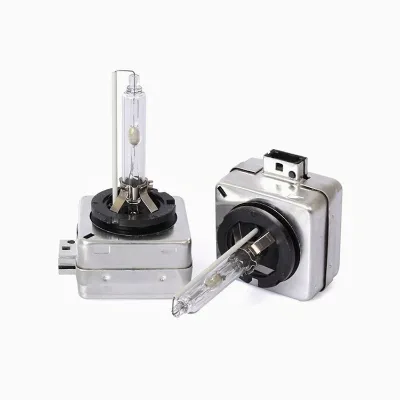
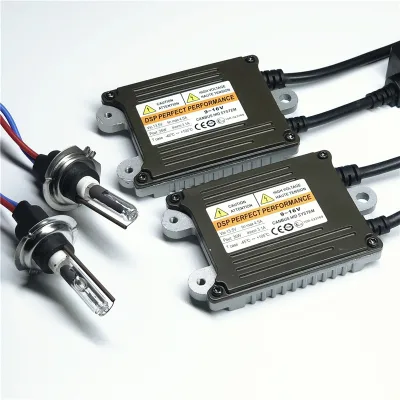
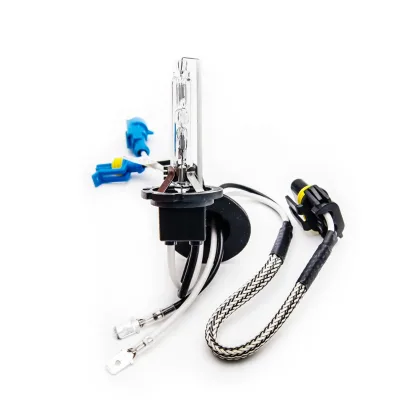
hid Kit 6000k Xenon hid Kit 9005 9006 9012 9004 9007 hid Xenon Light H11
$33.5462 - $36.6905
MOQ: 10 pieces

Foshan Car-Refine Optoelectronics Co., Ltd.
- Verified by TUVRHEINLAND
- Combined
- China Guangdong
- Lead time15 days
- Avg. response≤ 3h
Main productsLED Headlight, LED Headlight Bulb, LED Fog Lamp, LED Brake Light, Car LED Light Bulb, H7 LED, High Power LED Headlight, H11 LED, 9005 LED, D1s LED Bulb
Main marketsSouth America,Southeast Asia/ Mideast,Domestic,Europe,Australia,North America


70W Metal Support Car HID Xenon Headlight Bulbs H1 H3 H4 H7 H11 9005 9006 5202 6000K
$6.20 - $6.70
MOQ: 10 Sets
Guangzhou Boorin New Energy Technology Co., Ltd.
- Verified by SGS Group
- Manufacturer, Trading Company
- Lead time15 days
- Avg. response≤ 4h
Main productsLED Headlight, LED Rock Light, Hid Xenon Kit, Portable Power Station, Emergency Jump Starter
Main marketsNorth America(43%), Southeast Asia(12%), Eastern Europe(9%)
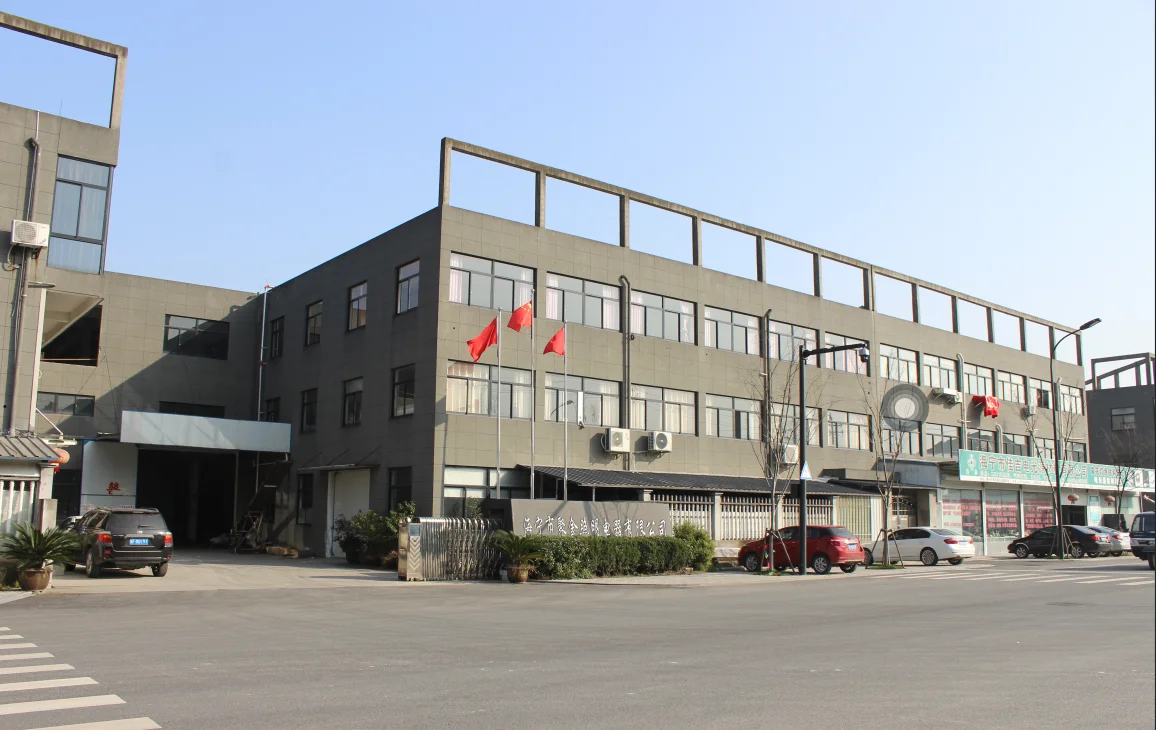
Haining Jujin Lighting Appliance Co., Ltd.
- Manufacturer, Trading Company
- Zhejiang, China
- Lead time15 days
- Avg. response≤ 8h
Main productsHID xenon bulb,led headlight bulb,Halogen Bulb,Bi-LED projector,D Series LED
Main marketsWestern Europe(60.00%), Domestic Market(30.00%), Eastern Europe(10.00%)

- Verified by BV
- Combined
- China Guangdong
- Lead time15 days
- Avg. response≤ 2h
Main productsAuto Headlight Bulb, Auto Miniature Bulb, LED Lighting, Halogen Headlamp, HID, Sealed Beam, Auto Part, Auto Fuse, Auto Car Light, Auto Lighting
Main marketsSoutheast Asia/ Mideast,East Asia(Japan/ South Korea),Europe,North America


H1 Halogen Fog Light Bulbs for Improved Road Visibility and Clearer Driving
$0.28 - $0.34
MOQ: 100 Pieces


Jiaxing Guangtai Lighting Co., Ltd.
- Manufacturer, Trading Company
- Zhejiang, China
- Lead time30 days
- Avg. response≤ 10h
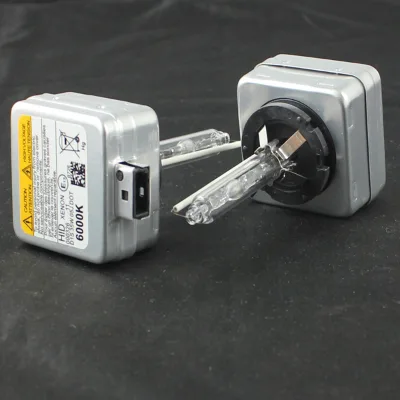
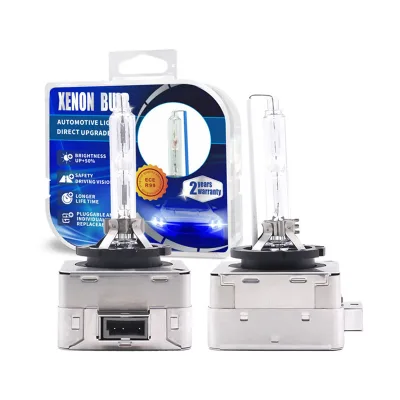
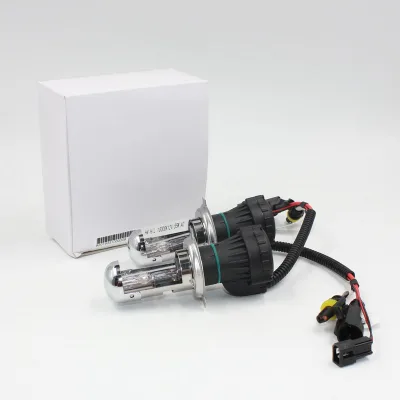
Main productsAuto Halogen Bulb,Hid Xenon Lamp,Sealed Lamp,H-Sealed Lamp,LED Bulb
Main marketsDomestic Market(40.00%), North America(20.00%), Eastern Asia(10.00%), Mid East(5.00%), Western Europe(4.00%), South America(3.00%), Southeast Asia(3.00%), Africa(3.00%), South Asia(2.00%), Southern Europe(2.00%), Eastern Europe(2.00%), Northern Europe(2.00%), Central America(2.00%), Oceania(2.00%)




Comprehensive Sourcing Guide
H1 HID Xenon Bulb Supplier Concentration and Factory Types
The current supplier landscape for H1 HID Xenon Bulbs is heavily concentrated in Guangdong, China, a region that serves as a primary manufacturing hub for automotive lighting components. This geographic clustering allows for efficient supply chain logistics and access to specialized raw materials, such as aluminum alloys and precision glass, which are critical for producing high-quality xenon lamps. Buyers evaluating suppliers in this region should note that the majority of entities operating here are structured as either Trading Companies or Manufacturer/Factory entities. This distinction is vital because it directly impacts the level of control a buyer has over production quality, customization options, and direct communication with engineering teams. Trading companies often act as intermediaries, offering a broader range of SKUs and potentially more flexible order terms, while manufacturers provide deeper insights into the production process and potentially lower base costs due to the elimination of middlemen.
Within this Guangdong-based ecosystem, the types of companies vary significantly in their operational focus and capabilities. Some suppliers specialize in OEM and ODM services, allowing buyers to create custom-branded products with specific technical specifications, such as unique color temperatures or packaging designs. Others focus on maintaining their own brands, which may offer more standardized quality control but less flexibility for private labeling. The presence of both factory types and trading companies in the same region creates a competitive environment where buyers can compare direct manufacturing capabilities against the logistical convenience of consolidated sourcing. It is important to verify the actual nature of the supplier’s business model, as some trading companies may claim to be factories to justify higher margins, while some factories may operate their own trading arms to handle export logistics. Understanding this dynamic helps buyers align their sourcing strategy with their need for customization versus volume efficiency.
How to Verify H1 HID Xenon Bulb Suppliers
Verifying the legitimacy and capability of H1 HID Xenon Bulb suppliers requires a multi-layered approach that goes beyond surface-level profile reviews. One of the most critical steps is to confirm system certifications, such as ISO 9001, which indicate that the supplier adheres to standardized quality management processes. However, certification alone is not sufficient; buyers must also examine product-specific certifications like CE, E-Mark, or RoHS, which are essential for compliance in various international markets. These certifications ensure that the bulbs meet safety and environmental standards, particularly regarding electromagnetic compatibility and hazardous substances. Buyers should request copies of these certificates and verify their validity through the issuing bodies, as forged documents are a known risk in the automotive parts industry. Additionally, checking the supplier’s response time, which can be as low as three hours for some entities, provides insight into their operational efficiency and customer service commitment.
Beyond documentation, buyers should assess the supplier’s technical capabilities and production transparency. Inquiring about their R&D capacity, including whether they offer OEM or ODM services, helps determine if they can adapt to specific project requirements. For instance, some suppliers may offer customization in color temperature, ranging from 3K to 12K, or in packaging, such as color boxes or neutral white boxes. Buyers should also verify the supplier’s main products to ensure they specialize in automotive lighting rather than being a generalist trading company with limited expertise. Asking for detailed product attributes, such as material composition (e.g., aluminum alloy), lifespan (e.g., 50,000 hours), and warranty terms (e.g., 18 months), can reveal the depth of their technical knowledge. Furthermore, requesting samples before placing bulk orders is a crucial verification step, allowing buyers to test the actual performance, beam pattern, and durability of the H1 bulbs in real-world conditions.
What to Compare Across H1 HID Xenon Bulb Suppliers
When evaluating multiple suppliers for H1 HID Xenon Bulbs, buyers must compare several key dimensions to identify the best fit for their specific business needs. One of the most significant factors is the Minimum Order Quantity (MOQ), which can vary widely from as low as 10 sets to 100 or more units. Suppliers with lower MOQs are often more suitable for small businesses or those testing new markets, while those with higher MOQs may offer better economies of scale for large-volume purchasers. Another critical comparison point is the lead time, which indicates how quickly the supplier can fulfill orders. Some suppliers may have a lead time of 15 days, while others might offer faster turnaround times, such as within 7 days or even within 1 week for certain models. Understanding these timelines is essential for inventory management and meeting customer demand without excessive stockpiling.
Price and payment terms are also central to the comparison process, although buyers should look beyond the unit price to consider the total cost of ownership. Prices for H1 HID Xenon Bulbs can range from as low as $0.01 to over $12.00 per unit, depending on specifications, certifications, and order volume. Buyers should request detailed quotations that include shipping costs, taxes, and any additional fees for customization or packaging. Additionally, comparing the supplier’s response time, which can range from 3 to 11.30 hours, provides insight into their communication efficiency and reliability. Suppliers with faster response times are often better equipped to handle urgent requests and resolve issues promptly. Finally, buyers should assess the supplier’s warranty policies and after-sales support, as these factors can significantly impact long-term satisfaction and reduce the risk of losses due to product failures.
Common H1 HID Xenon Bulb Sourcing Risks
Sourcing H1 HID Xenon Bulbs from international suppliers, particularly those in China, involves several inherent risks that buyers must proactively manage. One of the most significant risks is the discrepancy between product specifications and actual delivery. Suppliers may advertise bulbs with specific color temperatures, such as 6000K, or power ratings, like 35W, but the delivered products may not meet these claims. This can result in poor performance, such as insufficient brightness or incorrect beam patterns, leading to customer dissatisfaction and potential returns. To mitigate this risk, buyers should insist on detailed technical specifications in the contract and conduct rigorous quality checks upon receipt. Additionally, verifying the supplier’s production capabilities through factory audits or third-party inspections can help ensure that they have the necessary equipment and expertise to produce bulbs that meet the agreed-upon standards.
Another common risk is the variability in product quality and consistency across different production batches. Even if the initial samples are of high quality, subsequent batches may suffer from defects due to changes in raw materials, manufacturing processes, or quality control measures. This inconsistency can damage the buyer’s brand reputation and lead to costly recalls. To address this, buyers should establish clear quality assurance protocols and require suppliers to provide batch-specific test reports or certificates of conformity. Furthermore, buyers should be cautious of suppliers who offer unusually low prices, as this may indicate the use of substandard materials or compromised manufacturing practices. It is also important to verify the supplier’s warranty terms and ensure that they are willing to replace defective products or provide refunds in case of quality issues. Clear communication and robust contractual agreements are essential to protecting the buyer’s interests in these scenarios.
H1 HID Xenon Bulb Regional Sourcing and Logistics
The regional concentration of H1 HID Xenon Bulb suppliers in Guangdong, China, offers distinct advantages and challenges for international buyers. Guangdong is a well-established manufacturing hub with a mature supply chain ecosystem, providing easy access to raw materials, components, and logistics services. This proximity to major ports, such as Guangzhou and Shenzhen, facilitates efficient export operations and reduces shipping times to global destinations. Buyers sourcing from this region can benefit from the region’s infrastructure, which includes reliable warehousing, packaging, and freight forwarding services. However, buyers must also consider the logistical complexities associated with international shipping, such as customs clearance, import duties, and potential delays due to port congestion or regulatory changes. Understanding these logistical factors is crucial for accurate cost estimation and delivery planning.
Logistics planning also involves selecting the appropriate shipping method based on order volume, urgency, and budget. For smaller orders, air freight may be the most cost-effective and timely option, while larger shipments might be better suited for sea freight to reduce costs. Buyers should work closely with their suppliers to determine the most efficient shipping routes and carriers, ensuring that the bulbs are packaged securely to prevent damage during transit. Some suppliers offer standardized exporting cartons or custom packaging options, which can enhance product protection and brand presentation. Additionally, buyers should verify the supplier’s loading port, which is often listed as Guangzhou or Shenzhen, to ensure that it aligns with their preferred shipping destinations. By carefully managing regional sourcing and logistics, buyers can optimize their supply chain efficiency and minimize the risks associated with international trade.
H1 HID Xenon Bulb Commercial Terms and Order Planning
Effective order planning for H1 HID Xenon Bulbs requires a thorough understanding of commercial terms and supplier capabilities. Buyers should begin by establishing clear communication channels with suppliers to discuss order quantities, delivery schedules, and payment terms. Many suppliers offer flexible payment options, such as Telegraphic Transfer (TT) or Letters of Credit (LC), but buyers should verify the supplier’s acceptance of secure payment methods, such as escrow services, to protect their financial interests. Additionally, buyers should negotiate favorable terms for customization, such as private labeling or specific packaging requirements, and ensure that these details are explicitly stated in the purchase order. Understanding the supplier’s lead time, which can range from 15 days to within 7 days, is crucial for planning inventory levels and meeting customer demand without delays.
Beyond initial order placement, buyers should focus on building long-term relationships with suppliers to secure better pricing and priority service. Regular communication and feedback on product quality can help identify areas for improvement and strengthen the partnership. Buyers should also monitor the supplier’s performance metrics, such as response time and on-time delivery rates, to ensure consistent reliability. For repeat orders, buyers may be able to negotiate volume discounts or extended warranty terms, which can enhance profitability and customer satisfaction. Additionally, staying informed about industry trends and technological advancements in HID lighting can help buyers make informed decisions about product upgrades or diversification. By adopting a strategic approach to commercial terms and order planning, buyers can optimize their sourcing operations and achieve sustainable growth in the H1 HID Xenon Bulb market.
FAQs
What is the price range for H1 HID Xenon bulbs?
The price range for H1 HID Xenon bulbs typically falls between $4.00 and $8.00 per unit. This pricing reflects standard wholesale rates for single beam xenon lamps with 35W power and 6000K color temperature. Buyers should verify specific costs based on order volume and customization requirements.
What is the minimum order quantity for these bulbs?
The minimum order quantity varies by supplier, generally ranging from 10 to 100 sets. Some listings require a minimum of 50 units, while others accept orders as low as 10 sets. Buyers must check individual product pages to confirm the exact MOQ applicable to their specific order size.
How long does delivery take for H1 HID bulbs?
Delivery times for H1 HID bulbs are typically within 7 days or up to 15 days depending on the supplier. Some manufacturers offer faster turnaround times within one week. Buyers should confirm the exact lead time with the supplier before placing an order to ensure timely receipt of goods.
What certifications do H1 HID Xenon bulbs have?
H1 HID Xenon bulbs commonly hold CE, ISO, and RoHS certifications. These certifications ensure compliance with international safety and quality standards. Buyers should verify specific certification documents with the supplier to confirm that the products meet the regulatory requirements for their target market or region.
Where are these H1 HID bulbs manufactured?
These H1 HID bulbs are manufactured in Guangdong, China. Suppliers in this region specialize in automotive lighting components and offer various customization options. Buyers can expect products to originate from this location, which is a major hub for LED and HID lighting manufacturing in Asia.
What is the response time for supplier inquiries?
Supplier response times for H1 HID Xenon Bulb inquiries vary, with some suppliers responding within 3 hours and others taking up to 11.30 hours. Faster response times indicate higher availability and customer service efficiency. Buyers should prioritize suppliers with quicker response times for smoother communication and order processing.