Hammer Type Fruit Press Machine Suppliers and Manufacturers
Source 18 verified suppliers for Hammer Type Fruit Press Machine equipment. Compare grounded dimensions including Henan China location, 15-30 day lead times, and ISO/CE certifications. Review product specs and request quotes today; review the available evidence before requesting comparable quotations from suitable candidates.
Suppliers List

Henan Huatai Intelligent Equipment Group.
- Verified by SGS
- Combined
- China Henan
- Lead time30 days
- Avg. response≤ 17h
Main productsOil Extraction Machine
Main marketsAfrica,Southeast Asia/ Mideast
ZHENGZHOU YUSHOU HEAVY INDUSTRY CO., LTD.
- Combined
- China Henan
- Lead time15 days
- Avg. response≤ 4h
Main productsSoap Machinery Laundry Soap Line, Three Roll Mill, Soap Stamper, Soap Mixer, Oil & Fat Saponification Machinery
Main marketsAfrica,Southeast Asia/ Mideast,East Asia(Japan/ South Korea),Domestic,Europe
Zhengzhou Furui Machinery Co., Ltd.
- Verified by TüVRheinland
- Manufacturer, Trading Company
- Lead time7 days
- Avg. response≤ 5h
Main productsSolid Liquid Separator, Dewatering Machine, Double Shaft Shredding Machine, Fruit & Vegetable Juicing Machine
Main marketsSoutheast Asia(30%), Western Europe(20%), North America(10%)
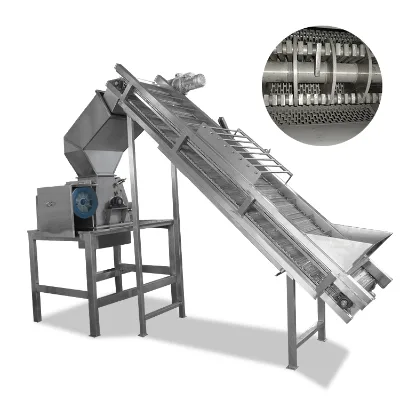
500-1000kg/h Screw Fruit Press Machine with Crusher/vegetable Processing Production Line
$2950.00 - $3580.00
Moq: 1
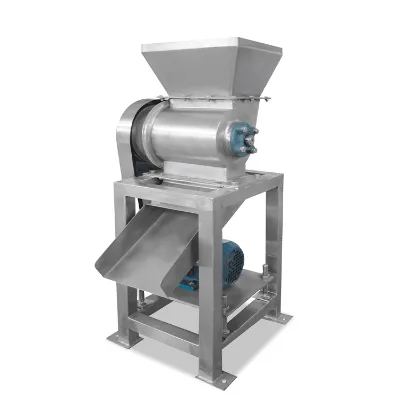
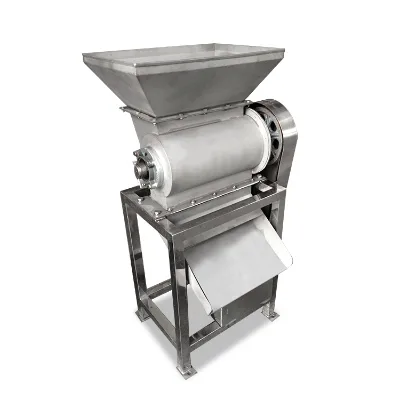
Apple Fruit Crusher/juice Extractor Press Machine
$2996.00 - $3156.00

Shandong MINGHUNG Wood Based Panel Machinery Co., Ltd
- Manufacturer
- China Shandong
- Lead time30 days
- Avg. response≤ 6h
Main productsVeneer Peeling Machine, Plywood Machine, Hot Press Machine, Veneer Dryer Machine, Glue Spreader, Plywood Cold Press Machine, Plywood Saw Machine, Plywood Sanding Machine, Wood Debarker, Vacuum Veneer Stacker
Main marketsSouth America,Africa,Southeast Asia/ Mideast,East Asia(Japan/ South Korea),Europe,Australia,North America

LINYI ZHONGHE IMP. & EXP. CO., LTD.
- Verified by SGS
- Trading Company
- China Shandong
- Lead time15 days
- Avg. response≤ 3h
Main productsPlywood Machine, Particle Board OSB Board Machine, Plywood Hot Press Machine, Firber Board MDF HDF Board Machine, Wood Veneer Peeling Machine, Short Cycle Laminating Hot Press Machine, Wood Veneer Production Line, Wood Door Hot Press Machine, Wood Veneer Dryer, Face Veneer Paper PVC Pet Faced Board Machine
Main marketsSouth America,Africa
HENAN WIN-GLOBAL MACHINERY AND EQUIPMENT CO., LTD.
- Verified by SGS
- Trading Company,Manufacturer/Factory
- China Henan
- Lead time30 days
- Avg. response≤ 5h
Main productsScrew Oil Press, Oil Expeller Machine, Small Oil Refinery, Palm Oil Press, Sunflower Oil Extraction Machine, Coconut Oil Expeller, Spiral Oil Press, Oil Extractor, Oil Extruder
Main marketsSoutheast Asia,Africa
Qingdao Glad Engineering Technology Co., Ltd.
- Verified by BV
- Manufacturer/Factory
- China Shandong
- Lead time23 days
- Avg. response≤ 3h
Main productsDrying Machine, Food Processing Machine, Packing Machine, Dryer, Nuts Processing Machine, Fruit and Vegetable Processing Machine, FM PIR Panel, Food Machine, Milling Machine
Main marketsSouth America,Eastern Europe,Mid East,North America,Southeast Asia,Eastern Asia,Oceania,Western Europe,Africa
Luohe Xingdian Electromechanical Equipment Co., Ltd.
- Verified by BV
- Manufacturer/Factory
- China Henan
- Lead time0 days
- Avg. response≤ 2h
Main productsDrilling Rig, Meat Process Machine, Farm Machine, Packing Machine, Vegetable Process Machine, Textile Machine, Food Machine, Embroidery Machine, Construction Products, Industrial Product
Main marketsSouth America,Eastern Europe,Mid East,North America,Southeast Asia,Eastern Asia,Oceania,Western Europe,Africa


Commercial Electric Press Machine/Large Hydraulic Press Machine/Pomegranate Honey Press
$1500.00 - $1530.00
Moq: 1

Henan Topp Machinery Co., Ltd.
- Verified by BV
- Trading Company,Manufacturer/Factory
- China Henan
- Lead time23 days
- Avg. response≤ 2h
Main productsFruit Juicing Machine, Fruit Stone Extractor, Fruit and Vegetable Peeling Machine, Fruit Sorting Machine, Snack Machinery, Soft Ice Cream Machine, Peanut Brittle Machine, Donut Making Machine, Candy Cane Production Line, Cookies Making Machine
Main marketsSouth America,Eastern Europe,Mid East,North America,Southeast Asia,Eastern Asia,Oceania,Western Europe,Africa
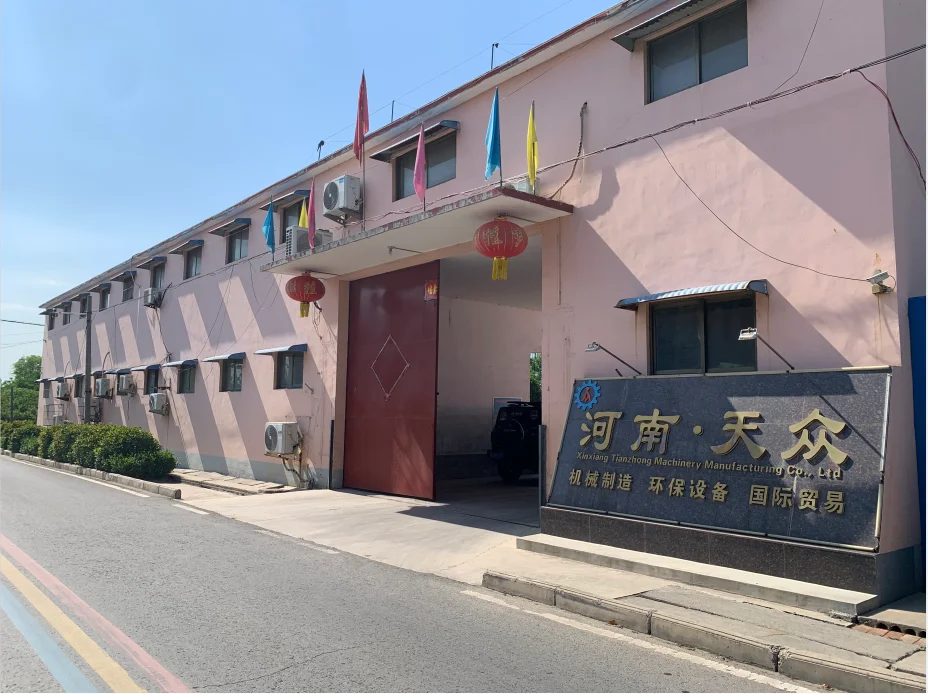
Henan Tianzhong Machinery Equipment Co., Ltd.
- Manufacturer, Trading Company
- Henan, China
- Lead time15 days
- Avg. response≤ 1h
Main productsScrew press separator,shredding machine,Fuit and Vegetable Juice extractor machine,Drum lifting machine,Solid liquid separator
Main marketsSoutheast Asia(10.0%), Africa(5.0%), Mid East(5.0%), South America(2.0%), Western Europe(2.0%), Domestic Market(1.0%), South Asia(1.0%), North America(1.0%), Eastern Europe(1.0%), Southern Europe(1.0%), Northern Europe(1.0%), Central America(1.0%), Eastern Asia(1.0%), Oceania(1.0%)
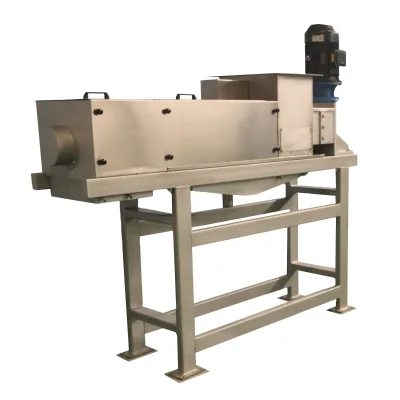
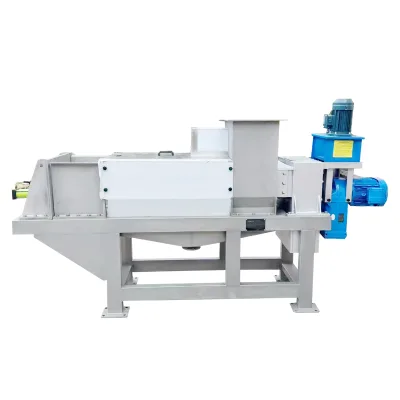
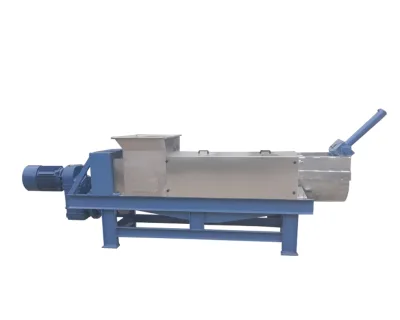
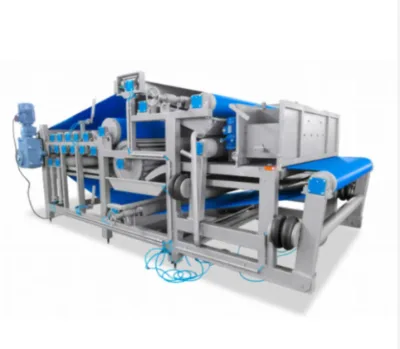
$78500.00
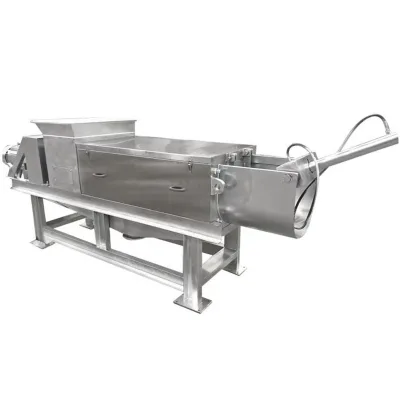
Gainjoys Technology (Shenyang) Co., Ltd.
- Verified by BV
- Combined
- China Liaoning
- Lead time30 days
- Avg. response≤ 2h
Main productsCapsule Filling Machine, Tablet Press, Pill Press, Filling Machine, Blister Machine, Boxing Machine, Labeling Machine, Bag Feeding Machine, Capsule Counting Machine
Main marketsSoutheast Asia/ Mideast,Europe,Australia,North America


Rotary Tablet Press Machine Pill Tablet Press Machine Efficient Pill Press Machine
$800.00 - $1600.00
Moq: 1


Wuxi Wiscon Mechanical and Electrical Equipment Co., Ltd.
- Verified by TUVRHEINLAND
- Trading Company,Manufacturer/Factory
- China Jiangsu
- Lead time45 days
- Avg. response≤ 11h
Main productsSpray Dryer, Drying Machine, Dryer Equipment, Mixer Machine, Mixing Machine, Ribbon Blenders, Impact Mill, Vibration Screen, Vibrating Sieve, Vacuum Conveyor
Main marketsSouth America,Eastern Europe,Mid East,North America,Southeast Asia,Eastern Asia,Oceania,Western Europe,Africa
Luohe Juyou Commercial & Trading Co., Ltd.
- Verified by BV
- Trading Company,Manufacturer/Factory
- China Henan
- Lead time15 days
- Avg. response≤ 6h
Main productsDumpling Machine, Tortilla Pita Bread Machine, Meat Cutting Machine, Dough Divider Machine, Dough Mixer Machine, Meat Dicing Machine, Potato Chips Machine, Frying Machine, Packing Machine, Juice Machine
Main marketsSouth America,Eastern Europe,North America,Southeast Asia,Eastern Asia,Western Europe,Africa

High Capacity Pineapple Apple Pear Automatic Hydraulic Pressing Machine Juice Pressing Machine
$2400.00 - $2500.00
Moq: 1

Luohe Quality Mechanical Equipment Co., Ltd.
- Verified by SGS
- Manufacturer/Factory
- China Henan
- Lead time23 days
- Avg. response≤ 5h
Main productsJuice Extractor, Sausage Making Machine, Pita Bread Machine, Biscuit Making Machine
Main marketsSouth America,Eastern Europe,North America,Eastern Asia,Western Europe

Wuxi Kingunion S & T Co., Ltd.
- Manufacturer/Factory
- China Jiangsu
- Lead time38 days
- Avg. response≤ 6h
Main productsChocolate Machine, Packing Machine, Confectionary Machinery, Food Machine, Raw Materials
Main marketsSouth America,Eastern Europe,Mid East,North America,Southeast Asia,Eastern Asia,Oceania,Western Europe,Africa

Zhejiang Leadtop Pharmaceutical Machinery Co., Ltd.
- Verified by TUVRHEINLAND
- Combined
- China Zhejiang
- Lead time30 days
- Avg. response≤ 5h
Main productsCapsule Filling Machine, Empty Capsule, Cartoning Machine, Blister Packing Machine, Fluid Bed Dryer, Mixing Machine, Water Purification Machine, Extraction and Concentration Plant, Tablet Pressing Machine, Labeling Machine
Main marketsDomestic
Henan Yishen Machinery Co., Ltd.
- Verified by BV
- Trading Company
- China Henan
- Lead time23 days
- Avg. response≤ 4h
Main productsMachinery and Equipment Sales, Agricultural Machinery Sales, Mining Machinery Sales.
Main marketsAfrica,Southeast Asia/ Mideast,North America


Automatic Oil Press Machineoil Pressers Press Machinecorn Oil Pressing Machine
$1100.00 - $1200.00
Moq: 1

- Verified by BV
- Trading Company
- China Liaoning
- Lead time30 days
- Avg. response≤ 1h
Main productsTablet Press, Pulverizer, Drying Equipment, Granulator, Packaging Machine, Capsule Filling Machine, Powder Blender, Laboratory Instrument, Powder and Liquid Filling Machine, Tablet / Capsule Counting Machine
Main marketsAustralia


Comprehensive Sourcing Guide
Hammer Type Fruit Press Machine Supplier Concentration and Factory Types
The current supplier landscape for hammer type fruit press machines shows a distinct concentration in China, specifically within Henan Province. This region hosts a mix of combined supplier types that include both manufacturers and trading entities. The data indicates that many suppliers in this cluster offer ODM capabilities, allowing for custom design modifications, while others operate with their own brands or provide OEM services. This diversity in company type means buyers must carefully distinguish between a direct factory and a trading company, as the latter may not have direct control over the production line or quality assurance processes.
When evaluating the factory types, it is crucial to note that some suppliers list main products ranging from oil extraction machinery to soap production lines, suggesting a broader manufacturing scope. The presence of combined company types often implies a flexible supply chain, yet it requires verification to ensure the specific Hammer Type Fruit Press Machine is a core competency rather than a secondary offering. Buyers should look for evidence of in-house R&D capacity, as indicated by ODM labels, which suggests the ability to adapt machinery to specific fruit processing needs. Without explicit factory verification, the distinction between a specialized manufacturer and a generalist trader remains a critical factor in sourcing decisions.
How to Verify Hammer Type Fruit Press Machine Suppliers
Verification of suppliers for hammer type fruit press machines relies heavily on third-party audit reports and specific credential checks. Some suppliers in the current results display SGS verification status, which serves as a tangible indicator of a factory's operational compliance and quality management systems. However, not all suppliers may possess this specific certification, and the absence of a visible badge does not automatically disqualify a vendor. Buyers must actively request current audit reports to confirm that the supplier's claims regarding their manufacturing capabilities and business legitimacy are accurate and up to date.
Beyond general verification, specific product attributes and certifications provide a deeper layer of due diligence. Evidence shows that certain machines carry TUV, CE, and ISO certifications, which are essential for meeting international safety and quality standards. Buyers should cross-reference these certifications with the specific model numbers provided, such as HTZL-05 or HTPF02, to ensure the documentation matches the exact equipment being ordered. Additionally, checking for response times, which can vary significantly from under four hours to over sixteen hours, offers insight into the supplier's operational readiness and customer service commitment. A slow response time may indicate a lack of dedicated support staff or a high volume of unmanaged inquiries.
What to Compare Across Hammer Type Fruit Press Machine Suppliers
Comparing suppliers requires a systematic analysis of key operational metrics such as lead time, minimum order quantity, and pricing structures. The data reveals a wide variance in lead times, with some suppliers offering delivery within 15 days while others indicate a standard 30-day window. This difference can significantly impact project timelines, especially for buyers with urgent production schedules. Furthermore, the minimum order quantity (MOQ) is consistently listed as one unit across several product listings, which lowers the barrier to entry for small-scale buyers but may not reflect the pricing efficiency available for bulk orders.
Pricing and technical specifications are equally critical dimensions for comparison. The observed price ranges for palm oil processing equipment span from approximately 2,800 to 1,000,000, reflecting the vast differences in capacity and automation levels. Buyers must scrutinize the voltage requirements, which are predominantly 380V, to ensure compatibility with their local power infrastructure. Additionally, the oil extraction rate, cited between 22% and 30% for certain models, serves as a key performance indicator for efficiency. Comparing these technical parameters alongside the warranty periods, which are often 12 months, allows buyers to assess the long-term value and reliability of the machinery rather than focusing solely on the initial purchase price.
Common Hammer Type Fruit Press Machine Sourcing Risks
One of the primary risks in sourcing hammer type fruit press machines involves the ambiguity of supplier capabilities and the potential for misrepresentation. While some suppliers claim ODM and OEM capacities, others may lack the specific engineering expertise required for complex fruit pressing applications. The presence of combined company types increases the risk of communication gaps, where a trading company might not fully understand the technical nuances of the machinery they are selling. This disconnect can lead to specifications that do not meet the buyer's actual processing needs, resulting in equipment that underperforms or requires costly modifications after delivery.
Another significant risk relates to the variability in after-sales support and installation guidance. The data indicates that some suppliers offer on-site guidance and 24-hour online support, while others provide only standard export packing without detailed installation protocols. For buyers in regions with limited technical expertise, the lack of comprehensive installation support can lead to operational delays and equipment damage. Furthermore, the condition of the machinery, often listed as "New," requires verification to ensure that the equipment has not been refurbished or repurposed. Buyers must explicitly confirm the condition and the availability of spare parts to mitigate the risk of prolonged downtime in the event of a mechanical failure.
Hammer Type Fruit Press Machine Regional Sourcing and Logistics
Sourcing from the identified cluster in Henan Province, China, offers logistical advantages due to the region's established manufacturing infrastructure. The concentration of suppliers in this area facilitates easier coordination for factory visits and quality inspections, as the density of machinery producers allows for efficient travel planning. However, buyers must account for the specific shipping requirements associated with heavy industrial equipment. Product attributes indicate that packing methods vary from standard export packing to wooden cases and containers, which directly influences freight costs and handling procedures.
Logistics planning must also consider the specific origin details provided, such as Zheng Zhou or Henan Province, to accurately calculate transit times and customs duties. The standard packing for many units is described as a wooden box or container, which is essential for protecting the machinery during long-distance transport. Buyers should verify the exact dimensions and weight of the packed unit, as some listings mention specific standard capacities like 2CBM. Understanding these logistical details is vital for budgeting freight costs and ensuring that the receiving facility has the necessary infrastructure to unload and install the heavy-duty press machines upon arrival.
Hammer Type Fruit Press Machine Commercial Terms and Order Planning
Commercial terms for hammer type fruit press machines often include specific conditions regarding customization and delivery timelines. Many suppliers list customization as available, allowing buyers to tailor the machinery to specific fruit types or processing capacities. However, the lead time for customized orders may extend beyond the standard 15 to 30 days observed for stock items. Buyers must clarify the exact delivery schedule, as some listings specify a delivery time of 10 days after deposit, while others rely on general container shipping estimates. This variability necessitates clear communication to align production schedules with the buyer's operational needs.
Order planning should also account for the payment structures and warranty terms associated with the purchase. The observed warranty period is typically 12 months, which provides a baseline for after-sales support but may not cover all potential issues. Buyers should verify if the warranty includes parts, labor, or on-site service, as these terms can vary significantly between suppliers. Additionally, the price ranges indicate that higher capacity machines command significantly higher prices, so budgeting must reflect the desired throughput. Ensuring that the commercial agreement explicitly details the scope of customization, delivery responsibilities, and warranty coverage is essential to prevent disputes and ensure a smooth procurement process.
FAQs
What is a Hammer Type Fruit Press Machine used for?
A Hammer Type Fruit Press Machine crushes and presses fruits to extract juice or oil, commonly for palm fruit and similar raw materials. It suits small farms and commercial processing lines alike. Buyers typically check throughput per hour, material contact surfaces, and whether the press supports continuous feeding before deciding which capacity matches their production plan.
What capacity options are available for hammer type fruit press machines?
Listings cover small units rated around 300 to 1500 kilograms per hour as well as larger production lines from roughly 1 to 100 tons per hour. Small screw and hammer presses suit pilot or farm use, while full lines handle industrial volumes. Confirm rated capacity with the supplier, since quoted figures may assume specific fruit ripeness and feeding rates.
What is the typical price range for a Hammer Type Fruit Press Machine?
Prices vary widely by capacity and configuration. Compact presses on this page list from around 2,800 to 10,000 US dollars, mid-size palm fruit press units from roughly 20,000 to 110,000 dollars, and full production lines up to several hundred thousand. Treat listed prices as a starting point and request quotes including shipping, installation, and spare parts.
What is the usual MOQ when sourcing a fruit press machine?
Most machinery suppliers on this page list a minimum order quantity of one set, which is normal for capital equipment. A single unit often ships in a wooden case or by container. If you plan multiple machines, ask whether volume pricing, spare-part kits, or combined container loading can reduce your landed cost per unit.
How long is the typical lead time for these machines?
Lead times on this page range from about 10 to 30 days depending on the supplier and machine complexity. Simple presses may ship within 10 days after deposit, while complete production lines need closer to 30 days for assembly and testing. Always confirm the lead time in the contract, including when it starts and what happens if testing delays shipment.
Which certifications should a fruit press machine have?
Listings on this page commonly cite CE and ISO, with some products adding TUV. Certification indicates the machine met relevant standards at testing time, but you should request the actual certificates and check the certificate number and validity. Also confirm the electrical specification, since many units are built for 380V supply and may need adaptation for local grids.
What after-sales support should I expect from suppliers?
Typical support includes a 12-month warranty, remote troubleshooting, and in some cases on-site installation guidance. Some suppliers advertise 24-hour online response after sale. Before ordering, clarify exactly what the warranty covers, which spare parts are excluded, how replacement parts are shipped, and whether installation supervision or operator training incurs extra travel or service fees.
Can I order a customized Hammer Type Fruit Press Machine?
Yes, customization is listed as available for the press machines on this page. Suppliers note options such as stainless steel or carbon steel construction, different voltage setups, and capacity adjustments. Expect customization to extend the lead time and change the price, so provide your raw material, desired throughput, and power supply details early so quotes reflect the actual build.