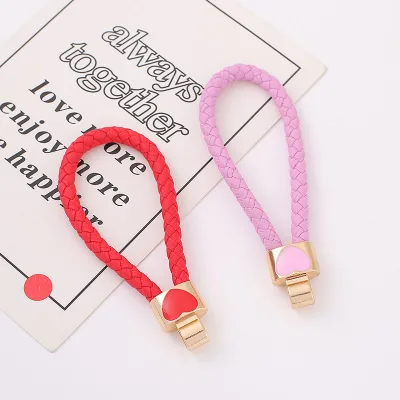
hand-woven heart alloy keychain Suppliers and Manufacturers
Source hand-woven heart alloy keychain from 25 verified suppliers in China. Compare lead times, MOQs, certifications, and response rates to find the right partner. Contact suppliers directly to request samples and pricing; review the available evidence before requesting comparable quotations from suitable candidates.
Updated
Suppliers List

Inspire Souvenirs Manufacturing Limited
- Manufacturer
- China Guangdong
- Lead time30 days
- Avg. response≤ 25h
Main productsKeychain, Key Ring, Bottle Opener, Dinner Bell, Souvenir Spoon, Souvenir Keychain, Fridge Magnet, Key Holder, Brooch, Ashtray
Main marketsSouth America,Europe,North America


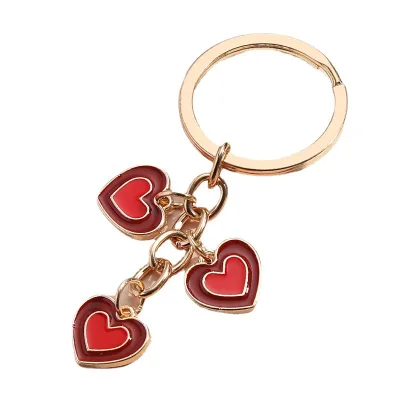
Metal Keychains Wedding Favor Gift Couple Souvenir Heart Keychain New Style
$0.80 - $1.40
MOQ: 500 Pieces

Hot Sale Wholesale Key Chain Zinc Alloy Keychain for Promotion Gift & Souvenir
$0.38 - $0.65
MOQ: 1000 Pieces

- Verified by TUVRHEINLAND
- Combined
- China Jiangsu
- Lead time15 days
- Avg. response≤ 4h
Main productsMetal Crafts, Embroidery Crafts, PVC Crafts, Acrylic Crafts, Key Chains, Promotional Gifts, Canvas Bag/Shopping Bag/Drawstring Bag, Baseball Cap/Bucket Hat/Other Caps, Ceramic Mug/PVC Mug/Stainless Steel Cup, Gift Boxes
Main marketsNorth America

$0.39 - $0.77
MOQ: 50 Pieces


China Manufacturers Wholesale Zinc Alloy Keychains Souvenir Custom Design Metal Keychain Heart
$0.64 - $1.02
MOQ: 50 Pieces
Yiwu Landong Jewelry Co., Ltd.
- Trading Company
- Zhejiang, China
- Lead time30 days
- Avg. response≤ 7h
Main productsPurely handmade,keychain,plush keychain,tailor-made style,earrings
Main marketsDomestic Market(80.00%), South Asia(5.00%), Eastern Europe(5.00%), South America(5.00%), North America(5.00%)

Jinjiang Jiayi Supply Chain Management Co., Ltd.
- Verified by BV
- Trading Company
- China Fujian
- Lead time30 days
- Avg. response≤ 2h
Main productsGift, Shoe, Garment, Machine
Main marketsDomestic

Zhongshan Unique Gifts & Crafts Co., LTD
- Verified by BV
- Combined
- China Guangdong
- Lead time15 days
- Avg. response≤ 3h
Main productsLapel Pin, Medal, Keychain, Souvenir Coins, Metal Cuffinks, Tie -Pins, Belt Buckle, Bottle Opener, Fridge Magnet, PVC Keychain
Main marketsSouth America,Africa,Southeast Asia/ Mideast,East Asia(Japan/ South Korea),Europe,Australia,North America

New Design Heart Shape Keychain Black Nickle Zinc Alloy Key Chain Keyring
$0.29 - $0.79
MOQ: 50 Pieces


Jinjiang Naike Eco Technology Co., Ltd.
- Verified by SGS
- Trading Company
- China Fujian
- Lead time30 days
- Avg. response≤ 2h
Main productsKeychain, Promotional Gifts, Shoes Charm, Straw Toppers, Pencil Toppers, Christmas Decoration, Party Decoration, Toy, Metal Craft, Silicone Products
Main marketsEurope,North America

Wholesale Creative Zinc Alloy Heart Keychain Bag Pendant Charm Car Key Chain
$0.32 - $0.49
MOQ: 1200 Pieces

Wholesale Custom Logo Metal Zinc Alloy Heart Shaped Promotional Gifts Key Chain
$0.19 - $0.25
MOQ: 800 Pieces

Zhongshan Gifts Plastic Hardware Crafts Factory
- Verified by TüVRheinland
- Manufacturer, Trading Company
- Lead time14 days
- Avg. response≤ 4h
Main productsMedal, Challenge Coin, Lapel Pin, Keychain, Bottle Opener
Main marketsNorth America(60%), Western Europe(20%), Eastern Europe(5%)
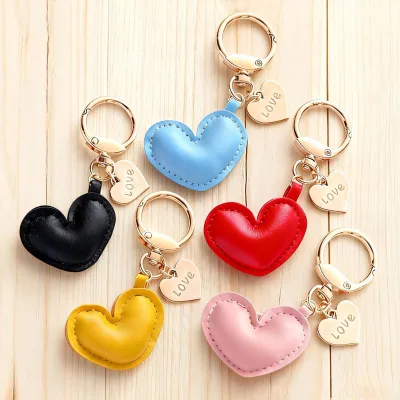
$0.2798 - $0.6732
MOQ: 100 Minimum
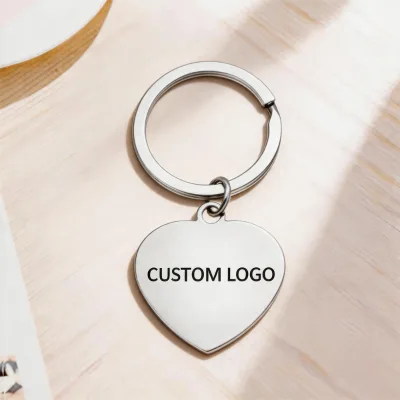
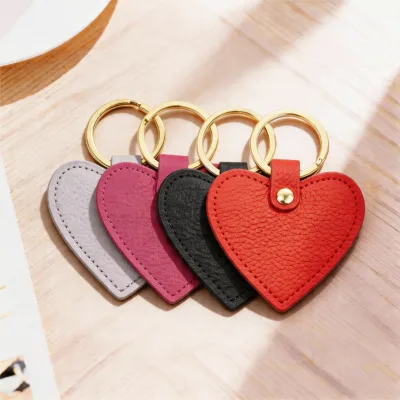
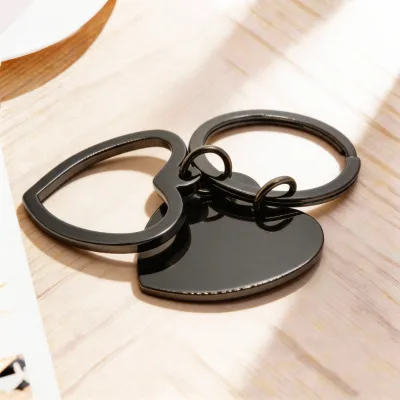

- Trading Company
- Zhejiang, China
- Lead time30 days
- Avg. response≤ 6h
Main productsFashion Jewelries,Promotional Gifts,Crafts,Toys
Main marketsWestern Europe(30.00%), North America(20.00%), Eastern Europe(10.00%), Northern Europe(5.00%), Oceania(5.00%), Central America(5.00%), Southern Europe(5.00%), Mid East(2.00%), South Asia(2.00%), South America(2.00%), Eastern Asia(2.00%), Domestic Market(1.00%), Africa(1.00%), Southeast Asia(1.00%)

Jinjiang Jiaxing Supply Management Co., Ltd.
- Verified by TUVRHEINLAND
- Trading Company
- China Fujian
- Lead time30 days
- Avg. response≤ 2h
Main productsEVA Clogs, Flip Flop, Shoe Charms, Shopping Bags, Wristbands, Gifts, Promotional Gifts, Slipper, Sport Cap, Ball
Main marketsNorth America

Zhongshan Hansing Crafts Co., Ltd.
- Verified by TUVRHEINLAND
- Trading Company
- China Guangdong
- Lead time15 days
- Avg. response≤ 3h
Main productsCustom Coin, Badge, Medal, Keychain, Lapel Pin
Main marketsEurope
Huizhou Anglisite Technology Co., Ltd.
- Trading Company
- Guangdong, China
- Lead time30 days
- Avg. response≤ 4h
Main productskeychain,jewelry,personalize products,golf divot tool,Golf ball marker
Main marketsNorth America(30.00%), Northern Europe(20.00%), Eastern Europe(20.00%), Southern Europe(10.00%), Western Europe(10.00%), Central America(10.00%)
Yiwu Boutique Accessory Jewelry Co., Ltd.
- Trading Company
- Zhejiang, China
- Lead time15 days
- Avg. response≤ 4h
Main productsUSB Cable,Keychain,Bags,Jewelry
Main marketsNorth America(70.00%), South America(10.00%), Southern Europe(5.00%), Northern Europe(5.00%), Western Europe(5.00%), Eastern Europe(5.00%)
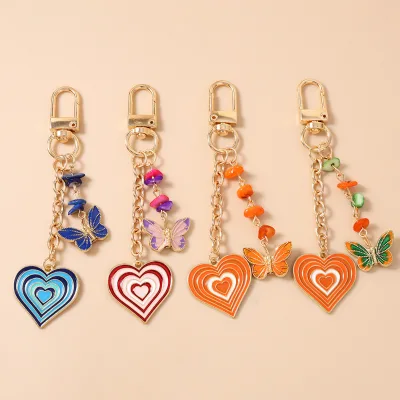
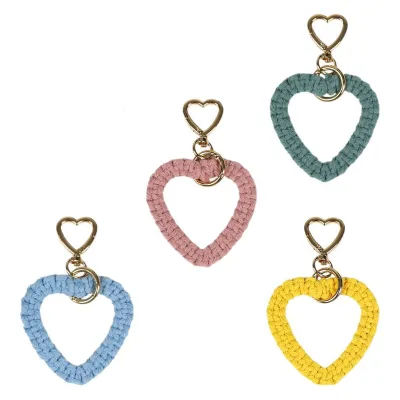
New Model Handmade Customized Keychains Heart Bag Charm Gift Accessories Women Keyrings
$0.5505 - $0.7899
MOQ: 60 pieces
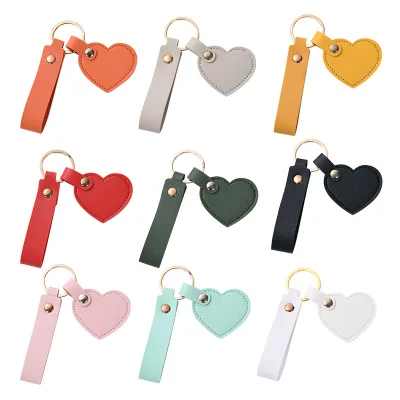
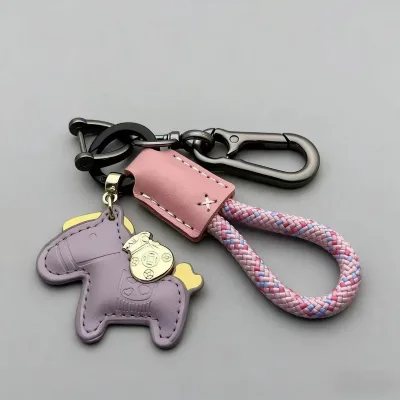
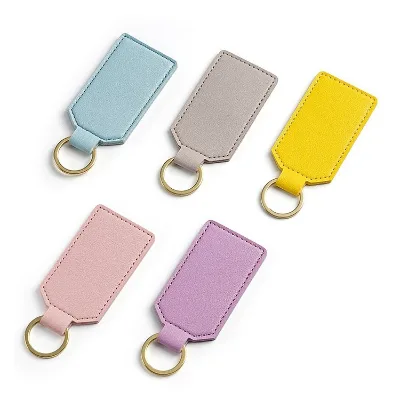
Hot-selling Customizable logo Blank love Leather Keychain with Pu Wristlet
$0.66 - $0.79
MOQ: 50 pieces
Zhongshan Logoson Arts And Crafts Co., Ltd.
- Verified by SGS Group
- Manufacturer, Trading Company
- Lead time30 days
- Avg. response≤ 3h
Main productsFridge Magnets, Bottle Openers, Key Chains, Dinner Bells, Decorative Plates
Main marketsNorth America(17%), Western Europe(15%), Southern Europe(11%)

Chengdu Jiayu Crafts co., ltd.
- Trading Company
- Sichuan, China
- Lead time15 days
- Avg. response≤ 4h
Main productskeychain,key chain accessories,Metal craft,Promotional Gifts,Gift Wrapping
Main marketsSouth America(20.00%), North America(20.00%), Eastern Europe(15.00%), Eastern Asia(10.00%), Southeast Asia(10.00%), Western Europe(5.00%), Africa(5.00%), Mid East(5.00%)
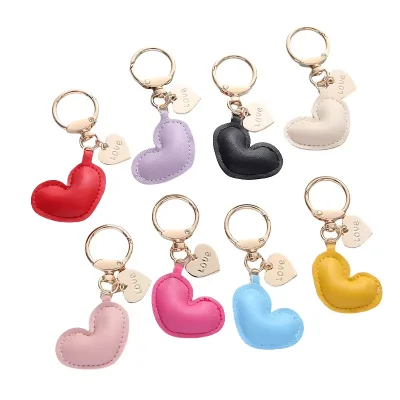
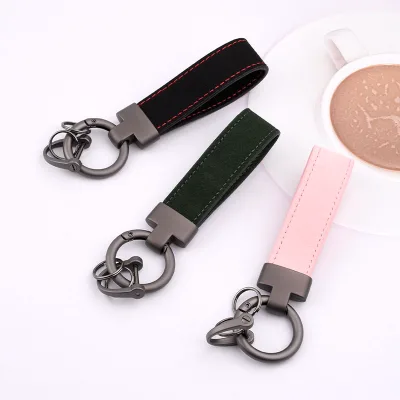
Personalized Key Chain Leather Hot Sell Keychain Accessories Charm High Quality Key Chain Holder
$1.0756 - $1.2402
MOQ: 2 pieces

Zhongshan Lixin Crafts Co.,Ltd.
- Verified by BV
- Combined
- China Guangdong
- Lead time15 days
- Avg. response≤ 1h
Main productsPatch, Sports Event Medal, Enamel Pin, Custom Keychain, Challenge Coin, Fridge Magnet
Main marketsDomestic

$0.15 - $0.60
MOQ: 100 Pieces


Low Price Embroidered Keychain Key Tag with Ca65 & Reach Certification
$0.15 - $0.65
MOQ: 100 Pieces

Zhongshan Leon crafts and gifts Co., Ltd.
- Verified by SGS
- Trading Company,Manufacturer/Factory
- China Guangdong
- Lead time23 days
- Avg. response≤ 3h
Main productsMetal Pin Badge, Wallet Badge, Sports Medal, Honor Medal, Belt & Buckle, Challenge Coins, Fridge Magnet, Different Kind of Security Products, Keychain, Embroidery Patch
Main marketsSouth America,Eastern Europe,Mid East,North America,Southeast Asia,Eastern Asia,Oceania,Western Europe,Africa

Custom Logo Promotional Gift Travel Ancient Coins Couple Heart-Shaped Metal Keychain
$0.50 - $0.80
MOQ: 100 Pieces

Shenzhen Kingyard Int'l Trading Co., Ltd.
- Verified by SGS Group
- Trading Company
- Lead time30 days
- Avg. response≤ 4h
Main productsHair Accessories, Sport Accessories, Fashion Jewellery, Beauty Tools, Cosmetic Bag
Main marketsNorth America(40%), Western Europe(30%), Oceania(10%)
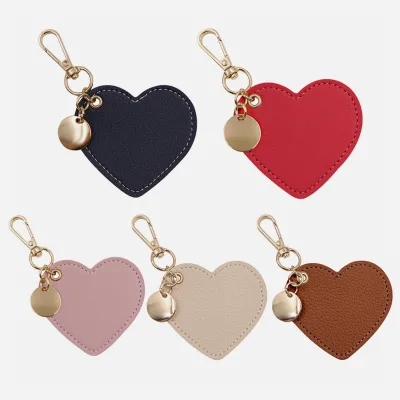
$0.9515 - $1.0128
MOQ: 50 pieces
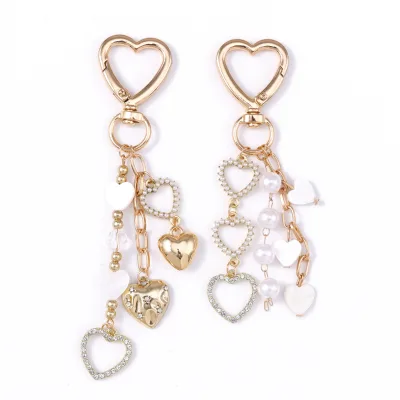
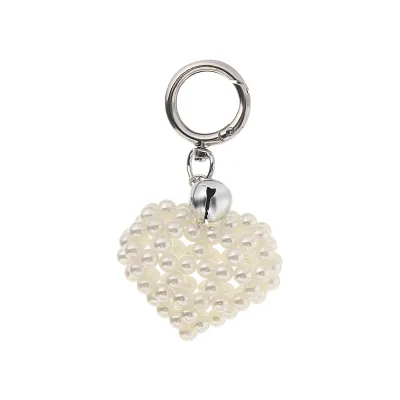
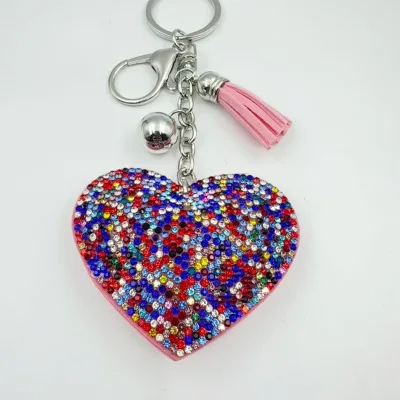
Creative Fashion Collection Pearl Heart-shaped Key Ring High-End Crystal Heart Keychain
$0.94 - $0.99
MOQ: 100 pieces
- Verified by TüVRheinland
- Trading Company
- Lead time10 days
- Avg. response≤ 3h
Main productsMetal Crafts, Acrylic Crafts, Embroidery Crafts, PVC Crafts, Wooden Crafts
Main marketsNorth America(70%), South America(5%), Eastern Europe(5%)

Zhongshan Xinyihong Metal Craft Products Factory
- Verified by TUVRHEINLAND
- Combined
- China Guangdong
- Lead time15 days
- Avg. response≤ 2h
Main productsBadge, Lape Pin, Coin, Medal, Key Chain, Cufflink, Tie Clip, Bottle Opener, Golf Divolt, Name Plate
Main marketsNorth America

Dongguan Gioriun trading Co., Ltd.
- Trading Company
- Guangdong, China
- Lead time15 days
- Avg. response≤ 4h
Main productsSports & Entertainment,Gifts & Crafts,Home & Garden
Main marketsNorth America(37.00%), Western Europe(25.00%), Northern Europe(10.00%), South America(10.00%), Mid East(8.00%), Domestic Market(5.00%), Eastern Asia(5.00%)
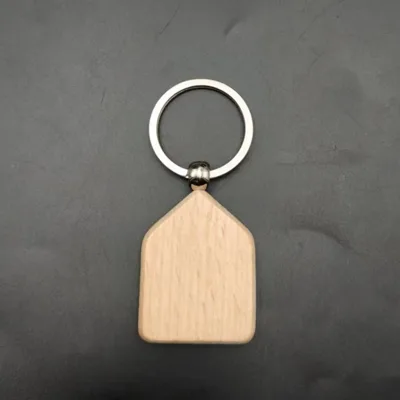
Custom DIY Gifts Handmade Keychain Wooden Key Tag with Split Ring Key Holder Chain
$0.1027 - $0.175
MOQ: 7 Minimum
Shenzhen Changsheng Technology Co., Limited
- Manufacturer, Trading Company
- Lead time旺季: "1 - 50":10,"51 - 100":20,"101 - 200":30,"> 200":"To be negotiated", 淡季: "1 - 50":10,"51 - 100":20,"101 - 200":30,"> 200":"To be negotiated"
- Avg. response≤ 3h
Main productsHandicraft,Gift Products,product customization,Project order,Packaging printing services
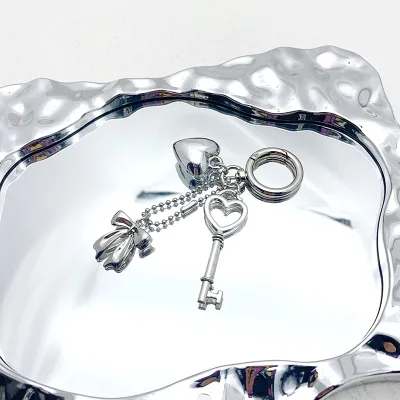
South Korea Style Vintage Art Deco Metal Keychain Silver Heart Lock Bow Bag Decoration Keychain
$0.65 - $0.78
MOQ: 10 pieces
Jinjiang Deek Plastic Products Co., Limited
- Verified by SGS Group
- Trading Company
- Lead time20 days
- Avg. response≤ 4h
Main productsKey Chains, Gifts Items, Plastic Items, Silicone Items, Shoe Charms
Main marketsNorth America(45%), Western Europe(30%), Oceania(10%)

Dongguan Jing Hong Metal Zipper Co., Ltd.
- Verified by TUVRHEINLAND
- Combined
- China Guangdong
- Lead time15 days
- Avg. response≤ 20h
Main productsMetal Plate, Label, Snap Hook, Keychain, Buckle, Bottle Opener, Dog Tag, Bag Hanger, Jewelry, Zipper Puller
Main marketsDomestic
- Trading Company
- Zhejiang, China
- Lead time0 days
- Avg. response≤ 1h
Main productslanyard,keychain,stick,bag,Drawstring bag
Main marketsSouth America(20.00%), North America(20.00%), Eastern Europe(10.00%), South Asia(5.00%), Southern Europe(5.00%), Northern Europe(5.00%), Central America(5.00%), Western Europe(5.00%), Eastern Asia(5.00%), Mid East(5.00%), Oceania(5.00%), Africa(5.00%), Southeast Asia(5.00%)

Dongguan FengSuer Textile Co., Ltd
- Verified by TUVRHEINLAND
- Trading Company
- China Guangdong
- Lead time23 days
- Avg. response≤ 4h
Main productsWoven Patches, Woven Labels, Embroidery Patch, Keychians, Hantags, Printing Labels, Printing Patches, Woven Tape, Ribbon
Main marketsEurope


Customized Woven Key Chain with Ring Personalized Embroidered Key Tag Badge Holder
$0.14 - $0.50
MOQ: 100 Pieces








Comprehensive Sourcing Guide
Hand-Woven Heart Alloy Keychain Supplier Concentration and Factory Types
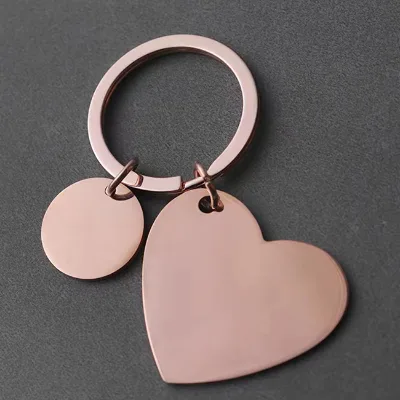
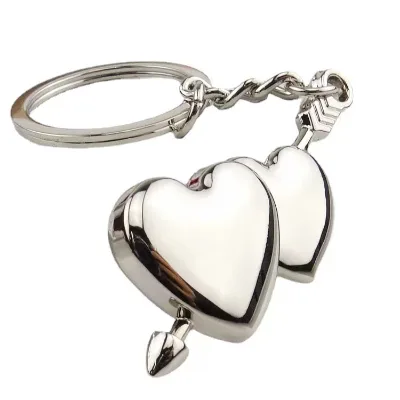
The current supplier landscape for heart-shaped alloy keychains reveals a distinct geographic concentration in China, specifically within the Guangdong province. This region is a well-established manufacturing hub for metal crafts and promotional gifts, offering a dense ecosystem of factories capable of handling zinc alloy die-casting and electroplating processes. The presence of manufacturers in Guangdong suggests that buyers seeking metal-based keychains will find a high density of suppliers with established supply chains for raw materials like zinc alloy and specialized surface treatments such as electroplating or oil filling. While the search results highlight Guangdong as a primary location, it is important to note that other regions, such as Jiangsu, also host suppliers, though the specific product focus may vary. Buyers should recognize that the term "hand-woven" might be a marketing descriptor for certain styles, but the underlying material evidence points strongly toward metal fabrication techniques like die-casting and hand-made assembly rather than traditional textile weaving. Understanding this distinction is crucial when evaluating the technical capabilities of potential partners, as the manufacturing process for metal keychains differs significantly from fabric-based accessories.
Supplier types in this category range from pure manufacturers to combined entities that may include trading companies. The data indicates that many suppliers identify as manufacturers with capabilities in OEM and ODM services, allowing for significant customization of keychain designs, logos, and packaging. These factories often possess their own brands and can handle complex production runs, from small batches of promotional items to large-scale wholesale orders. The presence of ISO9001:2008 certification among some suppliers provides a baseline assurance of quality management systems, though buyers should verify if this certification covers the specific production lines for metal keychains. Combined suppliers may offer a broader range of products, including leather keychains and other promotional gifts, which can be advantageous for buyers looking to consolidate orders. However, for specialized metal keychain production, engaging directly with manufacturers who have dedicated die-casting and electroplating facilities often ensures better control over quality and lead times. Buyers should carefully review the company type and main products listed to ensure alignment with their specific needs for alloy keychains.
How to Verify Hand-Woven Heart Alloy Keychain Suppliers
Verifying the legitimacy and capability of suppliers requires a multi-layered approach that goes beyond surface-level product listings. One critical step is to check for third-party verification badges, such as TÜV Rheinland, which indicates that an independent body has assessed the supplier’s business operations and product quality. This verification adds a layer of trust, particularly for buyers concerned about the reliability of their supply chain. Additionally, buyers should examine the supplier’s response time, as a quick and professional reply often correlates with efficient internal processes and better customer service. A response time of under four hours, as seen in some results, suggests a responsive team that can address queries about customization, pricing, and production schedules promptly. Buyers should also look for detailed product attributes, such as specific metal types (e.g., zinc alloy), surface treatments (e.g., electroplating, print), and processing methods (e.g., die-casting, hand-made), as these details indicate a supplier’s technical expertise and transparency.
Another essential verification step is to request and review samples before committing to a large order. The sample time for metal keychains typically ranges from seven to fifteen days, allowing buyers to assess the physical quality, finish, and durability of the product. Buyers should pay close attention to the sample’s packaging, which often includes OPP bags, head cards, or gift boxes, as this reflects the supplier’s attention to detail and readiness for retail or promotional distribution. Furthermore, buyers should verify the supplier’s ability to provide custom logos and designs, as most suppliers offer customization services. It is advisable to ask for references or case studies from previous clients, especially those in similar industries, to gauge the supplier’s consistency and reliability. Buyers should also confirm the supplier’s production capacity and whether they can handle the required volume within the specified lead time, ensuring that the supplier can meet their delivery deadlines without compromising on quality.
What to Compare Across Hand-Woven Heart Alloy Keychain Suppliers
When evaluating multiple suppliers, buyers should compare key operational metrics such as lead time, minimum order quantity (MOQ), and pricing to determine the best fit for their business needs. Lead times for bulk production of metal keychains can vary significantly, with some suppliers offering turnaround times of fifteen days, while others may require thirty to forty-five days. This variation is often influenced by the complexity of the design, the customization level, and the current production load. Buyers should also compare MOQs, which can range from as low as fifty pieces for custom leather or simple metal keychains to thousands of pieces for standard alloy products. Understanding these MOQs is crucial for budgeting and inventory planning, especially for small businesses or those testing new markets. Pricing is another critical factor, with costs varying based on material quality, surface treatment, and order volume. Buyers should request detailed quotes that break down costs for materials, labor, and packaging to ensure transparency and avoid hidden fees.
In addition to operational metrics, buyers should compare the range of customization options and product features offered by each supplier. Some suppliers may specialize in specific styles, such as cute, creative, or romantic heart-shaped designs, while others may offer a broader range of shapes and materials. Buyers should also consider the supplier’s ability to handle specific usage scenarios, such as promotional gifts, holiday souvenirs, or personal decorations. The availability of eco-friendly features, anti-rust properties, and durable surface treatments like electroplating or oil filling can be significant differentiators. Buyers should also evaluate the supplier’s packaging options, as custom packaging can enhance the perceived value of the product and align with brand identity. By comparing these factors across multiple suppliers, buyers can identify partners that not only meet their technical requirements but also offer competitive pricing and flexible terms, ensuring a successful sourcing outcome.
Common Hand-Woven Heart Alloy Keychain Sourcing Risks
One of the primary risks in sourcing metal keychains is the discrepancy between sample quality and bulk production quality. Suppliers may provide high-quality samples that do not reflect the consistency of mass-produced items, leading to customer dissatisfaction and potential returns. This risk is particularly relevant for products with complex surface treatments or intricate designs, where minor variations in electroplating or die-casting can affect the final appearance. Buyers should mitigate this risk by establishing clear quality standards and conducting pre-shipment inspections to ensure that bulk orders meet the agreed-upon specifications. Another significant risk is the delay in lead times, which can disrupt supply chains and miss critical market windows, such as holiday seasons or promotional events. Buyers should communicate clearly with suppliers about production schedules and request regular updates to stay informed of any potential delays. It is also advisable to include penalty clauses in contracts for late deliveries to incentivize timely performance.
Color consistency and material durability are also common risks, especially for keychains with custom logos or specific color requirements. Variations in ink printing or electroplating colors can occur between batches, leading to inconsistent branding. Buyers should request color proofs and approve them before production begins to minimize this risk. Additionally, the durability of the keychain, particularly the strength of the ring and the attachment points, is crucial for customer satisfaction. Buyers should test the keychains for resistance to rust and wear, especially if they are intended for long-term use or promotional purposes. Another risk is the lack of transparency in pricing, where suppliers may add unexpected costs for mold fees, sample shipping, or custom packaging. Buyers should request a comprehensive quote that includes all potential costs to avoid budget overruns. By identifying and addressing these risks proactively, buyers can build a more resilient and reliable supply chain for their keychain products.
Hand-Woven Heart Alloy Keychain Regional Sourcing and Logistics
Sourcing keychains from China, particularly from the Guangdong province, offers logistical advantages due to the region’s well-developed infrastructure and proximity to major shipping ports. Guangdong is home to numerous manufacturing clusters that specialize in metal crafts and promotional gifts, making it easier for buyers to find suppliers with the necessary capabilities. The concentration of suppliers in this region also facilitates faster communication and collaboration, as time zone differences are minimal compared to sourcing from other parts of Asia. Buyers should consider the logistics of shipping bulk orders, as metal keychains can be heavy and require careful packaging to prevent damage during transit. Suppliers often use OPP bags, bubble bags, or gift boxes for packaging, which can be optimized for container loading to reduce shipping costs. Buyers should also factor in customs clearance and import duties when calculating the total landed cost of their orders.
For buyers sourcing from other regions, such as Jiangsu, logistics may involve different shipping routes and transit times. Jiangsu is also a significant manufacturing hub, and suppliers there may offer competitive pricing and lead times. Buyers should evaluate the logistical efficiency of each supplier, including their experience with international shipping and their ability to handle documentation such as commercial invoices and packing lists. It is advisable to work with suppliers who have experience exporting to the buyer’s country, as they can provide valuable insights into local regulations and requirements. Buyers should also consider the environmental impact of their sourcing decisions, opting for suppliers who use eco-friendly materials and processes where possible. By carefully planning the logistics and considering the regional advantages of different sourcing locations, buyers can optimize their supply chain and reduce overall costs.
Hand-Woven Heart Alloy Keychain Commercial Terms and Order Planning
Commercial terms for keychain orders typically include payment methods, warranty policies, and after-sales support. Buyers should negotiate favorable payment terms, such as a deposit followed by the balance upon shipment, to manage cash flow and reduce risk. It is also important to clarify the warranty policy for defective products, as suppliers may offer replacements or refunds for items that do not meet quality standards. Buyers should also inquire about the supplier’s after-sales support, including their responsiveness to complaints and their ability to resolve issues quickly. Order planning should take into account the supplier’s lead time and MOQ, ensuring that orders are placed well in advance of the required delivery date. Buyers should also consider the scalability of their orders, as suppliers may offer discounts for larger volumes or long-term contracts.
Buyers should also plan for the customization process, which may involve design approvals, sample production, and mold creation. It is advisable to allocate sufficient time for these steps to avoid delays in the final production. Buyers should also consider the marketing and distribution strategy for their keychains, as the product’s design and packaging should align with their brand identity and target market. By carefully planning the commercial terms and order process, buyers can ensure a smooth and efficient sourcing experience. It is also recommended to build long-term relationships with suppliers, as this can lead to better pricing, priority production, and improved service. Buyers should regularly review their supplier performance and provide feedback to foster continuous improvement and mutual growth.
FAQs
What is the typical lead time for bulk orders?
Bulk lead times generally range from 30 to 45 days depending on the specific product model and order volume. Some suppliers offer faster turnaround options with a standard lead time of 15 days for certain items. Buyers should confirm exact delivery schedules during the quotation phase to ensure alignment with project deadlines.
What is the minimum order quantity for custom keychains?
Minimum order quantities vary significantly by supplier and product type. Some manufacturers require a minimum of 50 pieces for leather or custom logo items, while others set the threshold at 500 or even 2880 pieces for specific metal keychains. Always verify the MOQ with the supplier before finalizing the order.
Are these keychains suitable for promotional gifts?
Yes, many listed products are explicitly designed for promotional gifts and holiday usage. They feature customization options such as custom logos and various surface treatments like electroplating or printing. These items are widely used as souvenirs, corporate gifts, and promotional merchandise due to their versatility and affordable pricing structures.
What materials are commonly used for heart keychains?
Common materials include zinc alloy, PU leather, and general metal alloys. Zinc alloy keychains often feature die-casting or hand-made processing with anti-rust or eco-friendly features. Leather options provide a soft texture, while metal variants offer durability. Buyers can choose based on the desired aesthetic and functional requirements for their specific use case.
What is the price range for wholesale keychains?
Wholesale prices typically range from $0.15 to $1.40 per piece depending on the material and customization level. Basic metal keychains may start around $0.15, while more complex designs with leather tags or specific finishes can cost up to $1.40. Prices are influenced by order volume, material choice, and surface treatment methods.
Can suppliers provide custom logo printing services?
Yes, most suppliers offer customization services including custom logo printing, engraving, or oil-filled crafts. Buyers can request logos as per their custom requirements, with options for various surface treatments like print or electroplating. This allows for personalized branding on keychains, making them ideal for corporate events, weddings, or promotional campaigns.