Handcrafted Sustainable Bamboo Sugar Box Suppliers and Manufacturers
Compare 22 verified suppliers offering handcrafted sustainable bamboo sugar boxes with details on location, lead times, and MOQs. Review product attributes like material and customization options to select the right factory for your needs; review the available evidence before requesting comparable quotations from suitable candidates.
Updated
Suppliers List

Shuifu Huiyang Agricultural Technology Co., Ltd.
- Verified by SGS
- Trading Company
- China Yunnan
- Lead time23 days
- Avg. response≤ 3h
Main productsBamboo Products, Bamboo Crafts, Bamboo Chopsticks, Bamboo Skewers, Bamboo Weaving, Bamboo Tray, Bamboo Box, Bamboo Placemat, Bamboo Fruit Bowl, Lamp Shades
Main marketsDomestic


Handwoven Bamboo Lacquer Tea Storage Case/Portable Handcrafted Bamboo Tea Tote Box
$0.30
MOQ: 1000 Pieces


Caoxian Zhongyi Wooden Co.,Ltd
- Verified by BV
- Combined
- China Shandong
- Lead time30 days
- Avg. response≤ 15h
Main productsWoodwork
Main marketsEurope


Wholesale Custom Handmade Decorative Solid Wood Bamboo Box with Hinged Lid
$3.99 - $6.79
MOQ: 500 Pieces


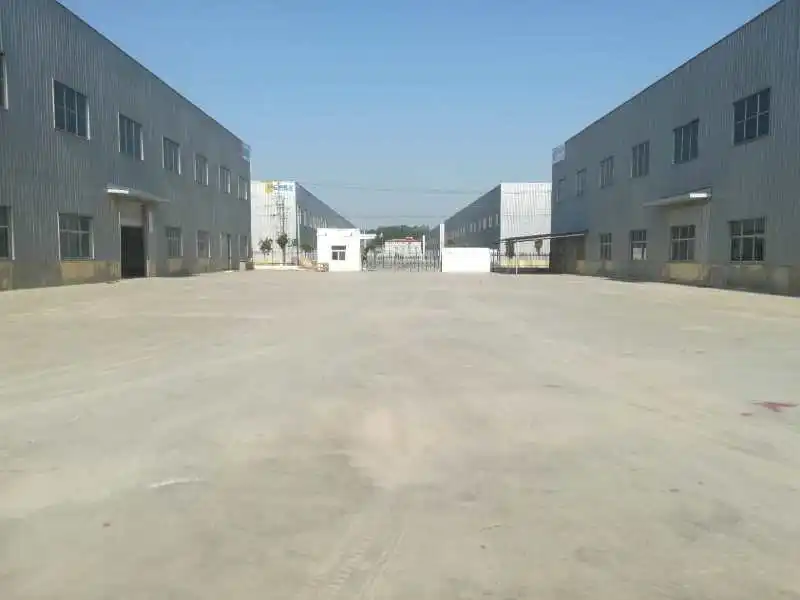
Cao County Dream Sun Furniture Co., Ltd.
- Manufacturer, Trading Company
- Shandong, China
- Lead time45 days
- Avg. response≤ 4h
Main productsWOODEN BOX,FURNITURE,WINE BARREL,Wall Storage Shelves,Kitchen&Bathroom Products
Main marketsDomestic Market(20.00%), Northern Europe(20.00%), Eastern Asia(10.00%), Mid East(10.00%), Western Europe(10.00%), Eastern Europe(10.00%), North America(5.00%), Southern Europe(5.00%), South Asia(5.00%), Central America(3.00%), South America(1.00%), Africa(1.00%)
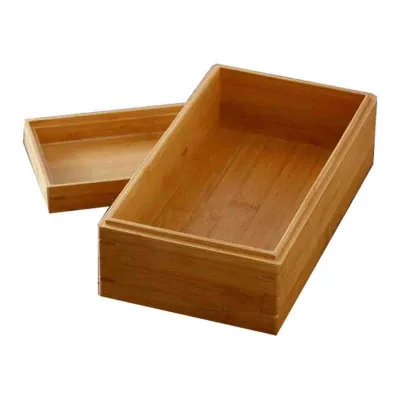
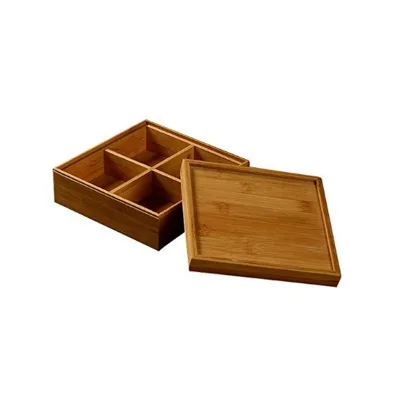
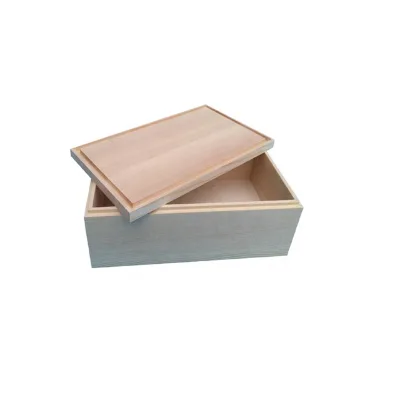
Custom Storage Wooden Gift Rectangle Packaging Box Bamboo Wooden Box With Lids
$1.35 - $1.65
MOQ: 200 pieces

Yangzhou Muhe Trading Co., Ltd.
- Trading Company
- China Jiangsu
- Lead time15 days
- Avg. response≤ 3h
Main productsHeadband, Bamboo Fiber Scrunchie, Bamboo Cotton Make up Removers Pads, Silk Scrunchie, Hair Claw Clip, Bow Hair Clip, Cellulose Acetate Hair Claw Clip, Fashion Hair Accessories, Flannel Wristband & Headband
Main marketsSoutheast Asia/ Mideast,Europe
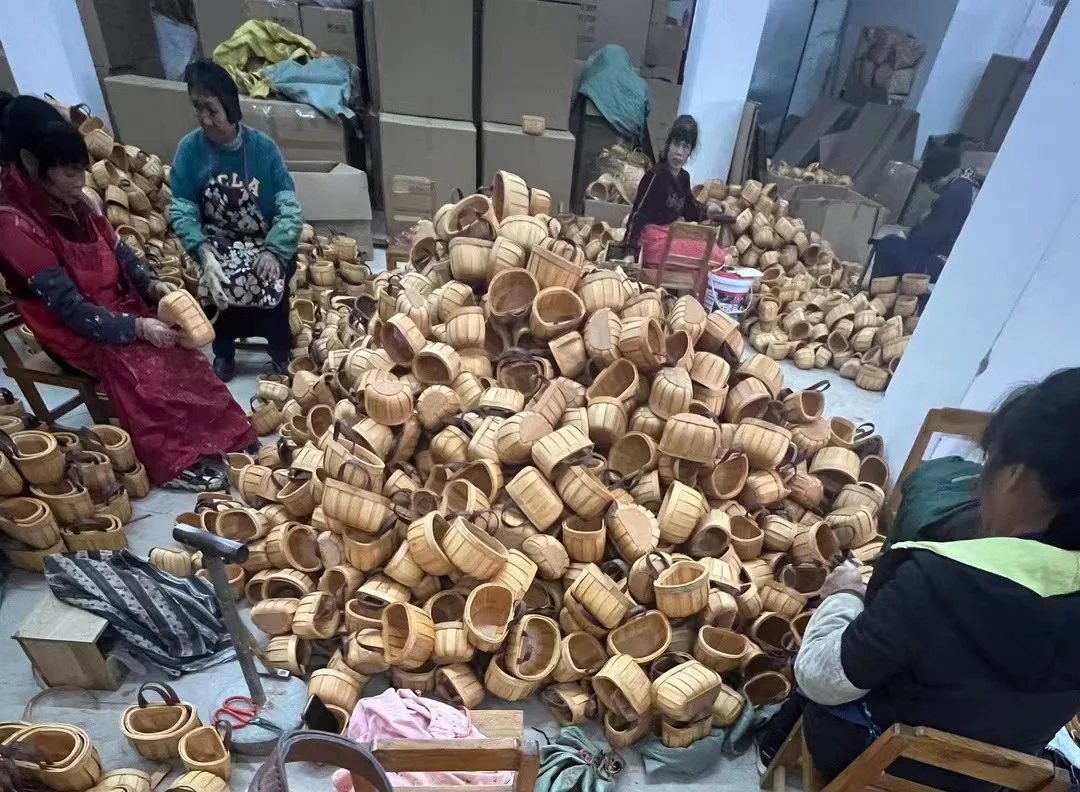
Nanning Holame Home Tech Co., Ltd.
- Manufacturer, Trading Company
- Guangxi, China
- Lead time30 days
- Avg. response≤ 2h
Main productsGift Baskets,Rattan Products,Bamboo Products,Wood Products,Kitchenware
Main marketsNorth America(50.00%), Western Europe(10.00%), Oceania(10.00%), Southern Europe(9.00%), Africa(8.00%), Mid East(6.00%), Northern Europe(5.00%), Eastern Europe(2.00%)
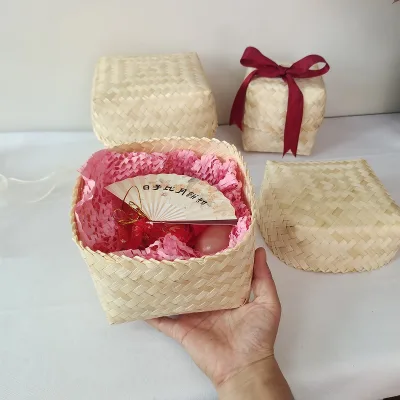
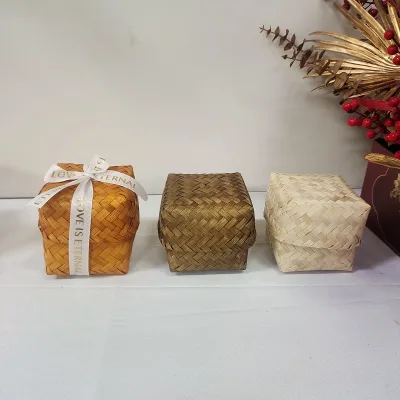
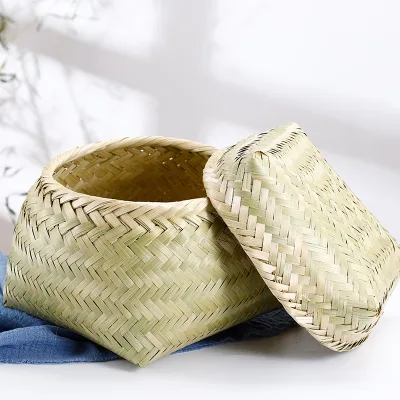
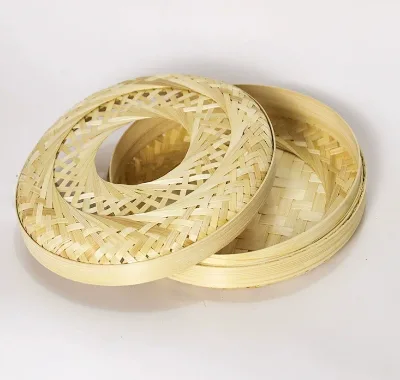
$2.7452 - $3.2777
MOQ: 50 pieces
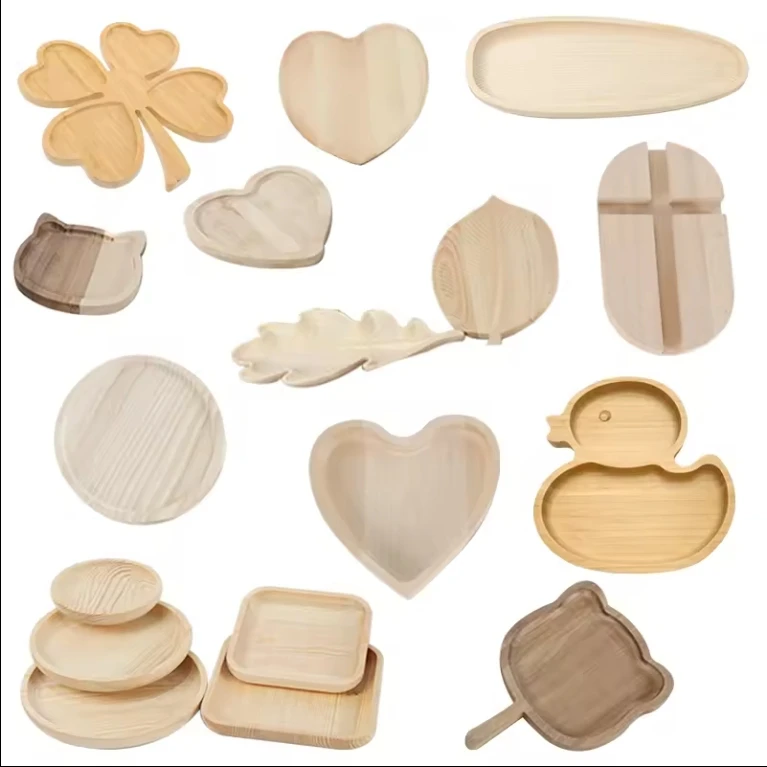
Cao County Huiyifeng Crafts Co., Ltd.
- Manufacturer, Trading Company
- Shandong, China
- Lead time25 days
- Avg. response≤ 6h
Main productswood decor,wood box,wood coaster,wood craft,wood shelf
Main marketsNorth America(35.00%), Eastern Europe(20.00%), Western Europe(10.00%), Eastern Asia(10.00%), Central America(5.00%), Southeast Asia(5.00%), Northern Europe(4.00%), Mid East(3.00%), Africa(3.00%), South America(3.00%), Oceania(2.00%)
Hangzhou Packaging Imp. & Exp. Co., Ltd.
- Verified by SGS Group
- Trading Company
- Lead time10 days
- Avg. response≤ 3h
Main productsWood Box, Wine Box, Wooden Barrel, Chopping Board, Pet Items
Main marketsNorth America(35%), Western Europe(15%), Mid East(15%)
Fujian Hoyee Household Items Co., Ltd.
- Manufacturer, Trading Company
- Fujian, China
- Lead time30 days
- Avg. response≤ 2h
Main productsWood & Bamboo Products
Main marketsWestern Europe(30.00%), North America(30.00%), Northern Europe(15.00%), Southeast Asia(15.00%), South Asia(5.00%), South America(5.00%)

NINGBO XUANHENG OUTDOOR & HOME APPLIANCES CO., LTD.
- Trading Company,Manufacturer/Factory
- China Zhejiang
- Lead time45 days
- Avg. response≤ 2h
Main productsWooden Beach Chair, Beach Umbrella, Sling Chair, Wooden Beer Table, Bamboo Home Products, Bamboo Shelf, Canvas Bag, Outdoor Beach Furniture, Art Accessories, Wooden Box
Main marketsSouth America,Eastern Europe,Mid East,North America,Southeast Asia,Eastern Asia,Oceania,Western Europe,Africa
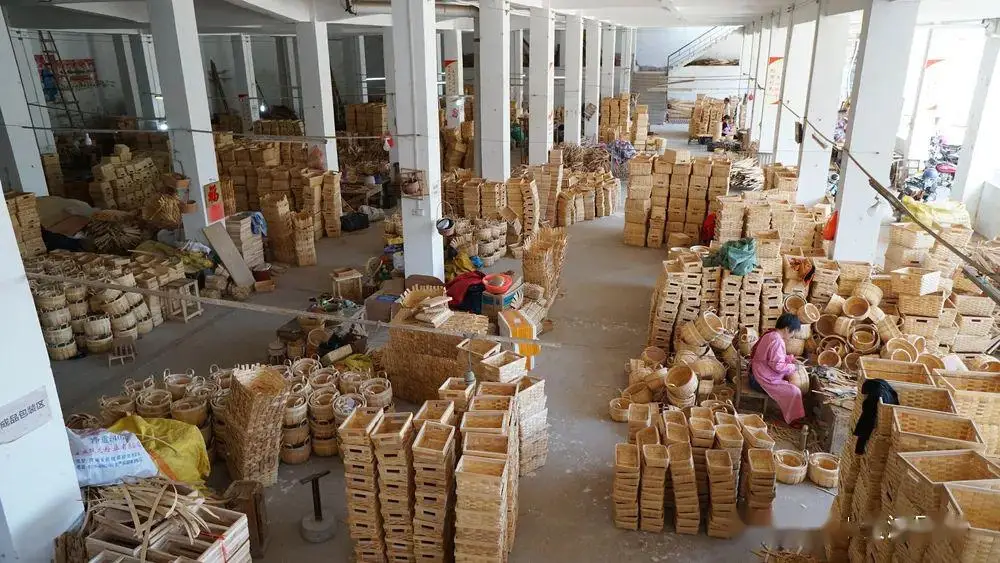
Nanning Lanshige Home Furnishing Technology Co., Ltd.
- Trading Company
- Guangxi, China
- Lead time7 days
- Avg. response≤ 3h
Main productsStorage Box,seaweed basket,woodchip basket,bamboo basket,storage basket
Main marketsNorth America(35.00%), Western Europe(30.00%), Eastern Europe(20.00%), Domestic Market(5.00%), Mid East(5.00%), South America(2.00%), Southeast Asia(2.00%), Africa(1.00%)
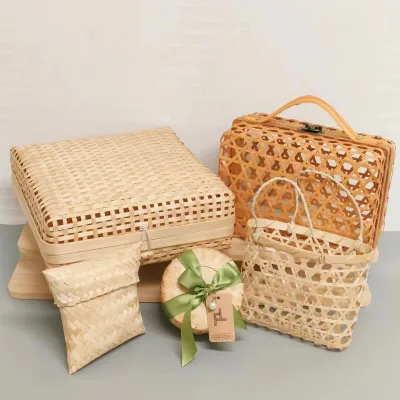
$1.9807 - $4.8575
MOQ: 200 pieces
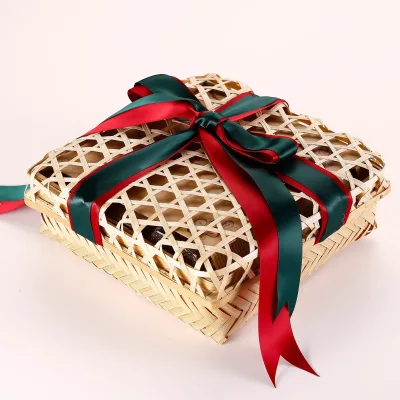
Luxury Moon Cake Box Packaging Handmade square Natural Eco Friendly Bamboo Basket Gift Boxes
$2.057 - $2.6763
MOQ: 500 pieces
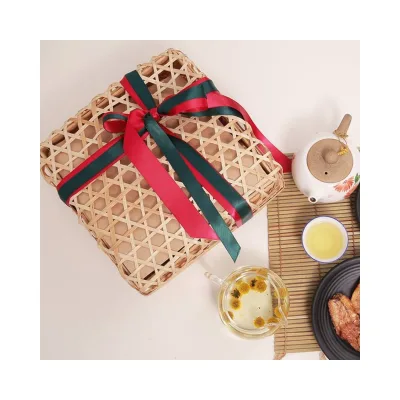
Natural Handmade Bamboo Cake Box for Mid-autumn Festival Mooncake Storage Box Wholesale Price
$2.99 - $3.99
MOQ: 100 pieces
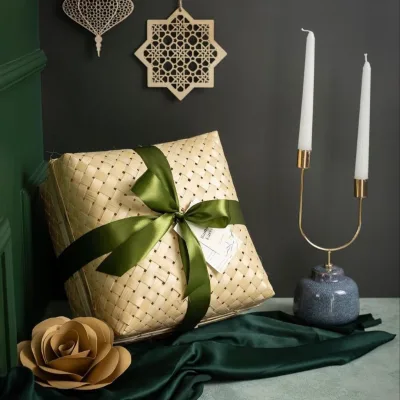
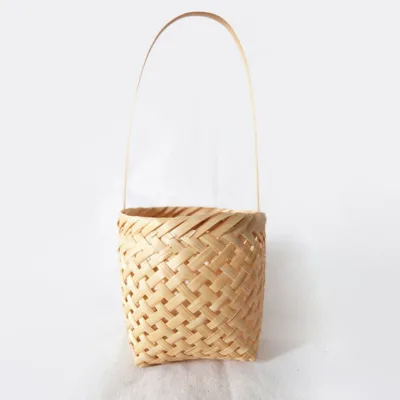
Hand Woven Sustainable Zero-waste Baskets for Gifts Natural Bamboo Candy Fruit Basket
$2.8648 - $4.0975
MOQ: 200 pieces
Bobai County Lovely Home Furnishing Co., Ltd.
- Verified by Intertek
- Trading Company
- Lead time0 days
- Avg. response≤ 4h
Main productsHome storage weaving
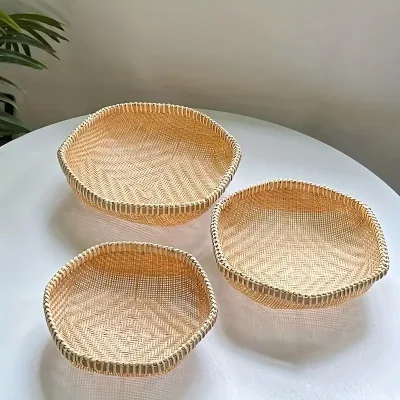
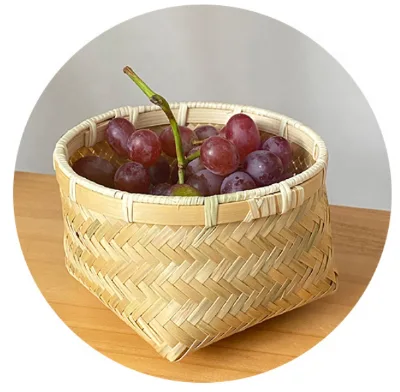
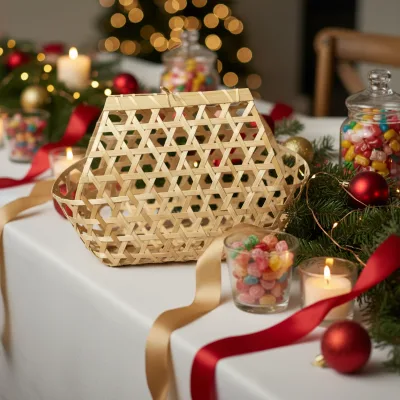
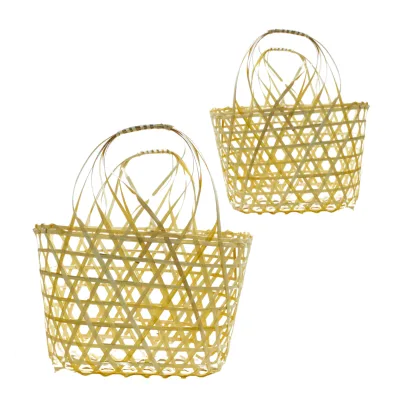
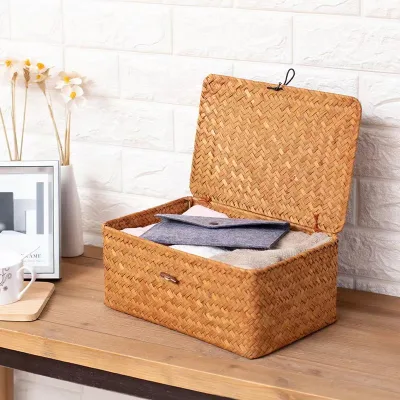
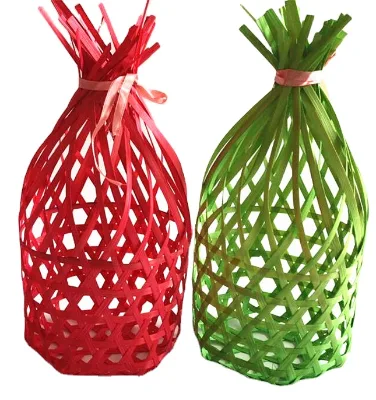
Hot Sell Cheap Bamboo Candy Package 100% Natural Bamboo Basket Storage Basket Gift Basket
$0.555 - $0.5864
MOQ: 500 pieces

- Verified by BV
- Combined
- China Anhui
- Lead time15 days
- Avg. response≤ 6h
Main productsStorage Basket, Laundry Basket, Kitchen Rack, Storage Shelf, Storage Jar, RPET Tableware Set, Matcha Whisk, Handmade Storage Basket, Wall & Table Decoration, Hamper
Main marketsSouth America,Southeast Asia/ Mideast,North America

Multi-Purpose Bamboo Box with Lid Handmade Bamboo Box Eco-Friendly Natural Home Table Basket
$10.89 - $11.10
MOQ: 200 Sets

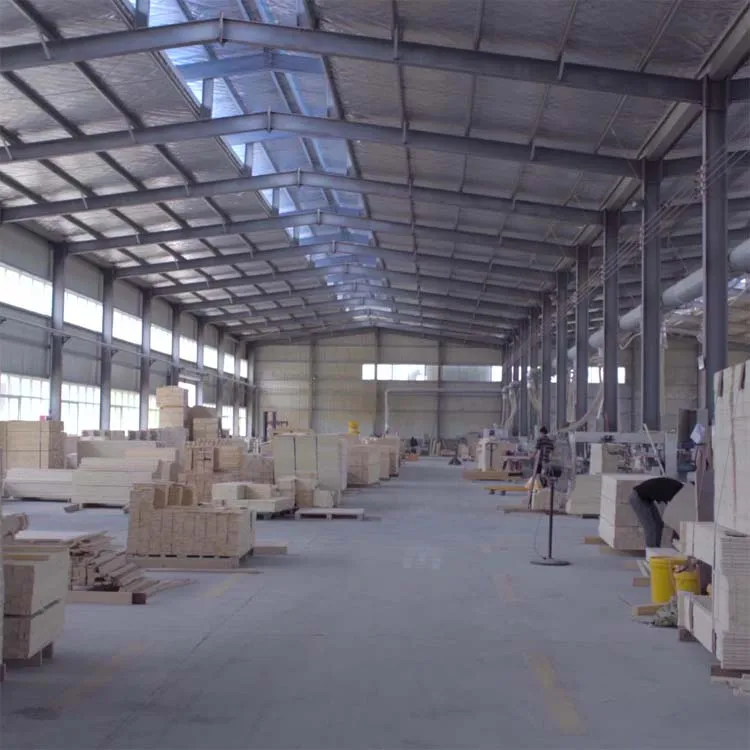
Caoxian Mingrui Crafts Factory
- Manufacturer, Trading Company
- Shandong, China
- Lead time0 days
- Avg. response≤ 7h
Main productsWooden bird house,Wooden packing box,Wooden scraping board,Wooden pendant,Wooden base
Main marketsNorth America(30.00%), Western Europe(20.00%), Domestic Market(18.00%), South America(10.00%), Oceania(8.00%), Africa(5.00%), Northern Europe(5.00%), Southeast Asia(2.00%), Eastern Asia(2.00%)

Guangzhou Gabriel Cosmetic Co., Ltd.
- Manufacturer, Trading Company
- Guangdong, China
- Lead time7 days
- Avg. response≤ 3h
Main productsbeauty makeup,Beauty cosmetics tool,eyeshadow,Lip Gloss,lipstick
Main marketsNorth America(60.00%), Northern Europe(10.00%), South America(10.00%), Mid East(8.00%), Africa(6.00%), Oceania(5.00%), Southeast Asia(1.00%)
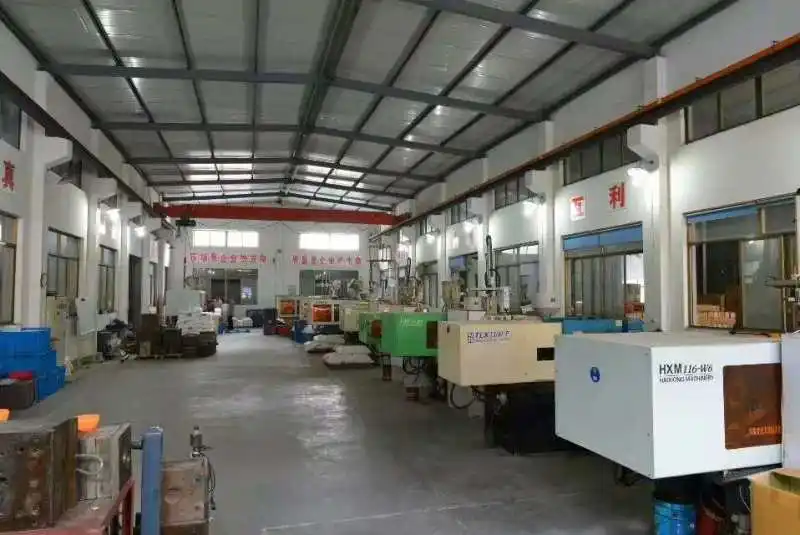
Guangzhou Kingpeak Household Product Co., Ltd.
- Manufacturer, Trading Company
- Guangdong, China
- Lead time25 days
- Avg. response≤ 3h
Main productsFood Container,tumbler,Vacuum Flasks & Thermoses,baby products,camping shovel
Main marketsNorth America(30.00%), Western Europe(27.00%), Oceania(10.00%), Central America(5.00%), South America(5.00%), Northern Europe(5.00%), Eastern Europe(5.00%), Southern Europe(5.00%), Southeast Asia(5.00%), Mid East(2.00%), Africa(1.00%)

Xiamen Ebei Import & Export Co., Ltd.
- Verified by CTI
- Trading Company,Manufacturer/Factory
- China Fujian
- Lead time45 days
- Avg. response≤ 2h
Main productsEco-Friendly Products, Bamboo Tableware, Bamboo Furniture, Bamboo Kitchenware, Bamboo Office Supply, Bamboo Fibre Products, Biodegradable Products, Bamboo Towel, Solar Energy Products, Bamboo Garden Products
Main marketsSouth America,Eastern Europe,Mid East,North America,Southeast Asia,Eastern Asia,Oceania,Western Europe,Africa

Xiamen Chengfengxin Industry & Trade Co., Ltd.
- Verified by BV
- Trading Company
- China Fujian
- Lead time23 days
- Avg. response≤ 1h
Main productsBamboo Cutting Board, Bamboo Bathtub Rack Caddy, Bamboo Tablet Computer Desk, Bamboo Kitchenwares Holder Organization, Bamboo Home Storage, Home Office Collection, Eco-Friendly Kitchen Products, Bamboo Kitchen Tools, Bamboo Diffuser, Eco-Friendly Green Products
Main marketsSoutheast Asia/ Mideast,Europe,Australia,North America

- Manufacturer/Factory
- China Fujian
- Lead time45 days
- Avg. response≤ 13h
Main productsBamboo Chopping Board, Bamboo Box, Bamboo Tray, Bamboo Bottle, Bamboo Products, Bamboo Cutlery, Bamboo Plywood, Bamboo Furniture, Bamboo Plate, Bamboo Broom
Main marketsSouth America,Eastern Europe,Mid East,North America,Southeast Asia,Oceania,Western Europe,Africa

Eco-Friendly Bamboo Wooden Box for Food, Coffee or Chocolate Gift Packaging
$1.00 - $10.00
MOQ: 300 Pieces

Caoxian Kangyi Wood Products Co., Ltd.
- Manufacturer, Trading Company
- Lead time旺季: "1 - 500":31,"501 - 1000":35,"1001 - 2000":40,"> 2000":"To be negotiated", 淡季: "1 - 500":31,"501 - 1000":35,"1001 - 2000":40,"> 2000":"To be negotiated"
- Avg. response≤ 2h
Main productsWooden Tableware, Serving Trays, Small Furniture, Wooden Outdoor Goods

Shaowu City Nafu Bamboo and Wood Industry Co., Ltd.
- Manufacturer
- China Fujian
- Lead time15 days
- Avg. response≤ 15h
Main productsBamboo and Wood Cutting Board Cheese Board, Bamboo and Wood Storage Box, Bamboo and Wood Plate, Bamboo and Wood Tray, Marble Wood Cheese Board, Bamboo and Wood Table, Bamboo and Wood Bathroom Products, Bamboo and Wood Shelf, Bamboo and Wood Kitchen Utensil, Bamboo and Wood Bowl
Main marketsEast Asia(Japan/ South Korea),Domestic,Europe,Australia,North America


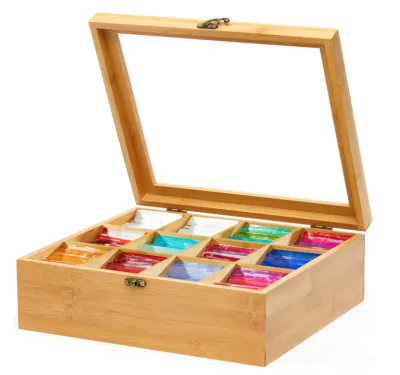
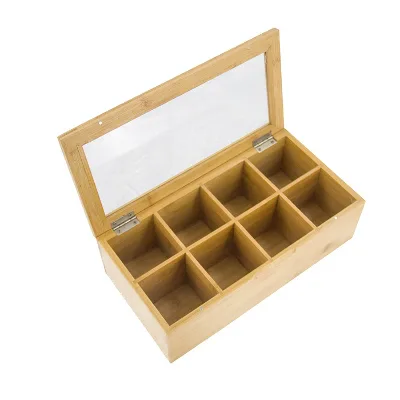
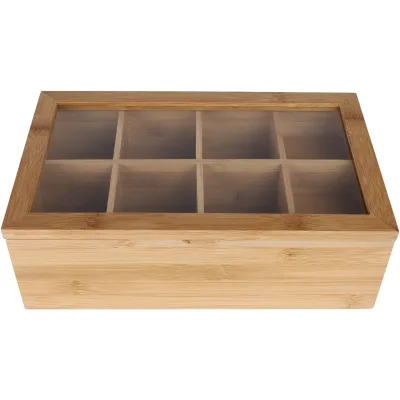
Custom Handmade High Quality Bamboo Tea Bag Box with 12 Compartments and Lid
$5.00 - $6.00
MOQ: 300 Pieces
Caoxian Better And Better Crafts Product Co., Ltd,
- Trading Company
- Shandong, China
- Lead time25 days
- Avg. response≤ 4h
Main productswooden box,wooden tray,wooden furniture,weaving basket,cotton rope basket
Main marketsNorth America(30.00%), South America(25.00%), Eastern Europe(15.00%), Northern Europe(5.00%), Western Europe(5.00%), Africa(5.00%), Southeast Asia(5.00%), Southern Europe(4.00%), South Asia(3.00%)
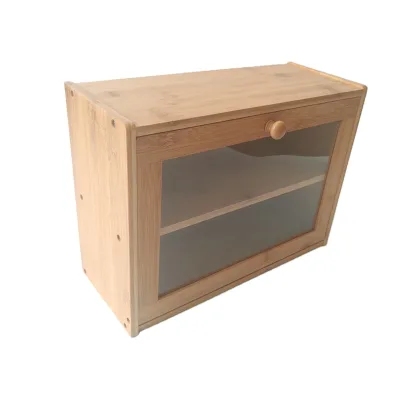
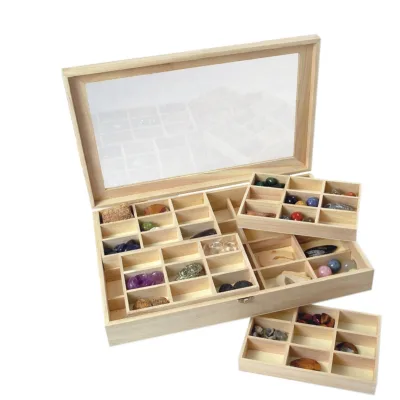
Wooden Tea Box with Glass Lid and Dividers Rectangle Shape Bamboo Boxes for Tea Storage
$5.95 - $6.80
MOQ: 500 pieces
Quanzhou Bestowal Trading Co., Ltd.
- Verified by Intertek
- Trading Company
- Lead time60 days
- Avg. response≤ 2h
Main productsBamboo Rack/Shelf, Bamboo Furniture, Bamboo Kitchenware Accessories
Main marketsMid East(35%), South Asia(30%), North America(25%)




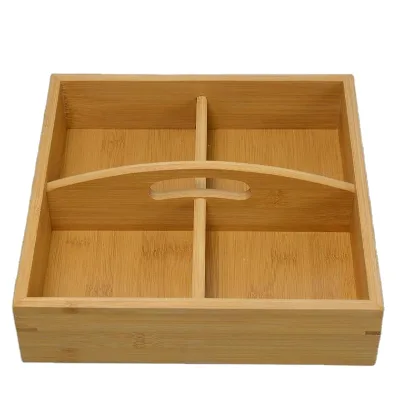
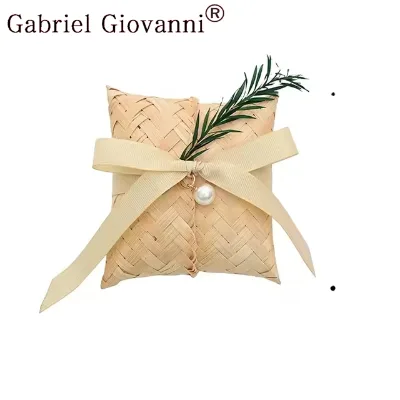
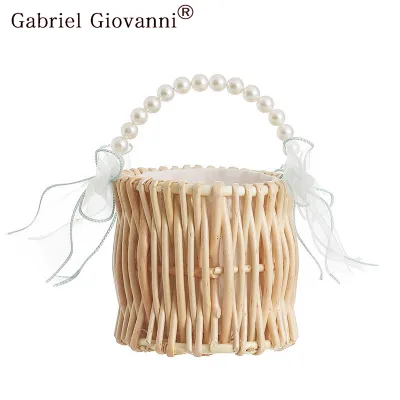
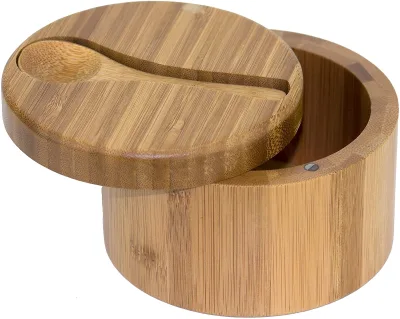


Comprehensive Sourcing Guide
Handcrafted Sustainable Bamboo Sugar Box Supplier Concentration and Factory Types
Current data indicates a concentration of suppliers in China Yunnan, a region known for its extensive bamboo resources and traditional weaving heritage. These suppliers often operate as trading companies, which suggests they may source finished goods from various workshops rather than owning the entire production line in-house. The presence of SGS verification on some profiles confirms that third-party inspections are a standard part of the vetting process for these entities. Buyers should note that while Yunnan is a documented location, other regions like China Shandong also appear in results, though with different product focuses such as woodwork. This geographic spread implies that sourcing clusters are not limited to a single province, and buyers must verify the specific origin of their bamboo sugar boxes to ensure authenticity.
Factory types vary significantly among the available results, ranging from pure trading companies to combined entities offering ODM and OEM capabilities. Some suppliers list main products that include bamboo crafts, chopsticks, and storage boxes, indicating a broad manufacturing scope rather than a specialized focus on sugar boxes alone. The presence of "Combined" company types in Shandong suggests a hybrid model where manufacturing and trading functions might overlap. When evaluating these entities, buyers should distinguish between those that simply aggregate products and those with direct production control. The distinction is critical for quality assurance, as trading companies may have less direct oversight over the handcrafted processes required for sustainable bamboo items.
How to Verify Handcrafted Sustainable Bamboo Sugar Box Suppliers
Verification is a critical step when sourcing handcrafted items, as the "handmade" claim requires tangible proof of craftsmanship and material integrity. Current results show that some suppliers hold SGS or BV verification badges, which serve as external validations of their business legitimacy and operational standards. Buyers should prioritize suppliers with these specific third-party certifications over those without, as they indicate a higher level of scrutiny regarding business practices. However, verification badges alone do not guarantee product quality; they primarily confirm the supplier's existence and basic compliance. Therefore, buyers must look beyond the badge and request specific evidence related to the bamboo sourcing and the weaving techniques used in the sugar box production.
Beyond general business verification, buyers must assess the specific product attributes listed in supplier catalogs to ensure they match the "handcrafted" and "sustainable" requirements. Evidence shows that some products list "Handmade/Other" as the process and "Natural Bamboo" as the material, which are positive indicators. Buyers should verify if the supplier offers customization for design and packaging, as this often correlates with a more flexible and attentive manufacturing process. Additionally, checking for specific test reports like FDA, Ca65, or Reach is essential for food-contact items like sugar boxes. If a supplier cannot provide these specific test results or detailed material specifications, the buyer should treat the "sustainable" claim with caution and request further documentation before proceeding.
What to Compare Across Handcrafted Sustainable Bamboo Sugar Box Suppliers
When comparing suppliers, lead time is a primary metric that varies significantly across the available data, ranging from 23 days to 30 days or even up to 55 days for mass production. This variance often reflects the complexity of the handcrafted process and the current workload of the factory. Buyers should compare these timelines against their own inventory needs, understanding that longer lead times may be necessary for custom designs or high-volume orders. Response time is another crucial factor, with some suppliers showing a response time of 2.83 hours while others take over 14 hours. A faster response time often indicates better communication channels and a more proactive approach to resolving sourcing issues, which is vital for maintaining project momentum.
Minimum Order Quantity (MOQ) and pricing structures also differ widely, requiring careful comparison to align with budget and volume constraints. Current evidence shows MOQs ranging from 500 pieces to 1000 pieces, with unit prices varying from approximately $0.028 to $5.82 depending on the product complexity and customization level. Buyers must compare these figures not just as absolute numbers but in the context of the total order value and the specific features included, such as logo printing or custom packaging. Additionally, the main products listed by each supplier should be reviewed to ensure they have a strong focus on bamboo storage and crafts rather than unrelated items like woodwork. A supplier with a diverse product line might offer better value, but one with a specialized focus on bamboo might provide superior craftsmanship.
Common Handcrafted Sustainable Bamboo Sugar Box Sourcing Risks
One significant risk involves the discrepancy between the "handcrafted" label and the actual production method, which can lead to inconsistent quality. While some product evidence explicitly states "Handmade/Other," others may rely on semi-automated processes that do not meet the buyer's expectations for artisanal quality. Buyers must verify the specific production process details, such as whether the bamboo is hand-woven or machine-assisted, to ensure the final product matches the "handcrafted" description. Without clear evidence of the manual labor involved, there is a risk of receiving mass-produced items that lack the unique character and durability associated with true handcrafted bamboo goods. This risk is heightened when dealing with trading companies that may not have direct control over the workshop floor.
Another major risk is the lack of standardized testing for food-contact safety, which is critical for sugar boxes. Although some suppliers list test reports for FDA, Ca65, and Reach, many do not provide this specific evidence in their public profiles. Buyers must assume that unverified suppliers may not have conducted these necessary safety tests, potentially leading to regulatory issues in the destination market. Furthermore, the "Not Waterproof" attribute found in some product data suggests that without proper surface treatment, the bamboo may degrade when exposed to humidity or moisture. Buyers should explicitly confirm the surface treatment process, such as polishing or clear varnish application, to mitigate the risk of product failure during storage or transport.
Handcrafted Sustainable Bamboo Sugar Box Regional Sourcing and Logistics
Sourcing from China Yunnan offers distinct advantages due to the region's proximity to raw bamboo materials, which can reduce transportation costs for the raw inputs. However, buyers must verify the specific logistics capabilities of the supplier, as some may rely on third-party freight forwarders rather than managing their own shipping. The location data indicates that suppliers in Yunnan are active, but buyers should also consider the logistics from other regions like Shandong, which may have different shipping routes and costs. Understanding the origin of the bamboo is essential, as it impacts the carbon footprint and the sustainability claims of the final product. Buyers should request detailed shipping information to ensure that the logistics chain aligns with their sustainability goals and delivery timelines.
Logistics planning must also account for the packaging requirements of fragile handcrafted items, which often need specialized protection to prevent damage during transit. Evidence shows that some suppliers use carton or palletizing methods, which are standard for protecting goods, but buyers should confirm if additional internal packaging is included for delicate bamboo weaves. The lead time data suggests that production can take up to 55 days, meaning that logistics planning must begin well in advance to avoid delays. Buyers should also consider the impact of seasonal variations on bamboo availability and shipping schedules, particularly in regions like Yunnan where weather patterns can affect both production and transportation. Clear communication regarding packaging and shipping timelines is essential to ensure a smooth supply chain.
Handcrafted Sustainable Bamboo Sugar Box Commercial Terms and Order Planning
Commercial terms regarding customization and pricing are central to successful order planning for handcrafted bamboo items. Current data indicates that customization is available for many products, including design, logo printing, and packaging, but buyers must confirm the specific costs and lead times associated with these customizations. Some suppliers list sample fees, such as $50, which buyers should factor into their initial budget before placing a bulk order. Understanding the pricing structure, including the minimum and maximum price points, helps buyers negotiate effectively and avoid unexpected costs. Buyers should also clarify the payment terms and whether escrow services are available to protect their funds until the goods are delivered and inspected.
Order planning must also consider the establishment year and capacity of the supplier to ensure they can meet demand without compromising quality. While specific establishment years are not always listed, the presence of ODM and OEM capabilities suggests a level of maturity and experience in handling custom orders. Buyers should verify the supplier's capacity to handle their specific order volume, especially if they require large quantities of handcrafted items. The lead time data, ranging from 23 to 55 days, indicates that production scheduling is a critical component of order planning. Buyers should build buffer time into their schedules to account for potential delays and ensure that the final delivery aligns with their market launch dates or inventory replenishment cycles.
FAQs
What is the price range for handmade bamboo sugar boxes?
Prices for handmade bamboo sugar boxes typically range from $0.30 to $4.72 per unit depending on complexity. Basic woven designs start near $0.30, while premium storage containers with dividers cost up to $4.72. Buyers should verify specific pricing for their required quantity and customization needs.
What is the minimum order quantity for bamboo sugar boxes?
Minimum order quantities vary by supplier, generally starting at 500 pieces for standard storage boxes. Some suppliers require 1000 pieces for specific handmade designs. Buyers must confirm the exact MOQ with the supplier before placing an order to ensure it aligns with their inventory requirements.
How long does production take for custom bamboo boxes?
Production lead times typically range from 23 to 30 days for standard orders. Some suppliers indicate mass production can take 25 to 55 days depending on customization. Buyers should confirm the exact timeline with the supplier to plan their inventory and shipping schedules effectively.
Are these bamboo boxes suitable for food storage?
Yes, many bamboo boxes are explicitly designed for food storage, including snacks and dried fruits. Products are often tested against FDA, Ca65, and Reach standards. Buyers should verify specific food-grade certifications and material safety data with the supplier to ensure compliance with local regulations.
Can I customize the design and logo on bamboo boxes?
Customization is widely available, including logo printing via silk screen or laser engraving. Buyers can choose from various shapes, sizes, and surface treatments like polishing or varnishing. Suppliers offer ODM and OEM services to meet specific branding and packaging requirements for retail or corporate gifts.
Where are these bamboo sugar boxes manufactured?
These products are primarily manufactured in China, with suppliers located in regions like Yunnan and Shandong. Yunnan suppliers often specialize in bamboo crafts, while Shandong suppliers may offer combined wood and bamboo solutions. Buyers can filter results by location to prioritize suppliers near their target shipping ports.