Insulated Modern Egg Cup Suppliers and Manufacturers
Explore 20 verified suppliers offering Insulated Modern Egg Cup options with varying lead times, response speeds, and certifications. Compare dimensions like thermal performance, material types, and MOQs to find the right partner. Contact sales for detailed quotations and promotions; review the available evidence before requesting comparable quotations from suitable candidates.
Updated
Suppliers List

ANHUI IDEA TECHNOLOGY IMP AND EXP CO., LTD
- Verified by TUVRHEINLAND
- Trading Company
- China Anhui
- Lead time23 days
- Avg. response≤ 4h
Main productsGlass Jar, Glass Bottle, Pet Preform, Aluminum Cans, Glass Cup, Bottle Caps Jar Lids, Candle Jars, Perfume Bottle, Cosmetic Bottle
Main marketsSouth America,Africa,Southeast Asia/ Mideast,East Asia(Japan/ South Korea),Europe,Australia,North America

Heat-Resistant Coffee Double Layer Glass Cup 350ml 450ml Egg Insulated Tea Cup
$0.55 - $0.83
MOQ: 500 Pieces

250ml 350ml Egg-Shaped Insulated Coffee Cup Transparent Double-Layer Glass Water Cup
$0.55 - $1.10
MOQ: 500 Pieces

250ml Insulated Double Layer Egg Shaped Coffee Mug 350ml Glass Beverage Cup
$0.55 - $1.10
MOQ: 500 Pieces
Yongkang Pinda Industry And Trade Co., Ltd.
- Verified by SGS Group
- Trading Company
- Lead time10 days
- Avg. response≤ 2h
Main productswater bottle, Stainless Dog Bowl
Main marketsNorth America(70%), Western Europe(20%), Southeast Asia(5%)

- Verified by BV
- Manufacturer/Factory
- China Fujian
- Lead time15 days
- Avg. response≤ 25h
Main productsWater Bottle, Kitchen Ware, Shoes, Plastic Product, Bag, Toy
Main marketsSouth America,Eastern Europe,Mid East,North America,Southeast Asia,Eastern Asia,Oceania,Western Europe,Africa
Jiujiang Shike Import And Export Co., Ltd.
- Trading Company
- Jiangxi, China
- Lead time0 days
- Avg. response≤ 4h
Main productsStainless Steel Water Bottle,Tumbler,Mugs,Plastic Cup,Water Bottle
Main marketsSouth Asia(30.00%), North America(20.00%), Southeast Asia(20.00%)

Wuyi Yuxin Outdoors Products Co., Ltd
- Trading Company
- China Zhejiang
- Lead time0 days
- Avg. response≤ 4h
Main productsStainless Steel Cup, Coffee Mug, Tumbler Cup, Sports Bottles, Travel Mug, Thermos, Water Flask, Beer Mug, Metal Bottles, Jug

12oz Double-Layer Stainless Steel U-Shaped Egg Tumbler Vacuum Insulated Cup
$2.25 - $3.41
MOQ: 999 Pieces

12oz Double-Layer Stainless Steel U-Shaped Egg Tumbler Vacuum Insulated Wine Cup
$2.25 - $3.41
MOQ: 999 Pieces

12oz Double-Layer Stainless Steel U-Shaped Egg Tumbler Vacuum Insulated Coffee Cup
$2.25 - $3.41
MOQ: 999 Pieces


Hot Sale Multi-Color Optional Egg Shaped Cup Can Customize 12oz Stainless Steel Cup
$2.25 - $3.41
MOQ: 999 Pieces

Hot Sale Multi-Color Egg Shaped Cup Can Customize 12oz Stainless Steel Wine Cup
$2.65 - $3.45
MOQ: 999 Pieces
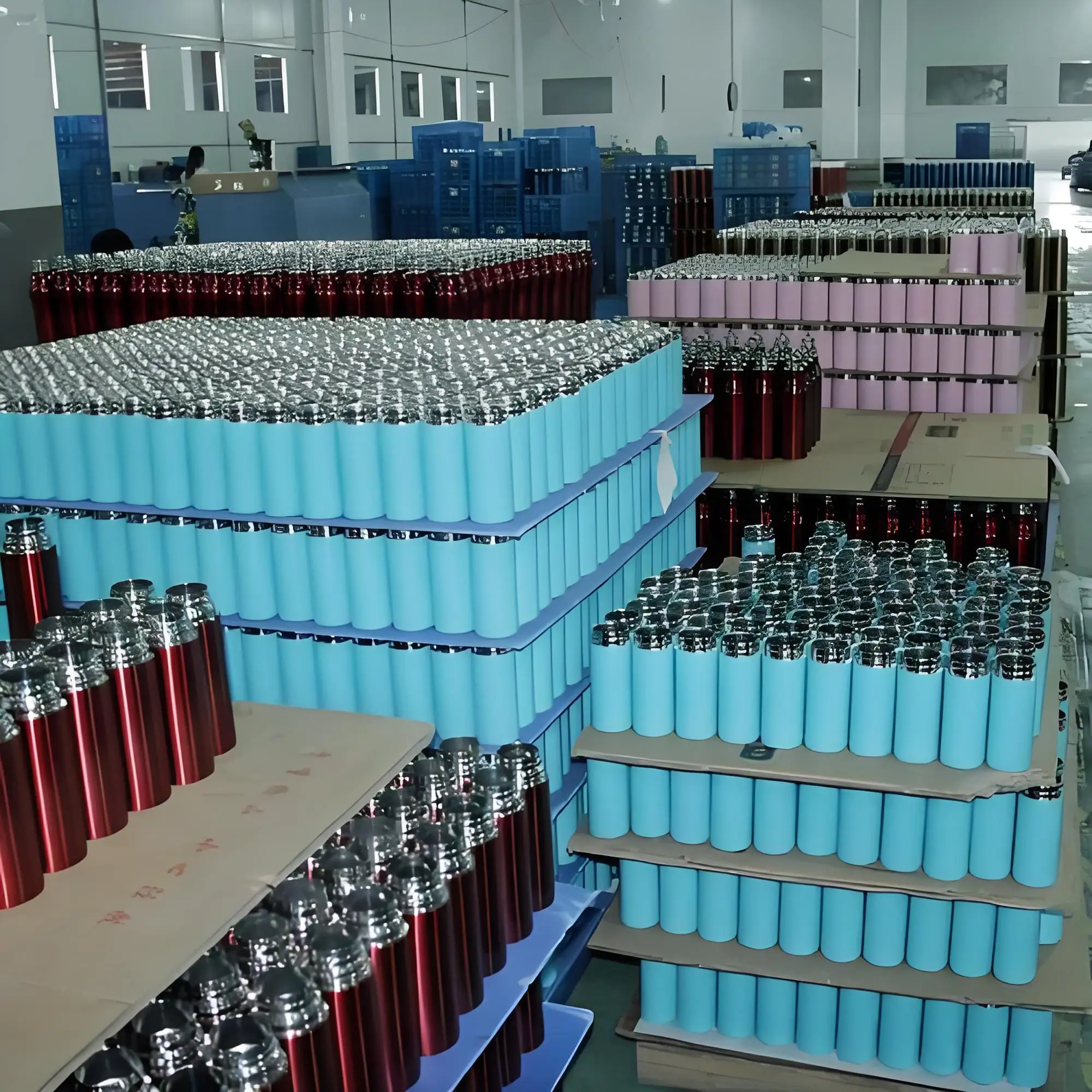
Yiwu Changhong Trading Co., Ltd.
- Trading Company
- Zhejiang, China
- Lead time7 days
- Avg. response≤ 3h
Main productsDrinking utensils,Drinking utensils accessories,Pickleball accessory products,Fitness and shaping
Main marketsNorth America(30.00%), Africa(15.00%), Western Europe(15.00%), Mid East(15.00%), Central America(10.00%), Southern Europe(10.00%), Eastern Asia(10.00%), Northern Europe(10.00%), South Asia(5.00%), Southeast Asia(5.00%), Eastern Europe(5.00%)

Wenzhou Guanmin Import and Export Co., Ltd.
- Verified by BV
- Trading Company,Manufacturer/Factory
- China Zhejiang
- Lead time120 days
- Avg. response≤ 6h
Main productsShopping Bag, Cooler Bag, Notebook, Pen, Color Pencil, Lanyard, Beach Ball, Umbrella, Sunshade, Air Freshener
Main marketsSouth America,Eastern Europe,Mid East,North America,Southeast Asia,Eastern Asia,Western Europe

Jinjiang Jiaxing Import and Export Co., Ltd.
- Verified by CTI
- Manufacturer/Factory
- China Fujian
- Lead time120 days
- Avg. response≤ 2h
Main productsShoes, Slipper, Clothes, Promotion Gifts, Silicone Products, Outdoor Sports Products, Bags, Fashion Accessories, Consumer Electronics
Main marketsSouth America,Eastern Europe,Mid East,North America,Southeast Asia,Eastern Asia,Oceania,Western Europe,Africa
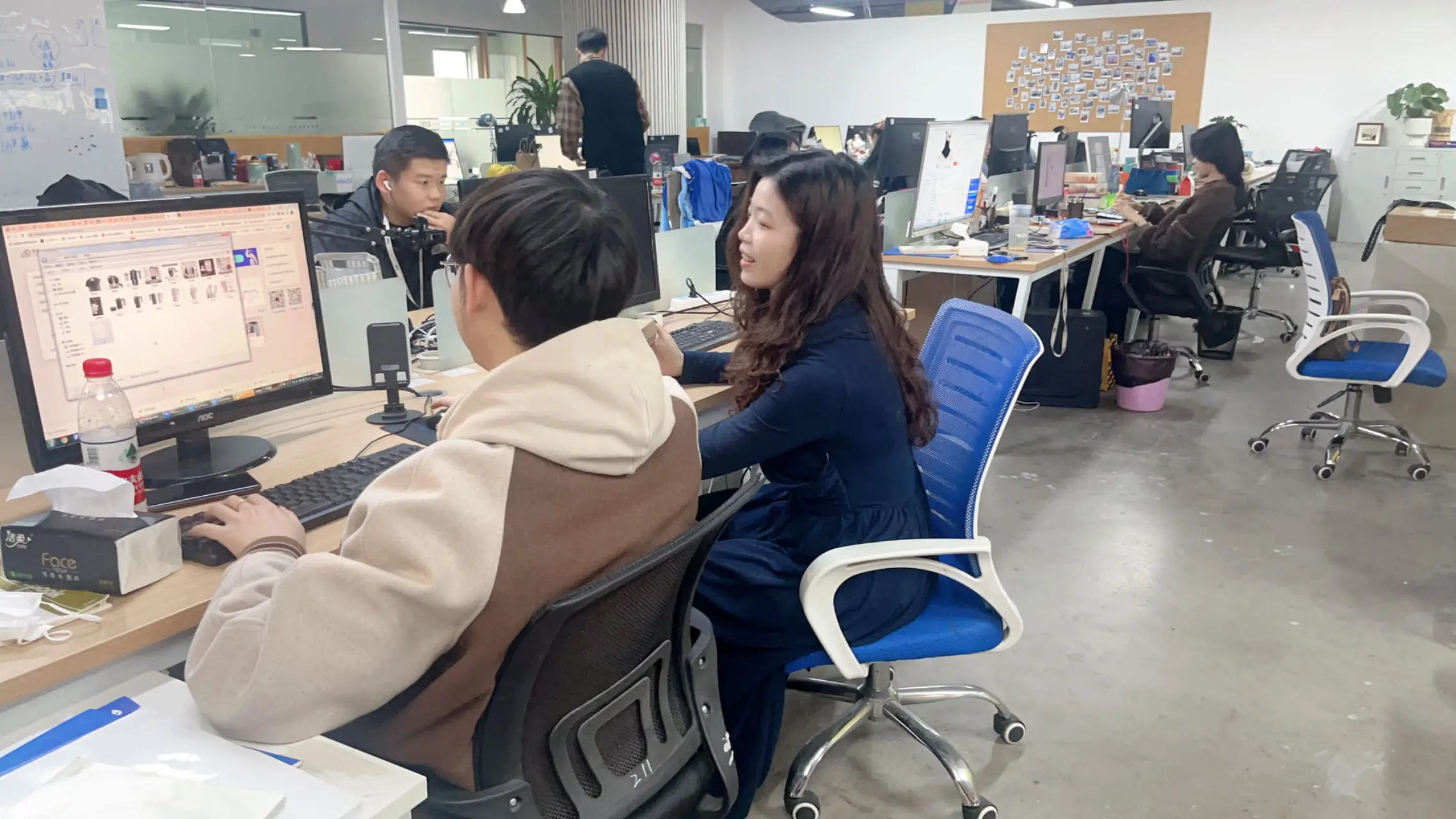
Chengdu Baifumei Import & Export Trading Ltd.
- Trading Company
- Sichuan, China
- Lead time15 days
- Avg. response≤ 1h
Main productsWater Bottles,Water Bottles,Tumblers,Mugs,Drinkware
Main marketsNorth America(70.00%), Mid East(10.00%), Western Europe(10.00%), Oceania(8.00%), Southeast Asia(2.00%)
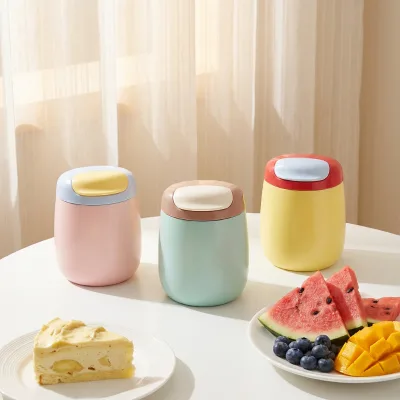
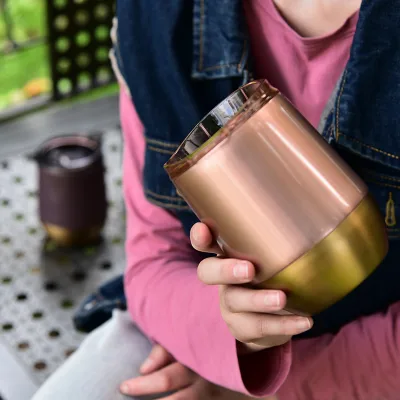
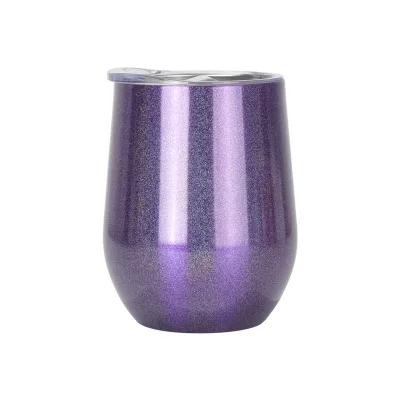
Wholesale 12oz 304 Stainless Steel U-Shaped Egg Cup With Lid Beer Cooling Cup Portable Eggshell Cup
$2.7556 - $3.2044
MOQ: 2 pieces

Yongkang Jianyang Metals Co., Ltd.
- Verified by SGS
- Combined
- China Zhejiang
- Lead time15 days
- Avg. response≤ 12h
Main marketsSouth America,Southeast Asia/ Mideast,East Asia(Japan/ South Korea),Domestic,Europe,North America


Wholesale 8oz Stainless Steel Tumbler Double Wall Vacuum Insulated Egg Shape Cup with Lid
$1.80 - $2.50
MOQ: 500 Pieces


Zhejiang Daian Commodity Co., Ltd.
- Verified by TUVRHEINLAND
- Combined
- China Shanghai
- Lead time45 days
- Avg. response≤ 8h
Main productsTumbler, Water Bottle, Stainless Steel Water Bottle, Travel Mug, Coffee Mug, Stainless Steel Tumbler, Mug, Plastic Cup, Barware, Pet Bowl
Main marketsSouth America,East Asia(Japan/ South Korea),Australia,North America

Customized Egg Shaped Double Wall Glasses Cups Stainless Steel Insulated 12oz Wine Tumbler
$2.20 - $2.80
MOQ: 1000 pieces

Multi-Color Egg Shaped Cup 12oz Double Walled Insulation Stainless Steel Beer Coffee Wine Tumbler
$2.02 - $2.50
MOQ: 1000 pieces

Anhui Ifun Import&Export Co., Ltd
- Verified by BV
- Combined
- China Anhui
- Lead time23 days
- Avg. response≤ 7h
Main productsWater Bottles, Stainless Steel Tumbler, Lunch Box, Food Container, Protein Shaker Bottle, Coffee Pot, Cooler Box
Main marketsSouth America,Africa,Southeast Asia/ Mideast,East Asia(Japan/ South Korea),Europe,Australia,North America
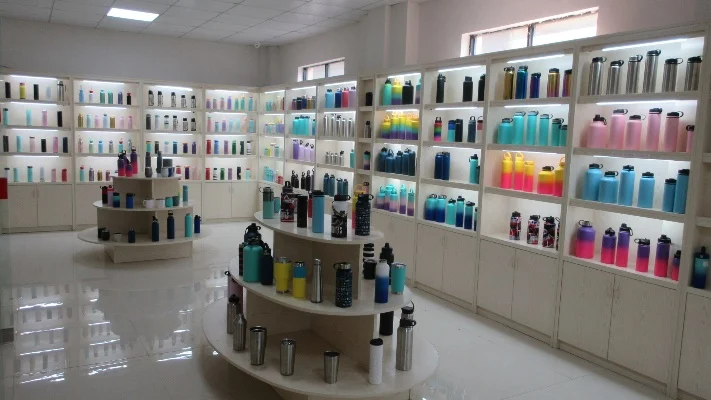
Hefei Caspian Trading Co., Ltd.
- Trading Company
- An'hui, China
- Lead time30 days
- Avg. response≤ 2h
Main productsdrink ware,kitchen ware,decoration product,sport product,outdoor product
Main marketsNorth America(30.00%), Western Europe(15.00%), Southern Europe(10.00%), South America(10.00%), Eastern Europe(10.00%), Northern Europe(9.00%), South Asia(5.00%), Southeast Asia(5.00%), Central America(5.00%), Africa(1.00%)
Yiwu Konvini Homeware Co., Ltd.
- Verified by TüVRheinland
- Trading Company
- Lead time7 days
- Avg. response≤ 2h
Main productsStainless Steeel Thermos Bottle, Stainless Steel Coffee Cup, Glass Cup, Plastic Sports Water Bottle
Main marketsNorth America(50%), South America(10%), Eastern Europe(10%)

Anhui Dream-China Technology Co., Ltd.
- Verified by SGS
- Combined
- China Anhui
- Lead time23 days
- Avg. response≤ 4h
Main productsUHF/VHF/Yagi/TV Antenna, LNB, MMDS Downconverter, Power Supply/Adapter, Cables, Diseqc Swithes/Spliter/Sat-Finder, Travel Mug, Fishing Net, Security Seal, SPD/Thermostat
Main marketsDomestic,Europe

12 Oz Stainless Steel Swig Cup Egg Shape Wine Insulated Tumbler Cup with Lid
$2.59 - $3.51
MOQ: 100 Pieces

Hot Sale Multi-Color Optional Egg Shaped Cup Can Customize 12oz Stainless Steel Beer Wine Cup
$2.85 - $4.35
MOQ: 100 Pieces
Xuzhou Dawn International Co., Ltd.
- Verified by SGS Group
- Trading Company
- Lead time30 days
- Avg. response≤ 6h
Main productsApparel, Bags, Office & Award, Drinkware, Outdoor & Sports
Main marketsNorth America(75%), South America(5%), Oceania(5%)

Anhui Beauty Home Technology Co., Ltd
- Verified by TUVRHEINLAND
- Trading Company
- China Anhui
- Lead time30 days
- Avg. response≤ 2h
Main productsStainless Steel Vacuum Thermos Cup, Smart Auto Cooling and Heating Cup Holder, Thermal Vacuum Flask, Ceramic Mug with Thermostat, Coffee Mugs, Reusable Plastic Cups, Glass Container, Stainless Steel Wine Accessories, Stainless Steel Vacuum Insulated Tumbler, Disposable PP Pet Cups
Main marketsSouth America


$1.35 - $2.32
MOQ: 500 Pieces

Anhui YOTO Import & Export Co., Ltd.
- Verified by SGS
- Manufacturer/Factory
- China Anhui
- Lead time23 days
- Avg. response≤ 2h
Main productsWater Bottle, Vacuum Flask, Cup & Mugs, Thermos, Plastic Water Bottles, Kid's Bottles, Tumblers, Sports Bottles
Main marketsSouth America,Eastern Europe,Mid East,North America,Southeast Asia,Eastern Asia,Western Europe,Africa

Sublimation Egg Cup 18/8 Keep Warm Cold Vacuum Mug Double Wall Insulated Cup 12oz 14oz with Handle
$1.68 - $2.98
MOQ: 100 Pieces

Shijiazhuang Persistence Technology Co., Ltd.
- Verified by TüVRheinland
- Trading Company
- Lead time15 days
- Avg. response≤ 2h
Main productsCeramic Mug, Stainless Steel Insulation Cup, Paper Bag, Plastic Bag
Main marketsNorth America(50%), Western Europe(30%), Southeast Asia(10%)

Shenzhen Kingline Technology Development Co., Ltd.
- Verified by BV
- Trading Company
- China Guangdong
- Lead time15 days
- Avg. response≤ 5h
Main productsShaker Bottle, Water Bottle, Sports Water Bottle, Pill Box, Stainless Steel Water Bottle, Vacuum Flask, Water Jug, Travel Water Bottle, Gym Water Bottle, Cycling Water Bottle
Main marketsSouth America,Southeast Asia/ Mideast,Europe,Australia,North America
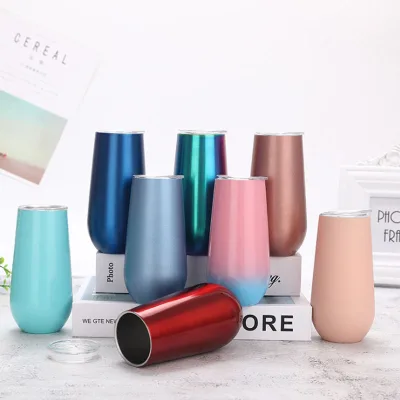
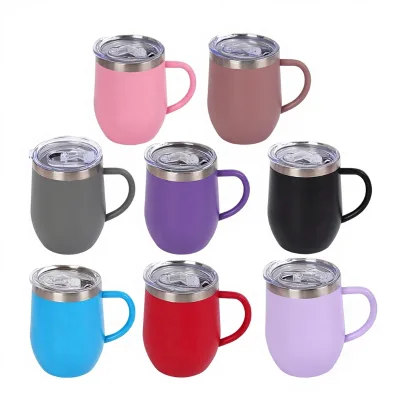


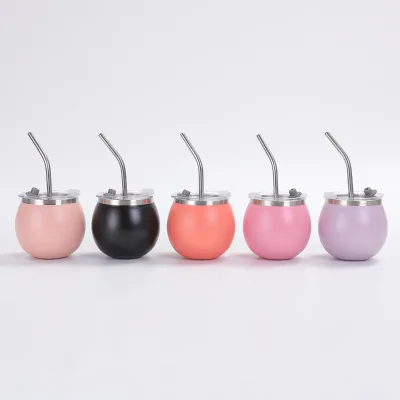
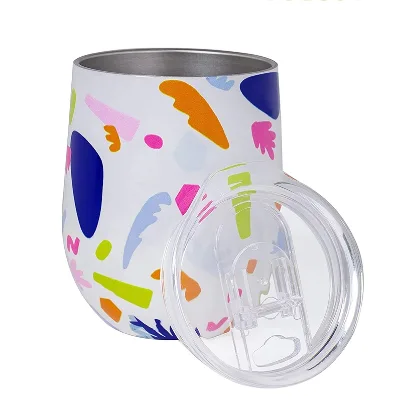
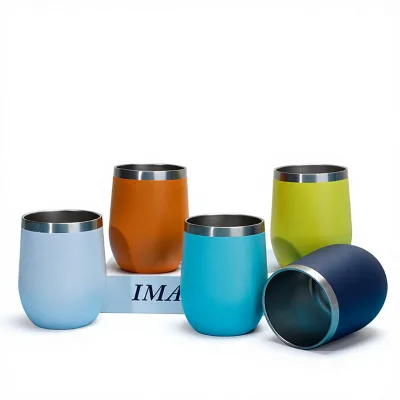
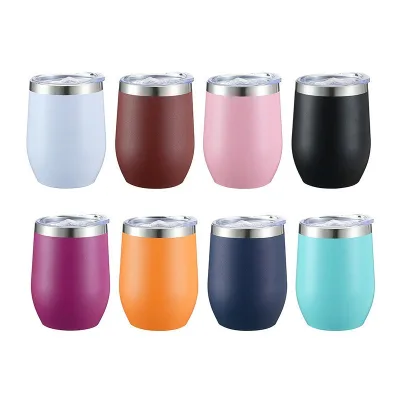


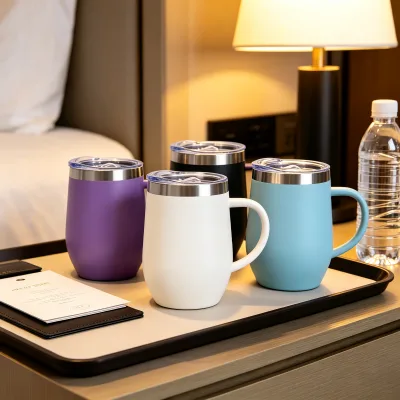
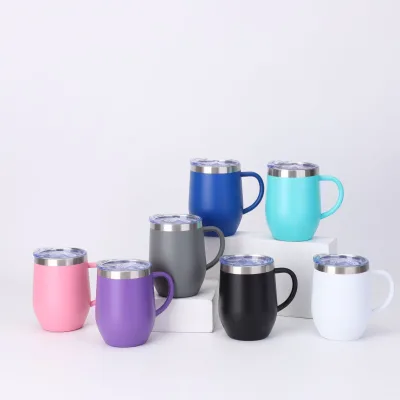
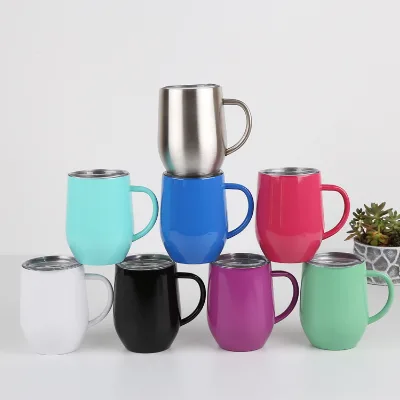


Comprehensive Sourcing Guide
Insulated Modern Egg Cup Supplier Concentration and Factory Types
Current search results indicate a concentration of suppliers located in China Anhui, with additional manufacturing capabilities observed in Zhejiang. These regions host a mix of trading companies and factories specializing in glass and stainless steel drinkware. Some suppliers list main products including glass jars, bottles, and various insulated cups, while others focus on stainless steel vacuum flasks and egg-shaped mugs. The presence of trading companies suggests a supply chain that aggregates goods from multiple factories, whereas direct manufacturers may offer more control over production specifications. Buyers should verify whether a supplier is a trading company or a factory to understand the depth of their manufacturing control and potential for customization.
When evaluating the factory type, look for evidence of specific production capabilities such as light customization, sample processing, and graphic processing. Some suppliers demonstrate capacity for customized packing and logo application, which is critical for branded orders. The product evidence shows a range of materials, from high white glass to 304 stainless steel, indicating that different facilities may specialize in distinct material types. Buyers must confirm if the supplier can handle the specific material required for their Insulated Modern Egg Cup project. Understanding the factory's primary output helps in assessing whether they can meet volume demands and technical requirements without relying on third-party subcontractors.
How to Verify Insulated Modern Egg Cup Suppliers
Verification is a critical step when sourcing insulated modern egg cups, as not all suppliers carry the same level of third-party validation. Some suppliers in the current results display verification badges from recognized bodies such as TÜV Rheinland or SGS Group, which serve as indicators of operational reliability. However, other suppliers may show no system certification or verification status, requiring buyers to exercise additional caution. It is essential to request proof of these certifications directly rather than relying solely on platform displays, as verification status can change or be misinterpreted. Buyers should treat unverified suppliers as higher risk until independent validation is completed.
Beyond certification, buyers should assess the supplier's response time and communication efficiency as a proxy for reliability. The data shows response times varying between two and four hours, which can influence the speed of order processing and issue resolution. A faster response time often correlates with better customer service and more active account management. Additionally, checking the supplier's main product list ensures they specialize in the relevant category, such as glass drinkware or stainless steel tumblers, rather than offering a broad, unfocused inventory. Confirming that the supplier has a history of handling similar products reduces the risk of quality mismatches and ensures they understand the specific nuances of insulated cup manufacturing.
What to Compare Across Insulated Modern Egg Cup Suppliers
When comparing suppliers, lead time is a primary metric that directly impacts inventory planning and market responsiveness. Current data indicates lead times ranging from ten to twenty-three days, with some specific product lines offering faster turnaround of seven to ten days. Buyers must distinguish between sample lead times, which may be five to seven days, and bulk production lead times, which can extend significantly longer. Comparing these figures across multiple suppliers helps identify those capable of meeting tight deadlines without compromising quality. It is also vital to verify if the stated lead time includes packaging and shipping preparation or if it covers only the manufacturing phase.
Minimum Order Quantity (MOQ) and pricing structures are equally critical factors in supplier selection. The observed MOQs vary widely, with some suppliers requiring as few as one unit for testing, while others mandate orders of two thousand pieces for glass products. Pricing data shows a range from approximately $0.55 to $2.88 per unit, depending on the material and complexity of the design. Buyers should compare these thresholds against their budget and volume requirements to avoid over-investing in inventory or facing prohibitive entry costs. Additionally, checking for customization options like logo printing and color variations ensures the supplier can meet specific branding needs without inflating the MOQ beyond acceptable limits.
Common Insulated Modern Egg Cup Sourcing Risks
One significant risk involves the discrepancy between product descriptions and actual manufacturing capabilities, particularly regarding material quality and insulation performance. While some listings claim thermal insulation performance of 12 to 24 hours, others specify 6 to 12 hours, and these claims require independent verification through third-party testing. Buyers should not assume that all listed specifications are accurate without requesting test reports or samples. The variation in material types, such as high white glass versus 304 stainless steel, also introduces risks related to durability and safety, especially if the supplier lacks rigorous quality control processes. Ensuring that all products undergo multiple quality checks is essential to mitigate these risks.
Another risk lies in the ambiguity of shipping and logistics arrangements, which can lead to unexpected costs and delays. Some suppliers offer to arrange shipping, while others may leave this entirely to the buyer, creating potential gaps in the supply chain. The lack of standardized packaging, with options ranging from bubble bags to corrugated boxes, can affect product safety during transit. Furthermore, the absence of detailed pricing information, often requiring a direct inquiry for a quotation, can obscure the true total cost of ownership. Buyers must clarify all shipping terms and packaging standards upfront to avoid hidden fees and ensure that the final delivered product meets the expected quality and safety standards.
Insulated Modern Egg Cup Regional Sourcing and Logistics
Sourcing from China Anhui and Zhejiang offers access to established manufacturing clusters, but buyers must navigate regional logistics carefully. Suppliers in these regions often have experience with international shipping, yet the specific logistics capabilities can vary significantly between trading companies and factories. Trading companies may offer more flexible shipping solutions by aggregating goods from multiple sources, whereas factories might have more rigid logistics protocols tied to their production schedules. Buyers should verify the supplier's ability to handle specific shipping requirements, such as pallet or carton packaging, to ensure goods arrive safely and on time. Understanding the regional infrastructure helps in anticipating potential bottlenecks during the shipping process.
Logistics planning must also account for the specific product attributes, such as weight and dimensions, which influence shipping costs and methods. The product data indicates varying weights, from 0.3 kg to 14 kg per gross weight, and different package sizes that affect container utilization. Buyers should request detailed shipping quotes that include all relevant fees, such as customs duties and insurance, to avoid unexpected expenses. Additionally, the availability of stock versus made-to-order items impacts lead times and shipping schedules. Suppliers with stocked items may offer faster dispatch, while custom orders require longer production and shipping windows. Clear communication regarding these logistics details is essential for successful order fulfillment.
Insulated Modern Egg Cup Commercial Terms and Order Planning
Commercial terms, particularly payment methods and sample policies, play a crucial role in order planning and risk management. The data shows that payment terms often include T/T, and samples may be available for free with freight collected. Buyers should clarify the exact conditions for sample requests, including who bears the shipping costs and the timeline for sample delivery. Understanding these terms helps in budgeting for initial product testing and ensures that the supplier is willing to support the evaluation process. It is also important to confirm if the supplier accepts customized packing and logo application, as these services often involve additional costs and lead time adjustments.
Order planning must also consider the scalability of the supplier's production capacity and their ability to handle promotional demands. Some suppliers indicate that promotions are available upon contact with sales, suggesting flexibility in pricing for larger or strategic orders. Buyers should plan their order volumes to align with the supplier's MOQ and lead time capabilities to avoid production delays. Additionally, verifying the supplier's capacity for light customization and graphic processing ensures that the final product meets brand standards. By carefully reviewing these commercial terms and planning orders accordingly, buyers can establish a reliable supply chain that supports their business goals while minimizing operational risks.
FAQs
What is the price range for insulated egg cups?
Glass double-wall egg cups typically cost between $0.55 and $1.10 per unit. Stainless steel vacuum-insulated options range from $2.59 to $2.88. Prices vary based on material, capacity, and customization requirements. Buyers should request detailed quotations to confirm final costs including discounts and shipping fees.
What is the minimum order quantity for these cups?
Minimum order quantities vary by product type. Glass double-wall cups generally require a minimum of 2,000 pieces. However, stainless steel vacuum-insulated mugs may have a minimum order of just one piece. Buyers should verify specific MOQs with suppliers before placing orders to ensure alignment with production capabilities.
How long does production take for custom orders?
Sample production typically takes five to seven days. Bulk production lead times range from seven to ten days for glass items. Stainless steel vacuum flasks may have a general lead time of ten days. Buyers should confirm exact timelines with suppliers, as customization and volume can affect delivery schedules.
Are these cups suitable for keeping drinks hot or cold?
Yes, stainless steel vacuum-insulated cups maintain temperature for twelve to twenty-four hours. Glass double-wall cups provide thermal insulation but are primarily designed for visual appeal and moderate temperature retention. Both types are suitable for hot and cold beverages, making them versatile for office, home, or travel use.
Can I customize the logo and packaging?
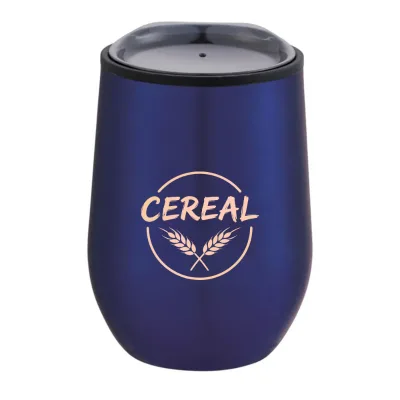
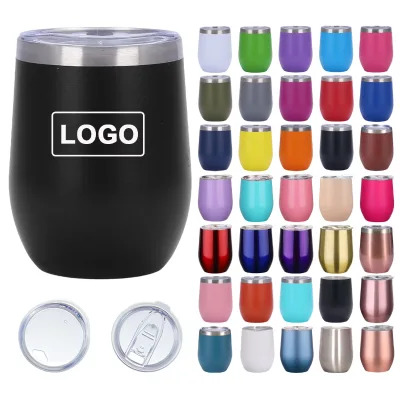
Customization is available for both glass and stainless steel cups. Buyers can request custom logos, colors, and packaging designs. Suppliers accept OEM orders and offer customized packing options. Buyers should contact sales representatives to discuss specific branding requirements and ensure compliance with supplier customization policies and minimum order thresholds.
What materials are used for insulated egg cups?
Glass cups are made from high white glass with double-wall construction. Stainless steel options use 304 stainless steel for vacuum insulation. Both materials ensure durability and safety. Glass cups often feature decal decoration, while stainless steel cups offer leak-proof designs with lids and straws for enhanced functionality and portability.