Heated Shiatsu Neck Massager Suppliers and Manufacturers
Explore 29 verified options for Heated Shiatsu Neck Massager from China Fujian and Guangdong. Compare lead times, certifications like ISO9001:2015, and response times to find suitable factories. Review product specifications and pricing to proceed with sourcing; review the available evidence before requesting comparable quotations from suitable candidates.
Updated
Suppliers List

Ningde Crius Electronic Co., Ltd.
- Verified by TUVRHEINLAND
- Combined
- China Fujian
- Lead time30 days
- Avg. response≤ 4h
Main productsMassage Chair, Jade Massage Bed, Massage Pillow, Tourmaline Bracelet, Foot Massager, Jade Mattress, Massage Cushion, Massage Belt, Eye Massager, Neck and Shoulder Massager
Main marketsAustralia
Shenzhen Kingstar Mould Co., Ltd.
- Verified by SGS Group
- Manufacturer, Trading Company
- Lead time15 days
- Avg. response≤ 9h
Main productsPlastic Product, Wireless Speaker, Massage Gun, Wireless Earbuds, Smart Watch
Main marketsNorth America(35%), Southern Europe(30%), Domestic Market(20%)
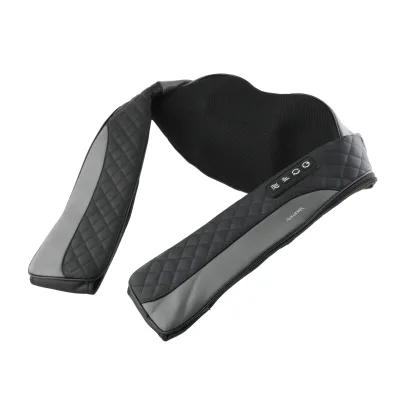
$14.49 - $19.49
MOQ: 50 pieces
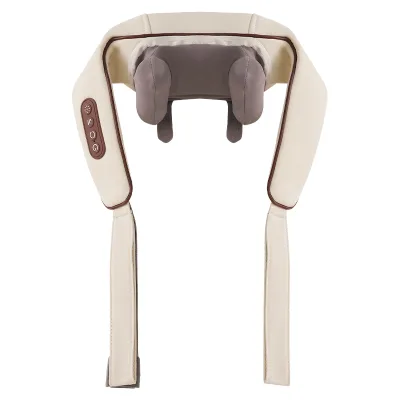
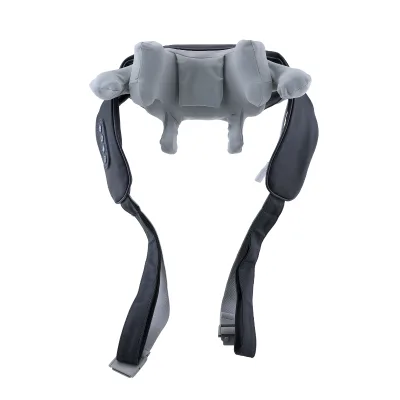
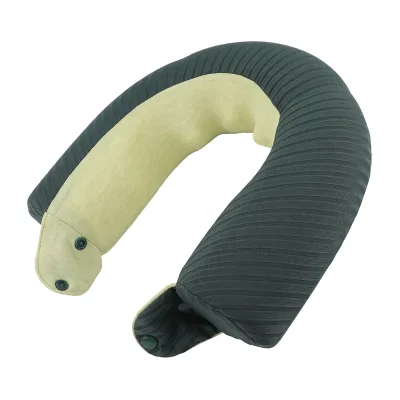

Shenzhen Pentasmart Technology Co., Ltd
- Verified by TUVRHEINLAND
- Combined
- China Guangdong
- Lead time30 days
- Avg. response≤ 4h
Main productsNeck Massager, Knee Massager, Massage Gun, Lumbar Massager, Head Massager, Massage Cushion, Mini Massager, Foot Massager, Eye Massager, Back Massager
Main marketsSoutheast Asia/ Mideast,East Asia(Japan/ South Korea),Domestic,Europe,North America

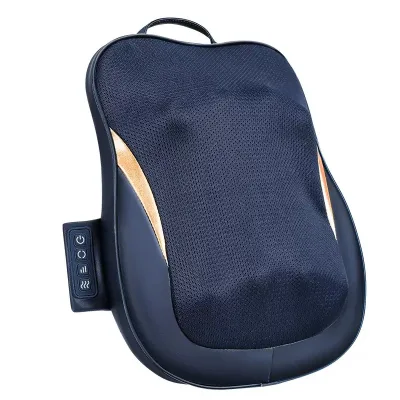
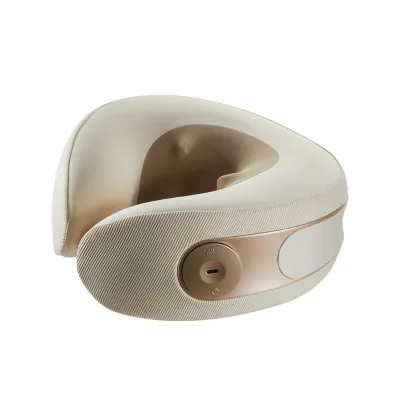
Heating Massage Pillow Cushion Neck Back Support Kneading Shiatsu Massager
$21.18 - $22.99
MOQ: 2 Pieces

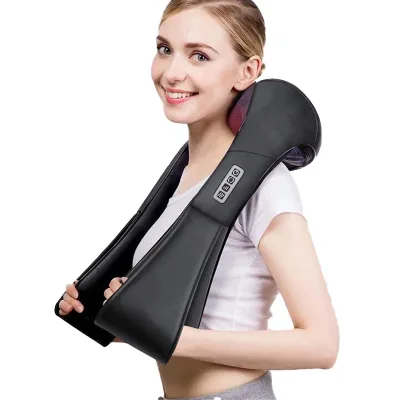
Kneading Neck Shoulder Massager with Heat Shiatsu Trapezius Muscle Massage Device
$13.75 - $18.70
MOQ: 2 Pieces

OEM Kneading Neck Shoulder Massager with Heat Shiatsu Neck Back Massage Device
$13.75 - $18.70
MOQ: 2 Pieces

$13.75 - $18.70
MOQ: 2 Pieces


Chenfeng Future (Fu'an) Technology Co., Ltd.
- Verified by SGS
- Manufacturer
- China Fujian
- Lead time15 days
- Avg. response≤ 10h
Main productsMassage Pillow, Massage Shawl, Massage Cushion, Massage Mattress

Shiatsu Neck Back Massager with Heat Wireless Rechargeable Electric Neck Massager
$11.90 - $13.90
MOQ: 50 Pieces


Fujian Forwell Health Tech. Co., Ltd.
- Verified by CTI
- Trading Company
- China Fujian
- Lead time0 days
- Avg. response≤ 2h
Main productsMassage Chair, Massage Pillow, Massage Cuhion, Foot Massager, Neck & Shoulder Massager, Massage Bed, Hand Massager, Massage Mattress


Neck Back Massager with Rolling Kneading Tapping Heating Waist Air Pressure Seat Vibration
$76.00 - $99.00
MOQ: 500 Pieces


Wenzhou Hexi Electronic Technology Co., Ltd.
- Verified by SGS
- Combined
- China Zhejiang
- Lead time23 days
- Avg. response≤ 7h
Main productsNeck and Back Massager, Massage Gun, Massage Pillow, Foot Massager, Beauty& Personal Care, Water Flosser, Eye Massager, Electric Toothbrush, Hair Curler, Knee Massager
Main marketsAfrica,Southeast Asia/ Mideast,Europe

Suzhou Wisdom Optimal Co., Ltd
- Verified by SGS
- Trading Company
- China Anhui
- Lead time15 days
- Avg. response≤ 1h
Main productsMassage Chair, Commercial Massage Chair, Salon Barber Chair, Shampoo Salon Bed, Massage Bed, Beauty Salon Furniture, Hair Washing Chair, Body Massagers
Main marketsSouth America,Southeast Asia/ Mideast

Kneading Neck Shoulder Massager with Heat Electric Shiatsu Neck Back Massager
$13.00 - $19.00
MOQ: 1 Pieces

Shiatsu Neck Shoulder Massager with Heat Portable Electric Kneading Massager
$9.90 - $25.00
MOQ: 2 Pieces
Lining (Fujian) Health Technology Co., LTD.
- Manufacturer, Trading Company
- Fujian, China
- Lead time15 days
- Avg. response≤ 2h
Main productsSmall Pieces Massage Equipment, Massage Chair
Main marketsNorthern Europe(25.00%), Southeast Asia(25.00%), Eastern Asia(15.00%), Western Europe(10.00%), Mid East(10.00%), North America(5.00%), South America(5.00%), Eastern Europe(5.00%)
- Trading Company
- Lead time旺季: "1 - 101":25,"> 101":"To be negotiated", 淡季: "1 - 101":25,"> 101":"To be negotiated"
- Avg. response≤ 2h
Main productsPilates Reformers, Treadmill, Exercise Bike, Dumbbell, Massage Guns
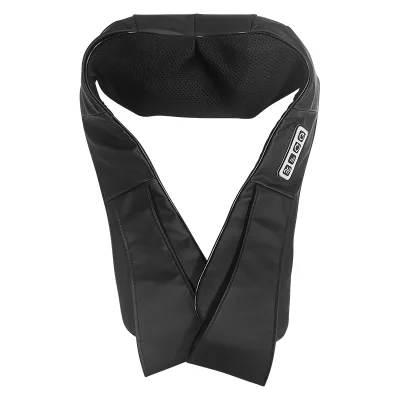
Deep Kneading Wireless Shiatsu Neck and Shoulder Massager with Electric Heating Feature
$6.63 - $6.82
MOQ: 101 pieces
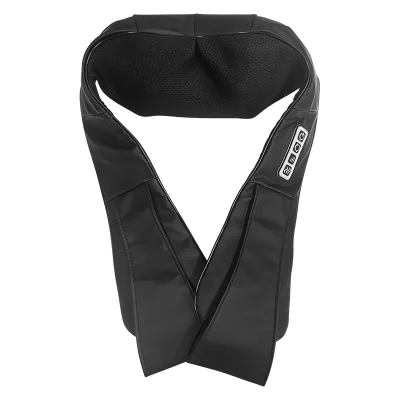
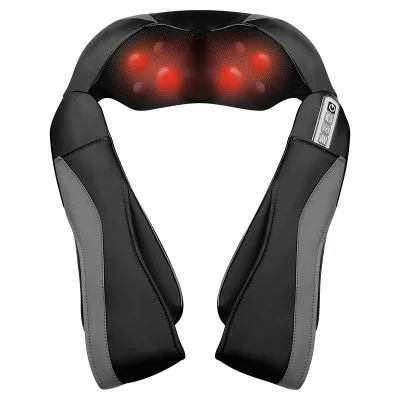
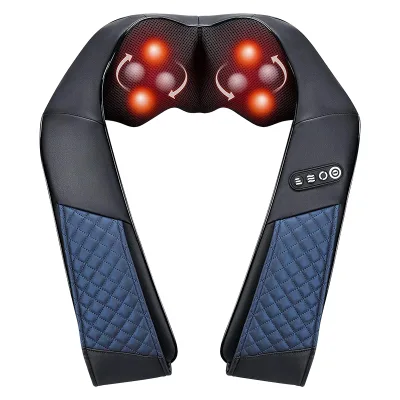
Electric Shiatsu Neck Heating & Kneading Massager Premium Comfortable Product Category
$9.60 - $10.00
MOQ: 100 pieces
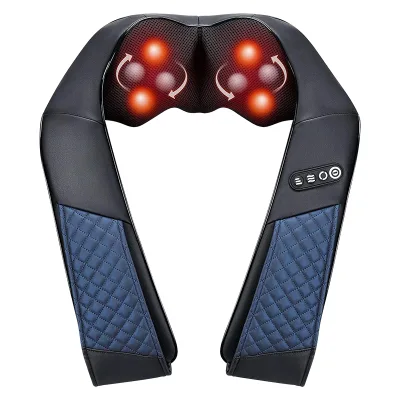
Electric Shiatsu Neck Heating & Kneading Massager Premium Comfortable Product Category
$9.8703 - $10.2823
MOQ: 100 pieces
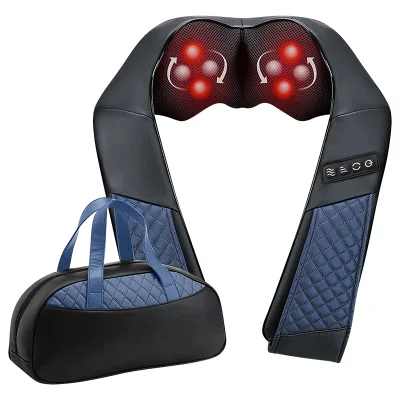
OEM Electric Neck Massager with Heating
$16.00 - $16.70
ZHEJIANG JUNCHANG ELECTRIC APPLIANCE CO., LTD
- Verified by SGS Group
- Manufacturer
- Zhejiang, China
- Lead time20 days
- Avg. response≤ 2h
Main productsNeck Massager, Leg Massager, Foot Massager
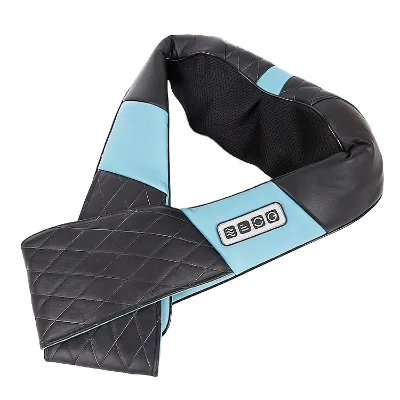
Shiatsu Electric Ultrasonic Magic Multifunctional Neck and Shoulder Massager
$13.00 - $15.00
MOQ: 100 pieces
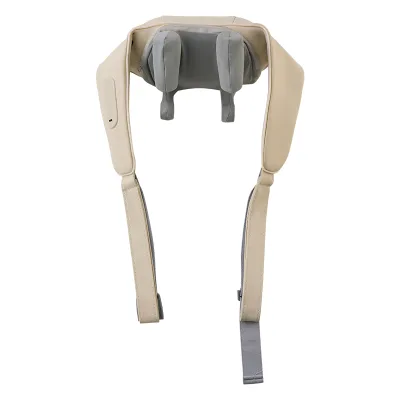
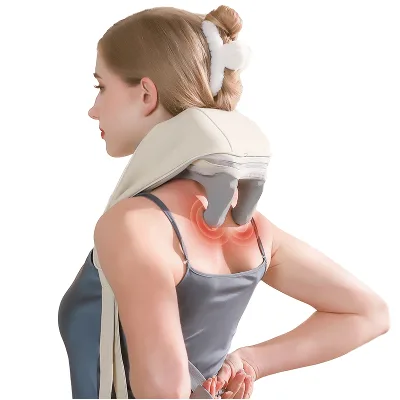
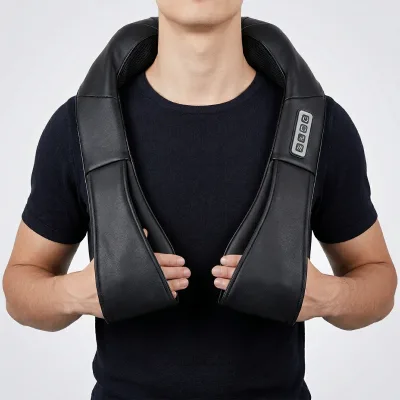
OEM Deep Tissue Neck and Back Massager with Heat 2026
$13.00 - $15.00

- Verified by SGS
- Trading Company,Manufacturer/Factory
- China Guangdong
- Lead time23 days
- Avg. response≤ 3h
Main productsBeauty Devices, Skin Care Instrument, LED Face Masks, Makeup Tools, Beauty Instrument (OEM/ODM), OEM / ODM Electronics, Beauty Device, Home Air Care Appliances, Furniture, Electric Bakhoor Burners
Main marketsSouth America,Eastern Europe,Mid East,North America,Southeast Asia,Eastern Asia,Oceania,Western Europe,Africa
Jinhua Xingbu Technology Co., Ltd.
- Manufacturer, Trading Company
- Lead time旺季: "1 - 500":10,"501 - 1000":15,"> 1000":"To be negotiated", 淡季: "1 - 500":10,"501 - 1000":15,"> 1000":"To be negotiated"
- Avg. response≤ 4h
Main productsFoot Massager, Vibration Plate, Shoulder Massager, LED Light Therapy Mask, Massage Pillow
Foshan Uski Intelligent Technology Co., Ltd.
- Manufacturer, Trading Company
- Guangdong, China
- Lead time0 days
- Avg. response≤ 24h
Main productsneck massager,head massager,waist massager,eye massager
Main marketsDomestic Market(80.00%), Eastern Asia(20.00%)

Zhejiang Todo Hardware Manufacture Co., Ltd.
- Verified by BV
- Manufacturer/Factory
- China Zhejiang
- Lead time120 days
- Avg. response≤ 7h
Main productsIndoor Fitness Equipment, Body Massager, Sports Equipment, Outdoor Fitness Equipment, Massage Tools, Slimming Equipment, Health & Care Equipment, Rehabilization Equipment, Electric & Electronics
Main marketsSouth America,Eastern Europe,Mid East,North America,Southeast Asia,Eastern Asia,Oceania,Western Europe,Africa

Car Home Shiatsu Heat Neck and Back Massage Pillow with Infrared Heat Neck Massager
$9.50 - $20.00
MOQ: 1 Pieces


Hangzhou Galileo Technology Co., Ltd.
- Verified by SGS
- Trading Company
- China Zhejiang
- Lead time15 days
- Avg. response≤ 1h
Main marketsOthers(foreignTradeCapacity.exportBusinessCapacityMarketOther)


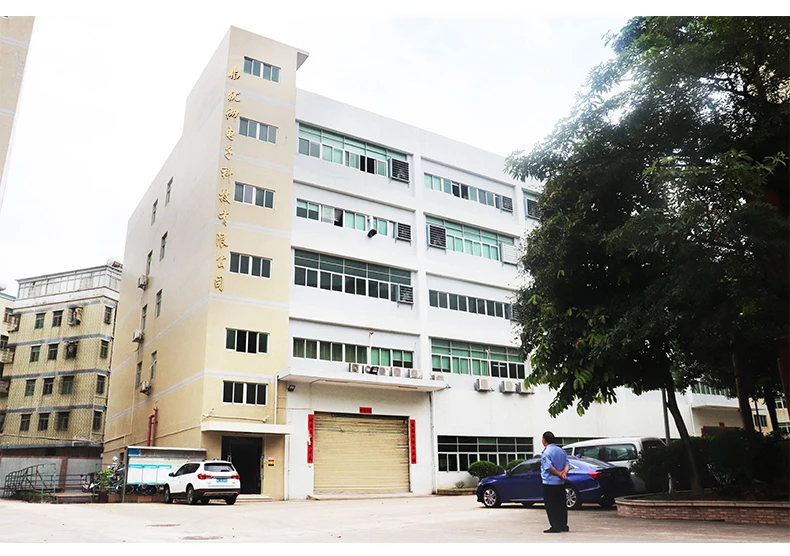
Philips-Wearable Neck and Shoulder Massager with Large Area Heating Therapy
$29.50 - $38.00
MOQ: 200 Pieces
SHENZHEN FUTURE ELECTRONIC CO., LTD.
- Manufacturer
- Guangdong, China
- Lead time30 days
- Avg. response≤ 5h
Main productsHead Massager,Eye Massager,Knee Massager,Massage Gun,Massager
Main marketsEastern Asia(40.00%), North America(40.00%), Western Europe(5.00%), South America(5.00%), Eastern Europe(5.00%), Southern Europe(3.00%), Northern Europe(2.00%)
Shenzhen Huayu Electronics Technology Co., Ltd.
- Manufacturer, Trading Company
- Guangdong, China
- Lead time15 days
- Avg. response≤ 3h
Main productsMenstrual Heating Pad, EMS Massage Belt, Light Shading Eye Mask, Heated Eye Massager Mask
Main marketsNorth America(30.00%), Western Europe(30.00%), Oceania(20.00%), Africa(10.00%), Southeast Asia(10.00%)
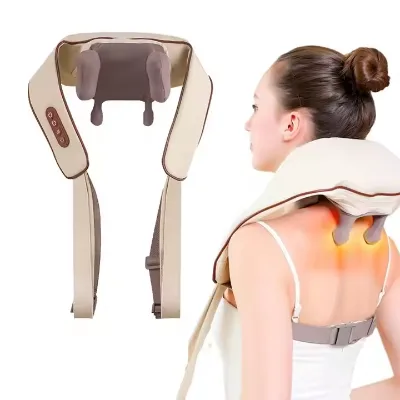
Custom Logo Neck & Shoulder Massager with Heated Vibration Shiatsu Technology for Pain Relief
$7.00 - $8.00
MOQ: 1 pieces
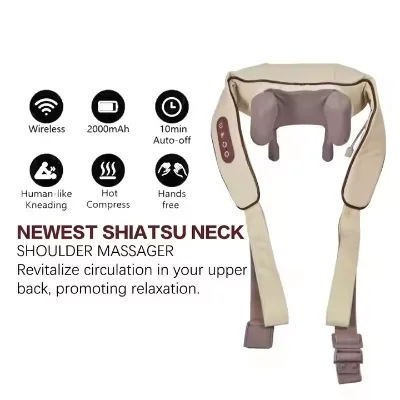
Hot Sale Electric Shiatsu Neck and Shoulder Relaxer with Heat Feature Cervical Massage Tool
$7.00 - $8.00
MOQ: 1 pieces
Jamooz (xiamen) Technology Co., Ltd.
- Verified by SGS Group
- Manufacturer, Trading Company
- Lead time20 days
- Avg. response≤ 2h
Main productsMassage Pillow, Neck Massage, Shoulder Massage, Back Massage, Beauty device
Main marketsEastern Asia(80%), Mid East(10%), Western Europe(10%)

Quanzhou E-Best International Trade Co., Ltd.
- Verified by BV
- Trading Company
- China Fujian
- Lead time30 days
- Avg. response≤ 4h
Main productsBluetooth Speaker, Phone Case, Power Bank, Beauty Device, Portable Projector, IP Poe Camera, Mouse, Air Fryer, Razors, Wireless Headphones
Main marketsNorth America
Shenzhen Chalk Art Tech Co., Ltd.
- Verified by TüVRheinland
- Trading Company
- Lead time15 days
- Avg. response≤ 5h
Main productsMassage Gun, Neck And Shoulder Massager, Knee Massager, Foot Massager, Electric Body Massager
Main marketsNorth America(30%), Western Europe(20%), Southern Europe(15%)
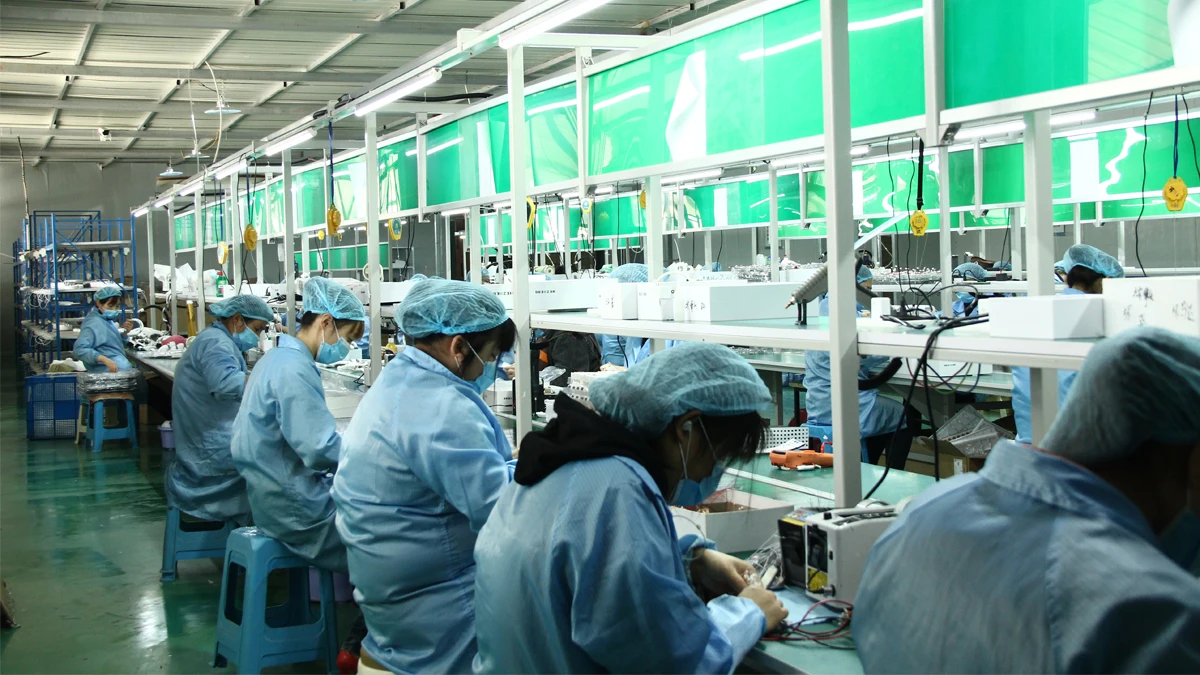
Hefei Hezheng Medical Technology Co., Ltd.
- Manufacturer, Trading Company
- Anhui, China
- Lead time25 days
- Avg. response≤ 4h
Main productsHead Massager, Neck Massager, Eye Massager, Knee Massager, Waist Massager
Main marketsDomestic Market(50.00%), Eastern Asia(25.00%), Eastern Europe(20.00%), Mid East(3.00%), North America(2.00%)
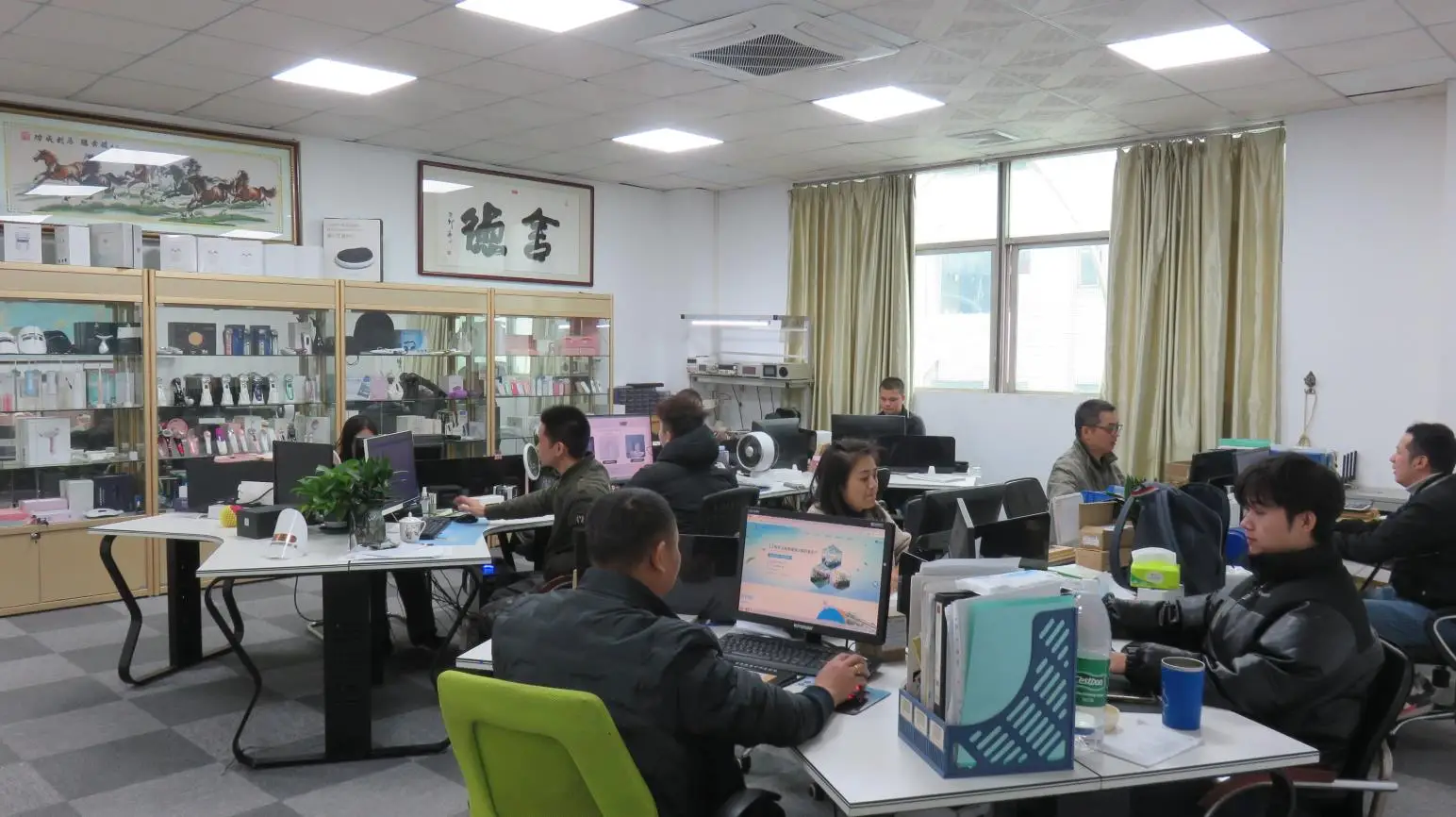
Shandong Chengchang Health Technology Co., Ltd.
- Trading Company
- Shandong, China
- Lead time15 days
- Avg. response≤ 4h
Main productsBeauty equipment,Massager,A protector,medical equipment,Health care equipment
Main marketsSoutheast Asia(20.00%), Domestic Market(15.00%), Mid East(10.00%), South America(5.00%), South Asia(5.00%), Southern Europe(5.00%), Northern Europe(5.00%), Central America(5.00%), Western Europe(5.00%), Eastern Asia(5.00%), Eastern Europe(5.00%), Oceania(5.00%), Africa(5.00%), North America(5.00%)
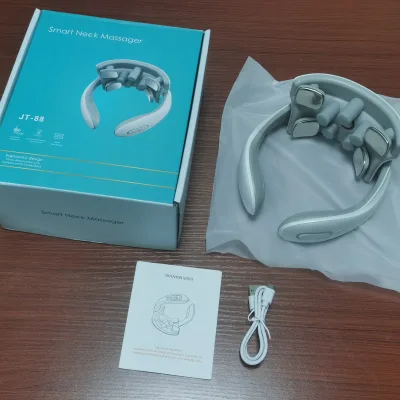
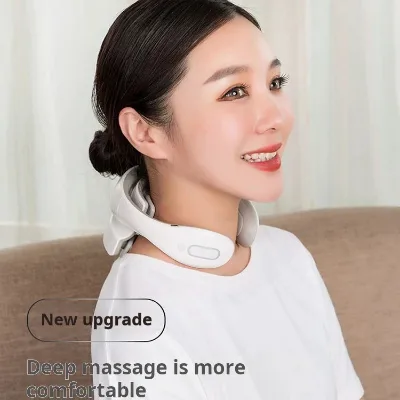
$7.0945 - $10.1789
MOQ: 2 pieces
$7.0945 - $10.1789
MOQ: 2 pieces
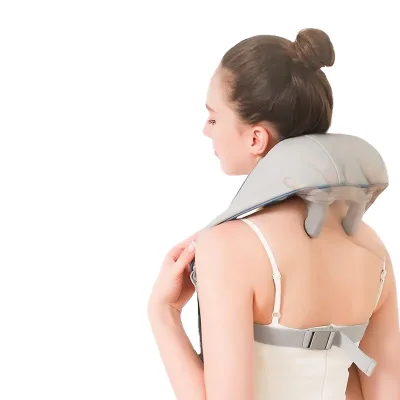
Electric 6D Heating Shiatsu Kneading Neck & Shoulder Massager Cordless with Infrared & Strap
$6.0789 - $9.1708
MOQ: 1 pieces
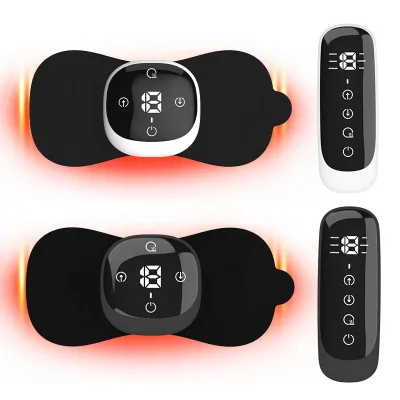
Shiatsu Shoulder and Neck Heat Massager Scientific Layout to Relieve Lower Back Pain Discomfort
$9.4734 - $11.223
MOQ: 2 pieces
Hangzhou Aiven Intelligent Technology Co., Ltd.
- Trading Company
- ZheJiang, China
- Lead time30 days
- Avg. response≤ 3h
Main productsFoot Spa Massager,Foot Massager,Neck Massager,Cupping Massager,EMS Massager
Main marketsDomestic Market(30.00%), Southern Europe(20.00%), Northern Europe(10.00%), Eastern Asia(10.00%), Southeast Asia(10.00%), Eastern Europe(10.00%), North America(10.00%)
Xiamen Vanfly Health Science & Technology Co., Ltd.
- Verified by SGS Group
- Manufacturer, Trading Company
- Lead time0 days
- Avg. response≤ 8h
Main productsAirbag Calf Foot Massager, Airbag Heat Vibration Knee Massager, Airbag Pump Hand Massager, Luxury Eye Massager, Air Compression Boots Leg Massager
Main marketsDomestic Market(100%)

- Trading Company
- China Zhejiang
- Lead time30 days
- Avg. response≤ 13h
Main productsHome Appliance, Cookware Set, Thermos, Home Storage, Furniture, Pet Supplies, Garden Tools, Outdoor Supplies, Baby Supplies, Houesehold Items
Main marketsSouth America,Africa,Southeast Asia/ Mideast,East Asia(Japan/ South Korea),Domestic,Europe,Australia,North America


Neck and Shoulder Massager with Heat Cordless Deep Tissue Electric 5D Shiatsu Kneading
$2.60 - $2.72
MOQ: 1000 Pieces

Shenzhen Kingstar Industrial Co., Ltd.
- Trading Company
- Guangdong, China
- Lead time15 days
- Avg. response≤ 23h
Main productsTWS Earphone,Bluetooth Speaker,Mini Fan,Massage Gun,Smart Watches
Main marketsNorth America(44.00%), Eastern Europe(22.00%), South America(22.00%), Southeast Asia(12.00%)

Anhui Xianwei E-Commerce Co., Ltd
- Verified by TUVRHEINLAND
- Manufacturer/Factory
- China Anhui
- Lead time0 days
- Avg. response≤ 6h
Main productsLamp, Cup, Tent
Main marketsSouth America,Eastern Europe,Mid East,North America,Southeast Asia,Eastern Asia,Oceania,Western Europe,Africa

$9.88 - $16.22
MOQ: 100 Pieces

$11.28 - $15.89
MOQ: 100 Pieces

$12.78 - $16.97
MOQ: 100 Pieces

Shenzhen Cresolar Technology Co., Ltd.
- Verified by Intertek
- Trading Company
- Lead time7 days
- Avg. response≤ 5h
Main productsMassage Gun, Head Massager, Neck Massager, Eye Massager
Main marketsNorth America(50%), Southeast Asia(20%), Western Europe(15%)

Shenzhen Wap-Health Technology Co., Ltd.
- Verified by SGS
- Combined
- China Guangdong
- Lead time15 days
- Avg. response≤ 9h
Main productsAed Cabinet, Aed Sign Aed Bracket Bags Pads, Aed Keychain Keyring, CPR Mask /Bvm, First Aid Emergency Rescue Products, Healthcare, Scaler Tips Curing Light Autoclave Sterilizer, Dental Handpiece Handpieces, Apex Locator & Endodontic Treatment, Dental Unit Kit Cartridge Amalgamator etc
Main marketsAustralia


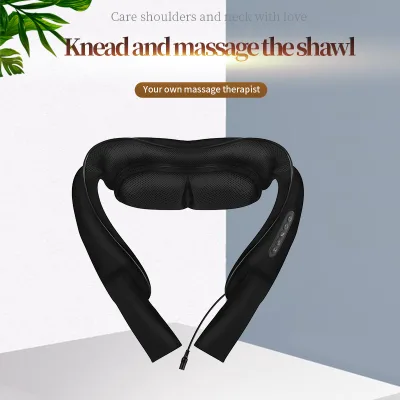
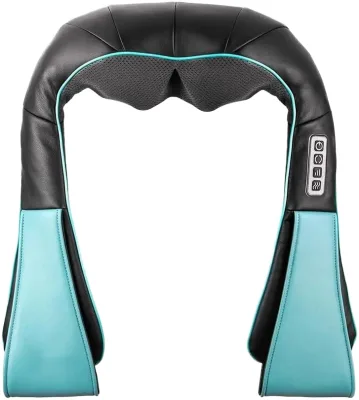
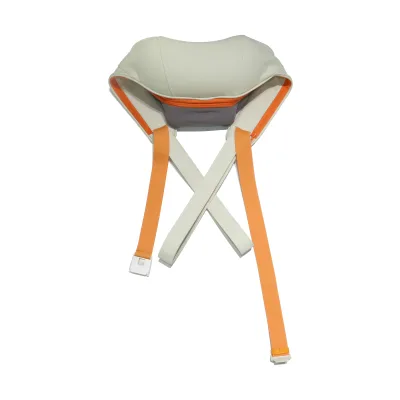
3D Shiatsu Shoulder Cordless Massage Shawl Relaxer Shoulder Neck Massager Belt with Heat
$7.48 - $14.48
MOQ: 2 Pieces




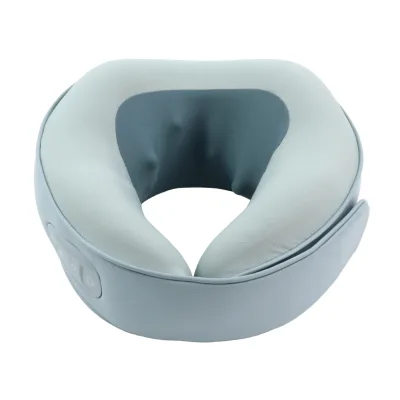
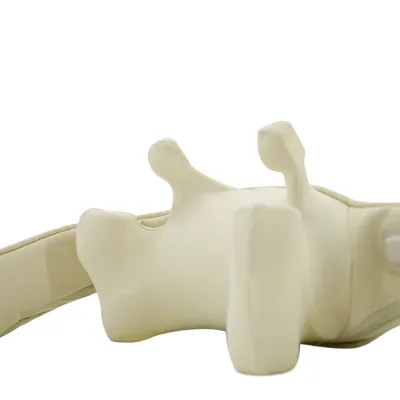
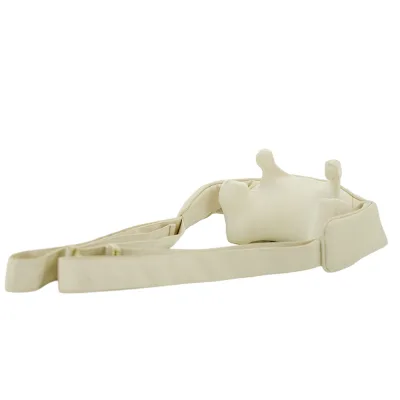
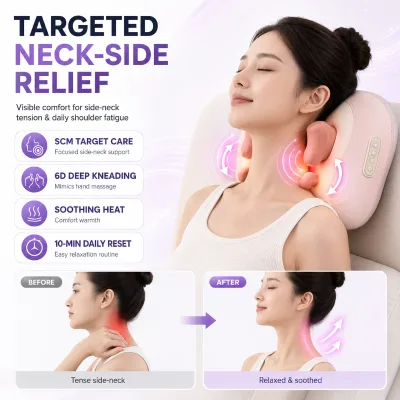



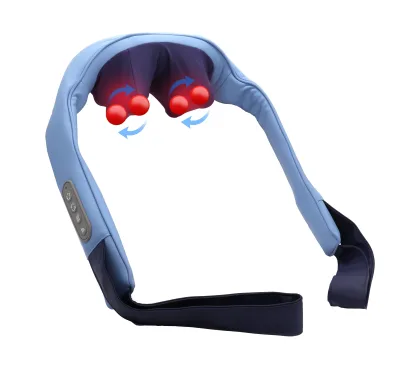
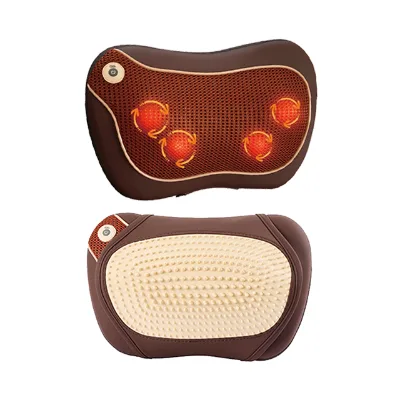
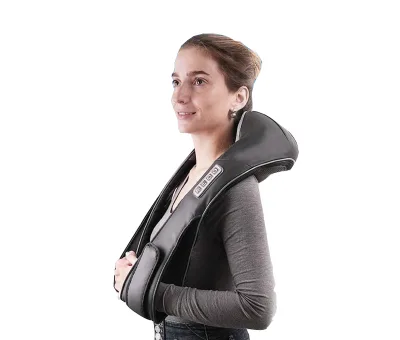
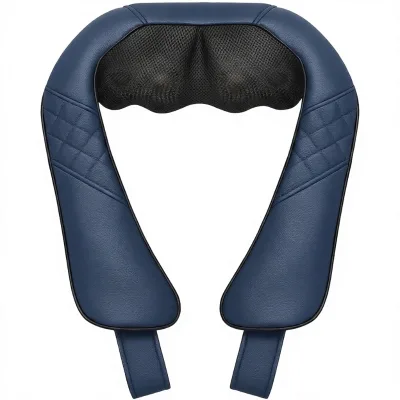
Comprehensive Sourcing Guide
Heated Shiatsu Neck Massager Supplier Concentration and Factory Types
The current supplier landscape for heated shiatsu neck massagers reveals a diverse mix of company types, primarily consisting of combined entities that operate as both manufacturers and trading companies. This hybrid structure is significant because it allows buyers to access direct factory pricing while benefiting from the logistical flexibility and product breadth often provided by trading arms. In the observed results, suppliers are identified as having combined capabilities, which suggests they can handle both production and export processes internally. This dual nature is particularly useful for buyers who need customized designs but also require the assurance of direct manufacturing oversight. The presence of these combined entities indicates a mature supply chain where vertical integration is common, allowing for better control over quality and lead times. Buyers should recognize that a "combined" label does not necessarily mean the supplier owns every piece of machinery, but rather that they manage the entire value chain from raw material sourcing to final shipment. This structure often results in more competitive pricing structures compared to pure trading companies, as the markup layers are reduced. However, it also requires buyers to verify the actual production capacity and factory location to ensure that the claims of manufacturing capability are accurate. The concentration of these types of suppliers suggests that the market is competitive, with many players offering similar OEM and ODM services. This competition drives innovation in features such as infrared heating and shiatsu kneading mechanisms, providing buyers with a wide array of options to choose from based on their specific market needs. Understanding this factory type dynamic is crucial for negotiating effectively, as it reveals where the supplier’s strengths lie in terms of production versus sales support.
In addition to the combined entity model, some suppliers in the results are explicitly categorized as manufacturers or trading companies, highlighting the spectrum of sourcing options available. The manufacturer-focused suppliers often emphasize their RD capacity, including ODM and OEM services, which is critical for buyers looking to develop unique product variations. For instance, one observed supplier highlights capabilities in sample processing, customized on demand, graphic processing, and light customization, indicating a flexible approach to product development. This flexibility is essential for brands that want to differentiate their heated shiatsu neck massagers in a crowded market. The trading company aspect, on the other hand, may offer a broader range of main products, such as wireless speakers or smart watches, which can be bundled with massage devices for cross-selling opportunities. This diversification can be advantageous for buyers who are looking for a one-stop-shop solution for multiple health and wellness products. However, it also means that the core competency in massage equipment might vary between suppliers. Buyers must carefully assess whether the supplier’s primary focus aligns with their specific needs for heated shiatsu technology. The presence of suppliers with main products like massage chairs and jade massage beds alongside neck massagers suggests that many companies have expanded their portfolios to capture broader health care trends. This expansion can lead to economies of scale in production, potentially lowering costs for individual items like the neck massager. Nevertheless, buyers should verify that the supplier’s expertise in neck massagers is not diluted by their broader product range, ensuring that the quality and innovation in the specific category remain high.
How to Verify Heated Shiatsu Neck Massager Suppliers
Verifying the credibility of Heated Shiatsu Neck Massager suppliers requires a multi-layered approach that goes beyond simple profile reviews. One of the most critical steps is to check for third-party verification badges, such as those from TÜV Rheinland or SGS Group, which indicate that the supplier has undergone rigorous audits of their business operations and manufacturing facilities. In the current results, suppliers are marked with these verifications, providing a baseline level of trust regarding their legal existence and operational integrity. However, verification badges alone are not sufficient; buyers must also scrutinize the specific certifications listed for the products themselves. For example, CE and RoHS certifications are frequently mentioned in the product attributes, indicating compliance with European safety and environmental standards. These certifications are essential for selling in regulated markets, and buyers should request copies of these certificates to ensure they are valid and up-to-date. Additionally, ISO9001:2015 system certification is observed in some supplier profiles, which speaks to the quality management systems in place during production. This standard ensures that the supplier has consistent processes for maintaining product quality, which is vital for electronic devices like heated massagers that involve complex circuitry and heating elements. Buyers should prioritize suppliers who display these specific certifications, as they reduce the risk of receiving non-compliant or unsafe products. It is also important to verify that the certifications are issued by recognized bodies and are applicable to the specific models being sourced, as generic certifications may not cover all product variations.
Beyond certifications, buyers should assess the supplier’s responsiveness and communication efficiency, as these factors often correlate with their overall professionalism and reliability. The response time metric is a key indicator of how quickly a supplier can address inquiries, provide quotations, or resolve issues. In the observed data, response times vary, with some suppliers showing a response time of 3.45 hours, while others may take longer. A faster response time suggests a more agile and customer-centric operation, which is crucial for managing supply chain disruptions or urgent orders. Buyers should test the supplier’s responsiveness by sending detailed inquiries about product specifications, customization options, and shipping terms. The quality of the response, including the depth of information provided and the clarity of communication, can reveal much about the supplier’s expertise. Furthermore, buyers should inquire about the supplier’s after-sales service policies, such as warranty periods and technical support availability. One observed product lists a one-year after-sale service, which is a standard expectation for electronic health devices. Buyers should confirm whether this service covers parts, labor, or both, and whether it is available internationally. Additionally, checking the supplier’s track record through customer reviews or trade assurance history can provide insights into their reliability. While specific review data is not provided in the current facts, buyers should look for indicators of repeat business or long-term partnerships. Combining verification of credentials with an assessment of communication and service policies creates a robust framework for evaluating supplier suitability, ensuring that the chosen partner can meet both quality and operational requirements.
What to Compare Across Heated Shiatsu Neck Massager Suppliers
When evaluating multiple suppliers for heated shiatsu neck massagers, buyers must compare key operational metrics to determine the best fit for their business needs. Lead time is a critical factor, as it directly impacts inventory management and time-to-market. In the current results, lead times vary, with some suppliers offering a 15-day lead time, while others indicate a 30-day lead time. A shorter lead time can be advantageous for buyers who need to respond quickly to market trends or replenish stock rapidly. However, buyers should also consider the reliability of these lead times, as delays can occur due to production bottlenecks or material shortages. Comparing lead times across suppliers helps buyers identify those with efficient production processes and robust supply chain management. Additionally, buyers should look for suppliers who offer flexible lead time options, such as expedited shipping for urgent orders. This flexibility can be a significant competitive advantage, allowing buyers to maintain stock levels without over-investing in inventory. It is also important to verify whether the lead time includes packaging and preparation for shipment, as some suppliers may quote production time only. By comparing these details, buyers can make more accurate forecasts and avoid potential delays in their supply chain. Understanding the nuances of lead time commitments helps buyers select suppliers who can align with their sales cycles and customer expectations.
Another crucial dimension for comparison is the Minimum Order Quantity (MOQ) and pricing structure, which affect the financial viability of the sourcing decision. The observed results show a wide range of MOQs, from as low as 2 units to as high as 300 units. This variation allows buyers with different scale requirements to find suitable partners, whether they are testing new markets or placing large bulk orders. Suppliers with lower MOQs are ideal for startups or those testing product-market fit, while higher MOQs may offer better unit economics for established brands. Pricing also varies significantly, with some products listed between $1.00 and $30.00, and others between $14.49 and $19.49. Buyers should analyze these price ranges in the context of the product features, such as the inclusion of remote controls, heating modes, and certifications. Higher prices may reflect better quality components, additional features, or stricter compliance standards. It is essential to compare the total cost of ownership, including shipping, tariffs, and potential return costs, rather than just the unit price. Additionally, buyers should inquire about price breaks for larger volumes, as this can significantly impact profitability. Customization options are another key differentiator, with many suppliers offering OEM services for branding and packaging. Buyers should compare the costs and minimums associated with customization to determine if it aligns with their branding strategy. By systematically comparing lead times, MOQs, pricing, and customization capabilities, buyers can make informed decisions that balance cost, speed, and quality, ensuring a successful sourcing outcome.
Common Heated Shiatsu Neck Massager Sourcing Risks
One of the primary risks in sourcing heated shiatsu neck massagers is the potential for product safety and compliance issues, particularly given the electrical and heating components involved. Buyers must be vigilant about verifying that all products meet the safety standards of their target markets, such as CE, RoHS, FCC, and TELEC certifications. While these certifications are often listed in supplier profiles, there is a risk that they may be outdated, forged, or not applicable to the specific model being purchased. Buyers should request current, valid certificates and cross-reference them with the issuing bodies to ensure authenticity. Additionally, the heating function poses a risk of overheating or burns if the temperature control mechanisms are faulty. Buyers should inquire about the safety features built into the massagers, such as automatic shut-off timers and thermal fuses. One observed product mentions a working time of 15 minutes, which suggests a built-in timer to prevent excessive use. However, buyers should verify that this feature is consistent across all units and that the supplier has rigorous quality control processes to ensure its reliability. Failure to address these safety risks can lead to product recalls, legal liabilities, and damage to brand reputation. Therefore, buyers must prioritize suppliers who demonstrate a strong commitment to product safety and compliance, rather than those who offer the lowest prices without adequate verification. Conducting third-party product testing before placing large orders is a prudent step to mitigate these risks and ensure that the products meet all regulatory requirements.
Another significant risk is the variability in product quality and consistency, which can arise from differences in manufacturing processes and component sourcing. Even among suppliers with similar certifications, the actual quality of the heated shiatsu neck massagers can vary based on the quality of the motors, heating elements, and electronic controls. Buyers should request samples to evaluate the build quality, massage effectiveness, and durability of the products. Inconsistent quality can lead to high return rates and customer dissatisfaction, which can be costly and damaging to the brand. Additionally, there is a risk of intellectual property infringement if the supplier uses proprietary designs or technologies without authorization. Buyers should ensure that their custom designs are protected and that the supplier has a clear policy against copying or sharing their designs with competitors. Furthermore, the risk of supply chain disruptions, such as delays in component delivery or production halts, can impact the ability to meet customer demand. Buyers should assess the supplier’s supply chain resilience by inquiring about their backup suppliers and inventory management practices. Suppliers with diversified supply chains and robust risk management strategies are better equipped to handle disruptions. By proactively addressing these quality and consistency risks through thorough sampling, IP protection, and supply chain assessment, buyers can safeguard their business operations and maintain customer trust. It
FAQs
What is the price range for heated shiatsu neck massagers?
Prices typically range from $1.00 to $31.00 per unit depending on the model and customization options. Basic electric models start around $1.00, while standard Shiatsu infrared heated units generally cost between $14.49 and $31.00. Buyers should verify specific pricing for bulk orders as costs vary by supplier and specifications.
What certifications do these massagers have?
Most heated shiatsu neck massagers carry CE and RoHS certifications to ensure safety and compliance. Some suppliers also hold ISO9001:2015 system certification for quality management. Additional certifications like FCC and TELEC may be available for specific models. Buyers should request valid certificates to confirm regulatory compliance for their target markets.
What is the typical lead time for orders?
Lead times generally range from 15 to 30 days for production and delivery. Some suppliers offer faster turnaround times of 15 days, while others require up to 30 days. Buyers should confirm exact lead times with suppliers before placing orders, as production schedules and customization needs can affect delivery dates significantly.
What is the minimum order quantity for these products?
Minimum order quantities vary significantly, ranging from 2 units for some suppliers to 300 units for others. Most standard suppliers require a minimum of 50 units. Buyers seeking small batches should look for suppliers with lower MOQs, while those needing bulk inventory should target suppliers with higher volume requirements.
Where are these massagers manufactured?
Manufacturing locations primarily include Fujian and Guangdong provinces in China. Specific origins like Ningde in Fujian are common for these products. Buyers should verify the exact place of origin on product listings to ensure alignment with their sourcing preferences and potential logistics considerations for international shipping.
Do suppliers offer OEM and customization services?
Yes, many suppliers provide OEM services and customization options for heated shiatsu neck massagers. Features like color, branding, and packaging can often be tailored to buyer requirements. Some suppliers also offer ODM capabilities. Buyers should discuss specific customization needs directly with suppliers to confirm feasibility and any associated costs.
How quickly do suppliers respond to inquiries?
Response times vary, with some suppliers responding within 3.45 hours and others taking up to 9 hours. Faster response times indicate active customer service teams. Buyers should prioritize suppliers with quicker response rates to ensure efficient communication throughout the sourcing and negotiation process for their orders.