High Accuracy Manual Soybean Seeder Suppliers and Manufacturers
Source High Accuracy Manual Soybean Seeder options from 28 verified suppliers in China. Compare ISO 9001 certified factories with lead times around 23 days and prices from $50 to $120. Contact suppliers directly to request custom OEM specifications and verify MOQ requirements.
Updated
Suppliers List

- Manufacturer/Factory,Group Corporation
- China Hubei
- Lead time23 days
- Avg. response≤ 6h
Main productsAgro Machine, Food Machine, Milking Machine, Tractor, Parboiled Rice Milling Machine, Thresher, Harvester, Solar Dryer, Seeder, Biogas Products
Main marketsSouth America,Eastern Europe,Mid East,North America,Southeast Asia,Eastern Asia,Oceania,Western Europe,Africa


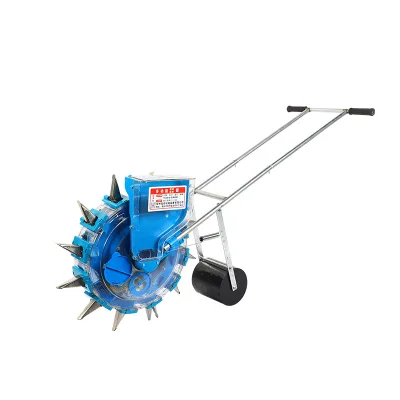
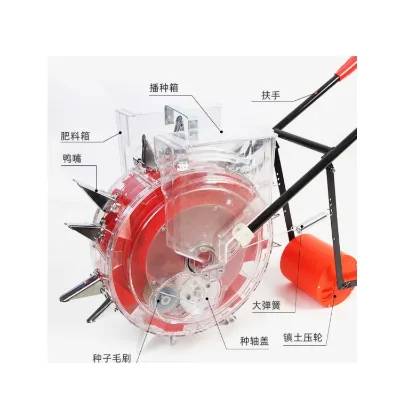
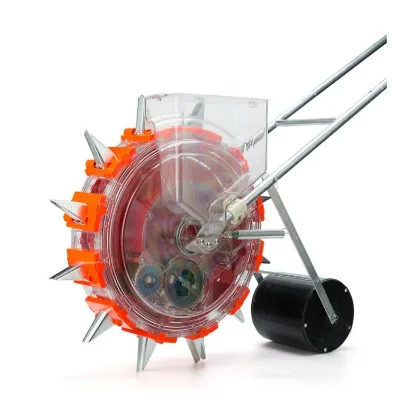
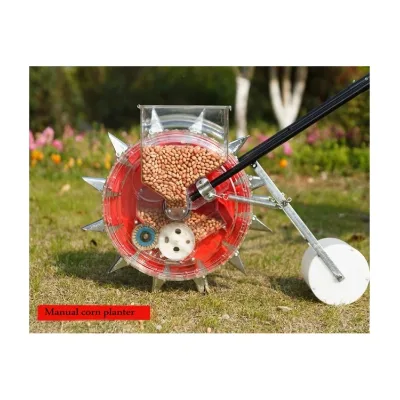
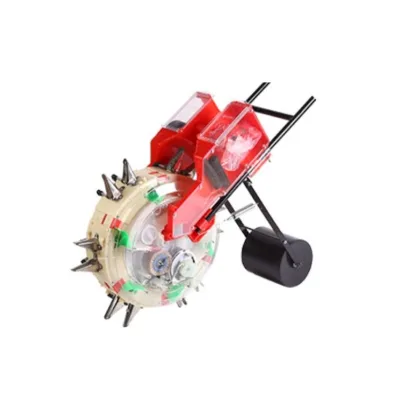
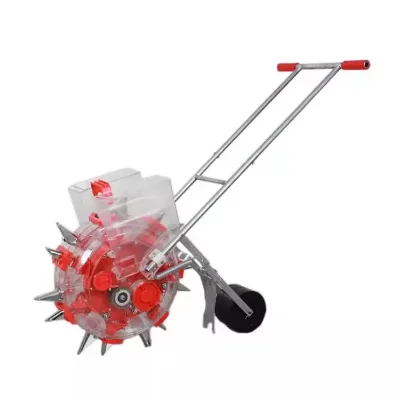
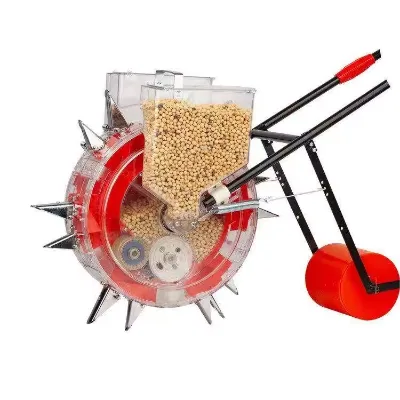
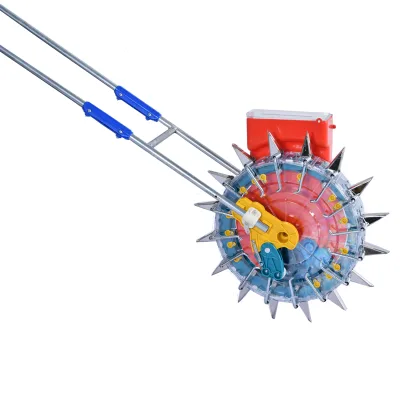
Manual Multi Seeder Sales Single Row Maize Corn Wheat Maize Cotton Bean Seeder
$80.00 - $99.00
MOQ: 10 Pieces

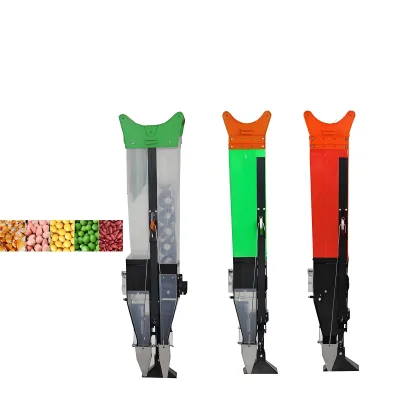
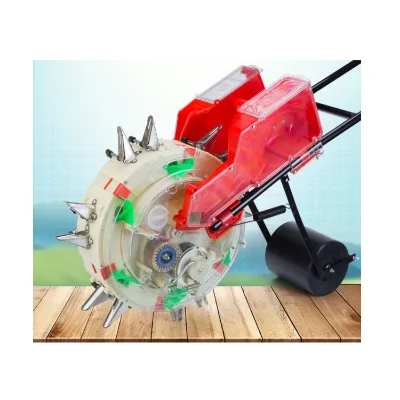
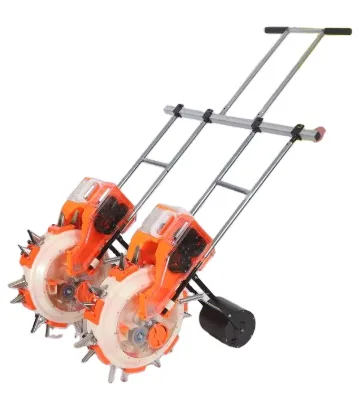
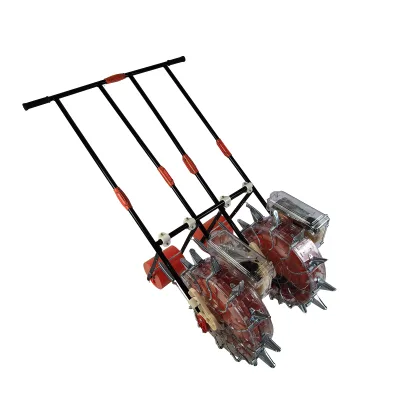
Multi Function Fertilizer Seeding Machine Three Rows Corn Soybean Seeder Adjustable Seeder
$58.00 - $102.00
MOQ: 1 Pieces

Taizhou Hongxiang Agricultural Technology Co., Ltd.
- Verified by SGS
- Manufacturer/Factory
- China Zhejiang
- Lead time15 days
- Avg. response≤ 16h
Main productsSeeder, Corn Threshing Machine, Sprayers, Agricultural Tools, Garden Tools, Agriculture, Machinery
Main marketsSouth America,Eastern Europe,Mid East,North America,Southeast Asia,Eastern Asia,Oceania,Western Europe,Africa


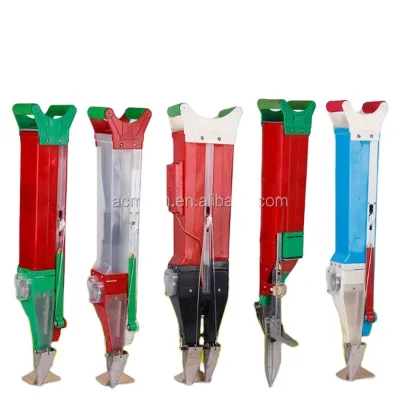
High Productivity 12 Mouth Manual Reliable Soybean Seeder for Peanut Planting
$36.00 - $42.00
MOQ: 1 Pieces


Shandong Liying Agricultural Technology Development Co., Ltd.
- Verified by BV
- Trading Company
- China Shandong
- Lead time15 days
- Avg. response≤ 4h
Main productsTractor, Disc Plough, Disc Harrow, Power Tiller, Corn Seeder, Vegetable Seeder, Farm Trailer, Fertilizer Spreader, Mower, Potato Harvester
Main marketsSouth America,Africa,Southeast Asia/ Mideast


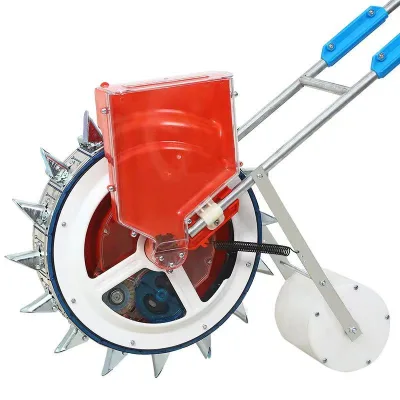
Factory Supply Seeder Planter for Corn/Cotton/Soybean Peanut/Maize Planter Manual Seeder
$50.00 - $55.00
MOQ: 1 Pieces


Jiaozuo Fineway Trading Co., Ltd
- Verified by BV
- Trading Company,Manufacturer/Factory
- China Henan
- Lead time23 days
- Avg. response≤ 2h
Main productsTortilla Roti Pita Machines, Bakery Equipment, Textile Machines, Milk and Yogurt Production Machine, Chocolate Processing Machines, Candy Making Machines, Meat Processing Machines, Vegetable Processing Machine, Sausage Production Line, Juice Making Production Line
Main marketsSouth America,Eastern Europe,Mid East,North America,Southeast Asia,Eastern Asia,Oceania,Western Europe,Africa
Taizhou Order Import & Export Co., Ltd.
- Verified by TüVRheinland
- Trading Company
- Lead time25 days
- Avg. response≤ 4h
Main productsAgriculture Sprayer, Garden Sprayer, Power Sprayer, Domestic Sprayer, Sprayer Parts
Main marketsSoutheast Asia(30%), Africa(25%), North America(10%)
Beijing Worldlink Commerce Co., Ltd.
- Verified by Intertek
- Trading Company
- Lead time0 days
- Avg. response≤ 2h
Main productsSeeders & Transplanters, Agricultural Sprayers, Cultivators, Tractors, Harvesters
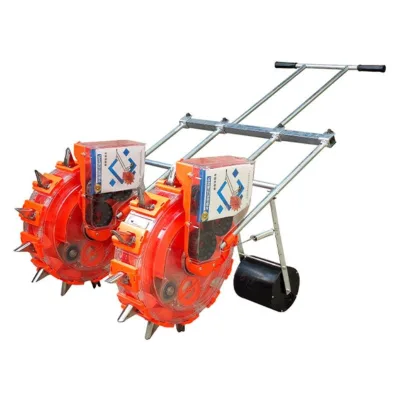
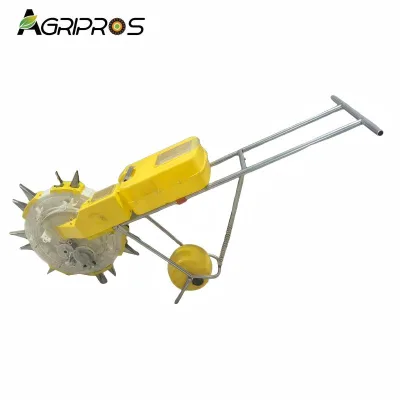
$38.0433 - $72.6936
MOQ: 5 Minimum

Linyi Taixin Industry and Trade Co., Ltd.
- Verified by SGS
- Combined
- China Shandong
- Lead time15 days
- Avg. response≤ 2h
Main productsHand Push Planter, Transplanting Machine, Manual Fertilizer Applicator, Backpack Electric Sprayer
Main marketsSouth America,Africa


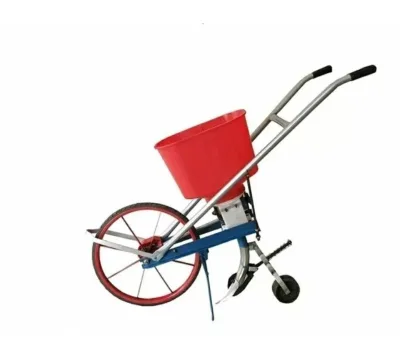
Multi-Functional Agricultural Single-Row Adjustable Manual Corn Soybean Seeder
$42.00 - $47.00
MOQ: 1 Sets


Qingdao Hans Machinery Technology Co., Ltd.
- Manufacturer, Trading Company
- Shangdong, China
- Lead time0 days
- Avg. response≤ 6h
Main productsAgricultural planter,agricultural sprayer,agricultural harvester,field manage machine,paddy field machinery
Main marketsAfrica(40.00%), North America(30.00%), Southern Europe(10.00%), South America(6.00%), Eastern Europe(5.00%), Central America(4.00%), Eastern Asia(3.00%), Northern Europe(2.00%)
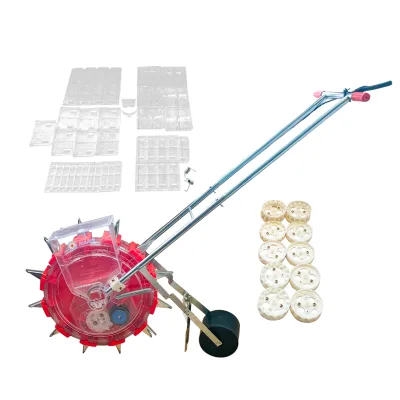
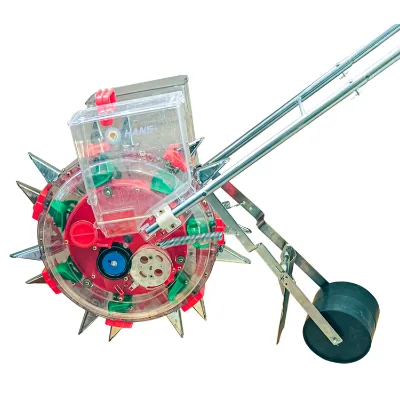
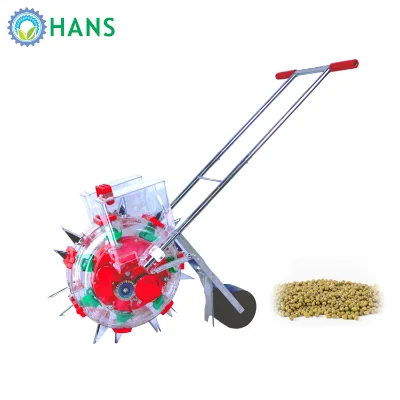
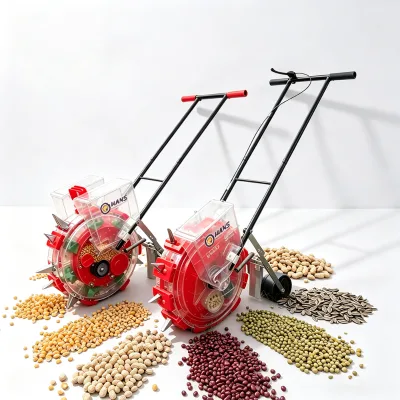
All New Design High Precision Manual Vegetable Seeder Machine Corn Beans Sunflower Maize Seeder
$46.6213 - $64.2338
MOQ: 1 pieces

Yucheng Leyuan Machinery Co., Ltd.
- Verified by SGS
- Combined
- China Shandong
- Lead time23 days
- Avg. response≤ 6h
Main productsDisc Harrow, Disc Plough, Mower, Cultivator, Share Plow, Farm Trailer, Seeder Machine, Thresher Machine, Agricultural Machinery Spare Parts
Main marketsSouth America,Africa,Southeast Asia/ Mideast,Domestic,Europe

Taizhou Kesiwo Garden Tools Co., Ltd.
- Verified by SGS
- Trading Company,Manufacturer/Factory
- China Zhejiang
- Lead time23 days
- Avg. response≤ 11h
Main productsPower Sprayer, Water Pump, Brush Cutter, Seeder, Multi-Function Weeder, Tiller, Garden Tools, Saw, Earth Augur, Lithium Battery Scissors
Main marketsSouth America,Eastern Europe,Mid East,North America,Southeast Asia,Eastern Asia,Oceania,Western Europe,Africa


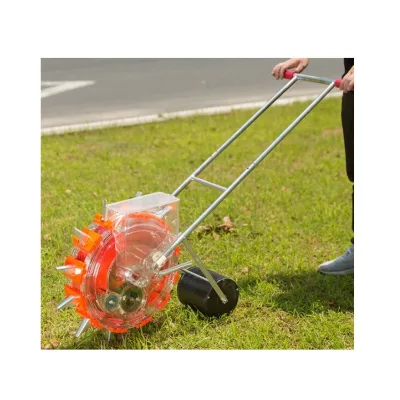
Handheld Precision Seeder for Corn, Soybean, Peanut, Cotton and Wheat Planting
$37.00 - $41.00
MOQ: 5 Pieces

Shanghai Huanyu Zongheng Trading Co., Ltd.
- Trading Company
- Shanghai, China
- Lead time0 days
- Avg. response≤ 1h
Main productsagricultural sprayers,brush cutter,agricultural machinery,agricultural drones,farm tools
Main marketsSouth Asia(20.00%), Central America(20.00%), Mid East(20.00%), Southeast Asia(20.00%), North America(20.00%)
Henan kellen machinery equipment co., ltd.
- Verified by Intertek
- Manufacturer, Trading Company
- Lead time0 days
- Avg. response≤ 3h
Main productsRound Tube Polishing Machine, Small Desktop Polishing Machine, Vibrating Polishing Machine, Flat Polishing Machine, Deburring Machine
Main marketsNorth America(45%), South America(15%), Mid East(10%)
Henan Jikangyuan Environmental Protection Technology Co., Ltd.
- Verified by Intertek
- Manufacturer, Trading Company
- Lead time0 days
- Avg. response≤ 2h
Main productsWater Treatment Equipment, Biogas Treatment Equipment, Feed Processing Machine, Agricultural Machinery

Shandong King Machinery Co., Ltd.
- Verified by CTI
- Trading Company,Manufacturer/Factory
- China Shandong
- Lead time150 days
- Avg. response≤ 3h
Main productsCombine Harvester, Corn Harvester, 50-260HP Tractor, Rice Harvester, 440HP Tractor
Main marketsMid East,North America,Africa
Taizhou Guangfeng Plastic Co., Ltd.
- Verified by Intertek
- Manufacturer, Trading Company
- Lead time20 days
Main productsManual Sprayer, Battery Sprayer, Sprayer Parts, Garden Sprayer
Main marketsAfrica(45%), Southeast Asia(22%), Domestic Market(16%)
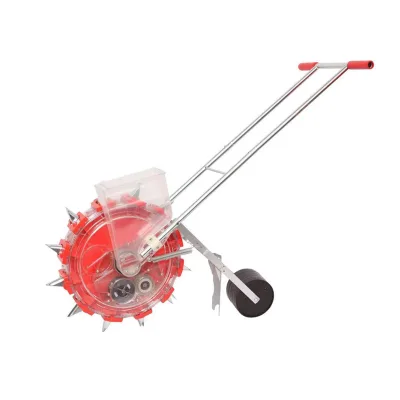
Agricultural Corn Seeder Precision Corn Seeder Onion Seeder Manual Machine
$37.1427 - $41.2702
MOQ: 100 pieces
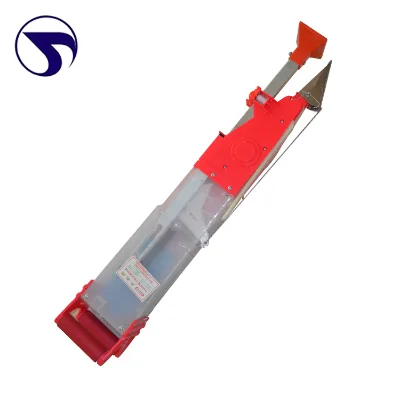

Taizhou GoFount Agricultural Machinery Co., Ltd.
- Verified by CTI
- Combined
- China Zhejiang
- Lead time30 days
- Avg. response≤ 1h
Main productsSeeder, Hand Push Seeder
Main marketsDomestic

Highly Adaptable Hand-Push Unadjustable Corn Soybean Precision Seeder with Stainless Mouth
$34.00 - $36.00
MOQ: 100 Pieces

Highly Adaptable Multi Purpose Two-Outlet Manual Seeder for Vegetable Gardens
$6.30 - $8.60
MOQ: 100 Pieces

High Efficiency Practical Integrated Adjustable Manual Seeder for Farmland
$42.00 - $46.00
MOQ: 100 Pieces

Time Saving Manual Unadjustable Corn Seeder for High-Density Planting Areas
$26.00 - $31.00
MOQ: 100 Pieces


Flexible Adjustable Manual Corn Seeder for High-Density Planting Areas
$32.00 - $35.00
MOQ: 100 Pieces
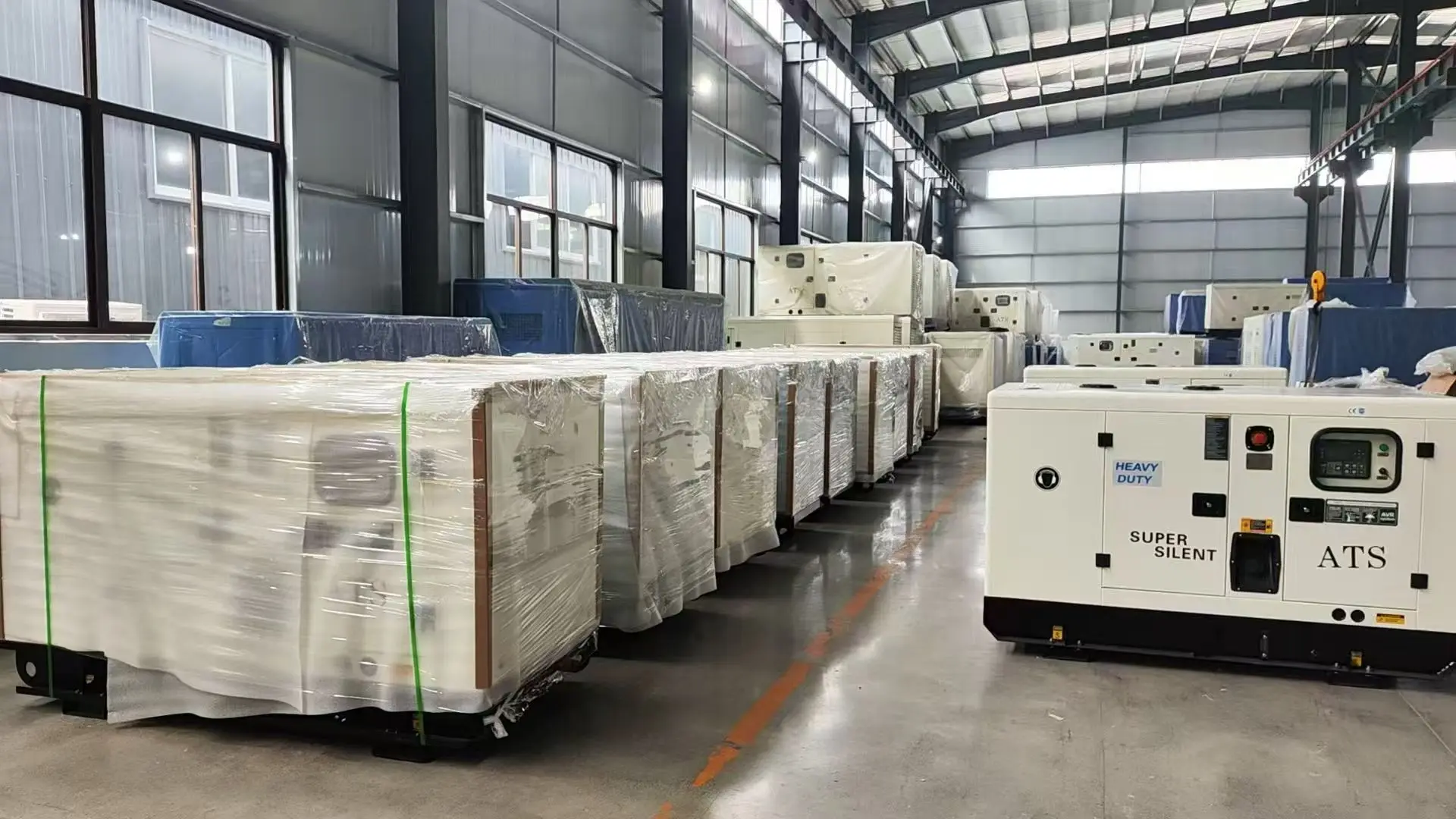
Nanning Avian Agricultural Machinery Co., Ltd.
- Trading Company
- Guangxi, China
- Lead time30 days
- Avg. response≤ 4h
Main productscassava machines,sugarcane machines,rice machines,corn machines,compost machines
Main marketsAfrica(46.00%), Southeast Asia(28.00%), South America(6.00%), Domestic Market(5.00%), Eastern Europe(5.00%), North America(3.00%), Western Europe(3.00%), Central America(2.00%), Southern Europe(2.00%)

Taizhou Lvqingting Sprayer Co., Ltd.
- Manufacturer
- Zhejiang, China
- Lead time60 days
- Avg. response≤ 2h
Main productsBackpack Sprayer,Manual sprayer,Electric sprayer,Lawn Mower,Garden Sprayer
Main marketsDomestic Market(50.00%), Southeast Asia(10.00%), North America(10.00%), Mid East(10.00%), Eastern Europe(2.00%), South Asia(2.00%), Southern Europe(2.00%), Northern Europe(2.00%), Central America(2.00%), Western Europe(2.00%), Eastern Asia(2.00%), South America(2.00%), Oceania(2.00%), Africa(2.00%)

TAIZHOU TIANYI AGRICULTURE & FORESTRY MACHINERY CO., LTD.
- Manufacturer/Factory
- China Zhejiang
- Lead time23 days
- Avg. response≤ 2h
Main productsKnapsack Hand Sprayers, Electric / Battery Sprayers, Knapsack Power Sprayers, Air Pressure Sprayers, Brush Cutters, Sprayer Parts & Accessories, Water Pumps, Mist Dusters, Seeding Tray, Seeder
Main marketsSouth America,Eastern Europe,Mid East,North America,Southeast Asia,Eastern Asia,Oceania,Western Europe,Africa
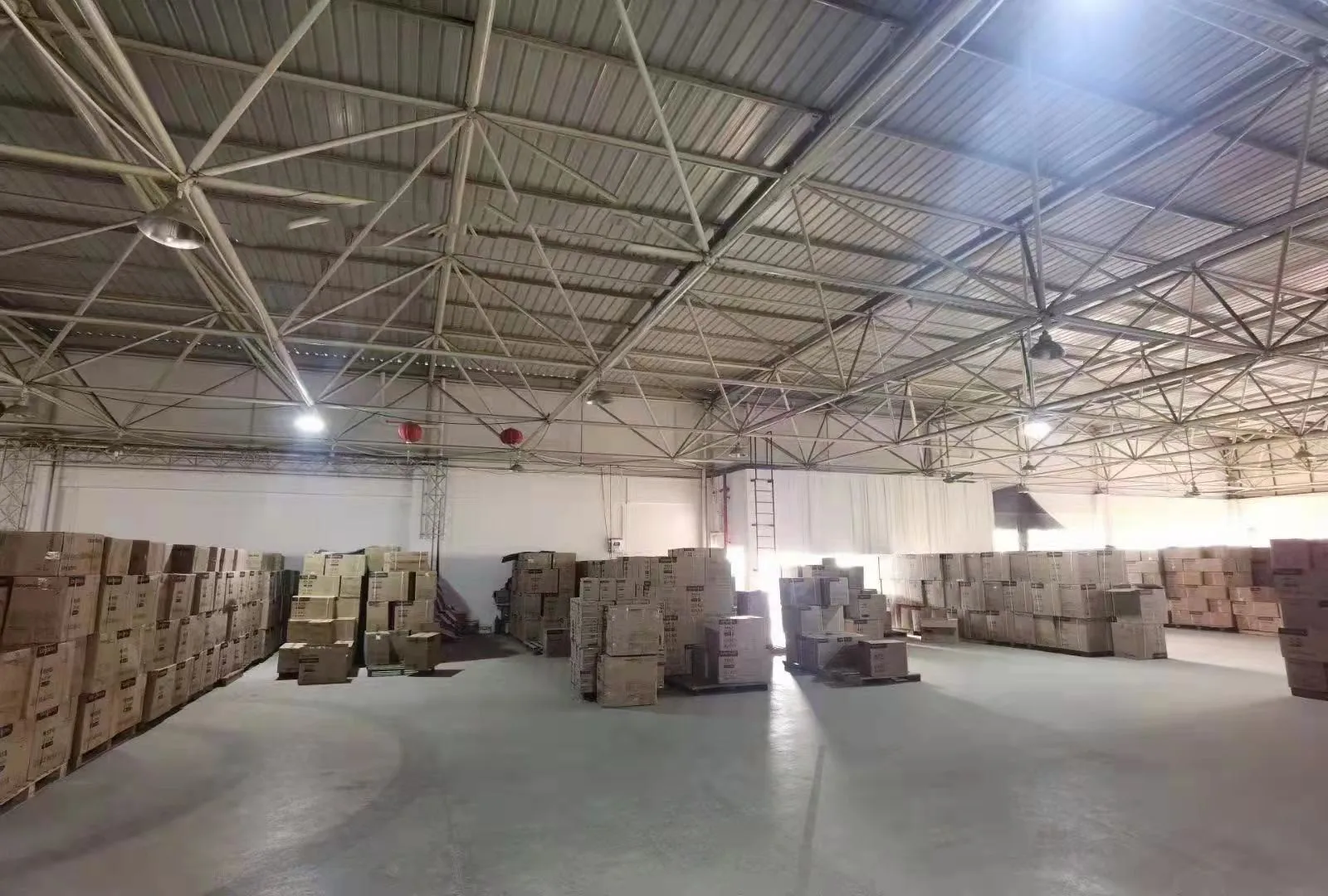
Xi'an Huan Yu Jingjie Trading Co., Ltd.
- Trading Company
- Shaanxi, China
- Lead time0 days
- Avg. response≤ 3h
Main productsseeder,seedling transplnater,Grain grinder,Feed Processing Machines,fertilizer spreader machine
Main marketsSouthern Europe(30.00%), South Asia(10.00%), Africa(10.00%), Central America(10.00%), Western Europe(10.00%), Eastern Asia(10.00%), Mid East(10.00%), Oceania(10.00%)
Taian Mingyi Machinery Equipment Co., Ltd.
- Manufacturer, Trading Company
- Shandong, China
- Lead time0 days
- Avg. response≤ 2h
Main productsWalking Tractor,Chaff Cutter,Crops Harvester,Power tiller,Crops Thresher
Main marketsAfrica(20.00%), Eastern Asia(10.00%), Mid East(10.00%), North America(10.00%), Southeast Asia(10.00%), Eastern Europe(10.00%), South Asia(10.00%), South America(5.00%), Northern Europe(5.00%), Central America(5.00%), Western Europe(5.00%)

Xi'an Yaao Agricultural Machinery Co., Ltd.
- Verified by TUVRHEINLAND
- Combined
- China Shaanxi
- Lead time15 days
- Avg. response≤ 2h
Main productsSeeder, Subsoiler, Cultivator, Rotary Tiller
Main marketsDomestic

Yaao Professional Precision Corn and Soybean Seeder for Agricultural Farm
$950.00 - $1011.00
MOQ: 1 Sets


Seeders Planters Grain Drills Wheat Seeder of Manual and Automatic Type
$3890.00 - $4397.00
MOQ: 1 Sets

Henan Best Machinery Co., Ltd.
- Trading Company
- Henan, China
- Lead time7 days
- Avg. response≤ 7h
Main productsbrush cutter,farm cultivator,mini weeder,walking tractor,farm spraying machine
Main marketsEastern Asia(21.00%), Southeast Asia(19.00%), South America(10.00%), Africa(9.00%), Western Europe(7.00%), South Asia(7.00%), North America(6.00%), Oceania(5.00%), Mid East(5.00%), Eastern Europe(3.00%), Southern Europe(3.00%), Northern Europe(2.00%), Central America(2.00%), Domestic Market(1.00%)

Yucheng Zeyi Machinery Co., Ltd.
- Verified by TUVRHEINLAND
- Combined
- China Shandong
- Lead time15 days
- Avg. response≤ 7h
Main productsDisc Plow, Disc Harrow, Seeder, Land Leveler, Land Mower, Mini Agricultural Excavator
Main marketsEurope,North America

Corn Seeder Soybean Seeder/Corn Planter/Seed Planting Machine for Agricultural Seeding
$530.00 - $550.00
MOQ: 1 sets

- Trading Company
- Hubei, China
- Lead time15 days
- Avg. response≤ 2h
Main productsAgriculture Machine,Food Machine,Harvester,Solar Equipments,Rice Mill
Main marketsAfrica(38.00%), Southeast Asia(30.00%), Domestic Market(8.00%), South Asia(5.00%), South America(3.00%), Central America(3.00%), Eastern Europe(2.00%), North America(2.00%), Western Europe(2.00%), Eastern Asia(2.00%), Mid East(2.00%), Northern Europe(1.00%), Oceania(1.00%), Southern Europe(1.00%)
- Manufacturer, Trading Company
- Shandong, China
- Lead time20 days
- Avg. response≤ 3h
Main productsHairbrushes,Bath brushes,Wooden combs,Wooden crafts,OEM
Main marketsNorth America(43.00%), Northern Europe(15.00%), Oceania(10.00%), South Asia(5.00%), Eastern Europe(5.00%), South America(5.00%), Southern Europe(5.00%), Africa(3.00%), Central America(3.00%), Western Europe(3.00%), Southeast Asia(2.00%), Mid East(1.00%)

YUCHENG LIANSHENG MACHINERY CO., LTD.
- Verified by SGS
- Trading Company,Manufacturer/Factory
- China Shandong
- Lead time23 days
- Avg. response≤ 6h
Main productsPlough, Harrow, Seeding Machine, Mower, Thresher, Harvester, Boom Sprayer, Fertilizer Spreader, Agricultural Spare Parts, Grain Harvesting Equipment
Main marketsSouth America,Eastern Europe,Mid East,North America,Southeast Asia,Eastern Asia,Oceania,Western Europe,Africa

Taizhou HAODING Import & Export Co., Ltd.
- Verified by BV
- Combined
- China Zhejiang
- Lead time15 days
- Avg. response≤ 5h
Main productsCorn Seeder
Main marketsAfrica,Southeast Asia/ Mideast

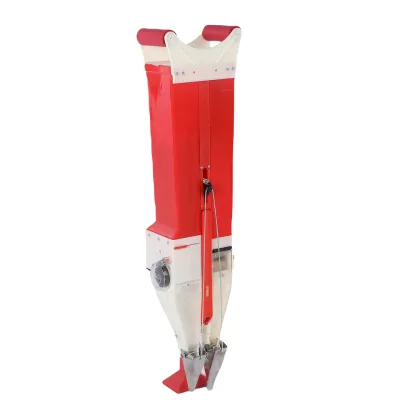
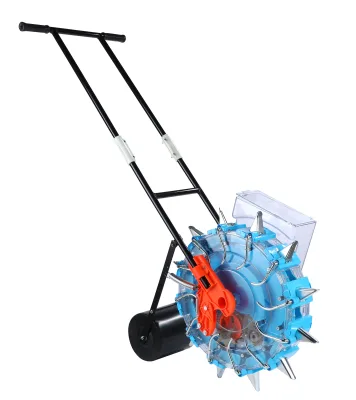
Precise Adjustable Hand Push Manual Seeder for Corn Peanut Soybean Maize
$33.00 - $35.00
MOQ: 50 Pieces




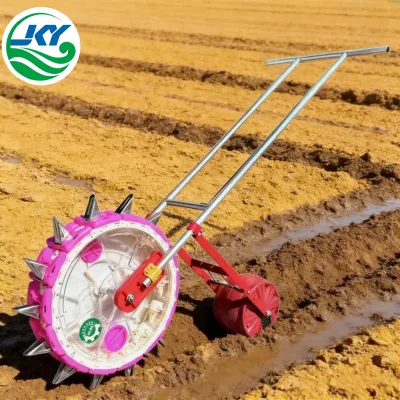
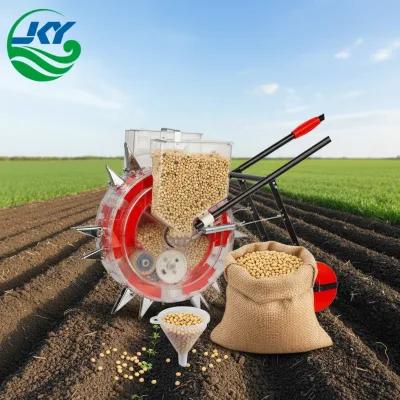


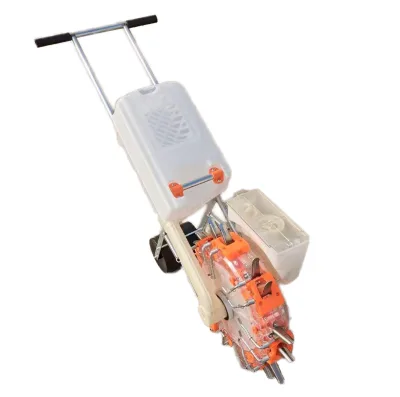
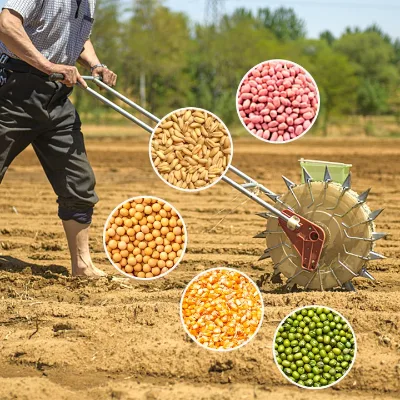
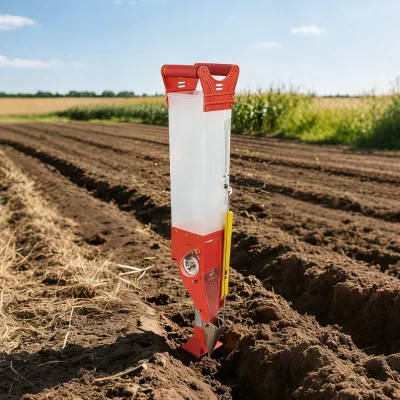
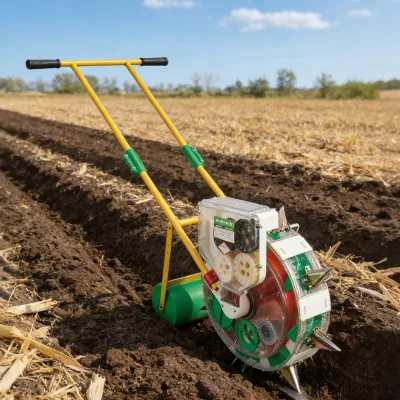


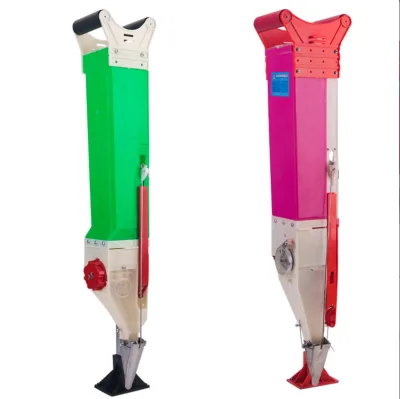

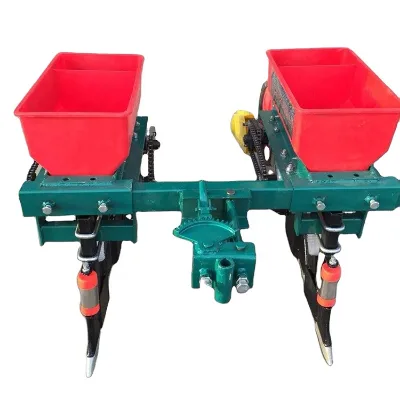


Comprehensive Sourcing Guide
High Accuracy Manual Soybean Seeder Supplier Concentration and Factory Types
The current supplier landscape for high accuracy manual soybean seeders reveals a distinct concentration of manufacturing activity within China, specifically in the Hubei region. This geographic clustering suggests a localized ecosystem where raw material sourcing, component manufacturing, and final assembly are integrated to reduce logistical friction and production costs. Buyers evaluating this market should recognize that Hubei serves as a primary hub for agricultural machinery production, offering a dense network of potential partners who specialize in small-scale farming equipment. The presence of these manufacturers in a specific province indicates that supply chain efficiencies are likely optimized for this region, potentially allowing for faster prototyping and more responsive adjustments to design specifications. However, buyers must remain cautious, as geographic proximity does not automatically guarantee superior quality or competitive pricing across all vendors. It is essential to verify that the supplier’s physical location aligns with their operational capacity and that they are not merely a trading entity claiming local presence without actual manufacturing capabilities. Understanding this concentration helps buyers narrow their search to regions with established industrial infrastructure for agricultural tools, thereby reducing the risk of dealing with dispersed or unverified operations.
Within this concentrated market, the supplier types are predominantly categorized as manufacturers, factories, or group corporations. This classification is critical because it directly impacts the buyer’s ability to customize products and negotiate terms. Manufacturers and factories typically offer greater control over the production process, allowing for OEM and ODM services, which are explicitly noted in the available supplier data. These entities often possess the technical expertise to modify existing models, such as the AM-F7 or AM-001, to meet specific agricultural requirements. Group corporations may provide a broader range of related products, such as tractors, harvesters, or biogas products, which could be beneficial for buyers seeking a comprehensive agricultural equipment solution. However, the distinction between a pure manufacturer and a group corporation can sometimes blur, requiring buyers to investigate the actual production facilities rather than relying solely on company type labels. The availability of customization options, including specific seed spacing and fertilizer tank capacities, is more likely to be robust with direct manufacturers. Buyers should prioritize suppliers who clearly identify their role in the value chain to ensure they are engaging with entities that have direct oversight of quality control and production timelines.
How to Verify High Accuracy Manual Soybean Seeder Suppliers
Verifying the legitimacy and capability of suppliers requires a multi-layered approach that goes beyond surface-level profile reviews. One of the most critical steps is to validate the system certifications displayed, such as ISO 9001, ISO 14001, or ISO 14000. These certifications indicate that the supplier adheres to recognized standards for quality management and environmental protection, which is particularly important for machinery that interacts directly with soil and crops. Buyers should request copies of these certificates and verify their validity through the issuing bodies, ensuring they are current and cover the specific manufacturing facilities involved in producing the seeders. Additionally, product-specific certifications like CE, GMP, QS, or UL may be present on certain models, signaling compliance with international safety and performance standards. These credentials are not merely decorative; they often reflect rigorous testing processes that ensure the machinery operates safely and efficiently. Buyers should cross-reference these certifications with the product attributes listed, such as the power source being manual labor or the mechanization level being simple or semi-automatic, to ensure consistency in the supplier’s claims.
Beyond certifications, buyers must assess the supplier’s responsiveness and operational transparency. The response time metric, observed at approximately 5.15 hours in the current data, serves as an initial indicator of the supplier’s communication efficiency. A quick response often correlates with a well-organized sales team that can address technical queries and provide accurate quotations promptly. However, buyers should not rely solely on this metric; they should also evaluate the depth and accuracy of the information provided in the response. Detailed product attributes, such as the seeding depth range of 3.5-7.8 cm or the fertilizer capacity of 5.7 kg, demonstrate a high level of product knowledge and attention to detail. Buyers should ask specific technical questions to gauge the supplier’s expertise, such as inquiries about the durability of the spikes or the adjustability of the seed-to-seed distance. Furthermore, verifying the supplier’s establishment year and long-term track record can provide insights into their stability and experience in the market. Suppliers with a longer history may have refined their processes and built a more reliable reputation, although newer entrants might offer innovative designs or competitive pricing. Buyers should also consider the availability of escrow services or other secure payment methods to mitigate financial risks during the transaction process.
What to Compare Across High Accuracy Manual Soybean Seeder Suppliers
When evaluating multiple suppliers, buyers should systematically compare key operational metrics to identify the most suitable partner for their specific needs. One of the primary dimensions for comparison is the minimum order quantity (MOQ), which can vary significantly across different suppliers. For instance, some suppliers may require an MOQ of 10 units, while others might set the threshold at 20 units or higher. This variation can impact the buyer’s initial investment and inventory management strategy, especially for small-scale distributors or farmers’ cooperatives. Buyers should also examine the price ranges, which in the current data span from $50.00 to $120.00 per unit, depending on the model and specifications. It is crucial to understand what is included in these prices, such as packaging, basic accessories, or warranty coverage, to ensure a fair comparison. Additionally, the lead time, observed at 23 days in some cases, is a critical factor for buyers with tight delivery schedules. Buyers should inquire about the factors influencing lead times, such as raw material availability or production capacity, and whether expedited options are available for an additional cost.
Another important aspect of comparison is the customization capabilities and product specifications offered by each supplier. The available data shows variations in product attributes, such as the number of rows (1, 2, or 3), the application fields (corn, rice, wheat, beans, peanut), and the mechanization level (simple, semi-automatic, or automatic). Buyers should assess which features are essential for their target market and compare how different suppliers accommodate these requirements. For example, some seeders offer dual seeding and fertilization functions, while others focus solely on sowing. The weight of the machine, ranging from 10.6 kg to 12 kg, and the seed capacity, such as 3.4 kg or 0.1 ha/h efficiency, are also key differentiators. Buyers should request detailed technical drawings or specifications to ensure that the product meets their exact needs. Furthermore, the packaging standards, such as carton packing with specific dimensions, can affect shipping costs and product protection. By comparing these detailed attributes, buyers can make informed decisions that balance cost, functionality, and logistical efficiency, ensuring they select a supplier whose offerings align closely with their business objectives.
Common High Accuracy Manual Soybean Seeder Sourcing Risks
Sourcing manual soybean seeders from international suppliers introduces several risks that buyers must proactively manage to ensure a successful procurement process. One significant risk is the potential discrepancy between the advertised product specifications and the actual delivered goods. While suppliers may list detailed attributes such as a seeding depth of 5-7 cm or a fertilizer rate of 2-7 g, there is a possibility that the manufactured units may not consistently meet these standards. This risk is heightened when dealing with suppliers who have limited quality control processes or who outsource critical components. Buyers should mitigate this risk by requesting pre-shipment samples or conducting third-party inspections to verify that the products match the agreed-upon specifications. Additionally, the variability in product conditions, such as whether the item is new or refurbished, can impact the longevity and performance of the machinery. Buyers should explicitly confirm the condition of the product and ensure that all components, including spikes and seed hoppers, are made from durable materials suitable for agricultural use.
Another common risk is the lack of after-sales support and warranty coverage. Manual agricultural machinery, while simple in design, still requires maintenance and occasional repairs. Buyers should inquire about the availability of spare parts, such as replacement spikes or seed meters, and the supplier’s policy for handling defective units. Some suppliers may offer limited warranties or no support at all, leaving buyers responsible for all maintenance costs. This risk is particularly relevant for buyers in remote areas where access to technical support is limited. Furthermore, the risk of communication barriers cannot be overlooked, as misunderstandings regarding technical requirements or delivery terms can lead to costly errors. Buyers should establish clear communication channels and document all agreements in writing to minimize the potential for disputes. Additionally, the risk of supply chain disruptions, such as delays in raw material delivery or production bottlenecks, can affect lead times and order fulfillment. Buyers should maintain open dialogue with suppliers regarding production schedules and have contingency plans in place to address potential delays. By identifying and addressing these risks early in the sourcing process, buyers can protect their interests and ensure a smoother transaction.
High Accuracy Manual Soybean Seeder Regional Sourcing and Logistics
The regional concentration of suppliers in China, particularly in Hubei, offers distinct advantages for logistics and shipping efficiency. Buyers sourcing from this region can benefit from established export channels and competitive freight rates due to the high volume of agricultural machinery shipments. The proximity to major ports and transportation networks facilitates the timely delivery of goods, reducing the overall transit time for international orders. However, buyers must also consider the logistical challenges associated with shipping bulky or heavy items, even though manual seeders are relatively compact. The packaging dimensions, such as 603060 mm or 279243 cm, and the weight of the units, ranging from 10.6 kg to 12 kg, will impact the shipping cost and the number of units that can be loaded into a container. For instance, a 20-foot container can hold approximately 380 units, while a 40-foot high cube container can accommodate up to 800 units, depending on the packaging and stacking efficiency. Buyers should work with their suppliers to optimize packaging and loading strategies to maximize container utilization and reduce per-unit shipping costs.
In addition to shipping costs, buyers must navigate the complexities of international trade regulations and customs clearance. Different countries have varying import duties, taxes, and documentation requirements for agricultural machinery. Buyers should ensure that their suppliers provide all necessary export documents, such as commercial invoices, packing lists, and certificates of origin, to facilitate smooth customs clearance. The presence of certifications like CE or ISO 9001 may also be required by customs authorities in certain markets, so buyers should verify these requirements in advance. Furthermore, buyers should consider the environmental impact of their sourcing decisions, as the production and transportation of machinery contribute to carbon emissions. Some suppliers may offer eco-friendly packaging or sustainable manufacturing practices, which can be a valuable differentiator for buyers targeting environmentally conscious markets. By carefully planning the logistics and regulatory aspects of their sourcing strategy, buyers can minimize delays and additional costs, ensuring that their high accuracy manual soybean seeders reach their destination efficiently and compliantly.
High Accuracy Manual Soybean Seeder Commercial Terms and Order Planning
Effective order planning for high accuracy manual soybean seeders requires a thorough understanding of the commercial terms offered by suppliers. The price range of $50.00 to $120.00 per unit provides a baseline for budgeting, but buyers should negotiate for volume discounts or favorable payment terms, especially for larger orders. The minimum order quantity (MOQ) of 10 or 20 units sets the initial commitment level, so buyers should align their order size with their sales forecast and storage capacity. It
FAQs
What is the price range for manual soybean seeders?
Manual soybean seeders typically range from $50 to $120 per unit. Prices vary based on features like dual seeding and fertilization capabilities. Buyers should check specific product listings for exact costs, as models with higher capacities or additional certifications may command premium pricing within this bracket.
What is the minimum order quantity for these machines?
The minimum order quantity generally starts at 10 units for standard models. Some suppliers may require a minimum of 20 units for specific variants. Buyers should verify the exact MOQ on individual product pages, as bulk orders often unlock better pricing tiers and shipping efficiencies.
Are these seeders certified for international standards?
Yes, many manual soybean seeders carry ISO 9001 certification. Some models also include CE, GMP, QS, or UL certifications. These credentials ensure quality management and safety standards. Buyers should confirm specific certification details in the product attributes before placing orders for regulated markets.
How long does production and delivery take?
Lead times average around 23 days for manufacturing. Response times from suppliers are typically quick, averaging 5.15 hours. Delivery schedules depend on order volume and shipping method. Buyers should confirm exact timelines with suppliers to align with their planting seasons and project deadlines.
What seeds can these manual seeders plant?
These machines are designed for corn, soybeans, peanuts, wheat, and various vegetables. They support precision sowing with adjustable spacing and depth. The dual seeding and fertilization function allows for efficient planting. Buyers should verify specific seed compatibility and settings for their particular crop requirements.
Where are these agricultural machines manufactured?
These manual seeders are manufactured in China, specifically in the Hubei region. Suppliers in this area specialize in agricultural machinery and equipment. Buyers can expect competitive pricing and a wide variety of models. Origin details are usually listed in the product attributes for transparency.