High Accuracy Vacuum Packaging Machine Suppliers and Manufacturers
Compare 33 verified suppliers offering high accuracy vacuum packaging machines with details on lead times, response times, and certifications. Review product specifications like sealing styles and materials to select the right factory for your needs; review the available evidence before requesting comparable quotations from suitable candidates.
Updated
Suppliers List

Zhucheng Shuke Machinery Technology Co., Ltd.
- Verified by TUVRHEINLAND
- Combined
- China Shandong
- Lead time15 days
- Avg. response≤ 2h
Main productsFood Machine, Meat Grinder, Sausage Stuffer, Smoker Oven, Meat Chopper Machine, Meat Cutter Machine, Meat Vacuum Tumbler, Shape Cutting Machine, Meat Cutting Machine, Stuffing Mixer
Main marketsAustralia


Multi-Functional Vacuum Packaging Machine Meets Various Packaging Needs
$1100.00 - $1200.00
MOQ: 1 Pieces


Efficient Vacuum Packaging Machine Meets The Needs of Commercial Large-Scale Production
$9800.00 - $11000.00
MOQ: 1 Pieces

Vacuum Packaging Machines Improve Packaging Efficiency and Reduce Operating Costs
$9800.00 - $11000.00
MOQ: 1 Pieces

Zhengzhou Hento Machinery Co., Ltd.
- Verified by SGS
- Trading Company,Manufacturer/Factory,Group Corporation
- China Henan
- Lead time15 days
- Avg. response≤ 7h
Main productsMeat Processing Machinery, Egg Processing Machinery, Dairy Processing Machinery, Fruit & Vegetable Processing Machinery, Grain Product Making Machines, Snack Machines, Nuts Processing Machinery, Packing Machines, Drying Machines, Commodity Making Machines
Main marketsSouth America,Eastern Europe,Mid East,North America,Southeast Asia,Eastern Asia,Oceania,Western Europe,Africa

ANHUI IAPACK MACHINERY CO., LTD.
- Verified by SGS
- Combined
- China Anhui
- Lead time30 days
- Avg. response≤ 3h
Main productsPacking Machine
Main marketsSoutheast Asia/ Mideast,Europe,North America
Luohe Orange Mechanical Equipment Co., Ltd.
- Verified by SGS Group
- Manufacturer, Trading Company
- Lead time15 days
- Avg. response≤ 2h
Main productsFood processing production line, Baking equipment, Candy Production Line, Dairy Processing Machines, Packaging Machinery
Main marketsNorth America(23%), South Asia(13%), South America(12%)
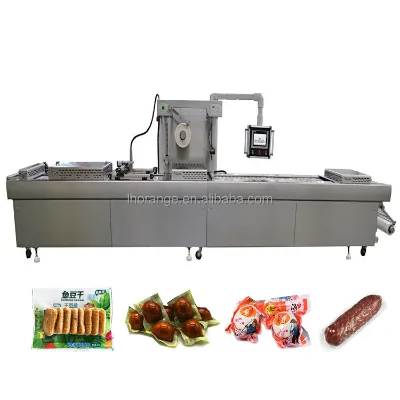
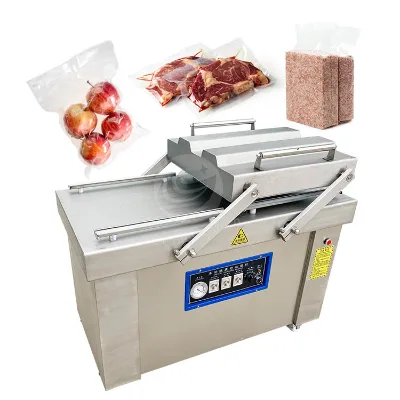
Factory Price Automatic Double Chamber Vacuum Packing Machine/Vacuum Packaging Equipment
$1500.00 - $2200.00
MOQ: 1 sets
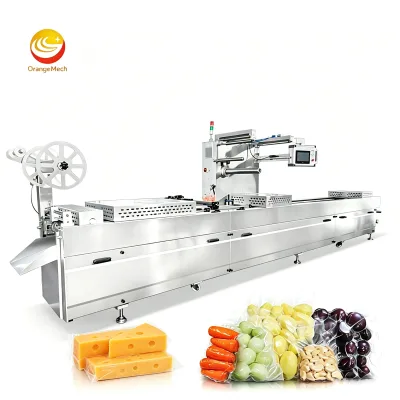
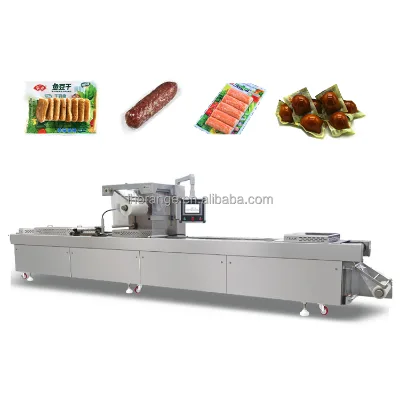

Qingdao Tune Machinery Co., Ltd.
- Manufacturer/Factory
- China Shandong
- Lead time23 days
- Avg. response≤ 8h
Main productsFrozen French Fries Production Line, Potato Chips Production Line, Fruit and Vegetable Processing Equipment, Meat Food Processing Equipment, Frying Machine
Main marketsSouth America,Eastern Europe,Mid East,North America,Southeast Asia,Eastern Asia,Oceania,Western Europe,Africa

Shanghai Leadworld Machinery Technology Co., Ltd.
- Verified by BV
- Combined
- China Shanghai
- Lead time30 days
- Avg. response≤ 2h
Main productsFilling Machine, Packing Machine, Filling Production Line, Palletizer/De-Palletizer, Vacuum Packing Machine, Canned Food Production Line, Fruit&Vegetable Washing Machine, Conveyor, Bottle Washing Machine, Labeling Machine
Main marketsSouth America,Africa,Southeast Asia/ Mideast,East Asia(Japan/ South Korea),Domestic,Europe,Australia,North America
Wenzhou Xuannuo Technology Co., Ltd.
- Verified by SGS Group
- Manufacturer, Trading Company
- Lead time15 days
- Avg. response≤ 2h
Main productsBlender, Electric bath brush, Massager, Curling Iron
Liaoyang Pharma Machinery Imp. & Exp. Co., Ltd.
- Verified by SGS Group
- Trading Company
- Lead time30 days
- Avg. response≤ 5h
Main productschemical machinery, tea bag packing machine, vacuum freeze dryer, packing machinery, Forging machinery
Main marketsMid East(20%), Central America(15%), Eastern Europe(15%)
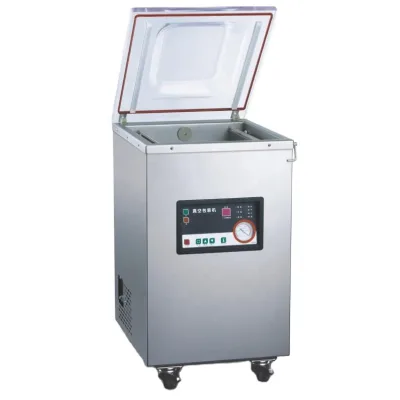
$628.9713 - $1048.2854
MOQ: 1 sets
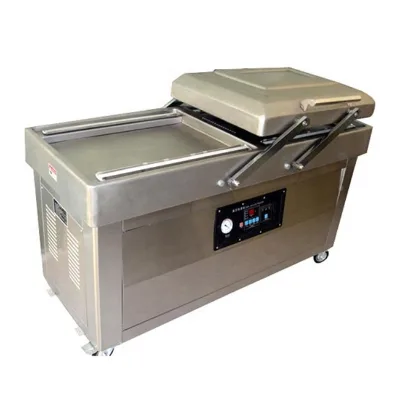
$1971.0504 - $3008.4454
MOQ: 1 sets
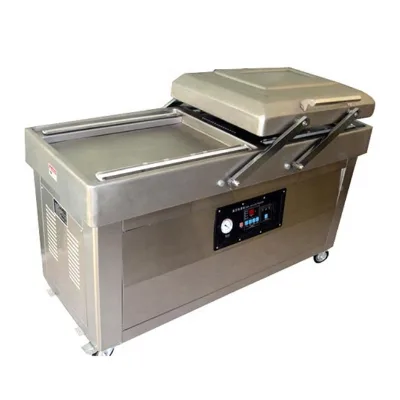
$800.00 - $900.00
MOQ: 1 sets

WENZHOU DAJIANG VACUUM PACKAGING MACHINERY CO., LTD.
- Verified by CTI
- Combined
- China Zhejiang
- Lead time15 days
- Avg. response≤ 1h
Main productsVacuum Packing Machinery, Rapid Vacuum Cooler Machine, Modified Atmosphere Packaging Machine, Stretch Wrapping Machine, Vacuum Machine, Carton Sealer, Vacuum Packager, Sealing Machine
Main marketsSoutheast Asia/ Mideast,Europe,North America

Yantai Guangwei Food Cold-Chain Technology Co., Ltd.
- Verified by BV
- Manufacturer/Factory
- China Shandong
- Lead time45 days
- Avg. response≤ 1h
Main productsTunnel Freezer, Cold Room, Air Cooler, Eveporative Condenser, Spiral Freezer, Plate Freezer, Compressor
Main marketsSouth America,Eastern Europe,Mid East,North America,Southeast Asia,Eastern Asia,Oceania,Western Europe,Africa

Luohe Quality Mechanical Equipment Co., Ltd.
- Verified by SGS
- Manufacturer/Factory
- China Henan
- Lead time23 days
- Avg. response≤ 5h
Main productsJuice Extractor, Sausage Making Machine, Pita Bread Machine, Biscuit Making Machine
Main marketsSouth America,Eastern Europe,North America,Eastern Asia,Western Europe
Shenzhen Shuxiao Machinery Equipment Co., Ltd.
- Manufacturer
- Guangdong, China
- Lead time0 days
- Avg. response≤ 2h
Main productsIndustrial machinery,commercial equipment and machinery,Food & Beverage Machinery
Main marketsEastern Europe(30.00%), North America(20.00%), South America(10.00%), Domestic Market(5.00%), Northern Europe(5.00%), Western Europe(5.00%), Eastern Asia(5.00%), Mid East(5.00%), Oceania(5.00%), Africa(5.00%), Southeast Asia(5.00%)

Zhengzhou Honest Machinery Co., Ltd.
- Trading Company,Manufacturer/Factory
- China Henan
- Lead time15 days
- Avg. response≤ 6h
Main productsFood Machinery, Packing Machines, Microwave Equipment, Drying Machines, Grain Product Making Machines, Commodity Making Machines, Texitle Machines, Construction Machinery
Main marketsSouth America,Eastern Europe,Mid East,North America,Southeast Asia,Eastern Asia,Oceania,Western Europe,Africa


Double Chamber Packing Machine / Vacuum Sealer / Vacuum Packing Machine
$1009.00 - $1589.00
MOQ: 1 set


Hangzhou Merry Sino Technology Co., Ltd.
- Trading Company
- China Zhejiang
- Lead time30 days
- Avg. response≤ 5h
Main productsMachine, Packing Machine, Packing Machinery, Packaging Machine, Packaging Machinery, Filling Machine, Food Packing Machine, Sachet Packing Machine, Powder Packing Machine, Vacuum Packing Machine for Food
Main marketsSouth America,Southeast Asia/ Mideast,East Asia(Japan/ South Korea),Europe,Australia,North America


Automatic Bag Package Filling Packaging Machinery Vacuum Packing Machine with Good Service
$52000.00 - $68000.00
MOQ: 1 Sets

Automatic Bag Sealing Filling Food Packaging Machinery Vacuum Packing Machine with Good Service
$52000.00 - $68000.00
MOQ: 1 Sets
Luohe Quality Mechanical Equipment Co., Ltd.
- Verified by SGS Group
- Manufacturer, Trading Company
- Lead time10 days
- Avg. response≤ 2h
Main productsPackaging Machines
Main marketsNorth America(30%), Southeast Asia(20%), Eastern Europe(15%)
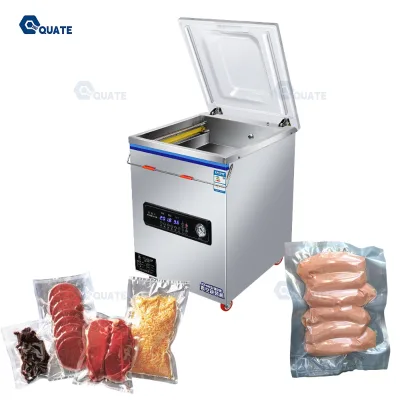
Efficient Single Chamber Vacuum Packaging Machine - Cost - Effective Solution
$350.00 - $1000.00
MOQ: 1 Minimum
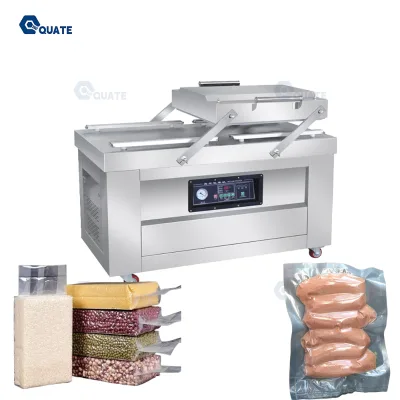
Cheap Thermoforming Packing Machine Food Vacuum Sealer Packaging Machine
$350.00 - $1000.00
MOQ: 1 Minimum
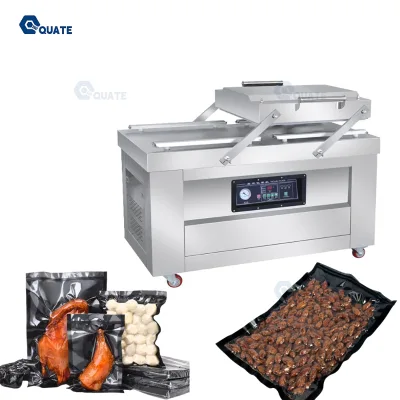
Multifunctional Machine for Vacuum Packaging - Adaptable to Different Products
$350.00 - $1000.00
MOQ: 1 Minimum
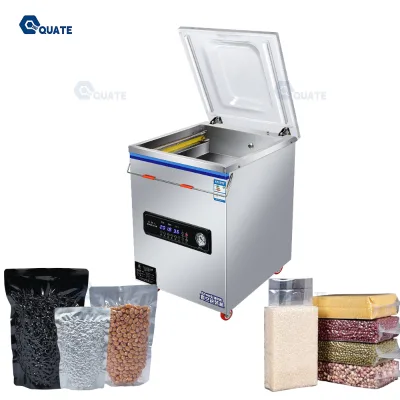
$350.00 - $1000.00
MOQ: 1 Minimum

Xiamen Brother Machinery Technology Co., Ltd.
- Verified by CTI
- Combined
- China Fujian
- Lead time30 days
- Avg. response≤ 25h
Main productsSanitary Napkin Packaging Machine, Automatic Cartoning Machine, Diaper Packaging Machine, Vertical Packing Machine for Tea Cofffee, Horizontal Packaging Machine, Premade Bag Packing Machine, Automatic Labeling Machine, Conveyor System, Multi Head Weigher, Vertical Auger
Main marketsDomestic

Precision Vacuum Packing Machinery for Efficient Packaging Processes
$18000.00 - $35000.00
MOQ: 1 Pieces

Efficient Vacuum Packing Machine with High Precision for Food Safety
$20000.00 - $30000.00
MOQ: 1 Pieces
Henan Jinfuda Machinery Equipment Co., Ltd.
- Trading Company
- Henan, China
- Lead time0 days
- Avg. response≤ 3h
Main productsAgricultural Machinery, Food Machinery, Construction And Building Materials Machinery, Construction Machinery, Packaging Machinery
Main marketsCentral America(20.00%), Southern Europe(10.00%), Northern Europe(10.00%), Mid East(10.00%), Domestic Market(5.00%), South Asia(5.00%), Southeast Asia(5.00%), Eastern Europe(5.00%), North America(5.00%), Western Europe(5.00%), Eastern Asia(5.00%), South America(5.00%), Oceania(5.00%), Africa(5.00%)

Hefei Huida Packing Machine Co., Ltd.
- Verified by BV
- Combined
- China Anhui
- Lead time30 days
- Avg. response≤ 4h
Main productsPacking Machine, Packaging Equipment, Packaging Machine, Ffs Packaging Machine, Vertical Form Fill Seal Machine, Premade Pouch Packing Machine, Heavy Bag Packing Machine, Secondary Packing Machine, Automatic Bagging Machine, Automatic Vacuum Packing Machine
Main marketsSouth America,Africa,Others(foreignTradeCapacity.exportBusinessCapacityMarketOther),Southeast Asia/ Mideast
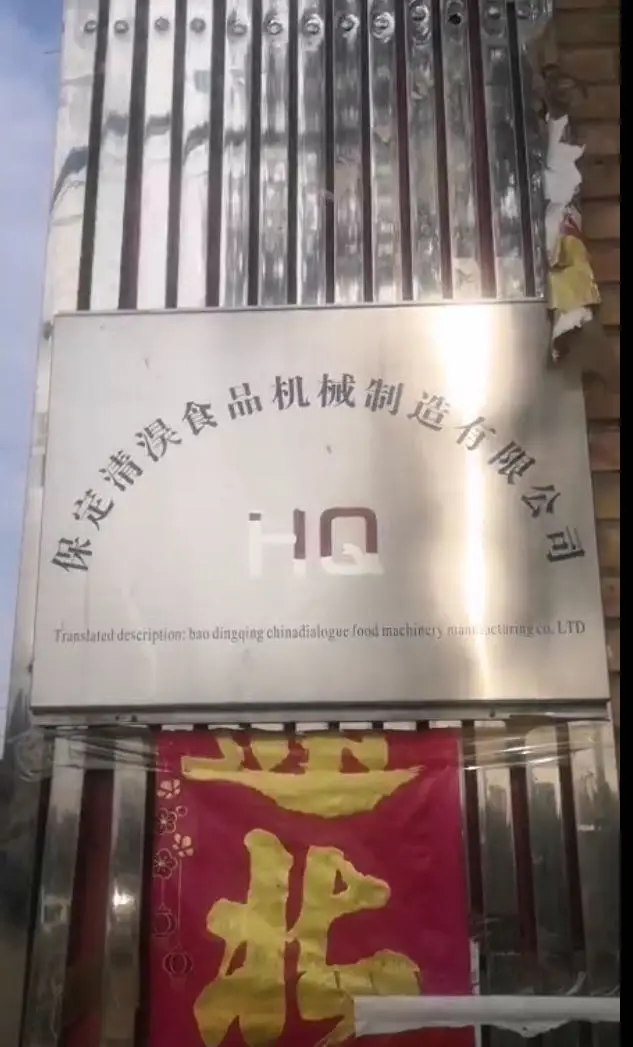
Baoding Qinghao Food Machinery Manufacturing Co., Ltd.
- Manufacturer, Trading Company
- Hebei, China
- Lead time30 days
- Avg. response≤ 2h
Main productsBone saw machine,Poultry splitter,Meat Grinder,Meat and vegetable slicer,Vacuum packaging machine
Main marketsEastern Europe(20.00%), South America(20.00%), North America(20.00%), Oceania(10.00%), Africa(10.00%), Southeast Asia(10.00%), Eastern Asia(5.00%), Mid East(5.00%)

Qingdao Zhongkang Printing and Packaging Machinery Co., Ltd.
- Verified by TUVRHEINLAND
- Trading Company
- China Shandong
- Lead time30 days
- Avg. response≤ 3h
Main productsPacking Machine, Non-Woven Bags, Filling Machine, Capping Machine, Vacuum Packing Machine, Labeling Machine, Strapping Machine, Sealing Machine, Printer Coding Machine, Packaging Bag
Main marketsSouth America,Domestic,Europe

Zhongshan Xianbang Intelligent Machinery Co., Ltd.
- Verified by TUVRHEINLAND
- Combined
- China Guangdong
- Lead time30 days
- Avg. response≤ 6h
Main productsZ-Type Bucket Elevator, Inclined Elevator, Fastback Horizontal Conveyor, Screw Conveyor, Belt Turning Machine, Single-Bucket Elevator, Vibratory Feeder, Horizontal Conveyor, Bowl-Type Elevator, Supporting Platform
Main marketsEurope

Zhengzhou Gofine Machine Equipment Co., Ltd.
- Verified by SGS
- Trading Company
- China Henan
- Lead time15 days
- Avg. response≤ 5h
Main productsAgricultural Machine, Fertilizer Machine, Organic Fertilizer Machine, Coffee Roaster, Scrap Copper Granulator, Compound Fertilizer Production Line, Waste Organic Fertilizer Compost Machine, Fertilizer Making Production Line, Fertilizer Pellet Mill, Fertilizer Granulator Machine
Main marketsSouth America,Africa,Others(foreignTradeCapacity.exportBusinessCapacityMarketOther),Southeast Asia/ Mideast,East Asia(Japan/ South Korea),Europe,Australia,North America
Dongguan Strong Machinery Equipment Co., Ltd.
- Trading Company
- Lead time旺季: "1 - 1":30,"> 1":"To be negotiated", 淡季: "1 - 1":30,"> 1":"To be negotiated"
- Avg. response≤ 8h
Main productsElectrical equipment
Henan Rui Youna Machinery Co., LTD
- Trading Company
- Henan, China
- Lead time3 days
- Avg. response≤ 3h
Main productsPacking Machine,Filling Machine,Capping Machine,Labeling Machine,Sealing Machine
Main marketsDomestic Market(40.00%), North America(16.00%), Africa(12.00%), Western Europe(7.00%), Southeast Asia(7.00%), South America(3.00%), Eastern Europe(3.00%), Mid East(3.00%), Northern Europe(2.00%), Eastern Asia(2.00%), Oceania(2.00%), Central America(1.00%), South Asia(1.00%), Southern Europe(1.00%)
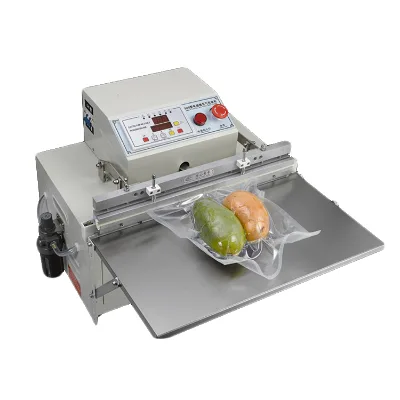
$513.0126 - $543.7935
MOQ: 1 sets

Zhangzhou Jialong Technology Inc.
- Verified by TUVRHEINLAND
- Combined
- China Fujian
- Lead time23 days
- Avg. response≤ 5h
Main productsRice Packaging Machine, Weighing Packing Machine, Vacuum Packing Machine, Feeds Packing Machine, Grain Packing Machine, Flow Scale, Vertical Packing Machine, Mixing Machine
Main marketsOthers(foreignTradeCapacity.exportBusinessCapacityMarketOther),Southeast Asia/ Mideast


High Speed Flexible Vacuum Packing Machine for Two Different Products
$19999.00 - $23999.00
MOQ: 1 Sets

Flexible Vacuum Packing Machine for Two Different Products Simultaneously
$18999.00 - $21999.00
MOQ: 1 Pieces

Zhucheng Guangyuan Packaging Machinery Factory
- Verified by SGS Group
- Manufacturer, Trading Company
- Lead time30 days
- Avg. response≤ 7h
Main productsDouble Chamber Vacuum Packing Machine, Rolling Vaccum Packing Machine, Automatic Thermoforming Vacuuum Packing Machine, Modified Atmosphere and Skin Vacumm Packing Machine, Rotary Vacuum Packing Machine
Main marketsDomestic Market(70%), Eastern Asia(8%), Southeast Asia(7%)

Huizhou Maps Industry Co., Ltd.
- Manufacturer
- Guangdong, China
- Lead time28 days
- Avg. response≤ 3h
Main productsAuto Pillow Machine,Crush Machine,Roll Packing Machine,Sponge Cutter,Ball Fiber Machine
Main marketsNorth America(30.00%), Eastern Europe(25.00%), South America(15.00%), Western Europe(5.00%), Mid East(5.00%), Oceania(5.00%), Africa(5.00%), Southeast Asia(5.00%), Southern Europe(3.00%), Domestic Market(2.00%)
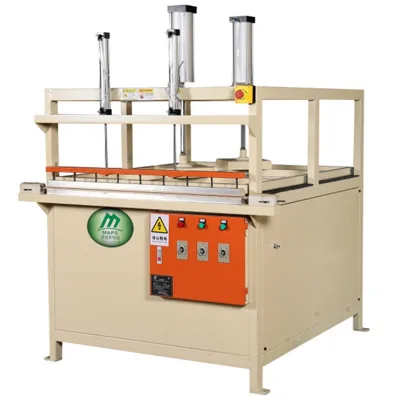
Vacuum Compressor Packaging Machinepillow Type Vacuum Compression Packing Machine
$2500.00 - $3000.00
MOQ: 1 sets

Rizhao Zhike International Trade Co., Ltd.
- Verified by SGS
- Combined
- China Shandong
- Lead time15 days
- Avg. response≤ 4h
Main marketsSouth America,Southeast Asia/ Mideast,Europe
Shenzhen Lianxinyuan E-Commerce Co., Ltd.
- Manufacturer, Trading Company, Distributor/Wholesaler, Other
- Guangdong, China
- Lead time3 days
- Avg. response≤ 1h
Main productsTraffic tools,charger,Electronic products,integrated circuit,Solar products
Main marketsNorth America(30.00%), Northern Europe(15.00%), South America(15.00%), South Asia(10.00%), Southern Europe(10.00%), Eastern Europe(10.00%), Western Europe(10.00%)
Foshan Shunde Maoduoyu Trading Co., Ltd.
- Manufacturer, Trading Company, Distributor/Wholesaler
- Guangdong, China
- Lead time0 days
- Avg. response≤ 1h
Main productsIndustrial machinery,Commercial machinery,Packaging machinery,Filling machinery,Food machinery
Main marketsNorth America(50.00%), Southeast Asia(10.00%), Mid East(10.00%), Central America(10.00%), Domestic Market(5.00%), Western Europe(5.00%), Northern Europe(3.00%), South Asia(2.00%), Oceania(1.00%), Eastern Asia(1.00%), Eastern Europe(1.00%), South America(1.00%), Africa(1.00%)
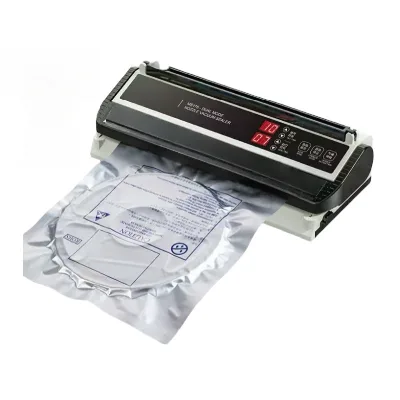
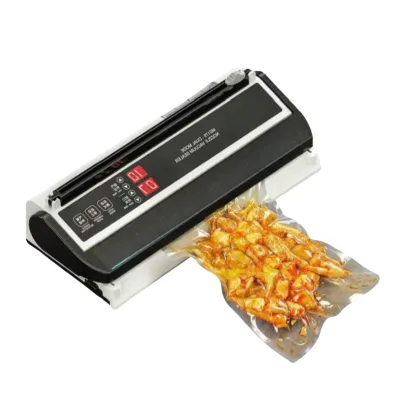
Compact and Portable Vacuum Packaging Machine Perfect for Freshness Locking of Various Goods
$77.80 - $95.20
MOQ: 1 units
- Verified by Intertek
- Trading Company
- Lead time7 days
- Avg. response≤ 1h
Main productsFruit Vegetable Machine, Meat Processing Machine, Pastry Bakery Machine, Snack Machine, Feed Processing Machine
Wenzhou Echo Intelligent Packaging Technology co.ltd
- Verified by TüVRheinland
- Manufacturer, Trading Company
- Lead time45 days
- Avg. response≤ 4h
Main productsPackaging Machine
Main marketsNorth America(15%), Southeast Asia(15%), Western Europe(15%)
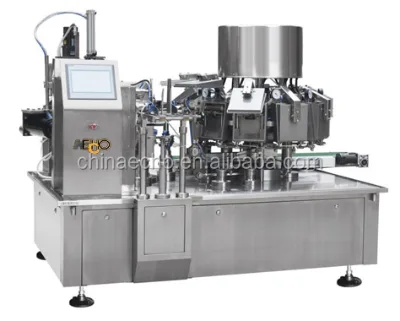
Automatic Vacuum Packing Machine for Curry Beef
$40000.00 - $50000.00
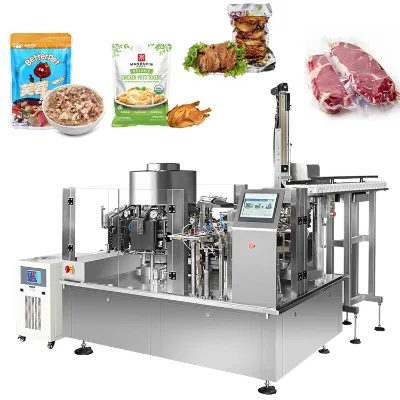
Automatic Vacuum Packing Machine for Soft Fruit Can
$60000.00 - $68000.00

- Trading Company,Manufacturer/Factory
- China Zhejiang
- Lead time60 days
- Avg. response≤ 17h
Main productsPacking Machine, Vacuum Packing Machine, Thermoforming Packing Machine, Sealing Machine, Vacuum Thermoformer, Vacuum Sealer, Packaging Machine, Packing Machinery, Plastic Tube Filling Sealing Machine, China Automatic Form Fill Seal Machine
Main marketsSouth America,Eastern Europe,Mid East,North America,Oceania,Western Europe,Africa




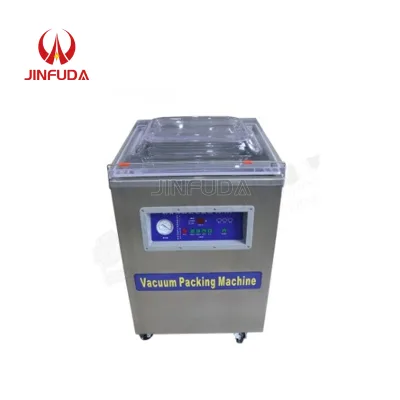


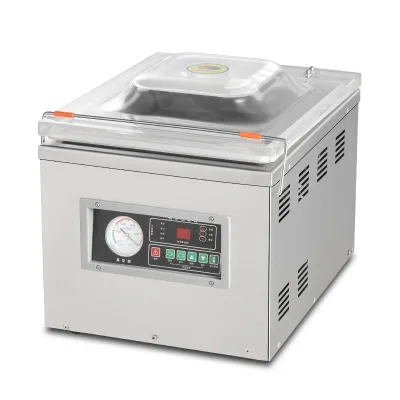
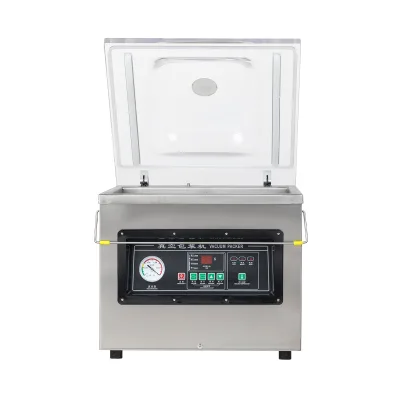


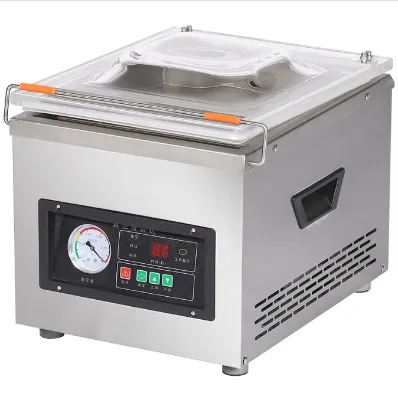




Comprehensive Sourcing Guide
High Accuracy Vacuum Packaging Machine Supplier Concentration and Factory Types
The current supplier landscape for high accuracy vacuum packaging machines reveals a distinct concentration in China, specifically within the Shandong province. This regional clustering is significant for buyers seeking industrial-grade equipment, as it indicates a mature supply chain ecosystem dedicated to food processing machinery. The observed results highlight that manufacturers in this area specialize in a broad array of related products, including meat grinders, sausage stuffers, smoker ovens, and meat choppers. This diversity suggests that many suppliers are not limited to single-product lines but operate as comprehensive solution providers for meat and food processing facilities. The presence of combined company types, which may include both manufacturing and trading capabilities, adds another layer of complexity to the sourcing process. Buyers must carefully distinguish between pure factories and trading companies to understand the true nature of the supply chain they are engaging with.
Understanding the specific company type is crucial for evaluating the reliability and pricing structure of potential partners. The data indicates that some suppliers identify explicitly as manufacturers, while others present as combined entities. This distinction impacts the buyer’s ability to verify production capabilities directly. For instance, one observed product listing explicitly states the company type as a manufacturer, which may imply greater control over quality assurance and customization processes. In contrast, combined entities might offer broader product ranges but could introduce additional margins or communication layers. Buyers should prioritize suppliers who can demonstrate direct manufacturing authority, particularly for complex machinery like vacuum packers that require precise engineering. The focus on high-accuracy equipment necessitates suppliers with robust engineering teams and established production lines, rather than those relying solely on assembly or sourcing from third parties.
How to Verify High Accuracy Vacuum Packaging Machine Suppliers
Verification is a critical step in mitigating risk when sourcing high accuracy vacuum packaging machines from international suppliers. One effective method is to look for third-party verification badges, such as those provided by TÜV Rheinland, which indicate that a supplier has undergone rigorous assessment of their business legitimacy and operational capabilities. The presence of such verification signals a higher level of trustworthiness and adherence to international standards. Buyers should prioritize suppliers who display these credentials prominently, as they provide an independent validation of the company’s claims. Additionally, checking for specific certifications like CE marks on product listings is essential, as it confirms compliance with European safety and quality directives. This is particularly important for machinery that involves electrical components and moving parts, ensuring that the equipment meets stringent safety requirements for industrial use.
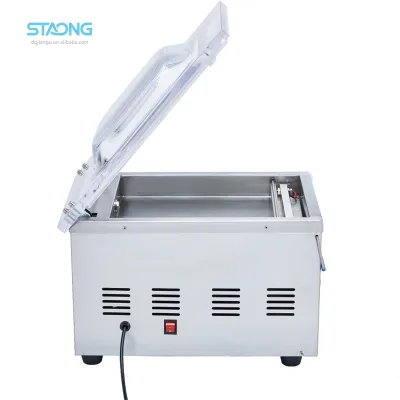
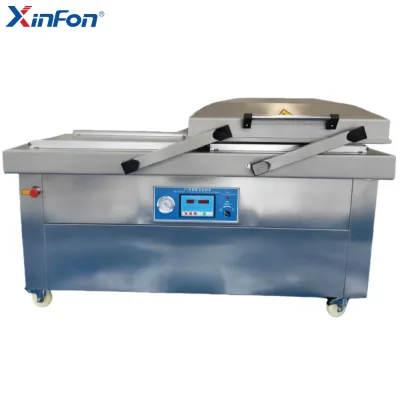
Beyond certifications, buyers should scrutinize the detailed product attributes and specifications provided by the supplier. High accuracy vacuum packaging machines often come with specific technical parameters, such as vacuum chamber dimensions, sealing styles, and material compositions. For example, observing that a machine is constructed from 304 stainless steel is a key indicator of durability and hygiene compliance, which is vital for food processing applications. Buyers should also verify the automatic grade and control modes, such as button-operated systems, to ensure the machine aligns with their operational needs. Furthermore, checking the condition of the equipment, whether new or used, and the availability of operation manuals can provide insights into the supplier’s attention to detail and customer support readiness. These details serve as proxies for the supplier’s overall professionalism and commitment to quality.
What to Compare Across High Accuracy Vacuum Packaging Machine Suppliers
When evaluating multiple suppliers, it is essential to compare key operational metrics such as lead times, minimum order quantities, and response speeds. The observed data shows a lead time of approximately 15 days for some suppliers, which is a critical factor for production planning. Buyers should assess whether this timeline is consistent across different product models and if it aligns with their project deadlines. Additionally, comparing minimum order quantities (MOQ) is vital, as some suppliers may require a single set as the MOQ, while others might have higher thresholds. This flexibility can be advantageous for small-scale operations or trial orders. Response time is another important metric, with some suppliers demonstrating a response time of around 1.73 hours, indicating a high level of customer service engagement. Faster response times can facilitate quicker negotiations and problem resolution, enhancing the overall sourcing experience.
Price and customization options are also significant factors in supplier comparison. The price range for high accuracy vacuum packaging machines varies, with some models starting around $1,500 and others reaching up to $11,000, depending on features and capacity. Buyers should analyze the cost-benefit ratio of different models, considering factors such as sealing speed, chamber size, and material quality. Customization availability is another key differentiator, with some suppliers offering tailored solutions for specific packaging needs. For instance, the ability to customize vacuum chamber sizes or sealing styles can be crucial for businesses with unique product requirements. Additionally, comparing the included accessories, such as operation manuals and warranty terms, can provide a more comprehensive view of the value proposition. Buyers should also consider the supplier’s ability to provide after-sales support and spare parts, which are essential for long-term machine maintenance.
Common High Accuracy Vacuum Packaging Machine Sourcing Risks
One of the primary risks in sourcing high accuracy vacuum packaging machines is the potential discrepancy between advertised specifications and actual product performance. Buyers may encounter suppliers who exaggerate machine capabilities, such as vacuum levels or sealing consistency, leading to operational inefficiencies. To mitigate this risk, it is crucial to request detailed technical documentation and, if possible, conduct factory audits or third-party inspections. Another significant risk is the variability in material quality, particularly regarding the stainless steel used in construction. While some suppliers specify 304 stainless steel, others may use lower-grade materials that are prone to corrosion or wear. Buyers should verify material certifications and request samples or detailed photos to ensure compliance with food safety standards. This diligence helps prevent costly replacements and ensures the longevity of the equipment.
Logistical and communication challenges also pose substantial risks in international sourcing. Delays in shipping, customs clearance issues, and miscommunication regarding technical requirements can disrupt production schedules. Buyers should establish clear communication channels and confirm all details in writing, including delivery terms and payment conditions. Additionally, the risk of receiving incomplete or damaged machinery is heightened when shipping from distant locations. Proper packaging, such as wooden crates or export-standard packaging, is essential to protect the equipment during transit. Buyers should verify the packaging methods used by the supplier and consider purchasing insurance for high-value shipments. Furthermore, the lack of local support for maintenance and repairs can be a significant drawback, especially for complex machinery. Buyers should assess the supplier’s ability to provide remote support or arrange for local technicians to minimize downtime.
High Accuracy Vacuum Packaging Machine Regional Sourcing and Logistics
Sourcing high accuracy vacuum packaging machines from China, particularly from the Shandong region, offers several logistical advantages due to the established manufacturing infrastructure. The concentration of suppliers in this area facilitates easier coordination and potentially lower shipping costs due to economies of scale. However, buyers must navigate the complexities of international shipping, including customs regulations and import duties. Understanding the specific HS codes, such as 8438500000, is crucial for accurate tariff classification and compliance. Buyers should work with experienced freight forwarders who can handle the documentation and logistics efficiently. Additionally, the choice of shipping method, whether by sea or air, will impact lead times and costs. Sea freight is generally more cost-effective for heavy machinery, while air freight may be necessary for urgent orders.
Packaging and handling are critical aspects of logistics that can affect the condition of the machinery upon arrival. Suppliers often use wooden crates or export-standard packaging to protect the equipment during transit. Buyers should verify the packaging methods and ensure that the machinery is securely fastened to prevent damage. Additionally, considering the weight and dimensions of the machine is essential for planning warehouse storage and installation. Some suppliers provide detailed packing lists and assembly instructions, which can simplify the setup process. Buyers should also consider the environmental impact of packaging materials and explore sustainable options if available. Finally, coordinating with local installers or technicians in the destination country can ensure proper installation and commissioning of the High Accuracy Vacuum Packaging Machine, minimizing operational disruptions.
High Accuracy Vacuum Packaging Machine Commercial Terms and Order Planning
Commercial terms and order planning are pivotal in ensuring a smooth transaction for high accuracy vacuum packaging machines. Buyers should negotiate clear payment terms, such as a 50% advance payment, which is common in the industry. This structure helps balance the risk between the buyer and the supplier, ensuring commitment from both parties. Additionally, understanding the warranty terms and after-sales support policies is essential for long-term satisfaction. Buyers should inquire about the duration of the warranty, coverage details, and the process for claiming repairs or replacements. Clear communication regarding these terms can prevent misunderstandings and disputes later in the relationship. Furthermore, considering the total cost of ownership, including maintenance, spare parts, and energy consumption, provides a more accurate picture of the investment.
Order planning should also account for the supplier’s production capacity and lead times. Buyers should confirm the availability of the desired model and the estimated delivery date before finalizing the order. For large-scale operations, coordinating with the supplier to schedule production runs can help align delivery with operational needs. Additionally, considering the scalability of the machinery is important for future growth. Buyers should assess whether the supplier can accommodate increased orders or provide upgrades as business needs evolve. Establishing a long-term partnership with a reliable supplier can lead to better pricing, priority service, and access to new product developments. Regular communication and feedback can strengthen this relationship, ensuring that the High Accuracy Vacuum Packaging Machine continues to meet the evolving demands of the business.
FAQs
What is the price range for high accuracy vacuum packaging machines?
Prices for these machines typically range from $1,100 to $11,000 depending on the model and capacity. Entry-level units start around $1,500, while advanced commercial models can reach $11,000. Buyers should verify specific pricing for their required throughput and features before placing orders.
What is the minimum order quantity for these machines?
The minimum order quantity is generally one unit, allowing buyers to purchase single machines for testing or small-scale operations. This low MOQ facilitates easier entry for new businesses. However, buyers should confirm if bulk discounts apply for larger orders during direct negotiations with suppliers.
How long does delivery take for vacuum packaging machines?
Standard lead times are approximately 15 days for production and shipping. Some suppliers list delivery times as actuals based on current stock levels. Buyers should confirm exact shipping schedules and whether the equipment is currently in stock to ensure timely arrival for their production needs.
Are these machines suitable for meat and seafood packaging?
Yes, these machines are specifically designed for packaging meat, fish, eggs, and various other food products. They feature automatic sealing and vacuum functions ideal for preserving freshness. The stainless steel construction ensures hygiene and durability for heavy-duty use in food processing environments and commercial kitchens.
What certifications do these vacuum packaging machines have?
Many models come with CE certification, ensuring compliance with European safety standards. Some suppliers also hold TÜV Rheinland verification for quality assurance. Buyers should request specific certification documents for each machine model to verify regulatory compliance for their target markets before finalizing any purchase agreements.
What is the response time for supplier inquiries?
Suppliers typically respond to inquiries within 1.73 days on average. This relatively quick response time helps buyers get quotes and technical details faster. Prompt communication is essential for negotiating terms and clarifying machine specifications, so buyers should expect timely replies when contacting verified manufacturers directly.