High Accuracy Shampoo Filling Machine Suppliers and Manufacturers
Explore 29 verified suppliers offering high accuracy shampoo filling machines with customizable filling ranges and speeds. Compare dimensions, certifications like CE and ISO, and response times to select the right partner for your production needs; review the available evidence before requesting comparable quotations from suitable candidates.
Updated
Suppliers List

Guangzhou Fuluke Cosmetics Equipment Co., Ltd.
- Verified by CTI
- Combined
- China Guangdong
- Lead time15 days
- Avg. response≤ 9h
Main productsVacuum Cosmetics Emulsifier Mixer, Mixing Machine, Water Treatment System, Cosmetics Cream Making Machine, Shampoo Detergent Mixing Machine, Label Machine, Filling and Sealing Machine, Capping Machine, Cream Loction Making Machine, Inkjet Print
Main marketsAfrica,Southeast Asia/ Mideast,Domestic,Europe,Australia,North America


High-Precision Shampoo Filling Equipment-Customizable Nozzle, 50-500ml Capacity
$1887.00 - $10778.00
MOQ: 1 Pieces
Guangzhou Lianhe Machinery Co., Ltd.
- Manufacturer, Trading Company
- Lead time旺季: "1 - 1":20,"> 1":"To be negotiated", 淡季: "1 - 1":20,"> 1":"To be negotiated"
- Avg. response≤ 5h
Main productsVacuum Emulsifying Mixer, Liquid Wash Homogenizer Mixer, Filling Packing Line, Perfume Making Machine, RO Water Treatment
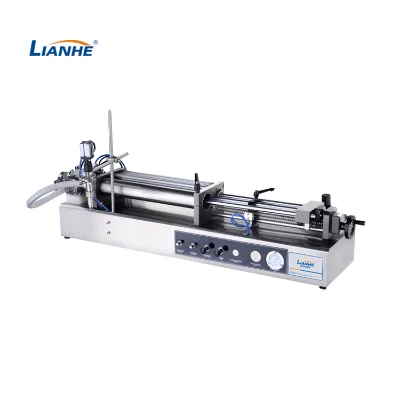
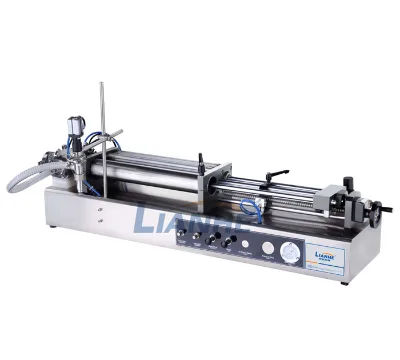
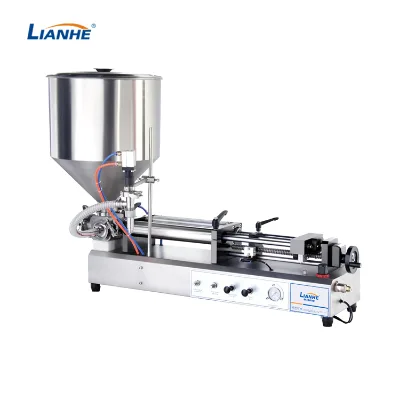
LH Horizontal Shampoo Gel Hair Lotion Self-Suction Filling Machine Liquid Soap Detergent Filler
$900.00 - $1300.00
MOQ: 1 sets
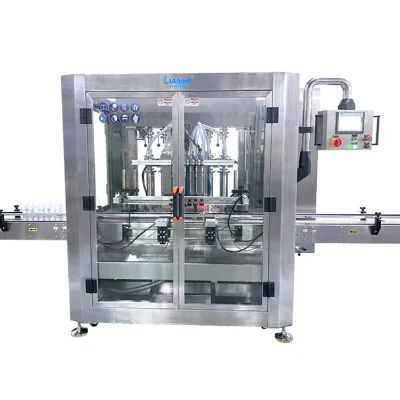
$18000.00 - $22000.00
MOQ: 1 sets

Zhangjiagang King Machine Tech Co., Ltd.
- Verified by BV
- Combined
- China Jiangsu
- Lead time45 days
- Avg. response≤ 4h
Main productsWater Filling Machine, Beverage Filling Machine, Carbonated Drink Filling Machine, 5gallon Bottle Filling Machine, Bottle Blowing Machine, Glass Bottle Filling Machine, Can Filling Machine, Wrapping Machine, Juice Filling Machine, Labeling Machine
Main marketsSoutheast Asia/ Mideast

Shanghai Paixie Packing Machinery Co., Ltd.
- Verified by BV
- Combined
- China Shanghai
- Lead time23 days
- Avg. response≤ 1h
Main productsPacking Machine, Liquid Filling Machine, Vape Equipment, Packaging Machine, Olive Oil Machine, Box Packing Machine, Wrapping Machine, Labeling Machine, Capping Machine, Filling Machine
Main marketsNorth America


Advanced Liquid Shampoo Spray Bottles Filling Machine for Efficiency
$8900.00 - $19620.00
MOQ: 1 Pieces

Shanghai Grepack Packing Machinery Co., Ltd
- Verified by TUVRHEINLAND
- Manufacturer/Factory
- China Shanghai
- Lead time45 days
- Avg. response≤ 4h
Main productsAutomatic Packing Machine, Automatic Filling Machine, Automatic Labeling Machine, Capping Machine, Automatic Packing Line, Carton Erector, Carton Packing Machine, Carton Sealing Machine, Palletizer, Checkweigher
Main marketsSouth America,Eastern Europe,Mid East,North America,Southeast Asia,Eastern Asia,Oceania,Western Europe,Africa

High Accuracy Automatic Liquid Filling Machine for Shampoo Shower Gel
$12000.00 - $19000.00
MOQ: 1 set

Automatic Filling Machine Liquid Detergent Filling Machine Shampoo Filling Production Line
$11000.00 - $14500.00
MOQ: 1 set


Full Automatic Filling Machine, Liquid Detergent Filling Machine, Shampoo Filling Production Line
$11000.00 - $14500.00
MOQ: 1 set

Guangzhou Cosmati Technology Co., Ltd
- Verified by TUVRHEINLAND
- Trading Company
- China Guangdong
- Lead time23 days
- Avg. response≤ 3h
Main productsVacuum Emulsifying Mixer, Liquid Washing Homogenizing Mixer, Liquid Soap Mixer Machine, Perfume Filling Machine, Dry Powder Mixing Machine, Color Cosmetic Making Machine, Filling Capping Labeling Machine, Lab Homogenizer, Mixing Tank, Cream Making Machine
Main marketsSoutheast Asia/ Mideast,Europe,North America


Liquid Automatic Filling Production Line Shampoo Detergent Filling Machine
$15000.00 - $20000.00
MOQ: 1 Pieces

Automatic Liquid Detergent Filling Machine Multi Heads Lotion Shampoo Filling Capping Machine
$12500.00 - $15000.00
MOQ: 1 Pieces


Shanghai Grepack Packing Machinery Co., Ltd.
- Verified by SGS Group
- Manufacturer, Trading Company
- Lead time30 days
- Avg. response≤ 2h
Main productsFilling Machines, Multi-Function Packaging Machines, Labeling Machine, Capping Machine, Palletizer
Main marketsNorth America(15%), South America(15%), Southeast Asia(15%)
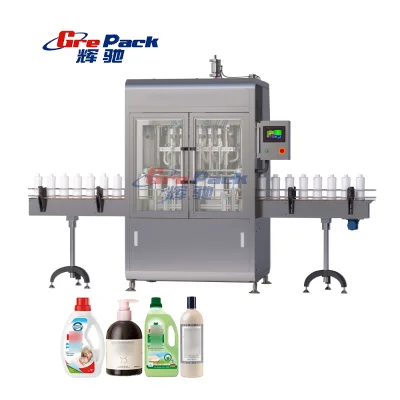
Automatic Sticky Cosmetic Cream Shampoo High Viscosity Liquid Filling Machine
$11000.00 - $14500.00
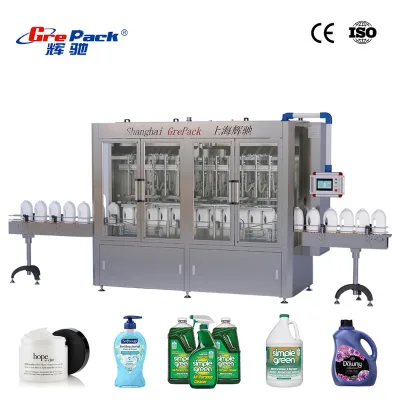
Hot Sale Shampoo Bottling Filling Machine Auto Liquid Filling Machine
$11371.9621 - $14990.3137
MOQ: 1 sets
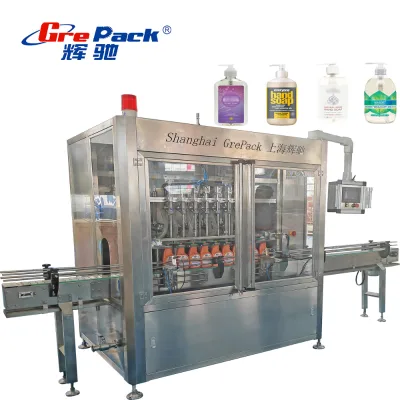

Shanghai Leadworld Machinery Technology Co., Ltd.
- Verified by BV
- Combined
- China Shanghai
- Lead time30 days
- Avg. response≤ 2h
Main productsFilling Machine, Packing Machine, Filling Production Line, Palletizer/De-Palletizer, Vacuum Packing Machine, Canned Food Production Line, Fruit&Vegetable Washing Machine, Conveyor, Bottle Washing Machine, Labeling Machine
Main marketsSouth America,Africa,Southeast Asia/ Mideast,East Asia(Japan/ South Korea),Domestic,Europe,Australia,North America

Guangzhou Youde Machinery Co., Ltd
- Verified by BV
- Combined
- China Guangdong
- Lead time30 days
- Avg. response≤ 3h
Main productsMixing Tank, Vacuum Emulsifying Mixer, Water Equipment Machine, Filling Machine, Perfume Making Machine
Main marketsSoutheast Asia/ Mideast,Europe,Australia,North America


High Speed Automatic Cosmetic Shampoo Viscous Liquid Bottle Bottling Filling Machine
$8000.00
MOQ: 1 Pieces

Fully Automatic Shampoo Cosmetic Cream Water Bottling Filling Machine Equipment
$8000.00
MOQ: 1 Pieces


Guangzhou Lianhe Machinery Co., Ltd.
- Verified by SGS Group
- Manufacturer, Trading Company
- Lead time30 days
- Avg. response≤ 4h
Main productsVacuum Emulsifying Mixer, Liquid Wash Homogenizer Mixer, Perfume Making Machine, Packing Line, RO Water Treatment
Main marketsEastern Europe(19%), Northern Europe(10%), North America(9%)
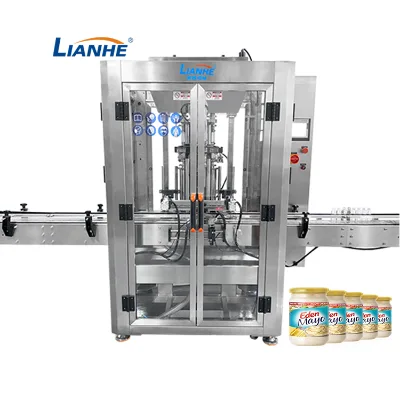
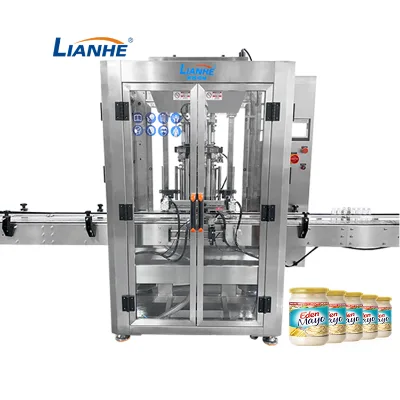
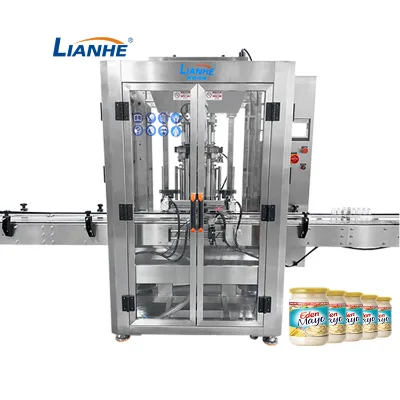
Automatic Syrup Filling Machine Shampoo Lotion Filler High Accuracy Detergent Piston Filling Line
$9800.00 - $13000.00
MOQ: 1 sets
$16484.2317 - $18029.6284
MOQ: 1 sets
Foshan Land Packaging Machinery Co., Ltd.
- Manufacturer, Trading Company
- Guangdong, China
- Lead time20 days
- Avg. response≤ 2h
Main productsVertical Packaging Machine,Pillow Packing Machine,Filling Line,Packing Line,Multilane Packing Machine/Filling Machine
Main marketsDomestic Market(26.00%), North America(13.00%), Mid East(12.00%), Southeast Asia(11.00%), Eastern Asia(8.00%), Africa(5.00%), Western Europe(4.00%), South America(4.00%), Central America(4.00%), Oceania(3.00%), South Asia(3.00%), Eastern Europe(3.00%), Southern Europe(2.00%), Northern Europe(2.00%)
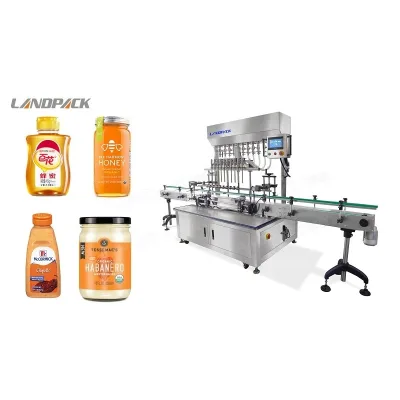
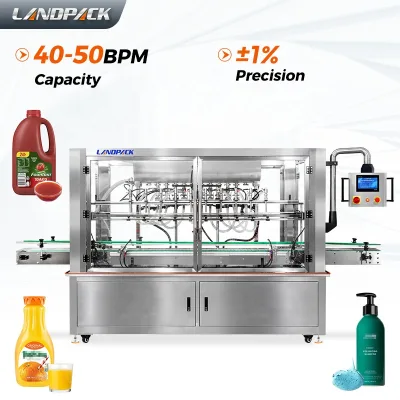
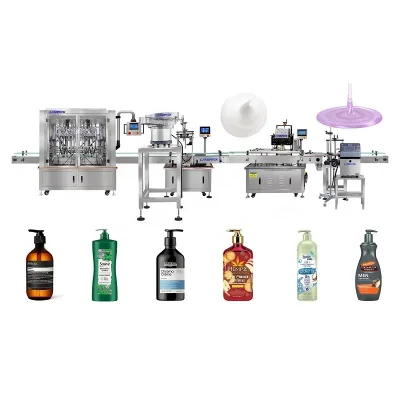
Liquid Fluid Hair Product Shampoo Bottle Filling Equipment Line Machines Machine
$8725.00 - $14807.00

Guangdong Jinzong Machinery Co., Ltd.
- Verified by BV
- Combined
- China Guangdong
- Lead time60 days
- Avg. response≤ 20h
Main productsChemical Reactor, Resin Reactor, Vacuum Emulsifying Machine, Stainless Steel Mixing Tank, Liquid Detergent Mxing Tank, Laboratroy Mixer, Pharmaceutical Processing Machine, Food Processing Machine, Resin Plant, Paint Production Equipment
Main marketsSouth America,Africa,Southeast Asia/ Mideast,East Asia(Japan/ South Korea)
Guangzhou Lianmeng Machinery Equipment Co., Ltd.
- Verified by SGS Group
- Manufacturer, Trading Company
- Lead time25 days
- Avg. response≤ 3h
Main productsVacuum Emulsifier, Mixing Homogenizer Tank, Perfume Making Filling Machine, Filling Capping Labeling Machine, Aerosol Machine
Main marketsDomestic Market(19%), Southeast Asia(15%), North America(10%)
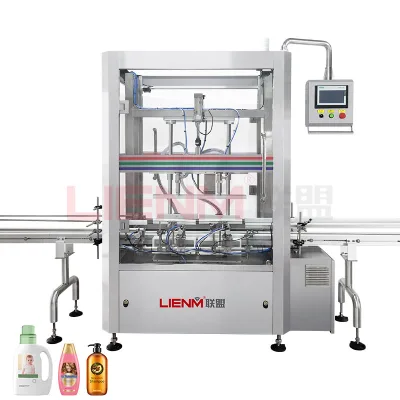
$2049.234 - $5635.3936
MOQ: 1 sets
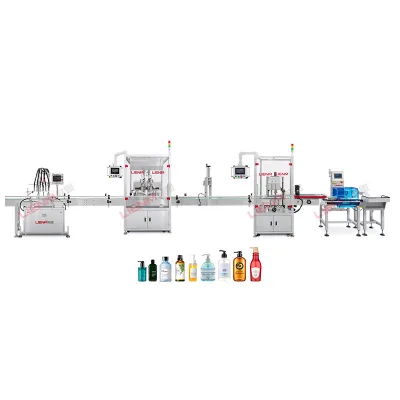
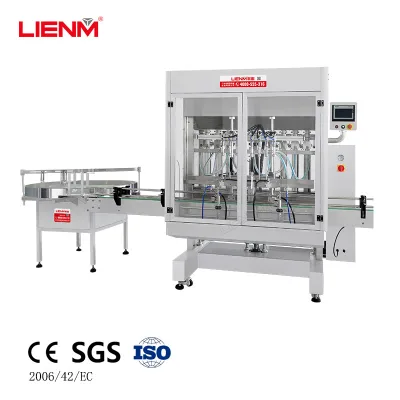
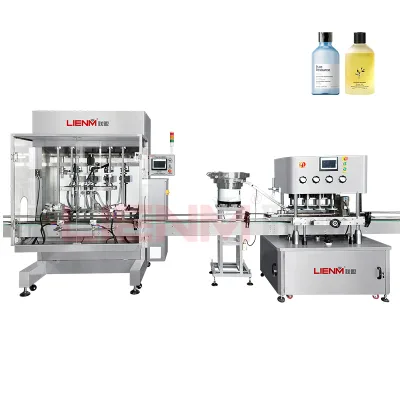
Guangzhou Lianmeng Machinery Equipment Co., Ltd.
- Manufacturer, Trading Company
- Lead time旺季: "1 - 1":31,"> 1":"To be negotiated", 淡季: "1 - 1":31,"> 1":"To be negotiated"
- Avg. response≤ 3h
Main productsVacuum Emulsifier, Detergent Blending Tanks, Filling Packing Machine, Perfume Machine, Water Treatment
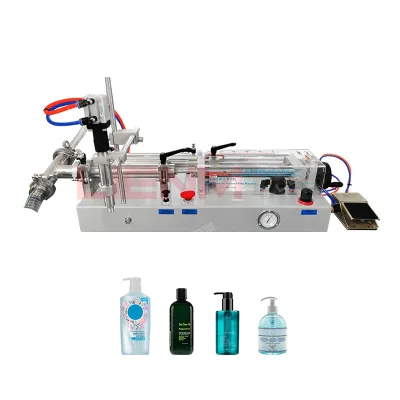
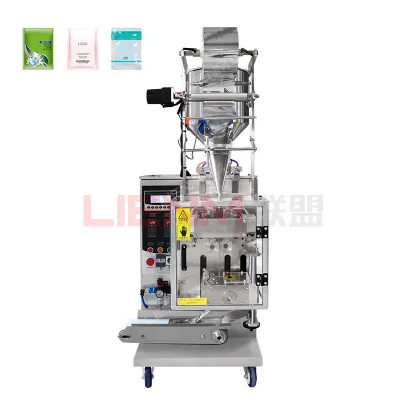
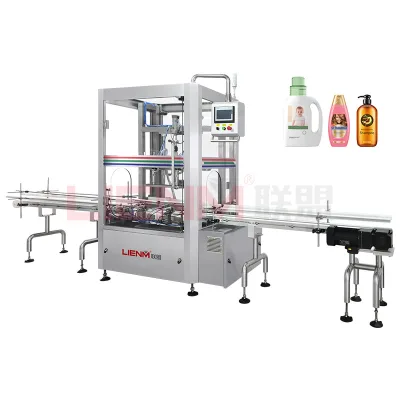
$3000.00 - $5500.00
MOQ: 1 units
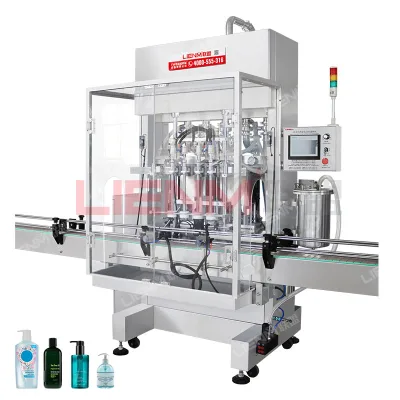

Guangzhou Silian Machinery Co., Ltd.
- Verified by CTI
- Combined
- China Guangdong
- Lead time30 days
- Avg. response≤ 3h
Main marketsAfrica,Southeast Asia/ Mideast,East Asia(Japan/ South Korea),Domestic,Europe,Australia,North America


China Factory Direct Sale Automatic Two Color Shampoo Filling Machine with CE Certificate
$10600.00 - $11600.00
MOQ: 1 sets

Semi Automatic Two Color Shampoo Filling Machine with CE Certificate
$10600.00 - $11600.00
MOQ: 1 sets
Henan Zhong Yi Long Machinery Equipment Co., Ltd.
- Verified by TüVRheinland
- Manufacturer, Trading Company
- Lead time30 days
- Avg. response≤ 2h
Main productsBeverage Production Line Machines, Bottled And Barrel Water Production Line, Beverage Pretreatment Machines, Reverse Osmosis Water Treatment System, Blowing Filling Capping Machines
Main marketsDomestic Market(52%), Southeast Asia(9%), North America(8%)
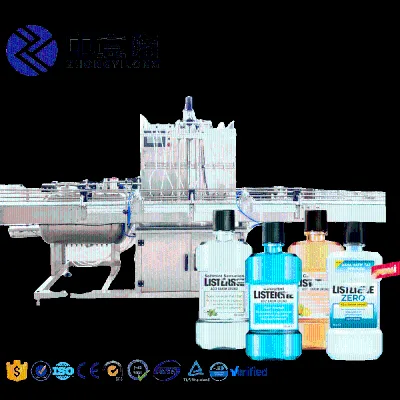
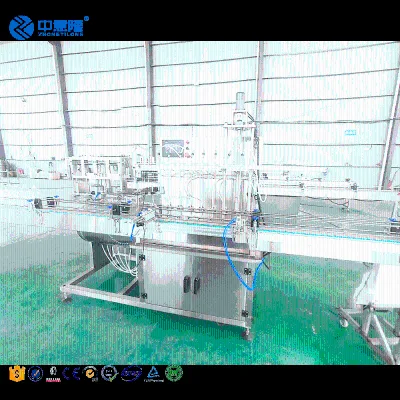
$449.00 - $450.00
MOQ: 1 sets
Ly Sinobiz Machinery Co., Ltd.
- Verified by TüVRheinland
- Trading Company
- Lead time15 days
- Avg. response≤ 4h
Main productsClean Room, Packing Machine, Liquid Filling Machine, Counting Machine, Cartoning Machine
Main marketsNorth America(40%), Western Europe(40%), Eastern Europe(5%)
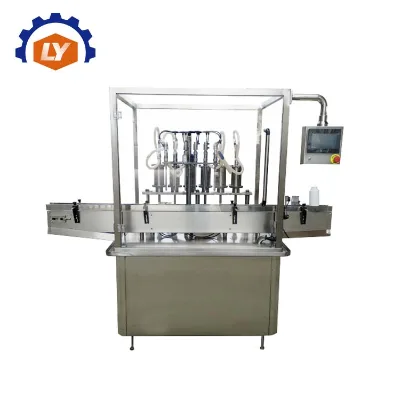
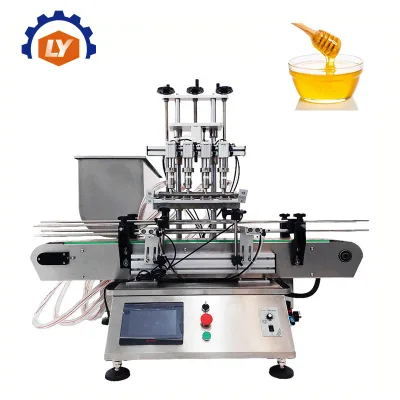
Semi Automatic 4-Head High-Accuracy Filling Machine for Bottles Shampoo Oil Paste Easy-to-Operate
$3687.5981 - $3994.9832
MOQ: 1 sets
Guangzhou Lianmeng Machinery Equipment Co., Ltd.
- Manufacturer, Trading Company
- Lead time旺季: "1 - 1":25,"> 1":"To be negotiated", 淡季: "1 - 1":25,"> 1":"To be negotiated"
- Avg. response≤ 4h
Main productsVacuum Emulsifier, Mixing Homogenizer Tank, Perfume Making Filling Machine, Filling Capping Labeling Machine, Aerosol Machine
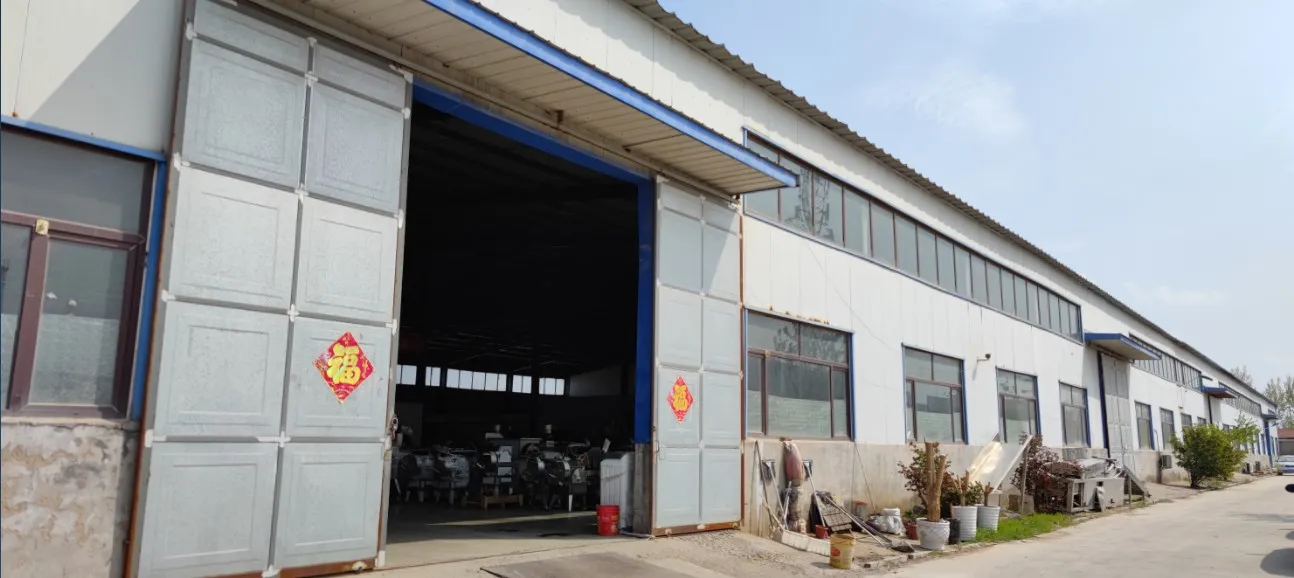
Zhengzhou Camels Commercial And Trading Company Ltd.
- Trading Company
- Henan, China
- Lead time25 days
- Avg. response≤ 6h
Main productsDairy Milk Processing Machine,Yogurt Production Line,Milk Pasteurizer Tank,Filling Machine,Fish Processing Machine
Main marketsSouth America(30.00%), Africa(20.00%), Eastern Europe(20.00%), Mid East(20.00%), North America(10.00%)

- Verified by BV
- Trading Company
- China Hebei
- Lead time30 days
- Avg. response≤ 1h
Main productsElbow Machine, Induction Pipe Bending Machine, Tee Machine, Seamless Elbow, Pipe Expanding Machine, Hydraulic Press, GOST Elbow, Tee
Main marketsSouth America,Africa,Southeast Asia/ Mideast,East Asia(Japan/ South Korea),Europe,North America


Single Head Shampoo Filling Machine Soap Disposable Gel Filling Machine
$135.00 - $155.00
MOQ: 1 Pieces
Henan Cyril Machinery Equipment Co., Ltd
- Trading Company
- He'nan, China
- Lead time10 days
- Avg. response≤ 4h
Main productsFilling Machine, Labeling Machine, Capping Machine, Packaging Machine, Coding Machine
Main marketsDomestic Market(40.00%), South America(15.00%), Mid East(10.00%), North America(5.00%), Western Europe(5.00%), Central America(5.00%), Southeast Asia(5.00%), South Asia(3.00%), Eastern Asia(2.00%), Oceania(2.00%), Southern Europe(2.00%), Northern Europe(2.00%), Africa(2.00%), Eastern Europe(2.00%)

Guangzhou Guanhe Light Industry Machinery Co., Ltd.
- Verified by SGS
- Trading Company,Manufacturer/Factory
- China Guangdong
- Lead time38 days
- Avg. response≤ 9h
Main productsFilling Machines, Packing Machine, Capping Machine, Sealing Machine, Labeling Machine, Bottle Washing Drying Machine, Bottle Unscrambling Machine, Conveying Machine, Filling Capping Machines, Mixing/Storage Tanks
Main marketsSouth America,Eastern Europe,Mid East,North America,Southeast Asia,Eastern Asia,Oceania,Western Europe,Africa

Automatic 6-Nozzle Shampoo Filling Machine with Rotor-Pump Filling
$21000.00 - $25000.00
MOQ: 1 Pieces


Custom Made Automatic Detergent Lotion Shampoo Liquid Filling Foaming Packing Machine
$1000.00 - $35000.00
MOQ: 1 Pieces

Guangzhou Jinfeng Light Industry Machinery Co., Ltd.
- Trading Company
- Lead time旺季: "1 - 1":20,"2 - 3":35,"> 3":"To be negotiated", 淡季: "1 - 1":20,"2 - 3":35,"> 3":"To be negotiated"
- Avg. response≤ 2h
Main productsVacuum Homogeneous Emulsifying Machine, Homogenizing Mixer, Reverse Osmosis Water Treatment Machine, Automatic and Semi Automatic Filling Machine, Perfume Machine/Dryer Equipment
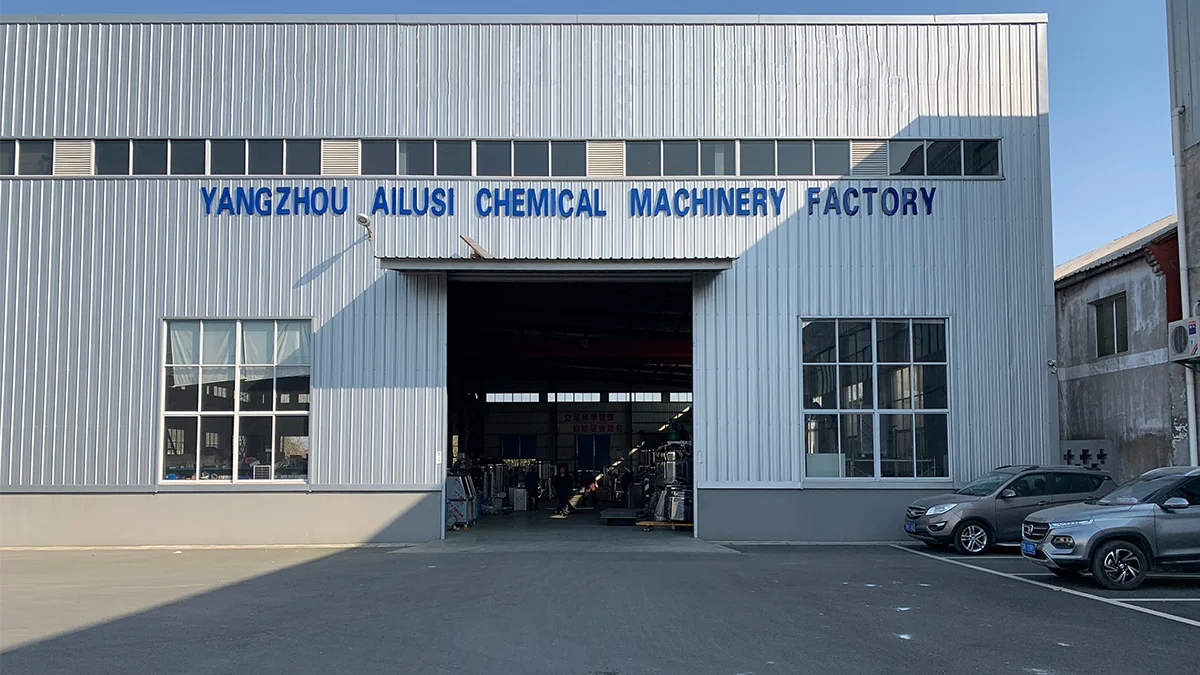
Yangzhou Ailusi Chemical Machinery Factory
- Manufacturer, Trading Company
- Jaingsu, China
- Lead time35 days
- Avg. response≤ 5h
Main productsRO Water Treatment, Vacuum Emulsifying Mixer, Liquid Homogenizing Mixer, Packing Machine
Main marketsDomestic Market(25.00%), Africa(15.00%), Eastern Asia(10.00%), Mid East(10.00%), Southeast Asia(10.00%), North America(8.00%), South America(5.00%), Eastern Europe(5.00%), South Asia(3.00%), Southern Europe(3.00%), Western Europe(2.00%), Central America(2.00%), Northern Europe(2.00%)
Cangzhou Lviv Import And Export Trading Co., Ltd.
- Trading Company
- Hebei, China
- Lead time15 days
- Avg. response≤ 10h
Main productsFilling machines,packing machine,straw applicator,eco tableware,juice line
Main marketsAfrica(30.00%), Mid East(25.00%), South Asia(20.00%), Western Europe(10.00%), North America(5.00%), Southeast Asia(5.00%), Southern Europe(2.00%), Eastern Asia(2.00%), Eastern Europe(1.00%)

Luohe Tianheng Machinery Co., Ltd.
- Verified by TUVRHEINLAND
- Combined
- China Henan
- Lead time15 days
- Avg. response≤ 5h
Main productsPackaging Machinery, Grain Machinery, Flour Mill, Oil Press, Food Machinery.
Main marketsSoutheast Asia/ Mideast

Qingzhou Tongda Packaging Machinery Co., Ltd.
- Verified by BV
- Combined
- China Shandong
- Lead time30 days
- Avg. response≤ 4h
Main productsFilling Machine, Capping Machine, Labeling Machine, Bottle Washing Machine, Bottle Drying Machine, Wine Filling Machine, Oil Filling Machine, Glass Bottle Washing Machine, Glass Bottle Filling Machine, Palletizer
Main marketsSoutheast Asia/ Mideast,Europe


Customizable Volume Filling Machine for Different Sizes of Shampoo & Conditioner Bottles
$9600.00 - $17400.00
MOQ: 1 Sets
Guangzhou Hone Machinery Co., Ltd.
- Verified by SGS Group
- Trading Company
- Lead time30 days
- Avg. response≤ 5h
Main productsVacuum Emulsifying Mixer, Labeling Machine, Filling Machine, Capping Machine, Mixing Tank
Main marketsNorth America(40%), Southeast Asia(15%), Africa(10%)
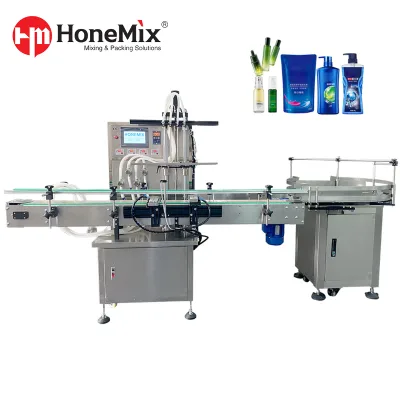
Shampoo Cosmetic Filling Liquid Soap Liquid Automat Fill Production Machine
$5161.9582 - $6194.3498
MOQ: 1 sets
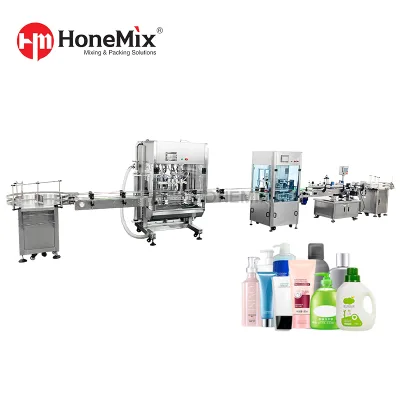

Shanghai Kesi Packaging Machinery Co., Ltd.
- Trading Company,Manufacturer/Factory
- China Shanghai
- Lead time38 days
- Avg. response≤ 5h
Main productsFilling Machine, Labeling Machine, Capping Machine, Liquid Filling Machine, Filling Line, Sealing Machine, Packaging Machine, Folding Machine, Coding Machine, Labeling Machinery
Main marketsSouth America,Eastern Europe,Mid East,North America,Southeast Asia,Eastern Asia,Western Europe,Africa

Automatic Bottle Liquid Filling Machine, Shampoo Filler, Detergent Filler
$3000.00 - $30000.00
MOQ: 1 Pieces




Comprehensive Sourcing Guide
High Accuracy Shampoo Filling Machine Supplier Concentration and Factory Types
The current supplier landscape for high accuracy shampoo filling machines reveals a distinct concentration of manufacturing and trading entities within specific industrial regions. Data indicates that a significant portion of these suppliers are located in China, specifically within the Guangdong province. This geographic clustering is not accidental but reflects a mature industrial ecosystem where supply chains for packaging machinery, stainless steel components, and pneumatic systems are highly developed. Buyers evaluating these suppliers will find that the majority of results originate from this single region, suggesting that logistical efficiency and component availability are key drivers for this concentration. When assessing potential partners, it is crucial to recognize that while the location is consistent, the operational models vary significantly. The supplier types observed include both pure manufacturers and combined entities that function as both manufacturers and trading companies. This distinction is vital for procurement strategy, as combined entities may offer broader product ranges but potentially less direct control over production schedules compared to dedicated factories.
Understanding the company type is essential for aligning expectations with supplier capabilities. Suppliers identified as manufacturers typically possess their own brand and offer both OEM and ODM services, indicating a robust capacity for customization and private labeling. These entities often highlight their ability to produce complex machinery such as vacuum emulsifying mixers and liquid wash homogenizers alongside filling lines, suggesting a comprehensive understanding of the cosmetic production process. In contrast, trading companies or combined suppliers may provide a wider array of auxiliary equipment, such as label machines and capping units, facilitating a one-stop-shop experience for buyers. However, the presence of a trading component can sometimes introduce additional layers of communication and potential markup. Buyers must therefore scrutinize the supplier’s primary focus. If the goal is deep technical customization of the filling mechanism itself, a manufacturer with strong R&D capabilities is preferable. If the goal is rapid procurement of a complete packaging line including labeling and capping, a combined supplier might offer greater convenience. The verification status, such as CTI verification, adds a layer of credibility to these claims, confirming that the supplier’s business scope and physical presence have been audited by third-party inspection agencies.
How to Verify High Accuracy Shampoo Filling Machine Suppliers
Verifying the legitimacy and technical competence of High Accuracy Shampoo Filling Machine suppliers requires a multi-layered approach that goes beyond simple profile reviews. The first step is to examine the verification badges and audit reports provided by the platform. In the current results, several suppliers display CTI verification, which signifies that a third-party inspection company has validated their business license, factory size, and production capabilities. Buyers should request the full audit report to understand the scope of this verification. Does the report confirm the existence of assembly lines? Does it verify the number of engineers dedicated to R&D? For suppliers claiming OEM and ODM capabilities, the audit should ideally detail their design teams and prototyping facilities. Additionally, checking for specific product certifications is critical. The observed data shows that many machines carry CE, ISO, GMP, and TUV certifications. These are not merely decorative; they indicate compliance with international safety and quality standards. Buyers must verify that these certificates are current and issued by recognized bodies, as counterfeit documentation is a known risk in the machinery trade.
Beyond documentation, technical verification involves assessing the supplier’s response to specific engineering queries. The response time data provides a preliminary indicator of operational efficiency, with some suppliers responding within hours. However, speed alone is not a proxy for competence. Buyers should submit detailed technical specifications, such as required filling accuracy percentages, bottle shapes, and viscosity ranges, to gauge the supplier’s technical depth. A competent supplier will respond with detailed engineering questions rather than generic quotes. They should be able to discuss the filling principle, whether it is pressure-based or piston-based, and how it affects accuracy for different liquid viscosities. Furthermore, buyers should inquire about the materials of construction. The observed products frequently mention Stainless Steel 304 or 316L, which are standard for cosmetic and food-grade applications. Verifying that the supplier uses genuine 316L for product contact areas, rather than cheaper 304 steel, is a key technical check. Buyers should also ask for machinery test reports and video outgoing-inspections, which are listed as available services. These videos provide visual proof of the machine’s operation, allowing buyers to assess the smoothness of the filling process and the stability of the conveyor systems before committing to an order.
What to Compare Across High Accuracy Shampoo Filling Machine Suppliers
When evaluating multiple suppliers for high accuracy shampoo filling machines, buyers must systematically compare key operational and commercial metrics to identify the best fit for their production needs. One of the most critical differentiators is the lead time. The data shows a range of production schedules, with some suppliers listing a standard lead time of 15 days, while others provide more complex timelines that vary by season. For instance, some suppliers indicate a lead time of 20 days during peak seasons, with negotiable terms for larger orders. This variability requires buyers to align their procurement timeline with the supplier’s capacity. A supplier with a shorter, more consistent lead time may be preferable for urgent restocking needs, whereas a supplier with longer lead times might offer better pricing for planned, large-scale investments. Additionally, the Minimum Order Quantity (MOQ) is a significant factor. The observed MOQs start as low as one unit, which is advantageous for small businesses or those testing new production lines. However, buyers should be aware that lower MOQs might come with higher per-unit prices. Comparing the price range against the MOQ helps determine the true cost efficiency of each supplier.
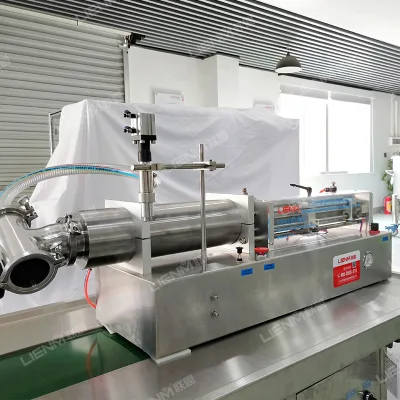
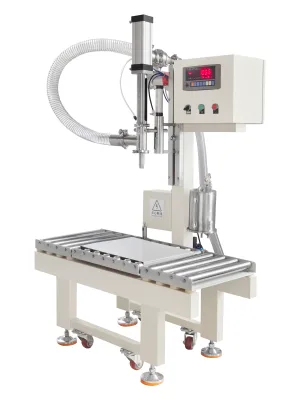
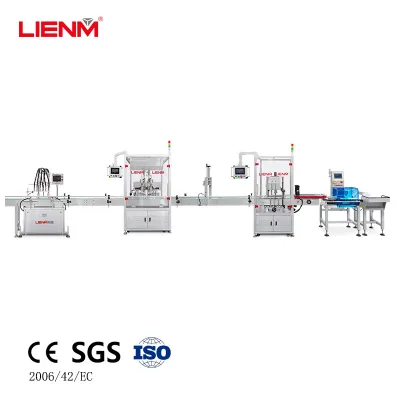
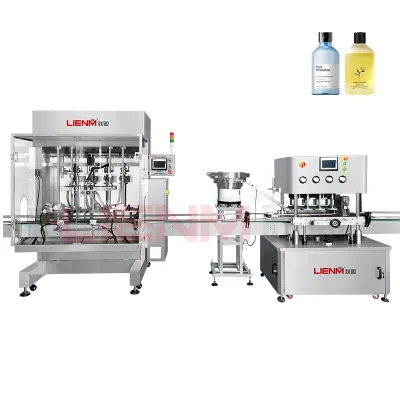
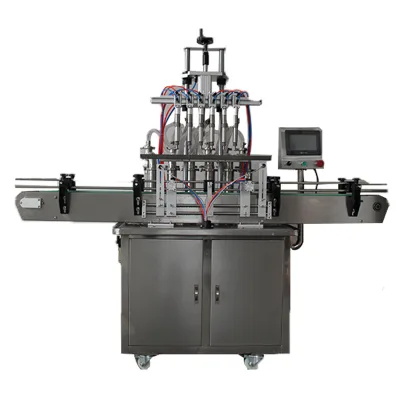
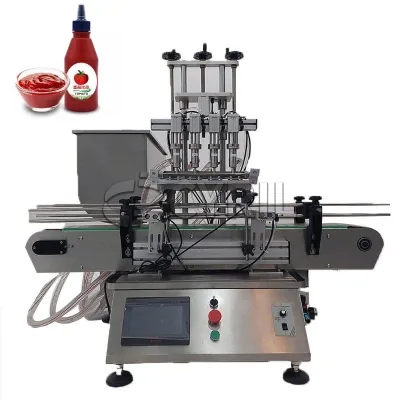
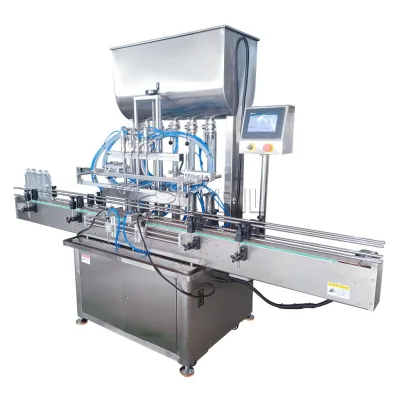
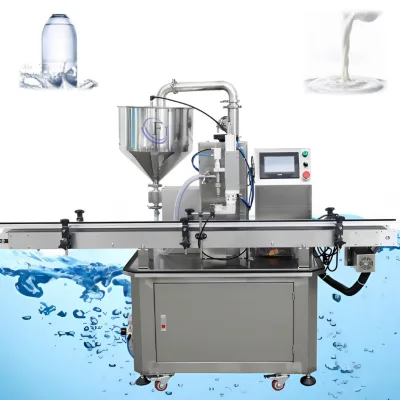
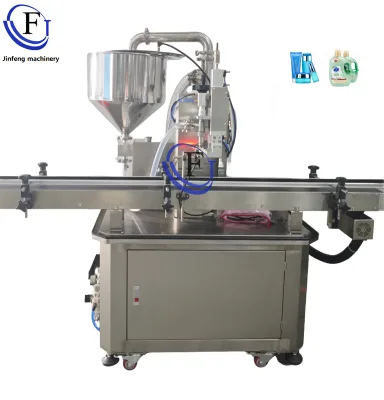
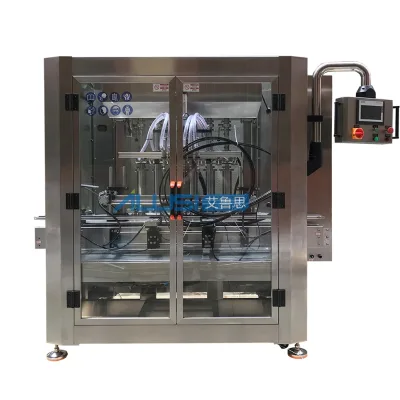
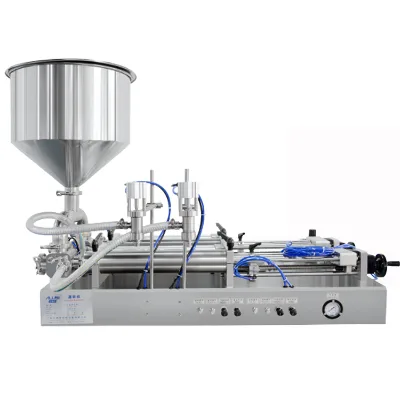
Another vital aspect of comparison is the technical specification and customization options. Buyers should compare the filling speed, range, and accuracy claims across different suppliers. The observed data includes machines with filling speeds ranging from 5-25 bottles per minute for semi-automatic units to 5000 bottles per hour for high-speed automatic lines. The filling range also varies, with some machines accommodating 10-50ml volumes and others handling up to 1000ml. Buyers must match these specifications to their specific bottle sizes and production volume requirements. Furthermore, the degree of customization available is a key differentiator. Some suppliers offer fully automatic, linear structures with multi-head filling valves, while others provide semi-automatic horizontal fillers with pneumatic control. The ability to customize the dosing device, such as using a capacity cup or piston system, can significantly impact the machine’s suitability for specific shampoo viscosities. Buyers should also compare the after-sales service provisions. The presence of video technical support and online support is common, but the duration of the warranty, typically one year, and the availability of spare parts should be explicitly compared. Finally, the main products offered by each supplier can indicate their specialization. A supplier focusing primarily on filling machines may offer deeper expertise than one with a broad, diversified machinery portfolio.
Common High Accuracy Shampoo Filling Machine Sourcing Risks
Sourcing high accuracy shampoo filling machines from international suppliers, particularly those in concentrated manufacturing hubs like Guangdong, China, exposes buyers to several distinct risks that require proactive mitigation. One of the primary risks is the discrepancy between advertised specifications and actual machine performance. While suppliers may claim high accuracy and fast filling speeds, the real-world performance can vary based on the specific viscosity of the shampoo and the type of bottle used. Buyers often encounter issues where a machine performs well with water-like liquids but struggles with thicker creams or gels. This risk is exacerbated if the supplier does not provide a comprehensive machinery test report or video outgoing-inspection. Without visual evidence of the machine handling the buyer’s specific product, there is a significant chance of receiving equipment that requires costly modifications or fails to meet production targets. Additionally, the risk of material substitution is present. Suppliers may advertise Stainless Steel 316L for product contact areas but deliver units with 304 steel to reduce costs. This can lead to corrosion issues over time, particularly with acidic or alkaline cosmetic formulations, compromising product safety and machine longevity.
Another significant risk involves the reliability of after-sales support and spare parts availability. While many suppliers offer video technical support and online assistance, the effectiveness of this support depends heavily on the supplier’s responsiveness and technical expertise. The observed response times vary, and a slow response can lead to prolonged production downtime if a machine breaks down. Furthermore, the complexity of modern filling machines, which often integrate pneumatic, electrical, and mechanical systems, means that troubleshooting can be challenging without on-site support. Buyers must verify the availability of spare parts and the cost of maintenance contracts. There is also a risk related to intellectual property and customization. If a buyer requests a custom-designed filling nozzle or conveyor system, there is a risk that the supplier may not fully understand the technical requirements, leading to a non-functional or inefficient design. Additionally, the risk of logistical damage is non-negligible. Machinery is heavy and fragile, and improper packaging, such as inadequate wooden packing, can result in damage during transit. Buyers should ensure that the supplier uses robust packaging standards and that the shipping terms clearly define responsibility for any transit damage. Finally, currency fluctuation and payment security risks exist, especially for large orders. Buyers should use secure payment methods and verify the supplier’s financial stability to avoid fraud or insolvency issues.
High Accuracy Shampoo Filling Machine Regional Sourcing and Logistics
The geographic concentration of High Accuracy Shampoo Filling Machine suppliers in Guangdong, China, offers both advantages and logistical challenges for international buyers. This region is a global hub for packaging machinery, benefiting from a dense network of component suppliers, skilled labor, and established export infrastructure. Sourcing from this cluster allows buyers to benefit from competitive pricing and rapid prototyping capabilities. However, the logistics of shipping heavy, complex machinery from this region require careful planning. Buyers must consider the dimensions and weight of the machines, which can vary significantly depending on the model. For instance, semi-automatic fillers may be relatively compact, while high-speed automatic lines with conveyor belts and capping units can be quite large. The packaging method, often wooden crates, is essential for protecting the machinery during transit but adds to the overall volume and weight. Buyers should work closely with their freight forwarders to determine the most cost-effective shipping method, whether by sea or air, based on the urgency of the order and the total cost implications. Sea freight is generally more economical for large machinery but involves longer transit times, which must be factored into the overall lead time calculation.
In addition to shipping costs, buyers must account for import duties, taxes, and customs clearance procedures in their destination country. The classification of the machinery under the Harmonized System (HS) code will determine the applicable tariffs. Buyers should verify the HS code with their customs broker to avoid unexpected costs or delays. Furthermore, the installation and commissioning of the machine at the buyer’s facility require technical expertise. While many suppliers offer video support, on-site installation services may incur additional costs for travel and accommodation. Buyers should clarify whether the supplier provides on-site installation and, if so, who bears the associated expenses. The language barrier can also pose a challenge during the logistics and installation phases. Ensuring that all technical documentation, including operation manuals and maintenance guides, is available in the buyer’s preferred language is crucial for smooth operation. Additionally, buyers should consider the environmental and regulatory requirements of their destination country. Machines must comply with local electrical standards and safety regulations, which may require additional certifications or modifications. By understanding these logistical nuances, buyers can streamline the import process and ensure that their High Accuracy Shampoo Filling Machine is delivered and installed efficiently.
High Accuracy Shampoo Filling Machine Commercial Terms and Order Planning
Effective order planning for high accuracy shampoo filling machines requires a thorough understanding of the commercial terms and financial structures offered by suppliers. The price range for these machines
FAQs
What is the price range for high accuracy shampoo filling machines?
Prices for these machines typically range from $800 to $32,896 depending on automation level and capacity. Semi-automatic models start around $800, while fully automatic high-speed lines can exceed $9,800. Buyers should verify specific configurations to determine the exact cost for their production needs.
What certifications do these filling machines usually hold?
Most high accuracy shampoo filling machines hold CE, ISO, GMP, and TUV certifications. These standards ensure the equipment meets international safety and quality requirements for cosmetic and liquid processing. Buyers should request specific certification documents to verify compliance with their local regulatory standards before purchasing.
What is the typical lead time for manufacturing these machines?
Standard lead times are approximately 15 to 20 days for single units. During peak seasons, production may take longer, while off-peak periods might allow for faster delivery. Buyers should confirm current schedules with suppliers, as lead times can vary based on order volume and customization requirements.
What filling speeds can I expect from these machines?
Filling speeds generally range from 5 to 60 bottles per minute. Semi-automatic units may fill 5-25 bottles per minute, while fully automatic high-speed machines can reach 30-40 bottles per minute or up to 5000 bottles per hour. Speed depends on the specific model and bottle size.
What materials are used in the construction of these machines?
Machines are primarily constructed from Stainless Steel 304 or 316L to ensure hygiene and corrosion resistance. These materials are suitable for contact with cosmetics, chemicals, and food products. Buyers should verify the specific steel grade to ensure it meets their industry standards for durability and sanitary processing.
What is the minimum order quantity for these machines?
The minimum order quantity is typically 1 unit, allowing buyers to purchase single machines for testing or small-scale production. This low MOQ facilitates easier entry for new businesses. Buyers should confirm if bulk discounts apply for larger orders, as pricing often decreases with increased volume.