High And Low Temperature Silicone Damping Sheet Suppliers and Manufacturers
Source High And Low Temperature Silicone Damping Sheet from 30 verified suppliers. Compare key dimensions including lead times, minimum order quantities, response rates, and ISO certifications to identify the right manufacturing partner for your specific industrial requirements. Request quotes today.
Updated
Suppliers List

Anhui Sa Tuo New Material Technology Co., Ltd.
- Manufacturer/Factory
- China Anhui
- Lead time23 days
- Avg. response≤ 18h
Main productsRubber Sheet, Silicone Rubber Sheet, Thermal Insulation Material, Sealing Material, Rock Wool Prodcurts, Glass Wool Products, XPS, Aluminum Silicate Products, Anti Slip Rubber Sheet, Nr Natural Rubber Sheeting
Main marketsSouth America,Eastern Europe,Mid East,North America,Southeast Asia,Eastern Asia,Oceania,Western Europe,Africa

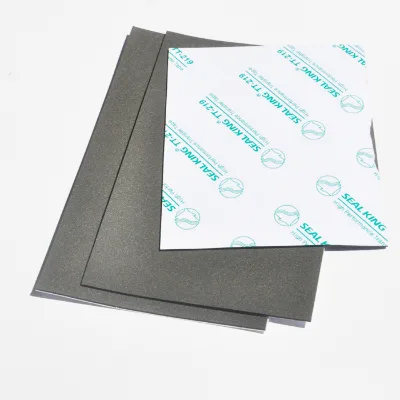
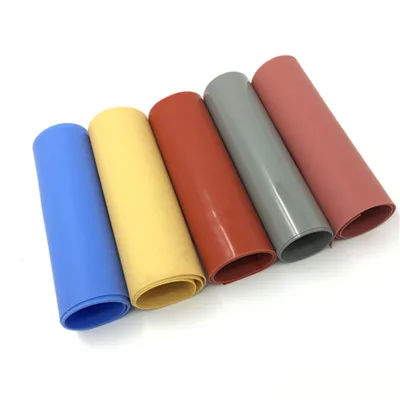
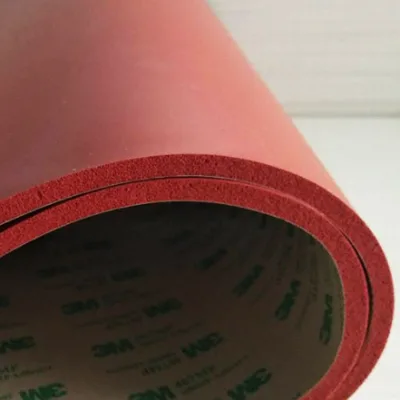
High and Low Temperature Resistance Tearing Resistance Silicone Rubber Sheets
$0.50 - $6.80
MOQ: 100 kg


Dongguan Huaqi Sealing Co., Ltd.
- Verified by Intertek
- Manufacturer, Trading Company
- Lead time15 days
- Avg. response≤ 1h
Main productsSilicone Rubber Sheet, Silicone Foam Sheet, Silicone Tube, Sealing O Ring, Suction Cup
Main marketsNorth America(49%), Domestic Market(43%), Southeast Asia(5%)

Hebei Orient ADMA Tech Group Co., Ltd.
- Verified by SGS
- Trading Company,Manufacturer/Factory
- China Hebei
- Lead time30 days
- Avg. response≤ 5h
Main productsPVC Hose, Rubber Hose, Hydraulic Hose, Silicone Hose, Pneumatic Hose, Oil Field Hose/Dredging Hose, Hose Crimping Machine, Hose Couplings and Clamps, Hose Protection Sleeve, Packaging Film
Main marketsSouth America,Eastern Europe,Mid East,North America,Southeast Asia,Eastern Asia,Oceania,Western Europe,Africa

Shanghai Runzi Rubber And Plastic Co., Ltd.
- Verified by SGS
- Trading Company
- China Shanghai
- Lead time23 days
- Avg. response≤ 5h
Main productsSilicone Rubber Sheets, Silicone Foam Tubes, Rubber Sheets, Cow Mat/Horse Mat/Pig Mat, EPDM Rubber Sheets, Viton Rubber Sheets, Silicone Rubber Profiles, PVC Sheet Curtain
Main marketsSoutheast Asia/ Mideast,Europe,North America


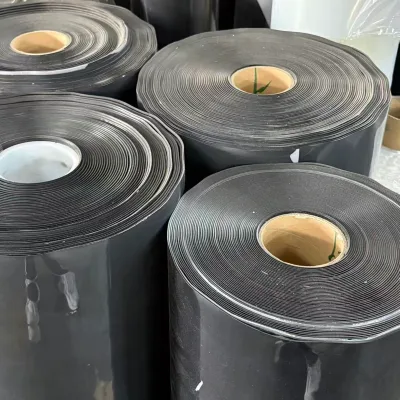
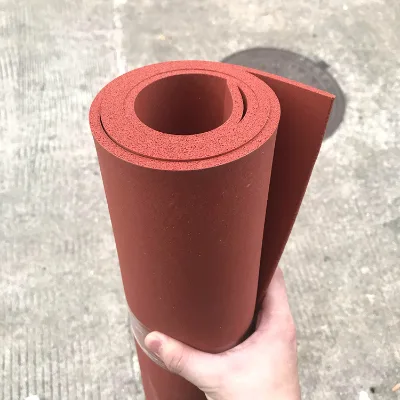
Hot Selling Silicone Roll High Tear-Resistant Silicone Rubber Sheet
$13.50 - $16.50
MOQ: 100 Square Meters


Xi'an DeCai Honorise New Material Co., Ltd
- Verified by SGS
- Manufacturer/Factory
- China Zhejiang
- Lead time23 days
- Avg. response≤ 4h
Main productsHeat Transfer Machine, Heat Transfer Film, in Mold Label, Heat Transfer Roller, Rubber Roller
Main marketsSouth America,Mid East,North America,Southeast Asia


High Temperature Silicone Rubber Plate Silicone Sheet for Hot Stamping Foil Printing
$68.00 - $98.00
MOQ: 3 mm

Hot Stamping Silicone Plate Sheet for Heat Transfer Silicone Rubber Plate
$49.00 - $51.00
MOQ: 1 Pieces
Shenzhen Kuayue Electronics Co., Ltd.
- Verified by SGS Group
- Manufacturer, Trading Company
- Lead time5 days
- Avg. response≤ 5h
Main productsSilicone Thermal Pad, Thermal Conductive Adhesive, Graphite Sheet, Thermal Gap Material, Silicone Rubber
Main marketsNorth America(30%), Eastern Asia(20%), Southeast Asia(20%)
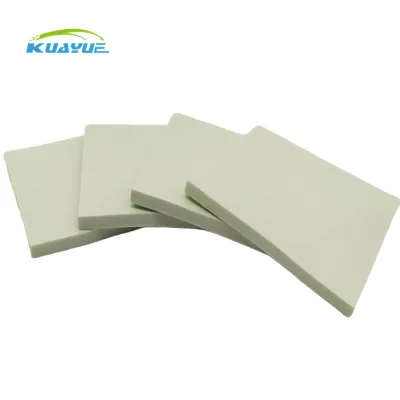
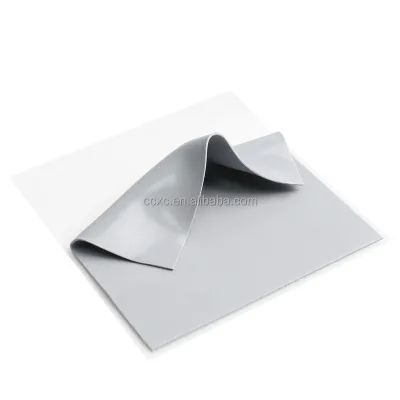
Low price sale green soft high temperature resistance high thermal silicone heat conductive sheet
$0.1027 - $3.0818
MOQ: 50 Minimum
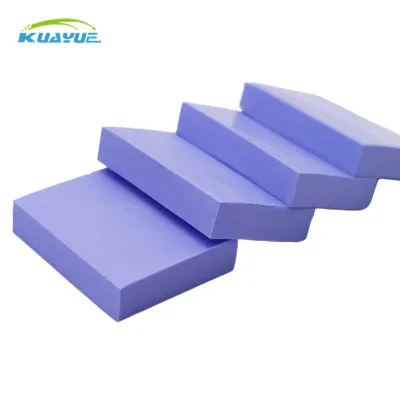
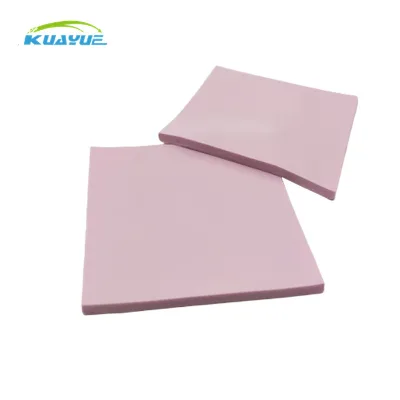
Wholesale ultra Soft Conductive Pads High Temperature Cooling Interface Sheet
$0.1026 - $4.105
MOQ: 100 Minimum
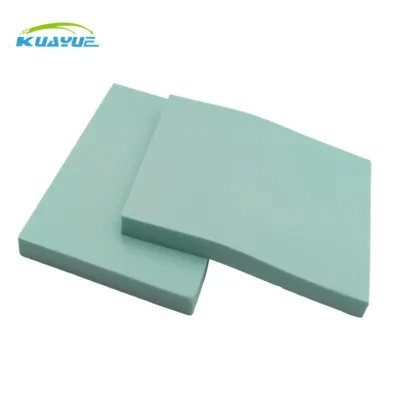
New moder rubber thermal silicone pad
$1.60 - $2.00
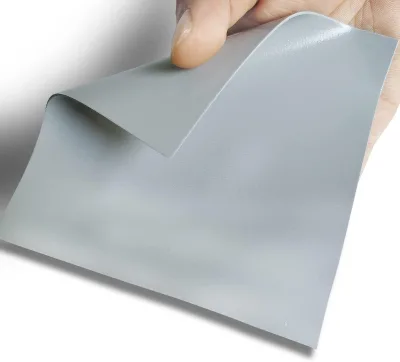

ZHENGZHOU BAI-OTT NEW MATERIAL CO., LTD.
- Verified by CTI
- Combined
- China Henan
- Lead time15 days
- Avg. response≤ 7h
Main productsBelt Cleaner, Pulley Lagging Rubber Sheet, Hot Splicing Material, Vulcanizing Press, Belt Fastener, Impact Bed
Main marketsSoutheast Asia/ Mideast

High Temperature Resistant 3mm Thickness Silicone Rubber Sheet for Gasket
$7.00 - $8.00
MOQ: 1 Square Meters

Dongguan Gmark New Material Technology Co., Ltd.
- Manufacturer, Trading Company
- Lead time旺季: "1 - 10":3,"11 - 50":5,"> 50":"To be negotiated", 淡季: "1 - 10":3,"11 - 50":5,"> 50":"To be negotiated"
- Avg. response≤ 3h
Main productsPE foam tape,VHB tape,PORON foam,Silicone foam,double sided tape
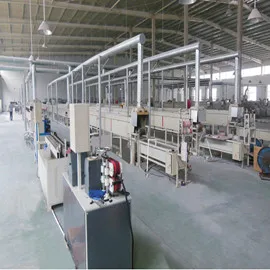
HEBEI JIEXING RUBBER SEALS CO.,LTD
- Manufacturer, Trading Company
- Hebei, China
- Lead time20 days
- Avg. response≤ 1h
Main productsRubber Seal Strip, Silicone Sheet, Rubber Sheet, Gasket, Composite Sealing Strip
Main marketsDomestic Market(74.00%), South Asia(2.00%), Eastern Asia(2.00%), North America(2.00%), South America(2.00%), Oceania(2.00%), Western Europe(2.00%), Southern Europe(2.00%), Central America(2.00%), Northern Europe(2.00%), Africa(2.00%), Eastern Europe(2.00%), Mid East(2.00%), Southeast Asia(2.00%)
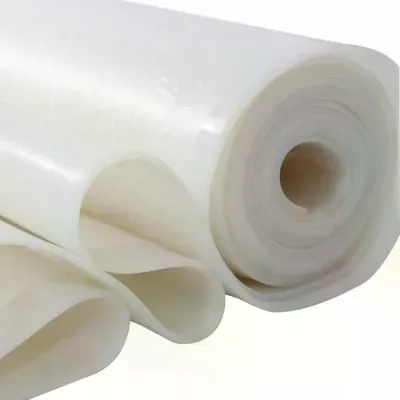
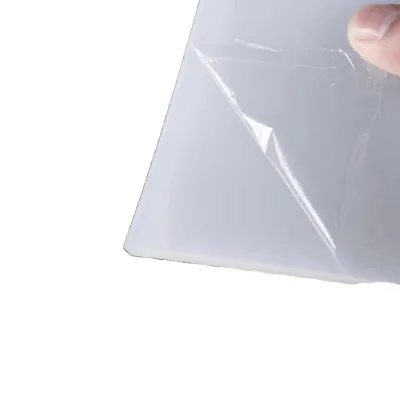
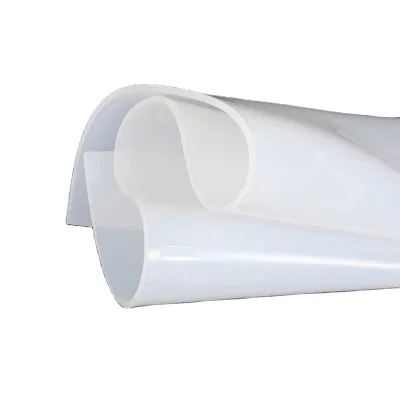
Anti-static High Temperature Resistant Insulation Shock Absorption White Translucent Silicone Sheet
$0.47 - $0.77
MOQ: 1000 meters
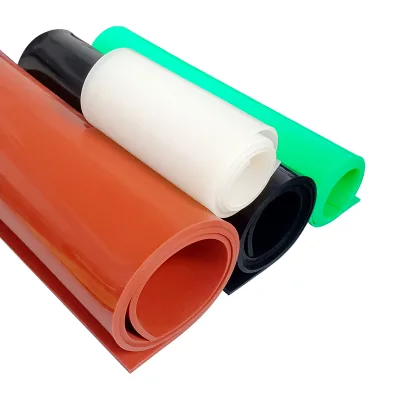
$1.7728 - $87.3574
MOQ: 100 Minimum

Xiamen Best Seal Imp. and Exp. Co., Ltd.
- Verified by SGS
- Manufacturer
- China Fujian
- Lead time30 days
- Avg. response≤ 6h
Main productsRubber O-Rings, X-Rings, Rubber Gaskets, Rubber Washers, Rubber Molded Parts, Metal/Plastic Bonded to Rubber Parts
Main marketsEurope,North America

Factory High Temperature Resistant Silicone Sheet Insulating Silicone Rubber Sheets
$0.01 - $0.09
MOQ: 100 Pieces


- Manufacturer/Factory
- China Shandong
- Lead time23 days
- Avg. response≤ 3h
Main productsHydraulic Hose, Welding Hose, Rubber Hose, Conveyor Belt, Air Hose, Water Hose, Rubber Sheet, Rubber Tiles, V Belt, Fittings
Main marketsSouth America,Eastern Europe,Mid East,North America,Southeast Asia,Eastern Asia,Oceania,Western Europe,Africa
Shandong Liguo New Material Co., Ltd.
- Manufacturer, Trading Company
- Shandong, China
- Lead time0 days
- Avg. response≤ 5h
Main productsSilicone Rubber,Liquid Silicone,Silicone Membrane,Transmission Belt,silicone leather
Main marketsAfrica(50.00%), Eastern Europe(20.00%), North America(10.00%), South America(10.00%), Northern Europe(5.00%), Southeast Asia(5.00%)

Shenzhen DuBang Technology Co., Ltd
- Manufacturer, Trading Company, Distributor/Wholesaler
- GuangDong, China
- Lead time10 days
- Avg. response≤ 12h
Main productsThermal pad,Graphite sheet,Thermal silicone grease,Electronic potting adhesive,Thermal conductive gel
Main marketsNorth America(30.00%), Northern Europe(20.00%), Western Europe(10.00%), Mid East(10.00%), Southeast Asia(10.00%), Eastern Europe(10.00%), South Asia(5.00%), South America(5.00%)
Shenzhen Brilliance Rubber & Plastic Material Co., Ltd.
- Manufacturer
- Guangdong, China
- Lead time20 days
- Avg. response≤ 6h
Main productsconductive elastomers,gasket sheet seals,cucstomized silicone rubber part,EMI shielding strip,FKM compound
Main marketsNorth America(30.00%), Western Europe(15.00%), Eastern Asia(10.00%), South America(9.00%), Southeast Asia(9.00%), Eastern Europe(8.00%), Mid East(6.00%), Northern Europe(5.00%), Central America(2.00%), Southern Europe(2.00%), Domestic Market(1.00%), South Asia(1.00%), Africa(1.00%), Oceania(1.00%)
Dongguan Huoxi Silicone Rubber Technology Co., Ltd
- Verified by TüVRheinland
- Manufacturer, Trading Company
- Lead time0 days
- Avg. response≤ 2h
Main productsSilicone Sheet Roll, Conductive Silicone, Silicone Sheet, Silicone Anti Slip Pad, Silicone Rubber Sheet
Main marketsNorth America(15%), Domestic Market(11%), Southeast Asia(10%)
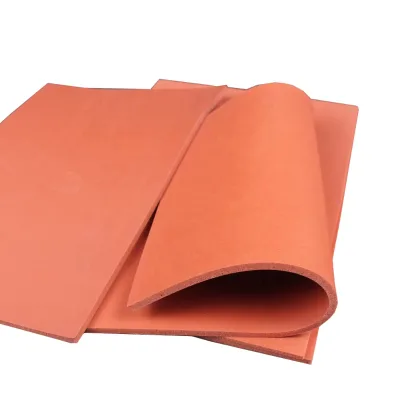
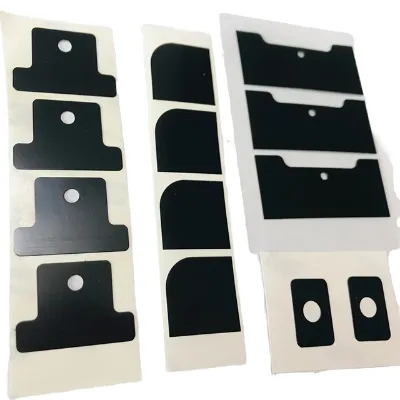
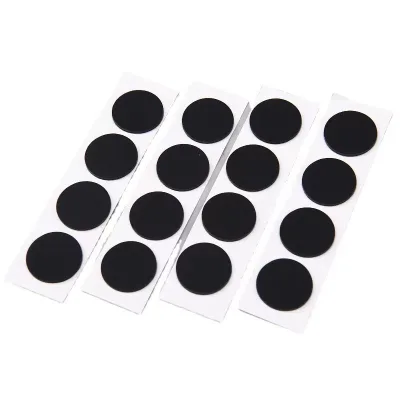
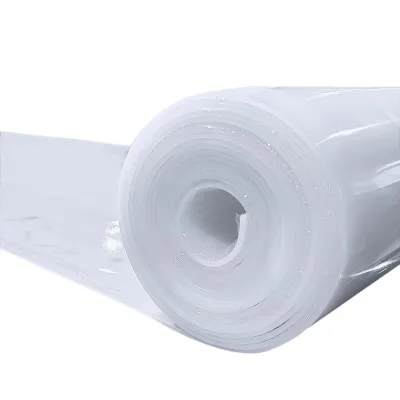
Custom Silicone Rubber Sheets for Seals Heat Dissipation Cutting Moulding Available
$5.00 - $5.80
MOQ: 20 square

Milesun Rubber & Plastic Technology Co., Ltd.
- Verified by CTI
- Manufacturer/Factory
- China Guangdong
- Lead time23 days
- Avg. response≤ 12h
Main productsRubber Components, Rubber Damper/Shock Absorber/Sheet, Rubber-Metal Components, Sealing Ring, Home Appliance Rubber and Metal Components, Power Tool Rubber and Metal Components, Auto Rubber and Metal Components, Sanitary Rubber and Metal Components, Kitchen Ware / Daily Use Rubber Products, Food Grade Rubber Products/Toy
Main marketsSouth America,Eastern Europe,Mid East,North America,Southeast Asia,Eastern Asia,Oceania,Western Europe,Africa
Dongguan Guizhiyuan Technology Co., Ltd.
- Manufacturer, Trading Company
- Guangdong, China
- Lead time0 days
- Avg. response≤ 2h

Hebei Jiexing Rubber Seals Co., Ltd.
- Verified by TUVRHEINLAND
- Manufacturer/Factory
- China Hebei
- Lead time23 days
- Avg. response≤ 4h
Main productsRubber Seal Strip, Rubber Plastic Sealing Strips, Silicone/EPDM/NBR/PVC Seal Strip, Solid/Foam Strip, Door&Window Seal Strip, Auto Rubber Seal Strip, Production of EPDM Monomer Sealing Strips, Nitrile Foam Strips, EPDM Composite Sealing Strips, Silicone Strips Nitrile Sealing Strips
Main marketsSouth America,Eastern Europe,Mid East,North America,Southeast Asia,Eastern Asia,Oceania,Western Europe,Africa


0.5 mm 1mm 2mm 3mm 4mm High Temperature Resistance Silicone Rubber Sheet/Mat/Pad/Plate
$7.00 - $9.00
MOQ: 100 Square Meters

Thin Silicone Rubber Sheet Heat Resistant Rubber Sheet Silicon Rubber Heating Pad/Sheet
$180.00 - $1800.00
MOQ: 500 Meters

Yangzhong HaiTeng Fluorine Plastic Product Factory
- Verified by BV
- Combined
- China Jiangsu
- Lead time15 days
- Avg. response≤ 24h
Main productsPTFE, PTFE Sheet, PTFE Rod, PTFE Tube, Nylon, Silicon Rubber, Teflon, Nylon Rods, Nylon Tube, PU Rod/POM Rod
Main marketsSoutheast Asia/ Mideast,Domestic

SHENZHOU CITY SANSHI RUBBER CO., LTD.
- Verified by BV
- Combined
- China Hebei
- Lead time15 days
- Avg. response≤ 8h
Main productsRubber Part, Oil Seal, Rubber Gasket, Rubber Sealing, Operation of Machinery Parts, Handle, Knob, Handwheel, Nylon Gaskets, PTFE Gasket
Main marketsSouth America,Africa,Southeast Asia/ Mideast,East Asia(Japan/ South Korea),Domestic,Europe,Australia,North America
Shenzhen Laimeisi Silicon Industry Co., Ltd.
- Verified by SGS Group
- Manufacturer, Trading Company
- Lead time15 days
- Avg. response≤ 5h
Main productsSilicone Rubber Sheet, Thermal Pad, Thermal Grease, Silicone Coated Fiberglass Fabric Cloth, Foam Silicone Rubber Sheet
Main marketsNorth America(45%), South America(15%), Northern Europe(10%)

Shandong Shuangyuan Sealing Technology Co., Ltd.
- Combined
- China Shandong
- Lead time15 days
- Avg. response≤ 7h
Main productsButyl Tape, Car Sound Deadening Mats, Butyl Sealant, Butyl Strips, Waterproofing Butyl Rolls, Butyl Products, Sound Damping Mats, Sound Deadening, Aluminum Foil Butyl Tape, Butyl Rubber Tape
Main marketsSouth America,Africa,Southeast Asia/ Mideast,East Asia(Japan/ South Korea),Domestic,Europe,Australia,North America
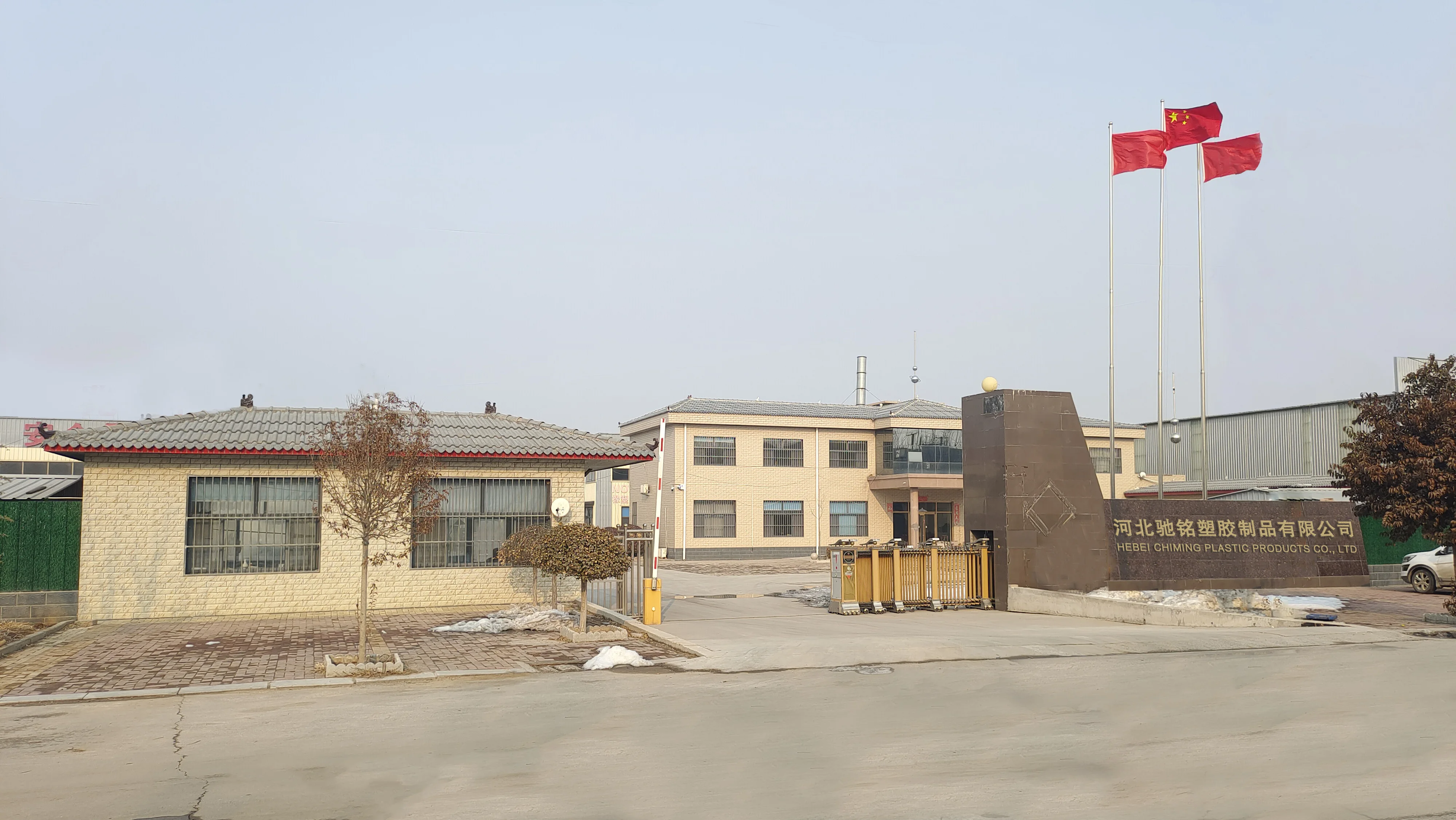
Hebei Chiming Rubber Products Co., Ltd.
- Manufacturer, Trading Company
- Hebei, China
- Lead time15 days
- Avg. response≤ 4h
Main productsSealing Strip, Artificial Grass
Main marketsDomestic Market(65.00%), North America(5.00%), South America(5.00%), Central America(4.00%), Southeast Asia(4.00%), Oceania(3.00%), Western Europe(3.00%), Eastern Europe(3.00%), South Asia(3.00%), Mid East(3.00%), Southern Europe(1.00%), Eastern Asia(1.00%)
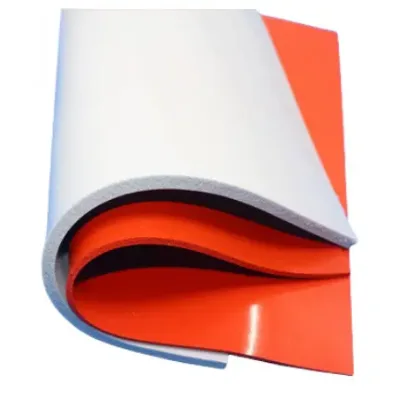
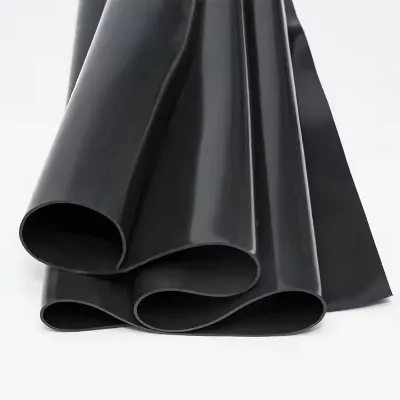
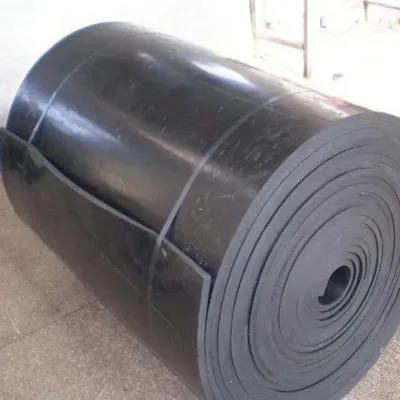
Vibration Damping Stamp Punching Sealant Silicone Rubber Sheet with Cutting Processing Service
$0.40 - $0.50
MOQ: 100 kilograms

Suzhou Titan Silicon Rubber Technology Co., Ltd.
- Verified by CTI
- Combined
- China Jiangsu
- Lead time23 days
- Avg. response≤ 3h
Main productsSilicone Rubber Keypads, Silicone Extrusion Sealing Strips, Silicone Glass Lid, Molded Silicone Rubber Parts, Silicone Oven Mitts Pot Holder
Main marketsDomestic

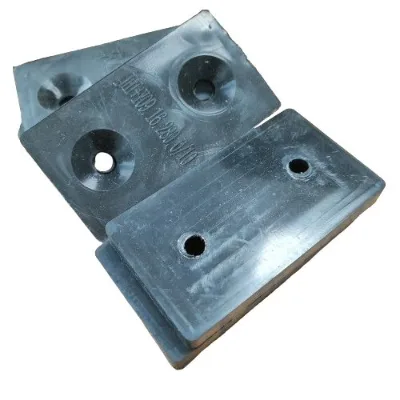
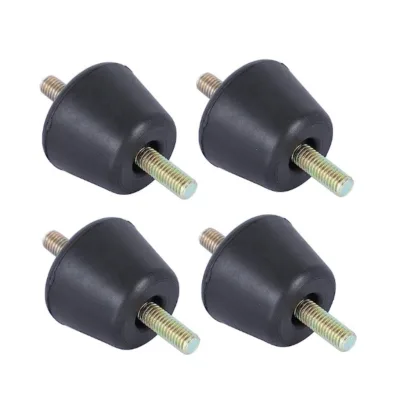
High Performance Silicone Part Silicone Shock Absorber Pad for Vibration Control
$2.00 - $2.50
MOQ: 1000 Pieces

Silicone Damping Pad Silicone Part Improving Motor Performance and Durability
$2.00 - $2.50
MOQ: 1000 Pieces


Zibo Hesheng New Material Co., Ltd.
- Verified by CTI
- Combined
- China Shandong
- Lead time15 days
- Avg. response≤ 1h
Main productsPolyurethane Sheet, Polyurethane Rod, Polyurethane Elastomer, Polyurethane Non-Standard Shaped Parts, Silica Gel Plate, Silicone Rod, Silicone Shaped Parts
Main marketsDomestic
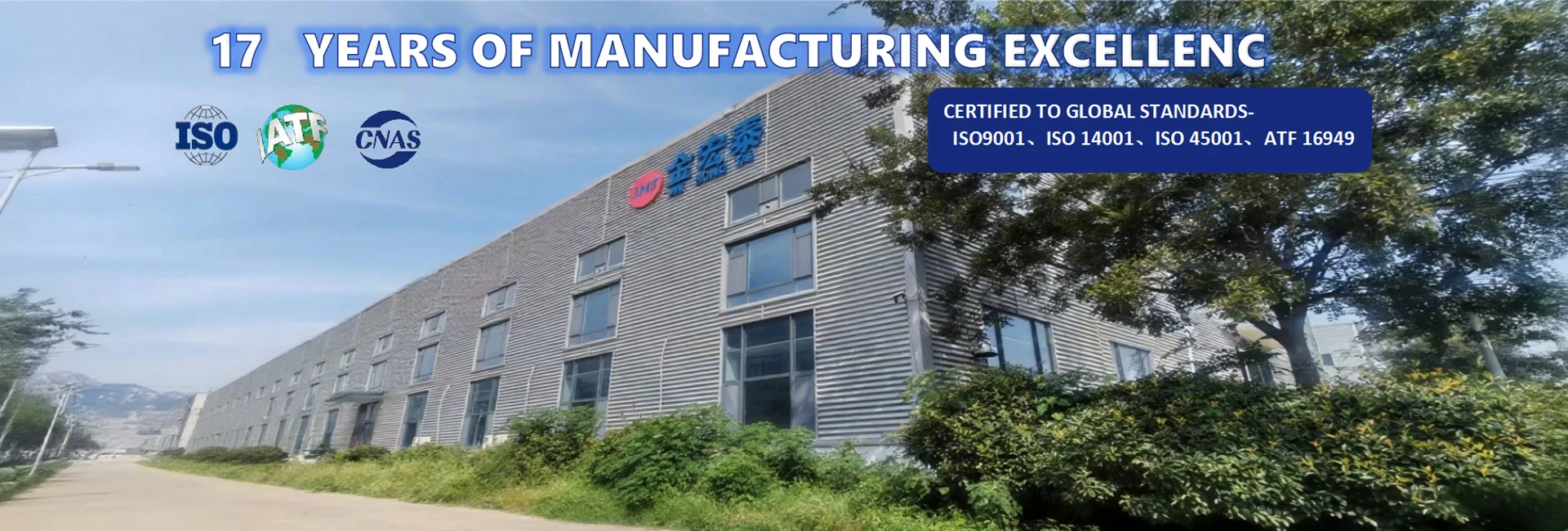
Rizhao Jin Hongtai Rubber Co., Ltd.
- Manufacturer, Trading Company
- Shandong, China
- Lead time25 days
- Avg. response≤ 2h
Main productsRubber Products,Rubber Strips,Window And Door Sealing Strips,Sealing Strips For Leghit Box,Auto Rubber Parts
Main marketsDomestic Market(25.00%), North America(15.00%), South America(15.00%), Northern Europe(10.00%), Western Europe(10.00%), Eastern Europe(10.00%), Southeast Asia(10.00%), Oceania(5.00%)
Foshan Shunde Ronggui Aigao Foam Rubber Products Factory
- Verified by SGS Group
- Manufacturer, Trading Company
- Lead time5 days
- Avg. response≤ 2h
Main productsPacking Foam Product, Silicone Rubber Product, Adhesive Tape Product, Mica Series Product, Electronic Hardware Accessories
Main marketsNorth America(25%), South America(15%), Domestic Market(13%)

Tianjin Haijinshu Rubber Technology Co., Ltd.
- Verified by SGS
- Trading Company
- China Tianjin
- Lead time23 days
- Avg. response≤ 2h
Main productsRubber Strip, Rubber Hose, Fuel Hose, Brake Hose, Door Seal, Sealing Strip, Water Hose, Coolant Hose, Silicone Tube, Weather Strip
Main marketsDomestic

Customized Silicone Pad for Fragile Goods Buffer and Compression Protection
$0.24 - $0.34
MOQ: 300 Meters


Shenzhen Chenchen New Material Co., Ltd.
- Manufacturer, Trading Company
- Guangdong, China
- Lead time5 days
- Avg. response≤ 2h
Main productsthermal pad,thermal grease,thermal silicone pad,thermal gel,conductive gel
Main marketsEastern Europe(20.00%), North America(20.00%), Central America(15.00%), Northern Europe(15.00%), South America(15.00%), Western Europe(8.00%), Southern Europe(7.00%)
Zhongshan Lotus Jade Trading Co., Ltd.
- Trading Company
- Guangdong, China
- Lead time30 days
- Avg. response≤ 17h
Main productsAir Conditioner,Air Conditioner Accessories,HVAC Tools,PVC Line Set Cover,Anti-vibration Rubber Pad
Main marketsNorth America(60.00%), Western Europe(30.00%), Eastern Asia(10.00%)











Comprehensive Sourcing Guide
High And Low Temperature Silicone Damping Sheet Supplier Concentration and Factory Types
The current supplier landscape for high and low temperature silicone damping sheets reveals a distinct concentration of manufacturing capabilities within specific industrial regions in China. Evidence indicates that a significant portion of these suppliers are located in Anhui, with specific operational bases identified in cities like Hefei. This geographic clustering suggests a mature supply chain ecosystem where raw material sourcing, specialized processing equipment, and skilled labor are readily available within close proximity. Buyers evaluating potential partners should recognize that this regional density often correlates with established logistical networks and competitive pricing structures, as the concentration of factories allows for shared infrastructure and streamlined distribution channels. The presence of manufacturers in Anhui provides a tangible anchor for sourcing strategies, allowing procurement teams to focus their due diligence efforts on verified entities within this known industrial hub rather than casting a wide, inefficient net across unverified global markets.
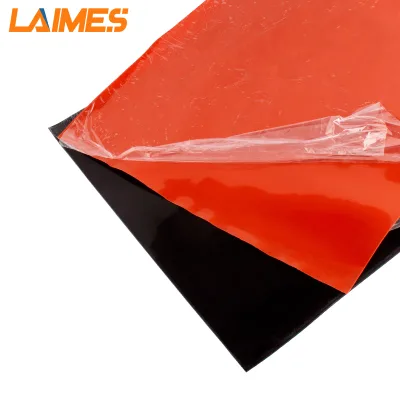
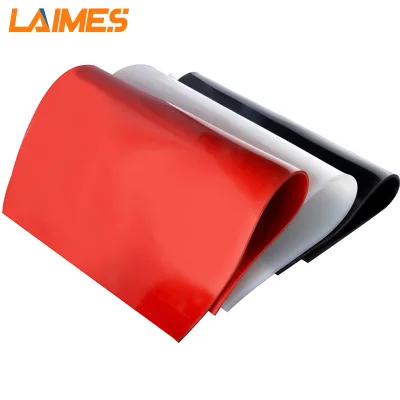
Beyond geographic location, the types of entities offering these specialized rubber products vary significantly in their operational models and core competencies. The data shows a mix of pure manufacturers, trading companies, and hybrid entities that combine both roles. Pure manufacturers, such as those identified with specific factory types, typically possess direct control over the production process, including the formulation of organic silicone materials and the application of custom thicknesses ranging from 0.1mm to 50mm. These entities often emphasize their own brand capabilities and OEM services, indicating a strong focus on proprietary technology and consistent quality control. In contrast, trading companies may offer a broader array of related products, such as sealing O-rings, suction cups, and silicone foam sheets, acting as a one-stop shop for diverse rubber needs. Understanding this distinction is crucial for buyers, as manufacturers may offer better technical support and customization flexibility, while trading companies might provide faster access to a wider variety of standard items or complementary products for complex assembly requirements.
How to Verify High And Low Temperature Silicone Damping Sheet Suppliers
Verifying the legitimacy and capability of suppliers requires a multi-layered approach that goes beyond simple profile reviews. One critical step is to examine third-party verification badges and audit reports, such as those provided by Intertek, which serve as independent confirmations of a supplier’s business status and operational scale. These verifications help distinguish between genuine manufacturing facilities and mere intermediaries, ensuring that the buyer is engaging with an entity that has undergone rigorous scrutiny. Additionally, buyers should closely inspect the system certifications displayed by potential partners. The presence of ISO 9001, ISO 14001, and other related standards indicates a structured approach to quality management and environmental responsibility, which is particularly important for silicone products used in medical, food, or industrial applications. These certifications are not merely decorative; they represent adherence to international benchmarks that ensure consistent product performance and regulatory compliance, reducing the risk of receiving substandard materials that could fail under high or low-temperature stress.
Another vital aspect of verification involves assessing the supplier’s responsiveness and technical transparency. A rapid response time, such as the 17.80-hour average observed in some results, can indicate a well-staffed and efficient communication team, which is essential for resolving technical queries regarding material specifications like hardness, density, or chemical resistance. Buyers should also scrutinize the detailed product attributes provided, such as the specific material composition (e.g., organic silicone vs. synthetic rubber) and the range of available certifications like RoHS, REACH, and FDA. These details provide insight into the supplier’s technical depth and their ability to meet specific industry requirements. Furthermore, checking for evidence of customization capabilities, such as the ability to produce sheets with specific thicknesses from 0.15mm to 10mm or custom widths, demonstrates a supplier’s flexibility and readiness to handle unique project demands. By combining verification badges, certification audits, and technical responsiveness, buyers can build a robust profile of a supplier’s reliability and capability before committing to any orders.
What to Compare Across High And Low Temperature Silicone Damping Sheet Suppliers
When evaluating multiple suppliers, it is essential to compare key operational metrics that directly impact project timelines and cost efficiency. Lead time is a critical factor, with observed ranges varying from 15 to 23 days, depending on the complexity of the order and the supplier’s current production load. Buyers should prioritize suppliers who offer shorter, more predictable lead times, especially for urgent projects, while also considering the impact of customization on these timelines. Minimum Order Quantity (MOQ) is another significant differentiator, with some suppliers requiring as few as 50 units while others mandate 100 or more. This distinction is particularly important for small-batch prototyping or specialized applications where large volumes are not feasible. By comparing MOQs, buyers can identify suppliers who are flexible enough to accommodate smaller initial orders, reducing inventory holding costs and allowing for more agile supply chain management.
Price and customization options also play a pivotal role in the comparison process. The price range for silicone rubber sheets can vary significantly, from as low as $0.50 to over $18.60 per unit, depending on factors such as material grade, thickness, and specific performance characteristics like heat resistance or anti-static properties. Buyers should not solely focus on the lowest price but rather on the value proposition, which includes the quality of the material, the breadth of certifications, and the level of service provided. Customization availability is another key comparison point, with many suppliers offering tailored solutions for length, width, and hardness. For instance, some suppliers provide sheets with a hardness range of 30-90 Shore A, while others may offer more specific ranges like 40-70 Shore A. By comparing these technical specifications alongside commercial terms, buyers can select a supplier that best aligns with their specific application requirements, ensuring that the final product meets all necessary performance standards without unnecessary cost overruns.
Common High And Low Temperature Silicone Damping Sheet Sourcing Risks
One of the primary risks in sourcing high and low temperature silicone damping sheets is the potential mismatch between material specifications and actual performance under extreme conditions. Silicone rubber is valued for its stability across a wide temperature range, but not all products are created equal. Buyers must be vigilant about verifying the specific temperature ratings and chemical resistance properties of the sheets they order. For example, while some sheets are designed for general industrial use, others may be required for harsh environments involving petroleum, ozone oxidation, or corrosive chemicals. If a supplier fails to provide clear evidence of these properties, there is a risk of material failure, leading to costly downtime or safety hazards. Additionally, the variability in hardness and thickness can impact the damping efficiency and sealing capability of the sheets. Buyers should ensure that the supplier provides detailed technical data sheets that confirm the material’s ability to withstand the specific mechanical and thermal stresses of their application.
Another significant risk is the inconsistency in quality control and certification validity. While many suppliers display certifications like ISO 9001 or RoHS, it is crucial to verify that these certifications are current and applicable to the specific products being supplied. There is a risk that a supplier may hold a certification for one product line but not for another, or that the certification may have expired. Furthermore, the reliance on third-party verification badges, such as Intertek, should be complemented by independent testing or sample evaluation to ensure that the physical product matches the claimed specifications. Inconsistent packing methods, such as the use of woven bags versus wooden cases, can also lead to damage during transit, especially for thinner or more delicate sheets. Buyers should establish clear quality assurance protocols and request samples before placing large orders to mitigate these risks. By proactively addressing these potential pitfalls, buyers can protect their supply chain from disruptions and ensure the reliability of their sourced materials.
High And Low Temperature Silicone Damping Sheet Regional Sourcing and Logistics
Sourcing from established manufacturing clusters in China, particularly in Anhui, offers distinct logistical advantages that can streamline the procurement process. The concentration of suppliers in this region facilitates efficient consolidation of shipments, allowing buyers to combine orders from multiple factories into a single container, thereby reducing per-unit shipping costs. This geographic proximity also simplifies the coordination of factory audits and quality inspections, as travel time and expenses are minimized. Buyers can leverage this regional density to build stronger relationships with local suppliers, gaining insights into market trends and technological advancements specific to silicone rubber manufacturing. Additionally, the presence of a mature logistics infrastructure in Anhui ensures reliable transportation networks, reducing the risk of delays and ensuring that goods reach their destination in a timely manner. This logistical efficiency is particularly beneficial for buyers who require frequent replenishment of materials or need to respond quickly to changes in demand.
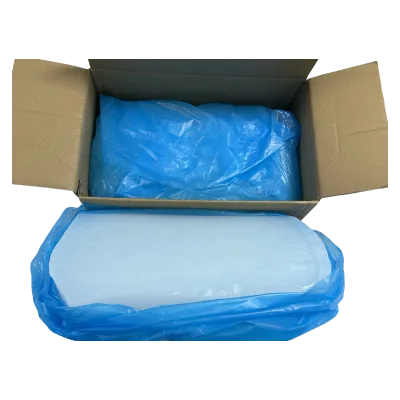
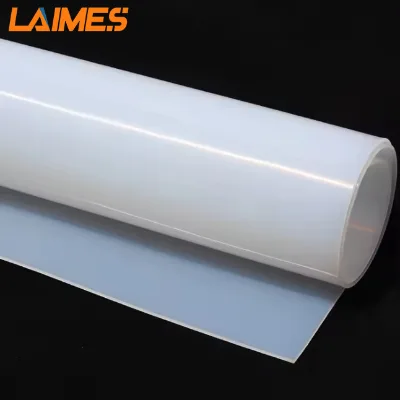
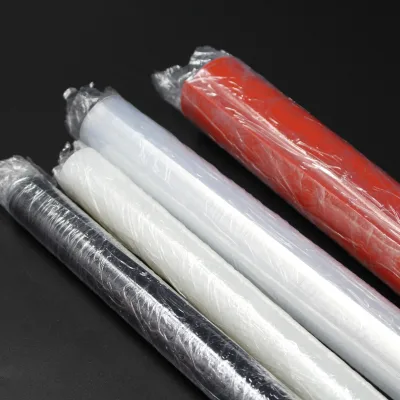
However, buyers must also consider the broader implications of international shipping and customs clearance when sourcing from these regions. While the regional advantages are significant, the final delivery timeline is influenced by global shipping routes, port congestion, and regulatory requirements in the destination country. Buyers should work closely with their suppliers to understand the packaging standards, such as the use of plastic film by rolls or palletized wooden cases, which are designed to protect the sheets during transit. Proper packaging is essential to prevent damage, especially for sheets with specific thicknesses or hardness levels that may be more susceptible to deformation. Furthermore, buyers should be aware of any import duties or tariffs that may apply to silicone rubber products in their home country, as these can impact the total landed cost. By planning for these logistical variables and leveraging the regional strengths of the supplier base, buyers can optimize their supply chain for both cost and reliability.
High And Low Temperature Silicone Damping Sheet Commercial Terms and Order Planning
Effective order planning for high and low temperature silicone damping sheets requires a clear understanding of the commercial terms and payment structures offered by suppliers. Many suppliers provide flexible payment options, including the use of escrow services, which offer an additional layer of security for buyers by holding funds until the goods are received and verified. This is particularly important for first-time transactions or large orders, as it mitigates the risk of non-delivery or non-conformance. Buyers should also pay attention to the lead times associated with different order sizes, as larger orders may require longer production periods due to the need for material preparation and quality checks. Understanding these timelines allows buyers to plan their inventory levels more accurately, avoiding stockouts or excess inventory. Additionally, buyers should negotiate clear terms regarding customization, including any additional costs or time extensions associated with non-standard specifications, to avoid unexpected surprises later in the process.
Another critical aspect of commercial terms is the clarity of pricing and the inclusion of all relevant costs in the initial quote. While the base price of the sheets may be competitive, buyers should ensure that the quote includes all necessary fees, such as packaging, documentation, and any specific testing or certification costs. Transparency in pricing helps buyers make informed decisions and compare suppliers on a like-for-like basis. Furthermore, buyers should establish clear communication channels for post-order support, including how issues related to quality or delivery will be handled. A supplier’s willingness to provide detailed invoices, packing lists, and certificates of conformity is a strong indicator of their professionalism and reliability. By carefully reviewing and negotiating these commercial terms, buyers can establish a solid foundation for a successful and sustainable sourcing relationship, ensuring that both parties are aligned on expectations and responsibilities throughout the order lifecycle.
FAQs
What is the price range for silicone damping sheets?
Prices typically range from $0.50 to $18.60 per unit depending on specifications. Costs vary based on material thickness, hardness, and customization requirements. Buyers should verify exact pricing for specific orders as rates depend on volume and technical parameters.
What certifications are available for these rubber sheets?
Products commonly hold ISO 9001, ISO 14001, RoHS, REACH, and FDA certifications. These ensure compliance with quality, environmental, and safety standards. Specific certifications depend on the manufacturer and product type, so buyers should request valid certificates for their intended application.
What is the minimum order quantity for silicone sheets?
Minimum order quantities generally start at 50 to 100 units. This threshold allows suppliers to cover production and packaging costs efficiently. Buyers seeking smaller quantities should confirm availability, as some manufacturers may have different MOQs for custom or specialized silicone products.
How long does production take for these items?
Lead times typically range from 15 to 23 days after order confirmation. This duration covers material preparation, manufacturing, and quality control. Expedited options may be available for urgent needs, but buyers should confirm specific timelines with suppliers before placing orders.
Where are these silicone rubber sheets manufactured?
Manufacturing locations include regions such as Anhui and Guangdong in China. These areas host specialized factories producing high-quality silicone and rubber products. Buyers should verify the exact origin to ensure alignment with their supply chain and logistical requirements.
What thickness options are available for silicone sheets?
Thickness ranges typically span from 0.15mm to 50mm. Custom thicknesses are often available to meet specific engineering needs. Buyers should specify their required dimensions to ensure the selected sheet meets their application's structural and thermal insulation requirements.