High Efficiency Water Cool Chillers Suppliers and Manufacturers
Explore 27 verified suppliers offering High Efficiency Water Cool Chillers with ISO and CE certifications. Compare response times, lead times, and pricing across Guangdong and Beijing factories. Contact suppliers directly to request quotes for your specific cooling needs; review the available evidence before requesting comparable quotations from suitable candidates.
Updated
Suppliers List

Guangdong Xiecheng Intelligent Equipment Co., Ltd.
- Verified by TUVRHEINLAND
- Combined
- China Guangdong
- Lead time15 days
- Avg. response≤ 9h
Main productsIndustrial Chiller, Mold Temperature Controller, Auto Loader, Plastic Crusher, Color Mixer, Hopper Dryer, Industrial Dehumidifier, Cooling Tower, Gravimetric Bleander Doser, Belt Conveyor
Main marketsSoutheast Asia/ Mideast

- Trading Company,Manufacturer/Factory
- China Beijing
- Lead time23 days
- Avg. response≤ 5h
Main productsIndustrial Chiller, Electric Vehicle Test Chillers, Graphite Digester,   Laboratory Chiller, Array Rotary Evaporator, Solvent Safety Cap, Waste Liquid Collection Device, Oil-Free Air Compressor
Main marketsSouth America,Eastern Europe,Mid East,North America,Southeast Asia,Eastern Asia,Oceania,Western Europe,Africa

Qingdao Zoomfine Indotech Co.,Ltd
- Verified by SGS
- Trading Company
- China Shandong
- Lead time30 days
- Avg. response≤ 6h
Main productsCooled Chillers and Heat Pumps, Air Handling Unit (Ahu), Axial Fan, Centrifugal Fan, Fan Coil Unit (Fcu), Air Distribution Products, HVAC Product, Air Ducts, Fire Damper, Cooling Tower
Main marketsOthers(foreignTradeCapacity.exportBusinessCapacityMarketOther)

Wenzhou DMGMIC Machinery Co., Ltd.
- Verified by SGS
- Trading Company,Manufacturer/Factory
- China Zhejiang
- Lead time23 days
- Avg. response≤ 1h
Main productsIndustrial Chiller, Air Compressor, Injection Molding Machine, High Pressure Air Compressor, Air Cooled Chiller, Water Cooled Chiller, Chiller, Screw Chiller, Water Cooled Screw Chiller, Air Cooled Screw Chiller
Main marketsSouth America,Mid East,Southeast Asia,Africa

Tranp(Guangzhou) Energy Equipment Co., Ltd.
- Verified by SGS
- Combined
- China Guangdong
- Lead time15 days
- Avg. response≤ 6h
Main productsHeat Exchanger, Plate Heat Exchanger, Brazed Plate Heat Exchanger, Spiral Plate Heat Exchanger, Plate and Shell Heat Exchanger, Water Chiller, Cooling Tower, Shell and Tube Heat Exchanger, Pressure Vessel, Air Heat Exchanger
Main marketsDomestic,Europe

Dongying Qinghua Trading Co., Ltd.
- Verified by TUVRHEINLAND
- Trading Company
- China Shandong
- Lead time15 days
- Avg. response≤ 4h
Main productsAir Conditioner, HVAC, Vrf, Air Cooled Water Chiller, Central Air Conditioner, Ahu, Fan Coil Unit, Air Conditioning System, Air Handling Unit
Main marketsAfrica,Southeast Asia/ Mideast

Low Temperature Water Chiller, Cooling Water Circulation Machine, Refrigerated Chillers
$40450.00
MOQ: 1 Pieces


Zhengzhou Hengduo Instrument Equipment Co., Ltd.
- Manufacturer, Trading Company
- Henan, China
- Lead time3 days
- Avg. response≤ 2h
Main productsglass reactor,stainless steel reactor,Desktop High Pressure Reactor,Rotary Evaporator,High pressure reactor
Main marketsNorth America(30.00%), South America(15.00%), Southeast Asia(10.00%), Eastern Europe(10.00%), Africa(8.00%), Oceania(7.00%), Mid East(5.00%), Eastern Asia(4.00%), Western Europe(3.00%), Central America(2.00%), Northern Europe(1.00%)

- Verified by TUVRHEINLAND
- Trading Company
- China Shandong
- Lead time15 days
- Avg. response≤ 2h
Main productsAhu, Air Handling Unit, Mine Fan, Centrifugal Fan, Centrifugal Blower, Dust Collector, Tunnel Fan, Chiller, Mining Ventilation, Multistage Centrifugal Fan
Main marketsSouth America,Africa,Southeast Asia/ Mideast,East Asia(Japan/ South Korea),Europe,Australia,North America

High-Efficiency China Air Cooled Water Chillers with CCC Certification
$5000.00 - $10000.00
MOQ: 1 Pieces


Shanghai Shenglin M&E Technology Co., Ltd.
- Verified by BV
- Trading Company,Manufacturer/Factory
- China Shanghai
- Lead time30 days
- Avg. response≤ 5h
Main productsDry Cooler, Immersion Cooling, Heat Exchanger, Condenser, Chiller, Rooftop Air Conditioner, Heat Pump, Ahu, Condensing Unit, Cold Room System
Main marketsSouth America,Eastern Europe,Mid East,North America,Southeast Asia,Eastern Asia,Oceania,Western Europe,Africa

Shenzhen Eurostars Technology Co., Ltd.
- Combined
- China Guangdong
- Lead time23 days
- Avg. response≤ 2h
Main productsWater Chiller, Fan Coil, Package Air Conditioning, Refrigeration Condensing Unit-Evaporator, Ahu, Chilled Water Fan Coil, Central Air Conditioner, Industrial Chiller, Air Cooled Chiller, Water Cooling Chiller
Main marketsSouth America,Africa,Southeast Asia/ Mideast,East Asia(Japan/ South Korea),Europe,Australia

High Efficient Water Chiller/Refrigeration Equipment Water Cooled Chiller
$9000.00 - $180000.00
MOQ: 1 Pieces

Integrated Industrial Chillers/Water Cooling Industrial Water Chillers
$9000.00 - $88845.00
MOQ: 1 Pieces
Kristen (Guangzhou) Machinery Co., Ltd.
- Manufacturer
- Guangdong, China
- Lead time0 days
- Avg. response≤ 1h
Main productsTemperature control system,Double solvent cleaning machine,Silicone UV Activation and Modification Machine
Main marketsNorthern Europe(30.00%), Western Europe(30.00%), South America(30.00%), South Asia(10.00%)
Foshan Jiahe Refrigeration Equipment Co., Ltd.
- Verified by TüVRheinland
- Manufacturer, Trading Company
- Lead time0 days
- Avg. response≤ 1h
Main productsChilled Water Machine, Cold Storage
Main marketsDomestic Market(40%), Mid East(25%), Southeast Asia(10%)
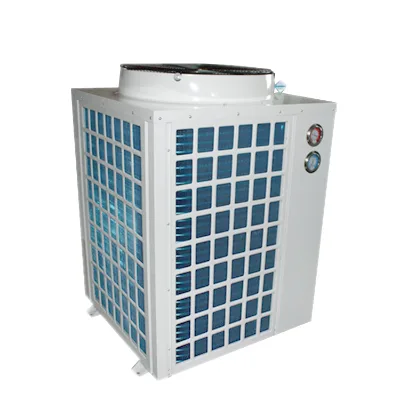
$577.7681 - $682.8169
MOQ: 1 sets
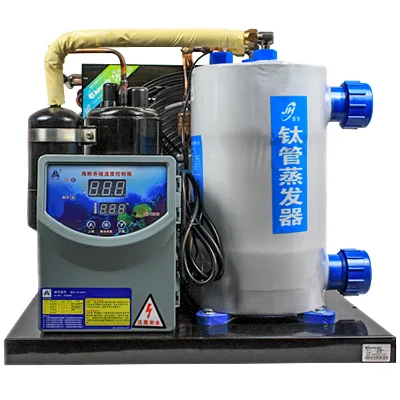
Evaporator Chiller Water Cooler for Acrylic Bending Machine
$550.00 - $650.00
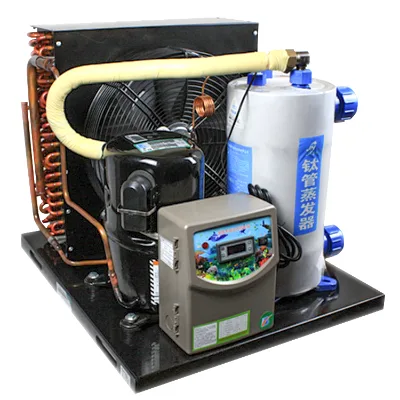
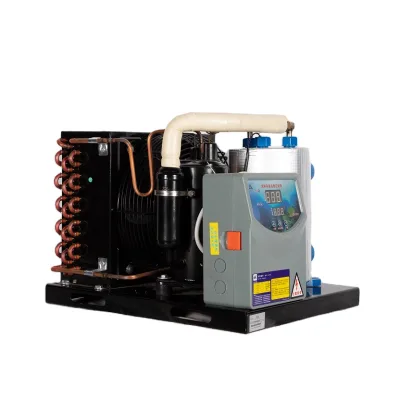
Industrial chiller medial temperature water chiller
$570.1718 - $673.8393
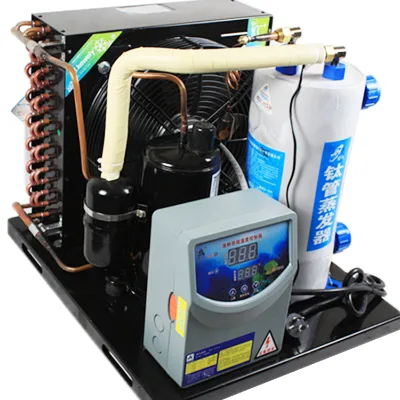
Industrial chiller compact small fish tank water chiller
$550.00 - $650.00

Shanghai Dasen Industry Co., Ltd.
- Combined
- China Shanghai
- Lead time0 days
- Avg. response≤ 19h
Main productsChiller, Water Chiller, Industrial Chiller, Air Cooled Chiller, Water Cooled Chiller, Screw Chiler, Chiller Machine, Air Conditioning System, Water Pump, Cooling Tower
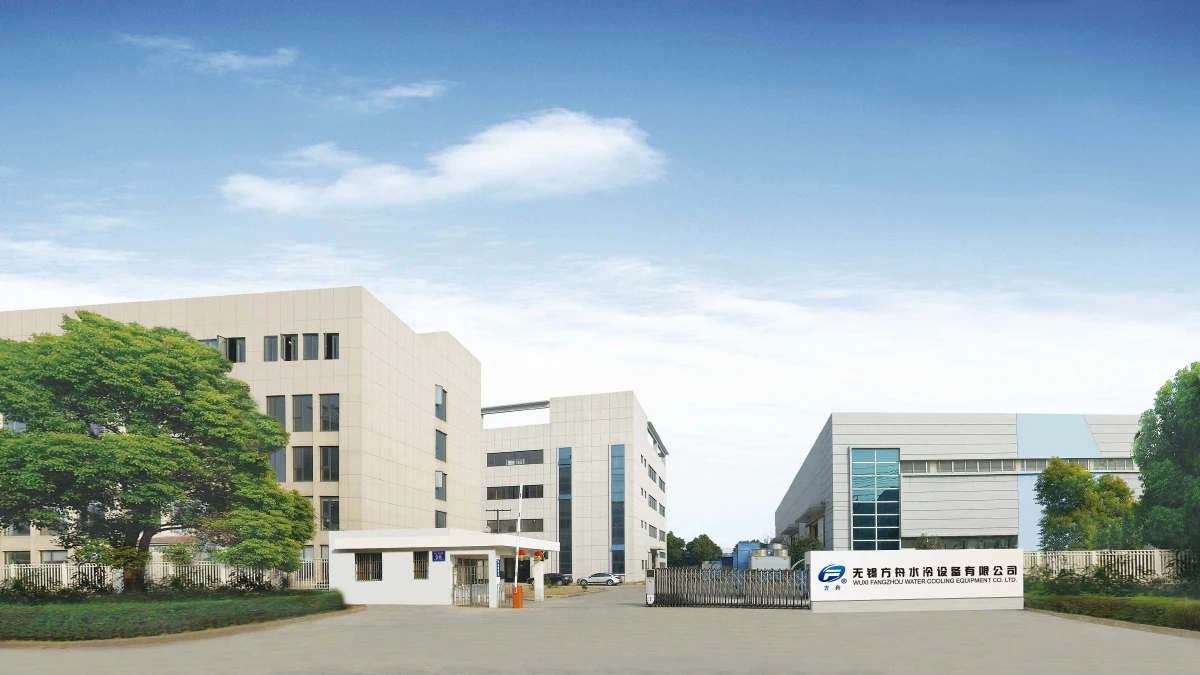
Wuxi Jizhou Technology Co., Ltd.
- Manufacturer, Trading Company
- Jiangsu, China
- Lead time45 days
- Avg. response≤ 1h
Main productsMelting Furnace,Cooling Tower
Main marketsDomestic Market(100.00%)
Shandong Aikesen Energy-Saving Equipment Co., Ltd.
- Trading Company
- Shandong, China
- Lead time30 days
- Avg. response≤ 1h
Main productschiller,Industrial air conditioner,Industrial air conditioner,Condensing unit,Other refrigerators and heat exchangers
Main marketsNorthern Europe(20.00%), South Asia(10.00%), North America(10.00%), Central America(10.00%), Eastern Asia(10.00%), Mid East(10.00%), Africa(10.00%), Southeast Asia(10.00%), South America(10.00%)
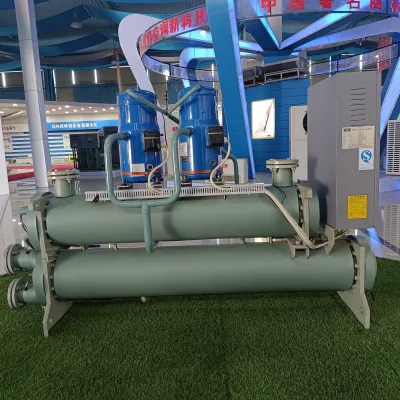
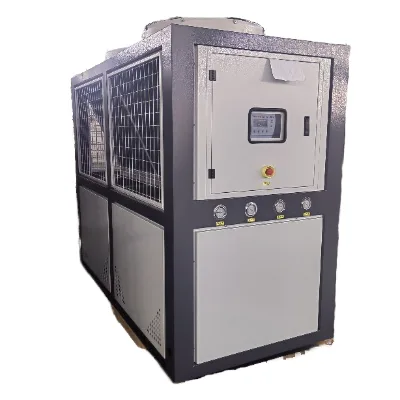
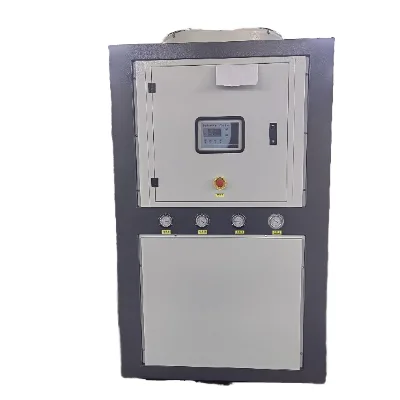
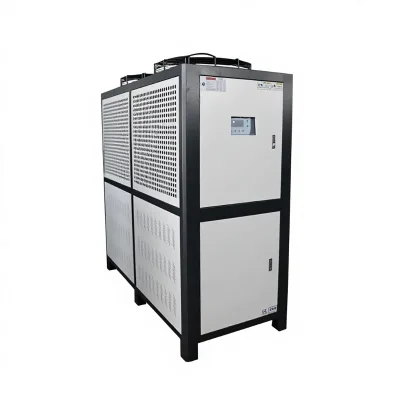
High-Efficiency 5HP Air Cooled Chiller System Industrial Cooling Equipment
$1680.00 - $1760.00
MOQ: 1 sets
Labfreez Instruments (Hunan) Co., Ltd.
- Manufacturer
- Hunan, China
- Lead time10 days
- Avg. response≤ 5h
Main productsFreeze Dryer,Bioreactor Fermenter,Thermal Analyzer,spray dryer,ultrafiltration equipments
Main marketsDomestic Market(20.00%), North America(15.00%), South Asia(15.00%), Eastern Europe(10.00%), Western Europe(10.00%), Northern Europe(5.00%), Southern Europe(5.00%), Southeast Asia(5.00%), Africa(3.00%), Mid East(3.00%), Oceania(3.00%), Eastern Asia(2.00%), South America(2.00%), Central America(2.00%)
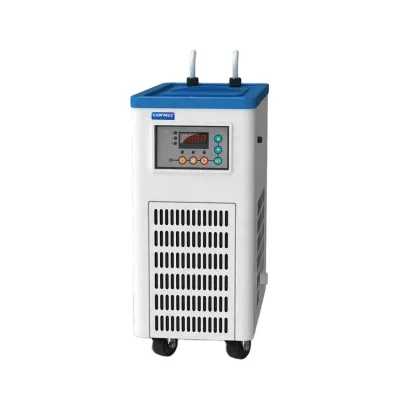
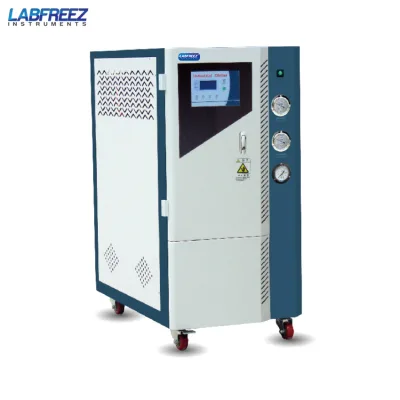
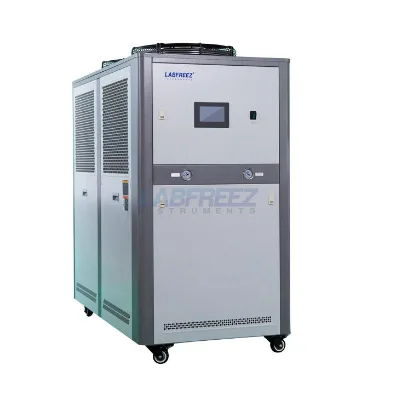
Upgrade Series High Precision Closed Circulation Chiller
$880.00 - $885.00
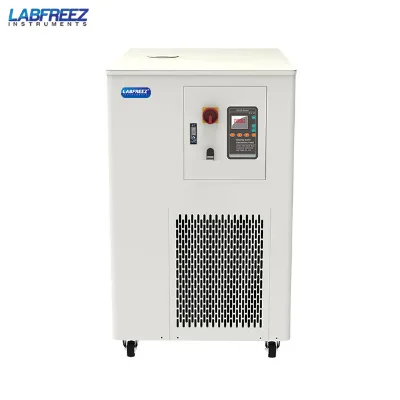
10℃ ~ 25℃ Circulation Chiller with High Precision of Temperature Control
$6627.00 - $14951.00
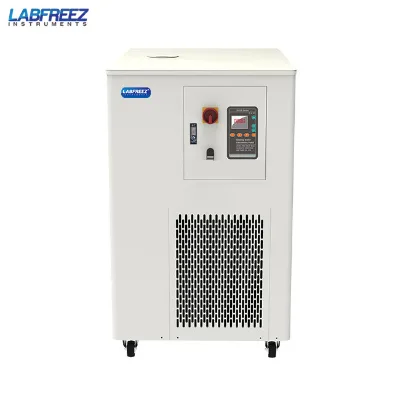
10 Degree 10C Circulating Chiller, Cooling Water Pump
$1230.00 - $1233.00
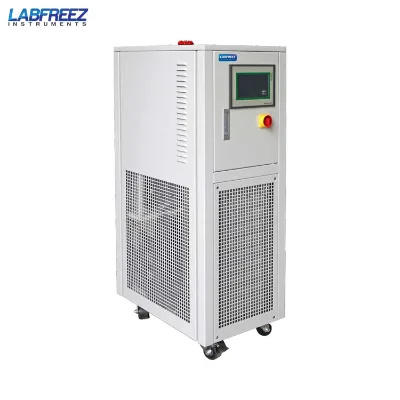
-65C Closed Circulating Chiller
$1500.00 - $5000.00

Jinan Mgreenbelt Machinery Co., Ltd.
- Verified by TUVRHEINLAND
- Trading Company
- China Shandong
- Lead time15 days
- Avg. response≤ 6h
Main productsWater Chiller, Industrial Process Chiller, Air Coold Chiller, Water Cooled Chiller, Plastic Chiller, Refrigeration Unit, Milk Chiller, Cold Room, Cold Storage, PU Panel
Main marketsNorth America

High Efficiency Water Cooled System Chiller Industrial Use for Cooling Control
$8500.00 - $9900.00
MOQ: 1 Pieces


Dongguan Baishiteng Machinery Co., Ltd.
- Manufacturer, Trading Company
- Guangdong, China
- Lead time15 days
- Avg. response≤ 21h
Main productswater chiller,mold temperature machine,plastic crusher,plastic mixer,cooling tower
Main marketsSouth Asia(28.00%), Africa(26.00%), South America(14.00%), North America(10.00%), Western Europe(6.00%), Southeast Asia(6.00%), Northern Europe(5.00%), Eastern Europe(5.00%)

ZhangJiaGang City YuFeng Beverage Machinery Co., Ltd.
- Verified by TUVRHEINLAND
- Trading Company,Manufacturer/Factory
- China Jiangsu
- Lead time45 days
- Avg. response≤ 25h
Main productsFilling Machine, Water Treatment, Canning Machine, Juice Mixing Line, Packing Machine, Labeling Machine, Bottle Blowing Machine, Beer Filling Machine, Carbonated Drink Filling Machine, 5 Gallon Filling Line
Main marketsSouth America,Eastern Europe,Mid East,North America,Southeast Asia,Eastern Asia,Oceania,Western Europe,Africa
Hebei Langri Heating And Cooling Equipment Co., Ltd.
- Verified by TüVRheinland
- Manufacturer, Trading Company
- Lead time15 days
- Avg. response≤ 2h
Main productsFan Coil Unit, Heat Pump
Main marketsEastern Europe(20%), Mid East(20%), Domestic Market(20%)

NINGBO HICON INDUSTRY CO., LTD.
- Verified by TUVRHEINLAND
- Combined
- China Zhejiang
- Lead time30 days
- Avg. response≤ 6h
Main productsIndustrial Chiller, Grain Cooler, E-Room Air Conditioner, Rooftop Unit, Precision Air Conditioner, Industrial Air Conditioner, Crane Cabin Air Conditioner, Marine Air Conditioner, Cabinet Air Conditioner, Air Handling Unit
Main marketsAfrica,Southeast Asia/ Mideast,Domestic,Europe,North America

Air Cooled High Efficiency Five- Functional Water Chiller with Reliable Performance
$2150.00 - $12500.00
MOQ: 1 Sets


Ningbo Haitai Industry And Trade Co., Ltd.
- Verified by SGS Group
- Manufacturer, Trading Company
- Lead time30 days
- Avg. response≤ 2h
Main productsInjection Molding Machine
Main marketsDomestic Market(68%), Mid East(10%), South America(6%)

Shandong Ecoice Refrigeration Co., Ltd.
- Verified by TUVRHEINLAND
- Trading Company,Manufacturer/Factory
- China Shandong
- Lead time38 days
- Avg. response≤ 4h
Main productsFlake Ice Machine, Air Cooled Chiller, Evaporator, Heat Exchanger, Quick Freezer, Cryo Freezer
Main marketsSouth America,Eastern Europe,Mid East,North America,Southeast Asia,Western Europe,Africa


Circulating Cooling Chiller Compressor Chiller Machine Industrial Water Chiller
$386.00 - $480.00
MOQ: 1 Pieces

Dongguan Shengguang Industrial Equipment Co., Ltd.
- Manufacturer
- China Guangdong
- Lead time23 days
- Avg. response≤ 10h
Main productsChiller, Air Cooled Chiller, Water Chiller, Refrigerant Air Dryer, Compressed Air Precise Filter, Heat Exchanger for Control Box, Oil Chiller, Air Dryer, Refrigeration Air Dryer, Water Cooled Chiller
Main marketsSouth America,Southeast Asia/ Mideast,North America
Ningbo Easy Garden Watering Co., Ltd.
- Verified by Intertek
- Manufacturer, Trading Company
- Lead time10 days
- Avg. response≤ 12h
Main productsHydroponics System, Misting System, Water Chiller
Main marketsNorth America(30%), Eastern Europe(30%), Southeast Asia(20%)
Wensui Intelligent Equipment Inc.
- Verified by TüVRheinland
- Manufacturer, Trading Company
- Lead time9 days
- Avg. response≤ 9h
Main productsShredders, Crushers, Mold Temperature Controller, Industrial Chiller, Blending & Dosing Machine
Main marketsDomestic Market(68%), Southeast Asia(9%), South America(6%)
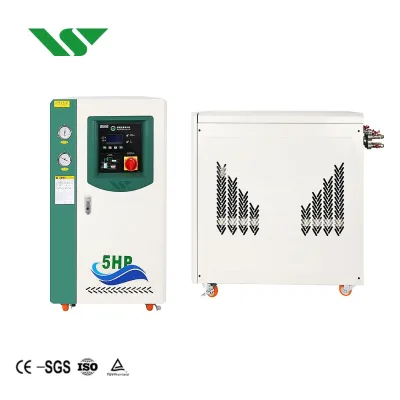
Water Tank Cooling System Evaporator Chiller Industrial Water Chiller Spare Part
$308.4412
MOQ: 1 Minimum
Foshan Ruitong Refrigeration Equipment Engineering Co., Ltd.
- Manufacturer, Trading Company
- Guangdong, China
- Lead time35 days
- Avg. response≤ 1h
Main productsRefrigeration unit for cold storage,Evaporator and Condenser,Water refrigeration unit
Main marketsMid East(8.00%), Domestic Market(5.00%), South America(1.00%), South Asia(1.00%), North America(1.00%), Central America(1.00%), Africa(1.00%), Southeast Asia(1.00%), Eastern Europe(1.00%)








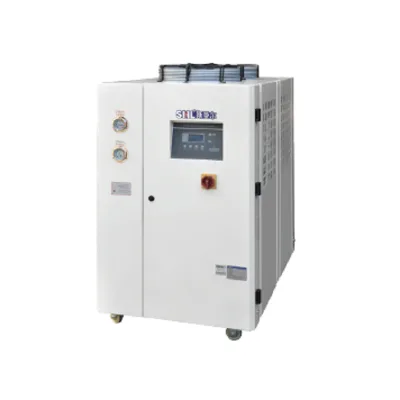
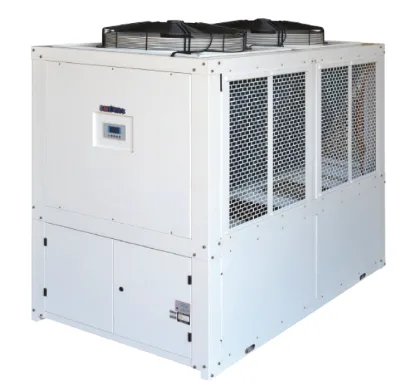


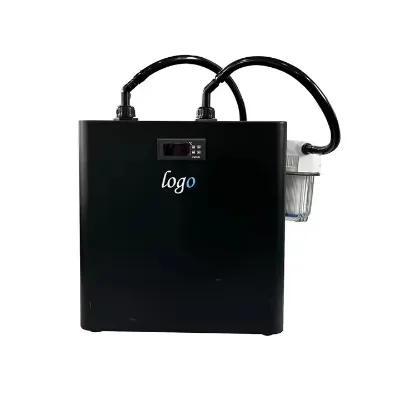
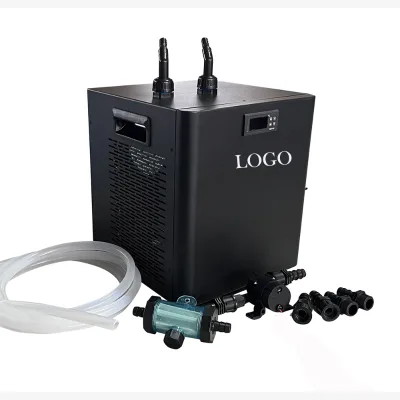
Comprehensive Sourcing Guide
High Efficiency Water Cool Chillers Supplier Concentration and Factory Types
The current supplier landscape for High Efficiency Water Cool Chillers reveals a distinct geographic concentration in China, with specific operational hubs identified in Guangdong and Beijing. Suppliers in Guangdong are primarily structured as combined entities, meaning they operate with both manufacturing and trading capabilities under one organizational umbrella. This hybrid model allows for greater flexibility in production scheduling and inventory management, as the same entity can handle direct factory output while managing commercial distribution channels. These combined suppliers often list a broad range of industrial machinery, including mold temperature controllers, auto loaders, and plastic crushers, indicating that their chiller production is part of a larger ecosystem of plastic processing equipment. The presence of such diverse product lines suggests that these factories have established infrastructure capable of supporting multiple heavy-industry product categories simultaneously.
In contrast, suppliers located in Beijing present a different operational profile, often categorized as either trading companies or manufacturer/factory hybrids. These entities may focus more on specialized applications, such as electric vehicle test chillers or laboratory-grade equipment, rather than purely industrial plastic processing units. The distinction between a pure trading company and a manufacturer is critical for buyers, as it directly impacts pricing structures, technical support availability, and customization capabilities. While some suppliers offer OEM and ODM services, others may only provide standard models with limited customization options. Buyers must carefully review the company type designation to understand whether they are dealing with a direct producer or an intermediary. This classification helps in assessing the depth of technical expertise available and the potential for long-term partnership development, especially when sourcing complex thermal management solutions for specific industrial needs.
How to Verify High Efficiency Water Cool Chillers Suppliers
Verification of suppliers requires a multi-layered approach that goes beyond basic company registration checks. One critical step is examining third-party verification badges, such as those provided by TÜV Rheinland, which indicate that an independent body has assessed the supplier’s business legitimacy and operational capabilities. This verification adds a layer of trust, confirming that the entity exists and operates as claimed. Additionally, buyers should scrutinize system certifications like ISO 9001:2015, ISO 20000, and QC 080000. These certifications are not merely decorative; they reflect the supplier’s adherence to international quality management standards and environmental safety protocols. For High Efficiency Water Cool Chillers, which involve complex refrigeration cycles and electrical components, a robust quality management system is essential to ensure consistent performance and safety. Buyers should request copies of these certificates and verify their validity through the issuing bodies to avoid fraudulent documentation.
Another vital aspect of verification is assessing the supplier’s responsiveness and technical communication speed. Response times, such as those recorded at 4.34 or 8.04 hours, serve as a proxy for the supplier’s operational efficiency and customer service commitment. A faster response time often correlates with a more agile organization that can address technical queries and order modifications promptly. Buyers should also look for evidence of product-specific certifications, such as CE and ISO marks on the chillers themselves, which indicate compliance with regional safety and performance standards. Furthermore, verifying the origin of the products, confirmed as China in the available data, helps in understanding the supply chain dynamics and potential logistical constraints. By combining these verification steps, buyers can build a comprehensive profile of each supplier’s reliability and capability, reducing the risk of engaging with unqualified vendors.
What to Compare Across High Efficiency Water Cool Chillers Suppliers
When evaluating multiple suppliers, buyers must compare key operational metrics such as lead times, minimum order quantities, and price ranges to determine the best fit for their procurement strategy. Lead times vary significantly, with some suppliers offering 15-day delivery windows while others require up to 23 days. This difference can impact production schedules and inventory planning, making it crucial to align supplier capabilities with project timelines. Minimum order quantities also differ, with some suppliers accepting orders as low as one unit, which is beneficial for testing or small-scale projects, while others may have higher thresholds. Price ranges further illustrate the diversity in the market, with costs spanning from $500 to over $6,899 depending on the chiller’s capacity, cooling method, and application specificity. Buyers should map these variables against their budget and volume requirements to identify suppliers that offer the most favorable terms.
Beyond basic metrics, buyers should compare the technical specifications and customization options available. For instance, some chillers are air-cooled, while others are water-cooled, each with distinct advantages regarding installation complexity and energy efficiency. The cooling capacity, measured in units like kcal/H or kW, must match the thermal load of the intended application, whether it is plastic injection molding or precision machine tool cooling. Additionally, the availability of customization services, such as ODM or OEM capabilities, allows buyers to tailor chillers to specific operational needs. Suppliers with strong R&D capacities can provide bespoke solutions, whereas those with limited customization options may only offer standard models. By systematically comparing these technical and commercial attributes, buyers can make informed decisions that balance cost, performance, and flexibility, ensuring that the selected supplier meets their specific industrial requirements.
Common High Efficiency Water Cool Chillers Sourcing Risks
One significant risk in sourcing High Efficiency Water Cool Chillers is the potential mismatch between advertised specifications and actual product performance. Buyers must be cautious of discrepancies in cooling capacity, temperature stability, and energy efficiency ratings, which can vary based on testing conditions and manufacturer claims. For example, a chiller advertised with a specific cooling capacity may perform differently under real-world operating conditions, leading to inadequate temperature control in industrial processes. This risk is exacerbated when dealing with suppliers who lack transparent technical documentation or third-party testing results. Buyers should request detailed performance data and, if possible, conduct factory audits or third-party inspections to verify that the chillers meet the stated specifications. Ensuring that the product attributes, such as compressor type and refrigerant quality, align with industry standards is essential to avoid operational failures and costly downtime.
Another risk involves the reliability of after-sales support and warranty terms, which are critical for maintaining chiller performance over time. Suppliers with longer response times or limited technical support infrastructure may struggle to provide timely assistance in case of equipment failure. This is particularly important for industrial chillers, which are often integral to continuous production lines. Buyers should assess the supplier’s commitment to customer service by reviewing their response metrics and support policies. Additionally, the risk of supply chain disruptions, such as delays in component sourcing or shipping, can impact delivery schedules. Suppliers with established manufacturing capabilities and robust supply chain management are better positioned to mitigate these risks. By identifying and addressing these potential pitfalls early in the sourcing process, buyers can protect their operations from performance issues and logistical challenges, ensuring a smoother procurement experience.
High Efficiency Water Cool Chillers Regional Sourcing and Logistics
Sourcing High Efficiency Water Cool Chillers from China involves navigating regional logistics and transportation networks that can impact delivery times and costs. Suppliers in Guangdong and Beijing are situated in major industrial hubs with well-developed infrastructure, facilitating efficient export operations. However, the distance between these regions and international ports can introduce variability in lead times, especially during peak shipping seasons. Buyers should consider the logistical implications of sourcing from different locations, as proximity to ports may offer advantages in terms of shipping speed and cost efficiency. Additionally, the type of packaging used by suppliers, such as wooden cases or pallets, can affect the safety of the chillers during transit and influence handling requirements at the destination. Understanding these logistical factors helps buyers plan their supply chain more effectively, minimizing the risk of delays or damage.
Furthermore, buyers must account for customs clearance and import regulations in their destination country, which can vary significantly based on the chiller’s specifications and certifications. Products with CE or ISO certifications may face fewer regulatory hurdles in certain markets, while others may require additional testing or documentation. Buyers should work with suppliers who are experienced in international trade and can provide the necessary export documents, such as commercial invoices, packing lists, and certificates of origin. Collaborating with freight forwarders who specialize in industrial machinery can also streamline the logistics process, ensuring that the chillers are transported safely and efficiently. By addressing these regional and logistical considerations proactively, buyers can reduce the complexity of international sourcing and ensure that their High Efficiency Water Cool Chillers arrive on time and in optimal condition.
High Efficiency Water Cool Chillers Commercial Terms and Order Planning
Effective order planning for High Efficiency Water Cool Chillers requires a clear understanding of commercial terms, including payment structures, warranty policies, and customization agreements. Buyers should negotiate terms that align with their cash flow needs and risk tolerance, such as requesting partial payments upfront and the balance upon shipment or delivery. It is also important to clarify the scope of customization services, ensuring that any ODM or OEM requirements are documented in the contract to avoid misunderstandings. Suppliers with established brand identities, such as those with own brands like AUWII, may have standardized terms that are less flexible, while trading companies might offer more negotiable conditions. By carefully reviewing and negotiating these commercial terms, buyers can secure favorable agreements that protect their interests and ensure a smooth transaction process.
Additionally, buyers should plan for long-term operational costs, including maintenance, spare parts availability, and energy consumption. High Efficiency Water Cool Chillers are designed to optimize energy usage, but the actual savings depend on proper installation and regular maintenance. Buyers should inquire about the availability of spare parts and technical support services to ensure that the chillers can be maintained efficiently over their lifespan. Suppliers with comprehensive product lines, such as those offering related equipment like cooling towers or compressors, may provide bundled support services that enhance the overall value proposition. By integrating these commercial and operational considerations into their order planning, buyers can make strategic decisions that maximize the return on investment and ensure the reliable performance of their High Efficiency Water Cool Chillers in industrial applications.
FAQs
What is the price range for High Efficiency Water Cool Chillers?
Prices for these units typically range from $500 to $6,899 depending on specifications. Air-cooled models often start around $750, while water-cooled industrial versions may cost up to $2,300. High-capacity systems with advanced temperature control can reach nearly $7,000. Buyers should verify exact costs based on cooling capacity and voltage requirements.
What certifications do these chillers usually have?
Most High Efficiency Water Cool Chillers carry ISO and CE certifications. Suppliers often hold ISO9001:2015 system certificates to ensure quality management standards. These credentials verify that manufacturing processes meet international safety and performance benchmarks. Buyers should request valid certificate copies to confirm compliance before placing orders for industrial applications.
What is the typical lead time for manufacturing?
Manufacturing lead times generally range from 15 to 23 days. Suppliers with established production lines can often deliver within two weeks for standard models. Customized units or those requiring specific temperature ranges may take slightly longer. Buyers should confirm exact delivery schedules with suppliers to align with project timelines and avoid production delays.
What is the minimum order quantity for these units?
The minimum order quantity is typically one unit for most suppliers. This allows buyers to test performance before committing to larger volumes. Some manufacturers may offer better pricing for bulk purchases. Buyers should check specific supplier terms to understand if volume discounts apply to their required quantity for industrial or laboratory use.
Where are these chillers primarily manufactured?
These chillers are primarily manufactured in China, with key production hubs in Guangdong and Beijing. Suppliers in these regions offer diverse options ranging from air-cooled to water-cooled systems. Buyers can access both trading companies and direct manufacturers. Verifying the specific origin ensures alignment with logistics preferences and supports accurate calculation of shipping costs and import duties.
What cooling methods are available for these chillers?
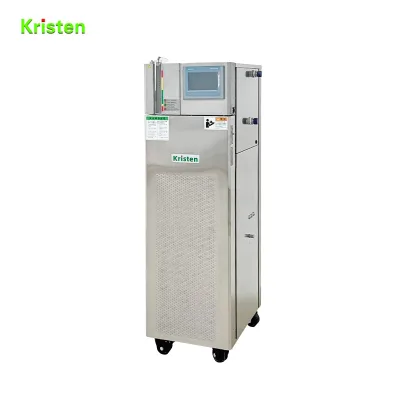
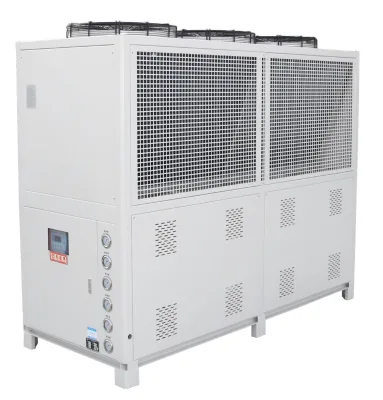
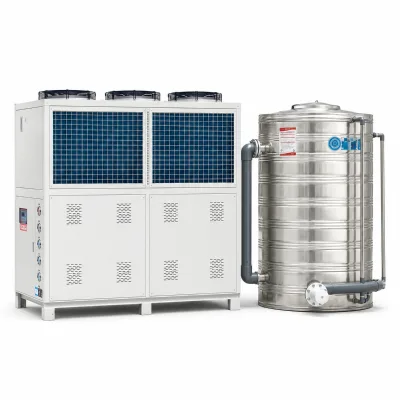
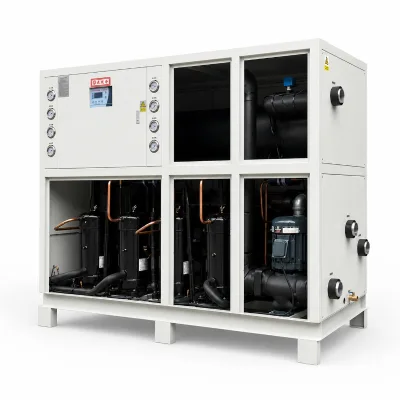
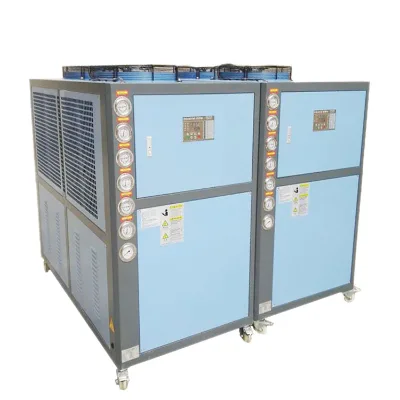
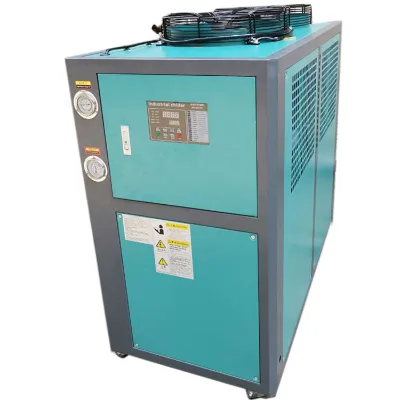
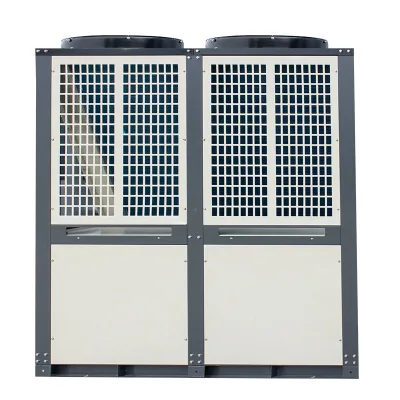
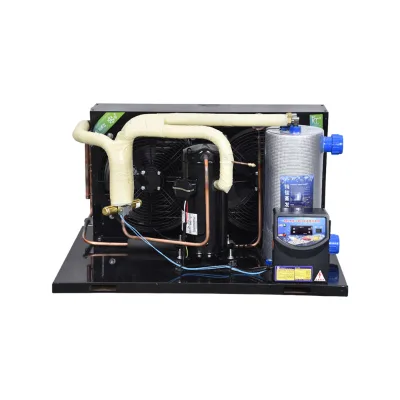
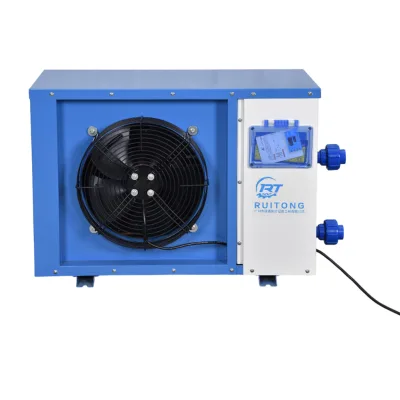
Available cooling methods include air-cooled and water-cooled configurations. Air-cooled units use finned copper tubes and low-noise fans for heat dissipation. Water-cooled models utilize shell and tube condensers for higher efficiency in specific environments. Buyers should select the method that best fits their facility's infrastructure and thermal management requirements for optimal performance.