High Productivity Baguette Moulder Machine Suppliers and Manufacturers
Explore 28 verified options for High Productivity Baguette Moulder Machine from factories in China. Compare response times, certifications, and lead times to find the right partner. Contact suppliers directly to request quotes; review the available evidence before requesting comparable quotations from suitable candidates.
Updated
Suppliers List

Henan Smile Technology Industrial Co., Ltd.
- Verified by SGS
- Trading Company,Manufacturer/Factory
- China Henan
- Lead time0 days
- Avg. response≤ 8h
Main productsBaking Oven, Industrial Mixer, Laboratory Equipment, Bakery Equipment, Bakery Processor, Kitchen Equipment, Refrigeration Series, Fast Food Equipment, Juicer Extractor Machine

HANGZHOU SAIZHOU TECHNOLOGY CO., LTD.
- Manufacturer/Factory
- China Zhejiang
- Lead time23 days
- Avg. response≤ 6h
Main productsVegetable and Fruit Processing Equipment, Meat Processing Equipment, Packaging and Filling Equipment, Nut and Grain Equipment, Bakery Equipment
Main marketsSouth America,Eastern Europe,North America,Southeast Asia,Eastern Asia,Oceania,Africa

Shijiazhuang LINKON Machinery Tech Co., Ltd.
- Verified by SGS
- Trading Company,Manufacturer/Factory
- China Hebei
- Lead time23 days
- Avg. response≤ 7h
Main productsAutomatic Bakery Bread Line, Bakery Equipment, Baking Machine, Rotary Rack Oven, Spiral Dough Mixer, Spiral Cooler System, Tunnel Oven, Dough Processing Machine, Proofing, Bread Production Line
Main marketsSouth America,Eastern Europe,Mid East,North America,Southeast Asia,Eastern Asia,Oceania,Western Europe,Africa

High Quality Adjustable French Premium Long Bread Moulding Baguette Moulder Machine
$2000.00 - $4800.00
MOQ: 1 Pieces


Henan Jiahuang Mechanical And Electrical Equipment Co., Ltd.
- Trading Company
- Henan, China
- Lead time0 days
- Avg. response≤ 1h
Main productsFood machinery,Packaging machinery,Fruit processing machine,Meat processing machine,Commercial Equipment & Machinery
Main marketsSouth America(40.00%), North America(25.00%), Western Europe(20.00%), Africa(15.00%)
Henan Share M&E Equipment Co.,Ltd
- Verified by SGS Group
- Trading Company
- Lead time7 days
- Avg. response≤ 3h
Main productsTextile Machinery, Printing Machinery, Construction Machinery, Wood Machinery
Main marketsNorth America(20%), South America(20%), Eastern Europe(10%)

Luohe Quality Mechanical Equipment Co., Ltd.
- Verified by SGS
- Manufacturer/Factory
- China Henan
- Lead time23 days
- Avg. response≤ 5h
Main productsJuice Extractor, Sausage Making Machine, Pita Bread Machine, Biscuit Making Machine
Main marketsSouth America,Eastern Europe,North America,Eastern Asia,Western Europe

Guangzhou Xinhe Machinery Technology Co., Ltd
- Verified by TUVRHEINLAND
- Combined
- China Guangdong
- Lead time15 days
- Avg. response≤ 3h
Main productsDough Divider Rounder, Dough Sheeter, Dough Moulder, Bakery Oven, Dough Mixer, Planetary Mixer, Dough Proofer, Baking Trays, Bread Oven Trolley, Baking Equipment
Main marketsDomestic

Automatic French Bread Making Toast Forming Baguette Moulder Baguette Moulder Machine
$2700.00 - $3000.00
MOQ: 1 PCS

Multifunctional Bakery Toast Machine Equipment French Baguette Moulder for Bread
$2700.00 - $3000.00
MOQ: 1 PCS

Food Equipment French Bread Making Machine Bakery Baguette Bread Dough Processing Moulder
$980.00 - $1150.00
MOQ: 1 PCS

Shanghai Mooha Import & Export Co., Ltd.
- Verified by TUVRHEINLAND
- Trading Company,Manufacturer/Factory
- China Shanghai
- Lead time23 days
- Avg. response≤ 3h
Main productsAuger Filler, Powder Filler, Screw Feeder, Bucket Feeder, Net Weight Filling Machine, Liquid Filling Machine, Vffs Machine, Powder Filling Machine, Bakery Equipment, Liquid Filler
Main marketsSouth America,Eastern Europe,Mid East,North America,Southeast Asia,Eastern Asia,Oceania,Western Europe,Africa


French Long Bread Moulder Bakery Machine, Baguette Moulder/Baguette Making Machine
$4750.00 - $4980.00
MOQ: 1 Pieces


Shijiazhuang Haidier Machinery Export Co., Ltd.
- Trading Company
- Hebei, China
- Lead time15 days
- Avg. response≤ 6h
Main productsfood machine,bakery equipment,baking equipment,bread machine,bakery machine
Main marketsSouthern Europe(11.11%), Central America(11.11%), Eastern Asia(11.11%), Mid East(11.11%), Oceania(11.11%), Africa(11.11%), Southeast Asia(11.11%), South America(11.11%), North America(11.11%), South Asia(0.10%)
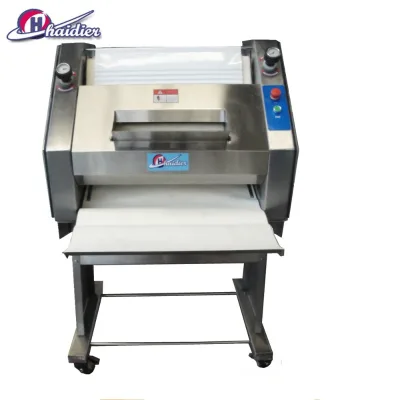
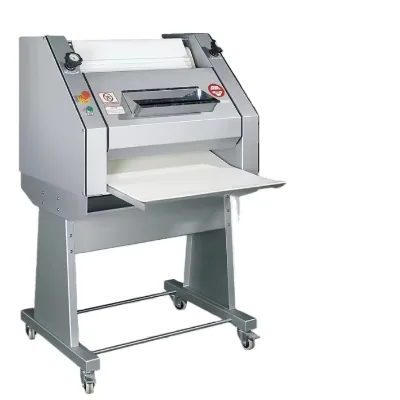
Bread Dough Moulder Machine French baguette Mold Nonstick French baguette Mold
$4119.414
MOQ: 1 Minimum
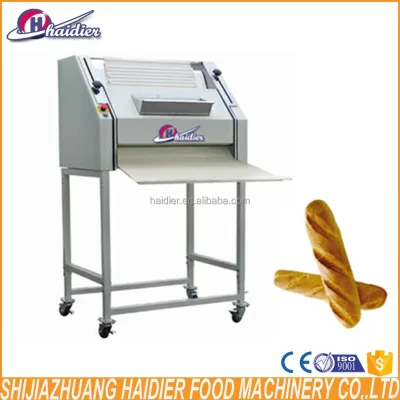
Baking Equipment Baguette Moulder French Roller Machine for Bakery
$4749.1986 - $4955.6855
MOQ: 1 sets

Henan Chanda Machinery Co., Ltd
- Verified by TUVRHEINLAND
- Trading Company,Manufacturer/Factory
- China Henan
- Lead time15 days
- Avg. response≤ 4h
Main productsFood Machine, Vegetable Cutting Machine, Bun Making Machine, Roti Making Machine, Samosa Making Machine, Skin Vacuum Packing Machine, Peeling Machine, Tablet Press Machine, Noodle Boiler, Meat Cutting Machine
Main marketsSouth America,Eastern Europe,Mid East,North America,Southeast Asia,Eastern Asia,Oceania,Western Europe,Africa
Guangzhou Bossda Mechanical Equipment Co., Ltd.
- Manufacturer
- Guangdong, China
- Lead time30 days
- Avg. response≤ 13h
Main productsTunnel Oven,Bread Moulder,Rotary Oven,Dough Rounder,Dough Sheeter
Main marketsDomestic Market(25.00%), Africa(20.00%), North America(20.00%), Southeast Asia(20.00%), Northern Europe(10.00%), Mid East(5.00%)
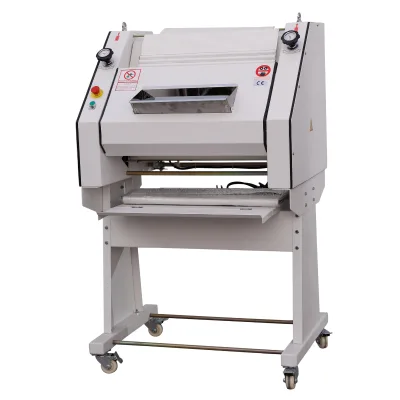
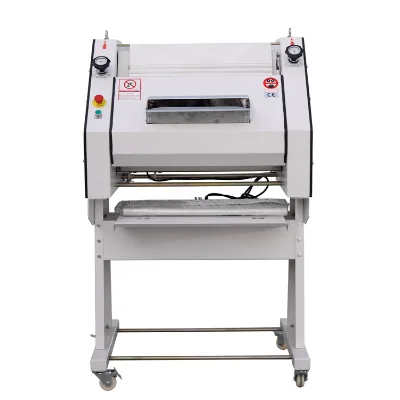
BOSSDA Baguette Moulder Dough Moulder Machine For French Bread
$4273.90 - $4354.90
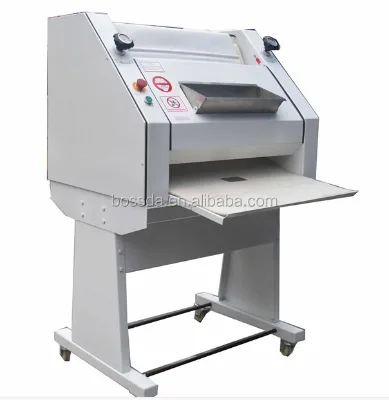
BOSSDA French bread stick roll moulder machine
$3015.90 - $4094.90
BOSSDA French baguette bread making machine
$3887.90 - $3946.90
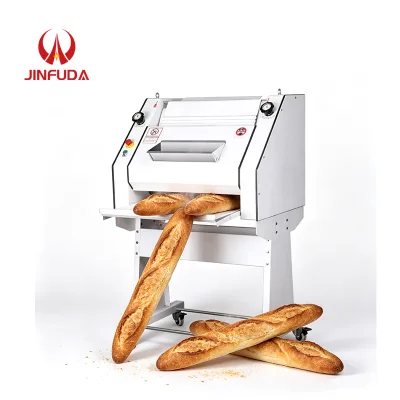
Henan Jinfuda Trading Co., Ltd.
- Trading Company
- Lead time旺季: "1 - 1":7,"> 1":"To be negotiated", 淡季: "1 - 1":7,"> 1":"To be negotiated"
- Avg. response≤ 3h
Main productsFruit Vegetables Processing Machines, Meat Processing Machines, Bakery Pastry Processing Machines, Snack Processing Machines, Packaging Machines
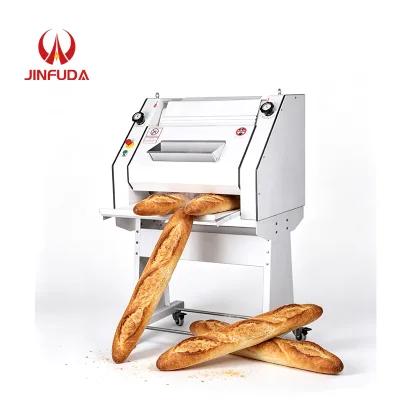
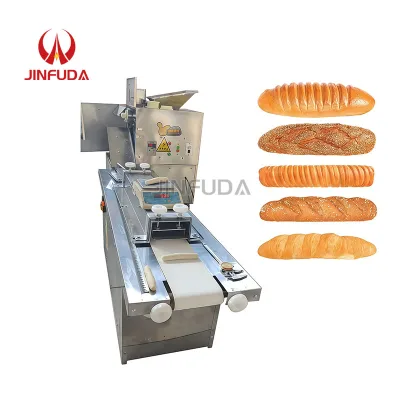
$500.00 - $600.00
MOQ: 1 pieces

Zhengzhou Hento Machinery Co., Ltd.
- Verified by SGS
- Trading Company,Manufacturer/Factory,Group Corporation
- China Henan
- Lead time15 days
- Avg. response≤ 6h
Main productsMeat Processing Machinery, Egg Processing Machinery, Dairy Processing Machinery, Fruit & Vegetable Processing Machinery, Grain Product Making Machines, Snack Machines, Nuts Processing Machinery, Packing Machines, Drying Machines, Commodity Making Machines
Main marketsSouth America,Eastern Europe,Mid East,North America,Southeast Asia,Eastern Asia,Oceania,Western Europe,Africa

Easy Operation French Baguette Molding Machine / French Baguette Moulder
$1955.00 - $3080.00
MOQ: 1 Sets

Electric Dough Forming Machine / French Bread Machine / Baguette Moulder
$2569.00 - $3339.00
MOQ: 1 Sets


Electric Bread French Baguette Making Production Line / Baguette Molding Machine
$7049.00 - $11075.00
MOQ: 1 Sets

HE NAN PENG HUI MACHINERY AND EQUIPMENT CO., LTD.
- Verified by CTI
- Manufacturer/Factory
- China Henan
- Lead time15 days
- Avg. response≤ 3h
Main productsMeat Processing Machine, Fruit Processing Machine, Vegetable Processing Machine, Seafood Processing Machine, Grain Product Processing Machine, Snack Machine, Nuts Processing Machine, Quilting Machine, Textile Machine, Paper Product Processing Machine
Main marketsSouth America,Eastern Europe,Mid East,North America,Southeast Asia,Eastern Asia,Oceania,Western Europe,Africa

Roller Moulder Baguette Bread Forming Machine Baguette Molding Shaping Machine
$4000.00 - $4700.00
MOQ: 1 Pieces

High Quality Baguette Toast Bakery French Bread Roller Moulder Making Forming Machine
$1300.00 - $1550.00
MOQ: 1 Pieces

Dough Long Baguette Moulder Machine Electric Baguette Making Machine for Bread Shop
$4000.00 - $4700.00
MOQ: 1 Pieces

Toast Long Bread Moulder Rolling Making Machine Bread Molding Machine Baguette Moulder
$4000.00 - $4700.00
MOQ: 1 Pieces

Bakery Toast Bread French Baguette Making Maker Molding Machine Dough Moulder Machine
$2250.00 - $2480.00
MOQ: 1 Pieces
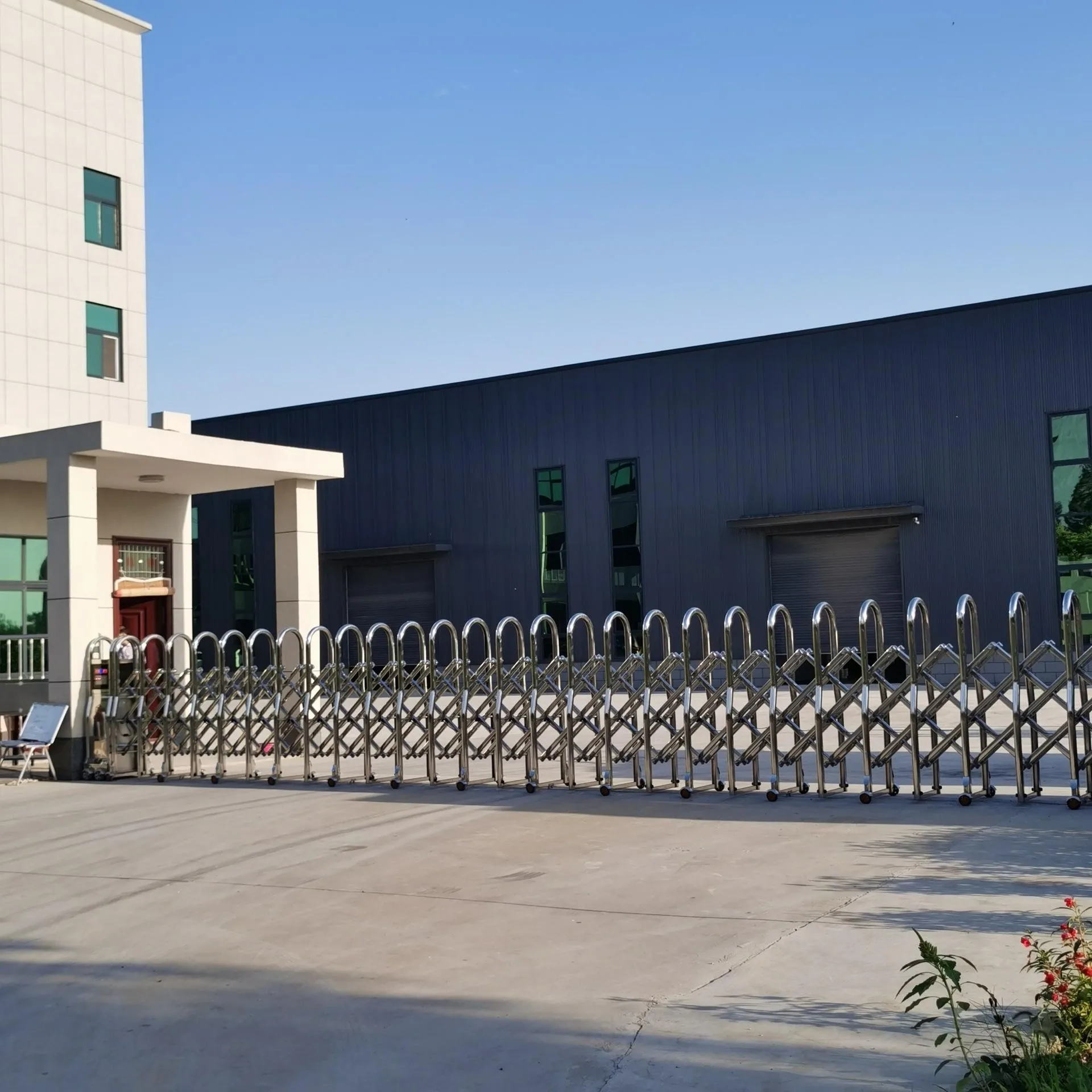
Henan Qinbiao Industrial Development Co., Ltd.
- Trading Company
- Henan, China
- Lead time45 days
- Avg. response≤ 1h
Main productsFruit and vegetable slicer,Fruit and vegetable peeler,Sauce making machine,Dumpling skin making machine,Wax melting pot
Main marketsDomestic Market(70.00%), North America(8.00%), Northern Europe(5.00%), Mid East(5.00%), Eastern Europe(5.00%), Central America(4.00%), South America(3.00%)
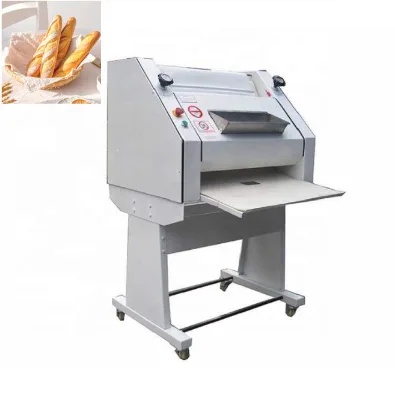
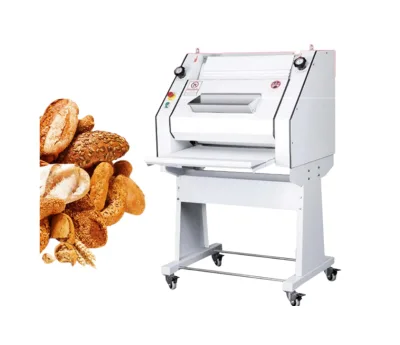
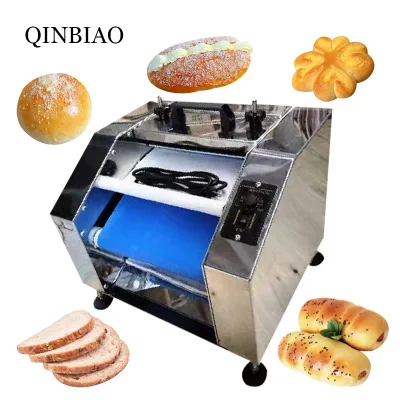
$2000.00 - $2290.00
MOQ: 1 pieces

Guangzhou Bossmai Machinery Co., Ltd
- Verified by SGS
- Combined
- China Guangdong
- Lead time15 days
- Avg. response≤ 7h
Main productsRotary Oven, Tipping Spiral Mixer, Automatic Dough Sheeter, Dough Shape Cutting Machine, Dough Moulder, Dough Divider and Rounder, Cookie Machine
Main marketsNorth America

Professional French Baguette Moulder for Efficient Bakery Production
$2830.00 - $3720.00
MOQ: 1 Pieces

Bakery Electric Baguette Moulding Machine French Long Bread Dough Moulder
$2857.14 - $3500.09
MOQ: 5 Pieces


French Longer Bread Moulder Bakery Equipment Baguette Shaping Making Machine Baguette Moulder
$2857.14 - $3500.09
MOQ: 5 Pieces

Bakery Baguette Forming Machine Baking Equipment French Long Bread Dough Moulder
$2857.14 - $3500.09
MOQ: 5 Pieces

Luohe Bard Machinery Equipment Co., Ltd.
- Manufacturer, Trading Company
- Henan, China
- Lead time7 days
- Avg. response≤ 2h
Main productsGeneral Machinery,Fruit Vegetables Processing Machines,Meat Processing Machines,Snack food machinery,Packaging Machinery
Main marketsNorth America(30.00%), Mid East(15.00%), Western Europe(13.00%)
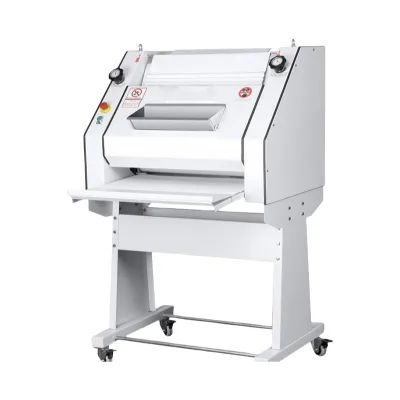
$2650.00 - $3180.00
MOQ: 1 sets

Guangzhou Bakestar Machinery Co.,Ltd
- Combined
- China Guangdong
- Lead time15 days
- Avg. response≤ 12h
Main productsBaking Ovens, Bakery Equipments, Bakery Machines, Rotary Ovens, Moulders, Bread Machine, Pizza Oven, Pita Bread Machine, Tunnel Ovens, Baking Oven
Main marketsDomestic
Henan Gondor Equipment Material Co., Ltd.
- Verified by SGS Group
- Manufacturer, Trading Company
- Henan, China
- Lead time15 days
- Avg. response≤ 2h
Main productsCandy chocolate egg roll lollipop snack food machine, Filling and packaging machine, Dumplings macaroni tortilla cereal processing machine, Food processing production line, Well drilling machine
Main marketsAfrica(21%), South Asia(16%), Western Europe(15%)
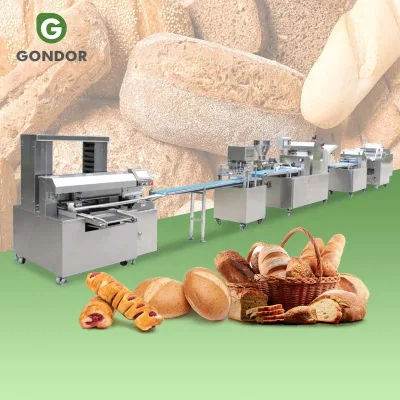
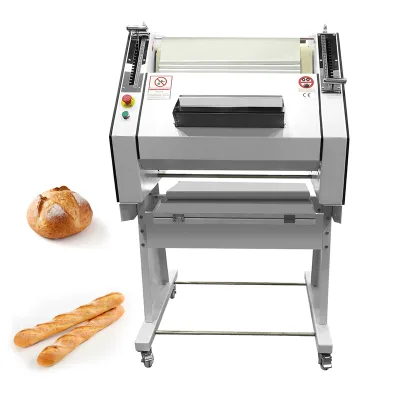
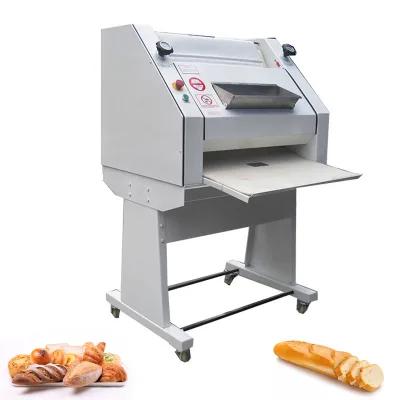
Pita Manual Bread Molder France Loaf Rounder Moulder for Bread Baguette
$2900.00 - $4800.00
MOQ: 1 sets
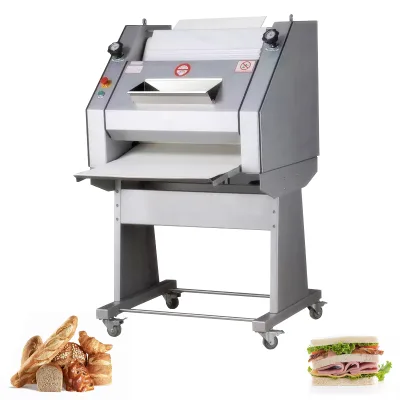
Hot Dog Dough Molder Food Molding Moulding Maker French Baguette Bread Machine Trade
$2900.00 - $4800.00
MOQ: 1 sets
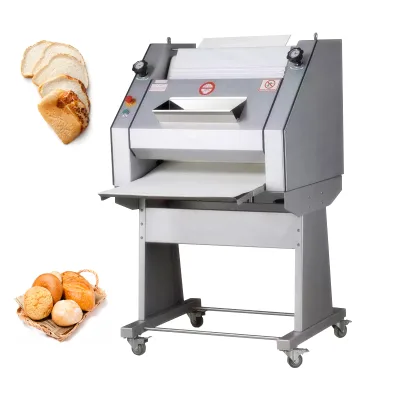
$2900.00 - $4800.00
MOQ: 1 sets
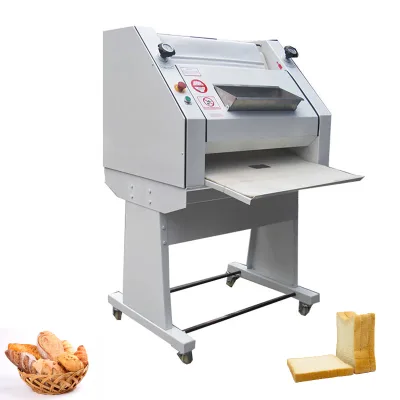
$2900.00 - $4800.00
MOQ: 1 sets

Henan Methena Intelligent Technology Co., Ltd
- Verified by SGS
- Manufacturer/Factory
- China Henan
- Lead time15 days
- Avg. response≤ 3h
Main productsCandy Machinery, Biscuit Machinery, Meat Processing Machinery, Pasta Processing Machinery, Mixing Machinery, Drying Machinery, Freeze Drying Machinery, Fruit and Vegetable Processing Machinery, Egg Processing Machinery, Packaging Machinery
Main marketsSouth America,Eastern Europe,Mid East,North America,Southeast Asia,Eastern Asia,Oceania,Western Europe,Africa

Baguette Molding Machine Bakery Loaf Bread Dough Moulder Production Line Baguette Shape Machine
$2850.00 - $3500.00
MOQ: 1 Pieces

Bread Toast Form Machine French Bread Making Machine Dough French Baguette Moulder Machine
$2850.00 - $3500.00
MOQ: 1 Pieces

French Baguette Shape Machine Hot Dog Bread French Stick Moulder Bakery Equipment
$2850.00 - $3500.00
MOQ: 1 Pieces
Guangzhou Ucbake Machine Equipment Co., Ltd.
- Manufacturer, Trading Company, Distributor/Wholesaler
- Guangdong, China
- Lead time30 days
- Avg. response≤ 5h
Main productsFood machine,Bakery machine,Refrigeration equipment,Baking tool,kitchen equipment
Main marketsSouth Asia(20.00%), Africa(20.00%), Southeast Asia(15.00%), Mid East(15.00%), South America(10.00%), Eastern Asia(10.00%), Central America(2.00%), North America(2.00%), Eastern Europe(1.00%), Southern Europe(1.00%), Northern Europe(1.00%), Western Europe(1.00%)

Guangzhou Youbake Kitchen Equipment Co., Ltd.
- Verified by BV
- Trading Company,Manufacturer/Factory
- China Guangdong
- Lead time23 days
- Avg. response≤ 4h
Main productsBaking Oven, Rotary Oven, Dough Mixer, Proofer, Toast Moulder, Baguette Moulder, Semi-Automatic Dough Rounder, Full-Automatic Dough Rounder, Electric Dough Divider, Deck Oven
Main marketsSouth America,Eastern Europe,Mid East,North America,Southeast Asia,Eastern Asia,Oceania,Western Europe,Africa


$2580.00 - $3150.00
MOQ: 1 Pieces

Zhengzhou Angd Machinery Co., Ltd.
- Trading Company
- Henan, China
- Lead time20 days
- Avg. response≤ 5h
Main productsCake Display,Kitchen Refrigerator,stainless steel refrigerator,ice maker,baking oven
Main marketsNorth America(30.00%), Eastern Europe(15.00%), South America(15.00%), Domestic Market(10.00%), Western Europe(10.00%), Africa(10.00%), Mid East(5.00%), Oceania(5.00%)
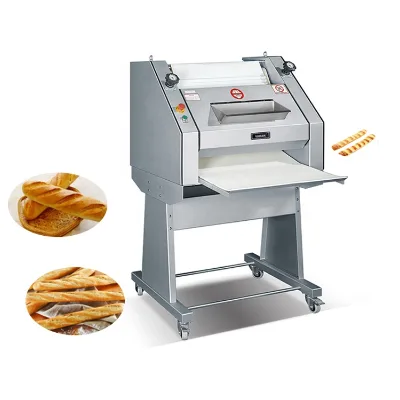
Stainless Steel French Bread Baguette Moulder Maker Making Machine
$3650.00 - $3778.00
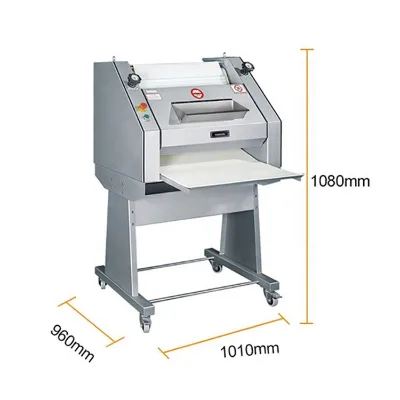
Industrial high quality toast bread dough rolling moulder pastry moulding machine
$3789.2992 - $3922.1844
MOQ: 1 sets
Baguette Moulder/Baguette Dough Shaper/french Bread Bakery Equipment for Sale
$3650.00 - $3778.00
MOQ: 1 sets
Xiamen Litre Technology Co., Ltd.
- Trading Company, Distributor/Wholesaler
- Fujian, China
- Lead time5 days
- Avg. response≤ 1h
Main productsBaking Equipment,Food Machinery,Other snack food machines,Packaging Machine
Main marketsSouth America(20.00%), Domestic Market(10.00%), South Asia(10.00%), Northern Europe(10.00%), Eastern Asia(10.00%), Oceania(10.00%), Africa(10.00%), Eastern Europe(10.00%), North America(10.00%)

Henan Penghui Machinery And Equipment Co., Ltd.
- Manufacturer, Trading Company
- Henan, China
- Lead time3 days
- Avg. response≤ 2h
Main productsFood machinery,Agricluture machinery,Wood machinery,Recycling machinery,Plastic machinery
Main marketsAfrica(30.00%), Eastern Europe(30.00%), North America(30.00%), Mid East(10.00%)
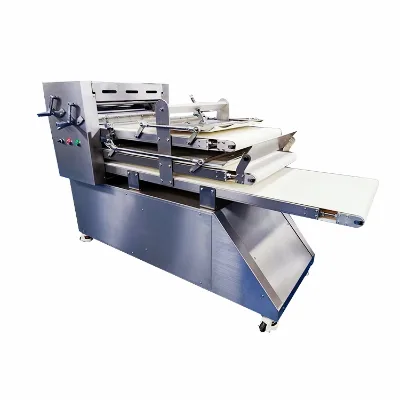
Continuous Bakery Bread Dough Moulding Rolling Machine Toast Loaf Forming Machine Baguette Moulder
$4227.1544 - $4639.5598
MOQ: 1 sets
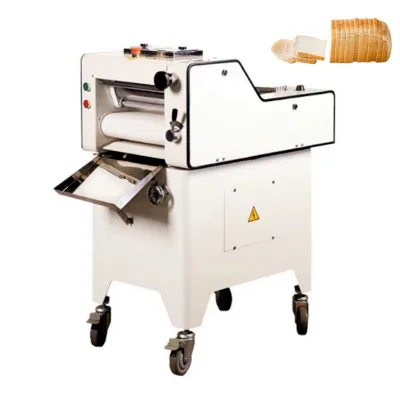
Loaf Bread Mould Machine Baguette Roller Shaping Machine Commercial French Bread Machine Price
$1980.00 - $2480.00
MOQ: 1

Wuhan Kenxin Automation Technology Co., Ltd.
- Verified by BV
- Manufacturer/Factory
- China Hubei
- Lead time45 days
- Avg. response≤ 16h
Main productsBakery Production Line, Bread Production Line, Baguette Production Line, Pastel Production Line, Spiral Cooling Tower, Bakery Oven, Swing Proofer, Bakery Machine, Bakery Equipment, Depanner
Main marketsSouth America,Eastern Europe,Mid East,North America,Southeast Asia,Eastern Asia,Oceania,Western Europe,Africa

$25000.00 - $60000.00
MOQ: 1 Pieces

High Precision Control Durable Baguette Processing Machinery for Consistent Quality
$25000.00 - $60000.00
MOQ: 1 Pieces


Strong Durable Baguette Processing Machinery for Continuous Operation
$25000.00 - $60000.00
MOQ: 1 Pieces

High Accuracy Control Stable Baguette Processing Machinery for Consistent Output
$25000.00 - $60000.00
MOQ: 1 Pieces

Henan Orange Machine Co., Ltd.
- Verified by SGS Group
- Trading Company
- Lead time0 days
- Avg. response≤ 2h
Main productsFood Machinery, Snack Machines, Packaging Machinery, Food processing lines
Main marketsNorth America(30%), South America(20%), Southeast Asia(20%)
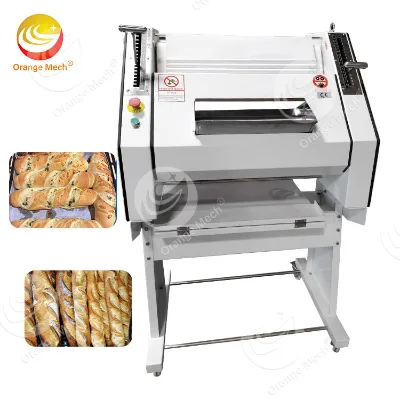
ORME Machine a Formage De Baguette Automatic Hot Dog Dough Moulder Small Baguette Roller Machine
$2850.00 - $3500.00
MOQ: 1
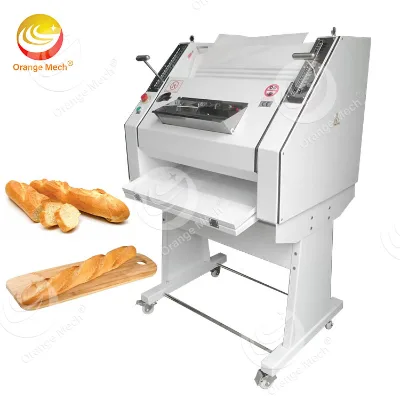
ORME Bakery Table Top Bun Dough Roll Moulder Wand Moulder French Baguette Bread Make Machine Price
$2850.00 - $3500.00
MOQ: 1
Guangzhou R&M Machinery Co., Ltd.
- Verified by SGS Group
- Manufacturer, Trading Company
- Guangdong, China
- Lead time0 days
- Avg. response≤ 4h
Main productsBaking Equipment, Bakery Oven, Snack Food Machine, Bakery Mixer, Kitchen Equipment
Main marketsSoutheast Asia(40%), North America(10%), Eastern Europe(10%)


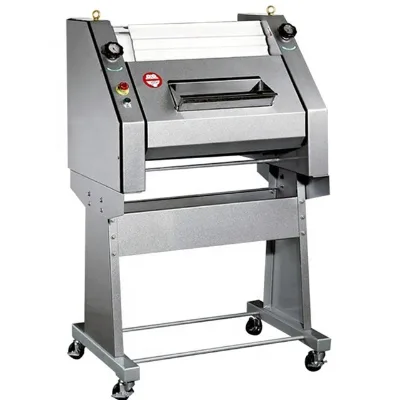
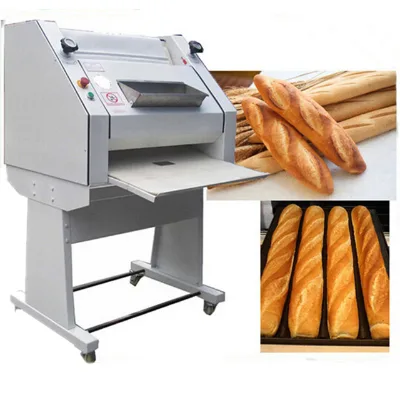
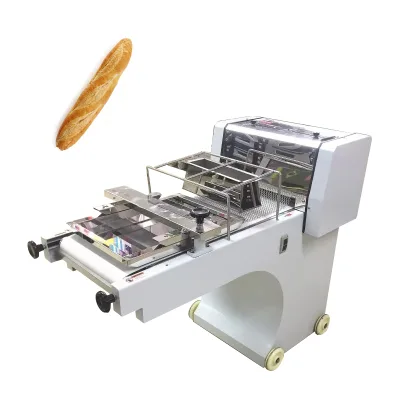
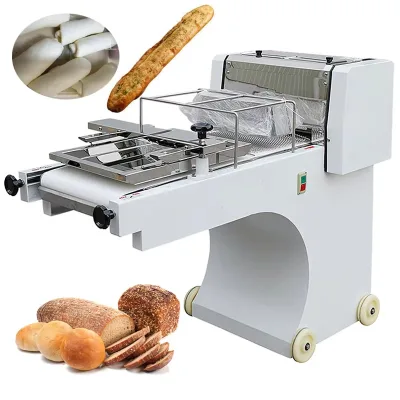


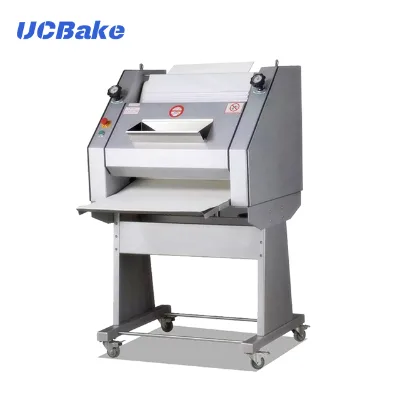
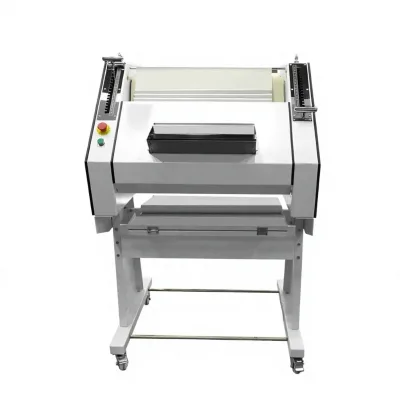
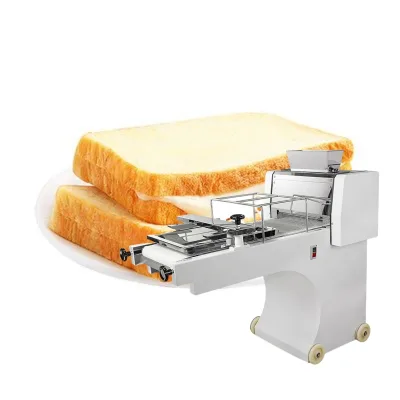
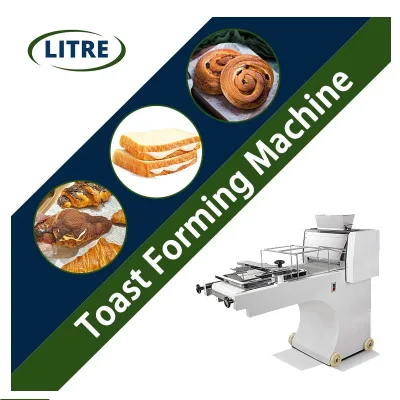
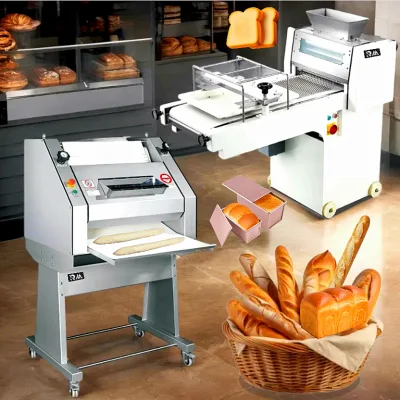
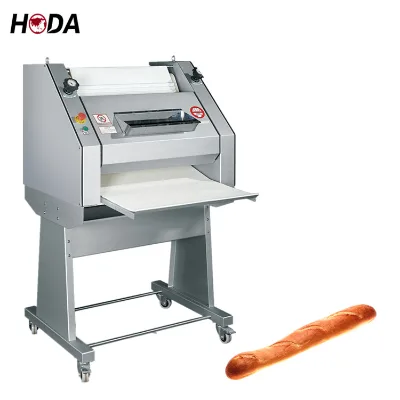
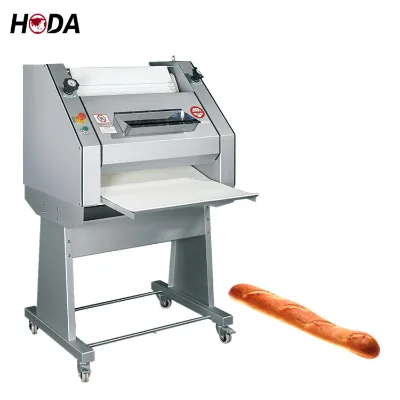
Comprehensive Sourcing Guide
High Productivity Baguette Moulder Machine Supplier Concentration and Factory Types
The current supplier landscape for high productivity baguette moulder machines reveals a distinct concentration of manufacturing and trading entities within specific Chinese provinces, primarily Henan, Zhejiang, and Hebei. These regions serve as critical hubs for commercial bakery equipment, offering buyers access to both direct factory sources and specialized trading companies. In Henan, suppliers often operate as trading companies or manufacturers, providing a diverse range of bakery processors, industrial mixers, and refrigeration series alongside the core moulder units. This dual capability allows for potential bundling of equipment, though buyers must carefully distinguish between the actual production facility and the intermediary. The presence of SGS verification on some Henan-based entities indicates a baseline level of quality assurance, yet the trading company structure suggests that direct factory oversight may vary. Buyers should recognize that while the location is consistent, the operational model significantly impacts lead times and communication efficiency. Understanding whether a supplier is a pure trading entity or a manufacturer with trading arms is essential for negotiating technical support and warranty terms.
In Zhejiang and Hebei, the supplier types shift slightly toward dedicated manufacturer/factory models, particularly those holding ISO 9000, ISO 9001, or ISO 20000 system certifications. These entities often emphasize OEM capabilities and in-stock capacity, suggesting a more standardized production line for baguette moulder machines. The Zhejiang suppliers, for instance, list main products that include vegetable and fruit processing equipment alongside bakery tools, indicating a broader food processing machinery focus. Meanwhile, Hebei-based manufacturers highlight their capacity for own brand, OEM, and ODM services, which is crucial for buyers seeking custom branding or specific technical modifications. The concentration in these areas allows for efficient supply chain logistics, but it also means that buyers must verify the actual production capacity and quality control processes. The diversity in company types—from pure trading to full-scale manufacturing—requires a nuanced approach to supplier selection, ensuring that the chosen partner aligns with the buyer’s need for either cost efficiency through trading or technical reliability through direct manufacturing.
How to Verify High Productivity Baguette Moulder Machine Suppliers
Verifying the legitimacy and capability of High Productivity Baguette Moulder Machine suppliers requires a multi-layered approach that goes beyond basic profile checks. Buyers should prioritize suppliers who display third-party verification badges, such as SGS, which serves as an initial indicator of operational legitimacy. However, verification should extend to checking for specific system certifications like ISO 9001 or ISO 9000, which are present in the results for certain manufacturers. These certifications are critical for ensuring that the production processes adhere to international quality management standards, reducing the risk of inconsistent machine performance. Additionally, buyers must scrutinize the supplier’s response time, as metrics like 5.29 or 7.25 hours can indicate the efficiency of their customer service and technical support teams. A faster response time often correlates with better post-sales support, which is vital for complex machinery like baguette moulders that may require immediate troubleshooting.
Beyond digital verification, buyers should request detailed product evidence and technical specifications to confirm the supplier’s actual capabilities. The presence of specific product attributes, such as voltage (220V), power source (Electric), and customization options, provides tangible proof of the supplier’s inventory and engineering depth. Buyers should ask for videos of the baguette moulder machine in operation, specifically looking for the belt width, dough weight range, and machine size consistency with the listed specifications. For suppliers claiming OEM or ODM capabilities, requesting proof of past custom projects or design documentation can validate their engineering prowess. Furthermore, verifying the origin of the machine, such as Henan or Zhejiang, through shipping documents or factory audit reports can prevent misrepresentation. By combining digital verification badges with rigorous technical due diligence, buyers can significantly mitigate the risk of engaging with unreliable suppliers.
What to Compare Across High Productivity Baguette Moulder Machine Suppliers
When evaluating multiple suppliers for high productivity baguette moulder machines, buyers must compare key operational metrics to determine the best fit for their production needs. One critical dimension is the lead time, which varies significantly among suppliers. Some suppliers may list a lead time of zero, indicating immediate availability or stock, while others, such as those in Zhejiang, may have a lead time of 23 days, suggesting a made-to-order or batch production model. This difference directly impacts the buyer’s ability to scale operations quickly. Additionally, the minimum order quantity (MOQ) is a crucial factor; some suppliers offer an MOQ of just one unit, which is ideal for small bakeries or testing phases, while others may have higher thresholds. Comparing these logistical constraints helps buyers align their procurement strategy with their cash flow and inventory management capabilities.
Another vital comparison point is the technical specification and customization availability. Buyers should examine the power consumption, such as 0.75kw, and the dough weight range, which can vary from 50-1250g to 50-1200g, depending on the supplier. The belt width, often listed as 700mm or 720mm, also affects the machine’s throughput and versatility. Suppliers that offer customization options allow for tailored solutions, which can be a decisive factor for specialized bakery operations. Furthermore, the response time, ranging from 1 hour to over 7 hours, indicates the supplier’s readiness to engage in technical discussions and resolve issues. By systematically comparing lead times, MOQs, technical specs, and response speeds, buyers can create a weighted scorecard to objectively rank suppliers and select the partner that offers the best balance of cost, speed, and technical suitability.
Common High Productivity Baguette Moulder Machine Sourcing Risks
Sourcing high productivity baguette moulder machines from international suppliers introduces several risks that buyers must proactively manage. One significant risk is the discrepancy between advertised specifications and actual machine performance. Suppliers may list generic attributes like "Electric" power source or "220V" voltage, but the actual build quality, motor durability, and precision of the moulder mechanism can vary widely. Without rigorous testing or third-party inspection, buyers risk receiving machines that fail to meet the required dough weight consistency or shaping accuracy. This is particularly relevant for suppliers who are trading companies rather than manufacturers, as they may not have direct control over the production quality. Buyers should mitigate this risk by requesting detailed technical drawings and material specifications, such as the use of Stainless Steel 304, to ensure durability and food safety compliance.
Another common risk is the ambiguity in warranty and after-sales support terms. While some suppliers offer a one-year warranty, the scope of this warranty and the availability of spare parts can be unclear. Buyers must verify whether the warranty covers labor, shipping costs for replacements, and the availability of technical support in their local language. Additionally, the risk of logistical delays is heightened when dealing with suppliers who have longer lead times or complex packing requirements, such as wooden cases or boxes. Buyers should ensure that the supplier has a clear protocol for handling damaged goods during transit and that the packaging is robust enough to protect the machine. By identifying these risks early and incorporating strict contractual clauses regarding quality assurance and support, buyers can protect their investment and ensure a smooth integration of the baguette moulder machine into their production line.
High Productivity Baguette Moulder Machine Regional Sourcing and Logistics
The regional concentration of High Productivity Baguette Moulder Machine suppliers in China, specifically in Henan, Zhejiang, and Hebei, offers distinct logistical advantages and challenges for international buyers. Suppliers in Henan, often operating as trading companies or manufacturers, provide a centralized hub for various bakery equipment, which can simplify the consolidation of shipments. However, buyers must be aware that trading companies may add layers to the logistics chain, potentially increasing transit times and costs. In contrast, suppliers in Zhejiang and Hebei, who are often direct manufacturers, may offer more streamlined logistics due to their proximity to major shipping ports and industrial zones. The Zhejiang suppliers, for instance, benefit from the region’s advanced manufacturing infrastructure, which can facilitate faster production and export processes.
Logistical planning must also account for the specific packing requirements of the baguette moulder machines, which are often listed as wooden packages, wooden boxes, or wooden cases. These heavy and bulky items require careful handling and specialized freight solutions to prevent damage during transit. Buyers should work closely with their suppliers to ensure that the packing dimensions, such as 10208801720mm or 96010101080mm, are accurately declared for customs clearance and freight calculation. Additionally, the origin of the machine, whether from Henan or Zhejiang, can influence the choice of shipping route and carrier. By understanding the regional logistics landscape and coordinating closely with suppliers on packing and shipping details, buyers can optimize their supply chain and reduce the risk of delays or additional costs associated with international freight.
High Productivity Baguette Moulder Machine Commercial Terms and Order Planning
Commercial terms and order planning are critical components of sourcing high productivity baguette moulder machines, directly impacting the total cost of ownership and operational readiness. Buyers should carefully review the price ranges, which can vary from $1000 to $4800 depending on the supplier, model, and customization level. For example, some suppliers list prices between $2000 and $4000, while others may offer lower entry points around $1000 or higher-end models up to $4800. Understanding these price variations helps buyers budget accurately and negotiate effectively. Additionally, the availability of OEM and ODM services can influence the commercial terms, as custom orders may require higher upfront payments or longer payment terms. Buyers should clarify the payment structure, including deposits and balance payments, to ensure alignment with their financial policies.
Order planning must also consider the supplier’s capacity and lead time to ensure timely delivery. Suppliers with in-stock capacity or low lead times, such as those listing zero days, are ideal for urgent orders, while those with longer lead times, like 23 days, require advance planning. Buyers should also verify the supplier’s ability to handle large orders without compromising quality or delivery schedules. Furthermore, the inclusion of accessories, such as plugs (US, European, British), and warranty terms, such as a one-year coverage, should be explicitly stated in the commercial contract. By meticulously planning the order timeline and negotiating clear commercial terms, buyers can secure a reliable supply of high productivity baguette moulder machines that meet their production demands and budget constraints.
FAQs
What is the typical lead time for baguette moulder machines?
Lead times vary by supplier location and capacity. One Zhejiang manufacturer lists a 23-day lead time for production. Other suppliers in Henan and Hebei do not display specific lead time data in current results. Buyers should confirm delivery schedules directly with the factory to ensure alignment with project timelines.
What is the minimum order quantity for these machines?
The minimum order quantity is typically one unit. Current product listings for commercial French long bread moulder machines show an MOQ of 1. This allows small bakeries or startups to purchase single units without needing bulk commitments. Buyers should verify if volume discounts apply for larger orders.
What is the price range for baguette moulder machines?
Prices generally range from $1,000 to $4,800 per unit. Specific listings show ranges between $1,000 and $3,000, or $2,000 and $4,000. Higher-end models with adjustable capacities may reach up to $4,800. Final pricing depends on customization, voltage requirements, and shipping terms negotiated with the supplier.
What certifications do these suppliers hold?
Suppliers hold various certifications including ISO 9000, ISO 9001, ISO 20000, and SGS verification. Zhejiang manufacturers often list ISO 9001 and ISO 20000. Hebei suppliers may list ISO 9001. Henan trading companies show SGS verification. Buyers should request current certificate copies to ensure compliance with local safety standards.
What is the production capacity of these machines?
Production capacity varies by model, with some machines reaching 1,200 pieces per hour. Adjustable models handle dough weights from 50 to 1,250 grams. Belt widths typically range from 700mm to 720mm. Buyers should match the machine capacity to their daily bread output requirements to ensure efficient workflow and minimal downtime.
Are these machines customizable for specific bakery needs?
Yes, customization is available for most models. Suppliers offer customized voltage options, power sources, and machine sizes. Some models allow adjustments to belt cylinder length and dough weight ranges. Buyers should specify their exact requirements, such as plug type or loaf size, to ensure the machine fits their existing bakery infrastructure.