High Voltage VLF Cable Tester Suppliers and Manufacturers
Compare 22 verified suppliers of High Voltage VLF Cable Tester from China Hubei and Hebei. Review response times, lead times, certifications, and pricing to source equipment with ISO standards and custom options; review the available evidence before requesting comparable quotations from suitable candidates.
Updated
Suppliers List

- Verified by SGS
- Combined
- China Hubei
- Lead time15 days
- Avg. response≤ 8h
Main productsOil Transformer, Impulse Voltage Generator, Vlf Hipot Test Equipment, Loop Resistance Tester, Relay Protection Tester, Pd Test System, Cable Fault Tester, Tuning Resonance Test Device, DC Hv Generator, Lightning Arrester
Main marketsDomestic,Europe,North America


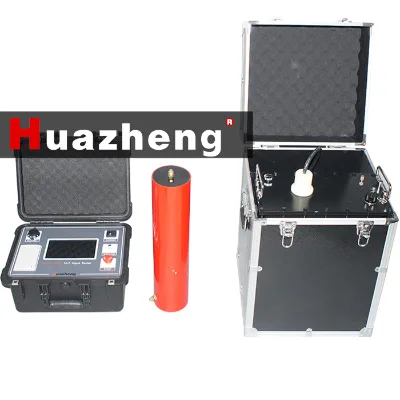
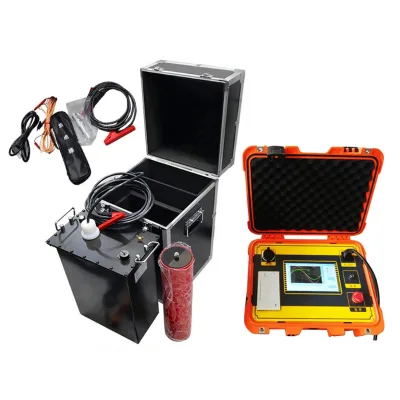
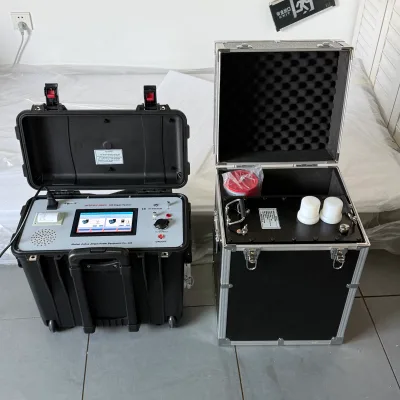
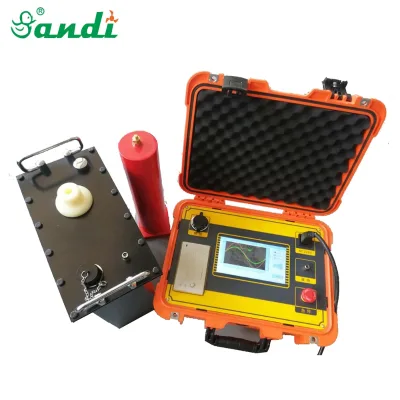
80kv 0.02Hz Electric Cable Vlf Tester, High Voltage Vlf Hipot Tester
$1000.00 - $3000.00
MOQ: 1 Pieces

30kv Vlf Cable Insulation Tester High Voltage Dielectric Testing Equipment
$1000.00 - $3000.00
MOQ: 1 Pieces

Very Low Frequency Withstand Voltage Testing Equipment Vlf Cable Tester 80kv
$2500.00 - $5000.00
MOQ: 1 Pieces

Wuhan UHV Power Technology Co., Ltd.
- Verified by SGS
- Combined
- China Hubei
- Lead time15 days
- Avg. response≤ 1h
Main productsHipot Tester, Vlf Tester, Transformer Tester, AC Resonant Test System, Loop Resistance Tester, Relay Tester, Insulating Oil Tester, Lightning Impulse Generator, CT PT Tester, Partial Discharge Test Equipment
Main marketsSouth America,Africa,Southeast Asia/ Mideast,East Asia(Japan/ South Korea),Domestic,Europe,Australia,North America


Vlf Hipot Tester Vlf Cable Tester High Voltage Tester Vlf AC Hipot Tester
$2300.00 - $8500.00
MOQ: 1 Sets


Vlf 30kv 40kv 50kv 60kv 70kv 80kv Very Low Frequency Cable Testing Equipment
$2300.00 - $6650.00
MOQ: 1 Sets

Vlf Machinery Equipment AC High Voltage Vlf Hipot Tester 50kv AC Hipot Cable Tester
$1900.00 - $6900.00
MOQ: 1 Sets

Weshine Electric Manufacturing Co., Ltd.
- Verified by SGS
- Combined
- China Hebei
- Lead time15 days
- Avg. response≤ 1h
Main productsTransformer Tester, Insulating Oil Tester, Hipot Tester, Insulating Tester, Circuit Breaker Tester, Relay and Protection Tester, Sf6 Gas Tester, Partial Discharge Tester, Battery Tester, Power Quality Analyzer
Main marketsSouth America,Southeast Asia/ Mideast

Delta Technology (Chongqing) Co., Ltd.
- Verified by SGS
- Trading Company,Manufacturer/Factory
- China Chongqing
- Lead time15 days
- Avg. response≤ 4h
Main productsElectrical Testing Equipment, Fire Reaction Testing Equipment, Borehole Inspection Camera, High Voltage Tester, Transformer Tester, Transformer Oil Tester, Transformer Oil Purifier, Cable Tester
Main marketsSouth America,Eastern Europe,Mid East,North America,Southeast Asia,Eastern Asia,Oceania,Western Europe,Africa

GOLDSOL(WUHAN)HIPOT TEST EQUIPMENT FACTORY
- Verified by SGS
- Trading Company,Manufacturer/Factory
- China Hubei
- Lead time15 days
- Avg. response≤ 1h
Main productsVlf Hipot Testers, AC Hipot Tester, DC Hipot Tester, Resonant Test Set, Micro Ohmmeter, Tan Delta Tester, Primary Current Injection, Secondary Current Injection, CT PT Analyzer, Circuit Breaker Analyzer
Main marketsSouth America,Eastern Europe,Mid East,North America,Southeast Asia,Eastern Asia,Oceania,Western Europe,Africa


$5000.00 - $25000.00
MOQ: 1 Pieces

Sansion Power Electric Co., Ltd.
- Verified by TUVRHEINLAND
- Combined
- China Hubei
- Lead time23 days
- Avg. response≤ 6h
Main productsAC DC Hipot Test Set, AC Resonant Test System, Transformer Test Set, Hv Switchgear Test Set, Ground Resistance Tester, Cable Fault Locating Test System, Insulator Fault Detector, CT PT Analyzer, Relay Protection Tester, Sf6 and Oil Tester
Main marketsSouth America,Africa,Southeast Asia/ Mideast,Domestic,North America

Vlf Withstand Voltage Tester Very Low Frequency Cable High Voltage Testing Equipment
$3500.00 - $7000.00
MOQ: 1 Sets

High Precision Vlf Withstand Voltage Tester for Underground Cable Testing
$3500.00 - $7000.00
MOQ: 1 Sets

Hebei Dual Canopy Mechanic Electrical Engineering Co., Ltd.
- Verified by SGS
- Combined
- China Hebei
- Lead time30 days
- Avg. response≤ 2h
Main marketsOthers(foreignTradeCapacity.exportBusinessCapacityMarketOther),Europe,Australia,North America


30kv AC Vlf Cable Hipot High Voltage Tester for Power Cable Testing
$25500.00 - $47900.00
MOQ: 1 Pieces

Wuhan Goldhome Hipot Electrical Co., Ltd.
- Verified by TUVRHEINLAND
- Combined
- China Hubei
- Lead time15 days
- Avg. response≤ 2h
Main productsAC Resonant Test System, AC/DC Hipot Tester, Circuit Breaker Analyzer, Hv Test Set, Power Frequency Hipot Tester, Transformer Tester, AC Dielectric Test Set, Partial Discharge Test Set, High Voltage Test Set, Primary Current Injection Test Set
Main marketsSouth America,Southeast Asia/ Mideast,Europe,North America

Wuhan Huaying Electric Power Tech&science Co. Ltd.
- Manufacturer, Trading Company
- Hubei, China
- Lead time15 days
- Avg. response≤ 2h
Main productsFrequency Response Analyzer,CT PT Analyzer,Circuit Breaker Analyzer,Insulating Oil Tester,Transformer Ratio Meter
Main marketsNorthern Europe(8.00%), Central America(8.00%), Domestic Market(8.00%), Eastern Asia(8.00%), Mid East(8.00%), South Asia(8.00%), Africa(8.00%), Southeast Asia(8.00%), Eastern Europe(8.00%), South America(8.00%), North America(8.00%), Western Europe(4.00%), Oceania(4.00%), Southern Europe(4.00%)
Chongqing Gold Mechanical & Electrical Equipment Co., Ltd.
- Manufacturer, Trading Company
- Lead time旺季: "1 - 1":20,"2 - 5":40,"> 5":"To be negotiated", 淡季: "1 - 1":20,"2 - 5":40,"> 5":"To be negotiated"
- Avg. response≤ 5h
Main productsElectrical Testing Equipment,Oil Purifier,Petroleum Testing Equipment,Asphalt Testing Equipment,Fire Testing Equipment
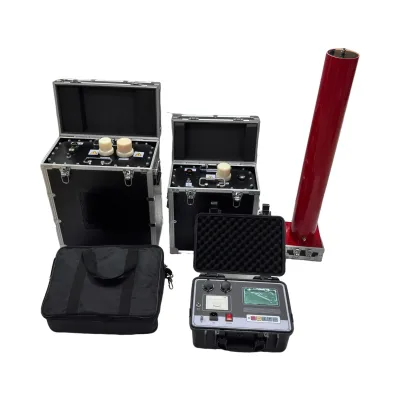
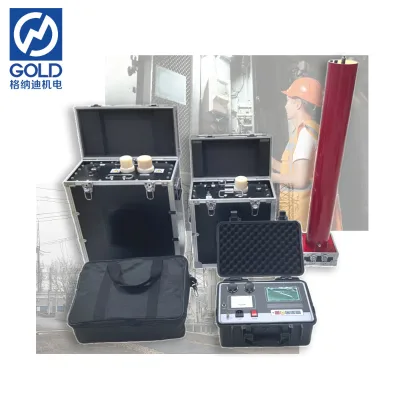
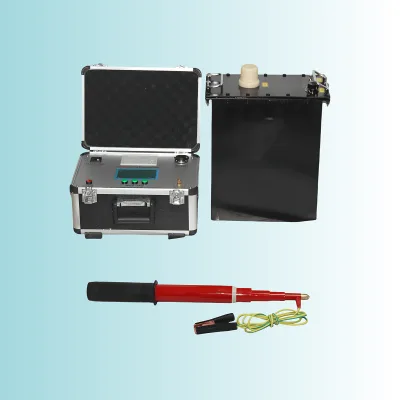
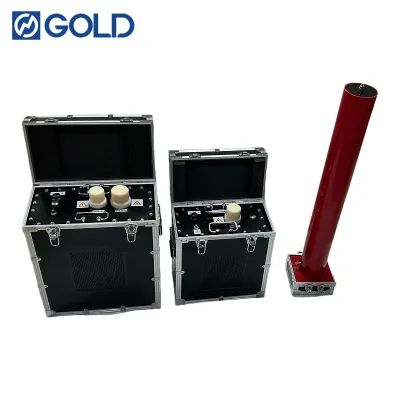
$3098.2999 - $6715.2194
MOQ: 1 sets

Jinan Hengfeng Electrical Technology Co., Ltd
- Verified by SGS
- Combined
- China Shandong
- Lead time15 days
- Avg. response≤ 11h
Main productsTan Delta Teser, Hipot Tester, Ground Resistance Tester, Insulation Resistance Tester, Dielectric Loss Tester, Transformer Test, Zinc Oxidee Surge Arrestor Tester, Oil Tester
Main marketsSouth America,Southeast Asia/ Mideast


Vlf DC Hipot Tester Very Low Frequency High Voltage Cable Testing Instrument
$3000.00 - $6000.00
MOQ: 1 Pieces

Vlf-60kv Cable Insulation Testing AC Vlf High Voltage Tester Vlf Cable Hv Withstanding Tester
$3000.00 - $6000.00
MOQ: 1 Pieces

0.1Hz Vlf AC High Voltage Hipot Tester for Power Cable Testing Equipment
$2500.00 - $6900.00
MOQ: 1 Pieces

Xuanzhaotong Electric Manufacturing (baoding) Co., Ltd.
- Verified by TüVRheinland
- Manufacturer, Trading Company
- Lead time10 days
- Avg. response≤ 1h
Main productsTransformer Tester, Transformer Oil Tester, Relay Tester, High Voltage Tester, Circuit Breaker Tester
Main marketsSoutheast Asia(45%), Africa(10%), Eastern Asia(10%)
Wuhan Jiuhua Jingce Power Equipment Co., Ltd
- Manufacturer, Trading Company
- Hubei, China
- Lead time5 days
- Avg. response≤ 2h
Main productsThree Phase TTR,AC/DC Hipot Tester,Insulation Tester,Relay Protection Tester,DC Transformer Testers
Main marketsDomestic Market(40.00%), North America(30.00%), South America(20.00%), Western Europe(10.00%)

- Verified by TUVRHEINLAND
- Combined
- China Hubei
- Lead time15 days
- Avg. response≤ 7h
Main productsTransformer Test Equipment, Circuit Breaker Testing Equipment, High Voltage Test System, CT PT Testing and Calibrating, High Voltage Insulation Testing, DC System and Battery Testing, Cable Faults, Test and Diagnostics, Arrester and Insulator Testing
Main marketsSouth America,Europe,Australia


Power Cable Vlf High Voltage Tester 120kv Very Low Frequency Test Set
$1200.00 - $9000.00
MOQ: 1 Pieces

Vlf Test 0.1Hz Vlf Very Low Frequency High Voltage 60kv Cable Tester 40kv Vlf Test
$1200.00 - $5600.00
MOQ: 1 Pieces

$1000.00 - $8000.00
MOQ: 1 Pieces

Vlf Test Vlf Hv Tester Hot Sales 60kv Vlf AC Hipot Tester for 35kv Cable Hv Test
$1200.00 - $5900.00
MOQ: 1 Pieces
Hebei Huanhai Import & Export Trading Co., Ltd.
- Verified by TüVRheinland
- Manufacturer, Trading Company
- Lead time7 days
- Avg. response≤ 1h
Main productsTransformer Test Equipment, Transformer Oil Tester, Relay Tester, High Voltage Tester, Circuit Breaker Tester
Main marketsSoutheast Asia(30%), Eastern Asia(15%), North America(10%)
80kV VLF High Voltage AC Hipot Tester/Ultra-Low Frequency High Voltage Generator
$1543.3115 - $8634.9244
MOQ: 1 Minimum
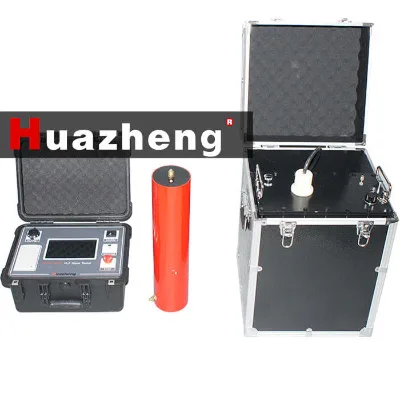
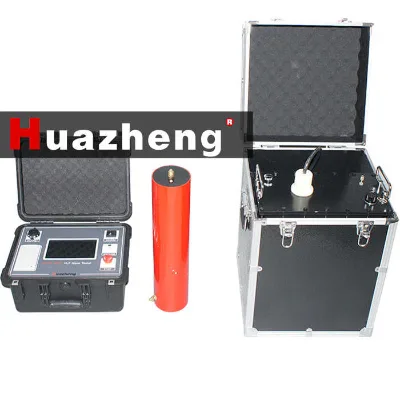
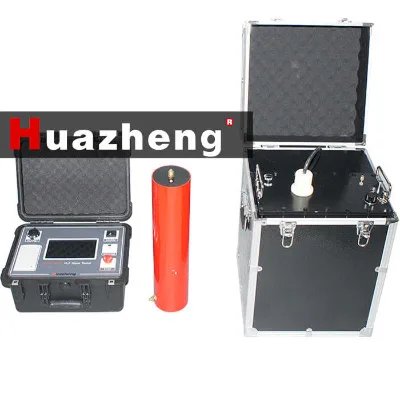
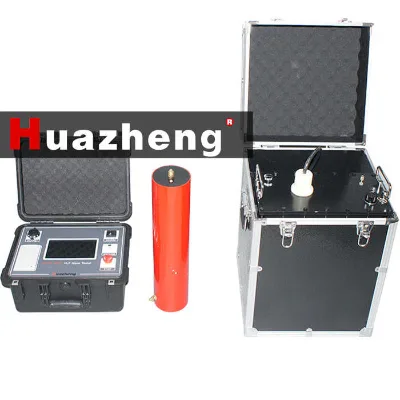
AC VLF Probador High Voltage Cable Insulation Testing Device 50 KV VLF Withstand Tester
$2554.5769 - $4549.1908
MOQ: 1 Minimum
Zhejiang Sandi Electric Co., Ltd.
- Manufacturer
- Zhejiang, China
- Lead time7 days
- Avg. response≤ 9h
Main productsOff Grid Inverter,Pure sine wave inverter,Lithium battery system,Solar Charge Controller,AC/DC Battery Charger
Main marketsOceania(20.00%), Western Europe(15.00%), Southern Europe(15.00%), Eastern Europe(10.00%), Domestic Market(10.00%), South America(10.00%), North America(5.00%), Africa(5.00%), Northern Europe(5.00%), Central America(5.00%)
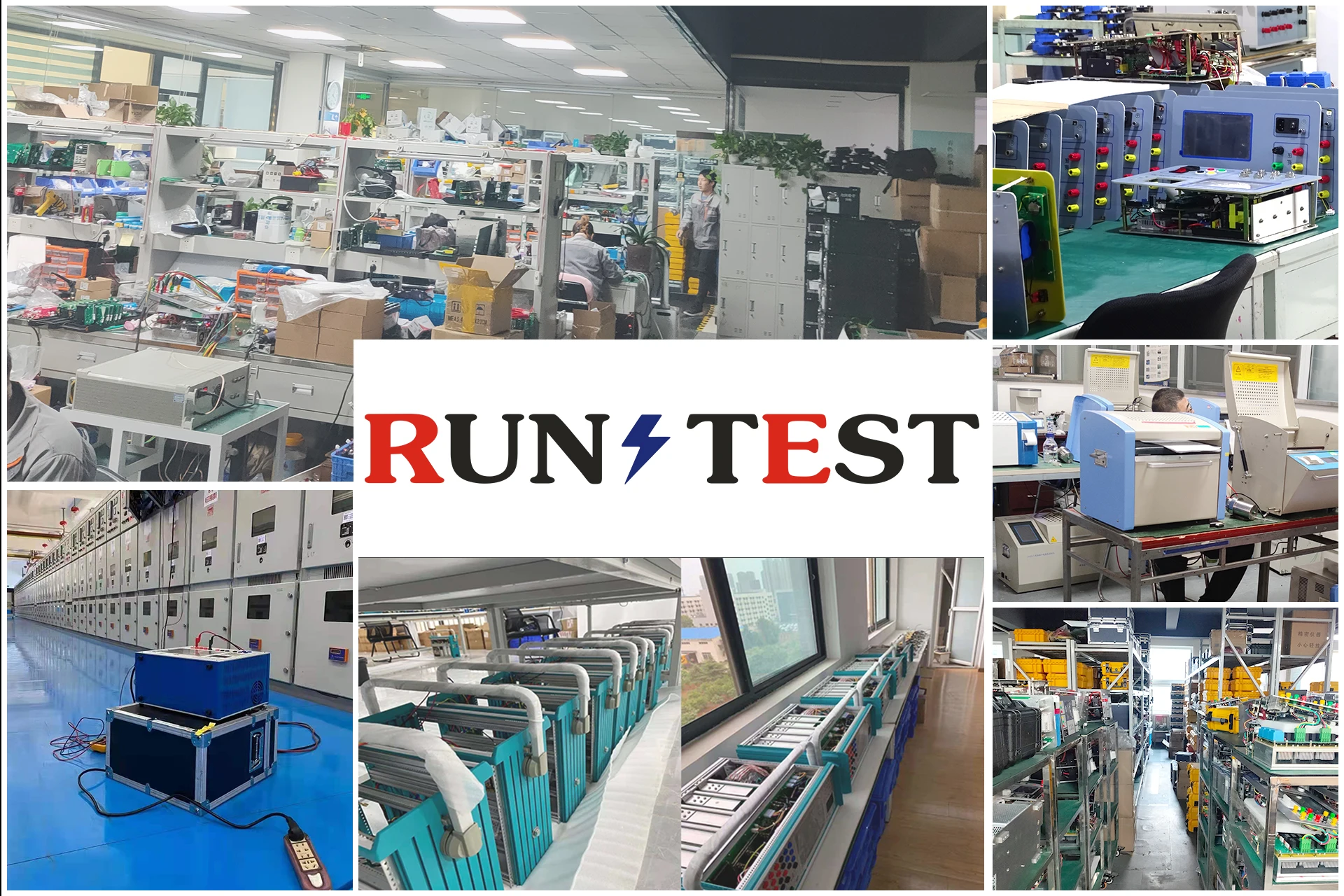
Run Test Electric Manufacturing Co., Ltd
- Manufacturer, Trading Company
- Hebei, China
- Lead time7 days
- Avg. response≤ 2h
Main productsTransformer tester,Relay&Resistance tester,Transformer oil tester,Hipot Tester,Circuit Breaker Tester
Main marketsDomestic Market(87.00%), Southeast Asia(2.00%), Mid East(2.00%), Oceania(2.00%), North America(1.00%), South Asia(1.00%), Central America(1.00%), Western Europe(1.00%), Eastern Europe(1.00%), South America(1.00%), Africa(1.00%)
Kvtester Electronics Technology Co., Ltd.
- Manufacturer, Trading Company
- Hubei, China
- Lead time15 days
- Avg. response≤ 3h
Main productsCT PT Analyzer,Protective Relay Tester,Series Resonant Test System,Transformer DC Resistance Tester,Tan Delta Tester
Main marketsDomestic Market(60.00%), South Asia(10.00%), Southeast Asia(8.00%), Africa(5.00%), South America(5.00%), Western Europe(5.00%), Mid East(5.00%), Eastern Asia(2.00%)

Huazheng Electric Manufacturing (Baoding) Co., Ltd.
- Verified by SGS
- Manufacturer
- China Hebei
- Lead time15 days
- Avg. response≤ 1h
Main productsHipot Tester, Insulation Resistance Tester, Oil Tester, Circuit Breaker, Relay Protection Tester, Capacitor, High Voltage Generator, Testing Transformer, Power Quality Analyzer, Clamp Meter
Main marketsSouth America

Ultra Low Frequency High Voltage Withstand Voltage Vlf High Pot Tester
$3000.00 - $8387.00
MOQ: 1 Pieces


China Low Frequency High Quality Products Vlf Cable Insulation Tester
$2500.00 - $3097.00
MOQ: 1 Pieces


Huazheng Electric Manufacturing (baoding) Co., Ltd.
- Manufacturer, Trading Company
- Hebei, China
- Lead time7 days
- Avg. response≤ 1h
Main productsInsulating oil testing,Hipots,Transformer Test Sets,Secondary Injection Relay Test Set,CT PT Analyzer
Main marketsDomestic Market(50.00%), Mid East(9.00%), Southeast Asia(8.00%), Eastern Asia(8.00%), South America(5.00%), South Asia(5.00%), Africa(5.00%), Central America(2.00%), North America(2.00%), Oceania(2.00%), Western Europe(1.00%), Eastern Europe(1.00%), Southern Europe(1.00%), Northern Europe(1.00%)
Beijing Kanggaote Instruments and Equipment Co., Ltd.
- Verified by Intertek
- Manufacturer, Trading Company
- Lead time3 days
Main productsPartial Discharge Tester, Cable Fault Locator, Handheld Micro Ohmmeters, Chilled Mirror Dew Point Meter, Insulation Resistance Tester
Main marketsDomestic Market(70%), Eastern Europe(15%), South Asia(10%)

Weshine Electric Manufacturing Co., Ltd.
- Manufacturer, Trading Company
- Hebei, China
- Lead time15 days
- Avg. response≤ 2h
Main productsHipot Tester,Power Transformer Tester,Insulating Oil Tester
Main marketsDomestic Market(70.00%), South America(7.00%), Africa(5.00%), South Asia(5.00%), Eastern Europe(3.00%), Southeast Asia(3.00%), Central America(2.00%), Mid East(2.00%), Southern Europe(1.00%), Eastern Asia(1.00%), Oceania(1.00%)
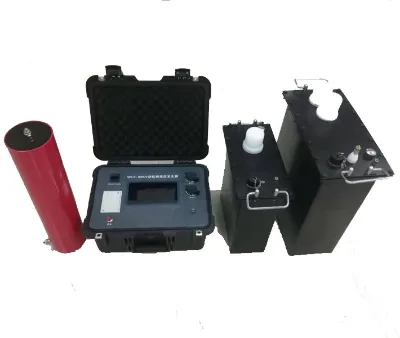
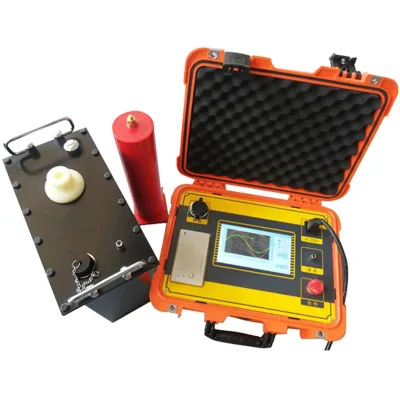
$2941.3649 - $4306.9987
MOQ: 1 pieces


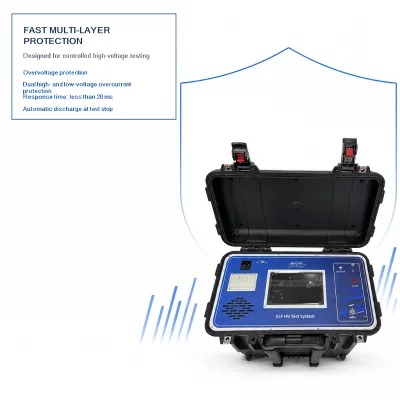
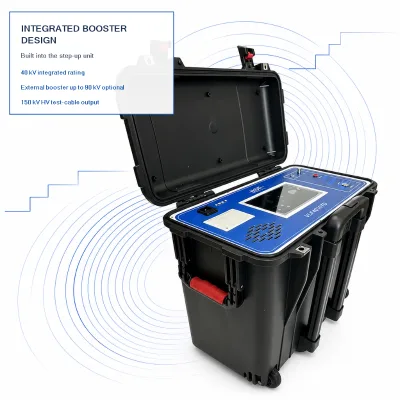
Comprehensive Sourcing Guide
High Voltage VLF Cable Tester Supplier Concentration and Factory Types
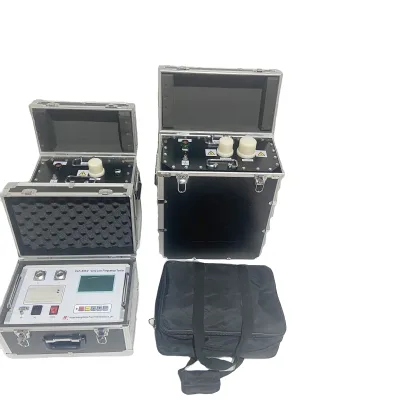
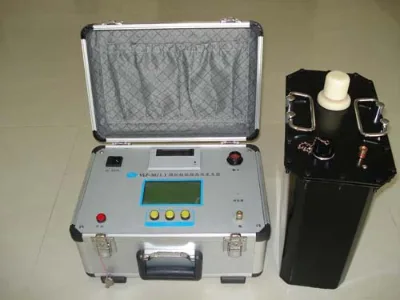
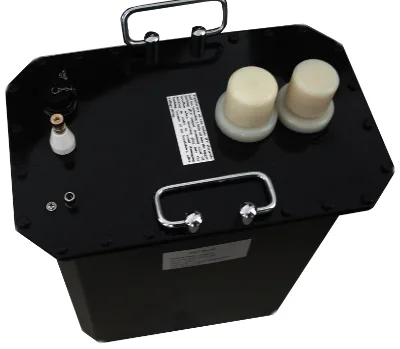
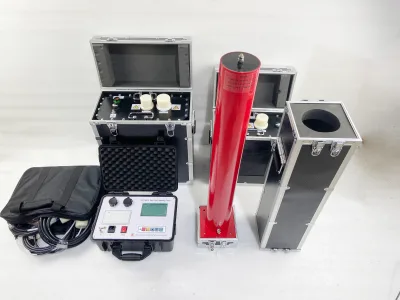
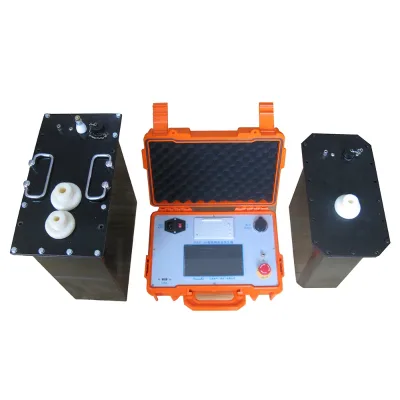
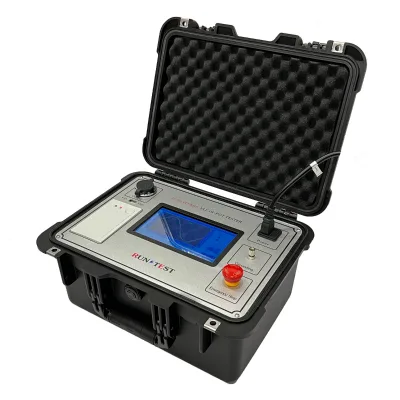
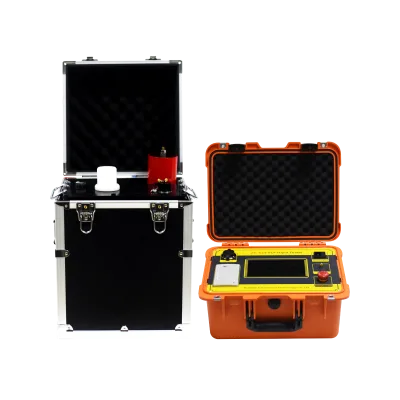
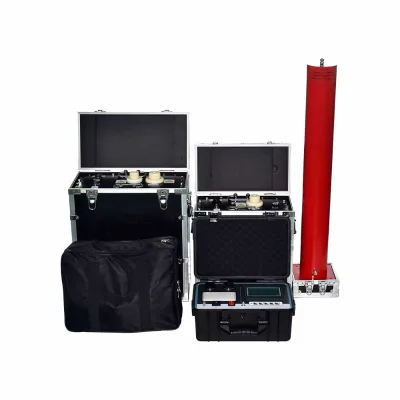
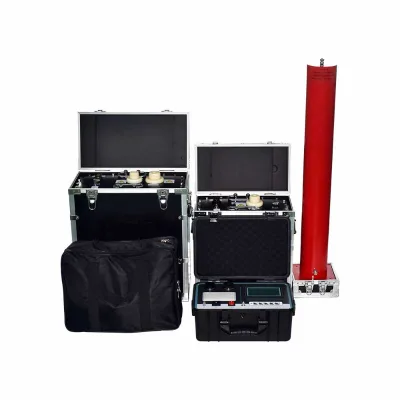
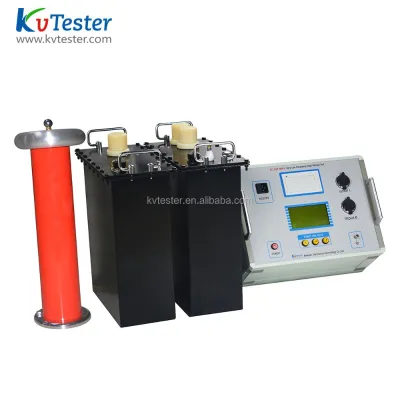
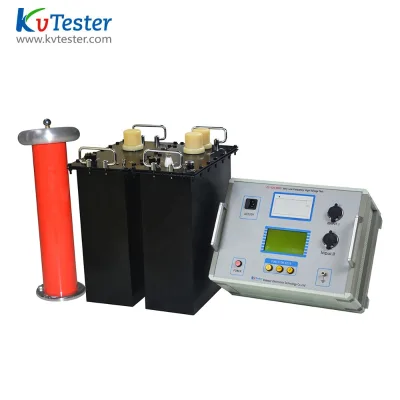
The current supplier landscape for high voltage vlf cable testers reveals a distinct geographic concentration in China, with specific manufacturing hubs identified in Hubei and Hebei provinces. These regions serve as primary centers for the production of specialized electrical testing equipment, including very low frequency hipot testers and cable fault detection systems. Suppliers located in these areas often benefit from established industrial ecosystems that support the complex assembly of high-voltage components, such as resonant tanks, control units, and precision measurement instruments. The presence of manufacturers in Hubei and Hebei suggests a mature supply chain for heavy electrical machinery, allowing for efficient sourcing of raw materials and specialized labor required for building robust testing devices. Buyers evaluating suppliers should recognize that this geographic clustering can influence logistics costs and delivery timelines, as proximity to major shipping ports in eastern China may vary depending on the specific factory location within these provinces.
In terms of business structure, the available supplier results indicate a mix of combined company types, which typically encompass both manufacturing capabilities and trading operations. Many of these entities offer ODM and OEM services, allowing buyers to customize equipment specifications or brand the final product according to their specific project requirements. This flexibility is particularly valuable for large-scale infrastructure projects where standard off-the-shelf models may not meet unique technical demands. The combination of manufacturing and trading functions enables suppliers to provide comprehensive solutions, from initial design consultation to final delivery and after-sales support. However, buyers must carefully distinguish between pure manufacturers and trading companies to ensure they are dealing with the actual source of production, which can impact quality control processes and direct communication regarding technical adjustments.
How to Verify High Voltage VLF Cable Tester Suppliers
Verification of High Voltage VLF Cable Tester suppliers requires a rigorous examination of their certifications, verification badges, and technical documentation to ensure compliance with international safety and quality standards. Many suppliers in the current results display ISO9001:2015 and ISO14001:2015 certificates, which indicate adherence to quality management and environmental management systems, respectively. Additionally, some suppliers hold SGS verification badges, providing an external validation of their business legitimacy and operational capabilities. Buyers should request copies of these certificates and verify their validity through the issuing bodies to confirm that the supplier maintains active compliance. Furthermore, product-specific certifications such as CE marks should be scrutinized, as they are essential for ensuring that the equipment meets European safety directives, which is often a prerequisite for international trade.
Beyond documentation, buyers should assess the supplier's response time and technical expertise to gauge their reliability and support capabilities. The observed response times for these suppliers range from approximately 0.86 to 7.86 hours, indicating varying levels of customer service efficiency. A faster response time often correlates with better communication and quicker resolution of technical queries, which is crucial when dealing with complex high-voltage testing equipment. Buyers should also inquire about the supplier's ability to provide detailed technical specifications, including output frequency options like 0.1Hz, 0.05Hz, and 0.02Hz, and measurement accuracy levels. Requesting sample reports or case studies from previous installations can provide additional insight into the supplier's practical experience and the real-world performance of their vlf cable testers in field conditions.
What to Compare Across High Voltage VLF Cable Tester Suppliers
When comparing suppliers, buyers should focus on key performance indicators such as lead times, minimum order quantities, and price ranges to determine the best fit for their procurement strategy. The available data shows lead times of around 15 days for some suppliers, which is a critical factor for projects with tight schedules. Minimum order quantities vary, with some suppliers offering an MOQ of just one unit, providing flexibility for small-scale purchases or trial orders. Price ranges for vlf cable testers span from approximately $1,000 to $8,500, depending on the rated voltage, load capacity, and additional features. Buyers should request detailed quotations that break down costs for different voltage levels, such as 30kV, 50kV, or 80kV models, to ensure transparent pricing and avoid hidden fees.
Technical specifications and customization options are also vital comparison points, as they directly impact the suitability of the equipment for specific testing applications. Suppliers offer various output voltage ranges, from 30kV to 90kV, and different load capacities, which must align with the cable types and generator sizes being tested. Buyers should compare the accuracy of measurement, voltage waveform distortion limits, and peak value errors to ensure high precision in testing results. Additionally, the availability of customization services, such as specific language interfaces, packaging requirements, or branded components, can be a deciding factor for buyers with unique operational needs. Evaluating these technical and commercial attributes side-by-side allows buyers to make informed decisions that balance cost, performance, and service quality.
Common High Voltage VLF Cable Tester Sourcing Risks
One significant risk in sourcing high voltage vlf cable testers is the potential discrepancy between advertised technical specifications and actual product performance. Buyers may encounter suppliers who claim high accuracy or specific load capacities that are not consistently met in real-world testing scenarios. This risk is exacerbated by the complexity of high-voltage equipment, where minor deviations in frequency stability or voltage output can lead to inaccurate test results and potential safety hazards. To mitigate this, buyers should insist on third-party testing reports or factory acceptance test protocols that verify the equipment's performance against stated specifications. Additionally, buyers should be cautious of suppliers who do not provide detailed technical documentation or who are unwilling to answer specific technical questions about the equipment's design and operation.
Another risk involves the reliability of after-sales support and warranty coverage, which is crucial for maintaining the longevity and safety of high-voltage testing equipment. Suppliers may offer varying levels of support, from basic technical assistance to comprehensive maintenance and calibration services. Buyers should clarify the terms of warranty, including the duration, coverage scope, and procedures for claiming repairs or replacements. Inadequate support can lead to prolonged downtime and increased operational costs, especially if the equipment requires frequent calibration or component replacement. Buyers should also consider the supplier's location and logistics capabilities, as remote locations may complicate the process of returning equipment for repair or receiving spare parts. Establishing clear communication channels and support agreements before purchase can help minimize these risks.
High Voltage VLF Cable Tester Regional Sourcing and Logistics
Sourcing high voltage vlf cable testers from China involves navigating regional logistics and shipping considerations that can impact delivery times and costs. Suppliers located in Hubei and Hebei provinces are situated in central and northern China, respectively, which may affect their proximity to major ports like Shanghai, Ningbo, or Tianjin. Buyers should work with suppliers to determine the most efficient shipping routes and methods, considering factors such as the weight and dimensions of the equipment, which can range from lightweight control units to heavy resonant tanks. Proper packaging, such as wooden crates or foam-lined cases, is essential to protect the equipment during transit and prevent damage from vibration or moisture.
Logistics planning should also account for customs clearance and import regulations in the buyer's country, which can vary significantly depending on the destination. Buyers should ensure that suppliers provide accurate documentation, including commercial invoices, packing lists, and certificates of origin, to facilitate smooth customs processing. Additionally, buyers should consider the total landed cost, which includes not only the product price but also shipping, insurance, tariffs, and handling fees. Working with experienced freight forwarders who specialize in electrical equipment can help optimize logistics and reduce the risk of delays or additional charges. Clear communication with suppliers regarding shipping terms, such as FOB or CIF, is essential to define responsibilities and ensure a seamless delivery process.
High Voltage VLF Cable Tester Commercial Terms and Order Planning
Effective order planning for high voltage vlf cable testers requires careful attention to commercial terms, payment structures, and delivery schedules to ensure a smooth transaction. Buyers should negotiate clear payment terms, such as a deposit followed by balance payment upon shipment or against copy of documents, to balance risk and cash flow. It is also important to define the delivery schedule explicitly, including any penalties for delays, to ensure that the equipment arrives in time for project milestones. Buyers should request a detailed production timeline from the supplier, including key milestones such as design approval, manufacturing completion, and pre-shipment inspection, to maintain visibility into the order progress.
Additionally, buyers should consider the long-term commercial relationship with the supplier, including potential for future orders, bulk discounts, and ongoing technical support. Establishing a framework for regular communication and performance reviews can help build a strong partnership and ensure continuous improvement in service and product quality. Buyers should also plan for the installation and commissioning of the equipment, which may require on-site support from the supplier or their authorized agents. Clarifying the scope of this support, including travel expenses and training provisions, is essential to avoid unexpected costs. By addressing these commercial and logistical details proactively, buyers can minimize risks and ensure a successful procurement experience for their High Voltage VLF Cable Tester needs.
FAQs
What output voltage ranges do VLF cable testers cover?
Listed units typically offer rated output voltages from 30kV up to 80kV or 90kV. Models commonly support output frequencies of 0.1Hz, 0.05Hz, and 0.02Hz. Typical applications include withstand voltage testing on power cables below 35kV and generator hipot testing. Confirm the exact voltage class and load capacity you need before ordering, since load capacity varies by model.
What is the typical minimum order quantity and price range?
Minimum order quantity starts at 1 unit for several listed VLF cable tester models. Indicative price ranges in the current results span roughly 1,000 to 8,500 USD depending on voltage class and configuration. Higher-voltage 80kV units generally sit at the upper end. Request a formal quotation tied to your required voltage, frequency options, and accessories for accurate budgeting.
How fast do suppliers of these testers respond to inquiries?
Response times recorded for the current supplier results range from under one hour to about 7.9 hours. Several suppliers report average response times of 0.86 to 0.89 hours, which supports rapid technical clarification during sourcing. Response speed can vary by time zone and inquiry complexity. Send a detailed specification with your first message to shorten the exchange.
What lead time should I expect for a VLF cable tester order?
One listed supplier reports a lead time of 15 days, which is a practical planning benchmark for standard configurations. Customization options are marked as available on multiple models, and custom builds may extend delivery. Confirm the lead time in writing for your specific voltage rating, frequency settings, and packing requirements before confirming the purchase order.
Which certifications and quality standards do these testers hold?
Supplier results show ISO9001:2015 and ISO14001:2015 system certifications, SGS verification for one supplier, and CE certification marked on a cable VLF tester product. Performance specifications include about 1% to 3% measurement accuracy, peak value error within 3%, and waveform distortion within 5%. Always request current certificate copies matching the exact model you intend to purchase.
Where are the suppliers of VLF cable testers located?
The current supplier results are located in China, specifically Hubei and Hebei provinces. Both are established hubs for electrical testing instrument manufacturing. Several suppliers are combined manufacturer-trading companies offering ODM, OEM, and own-brand capabilities. Verify the exact production site, export experience, and after-sales support arrangements directly with each supplier before ordering.