Hotfix Rhinestones Suppliers and Manufacturers
Source 19 verified Hotfix Rhinestones suppliers from China to compare lead times, MOQs, and certifications. Review response times and product specs to identify suitable partners for your garment and jewelry needs; review the available evidence before requesting comparable quotations from suitable candidates.
Suppliers List

Brilliant Ocean Trading (Yiwu) Co., Ltd.
- Trading Company
- China Zhejiang
- Lead time30 days
- Avg. response≤ 20h
Main productsCloth Accessories, Glitter Powder, Hand Bag, Jewelry Accessories, Metallic Yarn, Hardware, Party Supplies, Extension Socket, Shopping Bag, Plush Toy
Main marketsSouth America,Southeast Asia/ Mideast

Ningbo Yuena Import & Export Co., Ltd.
- Verified by TUVRHEINLAND
- Trading Company
- China Zhejiang
- Lead time23 days
- Avg. response≤ 3h
Main productsLace, Thread, Button, Ribbon, Zipper, Tailors Materials, Fabric, Reflective Materials, Sewing Machine Part, Bra Parts
Main marketsSouth America,Africa,Southeast Asia/ Mideast,Europe,North America

Kingswick Technology Group Limited
- Trading Company,Manufacturer/Factory,Group Corporation,Other
- China Guangdong
- Lead time15 days
- Avg. response≤ 16h
Main productsHotfix Rhinestones, Nail Rhinestones, Flat Back Rhinestones, Sew on Rhinestones, Hot Fix Rhinestone Machines, Rhinestone Appliques, Glass Crystal Beads, Rhinestone Ribbons, Jewelry Beads, Pearl Beads
Main marketsSouth America,Eastern Europe,Mid East,North America,Southeast Asia,Eastern Asia,Oceania,Western Europe,Africa


Round Crystal Flat Back Non Hotfix Rhinestones for Clothing Decoration Garment
$0.50 - $15.00
Moq: 100


Guangzhou Yiyun Clothing Co., Ltd.
- Manufacturer, Trading Company
- Guandong, China
- Lead time0 days
- Avg. response≤ 2h
Main productsrhinestone transfer,rhinestone tshirt,glitter,hot fix tape,Tpu
Main marketsWestern Europe(22.8%), Central America(16.0%), South America(12.8%), Eastern Europe(11.0%), North America(10.0%), Mid East(9.0%), Southern Europe(8.0%)

- Verified by TUVRHEINLAND
- Combined
- China Zhejiang
- Lead time30 days
- Avg. response≤ 7h
Main productsThread, Zipper, Lace, Button, Webbing & Tape, Ribbon, Interlining, Fabric, Tailoring Materials, Hook & Loop
Main marketsSouth America,Africa,Europe,Australia

Guangzhou JingPin Garment Accessory Co., Ltd.
- Verified by BV
- Trading Company
- China Guangdong
- Lead time15 days
- Avg. response≤ 4h
Main productsHot Fix Rhinestone Iron on Crystal, Hot Fix Rhinestuds Octagon Studs, Heat Transfer Motifs Iron on Motifs, Strass Motifs Heat Transfer Motifs, Iron on Studs Dome Studs Metallic Stud, Cup Chain Rhinestone Mesh Trimming Stone, Point Back Rhinestones DMC Rhinestones, Lead Free Rhinestones, DMC Rhinestone Epoxy Stone Hot Fix Epoxy, Nailheads Hotfix Hot Fix Nailheads
Main marketsSouth America,Africa,Southeast Asia/ Mideast,East Asia(Japan/ South Korea),Europe,Australia,North America


16 Cutting Hotfix Rhinestone Multi-Colors 4mm Crystal for Christmas Accessories
$86.64 - $88.97
Moq: 10


Yiwu Dansilin Trading Co., Ltd.
- Verified by TüVRheinland
- Trading Company
- Lead time7 days
- Avg. response≤ 6h
Main productsCeramic Pearl, Rhinestone, Heat Transfer, Crystal Medley
Main marketsNorth America(38%), Western Europe(28%), Mid East(17%)
Guangzhou Rhines Int'l Trade Ltd.
- Manufacturer, Trading Company
- Guangdong, China
- Lead time5 days
- Avg. response≤ 6h
Main productsHot fix Rhinestone,flat back rhinestone,crystal sticker,sew on rhinestone,rhinestone trimming
Main marketsNorth America(22.6%), Domestic Market(15.0%), Western Europe(12.8%), South America(11.6%), Eastern Europe(7.690000000000001%), Mid East(7.1%), Northern Europe(5.22%), Eastern Asia(3.6000000000000005%), Southern Europe(3.49%), Southeast Asia(3.3000000000000003%), Central America(3.2%), South Asia(2.2%), Oceania(1.28%), Africa(0.9199999999999999%)
Dongguan Chuangying Rhinestone Co., Ltd.
- Verified by Intertek
- Manufacturer, Trading Company
- Lead time7 days
Main productsRhinestone, Hotfix Rhinestone, Nail Rhinestone, Rhinestone Transfer, Metal Settings for stone
Main marketsNorth America(60%), Mid East(30%), Northern Europe(10%)

Dongguan FengSuer Textile Co., Ltd
- Verified by TUVRHEINLAND
- Trading Company
- China Guangdong
- Lead time23 days
- Avg. response≤ 4h
Main productsWoven Patches, Woven Labels, Embroidery Patch, Keychians, Hantags, Printing Labels, Printing Patches, Woven Tape, Ribbon
Main marketsEurope

Dongguan Topaz Costume Co., Ltd.
- Manufacturer, Trading Company
- Guangdong, China
- Lead time20 days
- Avg. response≤ 7h
Main productsRhinestone Transfer,Iron on Patch,Face Gems Sticker,T Shirts with rhinestone,Sew on Crystal
Main marketsNorth America(72.0%), Western Europe(10.0%), Domestic Market(5.0%), Oceania(4.0%), South America(3.0%), Eastern Europe(3.0%), Mid East(2.0%), Africa(1.0%)

Marigold Garment Accessories Co., Ltd.
- Trading Company
- China Guangdong
- Lead time15 days
- Avg. response≤ 10h
Main productsLace, Lace Trimming, Rhinestone Trimming, Embroidery, Patches, Elastic Trim, Brooches, Button, Rhinestone Patch, Lace Fabric
Main marketsSouth America,Africa,Southeast Asia/ Mideast,Europe,North America
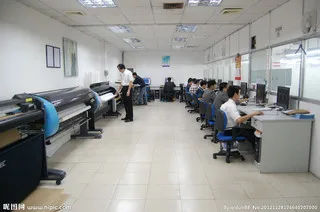
Shenzhen Crystal Magia Garment Accessory Co., Ltd.
- Trading Company
- Guangdong, China
- Lead time4 days
- Avg. response≤ 3h
Main productsrhinestone,acrylic stone,DTF transfer,rhinestone motif,resin stone
Main marketsCentral America(15.0%), Eastern Europe(15.0%), Western Europe(15.0%), North America(15.0%), South America(10.0%), Northern Europe(10.0%), Southeast Asia(5.0%), Oceania(5.0%), Southern Europe(5.0%), Mid East(2.0%), Africa(2.0%)
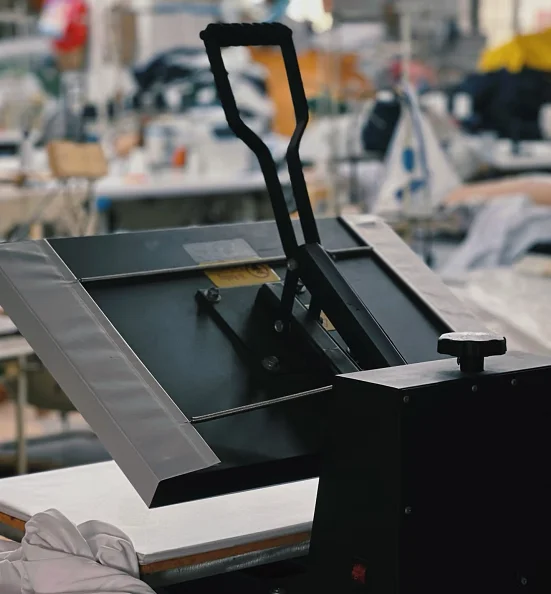
- Trading Company
- Zhejiang, China
- Lead time10 days
- Avg. response≤ 2h
Main productscheerleading uniforms,gymnastics leotards,rhinestone transfers,practice wear
Main marketsNorth America(80.0%), Northern Europe(15.0%)

Ningbo DH Textile Industry&Trade Co., Ltd.
- Verified by TUVRHEINLAND
- Trading Company
- China Zhejiang
- Lead time15 days
- Avg. response≤ 12h
Main productsLace, Interlining, Embroidery Thread, Poplin, Hook and Loop, Satin Ribbon, Sewing Thread, Button, Zipper, Lace Fabric
Main marketsAfrica,Southeast Asia/ Mideast,North America

Guangzhou Govolon Trade Co., Ltd.
- Trading Company,Manufacturer/Factory
- China Guangdong
- Lead time15 days
- Avg. response≤ 24h
Main productsGarment Accessories, Lace, Button, Zipper, Fringe and Tassels, Belt Ribbon, Garment Trimming, Patch Badge, Buckle, Hotfix
Main marketsSouth America,Mid East,North America,Southeast Asia,Western Europe,Africa


Fashion Crystal Heat Transfer Rhinestone Hot Fix for Garment Clothing Decoration
$3.80 - $4.50
Moq: 500

Fashion Crystal Heat Transfer /Rhinestone Hot Fix for Garment Clothing Decoration
$3.80 - $4.50
Moq: 500

Guangzhou Jingpin Garment Accessory Co., Ltd.
- Verified by SGS Group
- Manufacturer, Trading Company
- Lead time3 days
Main productsCrystal Rhinestone, Sew On Stone, Rhinestone Trimming, Customized Stone Transfer Design, Rhinestone Applique
Main marketsNorth America(30%), Oceania(15%), Eastern Europe(10%)

Pujiang Yantuo Crystal Co., Ltd.
- Trading Company
- Zhejiang, China
- Lead time7 days
- Avg. response≤ 3h
Main productsQuartz Glass Ornament, Rhinestones, Hot Fix Rhinestones, Nail Rhinestones, Rhinestones Sheet, Half Pearls
Main marketsNorth America(60.0%), Western Europe(20.0%), Southern Europe(5.0%), Eastern Asia(5.0%), Northern Europe(5.0%), Eastern Europe(5.0%)

NINGBO HOBA INTERNATIONAL TRADING CO., LTD.
- Verified by BV
- Trading Company
- China Zhejiang
- Lead time30 days
- Avg. response≤ 6h
Main productsThread, Button, Lace Tape, Zipper, Hot Fix Stone, Crystal, Rope, Jewelry Accessory, Ribbon, Reflecting Material
Main marketsSouth America,Africa,Southeast Asia/ Mideast,East Asia(Japan/ South Korea),Europe,Australia,North America




















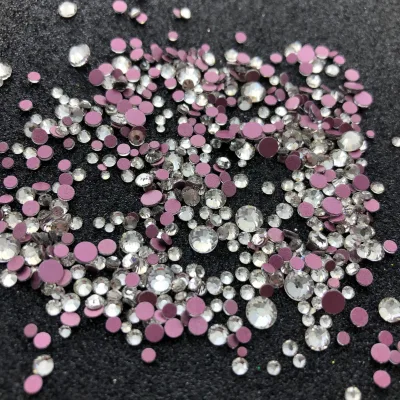


Comprehensive Sourcing Guide
Hotfix Rhinestones Supplier Concentration and Factory Types
The available data indicates a concentration of suppliers in China, specifically within the Zhejiang province, which serves as a primary hub for this category. These entities are predominantly identified as trading companies rather than direct manufacturing factories, suggesting a supply chain structure where intermediaries manage the flow of goods from various production sources. This trading company model is common in regions with dense manufacturing clusters, allowing buyers to access a wider variety of products without needing to coordinate with multiple individual factories. The main product lists for these suppliers often extend beyond rhinestones to include related items such as cloth accessories, jewelry components, and general garment processing materials, indicating a broad inventory strategy typical of trading firms.
When evaluating the factory type, buyers should note that while some suppliers may have their own brands or design capabilities, the primary classification observed is that of a trading entity. This distinction is crucial for understanding the nature of the relationship and the potential for customization. Trading companies often facilitate communication and logistics but may not control the entire production process in-house. Buyers looking for direct factory relationships should verify if the supplier has in-house production lines or if they are sourcing from third-party manufacturers. The presence of specific product attributes like glass or resin materials and various technics such as hot-fix or stick-on suggests a diverse sourcing network behind these trading companies, requiring careful due diligence to ensure quality consistency across different production batches.
How to Verify Hotfix Rhinestones Suppliers
Verification of suppliers in this category requires a multi-layered approach focusing on certifications, response times, and established business credentials. Several suppliers in the current results hold ISO9001:2015 and ISO14001:2015 certificates, which are critical indicators of quality management and environmental compliance systems. Additionally, third-party verification from entities like TÜV Rheinland provides an external layer of trust regarding the supplier's operational standards. Buyers should prioritize suppliers who display these specific certifications rather than relying on general claims, as these documents offer concrete evidence of adherence to international standards. The presence of SGS standards on product attributes further reinforces the importance of checking for recognized testing and certification bodies in the supplier's profile.
Beyond certifications, response time and verification status are vital metrics for assessing supplier reliability. The data shows response times varying significantly, with some suppliers responding in under three hours while others take nearly twenty hours. A faster response time often correlates with better communication channels and a more active sales team, which is essential for resolving issues quickly during the sourcing process. Buyers should also look for verified badges or status indicators that confirm the supplier's identity and business legitimacy. It is important to note that not all suppliers will have every credential displayed, so buyers must actively request proof of these certifications and verification statuses before proceeding with any order. This proactive verification helps mitigate the risk of engaging with unverified entities that may not meet the required quality or delivery standards.
What to Compare Across Hotfix Rhinestones Suppliers
When comparing suppliers, buyers must evaluate a range of operational dimensions including lead times, minimum order quantities, and pricing structures. Lead times in the observed data range from 23 to 30 days, which is a significant factor in production planning and inventory management. Buyers should compare these timelines against their specific project deadlines to ensure feasibility. Minimum order quantities also vary, with some suppliers requiring as little as 50 units while others set the bar at 100 units. Understanding these thresholds is essential for determining the financial viability of an order, especially for smaller buyers or those testing new product lines. Pricing data shows a wide range, with minimum prices starting as low as 0.80 and maximums reaching up to 11.20, necessitating a detailed cost-benefit analysis for each potential supplier.
In addition to logistical metrics, buyers should compare product specifications and customization capabilities. The available data highlights various material types, including glass, resin, and crystal, alongside different technics like hot-fix and stick-on applications. Some suppliers offer customization options, which can be a decisive factor for buyers seeking unique designs or specific branding requirements. The product attributes also include details on shape, size, and facets, allowing for precise comparisons based on technical requirements. Buyers should create a comparison matrix that includes these product-specific details alongside the commercial terms to make an informed decision. This comprehensive approach ensures that the selected supplier not only meets the price and delivery expectations but also aligns with the technical specifications required for the final product.
Common Hotfix Rhinestones Sourcing Risks
One of the primary risks in sourcing Hotfix Rhinestones is the potential inconsistency in product quality due to the involvement of multiple manufacturers through trading companies. Since many suppliers are classified as trading companies, the actual production may occur at various factories with differing quality control standards. This lack of direct oversight can lead to variations in material quality, such as differences in glass clarity or resin durability, which may not be immediately apparent until the goods are received. Buyers should be aware that the "Customization: Available" status does not guarantee uniform quality across all customized orders, and variations in production batches can occur. Mitigating this risk requires rigorous sampling and quality checks before full-scale production begins.
Another significant risk involves the discrepancy between advertised lead times and actual delivery performance. While the data indicates lead times of 23 to 30 days, external factors such as raw material shortages or logistical delays can extend these timelines. Buyers relying on tight schedules may face disruptions if the supplier cannot meet the promised delivery dates. Additionally, the variation in response times, ranging from under three hours to nearly twenty hours, suggests that communication efficiency can be inconsistent. This variability can lead to delays in resolving issues or confirming order details, further complicating the supply chain. To manage these risks, buyers should establish clear communication protocols and include penalty clauses for late deliveries in their contracts to protect their interests.
Hotfix Rhinestones Regional Sourcing and Logistics
The regional sourcing landscape for Hotfix Rhinestones is heavily concentrated in China, with specific mentions of Zhejiang and Guangzhou as key locations. These regions are known for their robust manufacturing ecosystems and efficient logistics networks, which facilitate the rapid movement of goods. The concentration of suppliers in these areas allows for economies of scale and easier access to raw materials, which can positively impact pricing and lead times. However, buyers should be mindful of the geographical distance and potential shipping complexities when importing from these regions. The origin data consistently points to China, indicating that most suppliers are based there, which simplifies the sourcing process but also means that buyers must navigate international shipping regulations and customs procedures.
Logistics planning should account for the specific packaging standards observed in the product data, such as OPP bags or boxes, and the standard packing quantities like 10 gross per bag. These packaging details influence the volume and weight of the shipment, which in turn affects shipping costs and handling requirements. Buyers should verify the packaging specifications with the supplier to ensure they align with their storage and distribution needs. Additionally, the presence of suppliers in different cities within the same province, such as Guangzhou and Zhejiang, may offer different logistical advantages depending on the buyer's location and preferred shipping routes. Understanding these regional nuances helps in optimizing the supply chain and reducing overall logistics costs.
Hotfix Rhinestones Commercial Terms and Order Planning
Commercial terms for Hotfix Rhinestones vary significantly across suppliers, with price ranges spanning from 0.80 to 11.20 per unit. Buyers must carefully analyze these price points in the context of their budget and volume requirements. The minimum order quantities, ranging from 50 to 100 units, also play a crucial role in determining the total cost of the order. Buyers should calculate the total cost of ownership, including shipping and potential tariffs, to ensure the final price is competitive. The availability of customization options adds another layer of complexity to the pricing structure, as custom orders may incur additional costs or require higher minimums. Clear communication regarding pricing tiers and volume discounts is essential for effective order planning.
Order planning should also consider the response times and lead times to ensure timely delivery. With response times varying from 2.05 to 19.97 hours, buyers should prioritize suppliers with faster response rates to maintain efficient communication. Lead times of 23 to 30 days require careful scheduling to avoid production delays. Buyers should plan their orders well in advance, accounting for potential variations in lead times and response speeds. Establishing a clear timeline for order placement, production, and delivery is critical for managing expectations and ensuring that the supply chain runs smoothly. By integrating these commercial and logistical factors into their planning, buyers can minimize risks and optimize their sourcing strategy for Hotfix Rhinestones.
FAQs
What is the typical lead time for hotfix rhinestone orders?
The typical lead time for hotfix rhinestone orders is around 30 days based on current supplier data. Some suppliers offer faster turnaround times of 23 days. Buyers should confirm specific delivery schedules with the supplier before placing an order to ensure timely receipt of goods.
What are the minimum order quantities for these rhinestones?
Minimum order quantities vary by product, with some listings requiring 100 units and others starting at 50 units. Buyers must check the specific product page for the exact MOQ. Meeting these thresholds is essential to secure the listed price points and ensure the supplier accepts the order.
Are customization options available for Hotfix Rhinestones?
Yes, customization is available for many hotfix rhinestone products listed by suppliers. Buyers can request specific shapes, sizes, or colors depending on the product model. It is recommended to discuss custom requirements directly with the supplier to confirm feasibility and any additional costs involved in the process.
What certifications do the suppliers hold for these products?
Suppliers in this category hold ISO9001:2015 and ISO14001:2015 certificates. These certifications indicate adherence to quality and environmental management standards. Buyers should verify the validity of these certificates with the supplier to ensure the products meet specific industry requirements and safety standards.
Where are the hotfix rhinestone suppliers located?
The suppliers are primarily located in Zhejiang, China, with some operations in Guangzhou. This region is known for its textile and accessory manufacturing capabilities. Buyers should consider the location when calculating shipping costs and estimating delivery times for their specific sourcing needs.
What materials are used to make these Hotfix Rhinestones?
Hotfix Rhinestones are made from various materials including glass, resin, and crystal. The material choice affects the product's durability and appearance. Buyers should select the material that best suits their application, whether for garment decoration, jewelry making, or other textile embellishments.
How quickly do suppliers typically respond to inquiries?
Supplier response times vary, with some responding within 2 hours and others taking nearly 20 hours. Faster response times often indicate higher availability and readiness to assist. Buyers should prioritize suppliers with quicker response times to ensure efficient communication throughout the sourcing and ordering process.