Houseware Wicker Basket Suppliers and Manufacturers in China
Compare 19 verified suppliers of Houseware Wicker Basket by location, lead time, and response time. Review product customization options and pricing details to select the right partner for your sourcing needs; review the available evidence before requesting comparable quotations from suitable candidates.
Updated
Suppliers List

Shuifu Huiyang Agricultural Technology Co., Ltd.
- Verified by SGS
- Trading Company
- China Yunnan
- Lead time23 days
- Avg. response≤ 3h
Main productsBamboo Products, Bamboo Crafts, Bamboo Chopsticks, Bamboo Skewers, Bamboo Weaving, Bamboo Tray, Bamboo Box, Bamboo Placemat, Bamboo Fruit Bowl, Lamp Shades
Main marketsDomestic


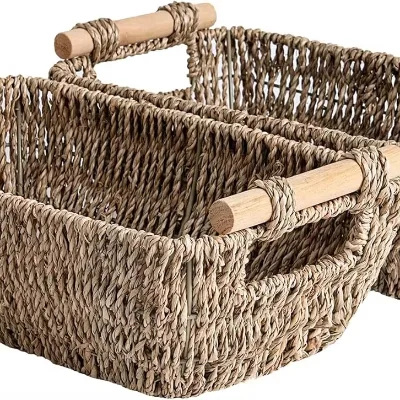
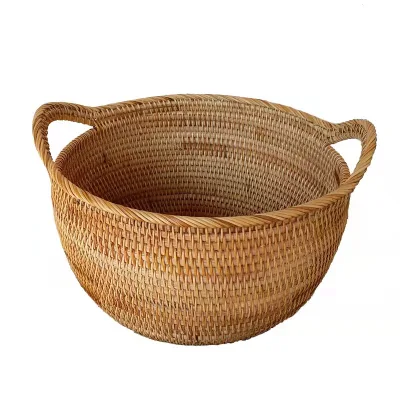
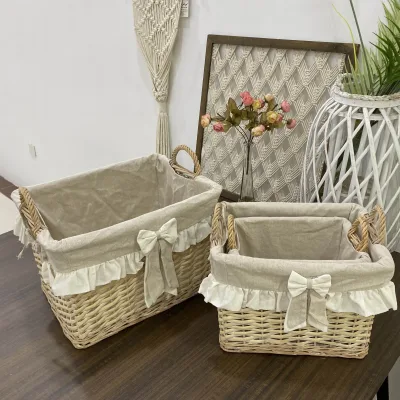
Handwoven Bamboo Wicker Storage Basket Natural Decorative Organizer Basket
$1.99 - $3.50
MOQ: 1000 Pieces


Cao County Grandview Arts & Crafts Co., Ltd.
- Manufacturer, Trading Company
- Shandong, China
- Lead time20 days
- Avg. response≤ 4h
Main productskitchen knife rack,wooden trash bin,wooden frames,kitchen wall shelf,bathroom storage rack
Main marketsNorth America(35.00%), Western Europe(13.00%), South Asia(10.00%), Eastern Europe(7.00%), Mid East(7.00%), Southern Europe(5.00%), Domestic Market(5.00%), Eastern Asia(5.00%), Southeast Asia(5.00%), Northern Europe(4.00%), Oceania(2.00%), Africa(2.00%)

Linyi Hengyibo Arts and Crafts Co., Ltd.
- Verified by SGS
- Manufacturer
- China Shandong
- Lead time60 days
- Avg. response≤ 21h
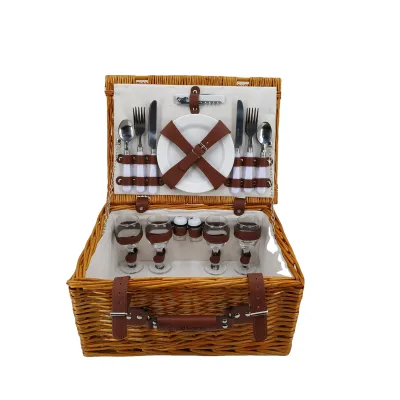
Main productsWillow Handmade Picnic Basket
Main marketsSoutheast Asia/ Mideast,Europe,Australia,North America

Waterproof Bags Wicker Woven Storage Basket for Home Decoration Laundry Baskets
$6.00 - $12.00
MOQ: 300 Pieces

Sturdy Handle Customized Size Woven Household Hamper Storage Basket for Bathroom Essentials
$6.00 - $12.00
MOQ: 300 Pieces


Wicker Willow Gift Storage Baskets Flower Storage Fruit Food Gift Basket
$6.00 - $12.00
MOQ: 300 Pieces

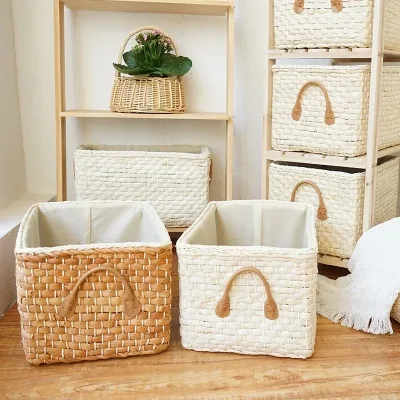
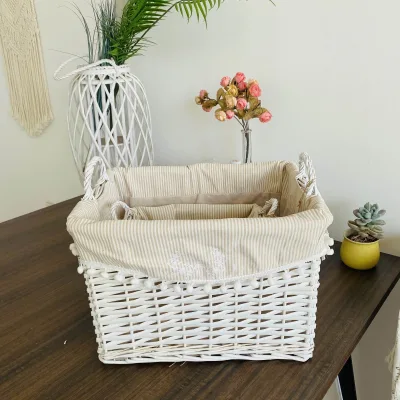
Handwoven Wicker Storage Basket with Handles and Fabric Liner, Organize Your Home
$6.00 - $12.00
MOQ: 300 Pieces
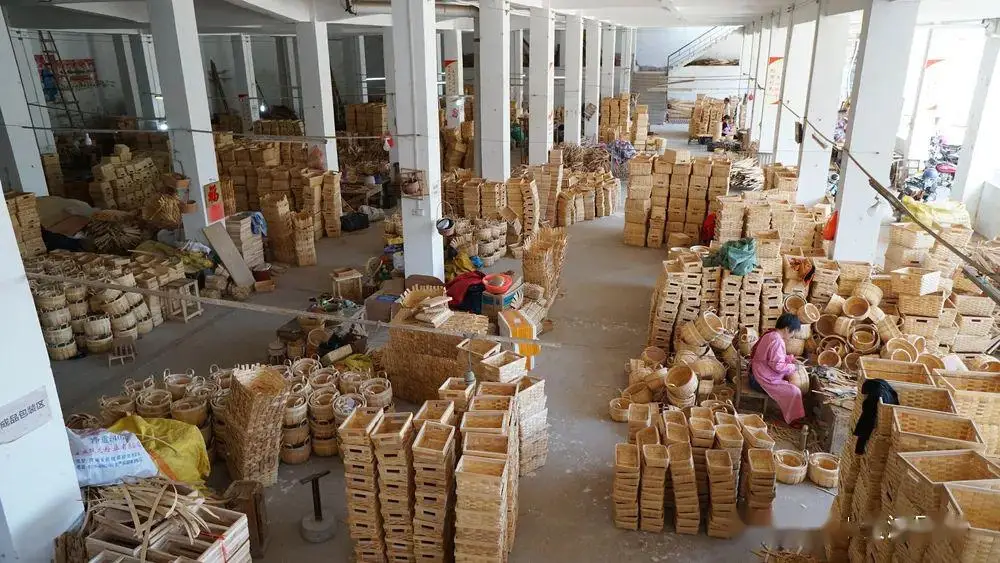
Nanning Lanshige Home Furnishing Technology Co., Ltd.
- Trading Company
- Guangxi, China
- Lead time7 days
- Avg. response≤ 3h
Main productsStorage Box,seaweed basket,woodchip basket,bamboo basket,storage basket
Main marketsNorth America(35.00%), Western Europe(30.00%), Eastern Europe(20.00%), Domestic Market(5.00%), Mid East(5.00%), South America(2.00%), Southeast Asia(2.00%), Africa(1.00%)
Linyi Jia Yu Arts & Crafts Co., Ltd.
- Verified by TüVRheinland
- Manufacturer, Trading Company
- Lead time15 days
- Avg. response≤ 4h
Main productsHome Storage & Organization
Main marketsNorth America(30%), Eastern Europe(10%), Oceania(10%)
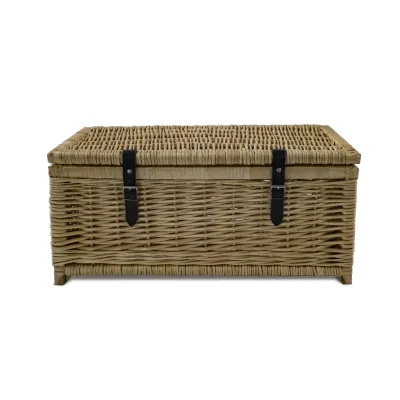
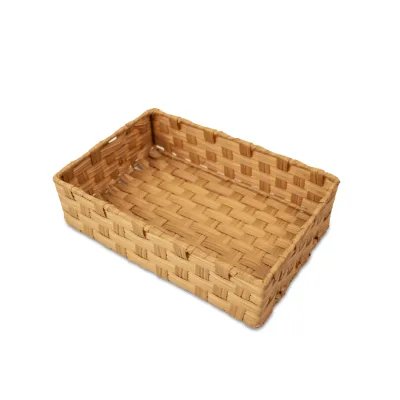
Custom Wicker Office Storage Basket Set Large Woven Home Closet Storage Baskets
$65.99 - $67.99
MOQ: 100
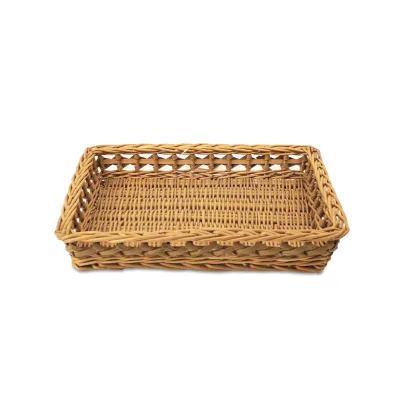
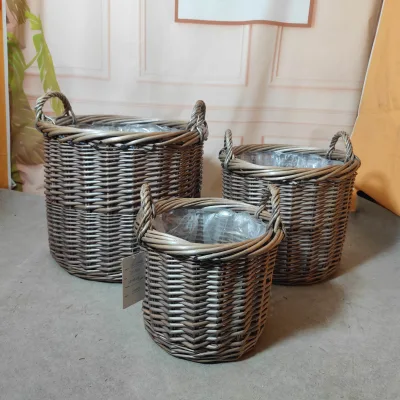

Qingdao Rainbow Packaging Co., Ltd.
- Verified by TUVRHEINLAND
- Combined
- China Shandong
- Lead time15 days
- Avg. response≤ 6h
Main productsPaper Box Gift Box Paper Bag, Storage Basket Laundry Basket, Post Carton Post Mailer, Shipping Cartons Gift Packaging, Tube Boxes Shredded Paper, Food Packaging, Labels & Stickers
Main marketsEast Asia(Japan/ South Korea),Europe,North America
Bobai County Lovely Home Furnishing Co., Ltd.
- Verified by Intertek
- Trading Company
- Lead time0 days
- Avg. response≤ 4h
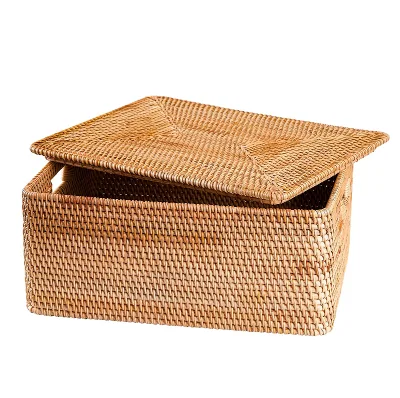
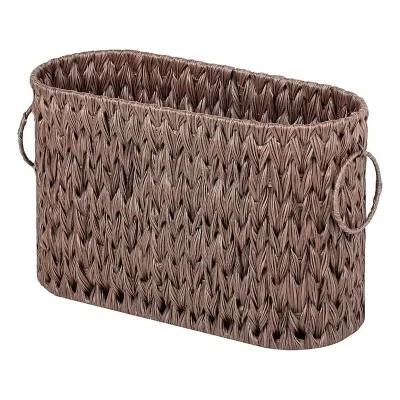
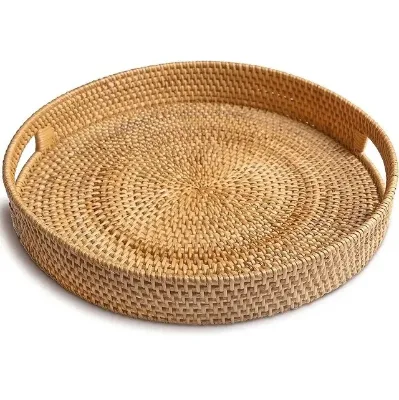
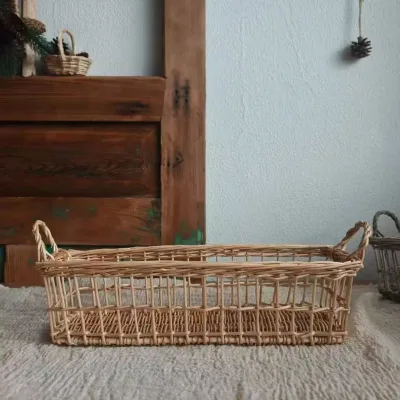
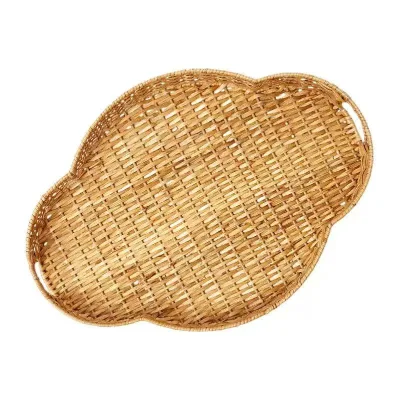
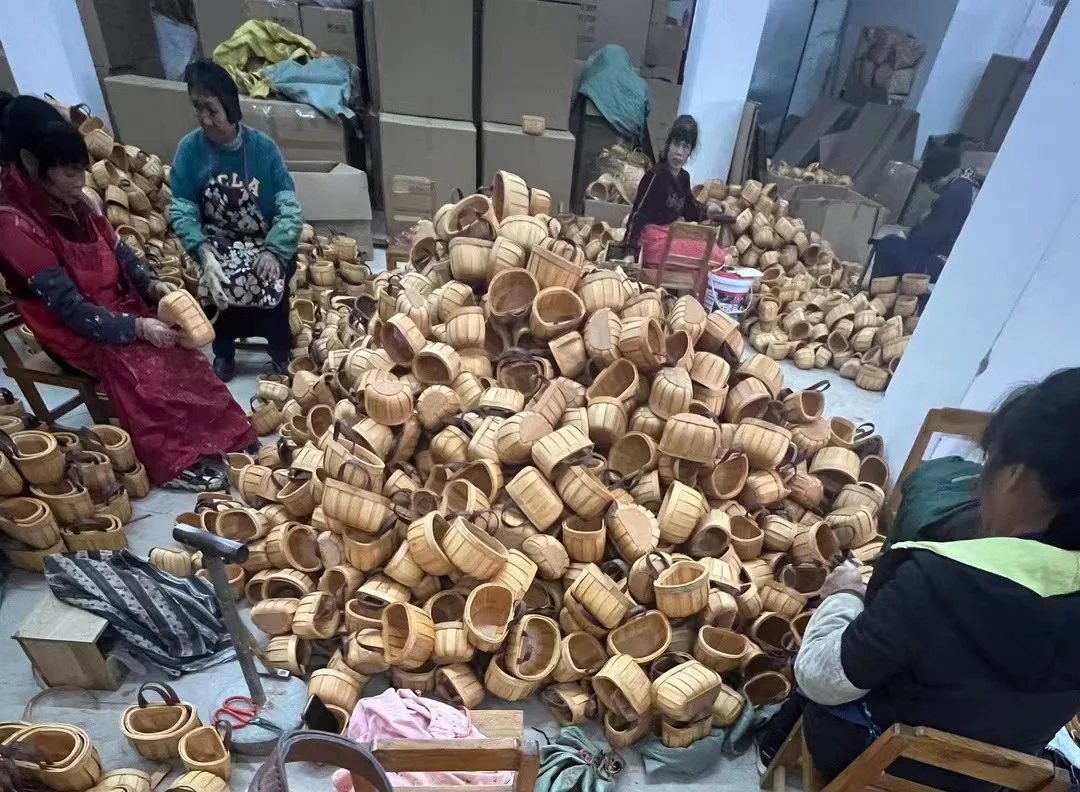
Main productsHome storage weaving

$3.6383 - $4.0796
MOQ: 50 pieces
$17.7874 - $19.6305
MOQ: 10 pieces
Nanning Holame Home Tech Co., Ltd.
- Manufacturer, Trading Company
- Guangxi, China
- Lead time30 days
- Avg. response≤ 2h
Main productsGift Baskets,Rattan Products,Bamboo Products,Wood Products,Kitchenware
Main marketsNorth America(50.00%), Western Europe(10.00%), Oceania(10.00%), Southern Europe(9.00%), Africa(8.00%), Mid East(6.00%), Northern Europe(5.00%), Eastern Europe(2.00%)

Deqing Mountlume International Trading Co., Ltd.
- Verified by TUVRHEINLAND
- Trading Company,Manufacturer/Factory
- China Zhejiang
- Lead time45 days
- Avg. response≤ 4h
Main productsBasket, Plastic Container, Lunch Bag, Kitchenware, Silicon Utensil, Lunch Box, Ice Pack, Kitchen Accessories, Storage Tub, Storage Bin
Main marketsSouth America,Eastern Europe,Mid East,North America,Southeast Asia,Eastern Asia,Oceania,Western Europe,Africa

Wicker Basket with Handles for Shelf Organizing Home Storage Dé Cor Laundry
$2.00 - $6.00
MOQ: 100 Pieces

Wicker Scalloped Edge Storage Basket for Shelves Pantry Kitchen Home Organizing
$2.00 - $6.00
MOQ: 100 Pieces

Wicker Storage Basket with Built-in Handles for Home Shelf Bedroom Organizing
$2.00 - $6.00
MOQ: 100 Pieces

Handwoven Wicker Pantry Basket with Built-in Handles for Organizing Storage
$2.00 - $6.00
MOQ: 100 Pieces

Woven Rattan Basket with Handles for Shelves Pantry Kitchen Bathroom Home Decor
$2.00 - $6.00
MOQ: 100 Pieces


Xuzhou Risen Industry and Supply Co., Ltd
- Verified by TUVRHEINLAND
- Trading Company
- China Jiangsu
- Lead time30 days
- Avg. response≤ 4h
Main productsHousehold Adornment, Household Supplies, Home Decoration, Compressed Sofa, Dining Furniture, Bothroom Organizer, Kitchen Storage, Glass Ornaments, Ceramic Tableware, Home Fragrance
Main marketsSouth America
Qingdao Huayi Union Trading Co., Ltd.
- Verified by SGS Group
- Manufacturer, Trading Company
- Lead time50 days
- Avg. response≤ 2h
Main productsStorage basket, Artficial flower, Ottoman stool, Hand Bag, Home Deco
Main marketsWestern Europe(45%), North America(40%), South America(5%)
Shenzhen J-He Industrial Co., Limited
- Trading Company
- Lead time旺季: "1 - 50":7,"51 - 500":15,"> 500":"To be negotiated", 淡季: "1 - 50":7,"51 - 500":15,"> 500":"To be negotiated"
- Avg. response≤ 2h
Main productspreserved flower,Eternal flower,artificial flower,rose bear,Depilator
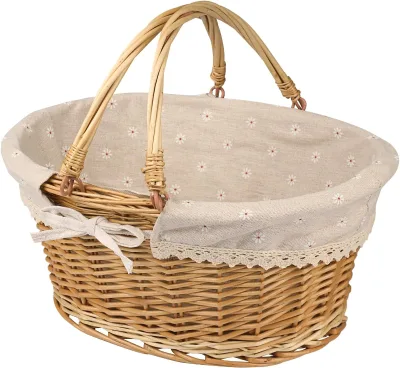
$2.7467 - $5.4933
MOQ: 50 Minimum
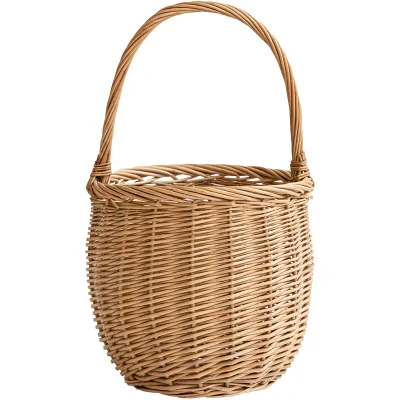
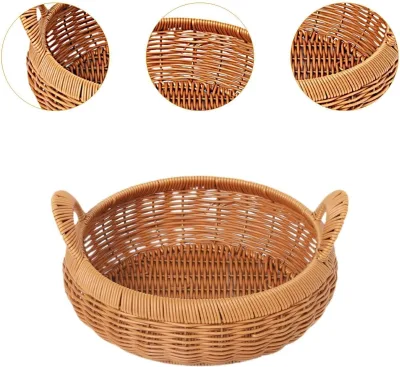
Bo Bai Haosen Handicrafts Co., Ltd.
- Manufacturer, Trading Company
- Guangxi Zhuang Autonomous Region (gzar), China
- Lead time5 days
- Avg. response≤ 2h
Main productsPicnic Basket,Christmas Tree Decorations Base Stand Skirt,Bread Proofing Basket,Fruit Tray,Lampshades
Main marketsDomestic Market(33.00%), North America(33.00%), Oceania(20.00%), Mid East(14.00%)

Shandong Rope Technology Co., Ltd.
- Combined
- China Shandong
- Lead time30 days
- Avg. response≤ 2h
Main productsRope
Main marketsSoutheast Asia/ Mideast,Europe,North America
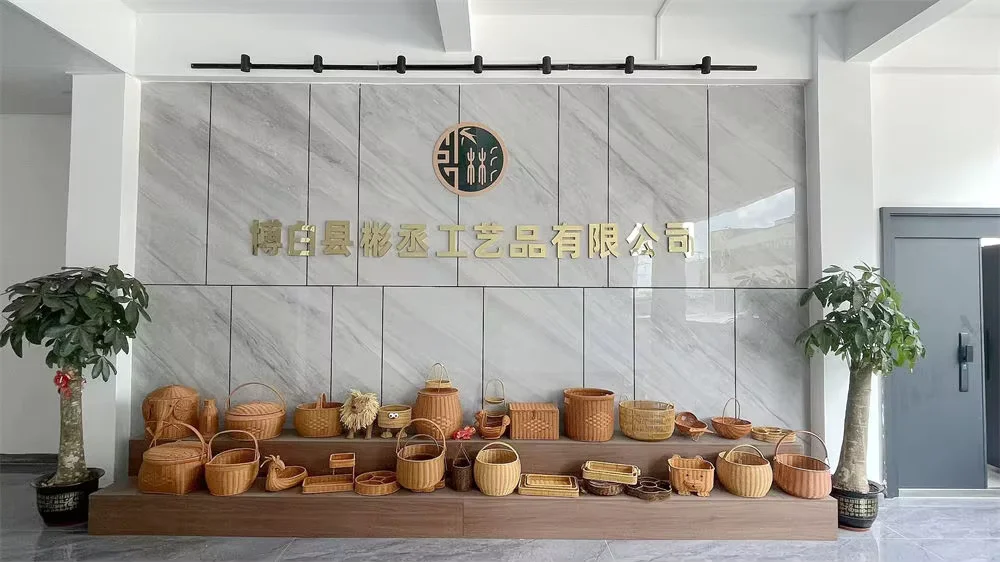
Bobai County Bincheng Crafts Co., Ltd.
- Manufacturer, Trading Company
- Guangxi, China
- Lead time20 days
- Avg. response≤ 4h
Main productsBread Basket,Bamboo Basket,Fermentation Basket,Rattan Basket,Rattan Lighting
Main marketsDomestic Market(50.00%), North America(10.00%), Mid East(10.00%), Southeast Asia(10.00%), Eastern Europe(10.00%), South America(10.00%)
East Willow Arts & Crafts Co., Ltd.
- Manufacturer, Trading Company
- Shandong, China
- Lead time50 days
- Avg. response≤ 7h
Main productsWillow Basket,Grass Basket,Bamboo Basket,Metal Basket,Wooden Item
Main marketsEastern Europe(20.00%), Western Europe(20.00%), Mid East(20.00%), South America(10.00%), North America(10.00%), Southern Europe(10.00%), Africa(5.00%), Domestic Market(1.00%)

Hangzhou Chosen Textile Co., Ltd
- Verified by CTI
- Trading Company
- China Zhejiang
- Lead time45 days
- Avg. response≤ 7h
Main productsOutdoor Products, Textile Products, Home Textile, Weighted Products, Promotional Products, Gift Products
Main marketsAfrica,Southeast Asia/ Mideast,East Asia(Japan/ South Korea),Europe,Australia,North America

Ningbo Hongchuang Commodity Co., Ltd.
- Verified by SGS
- Trading Company,Manufacturer/Factory
- China Zhejiang
- Lead time45 days
- Avg. response≤ 13h
Main productsStorage, Home Decoration, Kitchenware, Housewares, Gifts & Crafts, Office & School, Beauty & Personal Care, Festival Items, Wooden Photo Frame, Garden Tools
Main marketsSouth America,Eastern Europe,Mid East,North America,Southeast Asia,Eastern Asia,Oceania,Western Europe,Africa

Wholesale Eco-Friendly Handwoven Rattan Fruit Shape Storage Basket with Lid for Home Storage
$5.99 - $12.99
MOQ: 500 Pieces


Guangzhou Nantian Sources Co., Ltd.
- Manufacturer/Factory
- China Guangdong
- Lead time15 days
- Avg. response≤ 6h
Main productsKitchen Equipment, Kitchenware, Food Machine, Kitchen Appliance, Glassware, Food Machinery, Bakery Equipment, Dinnerware, Kitchen Utensils, Food Processor
Main marketsSouth America,Mid East,Southeast Asia,Eastern Asia,Oceania,Africa








Comprehensive Sourcing Guide
Houseware Wicker Basket Supplier Concentration and Factory Types
The current supplier landscape for houseware wicker baskets reveals a distinct geographic and structural diversity that buyers must navigate carefully. Evidence indicates that suppliers are located in regions such as China Yunnan and Shandong, China, with additional product origins noted in Guangdong, Chongqing, and Gansu. This geographic spread suggests that while some manufacturing is concentrated in specific provinces, the supply chain is not limited to a single industrial cluster. Buyers should recognize that a supplier’s listed location may differ from the actual factory origin, as seen in products where the supplier is in Shandong but the item originates from Guangdong or Chongqing. This discrepancy highlights the importance of verifying the true place of origin for each specific product line rather than relying solely on the supplier’s registered address. The presence of suppliers in Yunnan, known for bamboo resources, alongside those in Shandong, suggests a bifurcation in material sourcing strategies, where some focus on bamboo-based wicker alternatives while others utilize traditional rattan or willow.
Regarding company types, the market includes both Trading Companies and Manufacturers, with some entities operating as hybrid entities that function as both. This dual role can offer buyers flexibility, as trading companies may provide a broader catalog of houseware items, while manufacturers might offer deeper customization capabilities for specific wicker designs. The main products listed by these suppliers range from bamboo crafts and chopsticks to specialized storage baskets, indicating that many suppliers are not exclusive wicker specialists but rather generalist home goods providers. This generalist approach can be advantageous for buyers seeking to consolidate orders for multiple houseware items, but it requires diligence to ensure that the wicker products meet specific quality standards. Buyers should assess whether the supplier’s primary expertise lies in wicker weaving or if it is a secondary product line, as this can impact the depth of their technical knowledge and quality control processes for houseware wicker baskets.
How to Verify Houseware Wicker Basket Suppliers
Verification is a critical step in ensuring the reliability of Houseware Wicker Basket suppliers, particularly given the varied company types and geographic locations observed. One key verification metric available in the current data is the SGS verification status, which provides a layer of confidence regarding the supplier’s operational legitimacy. Buyers should prioritize suppliers who have undergone third-party verification processes, as this indicates a commitment to transparency and adherence to certain operational standards. However, verification status alone is not sufficient; buyers must also examine the specific product attributes and certifications associated with the items. For instance, some products are labeled as eco-friendly, which may imply compliance with environmental standards, but buyers should request specific documentation to confirm these claims. The presence of customization options, such as customizable designs and packaging, suggests that the supplier has the infrastructure to handle bespoke orders, but buyers should verify the supplier’s capacity to maintain quality during these custom processes.
Response time is another vital indicator of supplier reliability and operational efficiency. The data shows response times ranging from 2.83 to 4, which provides a benchmark for evaluating how quickly a supplier can address inquiries and resolve issues. A faster response time often correlates with better customer service and more agile supply chain management, which is crucial for houseware products that may have seasonal demand fluctuations. Buyers should use this metric to gauge the supplier’s responsiveness during the initial inquiry phase, as a slow response may indicate potential delays in communication during the production and shipping phases. Additionally, buyers should verify the supplier’s ability to provide detailed product specifications, such as material composition and dimensions, to ensure that the houseware wicker baskets meet their specific requirements. By combining verification status, response time analysis, and detailed product specification review, buyers can build a comprehensive profile of each supplier’s reliability and suitability for their sourcing needs.
What to Compare Across Houseware Wicker Basket Suppliers
When evaluating multiple suppliers for houseware wicker baskets, buyers should compare key operational metrics such as lead time, minimum order quantity (MOQ), and pricing to determine the best fit for their business needs. The current data indicates lead times of 20 to 23 days, which provides a baseline for production scheduling. Buyers should consider how these lead times align with their inventory requirements and whether the supplier can accommodate rush orders if necessary. MOQs vary significantly, with some products requiring as few as 500 units while others demand 1000 or more. This variation allows buyers to select suppliers that match their order volume capabilities, whether they are small businesses testing the market or large retailers placing bulk orders. Comparing these metrics across suppliers helps buyers identify those that offer the most favorable terms for their specific order size and timeline constraints.
Pricing is another critical factor in supplier comparison, with observed price ranges varying widely depending on the product type and customization level. For example, some basic storage baskets are priced as low as $0.028 to $0.12 per unit, while more complex or larger items may cost between $3.00 and $15.20. Buyers should analyze these price points in the context of the product’s material, size, and features to ensure they are receiving fair value. Additionally, buyers should compare the customization options available, such as customizable designs, colors, and packaging, as these can add significant value but may also impact the final price. By systematically comparing lead times, MOQs, pricing, and customization capabilities, buyers can make informed decisions that balance cost efficiency with quality and service requirements. This comparative approach ensures that buyers select suppliers that offer the best overall value proposition for their Houseware Wicker Basket sourcing needs.
Common Houseware Wicker Basket Sourcing Risks
Sourcing houseware wicker baskets involves several potential risks that buyers must proactively manage to ensure a smooth procurement process. One significant risk is the discrepancy between the supplier’s listed location and the actual product origin, as seen in cases where suppliers in Shandong list products originating from Guangdong or Chongqing. This geographic mismatch can complicate logistics and quality control, as buyers may not be aware of the true manufacturing environment. Additionally, the use of terms like "natural wicker" or "bamboo" without specific certification details can lead to misunderstandings about material quality and sustainability. Buyers should request detailed material specifications and, if necessary, third-party testing reports to verify the authenticity and quality of the wicker materials used. Failure to do so may result in receiving products that do not meet the expected standards, leading to customer dissatisfaction and potential returns.
Another common risk is the variability in product quality and consistency, particularly when dealing with handmade items. The data indicates that many products are handmade, which can result in slight variations in size, shape, and finish. While this may be desirable for certain aesthetic applications, it can be problematic for buyers requiring strict uniformity. Buyers should establish clear quality control standards and communicate these expectations to the supplier before placing orders. Additionally, the risk of delayed shipments due to production bottlenecks or logistical issues is heightened by the lead times observed in the current data. Buyers should maintain open communication with suppliers and monitor production progress closely to mitigate the risk of delays. By identifying and addressing these potential risks early in the sourcing process, buyers can protect their interests and ensure a more reliable supply chain for houseware wicker baskets.
Houseware Wicker Basket Regional Sourcing and Logistics
The geographic distribution of Houseware Wicker Basket suppliers presents both opportunities and challenges for buyers regarding logistics and supply chain management. Suppliers are located in diverse regions such as China Yunnan, Shandong, and product origins in Guangdong, Chongqing, and Gansu, each with its own logistical advantages and constraints. Yunnan, for instance, may offer cost advantages for bamboo-based products due to local material availability, while Shandong may provide better access to international shipping routes. Buyers should consider the proximity of the supplier to major ports or logistics hubs when evaluating shipping costs and transit times. Additionally, the varying locations of suppliers can impact the complexity of consolidating orders from multiple sources, as buyers may need to coordinate shipments from different regions. Understanding these regional dynamics is essential for optimizing logistics and minimizing transportation costs.
Logistics planning should also account for the specific packaging and handling requirements of houseware wicker baskets, which can be fragile and susceptible to damage during transit. The data indicates that products are typically packed in cartons or palletized, which provides some protection but may not be sufficient for all shipping conditions. Buyers should work with suppliers to ensure that packaging meets the necessary standards for international shipping, including moisture resistance and shock absorption. Furthermore, buyers should consider the impact of regional trade policies and tariffs on the final cost of goods, as different provinces may have different regulatory environments. By carefully analyzing the regional sourcing landscape and logistics requirements, buyers can develop a robust supply chain strategy that minimizes risks and maximizes efficiency for their Houseware Wicker Basket imports.
Houseware Wicker Basket Commercial Terms and Order Planning
Effective order planning for houseware wicker baskets requires a thorough understanding of commercial terms, including pricing structures, payment conditions, and customization policies. The current data shows a wide range of prices, from $0.028 to $15.20 per unit, depending on the product type and customization level. Buyers should negotiate clear pricing agreements that account for volume discounts and any additional costs associated with customization, such as design fees or special packaging. Additionally, buyers should clarify the supplier’s payment terms, including deposit requirements and balance payment schedules, to ensure cash flow alignment. Understanding these commercial terms is crucial for accurate cost forecasting and budget management, particularly when dealing with large orders or multiple product lines.
Customization is a key feature offered by many suppliers, with options for customizable designs, colors, and packaging. Buyers should plan their orders well in advance to accommodate the additional time required for custom production and quality checks. It is also important to establish clear specifications and approval processes for custom items to avoid misunderstandings and ensure that the final products meet the buyer’s expectations. Furthermore, buyers should consider the supplier’s lead times when planning their inventory replenishment cycles, as delays in production can disrupt downstream sales. By carefully managing commercial terms and order planning, buyers can build a reliable and efficient supply chain for houseware wicker baskets, ensuring timely delivery and customer satisfaction.
FAQs
What is the typical lead time for wicker basket orders?
The typical lead time for these orders is 23 days. Some suppliers offer a faster turnaround of 20 days. Buyers should confirm the exact schedule with the supplier before placing the order to ensure timely delivery for their specific requirements.
What is the minimum order quantity for these products?
The minimum order quantity varies by product type. Some items require a minimum of 1000 units, while others may only need 500 units. Buyers must check the specific product page to determine the exact MOQ applicable to their desired item.
Are customization options available for wicker storage baskets?
Yes, customization is available for many wicker storage baskets. Buyers can request custom designs, models, and packaging. The process is often handmade, allowing for unique styles. This flexibility helps buyers create products that match their brand identity and specific market needs.
What is the price range for handwoven wicker baskets?
Prices for handwoven wicker baskets range from $0.028 to $15.20 per unit. The cost depends on the material, size, and complexity of the weave. Buyers should review the specific product details to find the exact price that fits their budget and quality expectations.
Where are these wicker baskets typically manufactured?
These baskets are typically manufactured in China, with suppliers located in regions like Yunnan and Shandong. Some products list origins in Guangdong, Chongqing, or Gansu. Buyers should verify the specific place of origin for each product to understand shipping logistics and material sourcing.
How quickly do suppliers respond to inquiries?
Suppliers generally respond to inquiries within 2.83 to 4 hours. This quick response time helps buyers get quotes and answers promptly. Fast communication is essential for efficient sourcing, so buyers should expect timely replies when contacting potential suppliers for wicker basket orders.