Source Foldable Steel Food Trolley Cart for Kitchens, Shops, and Bars
Source the Foldable Steel Food Trolley Cart for supermarkets, restaurants, and beverage bars. Compare 30 options featuring carbon steel construction, lacquer finishes, and customizable designs. Find versatile storage solutions for kitchens and retail spaces with flexible, multifunctional utility; compare the available evidence and request quotations based on your requirements.
Updated
Key considerations
Products List
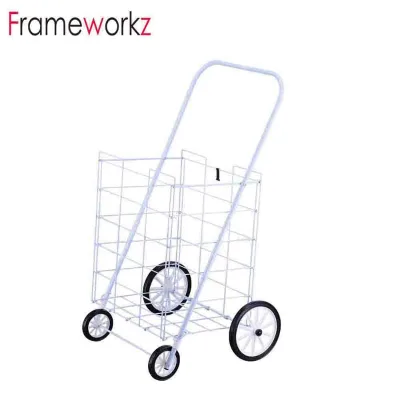
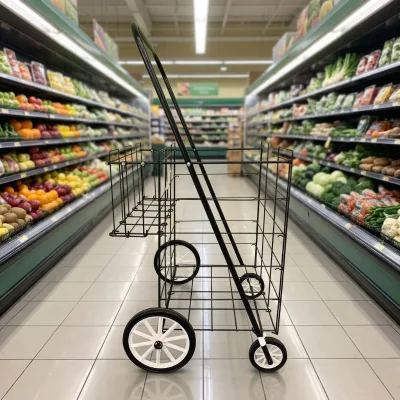
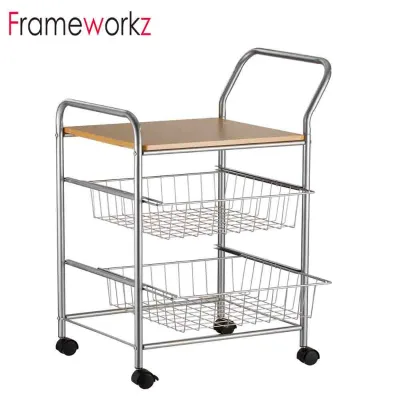


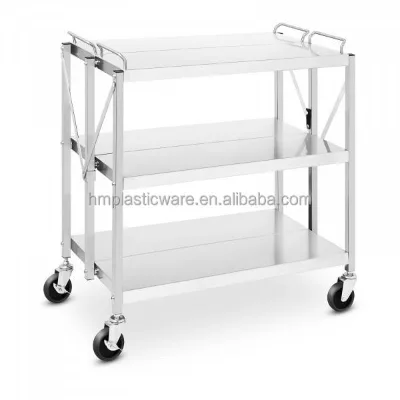
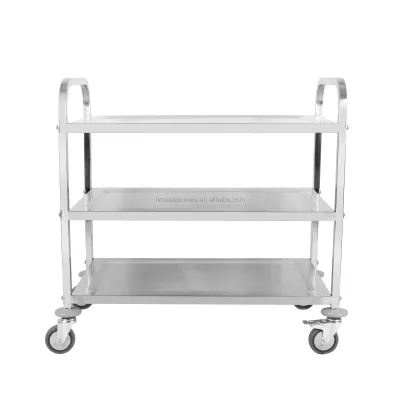
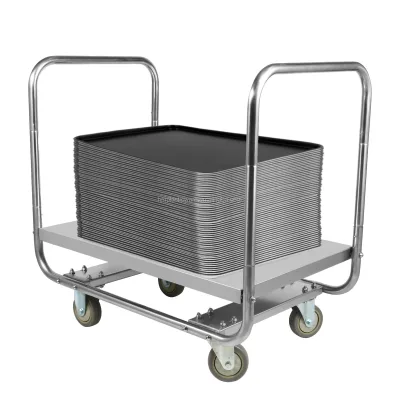
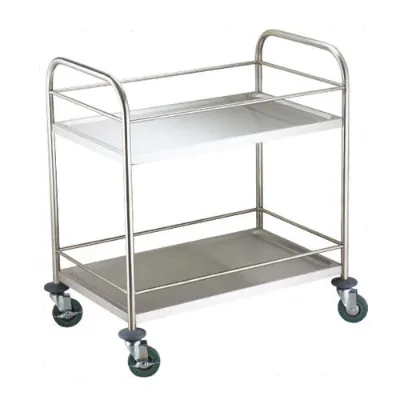
Stainless Steel Serving Trolley Four Tier Food Service Cart With Wheels
$36.00 - $60.00
MOQ: 20 Minimum


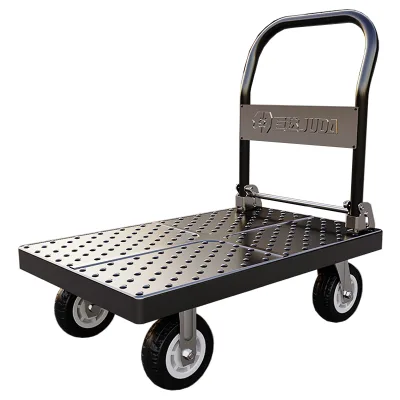


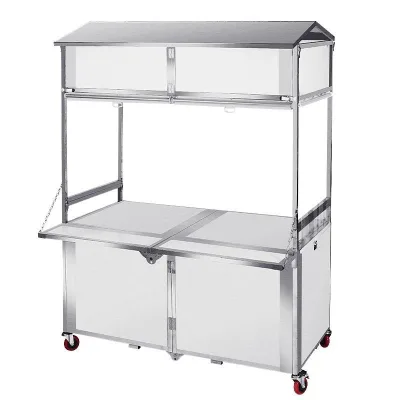
XY Best Portable stainless steel folding food stall collapsible food cart
$235.00 - $343.00
MOQ: 10 Minimum
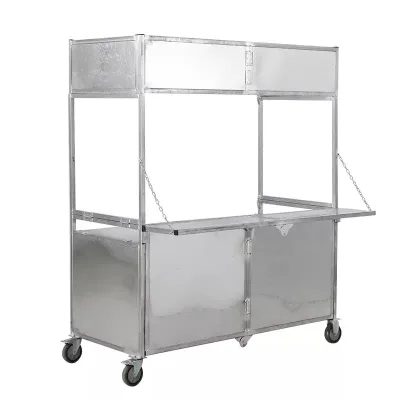
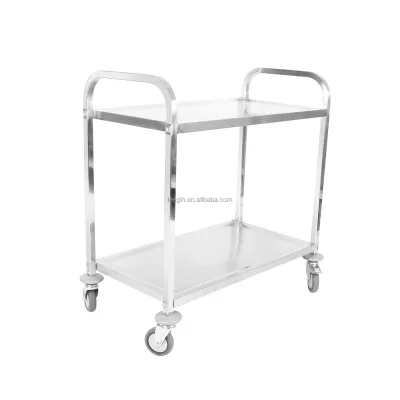
2 Tier Serving Trolley Stainless Steel Kitchen Trolley Serving Trolley Cart
$25.6175 - $35.8636
MOQ: 10 Minimum
Comprehensive Sourcing Guide
Foldable Steel Food Trolley Cart Sourcing Guide
Sourcing foldable steel food trolley carts requires a careful balance between structural durability and spatial efficiency, particularly for high-traffic commercial environments. Buyers must evaluate the specific metal composition and finish quality, as carbon steel construction is commonly observed in listings, often treated with lacquer to resist corrosion and maintain aesthetic appeal in humid kitchen or laundry settings. The versatility of these units allows them to serve multiple functions, from storing sundries and beverages to acting as mobile service stations in restaurants, supermarkets, and specialty food stores.
The design flexibility of these carts supports various interior styles, including contemporary, rustic, Scandinavian, and modern aesthetics, making them suitable for diverse brand identities. Key functional attributes such as foldability and multifunctionality enable retailers to optimize floor space when units are not in active use. Procurement teams should prioritize models that offer customized designs and logos, ensuring the equipment aligns with corporate branding while meeting the rigorous demands of daily commercial operations in food and beverage sectors.
Product Scope and Observed Listing Signals
Market listings for these units reveal a wide price range, typically spanning from approximately $7.33 to over $2,700 USD, reflecting significant variations in material thickness, size, and included features. Minimum order quantities (MOQ) also vary substantially, with some suppliers requiring as few as one unit for sampling, while others mandate orders of 500 or 1,000 pieces. This disparity suggests that buyers can access both small-batch customization and large-scale industrial procurement, depending on their immediate inventory needs and long-term supply chain strategies.
Observed product attributes indicate that these carts are designed for all-season use in specific room spaces like kitchens and laundry rooms, with some models explicitly targeting commercial buyers in fast food, juice bars, and department stores. The dimensional specifications often cited include sizes such as 75x60x145 cm or 52.5 x 60 x 96 cm, with single package dimensions around 107x61x20 cm. Buyers should verify the exact weight tolerance, which is often listed as less than ±1%, to ensure consistency in shipping costs and structural integrity across large orders.
Technical Specifications to Verify
When evaluating technical specifications, buyers must confirm the precise model numbers, such as FW--4152 or FW--4152T, to ensure compatibility with existing storage systems or display layouts. The dimensional tolerance is a critical metric, with many suppliers claiming a tolerance of less than ±1mm, which is essential for maintaining uniformity in stacked or aligned configurations. Additionally, the thickness of the steel, sometimes noted as 10 silk, directly impacts the cart’s load-bearing capacity and overall longevity, requiring verification against the intended weight of stored goods.
The installation type is predominantly standing, with a single-tier design that maximizes vertical space without compromising stability. Buyers should also assess the packaging details, which typically include standard export packing methods like shrink wrap, PDQ displays, or master cartons to protect the lacquer finish during transit. Confirming the single gross weight, often around 3.0 kg, helps in calculating freight costs accurately, while ensuring the product name aligns with specific use cases like shopping trolleys or food containers.
Compliance and Safety Documentation
Compliance documentation is a vital component of the procurement process, with many suppliers offering certifications such as BSCI and ISO9001 to demonstrate adherence to international quality and social responsibility standards. Buyers should request valid certificates to verify that the manufacturing facilities meet ethical labor practices and consistent quality management protocols. These certifications provide assurance that the foldable steel carts are produced in environments that prioritize worker safety and environmental sustainability, which is increasingly important for global supply chain transparency.
Beyond certifications, buyers must ensure that the materials used, particularly the carbon steel and lacquer coatings, are safe for food-adjacent environments. While the products are labeled as eco-friendly, specific material safety data sheets should be reviewed to confirm that no harmful substances leach from the surface, especially when used in kitchens or food service areas. Verifying these details helps mitigate liability risks and ensures that the equipment meets local health and safety regulations in the destination market.
Cost Drivers and Commercial Terms
Several factors influence the final cost of foldable steel food trolley carts, including the supply ability of the manufacturer, which is often cited as 100 x 40HQ containers per month. High demand or limited production capacity can lead to longer lead times, with delivery times frequently estimated at around 50 days from order placement. Buyers should factor in these timelines when planning inventory replenishment, especially for seasonal peaks in retail or food service industries, to avoid stockouts or expedited shipping fees.
Commercial terms also include the port of dispatch, commonly Shenzhen, which affects logistics routing and insurance costs. Customization options, such as tailored designs or branded logos, may incur additional setup fees or higher MOQs, impacting the overall unit price. Buyers should negotiate clear terms regarding packaging details and weight tolerances to avoid hidden costs, ensuring that the quoted price reflects the exact specifications and quality level required for their specific operational needs.
Supplier Qualification and Quality Control
Supplier qualification involves assessing the manufacturer’s ability to maintain consistent quality across large production runs, particularly given the observed MOQs of 500 to 1,000 pieces. Buyers should verify the supplier’s production capacity and past performance in delivering customized designs without compromising structural integrity. Requesting pre-shipment samples is crucial to inspect the lacquer finish, foldability mechanisms, and overall build quality, ensuring that the product meets the specified dimensional tolerances and weight standards.
Quality control protocols should include rigorous testing of the folding mechanisms and load-bearing capabilities, as these are critical for safety and usability. Buyers should inquire about the supplier’s internal quality assurance processes, including how they handle defects or deviations from the agreed specifications. Establishing a clear communication channel for addressing quality issues post-delivery is essential, as it ensures that any discrepancies in color, size, or functionality can be resolved efficiently without disrupting business operations.
Long-Term Procurement Checks
Long-term procurement success depends on establishing a reliable supply chain that can adapt to changing market demands and operational requirements. Buyers should regularly review supplier performance metrics, including on-time delivery rates, product consistency, and responsiveness to customization requests. Maintaining a diversified supplier base can mitigate risks associated with production delays or quality issues, ensuring continuous availability of foldable steel carts for critical business functions.
Additionally, buyers should stay informed about industry trends and technological advancements in cart design, such as improved materials or enhanced ergonomic features. Periodic audits of supplier facilities and product specifications can help identify potential improvements or necessary adjustments to maintain competitive advantage. By focusing on continuous improvement and strong supplier relationships, organizations can ensure that their procurement of foldable steel food trolley carts remains efficient, cost-effective, and aligned with long-term strategic goals.
FAQs
Can the Foldable Steel Food Trolley Cart be customized?
Yes, the Foldable Steel Food Trolley Cart supports customized designs and logos. Buyers can request specific branding or structural adjustments to meet unique operational needs. This flexibility ensures the cart aligns perfectly with your brand identity and functional requirements in commercial environments.
What certifications do these steel trolley carts have?
These steel trolley carts typically hold BSCI and ISO9001 certifications. These credentials verify adherence to international standards for social responsibility and quality management systems. Buyers can rely on these documented certifications to ensure ethical sourcing and consistent manufacturing quality for their supply chain.
What is the minimum order quantity for these carts?
The minimum order quantity varies, typically ranging from 500 to 1000 pieces. This range allows flexibility for different business scales. Buyers should confirm the exact MOQ with the supplier based on their specific order volume and customization requirements to secure the best terms.
How long is the delivery time for these carts?
The standard delivery time is approximately 50 days. This timeline accounts for production, quality control, and packaging processes. Buyers planning large orders should factor this lead time into their inventory management strategy to ensure timely availability for their retail or food service operations.
What materials are used to construct these trolley carts?
These trolley carts are constructed from carbon steel with a lacquer finish. This material choice provides durability and resistance to wear in high-traffic environments. The metal construction ensures stability while the finish offers a sleek, modern appearance suitable for various commercial settings like supermarkets and restaurants.
Where are these foldable steel carts manufactured?
These carts are manufactured in Guangdong, China, with dispatch from Shenzhen. This location is a major hub for metal product manufacturing, offering efficient logistics and supply chain integration. Buyers benefit from established industrial infrastructure and reliable export capabilities when sourcing from this region.