Indexable Carbide Inserts for Steel Suppliers and Manufacturers
Source 28 verified suppliers of Indexable Carbide Inserts for Steel from China Hunan. Compare response times, lead times, MOQs, and ISO 9001 certifications to find the right partner. Request quotes directly to evaluate pricing and customization options; review the available evidence before requesting comparable quotations from suitable candidates.
Updated
Suppliers List

- Combined
- China Hunan
- Lead time15 days
- Avg. response≤ 4h
Main productscarbide tool
Main marketsDomestic

Zhuzhou Jinggong Cemented Carbide Co., Ltd.
- Verified by CTI
- Manufacturer/Factory,Other
- China Hunan
- Lead time23 days
- Avg. response≤ 19h
Main productsCarbide Saw Tips, Tungsten Carbide Tips, Carbide Inserts, Cemented Carbide Brazed Tips, Cemented Carbide, Carbide Cutting Tips, Tungsten Carbide Buttons, Tungsten Carbide Bars, Carbide Mining Tips, Tungsten Carbide Dies
Main marketsSouth America,Eastern Europe,Mid East,North America,Southeast Asia,Eastern Asia,Oceania,Western Europe,Africa
Dongguan Harmonie Cutting Tools co., Ltd.
- Verified by Intertek
- Manufacturer, Trading Company
- Lead time0 days
- Avg. response≤ 4h
Main productsEnd Mills, Drill Bits, Taps, Inserts, Tool Holder
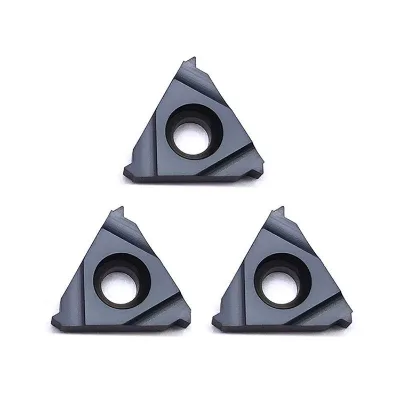
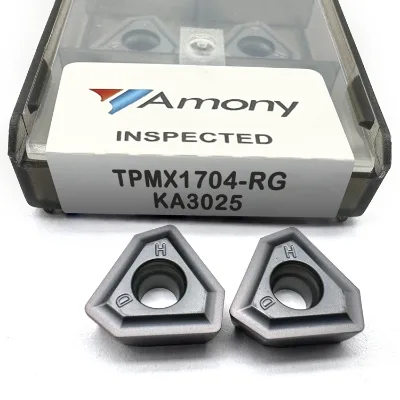
Carbide Tungsten Deep Hole Drilling Inserts TPMX TPMX1403 TPMX1704 CNC Insert for Steel
$3.14 - $3.55
MOQ: 10 Minimum
Zhuzhou Sant Cutting Tools Co., Ltd.
- Verified by SGS Group
- Manufacturer, Trading Company
- Lead time20 days
- Avg. response≤ 9h
Main productsTurning Tools, Milling Tools, Drilling Tools, Carbide End Mills, Carbide Insert
Main marketsDomestic Market(57%), South America(12%), Eastern Europe(12%)

Zhuzhou Kerui Cemented Carbide Co., Ltd.
- Manufacturer
- Hunan, China
- Lead time7 days
- Avg. response≤ 9h
Main productsCarbide Plate,Carbide Button,Stone Cutting Inserts,Carbide Bar for VSI,Carbide Rod
Main marketsSouth America(71.19%), North America(11.34%), Domestic Market(8.91%), Mid East(4.13%), Southern Europe(1.76%), Northern Europe(1.47%), Africa(0.71%), Eastern Europe(0.49%)

Zhuzhou Lihua Cemented Carbide Co., Ltd.
- Verified by BV
- Combined
- China Hunan
- Lead time23 days
- Avg. response≤ 14h
Main productsTungsten Carbide Rods, Tungsten Carbide Strips, Tungsten Carbide Anti Vibration Tool Holder, Tungsten Carbide Sleeves, Tungsten Carbide CNC Inserts, Tungsten Carbide Nozzles, Tungsten Carbide End Mill, Tungsten Carbide Mining Tips, Tungsten Carbide Drill Bits, Tungsten Carbide Customized Parts
Main marketsSoutheast Asia/ Mideast,Europe,North America

Zhuzhou Lizhou Cemented Carbide Co., Ltd.
- Verified by BV
- Combined
- China Hunan
- Lead time23 days
- Avg. response≤ 2h
Main productsTungsten Carbide Drawing Die, Pellets, Tungsten Carbide Rolling Rolls, Carbide Plates/ Blocks/Tips, Carbide Buttons, Tungsten Carbide Saw Tips, Carbide Rods, Carbide Disc Cutter, Carbide Rotary Burrs, Carbide Cold Heading /Punching Dies
Main marketsSoutheast Asia/ Mideast,Europe

Chengdu Yibai Technology Co., Ltd.
- Verified by TUVRHEINLAND
- Combined
- China Sichuan
- Lead time60 days
- Avg. response≤ 4h
Main productsTct Saw Blades, PCD Saw Blades, Planer Knives, Router Bits, Finger-Joint Cutters, Drill Bits, Circular Sawblades, Helical Cutter with Indexable Inserts, Edge Banding Cutters, Revisable Carbide Inserts
Main marketsOthers(foreignTradeCapacity.exportBusinessCapacityMarketOther),Europe,North America

Zhuzhou Chu Strong Tools Co., Ltd.
- Verified by TUVRHEINLAND
- Trading Company
- China Hunan
- Lead time15 days
- Avg. response≤ 10h
Main productsCutting Tools, Solid Carbide Endmill, Carbide Insert, Toolholder and Cutter, Carbide Drills and Reamers and Taps, Carbide Rod Strips and Plate, HSS Drilsl and Taps, Micro Drill and Router Endmill for PCB, Mirror Rolling Tools, Zccct Brand
Main marketsAfrica,Europe
Dezhou Drillstar Cutting Tool Co., Ltd.
- Verified by Intertek
- Trading Company
- Lead time20 days
- Avg. response≤ 3h
Main productsLathe, Deep hole cutting tools, Tungsten carbide
Main marketsDomestic Market(55%), Mid East(7%), North America(5%)

Chengdu Diamond Tools Co., Ltd.
- Manufacturer, Trading Company
- Sichuan, China
- Lead time10 days
- Avg. response≤ 2h
Main productsPCD Cutting Tools,CBN Cutting Tools,Tungsten Carbide Cutters,Manual Crytal Diamond Cutting Tools
Main marketsDomestic Market(60.00%), North America(6.00%), Southern Europe(6.00%), South Asia(6.00%), Western Europe(5.00%), Northern Europe(5.00%), Eastern Europe(4.00%), South America(4.00%), Africa(2.00%), Eastern Asia(2.00%)
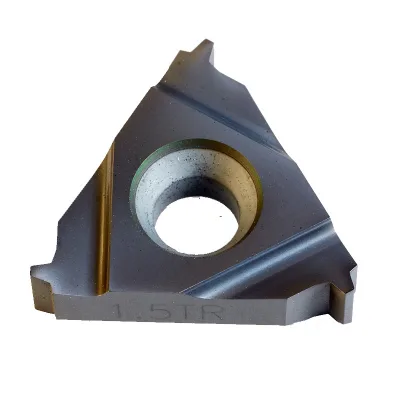
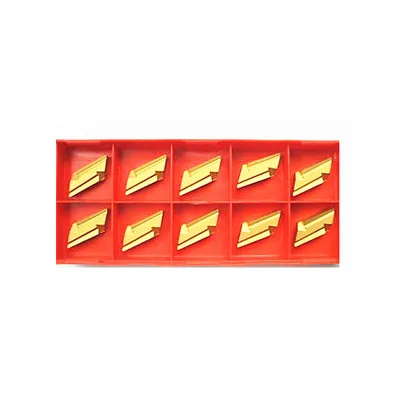
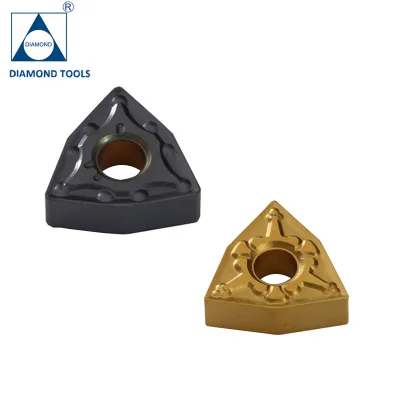
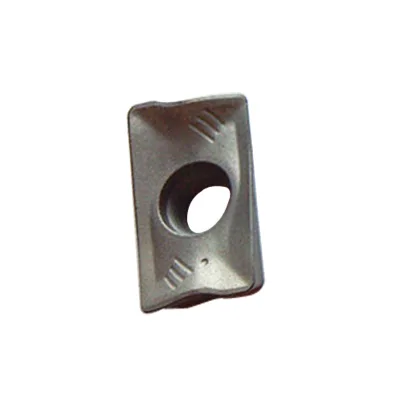
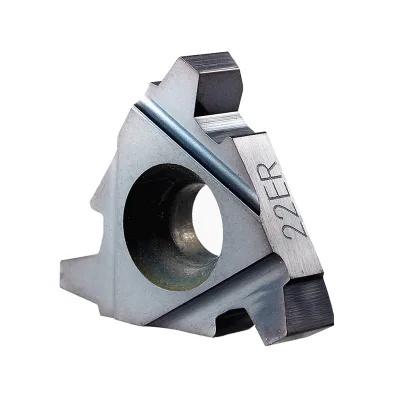
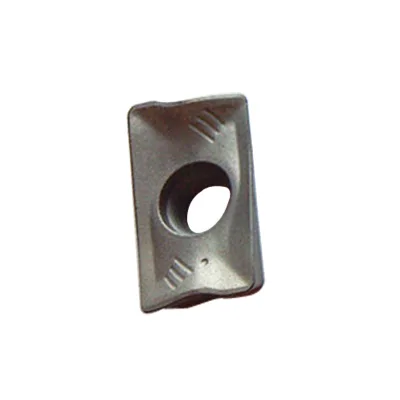
KNUX 160410 L11 Tungsten Carbide Inserts for Profile
$3.50 - $5.00

Zhuzhou New Cermets Material Co., Ltd.
- Manufacturer/Factory
- China Hunan
- Lead time15 days
- Avg. response≤ 5h
Main productsTungsten Carbide Inserts, Carbide Inserts, Cutting Tool, Milling Insert, Turning Insert, Drilling Insert, Round Bar, Cermet Insert, Grooving Insert, Thread Insert
Main marketsSouth America,Eastern Europe,Mid East,North America,Southeast Asia,Eastern Asia,Oceania,Western Europe,Africa

Tianjin Bayto Technology Co., Ltd.
- Verified by SGS
- Trading Company,Manufacturer/Factory
- China Tianjin
- Lead time0 days
- Avg. response≤ 3h
Main productsGrinding Wheel for Saw Blade Face Grinding, Woodworking Tools Grinding Wheel, CNC Grinding Wheel, CBN Grinding Wheel, Diamond Grinding Disc, Milling Cutter Grooving Grinding Disc, Super Thin Diamond Cutting Disc, Saw Blade Sharpening Grinding Wheel
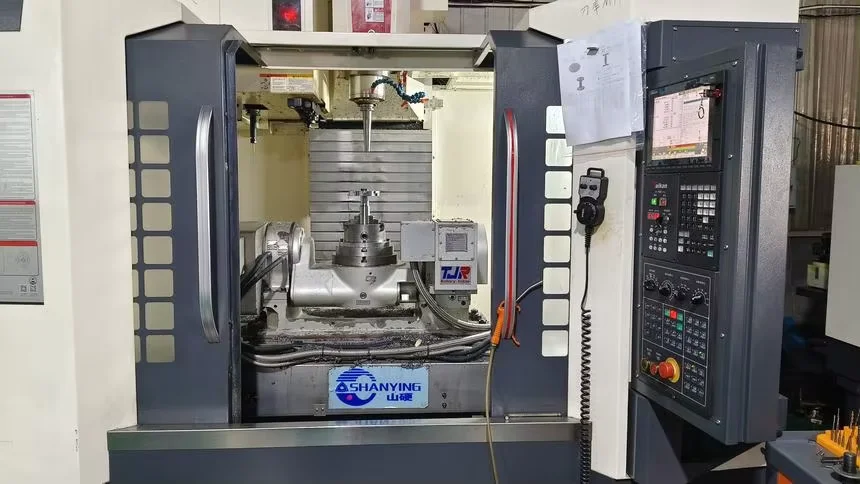
Shandong Denso Precision Tools Co., Ltd.
- Manufacturer, Trading Company
- Shandong, China
- Lead time10 days
- Avg. response≤ 4h
Main productsCNC Tools, CNC Milling Tool Holder, CNC Face Milling Cutter, CNC Turning Tool Holder, CNC Equipment
Main marketsDomestic Market(70.00%), Southeast Asia(8.00%), Eastern Europe(6.00%), Oceania(5.00%), North America(4.00%), South America(2.00%), Mid East(2.00%), South Asia(1.00%), Western Europe(1.00%), Northern Europe(1.00%)
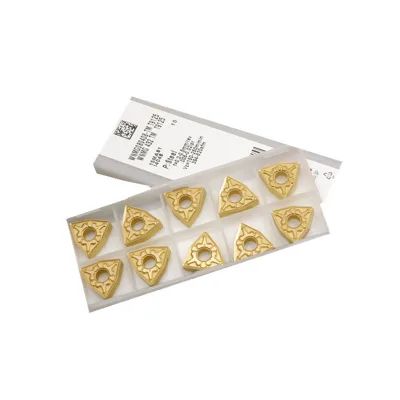
DS carbide turning insert CVD coated WNMG0804 carbide turning tool holder insert for steel
$1.14 - $1.38
MOQ: 10 pieces
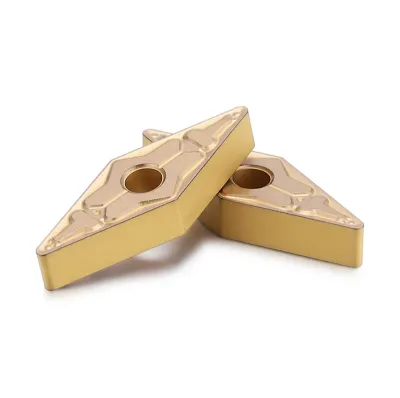
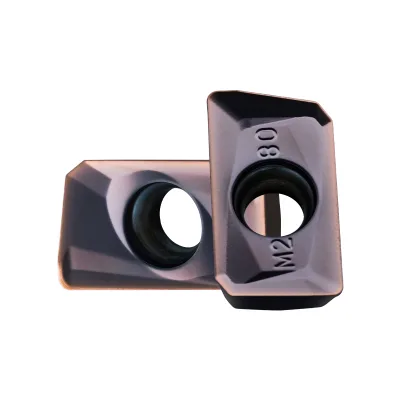
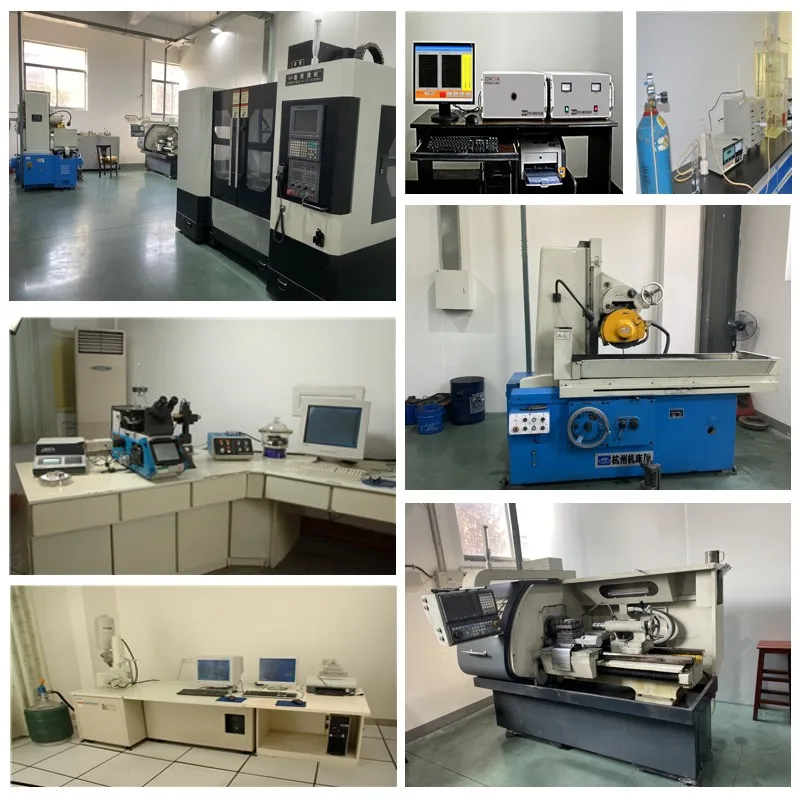
Zhuzhou Lihua Cemented Carbide Co., Ltd.
- Manufacturer, Trading Company
- Hunan, China
- Lead time0 days
- Avg. response≤ 6h
Main productsTungsten Carbid Anti Vibration Tool Holder, Carbide end mills , Tungsten Carbide modular end mill heads , Tungsten Carbide Spraying nozzles, Tungsten Carbide Wear Parts
Main marketsNorth America(10.00%), Western Europe(10.00%), South America(5.00%), Central America(5.00%), Eastern Europe(5.00%), Southern Europe(2.00%), Northern Europe(2.00%), Southeast Asia(2.00%), South Asia(1.00%), Eastern Asia(1.00%), Oceania(1.00%), Africa(1.00%), Mid East(1.00%)

Xuzhou Yutai Precision Tools Co., Ltd.
- Verified by SGS
- Trading Company,Manufacturer/Factory
- China Jiangsu
- Lead time23 days
- Avg. response≤ 2h
Main productsCarbide Insert, Tungsten Carbide Insert, Grooving Inserts, Turning Tool, Carbide Inserts, Indexable Inserts, Turning Inserts, Milling Inserts, Drilling Inserts, Threading Inserts
Main marketsEastern Europe,Mid East,North America,Southeast Asia,Western Europe
Zhuzhou Hongtong Tungsten Carbide Co., Ltd.
- Verified by SGS Group
- Manufacturer, Trading Company
- Lead time10 days
- Avg. response≤ 4h
Main productsCarbide Wear Parts, Tungsten Carbide Plates, Tungsten Carbide Tips, Customized Carbide Parts, Tungsten Carbide Mould
Main marketsDomestic Market(30%), North America(15%), Western Europe(10%)

Zhuzhou Eastern Carbide Co., Ltd.
- Verified by TUVRHEINLAND
- Manufacturer/Factory
- China Hunan
- Lead time23 days
- Avg. response≤ 5h
Main productsCarbide Rod, Carbide Tips, Carbide Insert, Carbide Mining Tips, Carbide Plate, Carbide Strip, Carbide Saw Tips, Carbide Brazed Tips, Carbide Buttons, Carbide Saw
Main marketsEastern Europe,Mid East,North America,Western Europe,Africa
Zhuzhou Grewin Tungsten Carbide Tools Co., Ltd.
- Trading Company
- Hunan, China
- Lead time15 days
- Avg. response≤ 3h
Main productsCarbide Round Rod, Hard Bit, Hardware Products, Auto Parts, Carbide Insert
Main marketsNorthern Europe(60.00%), Eastern Europe(30.00%), Domestic Market(5.00%), Western Europe(4.00%), Southern Europe(1.00%)

Shenzhen Victor Precision Technology Co., Ltd.
- Combined
- China Guangdong
- Lead time15 days
- Avg. response≤ 3h
Main productsEnd Mills, Taps, Drills
Main marketsSoutheast Asia/ Mideast,Europe
Wenling Shanwei E-Commerce Co., Ltd.
- Verified by SGS Group
- Manufacturer, Trading Company
- Lead time0 days
- Avg. response≤ 2h
Main productsTools and Hardware, Measuring Tools
Main marketsSouth America(50%), Eastern Europe(30%), Southeast Asia(20%)
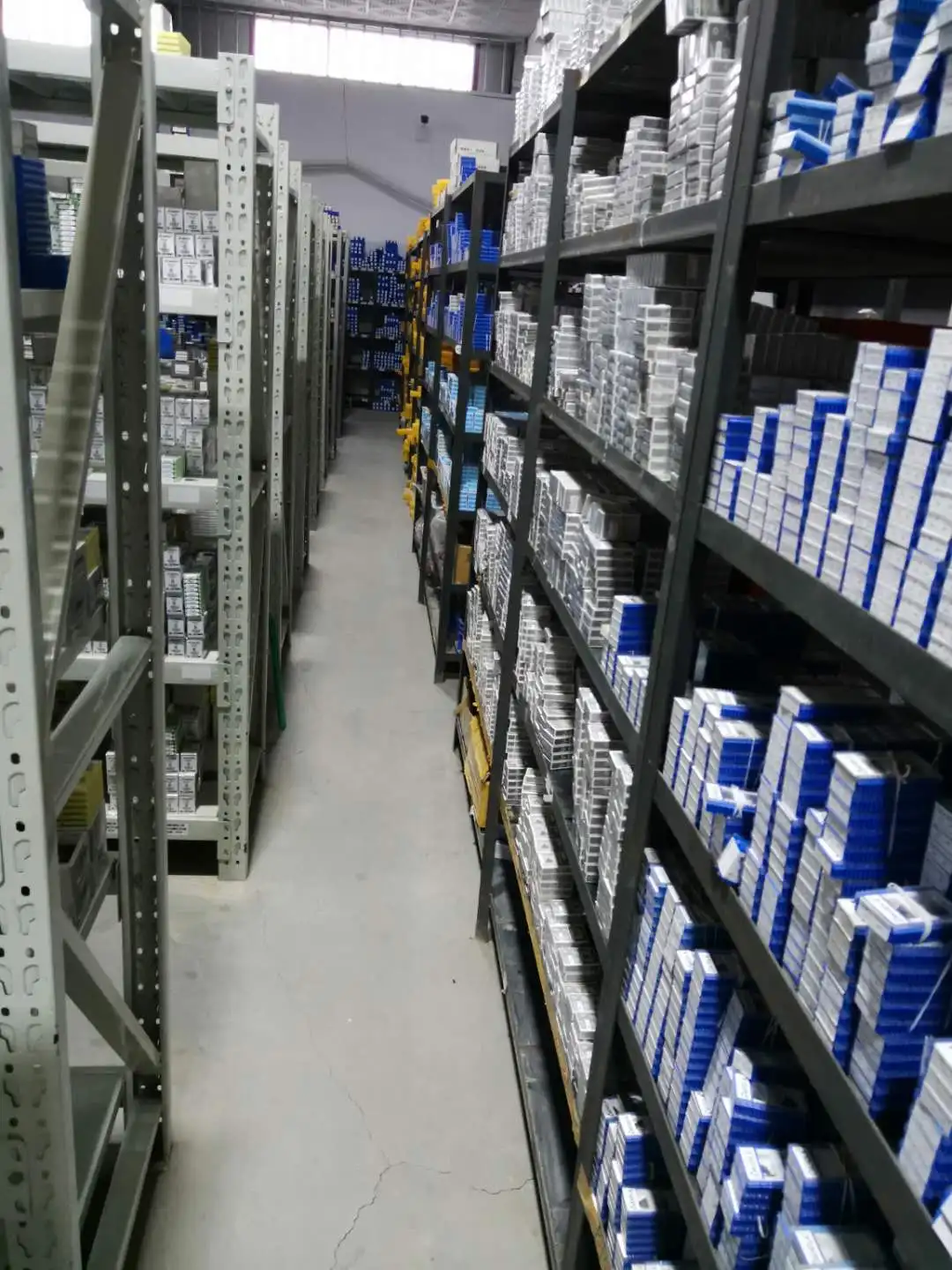
Jinan Xinxin Trading Co., Ltd.
- Trading Company
- Shandong, China
- Lead time0 days
- Avg. response≤ 5h
Main productscnc cutting tool,Carbide Inserts,machine tool parts,Carbide milling cutter,U Drill
Main marketsNorth America(20.00%), Eastern Europe(19.00%), Southeast Asia(13.00%), Africa(10.00%), Mid East(8.00%), Western Europe(8.00%), Northern Europe(5.00%), Southern Europe(3.00%), Oceania(3.00%), Central America(3.00%), South America(3.00%), South Asia(3.00%), Eastern Asia(2.00%)
Dongguan Koves Precision Tools Co., Ltd.
- Verified by Intertek
- Manufacturer, Trading Company
- Lead time10 days
- Avg. response≤ 4h
Main productsPCBN/PCD Inserts, Ceramic Inserts, Milling, Drilling, Carbide Inserts
Main marketsEastern Europe(19%), Western Europe(19%), Domestic Market(18%)
Chongqing Baiguan Electromechanical Co., Ltd.
- Verified by SGS Group
- Trading Company
- Lead time0 days
- Avg. response≤ 2h
Main productsCarbide Insert , Carbide End Mill, Carbide Drill
Main marketsDomestic Market(30%), Northern Europe(12%), North America(10%)

Dongguan Cheng Zhen Electronic Technology Co., Ltd.
- Manufacturer, Trading Company
- Guangdong, China
- Lead time1 days
- Avg. response≤ 1h
Main productsmilling tool,turning tools,deep hole processing tools,tool holders,hard blades
Main marketsEastern Europe(30.00%), North America(25.00%), South America(25.00%), Southeast Asia(20.00%)

Jinsheng Trade (dalian) Co., Ltd.
- Trading Company
- Liaoning, China
- Lead time15 days
- Avg. response≤ 4h
Main productsTotime,Kyocera,Taegutec
Main marketsDomestic Market(60.00%), Southeast Asia(10.00%), South Asia(5.00%), Northern Europe(5.00%), Mid East(3.00%), Southern Europe(3.00%), South America(3.00%), Western Europe(3.00%), North America(2.00%)

Zhuzhou Zhirong Advanced Materials Co., Ltd.
- Manufacturer/Factory
- China Hunan
- Lead time0 days
- Avg. response≤ 12h
Main productsCemented Carbide Rods, Carbide Insert and Tools, Cermet Insert, CNC Insert and Tools, Grooving Insert and Tools, Cemented Carbide Section Bars, Cemented Carbide Strip, Cemented Carbide Wire, Hardmetal Rods with Helical Holes/Ducts, Threading Inserts and Tools
Main marketsSouth America,Eastern Europe,Mid East,North America,Southeast Asia,Oceania,Western Europe,Africa
Jinan Terry CNC Tool CO., LTD.
- Trading Company
- Shandong, China
- Lead time0 days
- Avg. response≤ 6h
Main productsDrill Bits, Carbide Insert, End Mills, Tool Holders, Measuring Tools
Main marketsEastern Europe(50.00%), South America(10.00%), Mid East(8.00%), North America(5.00%), Western Europe(5.00%), Northern Europe(5.00%), Southeast Asia(5.00%), South Asia(4.00%), Southern Europe(4.00%), Oceania(2.00%), Eastern Asia(2.00%)


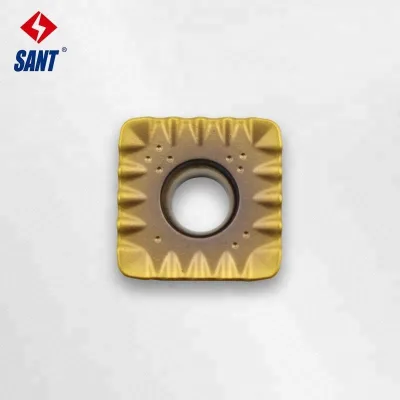
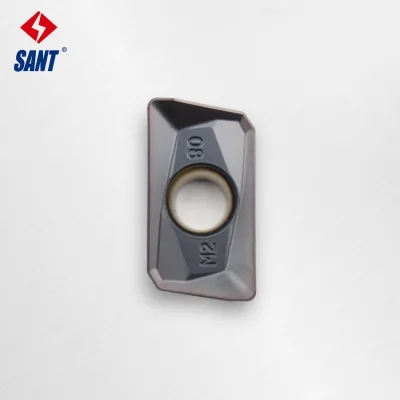














Comprehensive Sourcing Guide
Indexable Carbide Inserts for Steel Supplier Concentration and Factory Types
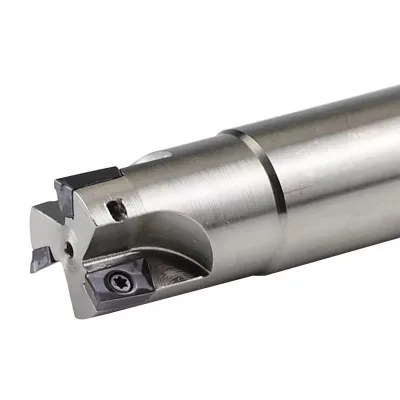
The current supplier landscape for Indexable Carbide Inserts for Steel reveals a distinct concentration of manufacturing activity within China, specifically in the Hunan region. This geographic clustering is significant because it aligns with established industrial hubs known for tungsten and carbide production, such as Zhuzhou City. When evaluating potential partners, buyers should recognize that many suppliers listed as "Combined" or "Manufacturer/Factory" types operate within this specific ecosystem. The presence of these entities suggests a mature supply chain where raw material sourcing, tool grinding, and coating processes are often integrated or closely linked. This proximity allows for efficient logistics and potentially faster turnaround times for custom orders, as the entire value chain is localized. However, the diversity in company types means that buyers must distinguish between pure manufacturing facilities and trading companies that may aggregate products from multiple smaller workshops. Understanding this distinction is crucial for assessing quality control capabilities and direct communication efficiency.
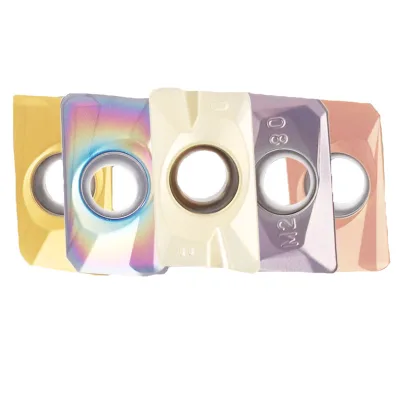
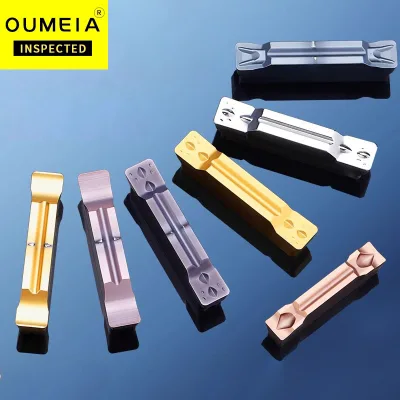
Within this concentrated region, the types of companies vary from those offering OEM and ODM services to those focusing on their own brands. Some suppliers explicitly state capabilities in both Own Brand and OEM production, indicating flexibility in serving different market segments. The main products listed often include a broad range of carbide tools, such as turning inserts, milling inserts, and specialized mining tips, suggesting that many factories possess versatile machining centers capable of producing high-precision indexable inserts for steel applications. The fact that some suppliers list "Customized" options alongside standard ISO standards highlights the adaptability of these regional manufacturers. Buyers interested in specific steel grades or complex geometries should look for suppliers who explicitly mention ODM capabilities, as this indicates a higher level of engineering support and tool design expertise. The concentration in Hunan provides a competitive advantage in terms of raw material availability, which is a critical factor in maintaining consistent quality and cost stability for tungsten carbide products.
How to Verify Indexable Carbide Inserts for Steel Suppliers
Verification of suppliers requires a multi-layered approach that goes beyond basic profile reviews, focusing on tangible evidence of manufacturing capability and quality assurance. One critical step is to examine the system certifications displayed by the supplier, such as ISO 9001, ISO 14001, or OHSAS 18001. These certifications provide a baseline assurance that the factory adheres to standardized management practices for quality, environmental impact, and occupational health and safety. However, buyers should not rely solely on these documents; they must also look for third-party verification badges, such as CTI, which indicate that an independent inspection agency has validated the supplier's claims. This external validation adds a layer of credibility that internal self-declarations cannot provide. Additionally, checking the response time of the supplier can offer indirect insights into their operational efficiency. A supplier with a consistently low response time, such as under four hours, often reflects a well-stocked sales team and streamlined internal communication processes, which are essential for resolving technical queries regarding insert grades and coatings quickly.
Another vital aspect of verification is assessing the supplier's ability to provide detailed product attributes and customization options. Buyers should request specific data sheets that include tolerance classes, corner radii, and coating types like PVD or CVD, which are critical for steel machining applications. The presence of detailed attributes, such as clearance angles and hole configurations, indicates a sophisticated product catalog and engineering support. Furthermore, verifying the origin of the products, often listed as Zhuzhou, China, helps confirm the supplier's connection to the primary carbide manufacturing hub. Buyers should also inquire about the supply ability, such as monthly production volumes, to ensure the supplier can handle large-scale orders without compromising quality. It is advisable to ask for recent test reports or case studies related to machining steel, as this demonstrates practical experience with the specific application. By combining certification checks, third-party verifications, and detailed product data analysis, buyers can build a robust profile of a supplier's reliability and technical competence.
What to Compare Across Indexable Carbide Inserts for Steel Suppliers
When comparing suppliers, buyers must evaluate a range of commercial and operational metrics to determine the best fit for their specific needs. One of the most immediate differentiators is the price range, which can vary significantly based on the type of insert and the coating technology used. For instance, basic turning inserts may start at lower price points, while high-performance milling inserts with specialized coatings can command higher prices. Buyers should compare the minimum order quantities (MOQ) as well, as some suppliers may require bulk purchases of 500 pieces or more, while others might accommodate smaller trial orders of just 10 or 50 pieces. This flexibility can be crucial for initial testing phases or for companies with limited storage space. Additionally, the lead time for production is a critical factor, with some suppliers offering turnaround times of 15 days and others requiring up to 23 days. Understanding these timelines helps in planning inventory levels and meeting production schedules without disruption.
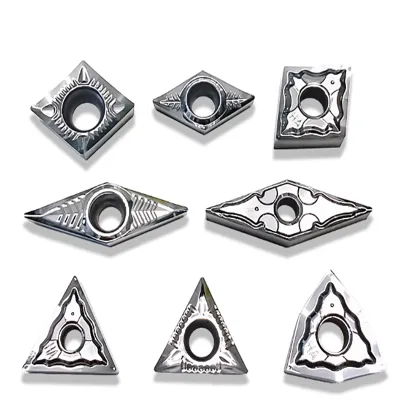
Beyond pricing and logistics, buyers should compare the customization capabilities and packaging standards offered by different suppliers. Some suppliers provide extensive customization options, including logo printing, specific tolerance classes, and custom packaging solutions like plastic interior boxes with standard export exteriors. The ability to customize inserts to specific drawings or requirements can be a significant advantage for specialized steel machining applications. Furthermore, the quality grades and performance claims listed by suppliers, such as "Excellent" or "High" performance, should be cross-referenced with their certification records and customer feedback. Buyers should also look at the variety of insert types available, such as CNMG, DNMG, or TNMG, to ensure the supplier can meet diverse machining needs. Comparing these factors holistically allows buyers to identify suppliers that offer the best balance of cost, quality, and service flexibility, ensuring a sustainable and efficient sourcing relationship for indexable carbide inserts.
Common Indexable Carbide Inserts for Steel Sourcing Risks
Sourcing Indexable Carbide Inserts for Steel involves several potential risks that buyers must proactively manage to ensure supply chain stability and product quality. One significant risk is the variability in coating quality, which directly impacts tool life and machining efficiency. While suppliers may claim PVD or CVD coatings, the actual performance can vary based on the specific application conditions, such as cutting speed and feed rate. Buyers should be cautious of suppliers who do not provide detailed technical specifications or who offer vague descriptions of their coating technologies. Another risk is the inconsistency in tolerance classes, which can lead to poor fit in tool holders and reduced machining accuracy. If a supplier's tolerance class is not strictly adhered to, it can result in vibration, chatter, and premature tool failure, increasing overall machining costs. Therefore, verifying the precision of the inserts through sample testing is essential before committing to large orders.
Additionally, buyers face risks related to supply chain disruptions and communication barriers, especially when sourcing from international suppliers. Language differences and time zone variations can lead to misunderstandings regarding technical requirements or order specifications. This can result in incorrect shipments or delays in resolving quality issues. Furthermore, the risk of counterfeit or substandard products exists if buyers do not verify the supplier's authenticity and manufacturing capabilities. Some suppliers may claim to be manufacturers but are actually trading companies with limited control over quality control processes. To mitigate these risks, buyers should prioritize suppliers with verified credentials and clear communication channels. It is also advisable to establish clear quality assurance protocols and regular communication schedules to monitor production progress and address any issues promptly. By identifying and addressing these risks early, buyers can protect their operations from potential disruptions and ensure consistent performance of the carbide inserts.
Indexable Carbide Inserts for Steel Regional Sourcing and Logistics
Regional sourcing plays a pivotal role in determining the logistics efficiency and cost structure for Indexable Carbide Inserts for Steel. The concentration of suppliers in China, particularly in the Hunan region, offers significant advantages in terms of raw material availability and manufacturing expertise. This geographic clustering allows for streamlined logistics, as many suppliers are located near major transportation hubs and ports, facilitating efficient export processes. Buyers should consider the proximity of the supplier to shipping routes when evaluating logistics options, as this can impact transit times and freight costs. Additionally, the presence of specialized industrial clusters means that suppliers often have established relationships with logistics providers, which can lead to better shipping rates and more reliable delivery schedules. Understanding the regional dynamics helps buyers negotiate better terms and plan their inventory more effectively.
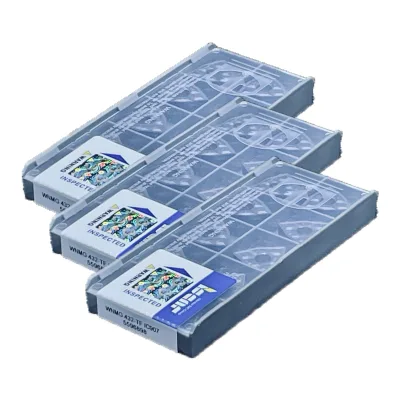
However, buyers must also account for the potential challenges associated with international shipping, such as customs clearance and import regulations. Different countries have varying requirements for the import of industrial tools, including specific documentation and labeling standards. Buyers should ensure that their suppliers are familiar with these requirements and can provide the necessary documentation, such as certificates of origin and material safety data sheets. Furthermore, the packaging standards used by suppliers can impact the safety of the inserts during transit. Proper packaging, such as plastic interior boxes with sturdy exterior cartons, is essential to prevent damage to the fragile carbide inserts. Buyers should verify the packaging methods used by their suppliers and consider additional protective measures if necessary. By carefully managing regional sourcing and logistics, buyers can minimize risks and ensure the timely and safe delivery of indexable carbide inserts for their steel machining operations.
Indexable Carbide Inserts for Steel Commercial Terms and Order Planning
Effective order planning for Indexable Carbide Inserts for Steel requires a thorough understanding of the commercial terms offered by suppliers. One key aspect is the payment terms, which can vary from upfront payments to more flexible arrangements based on the order size and supplier relationship. Buyers should negotiate terms that align with their cash flow needs while ensuring that the supplier is compensated fairly for their production costs. Additionally, the minimum order quantities (MOQ) set by suppliers can impact order planning, as larger MOQs may require more significant capital investment and storage capacity. Buyers should assess whether the supplier's MOQs are flexible enough to accommodate their production cycles and inventory management strategies. Understanding these commercial terms helps buyers structure their orders efficiently and avoid unnecessary financial burdens.
Another critical factor in order planning is the lead time for production and delivery. Suppliers may have different lead times depending on the complexity of the order and the availability of raw materials. Buyers should communicate their delivery requirements clearly and work with suppliers to establish realistic timelines. It is also important to consider the impact of seasonal demand fluctuations on lead times, as peak periods may result in longer production schedules. Buyers should plan their orders well in advance to account for these potential delays and ensure a steady supply of inserts for their machining operations. Furthermore, buyers should inquire about the supplier's policies for handling rush orders or changes in specifications, as flexibility in these areas can be valuable in dynamic production environments. By carefully managing commercial terms and order planning, buyers can optimize their sourcing strategy and maintain a reliable supply of high-quality Indexable Carbide Inserts for Steel machining.
FAQs
What are Indexable Carbide Inserts for Steel used for?
They are replaceable cutting tips clamped into turning and milling toolholders for machining steel workpieces. Common tasks include roughing, semi-finishing and finishing on carbon steel, alloy steel, cast iron and stainless steel. Because only the insert is replaced when edges wear, they reduce downtime compared with brazed or solid tools, and each insert typically offers multiple cutting edges.
What insert shapes are commonly available for steel turning?
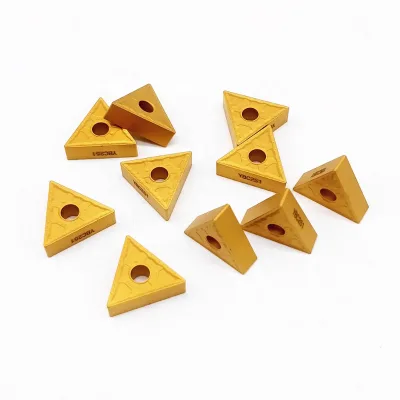
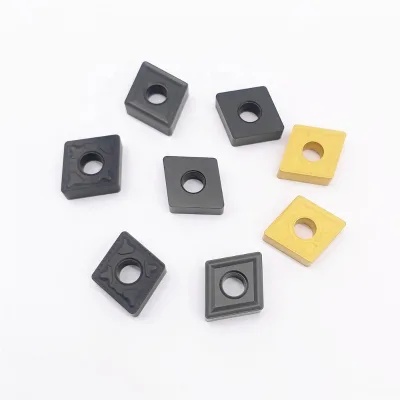
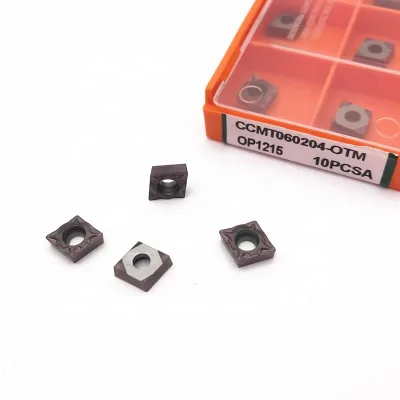
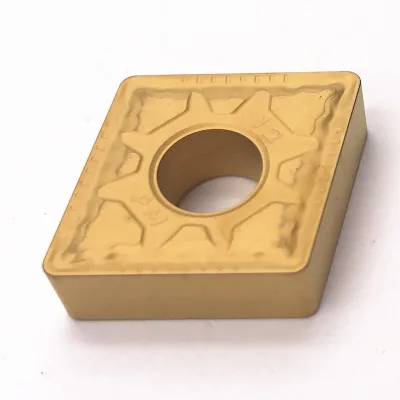
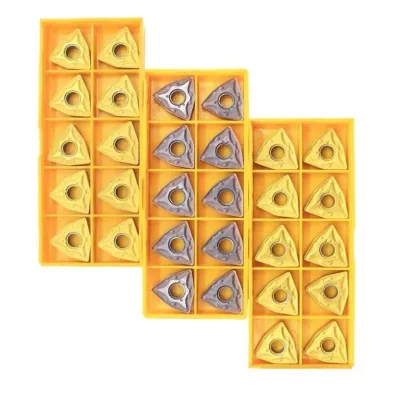
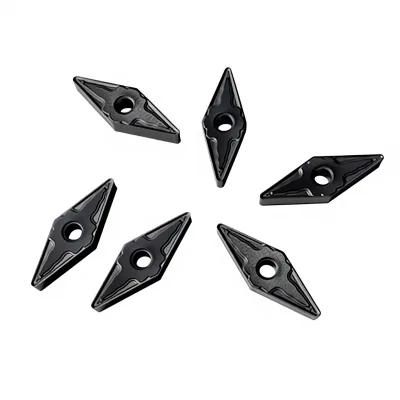
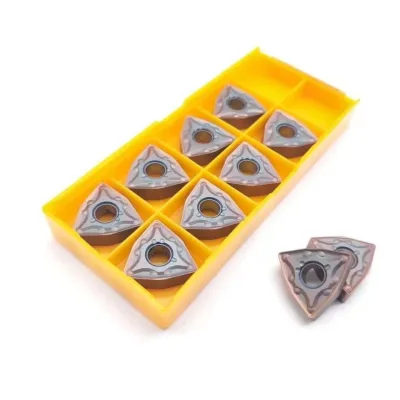
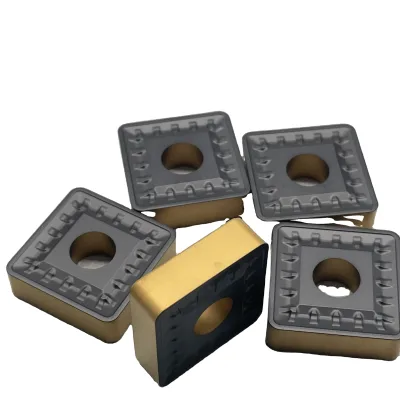
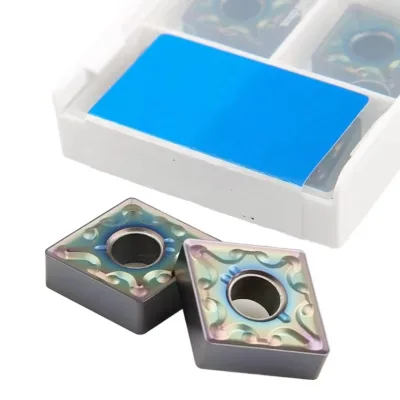
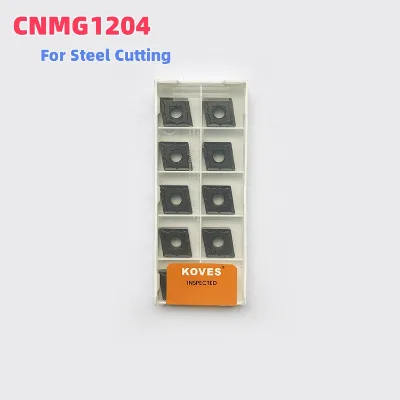
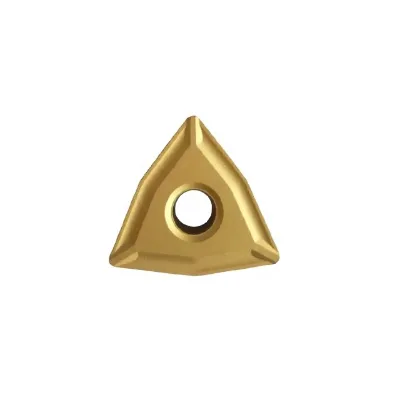
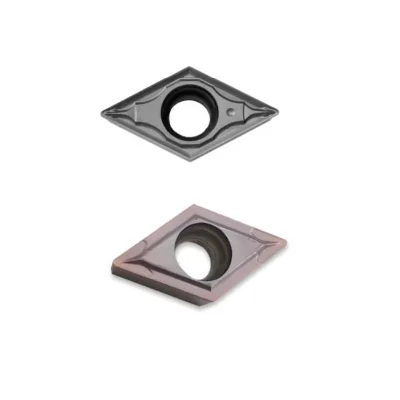
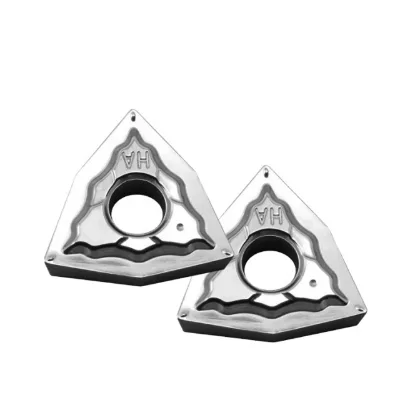
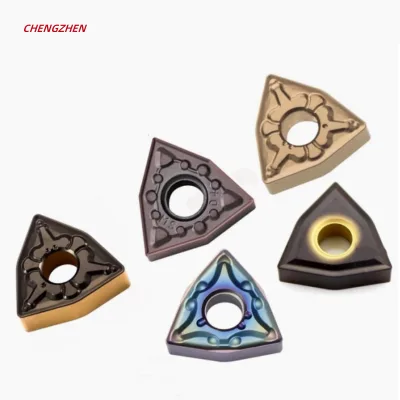
Typical steel-turning insert types include CNMG, DNMG, TNMG and WNMG geometries, with some suppliers also offering CCGT styles for finishing. Each shape suits different operations: 80-degree diamonds for general turning, triangles for versatility and trigons for heavy cuts. Suppliers commonly cover finish, semi-finish and roughing applications, and corner radii often range from about 0.2 to 3.2 mm.
What price range should I expect for carbide inserts?
Listed prices in current results range from about 2.90 to 4.50 USD per piece for hardened-steel inserts, 6.50 to 12.80 USD for milling inserts, and 48 to 85 USD for premium indexable sets. Actual prices depend on grade, coating and order quantity. Request quotations for your specific insert specification and compare several suppliers before ordering.
What is the typical minimum order quantity and lead time?
Observed MOQs vary widely, from 10 pieces for hardened-steel turning inserts, 5 pieces for CNC indexable inserts, up to 500 pieces for some high-performance milling inserts. Lead times observed in supplier profiles range from 15 to 23 days. Confirm both values directly with each supplier, since they change with product type, customization level and current production schedule.
Do suppliers offer customization for indexable inserts?
Yes, customization is commonly available in the observed listings. Some suppliers accept sizes and models made to your drawing, with packaging arranged to your requirement, and support OEM, ODM and own-brand arrangements. Logo printing may be offered with or without depending on the product. Provide your drawing, tolerance class and coating requirements to get an accurate custom quotation.
What certifications should I check before ordering?
Look for ISO 9001 quality management certification as a baseline, which appears on product listings in the current results. Some suppliers also hold ISO 14001 environmental and OHSAS 18001 occupational health certifications, and third-party verification such as CTI adds credibility. Always request copies of valid certificates and confirm they cover the production site that will manufacture your inserts.
Which coatings and materials are used for steel-machining inserts?
Observed inserts use tungsten carbide as the base material, with PVD or CVD coatings applied to improve wear resistance and tool life when cutting steel. Ceramic material also appears in some hardened-steel insert listings. Coating choice affects performance on different workpieces, so match the coating to whether you cut steel, cast iron, stainless steel or aluminium.
Where are these carbide insert suppliers located?
The suppliers and products in the current results are located in Hunan province, China, with production origins noted in Zhuzhou City, a well-known cemented carbide manufacturing hub. Shipping arrangements, package types and export packing are typically offered. Verify the exact factory address and export experience with each supplier before placing an order, especially for first-time purchases.