Implant Level Scanbody Suppliers and Manufacturers
Source 10 verified suppliers for Implant Level Scanbody components. Compare key dimensions including CE certification, Class I classification, and Guangdong origin. Review pricing and MOQ details to identify suitable partners. Contact suppliers directly to request samples and verify compatibility with your specific digital scanning workflow.
Updated
Suppliers List

Shenzhen Hetailai Technology Co., Ltd.
- Manufacturer, Trading Company, Other
- Guangdong, China
- Lead time0 days
- Avg. response≤ 6h
Main productsdental implant abutment,dental scan abutment,dental implant prosthetics ti-baese abutment,dental all-on-x solution,dental lab analog
Main marketsDomestic Market(10.00%), South Asia(10.00%), Southern Europe(10.00%), Northern Europe(10.00%), Central America(10.00%), Western Europe(10.00%), Eastern Asia(10.00%), Mid East(10.00%), Oceania(10.00%), Africa(10.00%), Southeast Asia(10.00%), Eastern Europe(10.00%), South America(10.00%), North America(10.00%)

Shenzhen Haochuang Ming Technology Co., Ltd.
- Trading Company
- Guangdong, China
- Lead time30 days
- Avg. response≤ 3h
Main productsdentaI impIant,Vertical milling machine,Dental Zirconia,Dental surgical kit,Dental Milling Burs
Main marketsNorth America(20.00%), Western Europe(10.00%), Eastern Asia(10.00%), Mid East(10.00%), Oceania(10.00%), Africa(10.00%), Southeast Asia(10.00%), Eastern Europe(10.00%), South America(10.00%)
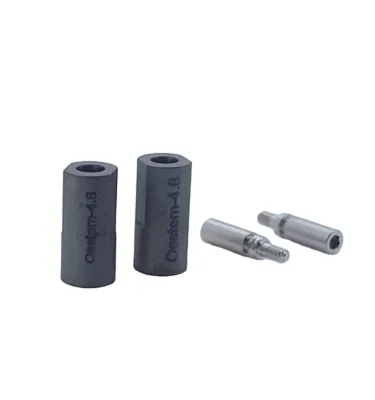
$3.0982 - $6.1949
MOQ: 1 pieces
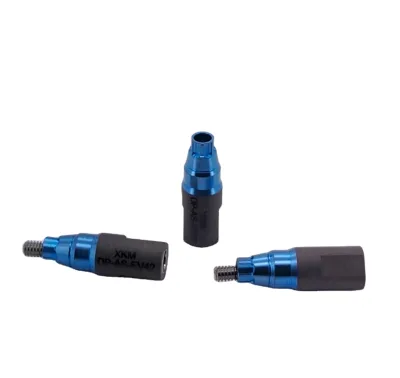
$3.6143 - $6.1949
MOQ: 1 pieces
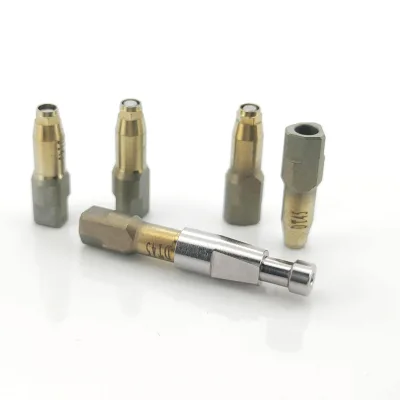
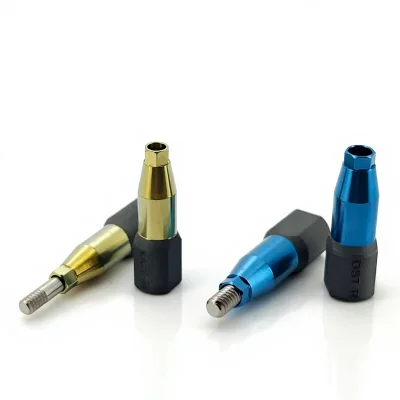
$3.0982 - $5.6788
MOQ: 1 pieces

Shenzhen Hengya Technology Co., Ltd.
- Manufacturer, Trading Company
- Guangdong, China
- Lead time0 days
- Avg. response≤ 6h
Main productspremill abutment,dental mua/digital/unit analog,Dental equipment,tibase,dental milling machine
Main marketsNorthern Europe(10.00%), Western Europe(10.00%), Mid East(10.00%), Southeast Asia(10.00%), South America(10.00%), North America(10.00%)
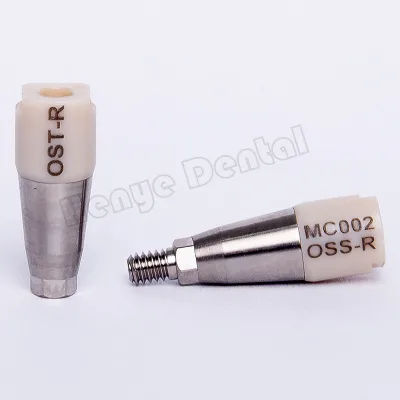
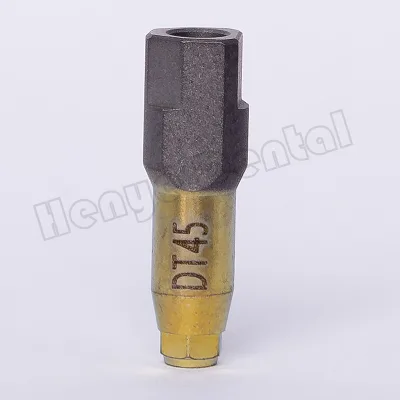
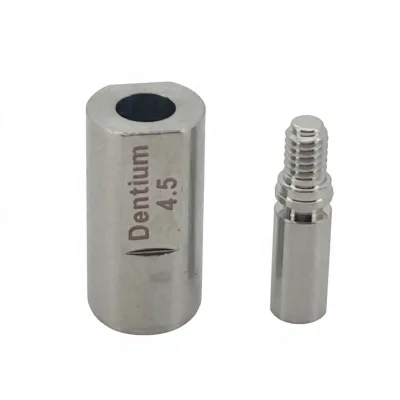
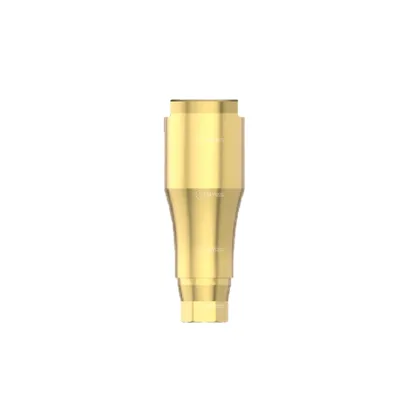
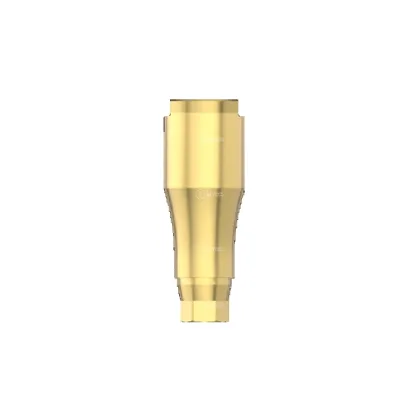
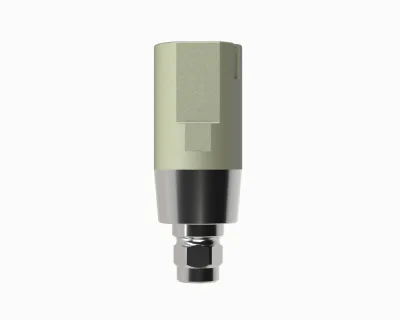
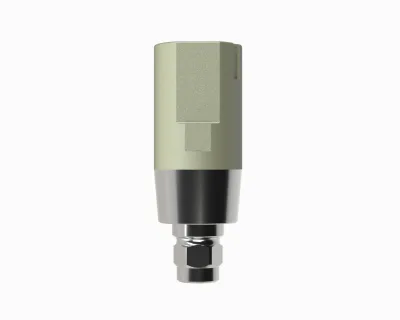
Dental Implant Dentium Digital Titanium 3D Scanbody CAD/CAM Model 3shape Exocad Scanner Scanbody
$6.1695 - $8.2265
MOQ: 10 pieces
Shenzhen Lingxian Medical Technology Co., Ltd.
- Verified by SGS Group
- Trading Company
- Lead time0 days
- Avg. response≤ 2h
Main productsZirconia Block, Lithium Disilicate, Intraoral scanner, Milling Machine, Dental Furnace
Main marketsMid East(30%), North America(16%), South America(13%)
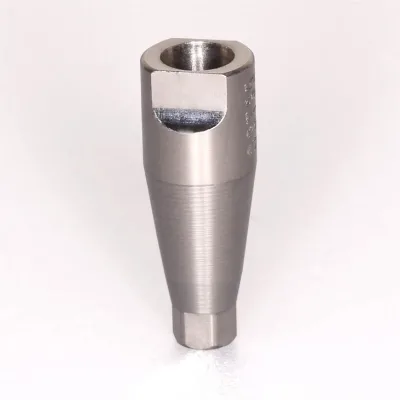
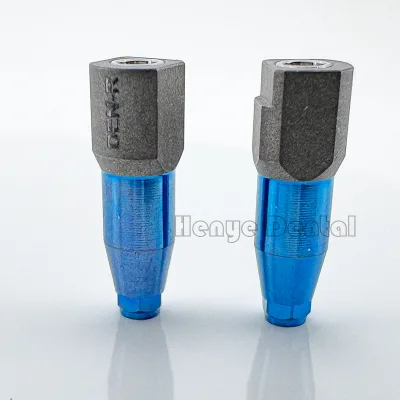
Multi Function Implant Abutment CAD/CAM Implant Scan Body Intra-oral Implant Scanbody
$1.0218 - $11.226
MOQ: 1 Minimum
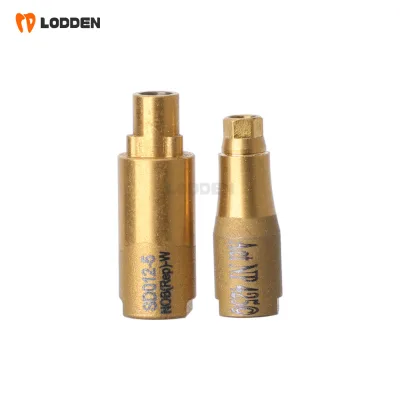
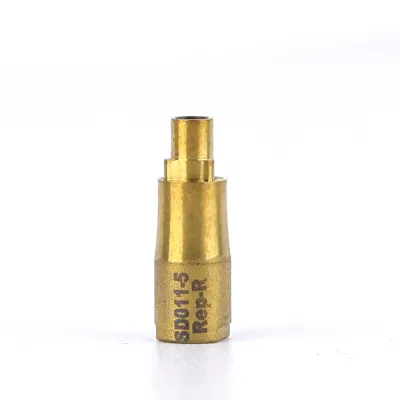
$11.2724 - $14.3466
MOQ: 20 Minimum
Shenzhen Lodden Medical Technology Co., Ltd.
- Verified by TüVRheinland
- Trading Company
- Lead time15 days
- Avg. response≤ 3h
Main productsZirconia Block, Lithium Disilicate, Intraoral Scanner, Dental Milling Machine, Dental Furnace
Main marketsMid East(25%), North America(15%), South America(15%)
Xiamen Jinding Times Medical Technology Co., Ltd.
- Manufacturer, Trading Company
- Fujian, China
- Lead time0 days
- Avg. response≤ 2h
Main productsDental Implant
Main marketsSoutheast Asia(60.00%), Central America(10.00%), Eastern Asia(10.00%), North America(10.00%), South America(10.00%)
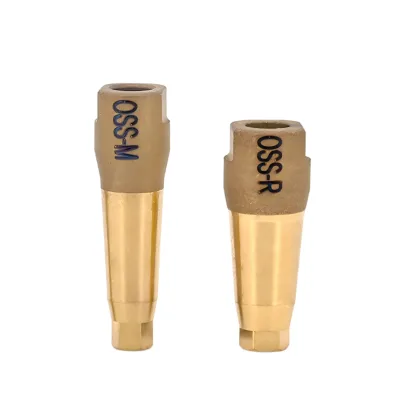
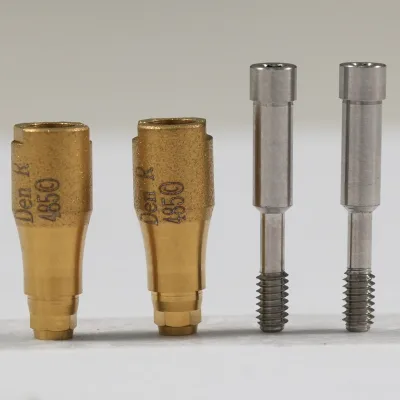
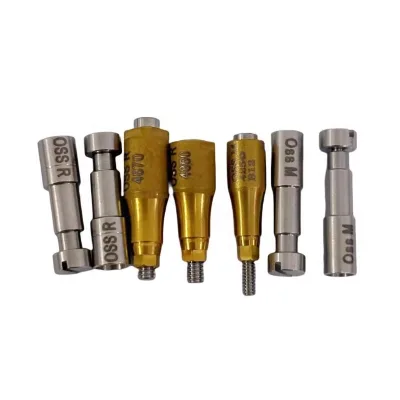
Dentium Dentaire Dental Implant Scanbody Scan Body for Osstem Power Source Machinery
$2.20 - $3.00
MOQ: 5 bags
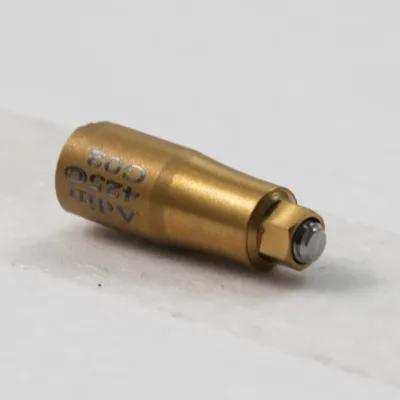
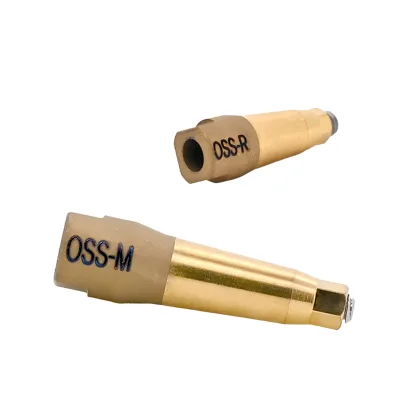
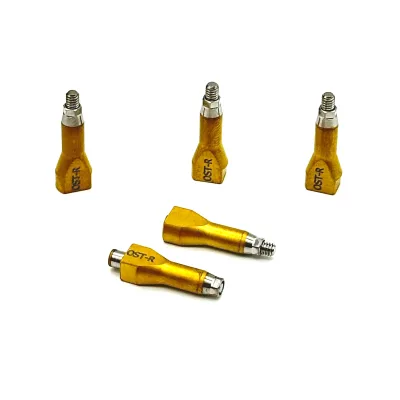
Shenzhen Hongjia Yunchuang Technology Co., LTD
- Trading Company, Agent, Other
- Guangdong, China
- Lead time7 days
- Avg. response≤ 2h
Main productspremill abutment,dental mua/digital/unit analog,dental implant accessories,dental surgical instruments,dental consumables
Main marketsEastern Europe(40.00%), North America(20.00%), Southeast Asia(20.00%), Mid East(10.00%), South America(10.00%)
$5.1208 - $7.1733
MOQ: 2 boxes
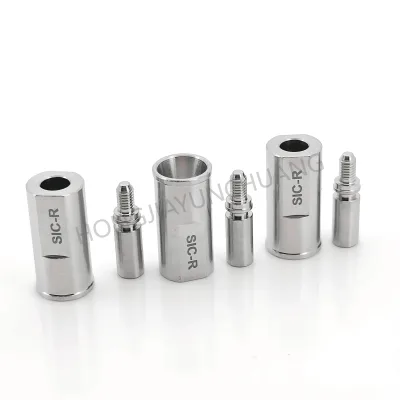
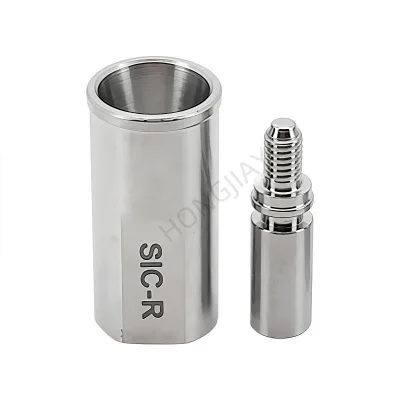
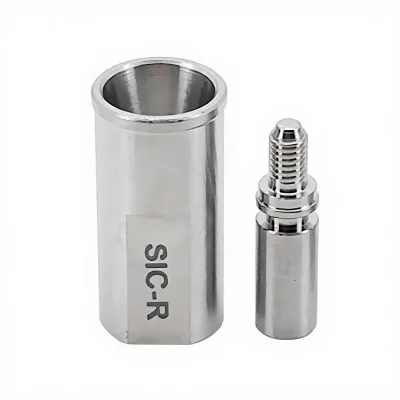
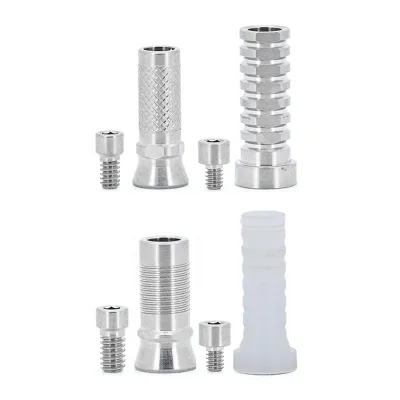
Implant Dental Scan Body for Osstem Sic DIO B&B Dentium DENTAL Compatible Dental Multi Scan Body
$4.99 - $6.99
MOQ: 2 pieces
$5.0116 - $7.1628
MOQ: 5 pieces

Haian Limo Electronic Technology Co., Ltd.
- Verified by CTI
- Combined
- China Jiangsu
- Lead time30 days
- Avg. response≤ 2h
Main productsTablet Holder, TV Holder, Computer Holder, Medical Cart, Medical Trolley, Dental Cart, All-in-One Computer Workstation
Main marketsSouth America,Others(foreignTradeCapacity.exportBusinessCapacityMarketOther),Southeast Asia/ Mideast,Domestic,Europe,North America
Beijing Segma Medical Technology Co., Ltd.
- Trading Company
- Beijing, China
- Lead time0 days
- Avg. response≤ 13h
Main productsDental implant Instruments,Automatic M-Tack System,Dental Implant Consumables
Main marketsMid East(20.00%), Western Europe(20.00%), Oceania(20.00%), Southeast Asia(20.00%), Eastern Europe(20.00%), North America(20.00%), South America(10.00%), Eastern Asia(10.00%)
Shanghai Dear Dental Trading Co., Ltd.
- Trading Company
- Shanghai, China
- Lead time0 days
- Avg. response≤ 6h
Main productsImplant,Fixture,Abutment,prosthetic kit,implant surgical kit
Main marketsMid East(30.00%), South America(20.00%), Eastern Europe(20.00%), South Asia(10.00%), Western Europe(10.00%), Southeast Asia(10.00%)
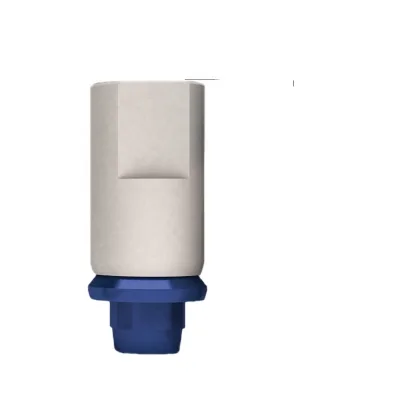
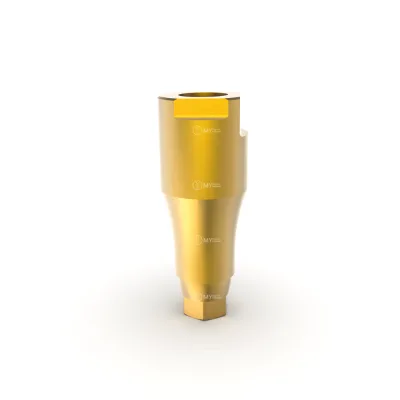
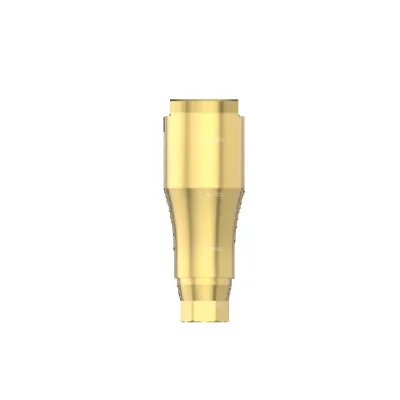


Comprehensive Sourcing Guide
Implant Level Scanbody Supplier Concentration and Factory Types
The current supplier landscape for Implant Level Scanbody products reveals a distinct concentration of manufacturing and trading entities within specific geographic regions, with Guangdong, China, emerging as a primary hub for production. This regional clustering suggests a mature supply chain ecosystem where raw material sourcing, precision machining, and digital scanning library integration are geographically proximate, potentially reducing logistical friction for bulk orders. Buyers evaluating suppliers should note that the company types listed include Manufacturers, Trading Companies, and Other entities, indicating a mixed market structure where direct factory access is not guaranteed for every listing. The presence of both manufacturer and trading company profiles implies that some suppliers may act as intermediaries, while others control the production line directly, which can significantly impact customization capabilities and price transparency. Understanding this distribution helps buyers anticipate the level of direct engagement they will have with the production facility, as trading companies often provide broader product ranges but may have less control over specific manufacturing nuances compared to dedicated factories.
Furthermore, the main products associated with these suppliers extend beyond simple scan bodies to include dental implant abutments, scan abutments, prosthetics, and even vertical milling machines, suggesting that many suppliers are vertically integrated or offer comprehensive digital dentistry solutions. This breadth of product offering can be advantageous for buyers seeking a single source for multiple components, such as combining scan bodies with corresponding abutments or milling burs for a complete workflow. However, it also requires careful verification to ensure that the supplier’s core competency lies in the specific Implant Level Scanbody technology required, rather than just general dental equipment trading. The diversity in company types and product portfolios means that buyers must look beyond the general category to assess whether a supplier’s specific factory capabilities align with the precision requirements of Implant Level Scanbody production, particularly regarding compatibility with major implant systems and digital scanning software libraries.
How to Verify Implant Level Scanbody Suppliers
Verifying the legitimacy and capability of an Implant Level Scanbody supplier requires a multi-layered approach that goes beyond surface-level product listings, focusing heavily on certification, response times, and after-sales support structures. Buyers should prioritize suppliers that display clear quality certifications, such as CE certificates, which are explicitly mentioned in product attributes for several scanbody models, indicating compliance with relevant medical device standards in key markets. Additionally, the instrument classification of Class I, as noted in product properties, provides a baseline understanding of the regulatory category, but buyers must confirm if the supplier holds additional certifications required for their specific destination market, as Class I classifications can vary in stringency depending on regional regulations. Response time is another critical verification metric, with some suppliers demonstrating rapid response capabilities of three to six hours, which is essential for resolving technical queries regarding library compatibility or custom specifications before committing to an order.
Beyond certifications and speed, buyers must verify the supplier’s ability to provide accurate digital libraries and technical support, as the functionality of an Implant Level Scanbody is heavily dependent on its integration with software like 3Shape and Exocad. Product attributes explicitly mention library availability for these platforms, but buyers should request proof of successful scanning workflows or case studies to ensure the scanbody’s geometry is accurately represented in the digital environment. After-sales service terms, such as return and replacement policies or online technical support, should be scrutinized to understand the recourse available if a product fails to meet specifications or if digital files are incorrect. By cross-referencing these verification points—certifications, response speed, library compatibility, and support policies—buyers can build a robust profile of a supplier’s reliability, ensuring that the Implant Level Scanbody will perform as expected in clinical and laboratory settings without unexpected technical failures.
What to Compare Across Implant Level Scanbody Suppliers
When comparing suppliers, buyers should systematically evaluate key commercial and operational dimensions such as minimum order quantities, lead times, pricing structures, and specific product attributes to identify the best fit for their operational needs. Minimum order quantities vary significantly, with some suppliers offering an MOQ of just one piece, which is ideal for small clinics or initial sampling, while others require ten pieces or more, which may be more suitable for larger practices or distributors seeking bulk efficiency. Lead times also differ, with some suppliers indicating a lead time of zero days, suggesting immediate availability or drop-shipping capabilities, while others list a lead time of thirty days, which may reflect a manufacturing cycle or a trading company’s sourcing process. Pricing ranges from approximately twelve to twenty-eight dollars per unit, depending on the model, material, and compatibility, so buyers should compare not just the unit price but the total cost of ownership, including shipping and potential customs duties, to make an accurate financial assessment.
In addition to commercial terms, buyers must compare specific product attributes such as material composition, gingival height, and compatibility with implant systems to ensure technical alignment with their existing workflows. For instance, some scanbodies are made of titanium with a PEEK top, while others are entirely titanium, and the gingival height may vary between five millimeters and eight millimeters, affecting the ease of intraoral scanning and impression accuracy. Compatibility is another crucial factor, with suppliers specifying support for various implant brands such as Nobel Biocare, Dentium, Straumann, and Implant Direct, so buyers must verify that the scanbody matches their specific implant inventory. By creating a comparison matrix that includes MOQ, lead time, price, material, height, and compatibility, buyers can objectively assess which suppliers offer the best balance of cost, speed, and technical suitability, ensuring that the selected Implant Level Scanbody integrates seamlessly into their digital dentistry practice.
Common Implant Level Scanbody Sourcing Risks
Sourcing implant level scanbodies carries inherent risks related to digital compatibility, material quality, and regulatory compliance, which can lead to clinical errors or operational delays if not properly managed. One significant risk is the mismatch between the physical scanbody and its digital library file, which can result in inaccurate implant positioning and restoration fabrication; buyers must verify that the supplier provides updated and tested library files for their specific software, as outdated or incorrect files can render the scanbody useless in a digital workflow. Another risk involves the material quality and durability of the scanbody, particularly for PEEK or titanium components, as inferior materials may wear out quickly or fail to provide the necessary stability during scanning, leading to repeated scans and wasted time. Buyers should request material specifications and test reports to ensure that the scanbody meets the required standards for intraoral use, as Class I classification alone does not guarantee long-term performance or biocompatibility.
Regulatory and after-sales risks also pose challenges, as buyers may face difficulties in obtaining replacements or technical support if the supplier’s after-sales service is inadequate or if the product lacks proper certification for their market. Some suppliers offer online technical support, while others provide return and replacement services, but the effectiveness of these services can vary, so buyers should clarify the process for handling defective products or digital file issues before placing an order. Additionally, there is a risk of receiving products that do not match the specified compatibility, such as a scanbody labeled for a specific implant system that does not fit correctly, which can disrupt clinical schedules and patient care. To mitigate these risks, buyers should conduct thorough due diligence, including verifying certifications, testing sample units, and establishing clear communication channels with the supplier, to ensure that the Implant Level Scanbody meets all technical and regulatory requirements for their specific use case.
Implant Level Scanbody Regional Sourcing and Logistics
Regional sourcing from Guangdong, China, offers logistical advantages due to the region’s established manufacturing infrastructure and proximity to major shipping hubs, but buyers must carefully manage logistics to ensure timely delivery and product integrity. The concentration of suppliers in this region facilitates efficient production and consolidation of orders, but it also means that buyers should be aware of potential shipping delays during peak seasons or due to global supply chain disruptions. Logistics providers such as DHL, UPS, FedEx, and EMS are commonly used for shipping, with delivery times ranging from one to seven days for express services, but buyers should confirm the specific shipping method and estimated transit time with the supplier, as these can vary based on the order size and destination. Additionally, buyers should consider the packaging specifications, such as single package sizes and weights, to calculate shipping costs accurately and ensure that the products are protected during transit, as scanbodies are precision instruments that can be damaged by rough handling.
Furthermore, buyers should be mindful of import regulations and customs procedures in their destination country, as medical devices like implant level scanbodies may require specific documentation or certifications for clearance. The place of origin being listed as China or Guangdong, China, means that buyers must ensure that the supplier provides all necessary export documents, including certificates of origin and quality certifications, to facilitate smooth customs clearance. Buyers should also consider the total landed cost, including shipping, insurance, and duties, when evaluating suppliers from this region, as these costs can significantly impact the overall profitability of the purchase. By planning logistics carefully and working with suppliers who have experience in international shipping and compliance, buyers can minimize delays and ensure that the Implant Level Scanbody arrives in perfect condition and ready for use in their practice.
Implant Level Scanbody Commercial Terms and Order Planning
Effective order planning for implant level scanbodies requires a clear understanding of commercial terms such as payment methods, warranty periods, and shelf life, which can vary significantly between suppliers. Payment terms typically include TT payment and credit card options, offering flexibility for buyers, but buyers should confirm the payment schedule and any associated fees to avoid unexpected costs. Warranty periods also differ, with some suppliers offering more than five years of warranty, while others provide only one year, so buyers should assess the long-term value and risk associated with each option, considering the critical nature of the product in clinical workflows. Shelf life is another important factor, with some products having a shelf life of one year, which means buyers must plan their orders to ensure that the products are used before expiration, avoiding waste and potential quality issues.
Additionally, buyers should consider the OEM capabilities and customization options offered by suppliers, as some accept OEM orders, allowing for branded or custom-specified scanbodies, which can be beneficial for larger practices or distributors. However, OEM orders may have higher MOQs and longer lead times, so buyers should balance the benefits of customization with the operational constraints of their business. By carefully reviewing and negotiating commercial terms, including payment, warranty, shelf life, and OEM options, buyers can create a robust order plan that aligns with their clinical needs and financial goals. This proactive approach to order planning helps mitigate risks, ensures consistent supply, and supports the efficient integration of implant level scanbodies into the buyer’s digital dentistry practice, ultimately enhancing patient care and operational efficiency.
FAQs
What is the typical response time for suppliers of Implant Level Scanbody?
Suppliers in the current results show response times of 3 to 6 hours. This indicates a relatively quick turnaround for initial inquiries regarding product specifications and availability. Buyers should expect prompt communication when contacting these verified manufacturers or trading companies directly.
What are the minimum order quantities for dental scan bodies?
Minimum order quantities vary by product, with some items available for single pieces while others require ten pieces. Specific listings show MOQs of one piece for certain scan bodies and ten pieces for others. Buyers must check individual product pages to confirm the exact threshold for their order.
Which certifications do these Implant Level Scanbody products hold?
Many listed products carry CE certification, confirming compliance with relevant safety standards for medical devices. The instrument classification is generally listed as Class I. Buyers should verify specific certificate details on the product page to ensure they meet local regulatory requirements for their specific market.
What is the lead time for manufacturing and shipping these items?
Lead times vary significantly, with some suppliers indicating zero days while others list thirty days. Shipping methods include DHL, UPS, and FedEx, with delivery times ranging from one to seven days. Buyers need to confirm the specific production schedule with the supplier before placing an order.
Where are the manufacturers of these dental scan bodies located?
The majority of suppliers listed are located in Guangdong, China. Some product attributes also list the place of origin simply as China. This regional concentration suggests a strong supply chain hub for dental implant accessories and related medical devices in this specific area.
What materials are used to construct these implant level scan bodies?
Common materials include titanium bases with PEEK tops or pure titanium construction. Some products feature specific diameters like 8mm supragingiva height. The choice of material often depends on the specific implant system compatibility required, such as Nobel Biocare or Dentium Superline.
What is the price range for purchasing these dental scan bodies?
Prices for these items range from approximately 12.20 to 28.75 US dollars per unit. The final cost depends on the specific model, material, and order quantity. Buyers should review the detailed pricing tiers on the product listing to understand the total cost for their specific requirements.