Indoor Electric Heating Drum Suppliers and Manufacturers
Source 21 verified suppliers for Indoor Electric Heating Drum solutions. Compare key dimensions including lead times, MOQs, certifications, and response rates. Review product specifications and request quotes directly from manufacturers in China; review the available evidence before requesting comparable quotations from suitable candidates.
Updated
Suppliers List

Wuxi Hengdeying Electrical Heat Co., Ltd.
- Manufacturer, Trading Company
- Jiangsu, China
- Lead time30 days
- Avg. response≤ 2h
Main productsDrum heater jacket,Industrial heating blankets,Ground thawing blanket,PVC industrial heating blanket
Main marketsNorth America(30.00%), Southern Europe(10.00%), Western Europe(10.00%), Eastern Europe(10.00%), South America(10.00%)
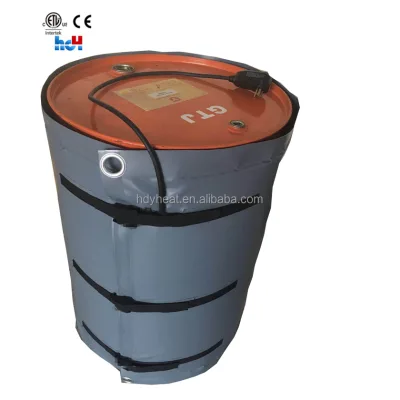
$280.00 - $400.00
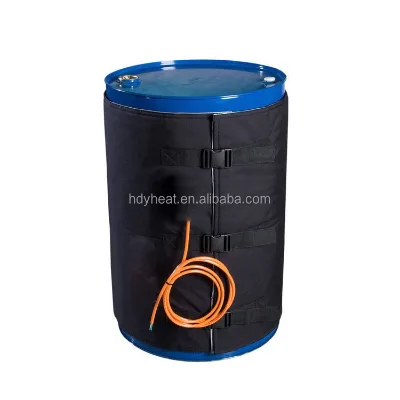
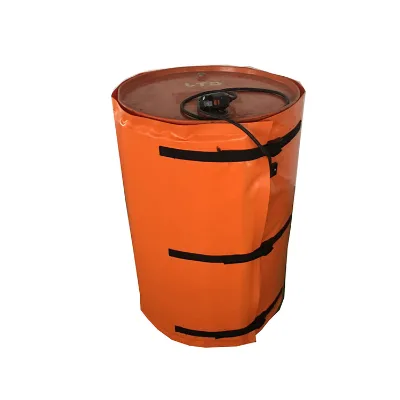
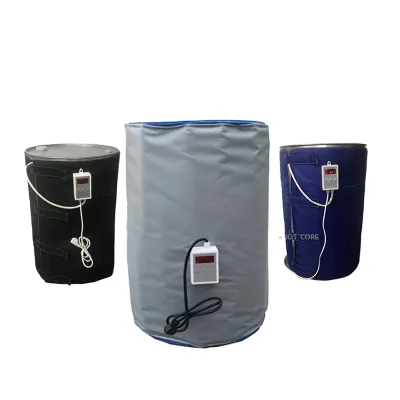
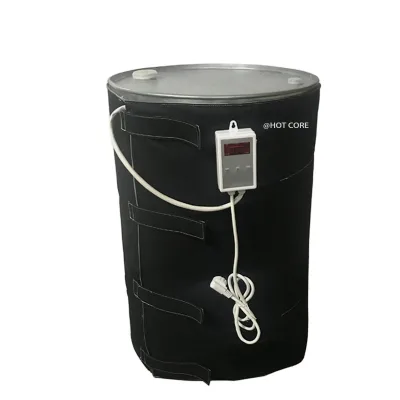
High Quality Drum Heater Blanket for Steel Drum and Plastic Drum Made by Chinese Factory
$61.4796 - $81.9733
MOQ: 10 units
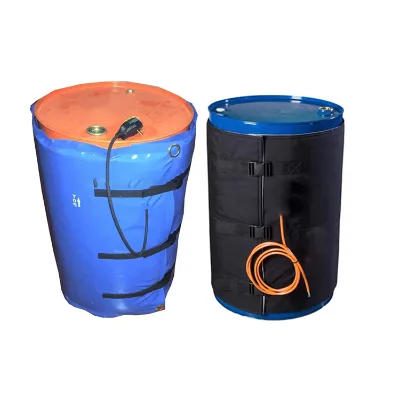
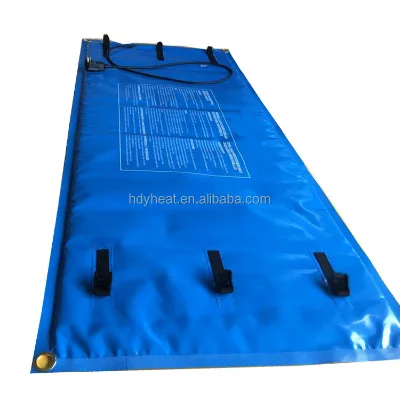
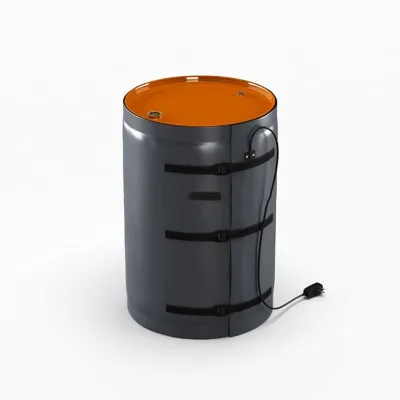
$61.6068 - $82.1424
MOQ: 10 units

Shenzhen Superb Heater Technology Co., Limited
- Verified by SGS
- Manufacturer/Factory
- China Guangdong
- Lead time23 days
- Avg. response≤ 5h
Main productsCartridge Heater, Tubular Heater, Band Heater, Hot Runner Coil Heater, Ceramic Infrared Heater, Thermocouple Sensor, Mica Band Heater, Flexible Heater, Flat Heater, Finned Heater
Main marketsSouth America,Eastern Europe,Mid East,North America,Southeast Asia,Eastern Asia,Oceania,Western Europe,Africa


Custom Flexible Silicone Resistance Heater in High-Efficiency Heating for Oil Drum Electric Heater
$3.00 - $15.00
MOQ: 1 Pieces


Customized Silicone Rubber Heating Element Honey Drum Band Heater for 200 Litre Metal Drums
$4.00 - $12.00
MOQ: 5 Pieces


Taizhou Kayson Electric Heating Technology Co., Ltd.
- Verified by SGS
- Combined
- China Jiangsu
- Lead time15 days
- Avg. response≤ 4h
Main productsCartridge Heater, Film Heater, Silicone Rubber Heater, Float Level Gauge, Infrared Quartz Heater, Tubular Heater, Thermocouple
Main marketsSouth America,Africa,Others(foreignTradeCapacity.exportBusinessCapacityMarketOther),Southeast Asia/ Mideast,East Asia(Japan/ South Korea),Domestic,Europe,Australia,North America


200 Liter Industrial Electric Flexible Silicone Rubber 55 Gallon Heater Drum
$22.00 - $60.00
MOQ: 1 Pieces


$22.00 - $64.00
MOQ: 1 Pieces

55 Gallon 200L Flexible Silicone Band Heating Blanket Drum with Thermostat
$27.00 - $65.00
MOQ: 1 Pieces

220V 1000W Industrial Electric Flexible 55 Gallon 200 L Silicone Rubber Oil Heater Pad Drum
$22.00 - $70.00
MOQ: 1 Pieces

Yancheng Dragonpower Electric Co., Ltd.
- Manufacturer, Trading Company
- Jiangsu, China
- Lead time10 days
- Avg. response≤ 3h
Main productsindustrial heaters,insulation cover,air blowers,thermocouples,drum heaters
Main marketsWestern Europe(25.00%), Southeast Asia(20.00%), South America(10.00%), North America(10.00%), Mid East(9.00%), Eastern Europe(5.00%), Domestic Market(5.00%), South Asia(5.00%), Oceania(5.00%), Eastern Asia(3.00%), Central America(1.00%), Africa(1.00%), Northern Europe(1.00%)

Yancheng DragonPower Electric Co., Ltd.
- Manufacturer, Trading Company
- Jiangsu, China
- Lead time10 days
- Avg. response≤ 2h
Main productsindustrial heater,insulation jacket,drum heater,nano heater,ceramic heater
Main marketsSouth America(20.00%), Southeast Asia(20.00%), Western Europe(15.00%), North America(10.00%), Mid East(9.00%), Eastern Europe(5.00%), Domestic Market(5.00%), South Asia(5.00%), Oceania(5.00%), Eastern Asia(3.00%), Central America(1.00%), Africa(1.00%), Northern Europe(1.00%)

Wuxi Liford Import and Export Co., Ltd.
- Verified by SGS
- Trading Company
- China Jiangsu
- Lead time15 days
- Avg. response≤ 2h
Main productsDrum Truck, Coating Line, Forklift Drum Grab, Coating Machine, Electrocoating Production Line, E-Coating Line, Liquid Coating Line, Powder Painting Machine, Painting Equipment, Aluminum Coil Coating Line for Window-Shades
Main marketsEurope,North America


2000W Industrial Electric Silicone Drum Band Heater with Adjustable Controller
$10.00 - $150.00
MOQ: 2 Pieces

Miyo Hot Core Heater Co., Limited
- Manufacturer
- Guangdong, China
- Lead time10 days
- Avg. response≤ 14h
Main productsIndustrial Heaters,Thermostat,Thermocouple,heater Machinery,heater Materials
Main marketsEastern Europe(60.00%), Western Europe(20.00%), Southern Europe(5.00%), Northern Europe(5.00%), South America(5.00%), Eastern Asia(5.00%), Africa(5.00%)

Yancheng Vinson Technology Co., Ltd.
- Manufacturer/Factory
- China Jiangsu
- Lead time15 days
- Avg. response≤ 4h
Main productsCartridge Heater, Immersion Heater, Thermocouple, Silicone Rubber Heater, Pellet Igniter, PTC Heating Element, Hot Runner Coil Heater, Mica Band Heater, Cast Heater, Silicon Nitride Heater
Main marketsSouth America,Eastern Europe,Mid East,North America,Southeast Asia,Eastern Asia,Oceania,Western Europe,Africa

Electric Flexible Barrel Band Rubber Oil Silicone Rubber Heater Drum for Fermentation
$45.00 - $85.00
MOQ: 2 Pieces

$45.00 - $85.00
MOQ: 2 Pieces


110V 700W Electric Flexible Barrel Band Rubber Oil Silicone Rubber Heater Drum for Fermentation
$35.00 - $85.00
MOQ: 2 Pieces

Yancheng Lan Chuang Electric Technology Co., Ltd.
- Manufacturer, Trading Company
- Jiangsu, China
- Lead time7 days
- Avg. response≤ 6h
Main productsCartridge Heater, Screw Plug Immersion Heater, Ceramic Band Heater, Coil Hot Runner Heater, Hot Air Gun Heater
Main marketsDomestic Market(80.00%), Southeast Asia(12.00%), North America(2.00%), South America(2.00%), Western Europe(1.00%), Southern Europe(1.00%), Northern Europe(1.00%), Mid East(1.00%)
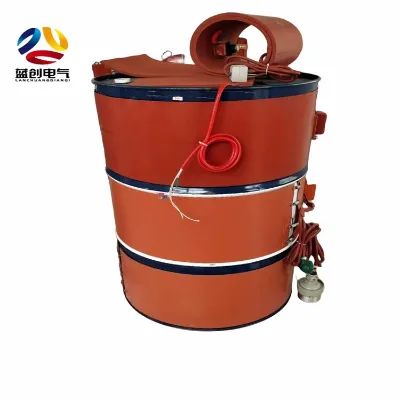
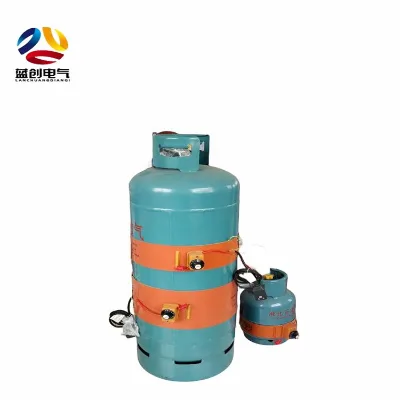
$6.9684 - $63.2225
MOQ: 10 Minimum
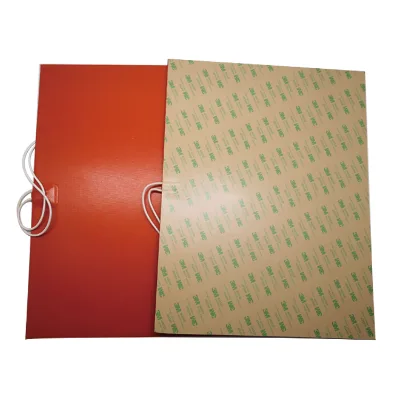
wholesale competitive price industrial belt heater drums for manufacturing plant
$6.9923 - $63.4394
MOQ: 10 Minimum
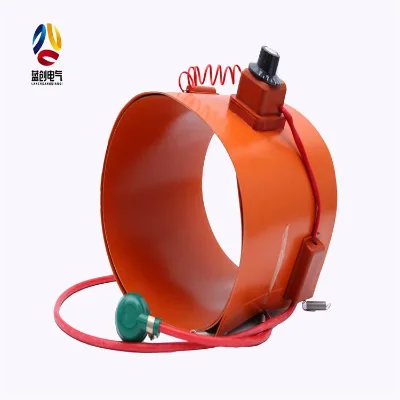
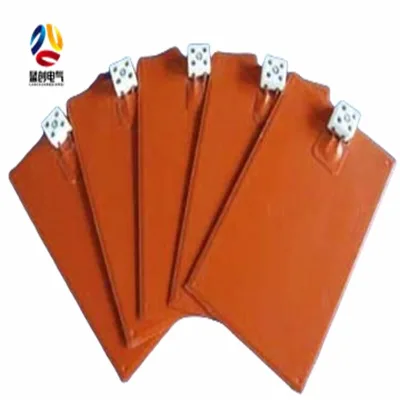
860*200*1.5mm 220v 800w Flexible silicone drum heater 20L with spring and thermostst wire 1000mm
$6.9489 - $63.0489
MOQ: 10 Minimum

Anhui Hengxin Heating Technology Co., Ltd.
- Verified by SGS
- Manufacturer/Factory
- China Guangdong
- Lead time0 days
- Avg. response≤ 5h
Main productsFlexible Film Heater, Graphene Heater, Pet Heater, Kapton Heater, Polyimide Heater, Silicone Rubber Heater, Surface Heating Element, Silicone Drum Heater, Barrel Heating Blanket
Main marketsSouth America,Eastern Europe,Mid East,North America,Southeast Asia,Eastern Asia,Oceania,Western Europe,Africa

Taizhou Best Electric Equipment Co., Ltd.
- Verified by TUVRHEINLAND
- Combined
- China Jiangsu
- Lead time15 days
- Avg. response≤ 14h
Main productsCartridge Heater, Thermocouple, Silicone Heater, Flexible Heater, Tubular Heater, Immersion Heater, Polyimide Heater, Band Heater, Drum Heater, Hot Runner Heater
Main marketsAfrica,Others(foreignTradeCapacity.exportBusinessCapacityMarketOther),Domestic,Europe,North America

$27.00 - $65.00
MOQ: 1 pieces

Shenzhen QianS Brother Technology Co., Ltd.
- Verified by TüVRheinland
- Manufacturer, Trading Company
- Lead time5 days
- Avg. response≤ 2h
Main productsSilicone Heater, Kapton Polyimide Heat Film, Oil Drum Heater, Pizza Bag Heater, EV Battery Heating Pad
Main marketsDomestic Market(65%), North America(18%), Western Europe(8%)
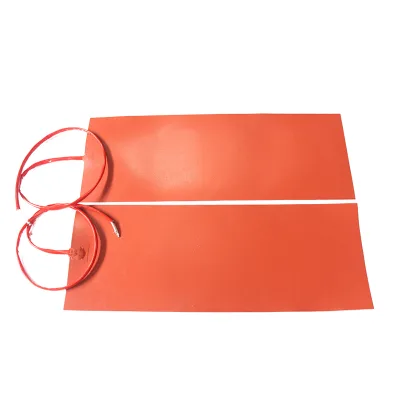
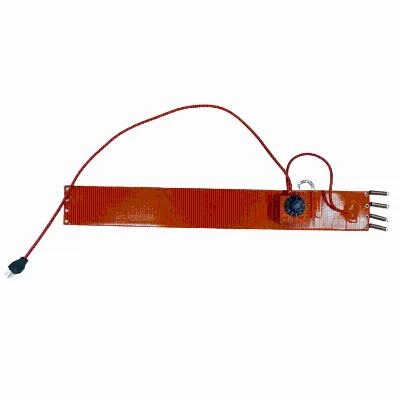
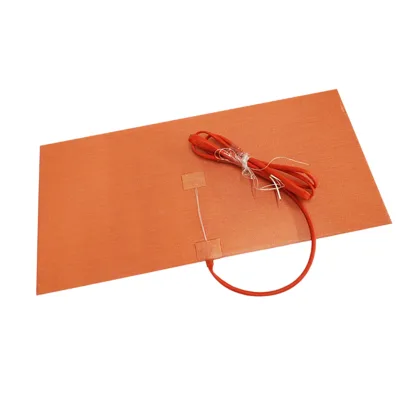
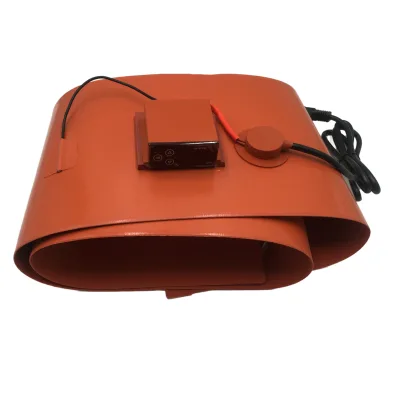
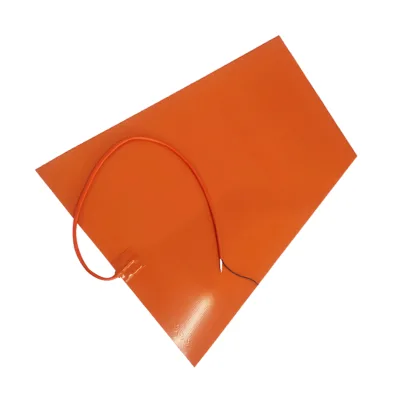
Custom Styling Stainless Steel Drum with Silicone Rubber Industrial Use Oil Barrel Heater
$17.00 - $18.00
MOQ: 1 pieces
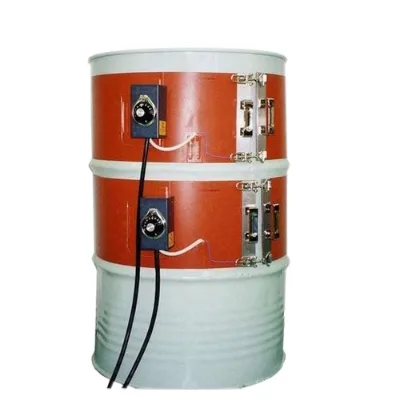

Wuhan Elite Industry Co., Ltd.
- Verified by CTI
- Trading Company
- China Hubei
- Lead time23 days
- Avg. response≤ 3h
Main productsCoil Heater, Temperature Sensor, Cartridge Heater, Thermocouple Accessories, Flexible Heater, Band Heater, Tubular Heater
Main marketsSouth America,Europe


Industrial Heating Electric Ceramic Insulated Band Drum Heaters Band Heater
$8.00 - $80.00
MOQ: 2 Pieces

Jinan Jiuxu Technology Co., Ltd
- Verified by SGS
- Trading Company
- China Shandong
- Lead time15 days
- Avg. response≤ 7h
Main productsPU Foam Ab Material, Polyether Polyol, Polymer Polyol, Polyurea Coating, PU Spray Machine, Polyurea Spray Machine, Foam Insulation Kit, Min Electric Sprayer Machine, PU Foam Inject Equipemnt, Fusion Ap Gun P2 Gun
Main marketsSouth America,Africa,North America

$45.00 - $55.00
MOQ: 1 Pieces

Electric Oil Drum Silicone Heating Belt PU Foam Liquid Drum Heater Oil Gas Tank Metal Barrel Heater
$45.00 - $55.00
MOQ: 1 Pieces
Taizhou Best Electric Equipment Co., Ltd.
- Verified by Intertek
- Manufacturer, Trading Company
- Lead time2 days
- Avg. response≤ 2h
Main productsCartridge Heater, Thermocouple, Tubular Heater, Flexible Heater, Band Heater
Main marketsDomestic Market(40%), Southeast Asia(25%), North America(10%)
Jinan Demeijia Machinery Co., Ltd.
- Verified by Intertek
- Trading Company
- Lead time3 days
- Avg. response≤ 3h
Main productsPU Spray Machine, Polyurea Spray Machine, PU Foam Machine, PU Pouring Machine, Blend Polyols
Main marketsNorth America(32%), South America(10%), Northern Europe(6%)

Yancheng Hongtai Alloy Electric Apparatus Co., Ltd.
- Manufacturer/Factory
- China Jiangsu
- Lead time15 days
- Avg. response≤ 16h
Main productsTubular Heater, Cartridge Heater, Ceramic Heater, Electric Heating Element, Coil Heater, Flange Heater, Nickel Alloy Wire, Immersion Heater, Silicone Heater, Thermocouple
Main marketsSouth America,Eastern Europe,Mid East,North America,Southeast Asia,Eastern Asia,Oceania,Western Europe,Africa

- Trading Company,Manufacturer/Factory,Other
- China Jiangsu
- Lead time23 days
- Avg. response≤ 6h
Main productsMineral Insulated Cable, Thermocouple Wire, Extension Wire, Ceramic Tube, Thermocouple Head, Thermocouple Cable, Thermocouple, Thermocouple Connector, Bare Wire, Pure Nickel
Main marketsSouth America,Eastern Europe,Mid East,North America,Southeast Asia,Western Europe
Jiangyin Mengyou Electric Heating Appliances Co., Ltd.
- Verified by TüVRheinland
- Manufacturer, Trading Company
- Lead time7 days
- Avg. response≤ 17h
Main productsSilicone Heater, PI Heater, Cartridge Heater
Main marketsNorth America(24%), Domestic Market(21%), Central America(12%)

Topright Industrial Technology Co., Ltd.
- Manufacturer/Factory
- China Jiangsu
- Lead time23 days
- Avg. response≤ 4h
Main productsCartridge Heaters, Tubular Heater, Themocouple Sensor, Rtd Temperature Sensor, Silicone Rubber Heaters, Cast-in Heaters, Infrared Ceramic Heater, Band Heater, Hot Runner Heater, Polyimide Heater
Main marketsSouth America,Eastern Europe,Mid East,North America,Southeast Asia,Oceania,Western Europe,Africa

Heater Oil Drum Silicone Rubber Heater Customization Flexible Electric Oil Drum Heating Belt
$49.00 - $59.00
MOQ: 1 Pieces


$69.00 - $80.00
MOQ: 1 Pieces


Jiangyin Xinjia Rubber and Plastic Electric Appliances Co., Ltd.
- Verified by TUVRHEINLAND
- Combined
- China Jiangsu
- Lead time15 days
- Avg. response≤ 4h
Main marketsDomestic


Chemical Raw Material Packaging Drums Can Be Customized with Heating Belt Heating Element
$12.00 - $65.00
MOQ: 5 Pieces
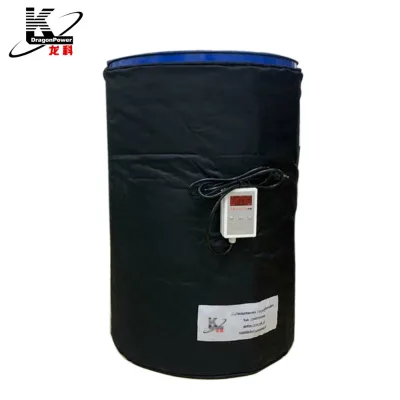
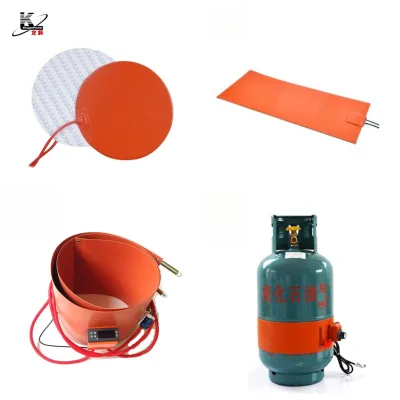
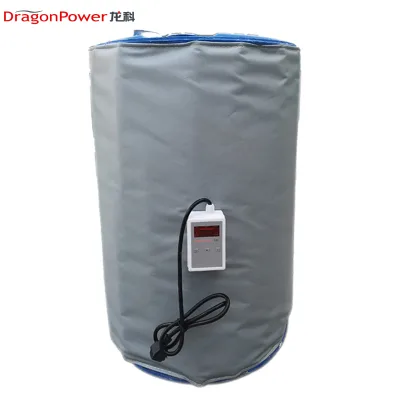
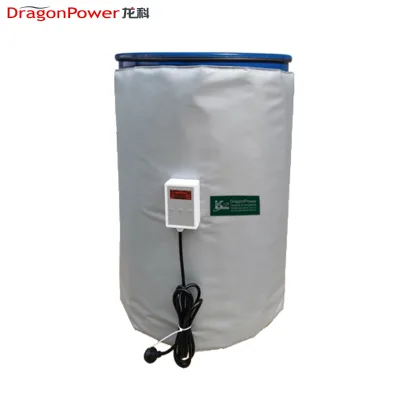




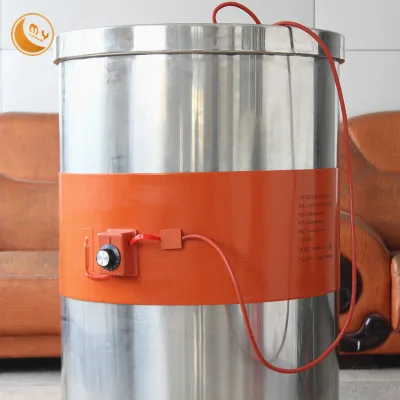
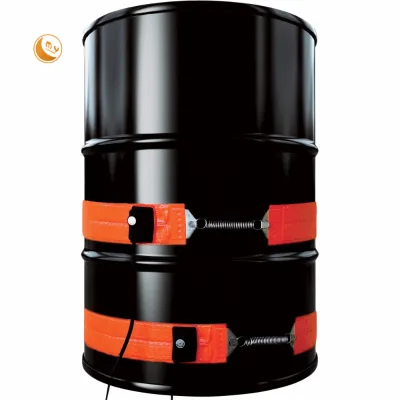
Comprehensive Sourcing Guide
Indoor Electric Heating Drum Supplier Concentration and Factory Types
When you search for Indoor Electric Heating Drum suppliers, the results will typically mix two very different business models, and understanding that mix is the first step in narrowing your list. Some listings come from manufacturers, including factories that produce heating elements and flexible heaters as their core products, while others come from combined manufacturer-and-trading companies that both make and resell related goods. In the current supplier results, for example, one Jiangsu-based company describes itself as both a manufacturer and a trading company and lists drum heater jackets, industrial heating blankets, and ground thawing blankets as main products, while a Guangdong company identifies as a manufacturer/factory focused on cartridge, tubular, and band heaters. Neither model is automatically better, but their strengths differ.
Manufacturers tend to offer deeper customization, such as the OEM and ODM capability one listed factory advertises, while trading companies may aggregate multiple product lines and respond faster to mixed orders. Note that supplier concentration varies by product sub-type: a flexible silicone surface heater for drums may come from a heating-element factory, whereas a finished insulated drum heater blanket may come from a textiles-oriented producer. Because search result pages change, do not assume the cluster picture you see today is permanent. Instead, record each supplier's self-declared company type, location, and main products in a spreadsheet, and look for patterns—such as multiple element specialists in one province—that signal where the real manufacturing base sits before you commit to shortlisting.
How to Verify Indoor Electric Heating Drum Suppliers
Verification should start with what the platform actually displays, not with assumptions. In the supplier results for this category, useful signals include self-declared company type, listed main products, location, response time, and lead time. One listed supplier carries an SGS verification badge, which is a third-party verification signal you can weigh, though a badge is not a substitute for your own checks. Product-level claims also matter: several drum heater blanket listings state that a machinery test report is provided and that video outgoing-inspection is provided, and one listing claims CE and ETL certification. Treat these as claims to confirm—ask for copies of the actual certificates and reports and check that the certificate holder's name matches the entity you are contracting with.
Beyond documents, request a video call or live factory walkthrough focused on the specific processes relevant to your order: element winding or etched-foil production, lamination, insulation sewing, and thermostat assembly. Ask each supplier to demonstrate the claimed working temperature range on a sample, since one listing cites a 1–70°C range with a 70°C thermostat and such figures should be reproduced, not just quoted. Cross-check the location given in the listing against business registration details, and confirm whether the responding account is the factory itself or a sales agent. Finally, verify after-sales capability; one listing states engineers are available to service machinery overseas and offers online support after warranty, but you should confirm in writing who pays for that service and under what conditions.
What to Compare Across Indoor Electric Heating Drum Suppliers
Build a comparison matrix from the attributes suppliers actually display, and record gaps as gaps rather than assuming every listing contains the same fields. Dimensions worth capturing include lead time, MOQ, response speed, location, main products, and any establishment-year information shown. In the current results, response times range from about two hours to roughly four, and stated lead times run from roughly 23 to 30 days—differences that matter if you have a seasonal deadline, such as winter drum-thawing demand. One 200L drum heater blanket listing shows an MOQ of 10 units with a price band of roughly $60–$82 per unit, while a larger electric drum heater jacket is quoted at $280–$400; unit counts this different imply very different order economics.
Compare technical specifications side by side: voltage options (one listing offers 120V, another 120V/230V), power (800W in one case), dimensions (0.9×2.0m appears repeatedly), materials such as heavy PVC or silicone, thickness, power cable length, and warranty terms, with one year cited on several listings. Also weigh service dimensions: whether customization is offered (one supplier states it is available), whether OEM/ODM capacity exists, what after-sales support is promised, and whether test reports and inspection videos are provided by default. Supplier breadth matters too—a factory whose main products span cartridge, band, and ceramic infrared heaters may be strong on elements but less specialized in finished blankets. Score each supplier consistently so trade-offs are visible.
Common Indoor Electric Heating Drum Sourcing Risks
The most common risk in this category is specification mismatch. Drum heater blankets are sized and rated for specific drum diameters and materials—one listing targets 200L drums and covers both steel and plastic drums, with a 0.9×2.0m dimension and a 70°C thermostat cap. If your drums differ from the assumed standard, a blanket may not reach temperature or may overheat locally. Confirm the working temperature range, thermostat behavior, and material compatibility against your actual containers, and get these confirmed in the proforma invoice rather than only in a product description. Another risk is certificate uncertainty: listings may state CE or ETL certification, but you must verify scope, certificate number, and holder before relying on them for import compliance.
A third risk is underestimating production and shipping timelines. Stated lead times of roughly 23–30 days exclude ocean transit and customs clearance, and supply capacity can be constrained—one listing cites 500 units per month, which is modest for large volume programs.第四 risk is quality variance between sample and mass production; because these are electric heating products, insist on the machinery test report and video outgoing-inspection that some suppliers already offer, and add your own inspection checkpoint for high-value orders. Finally, beware of treating trading-company listings as factory-direct: pricing may include a markup, and technical questions may route slowly. Mitigate by asking who manufactures the product, who holds the certification, and who is contractually responsible for warranty claims and replacement parts.
Indoor Electric Heating Drum Regional Sourcing and Logistics
The supplier results place sourcing activity in two Chinese provinces: Jiangsu, where one drum heater blanket producer is based with dispatch from the port of Shanghai, and Guangdong, home to the heating-element factory. Jiangsu's proximity to Shanghai gives that supplier a practical logistics advantage for ocean freight, since one listing explicitly names Shanghai as the port of dispatch. Guangdong's cluster, meanwhile, is oriented around heating components broadly—cartridge, tubular, band, and flexible heaters—so it may suit buyers sourcing element-level inputs or customized flexible silicone surface heaters rather than finished blankets. Where your supplier sits affects not only freight cost but also component sourcing depth and the ease of arranging in-person audits.
Plan logistics around the product's physical profile: drum heater blankets of roughly 0.9×2.0m and around 6.5kg per unit, packed one unit per carton in some listings, are volumetric rather than heavy, so compare air versus sea freight on a volume basis. Confirm packaging details in writing—one listing specifies a single carton box per unit—and clarify Incoterms, since dispatch port, export documentation, and who arranges insurance all change the landed cost. For destinations outside China, ask whether the supplier has export experience to your market, including voltage conformity (120V versus 230V options appear in the listings) and plug standards. If site visits are impractical, request a live video tour and third-party inspection at the named factory address, not just the trading office.
Indoor Electric Heating Drum Commercial Terms and Order Planning
Commercial terms in this category currently range widely, so plan orders around confirmed numbers rather than category averages. Stated lead times of roughly 23–30 days mean a spring order can comfortably precede winter demand, but only if you add sampling time, ocean or air transit, and customs clearance on top. MOQs also vary: one 200L blanket listing shows an MOQ of 10 units, which is workable for pilot orders, while larger heater jackets quoted at $280–$400 are likely single-unit purchases for evaluation. Use a small first order to validate temperature performance, fit on your drums, and packaging quality, then negotiate volume pricing with data from that pilot.
When negotiating, put every displayed claim into the contract: the one-year warranty, the promised test report, video inspection, after-sales support terms, and any certification the supplier asserts. Ask about payment protection—platform escrow or trade-assurance-style arrangements may be available, but confirm what the specific supplier accepts rather than assuming—and stage payments against inspection milestones. Clarify customization economics: one supplier states customization is available and another advertises OEM/ODM capacity, so request tooling costs, sample fees, and whether custom voltage, size, or thermostat settings change the quoted price band. Finally, check supply capacity against your forecast; with one listing citing 500 units per month, large annual volumes may require reservations, split shipments, or a second qualified supplier. Build a re-order calendar tied to lead time so replenishment never depends on expedited freight.
Word count check: I need 1350-1450. Section word counts approx: S1 ~228, S2 ~232, S3 ~228, S4 ~236 (need to fix—also I left a stray Chinese character "第四"—fix to "A fourth"). S5 ~233, S6 ~236. Let me trim sections 4 and 6 slightly and verify totals roughly: total ≈ 1390. Good enough within range; trim S4 and S6 by a few words each.
S4 fix: replace "第四 risk" with "A fourth risk". That adds words; trim "rather than only in a product description" to "not just in the listing". Trim elsewhere as needed.</think>## Indoor Electric Heating Drum Supplier Concentration and Factory Types
When you search for Indoor Electric Heating Drum suppliers, the results will typically mix two very different business models, and understanding that mix is the first step in narrowing your list. Some listings come from manufacturers, including factories that produce heating elements and flexible heaters as their core products, while others come from combined manufacturer-and-trading companies that both make and resell related goods. In the current supplier results, for example, one Jiangsu-based company describes itself as both a manufacturer and a trading company and lists drum heater jackets, industrial heating blankets, and ground thawing blankets as main products, while a Guangdong company identifies as a manufacturer/factory focused on cartridge, tubular, and band heaters. Neither model is automatically better, but their strengths differ.
Manufacturers tend to offer deeper customization, such as the OEM and ODM capability one listed factory advertises, while trading companies may aggregate multiple product lines and respond faster to mixed orders. Note that supplier concentration varies by product sub-type: a flexible silicone surface heater for drums may come from a heating-element factory, whereas a finished insulated drum heater blanket may come from a textiles-oriented producer. Because search result pages change, do not assume the cluster picture you see today is permanent. Instead, record each supplier's self-declared company type, location, and main products in a spreadsheet, and look for patterns—such as multiple element specialists in one province—that signal where the real manufacturing base sits before you commit to shortlisting.
FAQs
What is the price range for indoor electric heating drums?
Prices typically range from $60 to $400 per unit depending on specifications. Basic models start around $60 while premium heavy-duty options cost up to $400. Buyers should verify exact pricing based on voltage requirements and material thickness for accurate budgeting.
What voltage options are available for these drum heaters?
Most units operate at 120V, with some models supporting 120V or 230V configurations. This flexibility allows adaptation to different regional power standards. Buyers must confirm the specific voltage rating required for their facility before placing orders to ensure safe and effective operation.
What is the typical lead time for manufacturing these heaters?
Manufacturing lead times generally range from 23 to 30 days after order confirmation. This duration accounts for production scheduling and quality checks. Buyers should plan procurement cycles accordingly to avoid delays, especially during peak industrial demand seasons or when custom specifications are requested.
What certifications do these industrial drum heaters hold?
Common certifications include CE and ETL for safety compliance, alongside RoHS standards for environmental protection. These marks indicate adherence to international quality benchmarks. Buyers should request valid certification documents to verify that the specific units meet local regulatory requirements for industrial use.
What is the minimum order quantity for these products?
The minimum order quantity is typically set at 10 units per transaction. This threshold ensures efficient production runs and shipping logistics. Buyers seeking smaller quantities may need to negotiate directly with suppliers or look for stock items that allow lower entry points for testing.
What warranty is provided for electric drum heating blankets?
Standard warranties cover one year for manufacturing defects and component failures. This period protects buyers against early equipment malfunctions. Extended warranty options may be available upon request. Buyers should review the specific warranty terms regarding coverage limits and claim procedures before finalizing purchases.