Indoor Outdoor Artificial Plants Suppliers and Manufacturers
Source Indoor Outdoor Artificial Plants from 31 verified suppliers in China. Compare key dimensions including BSCI and ISO certifications, response times, and lead times. Review specific product attributes like MOQ and pricing to identify the right partner for your needs.
Updated
Suppliers List

Shenzhen Fayfun Crafts Co., Ltd.
- Verified by TUVRHEINLAND
- Manufacturer/Factory
- China Guangdong
- Lead time0 days
- Avg. response≤ 6h
Main productsArtificial Flower, Christmas Flowers, Christmas Floral Picks, Easter Decoration, Artificial Plants, Artificial Tree, Christmas Wreath& Garland, Christmas Ribbon& Bow

Hebei Shendu Commerce Co., Ltd.
- Verified by TUVRHEINLAND
- Trading Company,Manufacturer/Factory
- China Hebei
- Lead time15 days
- Avg. response≤ 5h
Main productsArtificial Grass, Synthetic Grass, Artificial Turf, Artificial Plants, Artificial Lawns, Artificial Grass Lawn, Grass Carpet, Landscape Artificial Grass, Football Artificial Grass, Golf Grass
Main marketsSouth America,Eastern Europe,Mid East,North America,Southeast Asia,Eastern Asia,Oceania,Western Europe,Africa

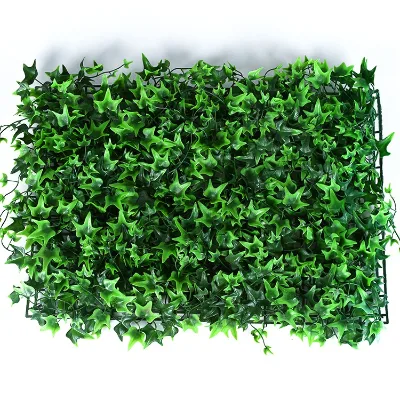
Artificial Wall Plants Plastic Outdoor Vertical Decoration Artificial Outdoor Plants
$1.98 - $3.98
MOQ: 50 Pieces


Hebei Luoyin International Trade Co., Ltd.
- Trading Company
- Hebei, China
- Lead time10 days
- Avg. response≤ 2h
Main productsartificial grass,artificial flowers,artificial plants,artificial boxwood panels,artificial vines
Main marketsSouth Asia(10.00%), Africa(10.00%), Southeast Asia(10.00%), Central America(10.00%), Mid East(10.00%), North America(10.00%), Domestic Market(5.00%), Oceania(5.00%), Southern Europe(5.00%), Northern Europe(5.00%), Eastern Europe(5.00%), Western Europe(5.00%), Eastern Asia(5.00%), South America(5.00%)
Zhejiang Mingbo Arts & Crafts Co., Ltd.
- Manufacturer
- Zhejiang, China
- Lead time45 days
- Avg. response≤ 10h
Main productsArtificial Plant
Main marketsWestern Europe(25.00%), North America(20.00%), Mid East(17.00%), South America(10.00%), Domestic Market(5.00%), South Asia(3.00%), Southern Europe(3.00%), Central America(3.00%), Northern Europe(3.00%), Southeast Asia(3.00%), Eastern Asia(2.00%), Oceania(2.00%), Africa(2.00%), Eastern Europe(2.00%)
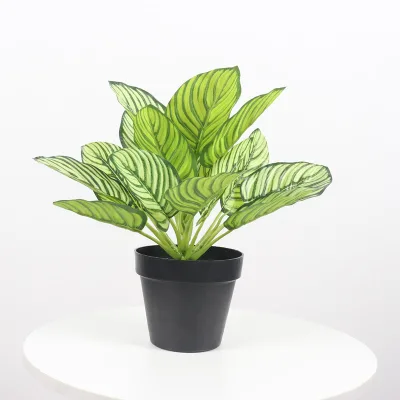
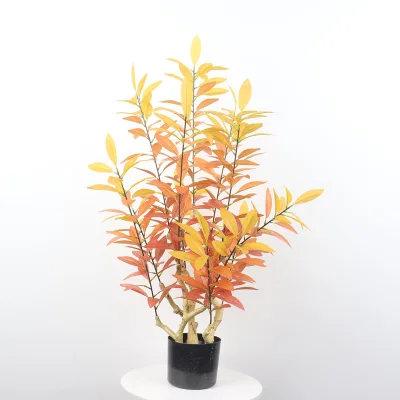
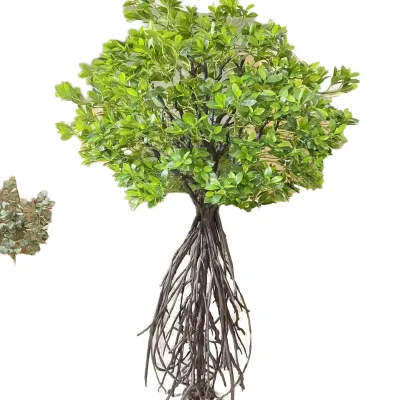
High Quality Photinia Tree Indoor Artificial Plant for Decoration Best Quality Indoor Plants
$5.48 - $5.88
MOQ: 500 pieces

- Manufacturer/Factory
- China Jiangsu
- Lead time15 days
- Avg. response≤ 11h
Main productsArtificial Vertical Garden, Artificial Wall Garden, Green Hedge, Artificial Boxwood Hedge, Artificial Plant Wall, Artificial Grass, Artificial Plant Potted, Artificial Plant Framed, Preserved Product, Artificial Moss
Main marketsSouth America,Eastern Europe,Mid East,North America,Southeast Asia,Eastern Asia,Oceania,Western Europe,Africa


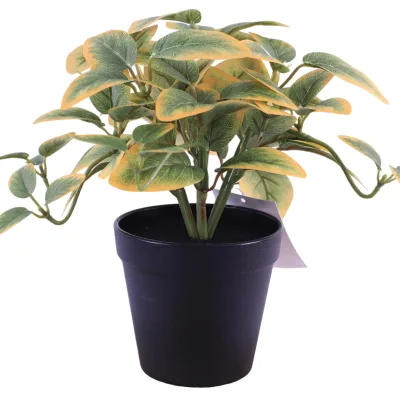
Indoor and Outdoor Decoration Artificial Plant Small Potted Home Natural Plants
$3.65 - $3.79
MOQ: 500 Pieces

Simulation Plastic Artificial Plant in Pot Bonsai for Outdoor Decoration
$11.09 - $11.64
MOQ: 100 Pieces


Guangzhou Junpeng Artificial Craft Company Limited
- Verified by SGS
- Trading Company
- China Guangdong
- Lead time15 days
- Avg. response≤ 2h
Main productsArtificial Flower Wall, Artificial Palm Trees, Artificial Banyan Trees, Artificial Grass Wall, Artificial Olive Tree, Artificial Olive Bonsai, Artificial Flowers, Artificial Potted Plant, Artificial Cherry Tree, Artificial Fruit Tree
Main marketsSoutheast Asia/ Mideast,Europe,Australia,North America

Indoor Outdoor Plastic Bonsai Plants Artificial Potted Plants for Decoration
$8.00 - $43.00
MOQ: 4 pcs


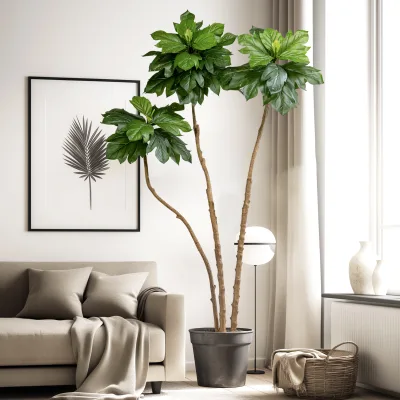
Artificial Plants Indoor Potted Plant Fiddle Leaf Fig Eco-Friendly Artificial Tree
$12.90 - $45.90
MOQ: 4 pcs


WUXI SUNGRASS SPORTS CO., LTD.
- Verified by TUVRHEINLAND
- Trading Company,Manufacturer/Factory
- China Jiangsu
- Lead time23 days
- Avg. response≤ 12h
Main productsSynthetic Turf, Synthetic Grass, Artificial Turf, Artificial Grass, Landscape Artificial Grass, Sports Artificial Grass, Football Grass, Football Turf, Football Lawn, Sport Turf
Main marketsSouth America,Eastern Europe,Mid East,North America,Southeast Asia,Eastern Asia,Oceania,Western Europe,Africa

Artificial Wall Panel Indoor Outdoor Decoration Fence Synthetic Grass Artificial Plant
$3.00 - $4.00
MOQ: 1000 Pieces


$0.30 - $0.70
MOQ: 200 Pieces


Hebei Shenglun Commerce Co., Ltd.
- Verified by TUVRHEINLAND
- Trading Company
- China Hebei
- Lead time15 days
- Avg. response≤ 3h
Main productsArtificial Grass, Synthetic Grass, Artificial Turf, Artificial Lawn, Synthetic Turf, Grass, Carpet
Main marketsSouth America


Artificial Plants for Indoor Carpet Home Decoration Artificial Grass
$2.35 - $2.85
MOQ: 200 Square Meters


- Manufacturer, Trading Company
- Guangdong, China
- Lead time15 days
- Avg. response≤ 6h
Main productsartificial palm trees,artitfical cherry blossom trees,artificial wisteria trees,artificial plants,artificial animals
Main marketsNorth America(40.00%), Mid East(30.00%), South America(10.00%), Eastern Europe(10.00%), Domestic Market(1.00%), South Asia(1.00%), Southern Europe(1.00%), Northern Europe(1.00%), Central America(1.00%), Western Europe(1.00%), Eastern Asia(1.00%), Southeast Asia(1.00%), Oceania(1.00%), Africa(1.00%)
Guangzhou Qingyuan Landscape Garden Design Co., Ltd.
- Trading Company
- Guangdong, China
- Lead time15 days
- Avg. response≤ 3h
Main productsartificial trees,artificial palm tree,artificial cherry blossom tree,The artificial peach trees,Guangzhou Shengjie Artificial Plant
Main marketsMid East(20.00%), Eastern Europe(10.00%), Southeast Asia(8.00%), Southern Europe(2.00%)
Hunan Fanhua Crafts Manufacturing Co., Ltd.
- Verified by Intertek
- Manufacturer, Trading Company
- Lead time30 days
- Avg. response≤ 2h
Main productsArtificial tree, Artificial flower, Artificial green plants, Christmas daily necessities and flower garland, Magnesium oxide flowerpots
Main marketsDomestic Market(63%), North America(10%), South America(10%)

Nanjing Dongyu Home Arts and Crafts Co., Ltd
- Trading Company
- China Jiangsu
- Lead time0 days
- Avg. response≤ 3h

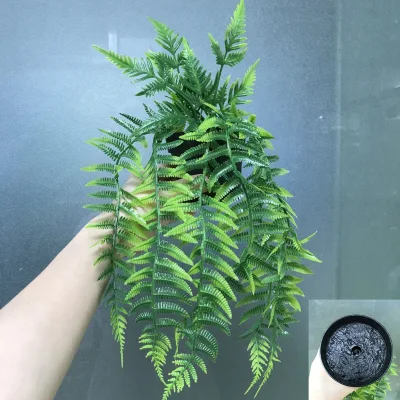
Plants Indoor Outdoor Small Potted Plants Decor Artificial Hanging Plants
$0.70 - $3.00
MOQ: 720 Pieces

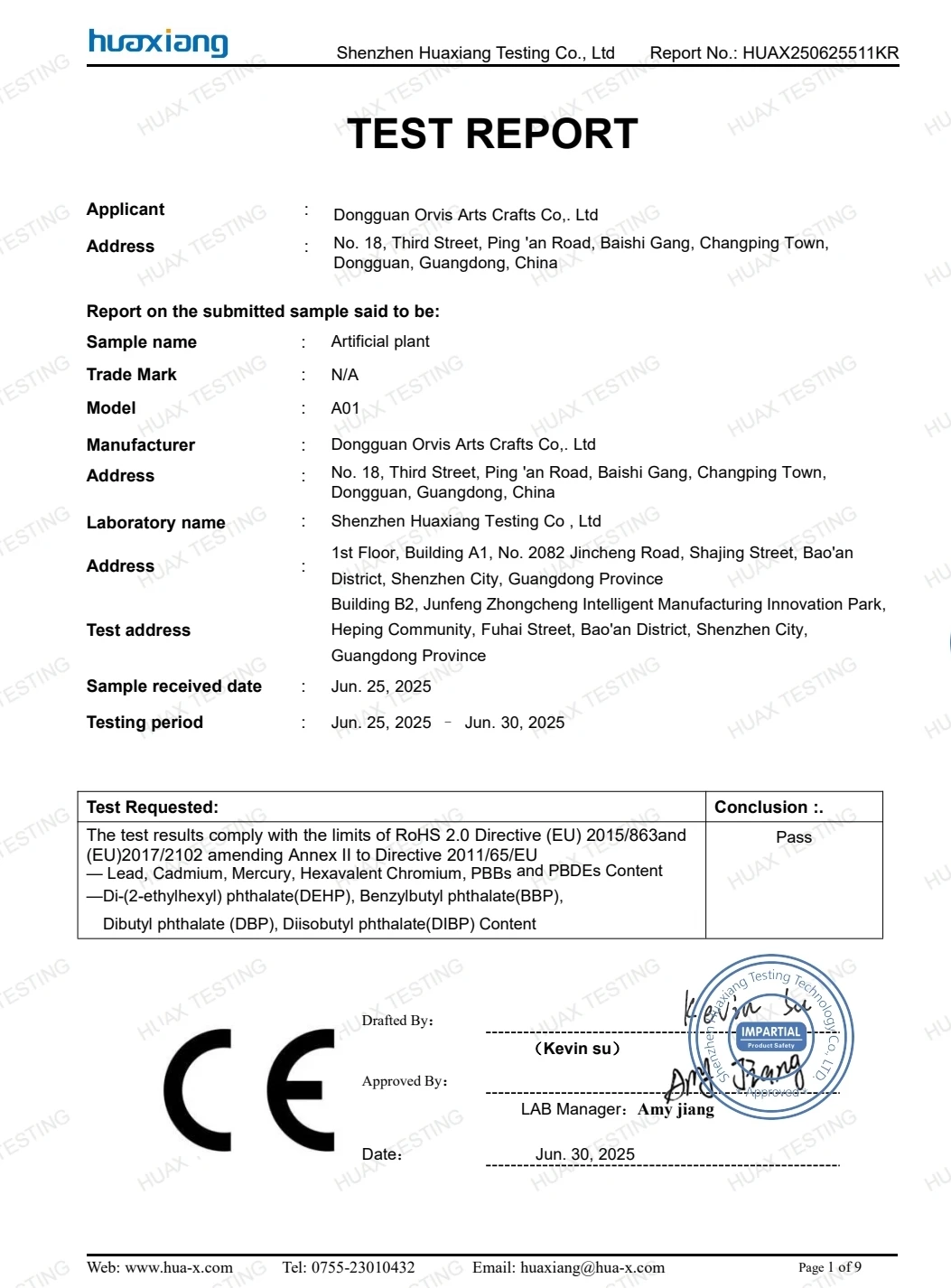
Dongguan Orvis Art Craft Co., Ltd.
- Manufacturer, Trading Company
- Guangdong, China
- Lead time15 days
- Avg. response≤ 1h
Main productsartificial plants,artificial trees,wedding decor,plastic plant,artificial flowers
Main marketsSouth Asia(20.00%), North America(10.00%), Northern Europe(10.00%), Central America(10.00%), Eastern Asia(10.00%), Mid East(10.00%), Africa(10.00%), Southeast Asia(10.00%), South America(10.00%)
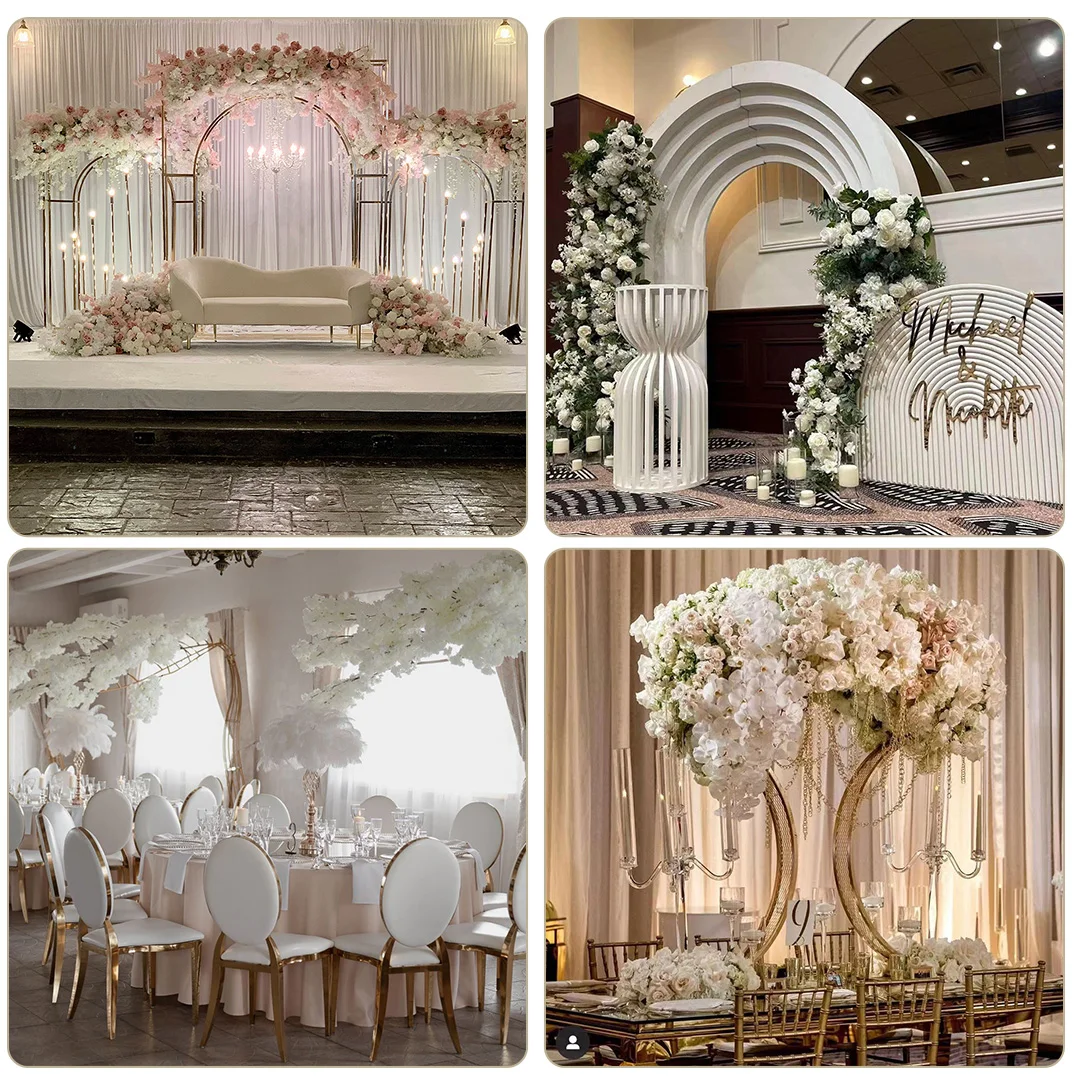
Foshan Zhongyi Furniture Co., Ltd.
- Manufacturer, Trading Company
- Guangdong, China
- Lead time15 days
- Avg. response≤ 3h
Main productsWedding Backdrop, Decorative Flowers, Table Centerpieces, Event Furniture, Banquet Chair And Table
Main marketsNorth America(48.00%), Eastern Europe(22.00%), Domestic Market(20.00%), Oceania(10.00%)
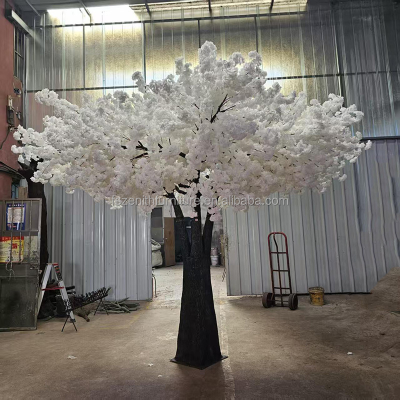
Customized Large Artificial Cherry Blossom Tree Indoor and Outdoor Realistic Tall Artificial Plant
$765.5855 - $775.9303
MOQ: 10 pieces
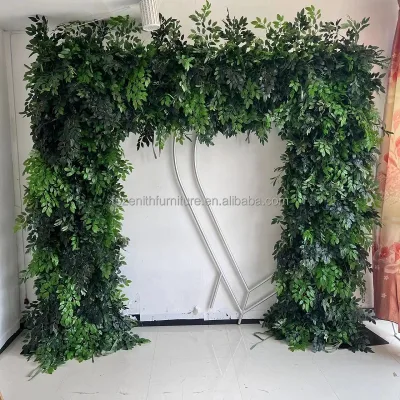
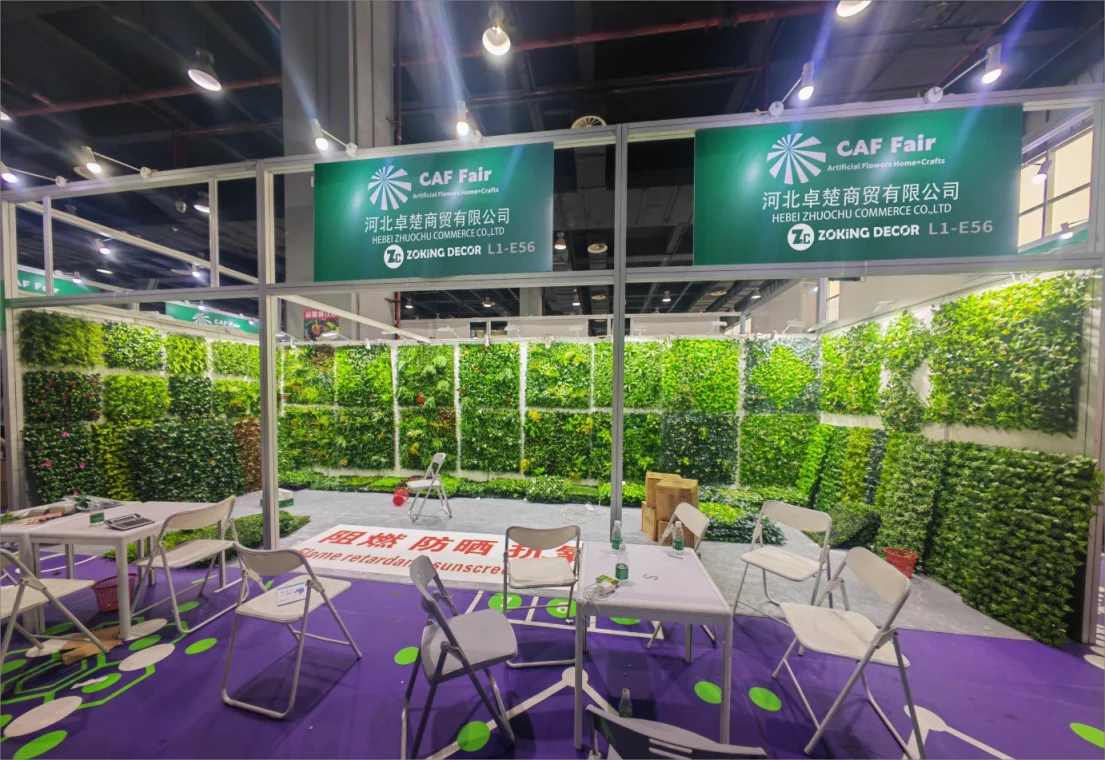
Hebei Zhuochu Commerce Co., Ltd.
- Trading Company
- Hebei, China
- Lead time5 days
- Avg. response≤ 4h
Main productsArtificial Grass,Synthetic Turf,Artificial Green Wall,Artificial Vertical Garden,Artificial Plant
Main marketsAfrica(20.00%), South America(20.00%), Mid East(20.00%), North America(15.00%), Eastern Asia(10.00%), Southeast Asia(5.00%), Central America(5.00%), Oceania(5.00%)

Zhejiang Xingu New Material Technology Co., Ltd
- Verified by TUVRHEINLAND
- Combined
- China Zhejiang
- Lead time15 days
- Avg. response≤ 3h
Main productsArtificial Landscape Grass, Artificial Football Grass, Artificial Sport Grass, Premium Green Wall, Green Wall, Willow Trellis Fence, PVC Trellis Fence, Arificial Fence
Main marketsDomestic

$14.28 - $20.00
MOQ: 100 Pieces

$14.30 - $19.80
MOQ: 100 Pieces

Artificial Plants Living Wall Artificial Grass Decoration Indoor Decoration Artificial Plant Wall
$2.25 - $5.95
MOQ: 100 Pieces

Artificial Green Wall for Decoration Indoor Decoration Artificial Plant Wall
$24.00 - $29.00
MOQ: 100 Pieces
Jiangsu Bagang Environmental Protection Technology Co., Ltd.
- Trading Company
- Jiangsu, China
- Lead time0 days
- Avg. response≤ 1h
Main productsartificial flower,artificial tree,wedding decorative flower,artificial plant
Main marketsNorth America(50.00%), Southeast Asia(40.00%)

Cangzhou Guangsu E-COMMERCE Co., Ltd.
- Trading Company,Manufacturer/Factory
- China Hebei
- Lead time23 days
- Avg. response≤ 6h
Main productsArtifical Lawn, Artificial Grass, Synthetic Grass, Artificial Turf, Synthetic Lawn, Football Grass, Garden Grass, Forged Coupler, Landscaping Artificial Grass, Synthetic Artificial Grass
Main marketsSouth America,Eastern Europe,Mid East,North America,Southeast Asia,Eastern Asia,Oceania,Western Europe,Africa
Zhejiang Jia Wei Arts And Crafts Co., Ltd.
- Verified by TüVRheinland
- Manufacturer, Trading Company
- Lead time30 days
- Avg. response≤ 2h
Main productsArtificial Plant, Artificial Tree, Plastic Tree, Fake Tree, Potted Artificial Flowers
Main marketsNorth America(20%), Western Europe(20%), Mid East(14%)
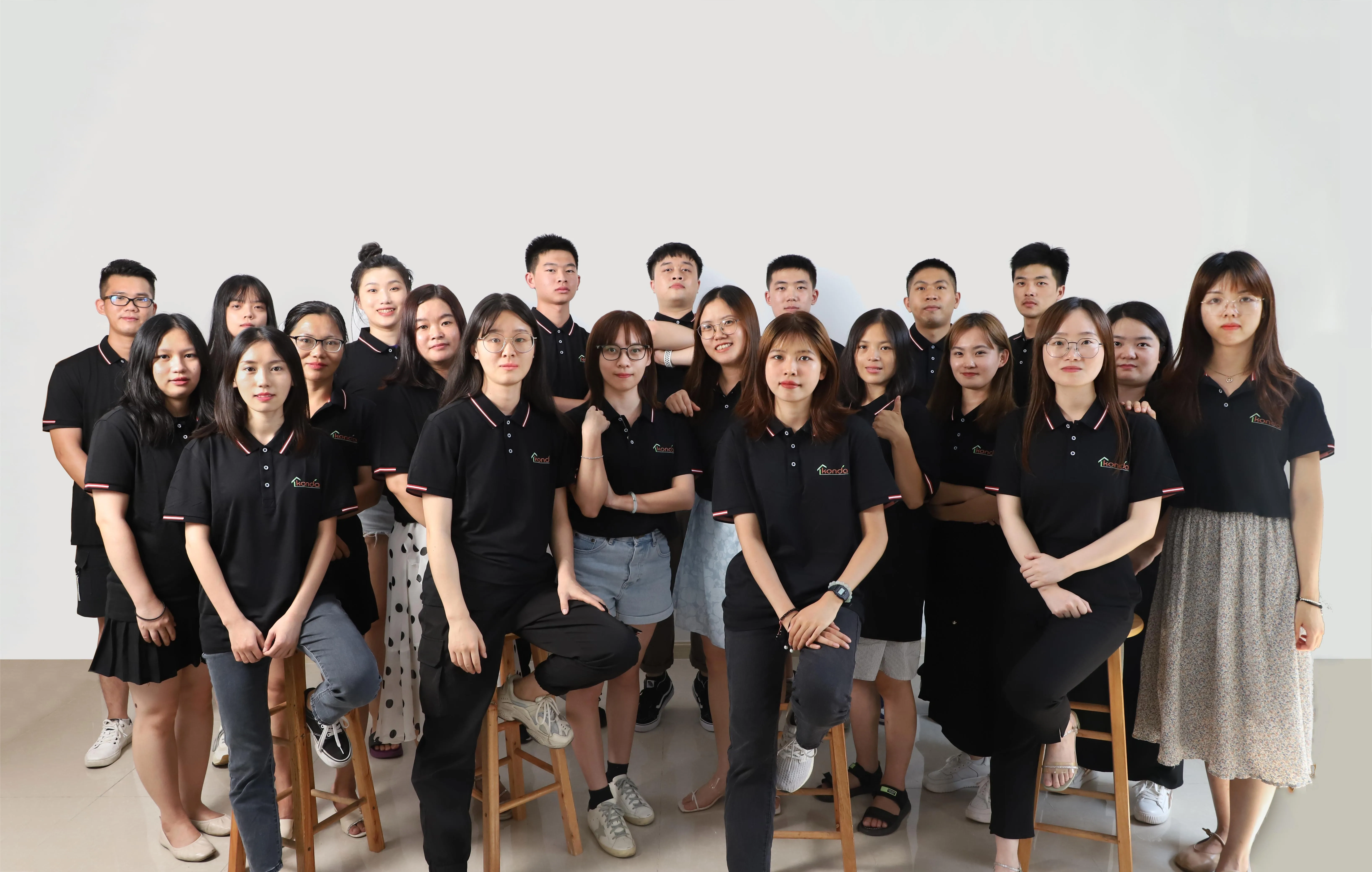
Guangzhou Konda Import & Export Co., Ltd.
- Trading Company
- Guangdong, China
- Lead time25 days
- Avg. response≤ 4h
Main productsArtificial Plants , Artificial Tree , Artificial Flower , Artificial Grass, Garden Greenhouse
Main marketsNorth America(60.00%), Western Europe(20.00%), Mid East(10.00%), Southeast Asia(10.00%)
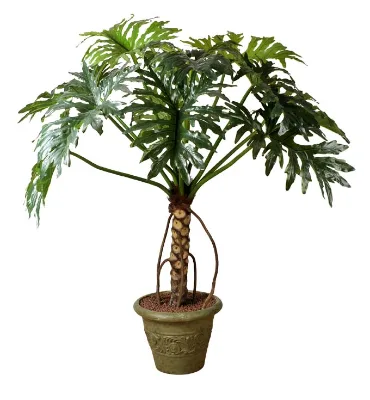
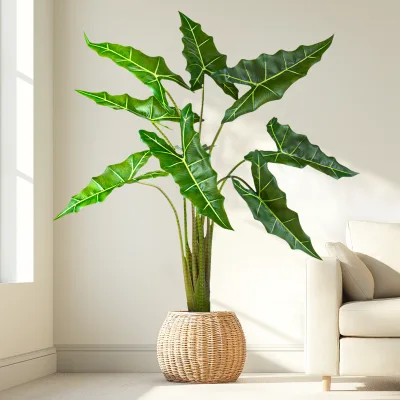
Artificial Ornamental Plants Mini Artificial Plants Plastic Alocasia Bonsai Plant
$1.0278 - $10.2685
MOQ: 20 Minimum
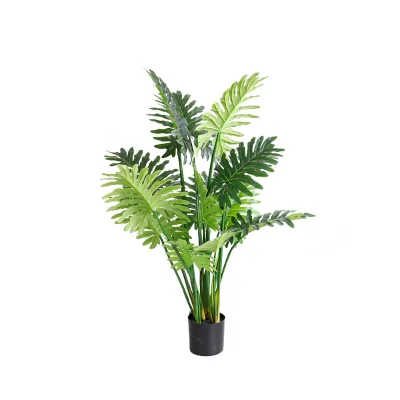
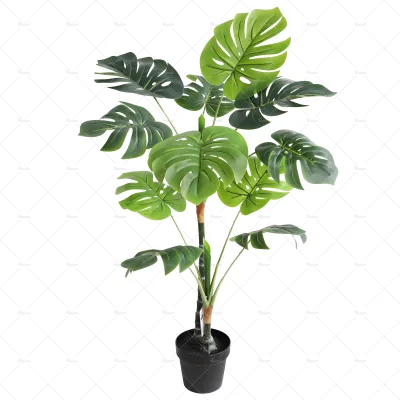

Shenzhen Shangpin Flower Art Design Co., Ltd.
- Verified by SGS
- Trading Company
- China Guangdong
- Lead time15 days
- Avg. response≤ 2h
Main productsArtificial Tree, Artificial Cherry Tree, Olive Tree, Banyan Tree, Coconut Tree, Grass Wall, Turf Grass, Bonsai Tree, Potted Tree
Main marketsSouth America,Southeast Asia/ Mideast,East Asia(Japan/ South Korea),Domestic,Europe,Australia,North America
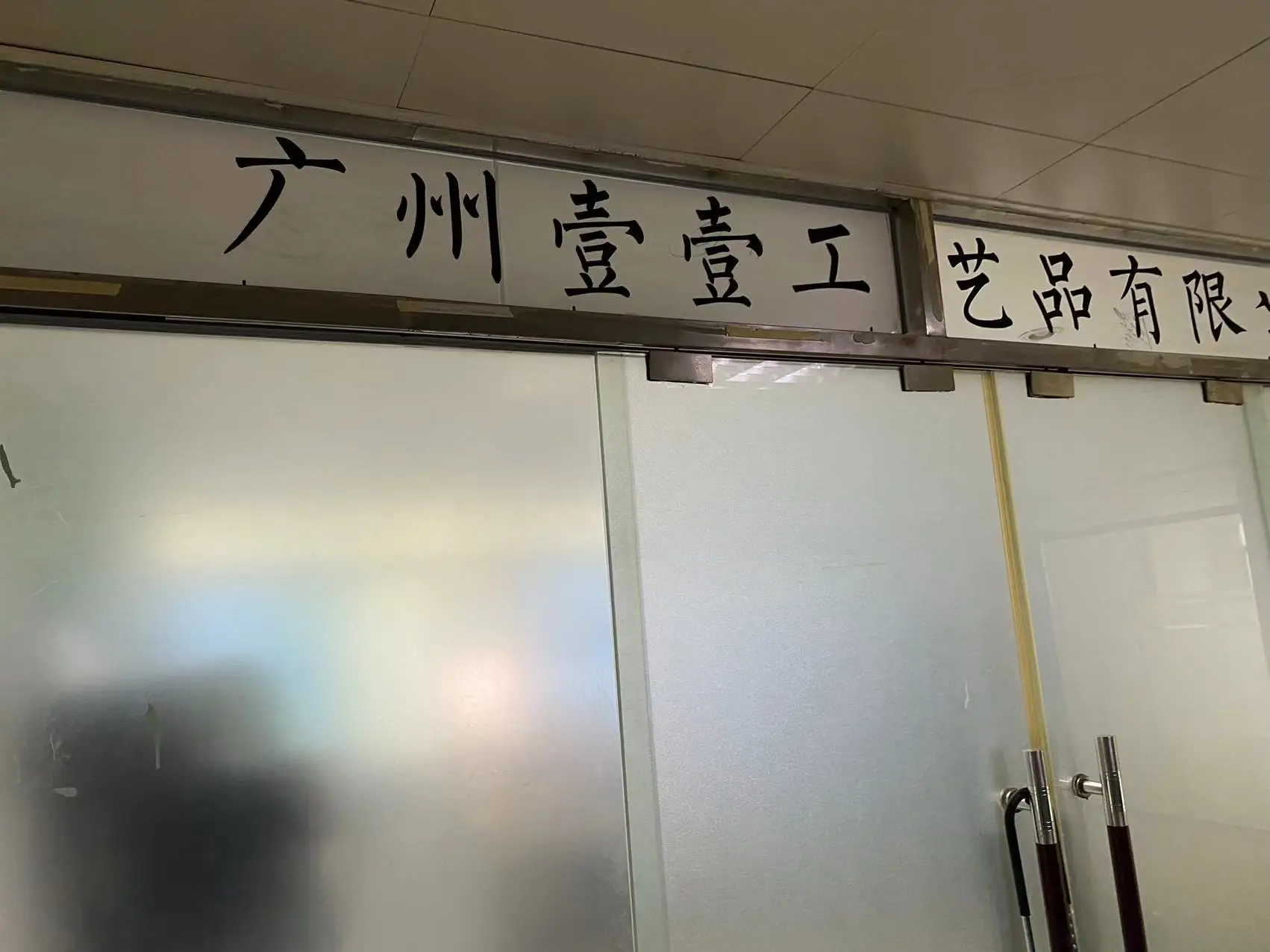
Guangzhou Yiyi Crafts Co., Ltd.
- Trading Company, Distributor/Wholesaler
- Guangdong, China
- Lead time10 days
- Avg. response≤ 1h
Main productsartificial plants,artificial flowers,artificial potted plants,artificial trees,artificial plant wall
Main marketsNorth America(35.00%), Africa(25.00%), Central America(20.00%), Eastern Europe(5.00%), Oceania(5.00%), Mid East(5.00%), Western Europe(5.00%)
Dongguan Qishi Dayu Silk Flower Processing Store
- Verified by SGS Group
- Manufacturer, Trading Company
- Lead time45 days
- Avg. response≤ 7h
Main productsArtificial Plant, Artificial Tree, Artificial Bonsai, Artificial Branch, Artificial Wreath
Main marketsNorth America(20%), South America(10%), Eastern Europe(10%)
Shaanxi Longtree New Material Technology Co., Ltd.
- Verified by TüVRheinland
- Trading Company
- Lead time30 days
- Avg. response≤ 5h
Main productsArtificial Flower, Artificial Tree, Artificial Plants, Artificial Garland, Artificial Wreath
Main marketsNorth America(25%), Eastern Europe(20%), Western Europe(20%)
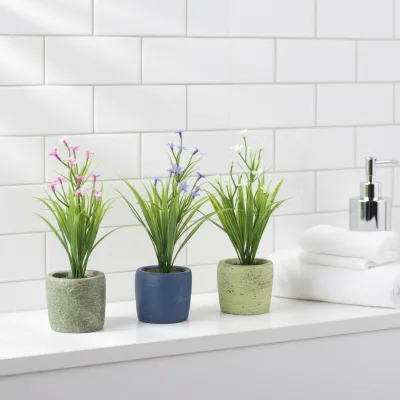
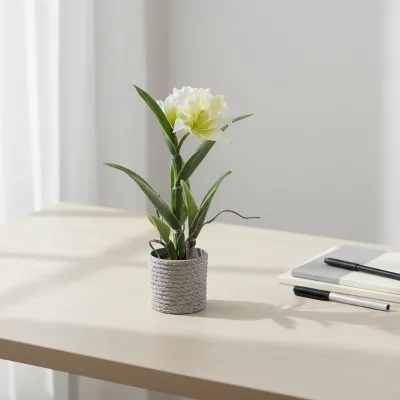
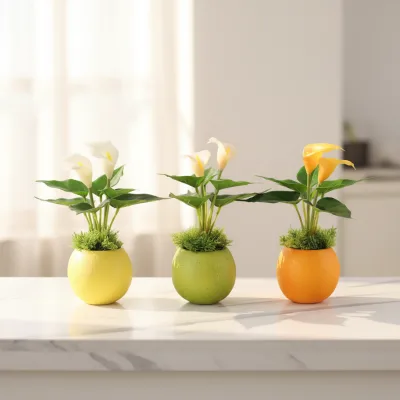
$1.0233 - $1.2402
MOQ: 500 pieces
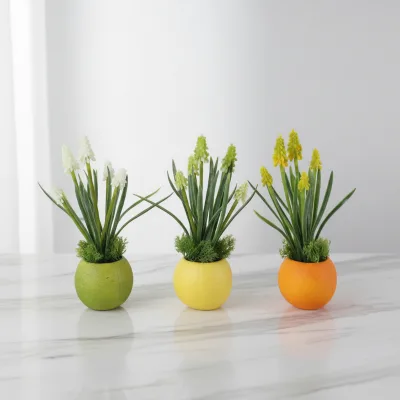
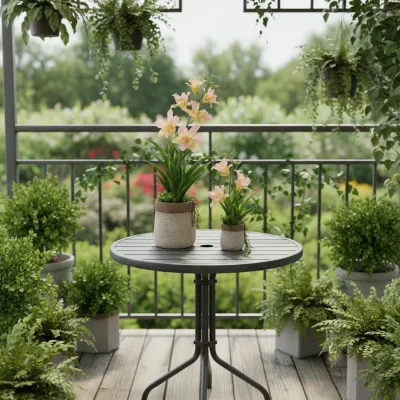
$1.0173 - $1.2327
MOQ: 500 pieces
Linyi Zhaohong Photoelectric Technology Co.. Ltd.
- Verified by SGS Group
- Trading Company
- Lead time30 days
- Avg. response≤ 3h
Main productsLED Lighting Products, Home Folding Desk Study Desk, Flower Mud, Outdoor Artificial Lawn, Home Decoration Crafts Artificial Plants
Main marketsEastern Asia(50%), Southeast Asia(20%), North America(8%)
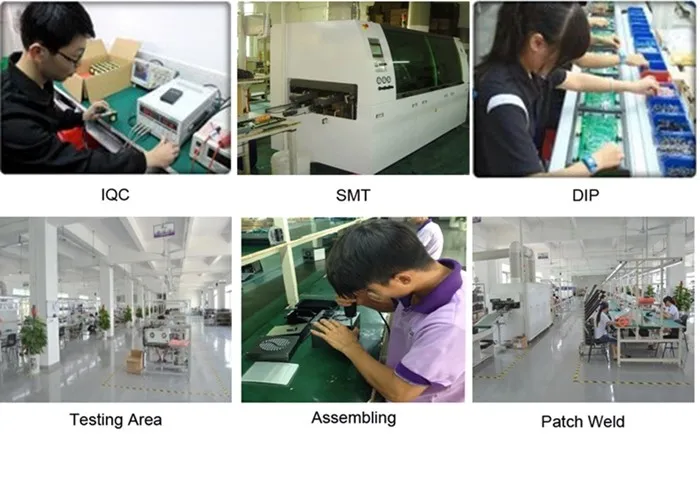
Shenzhen Dali Technology Co., Ltd.
- Manufacturer, Trading Company
- Guangdong, China
- Lead time10 days
- Avg. response≤ 9h
Main productscommercial electronics,toys,game console,drone,led light
Main marketsWestern Europe(20.00%), Southeast Asia(20.00%), North America(20.00%), South Asia(10.00%), Northern Europe(10.00%), Eastern Europe(10.00%), South America(10.00%)

- Combined
- China Guangdong
- Lead time45 days
- Avg. response≤ 1h
Main productsResin Craft, Baby Doll, Christmas Tree, Christmas Wreath, Christmas Garland, Christmas Decoration, Artificial Flower, Artificial Plant, Artificial Tree, Christmas Ornaments
Main marketsSouth America,Europe,North America

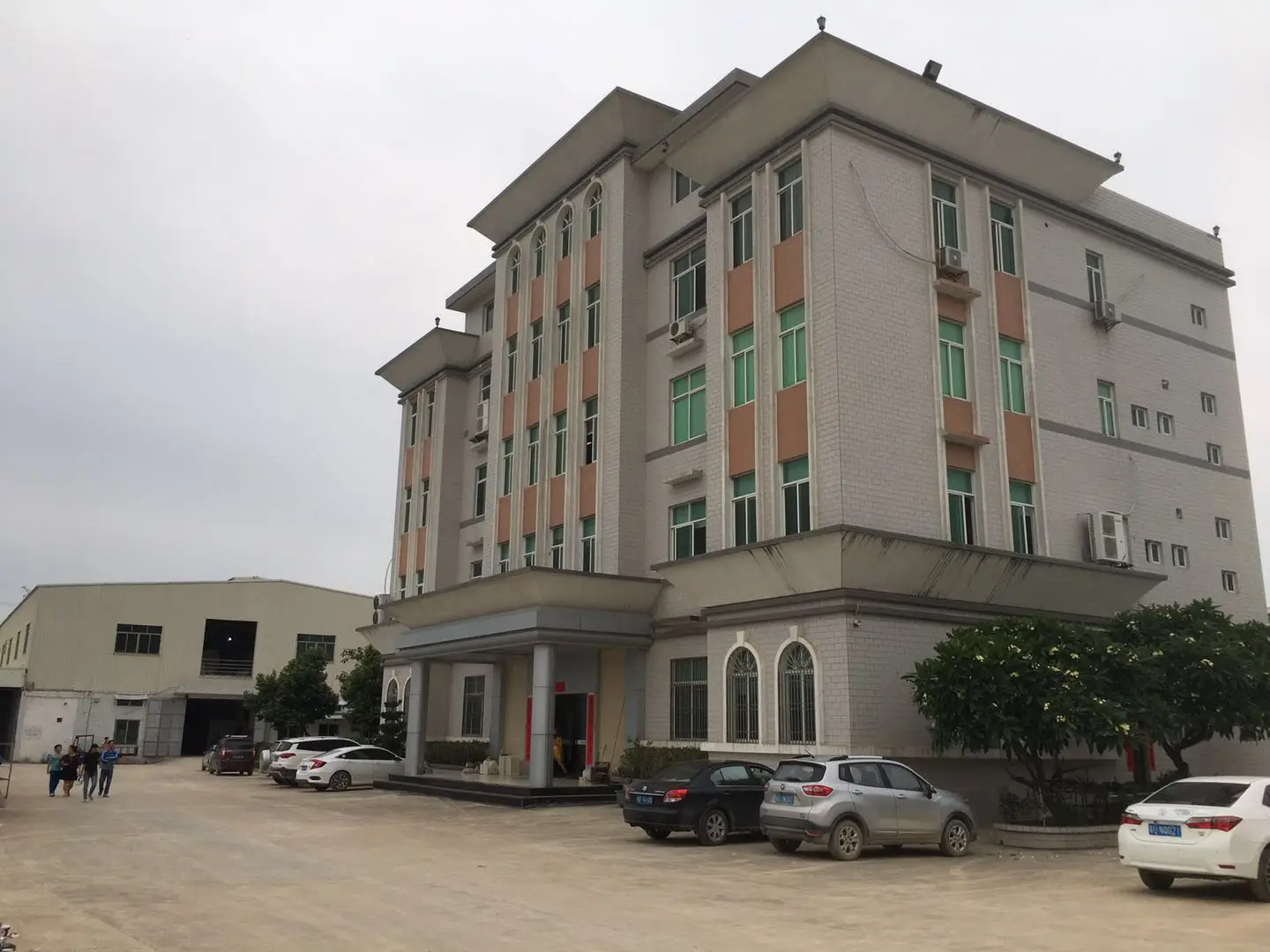
Foshan Dingle Xin Landscape Design Co., Ltd.
- Verified by SGS
- Combined
- China Guangdong
- Lead time15 days
- Avg. response≤ 1h
Main marketsDomestic
Xiamen Hinwell Manufacture And Trade Co., Ltd.
- Trading Company
- Fujian, China
- Lead time30 days
- Avg. response≤ 3h
Main productsCeramic Pots, Ceramic Vases, Porcelain Mug, Resin Figurines, Cement Planter and Decorations
Main marketsNorth America(30.00%), Western Europe(30.00%), South America(20.00%), Eastern Europe(10.00%), Southeast Asia(10.00%)

DongGuan Besco Garden Design Co.,Ltd
- Manufacturer/Factory
- China Guangdong
- Lead time60 days
- Avg. response≤ 9h
Main productsArtificial Grass & Flower, Garden Plant Decor, Succulent & Cactus, PVC Grass, Artificial Tree
Main marketsSouth America,Eastern Europe,Mid East,North America,Southeast Asia,Eastern Asia,Oceania,Western Europe,Africa
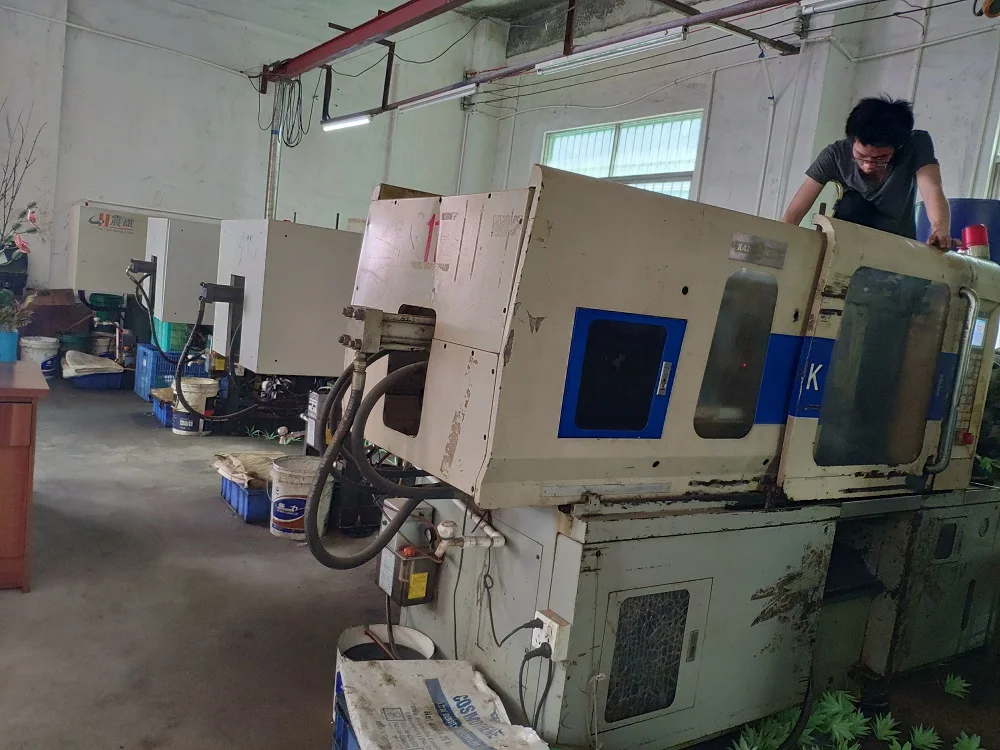
Huizhou Baifeng Crafts Co., Ltd.
- Manufacturer
- Guangdong, China
- Lead time45 days
- Avg. response≤ 2h
Main productsArtificial Flower,Artificial Succulents,Artificial Green Plants,Artificial Tree,Artificial Plant
Main marketsNorth America(88.00%), Western Europe(12.00%)
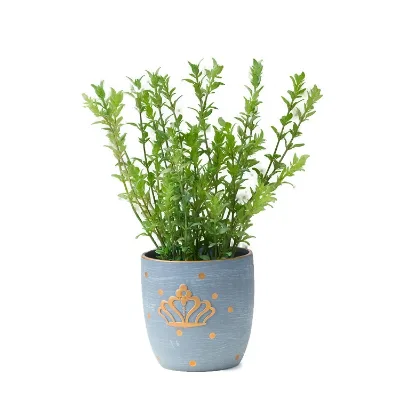
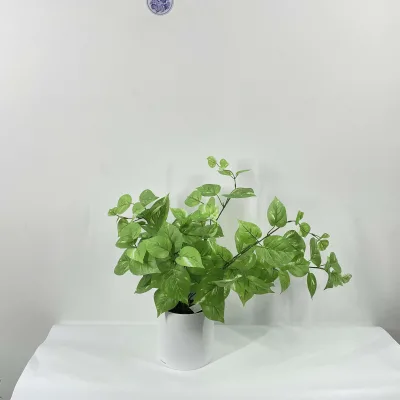
BF Hot Selling Plastic Artificial Green Plants Eco-friendly Durable for Home Office Table Decor
$3.9494 - $4.3923
MOQ: 500 pieces
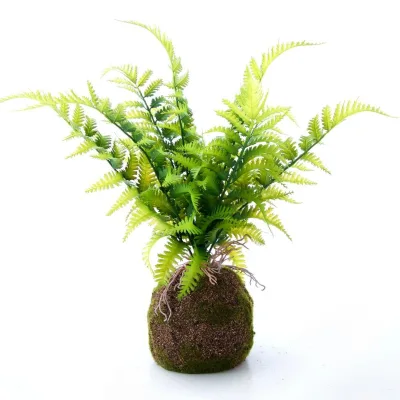
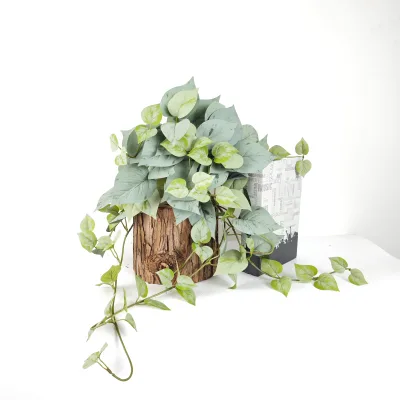
New Design Wholesale Nearly Nature Green Artificial Plants in Moss Pots for Home Garden Decoration
$2.15 - $2.38
MOQ: 500 pieces


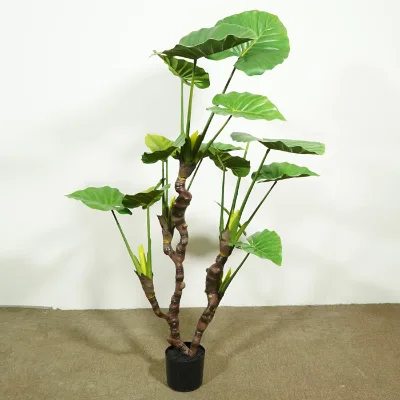
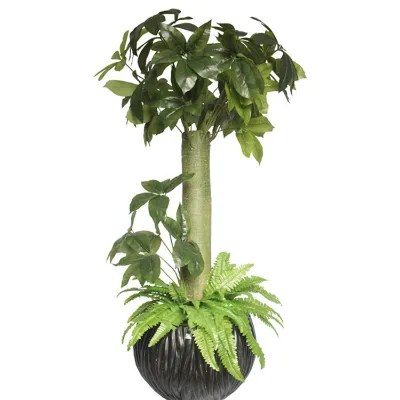
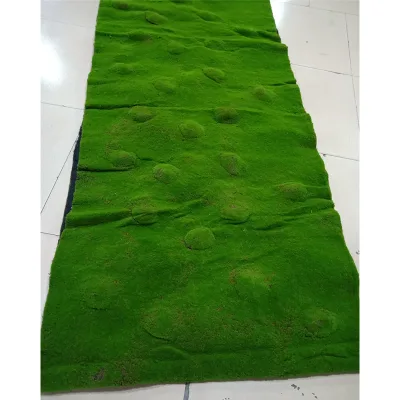
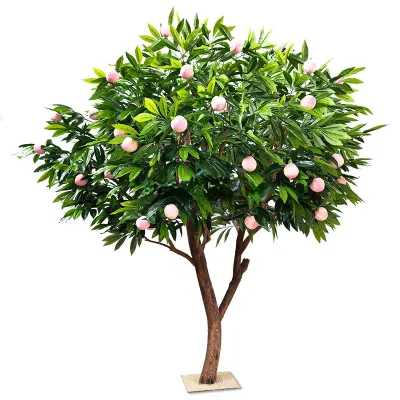
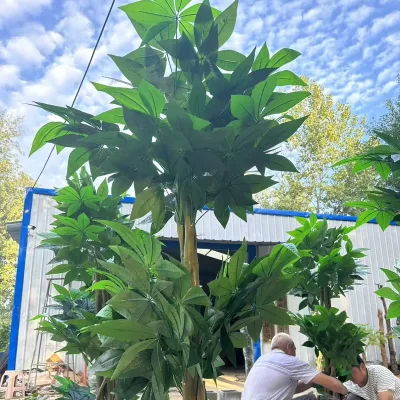
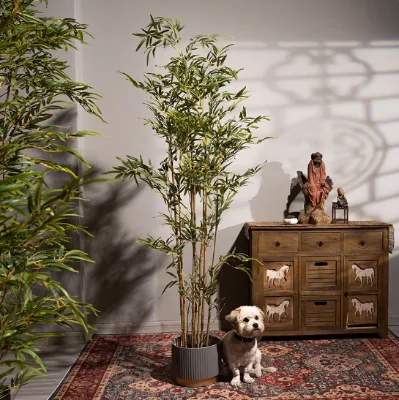


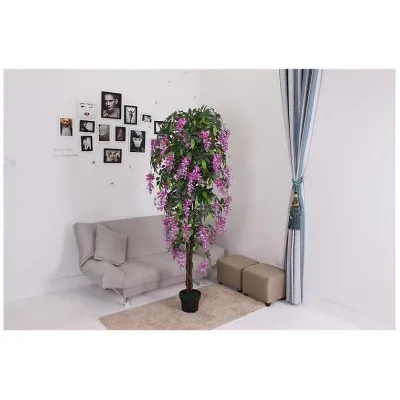
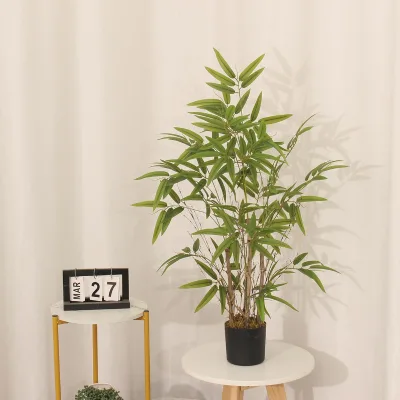






Comprehensive Sourcing Guide
Indoor Outdoor Artificial Plants Supplier Concentration and Factory Types
The current supplier landscape for indoor and outdoor artificial plants reveals a distinct geographic concentration within China, specifically highlighting manufacturing hubs in Guangdong and Hebei provinces. Guangdong-based entities are primarily identified as manufacturers or factories, indicating a direct production capability for high-volume orders. These suppliers often specialize in a diverse range of decorative items, including artificial flowers, Christmas floral picks, Easter decorations, and various artificial trees and wreaths. The presence of established factory types in this region suggests a mature supply chain capable of handling complex customization requests, such as tailored sizes, logos, and specific product models like the 157043 series. Buyers seeking direct factory engagement will find these Guangdong operations particularly relevant for bulk procurement of lifelike, decorative artificial plants intended for both indoor living spaces and outdoor landscaping applications.
In contrast, suppliers located in Hebei province present a mixed operational model, functioning as both trading companies and manufacturers. This dual nature allows for greater flexibility in sourcing, as these entities can leverage their own production lines for core items like artificial grass, synthetic turf, and vertical garden panels while also acting as aggregators for broader inventory. The main products from this region often include landscape-oriented solutions such as artificial lawns, football turf, and decorative plant walls. This structural difference is critical for buyers, as Hebei-based suppliers may offer different lead times and minimum order quantities compared to their Guangdong counterparts. Understanding whether a supplier is a pure manufacturer or a hybrid trading entity helps buyers anticipate communication styles, production capacity limits, and the potential for sourcing complementary items like fencing or garden decking accessories alongside their primary artificial plant orders.
How to Verify Indoor Outdoor Artificial Plants Suppliers
Verification is a critical step in mitigating risk when sourcing artificial plants, as the visual appeal of the product can sometimes mask underlying quality or operational inconsistencies. Buyers should prioritize suppliers who display third-party verification badges, such as those from TÜV Rheinland, which provide an additional layer of confidence regarding the supplier’s business legitimacy and operational standards. Beyond basic verification, examining system certifications is essential for ensuring that the manufacturing process meets international quality and environmental benchmarks. For instance, some suppliers hold ISO 9001 and ISO 14001 certifications, indicating a commitment to quality management systems and environmental protection, which is particularly relevant for plastic-based artificial plants. Additionally, certifications like BSCI suggest adherence to social compliance standards, ensuring that labor practices meet ethical guidelines. These credentials serve as tangible evidence of a supplier’s maturity and reliability, allowing buyers to filter out less established entities that may lack the infrastructure for consistent, large-scale production.
Response time is another vital metric for assessing supplier responsiveness and operational efficiency. A quick response time, such as the 4.49 or 5.12 hours observed in current results, indicates that the supplier has dedicated teams ready to address inquiries, negotiate terms, and resolve issues promptly. This metric is especially important for buyers who need to coordinate complex logistics or require rapid prototyping for customized orders. Buyers should also look for evidence of product-specific attributes, such as customization availability, material composition, and detailed product specifications. For example, verifying that a supplier offers customized sizes, logos, and specific product models ensures that they can meet unique design requirements. By cross-referencing these verification badges, certifications, and response metrics, buyers can build a more accurate profile of each supplier’s capabilities, ensuring that they partner with entities that are not only verified but also responsive and compliant with industry standards.
What to Compare Across Indoor Outdoor Artificial Plants Suppliers
When evaluating multiple suppliers, buyers must compare key operational dimensions such as minimum order quantities (MOQ), lead times, and pricing structures to determine the best fit for their specific needs. MOQs can vary significantly, with some suppliers requiring as few as one piece for samples or small batches, while others mandate larger orders, such as 720 pieces for wholesale items. This variation is crucial for buyers with limited storage space or those testing new product lines, as lower MOQs reduce initial financial risk. Lead times also differ, with some suppliers offering immediate availability or short turnaround times, while others may have longer production cycles, such as 15 days. Understanding these timelines helps buyers plan their inventory replenishment strategies and avoid stockouts. Additionally, comparing pricing is essential, as costs can range from under $1.00 to over $3.00 per unit depending on the product type, size, and customization level. Buyers should analyze these costs in conjunction with MOQs to calculate the total landed cost, ensuring that they achieve the best value for their budget.
Beyond basic metrics, buyers should compare the specific product attributes and customization options offered by each supplier. For instance, some suppliers provide lifelike features, evergreen properties, and specific styles like bonsai or floral arrangements, while others focus on functional aspects like waterproofing or easy installation methods such as zip ties. The availability of customized logos, sizes, and packaging options is another key differentiator, allowing buyers to brand products for their target markets. Additionally, comparing the main products offered by each supplier helps identify those with specialized expertise, such as those focusing on vertical garden panels versus those specializing in hanging plants. By systematically comparing these attributes, buyers can create a shortlist of suppliers that align with their product requirements, ensuring that they select partners who can deliver the specific quality, design, and volume needed for their business objectives.
Common Indoor Outdoor Artificial Plants Sourcing Risks
One of the primary risks in sourcing artificial plants is the discrepancy between product samples and bulk production quality. Buyers often receive high-quality samples that showcase lifelike textures and vibrant colors, but the bulk order may suffer from inconsistencies in material durability, color fading, or structural integrity. This risk is particularly prevalent with plastic-based products, where variations in manufacturing processes can lead to defects such as brittle stems or loose leaves. To mitigate this, buyers should request detailed product specifications and material compositions, such as the use of specific plastics or surface treatments, to ensure consistency. Additionally, verifying the supplier’s quality control processes and certifications can provide assurance that they maintain strict standards throughout production. Buyers should also consider conducting third-party inspections before shipment to catch any potential issues early, ensuring that the final products meet their expectations and reduce the likelihood of returns or customer complaints.
Another significant risk is the potential for delays in lead times, which can disrupt supply chains and impact sales cycles. Suppliers may promise short lead times but fail to deliver due to production bottlenecks, material shortages, or logistical challenges. This risk is exacerbated when buyers place large orders without adequate buffer time, leaving them vulnerable to stockouts. To address this, buyers should establish clear communication channels with suppliers and request regular updates on production progress. Additionally, negotiating penalty clauses for late deliveries in contracts can incentivize suppliers to meet their commitments. Buyers should also diversify their supplier base to reduce dependency on a single source, ensuring that they have alternative options if one supplier fails to deliver. By proactively managing these risks, buyers can maintain a stable supply chain and protect their business from unexpected disruptions.
Indoor Outdoor Artificial Plants Regional Sourcing and Logistics
Sourcing artificial plants from different regions in China offers distinct logistical advantages and challenges that buyers must consider when planning their procurement strategy. Guangdong-based suppliers, often located in manufacturing hubs, benefit from proximity to major ports and established logistics networks, which can facilitate faster shipping times and more efficient export processes. This region’s concentration of factories specializing in decorative items like artificial flowers and wreaths makes it an ideal source for buyers seeking high-volume, standardized products. However, buyers must also account for potential congestion at ports and seasonal fluctuations in shipping availability, which can impact delivery schedules. By understanding the logistical landscape of Guangdong, buyers can better coordinate their orders and anticipate potential delays, ensuring that their inventory arrives on time to meet market demand.
In contrast, Hebei-based suppliers, while also located in China, may have different logistical considerations due to their inland location and mixed operational models. These suppliers often focus on landscape-oriented products like artificial grass and vertical garden panels, which may require different packaging and handling methods. The presence of both trading companies and manufacturers in this region can offer buyers greater flexibility in sourcing, but it may also introduce complexity in coordinating shipments from multiple sources. Buyers should evaluate the shipping options available from Hebei, including rail and road transport, to determine the most cost-effective and reliable method for their needs. Additionally, considering the total landed cost, including freight, insurance, and customs duties, is essential for accurately budgeting for imports from different regions. By carefully assessing the logistical implications of sourcing from various regions, buyers can optimize their supply chain and reduce overall procurement costs.
Indoor Outdoor Artificial Plants Commercial Terms and Order Planning
Effective order planning for artificial plants requires a thorough understanding of commercial terms, including payment methods, shipping conditions, and after-sales support. Buyers should negotiate clear payment terms, such as partial upfront payments and balance upon shipment, to manage cash flow and mitigate financial risk. Additionally, understanding the shipping terms, such as FOB or CIF, is crucial for determining who is responsible for freight costs and insurance. Buyers should also inquire about the supplier’s return and refund policies, particularly for defective products, to ensure that they have recourse in case of quality issues. By establishing clear commercial terms upfront, buyers can avoid misunderstandings and ensure a smooth transaction process, protecting their interests and maintaining a positive relationship with their suppliers.
Beyond immediate transactional details, buyers should plan for long-term supplier relationships by considering factors such as scalability, customization capabilities, and product innovation. Suppliers that offer flexible MOQs and customization options, such as tailored sizes and logos, are better positioned to support buyers as their businesses grow and evolve. Additionally, buyers should evaluate the supplier’s ability to introduce new products, such as eco-friendly materials or innovative designs, to stay competitive in the market. By selecting suppliers that align with their long-term strategic goals, buyers can build a resilient supply chain that adapts to changing market conditions and customer preferences. Regular communication and performance reviews can further strengthen these relationships, ensuring that suppliers remain committed to delivering high-quality products and services that meet the buyer’s evolving needs.
FAQs
What is the minimum order quantity for artificial plants?
The minimum order quantity is typically 720 pieces for standard wholesale items. Some specialized wall panels allow for a lower MOQ of just one piece. Buyers should verify specific product requirements before placing bulk orders to ensure alignment with supplier policies.
Are these artificial plants suitable for outdoor use?
Yes, many listed products are designed for both indoor and outdoor environments. Features include waterproof materials and lifelike finishes suitable for garden landscaping. Buyers should check specific product attributes to confirm weather resistance and intended usage for their particular project needs.
What certifications do these suppliers hold?
Suppliers hold various certifications including BSCI, ISO 9001, and ISO 14001. Verification is provided by TÜV Rheinland for certain manufacturers. These credentials indicate adherence to quality management and social responsibility standards, ensuring reliable sourcing for international buyers.
How fast do suppliers respond to inquiries?
Response times average between 4.49 and 5.12 hours. This indicates a relatively quick turnaround for initial communication. Buyers can expect timely replies regarding pricing, customization options, and shipping details, facilitating efficient negotiation and order processing.
What is the typical lead time for production?
Lead times vary, with some suppliers indicating a 15-day production window. Other items may have different schedules depending on customization needs. Buyers should confirm specific delivery timelines with the supplier to align with their project deadlines and inventory requirements.
Can I customize the logo and size?
Customization is available for size, logo, and packaging. Buyers can request specific dimensions and branding to match their design requirements. This flexibility allows for tailored solutions for home decor, office spaces, or commercial landscaping projects.
Where are these artificial plants manufactured?
Manufacturing locations include Guangdong and Hebei provinces in China. These regions are known for their production capabilities in garden supplies and artificial flora. Buyers can source directly from these verified manufacturing hubs for competitive pricing and quality assurance.