Industrial Automation Human Machine Interface Suppliers and Manufacturers
Explore 19 verified options for Industrial Automation Human Machine Interface products from China. Compare locations, lead times, certifications, and prices to find the right fit. Contact suppliers directly to request quotes and verify specifications; review the available evidence before requesting comparable quotations from suitable candidates.
Updated
Suppliers List

Shandong Chinsc Drive Technology Co.,Ltd.
- Combined
- China Shandong
- Lead time15 days
- Avg. response≤ 25h
Main productsAC Drive, Frequency Converter, Frequency Inverter, Soft Starter, Variable Frequency Drive, VFD, Low Voltage Frequency Converter, Low Voltage Variable Frequency Drive, Middle Voltage Frequency Converter, High Voltage Frequency Converter
Main marketsAfrica,Southeast Asia/ Mideast,Europe

Human Machine Interface Customized OEM Supported Industrial Panel Human-Machine Interface
$46.00 - $54.00
MOQ: 1 Pieces

$46.00 - $54.00
MOQ: 1 Pieces


Big Size 10 Inch HMI Human Machine Interface for Industrial Automation Controller Monitor
$46.00 - $54.00
MOQ: 1 Pieces

Fuzhou Fouwell Technology Co., Ltd.
- Trading Company
- Fujian, China
- Lead time5 days
- Avg. response≤ 1h
Main productsProgrammable Logic Controller
Main marketsAfrica(50.00%), Southeast Asia(20.00%), Oceania(10.00%), Mid East(10.00%), Eastern Europe(6.00%), North America(2.00%), Western Europe(2.00%)
Dongguan Shatian Chuanghui Industrial Automation Business Department
- Trading Company
- Guangdong, China
- Lead time0 days
- Avg. response≤ 1h
Main productsHMI,PLC,SERV,AC DRIVE,servo motor
Main marketsNorth America(50.00%), South America(20.00%), Southeast Asia(10.00%), Eastern Europe(10.00%), Oceania(5.00%), Africa(5.00%)
Shenzhen Coolmay Technology Co., Ltd.
- Manufacturer, Trading Company
- Lead time旺季: "1 - 200":15,"> 200":"To be negotiated", 淡季: "1 - 200":15,"> 200":"To be negotiated"
- Avg. response≤ 2h
Main productsHMI PLC All-in-one, PLC Controller, HMI, Servo, VFD
Hunan Hualai Technology Co., Ltd.
- Trading Company
- Hunan, China
- Lead time0 days
- Avg. response≤ 8h
Main productswireless module,antenna,IC componets,resistor,battery
Main marketsNorthern Europe(10.00%), Western Europe(10.00%), Eastern Asia(10.00%), Southern Europe(10.00%), Oceania(10.00%), Africa(10.00%), Eastern Europe(10.00%), South America(10.00%), North America(10.00%), South Asia(5.00%), Mid East(5.00%)
Foshan Haihe Automation Technology company limited
- Manufacturer, Trading Company, Distributor/Wholesaler
- Guangdong, China
- Lead time5 days
- Avg. response≤ 1h
Main productsPLC,servo motor,Inverter,HMI,converter
Main marketsNorth America(40.00%), Mid East(10.00%), Oceania(10.00%), Western Europe(10.00%), Northern Europe(5.00%), Eastern Europe(5.00%), Central America(5.00%), Southeast Asia(3.00%), Domestic Market(2.00%), South Asia(2.00%), Southern Europe(2.00%), Eastern Asia(2.00%), Africa(2.00%), South America(2.00%)

Shenzhen Toprie Electronics Co., Ltd.
- Verified by SGS
- Manufacturer
- China Guangdong
- Lead time15 days
- Avg. response≤ 3h
Main productsPressure Sensor, Power Meter, Sensor, Temperature Sensor, Level Transmitter, Paperless Recorder, Iiot Gateway, Data Logger, Data Acquisition Module, Liquid Level Sensor
Main marketsEurope,North America


Smart Wireless HMI Touch Screen Display LCD Panel Human Machine Interface
$215.00 - $300.00
MOQ: 1 Sets

Huizhou EHB Technology Co., Ltd.
- Trading Company
- Guangdong, China
- Lead time3 days
- Avg. response≤ 5h
Main productsPLC,Servo Motor,Driver,Circuit Board,inverter
Main marketsSouth America(40.00%), Western Europe(20.00%), South Asia(10.00%), Northern Europe(10.00%), North America(10.00%), Mid East(10.00%), Africa(10.00%)
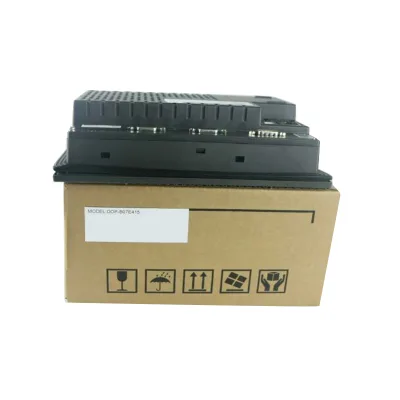
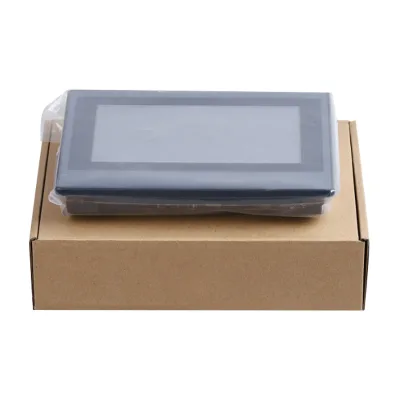
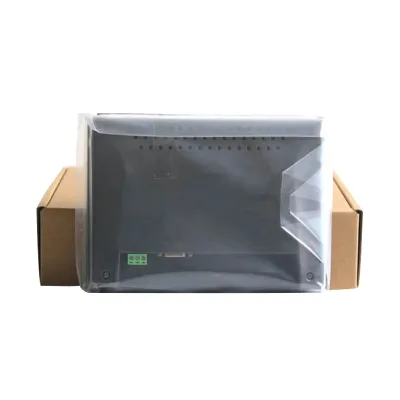
Gold Seller MI Human Machine Interface Touch Scree TK6070iQ
$200.00 - $300.00
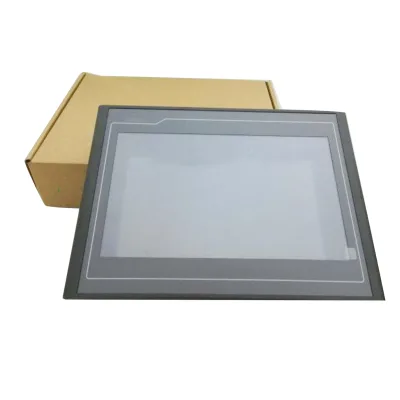
Factory Touch Screen Industrial Aluminum TPC7012El
$200.00 - $300.00
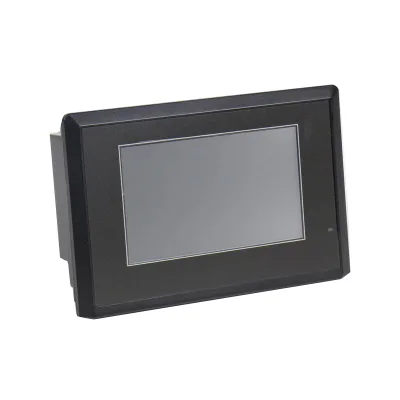
High Quality Human Machine Interface Programming TG465-ET
$200.00 - $300.00
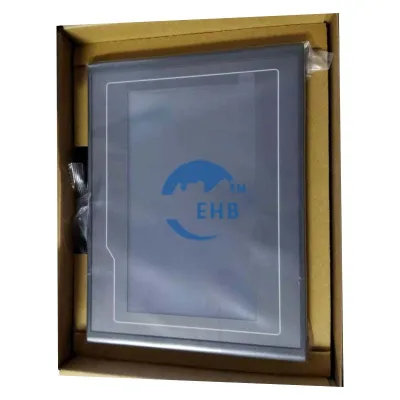
High Quality plc human machine interfaceTPC7032Kt
$200.00 - $300.00

Guangzhou he Neng Automation Equipment Co. , Ltd.
- Verified by SGS
- Trading Company
- China Guangdong
- Lead time15 days
- Avg. response≤ 5h
Main productsHMI, PLC, Inverter, Motor, Driver, Circut Breaker, Sensor, Hot Melt Glue
Main marketsSouth America,Southeast Asia/ Mideast

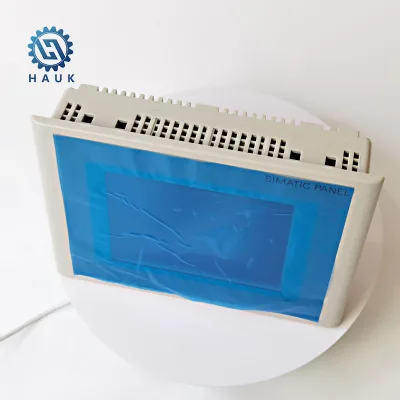
Siemens Simatic Human Machine Interface Panel Industrial Automation 6AV6642-0AA11-0ax2
$120.00 - $150.00
MOQ: 1 Pieces

Siemens Simatic Human Machine Interface Panel Industrial Automation 6AV6642-0DC01-1ax1
$120.00 - $150.00
MOQ: 1 Pieces

Siemens Simatic Human Machine Interface Panel Industrial Automation 6AV2124-0mc01-0ax0
$120.00 - $150.00
MOQ: 1 Pieces

Siemens Simatic Human-Machine Interface Panel Industrial Automation 6AV3617-1jc20-0ax1
$120.00 - $150.00
MOQ: 1 Pieces

New Ab 2711-T10c9 10.1-Inch Color Touchscreen HMI Human Machine Interface
$1000.00 - $1500.00
MOQ: 1 Pieces
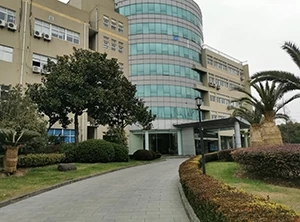
Shanghai Kuang Jiu Electromechanical Technology Co., Ltd.
- Trading Company
- Shanghai, China
- Lead time90 days
- Avg. response≤ 6h
Main productsProgrammable controller,Frequency converter,servo motor,interface,sensor
Main marketsDomestic Market(20.00%), Southern Europe(2.00%), Western Europe(2.00%), Oceania(2.00%), North America(1.00%), South Asia(1.00%), Southeast Asia(1.00%), Northern Europe(1.00%), Eastern Europe(1.00%), Eastern Asia(1.00%), Mid East(1.00%), South America(1.00%), Africa(1.00%)
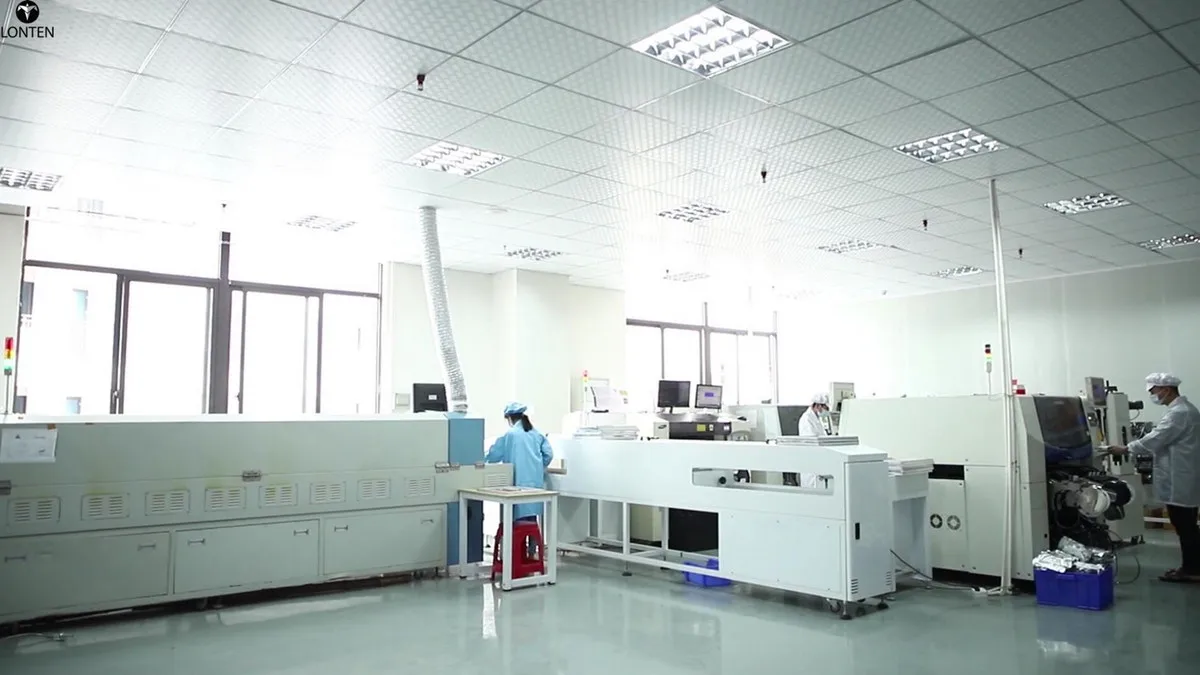
Shenzhen Lonten Technology Co., Limited
- Manufacturer
- Guangdong, China
- Lead time15 days
- Avg. response≤ 5h
Main productselectronics Component,Raspberry Pi,robot,arduino,commercial robots
Main marketsNorth America(18.00%), Eastern Europe(12.00%), Central America(9.00%), Southern Europe(9.00%), Northern Europe(9.00%), Southeast Asia(8.00%), Western Europe(7.00%), Africa(6.00%), Eastern Asia(6.00%), South Asia(6.00%), Mid East(5.00%), Oceania(4.00%), South America(1.00%)

Zhuhai Ruichuang Technology Development Co., Ltd
- Verified by SGS
- Combined
- China Guangdong
- Lead time30 days
- Avg. response≤ 3h
Main productsAutomatic Packing for Granule, Automatic Packing Machine for Powder, Automatic Packing Machine for Liquid, Automatic Packing Machine for, Power Filling Machine, Printer/Laser Marking Machine, Check Weigher, Automatic Production Line
Main marketsSoutheast Asia/ Mideast,Domestic

Smart Touchscreen Interface for Intelligent Packaging Machinery Solutions
$68000.00 - $74000.00
MOQ: 1 Pieces


User Friendly Human Machine Interface Automatic Packing with Production Data Display
$8500.00
MOQ: 1 Pieces


Changsha Leefay Technology Co., Ltd.
- Trading Company
- Hunan, China
- Lead time5 days
- Avg. response≤ 10h
Main productsPLC,HMI,Sensor,Inverter,Relay
Main marketsEastern Europe(16.00%), Western Europe(15.00%), Southeast Asia(9.00%), Southern Europe(8.00%), Central America(7.00%), North America(5.00%), South America(5.00%), Mid East(5.00%), Northern Europe(5.00%), Africa(3.00%), Eastern Asia(3.00%), Oceania(2.00%), South Asia(1.00%)
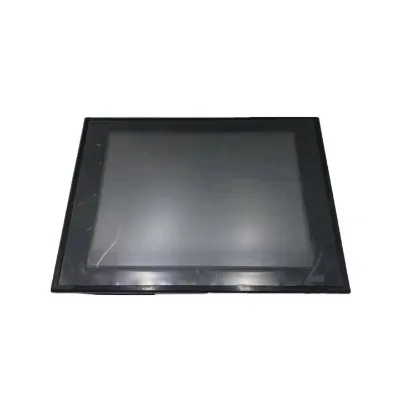
NS15-TX01B-V2 Industrial Operator Interface with High Brightness & Resistive Touch
$192.00 - $270.00
MOQ: 1 Minimum
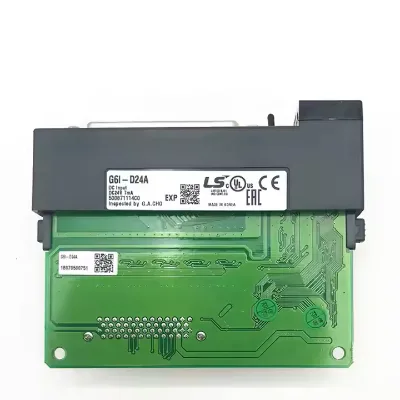
G6ID24A Smart Automation Interface IP30 Protection, PLC-Compatible for Factory Systems
$57.00 - $196.00
MOQ: 1 Minimum
Shenzhen Kaizhi Electrical Equipment Co., Ltd.
- Trading Company, Distributor/Wholesaler, Business Service (Transportation, finance, travel, Ads, etc)
- Guangdong, China
- Lead time0 days
- Avg. response≤ 4h
Main productsPLC,HMI,IPC,IO module,motor starter
Main marketsEastern Europe(20.00%), Domestic Market(10.00%), Western Europe(10.00%), North America(10.00%), South America(10.00%), Africa(5.00%), South Asia(5.00%), Southern Europe(5.00%), Northern Europe(5.00%), Southeast Asia(5.00%), Eastern Asia(5.00%), Mid East(5.00%), Oceania(5.00%)
Shenzhen Leechao Industrial Co., Ltd.
- Manufacturer, Trading Company
- Guangdong, China
- Lead time15 days
- Avg. response≤ 2h
Main productsHMI Touch Screen,Industrial PCs,PLC,Servo Motor,Inverters
Main marketsNorth America(30.00%), Western Europe(20.00%), South Asia(10.00%), Northern Europe(10.00%), South America(10.00%), Oceania(10.00%), Southeast Asia(10.00%)
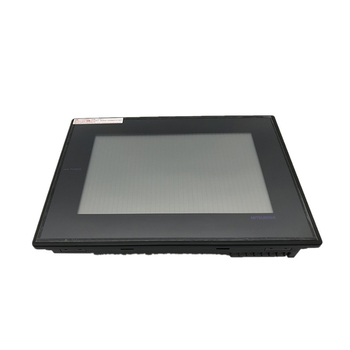
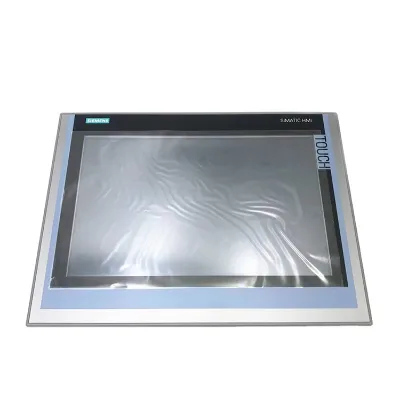
Hot Sales Human-machine Interface 1500 Comfortable 6AV2 124-0QC02-0AX1
$1300.00 - $1350.00
MOQ: 5 pieces
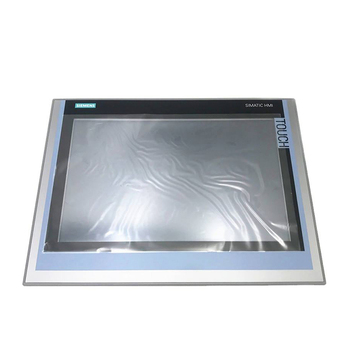
Hot Sales Human-machine Interface 1500 Comfortable 6AV2 124-0QC02-0AX1
$1300.00 - $1350.00
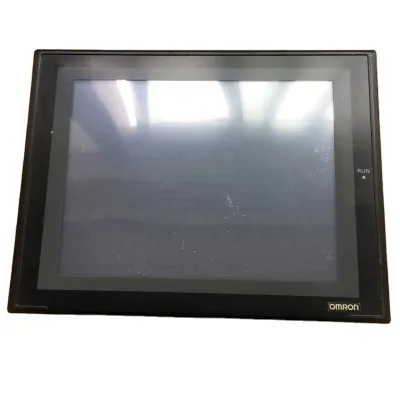
New Arrival Wholesale Original NS8-TV00B-ECV2 Hmi Human Machine Interface
$500.00 - $1150.00
MOQ: 5 pieces
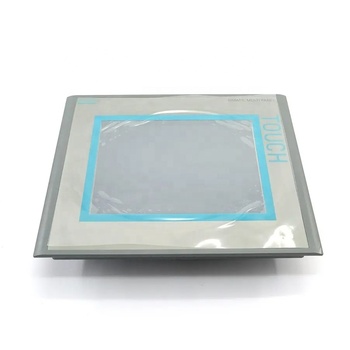
$401.798 - $515.1239
MOQ: 1 pieces
Shenzhen Derun Electromechanical Equipment Co., Ltd.
- Trading Company
- Guangdong, China
- Lead time15 days
- Avg. response≤ 7h
Main productsServo Driver,Servomotor,PLC,Frequency Converter,HMI Touch Screen
Main marketsNorth America(60.00%), Eastern Europe(20.00%), Domestic Market(10.00%), Southeast Asia(10.00%)
Boxun (Hong Kong) Technology Limited
- Trading Company
- Hong Kong S.A.R.
- Lead time5 days
- Avg. response≤ 2h
Main productsPLC programmable controller module,HMI Touch Screen,Servo drive/motor,frequency converter,sensor switch
Main marketsEastern Europe(40.00%), North America(30.00%), Western Europe(20.00%), Eastern Asia(10.00%)
Shanghai Euo Source Electronic Co., Ltd.
- Trading Company
- Lead time旺季: "1 - 1":7,"> 1":"To be negotiated", 淡季: "1 - 1":7,"> 1":"To be negotiated"
- Avg. response≤ 3h
Main productsIGBT Module,Thyristor Module,PLC Module,Inverter,Contractor

Xiamen Swill Intelligence Technology Co., Ltd.
- Verified by BV
- Trading Company,Manufacturer/Factory
- China Fujian
- Lead time23 days
- Avg. response≤ 5h
Main productsPLC Module, Servo Motor, Frequency Converter, Step Motor, Circuit Breaker, Sensor, Transformer
Main marketsSouth America,Eastern Europe,Mid East,North America,Southeast Asia,Eastern Asia,Oceania,Western Europe,Africa

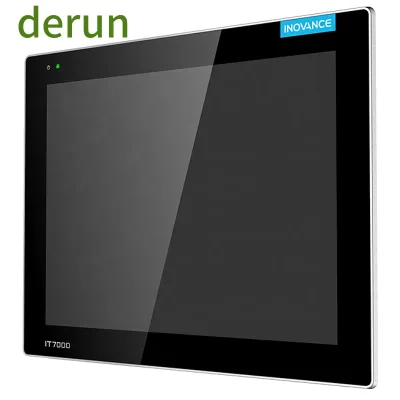
New Original Inovance HMI Human-Machine Interface Touch Screen It5100t
$100.00 - $200.00
MOQ: 1 Pieces

New Original Inovance HMI Human-Machine Interface Touch Screen H0u-1616mr-XP
$100.00 - $200.00
MOQ: 1 Pieces

New Original Inovance HMI Human-Machine Interface Touch Screen It7070t
$100.00 - $200.00
MOQ: 1 Pieces

New Original Inovance HMI Human-Machine Interface Touch Screen It7070e
$100.00 - $200.00
MOQ: 1 Pieces


New Original Inovance HMI Human-Machine Interface Touch Screen It7100e
$100.00 - $200.00
MOQ: 1 Pieces
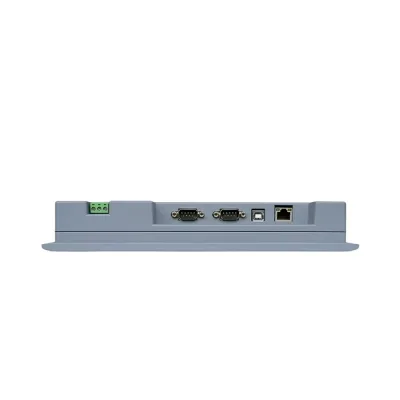
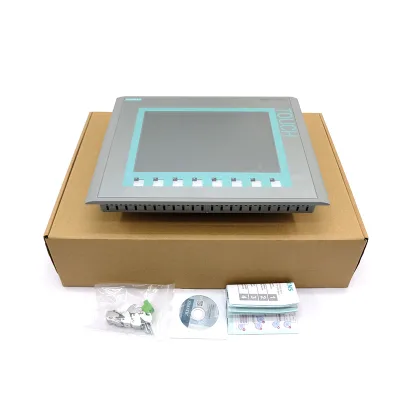
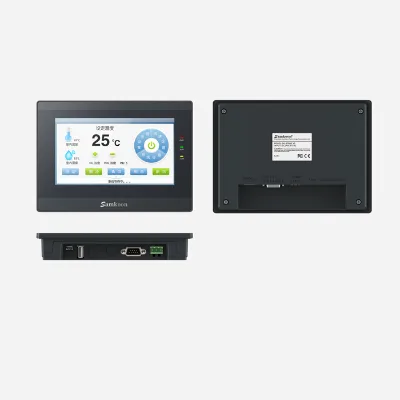
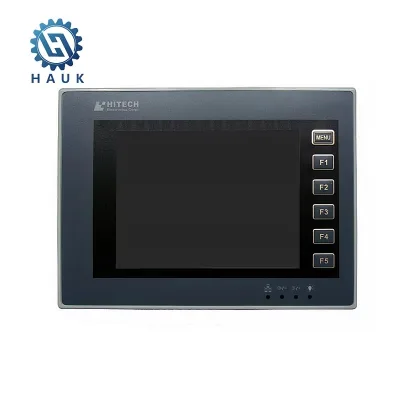
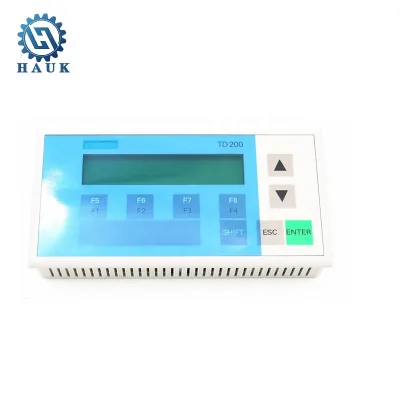
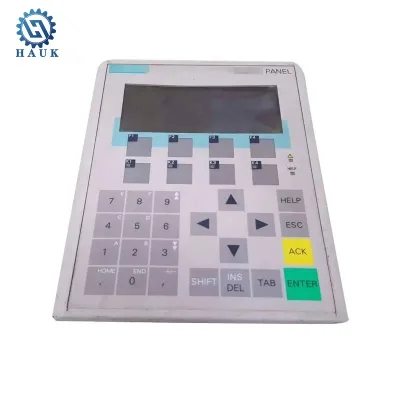
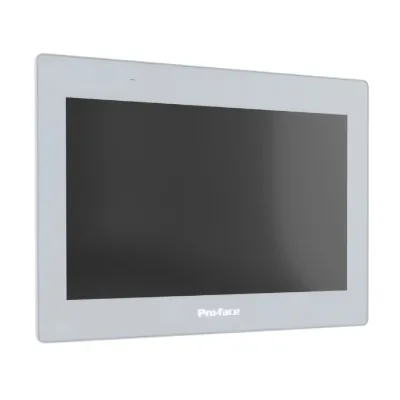
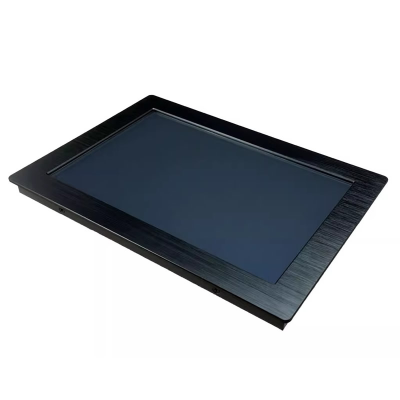
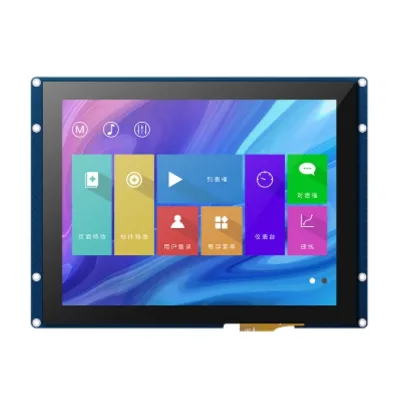
Comprehensive Sourcing Guide
Industrial Automation Human Machine Interface Supplier Concentration and Factory Types
The current supplier landscape for Industrial Automation Human Machine Interface products reveals a distinct geographic concentration within China, specifically highlighting manufacturing hubs in Shandong and Fujian provinces. Suppliers located in Shandong are primarily engaged in the production of broader electrical equipment, including AC drives, frequency converters, and soft starters, alongside their human machine interface offerings. This suggests that many factories in this region operate as combined entities capable of producing multiple types of industrial control components, rather than specializing exclusively in display interfaces. In contrast, suppliers based in Fujian appear to focus more narrowly on programmable logic controllers and interactive devices designed for smart manufacturing upgrades. This regional distinction is critical for buyers seeking specific supply chain structures, as Shandong-based entities may offer broader integration capabilities for complete drive systems, while Fujian-based sources might provide more specialized connectivity solutions for networked automation environments.
Company types among these suppliers vary significantly, ranging from combined manufacturing entities to pure trading companies. The presence of trading companies indicates a market segment focused on aggregation and distribution, which can be advantageous for buyers seeking a single source for diverse components like Siemens or MCGS branded units. Meanwhile, combined manufacturers often provide OEM and ODM services, allowing for custom branding and tailored specifications on products such as capacitive touch screens and industrial panel displays. This diversity in business models means that buyers must carefully assess whether they require direct factory engagement for customization or the logistical convenience of a trading partner who can source original equipment manufacturer parts. Understanding this structural difference helps in determining the appropriate level of direct interaction required for quality assurance and supply chain stability.
How to Verify Industrial Automation Human Machine Interface Suppliers
Verifying the legitimacy and capability of suppliers requires a close examination of their stated certifications and operational transparency. For instance, some manufacturers in the Shandong region explicitly hold ISO9001:2015, ISO14001:2015, and ISO45001:2016 certificates, which serve as tangible evidence of their commitment to quality management, environmental standards, and occupational health and safety. Buyers should prioritize suppliers who can provide these specific documentation proofs rather than relying on generic claims. Additionally, the verification process should include checking the origin of the products, as some listings specify places of origin such as Fujian or even Finland for specific models like the HMIET6401. This discrepancy highlights the importance of confirming whether the supplier is the actual manufacturer or a reseller of foreign goods, as this impacts warranty support and technical compatibility.
Response time and lead time metrics offer another layer of verification regarding supplier reliability and operational efficiency. Suppliers with a response time of one day demonstrate a high level of customer service readiness, which is crucial for urgent procurement needs or technical inquiries. Similarly, lead times vary, with some suppliers offering rapid delivery within five days, while others may have longer production cycles. Buyers should cross-reference these stated times with the supplier’s company type; trading companies often have faster lead times for stocked items, whereas manufacturers might require more time for custom orders. It is also essential to verify the condition of the goods, especially when sourcing original components, as some listings guarantee 100% original new products with specific warranty periods. This due diligence ensures that the supplier’s claims align with actual operational capabilities and product authenticity.
What to Compare Across Industrial Automation Human Machine Interface Suppliers
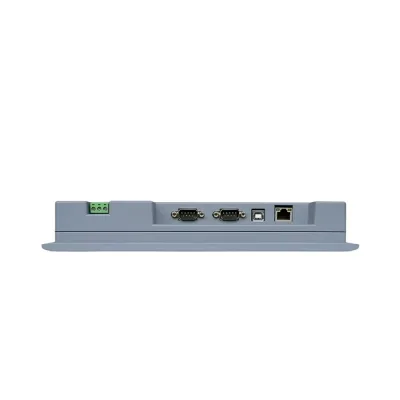
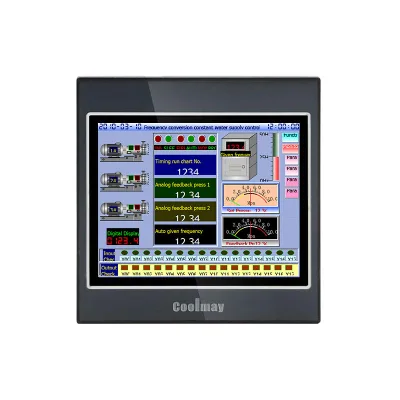
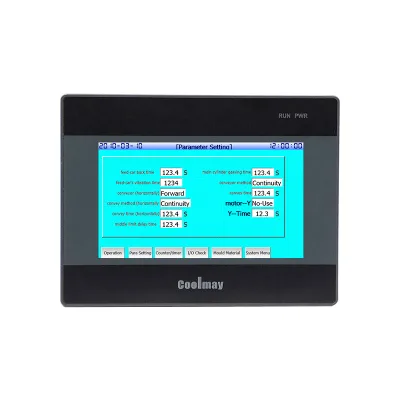
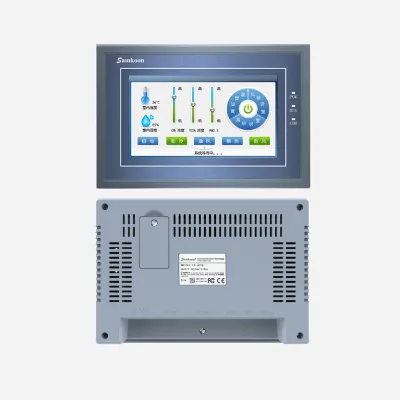
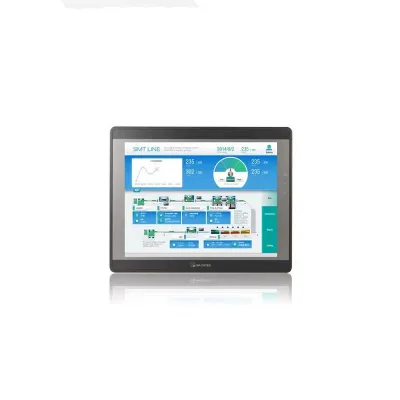
When evaluating multiple suppliers, buyers must compare key product attributes such as screen size, resolution, and communication interfaces to ensure compatibility with their existing automation systems. The available data shows a range of screen sizes from five to fifteen inches, with resolutions like 1024*768 being common for high-definition industrial applications. Communication interfaces vary significantly, with options including Ethernet, WiFi, and serial connections like RS232 and RS485. Buyers should match these technical specifications to their plant’s infrastructure, noting that some suppliers offer dual LAN capabilities for enhanced network redundancy. Additionally, the type of touch screen, whether resistive or capacitive, is a critical differentiator that affects user experience and durability in harsh industrial environments. Comparing these technical details across suppliers helps in selecting the most suitable hardware for specific control system requirements.
Pricing and minimum order quantities (MOQ) are also vital factors in the comparison process. Prices for human machine interface units can range from approximately forty-six dollars to ninety-five dollars, depending on the model, features, and brand authenticity. Some suppliers offer an MOQ of just one piece, which is ideal for prototyping or small-scale replacements, while others may have higher thresholds for bulk orders. It is important to note that price variations often correlate with the condition of the product, such as whether it is a customized OEM unit or a brand-new original component. Buyers should also consider the packaging and shipping terms, as some suppliers provide carton packaging and specify single gross weights, which can impact logistics costs. By systematically comparing these commercial and technical parameters, buyers can identify the most cost-effective and technically appropriate supplier for their needs.
Common Industrial Automation Human Machine Interface Sourcing Risks
One significant risk in sourcing Industrial Automation Human Machine Interface products is the potential mismatch between the stated place of origin and the actual manufacturing location. For example, some listings indicate a place of origin in Finland for specific models, while the supplier is located in Guangdong, China. This discrepancy can lead to confusion regarding warranty coverage, technical support availability, and compliance with regional standards. Buyers must verify whether the supplier is importing these units or if the origin label refers to the design source rather than the production site. Such ambiguities can complicate after-sales service and may result in delays if technical support is required from a foreign entity. Clear communication with the supplier about the true origin and manufacturing process is essential to mitigate this risk.
Another risk involves the authenticity and condition of the products, particularly when sourcing original equipment manufacturer components. Some suppliers offer products described as "100% Original New," while others provide customized or generic alternatives. The risk of receiving counterfeit or refurbished units as new products is heightened when dealing with trading companies that aggregate goods from various sources. Buyers should be cautious of listings that do not provide clear evidence of authenticity, such as serial number verification or manufacturer authorization. Additionally, the variability in lead times and response speeds can impact project timelines, especially if a supplier overpromises on delivery dates. Establishing clear contractual terms regarding product condition, origin, and delivery schedules is crucial to protecting the buyer from these common sourcing pitfalls.
Industrial Automation Human Machine Interface Regional Sourcing and Logistics
Sourcing from specific regions in China offers distinct logistical advantages and challenges that buyers must consider. Suppliers in Shandong and Fujian provinces benefit from established industrial clusters and infrastructure, which can facilitate efficient production and shipping. However, the distance from major ports and the specific logistics networks available in these regions can affect shipping costs and transit times. Buyers should evaluate the supplier’s shipping terms, such as the use of TNT, DHL, or FedEx, to determine the most reliable and cost-effective delivery method. Additionally, the packaging specifications provided by suppliers, such as carton packaging and single package dimensions, play a crucial role in optimizing freight volume and protecting the delicate electronic components during transit. Understanding these logistical factors helps in planning the supply chain more effectively.
The regional concentration of suppliers also influences the availability of specialized components and support services. For instance, suppliers in Fujian may have better access to network connectivity components and smart manufacturing technologies, while those in Shandong might offer more comprehensive drive and control system integrations. Buyers should leverage this regional expertise by selecting suppliers whose geographic location aligns with their specific technical requirements. Furthermore, the response time of suppliers in these regions can impact the speed of issue resolution and order processing. Fast response times, such as one day, are particularly valuable for maintaining operational continuity in industrial settings. By aligning regional sourcing strategies with logistical capabilities, buyers can enhance the efficiency and reliability of their human machine interface procurement.
Industrial Automation Human Machine Interface Commercial Terms and Order Planning
Commercial terms and order planning are critical components of a successful procurement strategy for Industrial Automation Human Machine Interface products. Buyers should carefully review the payment terms offered by suppliers, which may include options like PayPal, Trade Assurance, TT, or Western Union. These payment methods vary in terms of security and convenience, with Trade Assurance providing an additional layer of protection for international transactions. Additionally, the warranty periods offered by suppliers, such as one-year warranties for original components, are essential for mitigating the risk of product failure. Buyers should ensure that the warranty terms are clearly stated and understood before finalizing any order. This attention to commercial details helps in establishing a secure and transparent business relationship with the supplier.
Order planning should also consider the customization options available, such as OEM and ODM services, which can be crucial for brands seeking to integrate human machine interfaces into their specific product lines. Suppliers that offer customization should be evaluated based on their ability to meet specific design requirements, such as screen size, aspect ratio, and application-specific features. The minimum order quantities for customized products may differ from standard items, so buyers must plan their inventory accordingly. Furthermore, the lead times for customized orders can be longer than those for stock items, requiring careful scheduling to avoid production delays. By integrating these commercial and logistical considerations into their order planning, buyers can optimize their supply chain and ensure timely delivery of high-quality industrial automation components.
FAQs
What is the typical lead time for industrial HMI orders?
Lead times vary by supplier location and product type. Suppliers in China Shandong report a standard lead time of 15 days, while those in Fujian offer faster turnaround with a 5-day lead time. Guangdong-based suppliers may list zero days, indicating immediate stock availability. Buyers should confirm specific delivery windows with the supplier before placing orders to ensure alignment with project schedules.
What certifications do HMI manufacturers hold?
Manufacturers in China Shandong hold ISO9001:2015, ISO14001:2015, and ISO45001:2016 certificates, ensuring quality and safety standards. These certifications apply to combined companies producing AC drives and frequency converters alongside HMIs. Buyers should verify current certificate validity directly with the supplier, as certification status can change. These standards indicate a commitment to systematic quality management and environmental responsibility in production processes.
What is the minimum order quantity for industrial HMIs?
The minimum order quantity is typically one unit for most industrial HMI products listed. Suppliers in Fujian and Guangdong explicitly state an MOQ of one piece or one PCS. This low threshold allows buyers to test samples or order small batches without significant commitment. It is ideal for prototyping or replacing single units in existing automation systems without needing bulk purchase agreements.
What is the price range for standard industrial HMIs?
Prices for industrial HMIs range from $46 to $95 per unit depending on specifications. Customized OEM panels with capacitive screens start around $46, while specialized models with network connectivity cost between $90 and $95. Prices vary based on screen size, resolution, and communication interfaces like WiFi or Ethernet. Buyers should request detailed quotes to understand cost implications for specific model requirements and customization needs.
What response times can buyers expect from suppliers?
Supplier response times vary significantly across regions. Suppliers in Fujian demonstrate rapid responsiveness with a one-hour average response time. Other suppliers in China Shandong report a 25-hour response time. Faster response times often correlate with trading companies focused on quick service, while combined manufacturers may take longer due to production scheduling. Buyers should prioritize suppliers with shorter response times for urgent inquiries or technical support needs.
What screen sizes are available for industrial HMIs?
Industrial HMIs are available in screen sizes ranging from 5 to 15 inches. Specific models include 7-inch, 10-inch, and 12-inch displays. Capacitive touch screens are common, with resolutions like 1024x768 for larger panels. Buyers can choose based on application requirements, with smaller screens suitable for compact control panels and larger displays for complex monitoring interfaces. Custom aspect ratios are also available for specialized industrial control systems.