Industrial Automation Temperature Sensing Module Suppliers and Manufacturers
Explore 32 verified suppliers offering industrial automation temperature sensing modules with response times, lead times, and pricing. Compare dimensions like location, certifications, and product specs to find the right partner. Contact suppliers directly to request quotes; review the available evidence before requesting comparable quotations from suitable candidates.
Updated
Suppliers List

Anhui Hechuang Intelligent Manufacturing Co. Ltd
- Verified by SGS
- Combined
- China Anhui
- Lead time15 days
- Avg. response≤ 2h
Main productsDifferential Pressure Transmitter, Pressure Transmitter, Temperature Transmitter, Electromagnetic Flowmeter, Magnetic Level Gauge, Bimetallic Thermometer, Differential Pressure Switch, Sensor, Float Level Gauge, Vortex Flowmeter
Main marketsDomestic


Universal Multi-Channel Temperature Acquisition Module for Industrial Automation
$100.00 - $599.00
MOQ: 1 Pieces

Industrial Multi-Channel Temperature Data Acquisition Module with RS485 Modbus
$100.00 - $599.00
MOQ: 1 Pieces


Shenzhen Yihexin Electronic Technology Co., Ltd.
- Distributor/Wholesaler
- Guangdong, China
- Lead time3 days
- Avg. response≤ 2h
Main productsElectronic Components,Integrated Circuit IC,integrated module,chip,electronic module
Main marketsWestern Europe(10.00%), Southeast Asia(10.00%), Mid East(10.00%), Eastern Europe(10.00%), South America(10.00%), North America(10.00%), Domestic Market(5.00%), South Asia(5.00%), Southern Europe(5.00%), Northern Europe(5.00%), Central America(5.00%), Oceania(5.00%), Eastern Asia(5.00%), Africa(5.00%)

Xiamen Trust Information Tech Co., Ltd.
- Verified by TUVRHEINLAND
- Combined
- China Fujian
- Lead time15 days
- Avg. response≤ 6h
Main productsSensor, Lora Sensor, Temperature Humidity Sensor, Wireless Sensor, Solar GPS Locator, Lorawan Sensor, 5g Positioning Tag, Wireless CO2 Sensor, Wireless Pm2.5 Sensor, Co Sensor
Main marketsDomestic


Industrial Temperature and Humidity Sensor with High-Precision Measurement
$2100.00 - $2600.00
MOQ: 1 Pieces

Premium Precision Temperature Sensor for Industrial Control Systems and Equipment
$6.00 - $20.00
MOQ: 10 Pieces

Industrial Temperature Sensor with RS485 for Switchgear and Control Cabinet Monitoring
$30.00 - $35.00
MOQ: 10 Pieces

Smart Temperature and Humidity Sensor for Efficient Data Center Monitoring
$2200.00 - $2600.00
MOQ: 1 Pieces

Advanced Temperature Humidity Sensor for Precise Monitoring and Measurement
$2100.00 - $2600.00
MOQ: 1 Pieces

Jiangsu Aice Instrument Technology Co., Ltd.
- Verified by BV
- Trading Company
- China Jiangsu
- Lead time15 days
- Avg. response≤ 3h
Main productsindustrial temperature instruments
Main marketsSouth America,Others(foreignTradeCapacity.exportBusinessCapacityMarketOther),Southeast Asia/ Mideast,East Asia(Japan/ South Korea),North America

Advanced Smart Temperature Transmitter for Industrial Monitoring Solutions
$135.00 - $151.00
MOQ: 1 Pieces


IP65 High Precision Temperature Sensor with Adjustable Emissivity Settings
$47.60 - $63.50
MOQ: 1 Pieces

Changsha Jiumo Security Technology Co., Ltd.
- Verified by BV
- Trading Company
- China Hunan
- Lead time15 days
- Avg. response≤ 1h
Main productsWalkie Talkie, Wireless Explainer, Wireless Pager, Anti-Theft Alarm
Main marketsDomestic
Shenzhen Mingdewei Electronics Limited
- Verified by Intertek
- Trading Company
- Lead time7 days
- Avg. response≤ 2h
Main productsIntegrated Circuits, PWM Speed Controller Regulator, Power Modules, Gas Sensor , IGBT
Main marketsNorth America(20%), Southeast Asia(15%), South America(10%)
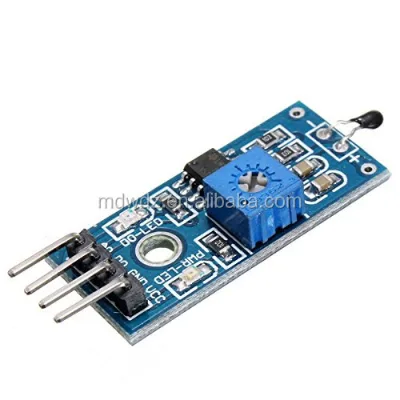
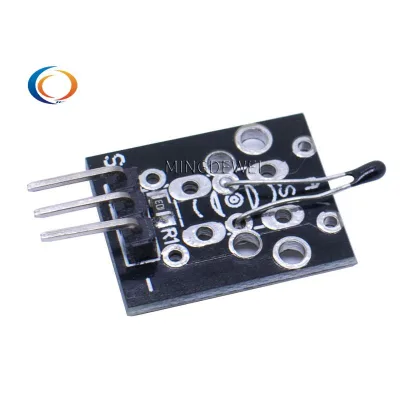
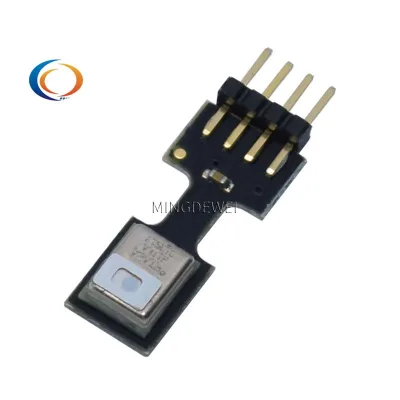
Aht15 Integrated Temperature And Humidity Sensor 12C signal high precision
$0.90 - $1.35
MOQ: 5 Minimum

- Combined
- China Zhejiang
- Lead time30 days
- Avg. response≤ 9h
Main productsTemperature Controller, Temperature Sensor, Thermometer, Temperature Indicator, Timer, Thermocouple, Temperature Control, Thermostat, Humidity Control, Temperature Meter
Main marketsSouth America,Africa,North America
Shenzhen Jiaxinjie Technology Co., Ltd.
- Trading Company, Agent, Distributor/Wholesaler
- Guang Dong, China
- Lead time3 days
- Avg. response≤ 5h
Main productsElectronic products,Electronic module,IC Chip,Capacitance & Resistance,Medical equipment
Main marketsDomestic Market(10.00%), South Asia(10.00%), Southern Europe(10.00%), Eastern Europe(10.00%), South America(10.00%), North America(10.00%), Oceania(5.00%), Africa(5.00%), Southeast Asia(5.00%), Northern Europe(5.00%), Central America(5.00%), Western Europe(5.00%), Eastern Asia(5.00%), Mid East(5.00%)
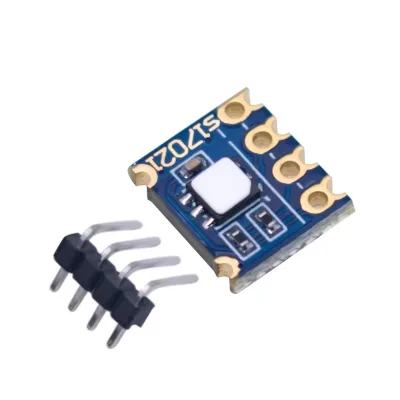
$3.0879 - $5.1446
MOQ: 5 Minimum
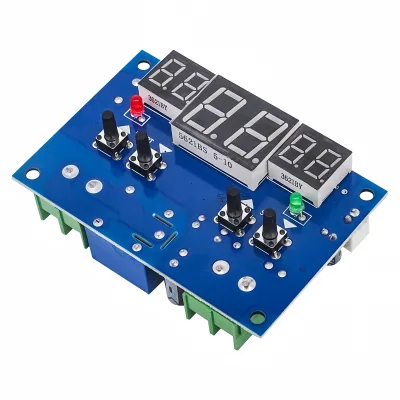
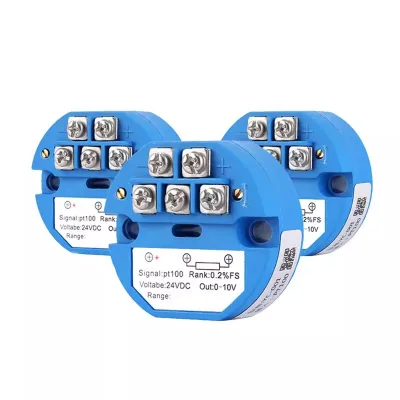
Integrated Temperature Transmitter Module PT100 Thermal Resistance Output 4-20M Isolation Sensor
$3.0894 - $5.1491
MOQ: 5 Minimum
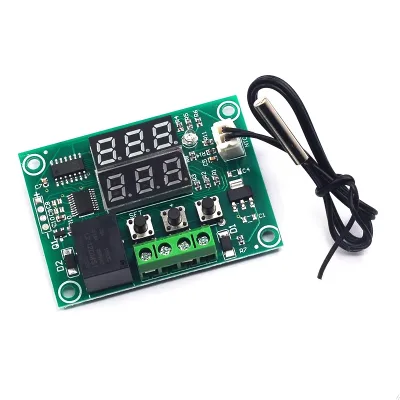
XH-W1219 Dual Display High Precision Temperature Control Switch Module
$1.5575 - $1.8693
MOQ: 5 Minimum

Jiangsu Jiechuang Science And Technology Co., Ltd.
- Verified by BV
- Combined
- China Jiangsu
- Lead time15 days
- Avg. response≤ 6h
Main productsFlow Meter, Pressure Transmitter, Pressure Gauge, Level Transmitter, Temperature Transmitter, Contorl Valve, Electromagnetic Flowmeter, 80GHz Radar Level Meter, Thermocouple, Differential Pressure Transmitter
Main marketsDomestic

High-Precision Temperature Transmitter for Industrial Automation (4-20mA)
$45.00 - $180.00
MOQ: 1 Pieces

High-Precision Temperature Transmitter for Industrial Automation (4-20mA)
$45.00 - $180.00
MOQ: 1 Pieces

Integrated High-Precision Temperature Transmitter for Industrial Automation (4-20mA)
$45.00 - $180.00
MOQ: 1 Pieces

Integrated High-Precision Temperature Transmitter for Industrial Automation Systems (4-20mA)
$45.00 - $180.00
MOQ: 1 Pieces

Shenzhen Jiaodi Ren Technology Co., Ltd.
- Trading Company, Agent, Distributor/Wholesaler
- Guangdong, China
- Lead time5 days
- Avg. response≤ 1h
Main productschips,electronic components,integrated circuits,electronic devices,electronic accessories
Main marketsEastern Asia(50.00%), Eastern Europe(15.00%), Mid East(15.00%), South Asia(15.00%), Africa(5.00%)
Shenzhen Chengfangchip Electronic Technology Co., Ltd.
- Verified by Intertek
- Trading Company
- Lead time0 days
- Avg. response≤ 3h
Main productsPCBA, ICs, Transistor, IGBT, Development Board
Main marketsNorth America(40%), Southeast Asia(20%), Mid East(20%)
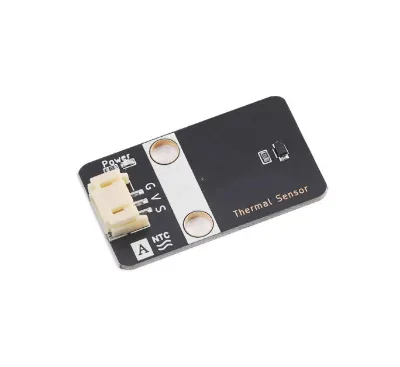
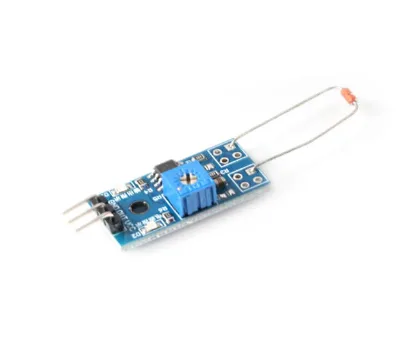
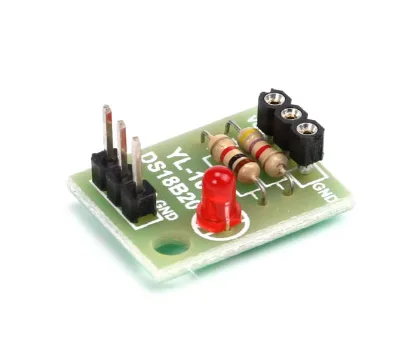
Original Temperature Switch Sensor Module Thermal Sensor Intelligent Car Accessories Module
$0.27 - $0.52
MOQ: 1 pieces

Shenzhen Eshinede Technology Co., Ltd.
- Manufacturer, Trading Company, Distributor/Wholesaler
- Guangdong, China
- Lead time3 days
- Avg. response≤ 2h
Main productsDC-DC Converter,Digital Voltmeter,PWM Motor Speed Controller,Electronic Components,Car Charger
Main marketsNorth America(20.00%), Southeast Asia(15.00%), South America(12.00%), Eastern Asia(8.00%), Western Europe(8.00%), South Asia(8.00%), Eastern Europe(8.00%), Mid East(6.00%), Northern Europe(5.00%), Southern Europe(4.00%), Oceania(3.00%), Domestic Market(1.00%), Africa(1.00%), Central America(1.00%)
Wenzhou Dijiaiti Machinery Commercial Co., Ltd.
- Trading Company
- Zhejiang, China
- Lead time20 days
- Avg. response≤ 10h
Main productsDamper,Gearbox,Solar Tracker Controller,Speed Reducer
Main marketsSouth America(70.00%), Southeast Asia(10.00%), Eastern Europe(10.00%), Domestic Market(5.00%), Western Europe(5.00%)

Shenzhen Ke Zhi You Technology Co., Ltd.
- Verified by CTI
- Trading Company,Manufacturer/Factory
- China Guangdong
- Lead time23 days
- Avg. response≤ 13h
Main productsArduino Board, Arduino Sheild, Arduino Starter Kit, 3D Printers, Arduino Robot, Arduino Sensor/Modules, Raspberry Pi, Smart Car, Display, Mico Bit: Bbc Board
Main marketsSouth America,Eastern Europe,Mid East,North America,Southeast Asia,Eastern Asia,Oceania,Western Europe,Africa
Shenzhen Binyueda Electronics Co., Ltd.
- Trading Company, Agent, Distributor/Wholesaler
- Guangdong, China
- Lead time3 days
- Avg. response≤ 10h
Main productsElectronics Components,Computer Accessories,Integrated Circuit,Electrical Equipment
Main marketsNorth America(30.00%), Western Europe(20.00%), Northern Europe(10.00%), Southeast Asia(10.00%), Mid East(10.00%), South America(5.00%), Eastern Europe(5.00%), South Asia(2.00%), Africa(2.00%)

Beijing Pinghe Chuangye Technology Development Co., Ltd.
- Combined
- China Beijing
- Lead time15 days
- Avg. response≤ 2h
Main productsIsolated Safety Barriers, Signal Conditioners, Signal Isolator, Surge Protective Devices, Safety Relays, Isolated I/O Modules, Signal Converter
Main marketsSouth America,Europe,North America
Shenzhen Kaisheng Century Electronics Co., Ltd.
- Verified by TüVRheinland
- Trading Company
- Lead time1 days
- Avg. response≤ 2h
Main productsSemiconductor Electronic Components, RF Wireless Network Modules, Unmanned Machinery Components, Development Board Application Kits
Main marketsSouth America(18%), Eastern Asia(18%), North America(15%)

Shenzhen Toprie Electronics Co., Ltd.
- Verified by SGS
- Manufacturer
- China Guangdong
- Lead time15 days
- Avg. response≤ 3h
Main productsPressure Sensor, Power Meter, Sensor, Temperature Sensor, Level Transmitter, Paperless Recorder, Iiot Gateway, Data Logger, Data Acquisition Module, Liquid Level Sensor
Main marketsEurope,North America


Multi-Channel Temperature Measurement Module Data Acquisition with Data Display Software
$163.00 - $219.00
MOQ: 1 pcs

China Wholesale Smart Acquisition Module for Thermocouple Temperature Sensor
$163.00 - $219.00
MOQ: 1 pcs


Yantai Well Done Tech Co., Ltd
- Verified by SGS
- Trading Company
- China Shandong
- Lead time23 days
- Avg. response≤ 2h
Main productsContinues Emission Monitoring System, EV-Charger, Pressure Transmitter, Dust Monitor, Gas Analyzer, Solar Energy Storage Charging Pile Station, Valves
Main marketsSoutheast Asia/ Mideast

Intelligent Integrated Temperature Transmitter Module with RS485 Protocol
$110.00 - $140.00
MOQ: 1 Pieces


BAOJI XINGYUTENG MEASURE AND CONTROL INSTRUMENTS CO., LTD.
- Verified by BV
- Manufacturer/Factory
- China Shaanxi
- Lead time15 days
- Avg. response≤ 6h
Main productsPressure Transmitter, Level Transmitter, Temperature Transmitter, Flow Switch, Pressure Sensor, Flow Meter, Pressure Switch, Temperature Switch, Temperature Sensor, Sensor
Main marketsSouth America,Eastern Europe,Mid East,North America,Southeast Asia,Eastern Asia,Oceania,Western Europe,Africa

$18.00 - $28.00
MOQ: 1 Pieces


Ningbo Qingyang Automation Technology CO.,LTD.
- Verified by BV
- Combined
- China Zhejiang
- Lead time15 days
- Avg. response≤ 3h
Main productsPressure Transmitter, Temperature Transmitter, Level Transmitter
Main marketsSoutheast Asia/ Mideast,Europe,North America
Shenzhen CXS Electronic Co., Ltd
- Manufacturer, Trading Company, Distributor/Wholesaler
- Guangdong, China
- Lead time0 days
- Avg. response≤ 6h
Main productsIC,Capacitor,Resistor,module,LED
Main marketsSouth America(20.00%), North America(20.00%), Northern Europe(10.00%), Western Europe(10.00%), Mid East(10.00%), Southern Europe(10.00%), Southeast Asia(10.00%), Domestic Market(5.00%), Africa(5.00%)
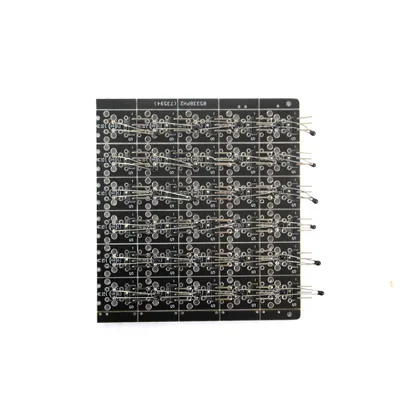
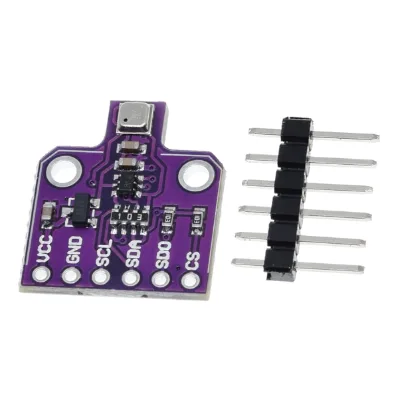
$3.6845 - $3.7865
MOQ: 5 pieces
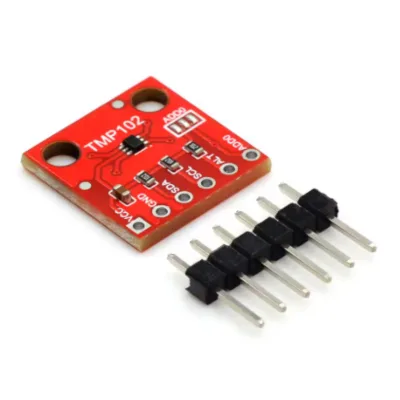
TMP102 Digital Temperature Sensor Module High 1.5cmx1.5cm Temperature Sensor Board
$0.6895 - $1.0193
MOQ: 10 Minimum
Shenzhen Dongheng Electronic Technology Co., Ltd.
- Trading Company, Distributor/Wholesaler
- Guangdong, China
- Lead time0 days
- Avg. response≤ 2h
Main productsElectronic Components,Cables,Integrated Circuit,Development Boards,3D Printer Parts
Main marketsNorth America(40.00%), Southeast Asia(30.00%), South Asia(10.00%), Central America(10.00%), Mid East(10.00%)

Shenzhen RPD Sensor Technology Co., Ltd
- Verified by SGS
- Combined
- China Guangdong
- Lead time15 days
- Avg. response≤ 6h
Main productsTemperature Sensor
Main marketsSouth America,Africa,Southeast Asia/ Mideast,East Asia(Japan/ South Korea),Domestic,Europe,Australia,North America

$0.90 - $1.90
MOQ: 100 Pieces


Shenzhen Weijunrui Technology Co.,Ltd
- Verified by BV
- Trading Company
- China Guangdong
- Lead time15 days
- Avg. response≤ 2h
Main productsAnalog I/O Modules, Signal Isolated Converter, Signal Conditioners, Current Splitter, PT100 Temperature Signal, Frequency Converters, DC to DC Converters, Digital I/O Modules, 4-20mA Signal Isolator, 4-20mA Current Loop
Main marketsEast Asia(Japan/ South Korea),Europe,North America

PT100/PT1000 Temperature Signal Measurement Sensor Signal Data Acquisition Module
$22.55 - $22.99
MOQ: 2 Pieces


$22.55 - $22.99
MOQ: 2 Pieces
Shenzhen Lonten Technology Co., Limited
- Manufacturer
- Guangdong, China
- Lead time15 days
- Avg. response≤ 5h
Main productselectronics Component,Raspberry Pi,robot,arduino,commercial robots
Main marketsNorth America(18.00%), Eastern Europe(12.00%), Central America(9.00%), Southern Europe(9.00%), Northern Europe(9.00%), Southeast Asia(8.00%), Western Europe(7.00%), Africa(6.00%), Eastern Asia(6.00%), South Asia(6.00%), Mid East(5.00%), Oceania(4.00%), South America(1.00%)
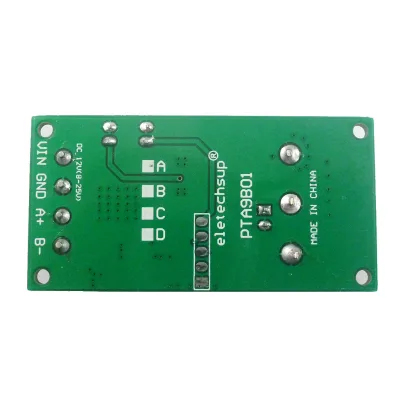
$0.45 - $4.50
MOQ: 1 Minimum
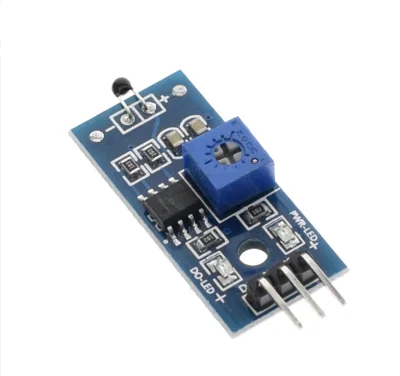
Thermal Sensor Module Temperature Sensor Module NTC Thermistor Sensor for Arduin0
$0.2788 - $0.4122
MOQ: 1 pieces
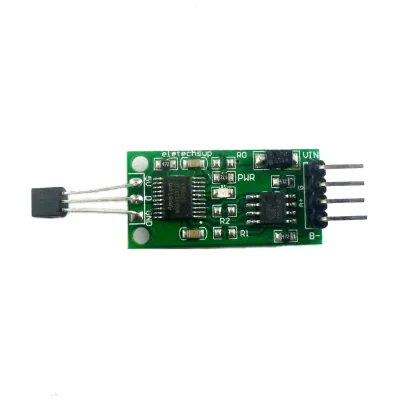

- Trading Company
- Hong Kong S.A.R.
- Lead time7 days
- Avg. response≤ 2h
Main products4G Data Logger,Wireless Temperature Sensor,Wireless Logger,Wireless Temperature Logger,Wireless RS485 Modbus
Main marketsWestern Europe(20.00%), North America(20.00%), Mid East(10.00%), South America(10.00%), Eastern Europe(10.00%), South Asia(5.00%), Southern Europe(5.00%), Northern Europe(5.00%), Central America(5.00%), Africa(5.00%), Southeast Asia(5.00%)
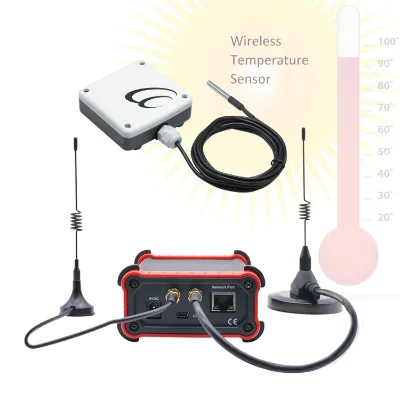
$51.4772 - $154.43
MOQ: 1 Minimum
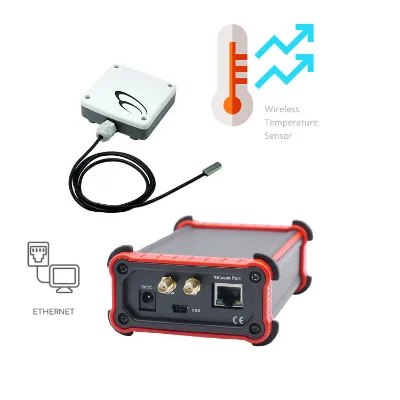
$51.4772 - $154.43
MOQ: 1 Minimum
Shenzhen Allnewsemi Electronic Co., Ltd.
- Trading Company
- Guangdong, China
- Lead time3 days
- Avg. response≤ 7h
Main productsIC -Integrated Circuits-CHIP supplier,Electronic component supplier,BOM list One stop supporting services,Cooling fan,Smart accessories
Main marketsWestern Europe(30.00%), North America(20.00%), South America(10.00%), Domestic Market(5.00%), Eastern Europe(5.00%), Northern Europe(5.00%), Southern Europe(5.00%), Southeast Asia(5.00%), Eastern Asia(3.00%), Mid East(3.00%), South Asia(3.00%), Oceania(2.00%), Central America(2.00%), Africa(2.00%)
Shenzhen Kezhan Weite Electronics Co., Ltd.
- Trading Company
- Guangdong, China
- Lead time0 days
- Avg. response≤ 4h
Main productsIntegrated Circuit
Main marketsNorth America(40.00%), Southeast Asia(30.00%), Eastern Asia(20.00%), Northern Europe(10.00%)

- Verified by SGS
- Manufacturer/Factory
- China Shaanxi
- Lead time0 days
- Avg. response≤ 9h
Main productsPressure Sensor, Pressure Transmitter, Level Measurement, Pressure Transducer, Water Level Sensor, Water Level Meter, Ultrasonic Level Sensor, Radar Level Sensor, Fuel Level Sensor, Flow Meter
Shenzhen Chenyusheng Technology Co., Ltd.
- Trading Company, Buying Office, Distributor/Wholesaler, Other
- Guangdong, China
- Lead time0 days
- Avg. response≤ 2h
Main productsIntegrated Circuit (IC),Module,Inductor,Resistor,Capacitor
Main marketsNorth America(22.00%), South America(14.00%), Eastern Asia(12.00%), Western Europe(11.00%), Eastern Europe(8.00%), Mid East(8.00%), Oceania(5.00%), Southeast Asia(5.00%), Africa(4.00%), Southern Europe(3.00%), Northern Europe(3.00%), Domestic Market(3.00%), Central America(2.00%)
Banbke (jiangsu) Technology Co., Ltd.
- Manufacturer, Trading Company
- Jiangsu, China
- Lead time0 days
- Avg. response≤ 5h
Main productsThermal resistance,Heating element,Thermocouple,Temperature sensor,Heating strip
Main marketsDomestic Market(100.00%)




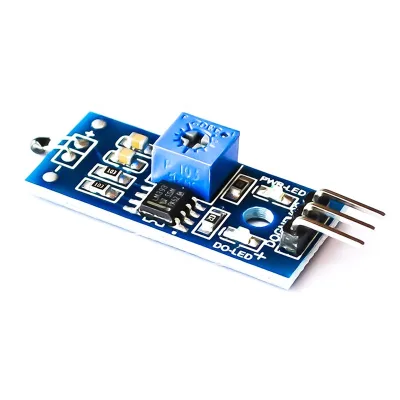
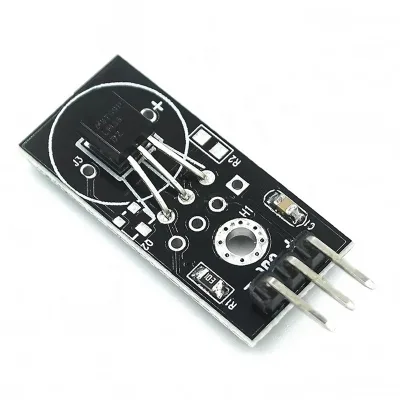


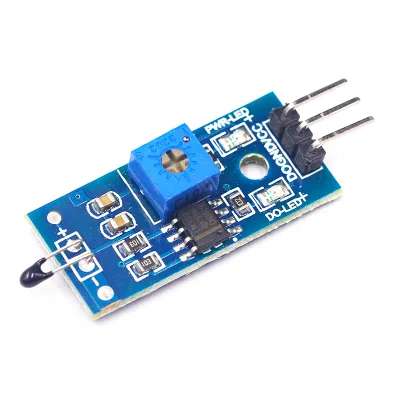
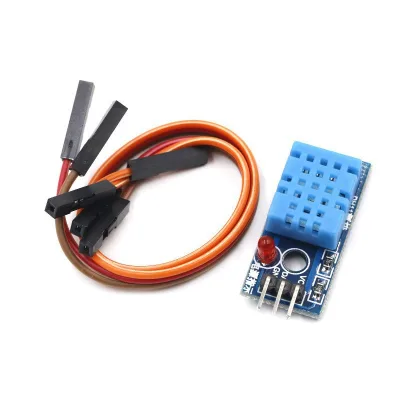




Comprehensive Sourcing Guide
Industrial Automation Temperature Sensing Module Supplier Concentration and Factory Types
Current data indicates a concentration of suppliers in China Anhui and Guangdong, regions known for electronic component manufacturing. In Anhui, suppliers often operate as combined entities offering both manufacturing and trading capabilities, while Guangdong-based firms frequently function as distributors or wholesalers of integrated circuits and electronic modules. This distinction is critical because combined suppliers may offer direct factory pricing and customization, whereas distributors might provide faster availability of stock items but with less flexibility for bespoke engineering. Buyers should verify the specific company type listed for each potential partner to align with their procurement strategy, whether that involves long-term OEM partnerships or immediate component acquisition.
When evaluating the factory landscape, it is essential to note that not all suppliers possess the same production depth. Some entities in these regions specialize in specific product lines like differential pressure transmitters or temperature data acquisition modules, while others maintain broader portfolios including flowmeters and sensors. The presence of ODM and OEM capabilities suggests that certain manufacturers can adapt designs to specific industrial needs, a feature often absent in pure distribution models. Buyers must confirm if the supplier's main products align with the specific industrial automation requirements, such as high-precision data logging or remote monitoring, rather than assuming all listed suppliers can fulfill complex technical specifications.
How to Verify Industrial Automation Temperature Sensing Module Suppliers
Verification processes should prioritize third-party validation and response metrics to ensure supplier reliability. In the current dataset, some suppliers have undergone verification by SGS, a significant indicator of operational legitimacy, while others may lack such external certification. Buyers must explicitly check for these verification badges before proceeding, as the absence of a verified status does not necessarily imply fraud but requires deeper due diligence. Additionally, response times are a tangible metric of supplier engagement; a response time of approximately 1.83 hours suggests a highly active sales team, whereas a two-hour window indicates standard operational efficiency. These metrics help gauge the likelihood of timely communication during the negotiation and post-sales phases.
Beyond verification badges and response speeds, buyers should scrutinize the product evidence provided to confirm technical competence. Detailed product attributes, such as 16-bit resolution, RS-485 communication protocols, and specific operating temperature ranges from -40°C to 70°C, demonstrate a supplier's ability to deliver precise industrial components. However, inconsistencies in product data, such as varying channel counts or conflicting accuracy claims, should trigger immediate requests for clarification. Buyers must ensure that the listed specifications match their actual application requirements, particularly regarding integration types like GSI or specific mounting standards. Relying solely on marketing keywords without cross-referencing technical attributes can lead to procurement of incompatible equipment.
What to Compare Across Industrial Automation Temperature Sensing Module Suppliers
Comparative analysis should focus on lead times, minimum order quantities, and pricing structures to optimize supply chain efficiency. Lead times in the observed data range from 3 days to 15 days, a significant variance that impacts project scheduling and inventory planning. Suppliers with shorter lead times, such as those offering 3-day delivery, are preferable for urgent replacements or just-in-time manufacturing needs, while longer lead times may require earlier procurement planning. Minimum order quantities also vary, with some suppliers accepting single-unit orders, which is ideal for prototyping or small-scale testing, while others may enforce higher thresholds that suit mass production runs.
Pricing and customization options form another critical comparison dimension. Price ranges observed span from $16 to $599, reflecting differences in product complexity, accuracy, and feature sets. Buyers must evaluate whether the lower price points correspond to standard off-the-shelf items or if higher costs are justified by advanced features like large color touch screens or high-precision data storage. Furthermore, the availability of customization is a key differentiator; some suppliers explicitly offer customization for integration and technical specifications, while others provide fixed models. Assessing the balance between cost, lead time, and the ability to tailor products to specific industrial environments will determine the most suitable supplier for a given project scope.
Common Industrial Automation Temperature Sensing Module Sourcing Risks
One primary risk involves the discrepancy between advertised product attributes and actual delivery specifications. Product evidence lists various technical details, such as platinum resistance measurement ranges or specific IP ratings, but buyers must verify that these claims are backed by physical testing or certified documentation. Without explicit certification data, such as system certifications or third-party test results, there is a risk that the delivered modules may not meet the required industrial standards for accuracy or durability. This is particularly critical in applications where temperature monitoring affects safety or process quality, making unverified claims a significant liability.
Another risk stems from the variability in supplier types and their capacity to fulfill complex orders. While some suppliers offer ODM and OEM services, others may be limited to distributing existing stock, which restricts the ability to modify products for unique industrial automation needs. If a buyer requires a specific integration type or a custom communication protocol, relying on a distributor without manufacturing capabilities could lead to delays or the inability to meet technical requirements. Additionally, the lack of standardized packaging or origin details in some listings can complicate logistics and customs clearance, potentially causing unexpected delays or additional costs that were not anticipated in the initial commercial terms.
Industrial Automation Temperature Sensing Module Regional Sourcing and Logistics
Sourcing from China Anhui and Guangdong offers distinct logistical advantages and challenges that buyers must navigate. Suppliers in these regions benefit from established manufacturing ecosystems, yet the specific location impacts shipping times and costs. For instance, modules originating from Hefei in Anhui may have different transit routes compared to those from Guangdong, affecting the overall delivery timeline. Buyers should request specific origin details for each product to accurately estimate freight costs and delivery schedules, as the "Place of Origin" field in product data can vary even within the same country. Understanding these regional nuances helps in planning inventory buffers and managing customer expectations regarding arrival dates.
Logistics planning must also account for packaging standards and handling requirements. Product attributes indicate that some items are packed in cartons, while others require wooden packing, which influences shipping weight and volume calculations. Wooden packing is often necessary for heavy or sensitive industrial equipment to prevent damage during transit, but it adds to the overall shipping cost and may require special handling at the destination port. Buyers should confirm the packing specifications for their specific order to ensure that the logistics provider can accommodate the requirements. Additionally, verifying the operating temperature range of the product during transit is essential, as extreme conditions could affect the integrity of sensitive electronic components before they reach the final destination.
Industrial Automation Temperature Sensing Module Commercial Terms and Order Planning
Commercial terms regarding pricing, payment, and order volume are pivotal for successful procurement. The observed price ranges from $16 to $599 suggest a wide spectrum of product tiers, requiring buyers to clearly define their budget constraints and quality expectations. Minimum order quantities as low as one unit allow for flexible ordering, which is beneficial for initial testing phases, but buyers should be aware that unit prices may decrease with larger volumes. It is crucial to negotiate terms that align with the supplier's capacity, ensuring that the agreed-upon lead time and pricing structure remain stable throughout the order lifecycle.
Order planning must also consider the supplier's response time and capacity for customization. A response time of under two hours indicates a supplier capable of addressing urgent queries, which is vital when technical adjustments are needed during the design phase. Buyers should plan their order timeline to accommodate the supplier's lead time, whether it is the 3-day turnaround for standard items or the 15-day window for customized solutions. Additionally, verifying the supplier's ability to handle specific communication protocols like RS-485 and their experience with integration types ensures that the final product will function seamlessly within the existing industrial automation infrastructure. Proper planning mitigates the risk of delays and ensures that the procurement process remains efficient and cost-effective.
FAQs
What is the typical lead time for industrial temperature modules?
The typical lead time for these modules is 15 days based on current supplier data. Some distributors offer faster delivery with a 3-day lead time. Buyers should confirm specific timelines with the supplier before placing an order to ensure production schedules are met.
What is the minimum order quantity for these temperature sensors?
The minimum order quantity for these industrial temperature sensors is 1 unit. This low MOQ allows buyers to test products without large initial commitments. Suppliers in China Anhui and Guangdong generally support small batch orders for immediate procurement needs.
How quickly do suppliers respond to inquiries about these modules?
Suppliers typically respond within 1.83 to 2 hours to inquiries regarding these modules. Fast response times help streamline the sourcing process for urgent industrial automation projects. Buyers can expect prompt communication when contacting verified suppliers for technical details.
What is the price range for industrial temperature acquisition modules?
The price range for these modules varies from 16 to 599 US dollars depending on specifications. Lower costs apply to basic sensors while higher prices cover high-precision data acquisition units. Buyers should compare specific product attributes to determine the exact cost for their requirements.
Where are these industrial temperature modules manufactured?
These modules are manufactured in China, specifically in Anhui and Guangdong provinces. Some products originate from Hefei, indicating a concentration of manufacturing hubs in these regions. Buyers can verify the specific place of origin for each item during the selection process.
Are customization options available for these temperature sensors?
Customization is available for many of these industrial temperature sensors and modules. Suppliers offer ODM and OEM services to meet specific industrial automation needs. Buyers should request detailed customization capabilities to ensure the product fits their unique operational requirements.
What certifications do these suppliers hold for their products?
Some suppliers are verified by SGS, indicating a level of quality assurance for their products. However, specific system certifications like ISO are not listed as available in the current data. Buyers should request detailed certification documents directly from the supplier to confirm compliance.