Industrial Wooden Pellet Machine Suppliers and Manufacturers
Explore 27 verified options for the Industrial Wooden Pellet Machine, comparing locations in China Shandong, lead times, response speeds, and certifications like CE and ISO. Review capacity, power, and customization details to select a suitable manufacturer or trading company for your biomass needs.
Updated
Suppliers List

Shandong Tony Environmental Protection Sci-Tech Co., Ltd.
- Verified by BV
- Manufacturer
- China Shandong
- Lead time30 days
- Avg. response≤ 8h
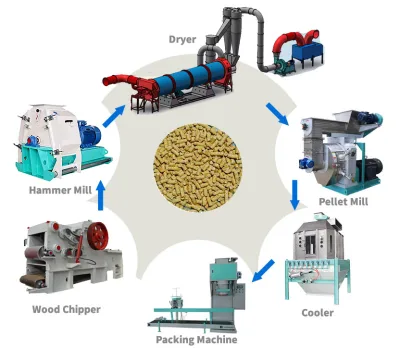
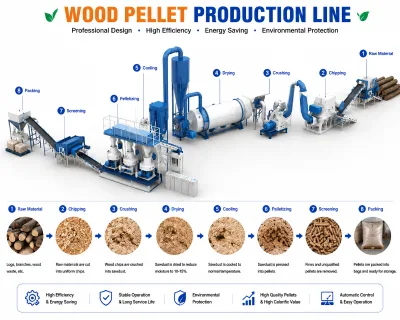
Main productsPellet Machine, Pellet Line, Wood Chipper, Hammer Mill, Drum Dryer, Cooler Separator, Belt Conveyor, Packing Machine


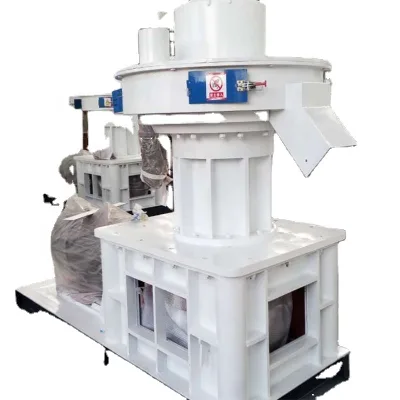
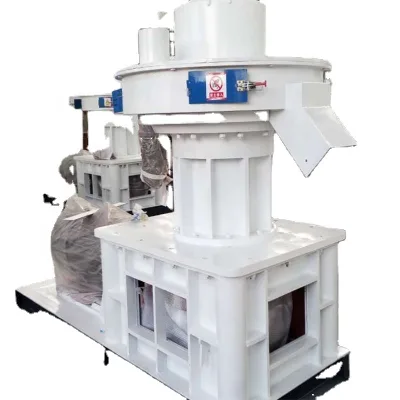
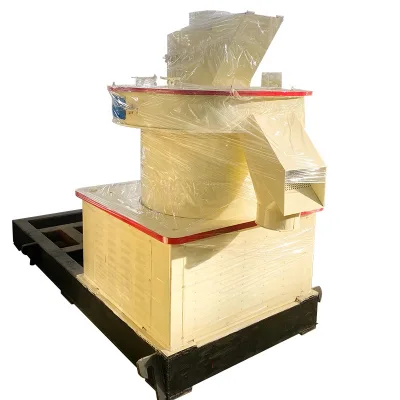
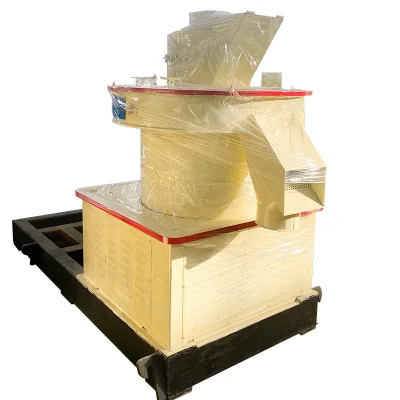
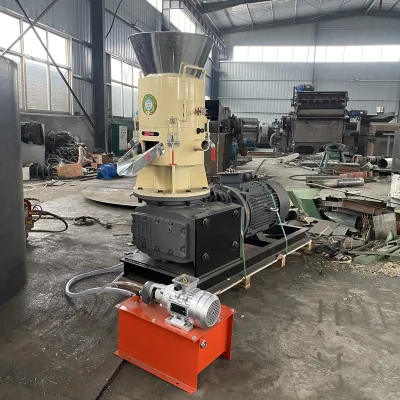
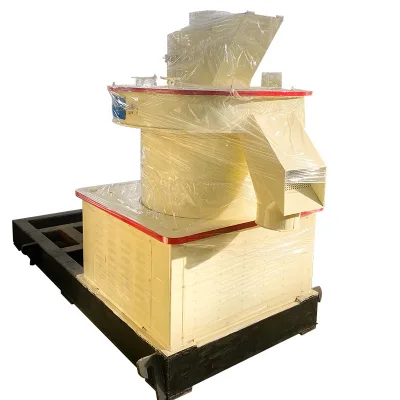
Industrial Wood Pellet Machine Professional Biomass Wood Sawdust Pellet Machine with 132kw Power
$30000.00 - $38000.00
MOQ: 1 Sets


Industrial High Quality Wood Biomass Pellet Making Machine with Capacity 2-2.5tph
$30000.00 - $38000.00
MOQ: 1 Set
ZHENGZHOU HONGSHI MACHINERY CO.,LTD
- Verified by TüVRheinland
- Manufacturer, Trading Company
- Lead time15 days
- Avg. response≤ 4h
Main productsAgricultural Machinery, Food Machinery, Paraffin Machinery, Textile Machinery, Environmental Protection Machinery
Main marketsNorth America(36%), Southeast Asia(15%), South America(12%)

Zhengzhou Leabon Machinery Equipment Co., Ltd.
- Trading Company,Manufacturer/Factory
- China Henan
- Lead time38 days
- Avg. response≤ 8h
Main productsFilter Press, Filter Plate, Centrifuge, Drying Equipment, Automatic Filter Press, Automatic Baler Machine, Vertical Baler Machine, Wrapping Machine, Baler Machine, Pellet Machine
Main marketsSouth America,Eastern Europe,Mid East,North America,Southeast Asia,Eastern Asia,Oceania,Western Europe,Africa

Industrial Ring Die Pellet Mill Wood Sawdust Pellet Press Machine Wood Pellet Machine
$2599.00 - $8999.00
MOQ: 1 Pieces

$10999.00 - $54999.00
MOQ: 1 Pieces
Liyang Weifeng Equipment Co., Ltd.
- Manufacturer, Trading Company
- Jiangsu, China
- Lead time30 days
- Avg. response≤ 3h
Main productsFeed Pellet Mill,Biomass Pellet Mill
Main marketsSoutheast Asia(40.00%), Africa(30.00%), South America(20.00%), Domestic Market(10.00%)
- Verified by TüVRheinland
- Trading Company
- Lead time0 days
- Avg. response≤ 4h
Main productsPellet Machine, Wood Crusher, Wood Sawmill, Woodworking Machines, Machinery Parts
Main marketsSouth America(30%), North America(15%), Southeast Asia(15%)

SHANDONG DEXI MACHINE CO., LTD
- Manufacturer/Factory
- China Shandong
- Lead time23 days
- Avg. response≤ 6h
Main productsWood Pellet Machine, Drum Wood Chipper, Hammer Mill, Drum Rotary Dryer, Pellet Cooler, Straw Crusher, Sawdust Machine, Wood Shaving Machine, Pellet Production Line, Pellet Packing Machine
Main marketsSouth America,Eastern Europe,Mid East,North America,Southeast Asia,Eastern Asia,Oceania,Western Europe,Africa

Shandong Jinneng Machinery Co., Ltd.
- Verified by BV
- Combined
- China Shandong
- Lead time15 days
- Avg. response≤ 2h
Main marketsSoutheast Asia/ Mideast,East Asia(Japan/ South Korea),Domestic


Animal Feed Pellet Machine for Industrial Use Flat Die Wood Pellet Machine Wood Pellet Mill Machine
$4600.00 - $5900.00
MOQ: 1 Sets

$25600.00 - $39000.00
MOQ: 1 Sets


WUXI GAMMA AGRICULTURE TECHNOLOGY CO., LTD.
- Verified by TUVRHEINLAND
- Trading Company
- China Jiangsu
- Lead time45 days
- Avg. response≤ 5h
Main productsComplete Feed Mill, Packing Scale, Pellet Machine, Ring Die, Hammer Mill, Mixer Machine, Mixer Mill, Bucket Elevator, Chain Conveyor, Twin Screw Extruder
Main marketsSouth America,Africa,Southeast Asia/ Mideast

Biomass Pellet Mill Feed Pellet Mill Animal Feed Industrial Pellet Mill Machine
$18000.00 - $25000.00
MOQ: 1 Sets

Pellet Maker Pelletizer Machine for Animal Feeds Wood Pellet Making Machine Ring Die Pellet Mill
$12000.00 - $25000.00
MOQ: 1 Pieces
Luoyang Luodate Machinery Equipment Co., Ltd.
- Manufacturer, Trading Company
- Lead time旺季: "1 - 1":30,"> 1":"To be negotiated", 淡季: "1 - 1":30,"> 1":"To be negotiated"
- Avg. response≤ 2h
Main productsFeed Processing Machines, Feed Pellet Mill, Feed Production Line, Wood Pellet Mill, Biomass Pellet Production Line
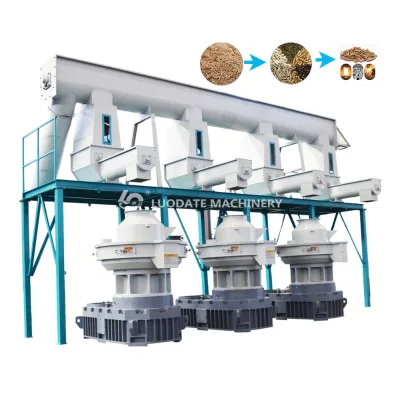
Competitive Wood Branch Pellets Machine Complete Biomass Pellets Machinery Industrial Pelletizer
$11889.5124 - $27707.7332
MOQ: 1 sets
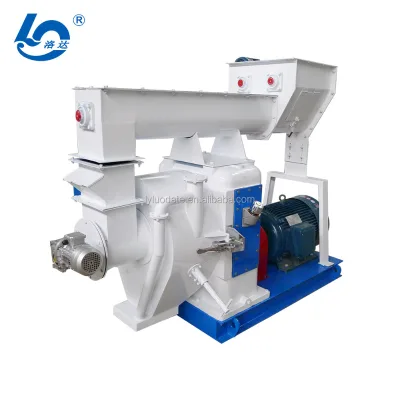
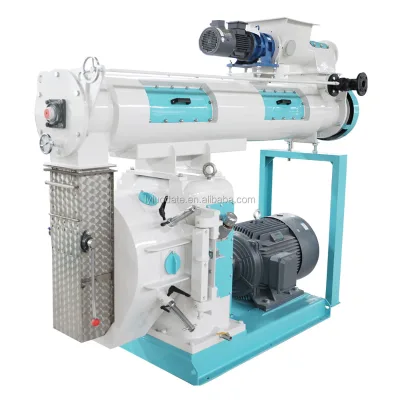
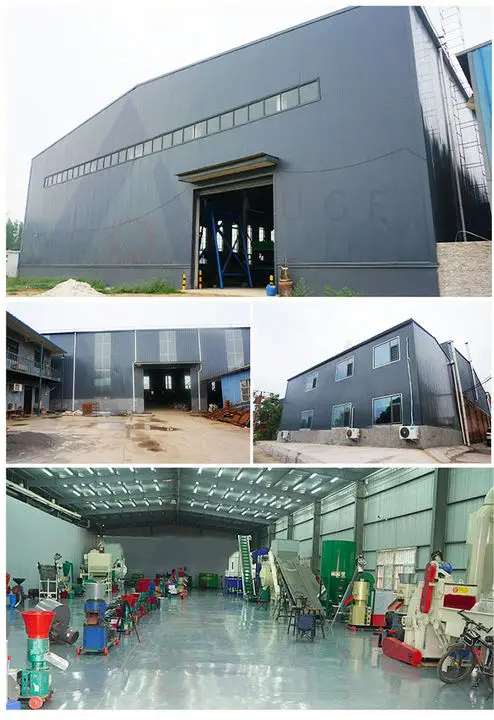
Henan Auge Machinery and Equipment Co.,ltd.
- Trading Company
- Henan, China
- Lead time5 days
- Avg. response≤ 3h
Main productspellet machine,chaff cutter,silage baler,mixer,conveyor
Main marketsDomestic Market(50.00%), Africa(15.00%), South America(15.00%), Mid East(6.00%), North America(2.00%), Central America(2.00%), Western Europe(2.00%), Eastern Asia(2.00%), Southeast Asia(2.00%), Oceania(2.00%), Eastern Europe(2.00%)
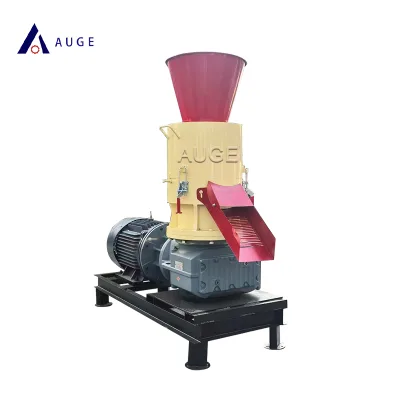
$492.5012 - $507.9249
MOQ: 1 sets
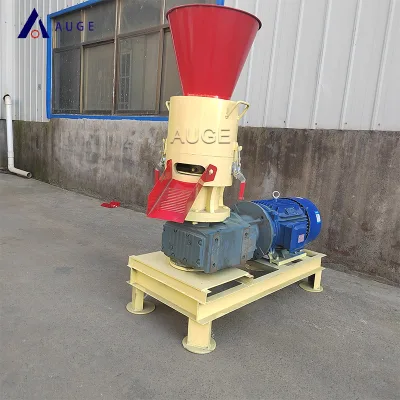
$488.8045 - $504.1116
MOQ: 1 sets
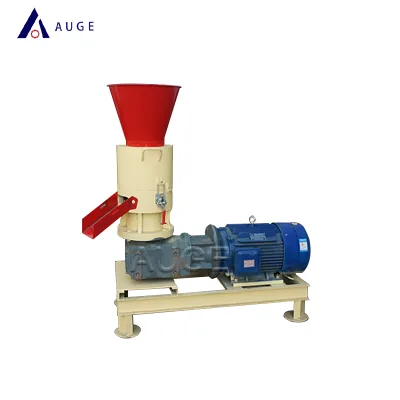
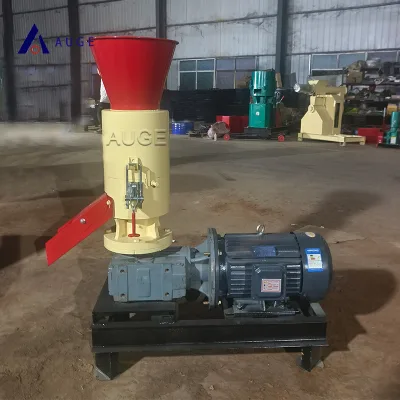
$491.4839 - $506.8747
MOQ: 1 sets
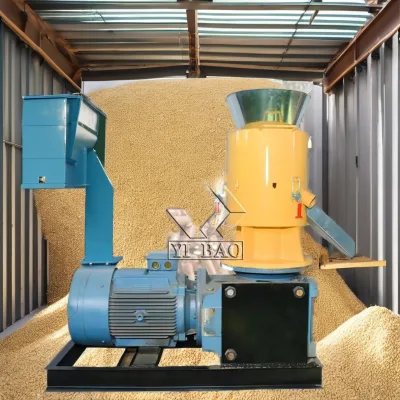
Henan Yibao Machinery Equipment Co., Ltd.
- Verified by Intertek
- Manufacturer, Trading Company
- Lead time15 days
- Avg. response≤ 3h
Main productsFeed Pellet Machine, Wood Crusher, Pellets Mills, Dryer Machine, Shredder Machine
Main marketsAfrica(42%), Mid East(13%), Southeast Asia(10%)
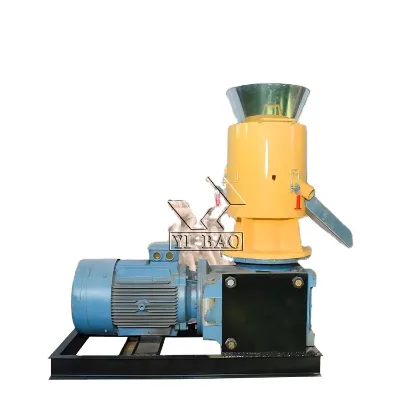
Industrial Wood Pellet Mills Biomass Sawdust Pellet Plant for Olive Tree Firewood Reliable Machine
$2251.1479 - $2558.1226
MOQ: 1 sets
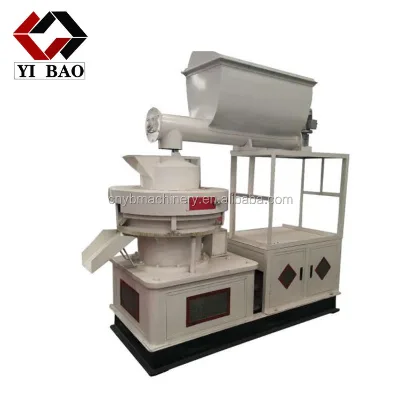
Industrial Wood Pellet Pellet Machine for Alfalfa Pellet Making Maker
$11000.00 - $13000.00
MOQ: 1 sets
HENAN ETERNALWIN MACHINERY EQUIPMENT CO., LTD.
- Verified by SGS Group
- Trading Company
- Lead time15 days
- Avg. response≤ 1h
Main productsFeed pellet processing equipment/Floating and sinking fish feed production equipment/Pet food extruder machine line/Snack extruder machine, Wood pellet production equipment
Main marketsEastern Europe(25%), Western Europe(25%), North America(5%)
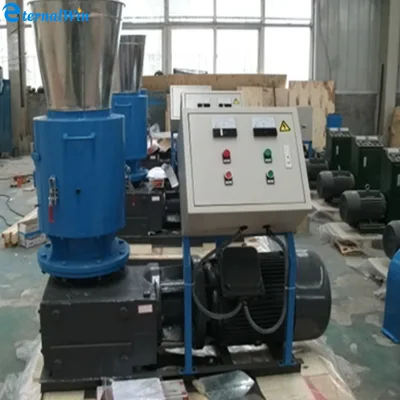
Full Automatic Industrial Wood Pellet Machine for Making Wood Pellet Pellet Grinder Machine
$6250.00 - $6350.00
MOQ: 1 sets
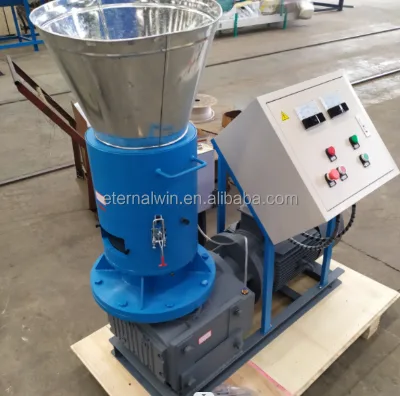
$2280.00 - $2980.00
MOQ: 1 sets
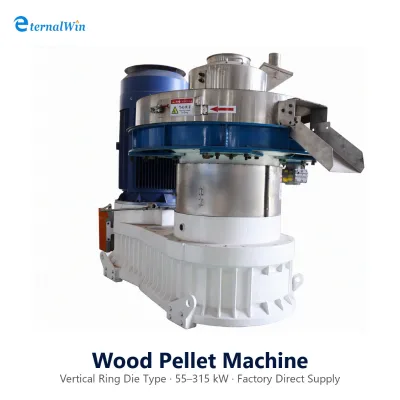
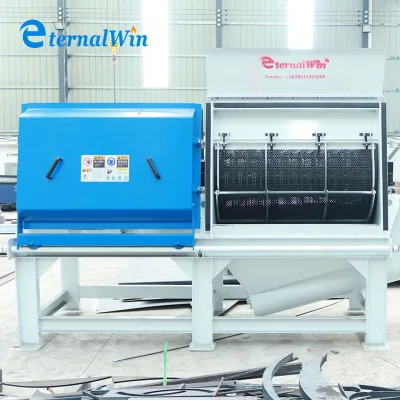
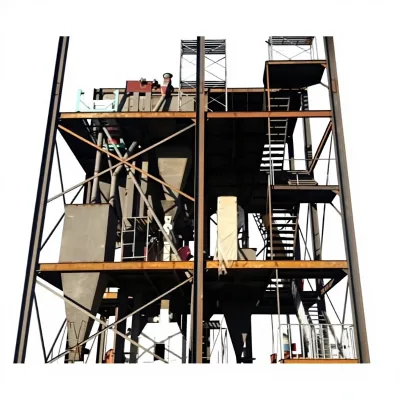

Zhengzhou Leabon Machinery Equipment Co., Ltd.
- Manufacturer, Trading Company
- Henan, China
- Lead time20 days
- Avg. response≤ 4h
Main productsPellet Making Line/ Baler Machine/ Dryer/ Packing Machine/ Crusher/ Mixer,packing machine,palletizer,TMR feed mixer,dryer machine
Main marketsEastern Europe(30.00%), Africa(12.00%), Mid East(10.00%), Southern Europe(9.00%), Southeast Asia(8.00%), South America(8.00%), Western Europe(7.00%), Eastern Asia(5.00%), Northern Europe(4.00%), North America(4.00%), South Asia(1.00%), Oceania(1.00%), Central America(1.00%)
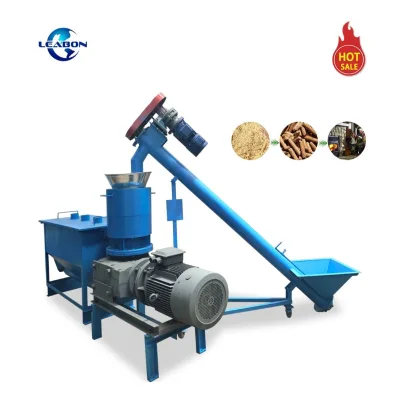
CE Approved Waste Wood Chips Pellet Press Machine Line Industrial Wood Pellet Machine
$1980.00
MOQ: 1 Minimum

Zhengzhou Faithin Machinery Equipment Co., Ltd
- Verified by SGS
- Manufacturer/Factory
- China Henan
- Lead time15 days
- Avg. response≤ 3h
Main productsChaff Cutter, Pellet Machine, Mixing Machine, Rice Mill Machine, Oil Press Machine, Disc Mill Machine, Hammer Mill Machine, Hammer Crusher, Jaw Crusher
Main marketsSouth America,Eastern Europe,Mid East,North America,Southeast Asia,Eastern Asia,Oceania,Western Europe,Africa

Cheap Industrial Wood Pellet Press Pellet Mill Compress Sawdust Pellet Machine Price
$1490.00 - $1800.00
MOQ: 1 Pieces

Wood Pellet Machine Pelletizer Wood Pellets Machinery Oak Sawdust Pellet Machine
$1490.00 - $1800.00
MOQ: 1 Pieces

Wood Pellet Machine Wooden Pellet Machine Wood Burning Pellet Making Machine
$1490.00 - $1800.00
MOQ: 1 Pieces

Wood Granulator Machine Biomass Waste Sawdust Pellet Mill Wood Pellet Machine
$1490.00 - $1800.00
MOQ: 1 Pieces

- Verified by BV
- Trading Company,Manufacturer/Factory
- China Henan
- Lead time15 days
- Avg. response≤ 5h
Main productsOil Expeller, Oil Press Machine, Oil Refinery, Pellet Machine, Food Processing Machine, Animal Feed Machine, Packing Machine, Filling Machine, Briquette Machine, Brick Machine
Main marketsSouth America,Eastern Europe,Mid East,North America,Southeast Asia,Eastern Asia,Oceania,Western Europe,Africa

Industrial-Grade Pellet Machine with CE Certification for Wood Pellets
$13950.00 - $14000.00
MOQ: 1 Sets

Advanced Sawdust Pellet Machine for Eco-Friendly Wood Pellet Production
$13950.00 - $14000.00
MOQ: 1 Sets


Henan Mingxin Machinery Co., Ltd
- Manufacturer
- China Henan
- Lead time15 days
- Avg. response≤ 6h
Main productsWood Pellet Machine, Double Shaft Shredder, Metal Crusher, Oil Press Machine, Oil Refinery Machine, Baler Machine
Main marketsSouth America,Africa,Southeast Asia/ Mideast,East Asia(Japan/ South Korea),Europe,Australia,North America

High Industrial Efficiency Wood Pellet Making Machine Biomass Pellet Machine for Sale
$2950.00 - $3350.00
MOQ: 1 set


Flat Die Wood Pelletizer Manufacturer Pellet Machine Wood Pellets Mill Wood Pellet Machine for Sale
$12000.00 - $12100.00
MOQ: 1 set


Gongyi Hongrun Machinery Equipment Co., Ltd.
- Manufacturer, Trading Company
- Henan, China
- Lead time25 days
- Avg. response≤ 5h
Main productsCrusher,Dryer,Carbonization Furnace,Charcoal Machine,Pellet Machine
Main marketsDomestic Market(47.00%), Africa(20.00%), Mid East(10.00%), North America(5.00%), South America(5.00%), Southeast Asia(5.00%), South Asia(1.00%), Southern Europe(1.00%), Northern Europe(1.00%), Central America(1.00%), Western Europe(1.00%), Eastern Asia(1.00%), Oceania(1.00%), Eastern Europe(1.00%)
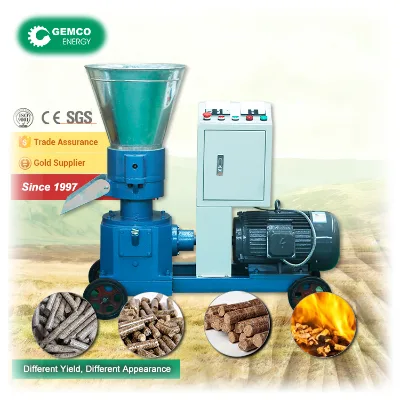
Anyang Gemco Energy Machinery Co., Ltd.
- Manufacturer, Trading Company
- Lead time旺季: "1 - 10":15,"> 10":"To be negotiated", 淡季: "1 - 10":15,"> 10":"To be negotiated"
- Avg. response≤ 4h
Main productsWood Pellet Mills, Feed Processing Machines, Wood Crushers, Flour Mill, Oil Pressers
Foshan Shunde Maoduoyu Trading Co., Ltd.
- Manufacturer, Trading Company, Distributor/Wholesaler
- Guangdong, China
- Lead time0 days
- Avg. response≤ 1h
Main productsIndustrial machinery,Commercial machinery,Packaging machinery,Filling machinery,Food machinery
Main marketsNorth America(50.00%), Southeast Asia(10.00%), Mid East(10.00%), Central America(10.00%), Domestic Market(5.00%), Western Europe(5.00%), Northern Europe(3.00%), South Asia(2.00%), Oceania(1.00%), Eastern Asia(1.00%), Eastern Europe(1.00%), South America(1.00%), Africa(1.00%)

Shandong Hongxin Machinery Co., Ltd.
- Verified by SGS
- Combined
- China Shandong
- Lead time30 days
- Avg. response≤ 6h
Main productsWood Chipper Wood Crusher, Wood Grinder Wood Shredder, Brush Chipper Horizontal Grinder, Sawdust Machine Hammer Mill, Log Debarker Wood Debarking Machine, Wood Pellet Machine Pellet Mill, Biomass Pellet Machine, Mobile Diesel Wood Chipper, Disc Wood Chipper, Stump Crusher
Main marketsSouth America,Southeast Asia/ Mideast,Europe

$9200.00 - $128500.00
MOQ: 1 Sets


Ring Die Industrial Wood Pellet Mill Sawdust Pellet Processing Machine with CE
$24000.00
MOQ: 1 Pieces

Zhengzhou Mascot Environmental Technology Co., Ltd.
- Manufacturer, Trading Company
- Henan, China
- Lead time15 days
- Avg. response≤ 1h
Main productsRaymond mill,grinding mill,ball mill,Rotary Dryer,Generator set
Main marketsDomestic Market(30.00%), Eastern Asia(20.00%), Southeast Asia(20.00%), South America(10.00%), South Asia(10.00%), Africa(10.00%)

Zhengzhou Angtuo Machinery Equipment Co., Ltd.
- Verified by SGS
- Manufacturer/Factory
- China Henan
- Lead time15 days
- Avg. response≤ 5h
Main productsFood Machinery, Agricultural Machinery, Animal Feed Pellet Machinery, Fruit Vegetable Processing Machinery, Wood Processing Machinery
Main marketsSouth America,Eastern Europe,Mid East,North America,Southeast Asia,Eastern Asia,Oceania,Africa


Pellets Machine China Wood Pellets Mills Wood Biomass Pellet Machine
$1689.00 - $7729.00
MOQ: 1 Pieces

Zhengzhou Zhongdebao Industrial Co., Ltd.
- Verified by BV
- Trading Company,Manufacturer/Factory
- China Henan
- Lead time15 days
- Avg. response≤ 3h
Main productsWood Pellet Machine, Feed Pellet Machine, Wood Pellet Making Line, Feed Pellet Making Line, Fish&Pet Feed Pellet Making Line, Oil Press Machine, Oil Press Making Line, Feed Processing Machines
Main marketsSouth America,Eastern Europe,Mid East,North America,Southeast Asia,Eastern Asia,Oceania,Western Europe,Africa

Good Selling 160kw 2-3tph Wood Pellet Machine Pelletizer Pellet Granulator Industrial Use with CE
$5000.00 - $45000.00
MOQ: 1 Pieces


$2000.00 - $7000.00
MOQ: 1 Sets
Henan Bedo Machinery Equipment Co., Ltd.
- Manufacturer, Trading Company
- Henan, China
- Lead time15 days
- Avg. response≤ 2h
Main productsWood Chipper, Wood Sawdust Machine, Wood Sawdust Briquetting Machine, Wood Pellet Production Line, Feed Pellet Production Line
Main marketsEastern Europe(40.00%), Southeast Asia(30.00%), South Asia(10.00%), South America(10.00%), Africa(10.00%)

Henan Mingxin Machinery Co., Ltd.
- Manufacturer, Trading Company
- Henan, China
- Lead time30 days
- Avg. response≤ 2h
Main productsCharcoal Machine, Garbage Disposal Equipment, Mineral Processing Equipment, Wood Processing Equipment
Main marketsMid East(15.00%), Southeast Asia(15.00%), Eastern Europe(12.00%), North America(10.00%), South America(10.00%), Western Europe(10.00%), Africa(10.00%), Domestic Market(10.00%), Central America(5.00%), Oceania(3.00%)
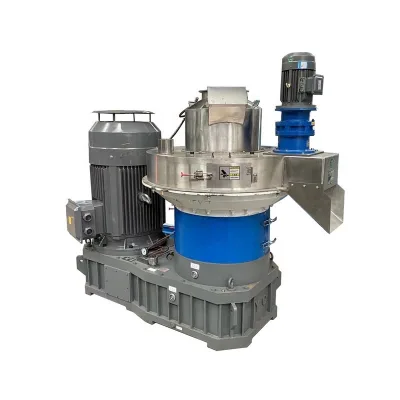
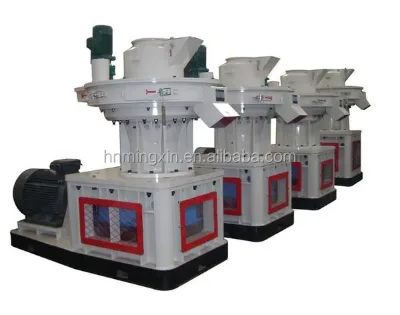
Best Selling Pelet Machine Wood Pellet Production in Indonesia
$2880.00 - $3000.00

Anyang Aols Machinery Equipments Co., Ltd.
- Trading Company
- Henan, China
- Lead time15 days
- Avg. response≤ 3h
Main productspellet machine,briquette machine,chaff cutter,dryer machine,hammer mill
Main marketsSouth America(30.00%), Africa(30.00%), Eastern Asia(10.00%), Mid East(10.00%), North America(10.00%), Southeast Asia(10.00%)

CHANGZHOU HONGWEI IN-TECH CO., LTD.
- Combined
- China Jiangsu
- Lead time30 days
- Avg. response≤ 7h
Main productsDrum Chipper, Pellet Mill, Hammer Mill, Ring Die, Roller Shell
Main marketsSoutheast Asia/ Mideast,Europe


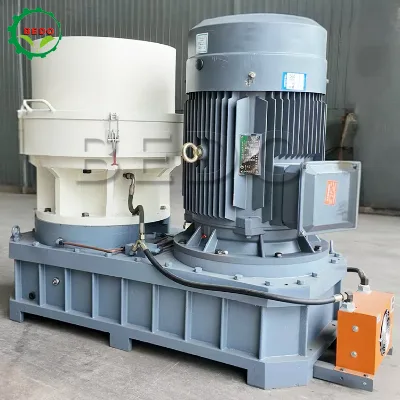
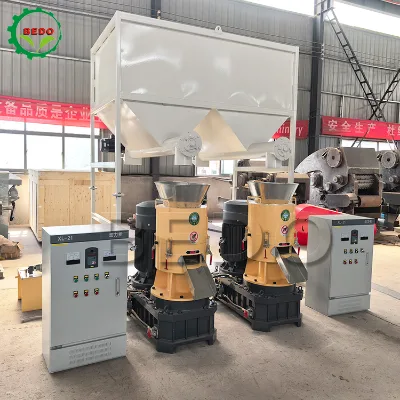
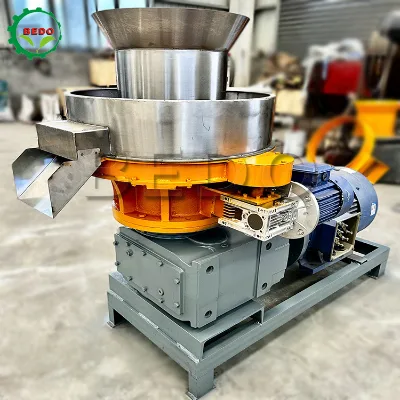
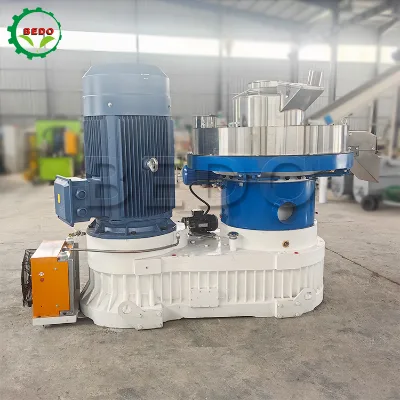


Comprehensive Sourcing Guide
Industrial Wooden Pellet Machine Supplier Concentration and Factory Types
The Industrial Wooden Pellet Machine market features a diverse array of suppliers, primarily concentrated in specific manufacturing hubs within China. Current data indicates a significant presence of suppliers located in Shandong, a region known for its robust industrial machinery production capabilities. This geographic concentration suggests that buyers sourcing these heavy-duty machines will likely encounter vendors operating from this province, which serves as a central node for exporting wood processing equipment. Understanding this spatial distribution is crucial for logistics planning, as proximity to ports in Shandong can influence shipping costs and transit times for large, heavy items like pellet mills. The clustering of manufacturers in this area often leads to competitive pricing and a wide variety of models, ranging from small-scale units to high-capacity industrial lines. Buyers should be aware that while Shandong is a primary hub, the supply chain may extend to other regions, though current verified results highlight this specific location as a key origin point for the equipment in question.
Supplier types in this sector vary between pure manufacturers and hybrid entities that include trading company functions. The available facts reveal that some suppliers identify strictly as manufacturers, offering direct factory access and customization capabilities such as OEM and ODM services. Others operate as both manufacturers and trading companies, which may provide a broader catalog of related agricultural or environmental machinery alongside the core pellet production equipment. This distinction is vital for buyers assessing the depth of technical support and after-sales service. Pure manufacturers often have deeper engineering resources for customizing ring die pellet machines, while hybrid suppliers might offer more flexible purchasing options for ancillary equipment like hammer mills or coolers. The presence of both types in the search results indicates a mature market where buyers can choose based on their preference for direct factory engagement versus a one-stop-shop procurement experience. Evaluating the specific company type listed for each supplier helps in determining the appropriate communication channel and negotiation strategy for large capital equipment purchases.
How to Verify Industrial Wooden Pellet Machine Suppliers
Verification is a critical step in mitigating risk when sourcing heavy industrial machinery like wooden pellet machines. Buyers should prioritize suppliers who have undergone third-party verification processes, as these provide an external validation of the company’s legitimacy and operational capacity. Current data shows that some suppliers hold BV (Bureau Veritas) verification, while others possess TüV Rheinland certification. These credentials indicate that an independent agency has inspected the supplier’s facilities, business licenses, and quality management systems. For a buyer, this means that the supplier has met specific international standards for business integrity and technical capability. It is important to note that verification status can vary among suppliers, so buyers must check the specific badge or label associated with each vendor. Relying on unverified suppliers for high-value equipment purchases increases the risk of encountering fraudulent entities or companies with misrepresented capabilities. Therefore, filtering search results to include only those with recognized verification badges is a prudent first step in the supplier selection process.
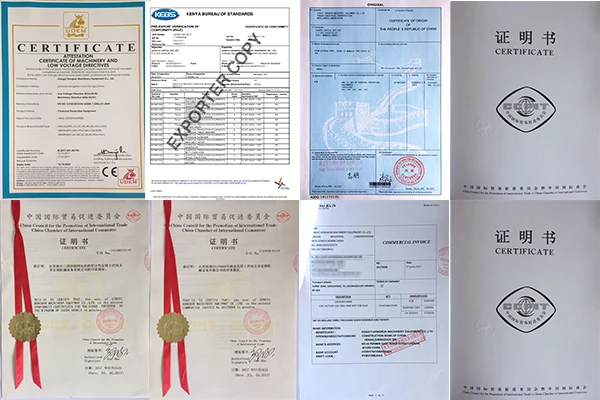
Beyond basic verification, buyers should assess the specific certifications attached to the machinery itself, which serve as proof of compliance with safety and quality standards. The product evidence indicates that many industrial wooden pellet machines come with CE and ISO certifications. The CE mark is essential for suppliers exporting to Europe and other regions with similar regulatory frameworks, ensuring that the equipment meets strict health, safety, and environmental protection requirements. ISO certification, on the other hand, often relates to the manufacturer’s quality management systems, suggesting a standardized approach to production and testing. Buyers should request copies of these certificates and verify their validity with the issuing bodies. Additionally, checking for other relevant standards or test reports can provide further assurance of the machine’s performance and durability. It is also advisable to inquire about the supplier’s response time, as a quick and professional reply can indicate a well-organized customer service team capable of handling complex technical queries. Combining supplier verification with product certification checks creates a robust due diligence framework for sourcing industrial machinery.
What to Compare Across Industrial Wooden Pellet Machine Suppliers
When evaluating multiple suppliers for industrial wooden pellet machines, buyers must compare key operational metrics to determine the best fit for their production needs. One of the most critical factors is the production capacity of the machines offered. The available data shows a range of capacities, with some models producing 2-2.5 tons per hour and others capable of 3-5 tons per hour. Buyers should align their choice with their raw material availability and end-product demand. Another important dimension is the power consumption and energy efficiency of the equipment. Some suppliers highlight energy-saving features, which can significantly reduce long-term operational costs. Comparing the power ratings, such as 132kw versus 220kw, helps in understanding the energy infrastructure required at the installation site. Additionally, the weight and dimensions of the machines, which can vary from 5.5 tons to 13.5 tons, impact shipping logistics and factory floor planning. Buyers need to ensure that their facility can accommodate the physical footprint and weight of the selected pellet mill.
Lead times and minimum order quantities (MOQ) are also essential comparison points that affect project timelines and cash flow. Current facts indicate lead times ranging from 15 to 30 days, which can vary based on the supplier’s current workload and the complexity of the order. A shorter lead time might be crucial for buyers with urgent production needs, while a longer lead time could allow for more thorough customization. The MOQ for these machines is often low, with some suppliers accepting orders for just one unit, which is beneficial for small-scale operations or pilot projects. Buyers should also compare the customization options available, such as CNC controlling modes, automatic lubrication systems, and specific raw material compatibility for wood chips, sawdust, or rice husks. The availability of spare parts, like ring dies and rollers, and the warranty terms, such as a one-year warranty, further differentiate suppliers. By systematically comparing these attributes, buyers can make an informed decision that balances cost, performance, and service support.
Common Industrial Wooden Pellet Machine Sourcing Risks
Sourcing industrial wooden pellet machines from overseas suppliers introduces several potential risks that buyers must actively manage. One significant risk is the variability in product quality and performance, which can lead to inefficient pellet production or frequent breakdowns. Without proper verification, buyers might receive machines that do not meet the specified capacity or power requirements. For instance, a machine advertised with a 3-5 ton/hour capacity might underperform in real-world conditions if the manufacturing standards are not rigorous. This discrepancy can result in costly downtime and reduced profitability for the buyer’s operation. To mitigate this risk, buyers should insist on detailed technical specifications and, if possible, request video demonstrations or third-party inspection reports before finalizing the purchase. Understanding the materials used in critical components, such as the high alloy steel for dies and rollers, is also crucial for assessing durability and wear resistance.
Another common risk is the complexity of after-sales support and installation. Industrial pellet machines often require professional installation, which can involve manual setup, video chat guidance, or on-site engineer assistance. If the supplier does not provide adequate support, the buyer may face challenges in commissioning the equipment correctly, leading to operational errors or safety hazards. The availability of spare parts is another concern, as wear items like ring dies and rollers need regular replacement. Buyers should verify the supplier’s inventory of spare parts and the lead time for shipping them. Additionally, language barriers and time zone differences can complicate communication, potentially delaying troubleshooting efforts. Buyers should assess the supplier’s responsiveness, as indicated by their response time metrics, to ensure they can get timely assistance. It is also important to clarify the warranty terms and the process for claiming repairs or replacements. By anticipating these risks and establishing clear communication channels, buyers can reduce the likelihood of post-purchase issues and ensure a smoother integration of the new equipment into their production line.
Industrial Wooden Pellet Machine Regional Sourcing and Logistics
Regional sourcing plays a pivotal role in determining the overall cost and efficiency of acquiring industrial wooden pellet machines. As noted, many suppliers are located in Shandong, China, a major industrial hub with well-established logistics networks. This concentration offers buyers the advantage of accessing a wide variety of suppliers in a single region, which can simplify the comparison and selection process. However, it also means that buyers must carefully plan the logistics of transporting large, heavy machinery from this specific location. The dimensions and weight of the machines, such as the 270017002500mm standard size and weights up to 13.5 tons, require specialized shipping arrangements. Buyers should consider the use of iron case packing, which is mentioned in some product details, to protect the equipment during transit. Understanding the shipping routes from Shandong to the buyer’s destination is essential for estimating transit times and freight costs.
Logistics planning should also account for the potential need for customs clearance and import regulations in the buyer’s country. Different regions have varying requirements for importing industrial machinery, including safety standards and documentation. Buyers should work with experienced freight forwarders who can navigate these complexities and ensure that the equipment arrives without delays or additional fees. The lead time for shipping can vary based on the mode of transport, with sea freight being the most common for heavy machinery due to cost-effectiveness. However, buyers should also consider the reliability of the shipping carrier and the insurance coverage for the high-value cargo. Additionally, the supplier’s ability to provide accurate packing lists and commercial invoices is crucial for smooth customs clearance. By integrating regional sourcing insights with detailed logistics planning, buyers can optimize the supply chain for their Industrial Wooden Pellet Machine procurement, ensuring timely delivery and cost efficiency.
Industrial Wooden Pellet Machine Commercial Terms and Order Planning
Commercial terms and order planning are fundamental to securing a favorable deal for industrial wooden pellet machines. Pricing is a key variable, with current data showing a range from $30,000 to $68,000 depending on the model, capacity, and features. Buyers should request detailed quotations that break down the cost of the machine, shipping, insurance, and any additional services like installation support. Understanding the payment terms is equally important, as suppliers may require deposits before production and balance payments before shipment. Buyers should negotiate terms that protect their interests, such as using escrow services or letters of credit for large transactions. The MOQ, often set at one unit, allows for flexibility in ordering, but buyers should also inquire about volume discounts if they plan to purchase multiple units or related equipment like hammer mills and coolers.
Order planning should also include a clear timeline for production, shipping, and installation. Given the lead times of 15 to 30 days, buyers need to coordinate with their factory schedules to ensure that the equipment arrives when needed. It is advisable to establish a communication protocol with the supplier for regular updates on production progress. Buyers should also plan for the installation phase, considering whether they will use the supplier’s engineer guidance or rely on local technicians. The availability of automatic lubrication systems and CNC controls may require specific training for the operating staff, so budgeting for training sessions is a wise move. Additionally, buyers should review the warranty terms, which may include a one-year coverage, and understand the process for claiming repairs. By carefully managing commercial terms and order planning, buyers can minimize financial risks and ensure a successful deployment of their Industrial Wooden Pellet Machine.
FAQs
What is the price range for industrial wood pellet machines?
Prices typically range from $30,000 to $68,000 depending on capacity and power specifications. Lower power models around 132kw start near $30,000, while higher capacity units with 220kw power can reach up to $68,000. Buyers should verify exact pricing based on their required production volume and specific machine configuration needs.
What certifications do these pellet machines have?
Most industrial wood pellet machines carry CE and ISO certifications, ensuring compliance with international safety and quality standards. These certifications are standard across many models, including those with automatic grades and ring die designs. Buyers should always request valid certification documents to confirm regulatory compliance before finalizing any purchase agreement.
What is the typical lead time for delivery?
Lead times generally range from 15 to 30 days after order confirmation. Some suppliers offer faster turnaround times of 15 days, while others may require up to 30 days for production and preparation. Buyers should confirm specific delivery schedules with their chosen supplier to align with their project timelines and operational requirements.
What is the minimum order quantity for these machines?
The minimum order quantity is typically one unit, allowing buyers to purchase single machines for testing or small-scale operations. This low MOQ facilitates easier entry for new businesses or those expanding their biomass processing capabilities. Buyers can order individual units without needing to commit to large bulk purchases initially.
What is the production capacity of these machines?
Production capacities vary from 2 to 5 tons per hour depending on the model and power rating. Smaller units with 132kw power produce 2 to 2.5 tons per hour, while larger 220kw models can achieve 3 to 5 tons per hour. Buyers should select capacity based on their raw material availability and output requirements.
Where are these machines manufactured?
These industrial wood pellet machines are manufactured in China, specifically in the Shandong province. This region is known for its industrial machinery production capabilities. Buyers should verify the exact origin and shipping logistics with suppliers to ensure efficient delivery and compliance with import regulations in their respective countries.