IPX7 Ultrasonic Sonic Toothbrush Suppliers and Manufacturers
Source IPX7 Ultrasonic Sonic Toothbrush from 29 verified suppliers in Guangdong and Zhejiang. Compare key dimensions including MOQ, lead times, response rates, and pricing to identify the right partner. Review product specifications and request samples to verify quality before placing orders.
Updated
Suppliers List
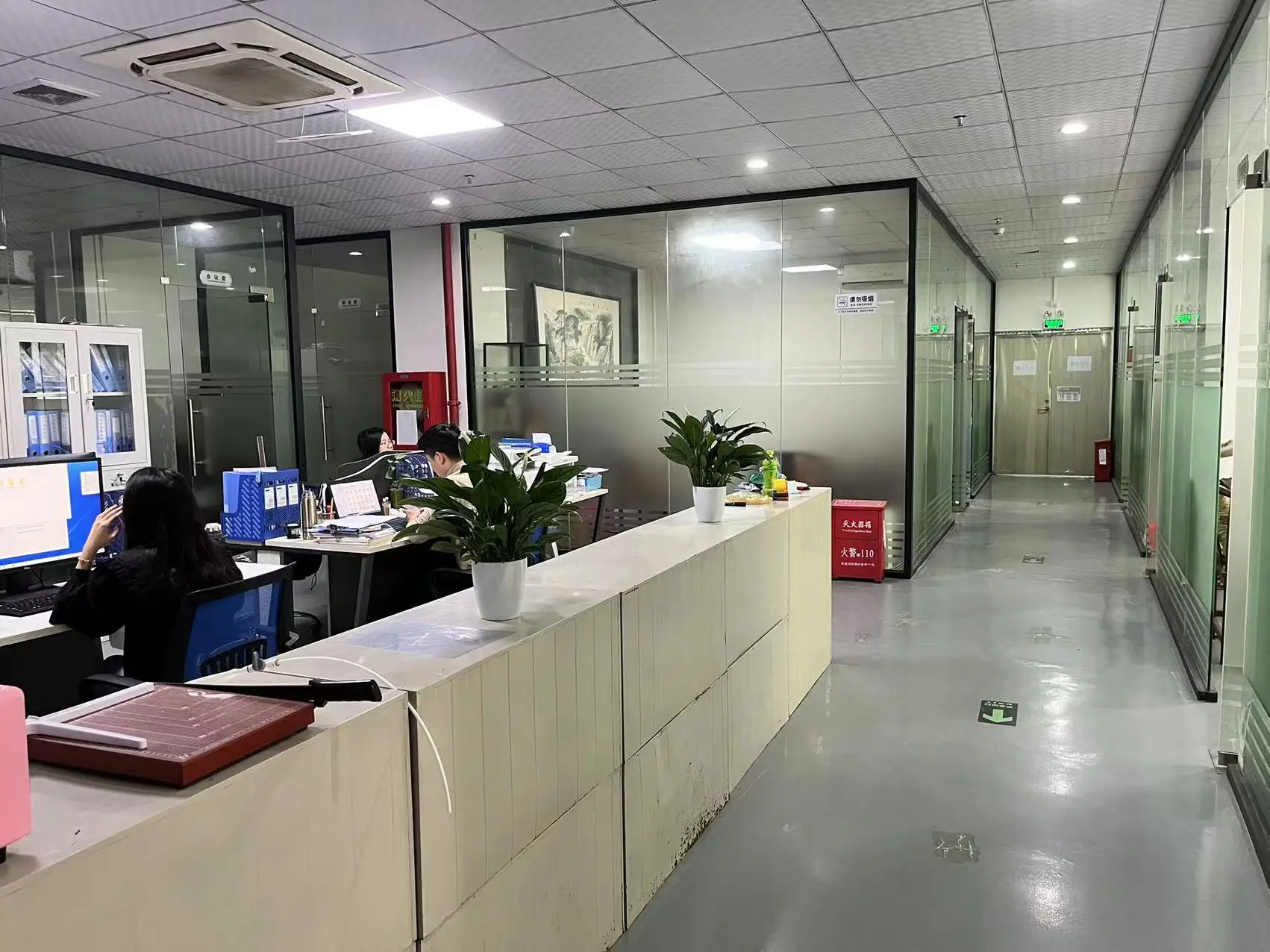
Shenzhen Ekong Technology Co., Ltd.
- Manufacturer, Trading Company
- Guangdong, China
- Lead time25 days
- Avg. response≤ 7h
Main productsTeeth Whitening LED Light, Ultrasonic Cleaner, Tonuge Scraper, Electric Toothbrush, Water Flosser
Main marketsNorth America(60.00%), Oceania(10.00%), Africa(7.00%), Northern Europe(5.00%), Eastern Europe(5.00%), Western Europe(4.00%), Southern Europe(4.00%), South America(3.00%), Central America(2.00%), South Asia(0.00%), Eastern Asia(0.00%), Domestic Market(0.00%), Mid East(0.00%), Southeast Asia(0.00%)

HANGZHOU WEIZE IMP & EXP CO., LTD.
- Verified by TUVRHEINLAND
- Trading Company
- China Zhejiang
- Lead time30 days
- Avg. response≤ 3h
Main productsProtective Mask
Main marketsAfrica,Southeast Asia/ Mideast,Europe,North America

Patented 4 Gears Ipx7 Waterproof USB Charging Ultrasonic Tooth Cleaner Electric Sonic Toothbrush
$3.20 - $6.50
MOQ: 200 Sets

OEM 4 Gears Rechargeable Automatic Ultrasonic Tooth Cleaner Sonic Electric Toothbrush
$2.00 - $4.50
MOQ: 200 Sets

High Quality Automatic Ultrasonic Tooth Cleaner Sonic Electrical Toothbrush for Adults
$9.00 - $11.00
MOQ: 10 Pieces

High Quality Ultrasonic USB Rechargeable Oral Care Deep Cleaning Electric Toothbrush
$10.00 - $15.00
MOQ: 10 Pieces

- Verified by SGS
- Trading Company
- China Zhejiang
- Lead time15 days
- Avg. response≤ 10h
Main productsFan, Heater Fan, Air Fryer, Toaster, Rice Cooker, Vacuum Cleaner, Coffee Machine, Hairdressing Appliance, Electric Toothbrush, Steam Iron
Main marketsEurope,Australia

Rechargeable Head Case Ultrasonic Smart Dental Cleaner Sonic Electric Toothbrush
$0.92 - $0.95
MOQ: 100 Pieces

$2.13 - $2.15
MOQ: 100 Pieces


Wireless Rechargeable Electric Sonic Waterproof Ultrasonic Teeth Whitening & Travel Case Toothbrush
$1.82 - $1.86
MOQ: 100 Pieces

Yangzhou Jie Si Te Chemical Co., Ltd.
- Verified by SGS
- Trading Company,Manufacturer/Factory
- China Jiangsu
- Lead time0 days
- Avg. response≤ 9h
Main productsToothbrush, Mask, Bamboo Toothbrush, Comb, Hotel Slipper, Hand Sanitizer Gel


Personalized Sonic Electric Toothbrush Rechargeable Head Ipx7 Electrical Toothbrush
$2.00 - $3.00
MOQ: 28800 Pieces

Wenzhou Jssan Electric Co., Ltd.
- Verified by SGS
- Combined
- China Zhejiang
- Lead time23 days
- Avg. response≤ 7h
Main productsElectric Toothbrush, Oral Irrigator, UV Sterilizer, Ultrasonic Scaler, Electric Face Washer, Electric Nail Clipper, Hair Straightening Comb, Hair Straightener, Shaver, Hair Clipper
Main marketsSouth America,Southeast Asia/ Mideast,East Asia(Japan/ South Korea),Domestic,Europe,Australia,North America


OEM Sonic Adult Electric Toothbrush Ipx7 Type-C Rechargeable 15mode Teeth Cleaning Brush
$6.00 - $6.40
MOQ: 200 Pieces


Changsha Fusheng Electronic Technology Co., Ltd.
- Trading Company
- China Hunan
- Lead time15 days
- Avg. response≤ 2h
Main productsElectronic Product
Main marketsSoutheast Asia/ Mideast,Europe,North America

Wireless Charging, Sound Wave Type Electric Toothbrush Ipx7 Waterproof Sonic Toothbrush
$12.90 - $17.90
MOQ: 10 Pieces

Electric Toothbrush Ipx7 Green White Pink Candy Color Rechargeable Adult Sonic Toothbrush
$3.90 - $5.90
MOQ: 20 Pieces

Professional Wholesale Ipx7 Waterproof Sonic Toothbrush Adult Rechargeable Electric Toothbrush
$2.20 - $4.90
MOQ: 20 Pieces


Wenzhou Boyo Electric Appliance Co., Ltd.
- Verified by BV
- Manufacturer/Factory
- China Zhejiang
- Lead time45 days
- Avg. response≤ 15h
Main productsHair Straightener, Hair Curler, Men's Shaver, Lady Epilator/Rozar, Callus Remover, Hair Dryer, Hair Clipper/Trimmer, Facial Cleansing Brush, Hot Air Brush, Oil Diffuser
Main marketsSouth America,Eastern Europe,Mid East,North America,Southeast Asia,Eastern Asia,Oceania,Western Europe,Africa
Ningbo Eisler Electronic Technology Co., Ltd.
- Verified by SGS Group
- Manufacturer, Trading Company
- Lead time25 days
- Avg. response≤ 1h
Main productsElectric Toothbrush, Water Flosser
Main marketsNorthern Europe(30%), Eastern Europe(10%), Southeast Asia(10%)

Zhejiang Pusu Electrical Appliance Co., Ltd.
- Manufacturer, Trading Company
- Zhejiang, China
- Lead time20 days
- Avg. response≤ 4h
Main productsElectric Toothbrush,Water Flosser,Facial Cleaning Brush,Health Appliances,Beauty Apparatus
Main marketsDomestic Market(40.00%), North America(20.00%), Eastern Europe(10.00%), Western Europe(10.00%), Eastern Asia(10.00%), Southeast Asia(10.00%)
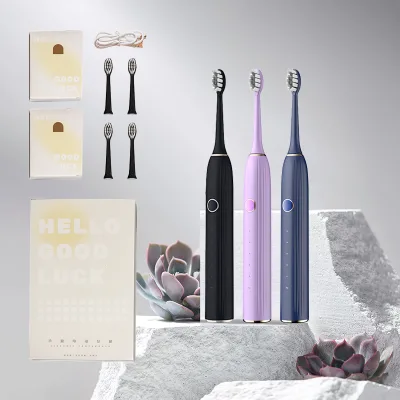
$9.2891 - $20.8462
MOQ: 6 pieces
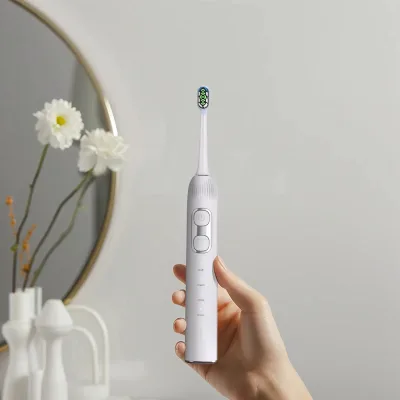
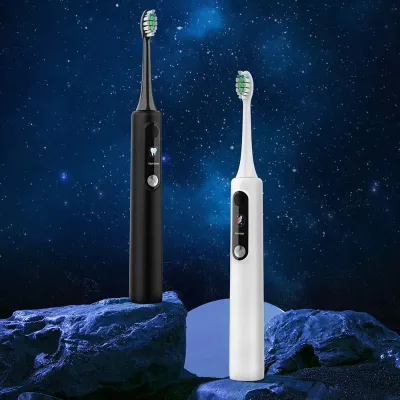
$11.7848 - $13.4401
MOQ: 10 pieces
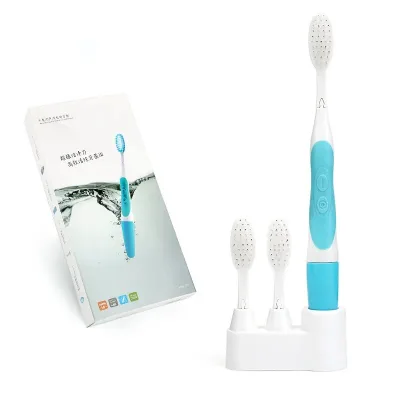
$1.6448 - $2.0583
MOQ: 100 pieces
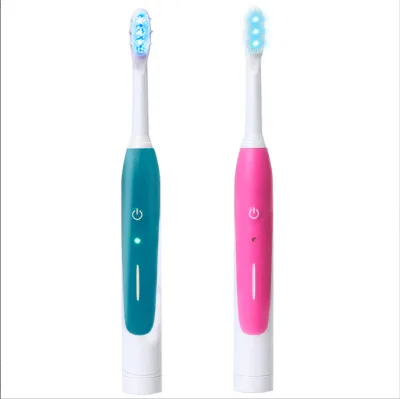
$17.4232 - $21.1068
MOQ: 200 pieces
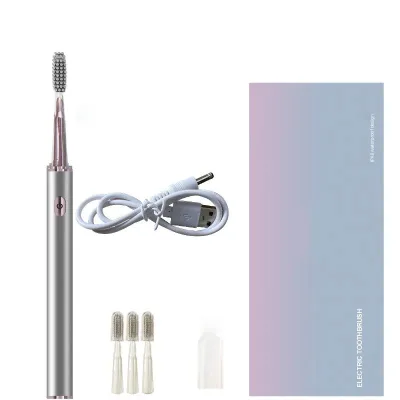

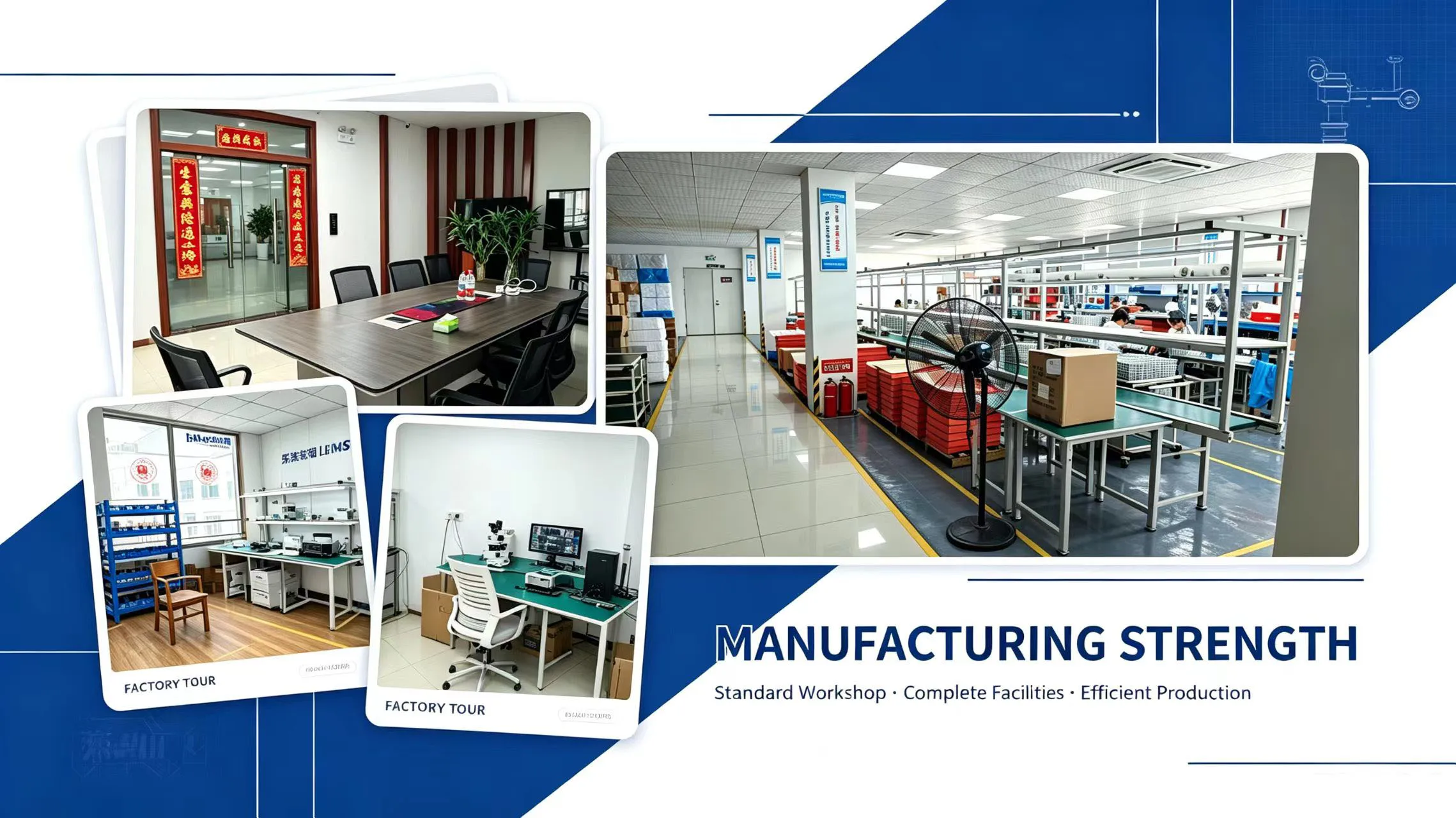
Shenzhen Dexinyang Smart Technology Co., Ltd.
- Manufacturer, Distributor/Wholesaler
- Guangdong, China
- Lead time15 days
- Avg. response≤ 12h
Main productsHome Appliance,Household Products
Main marketsWestern Europe(40.00%), Southeast Asia(30.00%), North America(20.00%), Oceania(10.00%)
CLITMOS (shenzhen) Technology Co., Ltd.
- Trading Company
- Guangddong, China
- Lead time5 days
- Avg. response≤ 5h
Main productsAnti Snoring Products,Orthodontic,False Teeth Products,Teeth Whitening Products,Tongue Care Products
Main marketsNorth America(35.00%), Western Europe(30.00%), Southern Europe(5.00%), Northern Europe(5.00%), South America(5.00%), South Asia(4.00%), Southeast Asia(3.00%), Eastern Europe(3.00%), Oceania(2.00%), Africa(2.00%), Eastern Asia(2.00%), Central America(2.00%), Mid East(2.00%)
- Trading Company
- China Guangdong
- Lead time120 days
- Avg. response≤ 16h
Main productsScent Machine, Humidifier, Aroma Diffuser Machine, Fragrance, Essential Oil
Main marketsSouth America,Eastern Europe,Mid East,North America,Southeast Asia,Eastern Asia,Oceania,Western Europe

Ultrasonic Electric Ipx7 Dientes Waterproof Nano Whitening Tooth Brush Automatic Travel Toothbrush
$38.55 - $40.35
MOQ: 200 Pieces

$31.50 - $41.50
MOQ: 200 Pieces

Replaced Head Sonic Custom Rechargeable Travel Oscillating Electric Toothbrush
$31.50 - $41.50
MOQ: 200 Pieces
Yuyao Rongda Plastic Industry Co., Ltd.
- Manufacturer, Trading Company
- Zhejiang, China
- Lead time30 days
- Avg. response≤ 4h
Main productsKids electric toothbrush,Adult electric toothbrush,nose hair trimmer,lady shaver,facial massage
Main marketsDomestic Market(30.00%), North America(25.00%), South America(15.00%), Africa(6.00%), Central America(5.00%), Eastern Europe(5.00%), Southeast Asia(5.00%), South Asia(4.00%), Western Europe(3.00%), Mid East(2.00%)
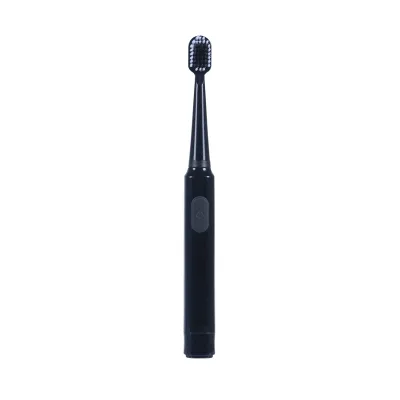
Oem Eu Black Slim Cleaning Ultrasonic Toothbrush Mini Thin Electric Sonic Toothbrush
$1.32 - $1.81
MOQ: 100
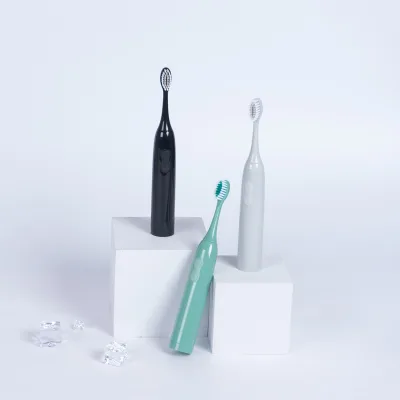
$0.57 - $1.59
MOQ: 100 pieces

Shanghai Brother Medical Manufacturer Co., Ltd.
- Verified by CTI
- Manufacturer/Factory
- China Shanghai
- Lead time23 days
- Avg. response≤ 19h
Main productsWheelchair, Hearing Aid, Mobility Scooter, Commode Chair, Shower Chair, Crutch, Walking Stick
Main marketsSouth America,Eastern Europe,Mid East,North America,Southeast Asia,Eastern Asia,Oceania,Western Europe,Africa
Shenzhen Hanasco Technology Co., Ltd.
- Manufacturer, Trading Company
- Guangdong, China
- Lead time20 days
- Avg. response≤ 11h
Main productsElectric Toothbrush,Water Flosser,Oral irrigator
Main marketsNorth America(30.00%), Western Europe(15.00%), Eastern Europe(10.00%), Domestic Market(10.00%), Southeast Asia(10.00%), Mid East(8.00%), Northern Europe(8.00%), South Asia(5.00%), Southern Europe(4.00%)
BeBeauty (Hangzhou) Technology Co.,Ltd.
- Verified by TüVRheinland
- Trading Company
- Lead time30 days
- Avg. response≤ 2h
Main productsElectric Toothbrush, Rotation Toothbush, Water Flosser, UV Sanitizer, Fabric Shaver
Main marketsNorth America(30%), Southeast Asia(20%), Eastern Europe(10%)
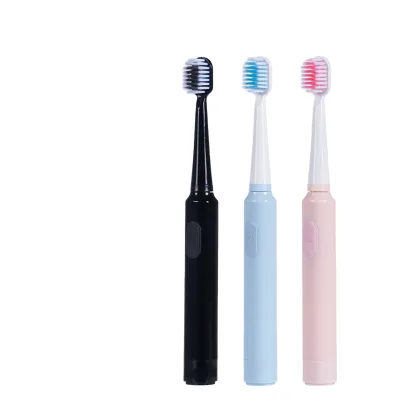
Oem Eu Black Slim Cleaning Ultrasonic Toothbrush Mini Thin Electric Sonic Toothbrush
$1.30 - $2.49
MOQ: 50 pieces
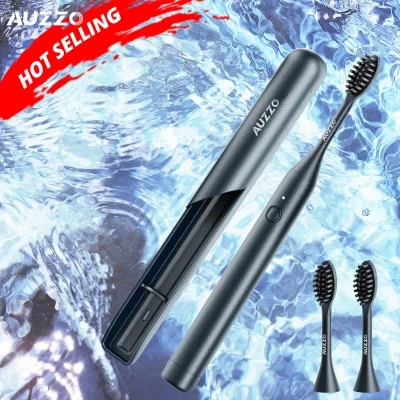
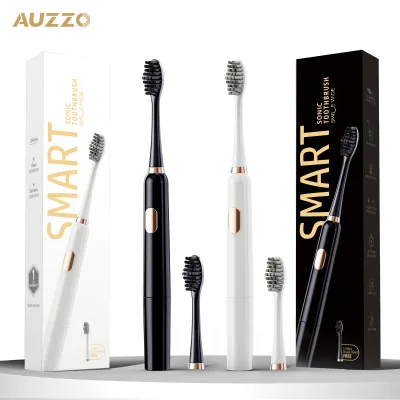
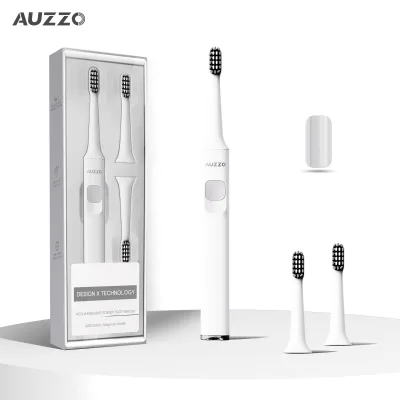
Sinbol High Efficiency Fast Shipping Stock Ipx7 Factory Electric Toothbrush
$2.69 - $2.89
MOQ: 2 pieces

CHANGZHOU FRESHDAY HOUSEHOLD PRODUCTS CORP. LTD.
- Verified by BV
- Combined
- China Jiangsu
- Lead time30 days
- Avg. response≤ 5h
Main productsManual Toothbrush, Electric Toothbrush, Bamboo Toothbrush, Travel Kit, Floss Pick, Toothpaste, Orthodontic Components, Water Flosser, Teeth Whitening Products
Main marketsSoutheast Asia/ Mideast,East Asia(Japan/ South Korea),Domestic,Europe,North America

Portable Ultrasonic Smart Toothbrush Tooth Brush Rechargeable Automatic Sonic Electronic Tooth Brush
$7.00 - $10.00
MOQ: 8000 Pieces

Factory Supply Rechargeable Sonic Electric Toothbrush 600mAh Ipx7 with Four Brushing Modes
$4.50 - $7.50
MOQ: 10000 Sets


Adult Sonic Electric Toothbrush Ipx7 with Mode Memory and 2-Minute Timer for Wholesale
$3.80 - $6.50
MOQ: 10000 Sets

$6.00 - $8.00
MOQ: 8000 Pieces

New OEM Factory Automatic Rechargeable Ipx7 Cheap Prices Adult Sonic Electric Toothbrush
$3.00 - $4.00
MOQ: 8000 Pieces
Shenzhen Lunata Technology Co., Ltd.
- Verified by Intertek
- Manufacturer, Trading Company
- Lead time30 days
- Avg. response≤ 1h
Main productsTeeth Whitening Kit, Electric Ear Cleaner, Ultrasonic Teeth Cleaner, Teeth polisher, Oral Care Accessories
Main marketsNorth America(40%), Southeast Asia(15%), South America(10%)
Guangzhou Megalo Technology Co., Ltd.
- Verified by TüVRheinland
- Trading Company
- Lead time15 days
- Avg. response≤ 3h
Main productsLaser Hair Removal Device, Face EMS Beauty Device, Clean Brush, Electrict Toothbrush, Water Flosser
Main marketsNorth America(20%), South America(15%), Eastern Europe(10%)
- Verified by TüVRheinland
- Manufacturer, Trading Company
- Lead time30 days
- Avg. response≤ 3h
Main productsWater Flosser, Oral Irrigator, Nasal Irrigator, Electric Toothbrush
Main marketsNorth America(40%), Domestic Market(25%), Western Europe(12%)

Shenzhen Fortunecome Technology Co., Ltd.
- Manufacturer
- Guangdong, China
- Lead time30 days
- Avg. response≤ 6h
Main productsElectric Toothbrush,Electric Oral Irrigator,Sonic toothbrush,Kids Sonic toothbrush,Nasal Irrigator
Main marketsDomestic Market(23.00%), North America(20.00%), Eastern Europe(10.00%), Western Europe(10.00%), Eastern Asia(10.00%), Africa(5.00%), Southeast Asia(5.00%), South Asia(5.00%), Oceania(3.00%), Mid East(3.00%), Southern Europe(3.00%), Northern Europe(3.00%)

Yangzhou Kandi Home Products Co., Ltd.
- Trading Company
- China Jiangsu
- Lead time30 days
- Avg. response≤ 4h
Main productsToothbrush, Toothpaste, Dental Floss, Dental Toothpick, Pet Toothbrush, Manual Toothbrush, Bamboo Toothbrush, Soap, Razor, Washing Powder
Main marketsAfrica,Southeast Asia/ Mideast

Quiet Sonic Electric Toothbrush with Ipx7 Sealing and ABS Shell for Nightly Use
$2.50 - $5.00
MOQ: 1000 Pieces


Kids Electric Toothbrush with Ipx7 Body and Inductive Charging for School Age Care
$6.80
MOQ: 1000 Pieces

Kids Intelligent Electric Toothbrush with Soft Bristles and Ipx7 Protection for Bedtime Routine
$2.87 - $3.75
MOQ: 500 Pieces

Professional Sonic Electric Toothbrush with Auto Vibration for Daily Oral Care
$2.72 - $4.56
MOQ: 500 Pieces

Portable Battery Powered Electric Toothbrush with Ipx7 Layer for Reseller Use
$1.92 - $3.64
MOQ: 500 Pieces
Jiangxi Yuke Technology Co., Ltd.
- Verified by Intertek
- Manufacturer, Trading Company
- Lead time20 days
- Avg. response≤ 2h
Main productsElectric Toothbrush, Water Flosser
Main marketsNorth America(70%), Western Europe(20%), Oceania(10%)
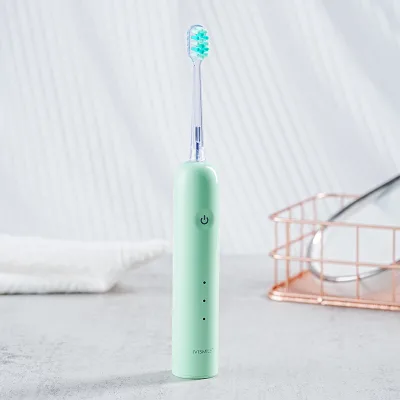
Electric Toothbrush Oem Customized Sonic Ipx7 Rechargeable Electric Toothbrush for Adults
$9.26 - $10.58
MOQ: 500 pieces
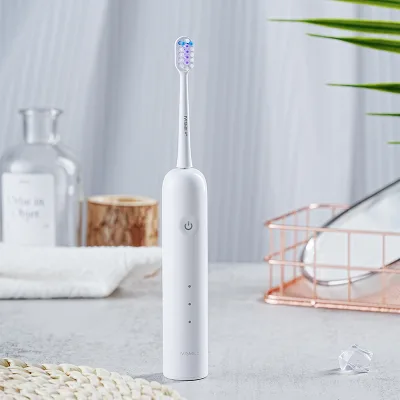
Silicone Teeth Cleaning Electric Toothbrushes Oscillation Sonic Toothbrush with Rohs Certificates
$9.26 - $10.58
MOQ: 500 pieces
FAIRFORM MANUFACTURING COMPANY LIMITED
- Manufacturer
- Hong Kong S.A.R.
- Lead time0 days
- Avg. response≤ 3h
Main productsElectric Toothbrushes,Manual Toothbrushes,Electric Shavers,Hair Trimmers,UV
Main marketsNorth America(75.40%), Western Europe(9.20%)
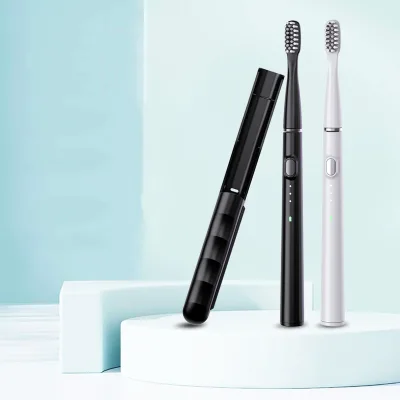
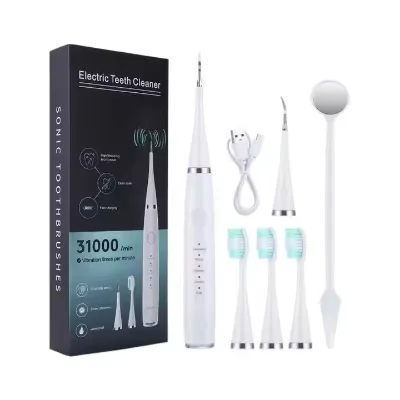
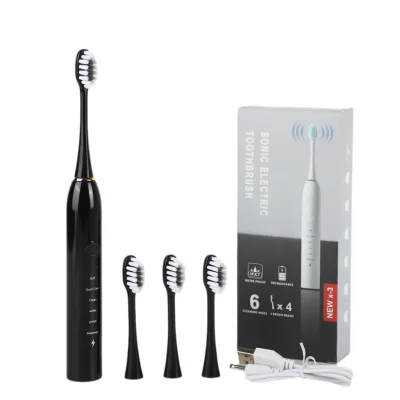
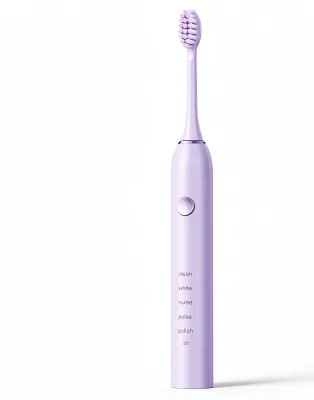
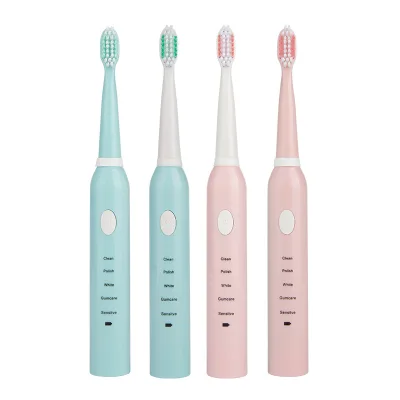
$2.0837 - $2.5631
MOQ: 10 pieces

- Verified by BV
- Trading Company
- China Zhejiang
- Lead time30 days
- Avg. response≤ 7h
Main productsElectric Kettle, Massager, Hair Dryer, Heater, Electric Grill, Humidifier, Hair Straightener, Mixer, Beauty Instrument, Electronics
Main marketsAfrica,Southeast Asia/ Mideast,Europe,North America


New Waterproof Sonic Pulse Electric Toothbrush with Soft Bristles and Multiple Modes
$10.19 - $10.49
MOQ: 1000 Pieces
Wenzhou Jssan Electric Co., Ltd.
- Manufacturer
- Zhejiang, China
- Lead time15 days
- Avg. response≤ 4h
Main productselectric toothbrush,Oral Irrigator,toothbrush Head,Teeth Whitening Device,Sanitizer
Main marketsWestern Europe(31.00%), North America(25.00%), Northern Europe(10.00%), South America(10.00%), Eastern Europe(5.00%), Southern Europe(3.00%), Oceania(3.00%), South Asia(2.00%), Domestic Market(2.00%), Southeast Asia(2.00%), Central America(2.00%), Africa(2.00%), Eastern Asia(2.00%), Mid East(1.00%)
Shenzhen Zhituo Future Technology Co., Ltd.
- Manufacturer
- Guangdong, China
- Lead time7 days
- Avg. response≤ 12h
Main productsbeauty personal care products,pet care products,Eye Care,Oral care,Nail Care
Main marketsWestern Europe(30.00%), Eastern Europe(15.00%), North America(15.00%), Southern Europe(10.00%), South America(10.00%), Northern Europe(8.00%), Central America(5.00%), South Asia(2.00%), Domestic Market(2.00%), Southeast Asia(2.00%), Mid East(1.00%)

ZHONGSHAN KWANGNA GLOBAL SUPPLY CHAIN CO., LTD
- Trading Company
- China Guangdong
- Lead time0 days
- Avg. response≤ 2h
Main productsMosquito Repellent Light, Small Kitchen Air Conditioner, Air Frier, Coffee Maker, Vacuum Cup, Coffee Steel Cup, Portable Mini Fan, Steel Milk Cup, Rice Cooker, Smart Rice Cooker


Ipx7 waterproof Intelligent Teeth Whitening Rechargeable Electric Toothbrush
$12.20 - $12.50
MOQ: 200 Pieces

Jiangxi Dentalbright Technology Co., Ltd.
- Verified by BV
- Combined
- China Jiangxi
- Lead time15 days
- Avg. response≤ 4h
Main productsTeeth Whitening Kit, Teeth Whitening Pen, Tooth Whitening Gel, Teeth Whitening Strips, Teeth Whitening Powder, Teeth Whitening Light, Toothpaste, Teeth Whitening Bamboo Brush, Anti Snore Collections
Main marketsEurope,Australia,North America
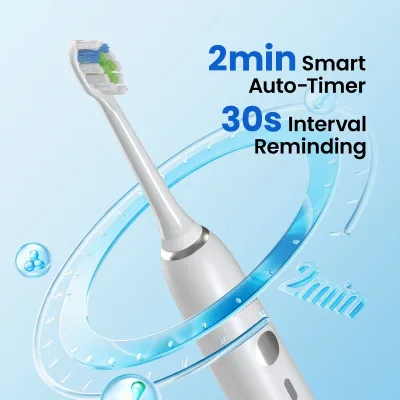
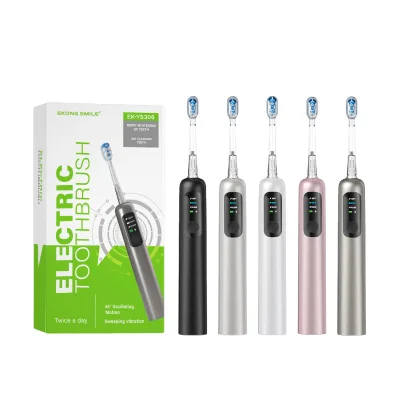
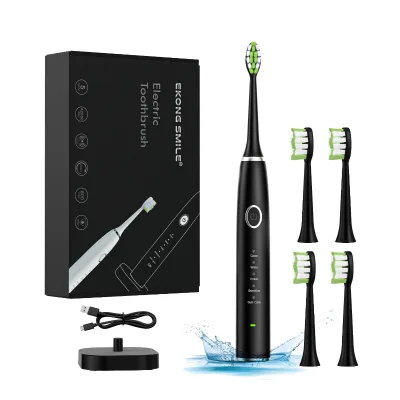


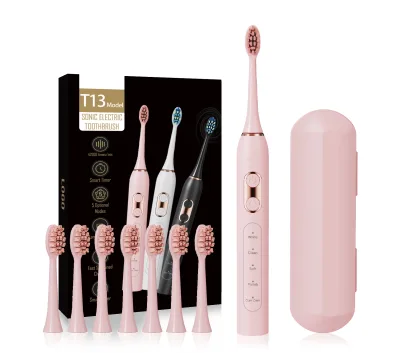
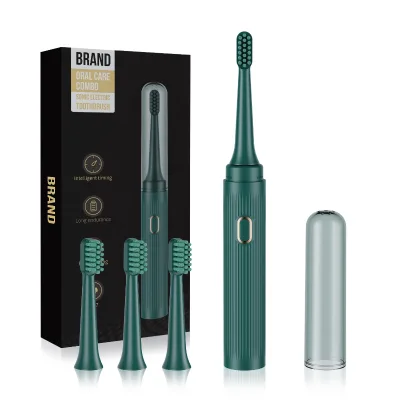
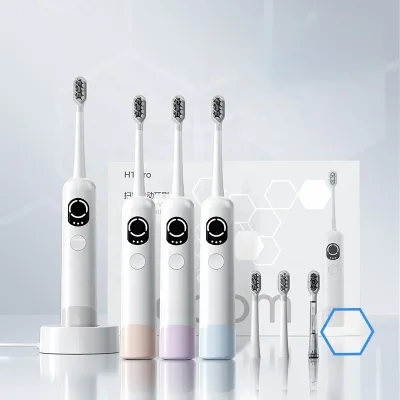
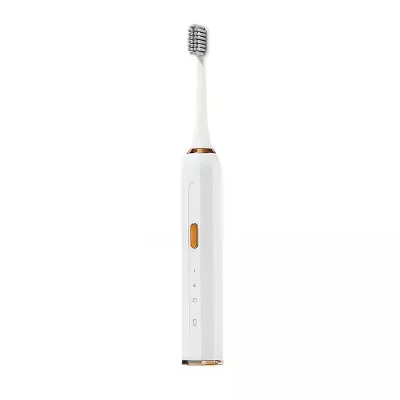
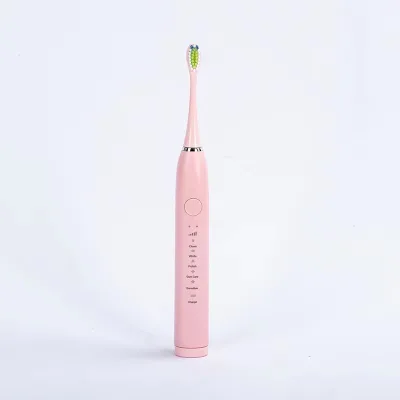
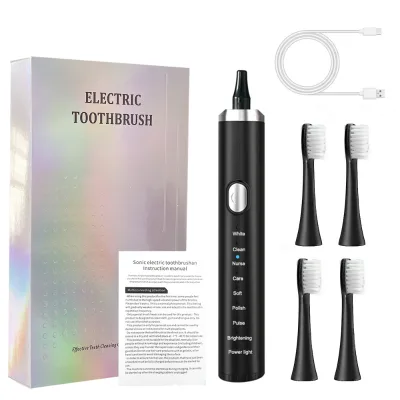
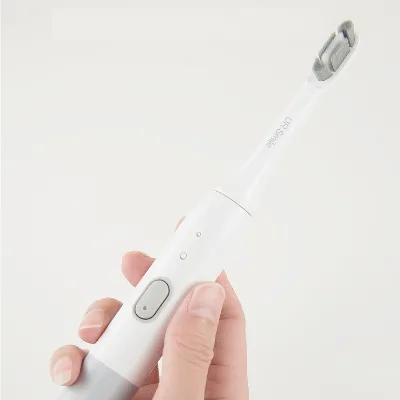


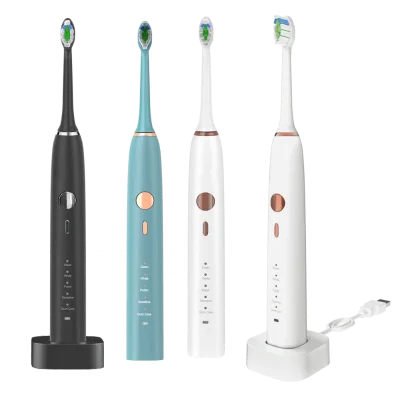
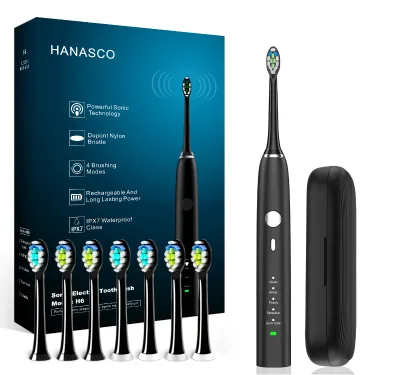
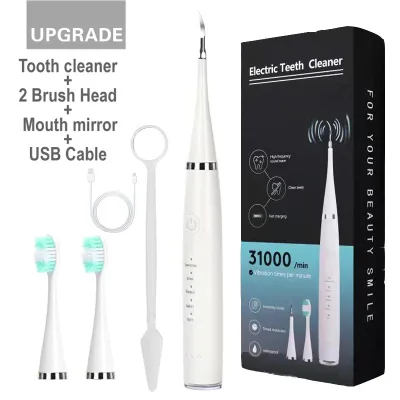
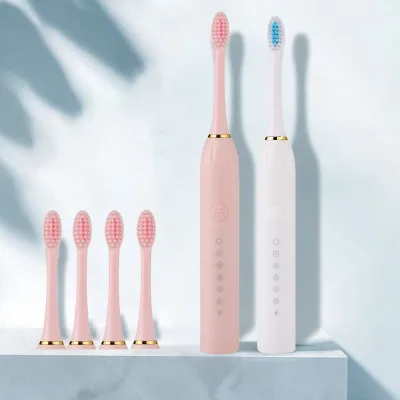
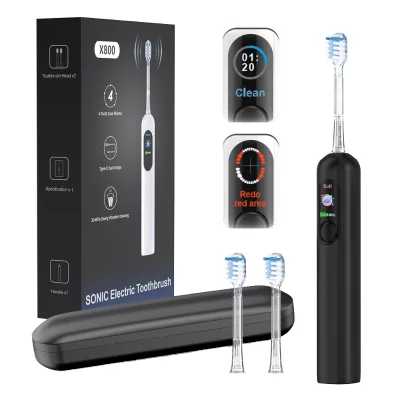
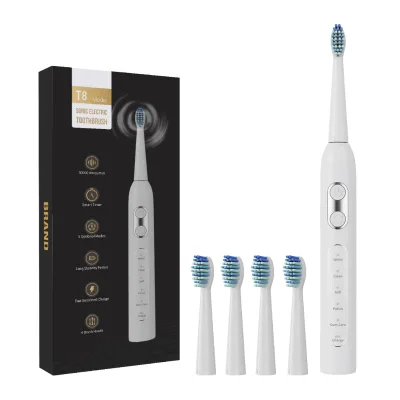
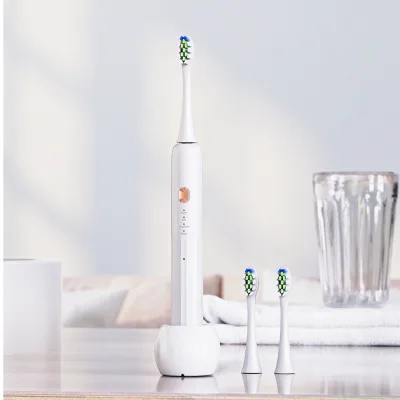
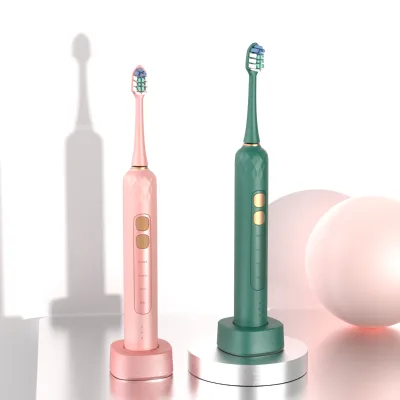
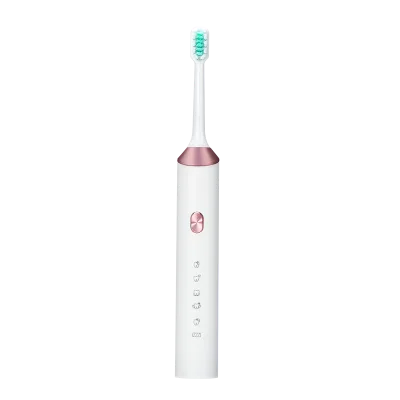
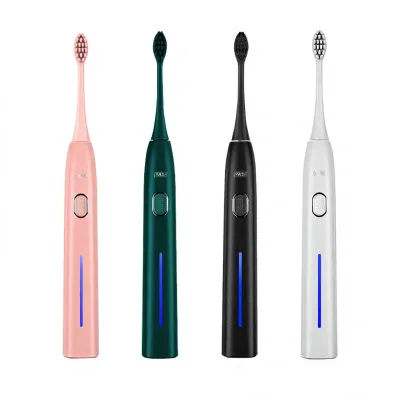
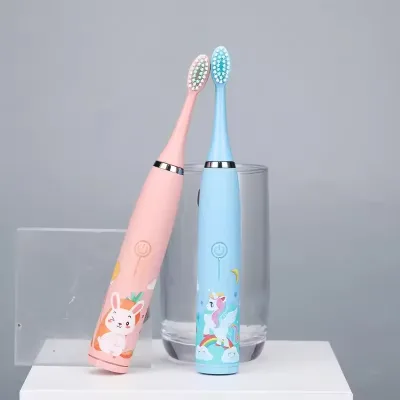
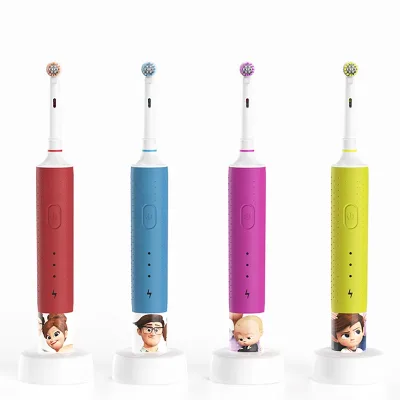
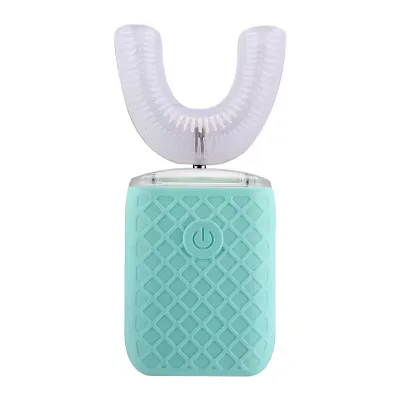
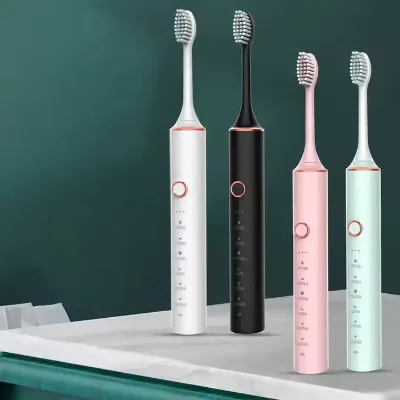


Comprehensive Sourcing Guide
IPX7 Ultrasonic Sonic Toothbrush Supplier Concentration and Factory Types
The available data indicates a significant concentration of manufacturing activity for Ipx7 Ultrasonic Sonic Toothbrushes within Guangdong, China, where specific product listings explicitly state this place of origin. This region hosts a mix of company types, including both manufacturers and trading companies, which suggests a mature supply chain capable of handling diverse order volumes. Buyers observing results from this area should note that the primary product categories often extend beyond toothbrushes to include related items like ultrasonic cleaners and tongue scrapers, indicating specialized production lines. When evaluating potential partners, the distinction between a manufacturer and a trading company is critical, as the former typically controls the production process while the latter may aggregate goods from multiple sources.
In contrast, some supplier profiles list locations in Zhejiang, China, though these entries often focus on different primary products like protective masks rather than oral care appliances. This discrepancy highlights the importance of verifying the specific manufacturing capability of a supplier rather than assuming all companies in a region produce the same item. A trading company based in Zhejiang might source toothbrushes from Guangdong, whereas a manufacturer in Guangdong likely produces them directly. Buyers must scrutinize the company type field to determine if the entity is the actual factory or an intermediary. Understanding this structural difference helps in predicting lead times and communication efficiency, as direct factories often have more control over production schedules and quality assurance protocols than trading entities.
How to Verify IPX7 Ultrasonic Sonic Toothbrush Suppliers
Verification begins with confirming the specific technical attributes listed in product evidence, such as the IPX7 waterproof rating and vibration frequency ranges like 38,000 Hz or 18,001 to 33,000 Hz. These specifications are not generic; they are tied to specific model numbers like EK-YS500 or EK-YS700, which buyers should request to ensure the supplier can deliver the exact configuration required. It is essential to cross-reference the charging modes, which vary from Micro USB to Type-C and wireless options, against the buyer's market needs. A supplier claiming IPX7 certification should provide evidence of the specific testing standards used, as the term alone does not guarantee compliance with international safety regulations without further documentation.
Buyers should also validate the response time and lead time metrics provided in the supplier profile, noting that a seven-day response time and a twenty-five-day lead time are observed figures that may vary by order complexity. Establishing a baseline for these metrics helps in assessing the supplier's operational efficiency and reliability. Additionally, checking for after-sales service provisions, such as return and replacement policies, is vital for long-term partnership stability. The presence of OEM and ODM services indicates a supplier's flexibility, but buyers must verify if these services include custom logo acceptance and specific packaging requirements. Without direct confirmation of these capabilities, assumptions about customization potential can lead to production delays or non-compliant products.
What to Compare Across IPX7 Ultrasonic Sonic Toothbrush Suppliers
When comparing suppliers, the price range is a primary differentiator, with observed minimums starting around 9.28 and maximums reaching 15.00 depending on the model and features. Buyers must analyze whether the lower price points correspond to basic models with standard bristle types or if they include advanced features like app control, which some listings explicitly state is not available. The minimum order quantity (MOQ) is another critical factor, with some suppliers requiring orders as low as two units, while others may have higher thresholds. Comparing these MOQs against the buyer's inventory strategy ensures that the initial investment aligns with cash flow and storage capabilities.
Beyond pricing and volume, the warranty terms and battery capacity specifications offer significant insight into product longevity and value. Some listings specify a one-year warranty and battery capacities of 2000mAh, while others may lack explicit after-sales service details. The operating language and packaging types, such as color boxes, also influence the final cost and market readiness of the product. Buyers should compare the single gross weight and package dimensions to calculate accurate shipping costs, as these vary between 0.500 kg and 1.000 kg per unit. Evaluating these tangible attributes side-by-side allows for a more precise assessment of total landed cost and operational feasibility across different supplier options.
Common IPX7 Ultrasonic Sonic Toothbrush Sourcing Risks
One significant risk involves the inconsistency of product attributes across different listings from the same or similar suppliers. For instance, while some products list a vibration frequency of 38,000 Hz, others specify a range of 18,001 to 33,000 Hz, which may indicate different production batches or quality tiers. Buyers must be cautious of suppliers who do not clearly define the bristle material, as some listings mention polyester bristles while others specify nylon, affecting the user experience and durability. Without clear verification of these material specifications, there is a risk of receiving products that do not meet the expected performance standards for sensitive teeth or orthodontic use.
Another risk is the potential mismatch between the claimed location and the actual manufacturing origin. While many products list Guangdong as the place of origin, some entries simply state China without specifying the province, which can obscure the supply chain's transparency. This ambiguity makes it difficult to verify the supplier's actual production capacity and quality control measures. Furthermore, the absence of detailed certification information in some profiles, such as specific system certifications beyond generic "Others," leaves buyers vulnerable to regulatory non-compliance in their target markets. Buyers should demand explicit proof of compliance with relevant standards before finalizing any order to mitigate these risks effectively.
IPX7 Ultrasonic Sonic Toothbrush Regional Sourcing and Logistics
Sourcing from Guangdong, China, offers logistical advantages due to the region's established infrastructure for exporting personal care appliances. The specific product dimensions, such as a single package size of 17x10x5 cm or 20x20x10 cm, allow for efficient container loading and reduced shipping costs per unit. Buyers should calculate freight expenses based on the single gross weight, which ranges from 0.500 kg to 1.000 kg, to optimize their logistics strategy. The proximity of manufacturing hubs to major ports in Guangdong often results in faster transit times, which is crucial for maintaining inventory levels and meeting market demand.
However, sourcing from other regions like Zhejiang may present different logistical challenges if the primary product focus is not oral care appliances. Buyers should verify if the supplier in Zhejiang is a trading company that sources from Guangdong, as this adds an extra layer to the supply chain and potentially increases lead times. The operating language of the product, typically English, facilitates communication but does not guarantee that the logistics team is equally proficient. Buyers must confirm the shipping terms and packaging types, such as color boxes, to ensure the product arrives in sellable condition. Understanding these regional nuances helps in planning a robust supply chain that minimizes delays and maximizes efficiency.
IPX7 Ultrasonic Sonic Toothbrush Commercial Terms and Order Planning
Commercial terms for Ipx7 Ultrasonic Sonic Toothbrushes often include flexible charging options like Type-C fast charge or wireless charging, which can influence the final product design and cost. Buyers should plan their orders around the maximum runtime capabilities, which vary from 30 days to 90 days depending on the model, to ensure the product meets consumer expectations for battery life. The working modes, typically offering three settings like soft, white, and clean, are standard features that buyers should confirm are included in their specific order specifications. Understanding these technical details is essential for accurate product positioning and marketing in the target market.
Order planning must also account for the customization options available, such as accepting customized logos and specific packaging types. Some suppliers offer sample services alongside OEM and ODM capabilities, which allows buyers to test the product before committing to large volumes. The selling units are often listed as single items, but buyers should negotiate bulk pricing based on the observed price ranges of 9.28 to 15.00. It is crucial to verify the charging time, which can range from 4 hours to 5-8 hours, as this impacts the user experience and product reliability. By carefully reviewing these commercial terms and planning accordingly, buyers can secure a supply chain that is both cost-effective and aligned with their business goals.
FAQs
What is the price range for IPX7 sonic toothbrushes?
Prices typically range from $9.28 to $15.00 per unit depending on features and customization. Basic models start around $9.28, while advanced options with wireless charging or specific bristle types cost up to $15.00. Buyers should verify exact pricing based on order volume and specific technical requirements.
What is the minimum order quantity for these products?
The minimum order quantity is generally set at 2 units for sample or trial orders. This low threshold allows buyers to test product quality and functionality before committing to larger bulk purchases. It is advisable to confirm specific MOQ terms directly with the supplier for customized or branded orders.
How long does production and delivery take?
The standard lead time is approximately 25 days for manufacturing and preparation. Response times from suppliers are typically around 7 hours, ensuring quick communication regarding order status. Buyers should account for shipping duration separately and confirm exact delivery schedules with the supplier before finalizing payment.
Are these toothbrushes waterproof and safe for travel?
Yes, most models feature IPX7 waterproof ratings, making them safe for use in showers and easy to clean. They are designed for both home and travel use, with compact packaging options available. The waterproofing ensures durability against water ingress, protecting internal electronic components during daily oral care routines.
What charging options are available for these devices?
Charging methods vary by model, including Micro USB, Type-C fast charging, and wireless or magnetic charging options. Some units require 4 to 8 hours for a full charge, while others offer extended runtime up to 90 days. Buyers should select the charging type that best fits their infrastructure and convenience needs.
Can I customize the logo and packaging?
Yes, suppliers offer OEM and ODM services, allowing for customized logos and packaging designs. Many models accept customized branding to meet specific market requirements. Buyers should discuss design specifications and minimum quantities for custom branding directly with the manufacturer to ensure alignment with their brand identity and regulatory standards.