Ultrasonic Dental Plaque Remover Toothbrush Suppliers and Manufacturers
Source 23 verified suppliers for Ultrasonic Dental Plaque Remover Toothbrush units. Compare grounded dimensions including Guangdong origin, 15-day lead times, and MOQs starting at 2 units. Review pricing from $2.30 to $4.90 and request quotes directly; review the available evidence before requesting comparable quotations from suitable candidates.
Updated
Suppliers List
Shandong Chengchang Health Technology Co., Ltd.
- Trading Company
- Shandong, China
- Lead time15 days
- Avg. response≤ 4h
Main productsBeauty equipment,Massager,A protector,medical equipment,Health care equipment
Main marketsSoutheast Asia(20.00%), Domestic Market(15.00%), Mid East(10.00%), South America(5.00%), South Asia(5.00%), Southern Europe(5.00%), Northern Europe(5.00%), Central America(5.00%), Western Europe(5.00%), Eastern Asia(5.00%), Eastern Europe(5.00%), Oceania(5.00%), Africa(5.00%), North America(5.00%)
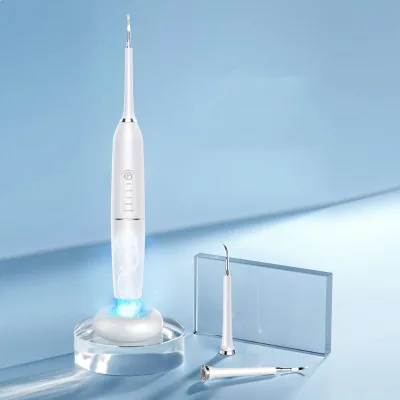
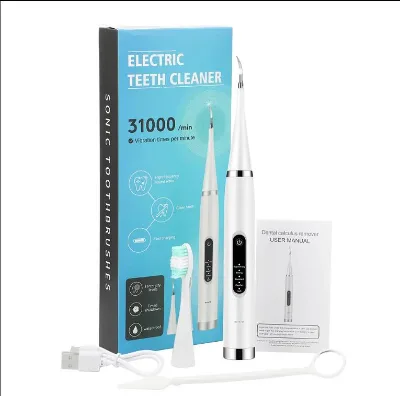
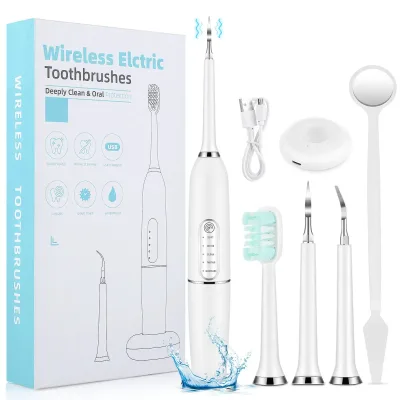
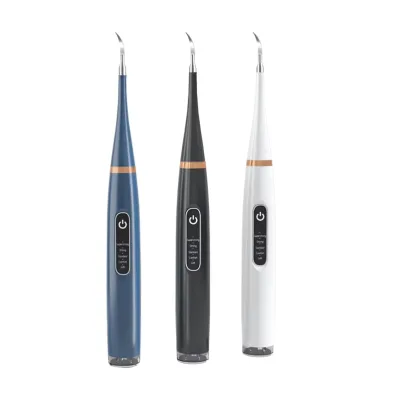
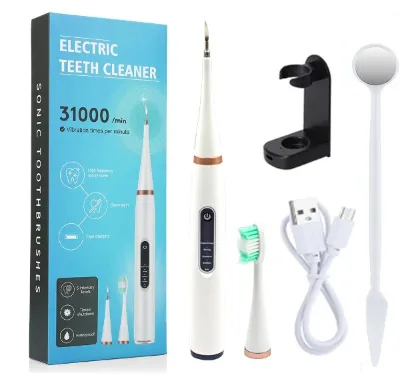
$2.3608 - $4.0027
MOQ: 2 pieces

Changsha Fusheng Electronic Technology Co., Ltd.
- Trading Company
- China Hunan
- Lead time15 days
- Avg. response≤ 2h
Main productsElectronic Product
Main marketsSoutheast Asia/ Mideast,Europe,North America

$15.50 - $19.80
MOQ: 20 Pieces


Small Portable Oral Ultrasonic Tooth Cleaner Dental Calculus Remover Cleaner Teeth
$5.90 - $7.80
MOQ: 20 Pieces

Wenzhou Jssan Electric Co., Ltd.
- Verified by SGS
- Combined
- China Zhejiang
- Lead time23 days
- Avg. response≤ 7h
Main productsElectric Toothbrush, Oral Irrigator, UV Sterilizer, Ultrasonic Scaler, Electric Face Washer, Electric Nail Clipper, Hair Straightening Comb, Hair Straightener, Shaver, Hair Clipper
Main marketsSouth America,Southeast Asia/ Mideast,East Asia(Japan/ South Korea),Domestic,Europe,Australia,North America


Oral Care UV Disinfection U-Shape Ultrasonic Hand Free Automatic Toothbrush 504
$10.10 - $11.10
MOQ: 100 Pieces


- Verified by SGS Group
- Trading Company
- Lead time15 days
- Avg. response≤ 4h
Main productsToothbrush, Toothpaste, Package Bottle, Teeth Whitening Product, Skin Care Product
Main marketsNorth America(30%), Southeast Asia(20%), Africa(15%)
Shenzhen Meijiante Technology Co., Ltd.
- Verified by Intertek
- Trading Company
- Lead time10 days
- Avg. response≤ 4h
Main productsElectric Toothbrush, Electric Dental Calculus Remover, Water Flosser, Oral Irrigator, Bubble Beauty Machine
Main marketsNorth America(64%), Eastern Europe(15%), Eastern Asia(15%)
Shenzhen Huiyuan Plastic Electronics Co., Ltd.
- Manufacturer, Trading Company
- Guangdong, China
- Lead time7 days
- Avg. response≤ 4h
Main productsNeck Apparatus,Facial Slimming Instrument,Blackhead Meter,Nail Polishers,Microcurrent Sleep Aid
Main marketsDomestic Market(50.00%), South Asia(50.00%), Southern Europe(50.00%), Northern Europe(50.00%), Central America(50.00%), Western Europe(50.00%), Eastern Asia(50.00%), Mid East(50.00%), Oceania(50.00%), Africa(50.00%), Southeast Asia(50.00%), Eastern Europe(50.00%), South America(50.00%), North America(50.00%)
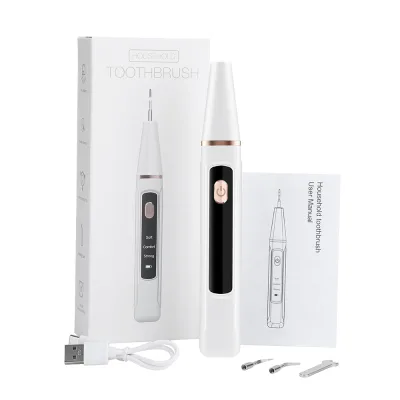
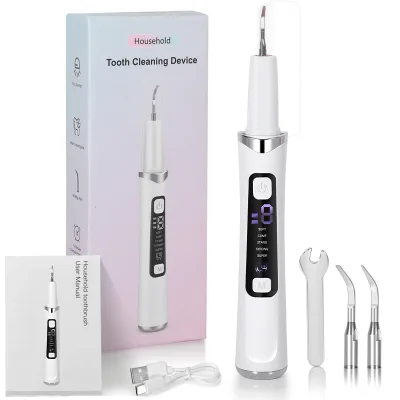
$3.9233 - $4.3367
MOQ: 1 sets

HANGZHOU WEIZE IMP & EXP CO., LTD.
- Verified by TUVRHEINLAND
- Trading Company
- China Zhejiang
- Lead time30 days
- Avg. response≤ 3h
Main productsProtective Mask
Main marketsAfrica,Southeast Asia/ Mideast,Europe,North America


OEM 4 Gears Rechargeable Automatic Ultrasonic Tooth Cleaner Sonic Electric Toothbrush
$2.00 - $4.50
MOQ: 200 Sets

High Quality Ultrasonic USB Rechargeable Oral Care Deep Cleaning Electric Toothbrush
$10.00 - $15.00
MOQ: 10 Pieces

High Quality Automatic Ultrasonic Tooth Cleaner Sonic Electrical Toothbrush for Adults
$9.00 - $11.00
MOQ: 10 Pieces
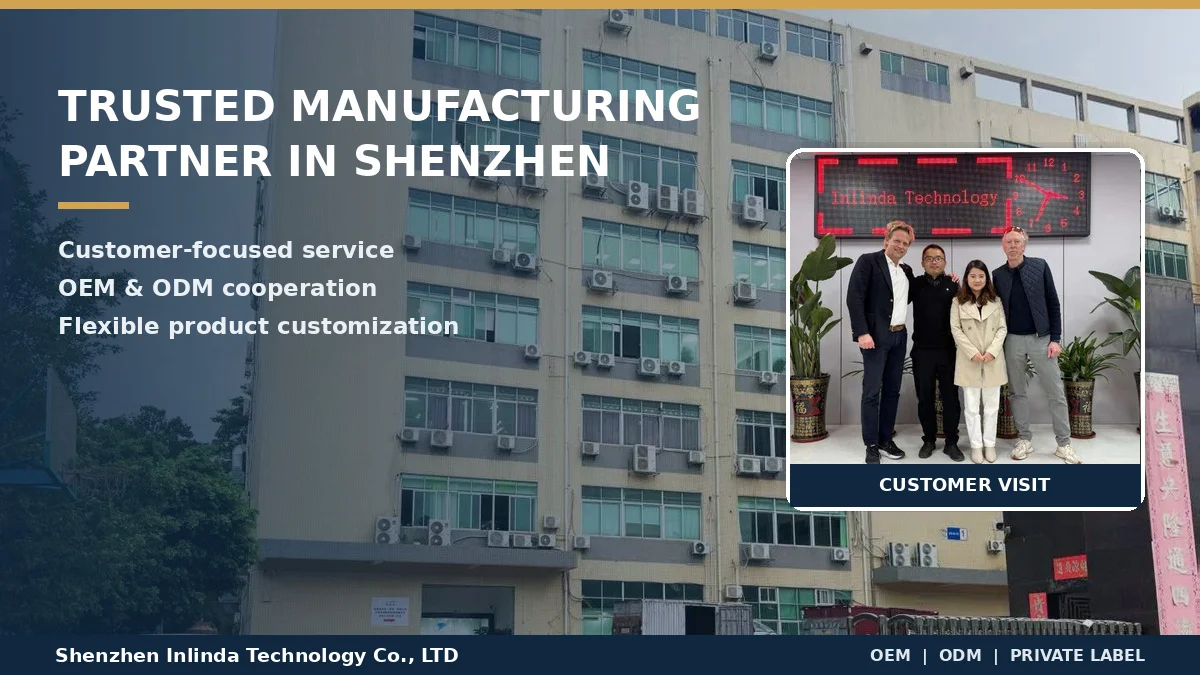
Shenzhen Inlinda Technology Co., Ltd.
- Manufacturer
- Guangdong, China
- Lead time3 days
- Avg. response≤ 6h
Main productsBaby Products,Beauty & Persoanl Care and Heath Product,Kitchen Gadgets,Pet Product,New and Unique Hotselling Products
Main marketsNorth America(35.00%), Western Europe(25.00%), Southeast Asia(20.00%), South Asia(5.00%), South America(5.00%), Mid East(5.00%), Eastern Europe(5.00%)
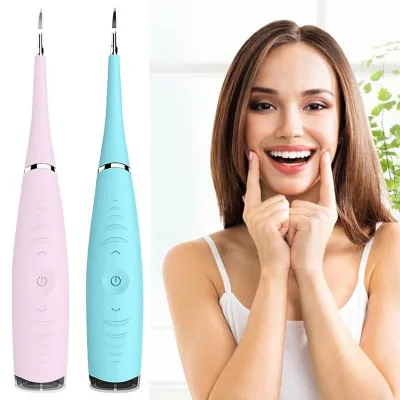
$3.8993 - $4.6183
MOQ: 2 pieces
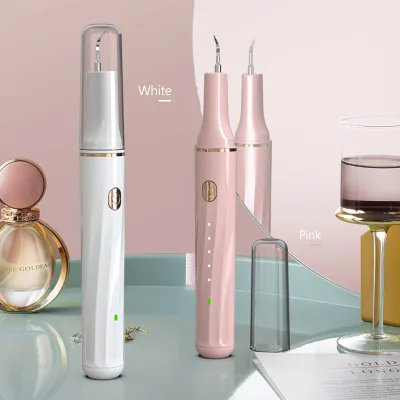
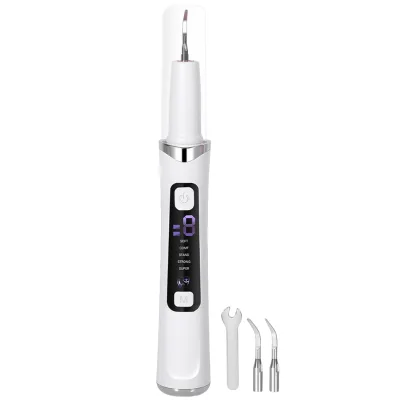
Advanced Ultrasonic Tooth Cleaner Electric Dental Plaque Remover for Deep Cleaning & Fresh Breath
$3.6941 - $4.6183
MOQ: 10 units
Shenzhen Lunata Technology Co., Ltd.
- Verified by Intertek
- Manufacturer, Trading Company
- Lead time30 days
- Avg. response≤ 1h
Main productsTeeth Whitening Kit, Electric Ear Cleaner, Ultrasonic Teeth Cleaner, Teeth polisher, Oral Care Accessories
Main marketsNorth America(40%), Southeast Asia(15%), South America(10%)
BeBeauty (Hangzhou) Technology Co.,Ltd.
- Verified by TüVRheinland
- Trading Company
- Lead time30 days
- Avg. response≤ 2h
Main productsElectric Toothbrush, Rotation Toothbush, Water Flosser, UV Sanitizer, Fabric Shaver
Main marketsNorth America(30%), Southeast Asia(20%), Eastern Europe(10%)

Yangzhou Kandi Home Products Co., Ltd.
- Trading Company
- China Jiangsu
- Lead time30 days
- Avg. response≤ 4h
Main productsToothbrush, Toothpaste, Dental Floss, Dental Toothpick, Pet Toothbrush, Manual Toothbrush, Bamboo Toothbrush, Soap, Razor, Washing Powder
Main marketsAfrica,Southeast Asia/ Mideast

Weihai iCure Medical Equipment Co., Ltd.
- Verified by BV
- Trading Company
- China Shandong
- Lead time15 days
- Avg. response≤ 5h
Main productsPatient Monitor, Ultrasound, X-ray Machine, Operation Table, Syringe Pump, CPAP, Baby Incubator, Medical Training Manikin, Veterinary Equipment, Hematology Analyzer
Main marketsAfrica

- Verified by SGS
- Trading Company
- China Zhejiang
- Lead time15 days
- Avg. response≤ 10h
Main productsFan, Heater Fan, Air Fryer, Toaster, Rice Cooker, Vacuum Cleaner, Coffee Machine, Hairdressing Appliance, Electric Toothbrush, Steam Iron
Main marketsEurope,Australia

New Arrival Vibrating Dental Plaque Ultrasonic Vertical 4 Mode Electric Toothbrush
$5.00 - $5.86
MOQ: 500 Pieces


Hot Selling New OEM Rechargeable Waterproof Universal Electric Toothbrush
$1.50 - $1.64
MOQ: 600 Pieces
CLITMOS (shenzhen) Technology Co., Ltd.
- Trading Company
- Guangddong, China
- Lead time5 days
- Avg. response≤ 5h
Main productsAnti Snoring Products,Orthodontic,False Teeth Products,Teeth Whitening Products,Tongue Care Products
Main marketsNorth America(35.00%), Western Europe(30.00%), Southern Europe(5.00%), Northern Europe(5.00%), South America(5.00%), South Asia(4.00%), Southeast Asia(3.00%), Eastern Europe(3.00%), Oceania(2.00%), Africa(2.00%), Eastern Asia(2.00%), Central America(2.00%), Mid East(2.00%)

Yangzhou Baizhiyue Daily Chemical Co., Ltd.
- Verified by SGS
- Combined
- China Jiangsu
- Lead time30 days
- Avg. response≤ 9h
Main marketsOthers(foreignTradeCapacity.exportBusinessCapacityMarketOther),Domestic
- Manufacturer, Trading Company
- Guangdong, China
- Lead time30 days
- Avg. response≤ 7h
Main productsAroma Diffusers,Aroma humidifier,Aromatherapy diffusers,Essential oil diffusers,Oil Diffusers
Main marketsWestern Europe(26.10%), Northern Europe(23.80%), Eastern Asia(14.90%), North America(10.80%), South America(9.50%), Oceania(7.70%), Domestic Market(4.40%), Africa(1.70%), Southeast Asia(1.10%)
Shenzhen Jinyada Electronics Co., Ltd.
- Trading Company, Distributor/Wholesaler
- Guangdong, China
- Lead time10 days
- Avg. response≤ 1h
Main productsWatch,Earphone,Speaker,phone accessories,Socket
Main marketsNorth America(15.00%), Central America(10.00%), Southeast Asia(10.00%), Mid East(10.00%), South America(10.00%), Domestic Market(5.00%), South Asia(5.00%), Southern Europe(5.00%), Northern Europe(5.00%), Africa(5.00%), Western Europe(5.00%), Eastern Asia(5.00%), Eastern Europe(5.00%), Oceania(5.00%)

CHANGZHOU FRESHDAY HOUSEHOLD PRODUCTS CORP. LTD.
- Verified by BV
- Combined
- China Jiangsu
- Lead time30 days
- Avg. response≤ 5h
Main productsManual Toothbrush, Electric Toothbrush, Bamboo Toothbrush, Travel Kit, Floss Pick, Toothpaste, Orthodontic Components, Water Flosser, Teeth Whitening Products
Main marketsSoutheast Asia/ Mideast,East Asia(Japan/ South Korea),Domestic,Europe,North America

$11.00 - $12.00
MOQ: 10000 Pieces

Portable Ultrasonic Smart Toothbrush Tooth Brush Rechargeable Automatic Sonic Electronic Tooth Brush
$7.00 - $10.00
MOQ: 8000 Pieces


Shenzhen Dike Technology Co., Ltd.
- Verified by Intertek
- Trading Company
- Lead time3 days
- Avg. response≤ 2h
Main productsWireless Earphone, USB Cable, Wireless Speaker, Portable & Wearable Fans, USB Charger
Main marketsNorth America(35%), Western Europe(25%), South America(10%)
Ningbo Jookia Electronic Technology Co., Ltd.
- Verified by Intertek
- Manufacturer, Trading Company
- Lead time35 days
- Avg. response≤ 7h
Main productsElectric Toothbrush
Main marketsDomestic Market(48%), South Asia(24%), North America(19%)

MCREAT(GUANGZHOU)BIO-TECH CO.,LTD
- Combined
- China Guangdong
- Lead time30 days
- Avg. response≤ 5h
Main productsMedical Disposable, Endotracheal Tube, Laryngeal Mask Airway, Closed Suction Catheter, Anesthesia Product
Main marketsSouth America,East Asia(Japan/ South Korea),Europe,North America


Disposable Suction Toothbrush for Medical Use Disposable Suction Oral Care
$0.80 - $1.00
MOQ: 5000 Pieces

Coral Healthcare Products Manufacturer Co., Ltd.
- Verified by TUVRHEINLAND
- Combined
- China Jiangsu
- Lead time30 days
- Avg. response≤ 7h
Main productsDental Floss, Toothbrush, Orthodontic Kit, Interdental Brush, Floss Tooth Pick
Main marketsSouth America,Africa,Southeast Asia/ Mideast,Europe,North America
Guangdong Marbon Daily & Chemical Ltd.
- Verified by Intertek
- Manufacturer, Trading Company
- Lead time15 days
- Avg. response≤ 5h
Main productsToothbrush, Electric Toothbrush, Water Flosser, Dental Floss, Toothpaste
Main marketsDomestic Market(40%), Southeast Asia(12%), South America(10%)






Comprehensive Sourcing Guide
Ultrasonic Dental Plaque Remover Toothbrush Supplier Concentration and Factory Types
Buyers searching this category will notice that supplier profiles often show a company registered in Shandong, China, while individual product listings for ultrasonic plaque removers and sonic toothbrushes frequently list a place of origin in Guangdong, China. This split is not unusual in small home-use beauty and oral-care electronics: a trading or exporting company may be based in one province while the devices are produced by partner workshops in another. When you see this pattern, treat the registered location and the product origin as two separate facts to confirm, and ask each supplier directly where the goods ship from and whether the same facility can support your order volume. A mismatch is not automatically a problem, but it changes who controls production scheduling and quality checks.
The category mixes two supplier types. Some profiles identify as trading companies whose main products cover beauty equipment, massagers, health care and medical equipment, meaning oral-care devices are one line among many. Others present manufacturer-focused listings. Trading companies can be useful for mixed containers and faster communication, but you should confirm whether they hold stock or purchase per order, because that distinction drives the stated lead time, which in observed profiles can be around fifteen days. Manufacturer-direct paths usually offer deeper customization but require longer qualification.
How to Verify Ultrasonic Dental Plaque Remover Toothbrush Suppliers
Start verification with the attributes a supplier actually displays rather than assumptions. Check the company type label, the stated main products, the registered location, the average response time, and any published lead time. Observed profiles in this category show trading-company structures, response times of around four hours, and lead times near fifteen days, but you should never assume every listing carries these values. Ask the supplier to restate the current figures in writing, since response and production speeds change with seasonality. If a supplier claims factory status, request business license details that match the entity name on the account and ask which production steps occur in-house.
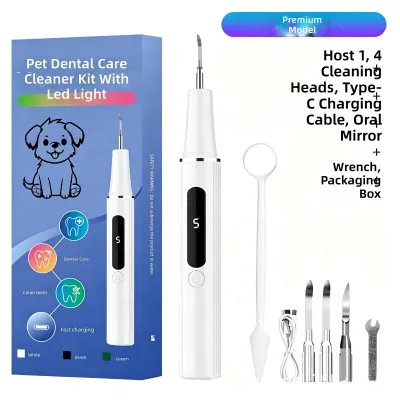
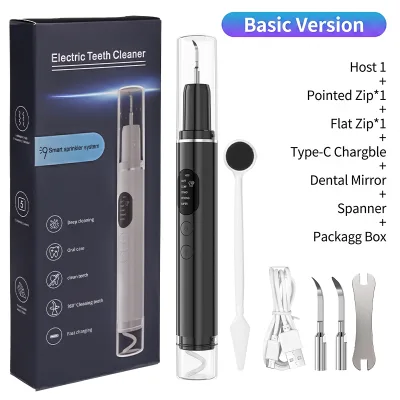
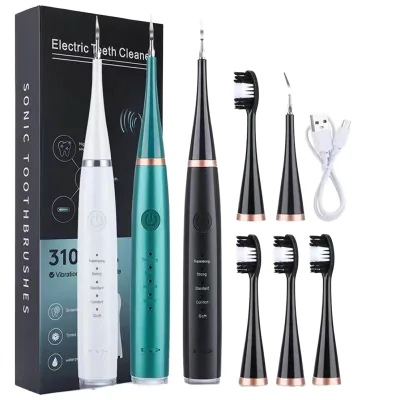
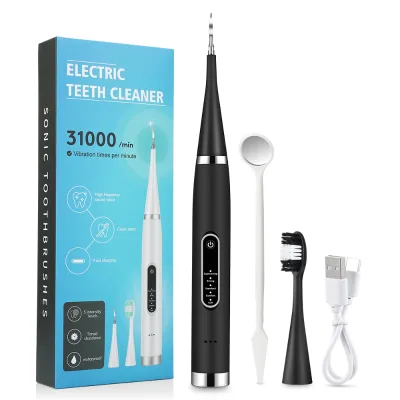
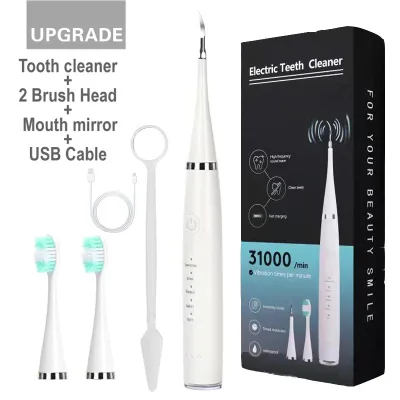
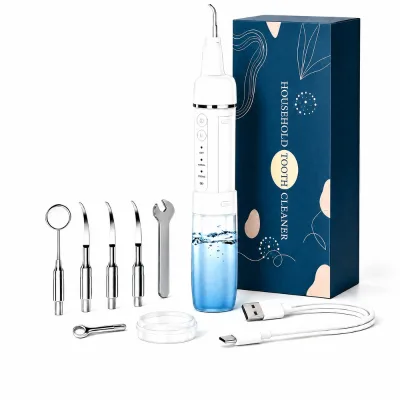
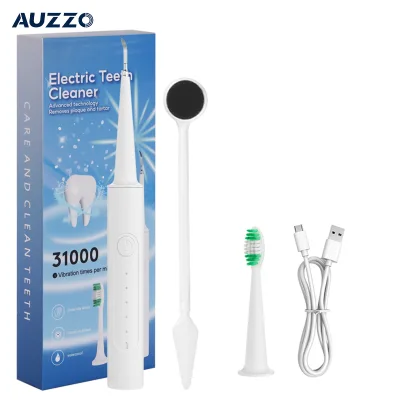
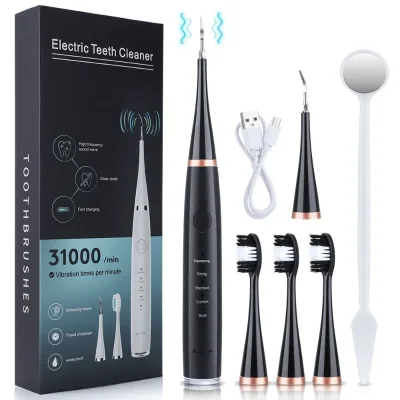
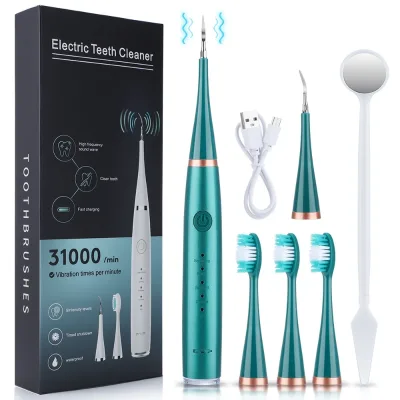
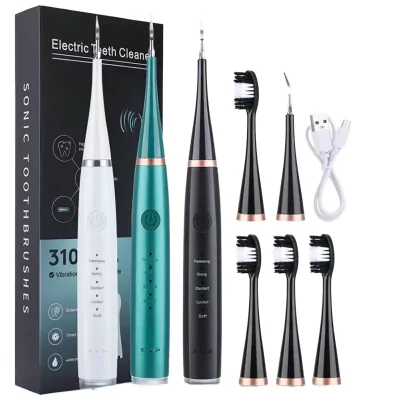
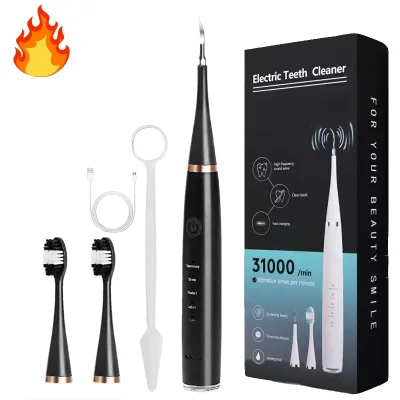
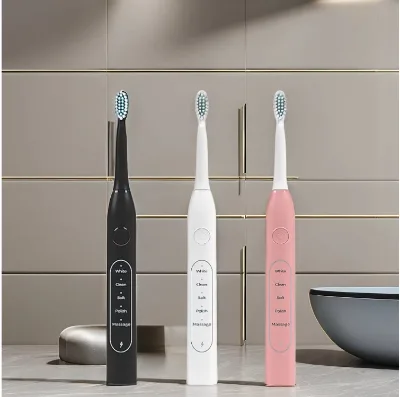
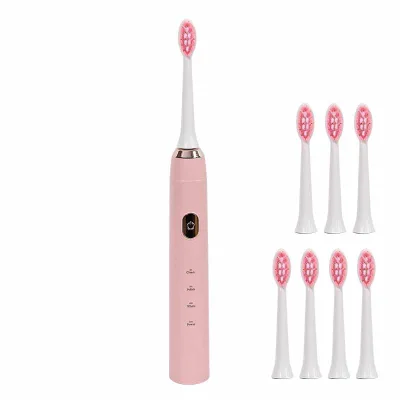
Product-level verification matters just as much here because these devices touch the mouth and run on rechargeable batteries. For any model you shortlist, confirm the stated technical attributes yourself: operation system described as ultrasonic or sonic, vibration frequency such as 31000 vpm/min where listed, rated voltage, battery capacity, waterproof claims, plug types such as EU or US, and material composition such as ABS or ABS plus stainless steel. Ask for the paperwork that backs each claim rather than accepting the listing text. Test samples from a live production batch, not hand-picked units, and check charging interface, working modes, and packaging against the specification sheet. Finally, verify warranty terms; some listings state a one-year warranty, and you should confirm in the contract what that warranty covers and who pays for replacements.
What to Compare Across Ultrasonic Dental Plaque Remover Toothbrush Suppliers
Build a comparison sheet using the dimensions suppliers publish, then fill gaps through direct questions. Useful columns include company type (trading company versus manufacturer), location, main products and how closely they align with oral-care electronics, average response time, quoted lead time, and establishment year where shown. Response speed is a practical proxy for account management quality; a supplier answering in roughly four hours during inquiry stage will likely handle production issues faster than one taking days. Lead time around fifteen days is realistic for in-stock or short-run orders in this category, but confirm whether it applies before or after sample approval.
On the product side, compare stated specifications rather than photos. Observed listings in this category show units priced in ranges such as roughly 2.30 to 4.90 US dollars per piece, with minimum order quantities on some listings as low as two pieces for sample-grade orders, while wholesale tiers typically require larger volumes. Compare vibration frequency, number of working modes, battery capacity, charging method, materials, and packaging type, such as color-box retail packaging. Also compare the breadth of each supplier's catalog: a profile listing beauty equipment, massagers, and health care devices alongside plaque removers may consolidate multiple product lines into one shipment, which affects freight economics. Rank suppliers on verified consistency, not on the lowest quoted price alone.
Common Ultrasonic Dental Plaque Remover Toothbrush Sourcing Risks
The most common risk in this category is specification drift between sample and bulk production. Listings advertise attributes such as five working modes, specific vibration frequencies, waterproof construction, and touch-screen displays, but mass-produced units may substitute cheaper motors, weaker batteries, or different bristle grades. Guard against this by defining a golden sample, recording serial-level measurements of vibration and battery runtime, and writing those values into the purchase contract. A second risk is overclaimed performance: terms like ultrasonic, tartar removal, and plaque removal appear broadly across listings, so verify what the device actually does through independent testing before making retail claims of your own.
Compliance and logistics risks follow closely. Rechargeable lithium-battery devices face shipping restrictions, so confirm battery capacity, UN testing documentation, and carrier acceptance before booking freight. Regulatory requirements for mouth-contact devices differ by destination market, and the responsibility for documentation sits with the importer, so clarify in writing which certificates the supplier can supply and which you must obtain. Another frequent risk is origin confusion, since company registration in one province and product origin in another can complicate customs paperwork; match the origin on invoices to the origin stated on listings, which in observed cases was Guangdong, China. Finally, beware of single-unit MOQ listings used as marketing hooks; the low entry quantity may not reflect realistic wholesale terms once branding, packaging, and certification requirements are added.
Ultrasonic Dental Plaque Remover Toothbrush Regional Sourcing and Logistics
Regional sourcing in this category requires reconciling two locations. Supplier profiles may be registered in Shandong, China, while the product listings themselves declare a place of origin in Guangdong, China, a province widely associated with small electronics and beauty-device manufacturing. For your own sourcing map, record both addresses for every shortlisted supplier, ask which one controls production, and confirm where quality inspection would take place. If inspection happens at a different site than production, budget for the extra travel or third-party inspection cost and confirm the inspector can reach the factory on short notice during the production window.
Logistically, these are compact, lightweight products; observed listings show single gross weights around 0.35 to 0.40 kilograms and small package dimensions, which makes air freight feasible for samples and small orders. However, the rechargeable battery changes the equation for sea and air shipments, so confirm battery capacity figures such as the 500 mAh values stated in some listings, and ask how the supplier packs and declares battery-containing goods. Lead times near fifteen days reported in supplier profiles generally cover production, not transit, so add freight time and customs clearance when planning launch dates. Ask whether the supplier ships ex-factory, FOB, or door to door, and who arranges the battery documentation. Consolidating multiple oral-care or beauty devices from suppliers with broad main-product ranges can reduce freight cost per unit on mixed orders.
Ultrasonic Dental Plaque Remover Toothbrush Commercial Terms and Order Planning
Commercial terms should be negotiated in two layers: product terms and relationship terms. On the product layer, observed listings show price ranges such as roughly 2.30 to 3.90 dollars and 3.50 to 4.90 dollars per unit, with at least one listing at a two-piece minimum order, which is useful for sampling but not indicative of production pricing. Confirm what each quoted price includes: retail color-box packaging, custom logo printing, multilingual manuals, and warranty service all change unit cost. Ask for a tiered price sheet tied to specific volumes rather than a single headline number, and lock pricing validity in writing so quotes do not expire mid-negotiation.
On the relationship layer, align payment structure, lead time, and quality remedies before committing. A stated lead time of around fifteen days should be tied to a defined milestone, such as deposit receipt and sample approval, and supplemented with a penalty or rework clause for delays. Favor payment methods that offer intermediary protection or escrow-style arrangements where available, especially with trading companies, and split payments so a final balance is released only after inspection. Plan your order calendar around battery-powered goods: production, battery documentation, freight booking, and destination compliance checks each consume time, so work backward from your launch date. Reorder planning matters too; confirm realistic repeat-order lead times and whether the supplier reserves capacity for returning buyers.
FAQs
What is the price range for ultrasonic dental plaque removers?
Prices typically range from $2.30 to $4.90 per unit depending on specifications. Buyers should verify exact costs based on order volume and customization needs. Minimum order quantities often start at just two pieces, making these devices accessible for small-scale procurement and testing.
What is the typical lead time for these orders?
The standard lead time is approximately 15 days for production and delivery. This timeline allows for manufacturing and quality checks before shipment. Buyers should confirm specific delivery schedules with suppliers to ensure alignment with their inventory requirements and market launch dates.
Where are these suppliers primarily located?
Suppliers are primarily located in Shandong, China, with product origins often listed in Guangdong. This geographic concentration facilitates efficient logistics and supply chain management. Buyers can leverage this regional clustering to streamline communication and reduce shipping complexities for bulk orders.
What is the minimum order quantity for these devices?
The minimum order quantity is often as low as two pieces. This low threshold supports trial orders and small business needs. Buyers can test product quality and market response before committing to larger volumes, reducing initial investment risks and inventory holding costs significantly.
What features do these ultrasonic toothbrushes offer?
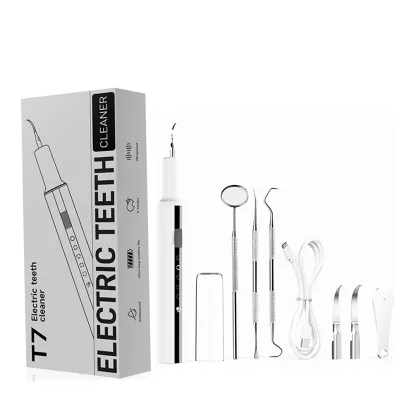
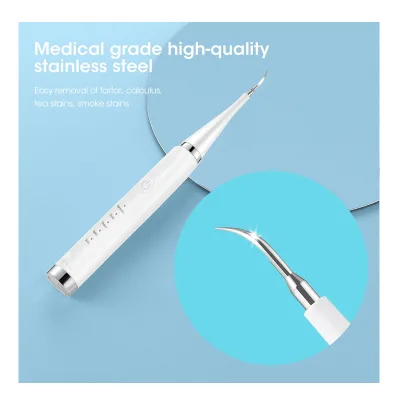
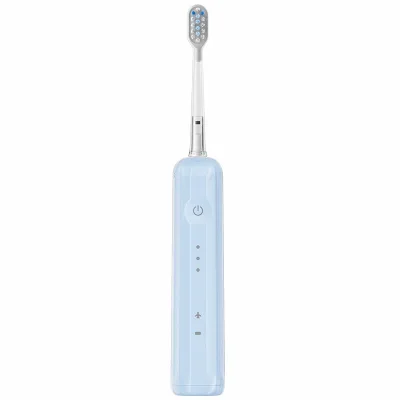
These devices feature ultrasonic technology for effective plaque and tartar removal. They are waterproof, rechargeable via USB, and often include multiple working modes. Features like LED indicators and touch screens enhance user experience, while OEM branding options allow for customized product identities.
How quickly do suppliers respond to inquiries?
Suppliers typically respond within four hours to buyer inquiries. This rapid response time ensures efficient communication throughout the sourcing process. Buyers can expect timely answers to technical questions, pricing details, and shipping arrangements, facilitating smoother negotiations and faster decision-making for procurement teams.