Portable Eco Friendly Sewing Box Suppliers and Manufacturers
Compare 28 verified suppliers offering portable eco friendly sewing boxes with customizable logos, ISO certifications, and MOQs ranging from 200 to 50,000 sets. Review lead times, pricing, and material options to source reliable manufacturers in Zhejiang, China; review the available evidence before requesting comparable quotations from suitable candidates.
Updated
Suppliers List

Ningbo Yue Na Import & Export Co., Ltd.
- Verified by TUVRHEINLAND
- Trading Company
- China Zhejiang
- Lead time23 days
- Avg. response≤ 3h
Main productsLace, Thread, Button, Ribbon, Zipper, Tailors Materials, Fabric, Reflective Materials, Sewing Machine Part, Bra Parts
Main marketsSouth America,Africa,Southeast Asia/ Mideast,Europe,North America

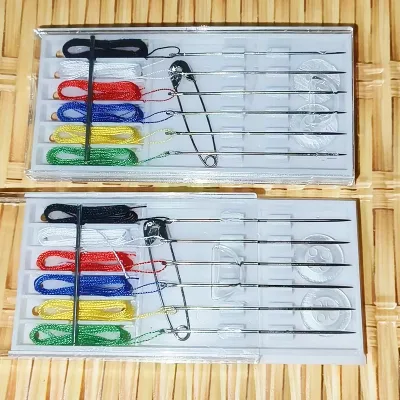
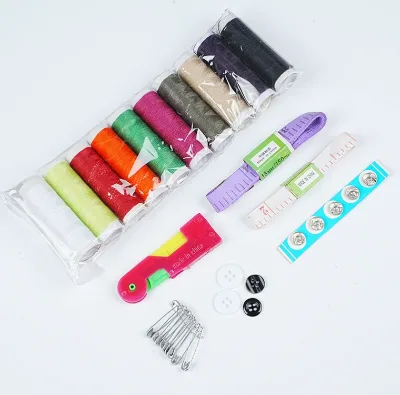
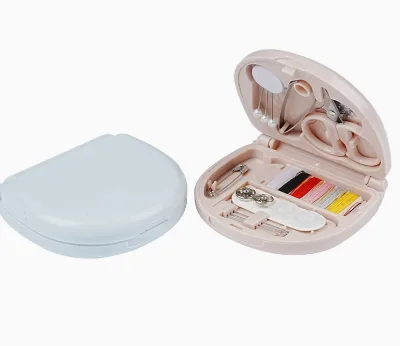
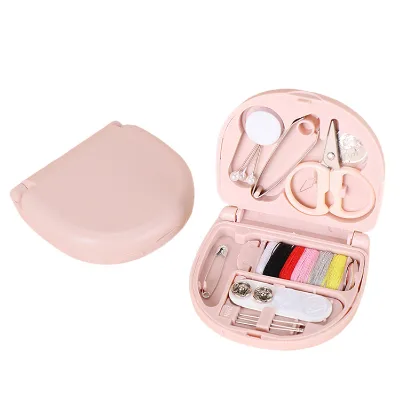
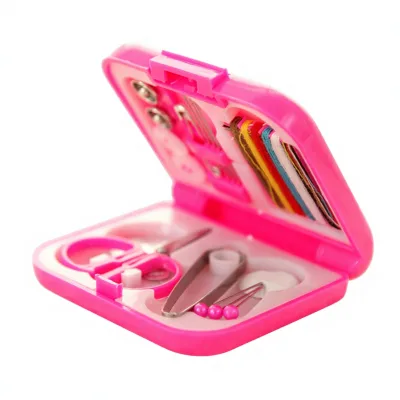
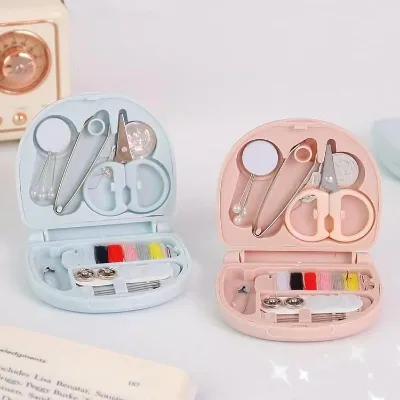
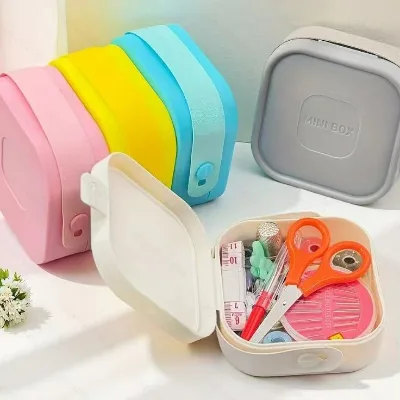
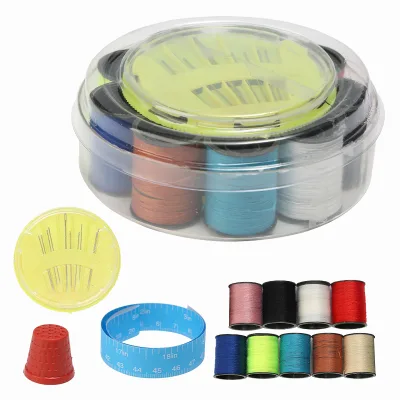
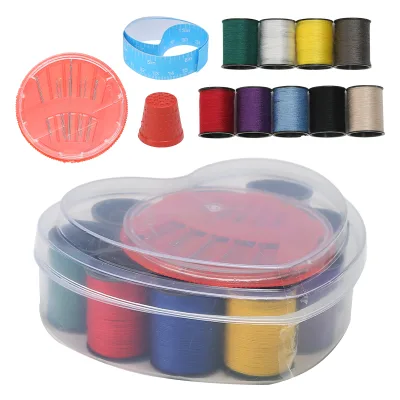
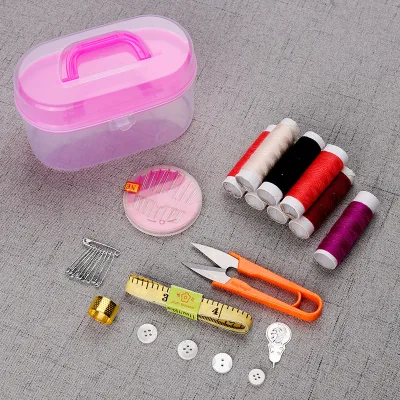
Portable Mini Sewing Kit Mini Box Sewing Kit Set Mini Travel Sewing Kit for Travel
$25.00 - $35.00
MOQ: 10000 Sets


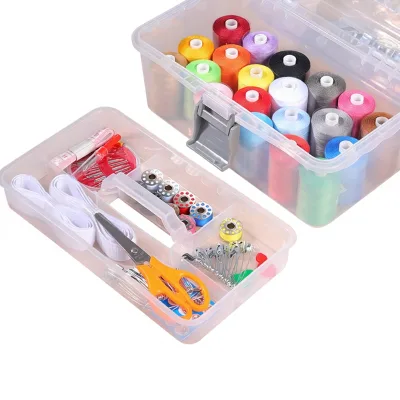
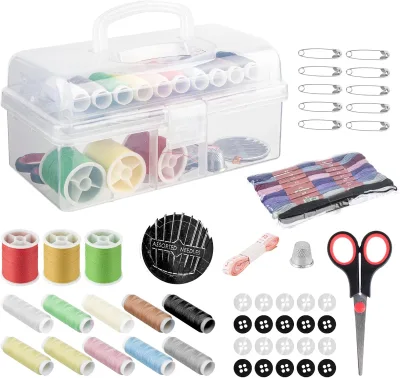
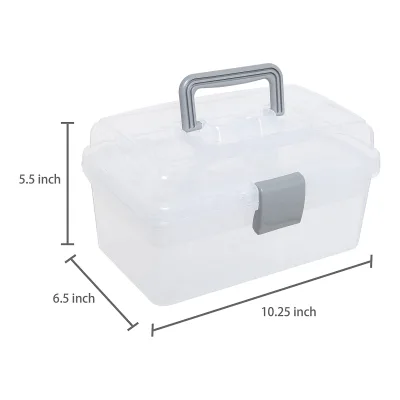
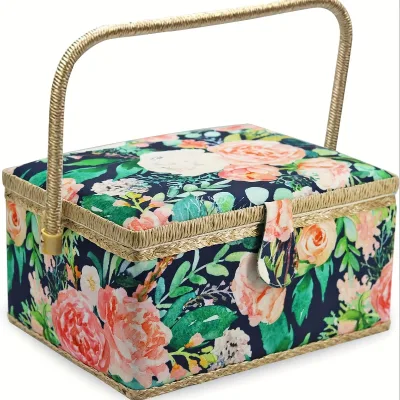
Sewing Storage Box Storage Case Craft Organizer DIY Home Multi-Function Storage Sewing Basket
$8.80 - $9.50
MOQ: 1000 Sets

Ningbo Sinobest Textile Company Limited
- Trading Company
- China Zhejiang
- Lead time30 days
- Avg. response≤ 4h
Main productsSewing Threads, Embroidery Threads, Garments Trimmings, Sewing Accessories, Embroidery Accessories, Tailor's Materials
Main marketsSouth America,Europe,North America
Yiwu Lumiao Electronic Commerce Co., Ltd.
- Trading Company
- Zhejiang, China
- Lead time0 days
- Avg. response≤ 7h
Main productsYarn,Yarn winder,Crochet Hook,Safety Eyes,Flower Stem Sticks
Main marketsNorth America(32.00%), Southeast Asia(30.00%), Western Europe(10.00%), Northern Europe(5.00%), Eastern Europe(5.00%), Domestic Market(2.00%), Africa(2.00%), South America(2.00%), South Asia(2.00%), Southern Europe(2.00%), Central America(2.00%), Eastern Asia(2.00%), Mid East(2.00%), Oceania(2.00%)

Yichanglong Garment Accessories Limited
- Verified by SGS
- Manufacturer/Factory
- China Guangdong
- Lead time15 days
- Avg. response≤ 6h
Main productsHang Tag String, Elastic Tape, Perfume Metal Label, Nail File, Backpack, Lanyard, Lvds Screen Cable, Paper Tag, Drawcord, Silk Scarf
Main marketsSouth America,Eastern Europe,Mid East,North America,Southeast Asia,Eastern Asia,Oceania,Western Europe,Africa


Wholesale Household Multifunctional Clothing Sewing and Needle Storage Box
$0.37 - $0.45
MOQ: 200 Bags
Jinhua Jinxiang Trading Co., Ltd.
- Verified by TüVRheinland
- Trading Company
- Lead time15 days
- Avg. response≤ 2h
Main productsHome Handmade Sewing Accessories
Main marketsNorth America(50%), Western Europe(30%), South America(20%)
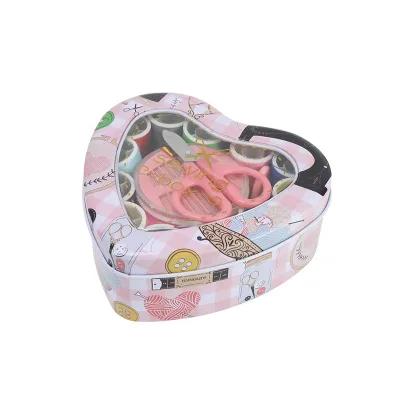
$1.2776 - $1.3808
MOQ: 30 pieces
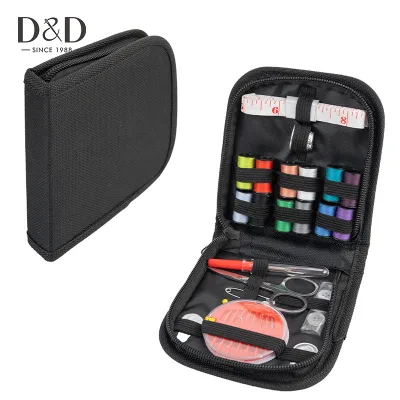
$1.2896 - $4.8261
MOQ: 50 Minimum
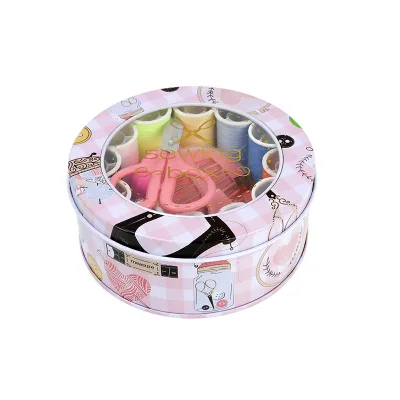
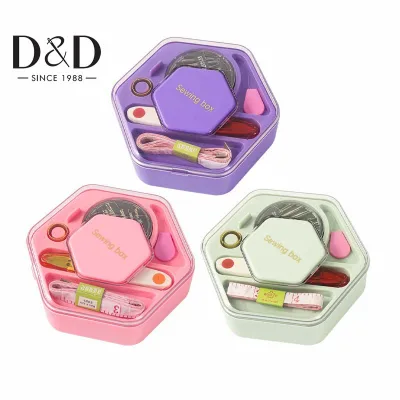
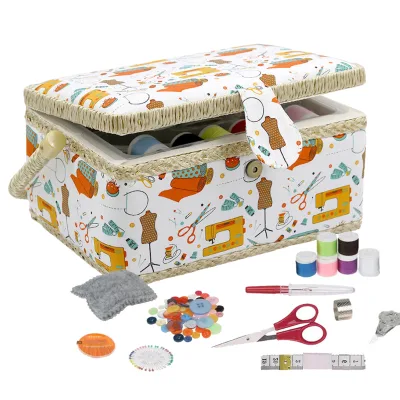
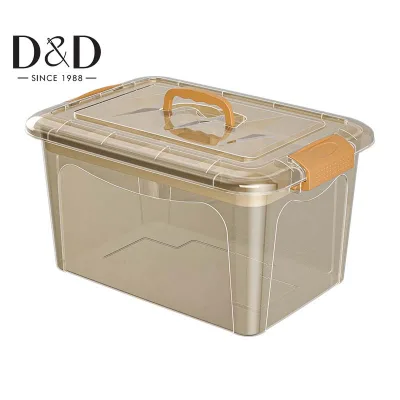
- Verified by SGS Group
- Trading Company
- Lead time20 days
- Avg. response≤ 4h
Main productsHome Storage & Organization, Hooks & Wall Organization, Storage Racks & Shelving Units, Festive & Party Supplies
Main marketsConfidential(40%), Confidential(15%), Confidential(15%)
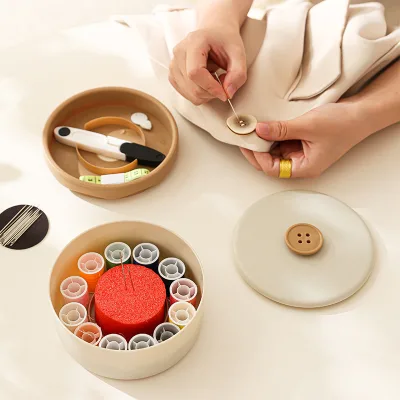
$1.3359 - $1.5409
MOQ: 500 pieces
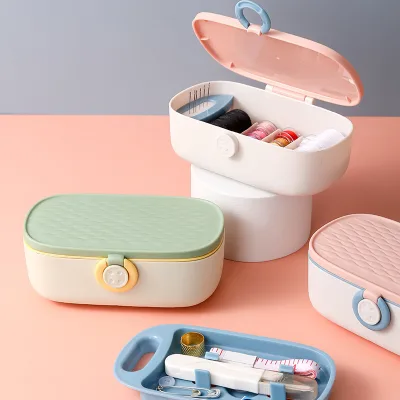
$2.3652 - $2.5716
MOQ: 500 pieces
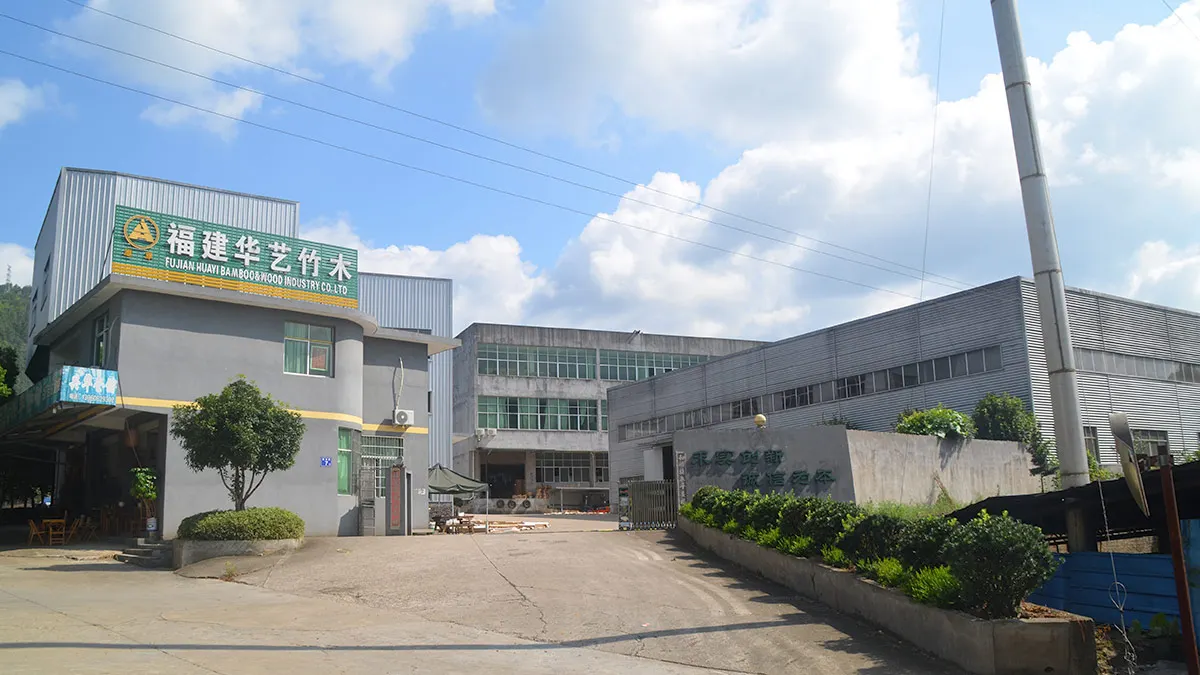
Fujian Huayi Bamboo & Wood Industry Co., Ltd.
- Manufacturer, Trading Company
- Fujian, China
- Lead time40 days
- Avg. response≤ 6h
Main productsBamboo Bathroom Cabinet, Bamboo Bathtub Caddy Tray, Bamboo Bed Tray, Bamboo Cheese Board Set, Bamboo Bath Stool
Main marketsNorth America(50.00%), Western Europe(50.00%)
Taixing Yongchang Clothing Accessories Co., Ltd.
- Manufacturer
- Jiangsu, China
- Lead time30 days
- Avg. response≤ 2h
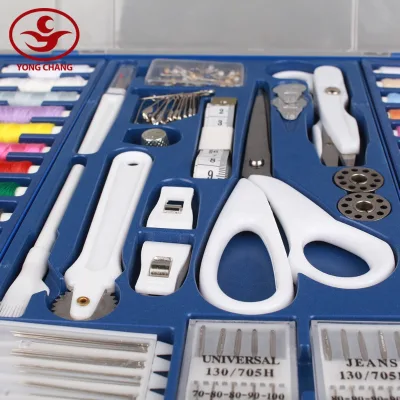
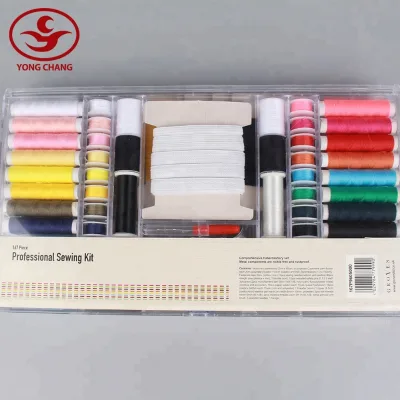
Main productsSewing Kits,Sewing Thread,Cotton Thread,Cross Stitch Thread,craft threads
Main marketsWestern Europe(30.00%), North America(20.00%), Northern Europe(10.00%), Southern Europe(10.00%), South America(10.00%), Oceania(5.00%), Domestic Market(5.00%), Eastern Europe(5.00%), Central America(3.00%), Africa(2.00%)
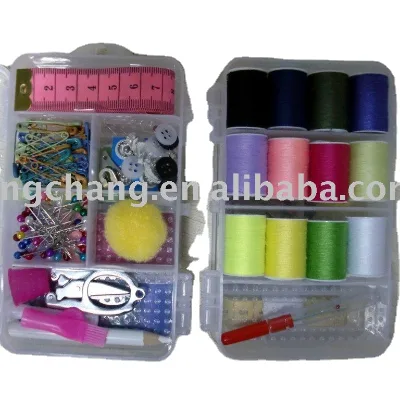
$0.78

Yiwu Yiqiu Import And Export Co., Ltd.
- Trading Company
- Zhejiang, China
- Lead time0 days
- Avg. response≤ 3h
Main productsDrinkware,Party & Holiday Supplies,Blankets & Throws,Kitchen Storage,Other Promotional & Business Gifts
Main marketsCentral America(25.00%), South America(25.00%), North America(25.00%), Eastern Europe(20.00%), Northern Europe(5.00%)

- Verified by TUVRHEINLAND
- Combined
- China Zhejiang
- Lead time30 days
- Avg. response≤ 8h
Main productsThread, Zipper, Lace, Button, Webbing & Tape, Ribbon, Interlining, Fabric, Tailoring Materials, Hook & Loop
Main marketsSouth America,Africa,Europe,Australia

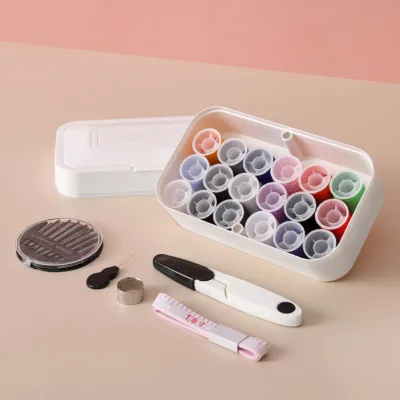
Portable Sewing Kit Box for Beginner DIY Crafts Accessories Thread Scissors Needles Set
$0.50 - $2.00
MOQ: 1000 box


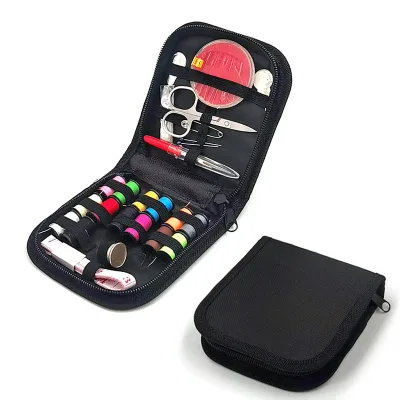
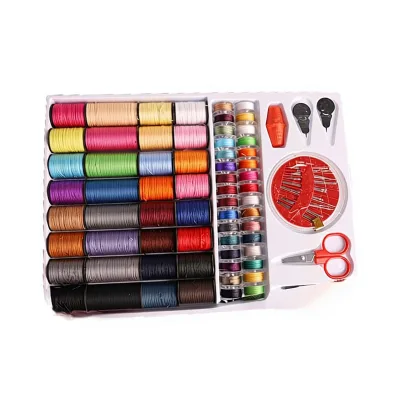
21PCS Magnetic Sewing Kit Multi-Function Sewing Set Box for Hand Quilting Stitching DIY Craft
$0.50 - $2.00
MOQ: 1000 box


Ningbo Liberty Port Textile Co., Ltd.
- Combined
- China Zhejiang
- Lead time15 days
- Avg. response≤ 12h
Main productsSnap Button, Snap Fastener Set, Sewing Notions, Rotary Cutter, Cutting Mat, DIY Crafts, Storage Series, Knitting Needles, Crochet Hook, Zipper
Main marketsSouth America,Southeast Asia/ Mideast,East Asia(Japan/ South Korea),Europe,North America

Yiwu Guangmao E-Commerce Co., Ltd.
- Trading Company
- Zhejiang, China
- Lead time15 days
- Avg. response≤ 1h
Main productsGifts and Crafts,Promotion Gift,Led Candle,Party Favors,Party Decoration
Main marketsNorth America(30.00%), Western Europe(20.00%), Eastern Europe(15.00%), South America(10.00%), Oceania(10.00%), Central America(3.00%), Africa(3.00%), Eastern Asia(3.00%), Mid East(3.00%), Southeast Asia(3.00%)
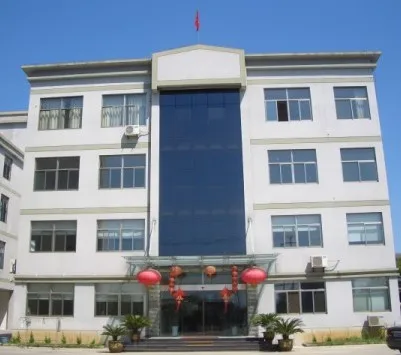
Wuxi Honco Import And Export Co., Ltd.
- Trading Company
- Jiangsu, China
- Lead time30 days
- Avg. response≤ 11h
Main productsFlag,glasses,hat,Cleaning cloth,pins
Main marketsWestern Europe(35.00%), Eastern Europe(16.00%), South America(12.00%), Mid East(9.00%), Southern Europe(8.00%), Oceania(5.00%), Africa(4.00%), Northern Europe(3.00%), South Asia(2.00%), Eastern Asia(2.00%), Domestic Market(1.00%), Central America(1.00%), Southeast Asia(1.00%), North America(1.00%)

Shanghai Charmkey Textile Co., Ltd.
- Verified by BV
- Trading Company
- China Shanghai
- Lead time23 days
- Avg. response≤ 9h
Main productsYarn, Blended Yarn, Fancy Yarn, Acrylic Yarn, Cotton Yarn, Wool Yarn, Chenille Yarn, Chunky Yarn, T Shirt Yarn, Polyester Yarn
Main marketsEurope

Ningbo Sunshine Import & Export Co., Ltd.
- Combined
- China Zhejiang
- Lead time30 days
- Avg. response≤ 4h
Main productsGarment Accessories, Haberdashery Items, Tailoring Accessories, Hook and Loop, Sewing Notions, Cotton Tape, PP Webbing, Satin Ribbon, Rat Tail, Knitting Tools
Main marketsSouth America,Southeast Asia/ Mideast,Europe
Shanghai Charmkey Textile Co., Ltd.
- Verified by TüVRheinland
- Trading Company
- Lead time20 days
- Avg. response≤ 3h
Main productsCake Yarn, Velvet Yarn, Acrylic Knitting Yarn, Chenille Yarn, Wool Yarn
Main marketsNorth America(17%), Western Europe(16%), Oceania(12%)
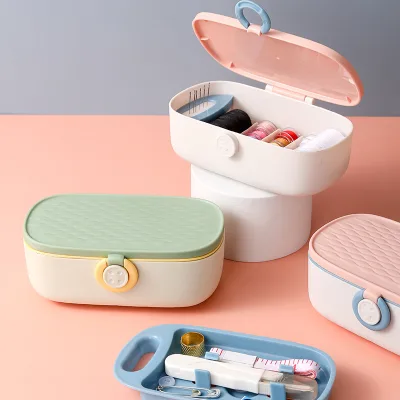
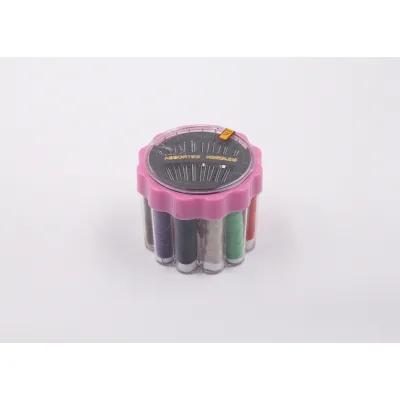
Multi-function Needle Thread Box Household Sewing Kit Needle Thread Storage Box Sewing Portable Set
$1.6336 - $2.2455
MOQ: 20 sets
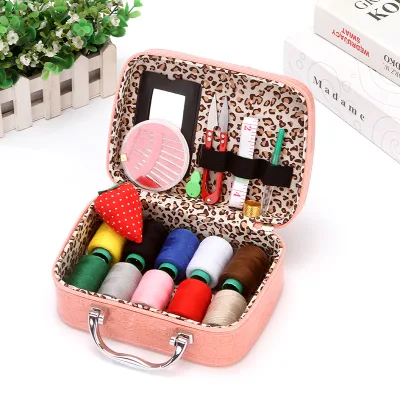
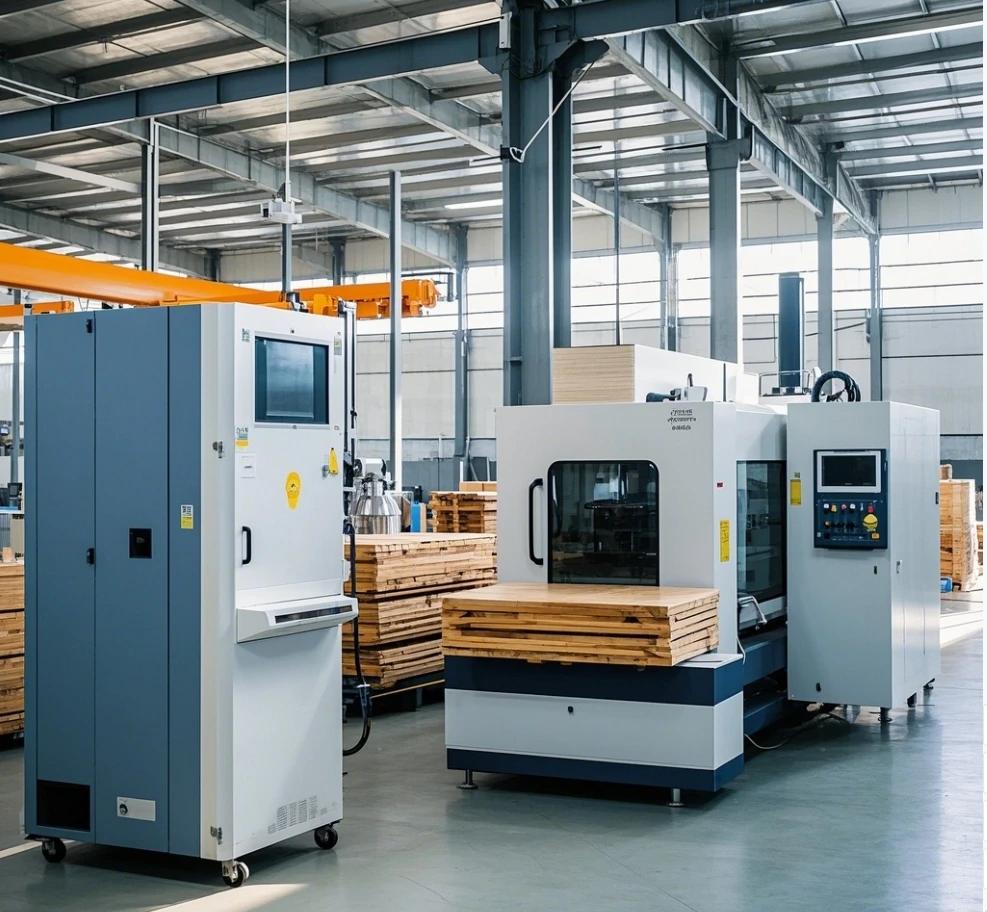
- Manufacturer, Trading Company
- Shandong, China
- Lead time0 days
- Avg. response≤ 1h
Main productsWooden Box,Wooden Shelf,Wooden Craft,cat tree,Wooden Furniture
Main marketsNorth America(50.00%), South America(20.00%), Mid East(10.00%), Southeast Asia(10.00%)
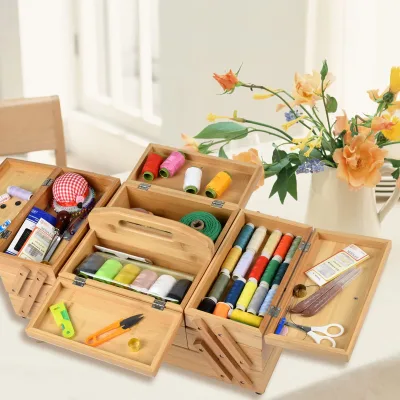
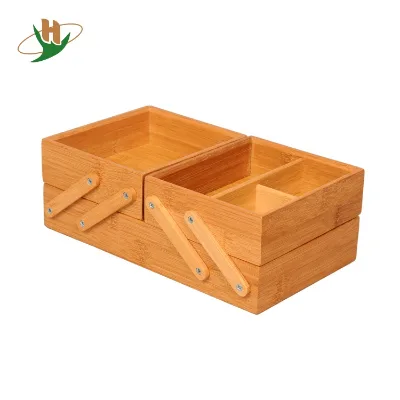
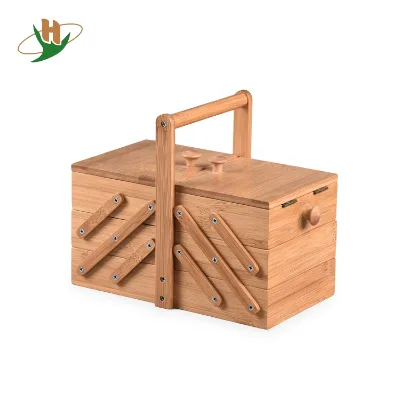
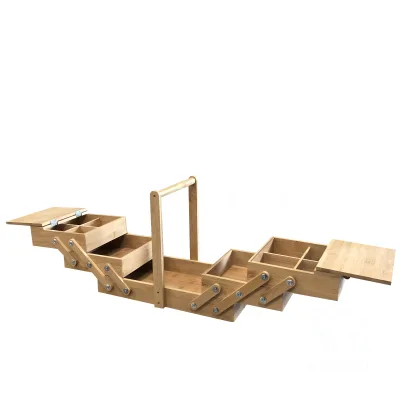
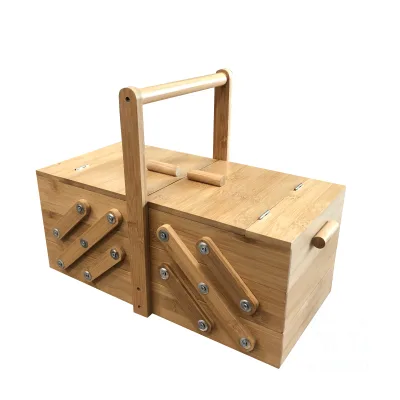
Wooden Sewing Box Organizer for Sewing Supplies,Sewing Crafting Hobby Storage Box
$9.3111 - $11.4564
MOQ: 200 sets
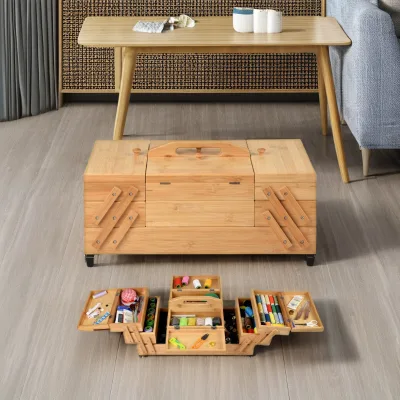
$9.2722 - $11.3561
MOQ: 200 pieces
Ningbo Ariste International Co., Ltd.
- Manufacturer, Trading Company
- Lead time旺季: "1 - 1000":10,"1001 - 5000":20,"> 5000":"To be negotiated", 淡季: "1 - 1000":10,"1001 - 5000":20,"> 5000":"To be negotiated"
- Avg. response≤ 5h
Main productsPlastic Storage Boxes, Plastic Products, Paper Crafts
Ningbo Ariste International Co., Ltd.
- Verified by Intertek
- Manufacturer, Trading Company
- Lead time45 days
- Avg. response≤ 3h
Main productsPlastic Boxes, Paper Crafts, Craft Tools
Main marketsNorth America(42%), Eastern Europe(12%), Western Europe(9%)
Xiamen Eco Go Industry Co., Ltd.
- Verified by Intertek
- Trading Company
- Lead time0 days
- Avg. response≤ 4h
Main productsBamboo and Wooden Kitchenware, Bamboo and Wooden Office Items, Bamboo and Wooden Bathroom Items, Bamboo and Wooden Household Items
Main marketsNorth America(50%), Western Europe(38%), Northern Europe(5%)
Caoxian Shuanglong Arts & Crafts Plant
- Verified by SGS Group
- Manufacturer, Trading Company
- Lead time30 days
- Avg. response≤ 1h
Main productsWooden packaging, Wooden pet products, Wooden holiday decoration, Wooden home decoration, Wooden box
Main marketsDomestic Market(45%), North America(8%), Southeast Asia(8%)
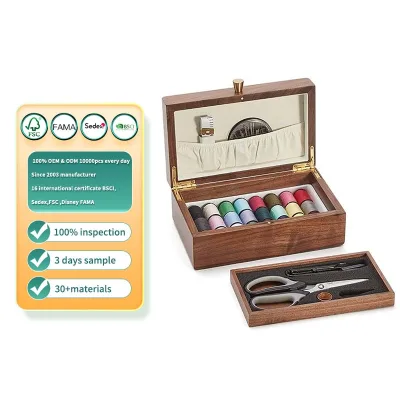
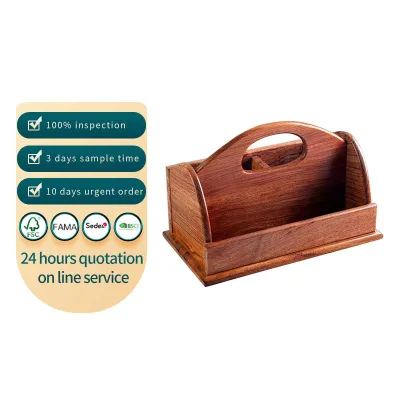
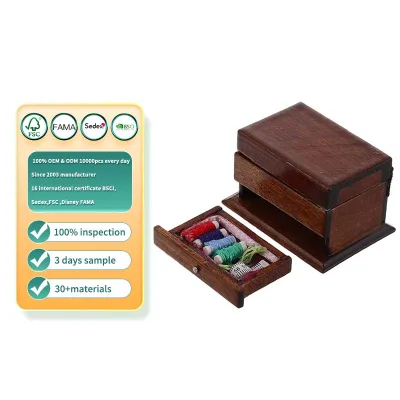
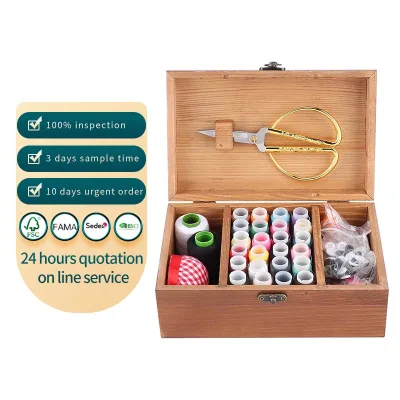
High quality wooden sewing storage box handmade, suitable for storing small sewing tools
$6.376
MOQ: 100 Minimum
Dongguan North Stars Technology Co., LTD
- Verified by Intertek
- Manufacturer, Trading Company
- Lead time0 days
- Avg. response≤ 2h
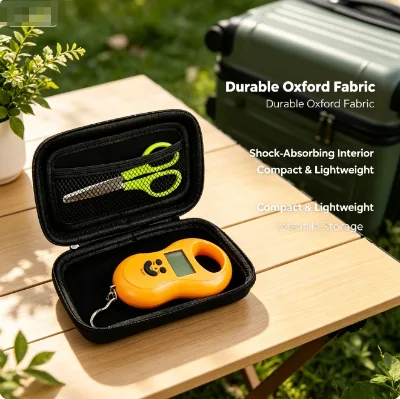
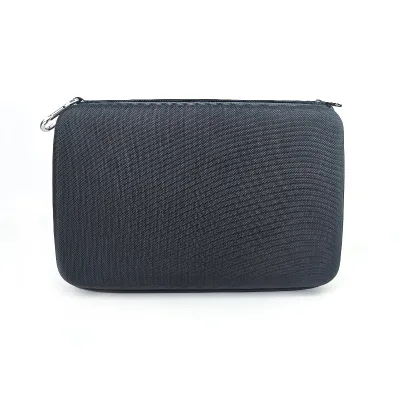
Main productsEVA Case, ABS Case
Main marketsEastern Asia(40%), North America(35%), Western Europe(15%)
$2.3682 - $2.5013
MOQ: 500 pieces
Cao County Huiy Arts & Crafts Factory
- Verified by SGS Group
- Manufacturer, Trading Company
- Lead time30 days
- Avg. response≤ 3h
Main productsWooden Box, Wooden Decoration, Bird House, Wood Craft, Wood Homeware
Main marketsNorth America(22%), Western Europe(18%), Eastern Asia(16%)
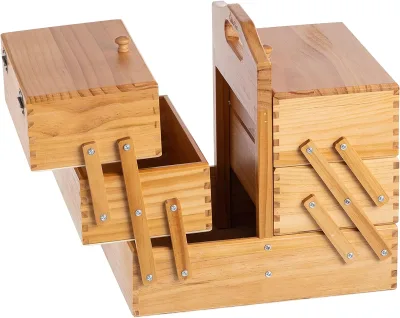
Adults Home Sewing Accessories Basket Wooden Sewing Kit Box Large Wooden Sewing Box
$24.00 - $25.00
MOQ: 500
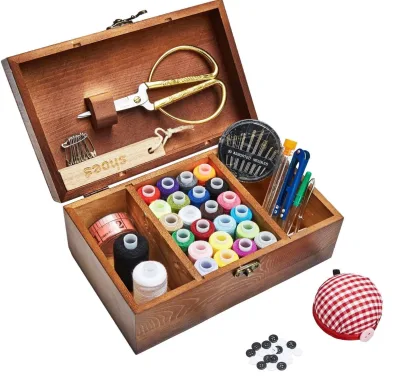
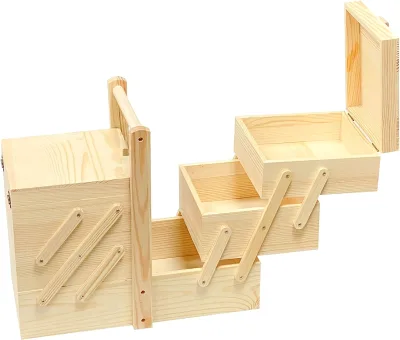
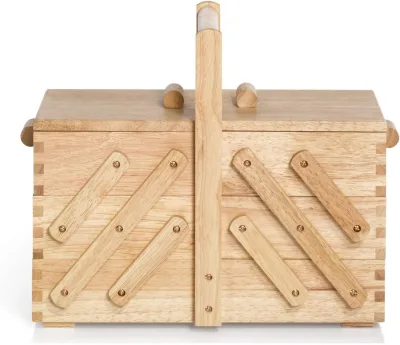
Custom Wooden Sewing Basket Sewing Box with Sewing Kit Accessories Good Gift for Mother
$19.00 - $20.00
MOQ: 500
Yiwu Bingqiang Trading Co., Ltd.
- Verified by SGS Group
- Manufacturer, Trading Company
- Lead time15 days
- Avg. response≤ 4h
Main productssewing needle, , safety pin, , scissor, awl, crochet hook, Tailor's chalk
Main marketsDomestic Market(40%), North America(30%), Eastern Europe(10%)

- Verified by BV
- Trading Company
- China Zhejiang
- Lead time30 days
- Avg. response≤ 7h
Main productsOEM/ODM Hard Plastic Tool Cases, OEM/ODM Aluminum Cases, OEM/ODM Bags
Main marketsSouth America,Southeast Asia/ Mideast,Europe,North America

Yiwu Qingjiao Plastic Products Co., Ltd.
- Verified by CTI
- Trading Company
- China Zhejiang
- Lead time23 days
- Avg. response≤ 1h
Main productsPP Plastic Box, Storage Box, Packaging Box, Organizer Box, Parts Organizer, Storage Container, Plastic Compartment
Main marketsDomestic


$0.30 - $0.42
MOQ: 500 Pieces


- Trading Company
- Zhejiang, China
- Lead time15 days
- Avg. response≤ 3h
Main productsCrochet Hook,Knitting Needle,Circular Needle,Sewing Accessories,Storage Bag
Main marketsSouth America(30.00%), North America(30.00%), Northern Europe(10.00%), Western Europe(10.00%), Oceania(10.00%), Eastern Europe(10.00%)

Caoxian Zhongyi Wooden Co.,Ltd
- Verified by BV
- Combined
- China Shandong
- Lead time30 days
- Avg. response≤ 15h
Main productsWoodwork
Main marketsEurope

$3.45 - $4.85
MOQ: 500 Pieces

Wood Storage Box with Lid - Decorative Boxes for Crafts, Sewing, Keepsake, Memory
$1.55 - $3.25
MOQ: 500 Pieces









Comprehensive Sourcing Guide
Portable Eco Friendly Sewing Box Supplier Concentration and Factory Types
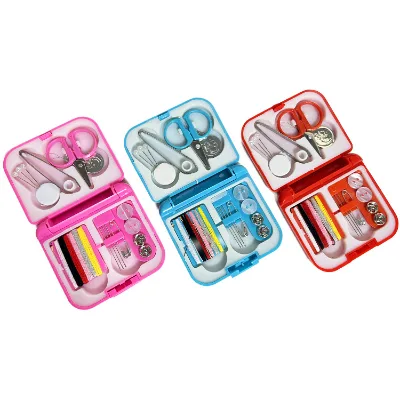
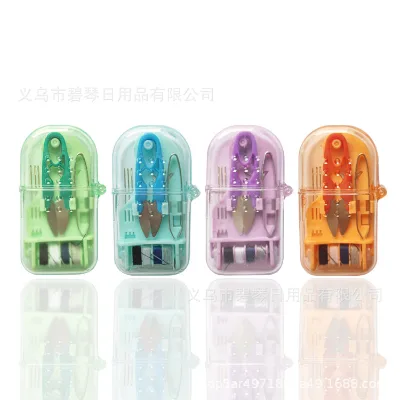
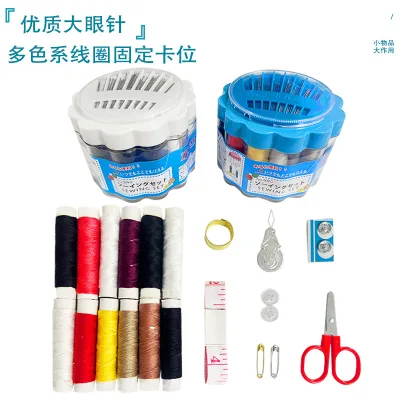
The current supplier landscape for Portable Eco Friendly Sewing Box products reveals a distinct concentration in China, specifically within the Zhejiang province. This regional clustering is significant for buyers because it indicates a mature industrial ecosystem dedicated to household sundries and textile accessories. Suppliers located in this area often benefit from established supply chains for raw materials such as polyester, cotton, and plastic components, which are critical for constructing durable sewing kits. The presence of Zhejiang-based manufacturers suggests that buyers can expect a high density of options, ranging from small-scale artisanal producers to larger trading companies that aggregate products from multiple factories. This geographic concentration facilitates easier logistics coordination and potentially faster communication due to shared time zones and cultural business practices. However, buyers must recognize that not all suppliers in this region operate as direct manufacturers; many are trading companies that act as intermediaries. Understanding this distinction is crucial for evaluating pricing structures and communication efficiency. Trading companies may offer a broader variety of products, including lace, thread, buttons, and ribbons, alongside the sewing boxes themselves, providing a one-stop solution for accessory procurement. In contrast, direct factories might offer more specialized production capabilities and stricter quality control over the manufacturing process. The concentration in Zhejiang also implies that buyers should verify whether the supplier is a trading company or a factory, as this impacts the level of direct control they have over production schedules and customization requests. This regional insight helps buyers narrow their search parameters and focus on suppliers who are physically located in established manufacturing hubs, thereby reducing the risk of dealing with unverified entities. By focusing on suppliers from this specific region, buyers can leverage the existing infrastructure and expertise that has developed around textile and household accessory production. This geographic advantage often translates to competitive pricing and a wide selection of product designs, from mini travel kits to larger household storage baskets. Buyers should utilize this location data to prioritize suppliers who can demonstrate a physical presence in Zhejiang, ensuring a higher likelihood of reliable production and delivery. The concentration of suppliers in this area also means that buyers have access to a diverse range of product types, including those made from plastic, polyester, and cotton, allowing for flexible sourcing strategies based on specific product requirements.
How to Verify Portable Eco Friendly Sewing Box Suppliers
Verification is a critical step in ensuring that the suppliers you engage with are legitimate and capable of meeting your quality standards. One of the primary methods for verification is checking for third-party audit reports, such as those provided by TÜV Rheinland. These audits offer an independent assessment of the supplier’s business operations, manufacturing capabilities, and quality management systems. Buyers should look for suppliers who have undergone such rigorous verification processes, as this indicates a commitment to transparency and operational integrity. Additionally, system certifications like ISO9001:2015 and ISO14001:2015 are strong indicators of a supplier’s adherence to international quality and environmental management standards. These certifications suggest that the supplier has implemented structured processes for quality control and environmental responsibility, which are particularly relevant for eco-friendly product claims. Buyers should request copies of these certificates and verify their validity through the issuing bodies. Another important aspect of verification is assessing the supplier’s response time. A quick and professional response to initial inquiries can be a good indicator of the supplier’s operational efficiency and customer service quality. Suppliers with a response time of around 2.58 hours, for example, demonstrate a high level of responsiveness, which is essential for effective communication during the sourcing process. Buyers should also examine the supplier’s product listings for detailed specifications and evidence of customization capabilities. Products that offer customized logos and specific material options, such as polyester or cotton, indicate a supplier’s flexibility and ability to meet unique buyer requirements. Furthermore, buyers should verify the supplier’s main products to ensure they align with their sourcing needs. Suppliers whose main products include sewing threads, embroidery threads, and garment trims are likely to have a deeper understanding of the sewing kit industry and can provide better advice on product composition and quality. It is also advisable to check for any additional certifications, such as S-G-S, which may be required for specific markets or product types. By combining these verification methods, buyers can build a comprehensive profile of each supplier, reducing the risk of partnering with unreliable entities. This thorough approach ensures that the selected suppliers are not only capable of producing high-quality products but also operate with a level of professionalism and transparency that supports long-term business relationships.
What to Compare Across Portable Eco Friendly Sewing Box Suppliers
When evaluating multiple suppliers, it is essential to compare key operational metrics to determine which partner best fits your business needs. One of the most critical factors to compare is the minimum order quantity (MOQ). Suppliers may have varying MOQs, ranging from as low as 200 sets for specialized items to 50,000 sets for standard products. Understanding these thresholds helps buyers align their order volumes with their inventory requirements and financial constraints. For instance, a supplier with an MOQ of 1,000 sets may be more suitable for smaller businesses or trial orders, while a supplier with a higher MOQ might offer better unit prices for large-scale purchases. Another important metric to compare is the lead time, which indicates how long it takes for the supplier to produce and deliver the goods. A lead time of 23 days, for example, provides a clear timeline for planning production and logistics. Buyers should also compare the response times of different suppliers, as faster responses can facilitate quicker decision-making and problem-solving. Additionally, the price range for similar products can vary significantly between suppliers. For example, prices for sewing kits may range from $1.85 to $35.00, depending on the material, size, and customization options. Buyers should analyze these price differences in the context of the product specifications and MOQs to determine the true cost-effectiveness of each supplier. The material composition of the sewing boxes is another crucial comparison point. Suppliers may offer products made from plastic, polyester, or cotton, each with different durability, aesthetic, and environmental implications. Buyers should also compare the packaging details, such as the number of pieces per carton, to ensure efficient shipping and storage. Furthermore, the availability of customization options, such as customized logos and specific colors, should be evaluated to ensure the supplier can meet your branding requirements. By systematically comparing these factors, buyers can make informed decisions that balance cost, quality, and operational efficiency. This comparative analysis helps identify the most suitable suppliers for your specific sourcing needs, ensuring that you select partners who can deliver the right products at the right price and time.
Common Portable Eco Friendly Sewing Box Sourcing Risks
Sourcing portable eco friendly sewing boxes from international suppliers involves several potential risks that buyers must proactively manage. One significant risk is the discrepancy between the claimed eco-friendly attributes and the actual product composition. While some suppliers may market their products as eco-friendly, the materials used, such as plastic or polyester, may not align with strict environmental standards. Buyers should carefully review the material specifications and request detailed information about the sourcing and processing of these materials to ensure they meet their sustainability criteria. Another risk is the variability in product quality, which can be influenced by the supplier’s manufacturing processes and quality control measures. Even with certifications like ISO9001:2015, there may be inconsistencies in the final product, particularly if the supplier is a trading company with limited direct oversight of production. Buyers should request samples before placing large orders to verify the quality and durability of the sewing kits. Additionally, the risk of delayed shipments is a common concern, especially if the supplier has a long lead time or experiences production bottlenecks. Buyers should establish clear communication channels and regular check-ins to monitor production progress and address any potential delays promptly. Another risk is the lack of transparency in pricing, where hidden costs such as shipping, customs duties, or additional customization fees may not be initially disclosed. Buyers should request detailed quotations that include all costs to avoid unexpected expenses. Furthermore, the risk of intellectual property infringement is a concern if the supplier uses unauthorized designs or logos. Buyers should ensure that their branding materials are protected and that the supplier agrees to strict confidentiality and non-infringement clauses. Finally, the risk of poor customer service can arise if the supplier has a slow response time or lacks the expertise to address buyer inquiries effectively. By identifying and mitigating these risks through thorough due diligence and clear contractual agreements, buyers can protect their interests and ensure a successful sourcing experience.
Portable Eco Friendly Sewing Box Regional Sourcing and Logistics
The regional concentration of suppliers in Zhejiang, China, has significant implications for logistics and supply chain management. Buyers sourcing from this region can benefit from established shipping routes and logistics infrastructure, which often results in competitive freight costs and reliable delivery schedules. However, buyers must also consider the complexities of international shipping, including customs clearance, import duties, and potential delays due to port congestion. To mitigate these risks, buyers should work with suppliers who have experience in exporting and can provide accurate documentation for customs purposes. Additionally, buyers should evaluate the supplier’s packaging methods to ensure that the sewing kits are protected during transit. For example, suppliers may use carton packaging with specific dimensions, such as 46x35x35cm, which can impact shipping volume and costs. Buyers should also consider the weight of the products, as heavier items may incur higher shipping fees. For instance, a sewing kit weighing 350g per set may require careful calculation of total shipment weight to optimize logistics costs. Furthermore, buyers should assess the supplier’s ability to handle different shipping methods, such as sea freight or air freight, depending on the urgency of the order. Sea freight is generally more cost-effective for large volumes, while air freight is suitable for smaller, time-sensitive orders. Buyers should also consider the lead time for production and shipping when planning their inventory, ensuring that they have sufficient stock to meet customer demand. Additionally, buyers should explore the possibility of using third-party logistics providers to manage the shipping process, which can offer greater flexibility and control over the supply chain. By understanding the logistical aspects of sourcing from Zhejiang, buyers can optimize their supply chain and reduce the overall cost of procurement. This regional insight allows buyers to make informed decisions about shipping methods, packaging, and inventory management, ensuring a smooth and efficient sourcing process.
Portable Eco Friendly Sewing Box Commercial Terms and Order Planning
Effective order planning and clear commercial terms are essential for a successful sourcing relationship. Buyers should negotiate payment terms that align with their cash flow needs, such as using escrow services to secure transactions and protect against fraud. Escrow services provide a secure platform for payments, ensuring that funds are only released to the supplier upon confirmation of order fulfillment. This is particularly important for new suppliers or large orders, as it reduces the financial risk for the buyer. Buyers should also establish clear delivery terms, such as Incoterms, to define the responsibilities of both parties regarding shipping, insurance, and customs clearance. For example, terms like FOB (Free on Board) or CIF (Cost, Insurance, and Freight) can significantly impact the total cost and risk allocation. Additionally, buyers should negotiate warranty and return policies to address any potential quality issues or defects in the products. Clear communication regarding customization requirements, such as logo placement and packaging specifications, is crucial to avoid misunderstandings and ensure that the final products meet the buyer’s expectations. Buyers should also plan for potential fluctuations in raw material costs and exchange rates, which can affect the final price of the products. By establishing robust commercial terms and detailed order plans, buyers can minimize risks and ensure a smooth transaction process. This proactive approach helps build a strong foundation for long-term partnerships with suppliers, fostering trust and reliability in the sourcing relationship.
FAQs
What is the minimum order quantity for portable sewing kits?
Minimum order quantities vary by product type and customization needs. Standard plastic box kits require a minimum of 1000 sets, while polyester travel kits typically start at 2000 sets. Some basic storage baskets have a lower threshold of 200 sets. Customized logo options generally require higher volumes, such as 5000 sets, to ensure production feasibility and cost efficiency.
How long does production take for sewing kit orders?
The standard lead time for manufacturing these sewing kits is approximately 23 days. This duration allows for material sourcing, assembly, and quality control processes. Buyers should account for this timeframe when planning inventory replenishment. Expedited options may be available depending on stock levels and specific supplier capabilities, so confirming exact dates with the supplier is recommended before finalizing orders.
Are these sewing kits certified for quality assurance?
Yes, many suppliers hold ISO9001:2015 and ISO14001:2015 certifications, ensuring robust quality management and environmental standards. Products often carry S-G-S certificates for additional verification. Independent verification by TUVRHEINLAND is also available for trusted suppliers. These credentials help buyers ensure that the sewing kits meet international safety and quality benchmarks for household and travel use.
What materials are used in portable sewing boxes?
Portable sewing kits are commonly constructed from durable plastic, polyester, or 100% cotton materials. Plastic boxes offer lightweight protection for household use, while polyester options provide flexibility for travel. Cotton baskets serve as elegant storage solutions. The choice of material affects the weight, durability, and aesthetic appeal of the kit, allowing buyers to select options that best fit their target market preferences.
Can I customize the logo on these sewing kits?
Customized logos are acceptable for most portable sewing kit products. Suppliers typically offer branding services to help businesses establish their identity. This customization is available across various materials, including plastic boxes and polyester baskets. Buyers should confirm specific logo printing methods and any additional costs associated with branding. Minimum order quantities may increase when requesting custom logo applications to cover setup fees.
Where are these sewing kit suppliers located?
The primary manufacturing location for these sewing kits is Zhejiang, China. This region is known for its strong textile and garment accessory industry. Suppliers in this area benefit from established supply chains for materials like threads, buttons, and fabrics. Buyers sourcing from this location can often access a wide variety of products with competitive pricing and efficient logistics due to the local industrial ecosystem.
What is the price range for these sewing kits?
Prices for portable sewing kits generally range from $1.85 to $35.00 per unit, depending on complexity and materials. Basic plastic boxes start around $1.85, while premium cotton storage baskets can cost up to $9.50. Higher-end kits with extensive accessories may reach $35.00. Volume discounts are often available, so larger orders typically result in lower per-unit costs for buyers seeking bulk procurement.