Japan Used Crane Suppliers and Manufacturers - 24 Factories
Compare 24 verified suppliers of Japan Used Crane from China Shanghai and Guangdong. Review lead times, response times, certifications, and pricing for models like CX500 and KH180. Contact suppliers directly to request machinery test reports; review the available evidence before requesting comparable quotations from suitable candidates.
Updated
Suppliers List

Shanghai Changjun Construction Machinery Co., Ltd.
- Verified by SGS
- Trading Company
- China Shanghai
- Lead time30 days
- Avg. response≤ 7h
Main productsPavers, Truck Crane, Forklifts, Excavators, Graders, Bulldozers, Loaders, Dump Trucks, Rotary Drill, Rollers
Main marketsOthers(foreignTradeCapacity.exportBusinessCapacityMarketOther)


Original Japan Used Hitachii Clawe Crane High Quality Second Hand Crane for Sale
$1.00 - $1000000.00
MOQ: 1 Pieces

Used Original Japan Cranes 50 Ton Hitachi Kh180 Crawler Crane for Sale
$35000.00 - $45000.00
MOQ: 1 Pieces

Japanese Brand Hitachi 150ton Used Crawler Crane Mobile Crane for Sale
$280000.00 - $360000.00
MOQ: 1 Pieces


Shanghai Dianjue Machinery Equipment Co., Ltd. Guangzhou Branch
- Trading Company, Distributor/Wholesaler, Other
- Guangdong, China
- Lead time3 days
- Avg. response≤ 1h
Main productsused excavator,loader,crane,bulldozer,roller
Main marketsSoutheast Asia(30.00%), Africa(23.00%), Mid East(23.00%), Domestic Market(10.00%), Eastern Asia(5.00%), North America(5.00%), Central America(2.00%), Oceania(1.00%), South Asia(1.00%)
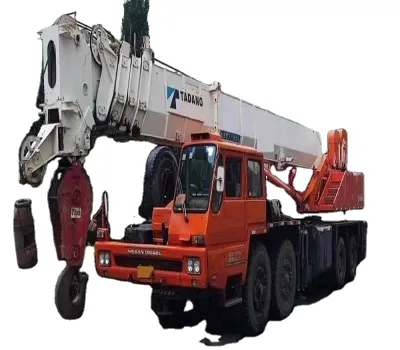
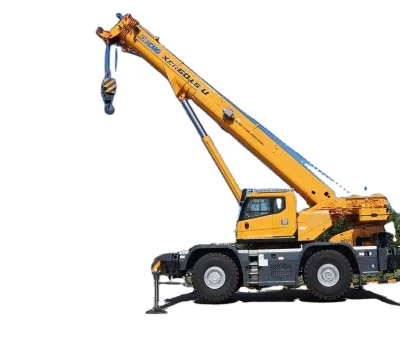
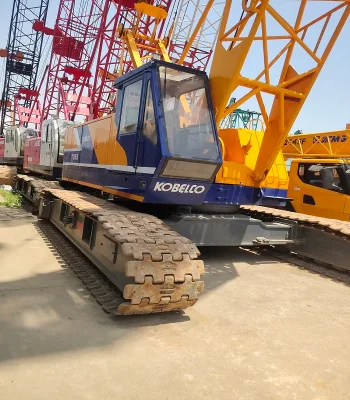
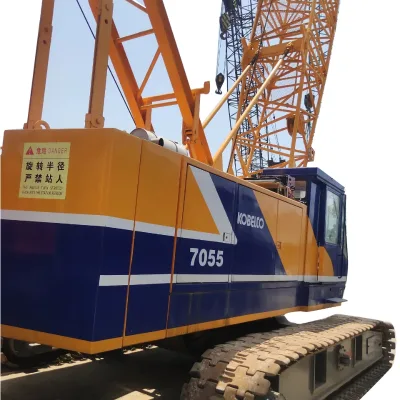
Used Off-road Crane High Quality Heavy-duty Tire Crane 50T Japanese Original Crane
$36609.91 - $41924.32
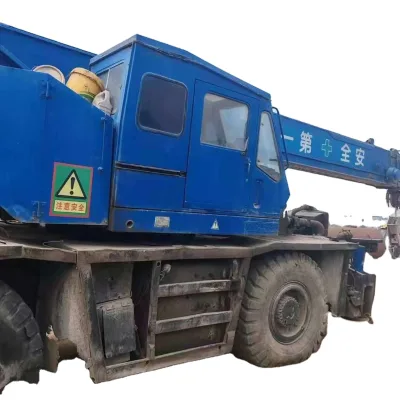
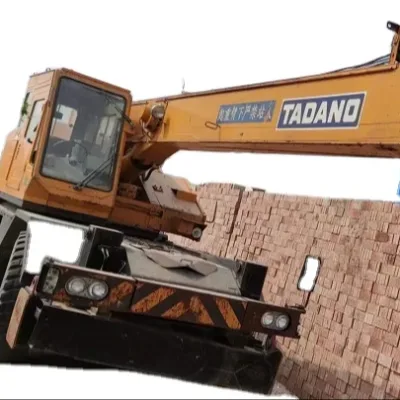
Second hand Kato crane is cheap and of high quality Used TADANO crane
$27043.97 - $29701.18

Huajian Heavy Industry Co., Ltd.
- Verified by TUVRHEINLAND
- Combined
- China Henan
- Lead time60 days
- Avg. response≤ 5h
Main productsOverhead Crane, Gantry Crane, Single-Girder Crane, Double-Girder Crane, Explosion-Proof Crane, Electric Hoist, Bridge Crane, Jib Crane
Main marketsDomestic
Hebei Jin Pai Sheng Import And Export Co., Ltd.
- Trading Company
- He'bei, China
- Lead time10 days
- Avg. response≤ 2h
Main productsDiesel forklift,Electrical forklift,Farm tractor,Excavator,Crane
Main marketsSoutheast Asia(25.00%), Africa(20.00%), Mid East(10.00%), Eastern Asia(10.00%), South Asia(10.00%), Central America(5.00%), Eastern Europe(5.00%), South America(3.00%), Domestic Market(3.00%), North America(3.00%), Northern Europe(2.00%), Oceania(2.00%), Western Europe(1.00%), Southern Europe(1.00%)
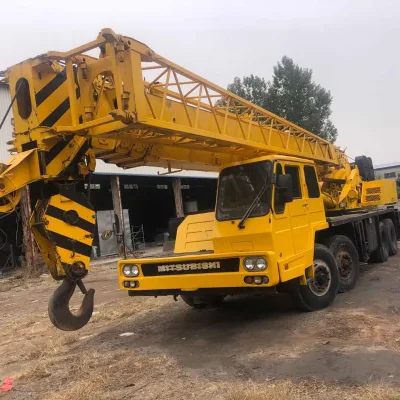
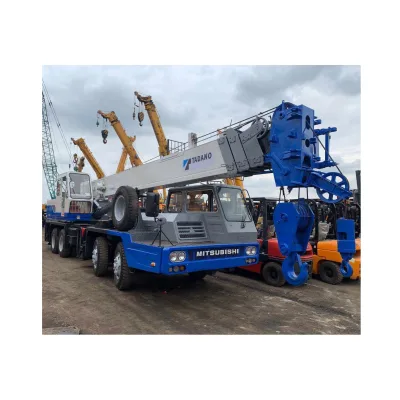
Crane TADANO 30 Tons Japan Original Used Crane Very Good Condition for Sale Used Terrain Crane
$32000.00 - $34500.00
MOQ: 1 pieces
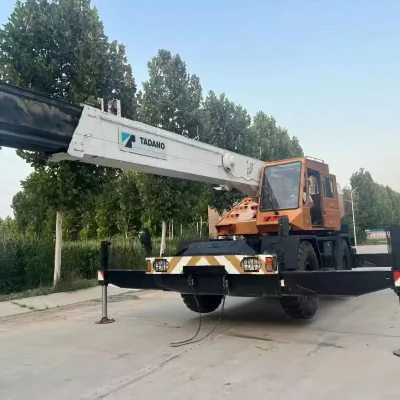
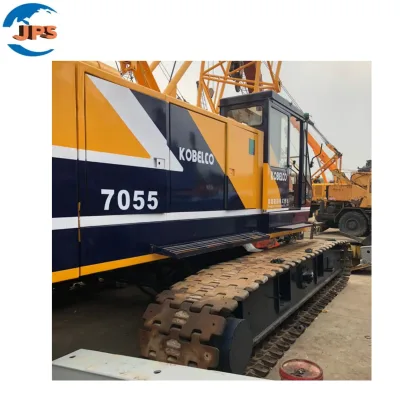
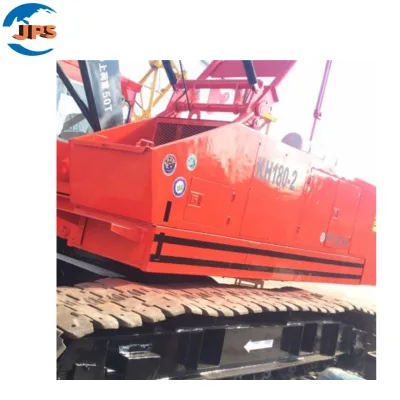
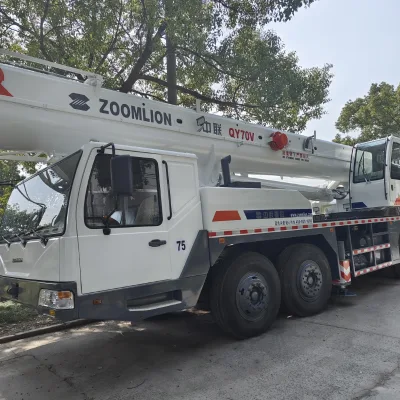
Second-hand 70-ton Crane a Chinese Brand 70tonCrane for Engineering Construction
$44500.00 - $46850.00
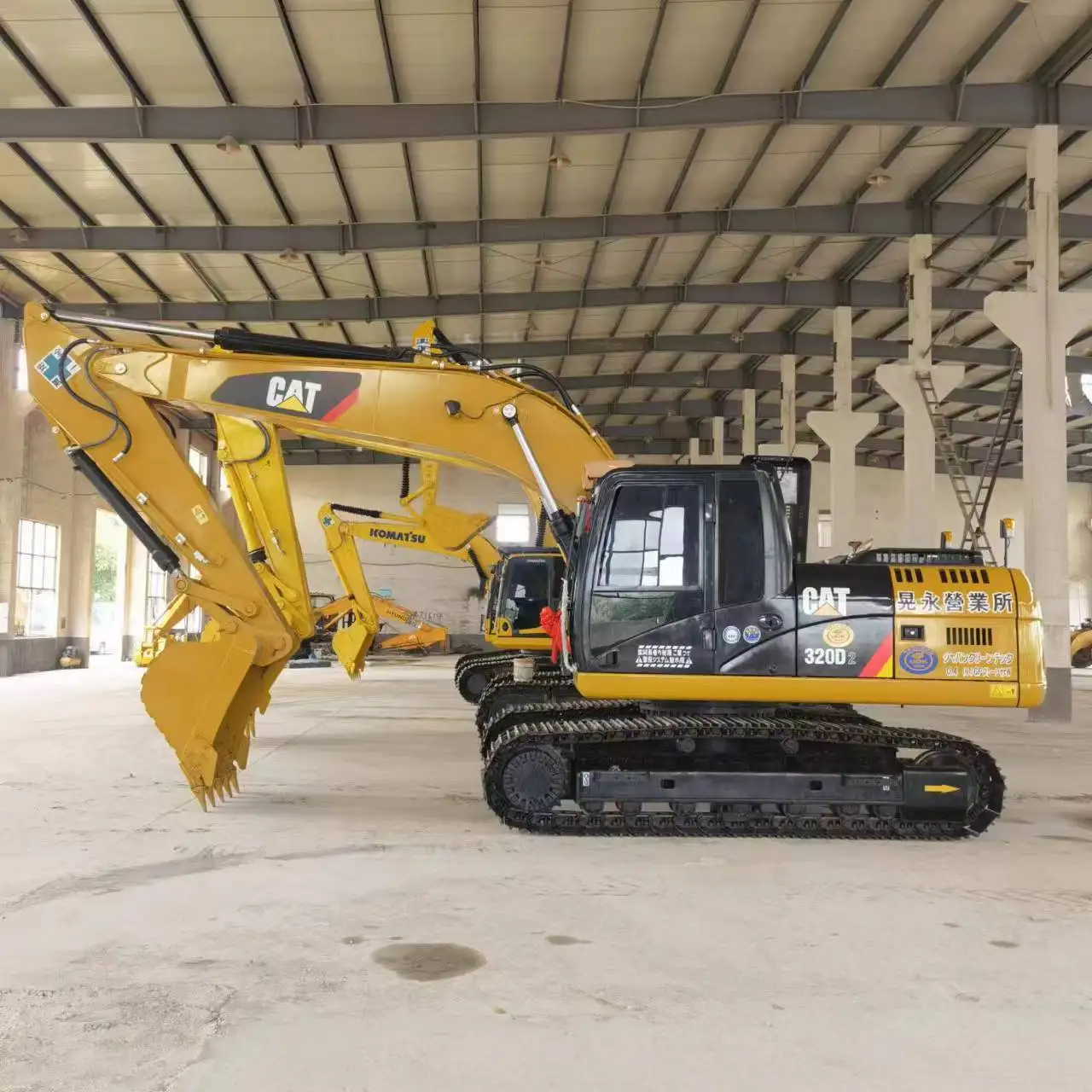
Anhui Haikuo Huajian Constuction Engineering Equipment Co., Ltd.
- Trading Company
- Anhui, China
- Lead time5 days
- Avg. response≤ 5h
Main productsExcavator; Loader ; Road Roller; Motor grader ; Truck and Crane ; Forklift ; Crawler Bulldozer
Main marketsDomestic Market(90.00%), North America(10.00%)
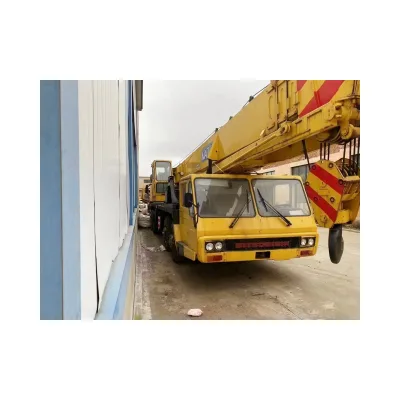
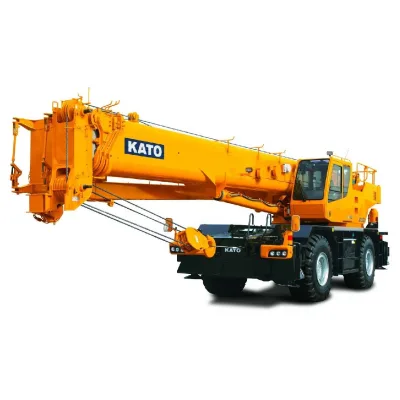
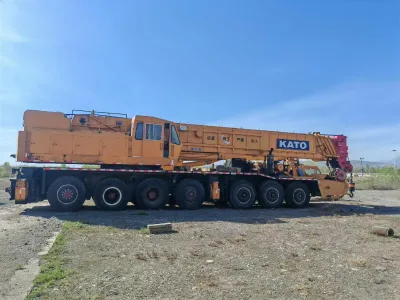
Japan Original Used KATO Rough Terrain Crane 50 Ton Used Truck Cranes KR500 SR500L SR500LX for Sale
$50000.00 - $100000.00
MOQ: 1
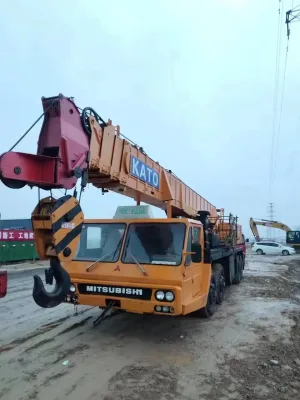
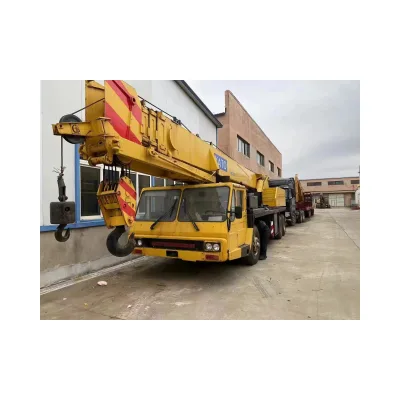
$30825.472 - $35361.6618
MOQ: 1 units

Jixin Mechanical Engineering Co., Ltd
- Trading Company,Manufacturer/Factory,Group Corporation
- China Shanghai
- Lead time23 days
- Avg. response≤ 2h
Main productsCrawler Crane, Truck Crane, Excavator, Loader, Backhoe Loader, Wheel Excavator, Forklifts, off Road Crane, Bulldozer, Grader
Main marketsSouth America,Eastern Europe,Mid East,North America,Southeast Asia,Eastern Asia,Oceania,Western Europe,Africa


$38000.00 - $55000.00
MOQ: 1 Pieces

High Quality Tadano Gt-350e 35ton Crane Used Tadano Crane for Sale
$28000.00 - $45000.00
MOQ: 1 Pieces

Original Japan Used Hitachii Kh700 150ton Crawler Crane Lifting Crane with Good Quality
Negotiable
MOQ: 1 Pieces

Used Japan Truck Crane Gt350e Tyre Mounted Crane in Excellent Condition for Sale
Negotiable
MOQ: 1 Pieces


Trusus Technology (Beijing) Co., Limited
- Verified by TUVRHEINLAND
- Trading Company
- China Shandong
- Lead time30 days
- Avg. response≤ 7h
Main productsGypsum Board, PVC Gypsum Ceiling Tiles, Ceiling T Grid, Fiber Cement Board, Mineral Fiber Board, Steel Channel
Main marketsAfrica
Zhengzhou Green Machinery Co.,Ltd.
- Trading Company
- Henan, China
- Lead time35 days
- Avg. response≤ 2h
Main productsmining machinery,construction machinery,food machinery
Main marketsNorth America(20.00%), South America(13.00%), South Asia(10.00%), Southeast Asia(10.00%), Southern Europe(10.00%), Eastern Europe(8.00%), Oceania(6.00%), Mid East(5.00%), Northern Europe(5.00%), Central America(5.00%), Western Europe(5.00%), Eastern Asia(3.00%)
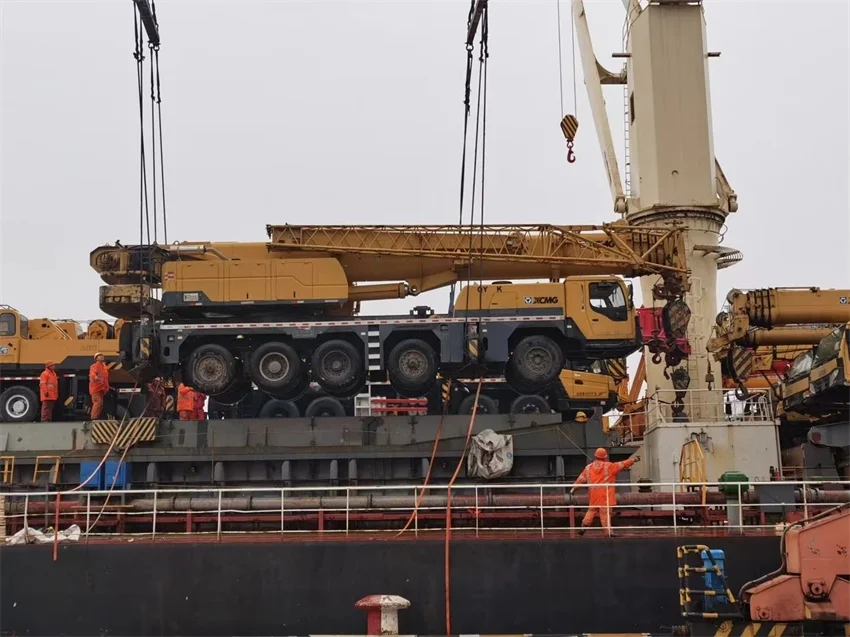
Shanghai Kaiyi Trading Co., Ltd.
- Trading Company
- Shanghai, China
- Lead time0 days
- Avg. response≤ 5h
Main productsTruck crane, Excavator, Wheel loader, Bulldozer, Forklift
Main marketsSouth America(30.00%), Mid East(30.00%), Africa(20.00%), South Asia(10.00%), Southeast Asia(10.00%)
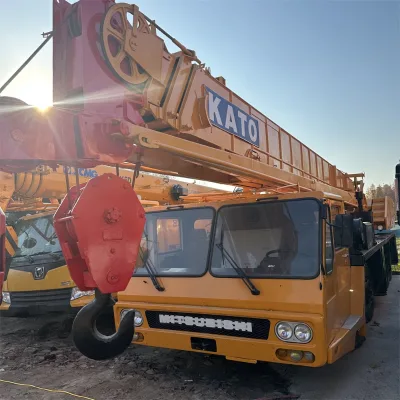
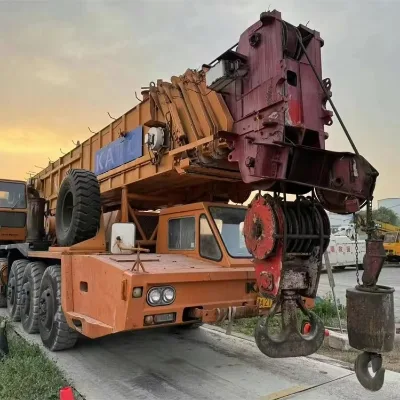
Used KATO NK400E Truck Cranes Japan Brand Mitsubishi Engine 40ton Capacity Pump Motor Core
$3500.00 - $5000.00
MOQ: 1 units
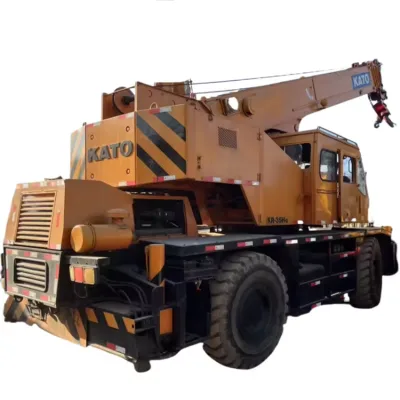
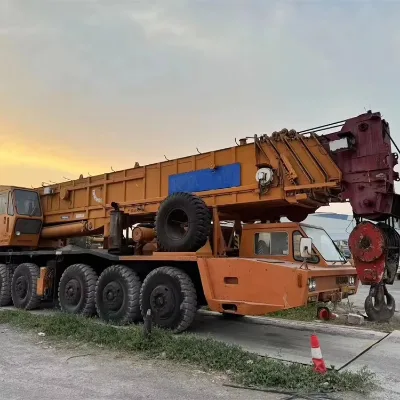
Good Performance Used KATO NK1600 Mobile Truck Crane Made From Japan in Low Price
$3067.5386 - $5623.8208
MOQ: 1 units
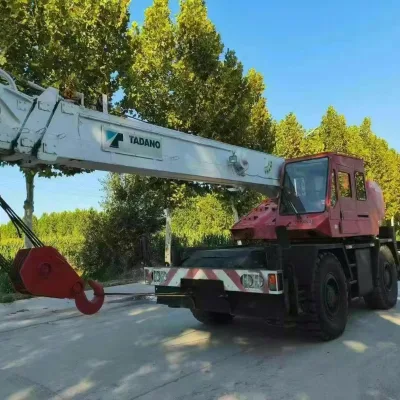
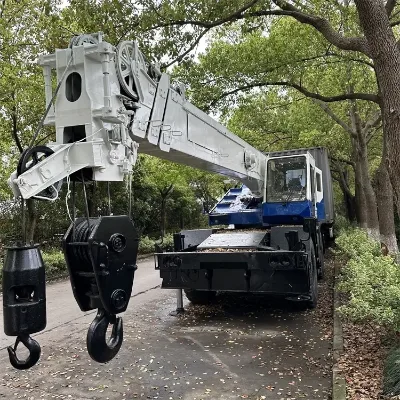
Tadano Made in Japan GR300EX 30 Tons Used Rough Terrain Crane for Sale
$3084.3574 - $5654.6552
MOQ: 1 units
Anhui Yanghan Construction Machinery Co., Ltd.
- Trading Company
- Anhui, China
- Lead time30 days
- Avg. response≤ 2h
Main productsMachinery and equipment sales,Import and export of goods,Construction machinery sales,Internet sales,Used excavators
Main marketsDomestic Market(40.00%), South Asia(30.00%), Southeast Asia(20.00%), South America(20.00%), Mid East(20.00%), Africa(20.00%), Eastern Asia(5.00%)
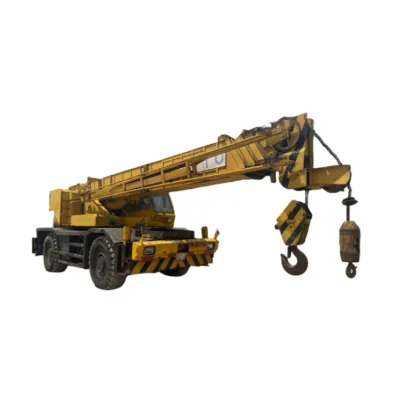
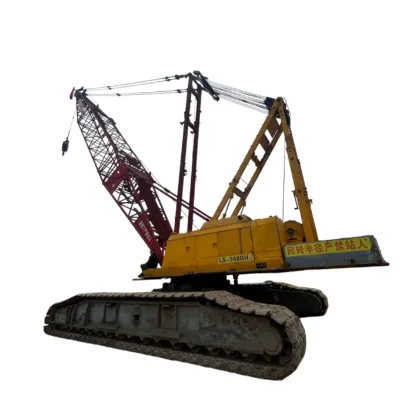
Used Japan LS368RH5 250Ton Crawler Crane 330HP High Quality Durable Premium Cheap Price
$250000.00 - $320000.00

Fuchun Industry Development Co., Ltd. Shenzhen
- Trading Company,Manufacturer/Factory
- China Guangdong
- Lead time120 days
- Avg. response≤ 17h
Main productsWater Turbine Generator, Sluice Gate, Transformer, Control Panel, Valve, Hydro Power Plant
Main marketsSouth America,Eastern Europe,Mid East,North America,Southeast Asia,Eastern Asia,Oceania,Western Europe,Africa

SHANGHAI JUCHU TRADING CO., LTD
- Trading Company
- China Shanghai
- Lead time23 days
- Avg. response≤ 8h
Main productsExcavator, Bulldozer, Wheel Loader, Motor Grader, Road Roller, Forklift, Crane, Concrete Mixer, Dump Truck, Concrete Pump Truck
Main marketsOthers(foreignTradeCapacity.exportBusinessCapacityMarketOther)

Linyi County Luxiang Construction Machinery Trading Department
- Trading Company
- China Shandong
- Lead time0 days
- Avg. response≤ 4h
Main productsExcavator, Motor Grader, Wheel Loader, Bulldozer, Truck Crane, Backhoe Loader, Tractor, Three Wheeler, Forklift Truck, Road Roller
Henan Shunhong Renewable Resources Co., Ltd.
- Verified by SGS Group
- Trading Company
- Lead time0 days
Main productsAsphalt paver, Road roller, Milling machine, Loader, Bulldozer
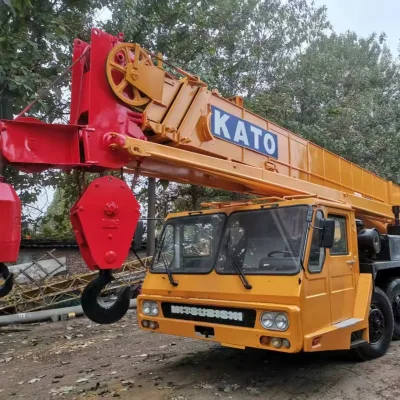
$15000.00 - $21000.00
MOQ: 1 Minimum
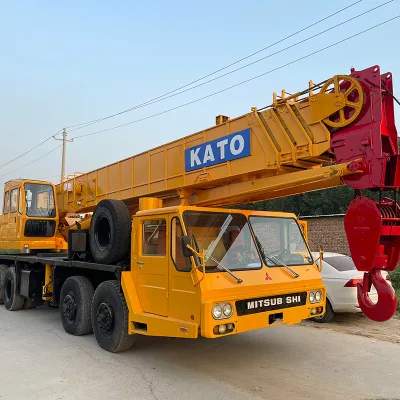
Used crane NK500E Cheap price excellent performance Used crane NK500E-3 is on sale
$15000.00 - $35000.00
MOQ: 1 Minimum
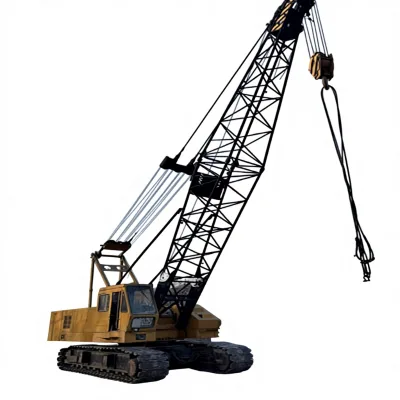
$39739.7881 - $40151.5994
MOQ: 1 units

Hunan Beimei Machinery Co., Ltd
- Verified by TUVRHEINLAND
- Trading Company
- China Hunan
- Lead time15 days
- Avg. response≤ 3h
Main productsConcrete Pump Truck, Truck Mixer, Crane, Dump Trucks, Concrete Equipment, Construction Equipment
Main marketsAfrica,Others(foreignTradeCapacity.exportBusinessCapacityMarketOther),Southeast Asia/ Mideast,Europe

Shanghai Yukun Construction Machinery Co., Ltd.
- Verified by TUVRHEINLAND
- Trading Company
- China Shanghai
- Lead time15 days
- Avg. response≤ 2h
Main productsForklift, Crane, Excavator
Main marketsAfrica

- Trading Company
- China Henan
- Lead time15 days
- Avg. response≤ 15h
Main productsSodium Gluconate, Magnesium Gluconate, Ammonium Bicarbonate, Potassium Gluconate, Gluconic Acid, Ascorbic Acid, Potassium Sorbate, Citric Acid, Water Reducing Agent, Retarder
Main marketsSouth America,Africa,Southeast Asia/ Mideast,East Asia(Japan/ South Korea),Europe,Australia,North America
Shanghai Yuqian Construction Machinery Co., Ltd.
- Trading Company
- Shanghai, China
- Lead time5 days
- Avg. response≤ 2h
Main productsUSED EXCAVATOR, USED CRANE, USED LOADER, USED BULLDOZER, USED FORKLIFT
Main marketsSouth America(20.00%), Western Europe(20.00%), Africa(15.00%), Mid East(15.00%), North America(10.00%), Eastern Europe(10.00%), Southeast Asia(10.00%)
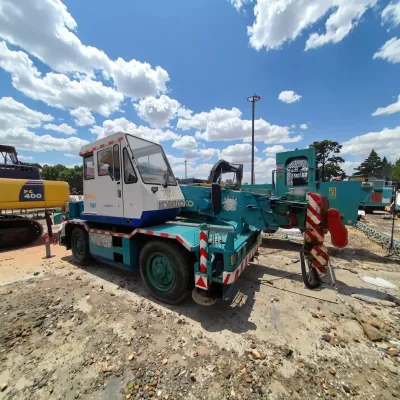
Used Japan Made 7 TON Kobelco KR70 KR70M Rough Terrain Crane Mini Crane Ready to Work
$38855.4891
MOQ: 1 Minimum
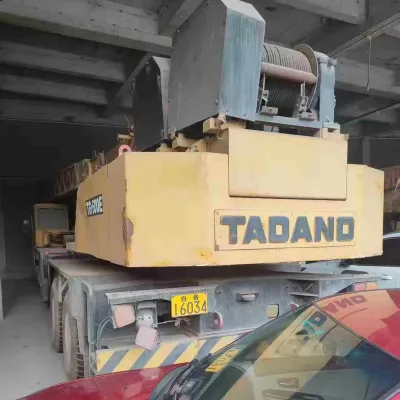
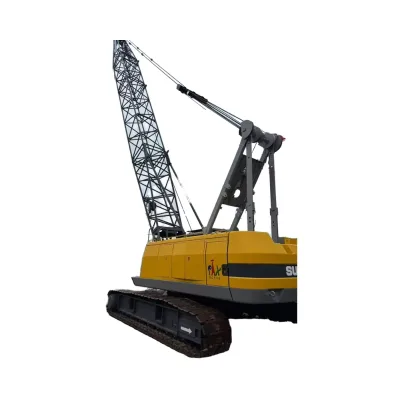
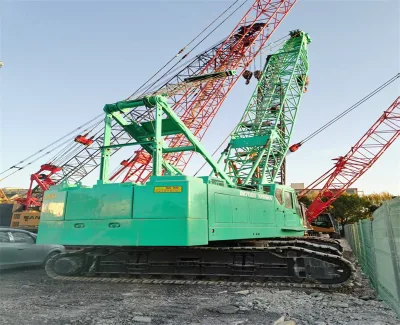
$41408.9756 - $62113.4634
MOQ: 1 units

Shanghai Lingtai Construction Machinery Co., Ltd.
- Verified by SGS
- Trading Company
- China Anhui
- Lead time30 days
- Avg. response≤ 1h
Main productsUsed Constrution Machinery, Used Excavator, Used Forklift, Used Bulldozer, Used Grader, Used Asphalt Paver, Used Road Roller, Used Crane Truck
Main marketsSouth America,Domestic

50 Ton Crane Used Crane High Quality Used Crane Cost-Effective 50 Ton Used Crane with Good Price
$27000.00 - $39000.00
MOQ: 1 Pieces

Trusus Technology (beijing) Co., Limited
- Verified by SGS Group
- Manufacturer, Trading Company
- Lead time15 days
- Avg. response≤ 2h
Main productsGypsum Board, pvc gypsum ceiling tiles, Fiber Cement Board, Ceiling T Grid, Steel Channel
Main marketsSoutheast Asia(32%), Oceania(14%), Africa(12%)
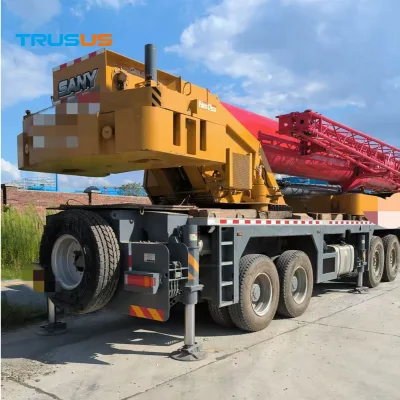
Used Mobile Truck Crane 80 Ton Heavy Duty Second Hand Lifting Equipment
$30801.3021 - $61602.6042
MOQ: 1 pieces
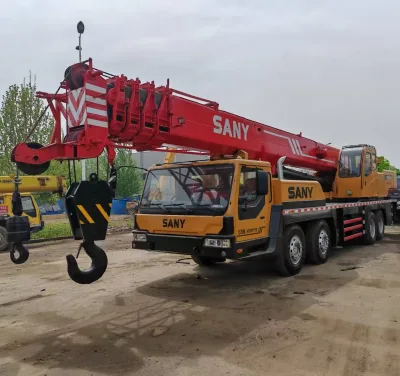
$31121.0388 - $72615.7572
MOQ: 1 pieces
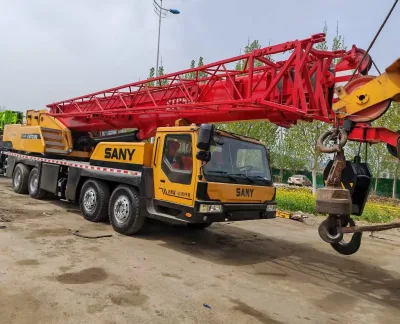
Used Hydraulic Truck Crane 50 Ton Excellent Condition Low Hours for Sale
$30000.00 - $70000.00
Jinhua Junwei Machinery Equipment Co., Ltd.
- Trading Company
- Zhejiang, China
- Lead time7 days
- Avg. response≤ 2h
Main productsUSED EXCAVATOR,USED LOADER,USED BULLDOZER,USED ROAD ROLLER,FORKLIFT
Main marketsNorth America(48.00%), Africa(20.00%), Central America(12.00%), Southeast Asia(12.00%), Mid East(6.00%), Domestic Market(2.00%)

Henan Lynsource Machinery Equipment Co., Ltd.
- Trading Company
- China Henan
- Lead time0 days
- Avg. response≤ 2h
Main productsTruck Crane, Crawler Excavator, Rough Terrain Forklift, Mining Machinery, Forklift, Tower Crane, Wheel Excavator, Loader, Crane Truck, Concrete Mixer Truck

Henan Lemay Technology Co., Ltd.
- Trading Company
- Henan, China
- Lead time7 days
- Avg. response≤ 1h
Main productsCustom Remote Controls For Construction Machinery,Hydraulic Proportional Remote Controls,Industrial Wireless Remote Controls,Custom Remote Controls For Cranes,Custom Remote Controls For Construction Tower Cranes
Main marketsSouth America(20.00%), North America(20.00%), Southeast Asia(15.00%), South Asia(15.00%), Eastern Europe(10.00%), Eastern Asia(6.00%), Africa(6.00%), Oceania(5.00%), Western Europe(3.00%)
Shanghai Lingtai Construction Machinery Co., Ltd.
- Trading Company
- Shanghai, China
- Lead time30 days
- Avg. response≤ 1h
Main productsUsed Excavators,Used Loaders,Used Bulldozers,Used Road Rollers,Used Graders
Main marketsAfrica(30.00%), Domestic Market(20.00%), Mid East(20.00%), South Asia(10.00%), Southeast Asia(10.00%), Eastern Asia(10.00%)


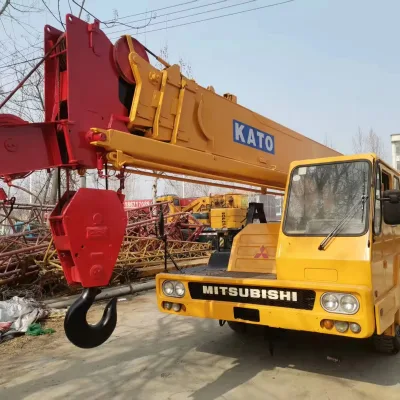
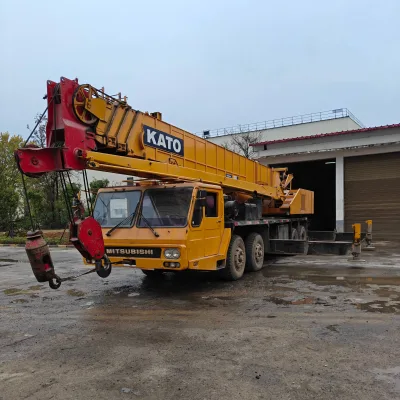
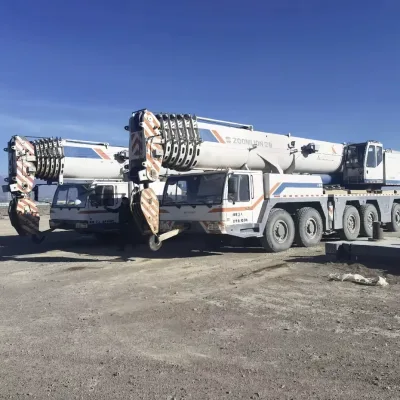
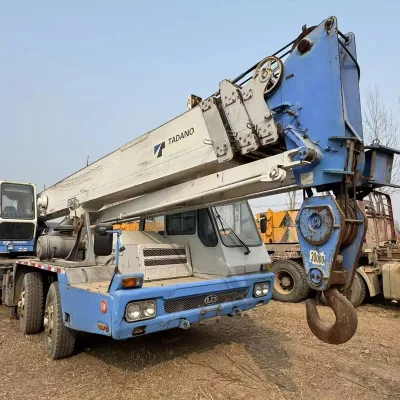




Comprehensive Sourcing Guide
Japan Used Crane Supplier Concentration and Factory Types
The current supplier landscape for Japan Used Crane products reveals a distinct concentration in specific Chinese manufacturing and trading hubs. Data indicates that suppliers are located in China Shanghai and Guangdong, China. These regions serve as critical nodes for the aggregation and export of second-hand heavy machinery. The primary company type observed among these suppliers is the Trading Company. This structural classification is significant because it implies that the entities facilitating these transactions are intermediaries rather than original equipment manufacturers or direct repair facilities. Buyers must understand that a trading company model focuses on sourcing, quality control, and logistics coordination rather than the physical refurbishment of the crane components. The presence of Trading Companies suggests that the supply chain relies on established networks to acquire used inventory from Japan and then manage the export process to international buyers.
In addition to pure trading entities, the supplier base also includes Distributor/Wholesaler and Other company types. This diversity in business structure offers buyers varying levels of service and inventory access. Trading companies often provide a broader catalog of mixed machinery, including Pavers, Truck Cranes, Forklifts, Excavators, Graders, Bulldozers, Loaders, Dump Trucks, Rotary Drills, and Rollers. This breadth allows for consolidated shipping if a buyer requires multiple types of construction equipment. However, the reliance on trading companies means that the actual condition and history of the Japan Used Crane depend heavily on the supplier’s vetting processes. Buyers should recognize that the "Trading Company" label does not guarantee in-house technical expertise for complex repairs. Instead, it signals a focus on commercial facilitation. Understanding this distinction helps buyers set appropriate expectations regarding technical support, warranty claims, and the depth of mechanical inspection provided before shipment.
How to Verify Japan Used Crane Suppliers
Verifying the legitimacy and capability of suppliers dealing in Japan Used Crane requires a multi-layered approach to due diligence. The first step is to check for third-party verification badges. In the current results, one supplier displays an SGS verification status. This indicates that a recognized inspection agency has validated certain aspects of the company’s operations or product claims. Buyers should prioritize suppliers with such independent verifications, as they provide an additional layer of trust beyond self-reported information. However, verification badges are not universal across all suppliers. When a badge is absent, buyers must rely on other indicators of reliability, such as response times and detailed product specifications. A supplier with a rapid response time, such as one hour, may indicate a more active and engaged sales team, which can be crucial for resolving issues during the procurement of complex used machinery.
Beyond verification badges, buyers must scrutinize the product evidence provided for each Japan Used Crane listing. Detailed attributes such as working hours, core components, and test reports are critical for assessing the machine's remaining lifespan. For instance, some listings specify working hours ranging from 0-2000h to 50-6000h, which directly impacts the value and utility of the crane. Buyers should look for suppliers who provide Machinery Test Reports and Video outgoing-inspection services. These tools allow for remote visual and functional verification of the crane’s condition before purchase. Additionally, checking the certification status is essential; many listings mention CE certification, which may be relevant for compliance in certain markets. Buyers should also verify the origin claims, ensuring that the crane is indeed sourced from Japan as advertised. Cross-referencing the supplier’s main products with the specific crane model requested can help confirm their specialization and inventory depth.
What to Compare Across Japan Used Crane Suppliers
When evaluating multiple suppliers for Japan Used Crane, buyers should systematically compare key operational metrics to identify the most suitable partner. Lead time is a critical factor, with observed values ranging from 3 days to 30 days. A shorter lead time of 3 days may indicate that the supplier has the specific crane model in stock and ready for immediate dispatch, whereas a 30-day lead time might suggest a longer procurement or preparation process. Buyers should align their project timelines with these lead times to avoid delays. Another important metric is the response time, which varies significantly among suppliers. Some suppliers respond within 1 hour, while others may take over 6 hours. Faster response times often correlate with better customer service and quicker resolution of pre-sales inquiries, which is vital when negotiating the terms of a high-value used equipment purchase.
Minimum Order Quantity (MOQ) and pricing structures also require careful comparison. In the current results, the MOQ for many Japan Used Crane listings is set at 1 unit, which is typical for used heavy machinery where buyers usually purchase one machine at a time. However, pricing can vary widely based on the model, condition, and specifications. For example, prices for certain models range from $1.00 to $1,000,000.00, while others are listed between $27,766.32 and $45,000.00. Buyers should not rely solely on the listed price range but should request detailed quotations that include shipping, insurance, and any refurbishment costs. Additionally, comparing the warranty terms is essential; many suppliers offer a 1-year warranty, but the scope of coverage can differ. Buyers should also assess the customization options available, as some suppliers offer ODM and OEM capabilities, which might be relevant for specific branding or minor modifications.
Common Japan Used Crane Sourcing Risks
Sourcing Japan Used Crane involves several inherent risks that buyers must actively manage to ensure a successful transaction. One significant risk is the discrepancy between the advertised condition and the actual state of the machinery. Used cranes may have hidden mechanical issues, such as wear in the motor, gearbox, or engine, which are core components listed in many product descriptions. Without thorough inspection, buyers may acquire a crane that requires extensive and costly repairs shortly after arrival. The risk is compounded by the fact that many suppliers are trading companies rather than technical experts. They may not have the in-house capability to perform deep mechanical diagnostics. Therefore, buyers must rely on the supplier’s provided test reports and video inspections, but these may not capture all potential defects. It is crucial to verify the accuracy of the working hours and maintenance history provided in the product details.
Another major risk is the logistical and compliance challenge of importing heavy machinery. Japan Used Crane often requires specialized shipping methods, such as nude packing or container shipping, which can affect the cost and safety of the transport. Some listings specify "Nude" packing, which means the crane is shipped without protective casing, increasing the risk of damage during transit. Buyers must ensure that the supplier has experience in handling such logistics and can provide adequate insurance coverage. Additionally, there is a risk related to certification and regulatory compliance. While many products list CE certification, buyers must verify if this certification is valid and applicable in their destination country. Importing used machinery may also involve additional customs duties, inspections, and environmental regulations. Failure to account for these factors can lead to unexpected costs and delays. Buyers should also be cautious of suppliers who do not provide clear information about the crane’s origin or history, as this could indicate fraudulent listings or misrepresentation of the equipment’s age and usage.
Japan Used Crane Regional Sourcing and Logistics
The regional sourcing of Japan Used Crane is heavily influenced by the location of the suppliers and the logistics infrastructure available in those areas. Current data shows that suppliers are concentrated in China Shanghai and Guangdong, China. These regions are well-established hubs for international trade and have robust port facilities that facilitate the export of heavy machinery. Shanghai, in particular, is a major global shipping center, offering efficient connections to various international destinations. Guangdong, with its extensive manufacturing and trading networks, also provides strong logistical support for exporting used equipment. Buyers should consider the proximity of the supplier to these ports when evaluating shipping costs and transit times. Suppliers located in these regions are likely to have established relationships with freight forwarders and shipping lines, which can streamline the export process and reduce the risk of logistical errors.
Logistics planning for Japan Used Crane also involves selecting the appropriate shipping method based on the crane’s size and weight. Product listings indicate various packing options, such as "Shipping" and "Nude" packing. Nude packing is often used for large cranes that cannot fit into standard containers, requiring specialized break-bulk or Ro-Ro (Roll-on/Roll-off) shipping services. Buyers must coordinate with their suppliers to determine the most cost-effective and safe shipping method. Additionally, the weight of the crane, which can range from 25,000 KG to 55,000 KG, impacts the shipping cost and the required handling equipment at the destination port. Buyers should ensure that their destination port has the necessary infrastructure to handle such heavy loads. Furthermore, buyers should work with suppliers who provide comprehensive shipping documentation, including bills of lading, commercial invoices, and packing lists, to facilitate smooth customs clearance. Understanding the logistical nuances of these regions helps buyers optimize their supply chain and minimize transit risks.
Japan Used Crane Commercial Terms and Order Planning
Effective order planning for Japan Used Crane requires a clear understanding of the commercial terms and payment structures offered by suppliers. Many suppliers provide flexible payment options, but buyers should prioritize transactions that include secure payment methods such as escrow services. Escrow protects both parties by holding the funds until the buyer confirms receipt and satisfactory condition of the crane. While not all suppliers explicitly display escrow options in the initial results, buyers should inquire about this feature before finalizing any order. Additionally, buyers should negotiate clear terms regarding the warranty period. Most suppliers offer a 1-year warranty, but the specific coverage details, such as which components are included and the process for claiming repairs, should be explicitly stated in the contract. Buyers should also clarify the responsibilities for shipping and insurance, ensuring that the risk of loss transfers only after the crane is delivered to the agreed-upon location.
Customization and after-sales support are also critical components of the commercial agreement. Some suppliers offer customization options, which may include minor modifications or branding. Buyers should confirm the feasibility and cost of any customization requests early in the negotiation process. Furthermore, buyers should assess the supplier’s ability to provide ongoing technical support and spare parts. Used cranes may require regular maintenance and occasional part replacements. Suppliers with a strong network of spare parts suppliers can be invaluable in minimizing downtime. Buyers should also consider the supplier’s response time as an indicator of their after-sales service quality. A supplier that responds quickly to pre-sales inquiries is more likely to be responsive to post-sales issues. By carefully planning the commercial terms and verifying the supplier’s support capabilities, buyers can mitigate risks and ensure a smooth procurement process for their Japan Used Crane needs.
FAQs
What is the price range for used Japanese cranes?
Prices for used Japanese cranes vary significantly based on model and condition. Listings show ranges from $1 to $1,000,000 for general units. Specific models like the Hitachi KH700 are listed between $280,000 and $360,000. Smaller units such as the TR-500E-3 range from $50,000 to $70,000. Buyers should check specific product pages for exact pricing.
What certifications do these used cranes have?
Most listed used Japanese cranes carry CE certification. Some models also display ISO certification alongside the CE mark. These certifications indicate compliance with specific safety and quality standards. Buyers should verify the exact certification status for each specific crane model before purchase. Documentation is typically provided with the machinery.
What is the typical lead time for delivery?
Lead times for these suppliers vary. One supplier in Shanghai lists a lead time of 30 days. Another supplier in Guangdong offers a much faster lead time of just 3 days. The actual delivery time depends on the specific supplier selected and the shipping method agreed upon. Buyers should confirm lead times directly with the seller.
What is the minimum order quantity for used cranes?
The minimum order quantity for used cranes is typically one unit. Listings indicate an MOQ of 1 for various models. This allows buyers to purchase single machines rather than bulk orders. It is suitable for individual construction projects or small fleet expansions. Buyers can order single units directly from the suppliers.
What warranty is provided with used Japanese cranes?
Many used Japanese cranes come with a one-year warranty. This warranty covers the machinery for a specific period after delivery. It provides buyers with some protection against immediate mechanical failures. The warranty terms should be verified with the specific supplier. Buyers should review the warranty details carefully before finalizing the purchase.
Where are these used cranes shipped from?
The cranes originate from Japan but are shipped from suppliers in China. Suppliers are located in Shanghai and Guangdong. The products are listed with a place of origin as Japan. Shipping methods include standard shipping and nude packing. Buyers should confirm the exact shipping location and method with the supplier.
What is the response time of these suppliers?
Supplier response times vary across the platform. One supplier in Shanghai has a response time of 6.53 hours. Another supplier in Guangdong responds much faster, with a response time of 1 hour. Faster response times can help expedite negotiations and order processing. Buyers should check the specific supplier's response time for better communication.