Japandi Handmade Whiskey Cup Suppliers and Manufacturers
Source Japandi Handmade Whiskey Cup options from 31 verified suppliers in China. Compare lead times, MOQs, certifications, and response rates to find the right partner. Review product details and request samples to verify quality; review the available evidence before requesting comparable quotations from suitable candidates.
Updated
Suppliers List

Wuhan Xinhuahang Household Goods Co., Ltd.
- Verified by BV
- Combined
- China Hubei
- Lead time15 days
- Avg. response≤ 5h
Main productsWine Glasses, Beer Glass, Drinking Glass, Decanter, Shot Glass, Coffee Glass, Cocktail Glass, Champagne Glass, Wine Accessories
Main marketsEurope,Australia,North America

Japanese Style Colored Drinking Glassware Hand Made Engraved Old-Fashioned Rock Whiskey Glass Cups
$1.20 - $1.70
MOQ: 50 Pieces


Factory Direct Sales Brandy Handmade Stackable Vodka Liquor Short Rock Whiskey Tumbler Glass Cup
$0.48 - $0.76
MOQ: 480 Pieces


$2.98 - $3.53
MOQ: 480 Pieces

- Manufacturer, Trading Company
- Hebei, China
- Lead time30 days
- Avg. response≤ 2h
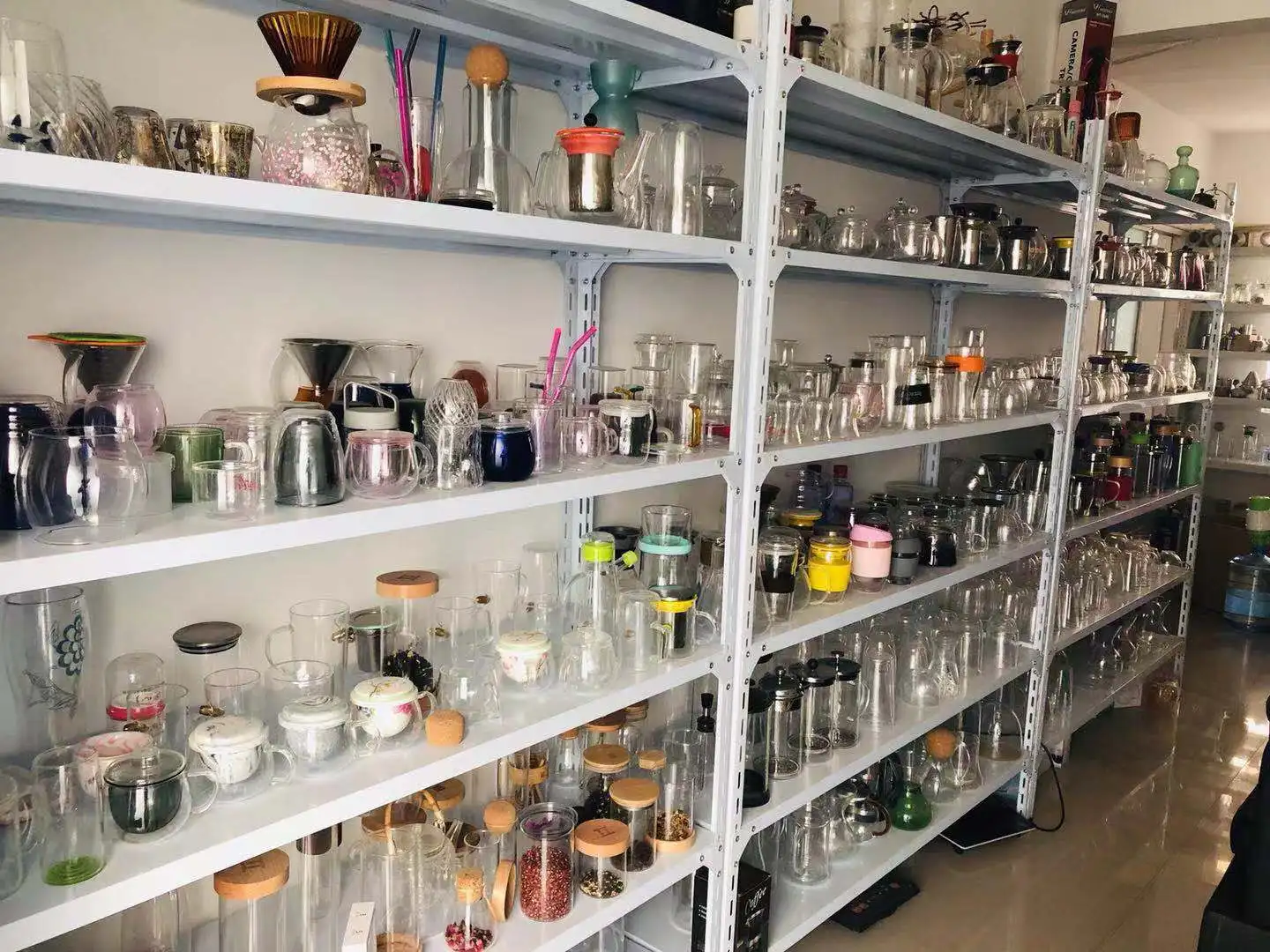
Main productsglassware,teapot,double wall glass,glass cup,glass mug
Main marketsNorth America(45.00%), Eastern Europe(18.00%), Northern Europe(10.00%), Eastern Asia(5.00%), Oceania(5.00%), Africa(3.00%), Central America(3.00%), Western Europe(3.00%), Southern Europe(2.00%), Southeast Asia(2.00%), Domestic Market(1.00%), South Asia(1.00%), Mid East(1.00%), South America(1.00%)

Hemera (Tianjin) Technology Development Limited
- Verified by TUVRHEINLAND
- Manufacturer/Factory
- China Tianjin
- Lead time38 days
- Avg. response≤ 7h
Main productsGlass Cup, Glass Teapot, Glass Jar&Container, Glass Pitcher&Carafe, Water Jug, Coffee Set, Wine Set, Glass Cooking Ware
Main marketsSouth America,Eastern Europe,Mid East,North America,Southeast Asia,Eastern Asia,Oceania,Western Europe,Africa

260ml Square Personalized Clear Handmade Crystal Whiskey Whisky Glass Cup
$2.50 - $3.25
MOQ: 500 Pieces

European Creative Irregular Shaped Whiskey Cup Lead-Free Crystal Whiskey Glass Cup
$2.50 - $3.25
MOQ: 500 Pieces


Creative Customized Irregular Shape Whiskey Glass Drinking Glass Whisky Cup
$2.50 - $3.25
MOQ: 500 Pieces

Hangzhou Haishang Minghui Trading Co., Ltd.
- Trading Company
- Lead time旺季: "1 - 20":31,"> 20":"To be negotiated", 淡季: "1 - 20":31,"> 20":"To be negotiated"
- Avg. response≤ 6h
Main productsGlass Cup, Glass Food Storage Container, Wine Glasses, Champagne Glasses, Glass Storage Jar
Lianyungang Beile Technology Co., Ltd.
- Manufacturer, Trading Company
- Jiangsu, China
- Lead time10 days
- Avg. response≤ 2h
Main productsGlass products,Ceramic products
Main marketsCentral America(10.00%), Western Europe(10.00%), Eastern Asia(10.00%), Mid East(10.00%), Oceania(10.00%), Africa(10.00%), Southeast Asia(10.00%), Eastern Europe(10.00%), South America(10.00%), North America(10.00%)

XIAMEN SHUNSTONE HOMEWARE CO., LTD.
- Manufacturer/Factory
- China Fujian
- Lead time23 days
- Avg. response≤ 12h
Main productsWhiskey Box, Wine Box, Wooden Gift Box, Leather Gift Box, Gift Set with Box, Whiskey Decanter, Whiskey Glass, Cigar Box
Main marketsSouth America,Eastern Europe,Mid East,North America,Southeast Asia,Eastern Asia,Oceania,Western Europe,Africa
Taiyuan Jarvi Glassware Co., Ltd.
- Trading Company
- Shanxi, China
- Lead time0 days
- Avg. response≤ 5h
Main productswine glasses,glass plates,glass vases,glass candle holders,glass decanters
Main marketsNorth America(65.00%), Northern Europe(20.00%), Mid East(10.00%), South Asia(2.00%), Africa(2.00%), Domestic Market(1.00%)

Guangzhou Garbo International Trading Co., Ltd.
- Verified by TUVRHEINLAND
- Trading Company,Manufacturer/Factory
- China Guangdong
- Lead time45 days
- Avg. response≤ 5h
Main productsGlassware, Glass Cup, Glass Mug, Glass Bowl, Glass Candy Jar, Glass Pitcher, Glass Ice Cream Cup and Ice Bucket, Opal Glassware, Stainless Steel Cutlery, Ceramic Dinnerware
Main marketsSouth America,Eastern Europe,Mid East,North America,Southeast Asia,Eastern Asia,Oceania,Western Europe,Africa


$2.10 - $2.50
MOQ: 3000 Pieces


Foshan Nanhai Hua Yue Glass Co., Ltd.
- Verified by BV
- Combined
- China Guangdong
- Lead time30 days
- Avg. response≤ 4h
Main productsGlassware, Glass Bottle, Glass Cups, Glass Mugs, Wine Glass, Glass Plates, Glass Jars, Glass Bowls
Main marketsSoutheast Asia/ Mideast,Europe,Australia,North America


Japanese Whirlwind Pattern Whiskey Cup Wine Glass Irregular Glass Tumbler Water Cup
$1.20
MOQ: 10000 Pieces

European Barware Classic Glass 480ml Beer Mug Glassware Whiskey Cup with Handle
$0.80
MOQ: 5000 Pieces

Chuzhou Jingjin Crafts Co., Ltd.
- Trading Company
- Anhui, China
- Lead time30 days
- Avg. response≤ 3h
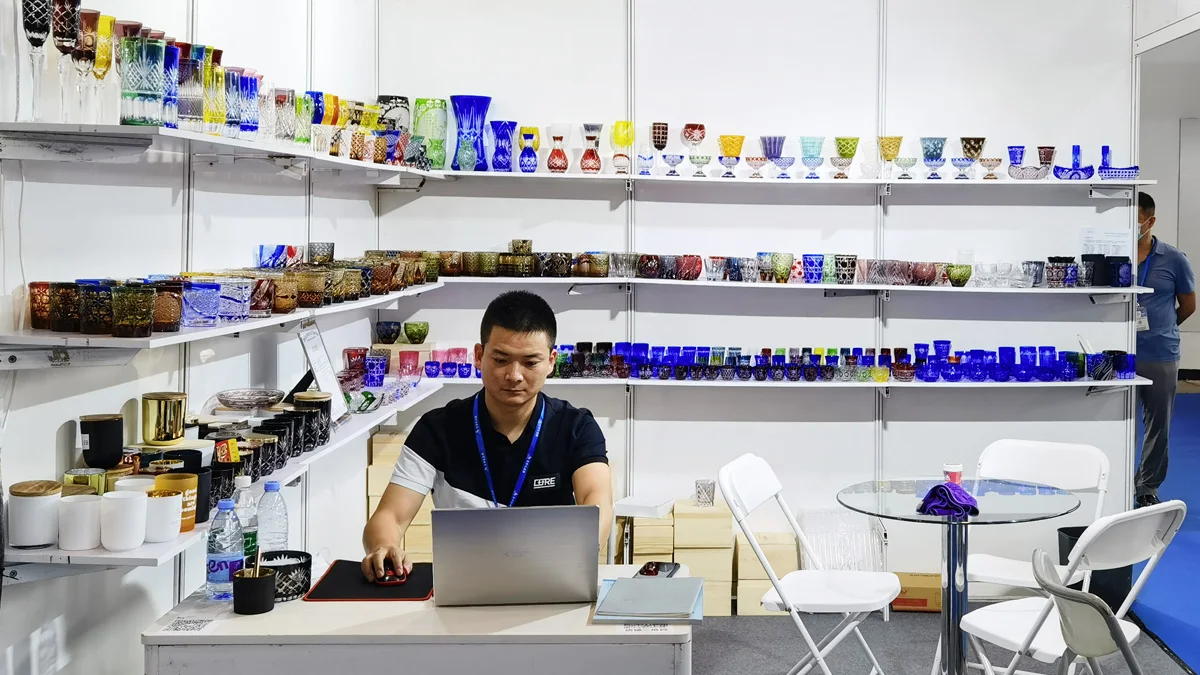
Main productsGlass candle jar,Glass diffuser bottle,whisky glass,Wooden lid,Packaging box
Main marketsNorth America(22.00%), Western Europe(20.00%), Eastern Asia(15.00%), Oceania(15.00%), South America(8.00%), Eastern Europe(6.00%), Southeast Asia(4.00%), Central America(2.00%), Domestic Market(2.00%), Northern Europe(2.00%), Africa(1.00%), South Asia(1.00%), Southern Europe(1.00%), Mid East(1.00%)
Shenzhen Sunrise Glassware Co., ltd.
- Trading Company
- Guangdong, China
- Lead time30 days
- Avg. response≤ 6h
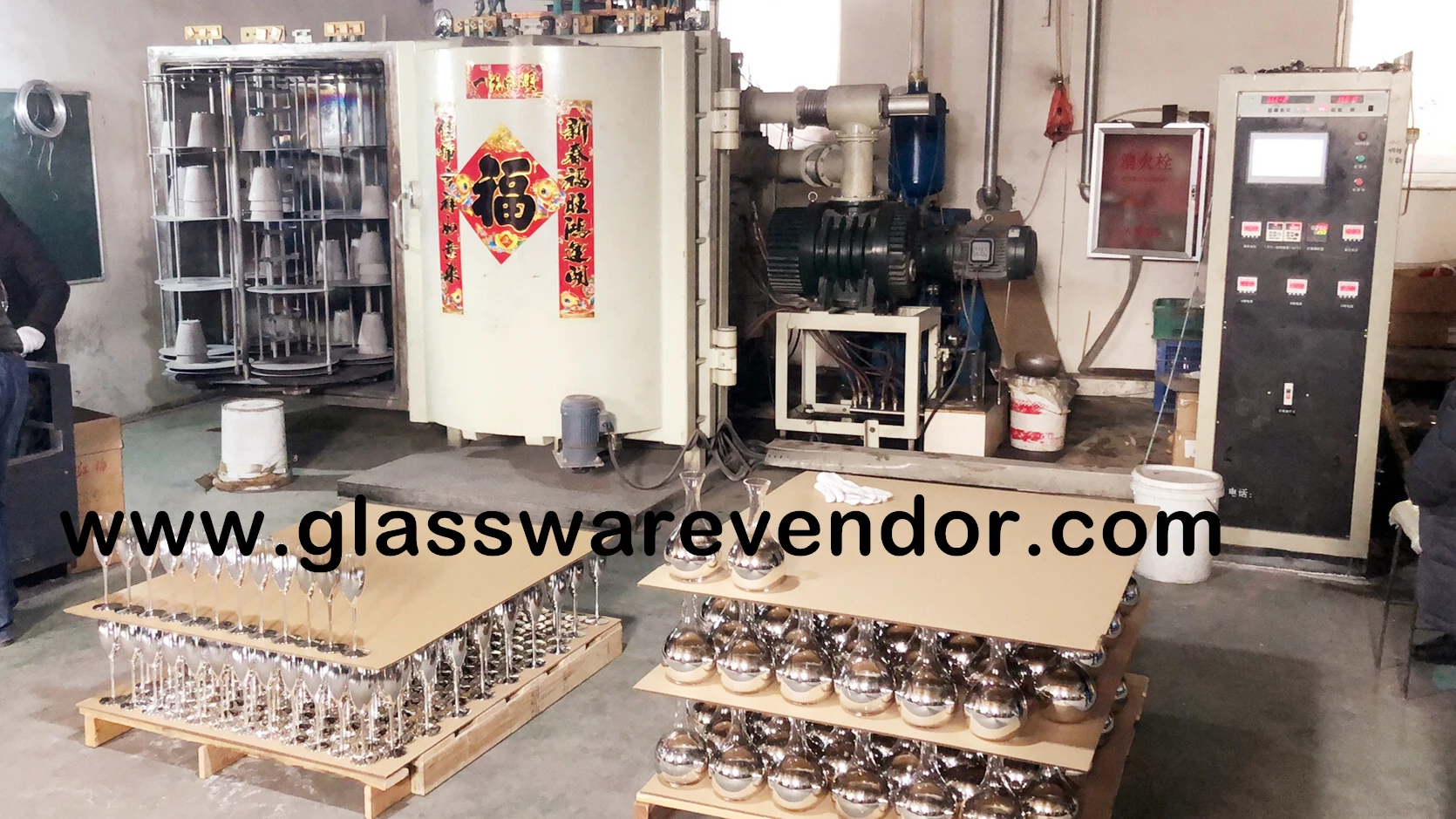
Main productscustom crystal wine glass,custom hand cut whiskey glass,custom drinking glass,custom colored glass cup,custom double wall glass cups
Main marketsWestern Europe(20.00%), North America(20.00%), Southern Europe(16.00%), Domestic Market(10.00%), Northern Europe(10.00%), Oceania(7.00%), Mid East(5.00%), Eastern Asia(5.00%), South America(2.00%), Southeast Asia(2.00%), Central America(2.00%), Eastern Europe(1.00%)
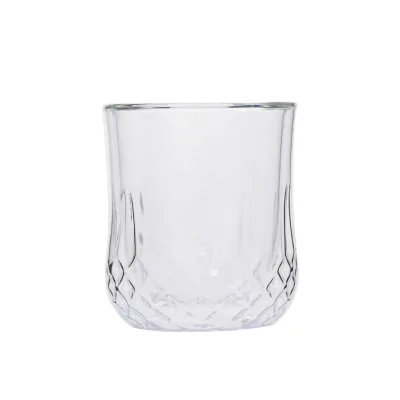
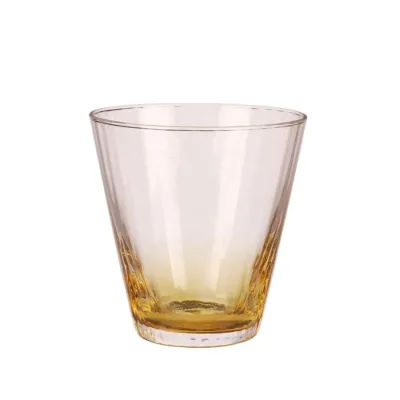
$2.43 - $2.86
MOQ: 2000 pieces
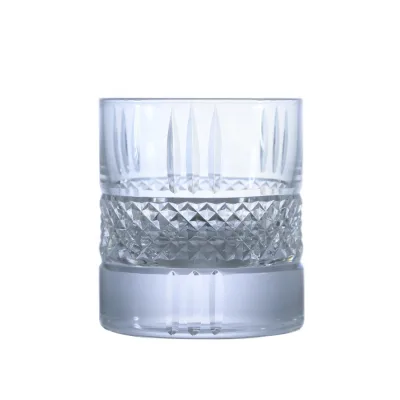
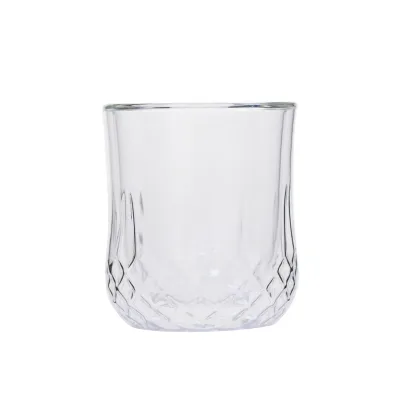
Hand Cut Spirit Glass Custom Old Fashion Handcrafted Whiskey Glass Modern Clear Drinkware Gift
$11.99 - $13.99
MOQ: 1000

Shenzhen F.m Technology Co., Limited
- Trading Company
- Guangdong, China
- Lead time15 days
- Avg. response≤ 4h
Main productsBaking tray,Mini washing machine,Blender,Glass cup,Wine glass
Main marketsNorth America(60.00%), Western Europe(10.00%), Southeast Asia(10.00%), Domestic Market(5.00%), Eastern Europe(5.00%), Oceania(5.00%), South America(5.00%)
Guangzhou Tianfu Glass Products Co., Ltd.
- Verified by SGS Group
- Trading Company
- Lead time0 days
- Avg. response≤ 4h
Main productsGlass, Red Wine Glass, Beer Glass, Cocktail Glass, Champagne Glass
Main marketsNorth America(30%), Southeast Asia(20%), Western Europe(10%)
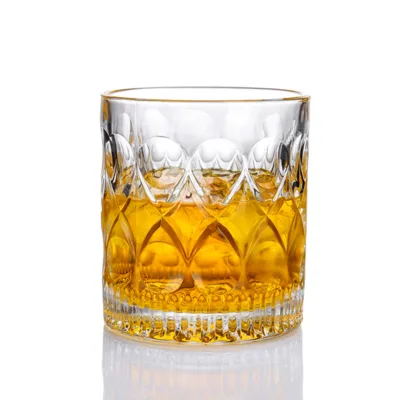
High Quality Bar Creative hand-made whiskey glass beer glass Cup for wedding
$0.403 - $0.4659
MOQ: 200 pieces
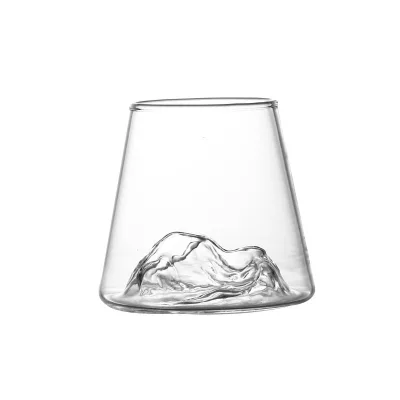
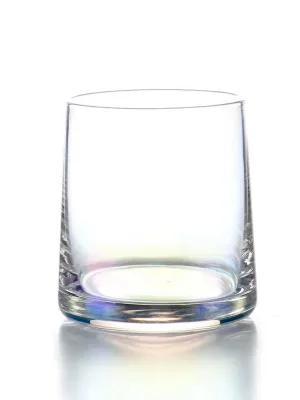
Customized High-quality Electroplated Color Elegant Lead-free Glass Whiskey Glass Cup
$0.4913 - $1.0022
MOQ: 200 pieces
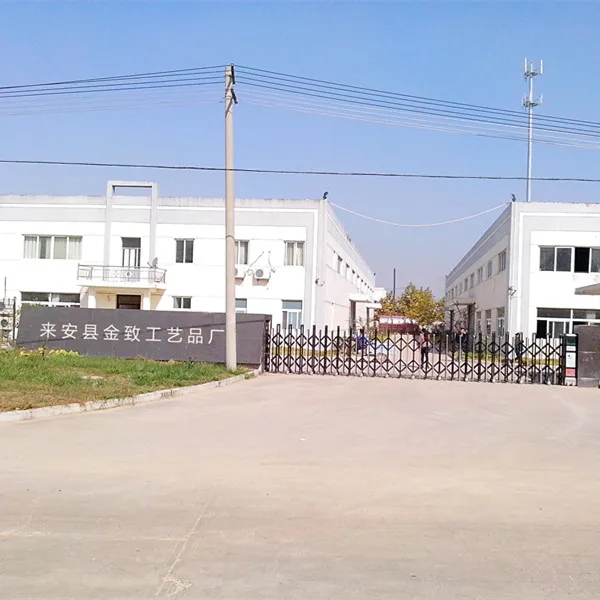
- Manufacturer
- Anhui, China
- Lead time35 days
- Avg. response≤ 1h
Main productsGlass candle Jar,hand cut to clear glass tumbler,color overlaid glass tumbler,handcrafts glassware,colored glass diffuser bottle
Main marketsEastern Asia(20.00%), Eastern Europe(20.00%), South America(20.00%), North America(20.00%), Western Europe(10.00%)
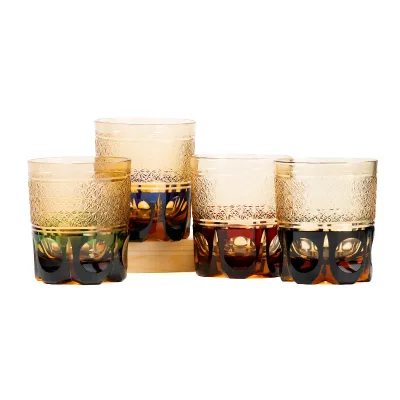
$16.98 - $29.88
MOQ: 500 pieces
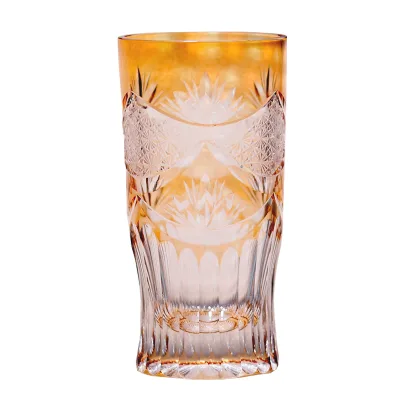
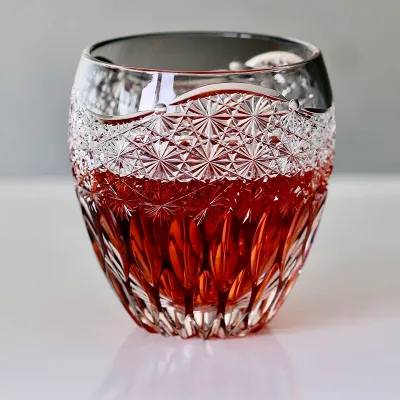
Handmade Classic Japanese Cut Technique Orange Whiskey Glass Tumbler Highball Glass Drinkware 260ml
$16.80 - $24.00
MOQ: 2 pieces
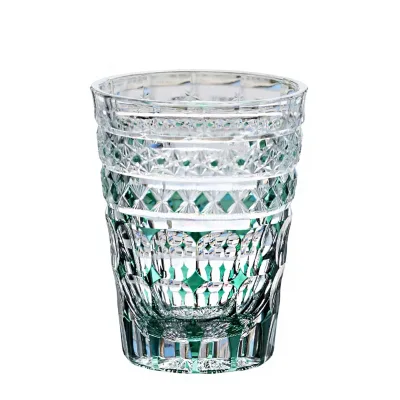
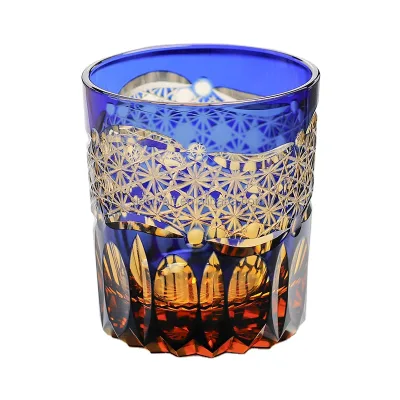
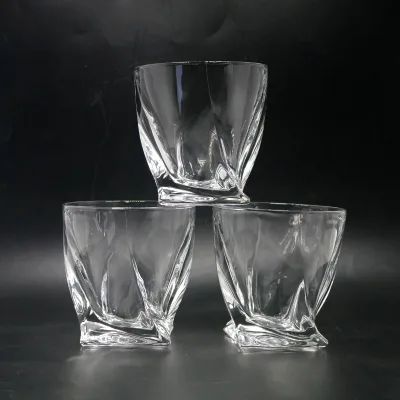
Hejian Lingshang Glass Products Co., Ltd.
- Manufacturer, Trading Company
- Hebei, China
- Lead time15 days
- Avg. response≤ 1h
Main productsDouble wall glass cup,Glass Teapot,glass coffee cup,glass pitcher,glass container
Main marketsSouth America(15.00%), Eastern Europe(15.00%), Southeast Asia(10.00%), North America(10.00%), Mid East(10.00%), Northern Europe(5.00%), Africa(5.00%), Central America(5.00%), Western Europe(5.00%), Eastern Asia(5.00%), Oceania(5.00%), Southern Europe(4.00%), South Asia(3.00%), Domestic Market(2.00%)

Hebei Zhuozhongxi Glass Products Co., Ltd.
- Verified by BV
- Manufacturer/Factory
- China Hebei
- Lead time15 days
- Avg. response≤ 4h
Main productsGlass Cup, Glass Teapot, Coffee Appliance, Tea Set, Glass Crafts, Glass Jug, Glass Food Storage Jar, Wine Glass, Candle Holders, Double Wall Glass
Main marketsSouth America,Eastern Europe,Mid East,North America,Southeast Asia,Eastern Asia,Oceania,Western Europe,Africa

- Verified by TUVRHEINLAND
- Trading Company
- China Hunan
- Lead time45 days
- Avg. response≤ 1h
Main productsCeramic Mug, Vacuum Flask, Dinner Set, Cup, Mug, Thermal Bottle, Ceramic Dinner Set, Glass Jar, Glass Cup, Wine Cup
Main marketsSoutheast Asia/ Mideast


High Quality Square Whiskey Glass Cup Old Fashion Drinking Glass Tumbler
$0.20 - $0.40
MOQ: 2000 Pieces

Shandong Jingyuan Glass Co., Ltd.
- Verified by SGS
- Trading Company
- China Shandong
- Lead time30 days
- Avg. response≤ 9h
Main productsGlass Bottle, Glass Jar, Glass Perfume Bottle, Glass Wine Bottle, Glass Beverage Bottles, Glass Dropper Bottle
Main marketsDomestic,Europe

Eco Friendly Luxury Classic Handmade Whiskey Glasses Wine Cup Clear Mountain Shaped Glass Cup
$0.53 - $0.59
MOQ: 3000 Pieces

Creative Glass Mountain Viewing Cup Tibetan Mountain Teacup Japanese Whisky Cup
$0.53 - $0.59
MOQ: 3000 Pieces

Hot Selling Round Mountain Shape Bottom Borosilicate Shot Wine Whiskey Glass Cups
$0.53 - $0.59
MOQ: 3000 Pieces
Hejian Jia Teng Glass Products Co., Ltd.
- Verified by TüVRheinland
- Manufacturer, Trading Company
- Lead time20 days
- Avg. response≤ 2h
Main productsDouble Wall Glass Cup, Glass Teapot, Glass Jar, Glass Pitcher, Wine Decanter Set
Main marketsNorth America(30%), Domestic Market(30%), South America(10%)

Ningbo Beixuan International Trading Co., Ltd.
- Verified by TUVRHEINLAND
- Manufacturer/Factory
- China Zhejiang
- Lead time15 days
- Avg. response≤ 10h
Main productsPlastic Bottle, Plastic Cup, Plastic Honey Jar, Plastic Food Container, Glass Juice/ Beverage Bottle, Glass Jar, Glass Wine Bottle, Glass Essential Oil Bottles, Cosmetic & Perfume Glass Bottles, Paper Cup
Main marketsSouth America,Eastern Europe,Mid East,North America,Southeast Asia,Eastern Asia,Oceania,Western Europe,Africa

High Borosilicate Creative Glass Wine Vodka Whiskey Tumbler Cup with Mountain Inside
$0.90 - $1.00
MOQ: 5000 Pieces


Yantai Changyou Glass Co., Ltd.
- Verified by BV
- Manufacturer/Factory,Group Corporation
- China Shandong
- Lead time38 days
- Avg. response≤ 2h
Main productsSpirits Bottle, Wine Bottle, Cosmetic Bottle, Non-Alcoholic Beverages, Pharmaceutical Bottle, Glass Jar, Olive Oil Bottle, Aluminum Cap, Cork Stopper
Main marketsSouth America,Eastern Europe,North America,Southeast Asia,Eastern Asia,Western Europe,Africa

Suzhou Tongrang Gift Co., Ltd.
- Verified by CTI
- Trading Company
- China Jiangsu
- Lead time15 days
- Avg. response≤ 5h
Main productsGlasswares, Tablewares, Gift, Wineglasses, Glass Bottles, Tumblers, Glass Plate, Glass Jar, Gift Customs, Bottles
Main marketsNorth America

Glass Cup Tasting Cup Japanese Spirits Glasses Professional Aroma Glasses Whiskey Glasses
$0.72 - $1.80
MOQ: 200 Pieces

Carved Crystal Glass Whiskey Tumbler Luxury Spirit Glass Cup for Men Collection Home Bar
$15.99 - $20.99
MOQ: 100 Pieces
Baoying County Xuzhiguang Glass Crafts Co., Ltd.
- Verified by SGS Group
- Manufacturer, Trading Company
- Lead time7 days
- Avg. response≤ 1h
Main productsGlass Vases, Glass Candle Holders, Glass Tea Sets, Glass Wind Chimes, Glass Wine Glasses
Main marketsDomestic Market(66%), North America(12%), Western Europe(5%)

- Verified by SGS
- Trading Company
- China Zhejiang
- Lead time15 days
- Avg. response≤ 16h
Main productsMop, Kitchen Knife, Chopping Board, Blanket, Mosquito Net, Cushion, Slipper, Broom, Luggage, Educational Toy
Main marketsEurope,Australia


Wholesale Handmade Eco-Friendly Glass Cocktail Whisky Cup Customizable for Parties Glass
$4.50 - $5.00
MOQ: 200 Pieces
Changsha Aikeyi Homeware Co., Ltd.
- Trading Company
- Hunan, China
- Lead time25 days
- Avg. response≤ 2h
Main productsCustomized Glassware,Glass Tableware,Wine Glass,Glass Bottle,Glass Jar
Main marketsNorth America(33.00%), Oceania(15.00%), South America(12.00%), Western Europe(9.00%), Mid East(8.00%), Central America(4.00%), Northern Europe(4.00%), Africa(3.00%), Eastern Europe(3.00%), Southern Europe(3.00%), South Asia(2.00%), Southeast Asia(2.00%), Eastern Asia(2.00%)
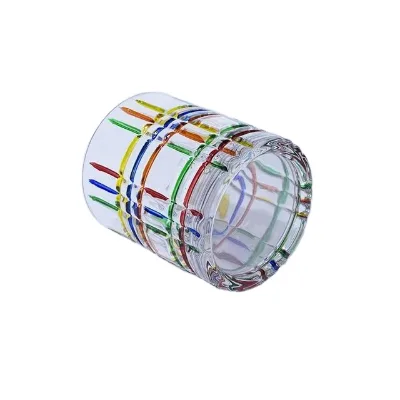
350ml Italy Style Whisky Glass Cup Hand Painted Tumbler Cup Luxury Design for Gift
$1.52 - $1.85
MOQ: 1000
$0.47 - $1.68
MOQ: 1000 pieces

Foshan Greafor Import and Export Co., Ltd.
- Verified by BV
- Trading Company
- China Guangdong
- Lead time30 days
- Avg. response≤ 3h
Main productsBlender Glass Jar, Blender Blade, Glass Lampshade, Blender Lid and Base, Blender Spare Parts, Plastic Jar, Stainless Steel Blade, Blender Lip, Blender Machine, Blender Motor
Main marketsSouth America,Africa,Australia,North America


Stylish Customized Whiskey Glass Cup Collection for Upscale Beach Parties
$0.90 - $0.98
MOQ: 5000 Pieces
Guangzhou Garbo International Trading Co., Ltd.
- Verified by SGS Group
- Trading Company
- Lead time35 days
- Avg. response≤ 2h
Main productsGlassware, Opal Glassware, High Borosilicate Glassware, Stainless Steel Flatware, Kitchenware
Main marketsMid East(20%), South America(18%), Eastern Europe(13%)
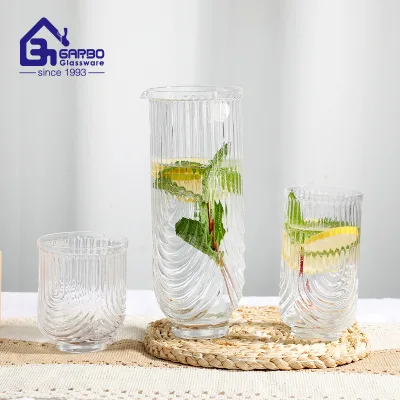
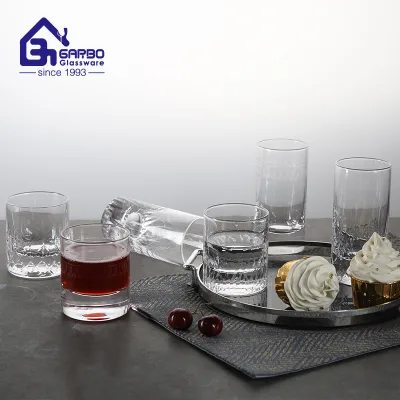
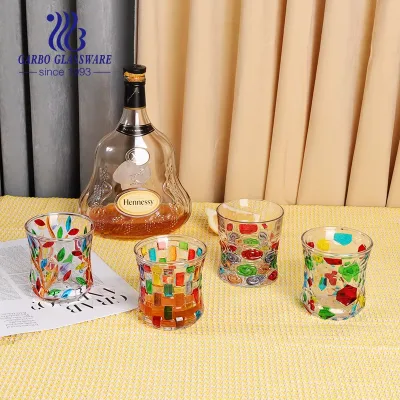
$1.7916 - $2.0193
MOQ: 5000 pieces

Jinjiang Jiaxing Import and Export Co., Ltd.
- Verified by CTI
- Manufacturer/Factory
- China Fujian
- Lead time120 days
- Avg. response≤ 2h
Main productsShoes, Slipper, Clothes, Promotion Gifts, Silicone Products, Outdoor Sports Products, Bags, Fashion Accessories, Consumer Electronics
Main marketsSouth America,Eastern Europe,Mid East,North America,Southeast Asia,Eastern Asia,Oceania,Western Europe,Africa

Shanghai Touch Industrial Development Co., Ltd.
- Verified by TUVRHEINLAND
- Combined
- China Shanghai
- Lead time15 days
- Avg. response≤ 5h
Main productsInstant Hot Pack, Hot Cold Pack, Gel Eye Mask, Gel Ice Pack, Gel Bottle Cooler, Instant Ice Pack, Hand Warmer, Heat Pack, Cooling Scarf, Gel Beads
Main marketsSouth America,Others(foreignTradeCapacity.exportBusinessCapacityMarketOther),Southeast Asia/ Mideast,East Asia(Japan/ South Korea),Domestic,Europe,Australia,North America
- Verified by TüVRheinland
- Manufacturer, Trading Company
- Lead time25 days
- Avg. response≤ 3h
Main productsDrinkware, Ceramicware, Barware, Kitchenware, Glass Bottles
Main marketsNorth America(20%), South America(20%), Southeast Asia(20%)
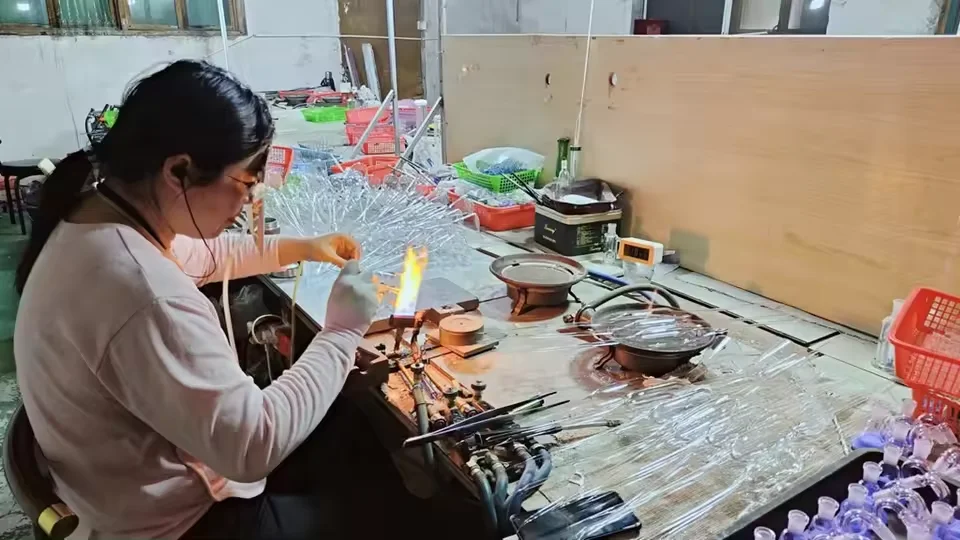
Baoying Jiayu Glass Products Co., Ltd.
- Manufacturer, Trading Company
- Jiangsu, China
- Lead time3 days
- Avg. response≤ 3h
Main productsGlass Dildo, Glass Crafts, Glass Cups, Glass Candle Holders, Adult Products
Main marketsNorth America(80.00%), Western Europe(15.00%), South America(5.00%)
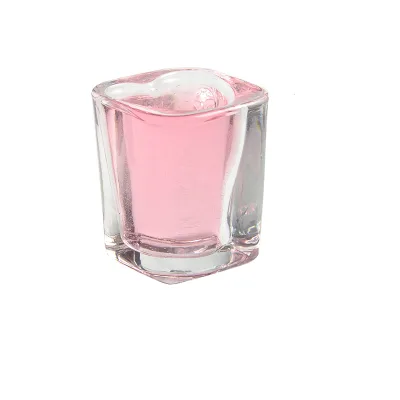
Factory Supply Heart Cup with square Bottom Barium Crown Glass Cup for Presents
$0.89 - $0.95
MOQ: 100 pieces


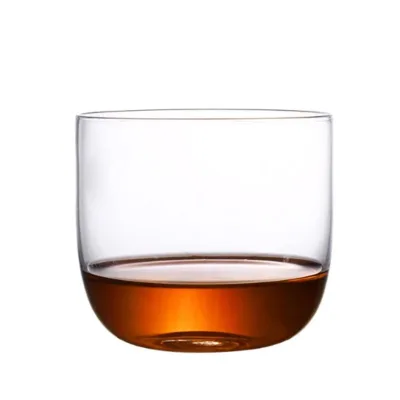
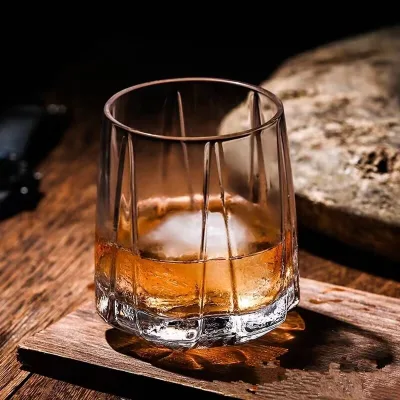
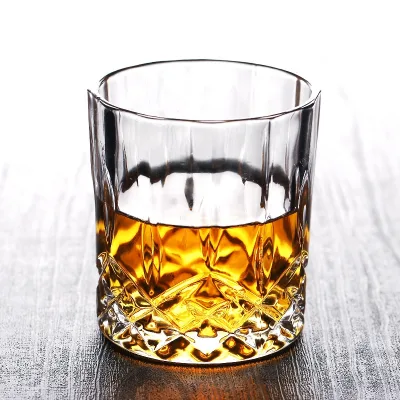
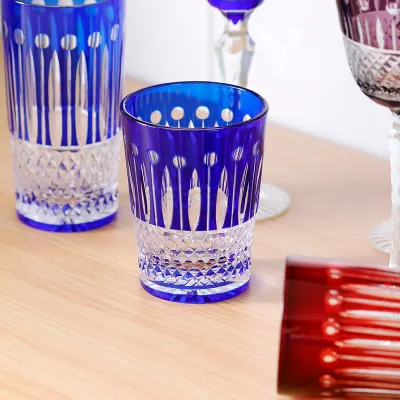
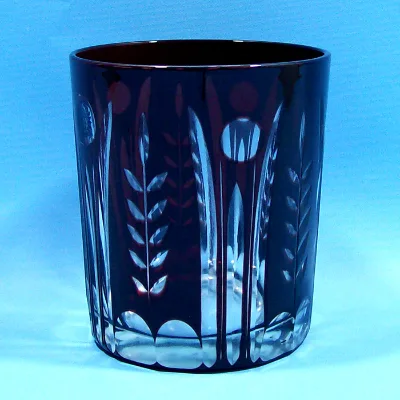
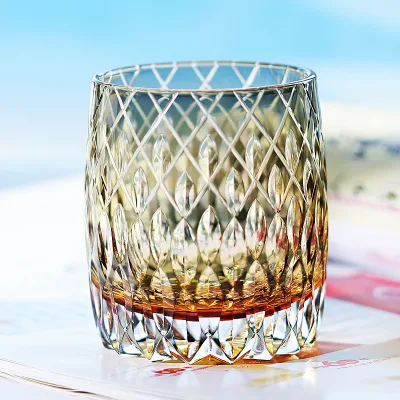
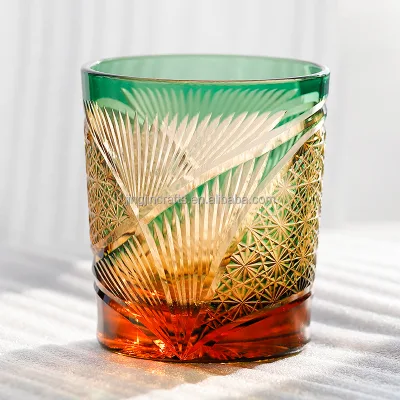
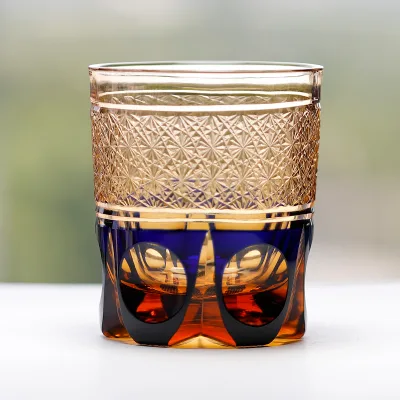
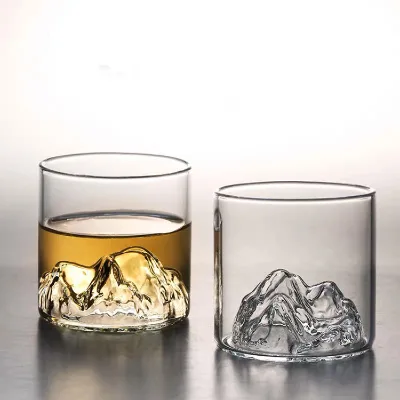


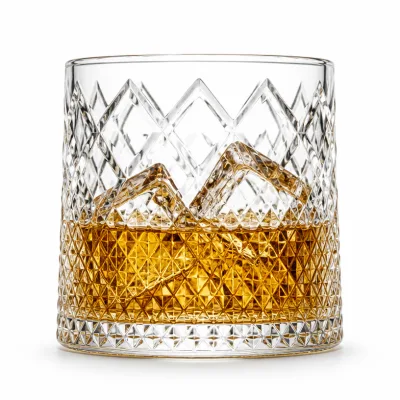
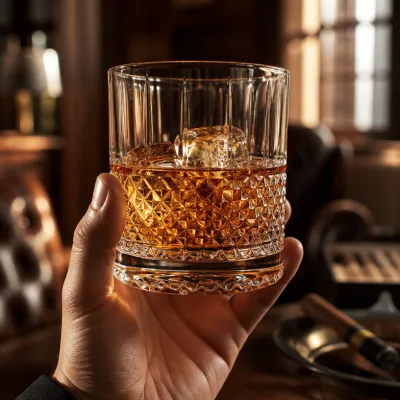


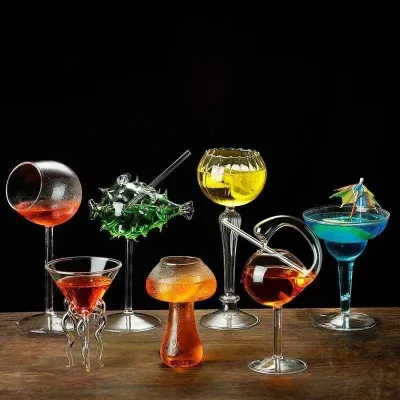
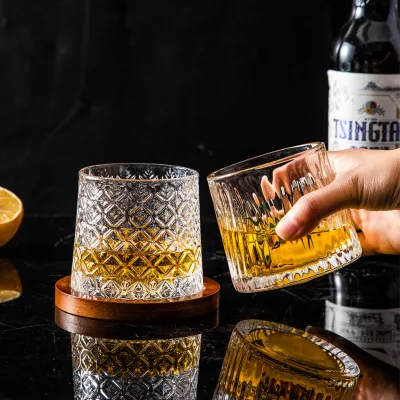
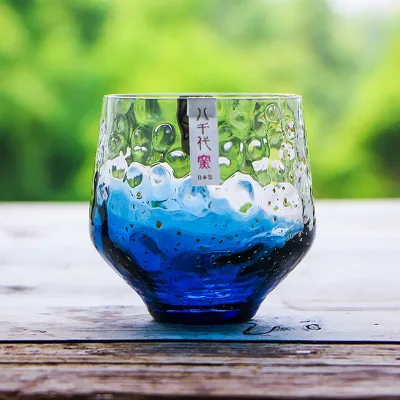
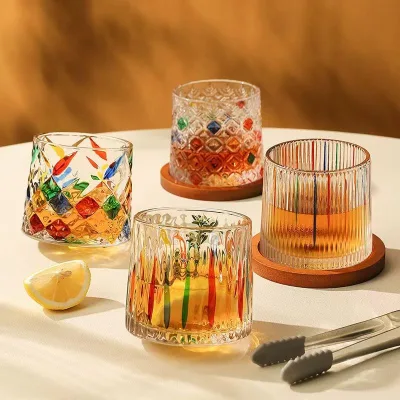


Comprehensive Sourcing Guide
Japandi Handmade Whiskey Cup Supplier Concentration and Factory Types
Suppliers offering handmade whiskey cups with a Japandi aesthetic on B2B platforms concentrate overwhelmingly in China, with the supplier results in this category pointing to Hubei and Hebei as documented origin regions. A Hubei-based combined manufacturer and trader lists whiskey glasses, drinking glasses, decanters, shot glasses and related bar drinkware as main products, while a Hebei company describes itself as a manufacturer and trading company focused on glassware, teapots, double-wall glass, glass cups and glass mugs. These two profiles illustrate the two factory types buyers will encounter: dedicated glassware producers with ODM, OEM and own-brand capability, and hybrid manufacturer-traders who source handmade pieces alongside their own production.
Understanding this split matters because handmade, engraved or colored pieces typically come from workshops with manual processes, while volume-friendly machine-pressed tumblers come from larger lines. Buyers should not assume every listing is a factory; trading companies may aggregate several workshops, which can affect consistency across repeat orders of handmade items. Because search results change, treat the visible locations as a snapshot rather than a complete map. When the region you are evaluating is not documented in the results, identify clusters yourself by filtering glassware categories by province, checking where multiple listings of handmade whiskey cups originate, and confirming each candidate's stated company type, verified status and main products before shortlisting.
How to Verify Japandi Handmade Whiskey Cup Suppliers
Verification should begin with the attributes actually displayed in the supplier results, not with assumptions. In this category, one supplier shows a BV verification mark and a combined company type, while another shows a manufacturer and trading company type with no system certification listed. Neither profile should be read as proof of quality; verification labels confirm identity review steps, not product conformity. Ask each candidate for its business license, glass-production or workshop evidence, and whether any system certification exists beyond what is shown. If the results display NIL or blank certification fields, request documentation directly rather than inferring compliance.
Second, verify production reality against the Japandi handmade requirement. One Hubei supplier's product evidence shows ODM, OEM and own-brand capabilities plus customization availability, which is meaningful for engraved or colored whiskey cups, but you should confirm who performs the hand-finishing and how many skilled workers are involved. Request samples — one listed product line states samples are provided freely, with a stated sample time of three to seven days on another line — and inspect engraving depth, rim finish and weight consistency across a small batch. Finally, verify responsiveness yourself: one Hebei supplier shows a response time of about two hours and another roughly five, but measured reply speed on your own inquiry is the more reliable signal before committing.
What to Compare Across Japandi Handmade Whiskey Cup Suppliers
Build a comparison sheet using only dimensions visible in the results, and record blanks as unknowns rather than treating them as negatives. Key columns include supplier location, company type, verification label, main products, response time, stated lead time, MOQ and price range. In this category, stated lead times differ noticeably — one supplier lists 15 days and another 30 — which can matter for seasonal bar and homeware programs. MOQs also vary widely across product lines, from listings stating 50 or 100 pieces to others stating 240, 360, 480 or 500 pieces, so compare at the product level, not just the supplier level.
Price ranges on comparable whiskey cup listings span from under one dollar to more than three dollars per piece, reflecting differences in handwork, decoration and capacity, so normalize comparisons by capacity, material and decoration method before judging value. Response time gives a practical service signal, with values of roughly two and five hours appearing in this category, though you should test it independently. Compare main-product focus too: a supplier whose catalog is concentrated in whiskey glasses, decanters and bar drinkware may handle Japandi-style customization differently from a broad glassware and teapot maker. Establishment year and escrow terms are useful labels when displayed, but do not assume every supplier shows them; ask and record the answer.
Common Japandi Handmade Whiskey Cup Sourcing Risks
The biggest risk is confusing machine-made stock with genuine handmade work. Many listings in this category use identical glass tumbler attributes — cylindrical shape, clear color, under 10 oz or 10 oz capacity — which suggests shared product templates rather than distinct workshops. A Japandi aesthetic depends on restrained form, matte or textured finishes and precise hand-finishing, none of which is visible in a standard attribute table. Without sample inspection, buyers risk receiving generic rock glasses with superficial engraving that does not match the design language they intend to sell.
Secondary risks involve consistency and communication. Handmade processes produce unit-to-unit variation; decide in advance what tolerance you will accept for thickness, color and engraving placement, and get that agreed in writing with reference samples sealed by both parties. Listing details can also mislead: one product's attributes state an MOQ of 24 at one point and 240 pieces elsewhere, while another line shows both an MOQ of 100 in its attributes and 50 in its listing data — ambiguous figures like these must be clarified before payment. Location confusion is another trap, since a supplier's registered province may differ from the production site; one listing states an origin of Hubei while the same supplier profile appears under a different province heading, so confirm where the cups will actually be made.
Japandi Handmade Whiskey Cup Regional Sourcing and Logistics
Within China, the documented sourcing regions for this category are Hubei and Hebei, and each carries practical logistics implications. Hubei is an inland province, so shipments typically move to coastal ports by truck or rail before ocean freight, adding domestic transit time to the stated 15-day lead time shown by the Hubei supplier in these results. Hebei surrounds the Beijing-Tianjin area with comparatively convenient access to northern Chinese ports, and the Hebei supplier here states a 30-day lead time; lead time and port proximity should be evaluated together, not as independent numbers.
Ask each supplier which port they ship from, whether they support by sea, by air and by train dispatch — one listing explicitly claims all three — and how handmade glass is protected in transit. Packaging evidence in this category includes carton boxes and, on one line, carton or wooden box options, with stated packing standards such as 48 pieces per carton at specified carton dimensions and gross weights around 0.3 kilograms per cup. Handmade whiskey cups are heavy, fragile goods, so request drop-test or packing details in writing and confirm whether inner dividers are included. For destinations outside China, compare quoted CIF versus FOB terms against your own freight forwarder's rates, and factor inland haulage from inland provinces into landed-cost calculations rather than comparing ex-works prices alone.
Japandi Handmade Whiskey Cup Commercial Terms and Order Planning
Commercial terms in this category reward careful product-level negotiation. Documented price ranges for whiskey cup listings run from roughly 0.32 to 3.53 dollars per piece depending on decoration, capacity and handwork, with MOQs across listings of 50, 100, 240, 360, 480 and 500 pieces. For a Japandi handmade program, expect higher prices and higher minimums on engraved or colored lines than on clear stock tumblers, and use the free-sample offers stated on several listings to validate quality before committing to the MOQ. Clarify whether quoted prices are ex-works, FOB or CIF, since inland origins make this distinction financially significant.
Order planning should account for the stated lead times of 15 and 30 days in this category, plus sample time of three to seven days where listed, plus decoration time for customized logo work — one supplier lists laser, spray, decal and painted logo options and accepts customized logos. Payment protection matters: when a marketplace escrow option is displayed, use it, and otherwise negotiate staged payments tied to inspection milestones. Plan reorders around handmade capacity limits, since workshops cannot scale the way machine lines do. Finally, confirm certification claims per product — several listings state EEC, CIQ, LFGB, FDA, CE/EU or ROHS marks — by requesting current certificates for the exact cups you order, and verify any test documents against recognized lab reports before shipment.
FAQs
What certifications do these glassware suppliers hold?
Suppliers in Hubei and Hebei offer products certified by EEC, CIQ, LFGB, FDA, CE, and ROHS. These standards ensure the glassware meets international safety and quality requirements for food contact. Buyers should verify specific certificates for their target market to ensure compliance with local regulations and import standards.
What is the typical lead time for orders?
Lead times generally range from 15 to 30 days depending on the supplier location and order volume. Hubei-based suppliers often quote around 15 days, while Hebei manufacturers may require up to 30 days. Buyers should confirm exact timelines during negotiation to align with their inventory planning and delivery schedules.
What are the minimum order quantities for customization?
MOQs vary significantly, starting from 50 pieces for some items up to 500 pieces for others. Customization options like logos are available, but higher MOQs often apply for complex designs. Buyers should check specific product listings for exact thresholds to determine feasibility for their initial purchase volume.
Are samples available for quality testing?
Yes, many suppliers provide free samples or provide them freely for evaluation. Sample times typically range from 3 to 7 days. This allows buyers to assess material quality, craftsmanship, and design accuracy before committing to larger production runs, ensuring the final product meets their specific requirements.
What materials are used for these whiskey cups?
Products are primarily made from clear glass or borosilicate glass. Borosilicate options offer enhanced durability and heat resistance. The cylindrical shape is common, with capacities under 10 oz or around 10 oz. Buyers should specify their preferred material type to ensure the glassware meets their durability and aesthetic needs.
What is the price range for these glasses?
Prices range from approximately $0.32 to $3.53 per piece depending on design and material. Basic tumbler styles are more affordable, while handmade or luxury stemless options cost more. Buyers should request detailed quotes based on their specific quantity and customization needs to get accurate pricing for their budget.