Jewelry Polishing and Grinding Machine Suppliers and Manufacturers
Source 28 verified suppliers for Jewelry Polishing and Grinding Machine equipment. Compare grounded dimensions including lead times, response speeds, certifications, and pricing to identify suitable partners. Request quotes directly to evaluate options; review the available evidence before requesting comparable quotations from suitable candidates.
Suppliers List

Huzhou Antron Machinery Co., Ltd.
- Verified by BV
- Trading Company
- China Zhejiang
- Lead time30 days
- Avg. response≤ 6h
Main productsSurface Finishing Machine, Vibratory Finishing machine, Plastic Polishing Mdeia, Centrifugal Polishing Machine, Wheel Repair Machine, Wheel Polishing Machine, Industrial Wide Belt Sander, Polishing Liquid, Steel Tube Polishing Machine, Ceramic Polishing Mdeia
Main marketsOthers(foreignTradeCapacity.exportBusinessCapacityMarketOther),Southeast Asia/ Mideast,Australia,North America

Vortex Precision Metal Polishing and Grinding Machine for Jewelry and Metal Polishing
$1900.00 - $4000.00
MOQ: 1 piece


12 Months Warranty Professional Vortex Jewelry Metal Polishing & Grinding Machine
$1900.00 - $4000.00
MOQ: 1 piece

Jewelry Grinding Machine Gold and Silver Jewelry Cleaning Deburring Metal Removal Rusted
$200.00 - $500.00
MOQ: 1 Pieces

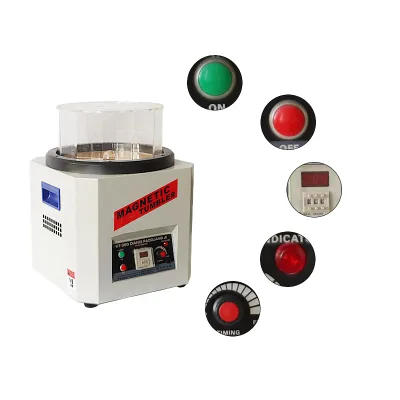
Factory Outlet Jewelry Tools and Equipment Polishing Magnetic Polishing Machine
$1500.00 - $3500.00
MOQ: 1 Pieces

$1500.00 - $3500.00
MOQ: 1 Pieces

Huzhou Norden Machinery Co., Ltd.
- Trading Company
- China Zhejiang
- Lead time30 days
- Avg. response≤ 3h
Main productsGrinding and Polishing Machines, Corresponding Supporting Products
Main marketsSoutheast Asia/ Mideast
Henan Share M&E Equipment Co.,Ltd
- Verified by SGS Group
- Trading Company
- Lead time7 days
- Avg. response≤ 3h
Main productsTextile Machinery, Printing Machinery, Construction Machinery, Wood Machinery
Main marketsNorth America(20%), South America(20%), Eastern Europe(10%)

Shenzhen Ponda Grinding Technology Co.,Ltd.
- Verified by CTI
- Combined
- China Guangdong
- Lead time15 days
- Avg. response≤ 8h
Main productsLapping Machine, Polishing Machine, Double-Disc Lapping Machine, Double-Disc Polishing Machine, Wafer Thinner, Substrate Thinner, Brush-Polishing Machine, Lathe Machine, Grinding Machine, Thinning Machine
Main marketsSoutheast Asia/ Mideast,East Asia(Japan/ South Korea),Domestic,Europe,Australia,North America


a Ceramic Polishing and Other Materials Grinding and Polishing Machine
$280000.00 - $320000.00
MOQ: 1 Pieces


Such as Sapphire Double-Sided High Precision Grinding and Polishing Machine
$280000.00 - $320000.00
MOQ: 1 Pieces


Huzhou Antron Machinery Co., Ltd.
- Verified by TüVRheinland
- Trading Company
- Lead time30 days
- Avg. response≤ 2h
Main productsVibratory Polishing Machine, Centrifugal Disc Polishing Machine, Wheel Repair Machine, Powder Coating Machine, Polishing Media
Main marketsNorth America(25%), South America(20%), Southeast Asia(15%)
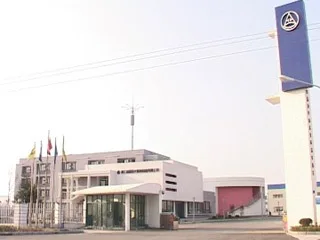
Zhejiang Humo Polishing Grinder Manufacture Co., Ltd.
- Manufacturer
- Zhejiang, China
- Lead time20 days
- Avg. response≤ 1h
Main productsMedia/ Ceramic Beads,Finishing Machine,Polishing Compound
Main marketsDomestic Market(50.0%), South Asia(9.0%), Western Europe(7.000000000000001%), Eastern Asia(7.000000000000001%), Southeast Asia(7.000000000000001%), North America(6.0%), South America(4.0%), Southern Europe(4.0%), Northern Europe(3.0%), Oceania(3.0%)
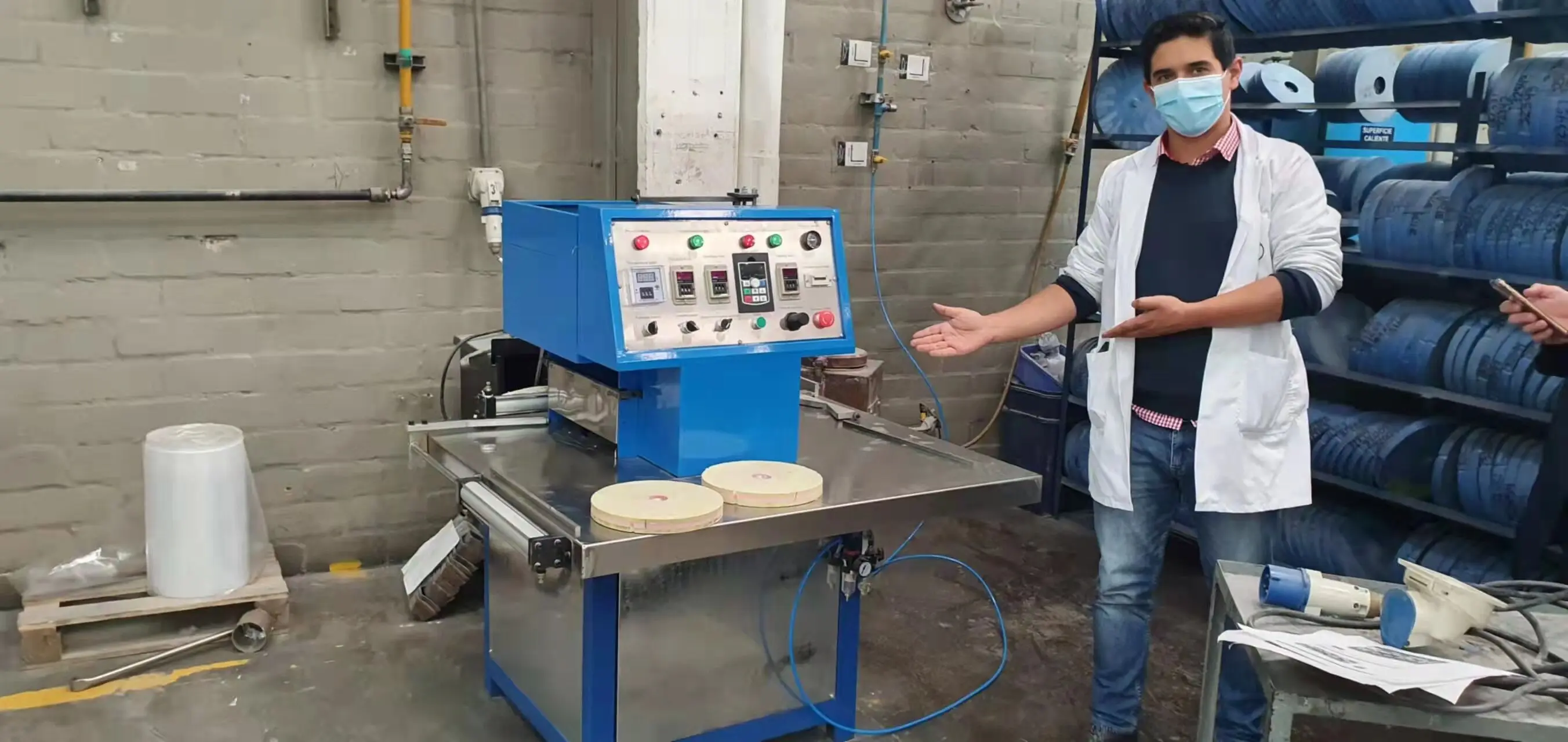
Yiwu Honghao Import And Export Co., Ltd.
- Trading Company
- Zhejiang, China
- Lead time25 days
- Avg. response≤ 7h
Main productsjewelry machines,Automatic centrifugal machine,Die Casting Machine,Centrifugal casting,Vibration polishing machine
Main marketsSouth America(40.0%), North America(20.0%), Southeast Asia(10.0%), Eastern Europe(10.0%), Mid East(8.0%), Africa(3.0%), South Asia(2.0%), Domestic Market(1.0%), Oceania(1.0%), Southern Europe(1.0%), Northern Europe(1.0%), Central America(1.0%), Western Europe(1.0%), Eastern Asia(1.0%)
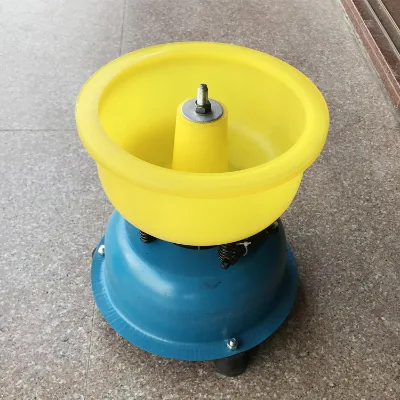
$77.12 - $102.83
MOQ: 1 Minimum
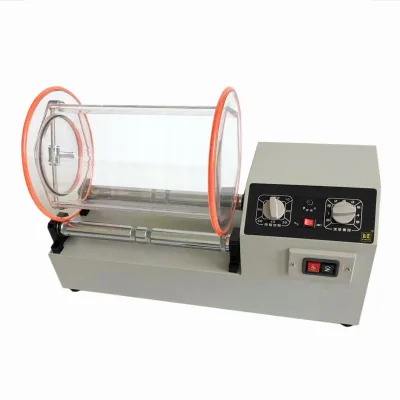
Metal Deburring Polishing Machine Jewelry Polishing Tool Jewelry Equipment Barrel Polishing Machine
$215.94 - $226.22
MOQ: 1 pieces
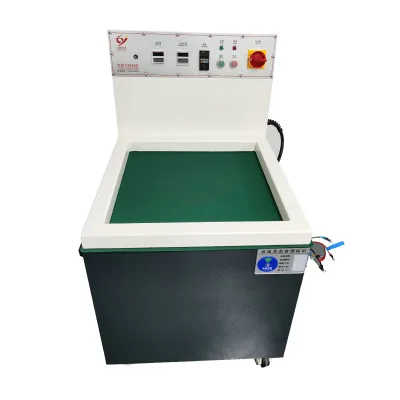
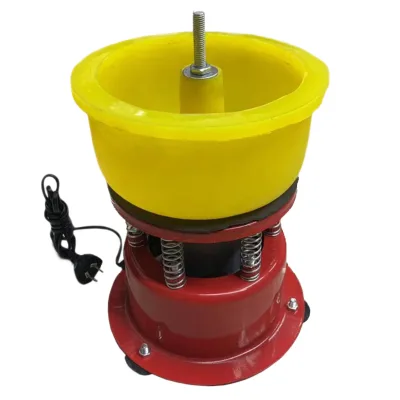
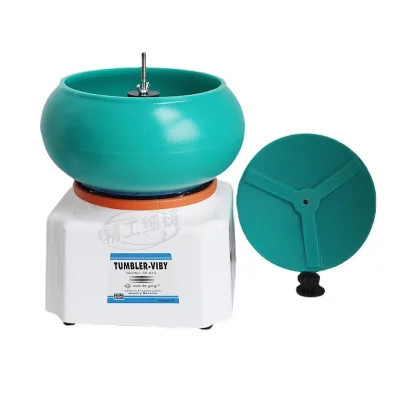

- Combined
- China Jiangsu
- Lead time60 days
- Avg. response≤ 2h
Main productsWhirling Machine, Laser Hardening Machine, Polishing Machine, Broaching Machine
Main marketsSouth America,Others(foreignTradeCapacity.exportBusinessCapacityMarketOther),Southeast Asia/ Mideast,Domestic,Europe,North America

Dongguan KIZI Precision Lapping Mechanical Manufacture Co., Ltd.
- Combined
- China Guangdong
- Lead time30 days
- Avg. response≤ 9h
Main productsPrecision Lapping Machine, Single Side Surface Grinding Machine, Diamond Lapping Plate
Main marketsAfrica,Southeast Asia/ Mideast,East Asia(Japan/ South Korea),Domestic,Europe
Huzhou Nanxun Shengxiang Grinding Machinery Factory
- Verified by SGS Group
- Manufacturer, Trading Company
- Lead time7 days
- Avg. response≤ 4h
Main productsVibration Polishing Machine, Steel Ball, PU Vibration Grinder, Ceramic Media, Plastic Media
Main marketsSoutheast Asia(38%), Eastern Europe(31%), North America(22%)
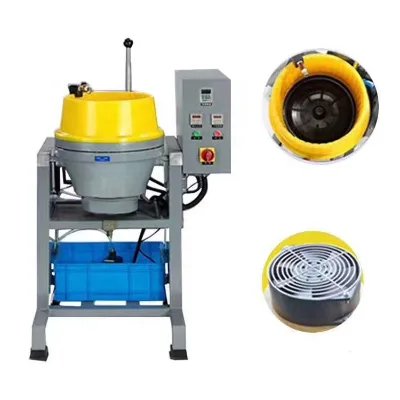
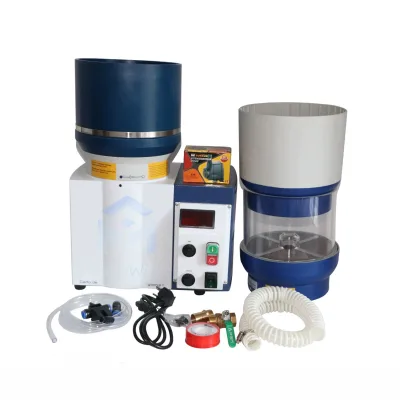
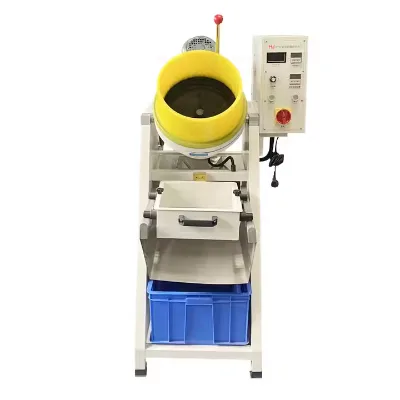
Free Combination of Dry and Wet Vortex Jewelry Grinding Machine Super Finishing Machines
$2532.65 - $7026.07
MOQ: 1 pieces
Xiamen Aobo Machinery Equipment Co., Ltd.
- Verified by SGS Group
- Trading Company
- Lead time0 days
- Avg. response≤ 3h
Main productsSpot Welding Machine, Jewelry Casting Machine, Jewelry Polishing Machine, Melting Furnace, Rolling Mill
Main marketsWestern Europe(40%), North America(30%), Oceania(15%)
Huzhou Inovatec Machinery Co., Ltd.
- Trading Company
- Zhejiang, China
- Lead time20 days
- Avg. response≤ 2h
Main productsVibratory Finishing Machine,Sand Blasting Machine,Powder Coating Machine,Tumbling Media,Zirconia Beads
Main marketsDomestic Market(50.0%), South Asia(9.0%), Eastern Asia(7.000000000000001%), Western Europe(7.000000000000001%), Southeast Asia(7.000000000000001%), North America(6.0%), Southern Europe(4.0%), South America(4.0%), Northern Europe(3.0%), Oceania(3.0%)

Zhejiang Humo Polishing Grinder Manufacture Co., Ltd.
- Verified by BV
- Combined
- China Zhejiang
- Lead time15 days
- Avg. response≤ 9h
Main productsVibratory Finishing Machine, Vibratory Tumbler, Vibratory Polishing Machine, Grinding Machine, Centrifugal Barrel Finishing Machine, Centrifugal Disc Finishing Machine, Abrasive, Ceramic Abrasive, Walnut Shell, Vibratory Dryer
Main marketsSoutheast Asia/ Mideast

Quanzhou Jinzuan Technology Co., Ltd.
- Verified by BV
- Combined
- China Fujian
- Lead time23 days
- Avg. response≤ 2h
Main productsStone Engraving Machine, Four-Axis Three-Dimensional Relief Machine, Five-Axis Engraving Machine
Main marketsAfrica,Southeast Asia/ Mideast,Europe
Xiamen Yangyang Youyu Trading Co., Ltd.
- Verified by SGS Group
- Trading Company
- Lead time0 days
- Avg. response≤ 3h
Main productsJewelry Casting Machine, Rolling Machine, Permanent Jewelry Welder, Jewelry Polishing Machine, Jewelry Making Tools
Main marketsNorth America(30%), Eastern Europe(10%), Western Europe(10%)
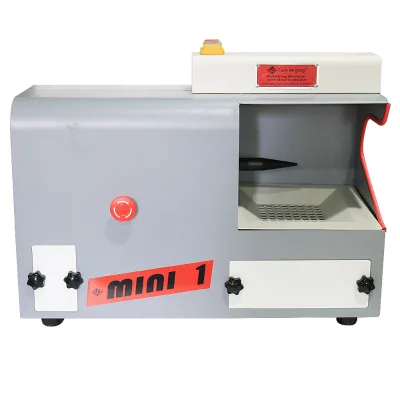
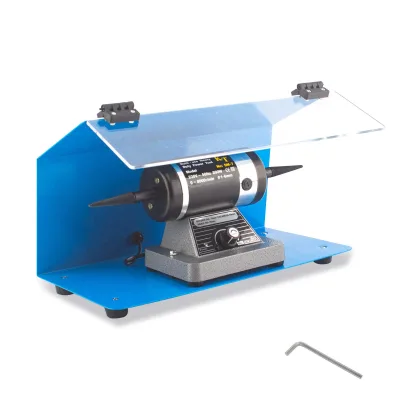
Lapidary Machine Jewelry Polishing Machine Polishing Machine With Dust Collector
$185.00 - $220.00
MOQ: 1 Minimum
Shenzhen Hajet Jewelry Equipment Co., Ltd.
- Manufacturer, Distributor/Wholesaler
- Guangdong, China
- Lead time7 days
- Avg. response≤ 3h
Main productsWax Injector,Stone Setting Machine,Spot Welder,Stone Setting Microscope,Steam Cleaning Machine
Main marketsDomestic Market(30.0%), Western Europe(20.0%), Southern Europe(10.0%), Oceania(5.0%), North America(5.0%), Eastern Europe(5.0%), South America(4.0%), Africa(3.0%), South Asia(3.0%), Southeast Asia(3.0%), Northern Europe(3.0%), Central America(3.0%), Mid East(3.0%), Eastern Asia(3.0%)
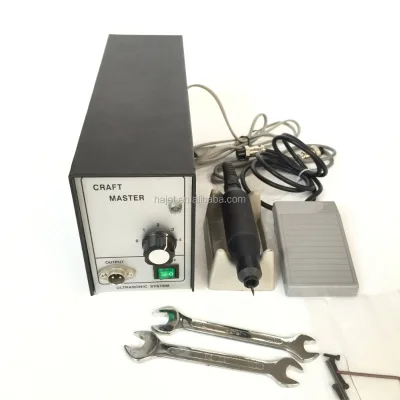
Goldsmith Tools and Machine UItrasonic Grinding Machine Ultrasonic Polishing Machines
$142.97 - $163.40
MOQ: 2 pieces
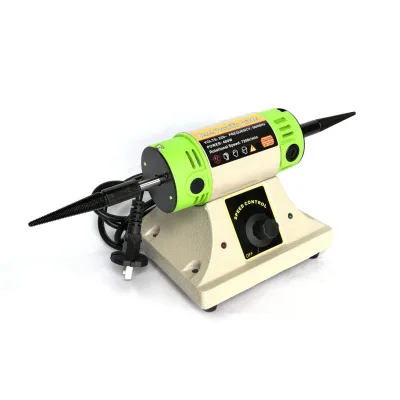
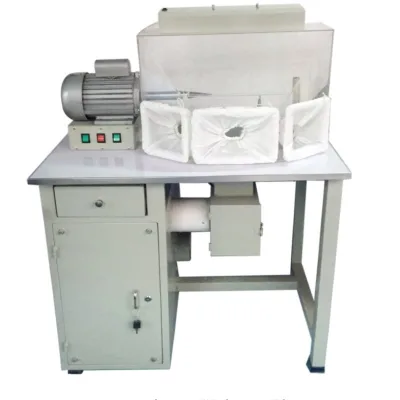
Silver Polish Lapping Machine Vacuum Cleaning Polishing Machine Jewelry Tools Equipment
$650.00 - $720.00
MOQ: 1 Minimum
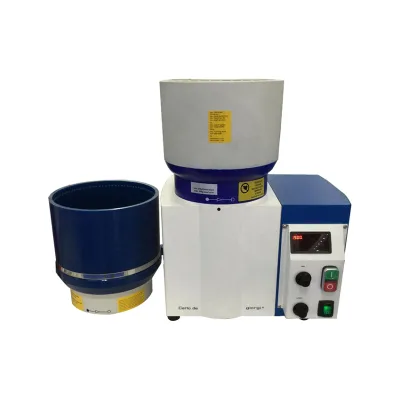
$1430.00 - $1550.00
MOQ: 2 sets

Delin Intelligent Technology Co., Ltd.
- Verified by BV
- Manufacturer/Factory
- China Fujian
- Lead time15 days
- Avg. response≤ 4h
Main productsDie Casting Machine, Core Shooter, Furnace, Drilling and Tapping Machine, CNC Auto-Polishing Machine, Auto Spinning Machine, Lpdc, Core Shooting Machine, CNC Five Spindle Turning Machine, Auto-Molding Machine
Main marketsSouth America,Mid East,Southeast Asia,Eastern Asia,Oceania,Africa

Drag-Type Grinding and Polishing Machine for Mirrors Polishing of Case/Strap/Jewelry
$2000.00 - $30000.00
MOQ: 1 Pieces

Metal Jewelry Polishing Machine Dry Grinding Surface Treatment Equipment
$2000.00 - $30000.00
MOQ: 1 Pieces

New Grinding and Jewelry Polishing Robot Machine for Zinc Alloy Handles
$8000.00 - $80000.00
MOQ: 1 Pieces
Fujian Aite Precision Machinery Co., Ltd.
- Verified by TüVRheinland
- Manufacturer, Trading Company
- Lead time15 days
- Avg. response≤ 1h
Main productsBrushless Nail Drills, Mechanic Grinders, Brushless Jewelry Grinders, Brushless Denture Grinders, Brushless Grinder
Main marketsWestern Europe(35%), Domestic Market(35%), North America(30%)
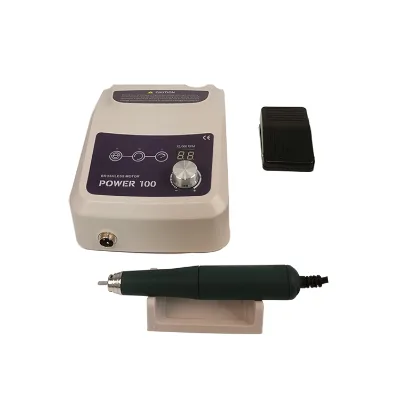
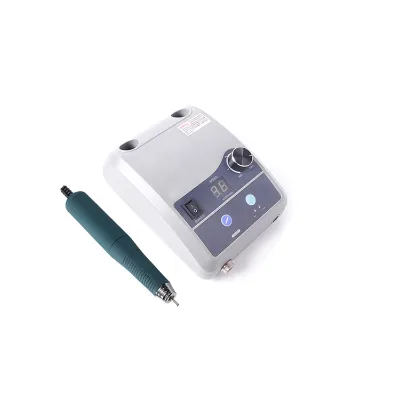
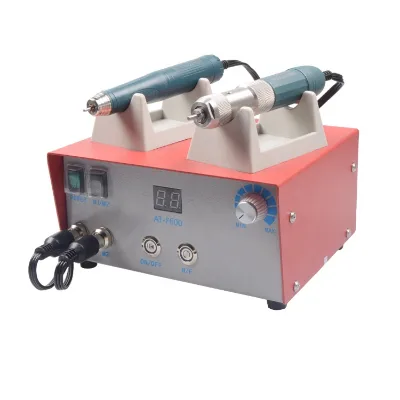
AT-CM-044 60000rpm 400W Jewelry Jewellery Polisher Machine Price in Pakistan
$190.57 - $192.06
MOQ: 1 sets
Zhengzhou Dream Machinery Co., Ltd.
- Verified by SGS
- Trading Company
- China Henan
- Lead time15 days
- Avg. response≤ 4h
Main productsquilting machine
Main marketsSouth America,Others(foreignTradeCapacity.exportBusinessCapacityMarketOther),Southeast Asia/ Mideast,North America
Huzhou Norden Machinery Co., Ltd.
- Trading Company
- Zhejiang, China
- Lead time7 days
- Avg. response≤ 2h
Main productsVibratory Polishing Machine,Centrifugal Disc finishing machine,3 in 1 Jewelry Polishing Machine,Steel Ball,grinding media
Main marketsSoutheast Asia(40.0%), Eastern Europe(30.0%), North America(20.0%), South America(5.0%), Mid East(5.0%)
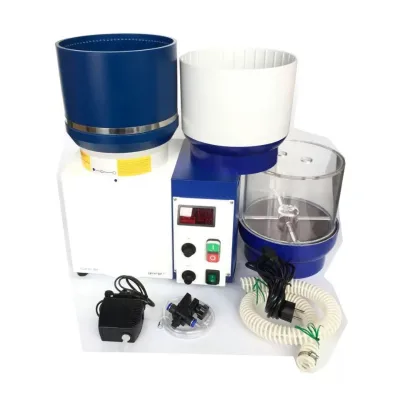
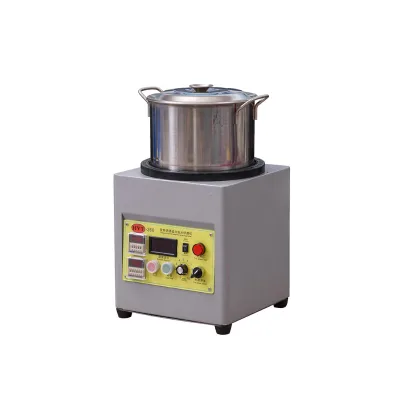
Adjustable Speed Grinding Metal Part Deburring Brighten Magnetic Polishing Machine for Gold Jewelry
$360.00 - $830.00
MOQ: 1 Minimum

- Manufacturer
- China Fujian
- Lead time60 days
- Avg. response≤ 25h
Main productsArtificial Marble Production Line, Artificial Quartz Slab Press Line, Gang Saw for Cutting Marble Block, Polishing Line for Marble and Granite, Stone Vertical Mill Raymond Mill Grinding, Laser Bridge Cutting Machine, Stone Machine, Stone Machine Technology Service etc
Main marketsSoutheast Asia/ Mideast,Europe
Dongguan Chengong Machinery Equipment Co., Ltd.
- Trading Company
- Guangdong, China
- Lead time7 days
- Avg. response≤ 4h
Main products: Vertical Packing Machine,Filling machine,Multi-lane Packing Machine,Multi-Function Packaging Machine,Doypack Packing Machine
Main marketsEastern Europe(20.0%), North America(20.0%), Southern Europe(10.0%), Domestic Market(5.0%), South Asia(5.0%), South America(5.0%), Northern Europe(5.0%), Central America(5.0%), Western Europe(5.0%), Eastern Asia(5.0%), Mid East(5.0%), Africa(5.0%), Southeast Asia(5.0%)
Guangzhou Yiliang Trading Co., Ltd.
- Trading Company
- Guangdong, China
- Lead time30 days
- Avg. response≤ 2h
Main productsAbrasive Belt,Abrasive Paper,Buffing Wheel,Nylon Wheel,Polishing Machine
Main marketsEastern Asia(14.29%), Eastern Europe(14.29%), South America(14.29%), South Asia(14.29%), North America(12.8%), Africa(11.0%), Domestic Market(10.0%), Mid East(9.0%)
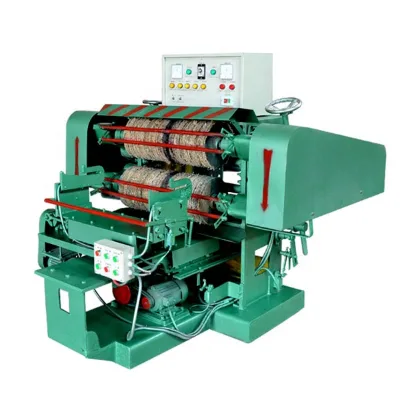
Finishing Lapping Machinery for Jewelry Ring.
$4000.00 - $4100.00
Huzhou Lucky Bridge Polishing Co., Ltd.
- Verified by SGS
- Trading Company
- China Zhejiang
- Lead time30 days
- Avg. response≤ 6h
Main productsFinishing Machine, Finishing Media, Finishing Chemicals
Main marketsAustralia


Advanced Automated Jewelry Finishing Machine for Precision Deburring
$14999.00 - $19999.00
MOQ: 1 sets


Shandong Soar Machinery Co., Ltd.
- Manufacturer/Factory
- China Shandong
- Lead time15 days
- Avg. response≤ 9h
Main productsPipe Processing Machine, Plasm Cutting Machine, Lase Cutting Machine, Hole Punching Machine, Rust Removing&Polishing Machine, Riveting Machine, Aluminum Profile Processing Machine, Drilling and Tapping Machine, Wire Bending Machine, Diesel Generator
Main marketsSouth America,Mid East,North America,Southeast Asia,Eastern Asia

500L Metal Vibration Finish Machine Vibratory Deburring Polishing Machine
$3000.00 - $9000.00
MOQ: 1 Pieces

350L Disc Finishing Vibration Grinding Polishing Machine to Buy for Metal
$3000.00 - $9000.00
MOQ: 1 Pieces
Guangzhou JYC Jewelry Technology Co., Ltd.
- Manufacturer, Trading Company, Distributor/Wholesaler
- Guangdong, China
- Lead time30 days
- Avg. response≤ 3h
Main productschain making machine,jewelry machine,jewelry tools,steel jewelry,brass jewelry
Main marketsWestern Europe(20.0%), South Asia(15.0%), Mid East(15.0%), Northern Europe(15.0%), Central America(10.0%), Eastern Asia(10.0%), South America(5.0%), Southern Europe(5.0%), Eastern Europe(5.0%)

- Trading Company,Manufacturer/Factory
- China Fujian
- Lead time0 days
- Avg. response≤ 9h
Main productsCutting Machine, Stone Cutting Machine, Edge Cutting Machine, Profiling Machine, Polishing Machine, Splitting Machine, Bridge Cutter, Grinding Machine, CNC Machine, CNC Cutting Machine

Zhengzhou Timeway Machine Tool Co., Ltd.
- Verified by TUVRHEINLAND
- Trading Company
- China Henan
- Lead time60 days
- Avg. response≤ 10h
Main productsLathe, Milling Machine, Drilling Machine, Grinding Machine, CNC Machines, Shearing Machine, Press Brakes, Rolling Machine, Forklift Truck, Vehicle Machine
Main marketsSouth America,Africa,Southeast Asia/ Mideast,Europe,Australia,North America


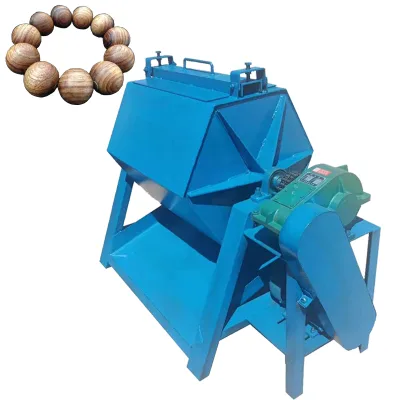
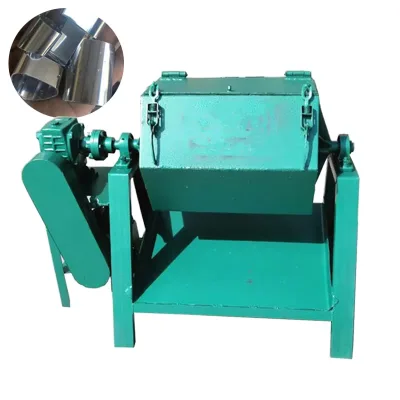
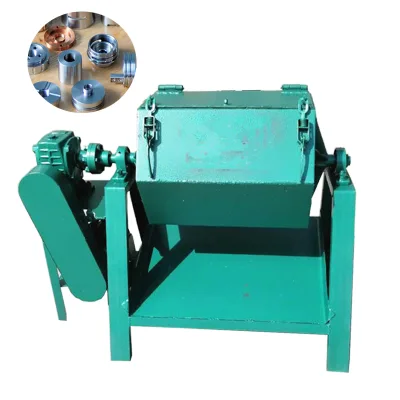
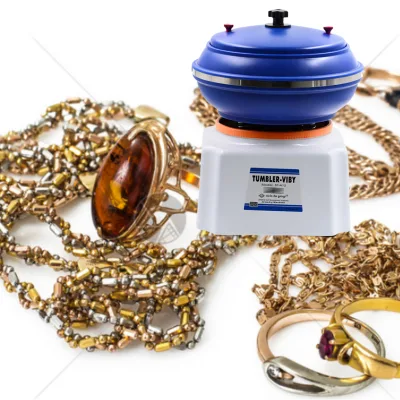




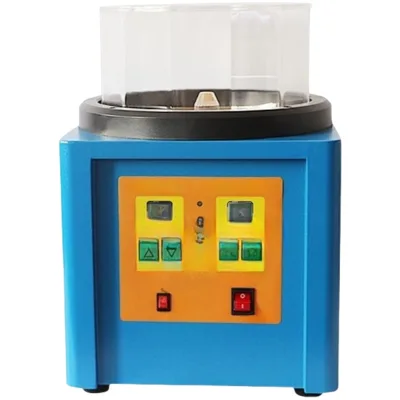
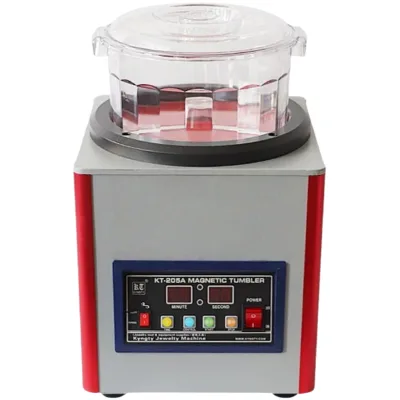
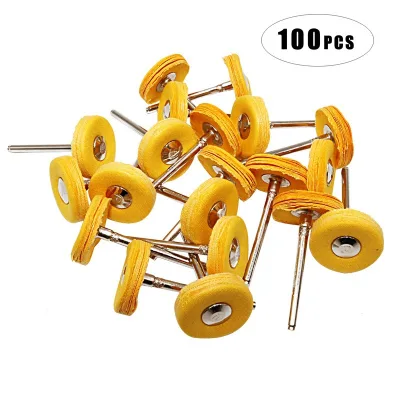
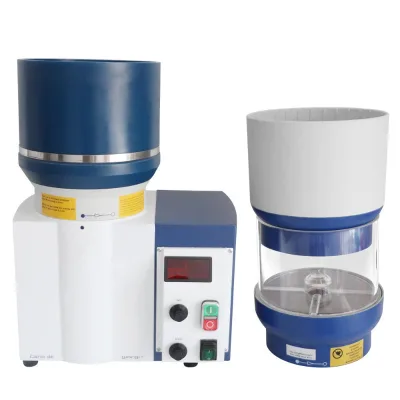


Comprehensive Sourcing Guide
Jewelry Polishing and Grinding Machine Supplier Concentration and Factory Types
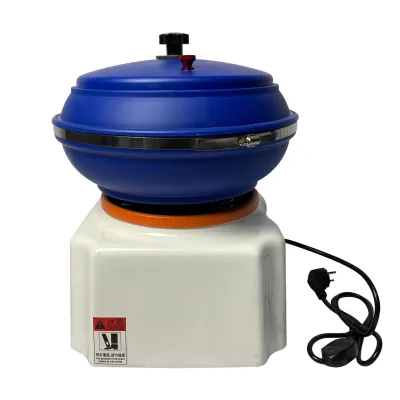
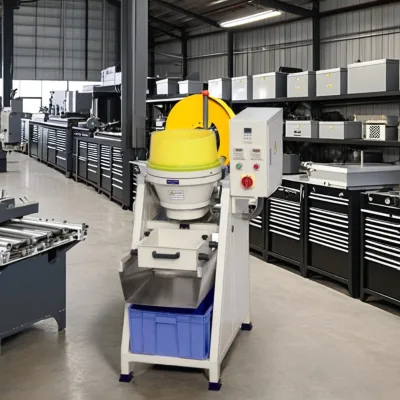
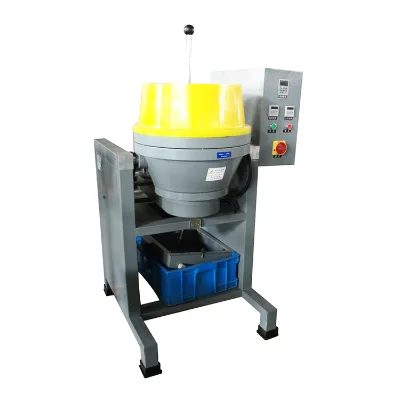
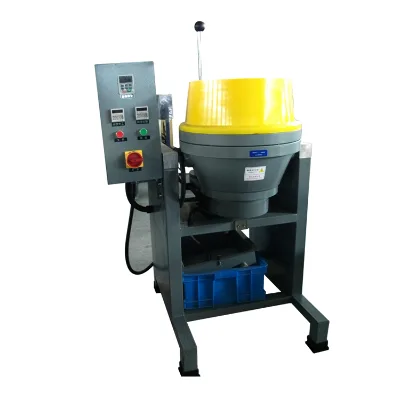
The current supplier landscape for jewelry polishing and grinding machines shows a distinct concentration in China, specifically within the Zhejiang province. This regional clustering is evident from the product origin data, which frequently cites Huzhou, China, as the manufacturing base for various centrifugal and vibratory finishing units. Buyers observing this pattern should recognize that a significant portion of available inventory originates from this specific industrial hub, which often implies established supply chains for components like motors and polishing media. However, not all suppliers in this space are manufacturers; the data indicates the presence of Trading Companies alongside potential factory entities. This distinction is critical because trading companies may aggregate products from multiple sources, whereas factories typically control the production process directly.
When evaluating the factory types, buyers must look beyond the general category of "Industrial Machinery" to understand the specific operational focus. Some suppliers list main products that include Surface Finishing Machines, Plastic Polishing Media, and Wheel Repair Machines, suggesting a broader industrial scope beyond just jewelry. Others focus more narrowly on Grinding and Polishing Machines with corresponding supporting products. The presence of diverse product lines, such as Textile Machinery or Construction Machinery in some supplier profiles, indicates that some entities are general trading firms rather than specialized manufacturers. Buyers should verify if a supplier's primary revenue stream aligns with metal polishing equipment to ensure they are dealing with a specialized source rather than a generalist distributor.
How to Verify Jewelry Polishing and Grinding Machine Suppliers
Verification of suppliers in this category relies heavily on third-party audit reports and specific credential checks. The available data confirms that some suppliers hold BV (Bureau Veritas) verification status, while others display SGS Group verification. These certifications serve as a baseline for assessing the legitimacy of the business entity, though they do not guarantee product quality on their own. Buyers should prioritize suppliers with these verified badges, as they indicate that an external agency has reviewed the company's business license and operational capacity. It is essential to understand that verification status is a binary fact; a supplier either has the badge or does not, and this should be the first step in any due diligence process before engaging in detailed negotiations.
Beyond basic verification, buyers must scrutinize the specific product attributes and certifications listed for individual machines. For instance, certain models are explicitly marked with CE certification, which is a mandatory standard for machinery sold in many international markets. Other product listings mention "Online Support" for after-sales service or the provision of machinery test reports, which are tangible indicators of a supplier's commitment to quality assurance. When a supplier claims a warranty, such as a one-year warranty on a vibrating polishing machine, this should be cross-referenced with their verification status. Buyers should not assume that all listed attributes apply to every product; instead, they must verify that the specific machine model they intend to purchase carries the necessary certifications and support services before finalizing any agreement.
What to Compare Across Jewelry Polishing and Grinding Machine Suppliers
Comparing suppliers requires a systematic analysis of operational metrics such as lead times, minimum order quantities, and response speeds. The data reveals a wide variance in lead times, with some suppliers offering a 30-day delivery window while others can ship within just 7 days. This difference can significantly impact production schedules, especially for time-sensitive jewelry manufacturing projects. Similarly, response times vary, with some suppliers responding in under three hours while others take nearly six hours. Buyers should prioritize suppliers with faster response times to ensure efficient communication during the customization and troubleshooting phases of the order. These metrics are not uniform across the market, so a direct comparison is necessary to identify the most responsive and reliable partners for specific project needs.
Price and capacity are equally critical factors when comparing different suppliers. The price range for these machines is substantial, with some units listed as low as $200 while others reach up to $6,500 depending on capacity and features. For example, an 18L double bucket machine may be priced differently than a 36L version, and the minimum order quantity (MOQ) can be as low as one unit for some suppliers. Buyers must also consider the power specifications, such as 0.75 Kw versus 2.2 Kw motors, which affect the machine's performance and suitability for different materials. Additionally, the availability of customization options varies, with some suppliers offering custom voltage or specific packing requirements. A thorough comparison involves mapping these technical and commercial variables against the buyer's specific budget and production requirements to find the optimal match.
Common Jewelry Polishing and Grinding Machine Sourcing Risks
One of the primary risks in sourcing these machines is the potential mismatch between the supplier's main product focus and the specific equipment required. Some suppliers list diverse machinery lines, including Textile or Construction equipment, which may indicate a lack of specialized expertise in metal polishing technology. This generalist approach can lead to gaps in technical support or a lack of deep understanding regarding the nuances of jewelry finishing processes. Buyers should be wary of suppliers whose primary product lists do not prominently feature polishing and grinding machines, as they may rely on third-party manufacturers for their core offerings. This lack of specialization can result in suboptimal product performance or difficulties in obtaining genuine spare parts and technical assistance later on.
Another significant risk involves the variability in product specifications and the accuracy of the provided data. While some listings provide detailed attributes like voltage (220V or 380V) and motor speed (1380 Rpm), others may lack clarity on critical details such as the exact material composition or the specific application scope. For instance, a machine advertised for "Metal Tube" application might not be suitable for delicate jewelry components without specific adjustments. Furthermore, the presence of "Feature" or "Processing" as generic attributes in some data points suggests a lack of detailed technical documentation. Buyers must verify that the specific model they select matches their exact operational needs, as relying on generic descriptions can lead to purchasing equipment that fails to meet the required standards for precision and finish quality.
Jewelry Polishing and Grinding Machine Regional Sourcing and Logistics
The regional sourcing landscape for jewelry polishing and grinding machines is heavily centered in China, with Zhejiang province emerging as a key manufacturing hub. Specific product origins frequently cite Huzhou, China, indicating a concentrated cluster of production facilities in this area. This geographic concentration can offer logistical advantages, such as streamlined shipping routes and established freight forwarding networks. However, buyers must also consider that some products originate from other regions, such as Henan, China, which may introduce different shipping dynamics and lead time variations. Understanding the specific origin of each machine is crucial for calculating accurate freight costs and estimating delivery schedules, as logistics from different provinces within China can vary significantly in terms of port access and transit times.
Logistics planning must also account for the specific packaging requirements of these heavy industrial machines. The data indicates that many units are packed in wooden cases, while others use carton cases, with weights ranging from 420 kg to 280 kg. This variation in packaging and weight directly impacts shipping costs and handling requirements. Buyers should verify the exact packing dimensions and weight for their selected model to ensure compatibility with their shipping arrangements. Additionally, the origin location affects the availability of export documentation and compliance with international shipping regulations. For machines originating from Huzhou, buyers should confirm if the supplier has experience with international freight to ensure that the wooden cases are properly secured and that all necessary export paperwork is prepared correctly to avoid delays at customs.
Jewelry Polishing and Grinding Machine Commercial Terms and Order Planning
Commercial terms for these machines vary significantly, particularly regarding pricing structures and warranty provisions. The price range is broad, with some models starting at $1900 and others reaching $6500, depending on capacity and features like double buckets or specific motor powers. Buyers must carefully review the price minimums and maximums to understand the final cost, as some listings show a single fixed price while others offer a range. Warranty terms also differ, with some suppliers offering a one-year warranty and others providing online support as their primary after-sales service. It is essential to clarify the exact scope of the warranty and the duration of support before placing an order, as these terms can vary even among suppliers with similar product offerings.
Order planning should also factor in the customization availability and the specific production capabilities of the supplier. Many suppliers indicate that customization is available, allowing for adjustments in voltage, motor power, or packing materials. However, the extent of this customization and the associated lead time implications must be confirmed. For example, a customized order might extend the standard lead time beyond the typical 7 to 30 days observed in the market. Buyers should also consider the minimum order quantity, which can be as low as one unit, allowing for small-scale testing or initial procurement. By aligning the customization needs with the supplier's production capacity and lead time, buyers can create a realistic order plan that minimizes delays and ensures the equipment arrives ready for immediate use in their jewelry manufacturing operations.
FAQs
What is the typical lead time for these machines?
Lead times vary by supplier, with observed ranges from 7 to 30 days. Some suppliers offer faster delivery within a week, while others require a month for production and shipping. Buyers should confirm specific timelines based on their order volume and customization needs before placing an order.
Are these machines available with customization options?
Yes, customization is available for many models listed in the search results. Buyers can request specific voltage settings, such as 220V or 380V, and tailored capacities like 18L or 36L. Always verify the exact customization scope with the supplier to ensure it meets your production requirements.
What is the minimum order quantity for these machines?
The minimum order quantity is typically 1 unit for most polishing and grinding machines. This low MOQ allows buyers to test equipment quality before committing to larger orders. However, specific bulk pricing or shipping terms may vary depending on the supplier and the total order value.
Do these machines come with a warranty?
Some suppliers offer a 1-year warranty on their polishing machines. This coverage often includes support for core components like motors. Buyers should check the specific warranty terms provided by each supplier, as coverage details and duration can differ significantly between different vendors and product models.
What certifications do these machines hold?
Many machines are certified with CE standards, ensuring compliance with safety regulations. Some suppliers also provide verification through BV or SGS Group. Buyers should request specific certification documents to confirm that the equipment meets the required safety and quality standards for their intended market.
Where are these machines manufactured?
Most machines originate from Huzhou, Zhejiang, China, or Henan, China. These regions are known for their industrial machinery manufacturing capabilities. Buyers should verify the specific place of origin for each product to understand shipping logistics and potential import duties associated with the equipment.
What is the response time for supplier inquiries?
Supplier response times vary, with some responding within 2.2 hours and others taking up to 5.78 hours. Faster response times often indicate higher availability and readiness to assist with technical questions. Buyers should prioritize suppliers with quicker response rates for urgent sourcing needs.