Jeans Coat Suppliers and Manufacturers in China
Source 25 verified Jeans Coat suppliers from China for wholesale apparel. Compare response times, lead times, MOQs, and certifications like ISO9001:2015. Review product specs and request quotes today; review the available evidence before requesting comparable quotations from suitable candidates.
Suppliers List

Shanghai J&D International Co., Ltd.
- Trading Company
- China Shanghai
- Lead time23 days
- Avg. response≤ 25h
Main productsShirts, Necktie, Ties, Scarves, Waistcoat, Cufflink, Neckwear, Accessories
Main marketsSoutheast Asia/ Mideast,Domestic,Europe,Australia,North America

- Trading Company
- China Zhejiang
- Lead time30 days
- Avg. response≤ 11h
Main productsHome Appliance, Cookware Set, Thermos, Home Storage, Furniture, Pet Supplies, Garden Tools, Outdoor Supplies, Baby Supplies, Houesehold Items
Main marketsSouth America,Africa,Southeast Asia/ Mideast,East Asia(Japan/ South Korea),Domestic,Europe,Australia,North America

- Trading Company
- Shanghai, China
- Lead time60 days
- Avg. response≤ 16h
Main productsWomen jeans,Kids jeans,Men jeans,Winter Jacket,Coat
Main marketsSouth America(40.0%), Africa(25.0%), Central America(15.0%), Western Europe(15.0%)

Guangzhou Mingyao Garment Co., Ltd.
- Verified by TUVRHEINLAND
- Trading Company
- China Guangdong
- Lead time30 days
- Avg. response≤ 17h
Main productsJeans, Denim Jacket, Denim Shorts, Denim Skirt, Woman Jeans, Man Jeans
Main marketsEurope
Guangzhou Yinimei Trading Firm
- Trading Company
- China Guangdong
- Lead time30 days
- Avg. response≤ 2h
Main productsApparel & Accessories, Men's Wear, Children's Clothing, Ladies' Clothing, Shoes, Children's Toys, "Bag", Hair
Main marketsSouth America,Eastern Europe,Mid East,North America,Southeast Asia,Eastern Asia,Oceania,Western Europe,Africa

Ningbo Cocal Import & Export Co., Ltd
- Verified by TUVRHEINLAND
- Trading Company
- China Zhejiang
- Lead time30 days
- Avg. response≤ 6h
Main productsClothes, Scarf, Hat
Main marketsEurope,Australia,North America
Beijing Guangyikaiyuan Culture Technology Co., Ltd.
- Verified by Intertek
- Manufacturer, Trading Company
- Lead time10 days
Main productsPadded Coat, Trench Coat, Dress, Faux Fur Coat, Leather Jacket
Main marketsNorth America(40%), Eastern Europe(15%), South America(10%)

- Verified by CTI
- Trading Company
- China Anhui
- Lead time23 days
- Avg. response≤ 1h
Main productsFurniture, Home Furniture
Main marketsSoutheast Asia/ Mideast

- Verified by CTI
- Trading Company,Manufacturer/Factory
- China Fujian
- Lead time90 days
- Avg. response≤ 12h
Main productsOutdoor Jackets, Swimwear, Gym Wear, Sport Pants, Beach Shorts, Puffer Jackets, Workwear, Yoga Wear, Kid's Clothes, Sweater
Main marketsSouth America,Eastern Europe,Mid East,North America,Southeast Asia,Eastern Asia,Western Europe,Africa

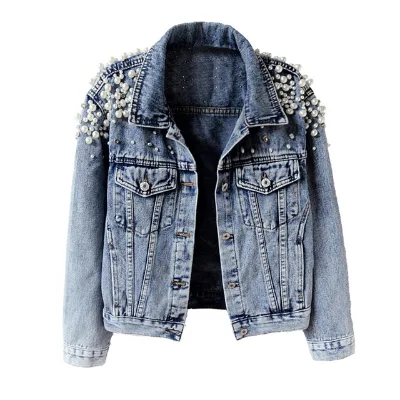
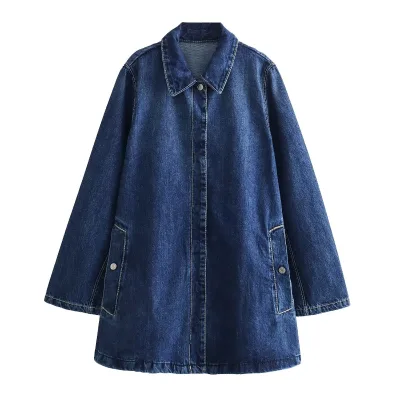
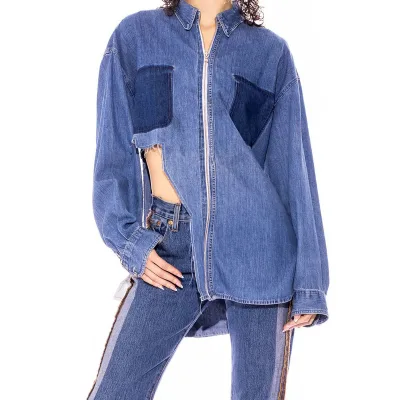
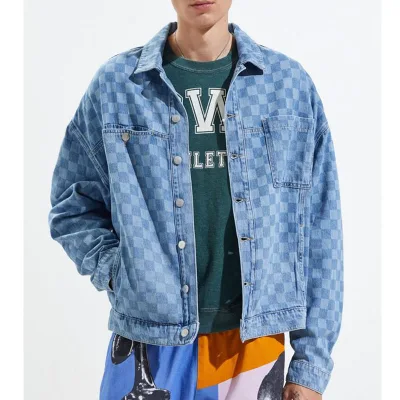
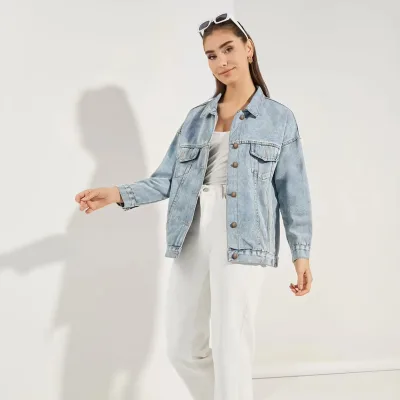
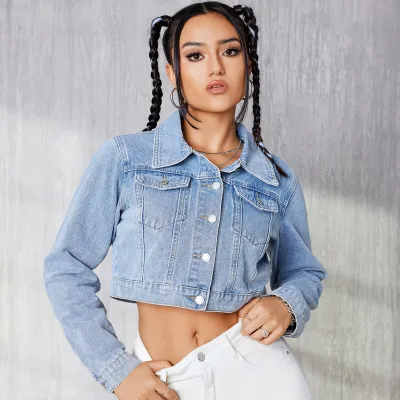
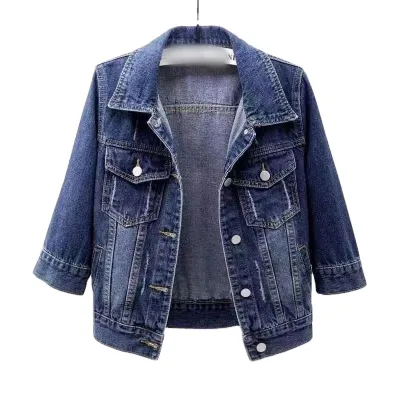
Women's Denim Jacket Basic Button Long Sleeves Jean Jacket Coat with Pockets
$13.00 - $14.00
Moq: 1000

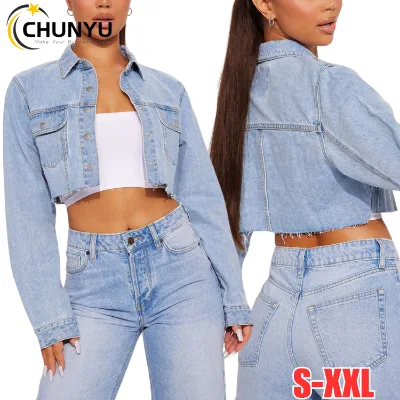
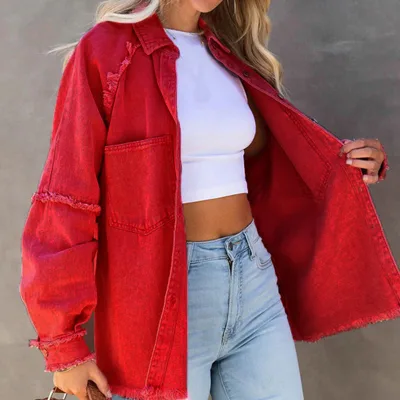
Women's Jean Jackets Long Sleeves with Fringe Oversized Distressed Denim Trucker Jacket Coat
$13.00 - $14.00
Moq: 1000
Shanghai Jingzhi Apparel Co., Ltd.
- Manufacturer, Trading Company
- Lead time旺季: "1 - 5":2,"6 - 50":4,"51 - 1000":11,"> 1000":"To be negotiated", 淡季: "1 - 5":2,"6 - 50":4,"51 - 1000":11,"> 1000":"To be negotiated"
- Avg. response≤ 5h
Main productsKid Clothes

- Trading Company
- Hubei, China
- Lead time7 days
- Avg. response≤ 1h
Main productsWomens Clothes,Mens Clothes,Baby Kids Clothes,Maternity Clothes,American apparel african clothing
Main marketsNorth America(60.0%), Western Europe(30.0%), Southern Europe(5.0%), South America(5.0%)
Guangzhou Disai Garment Co., Ltd.
- Verified by TüVRheinland
- Trading Company
- Lead time0 days
- Avg. response≤ 2h
Main productsDenim Jeans, Denim Jackets, Denim Shorts, Hoodie, T-shirt
Main marketsNorth America(50%), Eastern Europe(25%), Oceania(13%)

Yan Cheng Jie Chanel Fashion Co., Ltd.
- Verified by TUVRHEINLAND
- Combined
- China Jiangsu
- Lead time15 days
- Avg. response≤ 6h
Main productsThe North Face-Summit, Outdoor Equipment, Outdoor Travel Shoes, Backpack (Outdoor Bag), Sunscreen Clothes, Quick Drying, Fleece, Outdoor Shirt, Tactical Trousers, Winter Clothes
Main marketsDomestic

- Verified by BV
- Trading Company
- China Guangdong
- Lead time15 days
- Avg. response≤ 14h
Main productsGolf Bag, Windcoat, Helmet, Golf Hat, Shirts, Tent, Basketball Jersey, Golf Umbrella, Football Jersey, Golf Grip
Main marketsAfrica,Southeast Asia/ Mideast,East Asia(Japan/ South Korea),Europe,Australia,North America
Zhongshan Yingpinheyou Cross Border E-Commerce Co., Ltd
- Trading Company
- Guangdong, China
- Lead time7 days
- Avg. response≤ 6h
Main productsWomen's Jeans, Men's Jeans, Denim Jacket, Denim Skirts, Short Jeans
Main marketsNorth America(80.0%), South America(5.0%), Western Europe(5.0%), Africa(5.0%), Eastern Europe(5.0%)
Nan 'an Meilin Qingshuo Trading Firm
- Trading Company
- China Fujian
- Lead time0 days
Main productsShoes, Watch, Bag, Clothes, Sunglasses, Hat

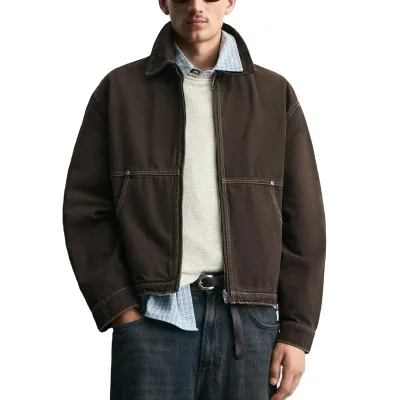
High-Quality Factory Wholesale of Down Jackets, Men's Coats, and Luxury Women's Coats
$50.00 - $200.00
Moq: 1


The Factory Offers Wholesale of Men's Down Jackets and High-Quality Men's Coats.
$50.00 - $200.00
Moq: 1


High-Quality Women's Thick and Breathable Zipper Down-Filled Coat, Women's Outerwear
$50.00 - $200.00
Moq: 1

Guangzhou Sunyoung Garment Co., Ltd.
- Verified by SGS
- Combined
- China Guangdong
- Lead time15 days
- Avg. response≤ 4h
Main productsPolo-Shirt, Shirt, Suit, Coat, Uifrom
Main marketsDomestic
Shaanxi Jiamante Garment Co., Ltd.
- Verified by SGS
- Trading Company
- China Shaanxi
- Lead time30 days
- Avg. response≤ 2h
Main productsFaux Fur Coat, Women Faux Fur Coat, Home Decor & Custom Creative Products, Handbags & Luggage, Fabric Wholesale, T-Shirt, Hoodie, Pendant, Faux Fur Outerwear, Faux Fur Accessories
Main marketsDomestic
Shenzhen Chunyu Electronic Technology Co., Ltd.
- Trading Company
- Guangdong, China
- Lead time3 days
- Avg. response≤ 23h
Main productsCasual Dresses/Evening Dresses/Jumpsuits/Yoga wearing/Jacket
Main marketsCentral America(20.0%), Eastern Europe(20.0%), Western Europe(10.0%), Southern Europe(10.0%), Northern Europe(10.0%), Mid East(10.0%), North America(10.0%), South America(5.0%), Eastern Asia(5.0%)
Xinxiang Chushi Clothing Co., Ltd.
- Trading Company
- Henan, China
- Lead time7 days
- Avg. response≤ 4h
Main productsClothing and Customization,Design and customization of label and water washing label patterns,Design and customization of clothing tags,LOGO Design and Customization,Clothing and Accessories
Main marketsNorth America(20.0%), Central America(10.0%), South Asia(10.0%), South America(10.0%), Mid East(10.0%), Africa(8.0%), Domestic Market(5.0%), Southeast Asia(5.0%), Eastern Asia(5.0%), Northern Europe(5.0%), Oceania(3.0%), Western Europe(3.0%), Southern Europe(3.0%), Eastern Europe(3.0%)
Yiwu Dajie Import And Export Co., Ltd.
- Trading Company
- Zhejiang, China
- Lead time0 days
- Avg. response≤ 3h
Main productswomen clothes,men clothes,children clothes,dress,shoes
Main marketsNorth America(30.0%), Southeast Asia(20.0%), Central America(10.0%), Mid East(10.0%), South Asia(10.0%), Africa(3.0%), Northern Europe(3.0%), Eastern Asia(3.0%), South America(3.0%), Domestic Market(3.0%), Western Europe(2.0%), Oceania(1.0%), Eastern Europe(1.0%), Southern Europe(1.0%)
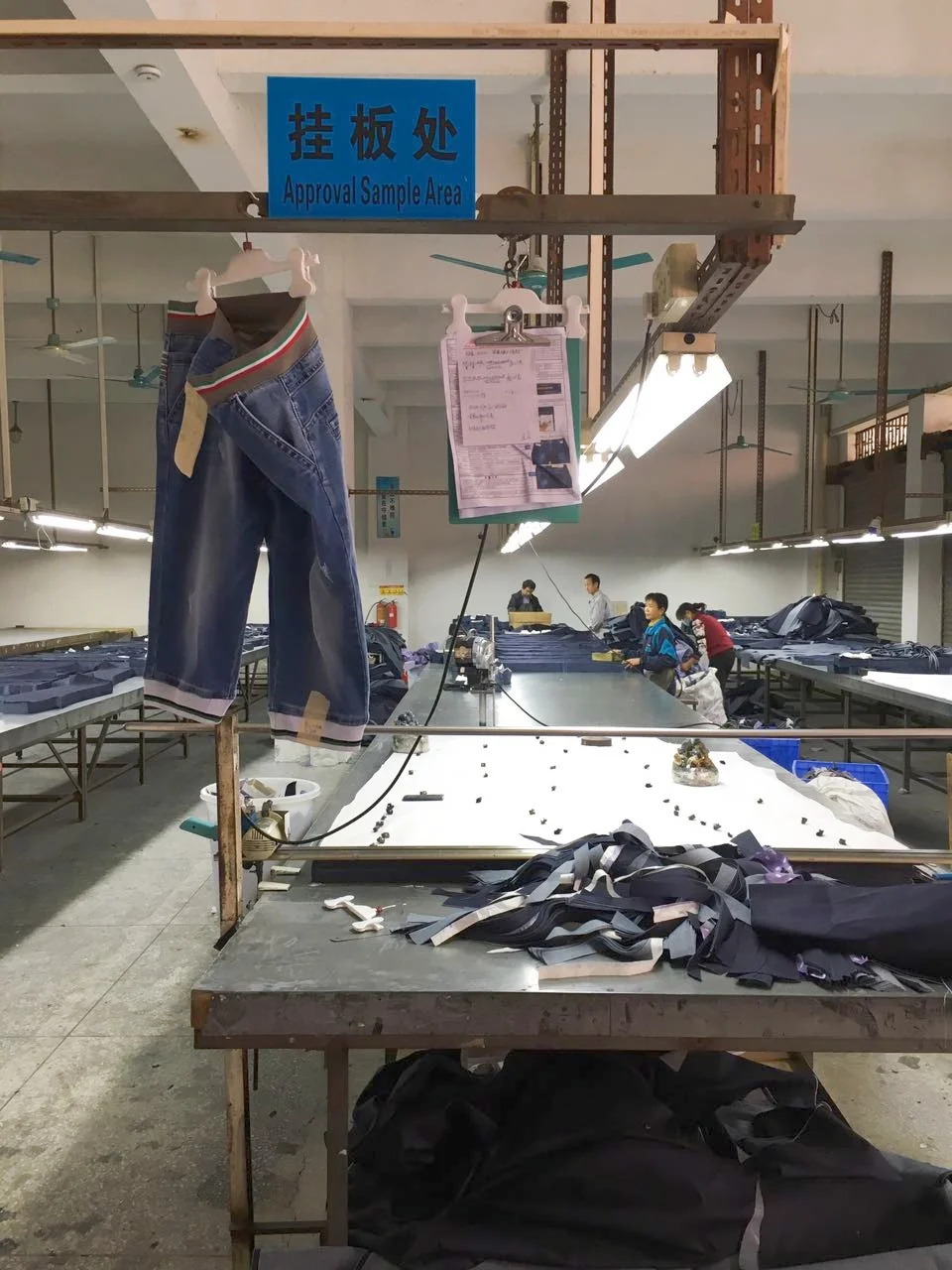
Guangzhou Kaicheng Garment Co., Ltd.
- Trading Company
- Guangdong, China
- Lead time12 days
- Avg. response≤ 3h
Main productsCowboy Clothing,Men's Clothing,Women's Clothing
Main marketsNorth America(40.0%), Southeast Asia(10.0%), Eastern Europe(10.0%), South America(10.0%), Southern Europe(5.0%), Domestic Market(5.0%), Mid East(5.0%), Oceania(5.0%), Western Europe(4.0%), Northern Europe(4.0%), Eastern Asia(2.0%)
Bengbu Red Hat E-Commerce Co., Ltd.
- Manufacturer, Trading Company
- Anhui, China
- Lead time0 days
- Avg. response≤ 4h
Main productsMen's Shirts, T Shirts, Hoodies, Coats, Polo Shirts
Main marketsDomestic Market(80.0%), North America(10.0%), Western Europe(5.0%), Africa(3.0%), South Asia(2.0%), Eastern Asia(0.0%), South America(0.0%), Oceania(0.0%), Southern Europe(0.0%), Central America(0.0%), Northern Europe(0.0%), Eastern Europe(0.0%), Mid East(0.0%), Southeast Asia(0.0%)

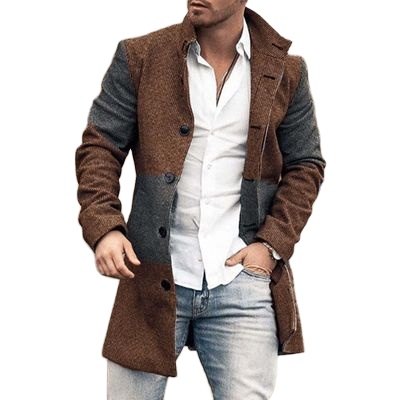
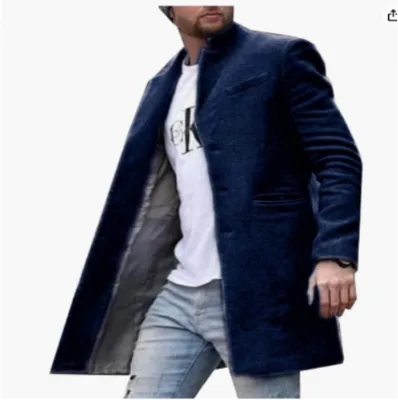
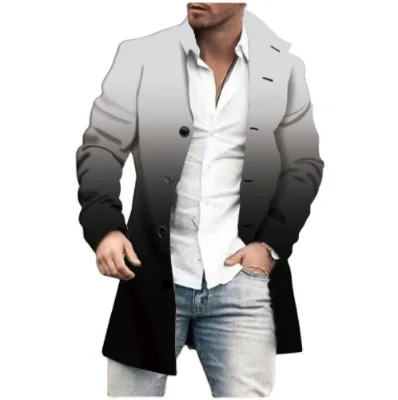
Hot Sale Luxury Men's Trench Coats Warm Winter Overcoat with Excellent Insulation
$10.20 - $13.76
Moq: 2

Hubei Tianhe Kaisheng International Trading Co., Ltd.
- Trading Company
- China Hubei
- Lead time90 days
- Avg. response≤ 13h
Main productsWorkwear, Uniforms, Protective Clothing, High-Vis Garments, Chef Wear, Hospital Garments, Softshell Jackets, Knit Wear, Working Shirts, Winter Wear
Main marketsEastern Europe,North America,Eastern Asia,Western Europe
Haining J&N Import &Export Co., Ltd.
- Verified by TüVRheinland
- Manufacturer, Trading Company
- Lead time20 days
- Avg. response≤ 3h
Main productsMen's Jackets, Men's Coats, Men's Sweaters, Men's Hoodies, Men's T-Shirts
Main marketsNorth America(50%), Western Europe(40%), South America(5%)







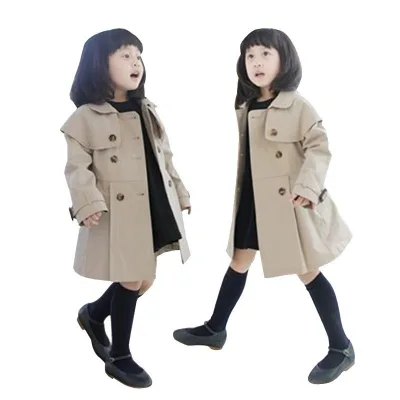
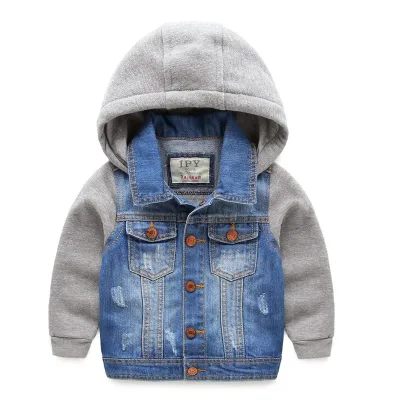
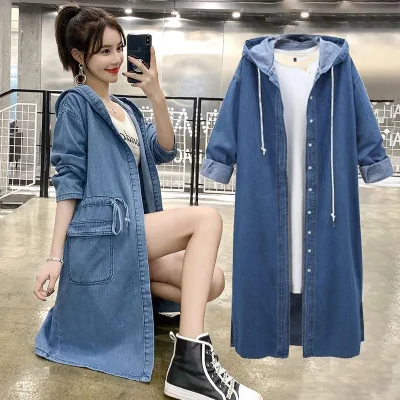
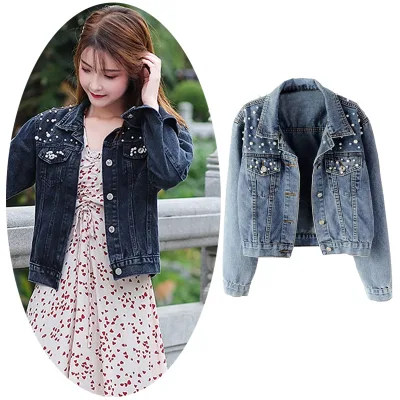




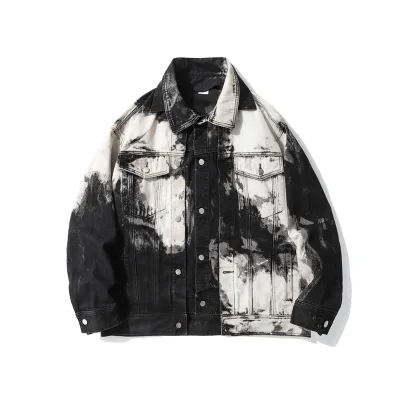
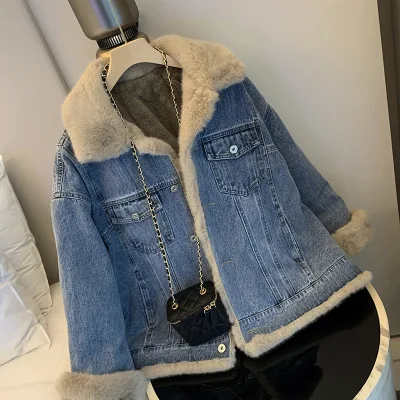
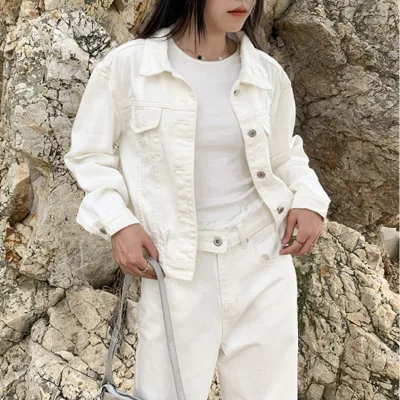


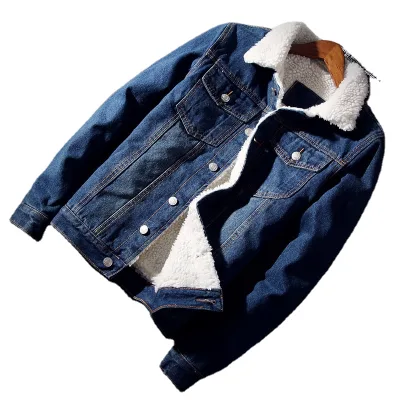
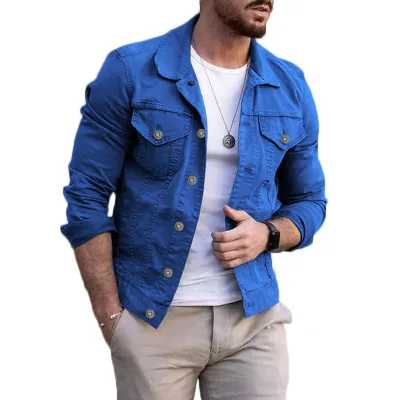
Comprehensive Sourcing Guide
Jeans Coat Supplier Concentration and Factory Types
Current data indicates a concentration of suppliers in China, specifically within Shanghai, Zhejiang, and Guangdong provinces. These regions host a mix of trading companies and manufacturers specializing in apparel and accessories. Some suppliers list main products including women's jeans, men's jeans, winter jackets, and coats, while others focus on broader categories like home appliances or general household items. The presence of trading companies suggests a model where sourcing agents aggregate goods from various factories rather than owning production lines directly. Buyers should verify if a supplier is a direct factory or a trading entity by examining their company type and main product focus.
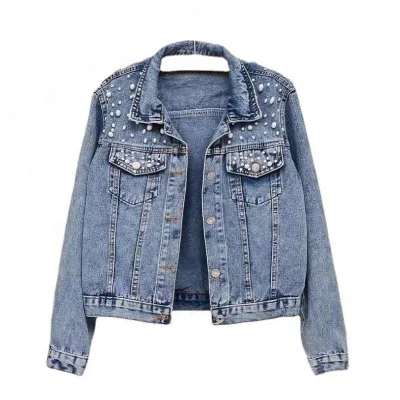
When evaluating the factory type, look for evidence of production capabilities such as specific product models, packing standards, and material compositions. For instance, some listings detail specific fabric blends like cotton, polyester, rayon, and spandex, alongside technical attributes like washing methods and beading techniques. These details often point to specialized manufacturing clusters. However, without explicit confirmation of a factory's ownership or establishment year, buyers must treat location data as a starting point for verification. The diversity in main products, ranging from denim jackets to thermos flasks, indicates that some suppliers operate as general trading firms rather than specialized denim manufacturers.
How to Verify Jeans Coat Suppliers
Verification begins with cross-referencing location data against claimed production capabilities. Suppliers located in Shanghai, Zhejiang, or Guangdong may offer jeans coats, but buyers must confirm if these locations correspond to actual manufacturing hubs or merely administrative offices. Check for specific product evidence such as model numbers, fabric compositions, and care instructions that align with denim production standards. For example, a supplier listing a denim jacket with a specific fabric blend of 62% cotton and 24% polyester provides tangible proof of product knowledge. Absence of such details suggests a potential lack of direct manufacturing involvement.
Response time and lead time are critical metrics for assessing supplier reliability. Data shows response times ranging from approximately 10 to 24 hours, with lead times varying between 23 and 60 days. A supplier with a 10-hour response time may indicate a dedicated sales team, while a 60-day lead time suggests complex production cycles or capacity constraints. Buyers should also verify certifications like ISO9001:2015 or ISO14001:2015, which signal adherence to quality and environmental standards. However, these certifications must be validated through official channels rather than accepted solely from listing descriptions. Always request proof of these credentials before proceeding with large orders.
What to Compare Across Jeans Coat Suppliers
Comparing suppliers requires a systematic analysis of key operational dimensions including lead time, minimum order quantity (MOQ), and response speed. Some suppliers offer an MOQ of 20 pieces for waistcoats, while others require 500 units for denim jackets. This variance significantly impacts inventory planning and cash flow. Buyers must align their order volume with supplier thresholds to avoid excessive costs or stockouts. Additionally, response times vary, with some suppliers replying within 10 hours and others taking up to 24 hours. Faster response times often correlate with better communication and quicker issue resolution during the sourcing process.
Product attributes and customization options are equally vital for comparison. Listings may specify fabric types, color options, and care instructions, such as machine wash or hand wash only. Some suppliers offer customization services, allowing for logo placement or specific design modifications. Others provide standard products with fixed attributes like vintage styles or solid patterns. Buyers should compare these features against their specific market needs. For instance, a supplier offering OEM services with a 7-day sample order lead time provides greater flexibility than one with rigid production schedules. Evaluating these differences ensures the selected supplier matches the buyer's product requirements and business strategy.
Common Jeans Coat Sourcing Risks
One significant risk involves the discrepancy between claimed locations and actual production sites. While data points to Shanghai, Zhejiang, and Guangdong, some suppliers may operate as trading companies without direct factory control. This can lead to communication gaps, quality inconsistencies, and delays if the intermediary fails to manage the factory effectively. Buyers should verify the supply chain structure by requesting factory audits or video tours. Relying solely on location data without confirming the operational model increases the risk of receiving substandard products or facing unexpected logistical hurdles.
Another risk is the variability in lead times and production capacity. Lead times ranging from 23 to 60 days indicate different levels of production efficiency and resource availability. A supplier promising a 23-day lead time might struggle to meet demand during peak seasons, while a 60-day lead time could delay market entry. Additionally, inconsistent product specifications, such as varying fabric compositions or care instructions, can lead to customer dissatisfaction. Buyers must ensure that all product details are clearly defined and agreed upon in writing. Failure to do so may result in receiving goods that do not meet the expected quality or design standards, leading to financial losses and reputational damage.
Jeans Coat Regional Sourcing and Logistics
Regional sourcing strategies should account for the specific logistics capabilities of suppliers in China. Suppliers in Shanghai, Zhejiang, and Guangdong often have access to major ports and established shipping networks, which can streamline the export process. However, buyers must verify the actual shipping terms and costs associated with each region. Some suppliers may offer FOB (Free on Board) terms, while others might require CIF (Cost, Insurance, and Freight) arrangements. Understanding these terms is crucial for calculating the total landed cost of the jeans coats. Additionally, the distance between the factory and the port can impact transit times and overall logistics efficiency.
Logistics planning also involves considering the packaging and handling requirements for denim products. Listings indicate various packing methods, such as carton boxes or OPP bags, which affect how goods are transported and stored. Buyers should ensure that the packaging is robust enough to prevent damage during transit, especially for items like denim jackets that may be heavy or prone to wrinkling. Furthermore, the single package size and weight, such as 40x50x10 cm or 1.000 kg, influence shipping costs and container utilization. Buyers must coordinate with their freight forwarders to optimize these logistics parameters and minimize unnecessary expenses.
Jeans Coat Commercial Terms and Order Planning
Commercial terms and order planning are foundational to a successful sourcing relationship. Buyers must carefully review payment terms, delivery schedules, and return policies before committing to an order. Some suppliers may require a deposit upfront, while others might offer escrow services to protect both parties. It is essential to clarify these terms in a written contract to avoid misunderstandings. Additionally, buyers should plan for potential delays by building buffer time into their production schedules. This is particularly important given the variability in lead times observed across different suppliers.
Order planning also involves managing inventory levels and forecasting demand accurately. With MOQs ranging from 20 to 500 units, buyers need to balance the cost of holding inventory against the risk of stockouts. For smaller orders, buyers might consider consolidating purchases with multiple suppliers to meet volume requirements. For larger orders, negotiating better pricing or faster lead times may be possible. Buyers should also consider the customization options available, such as logo placement or fabric modifications, and factor these into their production timeline. Proper planning ensures that the supply chain remains agile and responsive to market changes.
FAQs
What is the typical lead time for jeans coats?
Lead times vary by supplier and order specifics. Some suppliers offer a 23-day lead time, while others require up to 60 days. Buyers should confirm the exact timeline with the specific vendor before placing an order to ensure timely delivery.
Are customization options available for denim jackets?
Yes, customization is available for many denim jacket models listed. Suppliers indicate that custom options can be arranged for specific designs. Buyers should verify the exact customization scope and any associated costs directly with the supplier before finalizing the purchase.
What is the minimum order quantity for these coats?
Minimum order quantities differ across the available listings. Some products require a minimum of 20 units, while others start at 100 or 500 units. Buyers must check the specific product page to confirm the exact MOQ required for their selected item.
Where are the suppliers of these jeans coats located?
Suppliers are primarily located in China, with specific hubs in Shanghai, Zhejiang, and Guangdong. Some products also list origins in Fujian. Buyers should verify the exact location of the supplier to assess shipping logistics and potential import duties for their region.
What certifications do the suppliers hold?
Some suppliers hold ISO9001:2015 and ISO14001:2015 certifications. Other products mention SGS standards. Buyers should request current certification documents from the supplier to verify compliance with specific quality or environmental standards required for their business operations.
How quickly do suppliers typically respond to inquiries?
Response times vary among the listed suppliers. Some vendors respond within approximately 10 hours, while others may take up to 24 hours. Buyers should expect a range of response speeds and may need to follow up to ensure a timely reply to their inquiries.
What materials are used in these denim jackets?
Materials include cotton, polyester, rayon, and spandex blends. Some jackets are made from 100% cotton or polyester cotton mixes. Buyers should review the specific fabric composition listed for each product to ensure it meets their durability and comfort requirements.