Japanese Style Shockproof Tea Set Suppliers and Manufacturers
Explore 27 verified suppliers offering japanese style shockproof tea sets with varying lead times, response speeds, and certifications. Compare dimensions, materials, and pricing to select the right partner for your needs; review the available evidence before requesting comparable quotations from suitable candidates.
Updated
Suppliers List
Changchun Golden Seed Agricultural Products Co., Ltd.
- Verified by SGS Group
- Manufacturer, Trading Company
- Lead time10 days
- Avg. response≤ 2h
Main productsGinseng, Extract, Pine Nut, Black Fungus, Herbal Tea
Main marketsNorth America(15%), Eastern Europe(15%), Southeast Asia(15%)

- Verified by BV
- Combined
- China Anhui
- Lead time15 days
- Avg. response≤ 4h
Main productsStorage Basket, Laundry Basket, Kitchen Rack, Storage Shelf, Storage Jar, RPET Tableware Set, Matcha Whisk, Handmade Storage Basket, Wall & Table Decoration, Hamper
Main marketsSouth America,Southeast Asia/ Mideast,North America
Foshan Cheng Fan Technology Co., Ltd.
- Manufacturer, Trading Company, Distributor/Wholesaler
- Guangdong, China
- Lead time9 days
- Avg. response≤ 3h
Main productsTableware,Housewear & Furnishings,Kitchenware,Gifts,Stationery
Main marketsNorth America(30.00%), Central America(5.00%), South Asia(5.00%), Mid East(3.00%), Southeast Asia(2.00%)

Quanzhou Comain Ceramic Co., Ltd
- Trading Company
- China Fujian
- Lead time0 days
- Avg. response≤ 1h
Main productsCeramic Products

- Verified by TUVRHEINLAND
- Trading Company
- China Anhui
- Lead time30 days
- Avg. response≤ 15h
Main productsCoffee Syphon, Coffee Grinder, Coffee Tampers, Coffee Dripper, Iced Brewer, Coffee Mugs, Coffee Pitcher, Tamper Mat, Coffee Mug, Coffee Maker
Main marketsSoutheast Asia/ Mideast,North America
- Verified by TüVRheinland
- Trading Company
- Lead time10 days
- Avg. response≤ 8h
Main productsCoffee Grinder, Coffee Dripper, Coffee Syphon, Coffee Tamper, Coffee Filter
Main marketsMid East(30%), Oceania(20%), North America(10%)
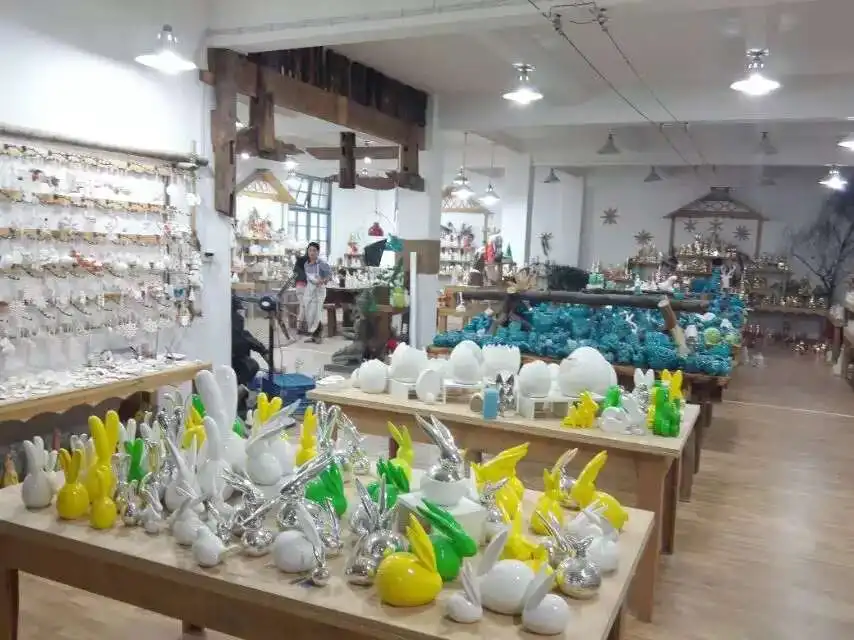
Dehua Beauty Rich Arts & Crafts Co., Ltd.
- Manufacturer, Trading Company
- Fujian, China
- Lead time30 days
- Avg. response≤ 7h
Main productsPolyresin crafts,Ceramic crafts,PVC crafts,Home decoration,Garden decoration
Main marketsEastern Europe(15.00%), North America(15.00%), South America(12.00%), Mid East(5.00%), Oceania(5.00%), South Asia(3.00%), Southern Europe(3.00%), Northern Europe(3.00%), Central America(3.00%), Western Europe(3.00%), Eastern Asia(3.00%), Domestic Market(3.00%), Southeast Asia(3.00%), Africa(2.00%)
Yantai Estick Bamboo And Wooden Products Co., Ltd.
- Verified by SGS Group
- Manufacturer, Trading Company
- Lead time30 days
- Avg. response≤ 1h
Main productsBamboo Whisk, Matcha Whisk Set, Disposable Tableware, Flatware, Bamboo Steamer
Main marketsNorth America(35%), Western Europe(15%), Southeast Asia(10%)
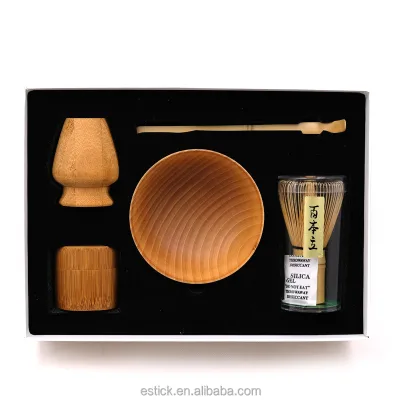
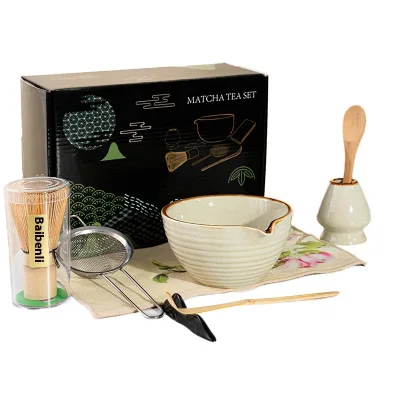
$9.8158 - $11.0449
MOQ: 150 sets
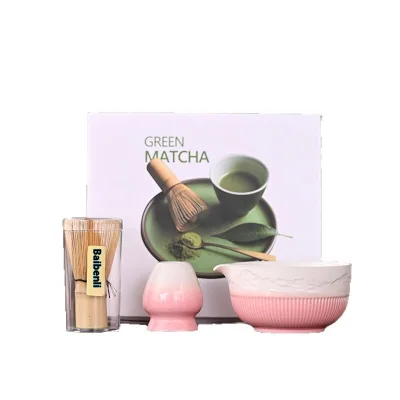
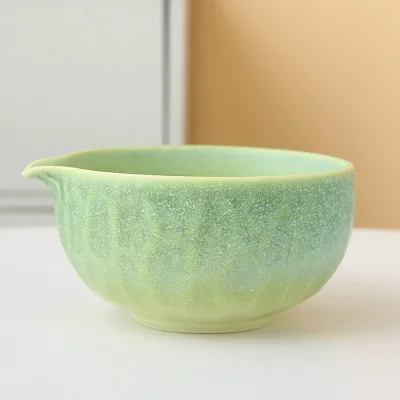
ESTICK Classic Japanese Gradient Color Vertical Pattern Matcha Ceramic Suit Cross-Border Design
$11.2335 - $13.2754
MOQ: 100 pieces
Hangzhou Qianghua Cup Industry Co., Ltd.
- Verified by TüVRheinland
- Manufacturer, Trading Company
- Lead time15 days
- Avg. response≤ 2h
Main productsCeramic Mug, Glass Cup, Water Bottle, Thermos Series, Stylish Vase
Main marketsNorth America(25%), Eastern Europe(15%), South America(10%)

Xiamen Ebei Import & Export Co., Ltd.
- Verified by CTI
- Trading Company,Manufacturer/Factory
- China Fujian
- Lead time45 days
- Avg. response≤ 2h
Main productsEco-Friendly Products, Bamboo Tableware, Bamboo Furniture, Bamboo Kitchenware, Bamboo Office Supply, Bamboo Fibre Products, Biodegradable Products, Bamboo Towel, Solar Energy Products, Bamboo Garden Products
Main marketsSouth America,Eastern Europe,Mid East,North America,Southeast Asia,Eastern Asia,Oceania,Western Europe,Africa
Shenzhen Bogart Kitchenware Co., Ltd.
- Verified by TüVRheinland
- Trading Company
- Guangdong, China
- Lead time15 days
- Avg. response≤ 1h
Main productsCoffee & Tea Sets, Matcha Tools, Portable Coffee Maker, Coffee Tumbler & Mugs, Coffee Accessories
Main marketsMid East(30%), North America(20%), Western Europe(13%)
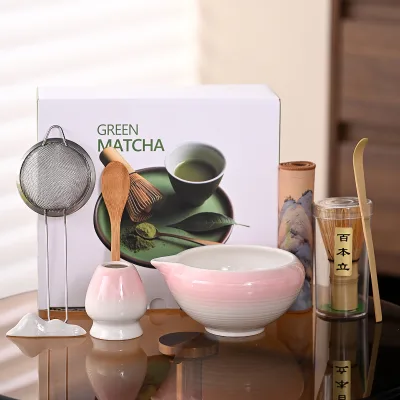
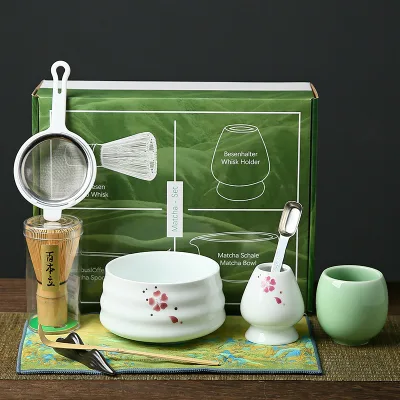
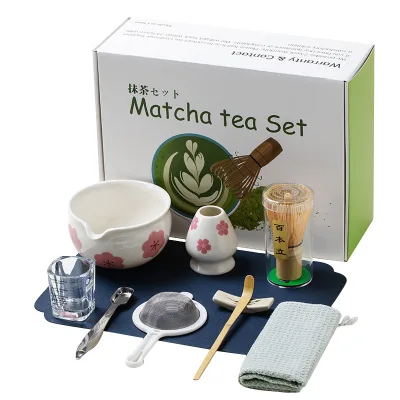
$14.34 - $17.32
MOQ: 100 sets
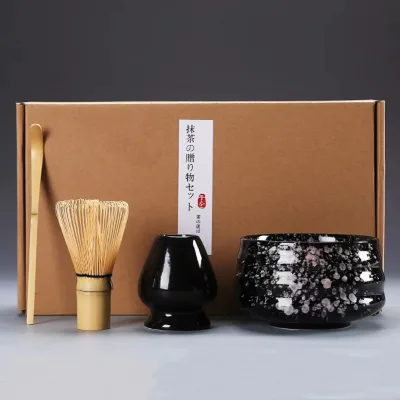
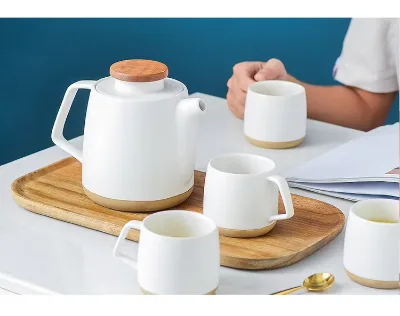
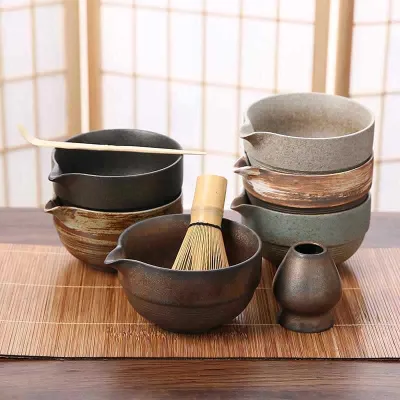

- Verified by CTI
- Combined
- China Guangdong
- Lead time45 days
- Avg. response≤ 5h
Main productsCasserole, Dish, Bowl, Mug
Main marketsEast Asia(Japan/ South Korea),Domestic,Europe,North America
Chaozhou Guangjia Ceramics Manufacture Co., Ltd.
- Manufacturer, Trading Company
- Guangdong, China
- Lead time30 days
- Avg. response≤ 2h
Main productsHousehold Porcelain, Craft Porcelain
Main marketsDomestic Market(83.00%), Southeast Asia(5.00%), Western Europe(3.00%), Southern Europe(3.00%), Northern Europe(3.00%), Eastern Europe(3.00%)

Xiamen Athome Household Products Co., Ltd.
- Verified by SGS
- Trading Company
- China Fujian
- Lead time30 days
- Avg. response≤ 3h
Main productsXiamen Athome Household Products Co. Ltd. Is a, Custom Matcha Tea Set, Wooden &Bamboo Kitchenware, Custom Gifts & Souvenirs, Home & Seasonal Decor, Tableware &Dinner Set, Custom Candle Holer, Seasonal & Promotional Gifts, Drinkware, Sourdough & Baking Tools
Main marketsSoutheast Asia/ Mideast,East Asia(Japan/ South Korea)

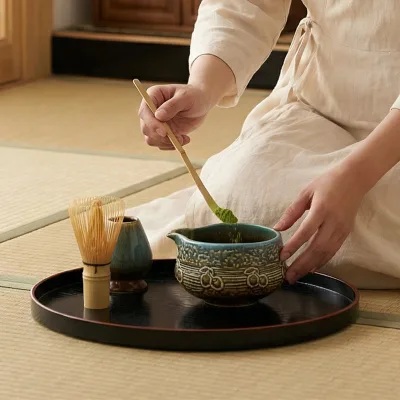
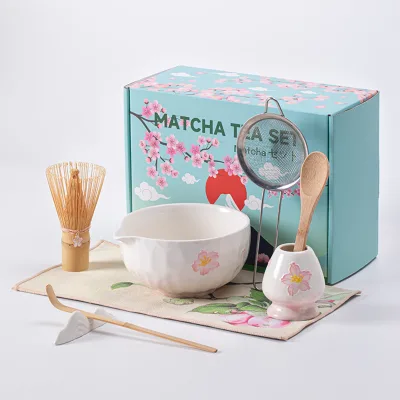
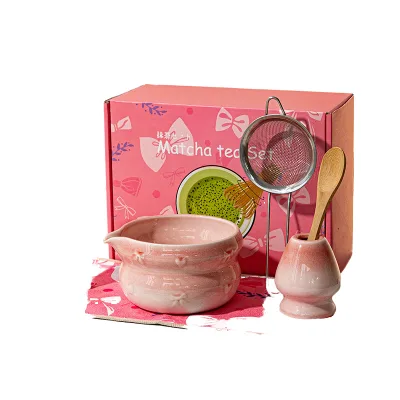
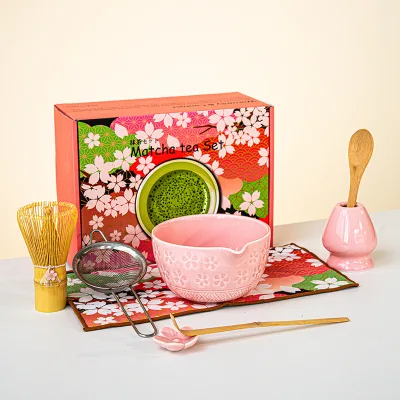
Japanese Style Ceramic Chasen Holder Matcha Tea Set Handmade Tea Ceremony Gift Set
$0.98 - $8.48
MOQ: 1 Pieces


$2.88 - $10.88
MOQ: 300 Pieces

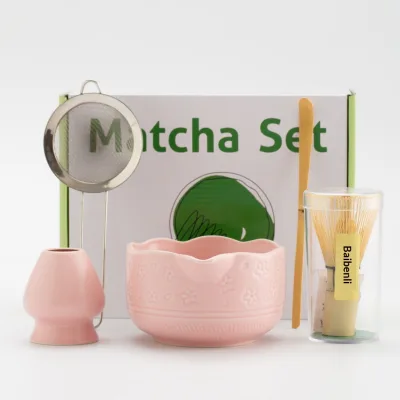
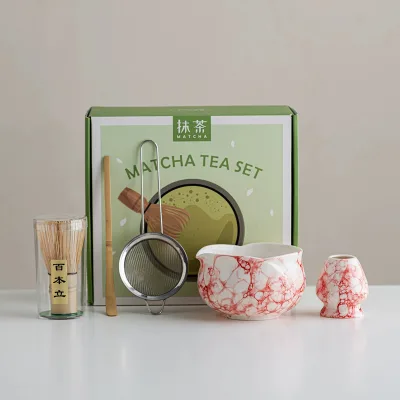
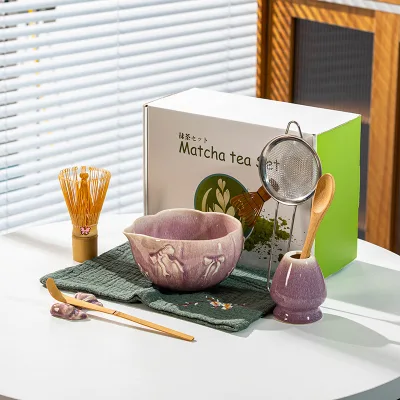
Japanese Pink Matcha Set with Embossed Spout Bowl Bamboo Whisk and Holder Tea Ceremony Gift Set
$1.98 - $4.98
MOQ: 1 Pieces


Dalian Lixiang Shenghuo Glassware Co., Ltd.
- Trading Company
- Liaoning, China
- Lead time30 days
- Avg. response≤ 2h
Main productsTea Set,Tea Pot,Glass Cup,Coffee Set,Sharing Cup
Main marketsDomestic Market(21.00%), Mid East(20.00%), South America(15.00%), Central America(10.00%), Western Europe(10.00%), North America(5.00%), Southeast Asia(5.00%), Northern Europe(5.00%), Eastern Europe(5.00%), Africa(2.00%), Eastern Asia(2.00%)
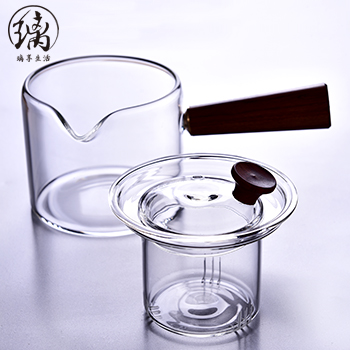
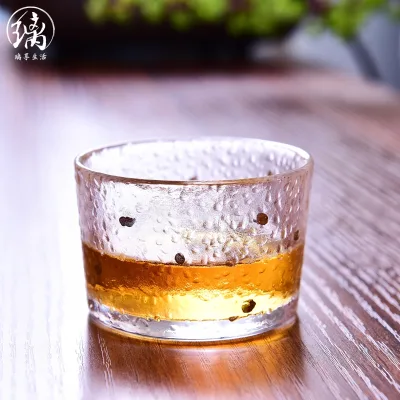
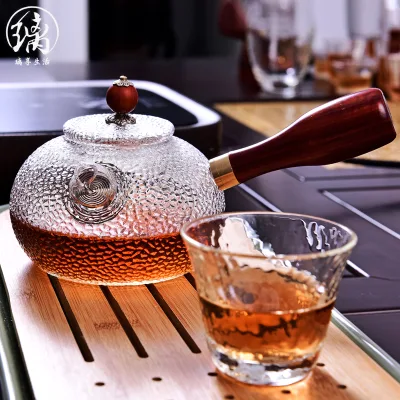
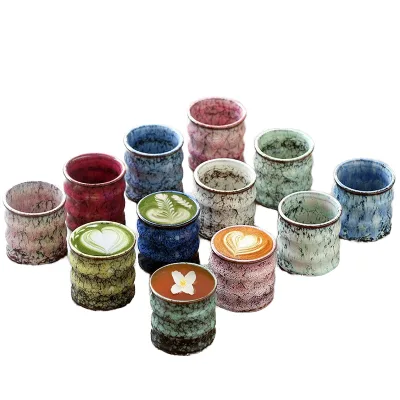
Small Pottery Coffee Cup Set for Life Teapot
$7.00 - $7.40

Shuifu Huiyang Agricultural Technology Co., Ltd.
- Verified by SGS
- Trading Company
- China Yunnan
- Lead time23 days
- Avg. response≤ 3h
Main productsBamboo Products, Bamboo Crafts, Bamboo Chopsticks, Bamboo Skewers, Bamboo Weaving, Bamboo Tray, Bamboo Box, Bamboo Placemat, Bamboo Fruit Bowl, Lamp Shades
Main marketsDomestic


Japanese Matcha Tea Ceremony Kit with Bamboowhisk and Bowl Ecofriendly Teagift Set
$9.98
MOQ: 1000 Pieces

Fujian Dehua Liviceramic Co., Ltd
- Trading Company
- Fujian, China
- Lead time70 days
- Avg. response≤ 1h
Main productsCeramic home decor,Christmas decor item,Easter item,ceramic flower vase & pot,All season item
Main marketsWestern Europe(25.00%), Northern Europe(20.00%), Southern Europe(15.00%), Eastern Europe(15.00%), North America(10.00%), Oceania(10.00%), Domestic Market(5.00%)

Zibo Timestone International Co., Ltd.
- Manufacturer/Factory
- China Shandong
- Lead time45 days
- Avg. response≤ 12h
Main productsCeramic Dinnerware, Ceramic Mugs, Stainless Steel Bottles Mugs and Tumblers, Glass Bottles Mugs and Tumblers, Dinnerware, Tableware, Glassware, Kitchenware, Household Items, Ceramic Granding Balls and Filters
Main marketsSouth America,Eastern Europe,Mid East,North America,Southeast Asia,Eastern Asia,Oceania,Western Europe,Africa

The Great Family Industries Co., Ltd.
- Verified by SGS
- Trading Company,Manufacturer/Factory
- China Guangdong
- Lead time45 days
- Avg. response≤ 24h
Main productsDinner Set, Kitchenware, Ceramic Dinnerware, Ceramic, Tableware, Ceramic Mug, Ceramic Plate, Porcelain Dinnerware Set, Gifts, Coffee Cup
Main marketsSouth America,Eastern Europe,Mid East,North America,Southeast Asia,Eastern Asia,Oceania,Western Europe,Africa
Foshan Xinyi Technology Co., Ltd.
- Manufacturer, Trading Company, Distributor/Wholesaler
- Guangdong, China
- Lead time9 days
- Avg. response≤ 2h
Main productsmatcha whisk,ceramic whisk holder,ceramic matcha bowl,matcha whisk set,bamboo whisk
Main marketsNorth America(30.00%), Central America(5.00%), South Asia(5.00%), Mid East(3.00%), Southeast Asia(2.00%)
Harmony Houseware(Yantai) Co., Ltd.
- Verified by SGS Group
- Manufacturer, Trading Company
- Lead time20 days
- Avg. response≤ 2h
Main productsCoffee & Tea Sets
Main marketsNorth America(45%), Oceania(10%), Eastern Europe(10%)
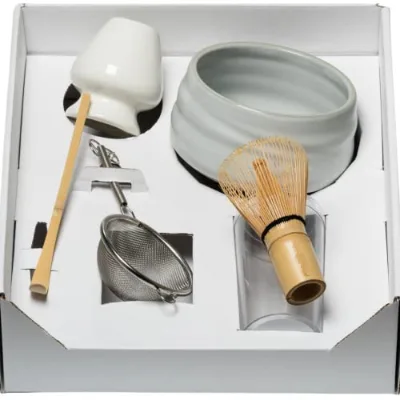
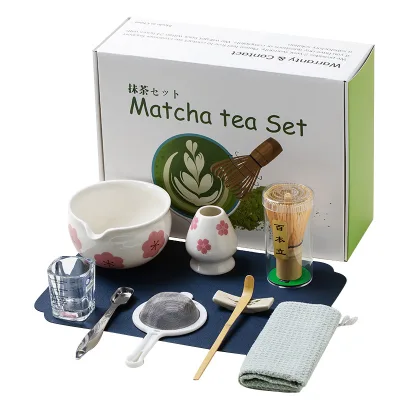
$15.09 - $18.23
MOQ: 100 sets

- Verified by SGS
- Trading Company
- China Zhejiang
- Lead time15 days
- Avg. response≤ 15h
Main marketsEurope

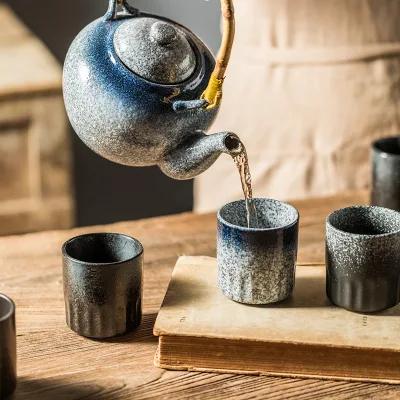
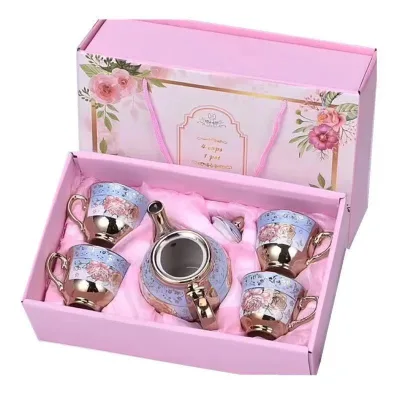
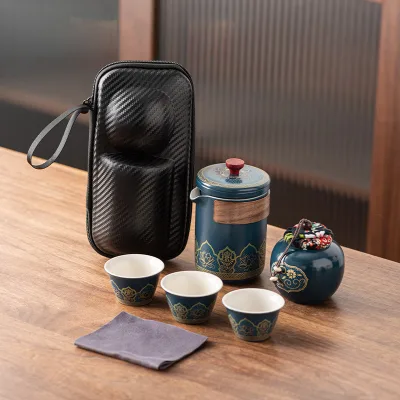
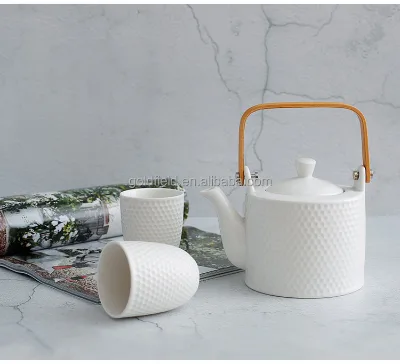
Japanese Cup Teapot Tea Set Home Living Room Ceramic Afternoon Tea Floral
$13.32 - $14.89
MOQ: 100 Pieces

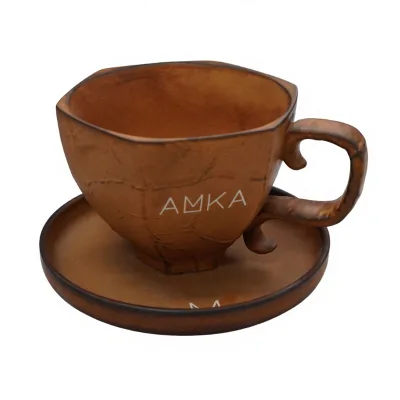
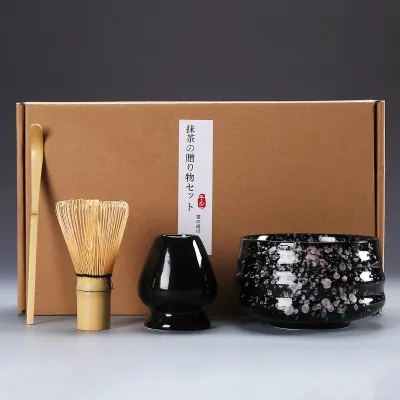
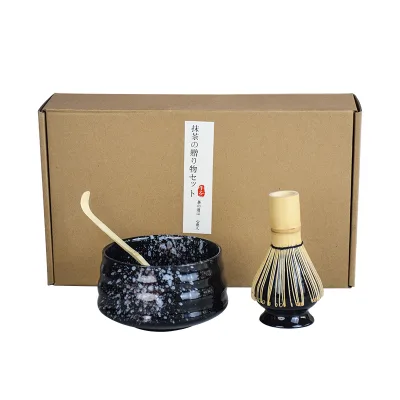
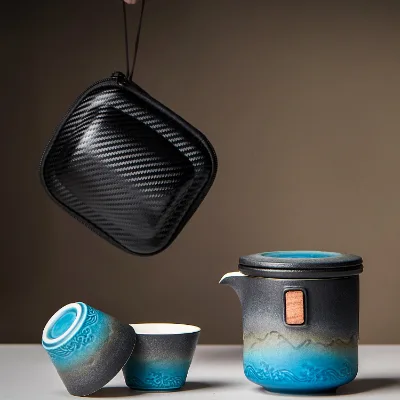
Japanese Black Pottery Large Set Home Office Teapot Tea Cup Business Gift
$12.69 - $14.18
MOQ: 100 Pieces


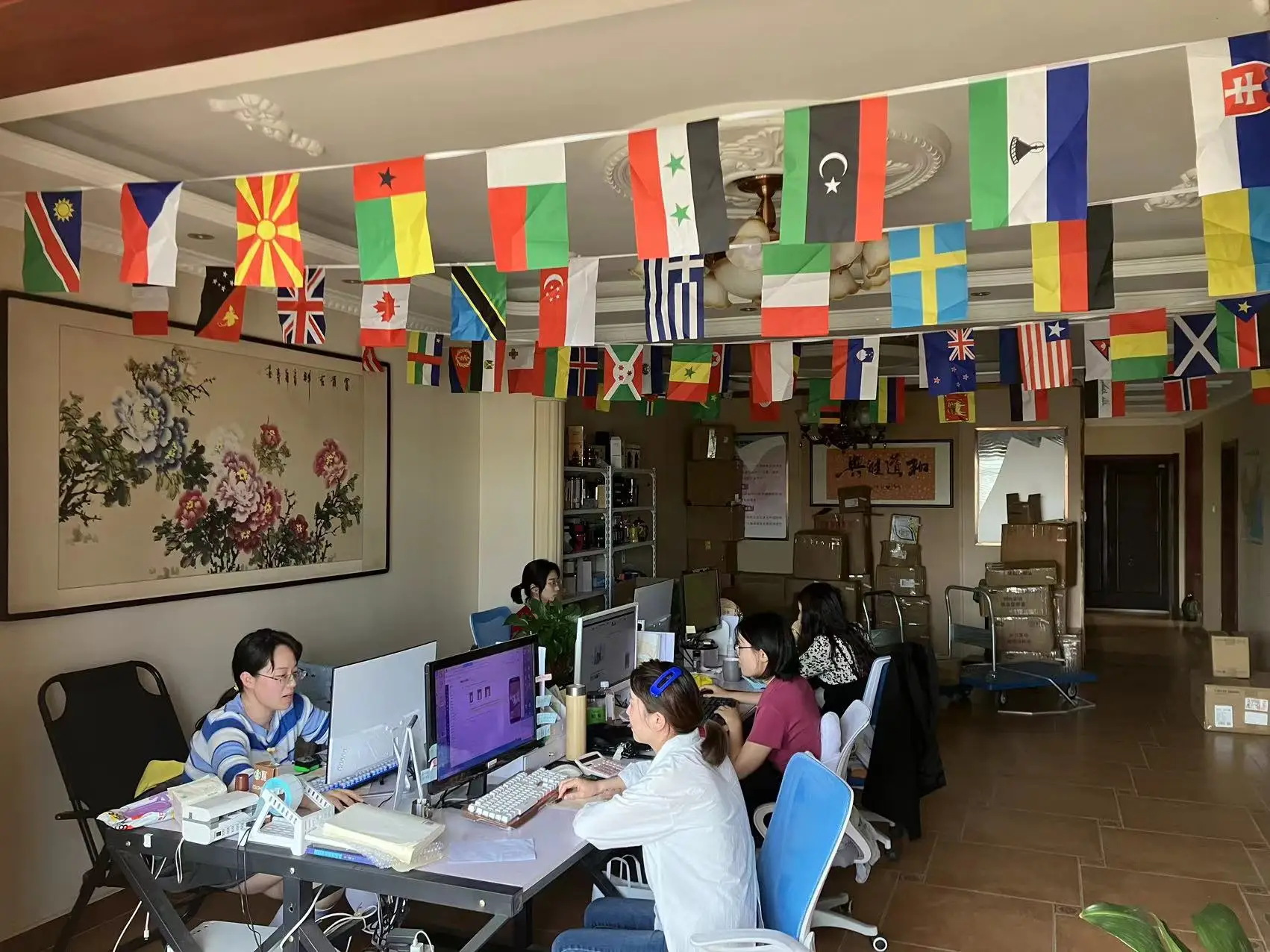
Henan Jbett Industrial Technology Co., Ltd.
- Trading Company
- Henan, China
- Lead time0 days
- Avg. response≤ 5h
Main productsBBQ Grills,Smoking Accessories,Bar tools,kitchen gadgets,Cigar accessories
Main marketsNorth America(80.00%), Western Europe(20.00%)
FUZHOU GOLD FIELD HOUSEWARE CO.,LTD
- Verified by TüVRheinland
- Manufacturer, Trading Company
- Lead time30 days
- Avg. response≤ 3h
Main productsBamboo And Wood Chopsticks, Tableware Gift Set, Bamboo And Wood Kitchen, Chopsticks Rest And Spoon
Main marketsNorth America(50%), Eastern Asia(20%), Western Europe(20%)

Weifang Easylife Ware Co., Ltd.
- Trading Company
- China Shandong
- Lead time0 days
- Avg. response≤ 8h
Main productsGlass Cup, Coffee Cup, Coffee Mug, Coffee Pot, Tea Cup, Teapot, Whiskey Glass Cup, Decanter, Cocktail Glass Cup, Wine Glass Cup

Gift Japanese Ceremonial Matcha Whisk Bowl Can Tools Tea Set for Home Matcha Tea Preparation
$7.99 - $8.96
MOQ: 200 Pieces

Gift Minimalist Japanese Ceremonial Matcha Cup Whisk Bowl Tea Set for Daily Matcha Tea Making
$1.39 - $2.19
MOQ: 200 Pieces

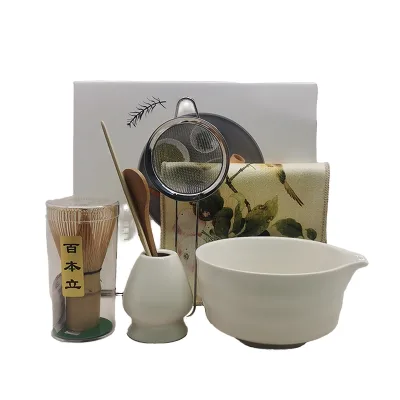
Japanese Gift Minimalist Ceremonial Matcha Powder Whisk Bowl Tea Set with Floral Printed Tea Mat
$1.39 - $2.19
MOQ: 200 Pieces
Xiamen Huidongxin Industry and Trade Co., Ltd.
- Verified by TüVRheinland
- Trading Company
- Fujian, China
- Lead time25 days
- Avg. response≤ 7h
Main productsMatcha Set, Coffee Accessories, Kitchen Accessories, Bar Accessories, Stainless Steel Part
Main marketsNorth America(20%), Mid East(20%), Western Europe(20%)
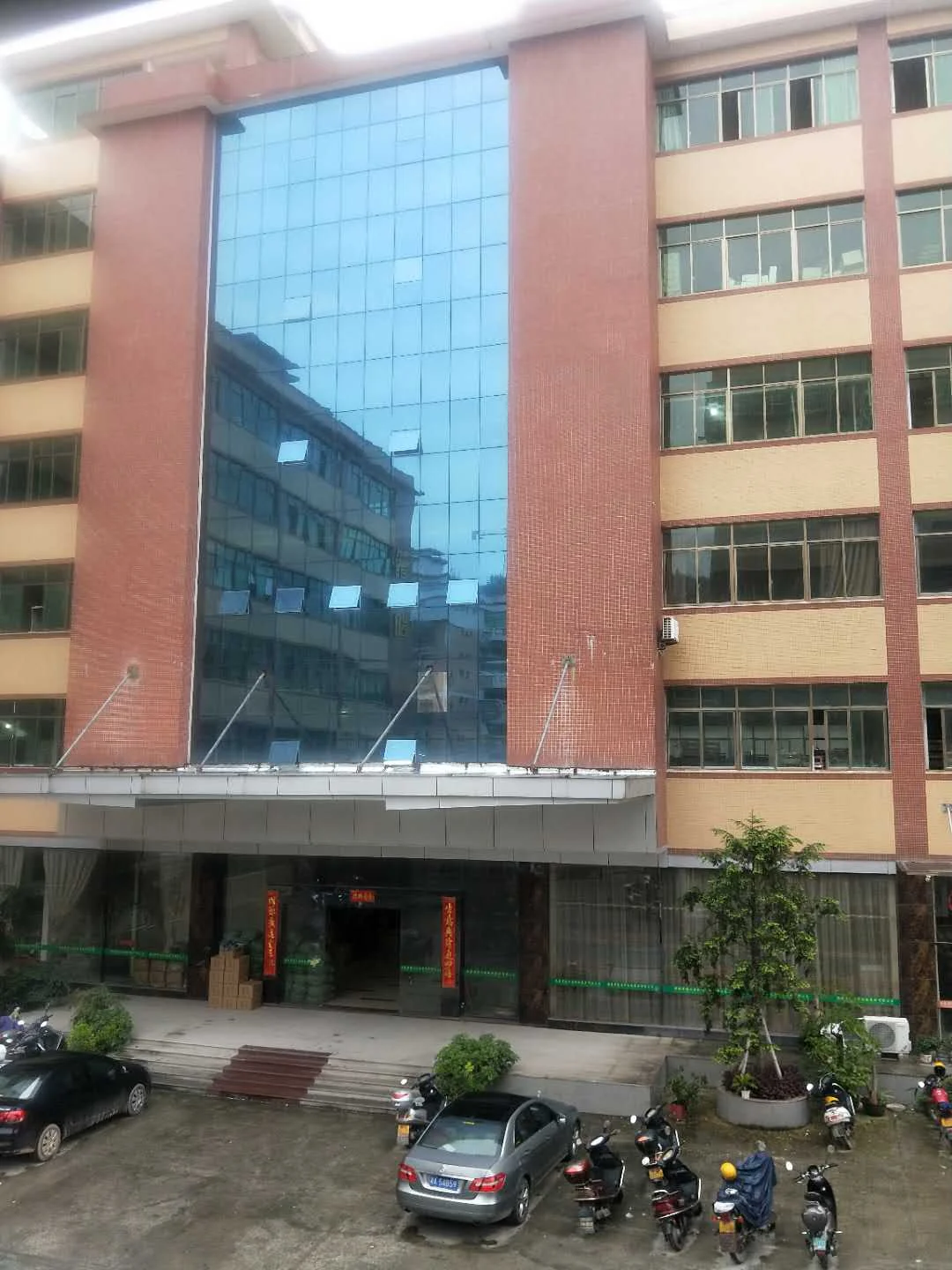
Fujian Dehua Dingshengxiang Ceramic Co., Ltd.
- Manufacturer, Trading Company
- Fujian, China
- Lead time60 days
- Avg. response≤ 3h
Main productsCeramic Christmas Craft, Ceramic Easter Craft, Resin Craft, Ceramic Garden Pot, Ceramic Mug
Main marketsSouth America(30.00%), Northern Europe(25.00%), North America(20.00%), Western Europe(15.00%), Africa(5.00%), Eastern Europe(5.00%)
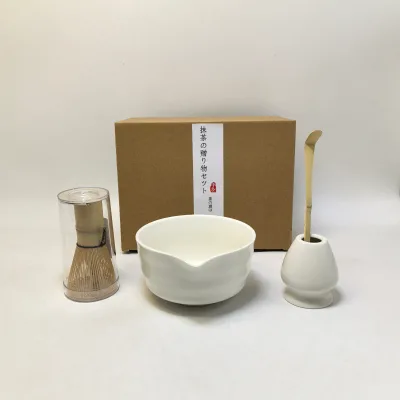
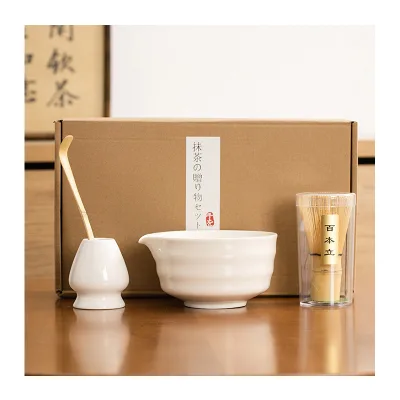
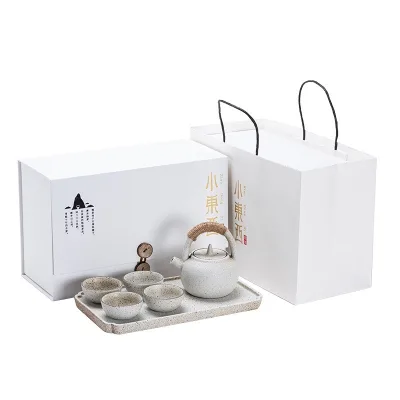
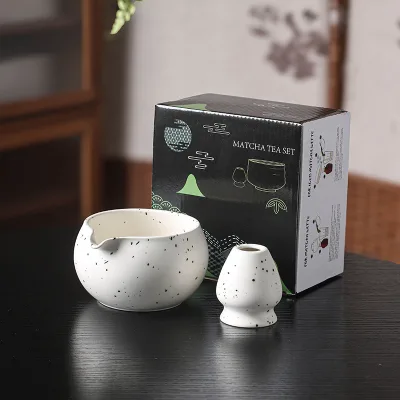
Hot-selling Simple White Japanese Matcha Whisk Accessory Set With Gift Box
$7.9685 - $9.226
MOQ: 1000 sets
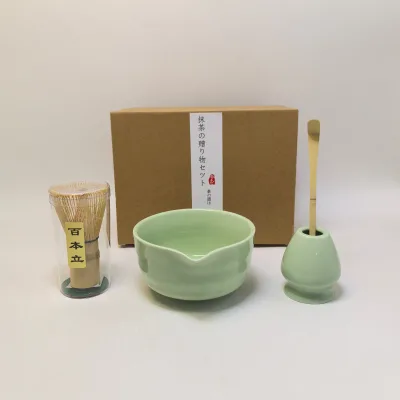
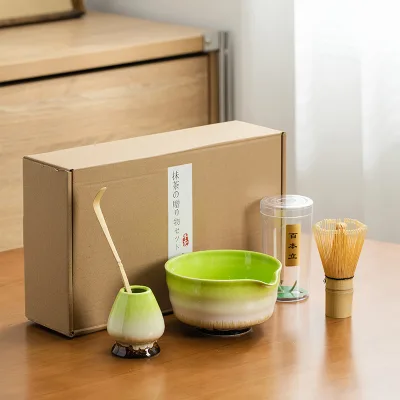
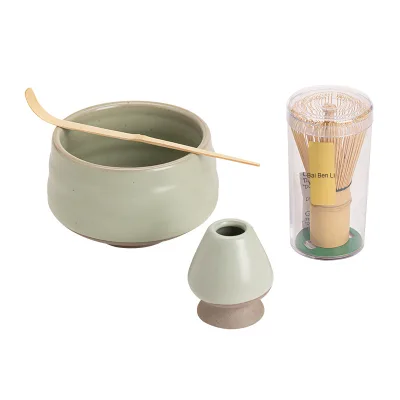
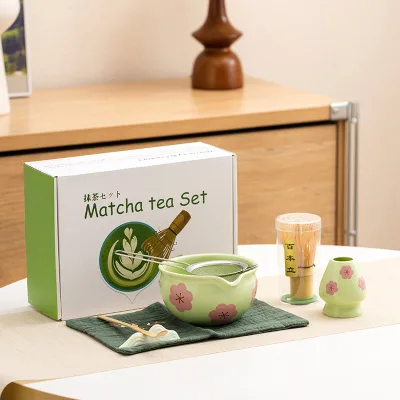
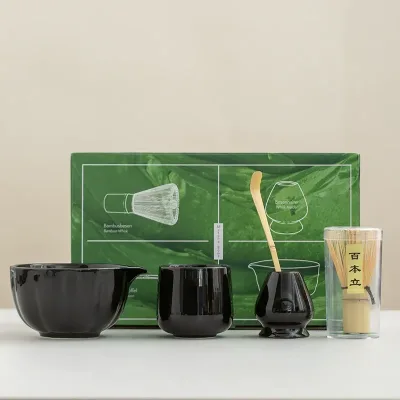
Matcha Set - 4pc Perfect Matcha Kit for Matcha Tea Ceremony Green Color
$6.8503 - $12.2949
MOQ: 5 sets








Comprehensive Sourcing Guide
Japanese Style Shockproof Tea Set Supplier Concentration and Factory Types
The current supplier landscape for Japanese style shockproof tea sets reveals a diverse mix of manufacturing capabilities and business models. Data indicates that companies operating in this space are categorized as Manufacturers, Trading Companies, or Combined entities that offer both production and distribution services. This structural variety allows buyers to select partners based on their specific needs for direct factory pricing versus the logistical flexibility of trading firms. The presence of Combined company types suggests that some suppliers have integrated their supply chain to offer broader product ranges, including storage baskets, laundry baskets, and kitchen racks, alongside their primary tea-related offerings. This diversification can be advantageous for buyers seeking a single source for multiple hospitality or retail items, although it requires careful vetting to ensure that the core tea set products maintain high quality standards. The verification status of these suppliers is another critical factor, with some holding certifications from recognized third-party inspection groups such as SGS Group and BV. These verifications provide a baseline of trust regarding the supplier’s operational legitimacy and compliance with international trade standards, which is essential when sourcing specialized items like shockproof tea sets that may require specific material certifications.
In terms of product specialization, the main products listed by these suppliers often include a wide array of tea accessories and related goods. For instance, some suppliers focus on herbal teas, extracts, and pine nuts, while others specialize in tableware, housewear, and kitchenware. This indicates that the market for Japanese style shockproof tea sets is often part of a larger portfolio of tea culture products. Buyers should note that while the primary keyword is specific, the actual product listings may include variations such as blooming tea, flavored tea, and matcha sets. The product attributes reveal that materials like bamboo are commonly used, with options for customization in color and design. Some products are explicitly labeled as eco-friendly, which aligns with the aesthetic values often associated with Japanese tea ceremonies. The presence of OEM and ODM capabilities among certain suppliers further expands the options for buyers looking to create branded products. This flexibility allows for tailored solutions, from custom packaging to unique design modifications, ensuring that the final product meets the specific branding and functional requirements of the buyer’s market.
How to Verify Japanese Style Shockproof Tea Set Suppliers
Verifying the authenticity and reliability of suppliers is a critical step in the sourcing process for Japanese style shockproof tea sets. Buyers should prioritize suppliers who have undergone third-party verification processes, as indicated by the presence of certifications from organizations like SGS Group and BV. These verifications serve as a strong indicator of a supplier’s operational integrity and adherence to quality management systems. However, verification alone is not sufficient; buyers must also assess the supplier’s response time and lead times to gauge their operational efficiency. A response time of around two to three days suggests a reasonable level of engagement, but buyers should aim for suppliers who can provide quicker responses to ensure timely communication throughout the procurement process. Additionally, the lead time for production is a key metric, with some suppliers indicating lead times of ten to fifteen days. This information helps buyers plan their inventory and manage customer expectations effectively. It is also important to check if the supplier offers sample availability, as this allows for physical inspection of the product quality before committing to a larger order.
Beyond basic verification and operational metrics, buyers should delve deeper into the supplier’s product specifications and customization capabilities. The product attributes for Japanese style shockproof tea sets often include details such as material composition, color options, and packaging standards. For example, some products are made from bamboo and are described as eco-friendly, which may be a key selling point for certain markets. Buyers should verify that the supplier can provide detailed product descriptions and specifications that match their requirements. Customization options, such as available branding or specific design modifications, should be clearly communicated and confirmed in writing. Furthermore, buyers should inquire about the supplier’s quality control processes and whether they conduct internal inspections before shipment. This is particularly important for shockproof tea sets, where the durability and integrity of the materials are crucial. By combining verification status, operational efficiency, and product-specific details, buyers can build a comprehensive profile of each potential supplier, reducing the risk of partnering with unreliable vendors.
What to Compare Across Japanese Style Shockproof Tea Set Suppliers
When evaluating multiple suppliers for Japanese style shockproof tea sets, buyers must compare a range of commercial and operational factors to identify the best fit for their business. One of the primary metrics to consider is the minimum order quantity (MOQ), which can vary significantly across suppliers. Some suppliers may have an MOQ of just one unit, making them suitable for small-scale testing or niche markets, while others may require orders of twenty or even two hundred units. This variation allows buyers to align their purchasing strategy with their inventory capacity and market demand. Additionally, the price range for these products is another critical comparison point. Prices can range from approximately one dollar to over nine dollars per set, depending on the materials, complexity, and customization options. Buyers should analyze these prices in the context of the product’s quality and features, such as the inclusion of ceramic bowls, bamboo whisks, or specific packaging designs. It is also important to consider the total landed cost, including shipping and tariffs, which can impact the final profitability of the product.
Beyond price and MOQ, buyers should compare the suppliers’ main product offerings and company types to ensure alignment with their broader sourcing strategy. Suppliers that are categorized as manufacturers may offer more competitive pricing and greater control over production, while trading companies might provide a wider variety of products and more flexible order sizes. The presence of combined company types suggests that some suppliers can offer both manufacturing and trading services, which can simplify the sourcing process. Buyers should also look at the supplier’s response time and lead times to assess their reliability. A supplier with a quick response time and consistent lead times is more likely to be a dependable partner. Furthermore, the availability of customization options, such as OEM and ODM services, can be a significant differentiator for buyers looking to create unique products. By systematically comparing these factors, buyers can make informed decisions that balance cost, quality, and operational efficiency, ultimately leading to a more successful sourcing outcome for Japanese style shockproof tea sets.
Common Japanese Style Shockproof Tea Set Sourcing Risks
Sourcing Japanese style shockproof tea sets involves several potential risks that buyers must proactively manage to ensure a smooth procurement process. One significant risk is the discrepancy between product descriptions and actual quality. While suppliers may list products as eco-friendly or made from specific materials like bamboo, the actual product may differ in terms of durability or aesthetic appeal. This risk is heightened when dealing with suppliers who have a wide range of main products, as their expertise in tea sets may not be as specialized. Buyers should mitigate this risk by requesting detailed product samples and conducting thorough inspections upon receipt. Another risk is related to lead times and production delays. Suppliers may advertise lead times of ten to fifteen days, but actual production times can vary due to material shortages, labor issues, or other unforeseen circumstances. This can disrupt the buyer’s supply chain and lead to missed deadlines. To address this, buyers should establish clear communication channels and request regular updates on production status.
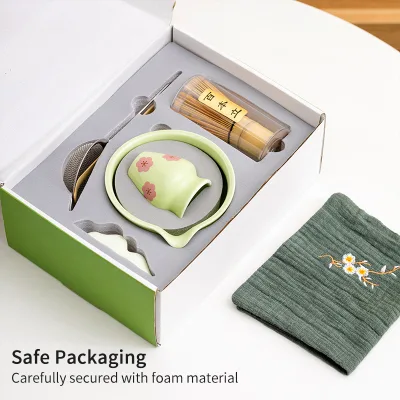
Additionally, buyers face risks associated with customization and intellectual property. When ordering OEM or ODM products, there is a risk that the supplier may share designs with competitors or fail to meet the specific customization requirements. This is particularly relevant for buyers who invest in unique designs or branding. To protect against this, buyers should use non-disclosure agreements and ensure that all customization details are clearly documented in the contract. Another risk is the variability in packaging and shipping. Products may be packed in inner boxes and export cartons, but the quality of packaging can affect the product’s condition during transit. Buyers should verify that the packaging is robust enough to protect the shockproof tea sets from damage. Furthermore, buyers should be aware of potential compliance issues, such as material safety standards or labeling requirements in their target markets. By identifying and addressing these risks early in the sourcing process, buyers can minimize disruptions and ensure that their Japanese style shockproof tea sets meet the expected quality and performance standards.
Japanese Style Shockproof Tea Set Regional Sourcing and Logistics
The geographic location of suppliers plays a crucial role in the sourcing and logistics of Japanese style shockproof tea sets. Current data indicates that suppliers are located in regions such as Anhui and Guangdong in China. These regions are known for their manufacturing capabilities and access to raw materials, which can influence the cost and quality of the products. Buyers should consider the logistical advantages of sourcing from these areas, including proximity to major ports and transportation networks. For instance, suppliers in Guangdong may have easier access to international shipping routes, potentially reducing transit times and costs. However, buyers should also evaluate the specific capabilities of suppliers in each region, as some may specialize in certain types of tea sets or materials. The location of the supplier can also impact the ease of communication and time zone differences, which can affect the responsiveness of the supplier during the ordering process.
In addition to location, buyers must consider the packaging and shipping requirements for Japanese style shockproof tea sets. Products are often packed in inner boxes and export cartons, with specific dimensions provided by suppliers. For example, some matcha tea sets have a single package size of approximately 32x20x10 cm, while others may have different dimensions based on the number of pieces included. Buyers should ensure that the packaging is suitable for the chosen shipping method, whether it is air freight, sea freight, or express courier. The weight and volume of the packages will also impact shipping costs, so buyers should calculate these factors accurately when planning their logistics. Furthermore, buyers should be aware of any import regulations or duties that may apply to tea sets in their target markets. This includes checking for any restrictions on materials like bamboo or ceramic, which may require specific certifications or inspections. By carefully considering regional sourcing and logistics, buyers can optimize their supply chain and ensure that their Japanese style shockproof tea sets are delivered efficiently and cost-effectively.
Japanese Style Shockproof Tea Set Commercial Terms and Order Planning
Effective order planning for Japanese style shockproof tea sets requires a thorough understanding of the commercial terms offered by suppliers. One of the key terms to consider is the minimum order quantity (MOQ), which can range from one unit to two hundred units depending on the supplier and product type. Buyers should align their order sizes with their inventory needs and market demand to avoid overstocking or stockouts. Additionally, the price per unit is a critical factor, with costs varying based on materials, customization, and order volume. Buyers should negotiate prices based on the expected order quantity and seek discounts for larger orders. It is also important to clarify the payment terms, including the deposit percentage and the balance payment schedule. Some suppliers may require a full payment upfront, while others may offer more flexible terms. Buyers should ensure that the payment terms are secure and that they have recourse in case of non-delivery or quality issues.
Beyond pricing and MOQ, buyers should plan for the lead times and production schedules to ensure timely delivery. Suppliers may indicate lead times of ten to fifteen days, but buyers should build in buffer time to account for potential delays. This is particularly important for seasonal products or when dealing with complex customization requests. Buyers should also consider the availability of samples, as this allows for quality verification before committing to a large order. Some suppliers offer samples at a reduced cost or even for free, which can be a valuable tool for assessing product quality. Furthermore, buyers should establish clear communication protocols with their suppliers to ensure that any changes or issues are addressed promptly. This includes regular updates on production status and shipping details. By carefully planning the commercial terms and order logistics, buyers can minimize risks and ensure a smooth procurement process for their Japanese style shockproof tea
FAQs
What is the price range for Japanese style tea sets?
Prices for these sets vary significantly based on material and complexity. Basic ceramic options start around $1.03 per unit, while premium bamboo and ceramic matcha kits typically range from $7.19 to $9.49. Buyers should check specific product listings for exact pricing tiers and bulk discounts.
What is the minimum order quantity for these tea sets?
Minimum order quantities depend on the specific supplier and product type. Some manufacturers accept orders as low as one single item for sampling, while others require a minimum of two sets. Bulk matcha kits often have higher thresholds, such as twenty or two hundred units, depending on customization needs.
How long does production and shipping take?
Lead times generally range from nine to fifteen days for standard orders. Response times for supplier inquiries are typically fast, averaging between two and four hours. Buyers should confirm specific delivery schedules with the supplier, as rush orders or custom designs may extend the production timeline beyond standard estimates.
Are these tea sets customizable for branding?
Yes, many suppliers offer customization services for branding and design. Options include custom colors, packaging, and specific material selections like bamboo or ceramic. Buyers should verify if OEM or ODM services are available and confirm any additional costs or minimum order requirements associated with personalized branding.
Where are these tea sets manufactured?
Most of these tea sets are manufactured in China, with specific production hubs in Anhui and Guangdong provinces. Buyers can verify the exact place of origin on product listings. Sourcing from these regions often provides access to established supply chains for ceramics, bamboo, and other traditional tea ceremony materials.
What materials are used in these tea sets?
Common materials include bamboo, ceramic, and porcelain. Bamboo is frequently used for whisk sets and storage components due to its eco-friendly nature. Ceramic and porcelain are standard for bowls and cups, offering durability and aesthetic appeal. Buyers should review product specifications to confirm the exact material composition for each item.