Japanese Style Detachable Kids Lunchbox Suppliers and Manufacturers
Source 21 verified suppliers for Japanese Style Detachable Kids Lunchbox options. Compare grounded dimensions including location, lead time, MOQ, response time, and certifications. Review product specs and request samples to evaluate quality and fit for your procurement needs; review the available evidence before requesting comparable quotations from suitable candidates.
Suppliers List

Jiangmen Xinxin Houseware Co., Ltd.
- Verified by BV
- Trading Company,Manufacturer/Factory
- China Guangdong
- Lead time30 days
- Avg. response≤ 5h
Main productsLunch Box, Coffeeware, Kitchenware, Chafing Dishes, Gn Pan, Juice Dispenser, Trolley, Stock Pot, Bar Sets, Storages Box
Main marketsEastern Europe,Mid East,North America,Southeast Asia,Eastern Asia,Oceania,Western Europe


Stainless Steel Lunch Box 4 Compartment Waterproof Metal Lunch Box Kids Lunch Box
$2.99 - $6.99
Moq: 300


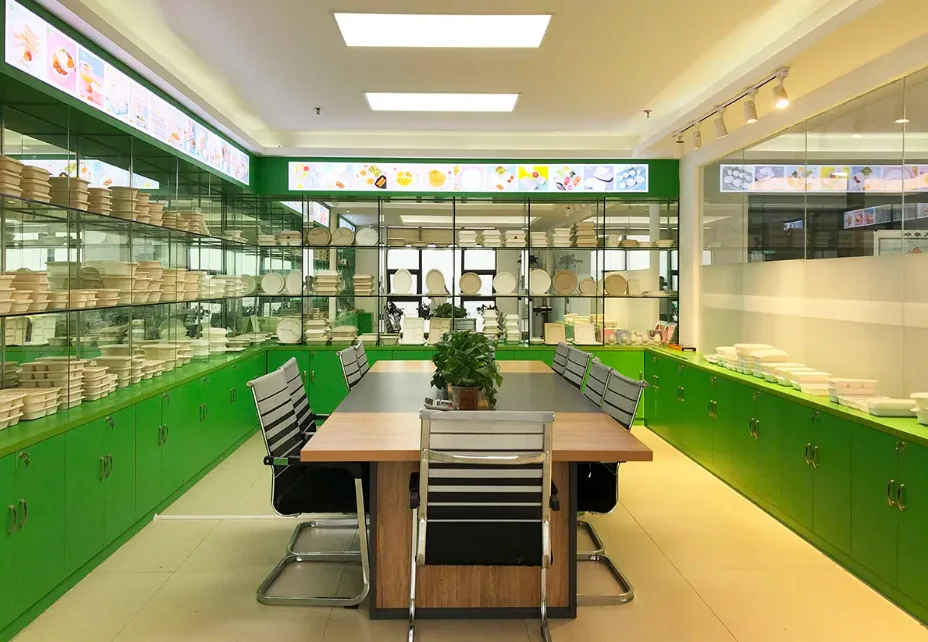
Shenzhen Aohua Packaging Products Co., Ltd.
- Trading Company
- Guangdong, China
- Lead time10 days
- Avg. response≤ 4h
Main productsMultifunctional Lunch Box, PET/PP Lunch Box, Plastic Food Container, Silicone Lunch Box, Stainless Steel Lunch Box/Electric Lunch Box
Main marketsNorth America(30.0%), Western Europe(20.0%), Northern Europe(10.0%), Southeast Asia(10.0%), South Asia(5.0%), Oceania(5.0%), Southern Europe(5.0%), Mid East(5.0%), Eastern Asia(2.0%), South America(2.0%), Central America(2.0%), Africa(2.0%), Eastern Europe(2.0%)
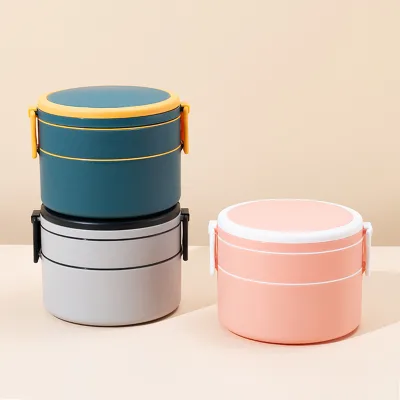
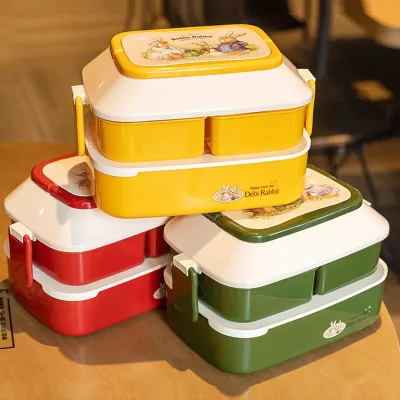
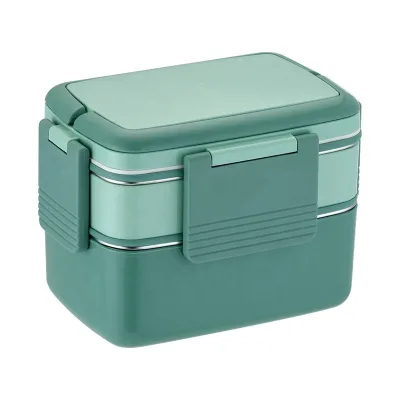
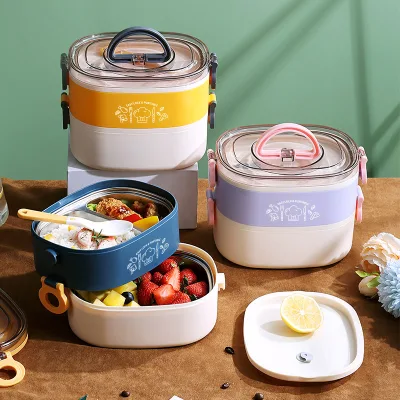
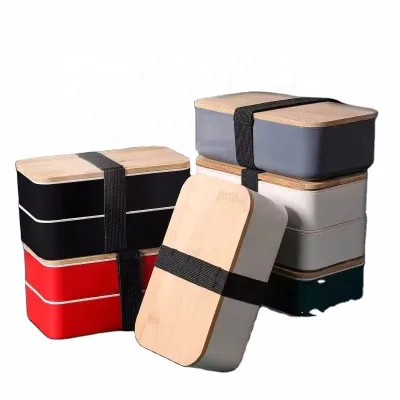
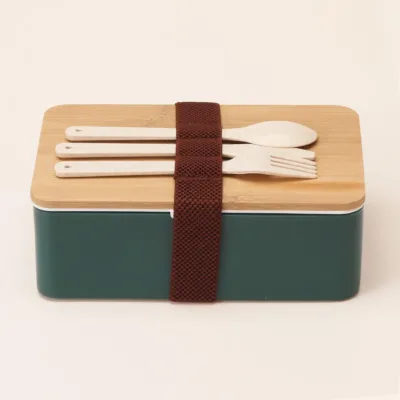
Children's Lunch Box Custom Logo Bamboo Lid Lunch Box Bento for Enfant Kids' School
Contact supplier
Moq: 24

Dongguan Oumeng Houseware Products Co., Ltd.
- Manufacturer/Factory
- China Guangdong
- Lead time23 days
- Avg. response≤ 1h
Main productsBento Lunch Box, Kids Tableware Set, Water Bottle, Lunch Bag, Storage Box, Malamin Product, Food Jar, Pick Spoon, Bento
Main marketsSouth America,Eastern Europe,Mid East,North America,Southeast Asia,Eastern Asia,Oceania,Western Europe,Africa
Yantai Bagmart Packaging Co., Ltd.
- Verified by SGS Group
- Manufacturer, Trading Company
- Lead time0 days
- Avg. response≤ 6h
Main productsPlastic Packaging Bag, Injection molded products
Main marketsNorth America(27%), Eastern Asia(15%), Western Europe(15%)

Jinjiang Jiaxing Supply Management Co., Ltd.
- Verified by TUVRHEINLAND
- Trading Company
- China Fujian
- Lead time30 days
- Avg. response≤ 1h
Main productsEVA Clogs, Flip Flop, Shoe Charms, Shopping Bags, Wristbands, Gifts, Promotional Gifts, Slipper, Sport Cap, Ball
Main marketsNorth America
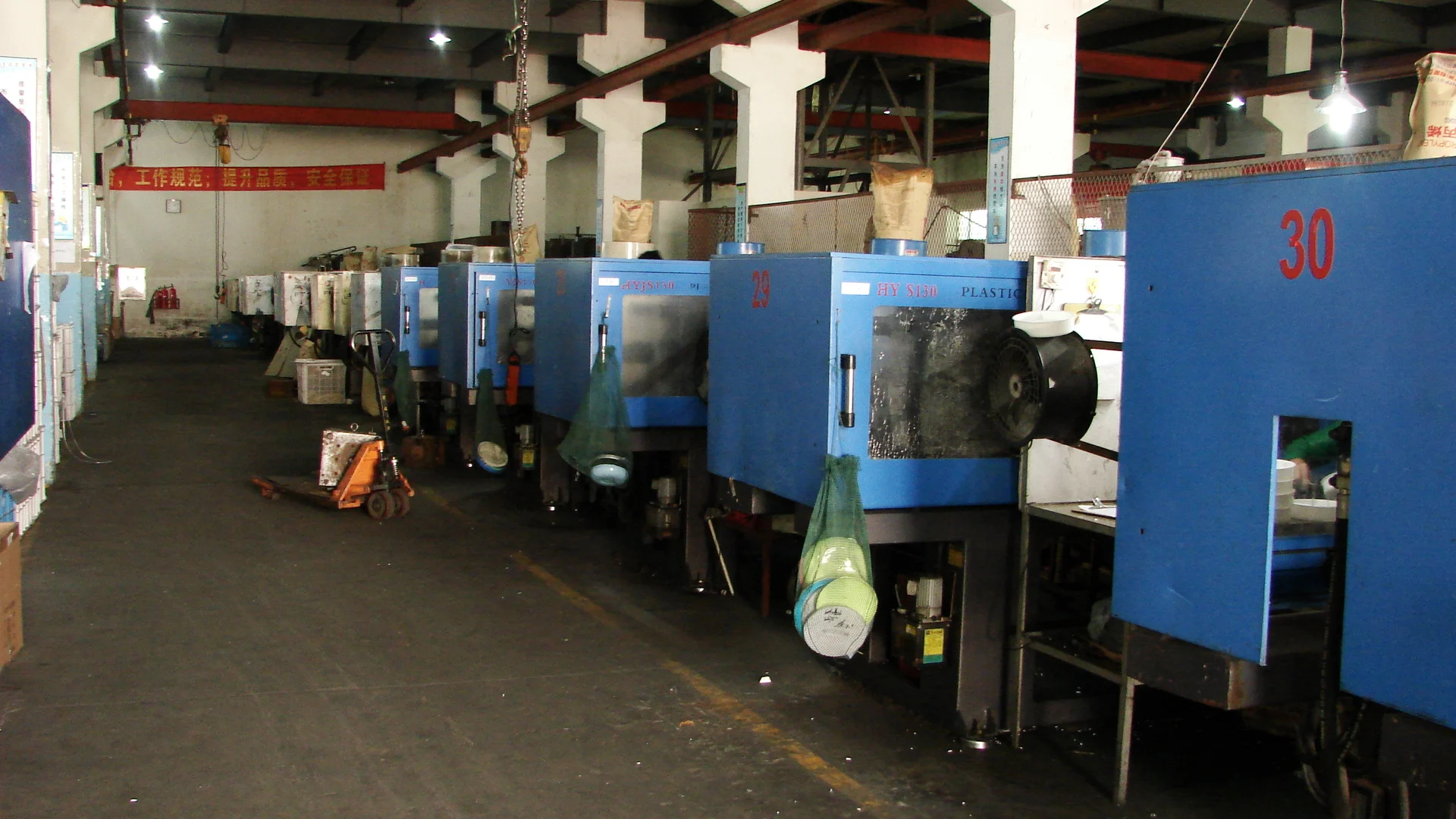
Taizhou Gaotai Plastic Co., Ltd.
- Manufacturer
- Zhejiang, China
- Lead time30 days
- Avg. response≤ 11h
Main productsVacuum Flask,Coffee Pot,Food Container,Air Pot,Lunch Box
Main marketsAfrica(25.0%), Mid East(20.0%), Northern Europe(15.0%), South America(10.0%), North America(10.0%), Eastern Europe(10.0%), Domestic Market(5.0%), South Asia(5.0%)
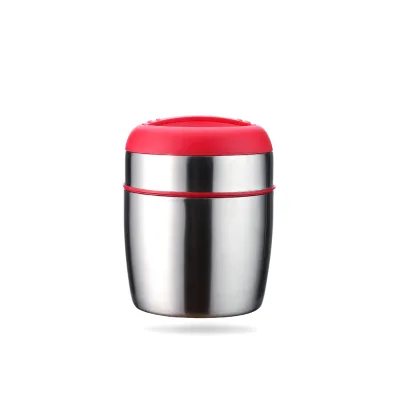
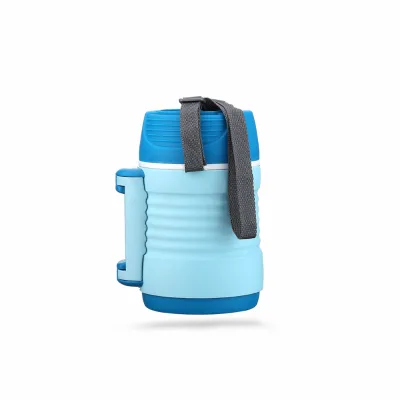
201Stainless steel lunch box kids stainless steel lunch box stainless bento lunch box kids
$3.30 - $3.50
Moq: 3000000
Hangzhou Hopeful Commodity Co.,ltd
- Trading Company
- Zhejiang, China
- Lead time0 days
- Avg. response≤ 4h
Main productsFalse eyelashes,False eyelash tools,Lash Packagings,Eye makeup,Beauty tools
Main marketsNorth America(50.0%), Western Europe(20.0%), Northern Europe(10.0%), South America(10.0%), Southeast Asia(10.0%)

- Verified by TUVRHEINLAND
- Trading Company
- China Zhejiang
- Lead time15 days
- Avg. response≤ 12h
Main productsWooden Toy, Outdoor Product, Kitchen Item, Personal Care Tool, Painting Set, Disk Rack, Yoga, Garden
Main marketsSouth America,Europe,North America

Wenzhou Cathylin International Trade Co., Ltd.
- Verified by TUVRHEINLAND
- Trading Company
- China Zhejiang
- Lead time15 days
- Avg. response≤ 15h
Main productsFlatware, Cutlery, Kitchen Tools, Tableware, Cookware, Bakeware, Drinkware
Main marketsNorth America

- Verified by BV
- Trading Company,Manufacturer/Factory
- China Zhejiang
- Lead time15 days
- Avg. response≤ 9h
Main productsCeramic Mug, Kitchen Storage, Water Bottle, Cookware Set, Charger Plates, Shaker Set, Storage Rack, Food Container, Kitchen Accessories, Yiwu Agent
Main marketsSouth America,Eastern Europe,Mid East,North America,Southeast Asia,Eastern Asia,Oceania,Western Europe,Africa
Guangdong Youyuan Trading Co., Ltd.
- Verified by BV
- Trading Company
- China Guangdong
- Lead time23 days
- Avg. response≤ 5h
Main marketsSoutheast Asia/ Mideast,Domestic
- Verified by Intertek
- Manufacturer, Trading Company
- Guangdong, China
- Lead time15 days
- Avg. response≤ 4h
Main productsLunch Box, Pill Box
Main marketsNorth America(36%), Western Europe(32%), Southern Europe(21%)
Anhui Xianwei E-Commerce Co., Ltd
- Verified by TUVRHEINLAND
- Manufacturer/Factory
- China Anhui
- Lead time0 days
- Avg. response≤ 5h
Main productsLamp, Cup, Tent
Main marketsSouth America,Eastern Europe,Mid East,North America,Southeast Asia,Eastern Asia,Oceania,Western Europe,Africa
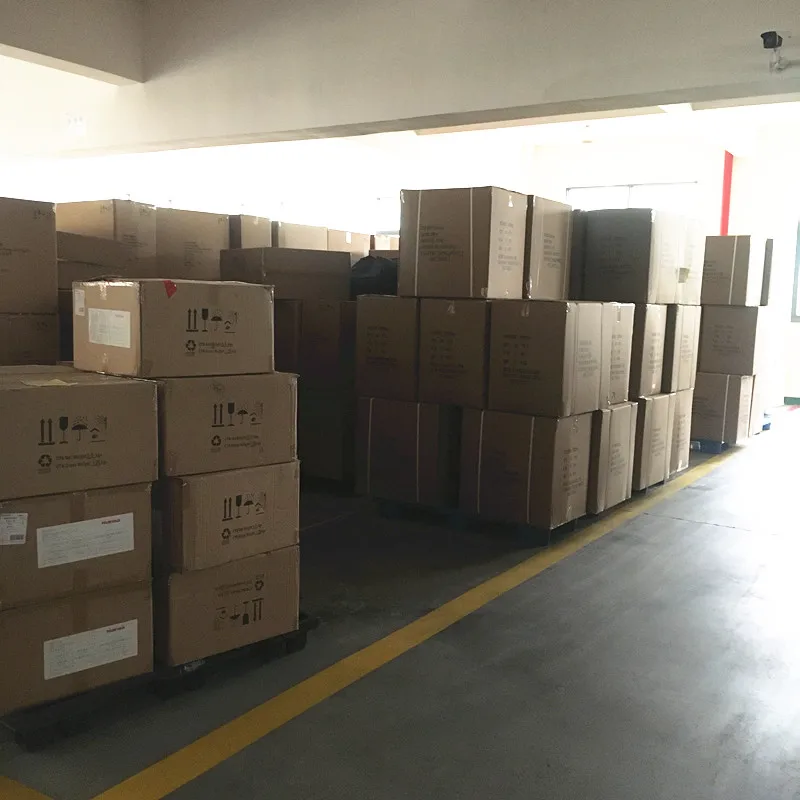
Taizhou Huangyan Jiuhang Plastic Mold Co., Ltd.
- Manufacturer, Trading Company
- Zhejiang, China
- Lead time30 days
- Avg. response≤ 8h
Main productsPlastic Cups,Water bottles,OEM injection mold,Food container,Lunch box
Main marketsDomestic Market(40.0%), North America(20.0%), South Asia(10.0%), Southeast Asia(10.0%), South America(5.0%), Africa(5.0%), Northern Europe(5.0%), Mid East(5.0%)

- Trading Company
- China Zhejiang
- Lead time30 days
- Avg. response≤ 11h
Main productsHome Appliance, Cookware Set, Thermos, Home Storage, Furniture, Pet Supplies, Garden Tools, Outdoor Supplies, Baby Supplies, Houesehold Items
Main marketsSouth America,Africa,Southeast Asia/ Mideast,East Asia(Japan/ South Korea),Domestic,Europe,Australia,North America
Lianyungang Tiancheng Network Technology Service Co., Ltd.
- Trading Company
- Jiangsu, China
- Lead time0 days
- Avg. response≤ 2h
Main productsplastic water cup,vacuum flask,stainless steel water bottle,glass water cup,kids water bottle
Main marketsDomestic Market(99.0%), North America(1.0%)
- Verified by SGS
- Trading Company
- China Zhejiang
- Lead time15 days
- Avg. response≤ 8h
Main productsYiwu Sourcing Agent, DIY Toys, DIY Jewelry, Travel Souvenirs, Stationery, School Furtiture, Outdoor Products, Caps & Shoes & Socks, Costumes & Props, Beauty Tools
Main marketsAfrica,East Asia(Japan/ South Korea),North America

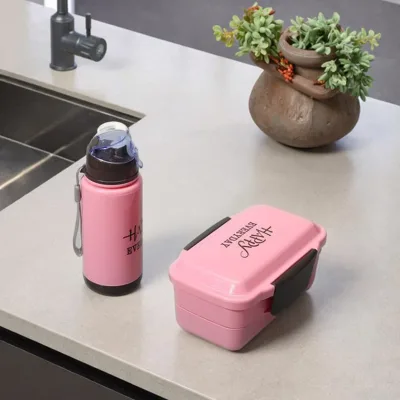
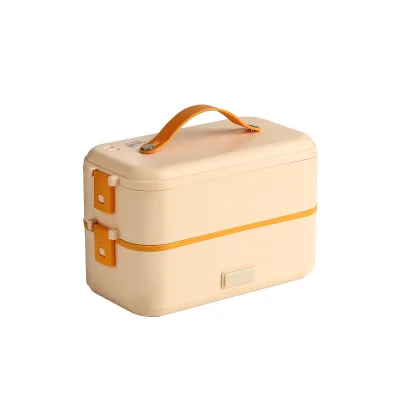
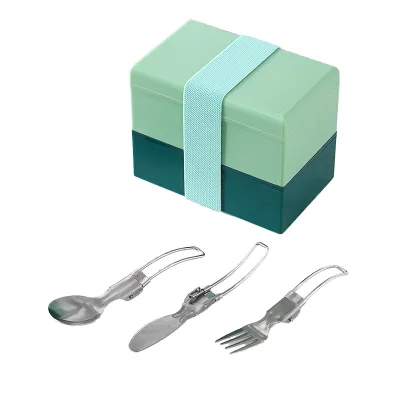
Creative Double Layered Boxed Lunch Box for Japanese Elementary School Students
$1.42 - $1.55
Moq: 100


Chaozhou Nicety Technology Co., Ltd
- Verified by CTI
- Trading Company
- China Guangdong
- Lead time30 days
- Avg. response≤ 6h
Main productsLunch Box, Stainless Steel Lunch Box, Pet Product, Pet Bowl, Car Accessory, Bathroom Fitting
Main marketsSouth America,Southeast Asia/ Mideast,East Asia(Japan/ South Korea),Domestic,Europe,Australia,North America
Shantou Hongxing Commodity Co., Ltd.
- Verified by Intertek
- Manufacturer, Trading Company
- Lead time25 days
- Avg. response≤ 3h
Main productsPlastic Daily-Used Household Products
Main marketsSouth America(20%), Mid East(20%), South Asia(20%)

Dongguan ShunTa Melamine Products Co., Ltd.
- Verified by CTI
- Combined
- China Guangdong
- Lead time15 days
- Avg. response≤ 10h
Main productsMelamine, Table Ware, Tableware, Household, Kitchen Ware, Pets Accessories, Chopsticks, Ashtray, Cushions, Bowls
Main marketsSoutheast Asia/ Mideast,East Asia(Japan/ South Korea),Domestic,Europe,Australia,North America

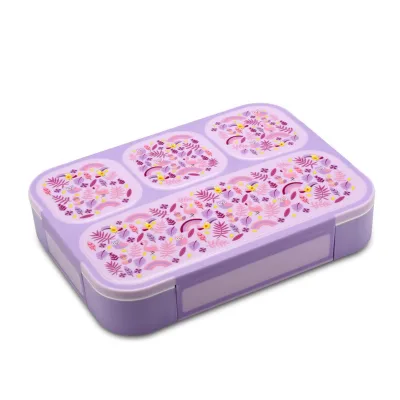
Bento Box Adult Lunch Box, Japanese Bento Box for Kids 3-in-1 Compartment Bento Box
$1.71 - $2.28
Moq: 200


Chaozhou Binjiang Industrial Investment Co., Ltd.
- Verified by Intertek
- Manufacturer, Trading Company
- Lead time0 days
- Avg. response≤ 4h
Main productsStainless Steel Water Bottle, Lunch Box, Stainless Steel Cup, Stainless Steel Pet Bowl, Chopping Blocks
Main marketsNorth America(40%), Western Europe(15%), Eastern Asia(15%)


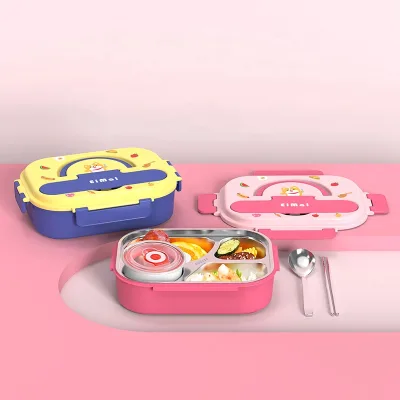
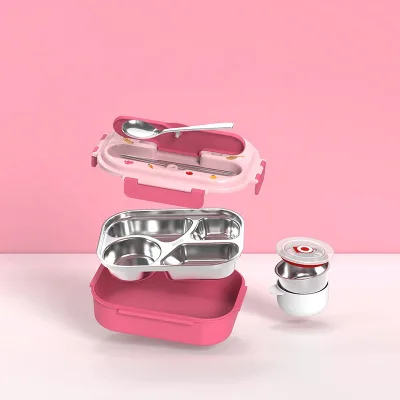


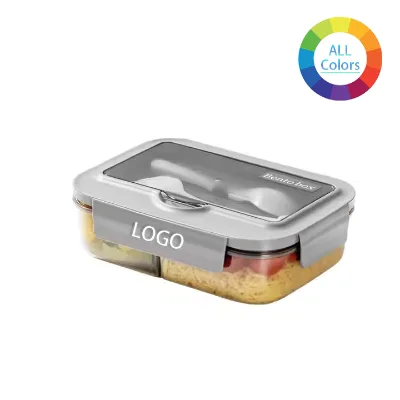
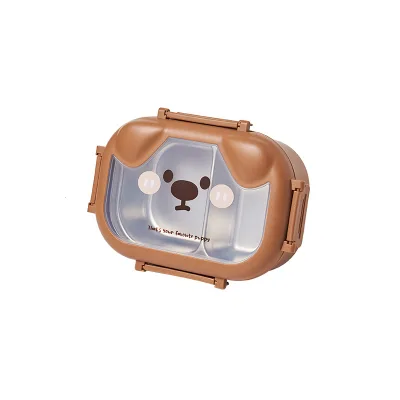


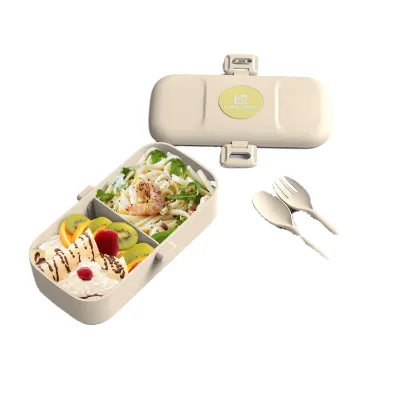
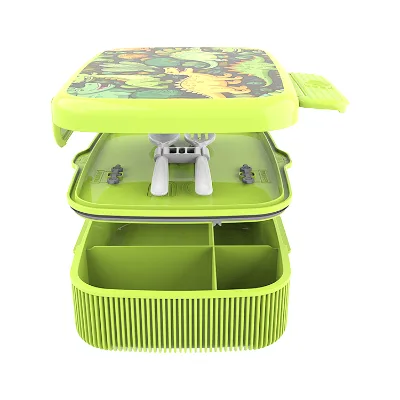


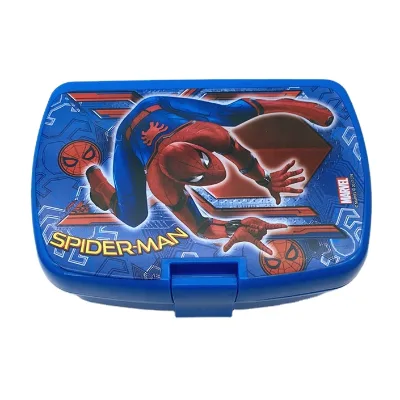
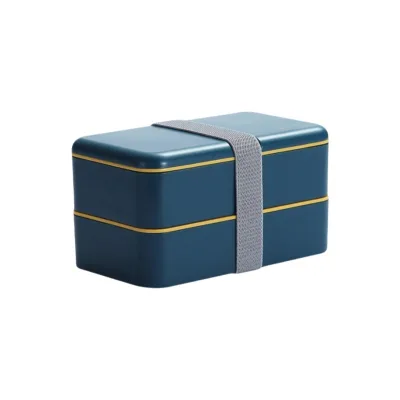


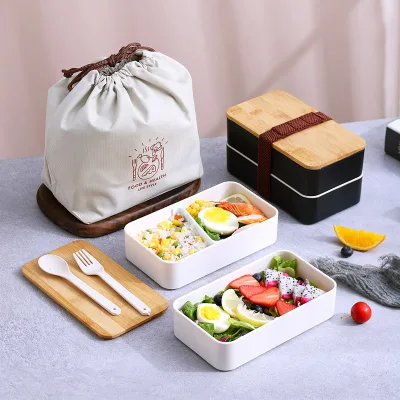
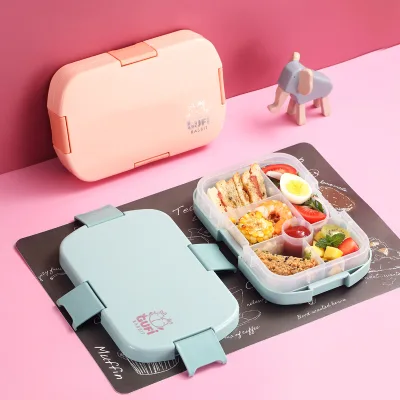


Comprehensive Sourcing Guide
Japanese Style Detachable Kids Lunchbox Supplier Concentration and Factory Types
The available data indicates that suppliers for Japanese style detachable kids lunchboxes are concentrated in Guangdong, China, a region known for its extensive manufacturing ecosystem. This location hosts a mix of trading companies and manufacturers, offering buyers a choice between direct factory engagement and intermediary services. The primary product categories observed include stainless steel bento boxes, plastic food containers, and multifunctional storage solutions, all aligning with the detachable design requirements. Buyers should verify if a specific supplier operates as a manufacturer or a trading company, as this distinction impacts production control and pricing structures. The presence of both entity types in the same geographic cluster suggests a robust supply chain where raw materials and finished goods move efficiently.
When evaluating the factory types, it is essential to note that some entities list OEM and ODM capabilities, indicating they can customize designs and branding. This is particularly relevant for the Japanese style aesthetic, which often requires specific compartment layouts or color schemes. The observed main products range from simple single-layer containers to complex double-tier systems with leak-proof features. Buyers must confirm the specific manufacturing capacity of the supplier, as some may focus on high-volume plastic production while others specialize in metal fabrication. Understanding the supplier's primary focus helps in selecting a partner who can consistently deliver the required detachable mechanisms and safety standards for children's products.
How to Verify Japanese Style Detachable Kids Lunchbox Suppliers
Verification of suppliers requires checking for specific credentials and third-party validations that confirm operational legitimacy. The data shows that some suppliers hold BV verification status, which serves as a baseline for business authenticity. Additionally, system certifications such as BSCI and ISO 14001 are present in the results, indicating adherence to social compliance and environmental management standards. Buyers should request proof of these certifications directly from the supplier rather than relying solely on platform badges. For products intended for children, verifying material safety certifications like LFGB is critical to ensure the lunchboxes meet food contact safety requirements.
Response time and communication efficiency are also key verification metrics. The observed response times vary, with some suppliers showing a response time of 4.38 and others at 4, suggesting differences in customer service responsiveness. A faster response time often correlates with better project management and quicker resolution of technical queries regarding detachable parts. Buyers should test the communication channel before placing an order to gauge the supplier's ability to handle detailed specifications. Furthermore, checking the supply ability, such as the 10,000 pieces per month capacity noted in some listings, helps confirm the supplier can handle order volumes without compromising quality or delivery schedules.
What to Compare Across Japanese Style Detachable Kids Lunchbox Suppliers
Comparing suppliers involves analyzing key operational metrics such as lead time, minimum order quantity, and pricing structures. The data reveals a significant variation in lead times, ranging from 10 days to 30 days, which directly impacts inventory planning and market launch schedules. Buyers must weigh the cost of faster production against the potential risks of rushing manufacturing processes. Similarly, the minimum order quantities differ substantially, with some suppliers requiring as few as 10 pieces while others mandate 300 pieces. This flexibility allows buyers to test the market with smaller orders or commit to larger volumes for better unit economics.
Pricing and material composition are also critical comparison points. The observed price ranges span from approximately $0.98 to $6.99, reflecting differences in material quality, such as PP plastic versus 304 stainless steel. Buyers should compare the unit price against the specified material attributes, ensuring that the lower-cost options do not compromise on safety or durability. Features like leak-proof seals, microwave safety, and steamability are also variable across suppliers. A detailed comparison of these product attributes ensures that the selected lunchbox meets the specific functional needs of the target demographic while staying within budget constraints.
Common Japanese Style Detachable Kids Lunchbox Sourcing Risks
One significant risk in sourcing these products is the inconsistency in material quality and safety standards. While some listings specify LFGB certification and 304 stainless steel, others may use generic plastic materials without clear safety disclosures. Buyers must verify that the detachable components, such as lids and dividers, are made from food-grade materials that do not leach harmful substances. The risk of receiving substandard products is higher when suppliers do not provide detailed material certificates or when the product descriptions lack specific safety claims. Ensuring that the final product meets international safety standards is essential to avoid regulatory issues and protect the end consumer.
Another risk involves the reliability of delivery timelines and the ability to meet order volumes. The variation in lead times from 10 to 30 days suggests that production capacity may fluctuate based on order volume or seasonal demand. If a supplier promises a short lead time but lacks the necessary machinery or workforce, delays can occur, disrupting the supply chain. Additionally, the minimum order quantity requirements can pose a financial risk if the market demand is lower than anticipated. Buyers should assess the supplier's track record for on-time delivery and their capacity to scale production up or down based on actual market needs to mitigate these operational risks.
Japanese Style Detachable Kids Lunchbox Regional Sourcing and Logistics
Sourcing from Guangdong, China, offers logistical advantages due to the region's established infrastructure and proximity to major shipping ports. The concentration of manufacturers in this area facilitates efficient coordination between production and logistics, potentially reducing transit times and costs. However, buyers must account for the specific shipping requirements of the product type, as lunchboxes can be bulky or fragile depending on the packaging. The observed packaging details, such as poly bags and cartons, indicate standard protection methods, but buyers should confirm if additional reinforcement is needed for international shipping.
Logistics planning also involves understanding the impact of regional production clusters on lead times. Suppliers in Guangdong may benefit from a dense network of raw material suppliers and component manufacturers, which can streamline the production process. However, buyers should verify if the supplier has experience with international shipping and customs clearance to avoid delays. The location of the factory can also influence the cost of freight, as some regions may have higher port fees or less direct shipping routes. Coordinating with the supplier to optimize packaging and shipping methods is crucial for maintaining cost efficiency and ensuring timely delivery to the destination market.
Japanese Style Detachable Kids Lunchbox Commercial Terms and Order Planning
Commercial terms for these products often include specific requirements for customization and branding. The data indicates that many suppliers accept OEM and ODM requests, allowing buyers to customize logos, colors, and designs. However, the minimum order quantities for customized items may be higher than for standard products, with some suppliers requiring 300 pieces for metal lunch boxes. Buyers should clarify the cost implications of customization, including any additional tooling fees or setup charges, before finalizing the order. Understanding the terms for sample availability is also important, as some suppliers offer samples while others may require payment for prototype units.
Order planning must consider the supply ability and production capacity of the supplier to ensure consistent fulfillment. The observed supply ability of 10,000 pieces per month provides a benchmark for large-scale orders, but buyers should confirm if this capacity is sustainable during peak seasons. Payment terms and escrow services should be reviewed to protect against non-delivery or quality issues. Buyers should also plan for potential variations in lead times, as the range from 10 to 30 days suggests that production schedules can be unpredictable. Establishing clear communication channels and setting realistic expectations for delivery dates will help manage the order planning process effectively.
FAQs
What is the minimum order quantity for kids lunch boxes?
Minimum order quantities vary by product type and material. Stainless steel options typically require 300 pieces, while plastic bento boxes can start as low as 10 pieces. Buyers should verify specific MOQs for their chosen model before placing an order.
How long does it take to receive a sample?
Samples are available for most lunch box models to ensure quality meets your standards. While specific sample lead times are not listed, the general production lead time for bulk orders is around 10 to 30 days depending on the supplier and order volume.
Are these lunch boxes safe for food contact?
Yes, many products carry LFGB certification ensuring safety for food contact. Materials include 304 stainless steel and food-grade PP plastic with silicone seals. These features ensure the containers are eco-friendly and suitable for serving food to children in schools.
What materials are used for Japanese style bento boxes?
Common materials include 304 stainless steel and PP plastic combined with silicone. Stainless steel versions offer durability and leak-proof sealing, while plastic options provide lightweight portability. Both types are designed to be microwavable and steamable for convenient meal heating.
Can I customize the logo on these lunch boxes?
Customization is available for most products, including logo printing and specific color options. Suppliers accept OEM and ODM requests to tailor the design to your brand. Buyers should confirm specific customization details and any additional costs during the negotiation phase.
Where are these lunch boxes manufactured?
All listed products originate from Guangdong, China. This region is a major hub for manufacturing kitchenware and lunch boxes. Buyers can expect suppliers located in this area to handle production, packaging, and shipping logistics efficiently for international orders.
What is the price range for these lunch boxes?
Prices vary significantly based on material and design. Stainless steel models range from approximately 2.99 to 6.99 dollars, while plastic options can be as low as 0.98 dollars. Bulk orders often benefit from lower unit costs compared to smaller quantities.