Lab Color Modes Colorimeter Suppliers and Manufacturers
Explore 31 verified options for Lab Color Modes Colorimeter from Zhejiang and Guangdong. Compare response times, lead times, certifications like CE and ISO9001, and pricing ranges to find the right fit. Contact suppliers directly to request quotes; review the available evidence before requesting comparable quotations from suitable candidates.
Updated
Suppliers List

Zhejiang Top Cloud-Agri Technology Co., Ltd.
- China Zhejiang
- Lead time0 days
- Avg. response≤ 8h
Main productsSoil Nutrient Analyzer, Seed Tester Meter, Chlorophyll Meter, Leaf Area Meter, Fat Analyzer, Fruit Hardness Tester, Incubator, Grain Testing Meter Tester, Plant Physical Tester, Flour and Oil Testing Instrument

Guangdong Threenh Technology Co., Ltd.
- Verified by BV
- Combined
- China Guangdong
- Lead time15 days
- Avg. response≤ 3h
Main productsColorimeter, Gloss Meter, Spectrophotometer, Color Light Box, Thickness Gauge Meter, Haze Meter
Main marketsOthers(foreignTradeCapacity.exportBusinessCapacityMarketOther),Southeast Asia/ Mideast,East Asia(Japan/ South Korea),Domestic,Europe

Jinan Cyeeyo Instruments Co., Ltd.
- Manufacturer, Trading Company
- Shandong, China
- Lead time15 days
- Avg. response≤ 2h
Main productsAgricultural Detector, Paper And Board Testing Equipment, Plastic Testing Equipment, Textile Testing Equipment, Optical Testing Equipment
Main marketsEastern Europe(15.00%), Mid East(15.00%), Western Europe(12.00%), North America(10.00%), Southern Europe(10.00%), Northern Europe(10.00%), South Asia(5.00%), South America(5.00%), Oceania(5.00%), Central America(5.00%), Africa(5.00%), Southeast Asia(2.00%), Eastern Asia(1.00%)

Hunan Gonoava Instrument Co Ltd
- Verified by TUVRHEINLAND
- Trading Company
- China Hunan
- Lead time15 days
- Avg. response≤ 6h
Main productsThermal Gravimetric Analyzer, Differential Scanning Calorimeter, Helium Mass Spectrometer, Xrf Portable Analyzer, Fluorescence Spectrometer, RoHS Environmental Analyzer, Contact Angle Testers, Universal Tensile Compression Testing Machine, Climatic Test Chambers, Plastic Testing Machine
Main marketsSoutheast Asia/ Mideast,East Asia(Japan/ South Korea),North America


Comparator Colorimeter Lovibond Colorimeter Laboratory Automatic Tintometer
$450.00 - $650.00
MOQ: 1 Pieces

Jinan Cyeeyo Instruments Co., Ltd.
- Verified by BV
- Trading Company,Manufacturer/Factory
- China Shandong
- Lead time15 days
- Avg. response≤ 1h
Main productsPaper Packaging Testing Equipment, Rubber and Plastic Testing Equipment, Textile Testing Equipment, Gas Detector, Analytical Instruments, Thermal Analyzer, ATP Detector, Moisture Meter
Main marketsSouth America,Eastern Europe,Mid East,North America,Southeast Asia,Eastern Asia,Oceania,Africa
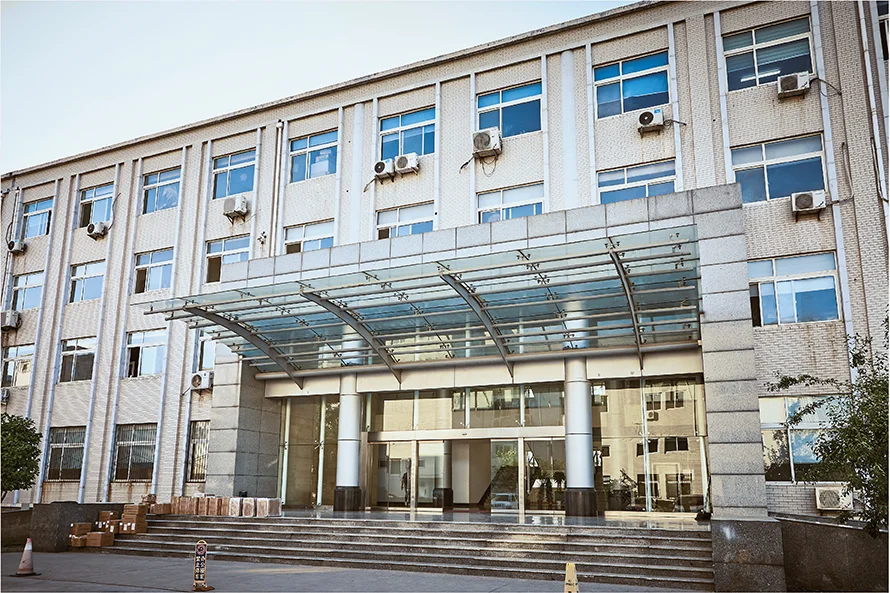
Prosperity Biotech (Shandong) Co., LTD.
- Manufacturer, Trading Company
- shandong, China
- Lead time20 days
- Avg. response≤ 2h
Main productsIncubator, Oven, Centrifuge, Autoclave, Fume Hood
Main marketsSouth America(15.00%), Eastern Europe(12.00%), North America(10.00%), Southern Europe(10.00%), Africa(10.00%), Eastern Asia(8.00%), Western Europe(8.00%), South Asia(5.00%), Central America(5.00%), Domestic Market(4.00%), Southeast Asia(4.00%), Oceania(3.00%), Northern Europe(3.00%), Mid East(3.00%)
- Verified by SGS Group
- Manufacturer, Trading Company
- Lead time7 days
- Avg. response≤ 2h
Main productsBiochemistry Analyzer, Autoclave, Electrolyte Analyzer, PCR, Lab Refrigerator
Main marketsMid East(15%), Africa(14%), Western Europe(14%)
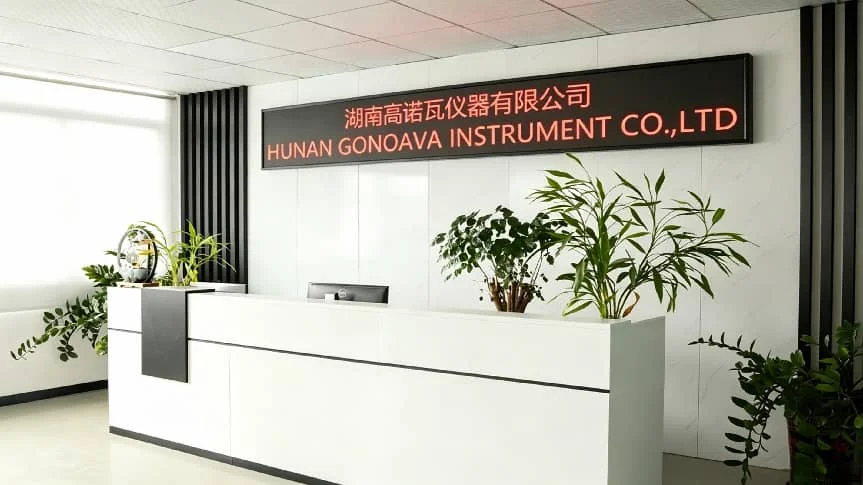
Hunan Gonoava Instrument Co., Ltd.
- Trading Company
- Hunan, China
- Lead time10 days
- Avg. response≤ 4h
Main productsspectrophotometer,Petroleum oil tester,Environmental test chamber,Testing Machine,Contact Angle Tester
Main marketsEastern Asia(20.00%), Northern Europe(10.00%), North America(10.00%), Oceania(10.00%), Domestic Market(5.00%), South Asia(5.00%), Southern Europe(5.00%), Southeast Asia(5.00%), Central America(5.00%), Western Europe(5.00%), Eastern Europe(5.00%), Mid East(5.00%), South America(5.00%), Africa(5.00%)

TRYTE TECHNOLOGY (H.K.) LIMITED
- Trading Company
- China Hunan
- Lead time0 days
- Avg. response≤ 18h
Main productsLab Equipment, Lab Instrument, Testing Machine, Analyzer Instrument, Coal Testing Instrument, Oil Testing Instrument, Petroleum Testing Instrument, Bomb Calorimeter, Medical Equipment, PCB Board Related Equipment

Precision Colorimeter-Colorimeter-Laboratory Precision Colorimeter Instrument
$1.00 - $500.00
MOQ: 1 Pieces


- Verified by BV
- Trading Company,Manufacturer/Factory,Group Corporation
- China Henan
- Lead time15 days
- Avg. response≤ 2h
Main productsLaboratory Instrument, Rotary Evaporator, Glass Reactor, Life Science Instruments, Agricultural Instruments, Chemical Analysis Equipments, Thermal Cycler PCR, Petroleum Instruments, Drug Testing Equipment, Physical Testing Instruments
Main marketsSouth America,Eastern Europe,Mid East,North America,Southeast Asia,Eastern Asia,Oceania,Western Europe,Africa


Portable Digital Colorimeter for Accurate Water Quality Analysis in Labs
$1420.00 - $1700.00
MOQ: 1 Pieces

Chongqing Blossom Machinery Equipment Co., Ltd.
- Trading Company
- China Chongqing
- Lead time15 days
- Avg. response≤ 6h
Main productsLaboratory Instruments, Petroleum Products Testers Series, Lube Oil /Grease Testers Series, Insulating Oil Transformer Oil Testers Series, Diesel Fuel Oil Testers Series, Transformer Oil Purifier, Vacuum Lube Oil Purification System, Vacuum Turbine Oil Filtration Machine, Oxgen Bomb Calorimeter
Main marketsSouth America,Africa,Southeast Asia/ Mideast,East Asia(Japan/ South Korea),Europe,Australia,North America


Laboratory Colorimeter for Determining The Color of Dark Petroleum Products
$1300.00 - $1500.00
MOQ: 1 Sets
Shanghai Total Industrial Co., Ltd.
- Verified by SGS
- Manufacturer/Factory
- China Shanghai
- Lead time0 days
- Avg. response≤ 24h
Main productsFeeder Clamp, Weather Shield Enclosure, Rubber Grommet, Hoisting Grip, Cable Entry, Flexible Jumper Cable, Cablen Ties, Terminal Lugs, Conduit and Fittings, Hole Saw
Guangzhou Juanjuan Electronic Technology Co., Ltd.
- Verified by TüVRheinland
- Trading Company
- Lead time10 days
- Avg. response≤ 3h
Main productsRefractometer, Thermometer, Dog Training Collar, Laboratory Scale, Laboratory Centrifuge
Main marketsAfrica(18%), Mid East(12%), North America(10%)
Shenzhen Linshang Technology Co., Ltd.
- Verified by TüVRheinland
- Manufacturer, Trading Company
- Lead time7 days
- Avg. response≤ 3h
Main productsCoating Thickness Gauge, Gloss Meter, Colorimeter, Ultrasonic Thickness Gauge, Leeb Hardness Tester
Main marketsDomestic Market(60%), Eastern Europe(6%), Eastern Asia(6%)

Shijiazhuang Sanli Grain Sorting Machinery Co., Ltd.
- Verified by SGS
- Manufacturer
- China Hebei
- Lead time15 days
- Avg. response≤ 6h
Main productsSeed Processing Equipment, Seed Cleaning Machine, Seed Gravity Separator, Seed Coating Machine, Bucket Elevator, Destoner, Grains Polishing Machine, Seed Grading Machine, Seed Combined Cleaner, Agricultural Testing Instruments
Main marketsAfrica,Others(foreignTradeCapacity.exportBusinessCapacityMarketOther),Southeast Asia/ Mideast
Hangzhou Baiteng Electronic Technology Co., Ltd.
- Verified by Intertek
- Manufacturer, Trading Company
- Lead time5 days
- Avg. response≤ 3h
Main productsSpectrophotometer, Colorimeter, Gloss Meter, Haze Meter
Main marketsSoutheast Asia(20%), Africa(19%), Mid East(13%)
Shenzhen Graigar Technology Co., Ltd.
- Manufacturer, Trading Company
- Guangdong, China
- Lead time3 days
- Avg. response≤ 2h
Main productsUltrasonic Flaw Detector,Ultrasonic Flow Meter,Thickness Gauge,Underground Metal Detector,Leeb Hardness Tester
Main marketsNorth America(20.00%), Western Europe(15.00%), South America(10.00%), Mid East(10.00%), Oceania(10.00%), Africa(10.00%), Southeast Asia(10.00%), Eastern Europe(10.00%), Domestic Market(5.00%)
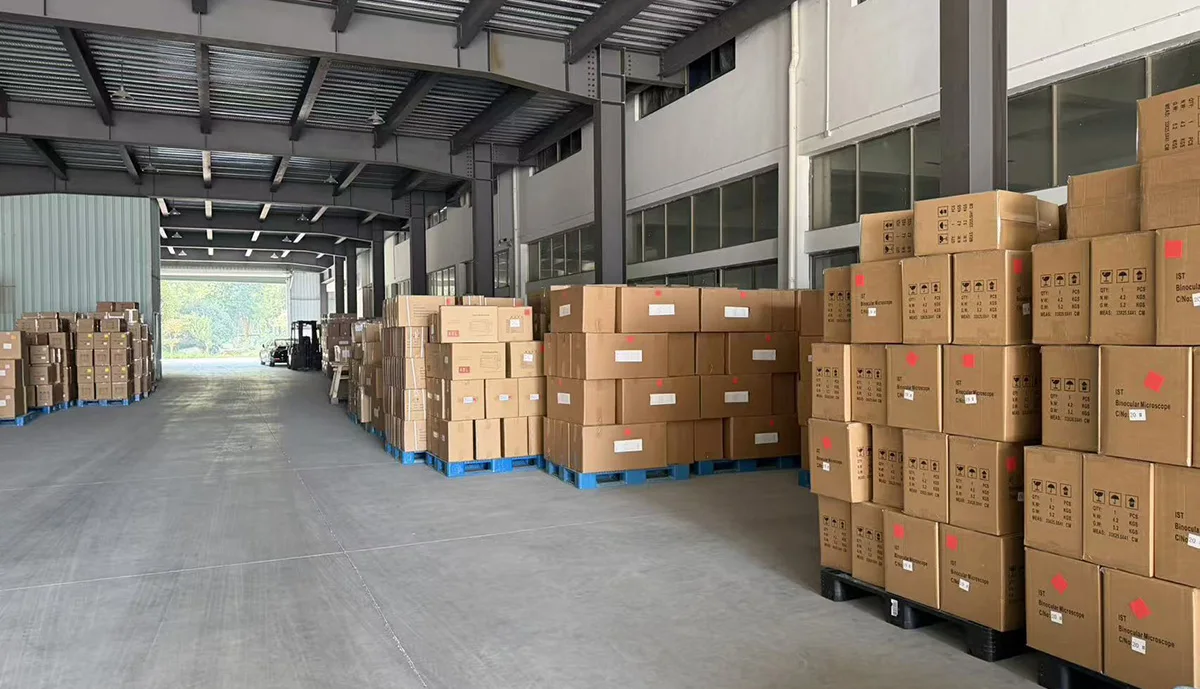
Ningbo Hema Scientific Instrument Co., Ltd.
- Trading Company
- Zhejiang, China
- Lead time30 days
- Avg. response≤ 1h
Main productsEducational Instruments,Educational Models,Laboratory Equipments,Educational apparatus,Micrsocopes
Main marketsSouth America(15.00%), Mid East(15.00%), South Asia(10.00%), North America(10.00%), Southeast Asia(10.00%), Eastern Europe(10.00%), Central America(5.00%), Western Europe(5.00%), Oceania(5.00%), Africa(5.00%), Southern Europe(3.00%), Northern Europe(3.00%), Domestic Market(2.00%), Eastern Asia(2.00%)
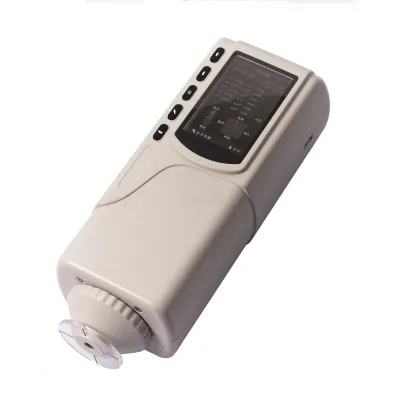
Gelsonlab HSLI-038 Digital Portable Colorimeter
$1788.00 - $2188.00
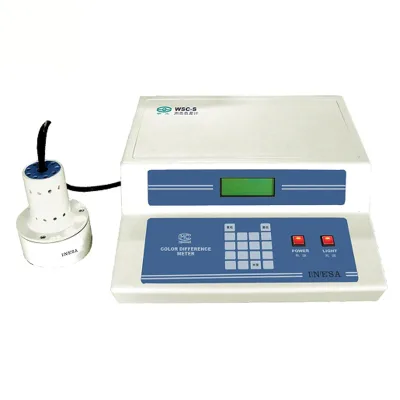
Gelsonlab HS-WSC-S Digital Photoelectric Colorimeter and Color Difference Meter
$1124.5522 - $1431.5269
MOQ: 5 pieces
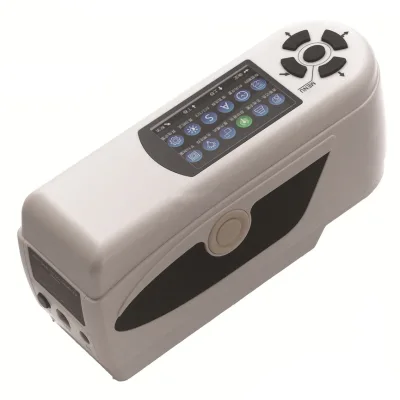
- Manufacturer, Trading Company
- Henan, China
- Lead time1 days
- Avg. response≤ 3h
Main productsGlass-Reactors,Rotary-Evaporator,Lab-Instruments,Life-Science-Instruments,Testing-equipments
Main marketsEastern Europe(15.00%), Southeast Asia(13.00%), Domestic Market(10.00%), South Asia(9.00%), Mid East(8.00%), Africa(8.00%), Western Europe(7.00%), North America(6.00%), Eastern Asia(5.00%), Southern Europe(5.00%), Oceania(4.00%), South America(4.00%), Central America(3.00%), Northern Europe(3.00%)
Desaifu Precision Measuring Instrument (shenzhen) Co., Ltd.
- Verified by SGS Group
- Manufacturer, Trading Company
- Lead time30 days
- Avg. response≤ 6h
Main productsThermal Imager, Hardness Tester, Viscometer, Electric Surfboard, Diving Equipment

- Verified by TUVRHEINLAND
- Trading Company,Manufacturer/Factory
- China Hunan
- Lead time38 days
- Avg. response≤ 13h
Main productsMicrocope Centrifuge Water Bath Heating Mantel, Shaker Stirrer Incubator and Oven Freezer Aas, Autoclave &Sterilizer Water Distiller pH Meter, Spectrophotometer Viscometer Balance&Scale HPLC, Lab Glassware; Electrophoresis Suction Machine, ECG Thermometer Ultrasound Scanner, Operating Table Lamp Bed Wheel Chair, Infusion Oxygen Concentrator Cylinder, X-ray Machine Hematology Analyzer, Human Models Medical Disposable
Main marketsSouth America,Eastern Europe,Mid East,North America,Southeast Asia,Eastern Asia,Oceania,Western Europe,Africa

Portable Lab Accurate Measurement Digital Photoelectric Colorimeter Price
$110.00 - $120.00
MOQ: 1 Pieces


- Verified by TüVRheinland
- Manufacturer, Trading Company
- Lead time7 days
- Avg. response≤ 2h
Main productsIncubator And Oven, Centrifuge, Air Protection Products, Clinical & Analytical Products, Freezer And Refrigerator
Main marketsSoutheast Asia(27%), Africa(25%), Western Europe(19%)
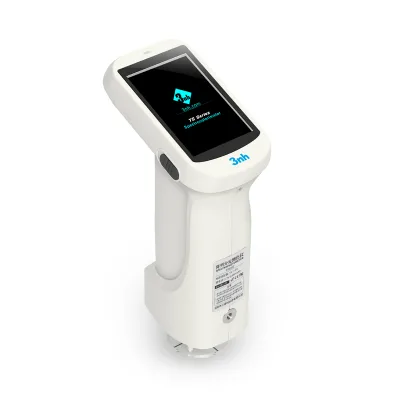
Shenzhen 3nh Technology Co., Ltd.
- Manufacturer
- Guangdong, China
- Lead time2 days
- Avg. response≤ 2h
Main productsSpectrophotometer,Colorimeter,Gloss Meter,Color Light Box,Resolution Test Chart
Main marketsDomestic Market(50.00%), Southeast Asia(10.00%), South Asia(5.00%), Western Europe(5.00%), Southern Europe(5.00%), Northern Europe(5.00%), South America(5.00%), Eastern Europe(5.00%), Mid East(4.00%), Eastern Asia(2.00%), North America(1.00%), Central America(1.00%), Oceania(1.00%), Africa(1.00%)
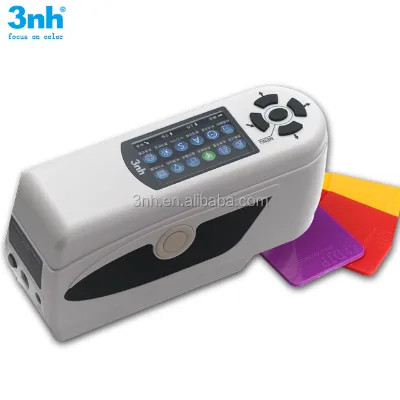
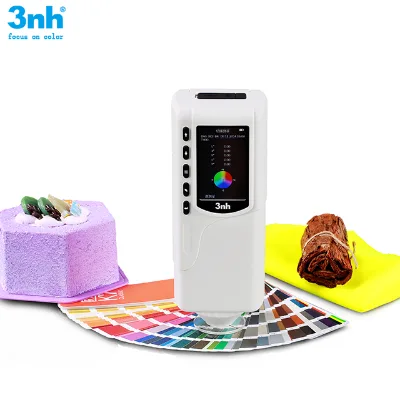
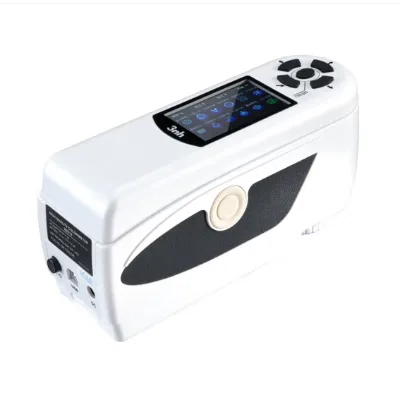
CIE Lab Lch Color Brightness Whiteness Tester Colorimeter Portable
$1656.4669 - $2070.5837
MOQ: 1 pieces
Laboratory Tomato Paste NR200 Color Analyzer Colorimeter Chroma Meter
$884.8451 - $987.734
MOQ: 1 Minimum
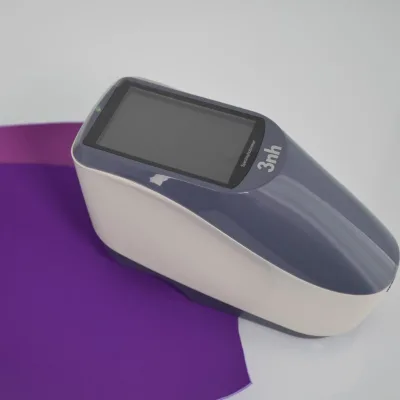
Laboratory Car Paint Detector CIE Lab Delta E Color Spectrophotometer Color Matching Device
$2931.2804
MOQ: 1 Minimum
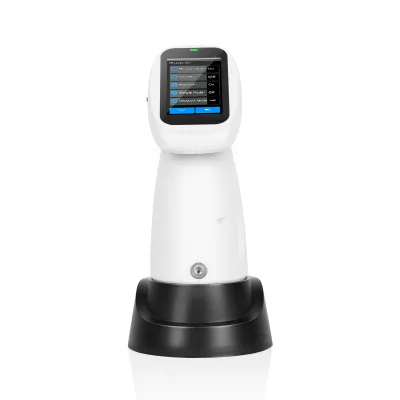
Economic Portable Colorimeter for Chemical Analysis Wholesale Price Free Shipping
$843.6901 - $852.9504
MOQ: 1 sets

Zhengzhou Wollen Instrument Equipment Co., Ltd.
- Verified by TUVRHEINLAND
- Trading Company
- China Henan
- Lead time15 days
- Avg. response≤ 3h
Main productsRotary Evaporator, Rotovap, Glass Reactor, Chiller, Incubator, Vacuum Pump, Drying Oven, Molecular Distillation, CO2; Extraction, Freeze Dryers
Main marketsSouth America,Africa,Southeast Asia/ Mideast,Europe,Australia,North America

8mm/20mm Portable Digital Color Meter Colorimeter for Color Difference Tester
$100.00 - $500.00
MOQ: 1 Pieces

3.5 Inch IPS Color Touch Screen High Resolution Portable Handheld Colorimeter with LED Light Source
$100.00 - $500.00
MOQ: 1 Pieces
Beijing Naijiu Weiye Technology Co., Ltd.
- Manufacturer, Trading Company
- Beijing, China
- Lead time10 days
- Avg. response≤ 1h
Main productsNAIJIU pullout tester,Fiber Bragg Grating sensor,chloride penetration tester,Rapid chloride migration coefficient tester,NDT equipment
Main marketsMid East(30.00%), Domestic Market(20.00%), Southeast Asia(20.00%), South Asia(10.00%), Eastern Asia(7.00%), Africa(5.00%), Eastern Europe(1.00%), South America(1.00%), Southern Europe(1.00%), Northern Europe(1.00%), Central America(1.00%), Western Europe(1.00%), Oceania(1.00%), North America(1.00%)

Shenzhen Bestone Industrial Co. Ltd.
- Verified by SGS
- Trading Company
- China Guangdong
- Lead time15 days
- Avg. response≤ 10h
Main productsDigital Infrared Thermometer and Thermometer, Anemometer Sound Level Meter, Ultrasonic/Coating Thickness Gauge, Vibration Meter / Hardness Tester, Laser Distance Meter Roughness Meter, Moisture Meter Push-Pull Force Gauge, Lux/Luminance Meter Glossmeter Colorimeter, Tachometer Endoscope Stroboscope, Earth Resistance /Voltage Insulation Tester, Gas Detector / Refractometer
Main marketsSouth America,Africa,Southeast Asia/ Mideast,East Asia(Japan/ South Korea),Europe,North America

- Manufacturer, Trading Company
- Liaoning, China
- Lead time7 days
- Avg. response≤ 2h
Main productsRoad Lines Reflective Measuring Instrument,Open Light Source On Rainy Night Retroreflectometer,RetroreflectometerRl+Qd visibility,Sign Feflective Measuring Instrument,Road Marking Thickness Measuring Instrument
Main marketsSoutheast Asia(30.00%), Mid East(20.00%), Central America(20.00%), South Asia(5.00%), North America(5.00%)

Hangzhou Zhiyi Technology Co., Ltd
- Verified by SGS
- Manufacturer/Factory
- China Zhejiang
- Lead time15 days
- Avg. response≤ 3h
Main productsWhiteness Meter, Environment Chamber, Transmission Densitometer, Tensile Tester, Color Assessment Light Booth, Opacity Meter
Main marketsSouth America,Eastern Europe,Mid East,North America,Southeast Asia,Eastern Asia,Oceania,Western Europe,Africa


Liquid Spectrophotometer Color Spectrophotometer Colorimeter with 1 Year Warranty
$3500.00 - $4000.00
MOQ: 1 Pieces

Automatic Colorimeter Button Type Control Brightness and Opacity Meter Whiteness Meter
$1500.00 - $2000.00
MOQ: 1 Pieces

CHANGSHA LANGSHUO TECHNOLOGY CO LTD
- Verified by TUVRHEINLAND
- Trading Company
- China Hunan
- Lead time15 days
- Avg. response≤ 8h
Main productsUniversal Tensile Testing Machine, Plastic Test Machine, Packaging Test Machine, Ink Proofers, Contact Angle Testers, Paint Coating Test Machine, Viscometer Densimeter Gloss Meter, Surface Roughness Meter Vibration Meter, Video Measuring Machine Profile Projector, Hardness Tester
Main marketsSouth America,Africa,Southeast Asia/ Mideast,Europe,Australia,North America

Nr20xe Precision Colorimeter/Precise Cie Lab Colorimeter/Color Quality Control Lab Equipment
$1500.00 - $2000.00
MOQ: 1 Pieces

Colorimeter Colorimetric Analyzer Color Density Tester Factory Price
$2000.00 - $5500.00
MOQ: 1 Pieces

Qingdao Tlead International Co., Ltd.
- Trading Company
- China Shandong
- Lead time23 days
- Avg. response≤ 25h
Main productspH Meters, Counter Meters, Arbor Press, Tools, Ddvp
Main marketsSouth America,Africa,Southeast Asia/ Mideast,East Asia(Japan/ South Korea),Europe,Australia,North America

Shangqing Zhiyao International Trade (Beijing) Co., Ltd.
- Verified by CTI
- Trading Company
- China Beijing
- Lead time30 days
- Avg. response≤ 1h
Main productsDoctor Blade
Main marketsOthers(foreignTradeCapacity.exportBusinessCapacityMarketOther),Australia,North America




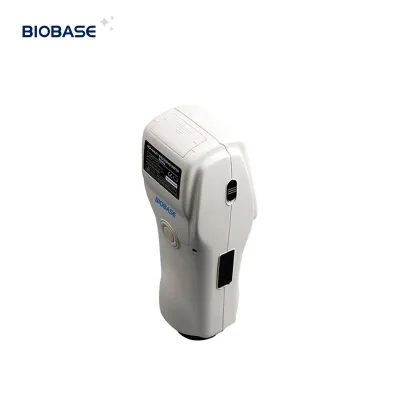
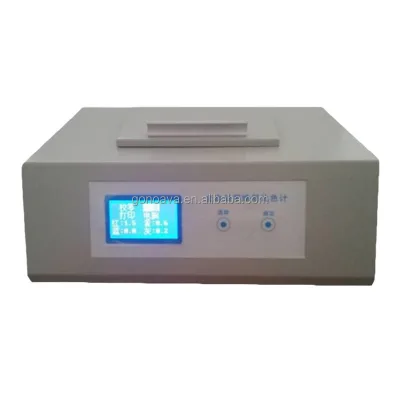
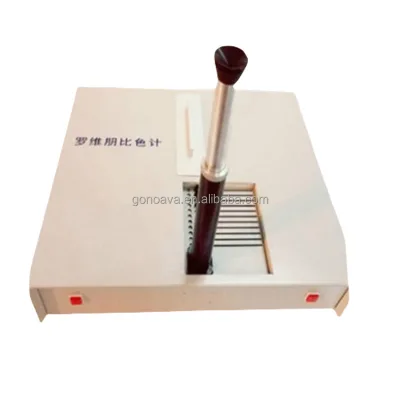
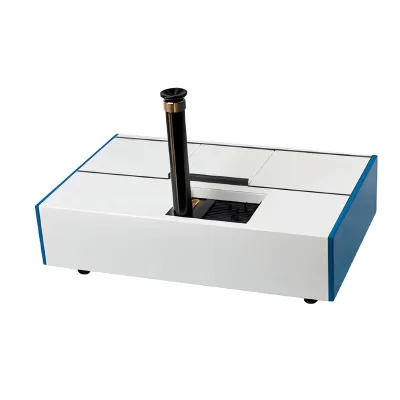




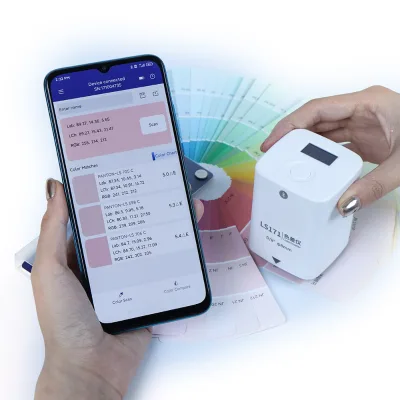
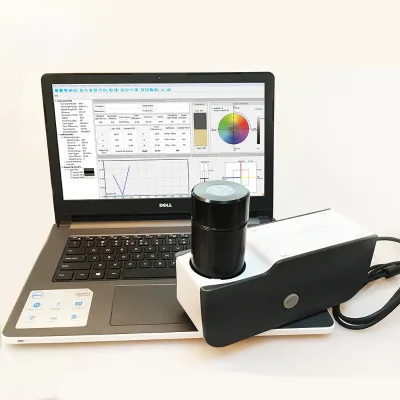
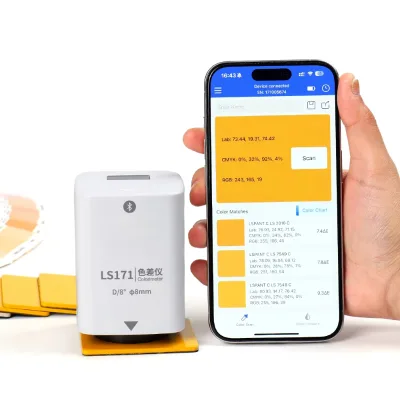
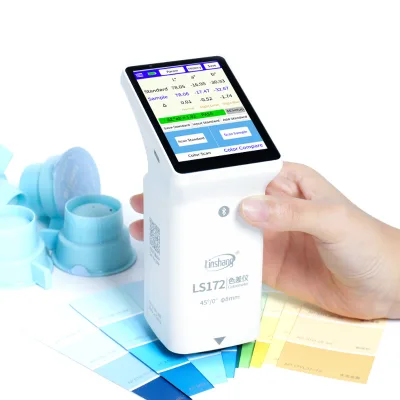
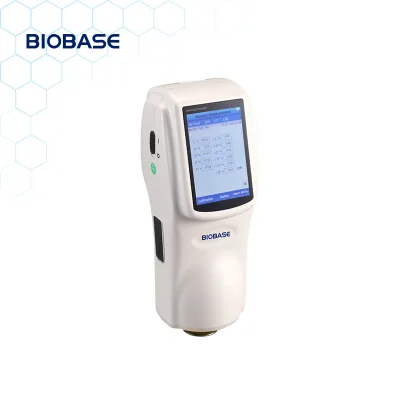




Comprehensive Sourcing Guide
Lab Color Modes Colorimeter Supplier Concentration and Factory Types
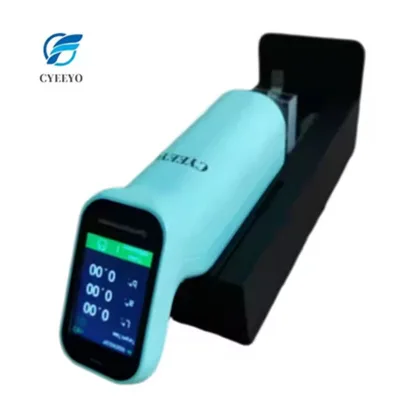
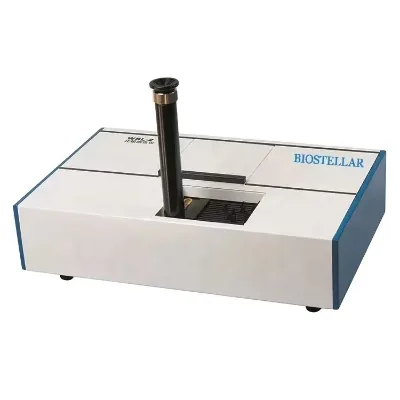
The current supplier landscape for laboratory colorimeters shows a distinct concentration in China, specifically within the Zhejiang and Guangdong provinces. Fact-based observations indicate that manufacturers in Zhejiang produce a wide array of testing instruments, including soil nutrient analyzers, seed testers, and various colorimeters like the SD9012B and WSL-2 models. These facilities often list their province as Zhejiang and offer products ranging from portable beer colorimeters to advanced desktop spectrophotometers. The presence of multiple product lines suggests these factories possess diverse manufacturing capabilities, handling everything from optical instruments to general laboratory testing equipment. Buyers should note that while Zhejiang appears to be a primary hub for these specific optical devices, the data does not confirm a single dominant cluster but rather a distribution of specialized factories across this region.
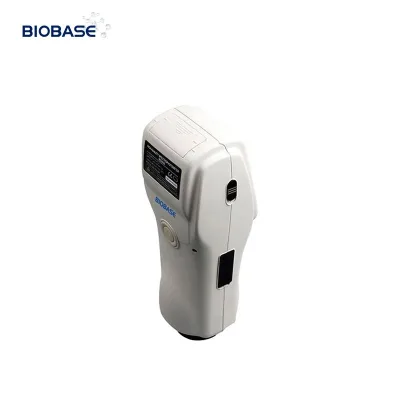
In contrast, suppliers located in Guangdong demonstrate a different operational profile, often categorized as combined companies capable of both manufacturing and trading. These entities frequently highlight certifications such as ISO9001:2015 and verification from third-party agencies like BV, indicating a focus on quality assurance and compliance. The product range from this region includes handheld colorimeters like the CR2 and PS2050 models, alongside gloss meters and thickness gauges. This suggests that Guangdong-based suppliers may specialize in portable, handheld solutions for field and lab use, whereas Zhejiang suppliers might lean towards stationary or specialized benchtop instruments. When evaluating factory types, buyers must distinguish between pure manufacturers and combined entities, as the latter may offer broader product catalogs but different supply chain dynamics.
How to Verify Lab Color Modes Colorimeter Suppliers
Verification of suppliers requires a rigorous check of the specific attributes provided in their product listings and company profiles. For instance, some suppliers explicitly list CE certification for their colorimeters, such as the WSL-2 and WSC-S models, which is a critical compliance marker for European markets. Others may provide RoHS certification alongside CE, as seen with the CR2 Colorreader, ensuring the product meets environmental standards for hazardous substances. Buyers should not assume all suppliers possess these credentials; instead, they must request and validate specific certification documents for the exact model number they intend to purchase. The presence of a BV verification badge on a supplier profile is another tangible indicator of reliability, suggesting that the company has undergone an external audit of its business operations and capabilities.
Beyond certifications, buyers must scrutinize the response time and lead time data to gauge operational efficiency. Current data shows response times varying significantly, with some suppliers responding in under three hours while others take nearly eight hours. Lead times also differ, with some suppliers indicating a zero-day lead time for specific items, while others list a standard fifteen-day window. These metrics are not universal; a supplier with a fast response time might have a longer production lead time, or vice versa. To verify a supplier's actual capability, buyers should cross-reference the stated response time with their actual communication speed and confirm the lead time against the specific product's customization requirements. Customization availability is another key verification point, as some models like the SD9012B offer custom packing, while others may have fixed specifications.
What to Compare Across Lab Color Modes Colorimeter Suppliers
When comparing suppliers, the primary focus should be on the technical specifications and pricing structures associated with each model. The market offers a wide price range, from budget-friendly handheld units priced around 280 units to high-configuration spectrophotometers exceeding 4900 units. Buyers must compare the minimum and maximum price points for specific models, such as the SD9012B which ranges from 950 to 1190, against the WSL-2 which is priced between 500 and 600. It is essential to verify if the quoted price includes customization, as some listings explicitly state that customization is available, which could alter the final cost. Additionally, the Minimum Order Quantity (MOQ) is a critical factor, with some suppliers offering an MOQ of just one unit, making them suitable for small-scale procurement, while others may have higher thresholds.
Technical performance metrics provide another layer for comparison, particularly regarding accuracy and optical geometry. For example, the WSF model specifies a wavelength range of 400nm to 700nm with an accuracy of ±2nm, whereas the PS2050 model highlights an optical geometry of D/8 and specific measuring apertures. Buyers should compare these technical details against their specific application needs, such as whether they require a desktop structure or a portable handheld device. The structure type, whether desktop or handheld, often correlates with the intended application environment, with desktop models like the WSC-S designed for laboratory settings and handheld units like the CR2 suited for field work. Comparing these attributes ensures that the selected supplier can meet the precise technical requirements of the buyer's laboratory or testing facility.
Common Lab Color Modes Colorimeter Sourcing Risks
One significant risk in sourcing laboratory colorimeters is the potential mismatch between product specifications and actual performance capabilities. While listings may claim high performance, such as a white board diffuse reflectance of greater than 80% or a minimum reading of 0.1 Lovibond, these figures must be validated through independent testing. Buyers should be cautious of generic claims without supporting test reports, as the accuracy of wavelength and spectrum transmittance can vary between batches. For instance, a supplier might list an accuracy of ±1.5% for spectrum transmittance, but without a verified calibration certificate, this specification may not hold up in a real-world quality control environment. Relying solely on the provided product attributes without third-party verification can lead to purchasing equipment that fails to meet regulatory or internal quality standards.
Another risk involves the variability in lead times and the availability of customized components. Some suppliers list a lead time of zero, which may imply immediate stock availability, while others specify a fifteen-day production window. This discrepancy can cause delays in project timelines if the buyer assumes immediate delivery based on a zero-lead-time listing that actually requires customization. Furthermore, the availability of customization, such as specific packing or branding, is not guaranteed for all models. If a buyer requires a customized product, they must confirm that the supplier's stated customization capability applies to the specific model and that the lead time reflects the additional processing time. Failure to verify these details can result in order delays or receiving products that do not meet the buyer's specific logistical or branding requirements.
Lab Color Modes Colorimeter Regional Sourcing and Logistics
Sourcing from China, particularly from the Zhejiang and Guangdong provinces, offers distinct logistical advantages and challenges. Suppliers in Zhejiang are noted for their production of diverse testing instruments, including colorimeters and soil nutrient analyzers, which suggests a mature supply chain for optical and analytical equipment. The proximity of these factories to major shipping ports can facilitate efficient export logistics, though buyers must verify the specific shipping terms and packaging standards. For example, some products are packed in cartons or customized packaging, while others use paper packaging, which impacts the cost and safety of international shipping. Buyers should confirm the packing details, such as the dimensions and weight, to ensure that the shipping costs align with their budget and that the products arrive without damage.
In contrast, suppliers in Guangdong often operate as combined entities with established verification records, which can streamline the logistics process. These suppliers may offer more robust support for international shipping due to their experience with combined trading and manufacturing operations. The presence of certifications like ISO9001:2015 and BV verification indicates a higher level of operational maturity, which often translates to better logistics management. However, buyers must still verify the specific lead times and shipping methods for each order. The lead time of fifteen days for some Guangdong suppliers suggests a production cycle that requires planning, whereas the zero-day lead time for others implies a ready-to-ship inventory. Understanding these regional differences helps buyers plan their procurement schedules and manage inventory levels effectively.
Lab Color Modes Colorimeter Commercial Terms and Order Planning
Commercial terms for laboratory colorimeters vary significantly based on the supplier's location and product type. Pricing structures can range from fixed prices, such as the 280-unit price for the CR2 model, to variable ranges like the 950 to 1190 range for the SD9012B. Buyers must carefully review the price minimum and maximum to understand the potential cost fluctuations based on order volume or customization. Additionally, the availability of customization, such as specific packing or branding, can influence the final commercial terms. Some suppliers offer customized packing, while others provide standard carton packaging, which may affect the overall cost and delivery timeline. Buyers should negotiate these terms clearly to avoid unexpected expenses and ensure that the final price aligns with their budget.
Order planning requires a strategic approach to managing lead times and response times. With response times varying from under three hours to nearly eight hours, buyers should prioritize suppliers with faster response times to ensure timely communication and issue resolution. Lead times also play a crucial role in order planning, with some suppliers offering immediate delivery and others requiring a fifteen-day production window. Buyers should factor in these lead times when scheduling their procurement to avoid delays in their laboratory operations. Furthermore, the Minimum Order Quantity (MOQ) of one unit for some suppliers allows for flexible ordering, while others may have higher thresholds. By understanding these commercial terms and planning accordingly, buyers can optimize their procurement process and ensure a smooth acquisition of laboratory colorimeters.
FAQs
What is the price range for lab colorimeters?
Lab colorimeter prices vary significantly based on configuration and features. Portable models start around 280 USD, while advanced desktop spectrophotometers can reach over 5000 USD. Buyers should check specific product listings for exact pricing tiers and minimum order quantities to align with their budget constraints.
Which regions supply these testing instruments?
Manufacturers are primarily located in China, specifically in Zhejiang and Guangdong provinces. Zhejiang suppliers often offer portable and high-configuration water quality meters, while Guangdong facilities provide handheld and precise digital lab colorimeters. Both regions support customization and offer various certification standards for international buyers.
Are customization options available for these devices?
Yes, customization is widely available across many listed models. Suppliers offer OEM and ODM services, allowing for branded packaging and specific technical adjustments. Buyers can request customized packing solutions or specific structural modifications to meet unique laboratory requirements or branding needs for their specific testing applications.
What certifications do these colorimeters hold?
Many laboratory colorimeters carry CE and RoHS certifications, ensuring compliance with international safety and environmental standards. Some models also include ISO9001:2015 system certifications. Buyers should verify specific product documentation to confirm that the device meets the regulatory requirements for their target market or industry application.
How fast do suppliers typically respond?
Response times vary by supplier location and capacity. Some Guangdong-based suppliers respond within approximately 2.5 hours, while others may take around 7.75 hours. Faster response times often correlate with established trading companies or larger manufacturing facilities with dedicated sales teams ready to assist with immediate inquiries.
What is the typical lead time for orders?
Lead times depend on the supplier type and order volume. Some manufacturers indicate a lead time of around 15 days for production and shipping. Buyers should confirm specific delivery schedules with the supplier, as expedited options or stock availability may vary depending on the specific model and customization requirements.