Large Caddy Style Golf Towel Suppliers and Manufacturers
Compare 28 verified suppliers offering large caddy style golf towels with varying lead times, MOQs, and certifications like Oeko-Tex 100. Review product specs and response times to select a partner for custom orders; review the available evidence before requesting comparable quotations from suitable candidates.
Updated
Suppliers List
- Verified by SGS Group
- Manufacturer, Trading Company
- Lead time15 days
- Avg. response≤ 2h
Main productsTowel, Home Textile
Main marketsNorth America(70%), Western Europe(30%)

Hebei Ailuoha Import and Export Co., Ltd.
- Verified by SGS
- Combined
- China Hebei
- Lead time15 days
- Avg. response≤ 3h
Main productsMicrofiber Cloth, Bath Towel, Beach Towel, Car Towel, Sport Towel, Kitchen Towel
Main marketsEurope,Australia,North America


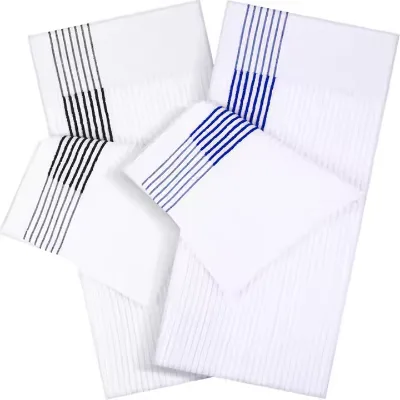
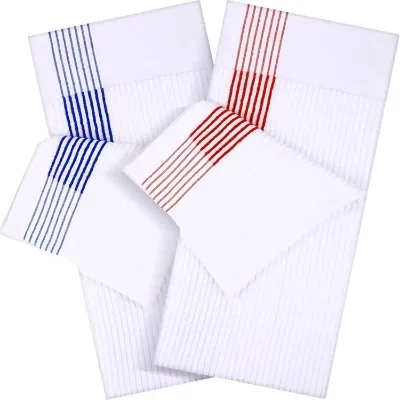
Custom Tour Caddy Large Golf Towel Cotton Golf Towel Simple Clean Design
$3.00 - $3.70
MOQ: 100 Pieces

High Quality Custom Caddy Large Golf Towel Cotton Golf Towel Clean Design
$3.00 - $3.70
MOQ: 100 Pieces


Extra Large Golf Caddy Towel Durable Woven Cotton Sport Towel for Golfers Caddies Professionals
$3.00 - $3.70
MOQ: 100 Pieces


Xiamen Yopral Sports Goods Co., Ltd.
- Verified by TUVRHEINLAND
- Trading Company
- China Fujian
- Lead time30 days
- Avg. response≤ 6h
Main productsGolf Heeadcover, Golf Towel, Golf Hat, Golf Bag, Golf Tee, Golf Polo Shirt, Golf Divot Tool, Golf Ball Marker, Golf Brush, Golf Ball
Main marketsNorth America


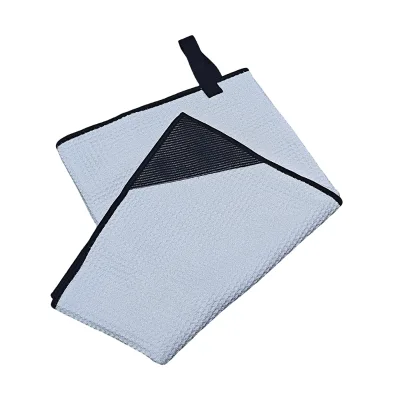
Premium Blue Waffle Microfiber Golf Towel Custom Logo Pattern Wholesale Large Microfiber Golf Towel
$4.10 - $5.00
MOQ: 100 Pieces

Premium Microfiber Custom Logo Color Golf Towel Cotton Wholesale Golf Towel
$4.10 - $5.00
MOQ: 100 Pieces

Shenzhen Kaisery Technology Co., Ltd.
- Verified by Intertek
- Trading Company
- Lead time7 days
- Avg. response≤ 4h
Main productsGolf Towel, Golf Ball Marker, Golf Divot Repair Tool, Golf Glove, Other Golf Accessories
Main marketsNorth America(20%), Eastern Asia(15%), Southeast Asia(9%)
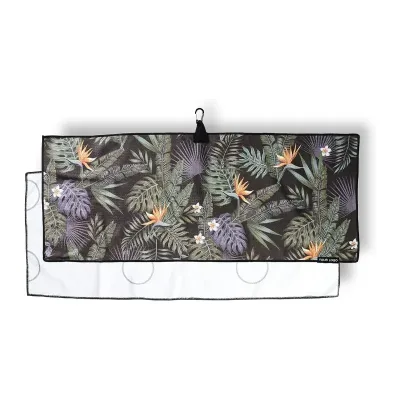
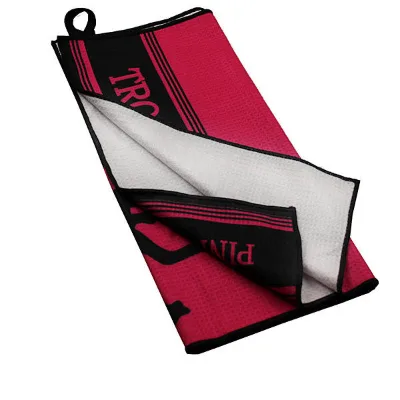
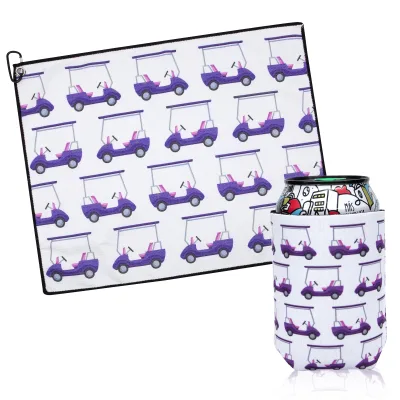
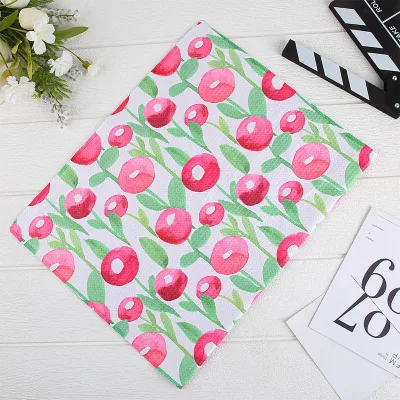
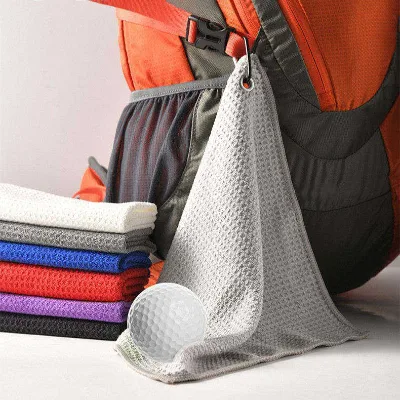
Factory Custom Microfibre Golf Towels Double Sided Golf Towel Microfiber Golf Towels With Hook
$0.99 - $1.99
MOQ: 100 pieces
Hangzhou Jinhong Imports And Exports Co., Ltd.
- Trading Company
- Lead time旺季: "1 - 80":20,"81 - 500":30,"> 500":"To be negotiated", 淡季: "1 - 80":20,"81 - 500":30,"> 500":"To be negotiated"
- Avg. response≤ 3h
Main productsJacquard Woven Towel, Printing Towel, Golf Headcovers, Golf Accessories, Golf Pouch
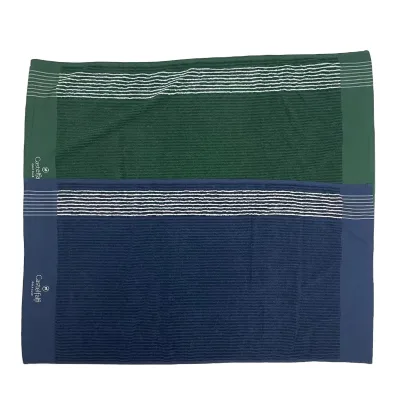
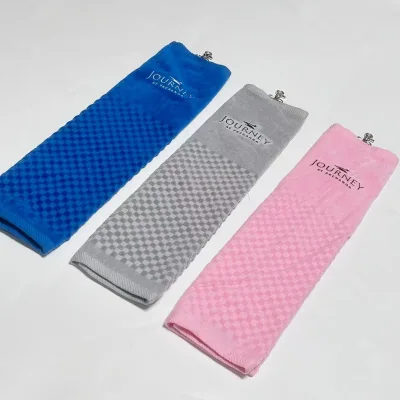
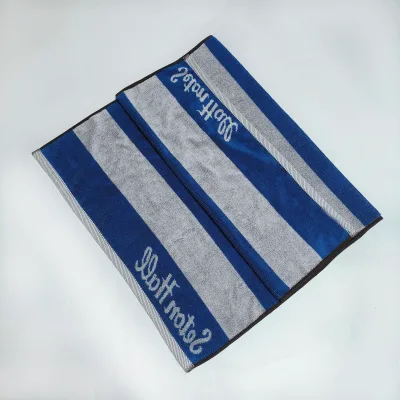
Custom Logo Wholesale Fold Golf Towel Cotton Terry Jacquard Woven Stratus Golf Towel
$1.5269 - $3.22
MOQ: 50 pieces
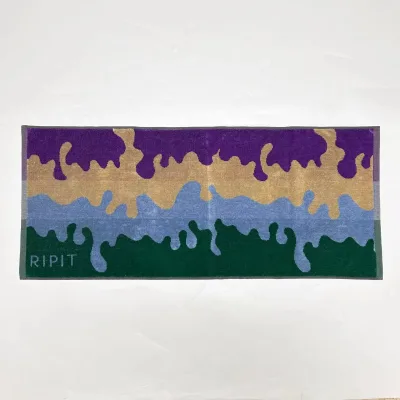
Hot Selling Customized Color Woven Towel Embroidered Strong Water Absorption Golf Towel
$2.5793 - $2.8892
MOQ: 50 pieces

Huaian Goodlife Textile Co., Ltd.
- Verified by TUVRHEINLAND
- Combined
- China Jiangsu
- Lead time15 days
- Avg. response≤ 5h
Main productsTowel, Bathrobe, Bedding Set, Pajamas
Main marketsOthers(foreignTradeCapacity.exportBusinessCapacityMarketOther),Europe,North America

Personalized Custom Logo Golf Towel Super Absorbent Cotton Golf Caddy Towel
$0.90 - $1.60
MOQ: 100 Pieces

Custom Printed Microfiber Waffle Pattern Tour Golf Club Cleaning Towel Sublimation Golf Caddy Towels
$0.85 - $1.22
MOQ: 200 Pieces


Hangzhou Jinhong Imports And Exports Co., Ltd.
- Trading Company
- Zhejiang, China
- Lead time10 days
- Avg. response≤ 4h
Main productscotton sport towel,microfiber sport towel,sport socks,new towels,sport hat
Main marketsNorth America(50.00%), Western Europe(40.00%), Southeast Asia(5.00%), Eastern Asia(2.00%), Northern Europe(1.00%), South America(1.00%), Mid East(1.00%)
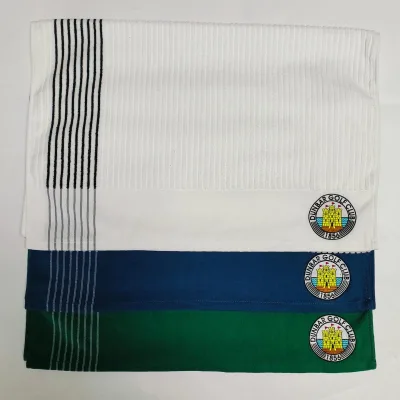
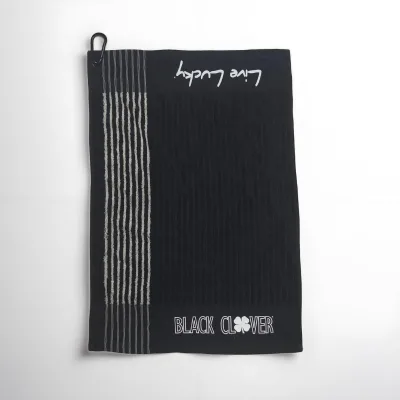
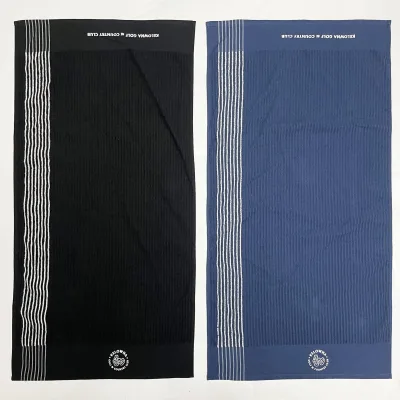
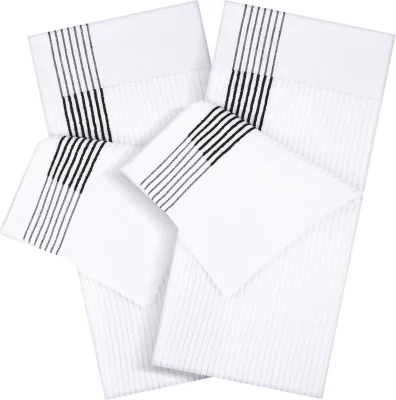
Customized Logo Simple Strip Design Cotton 16" X24" Caddie Golf Towel Wholesale Caddy Golf Towel
$0.95 - $1.85
MOQ: 50 pieces
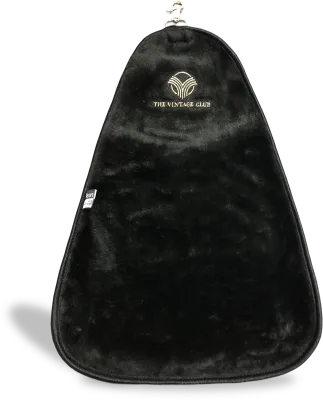
Golf Towel Cleaning Swing With Mesh Golf Towels Customized Logo for Clean Golf Ball
$1.6242 - $3.1647
MOQ: 50 pieces
- Trading Company
- Hebei, China
- Lead time15 days
- Avg. response≤ 1h
Main productsHousehold cleaning tools and accessories,Car maintenance and cleaning,Beach towels,Microfiber Towel,Car Cleaning Products
Main marketsCentral America(20.00%), South America(20.00%), North America(20.00%), Eastern Europe(10.00%), Western Europe(10.00%), Eastern Asia(10.00%), South Asia(10.00%), Southern Europe(10.00%), Northern Europe(10.00%), Southeast Asia(10.00%), Domestic Market(5.00%), Mid East(5.00%), Oceania(5.00%), Africa(5.00%)
- Trading Company
- Hebei, China
- Lead time35 days
- Avg. response≤ 4h
Main productsSports & Games,Toys,Outdoor &Leisure,Home supplies & Decor,Garden items & Tools
Main marketsNorthern Europe(20.00%), Western Europe(20.00%), North America(20.00%), South America(15.00%), South Asia(5.00%), Southern Europe(5.00%), Eastern Europe(5.00%), Africa(5.00%), Oceania(5.00%)

Hebei Aoruini Textile Trading Co., Ltd.
- Verified by TUVRHEINLAND
- Combined
- China Hebei
- Lead time15 days
- Avg. response≤ 3h
Main productsTowel, Beach Towel, Car Towel, Sport Towel, Kitchen Towel, Pet Towel
Main marketsSouth America,Southeast Asia/ Mideast,East Asia(Japan/ South Korea),Europe,Australia,North America

Textile Design Microfiber Large Size Tour Golf Club Cleaning Towel with logo Custom Printing
$0.95 - $1.85
MOQ: 300 PCS

Wholesale Custom Logo Magnetic Golf Towel Microfiber Magnet Caddy Sports Golf Towels
$0.95 - $1.85
MOQ: 300 PCS


Xiamen Mlg Sports Equipment Co., Ltd.
- Verified by SGS
- Trading Company
- China Fujian
- Lead time30 days
- Avg. response≤ 3h
Main productsGolf Head Cover, Golf Bag, Golf Towel
Main marketsEast Asia(Japan/ South Korea),Europe,North America


Custom Design Custom Color Golf Towel Microfiber Golf Towel High Quality Golf Towels
$1.10 - $1.20
MOQ: 100 Pieces

New Design Custom Logo Golf Towel Manufacturers Microfiber Colorful Golf Towels
$1.10 - $1.20
MOQ: 100 Pieces

Fuzhou Greenmade Import & Export Co., Ltd.
- Trading Company
- Fujian, China
- Lead time15 days
- Avg. response≤ 9h
Main productsGolf Tee,Ball Marker,Divot Tool,Golf Pencil,Golf Ball
Main marketsNorth America(57.00%), Western Europe(43.00%)
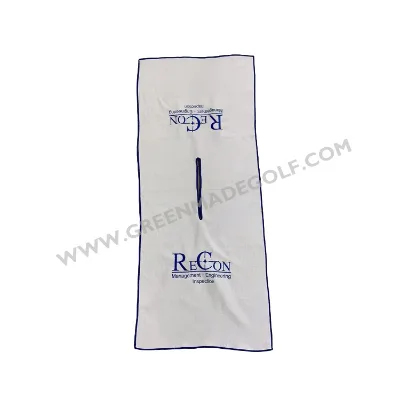
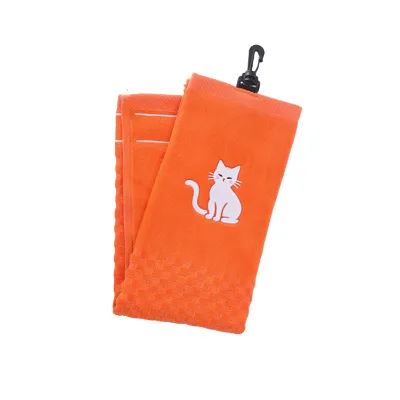
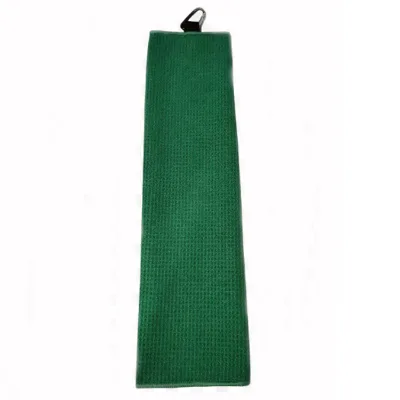
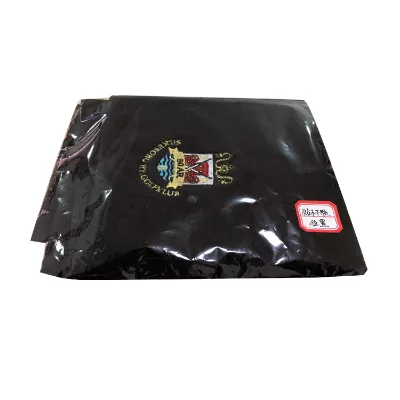
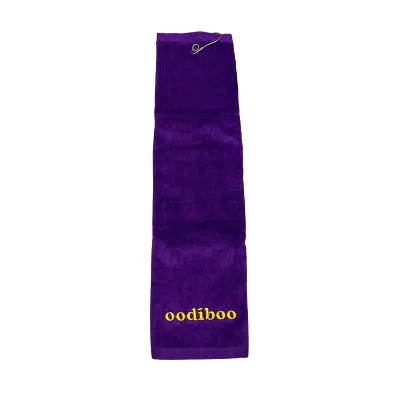
Custom Embroidery Design Fancy Hand Towels Christmas Golf Towels 100% Cotton Towels
$1.30 - $1.50
MOQ: 1000
Yiwu Huanxing Import & Export Co., Ltd.
- Trading Company
- Zhejiang, China
- Lead time10 days
- Avg. response≤ 2h
Main productsPet Grooming & Bathing Tool,Pet Feeder & Bowl,Pet Collar & Leash,Pet Mat & Pad,Pet Training Product
Main marketsNorth America(30.00%), Northern Europe(20.00%), Western Europe(20.00%), Southern Europe(10.00%), Mid East(10.00%), Eastern Europe(10.00%)
Nantong Get Power Fitness Equipment Co., Ltd.
- Verified by TüVRheinland
- Trading Company
- Lead time30 days
- Avg. response≤ 2h
Main productsDumbbell, Barbell, Weight Plate, Power Rack, Bench
Main marketsNorthern Europe(40%), North America(20%), Southeast Asia(20%)
Huizhou Lecheng E-Commercial Co., Ltd.
- Trading Company
- Guangdong, China
- Lead time30 days
- Avg. response≤ 6h
Main productsCycle,Golf,Baseball
Main marketsNorth America(25.00%), Northern Europe(15.00%), Western Europe(10.00%), South America(10.00%), South Asia(10.00%), Africa(5.00%), Eastern Asia(5.00%), Southeast Asia(5.00%), Central America(5.00%), Mid East(3.00%), Southern Europe(3.00%), Eastern Europe(2.00%), Oceania(2.00%)
Dongguan Pinmei Metal Gifts Company Litmited
- Verified by Intertek
- Trading Company
- Lead time25 days
- Avg. response≤ 2h
Main productsGolf Head Cover, Golf Bag, Golf Glove, Golf Towel, Golf Ball Marker
Main marketsNorth America(75%), Western Europe(10%), Eastern Asia(10%)
- Verified by Intertek
- Manufacturer, Trading Company
- Lead time7 days
- Avg. response≤ 2h
Main productsCustom Flags And Banners , Promotion Gifts, Promotion Apparel And Accessories, Advertising Display , Sports Entertainment Gifts
Main marketsNorth America(43%), Western Europe(25%), Oceania(16%)
Shenzhen Gacci Sports Technology Co., Ltd.
- Verified by Intertek
- Manufacturer, Trading Company
- Lead time15 days
- Avg. response≤ 2h
Main productsGolf Accessories, Golf Tee, Golf Mat, Golf Ball, Golf Trolley
Main marketsNorth America(25%), Eastern Europe(10%), Western Europe(10%)
Changzhou Haige Microfiber Textile Co., Ltd.
- Verified by SGS Group
- Manufacturer, Trading Company
- Lead time25 days
- Avg. response≤ 1h
Main productsMicrofiber Towel, Beach Towel, Microfiber Suede Towel, Travel Blanket, Bandana
Main marketsNorth America(45%), Western Europe(30%), Northern Europe(8%)
Dongguan Heyi Textile Co., Ltd.
- Manufacturer
- Guangdong, China
- Lead time10 days
- Avg. response≤ 5h
Main productsSports Towel, Golf Towel, Beach Towel, Cooling Towel, Cleaning Towel
Main marketsDomestic Market(75.00%), North America(10.00%), South America(5.00%), Eastern Asia(5.00%), Northern Europe(5.00%)

UNIQUE ROYAL INDUSTRIES LIMITED
- Trading Company
- China Jiangsu
- Lead time23 days
- Avg. response≤ 18h
Main productsPet Tennis Balls Pet Toys, Drink Ware Mugs Bottle Opener, Apparel and T Shirt Apron, Children Toys, Backpack Lunch Bag Tote Pouch, Lanyards Keychain Luggage Strap, Advertising Products, Caps Hats Sunglasses, Kitchen Ware Home Products, Promotional Products
Main marketsEurope,North America
Dongguan Jiechu Sporting Goods Co., Ltd.
- Verified by Intertek
- Manufacturer, Trading Company
- Lead time30 days
- Avg. response≤ 4h
Main productsGolf Bag, Golf Training Aid, Golf Head Cover, Golf Tee, Golf Accessories
Main marketsEastern Asia(30%), North America(20%), Western Europe(15%)
Guangzhou Dias Outdoor Sports Co., Ltd.
- Verified by Intertek
- Trading Company
- Lead time10 days
- Avg. response≤ 6h
Main productsGolf Series Products
Main marketsEastern Asia(12%), Eastern Europe(12%), Oceania(11%)

- Verified by SGS
- Combined
- China Fujian
- Lead time15 days
- Avg. response≤ 4h
Main marketsEurope
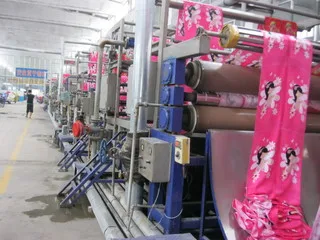
Guangzhou Yamian Textile Co., Ltd.
- Manufacturer, Trading Company
- Guangdong, China
- Lead time30 days
- Avg. response≤ 3h
Main productsBeach Towel, Fleece Blanket, Golf Towel, Hair Towel , Sport Towel
Main marketsNorth America(40.00%), Western Europe(26.00%), Oceania(15.00%), Domestic Market(10.00%), Southeast Asia(9.00%)
Dongguan Jinyuan Crafts Co., Ltd.
- Manufacturer, Trading Company
- Guangdong, China
- Lead time0 days
- Avg. response≤ 3h
Main productsgolf divot tool ball marker,golf towel,golf ball marker,medal,lapel pin
Main marketsNorth America(50.00%), Eastern Europe(10.00%), South America(10.00%), Northern Europe(5.00%), Western Europe(5.00%), Southeast Asia(5.00%), Central America(3.00%), Southern Europe(3.00%), South Asia(3.00%), Oceania(2.00%), Africa(2.00%), Eastern Asia(1.00%), Domestic Market(0.50%), Mid East(0.50%)
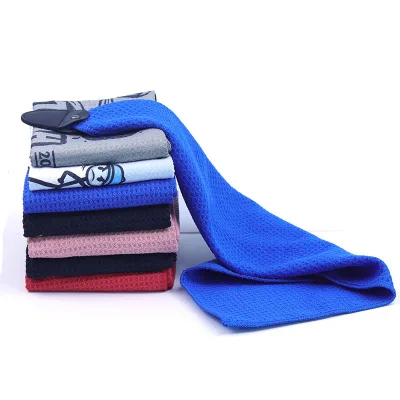
Hot Sale OEM Services Super Water Absorbent Custom Printed Microfiber Golf Towel
$1.0105 - $1.4236
MOQ: 100 pieces

- Verified by BV
- Trading Company
- China Guangdong
- Lead time15 days
- Avg. response≤ 17h
Main productsGolf Bag, Windcoat, Helmet, Golf Hat, Shirts, Tent, Basketball Jersey, Golf Umbrella, Football Jersey, Golf Grip
Main marketsAfrica,Southeast Asia/ Mideast,East Asia(Japan/ South Korea),Europe,Australia,North America
Shandong Xingguang Textile Co., Ltd.
- Manufacturer, Trading Company
- Shandong, China
- Lead time60 days
- Avg. response≤ 1h
Main productsTowel,Bath Towel,Bath Robe,Towel Quilt,Tea Towel
Main marketsEastern Asia(38.00%), Mid East(12.00%), Southeast Asia(10.00%), South Asia(9.00%), Domestic Market(5.00%), Africa(5.00%), South America(4.00%), North America(3.00%), Northern Europe(3.00%), Central America(3.00%), Eastern Europe(3.00%), Southern Europe(2.50%), Western Europe(2.50%)
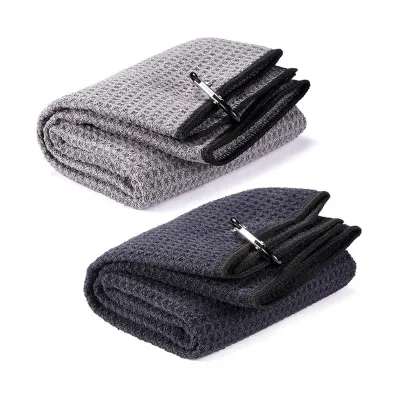
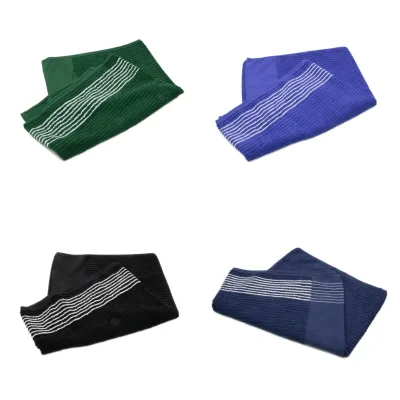
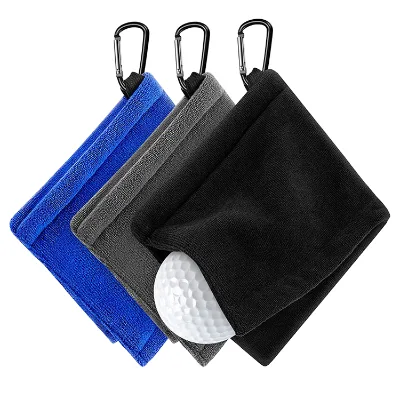
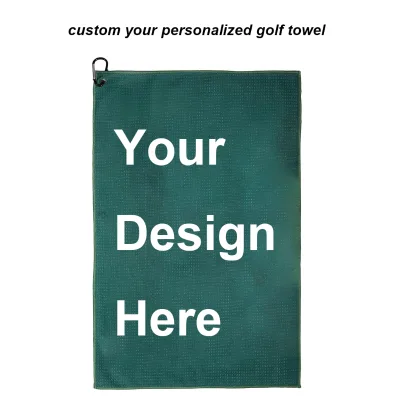






Comprehensive Sourcing Guide
Large Caddy Style Golf Towel Supplier Concentration and Factory Types
The current supplier landscape for large caddy style golf towels reveals a mix of manufacturing and trading entities operating primarily within China. Specific facility locations identified in verified results include Jiangsu, Hebei, and Fujian provinces, indicating distinct regional clusters for textile production. Suppliers in these areas often list main products ranging from general home textiles to specialized golf accessories like headcovers and hats. This concentration suggests that buyers can find specialized factories in Jiangsu for cotton-based items, while other regions may offer broader product ranges including microfiber options.
Company types vary significantly between pure manufacturers and trading companies, with some entities classified as combined operations. Manufacturers typically offer direct customization capabilities such as graphic processing and on-demand production, whereas trading companies may aggregate products from multiple sources. The presence of both types allows buyers to choose between direct factory pricing and the logistical support of a trading partner. It is essential to verify the specific company type listed in the supplier profile to understand the directness of the supply chain and the potential for value-added services like sample processing.
How to Verify Large Caddy Style Golf Towel Suppliers
Verification of supplier credibility relies heavily on third-party audit reports and system certifications rather than self-declared claims. Several suppliers in the current results have undergone verification by recognized bodies such as SGS Group and TÜV Rheinland, providing a baseline of trust regarding their business operations. Additionally, system certifications like Oeko-Tex 100 and the General Certificate of Conformity (GCC) are present in specific profiles, indicating adherence to safety and environmental standards. Buyers should prioritize suppliers displaying these specific verification badges and certification documents to ensure product safety and compliance.
Beyond external audits, buyers must examine the specific product attributes and customization capabilities listed in the supplier catalog. Evidence shows that some suppliers accept customized logos and offer sample processing, which serves as a practical verification of their production flexibility. The presence of detailed product attributes, such as material composition (100% Cotton or Microfiber) and specific GSM ranges, indicates a level of transparency that correlates with reliable manufacturing practices. If a supplier lacks these detailed attributes or verification badges, the buyer should request direct proof of these credentials before proceeding with any order.
What to Compare Across Large Caddy Style Golf Towel Suppliers
When evaluating potential partners, buyers should compare key operational metrics including lead times, minimum order quantities, and response speeds. Current data indicates lead times ranging from 15 days to 30 days, with response times varying between 2 and 5 hours. These figures are critical for planning inventory cycles and managing customer expectations. A supplier with a 15-day lead time may be preferable for urgent orders, while a 30-day lead time might be acceptable for larger, planned stock replenishments. Comparing these timelines directly helps in selecting a partner that aligns with the buyer's specific logistical requirements.
Minimum order quantities and pricing structures also require careful comparison to ensure cost-effectiveness and feasibility. MOQs in the current results vary, with some suppliers requiring 100 pieces while others set the threshold at 200 pieces. Price ranges differ significantly based on material and customization, with some listings showing prices as low as $0.85 per unit and others reaching $5.20. Buyers must weigh the trade-off between lower unit costs at higher volumes and the flexibility of lower MOQs for testing new designs. Additionally, comparing the specific product features, such as GSM weight and fabric type, ensures that the price comparison reflects equivalent product quality.
Common Large Caddy Style Golf Towel Sourcing Risks
One significant risk involves the inconsistency of product specifications, particularly regarding material composition and weight. While some suppliers list 100% cotton with specific GSM ranges like 300-499, others may offer microfiber or varying weights without clear standardization. This discrepancy can lead to receiving products that do not match the intended use or branding requirements. Buyers must explicitly confirm the material and weight specifications in the final contract to avoid receiving substandard or incorrect goods that fail to meet the expected quality standards for golf accessories.
Another risk pertains to the reliability of customization services and sample approval processes. Although many suppliers claim to accept customized logos and samples, the actual execution can vary. Some profiles indicate a sample time of 7 to 15 days, while others offer free samples, creating confusion about the actual cost and timeline for prototyping. If a supplier does not clearly define their sample policy or customization lead time, the buyer risks delays in product development. It is crucial to verify the specific sample acceptance terms and the timeline for graphic processing before committing to a bulk order.
Large Caddy Style Golf Towel Regional Sourcing and Logistics
Sourcing from specific Chinese provinces like Jiangsu, Hebei, and Fujian offers distinct logistical advantages depending on the product type. Jiangsu appears to be a hub for cotton-based textile manufacturing, while other regions may specialize in different materials or broader product lines. Buyers should consider the proximity of the factory to major shipping ports to minimize inland transportation costs and lead times. Understanding the specific location of the supplier allows for more accurate estimation of freight charges and transit times, which are critical for maintaining a competitive supply chain.
Logistics planning must also account for the varying lead times associated with different regions and supplier types. A supplier in Hebei might have a 30-day lead time, whereas a manufacturer in Jiangsu could offer a 15-day turnaround. These differences impact the overall delivery schedule and the ability to meet market demand. Buyers should factor in these regional variations when planning their inventory replenishment cycles. Additionally, verifying the packing standards, such as customized packings or standard cartons, ensures that the goods arrive in optimal condition, reducing the risk of damage during transit.
Large Caddy Style Golf Towel Commercial Terms and Order Planning
Commercial terms regarding payment, escrow, and order planning are vital for mitigating financial risk and ensuring smooth transactions. While specific escrow details are not universally listed, the presence of verified suppliers suggests a structured environment for secure payments. Buyers should prioritize suppliers who offer clear terms for sample orders and bulk production, ensuring that the transition from prototype to mass production is seamless. Understanding the specific service offerings, such as OEM support and trial small orders, helps in structuring an order that minimizes upfront financial exposure.
Order planning must align with the supplier's capacity for customization and production volume. Some suppliers offer light customization and sample processing, while others provide full ODM and OEM services. Buyers need to assess whether the supplier can handle the required volume within the specified lead time without compromising quality. The availability of specific product models and the ability to accept customized colors and sizes are also key factors in planning. By aligning the order volume with the supplier's stated capacity and lead time, buyers can ensure a reliable supply of large caddy style golf towels that meet their market demands.
FAQs
What sizes qualify as a Large Caddy Style Golf Towel?
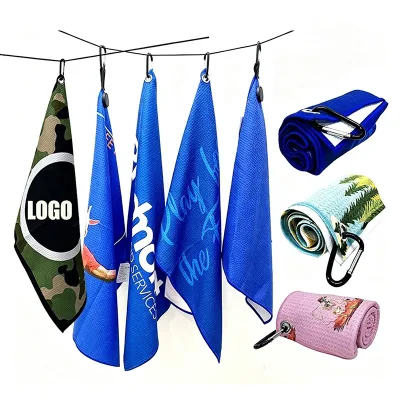
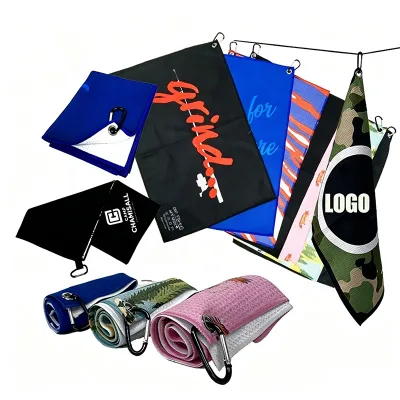
Large caddy style golf towels typically range from 22x42 inches down to 40x60 centimeters, with some models reaching 55x110 centimeters for tour-style use. The oversized format lets golfers drape the towel over the bag and clean multiple clubs quickly. Confirm exact dimensions with each supplier, since custom sizing is commonly offered alongside standard options.
What is the typical minimum order quantity for these towels?
Minimum order quantities vary widely, with listed products ranging from 100 pieces to 200 pieces per design. Lower MOQs usually apply to simpler prints or stocked colors, while fully custom embroidery may require more. Always confirm the MOQ for your specific logo, color, and packaging requirements before requesting a quote.
What materials are used for large caddy golf towels?
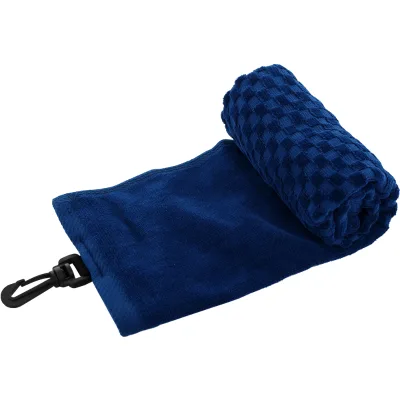
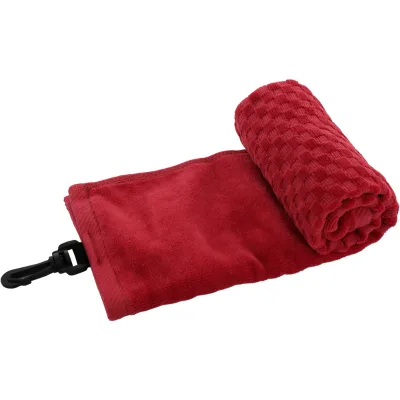
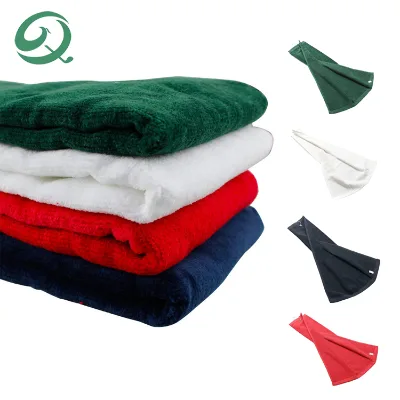
Listed options include 100% cotton terry constructions, including Egyptian cotton patterns, as well as microfiber waffle-weave versions. Cotton offers a classic plush feel and strong absorbency, while microfiber dries faster and weighs less, around 200 grams. Fabric weights generally fall between 300 and 500 GSM, so choose based on your customers' preferred texture and drying behavior.
Can I add my own logo or custom design to the towels?
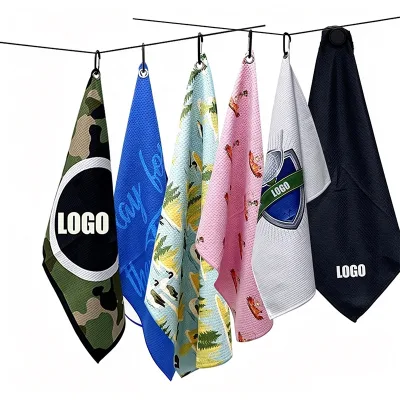
Yes, custom logo work is broadly supported across listed products, including embroidered terry towels and printed caddy styles. Many suppliers also accept custom colors, packaging, and sample development before production. Provide your artwork early and request a customized sample so you can verify embroidery quality, stitch density, and color accuracy before committing to bulk quantities.
How long does production take after an order is confirmed?
Listed lead times range from about 15 days for towel-focused manufacturers to roughly 30 days for trading companies handling broader golf product lines. Sample development for microfiber designs may add 7 to 15 days before bulk production begins. Confirm current lead times in writing, since order size, customization level, and season can all affect the schedule.
Which certifications should I look for when sourcing golf towels?
Some suppliers hold Oeko-Tex 100, GRS, or a General Certificate of Conformity, and certain profiles carry SGS or TUV Rheinland verification. These indicate attention to material safety and audited operations. Certifications are not uniform across all suppliers, so request current certificate copies directly and match them to the fabric and market you plan to sell into.
What customization capabilities do these suppliers typically offer?
Listed capabilities include light customization, sample processing, graphic processing, customization on demand, and full OEM or ODM service. Common options cover logo application, colorways, sizes, and customized packing. Trading companies may bundle towels with headcovers, tees, or bags for consolidated orders. Ask each supplier to state which customization tiers they genuinely support before sending production artwork.
How much do large caddy golf towels cost in bulk?
Listed bulk prices span roughly 0.85 to 5.20 US dollars per piece depending on material, size, and customization. Simple microfiber cleaning towels with a brush sit at the lower end, while large cotton caddy towels with custom logos cost more. Request itemized quotes so you can compare fabric weight, logo method, and packaging charges clearly.