Leak Proof PP Serving Tray Suppliers and Manufacturers
Compare 29 verified suppliers offering Leak Proof PP Serving Tray options with varying lead times, MOQs, and certifications. Review response times and product specifications to select the right factory for your needs; review the available evidence before requesting comparable quotations from suitable candidates.
Updated
Suppliers List

Minhou Forao Arts & Crafts Co., Ltd.
- Verified by SGS
- Combined
- China Fujian
- Lead time45 days
- Avg. response≤ 22h
Main productsDining Plate, Plastic Plate
Main marketsAustralia,North America


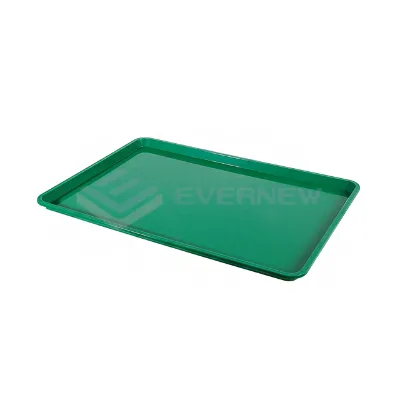
Multi Occasions Green Color Plastic Disposable PP Material Multi-Purpose Serving Tray
$0.60 - $1.10
MOQ: 200 Pieces

High Quality Orange Color PP Material Plastic Disposable Minimalist Serving Tray for Hotel
$0.60 - $1.10
MOQ: 200 Pieces

Jiangmen Goodman Cleaning Supplies Co., Ltd.
- Verified by TUVRHEINLAND
- Combined
- China Guangdong
- Lead time15 days
- Avg. response≤ 9h
Main productsFood Pan, Food Basket Tray, Storage Box, Cleaning Bucket, Trash Can
Main marketsEurope,North America

Jinjiang Jiaxing Supply Management Co., Ltd.
- Verified by TUVRHEINLAND
- Trading Company
- China Fujian
- Lead time30 days
- Avg. response≤ 2h
Main productsEVA Clogs, Flip Flop, Shoe Charms, Shopping Bags, Wristbands, Gifts, Promotional Gifts, Slipper, Sport Cap, Ball
Main marketsNorth America

Guangzhou Unique Hotel Supplies Co., Ltd.
- Verified by CTI
- Trading Company,Manufacturer/Factory
- China Guangdong
- Lead time15 days
- Avg. response≤ 5h
Main productsServing Tray, Ice Bucket, Gn Pan, Kitchenware, Water /Beer Cup, Plastic Products, Pitchers/Kettles, Food Plate Cover, Bowls, Organizer and Holder
Main marketsSouth America,Eastern Europe,Mid East,North America,Southeast Asia,Eastern Asia,Africa
Guangdong Shengyi Plasticware Co., Ltd.
- Verified by Intertek
- Manufacturer, Trading Company
- Guangdong, China
- Lead time0 days
- Avg. response≤ 1h
Main productsBaby Bottle Drying Rack Storage, Storage Case, Cup Drying Rack, Shelf, Storage Box
Main marketsSoutheast Asia(30%), Domestic Market(25%), Mid East(20%)
- Manufacturer
- Guangdong, China
- Lead time30 days
- Avg. response≤ 4h
Main productsChafing Dish,Food Heating Lamp,Food Gn Pan,Frying Pan,Baking Pan
Main marketsNorth America(15.00%), Oceania(10.00%), Mid East(10.00%), Southeast Asia(10.00%), Eastern Europe(10.00%), South America(10.00%), South Asia(5.00%), Southern Europe(5.00%), Africa(5.00%), Northern Europe(5.00%), Central America(5.00%), Western Europe(5.00%), Eastern Asia(5.00%)

Dongguan ShunTa Melamine Products Co., Ltd.
- Verified by CTI
- Combined
- China Guangdong
- Lead time15 days
- Avg. response≤ 9h
Main productsMelamine, Table Ware, Tableware, Household, Kitchen Ware, Pets Accessories, Chopsticks, Ashtray, Cushions, Bowls
Main marketsSoutheast Asia/ Mideast,East Asia(Japan/ South Korea),Domestic,Europe,Australia,North America
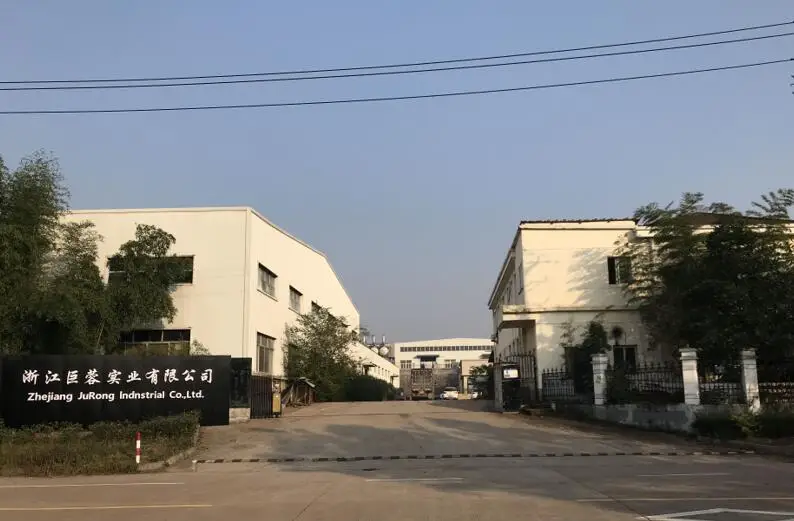
Zhejiang Jurong Industrial Co., Ltd.
- Manufacturer
- Zhejiang, China
- Lead time35 days
- Avg. response≤ 5h
Main productsplastic display rack,Cardboard display rack,supermarket display rack,Metal display rack,POP display stand
Main marketsSouth America(29.00%), Domestic Market(15.00%), Southeast Asia(15.00%), Eastern Asia(8.00%), Western Europe(8.00%), Eastern Europe(7.00%), Oceania(7.00%), North America(6.00%), Africa(5.00%)
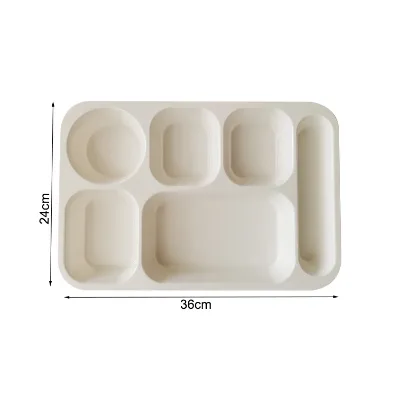
$1.131 - $1.2342
MOQ: 500 pieces
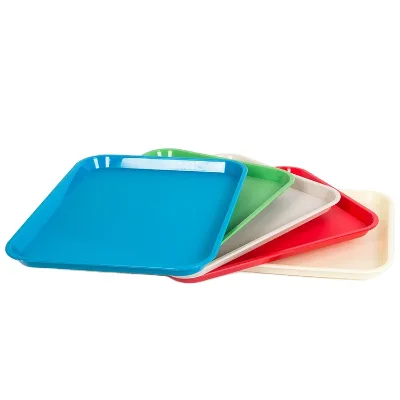
Foshan Nanhai Songgang Xiangang Weizhi Blister Factory
- Verified by SGS Group
- Manufacturer, Trading Company
- Lead time0 days
- Avg. response≤ 9h
Main productsPlastic Packaging Box, Blister Packaging Tray, Plastic Packaging Cylinder
Main marketsNorth America(40%), Domestic Market(30%), Western Europe(20%)
Foshan Feiqi Hardware Plastic Products Co., Ltd.
- Verified by Intertek
- Manufacturer, Trading Company
- Lead time7 days
- Avg. response≤ 3h
Main productsPP Tray For Food, PET Hinged Container, Cake Box, Tamper Evident Container, BOPS Clamshell
Main marketsDomestic Market(67%), Oceania(15%), North America(9%)

WELSHINE COMMERCIAL EQUIPMENT CO. LTD
- Verified by TUVRHEINLAND
- Combined
- China Guangdong
- Lead time60 days
- Avg. response≤ 2h
Main productsGn Pans, Storage Boxes, Storage Containers, Trays, Trolley, Glass Rack, Barrel, Tote Boxes, Bin, Jug
Main marketsDomestic


Wholesale High Quality Serving Trays Large Tray Professional Display Plate
$0.20 - $4.20
MOQ: 1 Pieces

TAIAN TOPPOUND INTERNATIONAL TRADING CO., LTD.
- Verified by TUVRHEINLAND
- Combined
- China Shandong
- Lead time45 days
- Avg. response≤ 3h
Main productsChair, Side Table, Flower Planter Stand, Home Decoration, Candle Holders and Lantern, Shelves, Mirror, Planter Pot, Christmas Decoration, Natural Baskets and Storage
Main marketsSouth America,Europe,North America
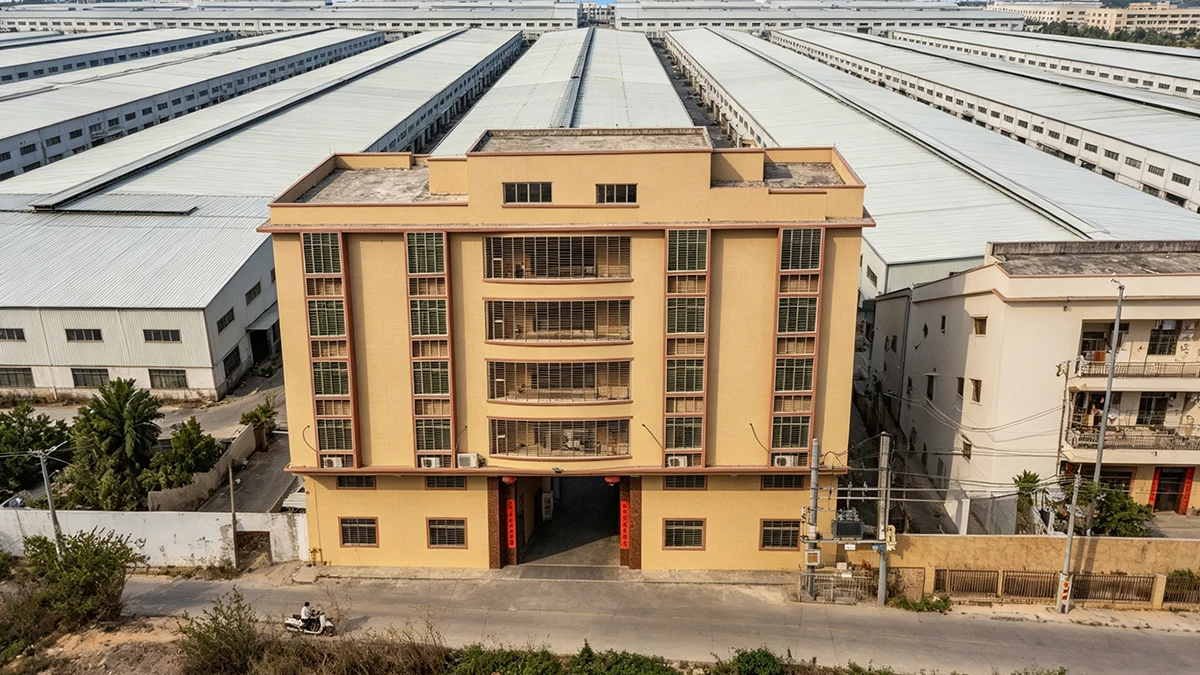
Jieyang Yushun Hardware Industrial Co., Ltd.
- Manufacturer, Trading Company
- Guangdong, China
- Lead time7 days
- Avg. response≤ 5h
Main productsPlastic Service Tray,Plastic Bowl,Wheat Straw Plastic,Plastic Plate
Main marketsNorth America(30.00%), Western Europe(20.00%), Northern Europe(15.00%), Southern Europe(15.00%), Eastern Asia(7.00%), Oceania(4.00%), Central America(2.00%), Eastern Europe(2.00%), South America(2.00%), Mid East(1.00%), Africa(1.00%), Southeast Asia(1.00%)
ZheJiang Yinghong Metalworks Co., Ltd.
- Verified by SGS Group
- Manufacturer, Trading Company
- Lead time30 days
Main productsMaterial Handling Equipment, Foodservice Equipment, Locker, Storage Cabinet, Caster
Main marketsDomestic Market(100%)
Dongguan Yinghao Plastic Products Co., Ltd.
- Manufacturer, Trading Company
- Guangdong, China
- Lead time15 days
- Avg. response≤ 3h
Main productsPlastic Box,Plastic Cup,Plastic Tray,Degradable Food Packaging
Main marketsWestern Europe(100.00%), Eastern Asia(100.00%), South Asia(100.00%), Central America(100.00%), Domestic Market(100.00%), Southern Europe(100.00%), Africa(100.00%), South America(100.00%), Northern Europe(100.00%), Oceania(40.00%), North America(20.00%), Mid East(15.00%), Eastern Europe(15.00%), Southeast Asia(10.00%)

Eagle Catering Equipment Co., Ltd.
- Manufacturer/Factory
- China Guangdong
- Lead time30 days
- Avg. response≤ 11h
Main productsTrolleys, Gastronorm Containers, Table, Shelves, Sink, Barrier Post, Cookware, Buffetware, Barware, Kitchen Utensils
Main marketsSouth America,Eastern Europe,Mid East,North America,Southeast Asia,Eastern Asia,Oceania,Western Europe,Africa
Jiangmen Huazhimei Kitchenware Co., Ltd.
- Verified by Intertek
- Manufacturer, Trading Company
- Lead time30 days
- Avg. response≤ 3h
Main productsFood Storage Box, Insulated Food Carrier, Drink Dispensers, Cleaning Bucket, Serving Trolley
Main marketsNorth America(30%), Northern Europe(20%), South America(10%)
Jiangmen Goodman Cleaning Supplies Co., Ltd.
- Verified by Intertek
- Manufacturer, Trading Company
- Lead time45 days
- Avg. response≤ 2h
Main productsCleaning Bucket, Plastic Box, Service Trolley, Serving Tray, Trash Can
Main marketsNorth America(76%), Mid East(6%), South America(4%)
Guangzhou Jamie Tableware Co., Ltd.
- Manufacturer, Trading Company
- Lead time旺季: "1 - 50":35,"> 50":"To be negotiated", 淡季: "1 - 50":35,"> 50":"To be negotiated"
- Avg. response≤ 6h
Main productsMelamine Tableware
Taizhou Huangyan Boyue Plastic & Mould Co., Ltd.
- Manufacturer, Trading Company
- Zhejiang, China
- Lead time20 days
- Avg. response≤ 5h
Main productsPlastic Tray, Plastic Cake Stand, Plastic Jug, Plastic Cup, Plastic Bucket
Main marketsMid East(40.00%), Western Europe(20.00%), South America(15.00%), Southern Europe(10.00%), Southeast Asia(10.00%), North America(5.00%)
Hangzhou Xiwang Trading Co., Ltd.
- Trading Company
- Zhejiang, China
- Lead time25 days
- Avg. response≤ 2h
Main productsTent Stake, Paracord Bracelet, Folding Stool, Beach Mat, Waterproof Bag
Main marketsNorth America(20.00%), Oceania(20.00%), Western Europe(20.00%), Northern Europe(10.00%), Mid East(10.00%), Southeast Asia(10.00%), South America(5.00%), South Asia(4.00%), Eastern Europe(1.00%), Eastern Asia(0.00%), Southern Europe(0.00%), Central America(0.00%), Africa(0.00%), Domestic Market(0.00%)
Jiangxi Jinde Plastic Products Co., Ltd.
- Manufacturer, Trading Company
- Lead time旺季: "1 - 500":15,"> 500":"To be negotiated", 淡季: "1 - 500":15,"> 500":"To be negotiated"
- Avg. response≤ 1h
Main productsIngredient Bin, Insulated Products, Shelvings, Food Pan, Base Rack
- Verified by SGS Group
- Trading Company
- Lead time20 days
- Avg. response≤ 10h
Main productsKitchenware, Coffee French Maker, Plastic Bento Box, Bamboo Wooden Kitchen Items, Ceramic & Glass Products
Main marketsNorthern Europe(20%), South Asia(20%), North America(10%)
Taizhou Huangyan Jumpforever Plastic Co., Ltd.
- Manufacturer, Trading Company
- Zhejiang, China
- Lead time20 days
- Avg. response≤ 10h
Main productsPlastic Products
Main marketsNorth America(30.00%), Eastern Asia(20.00%), Eastern Europe(20.00%), Western Europe(10.00%), Mid East(6.00%), Southern Europe(3.00%), South America(2.00%), Northern Europe(2.00%), Africa(2.00%), Southeast Asia(2.00%), South Asia(1.00%), Oceania(1.00%), Central America(1.00%)
Eagle Catering Equipment Co., Ltd.
- Verified by SGS Group
- Trading Company
- Lead time45 days
- Avg. response≤ 2h
Main productsTrolley, GN Pan, Stock Pot, Utensils, Kitchen Tools
Main marketsWestern Europe(35%), Eastern Europe(20%), North America(10%)
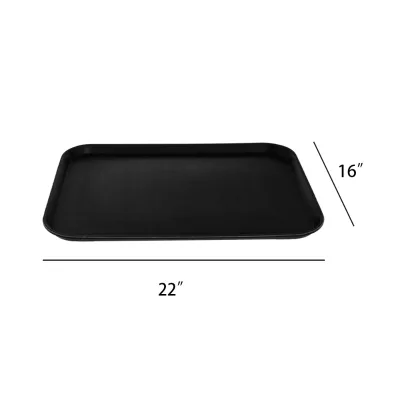
Hotel Restaurant Service High Quality Non slip Serving Tray Restaurant Use
$1.36 - $3.98
MOQ: 300 Minimum
$1.36 - $3.98
MOQ: 300 Minimum

- Verified by TUVRHEINLAND
- Trading Company,Manufacturer/Factory
- China Guangdong
- Lead time45 days
- Avg. response≤ 4h
Main productsStainless Steel Cookware, Stainless Steel Untensil, Stainless Steel Kitchenware, Stainless Steel Colander Bowl, Stainless Steel G. N Pan, Stainless Steel Pressure Cooker, Stainless Steel Buckets, Stainless Steel Dishes Rack, Stainless Steel Chafing Dishes, Stainless Steel Fittings
Main marketsSouth America,Eastern Europe,Mid East,North America,Southeast Asia,Eastern Asia,Oceania,Western Europe,Africa

Quanzhou Yuzheng Trading Co., Ltd.
- Verified by BV
- Trading Company
- China Fujian
- Lead time30 days
- Avg. response≤ 13h
Main productsBaby Diaper Machine, Adult Diaper Machine, Sanitary Napkin Machine, Non Woven Raw Material for Diaper, Raw Material for Sanitary Napkin, Baby Diaper, Sanitary Napkin, Adult Diaper, Mosquito Coil, Mouse Glue Trap
Main marketsAfrica,Southeast Asia/ Mideast

Zhejiang Zhuorui Machinery Technology Co., Ltd.
- Combined
- China Zhejiang
- Lead time30 days
- Avg. response≤ 24h
Main productsThermoforming Machine, Cup Making Machine, Automatic Cup Machine, Sheet Extrusion, Plastic Cup Machine, Tray Making Machine, Plastic Machine, BOPS, PP HIPS PS Sheet Extruder, Sheet Extruder
Main marketsSoutheast Asia/ Mideast

Guangzhou Nantian Sources Co., Ltd.
- Manufacturer/Factory
- China Guangdong
- Lead time15 days
- Avg. response≤ 6h
Main productsKitchen Equipment, Kitchenware, Food Machine, Kitchen Appliance, Glassware, Food Machinery, Bakery Equipment, Dinnerware, Kitchen Utensils, Food Processor
Main marketsSouth America,Mid East,Southeast Asia,Eastern Asia,Oceania,Africa










Comprehensive Sourcing Guide
Leak Proof PP Serving Tray Supplier Concentration and Factory Types
The current supplier landscape for Leak Proof PP Serving Tray products reveals a distinct geographic concentration within China, specifically highlighting manufacturing hubs in Fujian and Guangdong provinces. These regions are critical for sourcing because they host a mix of combined company types that offer both Original Design Manufacturing (ODM) and Original Equipment Manufacturing (OEM) capabilities. Buyers evaluating these suppliers should note that the presence of these manufacturing models indicates a flexibility in production, allowing for customized designs rather than just off-the-shelf inventory. The concentration in these specific provinces suggests an established supply chain ecosystem for plastic molding and food-grade packaging materials, which is essential for maintaining the structural integrity required for leak-proof functionality. Understanding this geographic distribution helps buyers narrow their search to regions with proven expertise in plastic serving ware, ensuring that the suppliers they engage with have the necessary industrial infrastructure to handle large-scale production runs.
Furthermore, the types of companies available range from specialized manufacturers to broader trading entities, each offering different advantages for sourcing Leak Proof PP Serving Tray items. Suppliers in these clusters often list main products that include dining plates, plastic plates, food pans, and storage boxes, indicating a diversified production line that can accommodate various tray sizes and shapes. This diversity is beneficial for buyers who need multiple product SKUs from a single source, as it simplifies logistics and reduces the complexity of managing multiple vendor relationships. The combined nature of these firms means they can often provide end-to-end solutions, from material sourcing to final packaging, which is particularly useful for international buyers who may lack local expertise in Chinese manufacturing regulations. By focusing on suppliers in these identified regions, buyers can leverage the existing industrial clusters to find partners who are already optimized for the specific demands of plastic serving tray production, thereby reducing the risk of supply chain disruptions.
How to Verify Leak Proof PP Serving Tray Suppliers
Verifying the legitimacy and capability of suppliers for Leak Proof PP Serving Tray requires a careful examination of their verification status and certification records. In the current market, some suppliers display verification badges from recognized third-party inspection agencies such as SGS or TÜV Rheinland, which serve as a baseline indicator of operational reliability. However, buyers must understand that verification status alone does not guarantee product quality or compliance with specific food safety standards. It is crucial to cross-reference these verification badges with the supplier’s actual production capabilities and historical performance data. For instance, a supplier verified by SGS may have undergone a rigorous audit of their business license and factory conditions, but this does not automatically imply that their specific Leak Proof PP Serving Tray products have passed independent laboratory testing for material safety or leak resistance. Buyers should treat these verification marks as a starting point for due diligence rather than a final seal of approval, ensuring they request additional documentation to confirm the supplier’s adherence to international quality management systems.
In addition to verification badges, buyers should scrutinize the supplier’s response time and communication efficiency as indicators of their operational maturity. A supplier with a rapid response time, such as those averaging under ten hours, often demonstrates a more organized internal workflow and a higher level of customer service commitment. This efficiency is particularly important when discussing technical specifications for leak proof designs, where clear communication can prevent costly misunderstandings regarding material thickness, sealing mechanisms, or custom mold requirements. Buyers should also look for evidence of past performance, such as detailed product attributes that specify customization options, packaging standards, and origin locations. Suppliers who provide comprehensive product data, including specific model numbers and packing configurations, are generally more transparent and reliable. By combining verification checks with an assessment of communication speed and data transparency, buyers can build a more accurate profile of each supplier’s reliability, ensuring they partner with entities that are not only legally compliant but also operationally efficient in fulfilling orders for Leak Proof PP Serving Tray products.
What to Compare Across Leak Proof PP Serving Tray Suppliers
When comparing suppliers for Leak Proof PP Serving Tray products, lead time and minimum order quantity (MOQ) are two of the most critical operational metrics to evaluate. The current market data shows a significant variance in lead times, ranging from as short as fifteen days to as long as forty-five days, depending on the supplier’s location and production capacity. Buyers must align these lead times with their inventory planning and sales cycles to avoid stockouts or excessive warehousing costs. Similarly, MOQs vary widely, with some suppliers requiring orders as low as two hundred units while others mandate minimums of twelve hundred pieces or more. This disparity allows buyers to choose suppliers that match their order volume, whether they are testing a new market with small batches or scaling up for established distribution channels. Comparing these metrics side-by-side helps buyers identify suppliers who offer the best balance between flexibility and efficiency, ensuring that their procurement strategy is supported by partners who can meet their specific volume and timing requirements without compromising on quality or service levels.
Beyond lead times and MOQs, buyers should also compare the price ranges and customization capabilities offered by different suppliers. The price spectrum for Leak Proof PP Serving Tray products can be broad, with some items priced as low as zero point six dollars per unit and others reaching up to forty-four point eight dollars, reflecting differences in material quality, design complexity, and order volume. Buyers must analyze these prices in the context of the product’s features, such as whether the tray is disposable, eco-friendly, or designed for specific use cases like weddings or fast-food service. Additionally, the availability of OEM and ODM services is a key differentiator, as it allows buyers to create unique products that stand out in the market. Suppliers who offer customizable options, such as specific colors, logos, or packaging configurations, provide greater value for brands looking to differentiate their offerings. By systematically comparing these factors, buyers can make informed decisions that optimize their cost structure while ensuring the final product meets their brand’s quality and aesthetic standards.
Common Leak Proof PP Serving Tray Sourcing Risks
One of the primary risks in sourcing Leak Proof PP Serving Tray products is the potential discrepancy between advertised product attributes and the actual physical goods received. Buyers often encounter situations where the specified material properties, such as being eco-friendly or having a specific net weight, do not match the delivered items. For example, a supplier might list a tray as having a net weight of eight hundred twenty grams, but the actual product could be significantly lighter, indicating the use of lower-quality or thinner plastic. This mismatch can compromise the leak-proof integrity of the tray, leading to product failures in the field and damage to the buyer’s reputation. To mitigate this risk, buyers must insist on detailed product specifications and request samples before committing to large orders. It is also advisable to include strict quality control clauses in the purchase agreement, allowing for third-party inspections before shipment. By proactively addressing these potential discrepancies, buyers can protect themselves from receiving substandard products that fail to meet the functional requirements of leak-proof performance.
Another significant risk is the lack of transparency regarding the supplier’s manufacturing processes and material sourcing. Some suppliers may not disclose the specific type of polypropylene used or the molding techniques employed, which are critical factors in determining the tray’s durability and safety. Without this information, buyers cannot verify whether the product complies with relevant food safety standards or environmental regulations. Additionally, the risk of intellectual property infringement exists when working with suppliers who offer OEM services, as custom designs could be replicated and sold to competitors. Buyers should take steps to protect their designs by using non-disclosure agreements and ensuring that molds are stored securely at the supplier’s facility. Furthermore, buyers should be cautious of suppliers who do not provide clear information about their production capacity or lead times, as this can lead to delays and missed market opportunities. By identifying and addressing these risks early in the sourcing process, buyers can establish a more secure and reliable supply chain for their Leak Proof PP Serving Tray products.
Leak Proof PP Serving Tray Regional Sourcing and Logistics
Sourcing Leak Proof PP Serving Tray products from specific regions in China, such as Fujian and Guangdong, offers distinct logistical advantages that can impact overall procurement costs and efficiency. Suppliers in these regions are often well-integrated into global shipping networks, facilitating smoother export processes and reducing transit times to international markets. For instance, products originating from Fuzhou in Fujian or various cities in Guangdong can benefit from proximity to major ports, which streamlines the loading and shipping of bulk orders. Buyers should consider the shipping methods available, such as sea freight, which is commonly used for large volumes of plastic serving trays due to its cost-effectiveness. Understanding the packing standards, such as the number of pieces per carton, is also crucial for optimizing container space and reducing shipping costs. By leveraging the logistical infrastructure of these manufacturing hubs, buyers can achieve more predictable delivery schedules and lower freight expenses, enhancing the competitiveness of their final products in the global market.
In addition to shipping logistics, buyers must also account for the regional differences in supplier capabilities and product offerings when planning their sourcing strategy. Suppliers in Guangdong, for example, may specialize in a wider variety of plastic products, including food pans and storage boxes, which can allow for consolidated shipping and simplified procurement processes. This diversification can be particularly beneficial for buyers who need multiple product types from the same supplier, as it reduces the complexity of managing multiple vendors and shipping arrangements. Conversely, suppliers in Fujian might focus more on specific types of serving trays, offering specialized expertise in certain designs or materials. Buyers should evaluate these regional strengths to determine which suppliers best align with their product portfolio and logistical needs. By carefully considering the regional advantages and logistical implications of each sourcing location, buyers can optimize their supply chain for efficiency and cost-effectiveness, ensuring that their Leak Proof PP Serving Tray products reach the market in a timely and economical manner.
Leak Proof PP Serving Tray Commercial Terms and Order Planning
Effective order planning for Leak Proof PP Serving Tray products requires a thorough understanding of the commercial terms offered by suppliers, including payment structures, warranty policies, and after-sales support. Buyers should negotiate clear terms that define the responsibilities of both parties in the event of product defects or delivery delays. For instance, specifying the acceptable quality standards and the process for handling non-conforming goods can prevent disputes and ensure that the buyer receives products that meet their expectations. Additionally, buyers should inquire about the supplier’s return or replacement policies, as these can provide a safety net in case of unexpected issues. By establishing robust commercial terms, buyers can protect their investment and maintain a positive relationship with their suppliers, fostering a collaborative environment that supports long-term business success. Clear communication of these terms at the outset of the partnership helps to align expectations and reduce the potential for misunderstandings that could disrupt the supply chain.
Furthermore, buyers must integrate commercial terms into their broader financial planning, considering factors such as currency exchange rates, import duties, and total landed costs. The price range of Leak Proof PP Serving Tray products can vary significantly, and buyers should calculate the total cost of ownership, including shipping, insurance, and customs fees, to determine the true profitability of their sourcing strategy. It is also important to consider the impact of order volume on pricing, as larger orders may qualify for discounts that improve margins. Buyers should work with suppliers to structure orders that maximize these benefits while maintaining adequate inventory levels to meet market demand. By carefully analyzing the commercial terms and integrating them into their financial models, buyers can make informed decisions that optimize their cost structure and enhance their competitive position in the market. This strategic approach to order planning ensures that buyers can sustain their operations and grow their business in the long term, leveraging the advantages of sourcing Leak Proof PP Serving Tray products from reliable suppliers.
FAQs
What is the typical lead time for PP serving trays?
Manufacturers in China offer varying production schedules based on order volume and customization needs. Suppliers in Guangdong report a lead time of 15 days, while those in Fujian may require up to 45 days to complete manufacturing and prepare shipments for international delivery.
What is the minimum order quantity for these trays?
Minimum order quantities generally range from 200 to 1200 pieces depending on the specific product model and supplier. Some listings accept orders as low as 200 units, while standard wholesale requirements often set the threshold at 1000 or 1200 pieces for custom branding.
Are PP serving trays available with custom logos?
Yes, most suppliers accept customization requests including custom logos and specific color options. Many factories approve OEM services, allowing buyers to request their own branding on the trays. Customization is typically available for orders meeting the specified minimum quantity requirements.
What is the price range for disposable PP trays?
Prices vary significantly based on size, material thickness, and order volume. Basic disposable options can cost as low as $0.60 per unit, while larger or specialized serving trays may range up to $44.80. Standard restaurant trays often fall between $1.00 and $2.00.
How quickly do suppliers respond to inquiries?
Response times differ among suppliers, with some providing answers within hours. Data shows response metrics ranging from approximately 8 hours to over 20 hours. Faster response times are often associated with suppliers in Guangdong, ensuring quicker communication for urgent sourcing needs.
Are these trays suitable for food service use?
Yes, these trays are explicitly designed for food usage, including serving eggs and other meals. They are marketed for restaurants, hotels, parties, and weddings. The materials are selected to ensure safety and durability for commercial food service environments and disposable applications.