Source Biodegradable Wooden Ice Cream Cup for Sundaes, Desserts, and Frozen Yogurt
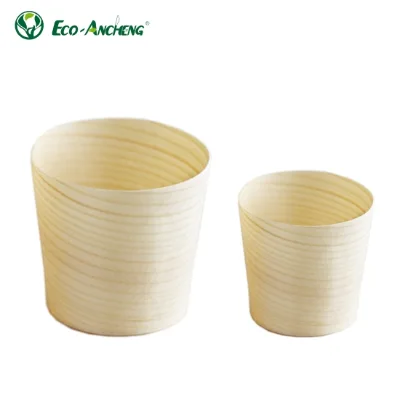
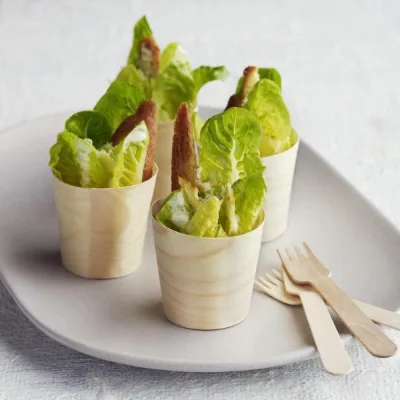
Compare 30 listings for Biodegradable Wooden Ice Cream Cup options from Chinese manufacturers. Buyers can evaluate customization, certifications, and pricing for frozen dessert packaging needs. These products feature food-grade materials, various sizes, and eco-friendly designs suitable for multiple application scenarios.
Updated
Key considerations
Products List


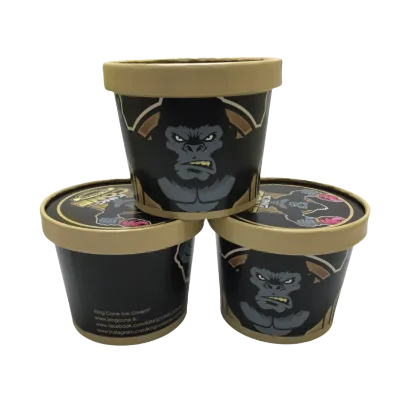
500ml Disposable Ice Cream Logo Printed Cups with Lid and Wooden Spoon
$0.01 - $0.02
MOQ: 30000 Pieces

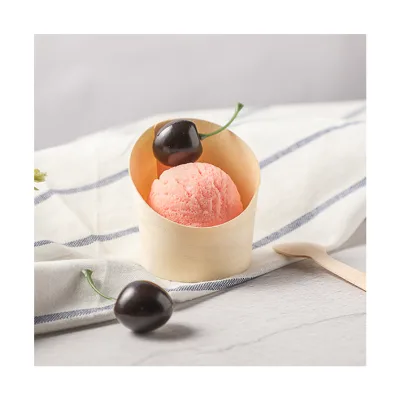
Customizable Ice Cream Cup Disposable Biodegradable Portable Disposable Wooden Cup
$0.0103 - $0.0205
MOQ: 10000 pieces

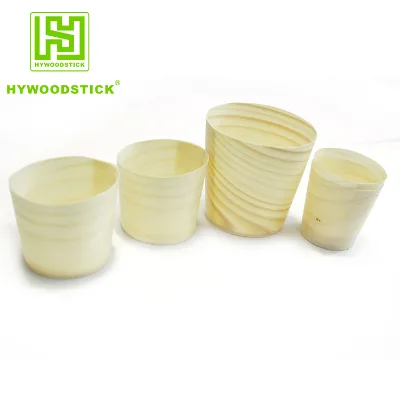
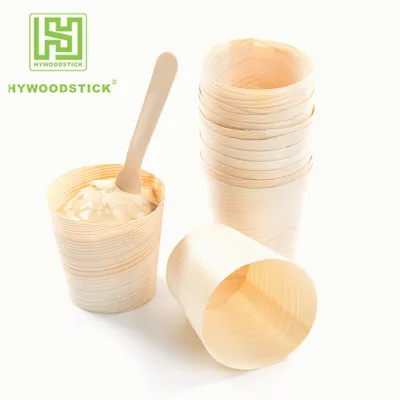
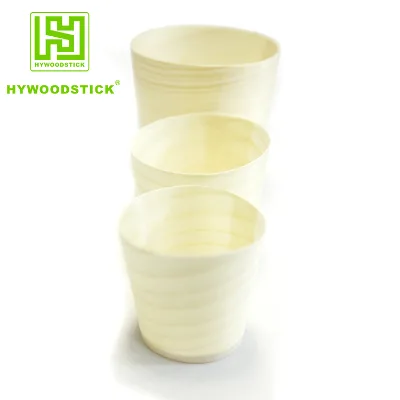
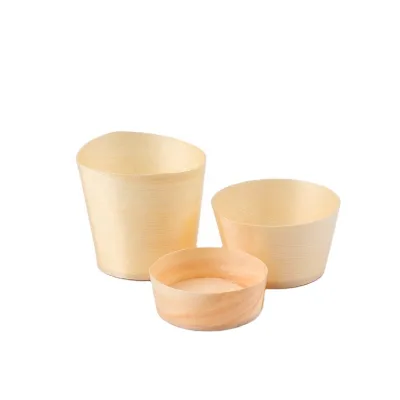
Children's Disposable Wood Cup for Ice Cream Dessert Cola and Cheese Tasting
$30.00 - $50.00
MOQ: 10 boxes


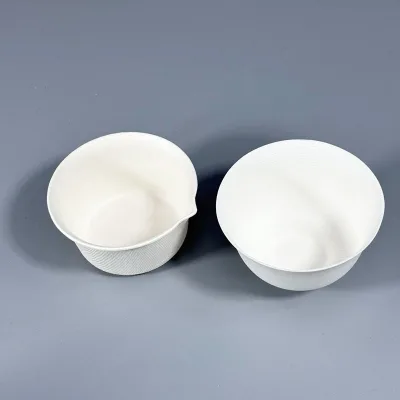

Ice Cream Cup Cups Coffee Cups Ice Cream Packaging Cup Biodegradable Disposable
$0.01 - $0.03
MOQ: 30000 Pieces
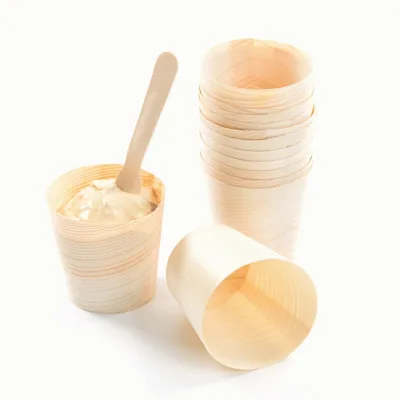
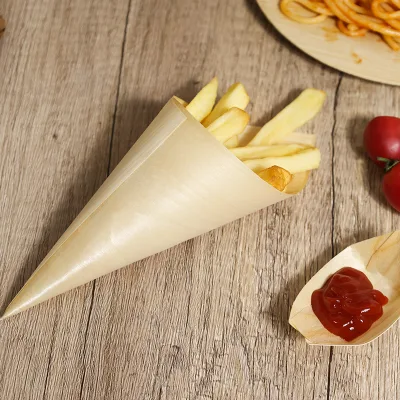
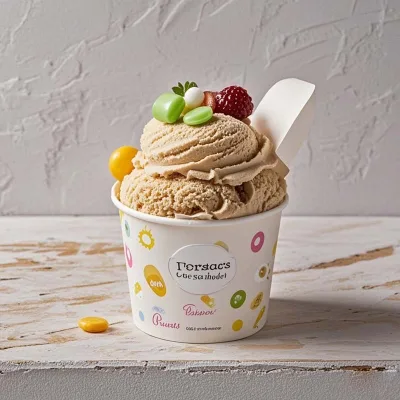
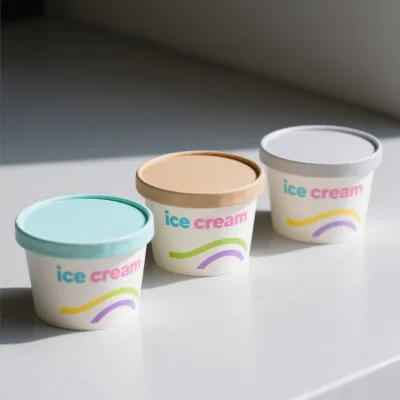
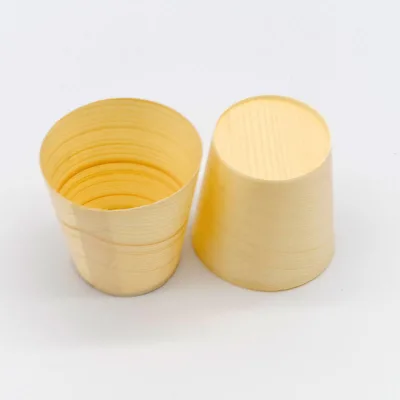
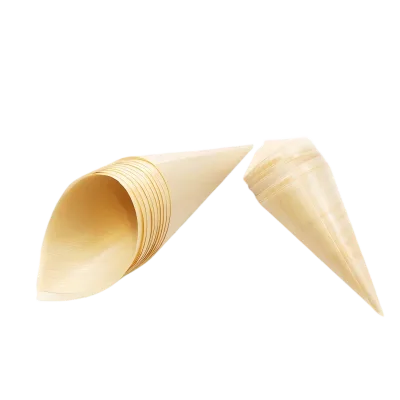


Factory Ice Cream Paper Cups Ice Cream Disposable Cup 110ml Ice Cream Cup
$0.029 - $0.031
MOQ: 50000 Pieces


Comprehensive Sourcing Guide
Biodegradable Wooden Ice Cream Cup Sourcing Guide
Sourcing biodegradable wooden ice cream cups requires a nuanced understanding of material properties, regulatory compliance, and supply chain logistics. Buyers must distinguish between true wood-based products and paper alternatives, as market listings often conflate the two. The core keyword suggests a focus on sustainable, degradable materials, yet observed data indicates a mix of paper and poplar wood options. Procurement teams should prioritize suppliers who clearly define their material composition to avoid misalignment with corporate sustainability goals.
This guide provides evidence-based procurement strategies for evaluating suppliers of wooden and paper-based ice cream containers. It covers technical specifications, compliance documentation, cost structures, and quality control measures. By focusing on verified facts and observable listing signals, buyers can make informed decisions that balance cost, performance, and environmental impact. The following sections detail the critical factors to consider when selecting a supplier for biodegradable ice cream cups.
Product Scope and Observed Listing Signals
The observed product landscape includes both paper-based and wooden disposable cups, with capacities ranging from 60ml to 1500ml. Listings frequently highlight features such as eco-friendliness, recyclability, and food-grade safety. Some products are explicitly identified as wooden cups made from poplar, while others are paper bowls with lids. Buyers should carefully review product descriptions to distinguish between these material types, as their performance and sustainability profiles differ significantly.
Key attributes observed include customization options, various printing methods like flexo and offset, and specific styles such as European design. The products are often marketed for use in sundaes, frozen yogurt, and desserts, with a focus on single-use convenience. Some listings mention OEM and ODM acceptance, indicating flexibility for brand-specific requirements. Understanding these signals helps buyers align their procurement needs with available supplier capabilities.
Technical Specifications to Verify
Technical verification should begin with material composition and grammage. Observed data indicates paper options with grammages between 210GSM and 320GSM, while wooden cups are made from poplar. Buyers must confirm the exact material to ensure it meets their durability and biodegradability requirements. Additionally, size customization is a common feature, with standard sizes ranging from 4oz to 45oz. Verifying these dimensions is crucial for ensuring compatibility with existing packaging lines and consumer expectations.
Other technical aspects include printing methods and packaging details. Suppliers offer screen printing, hot stamping, and laser engraving for customization. Packaging is typically done in cartons, with single package sizes around 32x17.5x6 cm. Buyers should also inquire about the product's degradation properties, as some are described as one-time degradable. Confirming these specifications ensures that the final product meets both functional and environmental standards.
Compliance and Safety Documentation
Compliance is a critical factor in sourcing food-contact packaging. Observed certifications include FDA and CE/EU approvals, which are essential for selling in many international markets. Buyers must verify that suppliers hold valid certificates and that these certifications cover the specific materials used in production. Documentation should be up-to-date and clearly state the scope of approval, ensuring that the products are safe for direct food contact.
In addition to certifications, buyers should request material safety data sheets and test reports. These documents provide detailed information on the chemical composition and safety of the cups. For wooden cups, it is important to verify that the wood is treated with food-safe finishes. Ensuring comprehensive compliance documentation helps mitigate regulatory risks and supports marketing claims of safety and sustainability.
Cost Drivers and Commercial Terms
Cost structures are influenced by material type, customization level, and order volume. Observed MOQs range from 10 to 50,000 pieces, with some suppliers requiring a minimum of 10,000 PCS. Buyers should negotiate terms based on their expected volume, as larger orders often yield better pricing. Additionally, customization options such as printing and embossing can increase costs, so it is important to balance aesthetic requirements with budget constraints.
Lead times and payment terms are also key commercial considerations. Observed delivery times are within 20 days, which is relatively fast for customized products. Buyers should confirm these lead times and ensure they align with their inventory planning. Payment terms, such as deposits and balance payments, should be clearly defined in the contract to avoid disputes. Understanding these commercial terms helps buyers manage cash flow and supply chain risks effectively.
Supplier Qualification and Quality Control
Supplier qualification involves assessing manufacturing capabilities and quality control processes. Buyers should verify that suppliers have experience in producing biodegradable cups and can provide references or case studies. Quality control measures, such as regular inspections and testing, are essential to ensure product consistency. Suppliers should have clear procedures for handling defects and returns, providing buyers with confidence in the reliability of their supply chain.
Additionally, buyers should evaluate the supplier's commitment to sustainability. This includes their sourcing of raw materials and their waste management practices. Suppliers who prioritize eco-friendly practices are more likely to produce high-quality, sustainable products. Engaging with suppliers who share these values can enhance brand reputation and support long-term business goals.
Long-Term Procurement Checks
Long-term procurement success depends on continuous monitoring and relationship management. Buyers should regularly review supplier performance metrics, such as on-time delivery and product quality. Establishing a feedback loop with suppliers can help identify and address issues promptly. Regular audits and site visits can also provide insights into manufacturing practices and ensure ongoing compliance with standards.
Furthermore, buyers should stay informed about market trends and regulatory changes. The biodegradable packaging market is evolving, with new materials and technologies emerging regularly. By staying proactive, buyers can adapt their sourcing strategies to meet changing demands and maintain a competitive edge. Building strong, collaborative relationships with suppliers is key to navigating these changes and achieving long-term procurement success.
FAQs
What certifications do the ice cream cups have?
The cups hold FDA and CE/EU certifications for food safety. They are made from 100% food-grade paper or poplar wood. These materials ensure the packaging meets strict international standards for direct food contact. The products are also labeled as eco-friendly and recyclable, supporting sustainable business practices for food service providers.
Can I customize the size and printing of the cups?
Yes, customization is available for both size and design. You can choose from customized sizes ranging from 60ml to 1500ml. Printing options include flexo, offset, screen printing, hot stamping, or laser engraving. The brand accepts custom orders and OEM/ODM requests to meet specific branding needs for your ice cream or dessert products.
What is the minimum order quantity for these cups?
The minimum order quantity is typically 10,000 pieces. Some listings indicate a range starting from 10 units for samples, but bulk orders require the higher threshold. This MOQ applies to both paper and wooden disposable cup variants. Buyers should confirm specific requirements with suppliers to ensure the order meets production capabilities and shipping constraints.
How long does delivery take for bulk orders?
Delivery time is within 20 days after order confirmation. This lead time applies to standard production runs for both paper and wooden cup varieties. The products are packed in cartons suitable for export to ensure good quality during transit. Buyers should plan their inventory accordingly to account for this production and shipping window.
What materials are used for the disposable cups?
The cups are made from either 100% food-grade paper or poplar wood. Paper options feature grammages between 210GSM and 320GSM for durability. Wooden cups are described as one-time degradable and eco-friendly. Both materials are designed for single-use applications in ice cream, frozen yogurt, and sundae service, ensuring safety and environmental responsibility.
Where are these ice cream cups manufactured?
The products originate from China, specifically from locations like Wuhan and Shanghai. Suppliers in these regions offer various packaging solutions for food and beverage industries. The manufacturing base supports export-quality packaging standards. Buyers can source directly from these Chinese locations to access competitive pricing and established supply chains for bulk disposable cup orders.