Source Modern Ceramic Oval Service Plate for Restaurants
Find 30 listings for the Modern Ceramic Oval Service Plate, featuring options from Guangdong suppliers. Compare specifications like FDA certification, under-glazed techniques, and sizes ranging from 10 to 20 inches for restaurant and party use; compare the available evidence and request quotations based on your requirements.
Updated
Key considerations
Products List
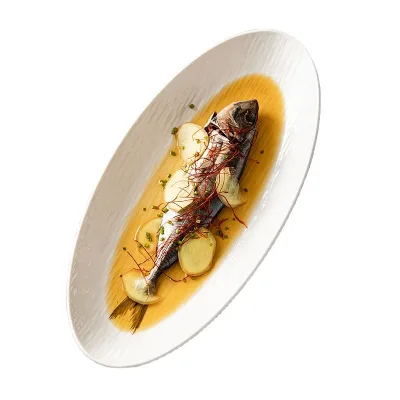



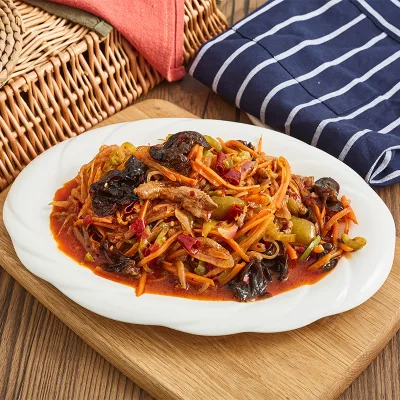
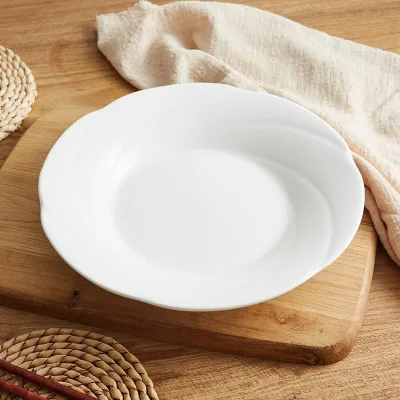
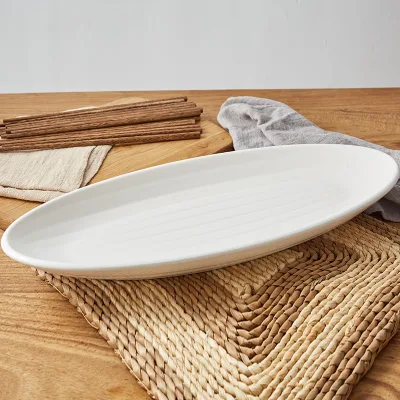
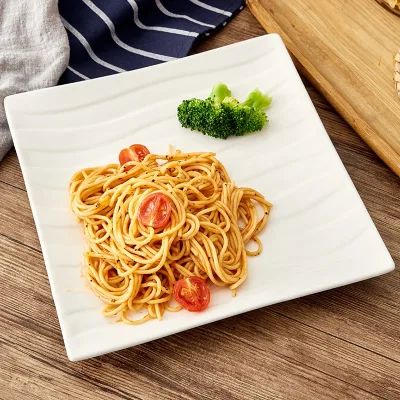
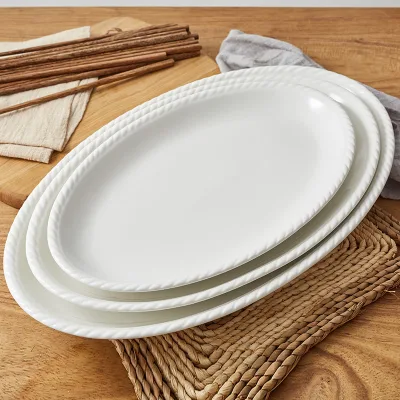
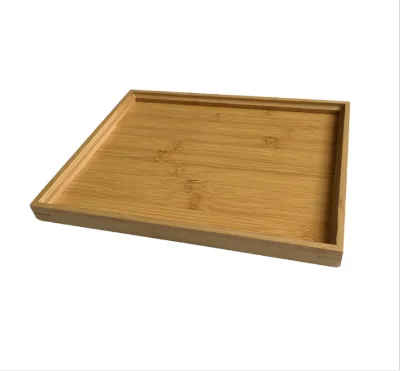
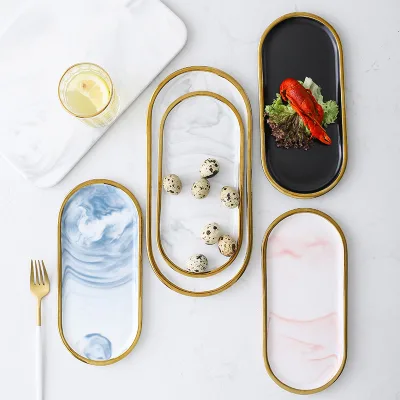
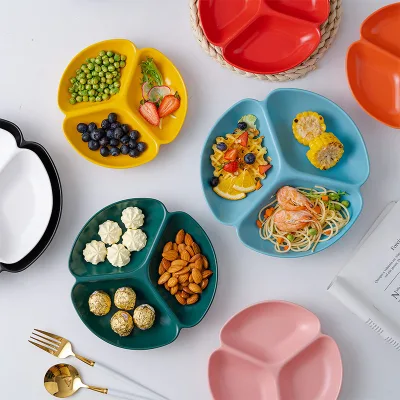
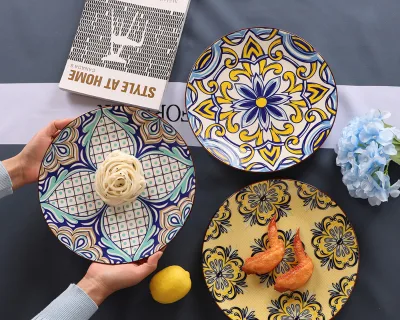
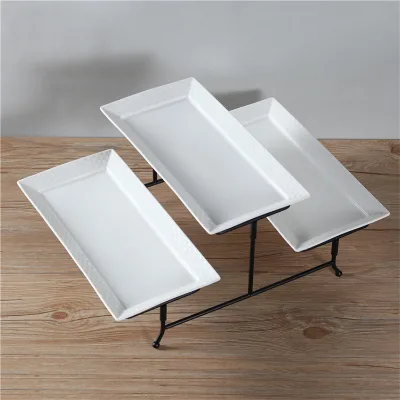
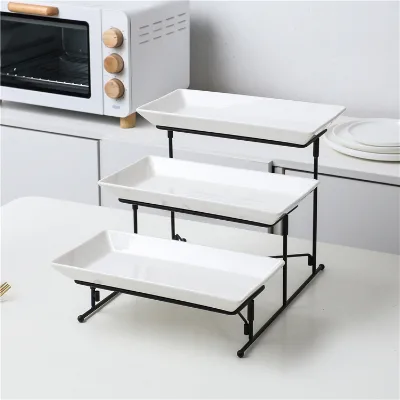
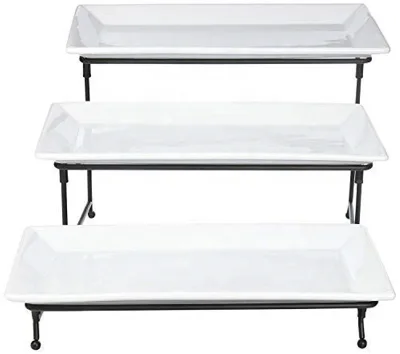
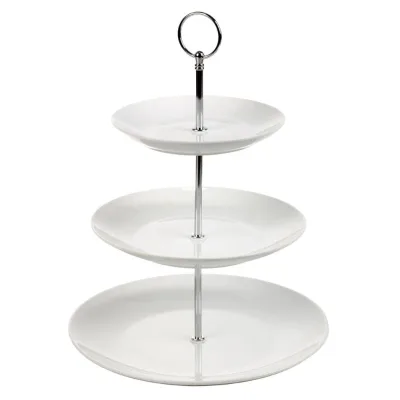
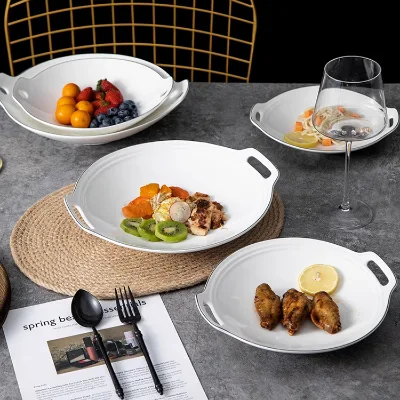
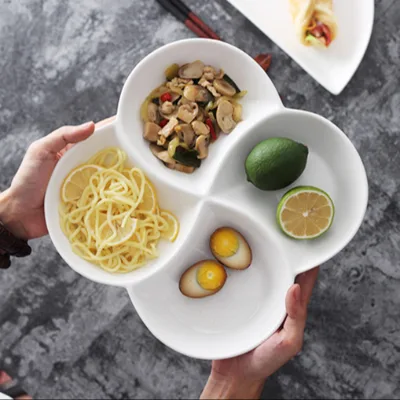
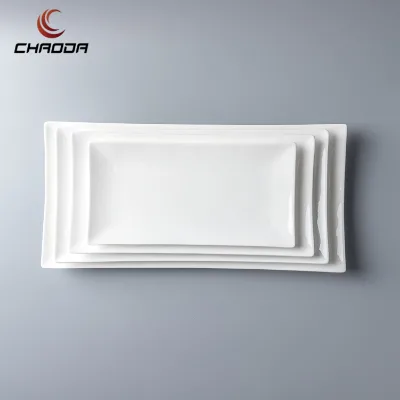
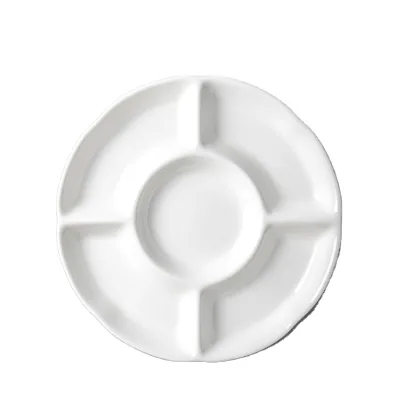
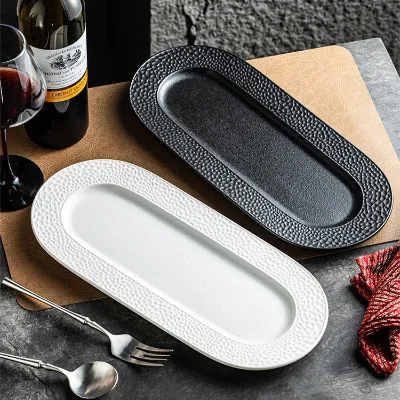
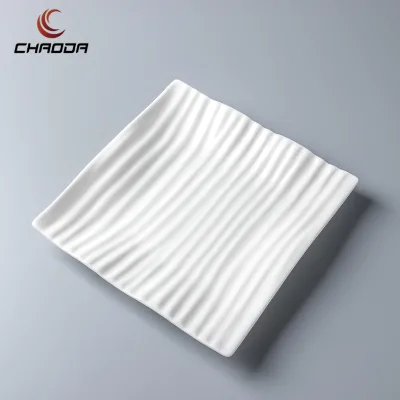
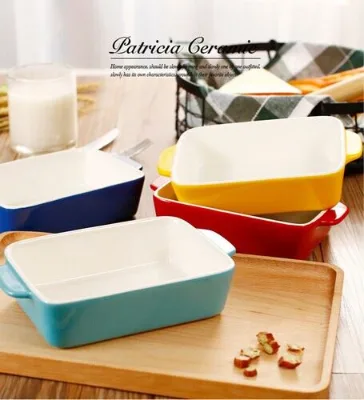
Haonai 21cm oval shape ceramic baking plate rectangle baking ceramic plate wholesales
$0.8826 - $0.935
MOQ: 1000 pieces
Comprehensive Sourcing Guide
Modern Ceramic Oval Service Plate Sourcing Guide
Sourcing modern ceramic oval service plates requires a strategic balance between aesthetic versatility and functional durability, particularly for commercial hospitality environments. Buyers must navigate a market where "modern" often intersects with retro or irregular design elements, as observed in current listings featuring solid patterns and under-glazed techniques. The primary decision point involves selecting the correct material composition, specifically distinguishing between standard ceramic and porcelain variants, which directly impacts chip resistance and thermal shock tolerance. Procurement teams should prioritize suppliers who explicitly state their manufacturing techniques, such as under-glazed printing, to ensure that decorative elements remain intact through repeated dishwasher cycles and high-temperature sanitization processes common in restaurant operations.
The commercial viability of these plates hinges on understanding the specific service context, whether for casual dining, party catering, or fine dining establishments. Current market signals indicate a strong preference for durable, eco-friendly materials that are both dishwasher safe and stocked for immediate shipment. Buyers should evaluate the plate's geometry carefully, as oval shapes often present unique stacking and storage challenges compared to round counterparts. It is essential to verify that the supplier offers standardized packaging solutions that protect the irregular shapes during transit, preventing breakage and ensuring that the aesthetic integrity of the modern design is preserved upon arrival at the distribution center or final point of service.
Product Scope and Observed Listing Signals
The current market for modern ceramic oval service plates exhibits a wide range of diameter specifications, typically spanning from 3.5 inches to 15 inches, with common standards including 10, 12, 14, and 16-inch variants. Buyers should note that while the core keyword specifies oval shapes, many observed listings feature irregular or non-standard geometric forms that may still serve as service plates. The color palette is predominantly neutral, with white, black, and grey being the most frequently available options, often presented in solid patterns without complex imagery. This neutrality allows for greater flexibility in table setting designs, enabling buyers to mix and match with various tableware collections while maintaining a cohesive modern aesthetic across different service stations.
Minimum order quantities (MOQ) vary significantly, ranging from as low as one piece for sampling purposes to 1,200 pieces for bulk commercial orders, with a common baseline MOQ of 20 pieces for initial stock replenishment. Pricing structures are highly volume-dependent, with observed unit costs ranging from $0.60 to $9.60 USD, reflecting differences in material quality, glazing complexity, and order volume. Buyers must also consider the availability of customization options, such as logo printing, which is widely accepted by suppliers but may incur additional setup fees or higher MOQ thresholds. Understanding these commercial signals helps in forecasting total landed costs and determining the optimal order size to balance inventory holding costs with per-unit savings.
Technical Specifications to Verify
When evaluating technical specifications, the material composition is the most critical factor, with suppliers offering both ceramic and porcelain options. Porcelain variants, often labeled as high-quality ceramic, generally provide superior density and translucency, making them ideal for upscale service environments. Buyers should verify the specific model numbers, such as RY2619 or LYD2025052301, to ensure consistency in future reorders, as these identifiers often correlate with specific glaze formulations and firing temperatures. Additionally, the single gross weight, typically around 0.83 kg for standard sizes, is a key metric for calculating shipping costs and assessing the plate's sturdiness. Heavier plates often indicate higher clay density and better durability, which is essential for high-turnover commercial settings where breakage rates can significantly impact operational budgets.
The packaging and dimensional specifications are equally important for logistics planning. Standard export cartons are commonly used, with single package dimensions often measuring around 44x23x9 cm, which must be cross-referenced with the plate's actual diameter to ensure efficient palletization. Buyers should confirm whether the plates are designed for safe stacking, as irregular shapes may require specialized dividers or inserts to prevent surface scratching. The technique used, such as under-glazed decoration, ensures that the design is embedded beneath the glaze, offering superior resistance to abrasion and chemical detergents compared to over-glazed alternatives. Verifying these technical details upfront prevents unexpected logistical hurdles and ensures that the product meets the physical demands of daily commercial use.
Compliance and Safety Documentation
Food safety compliance is non-negotiable for ceramic tableware, and buyers must request valid certification documents from suppliers before placing large orders. The FDA certification is a common standard observed in listings, indicating that the materials used are safe for direct food contact and do not leach harmful substances like lead or cadmium into acidic or hot foods. Buyers should verify that the certification covers the specific glaze and pigment combinations used in the modern designs, as different colorants may have varying regulatory requirements. Additionally, while ISO 6486 and EN 1388-2 are relevant international standards for ceramic tableware durability and safety, buyers should confirm if the supplier's products meet these specific regional requirements, especially if exporting to Europe or other strict markets.
Beyond food safety, environmental and occupational standards may also be relevant depending on the buyer's corporate sustainability goals. Certifications such as REACH compliance indicate that the manufacturing process adheres to European chemical regulations, reducing the risk of hazardous substance exposure during production. Buyers should inquire about the supplier's waste management practices and energy efficiency measures, as these factors increasingly influence brand reputation and regulatory compliance in global supply chains. Requesting a comprehensive compliance dossier, including test reports from accredited laboratories, provides an additional layer of assurance and protects the buyer from potential liability issues related to product safety and environmental impact.
Cost Drivers and Commercial Terms
The final cost of modern ceramic oval service plates is influenced by several key drivers, including material quality, glazing complexity, and order volume. High-density porcelain and under-glazed techniques typically command higher prices due to the increased energy consumption and precision required during manufacturing. Buyers should also consider the cost of customization, such as logo printing or custom packaging, which can add significant overhead to the base unit price. Minimum order quantities play a crucial role in pricing, with larger orders often benefiting from economies of scale, reducing the per-unit cost to the lower end of the observed range. Understanding these cost drivers allows buyers to negotiate more effectively and allocate their budget efficiently across different product lines.
Commercial terms, including lead times and payment conditions, are equally important for supply chain planning. Sample lead times are typically short, ranging from 3 to 5 days, allowing for rapid evaluation of product quality before committing to bulk orders. However, production lead times for large orders can vary significantly based on the supplier's current capacity and the complexity of the design. Buyers should negotiate clear delivery schedules and penalty clauses for delays to mitigate the risk of stockouts. Additionally, payment terms such as letters of credit or escrow services can provide financial security, ensuring that funds are released only upon verification of product quality and compliance with agreed-upon specifications.
Supplier Qualification and Quality Control
Supplier qualification is a critical step in ensuring the reliability and consistency of modern ceramic oval service plates. Buyers should conduct thorough due diligence, verifying the supplier's manufacturing capabilities, production capacity, and quality control processes. Factories located in established ceramic hubs, such as Guangdong, China, often have mature supply chains and experienced workforces, which can contribute to higher product consistency. Buyers should request detailed information about the supplier's quality assurance protocols, including in-process inspections and final random sampling procedures. This due diligence helps identify potential risks early in the sourcing process and ensures that the supplier has the infrastructure to meet large-volume orders without compromising on quality.
Quality control measures should extend beyond visual inspection to include functional testing, such as thermal shock resistance and dishwasher durability tests. Buyers should specify acceptable defect rates and establish clear criteria for product rejection, ensuring that any non-conforming items are identified and addressed before shipment. Implementing a robust quality control plan, which may include third-party inspection services, provides an additional layer of protection against substandard products. Regular communication with the supplier regarding quality feedback and continuous improvement initiatives fosters a collaborative relationship, leading to better product outcomes and reduced risk of supply chain disruptions over time.
Long-Term Procurement Checks
Long-term procurement success depends on establishing a sustainable and resilient supply chain for modern ceramic oval service plates. Buyers should regularly review supplier performance metrics, including on-time delivery rates, product quality consistency, and responsiveness to issues. Building a diversified supplier base can mitigate the risk of disruptions caused by geopolitical events, natural disasters, or production capacity constraints. Additionally, staying informed about market trends and technological advancements in ceramic manufacturing can provide competitive advantages, such as access to new designs or more sustainable production methods. Continuous evaluation of the supply chain ensures that the procurement strategy remains aligned with the buyer's evolving business needs and market demands.
Relationship management is also key to long-term procurement success. Developing strong partnerships with suppliers can lead to preferential treatment, such as priority production scheduling or exclusive access to new product lines. Regular site visits and face-to-face meetings can strengthen these relationships and provide valuable insights into the supplier's operations and challenges. Furthermore, collaborating on product development and customization initiatives can create unique value propositions for the buyer's end customers. By focusing on long-term collaboration rather than transactional purchasing, buyers can secure a stable supply of high-quality modern ceramic oval service plates that support their brand identity and operational efficiency.
FAQs
What material is used for the Modern Ceramic Oval Service Plate?
The product is made from ceramic and porcelain materials. It features an under-glazed technique and is designed to be durable and eco-friendly for long-term use in various dining settings.
Which certifications does the ceramic dinner plate hold?
The ceramic dinner plate holds FDA certification to ensure safety for food contact. This certification confirms the product meets specific regulatory standards for materials used in manufacturing these serving items.
Can I request a customized logo on the ceramic plate?
Yes, a customized logo is acceptable for this product. Buyers can request personalization options to brand the ceramic porcelain dinner plate according to their specific business or event requirements.
What is the minimum order quantity for the ceramic plate?
The minimum order quantity is 20 pieces for this item. Buyers must meet this threshold to place an order for the ceramic porcelain dinner plate in the specified stock.
How long does it take to receive a sample of the plate?
It takes 3 to 5 days to receive a sample of the product. This lead time applies to the preparation and shipping of the sample unit for buyer evaluation before bulk orders.
Where is the origin of the ceramic dinnerware located?
The place of origin for this product is Guangdong, China. All manufacturing and sourcing activities for this ceramic porcelain dinner plate are conducted within this specific region of China.
What sizes are available for the ceramic serving plate?
Available sizes include 6.5, 8, 10, and 11 inches for the main product. Additional standard sizes range from 3.5 to 15 inches depending on the specific model and configuration selected.