Lightweight Foldable Inflatable Yacht Boat Suppliers and Manufacturers
Explore 23 verified suppliers offering Lightweight Foldable Inflatable Yacht Boat options with varying lead times, response speeds, and material specs. Compare dimensions, capacity, and pricing to select the right partner for your water sports needs; review the available evidence before requesting comparable quotations from suitable candidates.
Updated
Suppliers List
Yushan Yijia Inflatable Products Co., Ltd.
- Manufacturer, Trading Company
- Lead time旺季: "1 - 1":7,"2 - 10":15,"> 10":"To be negotiated", 淡季: "1 - 1":7,"2 - 10":15,"> 10":"To be negotiated"
- Avg. response≤ 3h
Main productsInflatable Electric Boat,inflatable house boat with motor for water play, Ice bath tube & Accessories,SPA tub, Recovery tub for family, Inflatable water floating, Platform for pool
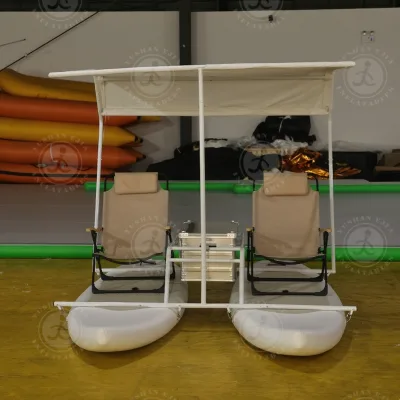
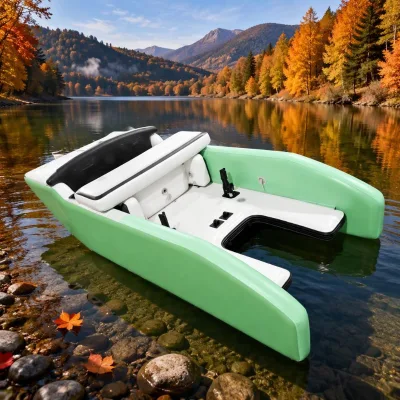
Outdoor Portable Catamaran Boat High PVC Materials Inflatable Watercraft Fish Boat Lake
$999.00 - $1999.00
MOQ: 1
- Trading Company
- Shandong, China
- Lead time7 days
- Avg. response≤ 4h
Main productsRIB boat,inflatable sup,inflatable air track,inflatable boat,aluminum boat
Main marketsNorth America(80.00%), Eastern Europe(12.00%), Northern Europe(3.00%), Western Europe(3.00%), Central America(2.00%)
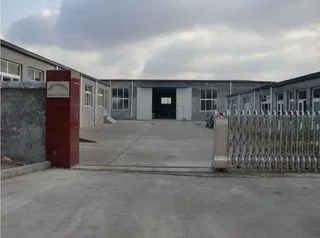
Qingdao Gather Yacht Co., Ltd.
- Manufacturer, Trading Company
- Shandong, China
- Lead time10 days
- Avg. response≤ 3h
Main productsFishing Boat,fiberglass boat,inflatable boat,BBQ donut boat,aluminum boat
Main marketsOceania(15.00%), Western Europe(15.00%), Mid East(10.00%), Southern Europe(10.00%), Southeast Asia(10.00%), Eastern Europe(10.00%), Northern Europe(8.00%), Central America(6.00%), Eastern Asia(5.00%), South Asia(4.00%), South America(3.00%), Domestic Market(2.00%), Africa(1.00%), North America(1.00%)

Weihai Blue Bay Outdoor Product Co., Ltd.
- Verified by TUVRHEINLAND
- Combined
- China Shandong
- Lead time15 days
- Avg. response≤ 19h
Main productsGymnastic Mat, Inflatable Air Track, Inflatable Sup
Main marketsEurope,North America


Inflatable Boat PVC Boat Fishing Boat Sport Boat Rescue Boat Motor Boat for Adult
$299.99 - $599.99
MOQ: 1 Pieces


Qingdao Colton Yacht Co., Ltd.
- Trading Company
- China Shandong
- Lead time30 days
- Avg. response≤ 20h
Main productsAluminum Rib, Fiberglass Rib, Inflatable Boat, Fiberglass Boat, Aluminum Boat, Boat Accessories
Main marketsEurope,Australia,North America

Aluminum Rib Inflatable Boat, Small Rib Boat, Best Rib Boat Manufacturer
$2000.00 - $3000.00
MOQ: 1 Pieces


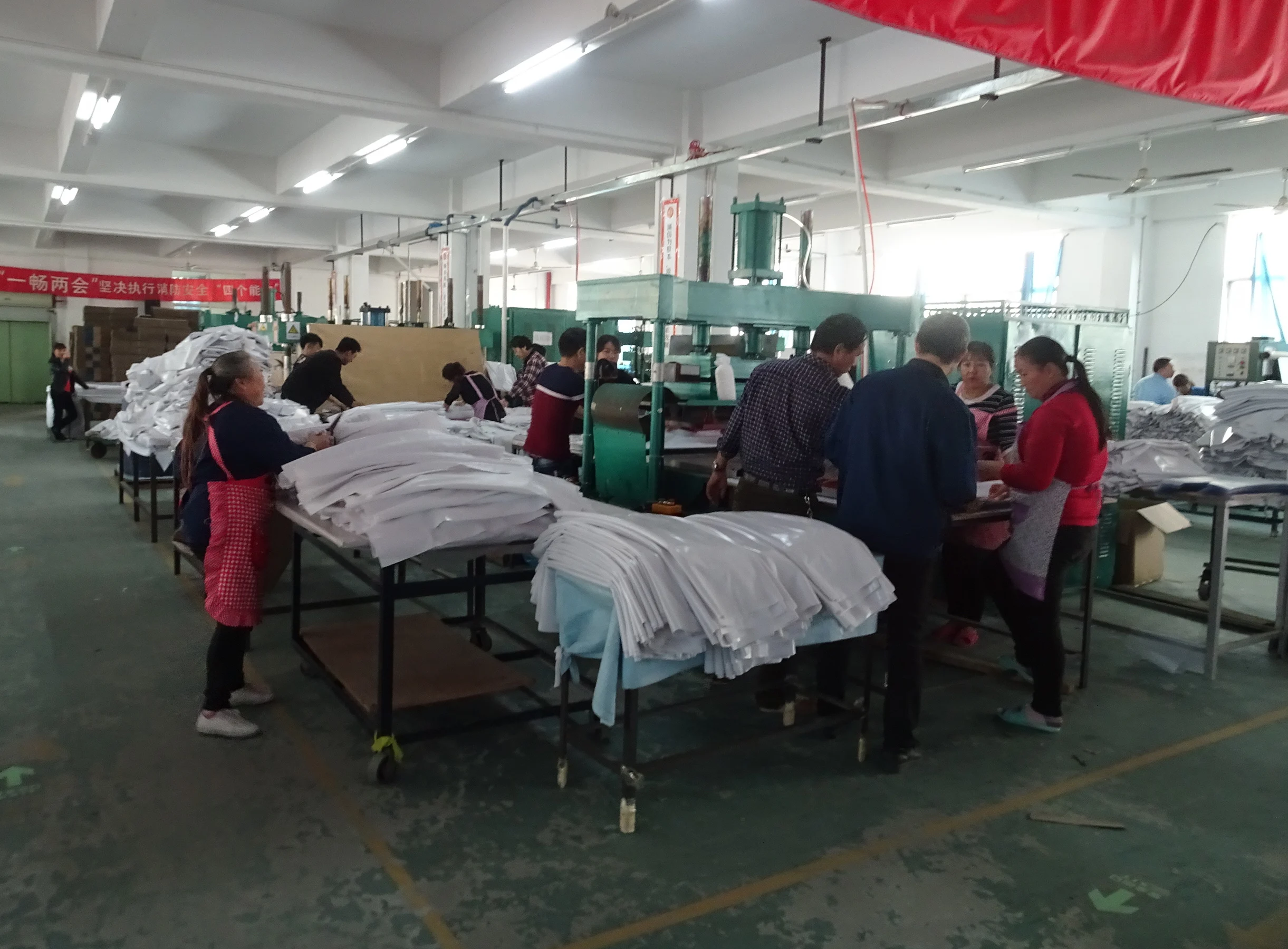
- Manufacturer, Trading Company
- Guanddong, China
- Lead time20 days
- Avg. response≤ 5h
Main productsinflatable toys,Inflatable costume,Inflatable sofa chairs,Inflatable pool floats,Inflatable character
Main marketsCentral America(24.00%), North America(19.00%), Western Europe(19.00%), Northern Europe(15.00%), Eastern Europe(3.00%), South America(3.00%), Southern Europe(3.00%), Southeast Asia(3.00%), Oceania(3.00%), Domestic Market(2.00%), South Asia(2.00%), Eastern Asia(2.00%), Mid East(2.00%)

WUYI HENGHAI TOOLS JOINT-STOCK CO., LTD.
- Verified by BV
- Manufacturer/Factory
- China Zhejiang
- Lead time45 days
- Avg. response≤ 8h
Main productsOutboard Motor, Inflatable Boat, Stand up Paddle Board, Brush Cutter, Earth Auger, Multi-Functional Garden Tool, Mini Tiller, Trolling Motor, Hedge Trimmer, Aluminum Boat
Main marketsSouth America,Eastern Europe,Mid East,North America,Southeast Asia,Eastern Asia,Oceania,Western Europe,Africa

MAX (HK) INDUSTRIAL CO., LIMITED
- Verified by SGS
- Trading Company,Manufacturer/Factory,Group Corporation
- China Guangdong
- Lead time23 days
- Avg. response≤ 2h
Main productsInflatable Promotion Items, Inflatable Pool Float, Inflatable Swimming Tools, Inflatable Hot Air Balloon, Mascot Costume, Inflatable Sofa or Furniture, Inflatable Moon House Bouncer, Inflatable Castle and Sports Game, Inflatable Commerical Ad Display, Inflatable Outdoor Camping Prodcuts
Main marketsSouth America,Eastern Europe,Mid East,North America,Southeast Asia,Eastern Asia,Oceania,Western Europe,Africa
Guangzhou Fun Leisure Sports Limited
- Manufacturer, Trading Company, Buying Office
- Guangdong, China
- Lead time25 days
- Avg. response≤ 7h
Main productsinflatable advertising,inflatable arch,inflatable air dancer,inflatable tent,inflatable movie screen
Main marketsNorth America(55.00%), Mid East(13.00%), Central America(10.00%), South America(6.00%), Southern Europe(5.00%), Northern Europe(5.00%), Eastern Europe(3.00%), Western Europe(3.00%)
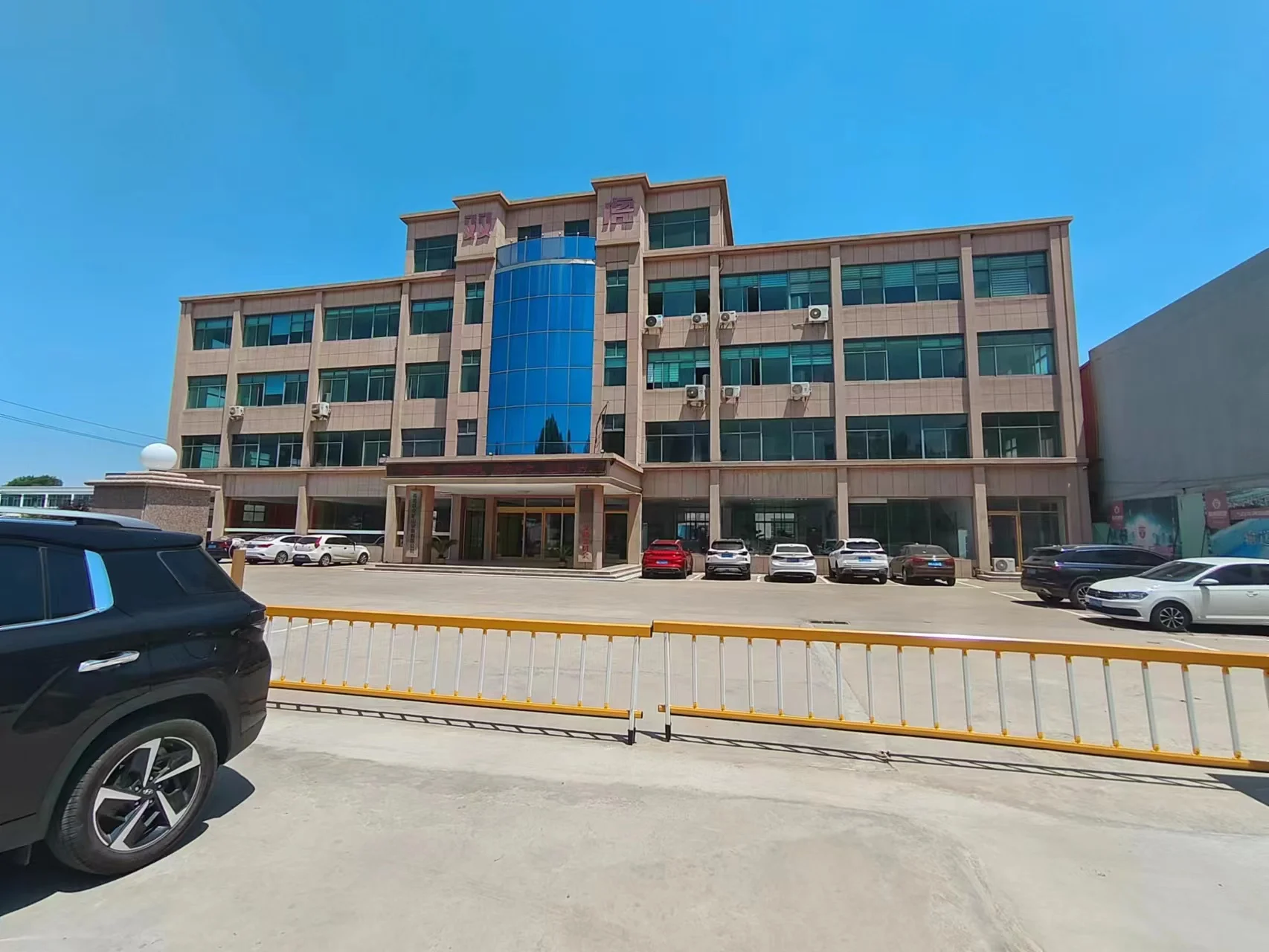
Qingdao Lanzhou Boat Co., Ltd.
- Trading Company
- Shandong, China
- Lead time40 days
- Avg. response≤ 3h
Main productsrib boat,boat fenders,inflatable boat,inflatable jet ski bumper,yokohama
Main marketsNorth America(50.00%), Eastern Europe(20.00%), Northern Europe(20.00%), South America(10.00%)
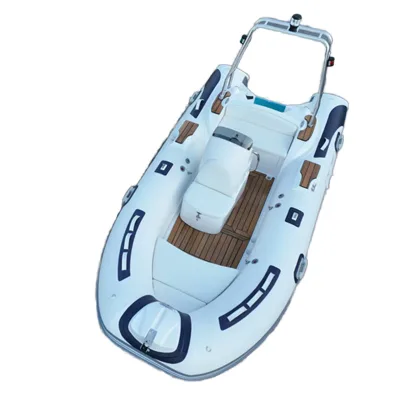
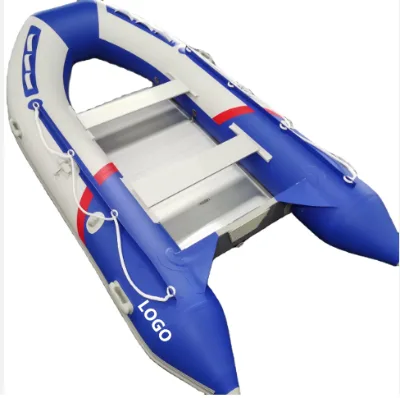
$600.00
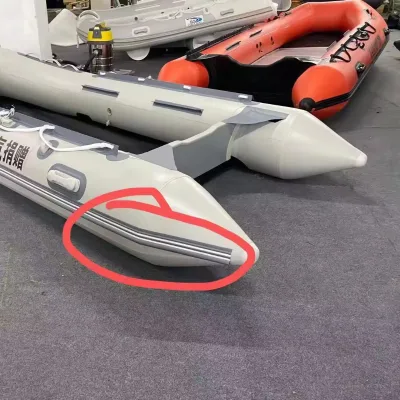
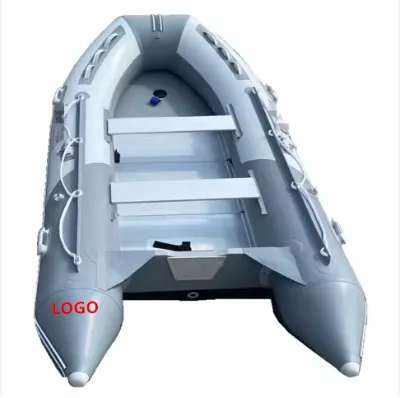
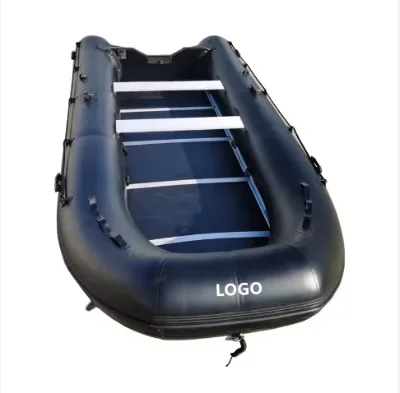
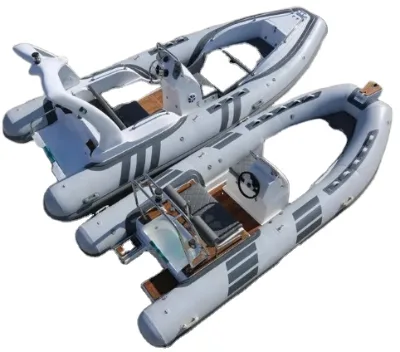

Weihai Hi Wobang Yacht Co., Ltd.
- Verified by SGS
- Manufacturer/Factory
- China Shandong
- Lead time23 days
- Avg. response≤ 15h
Main productsInflatable Boat, Air Track, Inflatable Toy, Kayak, Surfboard, Sup, Air Bed, Inflatable Paddle Board, Inflatable Sup, Tent
Main marketsSouth America,Eastern Europe,Mid East,North America,Eastern Asia,Western Europe


Inflatable Boat, Fishing Inflatable Boat, Speed Inflatable Boat Price
$288.00 - $1800.00
MOQ: 3 Pieces


Qingdao Haoyang Yacht Co., Ltd.
- Manufacturer, Trading Company
- Shandong, China
- Lead time0 days
- Avg. response≤ 1h
Main productsRIB boat,inflatable boat,river raft,inflatable SUP board,air track
Main marketsDomestic Market(40.00%), North America(20.00%), Southern Europe(8.00%), Eastern Europe(7.00%), South Asia(6.00%), Western Europe(6.00%), Northern Europe(5.00%), South America(5.00%), Southeast Asia(3.00%)

Chinapack Ningbo Import & Export Co., Ltd.
- Verified by SGS
- Trading Company,Manufacturer/Factory
- China Zhejiang
- Lead time23 days
- Avg. response≤ 17h
Main productsSnowboard, Water Bottle, Promotional Hats, Glass Bottle, Ski Set, Snowboot, Snowboard Binding, Home Sock, Hood, Scarf
Main marketsSouth America,Eastern Europe,North America,Southeast Asia,Eastern Asia,Oceania,Western Europe

- Trading Company,Manufacturer/Factory
- China Guangdong
- Lead time23 days
- Avg. response≤ 3h
Main productsBow Thrusters, Windlasses, Winches, Capstan, Lifeboat, Mooring Bollards, Centrifugal Pumps, Gangway Ladder, Accommodation Ladder, Panama Chocks
Main marketsSouth America,Eastern Europe,Mid East,North America,Southeast Asia,Eastern Asia,Oceania,Western Europe,Africa

GUANGZHOU YOLLOY OUTDOOR PRODUCT CO.,LIMITED
- Verified by BV
- Combined
- China Guangdong
- Lead time15 days
- Avg. response≤ 3h
Main productsInflatable Tent, Inflatable Swimming Pool, Inflatable Water Park, Inflatable Water Slide, Inflatable Floating Dock, Inflatable Sup Paddle Broad, Inflatable Water Toys, Inflatable Game Mechanical Rodeo Bull, Inflatable Planetarium Projection Tent, Inflatable Spray Paint Booth
Main marketsSouth America,East Asia(Japan/ South Korea),Europe,North America
Zhengzhou Beiyueyi Import And Export Trading Co., Ltd.
- Trading Company
- Henan, China
- Lead time3 days
- Avg. response≤ 3h
Main productsTransparent kayak,Kayaking
Main marketsEastern Europe(15.00%), North America(15.00%), Northern Europe(10.00%), Central America(10.00%), South America(10.00%), Mid East(6.00%), Southern Europe(5.00%), Africa(5.00%), Southeast Asia(5.00%), Western Europe(5.00%), South Asia(5.00%), Oceania(5.00%), Domestic Market(2.00%), Eastern Asia(2.00%)
Zhengzhou Buyee Trading Co., Ltd.
- Verified by TüVRheinland
- Trading Company
- Lead time30 days
- Avg. response≤ 2h
Main productsSpeed Boat With Cabin, Speed Boat, Passenger Boat, Park Boat, Yacht
Main marketsSouth America(20%), North America(15%), Southeast Asia(10%)
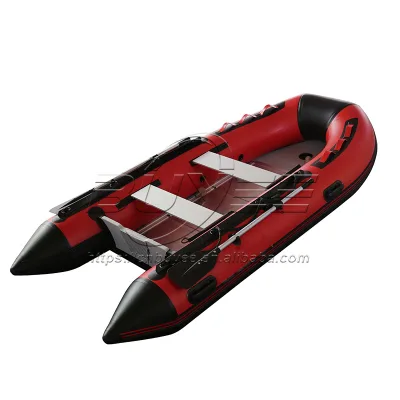
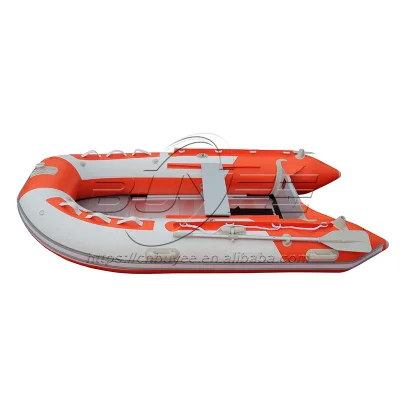
$378.00 - $398.00
MOQ: 2 units
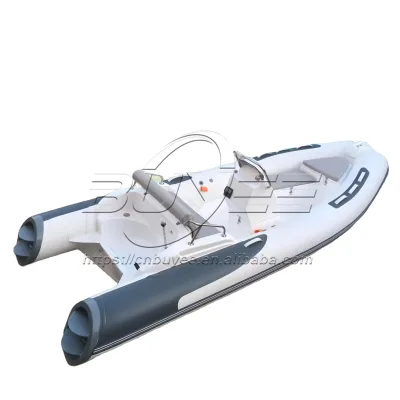

Qingdao Mer Vista Marine Co., Ltd.
- Trading Company,Manufacturer/Factory
- China Shandong
- Lead time0 days
- Avg. response≤ 7h
Main productsInflatable Boat, Rib Boat, Sup Board, Rhib Boat, Kayak, Rowing Boat, Yacht, Fishing Boat, Rescue Boat, Military Boat
Yushan Yijia Inflatable Products Co., Ltd.
- Manufacturer, Trading Company
- Lead time旺季: "1 - 10":15,"11 - 50":30,"> 50":"To be negotiated", 淡季: "1 - 10":15,"11 - 50":30,"> 50":"To be negotiated"
- Avg. response≤ 4h
Main productsInflatable swimming pool, Inflatable Sea Pool,Water hammock, Floating Platform for pool,Inflatable pool cover, pool accessories
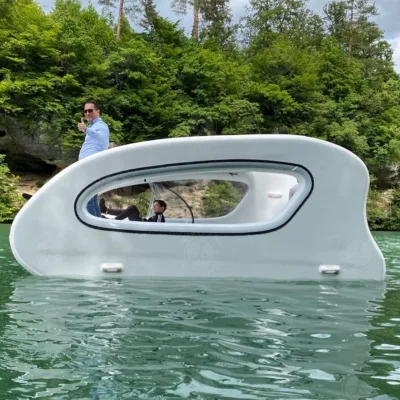
Inflatable Electric Boat with Waterproof Motor, Foldable Deck & Portable Fishing Design
$860.00 - $1250.00
MOQ: 1
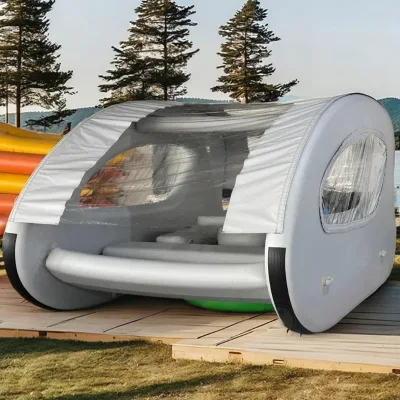
Portable Inflatable Yacht Fishing Boat with Stable Keel Design and Heavy-Duty Oar Locks
$860.00 - $1250.00
MOQ: 1
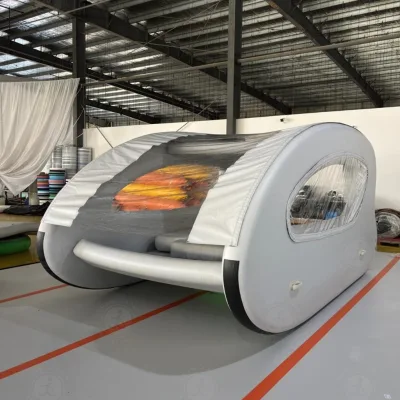
Inflatable Electric Boat with Swivel Seats, LED Lights & Quick Inflate Technology
$860.00 - $1250.00
MOQ: 1
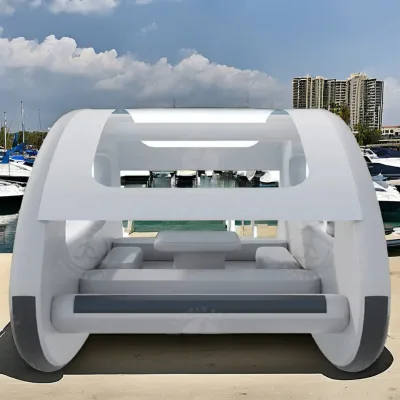
Inflatable Electric Boat with Sunshade, Bench, Built-in Battery, Quick-release Pump
$860.00 - $1250.00
MOQ: 1
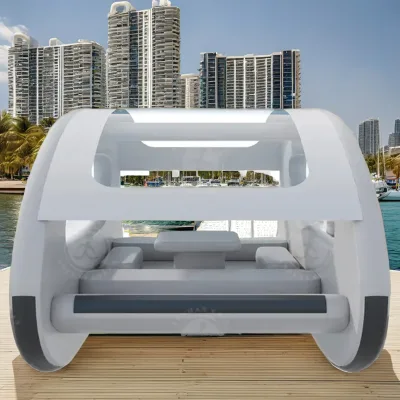
Inflatable Electric Boat with PVC Deck, Silent Brushless Motor and Adjustable Throttle
$860.00 - $1250.00
MOQ: 1
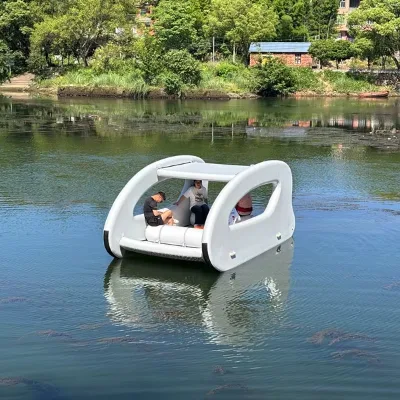
Heavy Duty Inflatable Electric Boat for Fishing and Leisure with Remote Control System
$860.00 - $1250.00
MOQ: 1
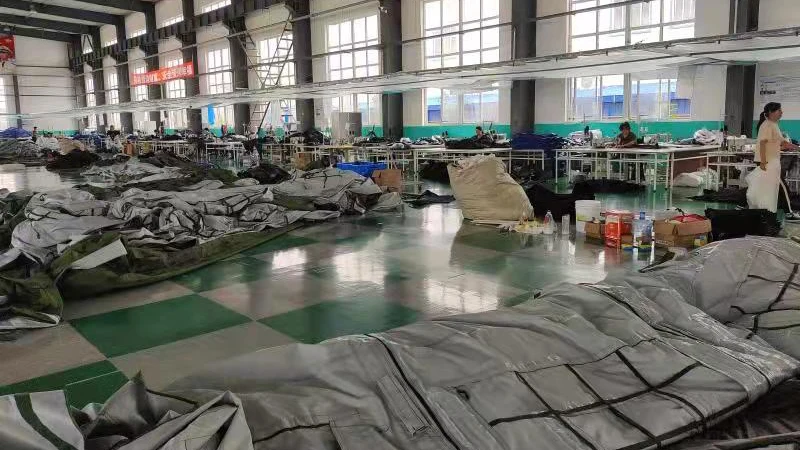
Guangzhou Yushan Inflatable Products Co., Ltd.
- Manufacturer, Trading Company
- Guangdong, China
- Lead time15 days
- Avg. response≤ 3h
Main productsInflatable Bounce House, Inflatable Slide, Inflatable Air Track, Inflatable Water Park, Advertising Inflatable
Main marketsNorth America(40.00%), Western Europe(20.00%), Mid East(20.00%), Southeast Asia(20.00%)
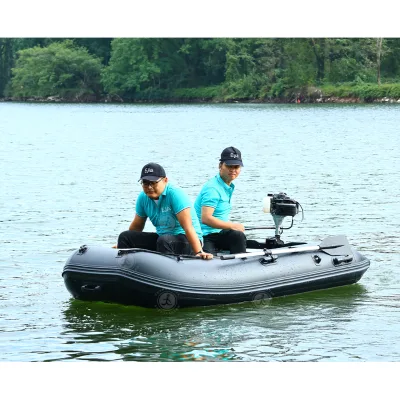
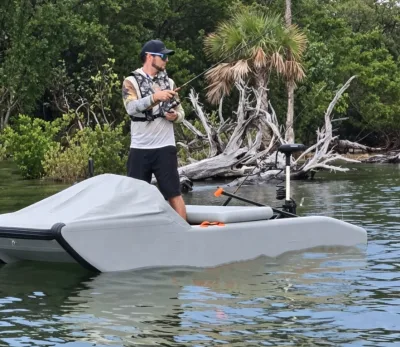
Inflatable Boat Aluminum Floor Fishing Inflatable Boats with CE Certification
$699.00 - $899.00
MOQ: 1
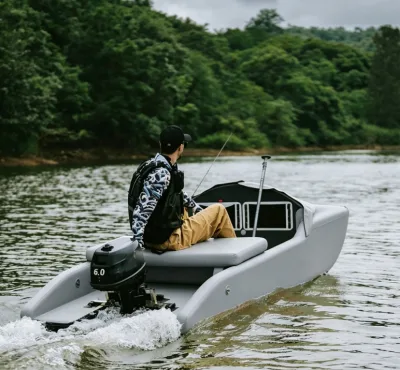

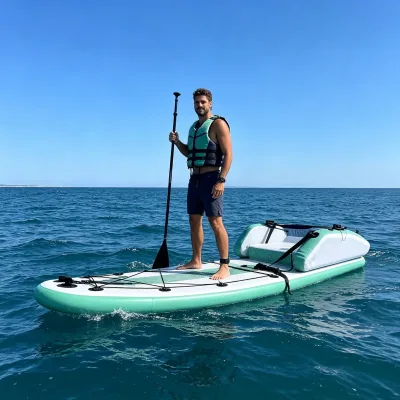
Heavy Duty PVC Inflatable Fishing Boat 2 Person Folding Design for Lake River Ocean Leisure
$399.00 - $499.00
MOQ: 1

- Manufacturer
- China Shandong
- Lead time30 days
- Avg. response≤ 3h
Main productsRib Boat, Inflatable Boat, PVC Boat, Hypalon Boat, Fiberglass Boat, Sport Boat, Banana Boat, Rafting Boat, Aluminum Boat
Main marketsSoutheast Asia/ Mideast,Europe,Australia


14 Feet Customizable Inflatable Boat Sea Water Boat with Outboard Motor
$1500.00 - $2400.00
MOQ: 1 set

18feet 5.5m Rubber Boat Fiberglass Inflatable Boat Rigid Inflatable Boat Fishing Boat Boat
$2500.00 - $4500.00
MOQ: 1 set


- Verified by TUVRHEINLAND
- Manufacturer/Factory,Group Corporation
- China Jiangsu
- Lead time23 days
- Avg. response≤ 9h
Main productsBoat Engine, Outboard Motor, Outboard Engine, Inflatable Boat, Rib Boat, Boat, Gasoline Generator, Gasoline Water Pump, Rigid Inflatable Boat, Aluminum Boat
Main marketsSouth America,Eastern Europe,Mid East,North America,Southeast Asia,Eastern Asia,Oceania,Western Europe,Africa
- Manufacturer, Trading Company
- Shandong, China
- Lead time20 days
- Avg. response≤ 3h
Main productsInflatable Boat,Inflatable Jet Boat,Rafting Boat,Catamaran,Pillow Bladder Tank
Main marketsWestern Europe(73.00%), Africa(8.00%), South America(8.00%), Eastern Europe(5.00%), North America(4.00%), Southern Europe(1.00%), Northern Europe(1.00%)
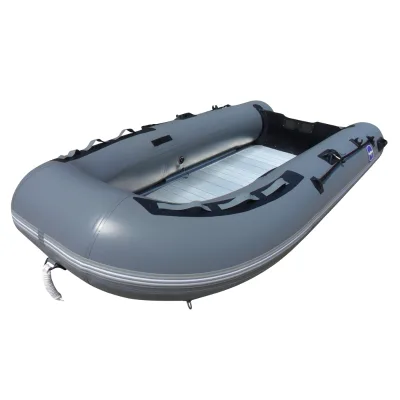
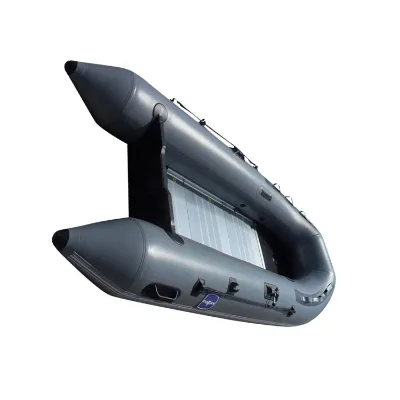
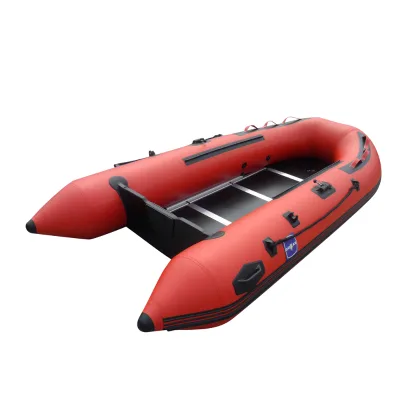
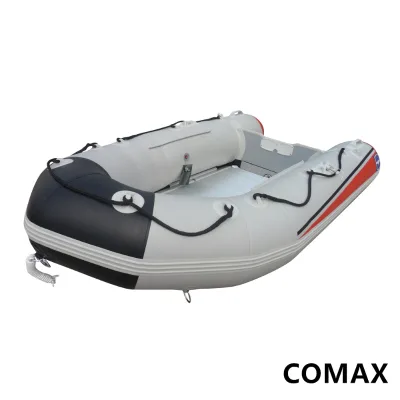
High-Quality Inflatable Pontoon Boat for Outdoor Adventures
$415.00 - $477.00
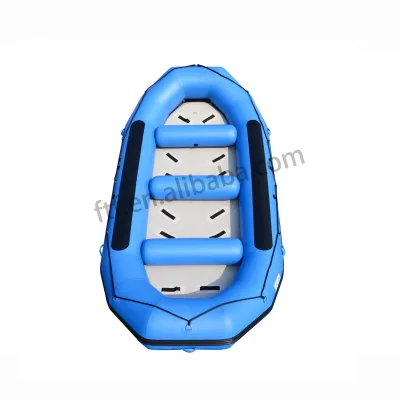


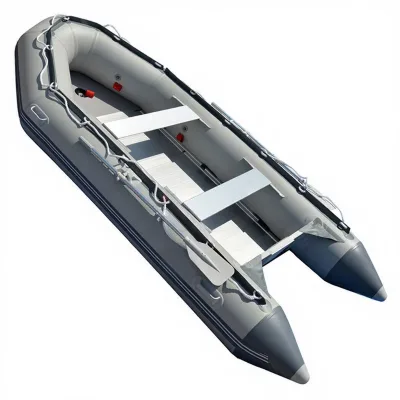
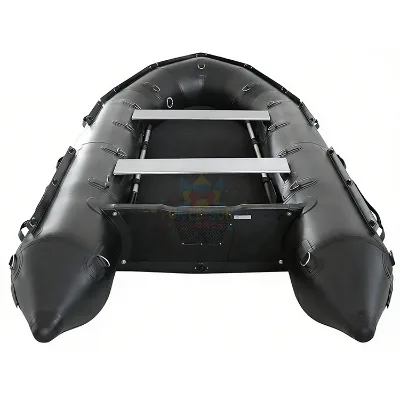
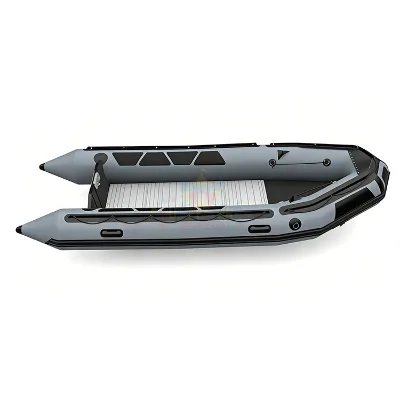
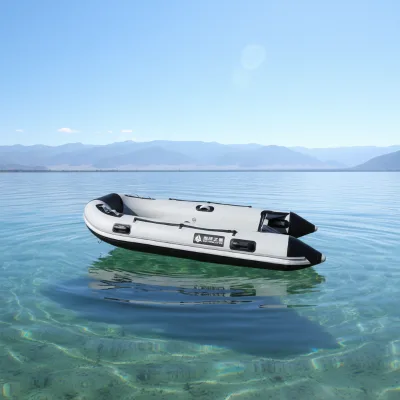


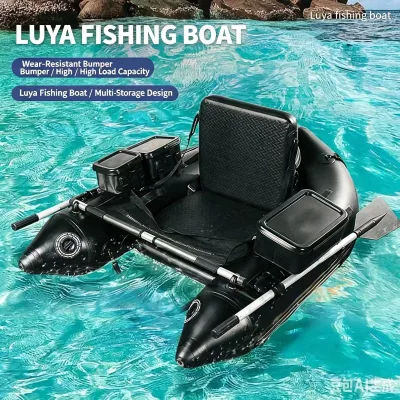
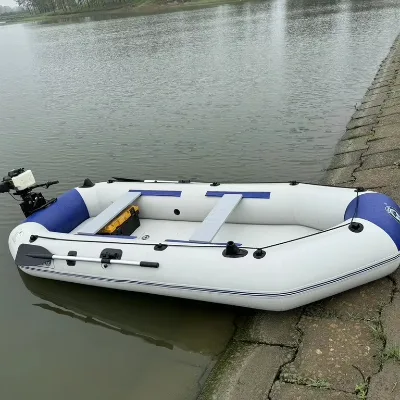


Comprehensive Sourcing Guide
Lightweight Foldable Inflatable Yacht Boat Supplier Concentration and Factory Types
The current supplier landscape for lightweight foldable inflatable yacht boats reveals a mix of manufacturing capabilities and trading structures that buyers must navigate carefully. Data indicates that the available suppliers operate as either manufacturers or trading companies, a distinction that significantly impacts pricing flexibility, communication speed, and quality control processes. Manufacturers typically offer more direct control over production specifications, allowing for customizations such as material thickness variations or specific logo applications, whereas trading companies may provide a broader aggregation of existing stock items. This structural diversity means that buyers cannot assume a uniform production model across all results. The presence of both entity types suggests that the market is fragmented, with some entities focusing on high-volume standard production while others cater to niche, customized orders. Understanding this split is crucial for determining whether a buyer prioritizes direct factory engagement for cost efficiency or the logistical convenience of a trading partner who handles multiple SKUs.
Furthermore, the product evidence highlights specific manufacturing origins and capabilities that define the current supply base. For instance, certain products are explicitly linked to Jiangxi, China, indicating a regional concentration of specialized inflatable boat production. Other listings point to Shandong, China, as a key location for suppliers offering a wider range of watercraft, including RIB boats and aluminum options alongside inflatables. This geographic spread suggests that buyers should not assume a single industrial cluster dominates this specific niche. Instead, the supply chain appears distributed, with different regions specializing in different aspects of inflatable boat construction, from PVC material processing to final assembly. Buyers evaluating these suppliers should consider how these regional differences might affect shipping logistics, lead times, and the availability of specific technical expertise. The variation in main products, ranging from simple fishing rafts to complex electric inflatable boats, further underscores the need to verify the specific manufacturing focus of each supplier rather than relying on general category labels.
How to Verify Lightweight Foldable Inflatable Yacht Boat Suppliers
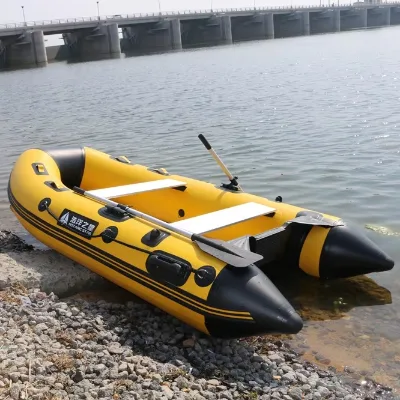
Verifying the legitimacy and capability of suppliers requires a rigorous examination of their product attributes and declared specifications. Buyers should start by scrutinizing the detailed product properties provided in the search results, such as material composition, length, and capacity. For example, specific listings mention materials like 0.9mm PVC, 1.2mm PVC, and Hypalon, which are critical indicators of durability and price point. A supplier claiming to offer high-end yacht-grade inflatables should be able to provide clear evidence of material thickness and type, as these directly impact the boat's lifespan and safety. Additionally, checking for specific model numbers and brand names, such as EJIA or GATHERSPORT, can help trace the product's lineage and verify if the supplier is the actual manufacturer or merely a reseller. Buyers must ensure that the technical specifications listed, such as allowable passenger counts or maximum capacity weights, align with their intended use cases, as discrepancies here can signal unreliable product data.
Beyond product details, verifying the supplier's operational metrics is essential for assessing reliability. The response time data, which shows values like 3 and 4 hours, provides a baseline for communication efficiency, but buyers should also look for deeper verification markers. While specific establishment years or certification details are not explicitly provided in the current data, buyers should actively request these documents during initial inquiries. It is crucial to verify if the supplier holds relevant certifications for marine equipment, although the current facts do not confirm their presence. Buyers should also examine the packaging details and origin claims, such as "Place of Origin: China" or specific provinces like Shandong, to ensure consistency across their product listings. Inconsistent origin claims or vague packaging descriptions can be red flags. Furthermore, buyers should ask for video evidence of the production line or warehouse to confirm the supplier's physical existence and manufacturing capacity, especially when dealing with trading companies that may not have direct factory oversight.
What to Compare Across Lightweight Foldable Inflatable Yacht Boat Suppliers
When comparing suppliers, buyers should focus on key operational dimensions such as lead times, minimum order quantities, and price ranges to determine the best fit for their business model. The available data shows varying lead times, with some suppliers indicating a standard 7-day turnaround, while others have more complex schedules based on seasonality, such as 15 days for orders between 2 and 10 units during peak seasons. This variability requires buyers to plan their inventory carefully, especially if they are targeting seasonal markets. Additionally, the minimum order quantity (MOQ) is a critical factor, with some listings showing an MOQ of just 1 unit, which is ideal for small businesses or dropshippers, while others may have higher thresholds. Buyers should also compare the price ranges, which span from approximately $259 to over $1,999, reflecting differences in material quality, size, and included features like aluminum floors or electric motor mounts. These price differences often correlate with the supplier's type, with manufacturers potentially offering lower prices for bulk orders compared to trading companies.
Another vital aspect of comparison is the range of main products and customization options offered by each supplier. Some suppliers specialize in a narrow range of inflatable boats, while others offer a diverse portfolio including RIB boats, aluminum boats, and even non-boat items like inflatable air tracks. This breadth can indicate a supplier's versatility and ability to handle complex orders, but it may also suggest a lack of specialized focus. Buyers should also compare the specific features highlighted in product attributes, such as the availability of logo graphic design options like silicone printing or laser printing, which are important for branding. The capacity specifications, ranging from single-person boats to seven-person vessels, allow buyers to match supplier capabilities with their target market segments. By systematically comparing these operational and product-specific details, buyers can identify suppliers that not only meet their technical requirements but also align with their strategic goals regarding inventory management, branding, and market positioning.
Common Lightweight Foldable Inflatable Yacht Boat Sourcing Risks
One of the primary risks in sourcing lightweight foldable inflatable yacht boats is the potential discrepancy between advertised specifications and actual product quality. Buyers must be cautious of suppliers who provide vague or inconsistent product attributes, such as unclear material thicknesses or unverified capacity ratings. For instance, while some listings specify 0.9mm or 1.2mm PVC, others may not provide such details, leaving room for lower-quality materials to be used without the buyer's knowledge. This risk is compounded by the presence of trading companies in the supplier mix, which may not have direct oversight of the manufacturing process. Buyers should be wary of suppliers who cannot provide detailed technical documentation or who are reluctant to share production videos. Additionally, the risk of receiving products that do not match the described dimensions, such as the 350cm or 380cm lengths listed, is significant if quality control measures are not enforced. Buyers must insist on clear, verifiable specifications to avoid receiving substandard or incorrectly sized boats.
Another significant risk involves the reliability of lead times and shipping logistics, which can be affected by seasonal fluctuations and supplier capacity. The data indicates that lead times can vary from 7 days to 15 days or more, depending on the order size and season. Buyers who fail to account for these variations may face stockouts or delayed deliveries, particularly during peak seasons when demand is high. Furthermore, the risk of logistical complications is heightened when sourcing from multiple regions, such as Jiangxi and Shandong, as different suppliers may have varying shipping arrangements and customs handling capabilities. Buyers should also be aware of the potential for hidden costs, such as additional fees for packaging or customization, which may not be included in the initial price quote. The lack of explicit information on escrow services or specific trade assurance terms in the current data means buyers must proactively verify these protections to mitigate financial risks. Ignoring these logistical and quality control risks can lead to significant operational disruptions and customer dissatisfaction.
Lightweight Foldable Inflatable Yacht Boat Regional Sourcing and Logistics
Sourcing from specific regions in China, such as Shandong and Jiangxi, offers distinct logistical advantages and challenges that buyers must consider. Shandong, identified as a location for several suppliers, is a major industrial hub with well-developed infrastructure for manufacturing and export. This region's concentration of suppliers offering a wide range of watercraft, including aluminum and inflatable boats, suggests a mature supply chain with established logistics networks. Buyers sourcing from Shandong may benefit from faster shipping options and more reliable freight forwarding services due to the region's proximity to major ports. However, the diversity of products in this region also means that buyers need to carefully verify the specific manufacturing capabilities of each supplier to ensure they are sourcing from a specialized facility rather than a general trading company. The presence of suppliers in Jiangxi, another identified location, adds another layer of complexity, as this region may have different logistical considerations and shipping routes.
Logistical planning must also account for the physical characteristics of the products, such as their foldable nature and packaging requirements. The product evidence indicates that items are packaged in OP (original packaging) or similar formats, which can affect shipping volume and costs. Buyers should consider how the foldable design impacts container loading efficiency, as this can significantly reduce shipping costs compared to rigid boats. However, the variability in product lengths, from 270cm to 650cm, means that shipping dimensions will differ, requiring careful calculation of freight charges. Additionally, buyers should verify the supplier's experience with international shipping, particularly regarding customs documentation and compliance with marine equipment regulations in their target markets. The lack of specific information on export certifications in the current data means buyers must proactively ask suppliers about their experience with international logistics and their ability to handle complex export procedures. Understanding these regional and logistical nuances is essential for optimizing supply chain efficiency and minimizing transit times.
Lightweight Foldable Inflatable Yacht Boat Commercial Terms and Order Planning
Effective order planning for lightweight foldable inflatable yacht boats requires a clear understanding of commercial terms, including pricing structures, payment conditions, and after-sales support. The price ranges observed, from $259 to $1,999, indicate a wide spectrum of product tiers, allowing buyers to select options that fit their budget and quality expectations. However, buyers should be aware that prices may fluctuate based on order volume, material costs, and customization requirements. It is crucial to negotiate clear terms regarding price breaks for larger orders, especially given the varying MOQs across suppliers. Additionally, buyers should inquire about payment terms, such as the availability of escrow services or trade assurance, to protect their financial interests. The current data does not explicitly confirm the availability of these services, so buyers must verify this directly with suppliers to ensure secure transactions. Understanding the full cost structure, including any additional fees for packaging or customization, is essential for accurate profit margin calculations.
Furthermore, order planning must include strategies for managing lead times and inventory levels to meet market demand. The variable lead times, ranging from 7 to 15 days or more, necessitate careful scheduling to avoid stockouts, particularly during peak seasons. Buyers should establish a consistent communication channel with their suppliers to stay updated on production status and potential delays. Additionally, buyers should consider the supplier's capacity for handling repeat orders and their ability to maintain consistent quality across batches. The availability of customization options, such as logo printing, adds value but also requires additional lead time for design approval and production. Buyers should plan for these extra steps in their order timeline. Finally, buyers should discuss after-sales support and warranty terms, as these are critical for maintaining customer satisfaction and brand reputation. By carefully planning these commercial aspects, buyers can build a resilient and efficient supply chain for their inflatable yacht boat business.
FAQs
What is the price range for lightweight inflatable boats?
Prices for these boats typically range from $259 to $1999 depending on size and material. Smaller models under 350cm often cost between $259 and $389, while larger 350cm options range from $999 to $1999. You can also find basic 270cm models starting around $345. Always verify the final quote with the supplier for accurate pricing.
How long does production take for these boats?
Lead times vary by season and order volume. During peak seasons, orders of one to ten units take seven to fifteen days, while larger orders require negotiation. Off-peak seasons also show seven to fifteen days for smaller batches. Confirm the exact delivery schedule with the manufacturer before placing your order to ensure timely arrival.
What materials are used for these inflatable yachts?
Manufacturers primarily use PVC and Hypalon materials for durability. Common thicknesses include 0.9mm PVC for smaller boats and 1.2mm PVC for larger, heavy-duty models. Some high-speed options feature aluminum floors for added stability. Check the specific product attributes to confirm the material grade and thickness suitable for your intended water sports or fishing activities.
What is the minimum order quantity for these boats?
The minimum order quantity is typically one unit for most suppliers. This allows buyers to test quality before committing to larger volumes. Some manufacturers may offer different terms for bulk orders, but single-unit purchases are widely available. Verify the specific MOQ policy with the supplier to ensure it meets your initial sourcing requirements.
Where are these boats manufactured?
These boats are primarily manufactured in China, with specific origins in Shandong and Jiangxi provinces. Shandong is a common hub for inflatable boat production, while Jiangxi is noted for electric inflatable models. Knowing the origin helps assess shipping logistics and potential tariffs. Always confirm the exact place of origin listed in the product details.
What sizes are available for these inflatable boats?
Available lengths range from 270cm to 650cm. Smaller 270cm and 300cm models suit two to three people, while 350cm and 380cm options accommodate more passengers. Larger 650cm models offer significant capacity for heavy-duty use. Select the length based on your passenger count and intended activity, verifying dimensions in the product specifications.