Lithium Polymer Rechargeable Laptop Battery Suppliers and Manufacturers
Source Lithium Polymer Rechargeable Laptop Battery from 20 verified suppliers in China. Compare ISO9001:2015 certifications, OEM/ODM capabilities, lead times, and pricing to find the right partner. Review product specs and request samples today; review the available evidence before requesting comparable quotations from suitable candidates.
Updated
Suppliers List

Dongguan Win-Hsin Electronic Co., Ltd.
- Verified by CTI
- Combined
- China Guangdong
- Lead time15 days
- Avg. response≤ 3h
Main productsLaptop Battery, Laptop Keyboard, Laptop Adapter, CPU Fan, Laptop Screen, DC Jack, Laptop Casings, Laptop Accessories, Notebook Battery, Notebook Keyboard
Main marketsSouth America,Southeast Asia/ Mideast,Europe

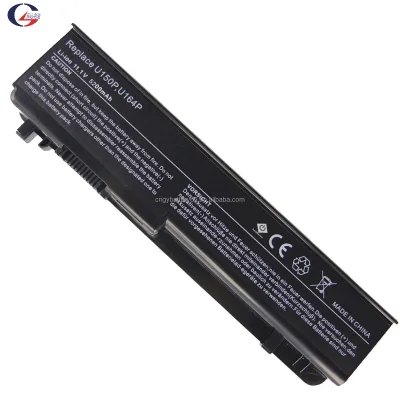
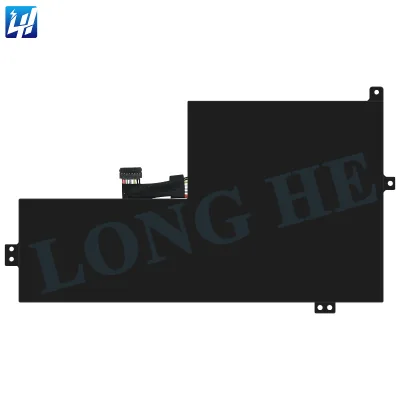
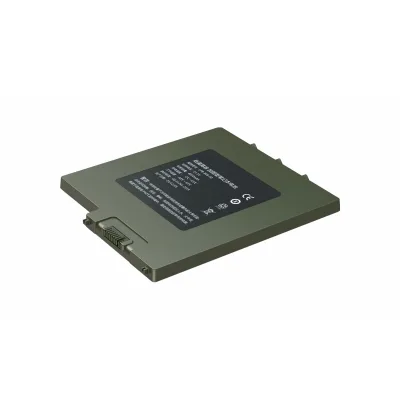
Safe and Reliable Energy Saving Rechargeable Lithium-Polymer Laptop Battery
$8.00 - $15.00
MOQ: 5 Pieces

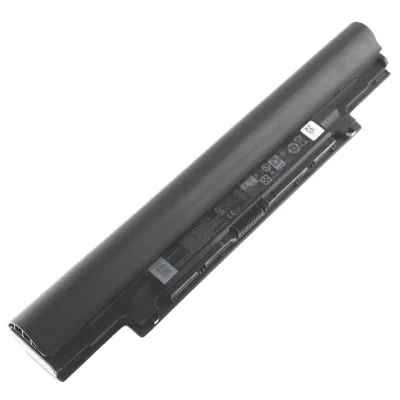
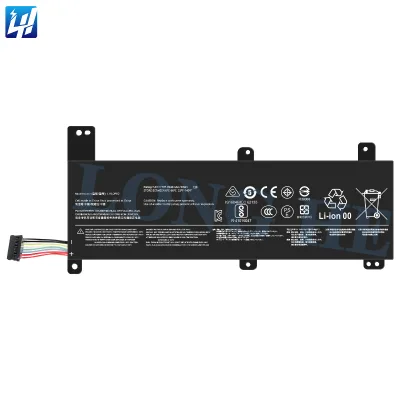
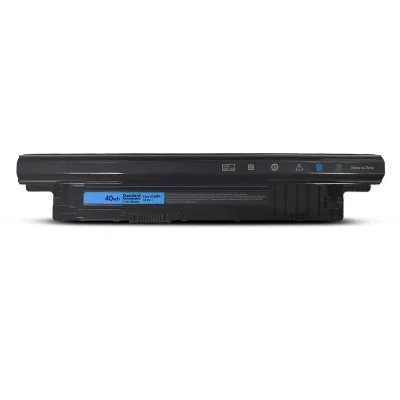
Anti Degradation Stable Output Rechargeable Lithium Laptop Computer Battery
$8.00 - $15.00
MOQ: 5 Pieces

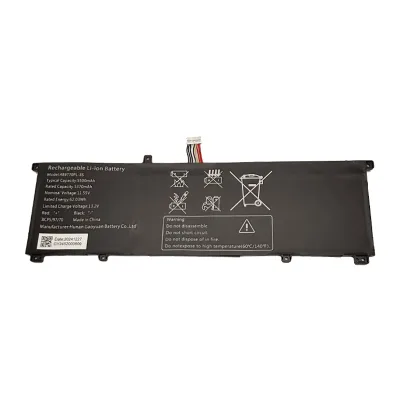
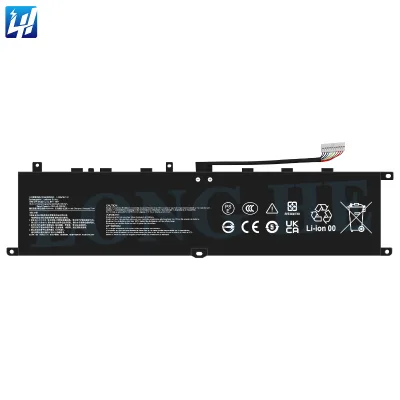
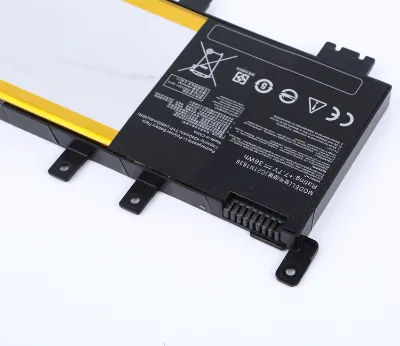
Low Power Consumption Stable Output Rechargeable Li-Polymer Laptop Battery
$8.00 - $15.00
MOQ: 5 Pieces

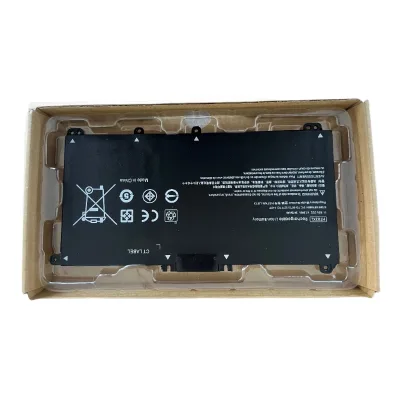
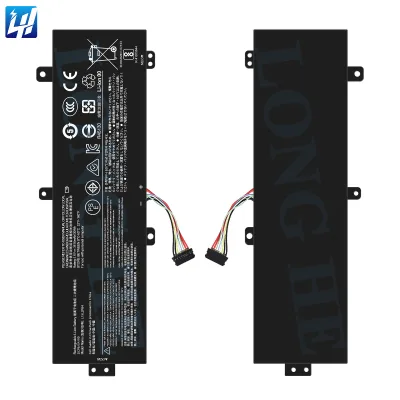
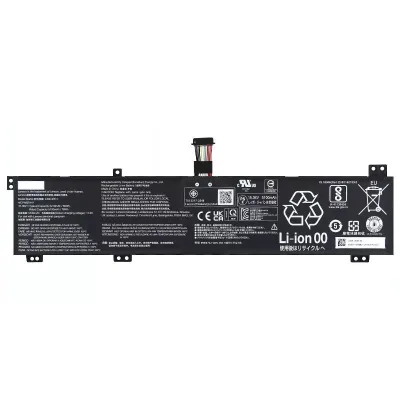
Professional OEM Rechargeable Li-Polymer Replacement Laptop Battery for Notebooks
$8.00 - $15.00
MOQ: 5 Pieces

Dongguan Lewe Electronics Co., Ltd.
- Verified by BV
- Combined
- China Guangdong
- Lead time15 days
- Avg. response≤ 9h
Main productsLaptop Battery Packs, Power Tool Battery Packs, Power Bank, Mobile Battery Packs, AC Adapters, Storage Battery, Travel Battery, Backup Battery, Portable Power Bank, External Battery Pack
Main marketsAustralia,North America

Rechargeable Laptop Battery E1505\E1501 6400 11.1V Li-ion Battery (LBD0461) for Laptop
$10.00 - $20.00
MOQ: 10 Pieces


Rechargeable Lithium-Ion Laptop Electric Power Batteries for DELL E6320 11.1V 5200mAh 6cells
$10.00 - $20.00
MOQ: 10 Pieces

$10.00 - $20.00
MOQ: 10 Pieces


Guangzhou Jiaguote Electronic Technology Co., Ltd.
- Manufacturer, Trading Company
- Guangdong, China
- Lead time0 days
- Avg. response≤ 10h
Main productsAdaptor for laptop,batteries for laptop,laptop accessories,Switching power supplies,Chargers & Adapters
Main marketsSouthern Europe(8.33%), Northern Europe(8.33%), Central America(8.33%), Western Europe(8.33%), Eastern Asia(8.33%), Mid East(8.33%), Oceania(8.33%), Africa(8.33%), Southeast Asia(8.33%), Eastern Europe(8.33%), South America(8.33%), North America(8.33%)
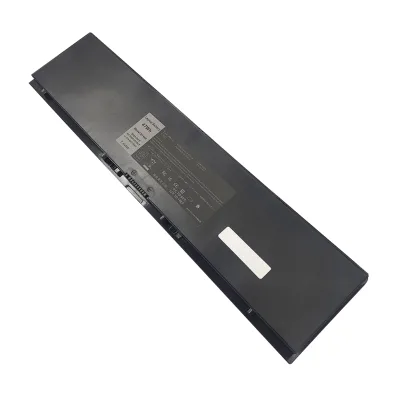
$12.00 - $15.00
MOQ: 10 pieces
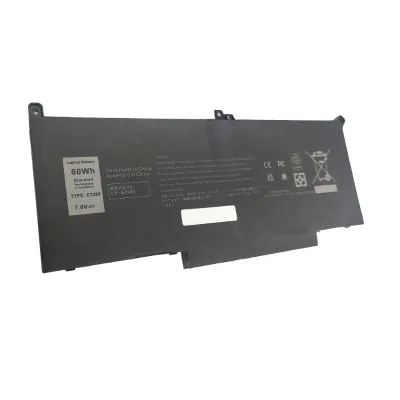
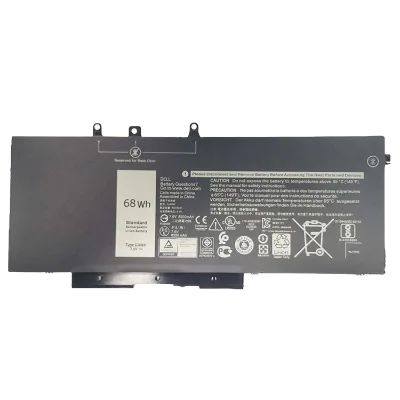
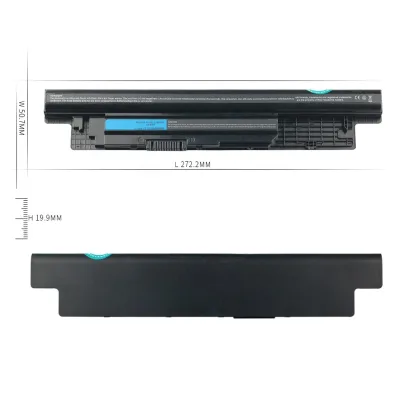

Shenzhen Chengyuan Technology Co., Limited
- Manufacturer, Distributor/Wholesaler
- Guangdong, China
- Lead time7 days
- Avg. response≤ 2h
Main productslaptop battery,AC adapters,laptop keyboards,battery pack
Main marketsNorth America(53.00%), Western Europe(35.00%), Northern Europe(3.00%), South America(2.50%), Southern Europe(2.00%), Eastern Europe(1.50%), Oceania(1.00%), South Asia(1.00%), Southeast Asia(0.50%), Africa(0.50%)

Luoyang Apower Imp. & Exp. Co., Ltd.
- Verified by TUVRHEINLAND
- Trading Company
- China Henan
- Lead time15 days
- Avg. response≤ 3h
Main products18650 Battery, Rechargeable Battery, Battery Pack, Lithium Battery, Li Ion Battery, Lithium Ion Battery, LiFePO4 Battery, Power Supply, Storage Battery, LFP Battery
Main marketsSouth America,Southeast Asia/ Mideast,Europe,North America


Lto Deep Cycle Rechargeable 2.3V 35ah Lithium Lto Battery LiFePO4 Laptop Battery
$16.50 - $23.50
MOQ: 50 Pieces


Best Price New Brand Battery for Computer L800 5000mAh 11.1V Laptop Battery
$10.69 - $12.98
MOQ: 10 Pieces
Hunan Gaoyuan Battery Co., Ltd.
- Verified by TüVRheinland
- Manufacturer, Trading Company
- Lead time0 days
- Avg. response≤ 3h
Main productsMobile Phone Battery, Tablet Battery, Notebook/Laptop Battery, Interphone/POS/MIFI Battery, OEM/ODM Lithium Polymer Battery Pack
Main marketsDomestic Market(85%), Northern Europe(6%), Mid East(3%)
Mildtrans Industrial Co., Limited
- Verified by SGS Group
- Trading Company
- Lead time2 days
- Avg. response≤ 9h
Main productsLaptop Screen, Laptop Keyboard, Laptop Battery, Laptop Adapter, Laptop Shell
Main marketsSouth America(25%), Southern Europe(20%), Southeast Asia(15%)
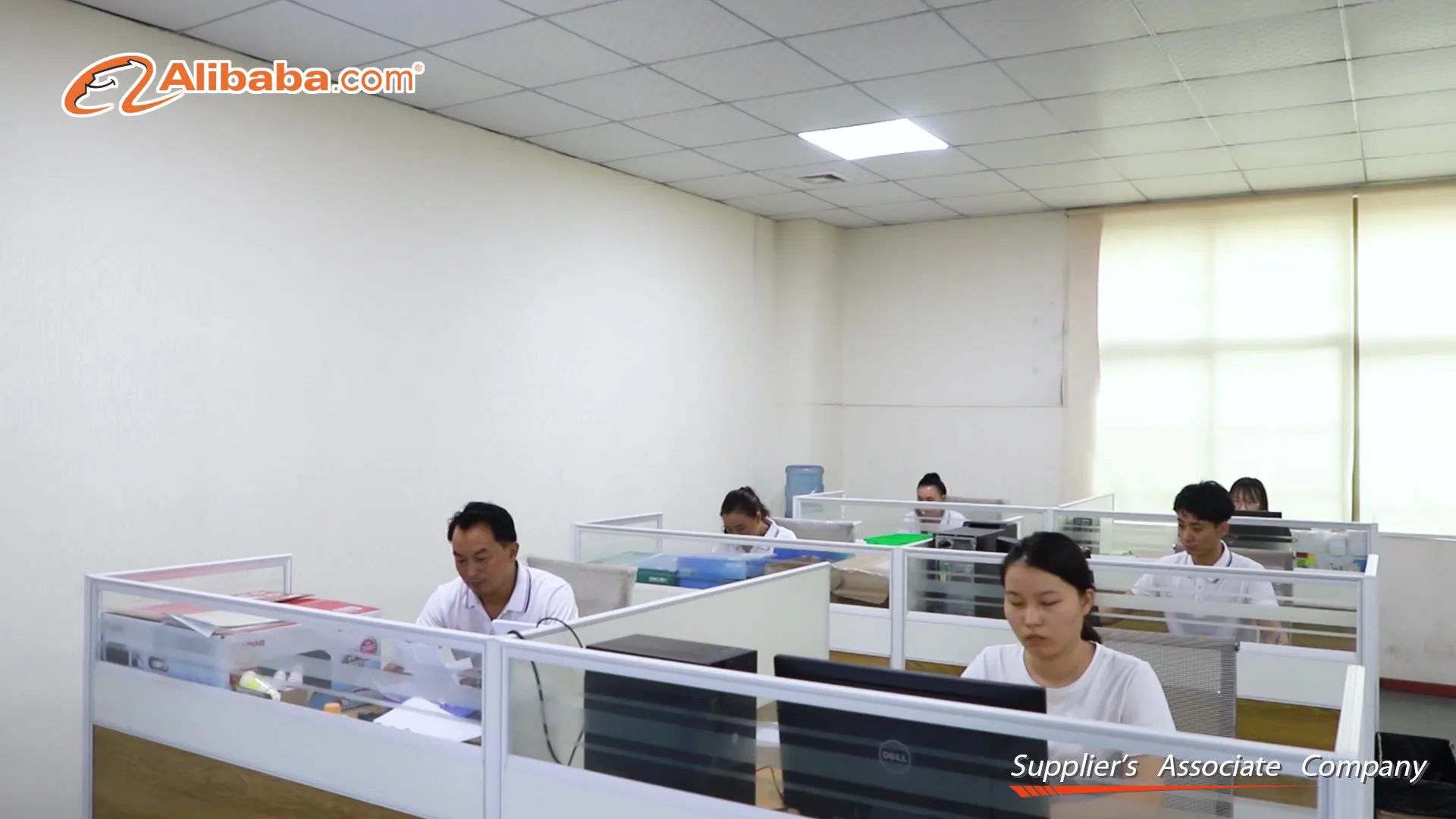
Guangzhou Longhe Electronics Co., Ltd.
- Manufacturer, Trading Company
- Guangdong, China
- Lead time7 days
- Avg. response≤ 3h
Main productsMobile Battery/Polymer Battery/3C Parts/Cable,laptop battery,watch battery,phone battery,Tablet battery
Main marketsDomestic Market(20.00%), Western Europe(20.00%), Southeast Asia(20.00%), Eastern Europe(20.00%), North America(20.00%)

Liyuan Battery Technology (Yichun) Co., Ltd.
- Verified by BV
- Combined
- China Jiangxi
- Lead time23 days
- Avg. response≤ 4h
Main productsButton Battery, 3V Lithium Button Coin Cell, 1.5V Manganese Dioxide Button Cell, 3.6V Rechargeable Button Cell, Button Battery with Weld Foot, Button Battery with Welding Wire, Alkaline Battery, Carbon-Zinc Battery, Ni-MH Battery, Ni-CD Battery
Main marketsDomestic

Rechargeable Li-Polymer Battery Ly9975r for Laptop Computer Batteries Factory
$28.50 - $29.00
MOQ: 1000 Pieces

Rechargeable Large Capacity 10000mAh 10ah 3.7V 1260100 Li Polymer for Laptop
$3.55 - $3.65
MOQ: 3000 Pieces
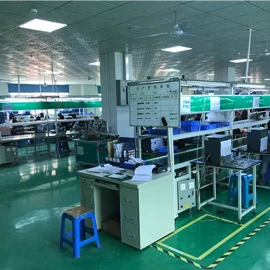
Shenzhen 3YBS Battery Co., Ltd.
- Manufacturer
- Guangdong, China
- Lead time25 days
- Avg. response≤ 6h
Main productscustom battery packs,lifepo4 batteries,laptop batteries,other device batteries,solar batteries
Main marketsNorth America(50.00%), Eastern Europe(30.00%), Africa(10.00%), South America(10.00%)
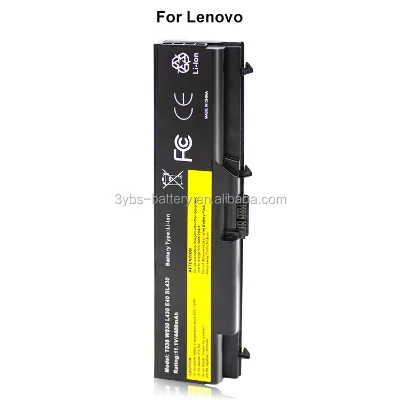
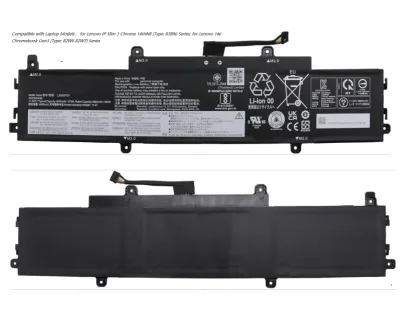
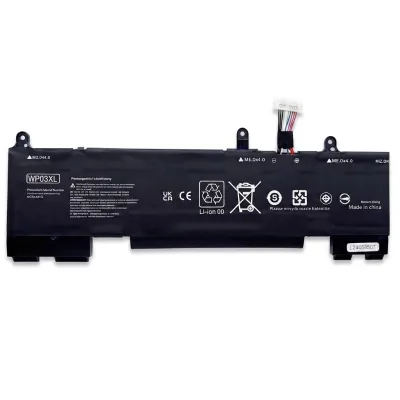
Laptop Battery for Sale for Lenovo ThinkPad and IBM Notebook Battery Series
$13.6378 - $15.7365
MOQ: 5 pieces
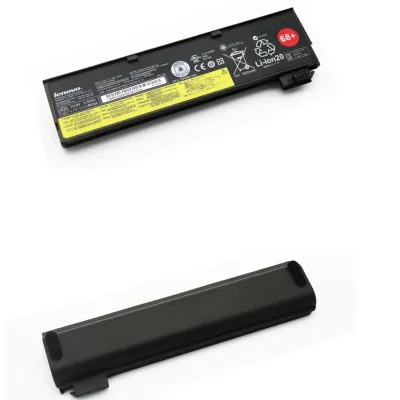

Shenzhen Yanxin Technology Development Co., Ltd
- Verified by SGS
- Trading Company
- China Guangdong
- Lead time15 days
- Avg. response≤ 3h
Main productsLaptop Battery, Laptop Charger, LCD, Laptop Parts, Laptop Accessory, Battery, Charger, Power, Screen, Keyboard
Main marketsDomestic

Shenzhen Colourstone Technology Co., Ltd.
- Manufacturer, Trading Company
- Guangdong, China
- Lead time3 days
- Avg. response≤ 6h
Main productsLaptop Battery,Notebook Power Adapter,USB Flash Drive,laptop spare parts,laptop keyboard
Main marketsEastern Europe(30.00%), Western Europe(15.00%), Mid East(15.00%), South America(15.00%), North America(10.00%), Southern Europe(5.00%), Southeast Asia(5.00%), Oceania(5.00%)

Shenzhen Apollo International Electronics Co., Ltd.
- Manufacturer, Trading Company
- Guangdong, China
- Lead time10 days
- Avg. response≤ 5h
Main productsLaptop Batteries,Laptop Adapters,Camera Batteries & Chargers & Grips,Mobile Phone Batteries,Power Tool Batteries & Chargers
Main marketsEastern Europe(20.00%), Northern Europe(20.00%), Western Europe(20.00%), Southern Europe(15.00%), North America(15.00%), Central America(5.00%), South America(5.00%)
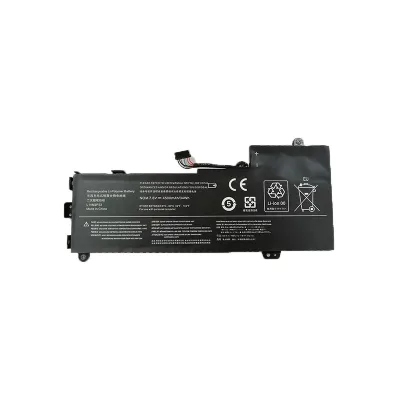
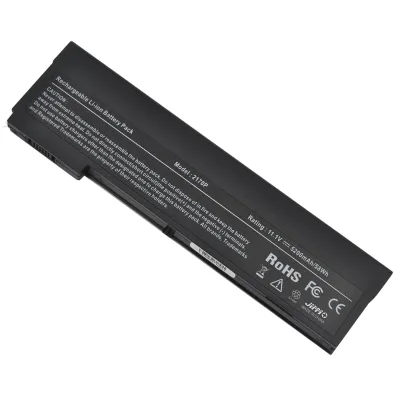
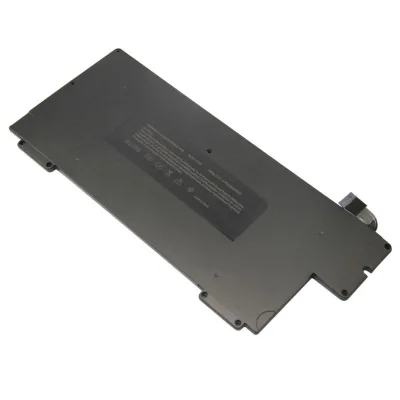
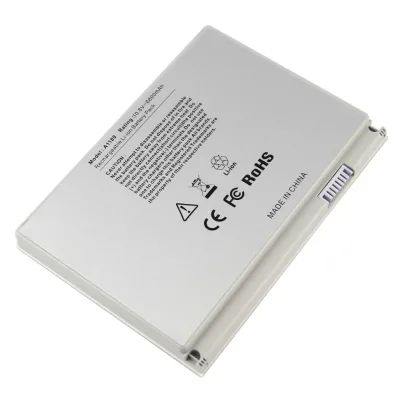
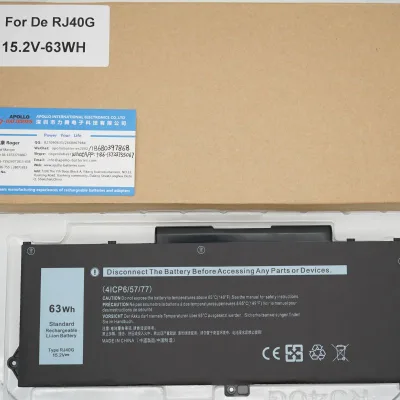
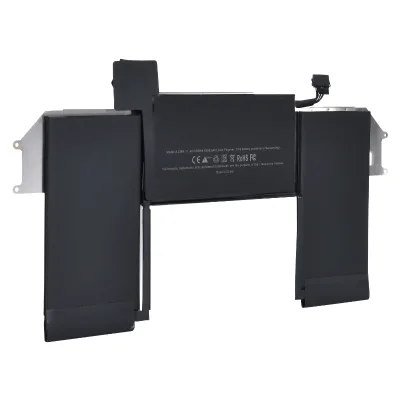
The Newest Laptop Battery 11.1V 5200mAH for H P 2170p Series
$16.48 - $17.54
Hangzhou Yamao Information Technology Co., Ltd.
- Trading Company
- Zhejiang, China
- Lead time15 days
- Avg. response≤ 3h
Main productsLaptop Adapter(Charger),Laptop Battery,Power Bank and Cable,AC/DC Power Adapter,Laptop Parts Accessories
Main marketsEastern Asia(86.00%), South Asia(14.00%)

Shenzhen Singo Electronics Co., Ltd
- Verified by SGS
- Manufacturer
- China Guangdong
- Lead time15 days
- Avg. response≤ 6h
Main productsLaptop Battery, Apple Laptop Battery, Cameras Battery, Jump Start, Portable Power Bank, Digital Camera Battery, Laptop Adapter
Hunan Five Intelligent Technology Co., Ltd.
- Trading Company
- Hunan, China
- Lead time45 days
- Avg. response≤ 6h
Main productsPower Lithium battery,Energy Storage Lithium battery,Mobile Device Lithium battery,Specialty battery,Battery Swapping cabinet
Main marketsWestern Europe(30.00%), South America(20.00%), Southeast Asia(20.00%), Domestic Market(10.00%), Mid East(10.00%), Eastern Asia(5.00%), Africa(5.00%)

Guangzhou zhanming Electronics Co.,Ltd.
- Verified by CTI
- Combined
- China Guangdong
- Lead time15 days
- Avg. response≤ 8h
Main productsLaptop Adapter, Laptop Charger, Power Supply, LED/LCD Adapter
Main marketsEurope
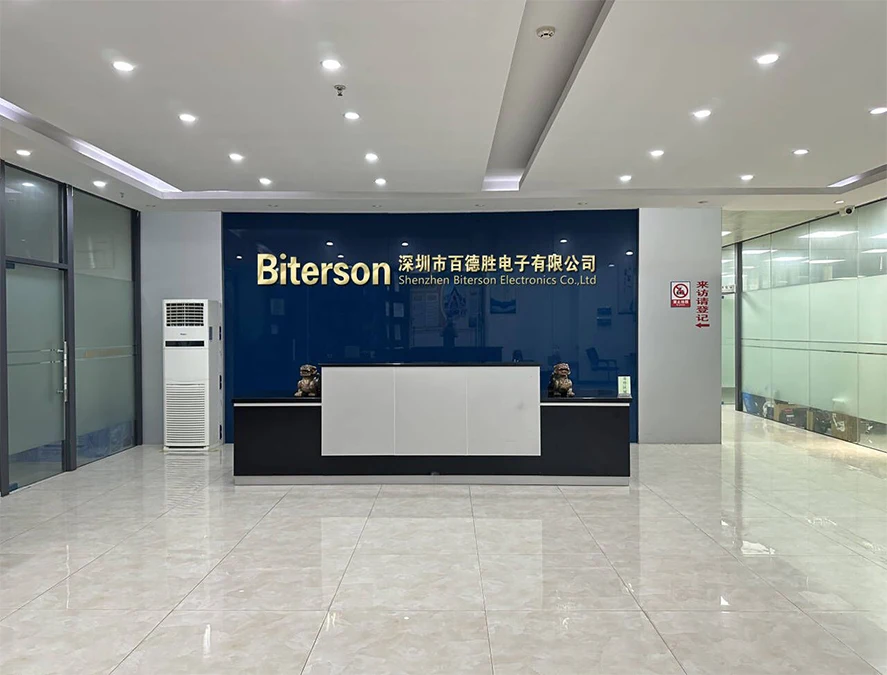
Shenzhen Biterson Electronics Co., Ltd.
- Trading Company
- Guangdong, China
- Lead time35 days
- Avg. response≤ 2h
Main productsLithium Iron Phosphate (LiFePO4)/Lithium Ion/Li-Polymer/Nickel-Metal Hydride (Ni-MH) Battery Packs
Main marketsDomestic Market(20.00%), Western Europe(20.00%), North America(20.00%), Southern Europe(10.00%), Southeast Asia(10.00%), Northern Europe(10.00%), Eastern Europe(10.00%)
Shenzhen Bamtop Technology Limited
- Manufacturer
- Guangdong, China
- Lead time2 days
- Avg. response≤ 12h
Main productslaptop keyboard,Notebook PC Keyboard
Main marketsSouth America(40.00%), North America(20.00%), Central America(10.00%), Western Europe(10.00%), Eastern Europe(10.00%), Southern Europe(5.00%), Northern Europe(5.00%)
Shenzhen Bejiate Industrial Development Co., Ltd.
- Manufacturer, Trading Company, Distributor/Wholesaler
- Guangdong, China
- Lead time3 days
- Avg. response≤ 5h
Main productslaptop battery,laptop adapter,laptop keyboard,laptop screen
Main marketsWestern Europe(25.00%), South America(25.00%), North America(25.00%), Domestic Market(5.00%), Eastern Asia(3.00%), Oceania(3.00%), Northern Europe(3.00%), South Asia(2.50%), Southeast Asia(2.00%), Mid East(2.00%), Southern Europe(1.50%), Central America(1.00%), Eastern Europe(1.00%), Africa(1.00%)
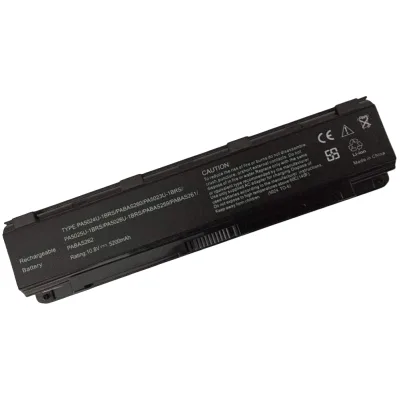
$9.0614 - $13.1794
MOQ: 10 pieces
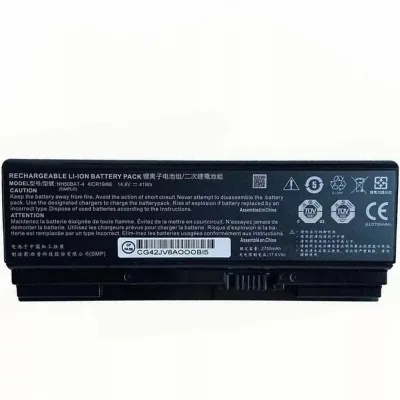
$8.1341 - $13.1794
MOQ: 10 pieces






Comprehensive Sourcing Guide
Lithium Polymer Rechargeable Laptop Battery Supplier Concentration and Factory Types
The current supplier landscape for lithium polymer rechargeable laptop batteries reveals a distinct concentration of manufacturing and trading entities within specific industrial hubs in China. Data indicates that a significant portion of these suppliers are located in Guangdong, with specific mentions of Dongguan as a key operational base. This geographic clustering is not accidental; it reflects the mature supply chain infrastructure for consumer electronics components, particularly digital batteries and power supplies. Buyers evaluating potential partners should recognize that this region hosts a mix of combined companies, pure manufacturers, and trading companies. The presence of both manufacturer and trading company types suggests that buyers may encounter direct factory sources or intermediaries who aggregate products from multiple smaller workshops. Understanding this distinction is crucial for negotiating terms, as factory-direct suppliers might offer better customization options for OEM and ODM services, while trading companies may provide broader catalogs of compatible models for various laptop brands.
Within this concentrated region, the types of companies vary in their operational focus and capabilities. Some suppliers are identified as combined entities, meaning they handle both production and sales, which can streamline communication but may also blur the lines of accountability. Others are explicitly labeled as manufacturers or trading companies, each presenting different advantages for sourcing. Manufacturers typically possess the technical capacity for custom battery packs, offering services like OEM and ODM, which are essential for buyers seeking branded products or specific technical specifications. Trading companies, on the other hand, often specialize in sourcing compatible replacement batteries for a wide range of laptop models, from HP and Dell to Lenovo and Toshiba. This diversity in company types allows buyers to choose partners based on their specific needs, whether they require high-volume production of standard models or specialized development of new battery designs. The concentration in Guangdong also implies a high level of competition, which can drive innovation and competitive pricing, but it also requires buyers to be diligent in verifying the actual capabilities of each supplier.
How to Verify Lithium Polymer Rechargeable Laptop Battery Suppliers
Verifying the legitimacy and capability of Lithium Polymer Rechargeable Laptop Battery suppliers requires a multi-layered approach that goes beyond simple profile reviews. One critical step is to check for third-party verification badges, such as CTI or BV, which indicate that an independent agency has inspected the supplier’s facilities and business operations. These verifications provide a layer of trust, confirming that the supplier exists and operates as claimed. Additionally, buyers should scrutinize the system certifications listed, such as ISO9001:2015, which demonstrates a commitment to quality management systems. While certifications are important, they should be cross-referenced with product-specific certifications like CE, which is frequently listed for laptop batteries, ensuring that the products meet safety and environmental standards for the target market. Buyers must also look for evidence of product testing and compliance, as battery safety is paramount due to the risks associated with lithium-ion and lithium-polymer chemistries.
Beyond certifications, buyers should assess the supplier’s responsiveness and transparency as indicators of reliability. Response times, such as those recorded at 2.57 or 8.58 hours, can signal the efficiency of the supplier’s customer service team. A faster response time often correlates with better communication throughout the order process, reducing the risk of misunderstandings regarding specifications or shipping details. Furthermore, buyers should examine the detailed product attributes provided, such as cell grade, capacity, and safety features like overcharge and short-circuit protection. Suppliers that provide comprehensive and accurate product data are more likely to be professional and reliable. It is also advisable to request samples before placing large orders, especially for custom or high-volume purchases, to verify the physical quality and performance of the batteries. By combining verification badges, certification checks, response time analysis, and sample testing, buyers can build a robust profile of each supplier’s reliability and capability.
What to Compare Across Lithium Polymer Rechargeable Laptop Battery Suppliers
When evaluating multiple suppliers for lithium polymer rechargeable laptop batteries, buyers must compare several key dimensions to identify the best fit for their business needs. One of the most critical factors is the minimum order quantity (MOQ), which can vary significantly between suppliers. For instance, some suppliers may have an MOQ of 5 units, making them suitable for small businesses or testing phases, while others may require an MOQ of 10 or more, which is better suited for larger volume orders. Comparing MOQs helps buyers align their purchasing strategy with their inventory management capabilities and cash flow constraints. Additionally, lead times are a crucial comparison point, with some suppliers offering a lead time of 15 days. Buyers should assess whether this timeline fits their production schedules or market demand cycles, as delays can impact customer satisfaction and sales performance.
Price and customization options are also essential factors for comparison. Price ranges for these batteries can vary, with some products listed between $8.00 and $15.00, while others may range from $10.00 to $20.00. Buyers should not only look at the unit price but also consider the total cost, including shipping and any customization fees. Customization availability, such as OEM and ODM services, is another key differentiator. Suppliers that offer customization can provide tailored solutions, such as specific battery models for particular laptop brands like HP, Dell, or Lenovo. Buyers should compare the extent of customization offered, including options for branding, packaging, and technical specifications. Furthermore, comparing the main products offered by each supplier can reveal their specialization. Some suppliers focus on a wide range of laptop accessories, while others may specialize exclusively in batteries. This specialization can indicate a deeper expertise and more consistent quality in their core products.
Common Lithium Polymer Rechargeable Laptop Battery Sourcing Risks
Sourcing lithium polymer rechargeable laptop batteries involves several inherent risks that buyers must actively manage to ensure a successful procurement process. One significant risk is the variability in product quality, particularly regarding cell grade and capacity. While some suppliers claim to use Grade A cells, others may not provide such detailed specifications, leading to potential discrepancies between advertised and actual performance. Buyers must be vigilant in verifying these claims, as inferior cells can result in shorter battery life, reduced capacity, and safety hazards. Another risk is the accuracy of product compatibility information. Laptop batteries are highly specific to model numbers, and errors in compatibility can lead to returns and customer dissatisfaction. Buyers should carefully cross-reference product models, such as those for HP, Dell, Lenovo, and Toshiba, with their actual requirements to avoid mismatches.
Packaging and shipping risks are also prevalent in this category. Batteries are classified as dangerous goods due to their lithium content, which imposes strict regulations on transportation. Suppliers must adhere to these regulations to ensure safe and legal shipping. Buyers should verify that suppliers have experience in handling and shipping lithium batteries, including proper packaging and documentation. Additionally, there is a risk of intellectual property infringement if buyers engage in OEM production without proper legal agreements. Suppliers claiming OEM services must be vetted for their ability to protect proprietary designs and specifications. Buyers should also be aware of the risk of supply chain disruptions, which can affect lead times and availability. By identifying and mitigating these risks through thorough due diligence, clear contracts, and quality control measures, buyers can protect their interests and ensure a stable supply of high-quality laptop batteries.
Lithium Polymer Rechargeable Laptop Battery Regional Sourcing and Logistics
The regional concentration of Lithium Polymer Rechargeable Laptop Battery suppliers in Guangdong, China, offers both advantages and logistical considerations for global buyers. This region is a major hub for electronics manufacturing, providing access to a dense network of suppliers, raw materials, and logistics services. The proximity of suppliers to major ports and transportation networks can facilitate efficient shipping, reducing transit times and costs. However, buyers must also consider the implications of sourcing from this specific region, including potential geopolitical factors and trade regulations that may affect import duties and compliance requirements. Understanding the local supply chain dynamics can help buyers negotiate better terms and plan their logistics more effectively.
Logistics planning for lithium batteries requires special attention due to their classification as dangerous goods. Suppliers in Guangdong are likely experienced in handling these regulations, but buyers must ensure that all shipping documentation is accurate and complete. This includes proper labeling, safety data sheets, and compliance with international shipping standards. Buyers should also consider the impact of shipping methods on lead times and costs. Air freight is faster but more expensive, while sea freight is slower but more cost-effective for large volumes. The choice of shipping method will depend on the urgency of the order and the budget constraints. Additionally, buyers should evaluate the supplier’s packaging capabilities to ensure that batteries are protected during transit, minimizing the risk of damage. By carefully planning logistics and leveraging the regional advantages of Guangdong, buyers can optimize their supply chain and ensure timely delivery of products.
Lithium Polymer Rechargeable Laptop Battery Commercial Terms and Order Planning
Effective order planning for lithium polymer rechargeable laptop batteries requires a clear understanding of commercial terms and payment structures. Buyers should negotiate terms that align with their cash flow and risk tolerance, such as requesting samples before committing to large orders. Sample orders, which are supported by some suppliers, allow buyers to verify product quality and compatibility without significant financial risk. Additionally, buyers should clarify the payment terms, including deposit requirements and balance payments upon shipment. Understanding these terms helps in managing financial exposure and ensuring that both parties are aligned on the transaction process. Buyers should also consider the implications of currency fluctuations and exchange rates, especially when dealing with international suppliers.
Order planning should also account for the supplier’s production capacity and lead times. Suppliers with established OEM and ODM capabilities may have longer lead times for custom orders, while standard models may be available for quicker shipment. Buyers should plan their orders accordingly, allowing sufficient time for production and shipping to meet market demand. It is also important to establish clear communication channels with the supplier to monitor order progress and address any issues promptly. Buyers should document all agreed-upon terms, including specifications, prices, and delivery schedules, in a formal contract to protect their interests. By carefully planning orders and negotiating favorable commercial terms, buyers can build a reliable and efficient supply chain for lithium polymer rechargeable laptop batteries, ensuring consistent quality and timely delivery to their customers.
FAQs
What is the typical lead time for laptop battery orders?
The typical lead time for laptop battery orders is 15 days. This duration allows for production scheduling and quality checks before shipment. Buyers should confirm specific timelines with suppliers to ensure delivery aligns with project deadlines and inventory requirements.
What certifications are available for these laptop batteries?
Common certifications include ISO9001:2015 for quality management and CE for product safety compliance. Some suppliers also provide Declarations of Conformity. These certifications ensure the batteries meet international standards for performance and safety, providing assurance for bulk procurement and regulatory adherence.
What is the minimum order quantity for laptop batteries?
The minimum order quantity varies, with some suppliers requiring as few as 5 units while others set the threshold at 10 units. This flexibility allows buyers to test samples or place smaller initial orders before committing to larger bulk purchases for distribution.
Are OEM and ODM services available for custom batteries?
Yes, OEM and ODM services are widely available for custom laptop batteries. Suppliers offer customization options to meet specific design and functional requirements. This service enables brands to create unique products tailored to their market needs while leveraging established manufacturing capabilities.
What is the price range for lithium polymer laptop batteries?
The price range for lithium polymer laptop batteries typically spans from $8.00 to $20.00 per unit. Costs depend on capacity, cell grade, and customization levels. Buyers should request detailed quotes based on their specific model requirements to determine the exact pricing structure.
How quickly do suppliers respond to sourcing inquiries?
Supplier response times vary, with some responding within 2.57 hours and others taking up to 10 hours. Faster response times indicate active sales teams ready to assist with technical questions and order processing. Prompt communication helps streamline the sourcing and negotiation process.
Where are these laptop battery manufacturers located?
Manufacturers are primarily located in Guangdong, China, including specific cities like Dongguan. This region is a major hub for electronics manufacturing, offering access to a robust supply chain and specialized expertise in producing high-quality laptop batteries and related power accessories.