Soil Moisture Light PH Meter Suppliers and Manufacturers
Source Soil Moisture Light PH Meter from 26 verified suppliers in China. Compare response times, lead times, and certifications like CE and ISO. Filter by price and MOQ to find the right partner; review the available evidence before requesting comparable quotations from suitable candidates.
Updated
Suppliers List

Henan Bingsheng Industrial Co., Ltd.
- Verified by SGS
- Combined
- China Henan
- Lead time15 days
- Avg. response≤ 2h
Main productsSensor
Main marketsSouth America,Southeast Asia/ Mideast,Domestic,Europe,North America


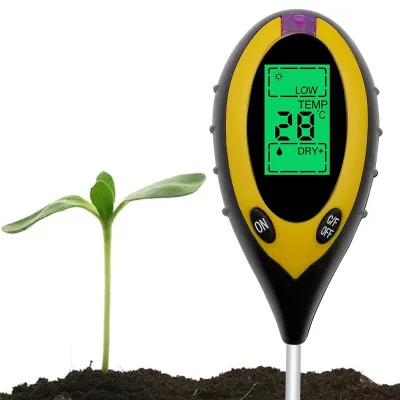
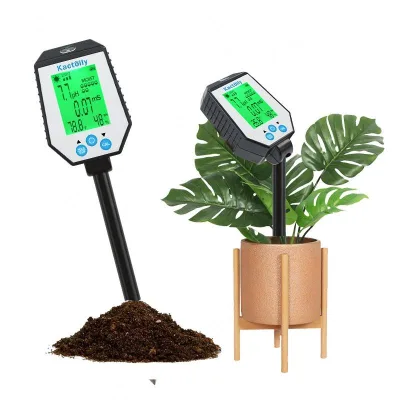
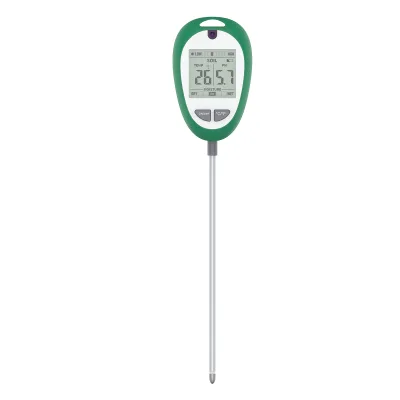
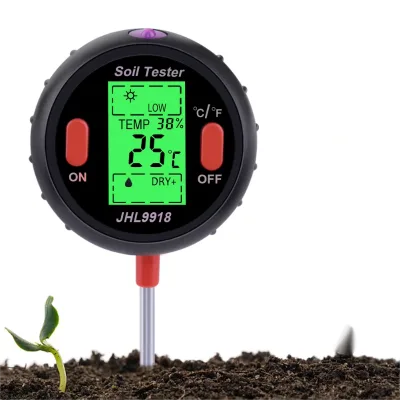
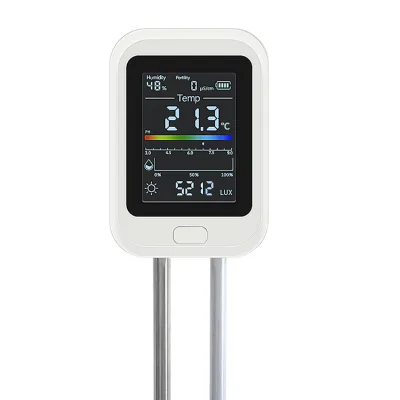
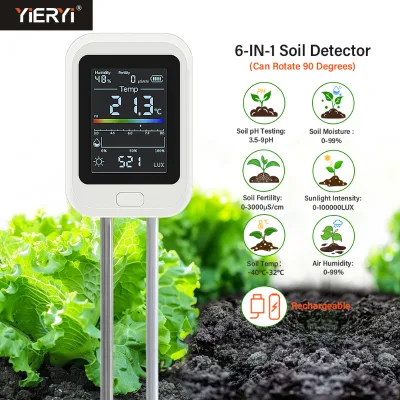
Precision Soil pH Meter for Temperature, Moisture, and Sunlight Analysis
$40.90 - $45.50
MOQ: 3 Pieces


Zhejiang Top Cloud-Agri Technology Co., Ltd.
- China Zhejiang
- Lead time0 days
- Avg. response≤ 8h
Main productsSoil Nutrient Analyzer, Seed Tester Meter, Chlorophyll Meter, Leaf Area Meter, Fat Analyzer, Fruit Hardness Tester, Incubator, Grain Testing Meter Tester, Plant Physical Tester, Flour and Oil Testing Instrument

Wuxi Imhoo Technology Co., Ltd.
- Manufacturer, Trading Company
- Jiangsu, China
- Lead time30 days
- Avg. response≤ 5h
Main productsPanel Meter, Multimeter, Battery Tester, Moisture Tester
Main marketsNorth America(40.00%), South Asia(20.00%), Domestic Market(20.00%), Oceania(5.00%), Western Europe(5.00%), Eastern Europe(5.00%), Southeast Asia(5.00%)

WANT Balance Instrument Co., Ltd.
- Verified by TUVRHEINLAND
- Combined
- China Jiangsu
- Lead time15 days
- Avg. response≤ 10h
Main productsElectronic Balance, Electronic Scale, Moisture Analyzer, Viscometer, pH Meter, Weighing Scale, Precision Balance, Analytical Balance, Industry Scale, Commercial Scale
Main marketsEast Asia(Japan/ South Korea),Domestic,Europe,North America

Zhangzhou Green-Lake Import & Export Co., Ltd.
- Verified by TUVRHEINLAND
- Trading Company
- China Fujian
- Lead time15 days
- Avg. response≤ 18h
Main productsCanned Food
Main marketsSouth America,Eastern Europe,Mid East,North America,Southeast Asia,Eastern Asia,Oceania,Western Europe,Africa
Wenzhou Hengxiong Electric Co., Ltd.
- Manufacturer, Trading Company
- Zhejiang, China
- Lead time20 days
- Avg. response≤ 4h
Main productsgrow Light fixture,Electronic ballast,Inline fan,Plastic tray,CO2 Generator
Main marketsNorth America(50.00%), Domestic Market(18.00%), Oceania(5.00%), Southern Europe(5.00%), Northern Europe(5.00%), Western Europe(5.00%), Eastern Europe(5.00%), South America(1.00%), Mid East(1.00%), South Asia(1.00%), Africa(1.00%), Central America(1.00%), Southeast Asia(1.00%), Eastern Asia(1.00%)
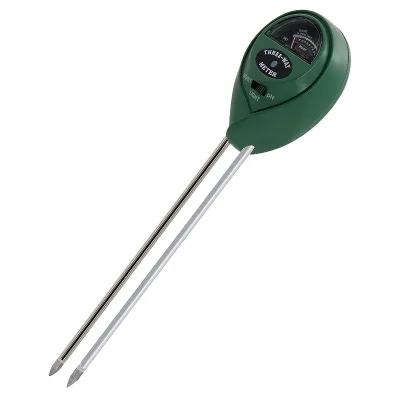
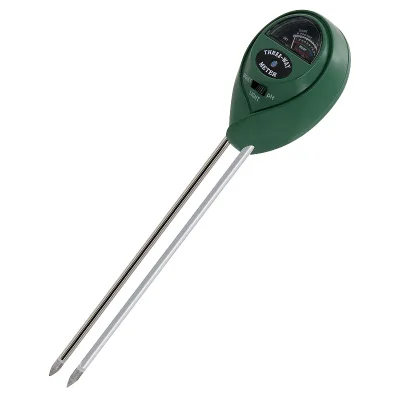
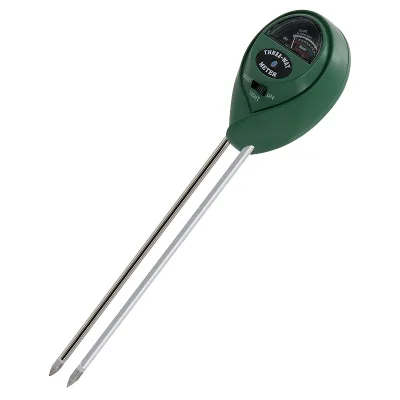
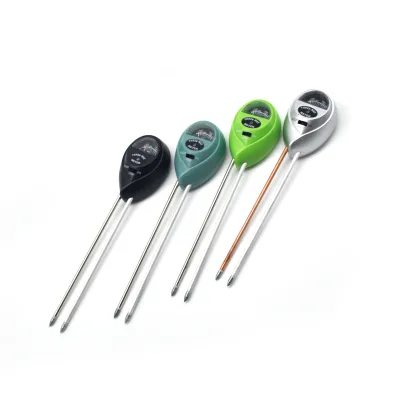
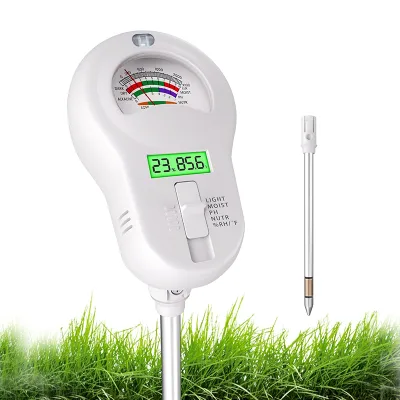
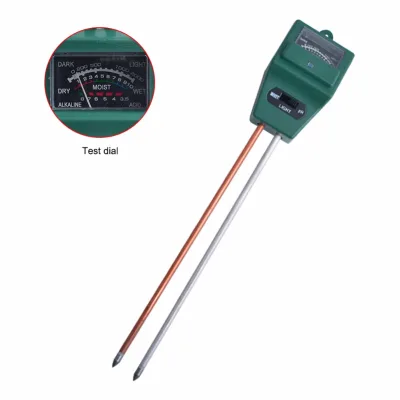
3-Way Plastic Moisture Light pH Meter
$1.80 - $2.89

Shijiazhuang Sanli Grain Sorting Machinery Co., Ltd.
- Verified by SGS
- Manufacturer
- China Hebei
- Lead time15 days
- Avg. response≤ 7h
Main productsSeed Processing Equipment, Seed Cleaning Machine, Seed Gravity Separator, Seed Coating Machine, Bucket Elevator, Destoner, Grains Polishing Machine, Seed Grading Machine, Seed Combined Cleaner, Agricultural Testing Instruments
Main marketsAfrica,Others(foreignTradeCapacity.exportBusinessCapacityMarketOther),Southeast Asia/ Mideast


Garden Soil Digital Handheld Land Moist Humidity Tester 3-8 pH Soil Meter
$17.20 - $21.40
MOQ: 1 Pieces


Xi'an Lonn M&E Equipment Co., Ltd.
- Verified by TUVRHEINLAND
- Combined
- China Shaanxi
- Lead time30 days
- Avg. response≤ 4h
Main productsClamp Meter, Laser Distance Meter, Coating Thickness Gauge, Gas Analyzer, Mass Flowmeter, Digital Food Thermometer, Hygrometer Thermometer, Wireless Bluetooth Thermometer, Weather Station, pH Meter
Main marketsEurope,North America

Digital Soil pH Meter Tester LCD Temperature Sunlight pH Soil Moisture Meter Tester
$12.00 - $16.00
MOQ: 100 Pieces

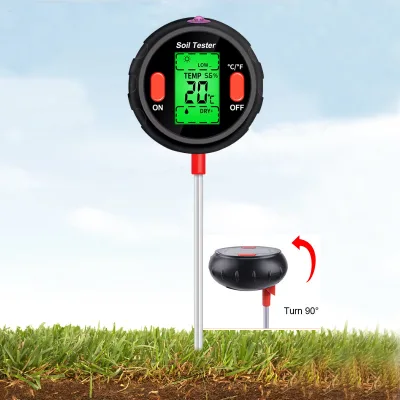
5 in 1 Digital Soil pH Meter Tester LCD Temperature Sunlight pH Soil Moisture Meter Tester
$11.50 - $15.00
MOQ: 300 Pieces

Soil Tester Soil pH Meter Moisture Tester Light Sensor Meter Plant Tester for Garden Lawn Farm
$11.50 - $15.00
MOQ: 300 Pieces

5 in 1 Plant Flowers Soil pH Meters Moisture Light Meter Soil Test Kit
$11.50 - $15.00
MOQ: 300 Pieces


Shenzhen Guang You Shang Technology Co., Ltd.
- Manufacturer, Trading Company, Distributor/Wholesaler
- Guang Dong, China
- Lead time0 days
- Avg. response≤ 3h
Main productstemperature controller,digital thermometer,digital hygrometer,temperature data logger,smart lock
Main marketsSouthern Europe(10.00%), Western Europe(10.00%), Southeast Asia(10.00%), Eastern Europe(10.00%), South America(10.00%), North America(10.00%), Mid East(8.00%), Central America(7.00%), Oceania(5.00%), Northern Europe(5.00%), Eastern Asia(5.00%), South Asia(5.00%), Africa(3.00%), Domestic Market(2.00%)
Suzhou Holi Smart Technology Co., Ltd.
- Trading Company
- Jiangsu, China
- Lead time10 days
- Avg. response≤ 1h
Main productsindustrial online meter & sensors,environmental protection online meters & sensors,flowmeters,pressure gage,water quality tester pen
Main marketsSoutheast Asia(30.00%), Domestic Market(30.00%), Western Europe(10.00%), Eastern Asia(10.00%), Eastern Europe(10.00%), North America(5.00%), South Asia(5.00%)
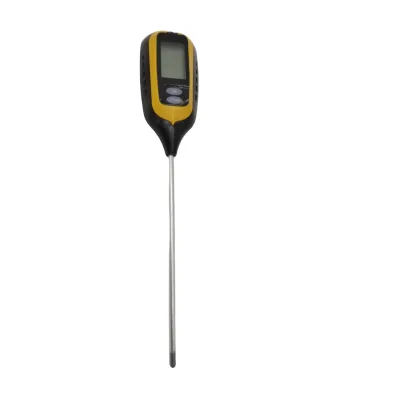
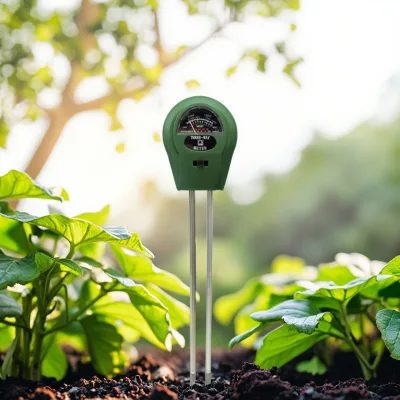
Portable Soil pH Meter Measure PH,Temperature, Light for Garden, Farm, Greenhouse
$1.3174 - $1.5434
MOQ: 5 pieces
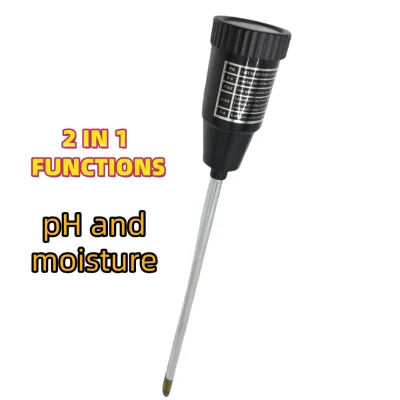
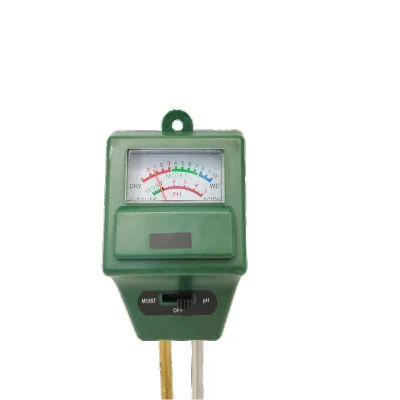
Soil Moisture Meter 3 in 1 Tester pH Moisture Soil Meter for Acid-Base Measurement Dry Wet
$1.40 - $1.72
MOQ: 1 pieces
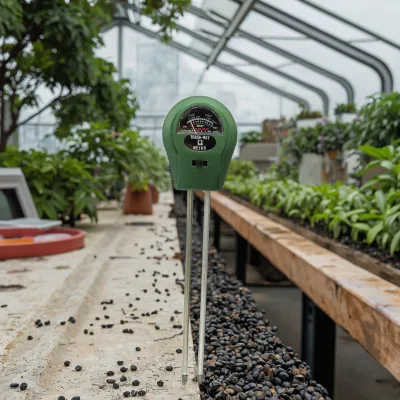
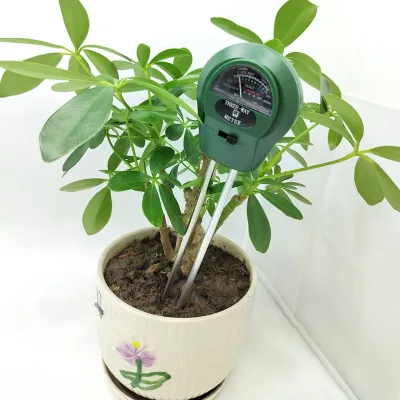
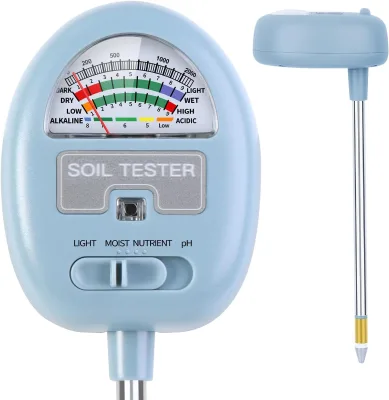
Soil Tester Alkaline Wet Dry Dark Light Moist Soil Meter for Vegetable Plant Garden Flower
$1.3248 - $1.5524
MOQ: 5 pieces
- Verified by TüVRheinland
- Trading Company
- Lead time15 days
- Avg. response≤ 2h
Main productsAir Gas Sensor, Soil Sensors, Water Flow Sensors, Water Quality Sensors, Weather Station Sensors
Main marketsSoutheast Asia(25%), North America(20%), Eastern Europe(15%)
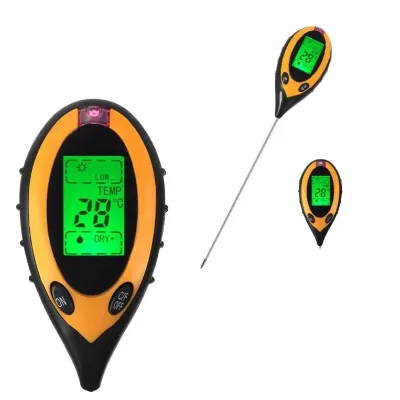
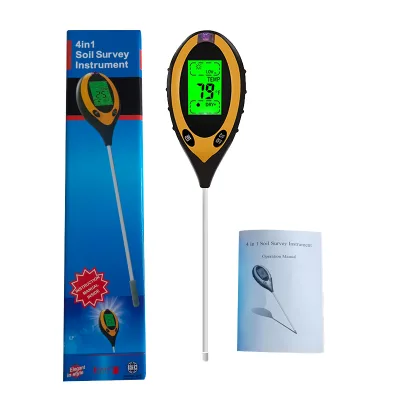
$5.1272 - $6.1527
MOQ: 1 Minimum
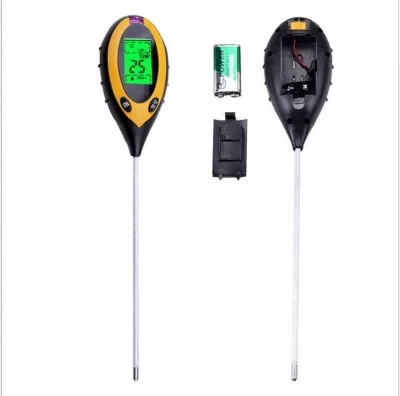
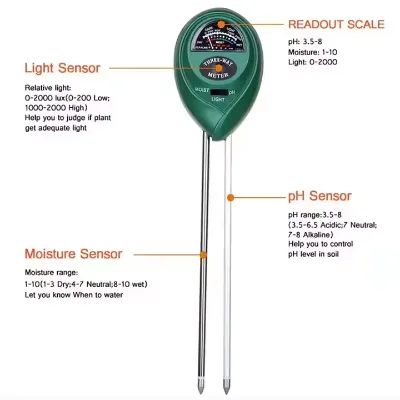
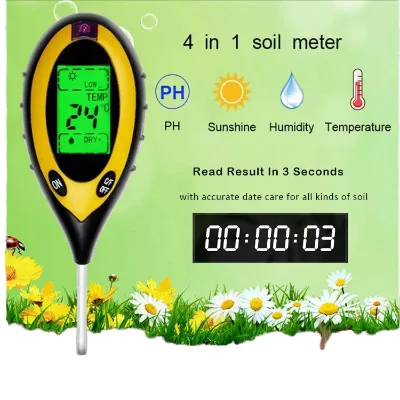
$5.4356 - $6.4611
MOQ: 1 Minimum
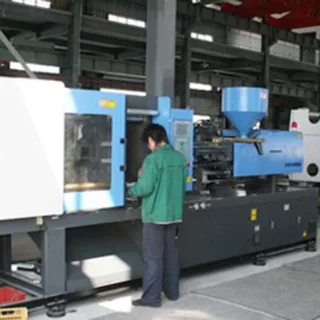
Yuyao City Simen Jindong Electrical Factory
- Manufacturer
- Zhejiang, China
- Lead time14 days
- Avg. response≤ 2h
Main productsSoil tester,soil moisture meter,soil ph meter,car cleaner,car air compressor
Main marketsNorth America(36.67%), Western Europe(16.67%), Eastern Europe(16.67%), South America(16.67%)
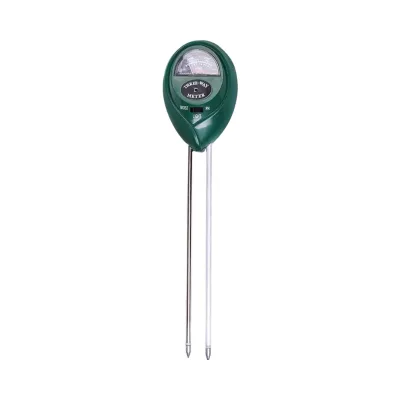
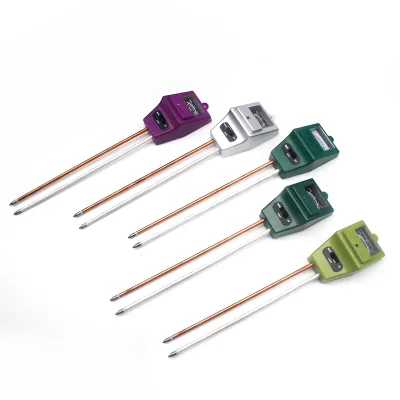
$1.7036 - $1.9087
MOQ: 100 pieces
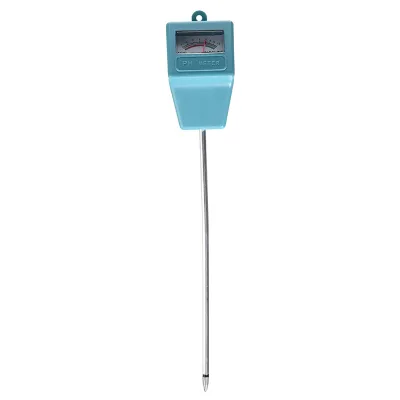

Chengdu Sentec Technology Co., Ltd.
- Trading Company
- Sichuan, China
- Lead time5 days
- Avg. response≤ 7h
Main productssoil sensor,temperature&humidity sensor,PM gas sensor,light and solar radiation sensor,wind sensor
Main marketsCentral America(10.00%), Mid East(10.00%), Oceania(10.00%), Western Europe(10.00%), Southeast Asia(10.00%), Eastern Europe(10.00%), South America(10.00%), North America(10.00%), Southern Europe(5.00%), Northern Europe(5.00%), Eastern Asia(5.00%), Africa(5.00%)
Haosen (Shenzhen) Electronics Co., Ltd.
- Manufacturer
- Guangdong, China
- Lead time5 days
- Avg. response≤ 2h
Main productsIndustrial infrared thermometer,Moisture Meter,Refractometer,Battery Charger,Battery Tester
Main marketsNorth America(30.00%), Western Europe(20.00%), South America(15.00%), South Asia(10.00%), Eastern Europe(10.00%), Northern Europe(10.00%), Southern Europe(5.00%)
Shenzhen iSmart Electronic Co., Ltd.
- Verified by Intertek
- Trading Company
- Lead time0 days
- Avg. response≤ 2h
Main productsSensor Module, Power supply converter, Hardware Tools, Educational equipment, Temperature controller
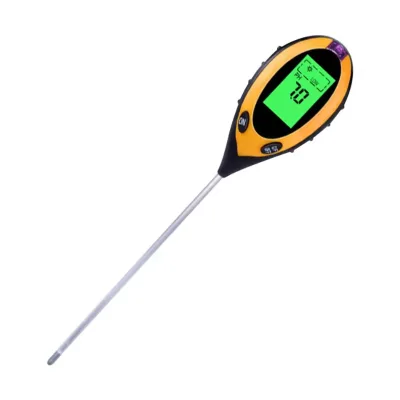
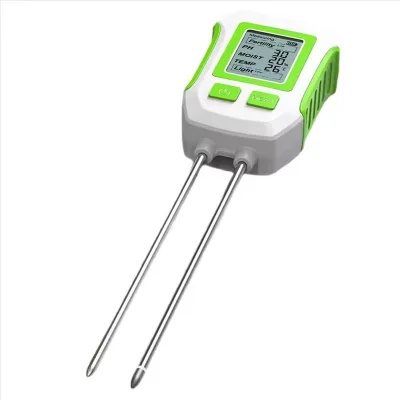
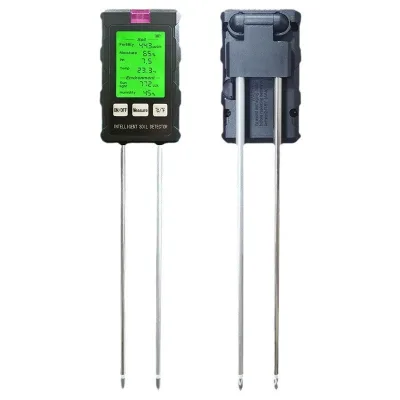
$11.8009 - $13.1347
MOQ: 1 pieces

Qingdao Tlead International Co., Ltd.
- Trading Company
- China Shandong
- Lead time23 days
- Avg. response≤ 25h
Main productspH Meters, Counter Meters, Arbor Press, Tools, Ddvp
Main marketsSouth America,Africa,Southeast Asia/ Mideast,East Asia(Japan/ South Korea),Europe,Australia,North America
Desaifu Precision Measuring Instrument (shenzhen) Co., Ltd.
- Verified by SGS Group
- Manufacturer, Trading Company
- Lead time30 days
- Avg. response≤ 7h
Main productsThermal Imager, Hardness Tester, Viscometer, Electric Surfboard, Diving Equipment
- Verified by TüVRheinland
- Trading Company
- Lead time10 days
- Avg. response≤ 2h
Main productsPH Meter, Mosisture Meters, Temperature Meters, Refractometers, Measuring & Analysing Instrument Stock
Main marketsWestern Europe(45%), North America(35%), South America(3%)
Actol (shenzhen) Technology Co., Ltd.
- Manufacturer
- Guangdong, China
- Lead time1 days
- Avg. response≤ 2h
Main productsSoil meter,Aquarium fish tank monitor,Hydroponic water quality monitor,Swimming pool water quality monitor,Drinking water quality detector
Main marketsNorth America(25.00%), Oceania(10.00%), Western Europe(10.00%), Southeast Asia(10.00%), Eastern Europe(10.00%), South America(10.00%), Eastern Asia(8.00%), Southern Europe(5.00%), Northern Europe(4.00%), Mid East(2.00%), Domestic Market(2.00%), Central America(2.00%), Africa(1.00%), South Asia(1.00%)

Changzhou KB Instruments & Meter Co., Ltd.
- Trading Company
- China Jiangsu
- Lead time30 days
- Avg. response≤ 4h
Main productsPressure Gauge, Manometer, V Line Thermometer, Industrial Thermometer, Bimetal Thermometer, Exhaust Gas Thermometer, Digital Pressure Gauge, Digital Thermometer, Nautical Barometer, Nautical Quartz Clock
Main marketsAfrica,Southeast Asia/ Mideast,East Asia(Japan/ South Korea),Domestic,Europe,Australia
Shenzhen J And R Electronic Co., Ltd.
- Manufacturer
- Guangdong, China
- Lead time15 days
- Avg. response≤ 4h
Main productsHousehold Scale,Kitchen Timer,Thermometer,PH Meter,Soil Tester
Main marketsNorth America(30.00%), Western Europe(25.00%), Eastern Asia(10.00%), Southern Europe(10.00%), Oceania(5.00%), South America(5.00%), Northern Europe(3.00%), Mid East(3.00%), Domestic Market(2.00%), South Asia(2.00%), Eastern Europe(2.00%), Southeast Asia(1.00%), Central America(1.00%), Africa(1.00%)
Ningbo Kairuida Import Export Co., Ltd.
- Trading Company
- Zj, China
- Lead time60 days
- Avg. response≤ 1h
Main productsindoor and outdoor environmental thermometers and hygrometers,barbecue thermometers,swimming pool thermometers,garden thermometers,kitchen power tools
Main marketsNorth America(50.00%), Western Europe(30.00%), Northern Europe(10.00%), South America(10.00%)
Guangzhou Yuanze Industry And Trade Co., Ltd.
- Manufacturer, Trading Company
- Guangdong, China
- Lead time0 days
- Avg. response≤ 1h
Main productssoil tester,soil ph tester,soil moisture meter,soil ph meter,moisture meter for plants
Main marketsNorth America(50.00%), Central America(20.00%), South America(20.00%), Eastern Europe(10.00%)
Shenzhen Yago Technology Limited
- Manufacturer
- Guangdong, China
- Lead time10 days
- Avg. response≤ 9h
Main productsph meter,soil ph meter,refractometer,Patio Sprinkler Timer,moiture meter
Main marketsWestern Europe(60.00%), North America(10.00%), Africa(10.00%), Eastern Europe(10.00%), South America(10.00%)
Jilin Hongyi Bio-Tech Co., Ltd.
- Verified by TüVRheinland
- Trading Company
- Lead time15 days
- Avg. response≤ 2h
Main productsUrine Test Strips, Water Test Strips, Urine Analyzer, Rapid Test Kit, Home Health Test Kit
Main marketsNorth America(40%), Eastern Europe(15%), South America(10%)
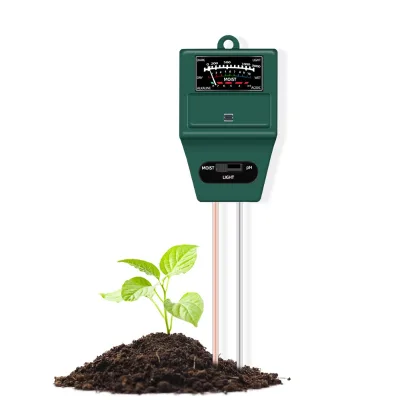
$1.7949 - $2.3593
MOQ: 100 pieces
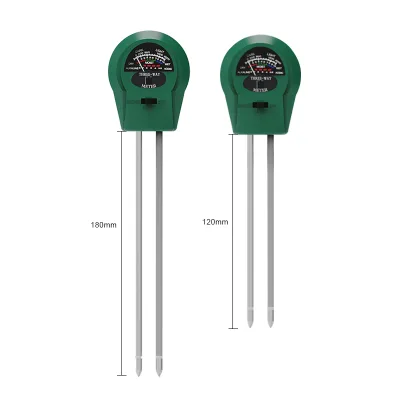
3 in 1 Soil Moisture Meter for House Plants, Soil pH Meter No Batteries Required
$1.00 - $1.10
MOQ: 10 pieces
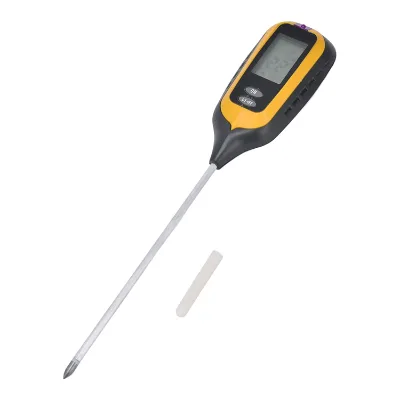
Industrial Use 4 in 1 Soil pH/Thermometer Hygrometer for Garden Park Vegetable Field
$2.30 - $2.50
MOQ: 50 pieces
Shenzhen Wanbang Environmental Protection Technology Co., Ltd.
- Verified by SGS Group
- Manufacturer, Trading Company
- Lead time3 days
- Avg. response≤ 2h
Main productsWater Quality Testing Pen, Soil Tester, Water Purifier Control Board, Hygrothermograph, Percolator


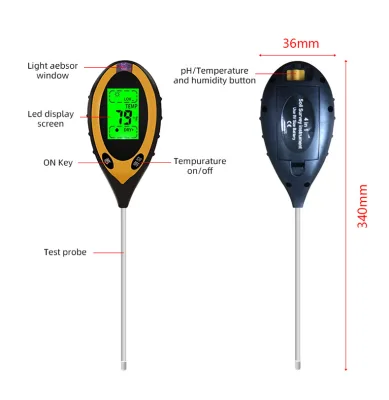


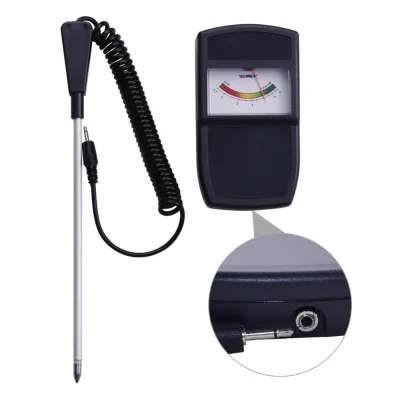
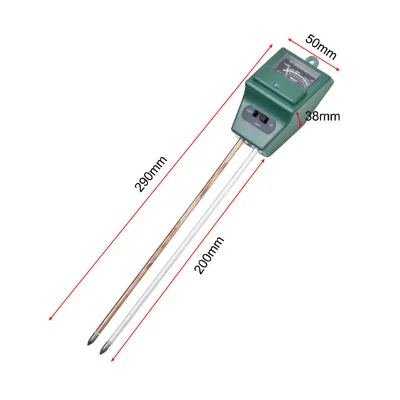
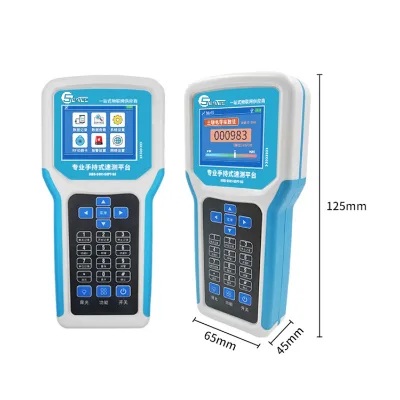


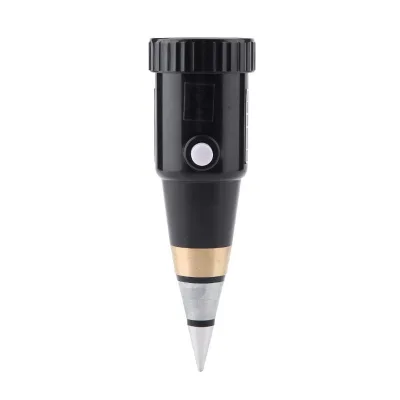
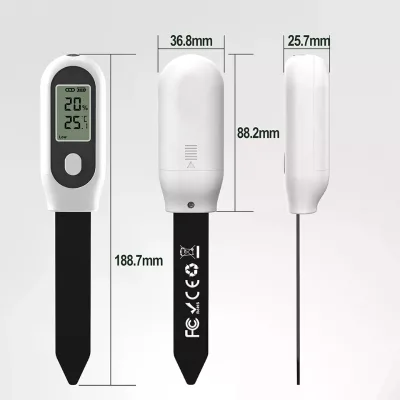
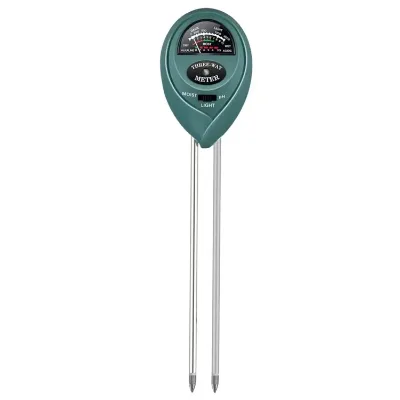
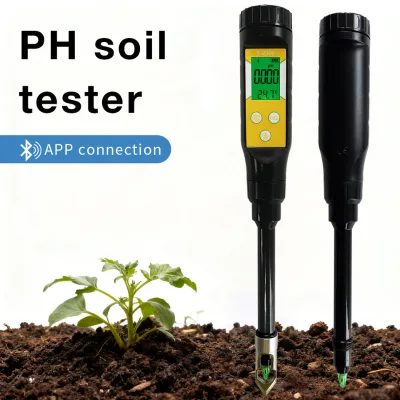


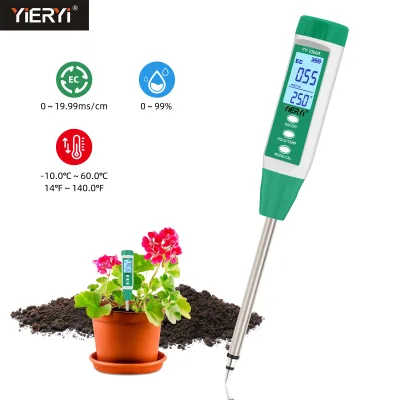
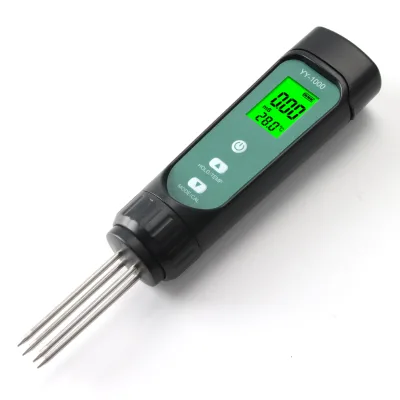
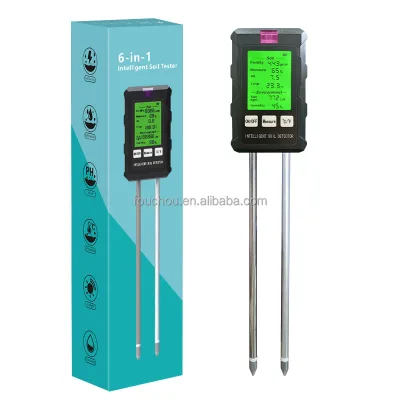
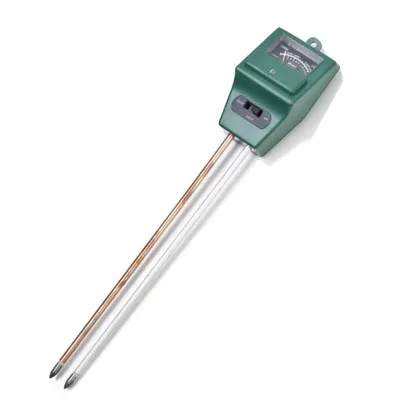
Comprehensive Sourcing Guide
Soil Moisture Light PH Meter Supplier Concentration and Factory Types
Current data indicates a concentration of suppliers in China, specifically within the Henan and Zhejiang provinces, alongside facilities in Jiangsu. These regions host a mix of combined entities that function as both manufacturers and trading companies, offering diverse sourcing options for Soil Moisture Light PH Meter products. The presence of combined company types suggests that buyers may encounter suppliers capable of handling both direct production and broader distribution networks. This structural variety allows for flexibility in order sizes and customization requirements, though it necessitates careful verification of the actual manufacturing capability behind the sales interface.
When evaluating these clusters, buyers should prioritize understanding the specific operational model of each supplier rather than assuming a uniform factory type. Some suppliers in these regions may focus heavily on Original Design Manufacturing (ODM) and Original Equipment Manufacturing (OEM) services, while others might emphasize their own brand products. The main product lists often include related agricultural testing instruments, indicating that these facilities possess specialized expertise in soil analysis equipment. Buyers must confirm whether the supplier's primary focus aligns with their specific volume needs and technical specifications, as the presence of a trading company component might influence lead times and direct communication channels with the production floor.
How to Verify Soil Moisture Light PH Meter Suppliers
Verification of supplier credentials is critical when sourcing Soil Moisture Light PH Meter devices, as the market contains various levels of certification and operational transparency. Some suppliers display verification badges from recognized third-party agencies, such as SGS, which serves as an initial indicator of business legitimacy. Additionally, product attributes often list specific certifications like CE or ISO9001 Quality Certificates, which buyers should cross-reference against the supplier's official documentation. It is essential to request current certificates directly from the supplier rather than relying solely on displayed badges, as these documents provide concrete proof of compliance with international safety and quality standards.
Beyond certifications, buyers must assess the responsiveness and reliability of the supplier through direct interaction metrics. Response times vary significantly across the supplier base, with some entities demonstrating rapid communication within a few hours, while others may take longer to reply. A supplier with a verified status and a quick response time often indicates a more organized sales and support structure. Buyers should also examine the supplier's main product portfolio to ensure they specialize in soil testing instruments rather than offering a scattered range of unrelated goods. This specialization often correlates with deeper technical knowledge and better after-sales support for complex agricultural sensors.
What to Compare Across Soil Moisture Light PH Meter Suppliers
Comparing suppliers requires a systematic evaluation of key operational metrics such as lead time, minimum order quantity, and pricing structures. Lead times can range from immediate availability to thirty days, depending on the supplier's inventory status and production capacity. Some suppliers offer a lead time of zero days, suggesting ready-to-ship stock, while others require a month for manufacturing. Minimum order quantities also vary, with some suppliers accepting single-unit orders while others require a batch of three or more units. Buyers must align these constraints with their procurement strategy to avoid unnecessary inventory costs or delays in project timelines.
Pricing and customization capabilities are equally vital factors in the comparison process. Unit prices for soil moisture light ph meters can differ based on the specific model, features, and order volume, with ranges observed from a few dollars to several hundred dollars per unit. Suppliers offering OEM and ODM support provide greater flexibility for branding and technical customization, which is crucial for buyers seeking private label solutions. Additionally, the presence of specific product attributes like temperature compensation ranges or pH accuracy levels should be compared to ensure the device meets the precise agricultural requirements of the target market. Buyers should create a standardized comparison matrix to objectively rank suppliers based on these tangible data points.
Common Soil Moisture Light PH Meter Sourcing Risks
One significant risk in sourcing Soil Moisture Light PH Meter devices involves the discrepancy between advertised specifications and actual product performance. While product listings may claim high precision or specific measurement ranges, buyers must verify these claims through independent testing or sample orders. Inaccurate sensor data can lead to flawed agricultural decisions, making it imperative to validate the technical claims before committing to large orders. Buyers should request detailed product data sheets and, if possible, arrange for third-party testing to confirm the accuracy of pH, moisture, and light measurements.
Another risk pertains to supply chain stability and the reliability of delivery timelines. Suppliers with longer lead times or those operating as trading companies without direct factory control may face delays due to production bottlenecks or logistical issues. The variation in lead times, from zero days to thirty days, highlights the importance of confirming the current production status before placing an order. Furthermore, the lack of standardized packaging or unclear shipping terms can lead to product damage during transit. Buyers should explicitly discuss packaging standards and shipping insurance options to mitigate the risk of receiving damaged or non-functional units upon arrival.
Soil Moisture Light PH Meter Regional Sourcing and Logistics
Sourcing from specific regions in China, such as Henan, Zhejiang, and Jiangsu, offers distinct logistical advantages and challenges. Suppliers in these provinces often benefit from established industrial clusters and efficient local infrastructure, which can facilitate faster production and shipping. However, the distance from the buyer's location will significantly impact shipping costs and transit times. Buyers should calculate the total landed cost, including freight, duties, and insurance, to ensure the regional price advantage is not eroded by high logistics expenses. Understanding the specific port of origin for each supplier is essential for accurate freight estimation and customs clearance planning.
Logistics planning also involves coordinating with suppliers regarding packaging and labeling requirements to ensure compliance with destination country regulations. Some suppliers offer standard carton packaging, while others may provide customized packing solutions upon request. Buyers must verify the dimensions and weight of the packaged units, as these factors directly influence shipping volume and cost. Additionally, the supplier's ability to handle export documentation and provide necessary certificates of origin is crucial for smooth customs clearance. Establishing clear communication channels regarding logistics responsibilities helps prevent delays and ensures that the Soil Moisture Light PH Meter devices arrive in optimal condition.
Soil Moisture Light PH Meter Commercial Terms and Order Planning
Commercial terms for Soil Moisture Light PH Meter orders often include specific conditions regarding payment, delivery, and customization. Buyers should carefully review the minimum order quantity and pricing tiers to optimize their procurement budget. Some suppliers offer flexible pricing based on order volume, while others maintain fixed rates regardless of quantity. Understanding these terms allows buyers to negotiate effectively and plan their inventory levels accordingly. Additionally, the availability of customization services, such as OEM branding or specific sensor configurations, should be confirmed early in the negotiation process to avoid unexpected costs or delays.
Order planning must also account for the supplier's response time and production capacity to ensure timely delivery. Suppliers with faster response times can often accommodate urgent orders or last-minute changes more effectively. Buyers should establish a clear timeline for the entire procurement process, from initial inquiry to final delivery, and communicate this timeline to the supplier. It is also advisable to discuss potential risks and contingency plans, such as alternative shipping methods or backup suppliers, to mitigate the impact of unforeseen disruptions. By integrating these commercial and logistical considerations into a comprehensive order plan, buyers can secure a reliable supply of high-quality Soil Moisture Light PH Meter devices.
FAQs
What is the price range for soil moisture and pH meters?
Prices for these meters typically range from $2.88 to $500.00 depending on features and certification. Basic models start around $2.88, while specialized units with temperature compensation and sunlight analysis cost between $40.90 and $55.00. High-precision sensors with ISO certification may reach $300.00 to $500.00.
What are the minimum order quantities for these meters?
Minimum order quantities vary by supplier and product type. Some suppliers require a minimum of one unit for testing purposes, while others set the threshold at three units. Buyers should verify specific MOQ requirements with individual suppliers before placing bulk orders to ensure alignment with their procurement needs.
How long does delivery take for soil testing instruments?
Lead times differ significantly among suppliers. Some manufacturers offer rapid delivery within one to three days, while others require up to fifteen days for standard production. Certain suppliers indicate a thirty-day lead time for larger orders. Buyers must confirm exact delivery schedules with the supplier to plan inventory effectively.
Which certifications are available for soil pH meters?
Common certifications include CE, ISO, and ISO9001 Quality Certificate. Some products are verified by SGS for quality assurance. Buyers should check product specifications for specific certification marks like CE or ISO to ensure compliance with regional standards and quality requirements for agricultural or laboratory use.
Where are these soil meters manufactured?
Manufacturing locations primarily include Henan, Zhejiang, and Jiangsu in China. Suppliers in these regions offer various models with different capabilities. Buyers can filter results by location to prioritize suppliers from specific provinces based on logistical preferences or regional sourcing strategies for their supply chain.
What pH ranges do these meters cover?
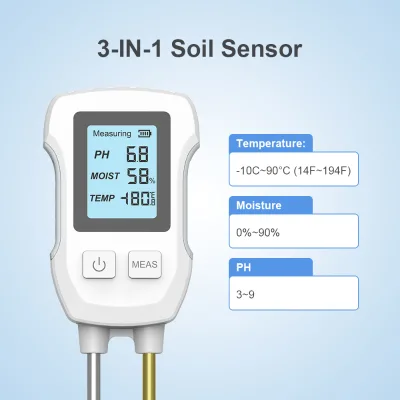
Meters generally cover ranges from 0.0 to 14.0 pH for comprehensive soil analysis. Some specialized models focus on narrower ranges, such as 3 to 8 pH, for specific agricultural applications. Accuracy levels vary, with some devices offering 0.2 pH precision. Buyers should select models based on their required measurement range and accuracy.